
Neo- the Norwegian Robot Taking Care of Housework

0

“Building a world where we do more of what we love, while our humanoid companions handle the rest,” states the Norwegian tech company 1X Technologies, which is launching Neo, the Norwegian robot taking care of housework.

1X Technologies is a Norwegian-American robotics and artificial intelligence company developing general-purpose humanoid robots for home environments. The company is headquartered in Palo Alto, California, with primary manufacturing operations in Hayward and additional manufacturing in Moss, Norway.

The company calls Neo the world’s first humanoid robot made for everyday consumers. 1X Technologies is an AI and robotics company on a mission to build a truly abundant society through general-purpose robots capable of performing any work autonomously.

Neo-  the Norwegian Robot Taking Care of Housework
Bernt Børnich, CEO and founder of 1X Technologies.

“Neo closes the gap between our imagination and the world we live in, to the point where we can actually ask a humanoid robot for help, and help is given,” says Bernt Børnich, CEO and founder of 1X, in a press release.

*********************************************
Related: Modular Construction: Scandinavia’s Answer to Urban Housing Challenges

*********************************************

“We believe that to understand the world and grow in intelligence truly, humanoid robots must live and learn alongside us. That’s why we’re focused on developing NEO—our flagship product—a friendly home robot designed to integrate seamlessly into everyday life and handle chores for you,” he adds.

1X Technologies was founded in 2014 by Norwegian roboticist Bernt Øivind Børnich under the name Halodi Robotics. The company initially focused on developing safe actuators and full-body control systems for industrial and healthcare robotics.

In 2018, it released its first humanoid robot, EVE, designed for logistics, security, and medical environments.

In 2022, the company rebranded as 1X Technologies and shifted its focus to domestic robotics, developing humanoid assistants for private homes.

In March 2023, 1X raised $23.5 million in Series A2 funding, led by the OpenAI Startup Fund, with participation from Tiger Global, Sandwater, Alliance Ventures, and Skagerak Capital.

Neo-  the Norwegian Robot Taking Care of Housework
Neo closes the gap between our imagination and the world we live in.

**********************************************
Related: Post-Pandemic Tech Investments: Where Scandinavian IT Companies are Allocating Resources

**********************************************

In 2024, the company introduced Neo Beta and shared the robot with the world for the first time, following a commitment to develop humanoids alongside humans.

Neo Gamma, launched this year, is the updated version of NEO, better suited for home use and bringing X1 one step closer to entering homes across the US.

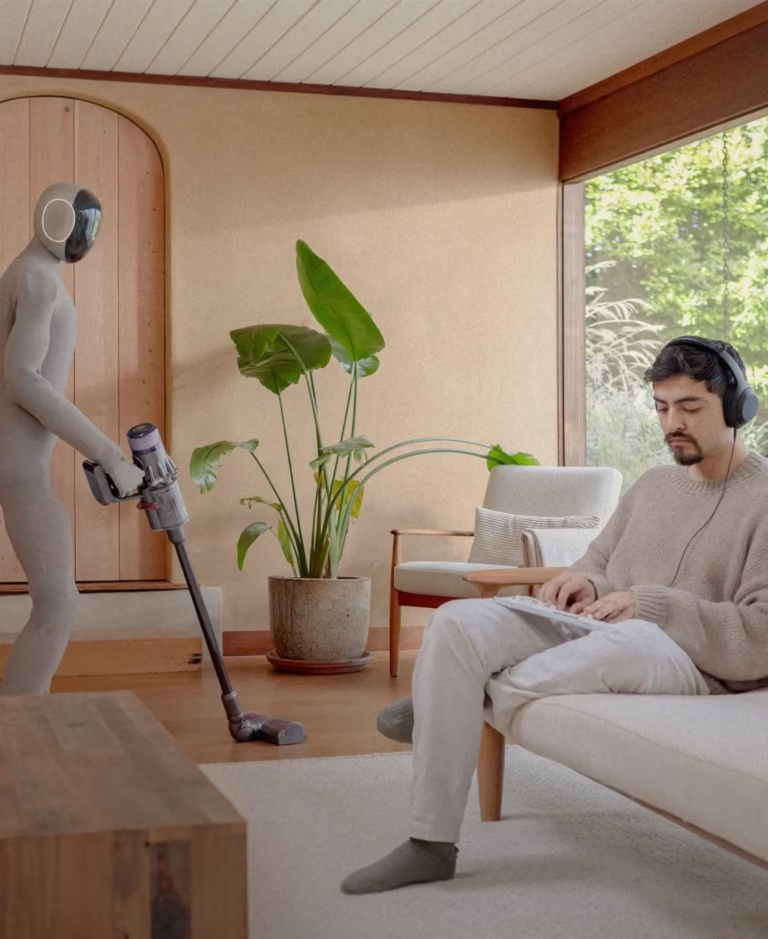
Neo has built-in artificial and visual intelligence that will allow it to have natural conversations, recognize ingredients, and suggest dishes to make.

Neo-  the Norwegian Robot Taking Care of Housework
Neo Gamma, launched this year, is the updated version of NEO, better suited for home use.

The robot comes in beige, gray, and dark brown. It weighs 30 kilograms, can lift 70 kilograms, and carry 25 kilograms. Neo can now be pre-ordered in the United States for $ 20,000, equivalent to approximately 200,000 Norwegian kroner, with delivery in 2026. Later, a subscription model will also be available for $ 499 per month.

The robot will be available in other markets from 2027, according to 1X. It is not known when it will be available in Norway.

Neo – the Norwegian Robot Taking Care of Housework, Tor Kjolberg reporting.
All illustrations © 1X Technologies.

The Swedish Researcher Who Never Ends Her Hunt for a Missing Hot-Air Balloon Expedition

0

Throughout her adult life, Swedish researcher Bea Uusma has followed in the footsteps of “the world’s most failed polar expedition.” The Swedish researcher never ends her hunt for a missing hot-air balloon expedition.

At the age of twelve, Swedish-Estonian Bea Uusma and her older sister wrote a song they called “Trikiner i det!”, intended for Eurovision. A few years earlier, ABBA had won the competition with a song about Napoleon’s defeat at Waterloo. Trikiner (Trichinosis) is a parasitic roundworm that infects animals and can be transmitted to humans if the meat they eat is not properly cooked.

The song refers to the polar bear meat that the Swedes Salomon Andrée, Nils Strindberg, and Knut Frænkel ate to survive what has been called the world’s most failed polar expedition, a hot air balloon trip to the North Pole that ended on Kvitøya, in the far north of Svalbard, in October 1897.

The Swedish Researcher Who Never Ends Her Hunt for a Missing Hot-Air Balloon Expedition
From Kvitøya

In the mid-1990s, she sought to learn what happened to the expedition’s members, and her research resulted in the book The Expedition, published in English by Head of Zeus in 2014, for which she was awarded The August Prize in 2013. The book explores the fate of Andrée’s balloon expedition.

Last year, in August, she and a group of researchers from the Norwegian Institute for Cultural Heritage Research and the University Museum of Bergen returned to Kvitøya in search of more answers about the ill-fated expedition.

Kvitøya is one of the most remote islands in the Svalbard archipelago. On this island, S.A. Andrée and his two expedition members landed after an unsuccessful attempt at becoming the first in the world to reach the North Pole by air.

The Swedish Researcher Who Never Ends Her Hunt for a Missing Hot-Air Balloon Expedition
The Andrée expedition

The Northeast and Northwest Passages had already been conquered. Leaving only the North Pole remained to be reached. Previous expeditions had attempted to get to the pole by ship but had to turn back due to sea ice. Andrée, a forward-thinking Swedish engineer, aimed to fly to the North Pole with a hydrogen balloon, crossing the ice from above. In 1897, they set out from Virgohamna on the northwest coast of Spitsbergen, Svalbard’s largest island. However, they disappeared without a trace.

“I’ve been trying to solve the medical polar-historical puzzle about what happened to the Andrée expedition for two decades. Thirty-three years later, the remains of their last camp were found frozen in the snow and ice on a remote island in the middle of the Arctic Ocean. When they finally set foot on Kvitøya, they had all they required to survive the winter. But despite warm clothes, supplies, and working rifles, they perished on the island, one by one. What happened?” asks Uusma.

The Swedish Researcher Who Never Ends Her Hunt for a Missing Hot-Air Balloon Expedition
The German edition of The Expedition

The 2024 project was a collaboration between polar researcher Anne-Cathrine Flyen, archaeologist and drone pilot Jani Causevic from NIKU, and Dr. Bea Uusma, a physician at Karolinska Institutet in Stockholm. Dr. Uusma has researched the cause of death of the Andrée expedition for two decades and is the author of the award-winning factual book ‘Expeditionen,’ published in 13 countries. Dr. Björn Nilsson, archaeologist and department head at the Department of Cultural History, University Museum in Bergen, and Dr. Clara Alfsdotter, forensic osteologist and archaeologist, are also part of Dr. Uusma’s team. Additionally, two archaeology dogs participated in the expedition and fieldwork on Kvitøya.
However, due to six polar bears permanently in the area, no landing was possible, and the team was unable to visit the site. Thus, documentation was made with video and photographs taken from the air/ drone. Both the site itself and the nearby area were documented from the drone.

“The Andrée expedition is my life project, and it never seems to come to an end. The more I learn, the more I realize I don’t know,” says Bea Uusma, still searching for answers.

The Swedish Researcher Who Never Ends Her Hunt for a Missing Hot-Air Balloon Expedition, written by Tor Kjolberg.

Swedish Fashion Company Promotes “the Pursuit of Less”

0

The Swedish fashion company Asket’s new ambition is to promote its philosophy, “the pursuit of less”.

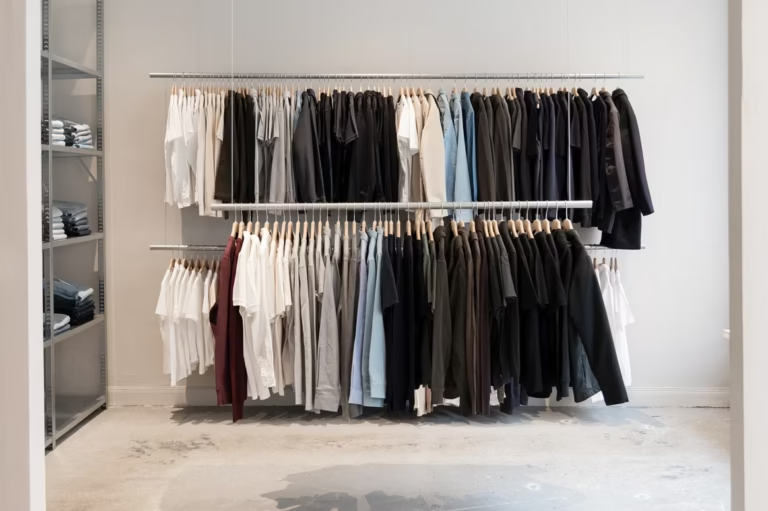
This Autumn, the company is releasing its 50th and final product for men: a pair of Italian merino-wool trousers. Asket’s philosophy focuses on radical transparency, longevity, and sustainability to encourage mindful consumption. Key elements include providing an Impact Receipt detailing the environmental cost of each garment, a permanent collection of timeless basics with no seasonal sales, and a circular model with resale and repair services.
According to the company’s website, it creates and continuously refines a single permanent collection: A strictly limited range of timeless essentials, crafted exclusively in Europe from natural fibers. Proud of the materials, mills, and manufacturers, the company traces its garments back to the farms and invites customers to explore precisely how, where, and at what cost they’re made.
*******************************************
Related: Your Ultimate Goal to Swedish Fashion
********************************************

Swedish Fashion Company Promotes “the Pursuit of Less”
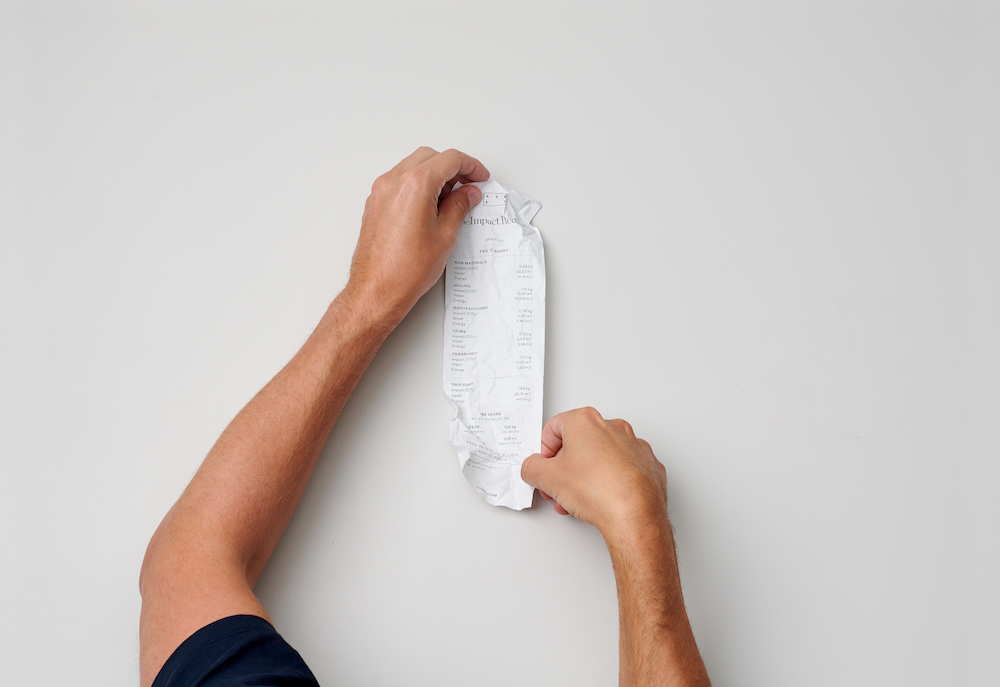
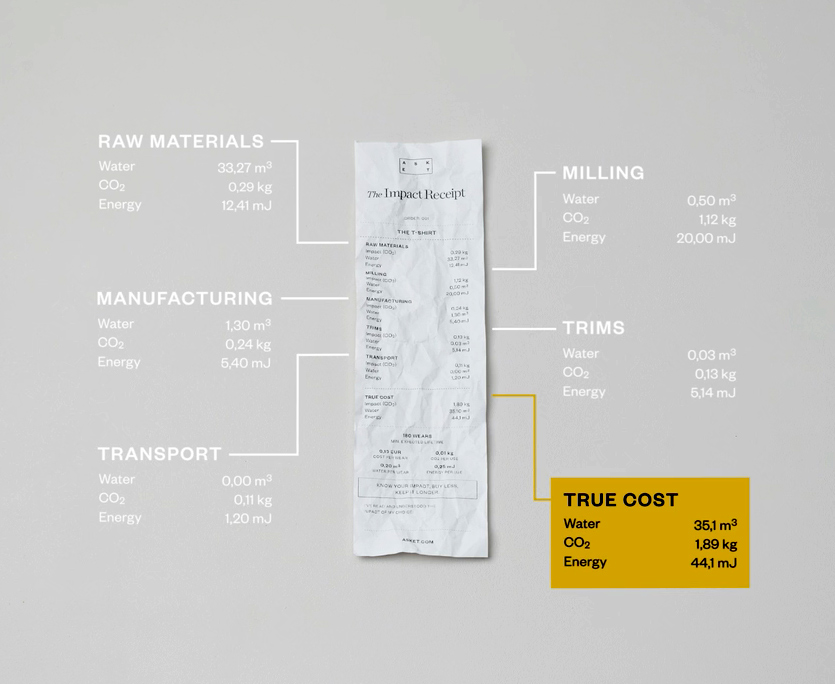
Key elements include providing an Impact Receipt detailing the environmental cost of each garment.

Aiming to refine its collection into a permanent catalogue

Tasket now aims to refine its collection into a permanent catalogue. Instead of chasing novelty for the sake of capturing customer interest, it seeks to perfect the manufacturing of every piece. In other words, Asket is eschewing a business model followed by pretty much every fashion brand.

Core strategic pillars

  • Radical transparency: Asket provides complete transparency on its supply chain, detailing costs, origins, and environmental impact for each product.
  • The Impact Receipt: Customers receive a receipt that shows the water, energy, and CO2e emissions for each garment, aiming to change consumer perception of clothing value and encourage more sustainable choices.
  • Permanent collection: The brand offers a permanent collection of high-quality essentials designed for longevity, with no seasonal collections or sales.
  • Circularity: Asket promotes a circular model through a take-back program for loyal customers and a resale model to make high-quality basics more accessible.
  • Longevity and quality: The brand emphasizes durability and timeless design, encouraging customers to buy fewer, longer-lasting items and see them as investments rather than disposable goods.
  • Education and empowerment: Asket aims to educate consumers about the actual cost of clothing, empowering them to make more conscious purchasing decisions and appreciate their garments more deeply.
Swedish Fashion Company Promotes “the Pursuit of Less”
Instead of chasing novelty for the sake of capturing customer interest, Tasket seeks to perfect the manufacturing of every piece.

********************************************
Related: Swedish Outdoor Clothing Company Navigating in Challenging Terrain

********************************************

Swedish Fashion Company Promotes “the Pursuit of Less”
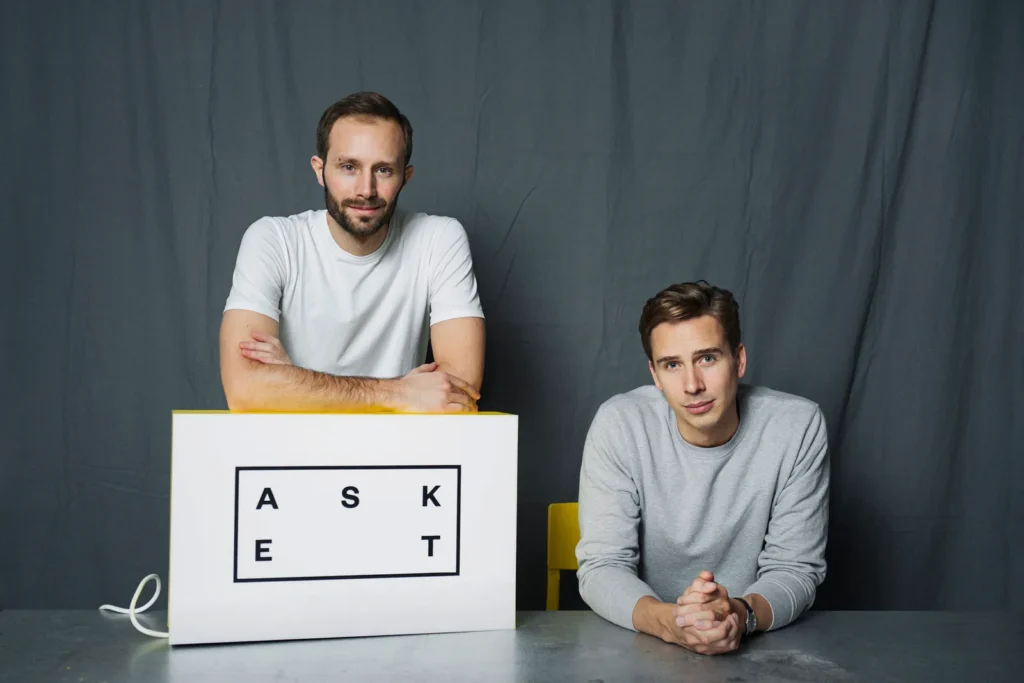
Asket was founded in 2015 by Bard Bringeus and Jakob Dworsky.

Leaving footprints

Asket reports annually on the resources the company consumes and the footprint it leaves as a business, taking into account the impact from upstream and downstream activities. Find the latest impact report below.

View the latest report.

Swedish Fashion Company Promotes “the Pursuit of Less”, Tor Kjolberg reporting.
All images © Asket.

Critically Acclaimed Swedish Filmmaker Criticizes Government-Funded Projects

In 2014, Ruben Östlund’s feature film “Force Majeure” won the Jury Prize in the prestigious “Un Certain Regard” side program at the Cannes Film Festival. It was also Sweden’s Oscar nominee. Now, the critically acclaimed Swedish filmmaker criticizes government-funded projects.

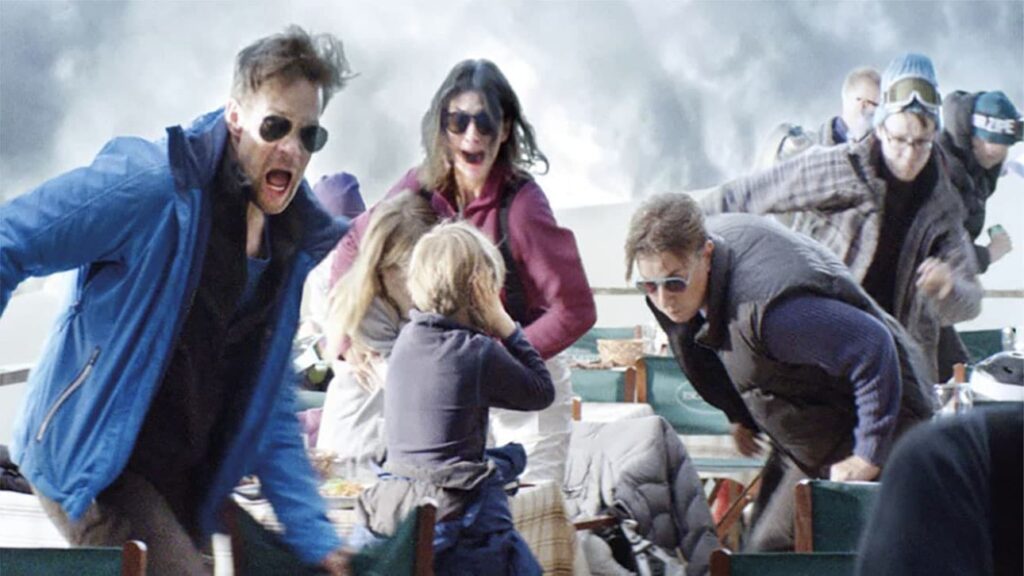
“Force Majeure” is about a Norwegian/Swedish couple in their late 30s on a skiing holiday at a luxury hotel in the Alps with their two children. The core family is sitting outside having lunch in idyllic surroundings when suddenly a spectacular avalanche comes down the mountainside. A fantastic sight, everyone takes pictures and films, until they realize that the avalanche will not stop, but will thunder over them. Panic and chaos ensue. Suddenly, the father runs in desperation from the family to save his own life. Then the avalanche stops. Everyone survives. What now?

Critically Acclaimed Swedish Filmmaker Criticizes Government-Funded Projects
Screenshot from Force Majeur (2014)

A follow-up to his Cannes hit “Force Majeure”, his sixth feature, seemed to be one of his most ambitious movies so far. The film titled “The Square” (2017) follows an ambitious museum director (Claes Bang), who is preparing to make a significant impact with a new exhibit. Ruben Östlund was shooting this film in Stockholm, Gothenburg, and Berlin.

This year, Ruben Östlund completed filming in Budapest for his long-awaited movie, The Entertainment System Is Down.

Critically Acclaimed Swedish Filmmaker Criticizes Government-Funded Projects
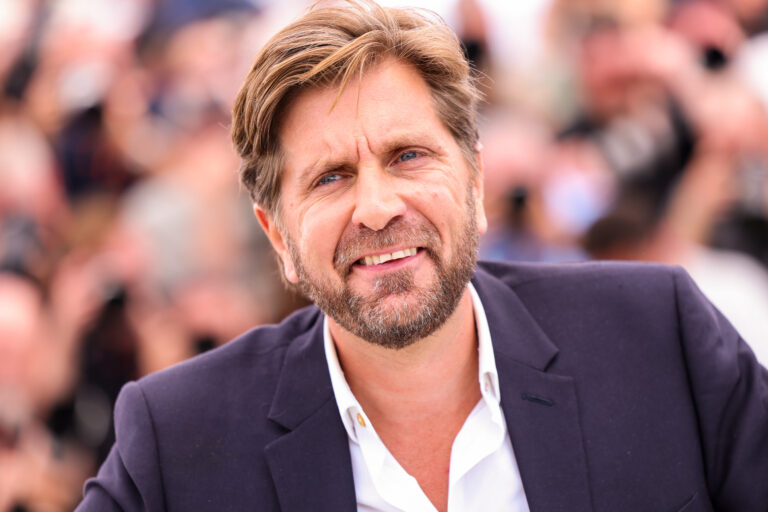
Ruben Östlund has been likened to Sweden’s new Ingmar Bergman. Photo: Wikipedia.

The dark satire, set on a long-haul flight between England and Australia where the entertainment system fails and passengers are forced to face the horror of being bored, was shot in the Hungarian capital over 70 days from January to May.

In addition to the key cast, which includes Keanu Reeves, Kirsten Dunst, Daniel Bruhl, Nicholas Braun, Tobias Menzies, and Julie Delpy, the film features 150 extras. All of these background artists had to remain in the same seat for continuity. Östlund says that some of them appear in the movie for longer than several named cast members, despite the extras not having any dialogue.

Ruben Östlund has been likened to Sweden’s new Ingmar Bergman, a new Roy Andersson. However, Östlund was never a filmmaker, not one of the young students who sat around studying Godard, Truffaut, or Swedish role models when he began film school in Gothenburg at the age of 25. He had spent several years making ski films and was himself a skilled skier, spending entire seasons in Val d’Isère from his late teens.

“The Entertainment System Is Down”  marks Östlund’s second English-language film and seventh feature after The Guitar Mongoloid (2004), Involuntary (2008), Play (2011), Force Majeure (2014), and his two Palme d’Or winners, The Square (2017) and Triangle of Sadness (2022).

Critically Acclaimed Swedish Filmmaker Criticizes Government-Funded Projects
“The Entertainment System Is Down” marks Östlund’s second English-language film and seventh feature after The Guitar.

A report on how to revitalize the Swedish film industry, led by Eva Bergquist, Director of Culture in the Greater Stockholm Metropolitan Area, was published in March this year. The report was based on an inquiry for which Östlund was one of several experts.

“A problem for Sweden and Europe in general is the state-funded system,” said Östlund in Slano. “Which is great for freedom of expression, but bad in that as soon as we get money from the state, we are economically safe, so you don’t have to push all the way to reach the audience, and we have a bit less of a connection with them.”

Earlier this year, Östlund was critical of a speech made by the country’s cultural minister, Parisa Liljestrand, at the opening night of the Gothenburg Film Festival, for which Östlund is president. He also called the country’s cultural policy “embarrassingly uneducated”.

“Making films adds more problems to life, making it more of a struggle, but it also becomes a more intense life. And isn’t that what we’re looking for?” questions Östlund.

Critically Acclaimed Swedish Filmmaker Criticizes Government-Funded Projects, Tor Kjolberg reporting.

Feature image (top) © IMDb

The Nordics and Japan are Intensifying Collaboration on the Batteries of the Future

Demand for batteries is growing explosively, a trend driven by electrification, the green transition, and the need for energy security. Now, the Nordics and Japan are intensifying collaboration on the batteries of the future.

 The Nordic Region and Japan face a common challenge: how to build robust, sustainable, and innovative value chains that deliver on both competitiveness and climate ambitions.

Nordic Battery Day, an event held in the Nordic Pavilion at EXPO 2025 in Osaka, showcased how the Nordics and Japan can complement each other. The Nordic Region has expertise in sustainable mining, alternative materials, battery recycling, and circular solutions. At the same time, Japan is a global leader in battery production, automation, and advanced R&D. Together, the two have what it takes to develop more sustainable supply chains, recycle more materials, accelerate innovation, and establish joint education and talent programs.

The Nordics and Japan are Intensifying Collaboration on the Batteries of the Future
Håkan Lind, senior adviser at Nordic Innovation (NI), took part in the event and stressed that the Nordic Region’s strength lies in the ability of the countries to work together

*****************************************
Related: EXPO 2025: Japanese Interest in Nordic Hydrogen and Other Energy Solutions

*****************************************

Nordic Innovation sets the framework

Håkan Lind, senior adviser at Nordic Innovation (NI), took part in the event and stressed that the Nordic Region’s strength lies in the ability of the countries to work together:

“We are five small countries, but together we generate results far greater than any of us could achieve on our own. That is the essence of Nordic co-operation – and what we bring with us to Japan.”

Nordic Innovation is a Nordic Council of Ministers’ body that acts as a catalyst for innovation and co-operation throughout the region. In recent years, NI has co-founded the Nordic Battery Collaboration, an initiative run by Business Finland, Business Sweden, and Innovation Norway. Its vision is to make the Nordic Region the home of the most sustainable, competitive, and innovative battery ecosystem in the world.

The Nordics and Japan are Intensifying Collaboration on the Batteries of the Future
Nordic Battery Day, an event held in the Nordic Pavilion at EXPO 2025 in Osaka.

*******************************************
Related: Vietnam and Norway – Partners in Energy Transition

*******************************************

From dialogue to action

The event coincided with the signing of new memoranda of understanding (MoUs) by Japanese and European industry organizations for the battery sector, marking a significant step from dialogue to action.

As Håkan Lind, senior adviser at NI, summed it up in his closing remarks:

The Nordics and Japan are Intensifying Collaboration on the Batteries of the Future
Nordic Innovation is a Nordic Council of Ministers’ body that acts as a catalyst for innovation and co-operation throughout the region.

“Japan and the Nordic Region share the same ambition: to make the battery value chain more sustainable, robust and innovative. This seminar has been an important step in the right direction, but what really matters will be the meetings, partnerships and projects that emerge as a result of it.”

The Nordics and Japan are Intensifying Collaboration on the Batteries of the Future, a press release from Nordic Co-operation.

Norway’s Scariest Hotel Room

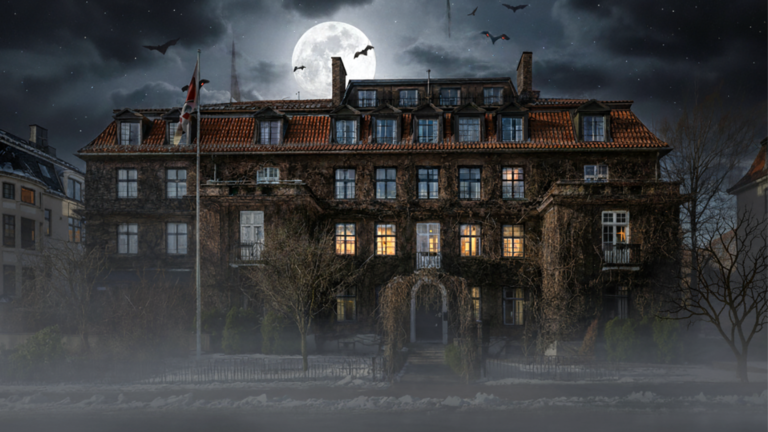
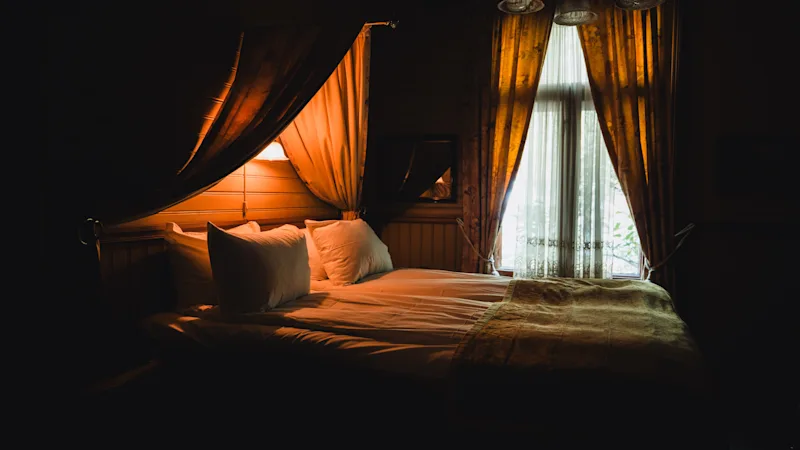
This year, Strawberry Group invites you to a Halloween celebration at Dalen Hotel in Telemark. It opens the doors to a unique Halloween room at one of Norway’s most haunted hotels. Experience Norway’s scariest hotel room.

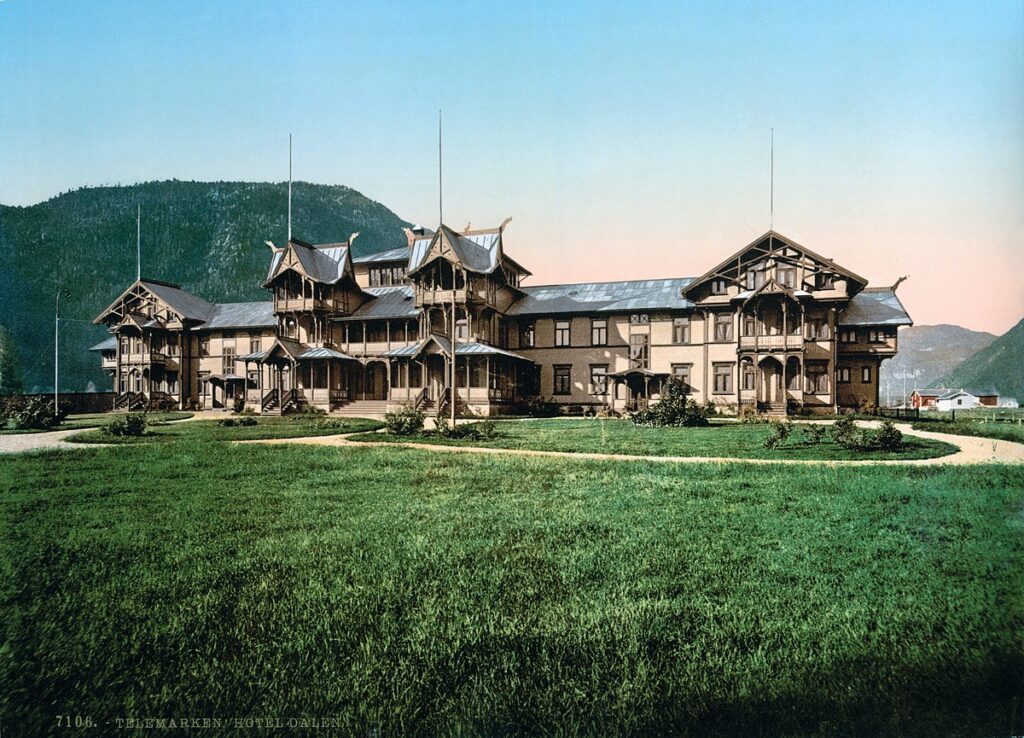
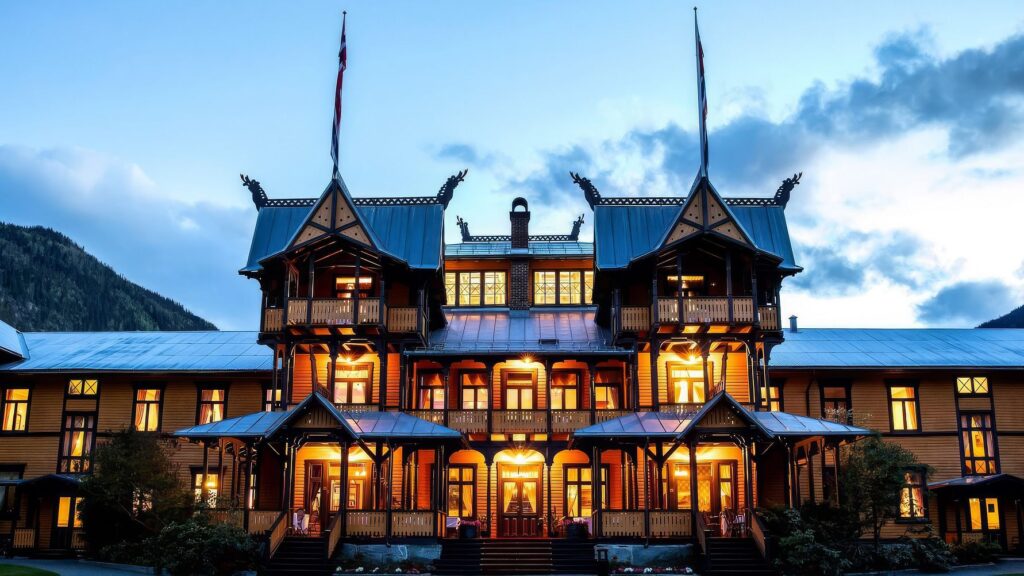
Dalen Hotel, which opened in 1894, is often referred to as the “fairytale hotel” due to its unique architecture and idyllic location by the Telemark Canal. Here, a story lives in the walls, and rumors say that the hotel is haunted. Over the years, both guests and employees have shared stories about unexplained sounds, figures, and strange events at the hotel.

Norway's Scariest Hotel Room
Dalen Hotel, which opened in 1894, is often referred to as the “fairytale hotel” due to its unique architecture and idyllic location by the Telemark Canal. Photo: Wikipedia.

“Dalen Hotel is truly a fairy tale hotel that has created experiences for generations. With us, there is room for everyone, both visible and invisible guests. Therefore, we couldn’t say no when Strawberry invited some brave guests to celebrate Halloween with us. We are looking forward to this, and most of all to creating an unforgettable and slightly different experience,” says Morten Leite, hotel director at Dalen Hotel.

**********************************************
Related: Five frightening fun reasons to celebrate Halloween in Denmark

**********************************************

Part of the Anycation concept

Earlier this year, Strawberry launched the Anycation concept, which aims to highlight the company’s portfolio of experiences with everything from accommodation, conferences, spas, to restaurant and food experiences across the Nordic region. Throughout the year, the company has explored various ideas and activities, with Spookcation being part of a concept that elevates the guest experience to new and somewhat unimagined heights.

Norway's Scariest Hotel Room
Spookcation is part of a concept that elevates the guest experience to new and somewhat unimagined heights.

“Halloween has become an increasingly important celebration in the Nordic region, and it fits perfectly with Anycation. We want our guests and members to experience more and find the holiday feeling more often, and we have seen significant effects from that so far,” concludes Orderud.

Norway's Scariest Hotel Room
rumors say that the hotel is haunted.

In addition to a significant activation in Norway and one in Sweden, there will be various activities and a whole Halloween atmosphere at several of the hotels in the company’s portfolio during the period. Among other things, you can check into an old prison in Finland at Home Hotel Katajanokka.

Norway’s Scariest Hotel Room, a press release from Mynewswire.

Bar Amour – A “Secret” Bar in Oslo

0

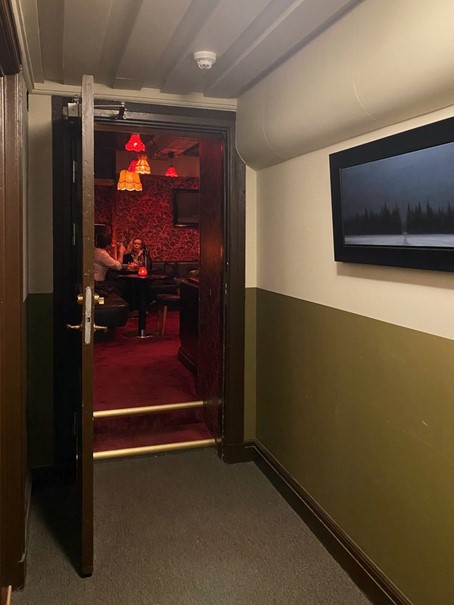
Behind a door, with the smell of pizza, Bar Amour is a “secret”, hidden bar on the second floor of the Tranen restaurant in Oslo.

The official opening of the Tranen restaurant in Oslo took place on 27 October 1921, and the newspaper Aftenposten mentioned the event in its edition the following day:

“A large group of invited ladies and gentlemen turned up at Waldemar Thranes gade 70 yesterday for dinner for the opening of the new folk restaurant, no. 8 in the row. The excellent premises were inspected, and the whole arrangement won everyone’s undivided approval. Several speeches were given, expressing the joy that this district now has a modern, affordable, and beautifully equipped folk restaurant.”

Bar Amour – A “Secret” Bar in Oslo
The artist Arnie “Skiffle Joe” Norse was a regular fixture for over 30 years. Photo: Olav Olsen/JazziNorge

The artist Arnie “Skiffle Joe” Norse was a regular fixture for over 30 years. Arnie played regularly at Tranen from about 1980 to 2012, initially six days a week, in recent years only on Fridays. In the 2000s, sales declined, and when the lease expired before Christmas in 2011, the owner, Omsorgsbygg, saw “no reason to renew” it.

Bar Amour – A “Secret” Bar in Oslo
The official opening of the Tranen restaurant in Oslo took place on 27 October 1921. Photo: Digital Museum

In the spring of 2012, the owners of Åpent Bakeri and Lofthus Samvirkelag took over, and in February 2013, Tranen reopened. There was a sale of baked goods from Åpent Bakeri during the day, alongside the restaurant’s operations. In the summer of 2015, the place was closed again.

Today, Tranen is a neighbourhood pizza restaurant in the Alexander Kiellands Plass area. The pizzas are consistently ranked among the top three to five in Oslo by nearly every pizza guide. And what better way to wash these slices of heaven than with some Burgundy from their extensive and ambitious wine list? The wine list not only holds top-tier Burgundy but also a fair share of natural wines – well-suited for this somewhat gentrified and vibey area of town.

Bar Amour – A “Secret” Bar in Oslo
In Bar Amour, you can enjoy high-quality food and drinks in romantic surroundings. Photo: MeravOslo

*******************************************
Related: Selected Cocktail Bars in Oslo
*******************************************

But behind a door and the smell of pizza, Bar Amour is hidden on the second floor of Tranen. Here you can enjoy high-quality food and drinks in romantic surroundings. According to Mer av Oslo, it’s no secret that the small restaurant is located up here, but it’s not easy to spot if you don’t know about it already! From the ceiling hang large and small lampshades that light up the otherwise dark room. The walls are covered in dark red wallpaper, and the place has a dark brown interior. The whole thing plays on the idea that the place is a hidden little cave above the otherwise quite open restaurant.

**************************
Related: Oslo Drink Hub
**************************

Bar Amour – A “Secret” Bar in Oslo
You can get wine by the glass and bottle Photo: FormandFunction

According to the bar’s website, its work is supported by a symbiosis of the complexity of both Portuguese and Norwegian culture and gastronomy.  Long-standing unspoken allies, we share a bond that is hard to quantify as Portugal relies on salted Norwegian cod for the foundations of one of its most well-known signature dishes, Bacalhau.

You can get wine by the glass and bottle, but the selection on the menu is clearly the largest if you go by the bottle. Regardless of the menu, the waiter will know what bottles have been opened at the bar and make suitable recommendations to your taste. The glasses priced on the menu are 150 kroner to 220 kroner.

Bar Amour – A “Secret” Bar in Oslo, Tor Kjolberg reporting.
Feature image (top) Photo: MerAvOslo.

Finnish Iconic Architectural Creation – The Finlandia Hall

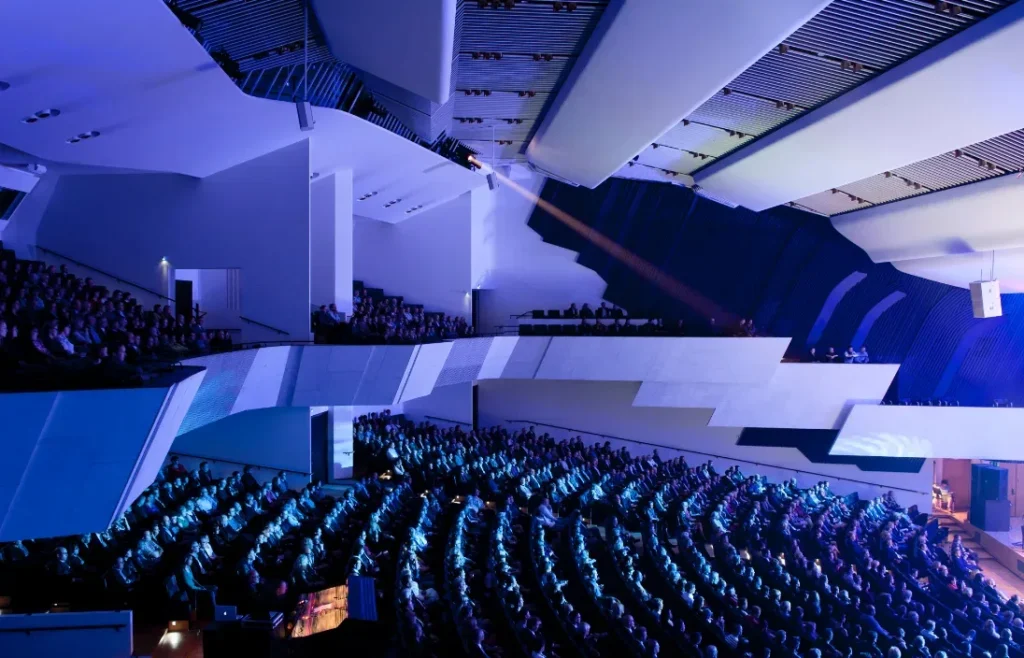
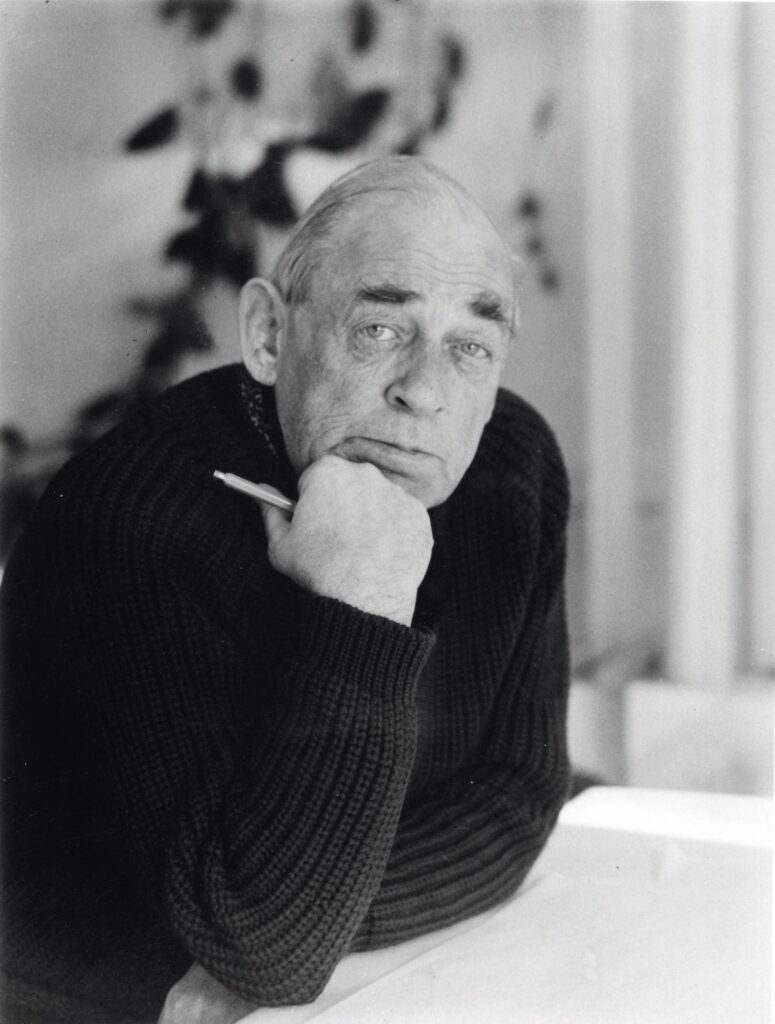
Though a central part of Helsinki’s cityscape, Alvar Aalto’s 971 Finlandia Hall always felt remote to the city’s residents, who knew it only as a conference center – until now. Learn more about the Finnish iconic architectural creation – the Finlandia Hall.

Aalto has designed every detail in the building. The designs were completed in 1962, with building taking place between 1967 and 1971. The Congress Wing was created in 1970 and built in 1973–1975. In 2011, the building was expanded with new exhibition and meeting facilities.

Finnish Iconic Architectural Creation - The Finlandia Hall
The Finlandia Hall.

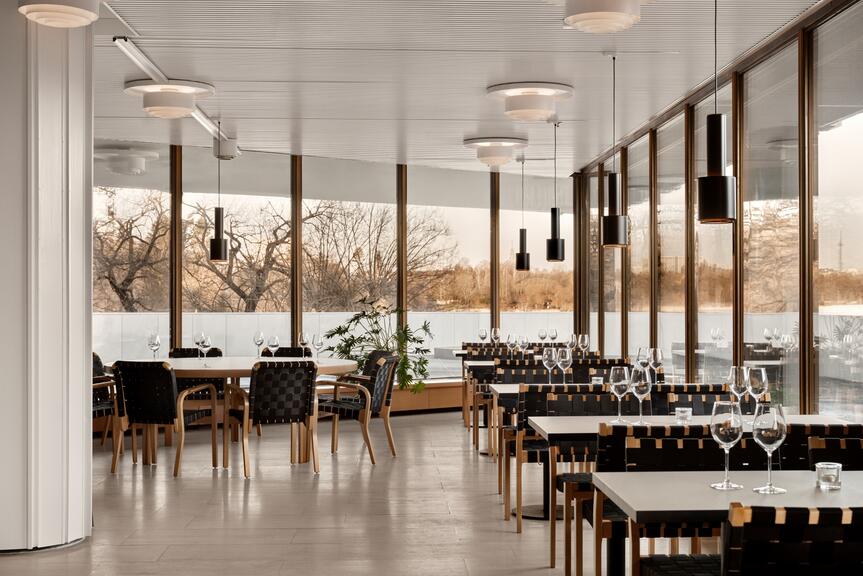
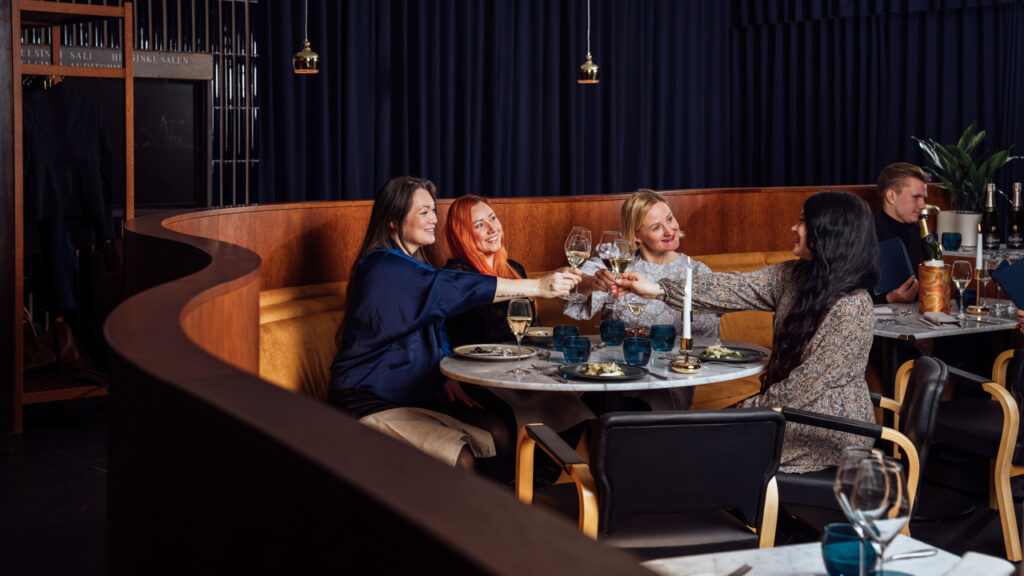
Now, Finnish design studio Fyra has opened it up to the public with a new bistro, café, and shop. Alvar Aalto’s iconic creation, Finlandia Hall, is an experiential event center and a fascinating meeting place in the heart of Helsinki.

*******************************************
You may also like to read The Danish Architect Who Designed the Sydney Opera House
*******************************************

Finnish Iconic Architectural Creation - The Finlandia Hall
The Finlandia café

The new bistro features original Aalto chairs and lighting, complemented by marble tables and an oak bar. Aalto used Italian Carrara marble in both indoor and outdoor surfaces as a contrast to black granite. For Aalto, the marble was a tie to the Mediterranean culture, which he wanted to bring to Finland.

Finnish Iconic Architectural Creation - The Finlandia Hall
Alvar Aalto

The modern wooden Little Finlandia will, however, continue to provide a unique setting for unforgettable events. See, hear, and feel – these magical venues you won’t forget.
Internationally renowned and designed by Alvar Aalto, Finlandia Hall serves as a symbol of Finnish identity and operates as a popular venue for meetings, celebrations, and concerts.

*********************************************
You may also like to read Finland’s Top Lift Maker is Elevating

*********************************************

Finnish Iconic Architectural Creation - The Finlandia Hall
The Finlandia Bistro.

The new café and shop are bathed in natural light. “When you design for a protected building –  and Aalto one, no less – you’re custodian of heritage,” says Eva-Marie Eriksson, Fyra’s co-founder. “But this building is not a museum. Ensuring that it’s used is the best way of honoring Aalto’s legacy,” she adds.

Finnish Iconic Architectural Creation – The Finlandia Hall, Tor Kjolberg reporting

Stockholm Stadshotell Restored

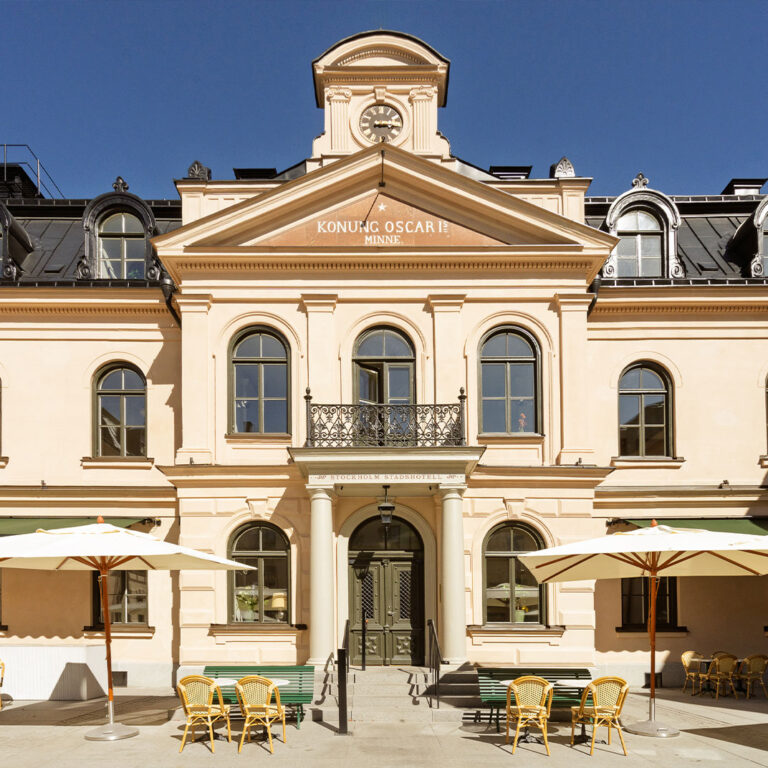
A Stockholm landmark has been reborn in the heart of Södermalm. Originally built between 1873 and 1875 in memory of King Oscar I, the historic building at Björngårdsgatan 23 has been restored and reopened its doors as »Stockholm Stadshotell«, blending history, design, and gastronomy with warm, personal service.

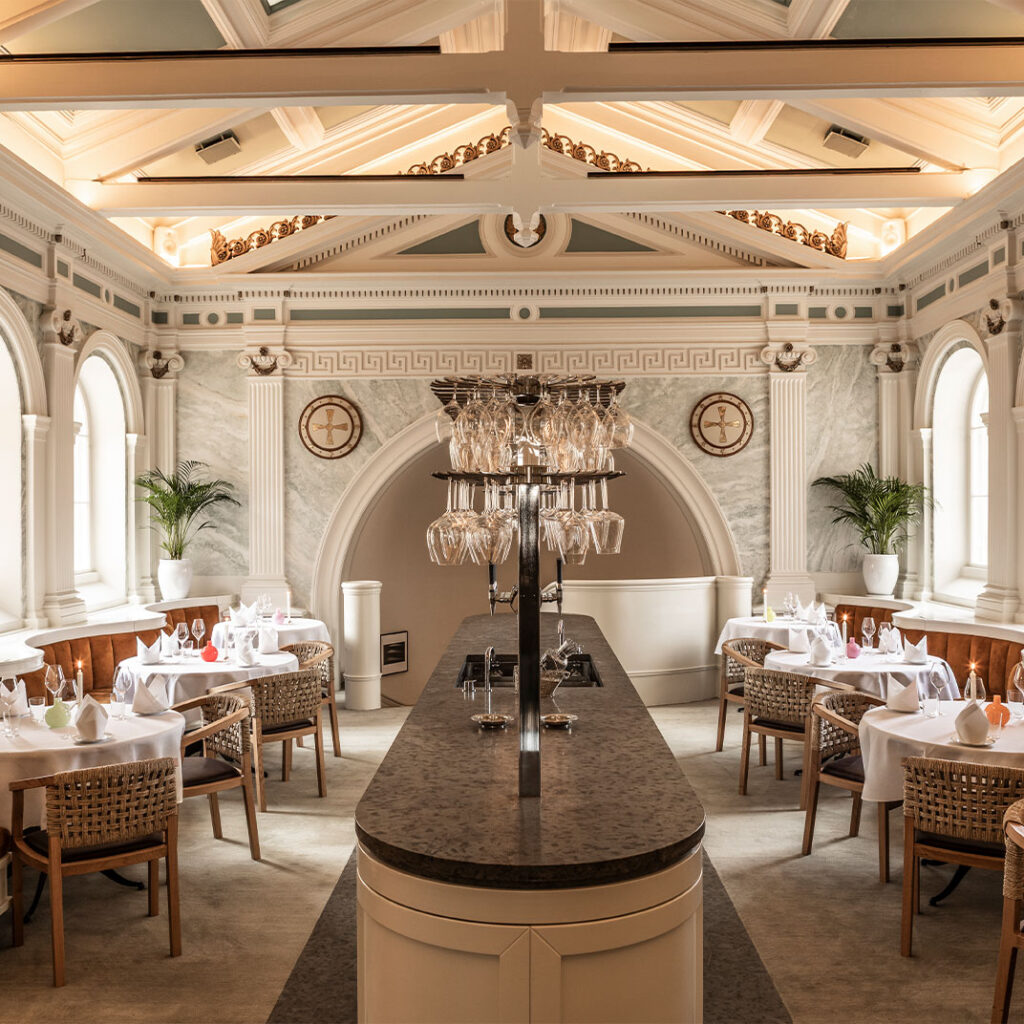
“So it’s no surprise that Stockholm Stadshotell oozes effortless cool,” according to the Michelin Guide. The historic building at Björngårdgatan 23 has been restored as a 32-key hotel featuring a lounge, two restaurants, a sauna, and a cold plunge.

Stockholm Stadshotell Restored
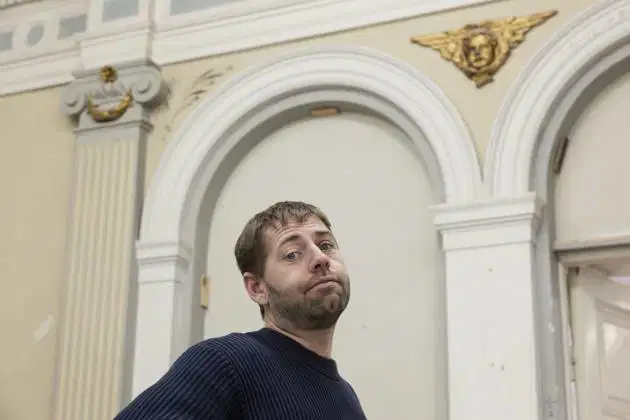
“The property’s architectural significance made it a compelling choice for a hotel because it has soul,” says Johan Angell.

Carefully restored in close collaboration with architects, designers, artists, and craftspeople, the building integrates all aspects of life and aspires to become a kind of living room for one of the most dynamic and creative cities in the world.

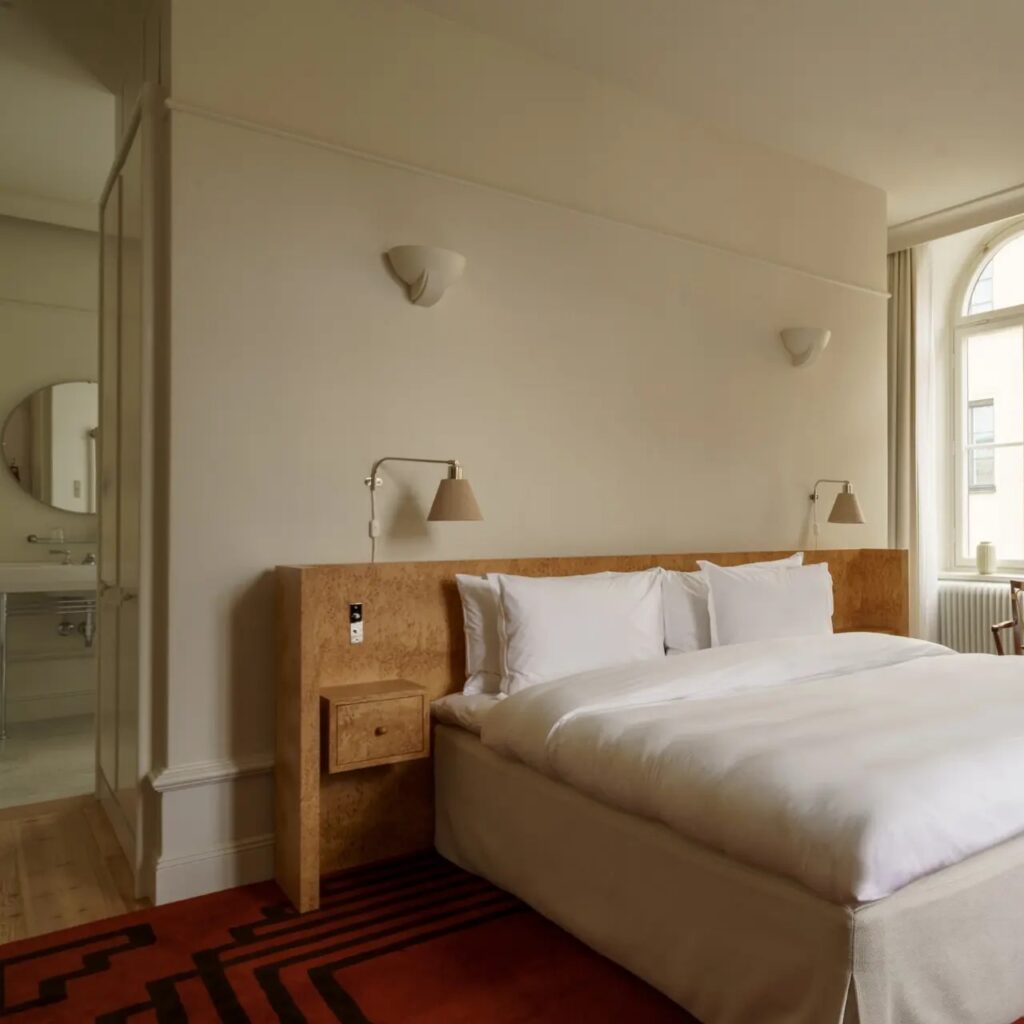
“It’s now a celebration of craftsmanship, with minimalist rooms stylishly outfitted by the city’s top designers, from the bespoke burl wood headboards right down to the retro radios,” writes the Michelin Guide.

Stockholm Stadshotell Restored
The rooms and suites are rendered in muted tones, with furniture by Swedish company Tre Sekel, Italian linens from Liv Casas, and bathroom fixtures by Lefroy Brooks.

***********************************************
If you’re an adventurous kind of person, you might want to try a Stockholm layover in a Jumbo Jet? Or exploring the finest boat hotels in Stockholm.

***********************************************

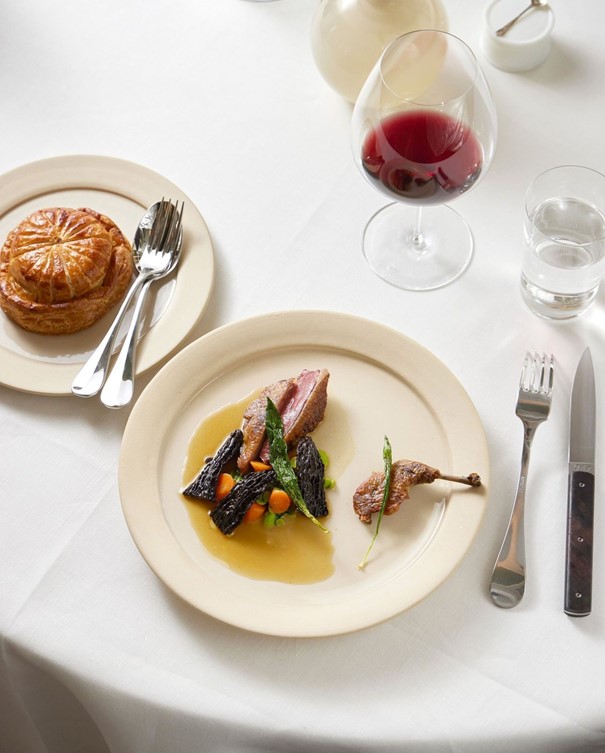
The two restaurants, one of which, Matsalen, is the former chapel. Chef Olle T Cellton serves up contemporary Nordic fare, including wood-grilled fish. “Matsalen is about cooking without ego,” says founding partner Johan Agrell.

During the summer, the courtyard, where guests can enjoy food and drinks under a parasol, is open to the public. In the bustling bistro, the menu changes daily to highlight the best of the season. Upstairs, in the beautifully restored old chapel, the restaurant provides a more curated dining experience. Even the minibar selections and offerings in the guest lounge’s honesty bar are carefully curated by our sommeliers and chefs.

Stockholm Stadshotell Restored
Restaurant Matsalen Matsalen, is the former chapel.

The Guide Michelin states, “It’s now a celebration of craftsmanship, with minimalist rooms stylishly outfitted by the city’s top designers, from the bespoke burl wood headboards right down to the retro radios.”

The rooms and suites are rendered in muted tones, with furniture by Swedish company Tre Sekel, Italian linens from Liv Casas, and bathroom fixtures by Lefroy Brooks. Every detail is designed to make you feel comfortable, inspired, and spoiled.

Stockholm Stadshotell Restored
Chef Olle T Cellton serves up contemporary Nordic fare, including wood-grilled fish.

“The property’s architectural significance made it a compelling choice for a hotel because it has soul,” says Angell.

Stockholm Stadshotell Restored, Tor Kjolberg reporting.

All images © Stockholm Stadshotell

Culture is Resilience – Nordics Step Up Preparedness Through Co-Operation

Cultural heritage and artistic freedom are crucial for building resilient, democratic, and inclusive societies. In times of crisis and conflict, culture is often at the forefront – precisely because it strengthens identity, cohesion, and hope. That’s why culture must form part of societal preparedness.

These messages were highlighted during a panel debate co-hosted by the Nordic Council of Ministers at MONDIACULT 2025, the world’s largest cultural policy conference, held in Barcelona from September 29 to October 1.

Culture is Resilience – Nordics Step Up Preparedness Through Co-Operation
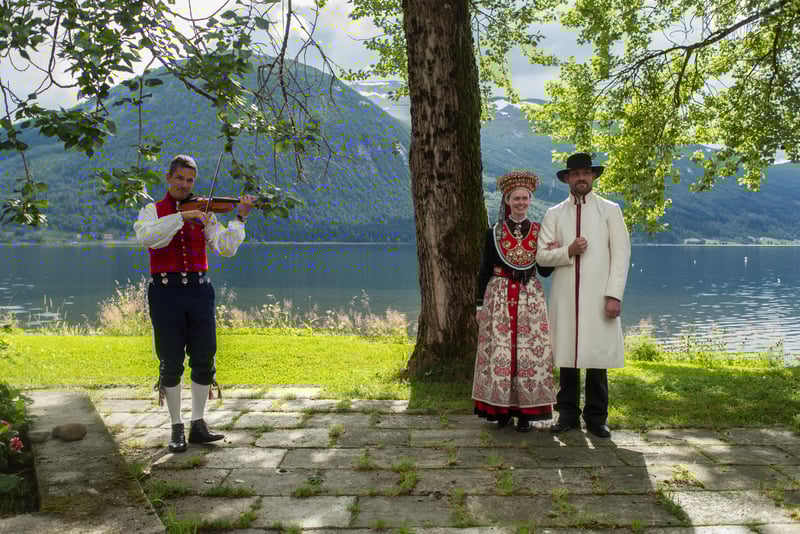
A weddig picture photographed by Oddleiv Apneseth.

“Culture is resilience. In times of crisis, it must be at the core of our response. That’s why Nordic and international co-operation is essential to protect freedom, identity, and the voices at risk when it matters the most,” said  Norway’s Minister of Culture and Equality, Lubna Jaffery, in her opening statement.

Finland’s Minister of Science and Culture Mari-Leena Talvitie, State Secretary to Sweden’s Minister for Culture Karin Svanborg-Sjövall, and Minister of Social Affairs and Culture of the Faroe Islands, Eirikur í Jákupsstovu, also took part in the event.

Culture is Resilience – Nordics Step Up Preparedness Through Co-Operation
Photo: Kaisla Härkönen.

Nordic and international co-operation is key

The Nordic Council of Ministers is working to strengthen the role of culture in crisis preparedness by enhancing the exchange of experiences within the cultural sector, both within the Nordic Region and internationally. The aim is to ensure that culture remains a cornerstone of resilience, democracy, and social cohesion. Discussions on stronger co-operation in the field of culture and preparedness were also a key theme when the ministers for culture met earlier this spring and decided to prepare a joint Nordic initiative to reinforce cross-sector dialogue on the role of culture in societal security.

“Culture is a resource in times of peace – and a lifeline in times of crisis. To protect culture in crisis is to protect humanity itself and society’s resilience,” said Eirikur í Jákupsstovu, Minister of Social Affairs and Culture of the Faroe Islands.

Culture is Resilience – Nordics Step Up Preparedness Through Co-Operation
Nordic cultural heritage.

At the MONDIACULT event, it was emphasized that the Nordic countries share a strong community of values rooted in democracy, freedom of expression, and mutual trust. These are vital components in ensuring resilient societies that safeguard human and cultural rights. In a global context, the Nordic countries can lead the way in protecting cultural rights.

Finland’s and Åland’s Presidency of the Nordic Council of Ministers has emphasized how a strong cultural life, media literacy, and cultural diversity contribute to a resilient society by fostering cohesion, critical thinking, and democratic participation. It is essential that these topics are discussed in a global forum such as UNESCO’s MONDIACULT conference,” said Mari-Leena Talvitie, Finland’s Minister of Science and Culture.

Culture is Resilience – Nordics Step Up Preparedness Through Co-Operation
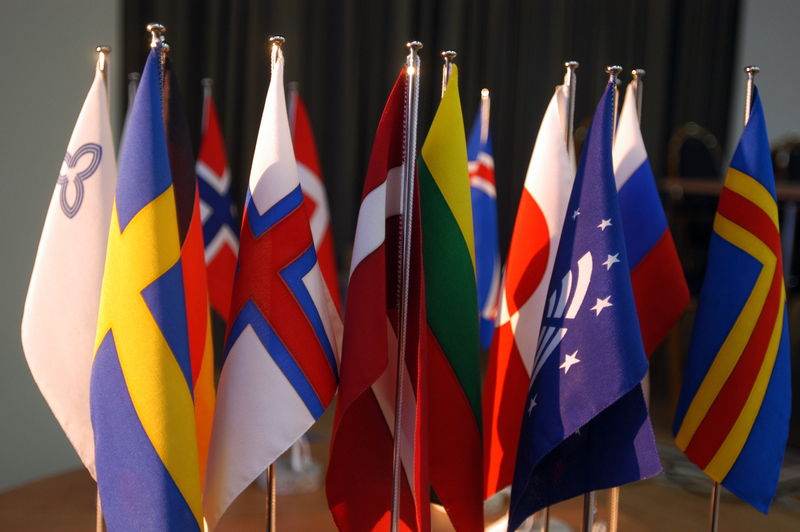
Nordic and Baltic flags.

****************************************
Related: New Initiative to Boost Freedom of Movement in Nordic Region

****************************************

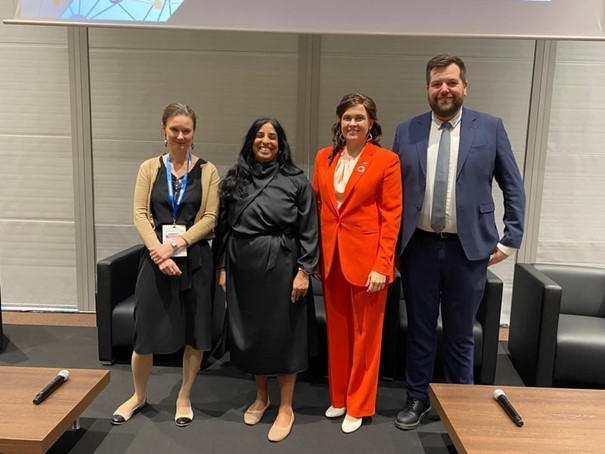
Two panel discussions at MONDIACULT explored both how culture contributes to social development and reconstruction, as well as how freedom of expression and artistic freedom enhance the regions’ capacity to cope with threats and crises. Panel participants included Abdullah Alkafri (Ettijahat-Independent Culture), Kristin Danielsen (Nordic Culture Fund), Deeyah Khan (UNESCO Goodwill Ambassador), and Denis Krivosheev (Amnesty International). The moderator was UNESCO Youth Delegate Iina-Lotta Kuisma.

Culture is Resilience – Nordics Step Up Preparedness Through Co-Operation, a press release from the Nordic Council.