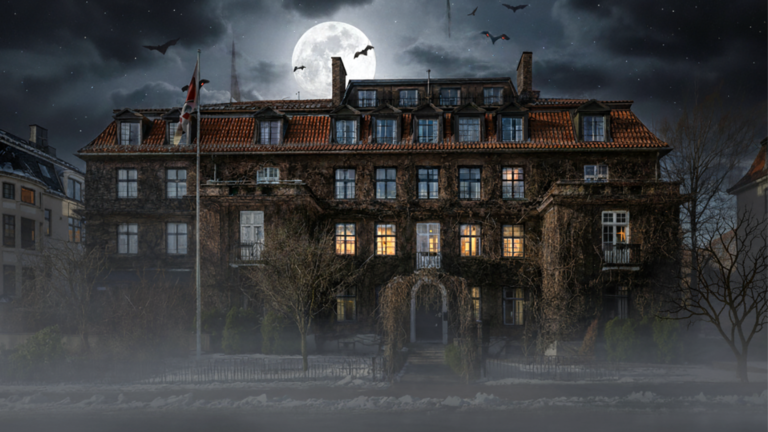
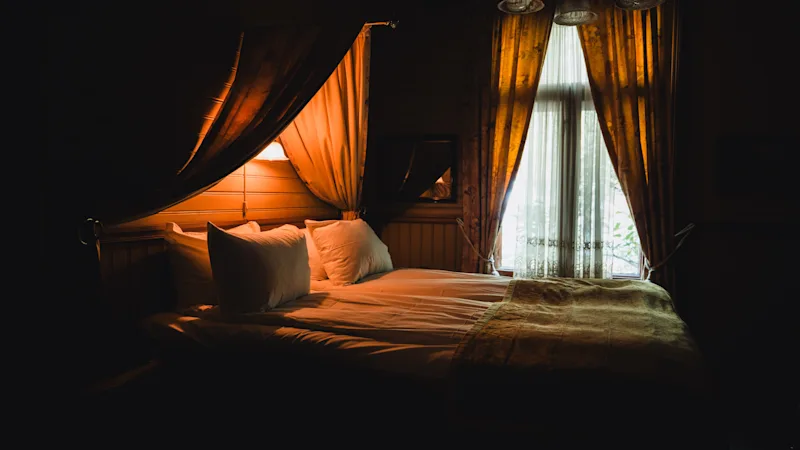
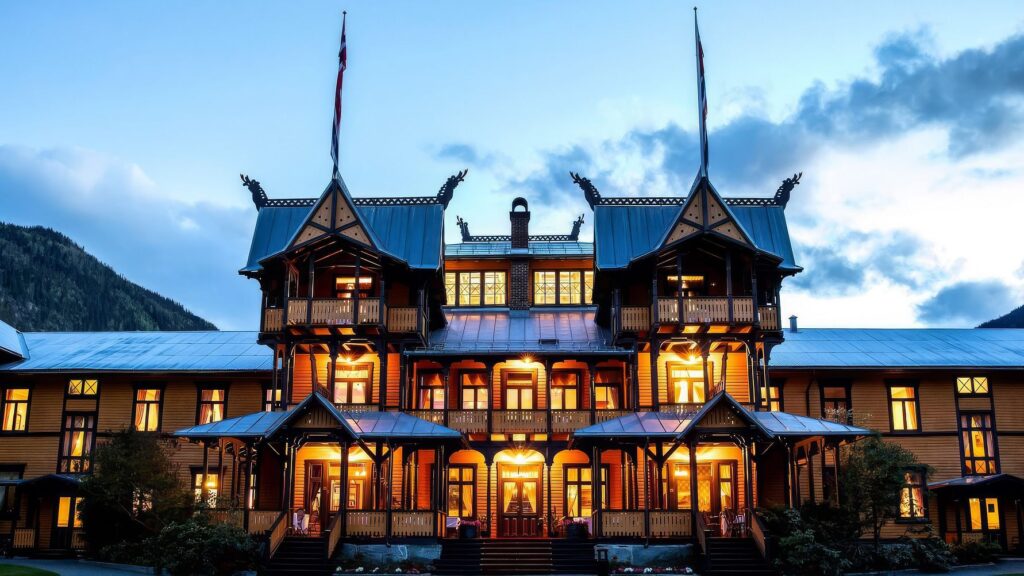
This year, Strawberry Group invites you to a Halloween celebration at Dalen Hotel in Telemark. It opens the doors to a unique Halloween room at one of Norway’s most haunted hotels. Experience Norway’s scariest hotel room.
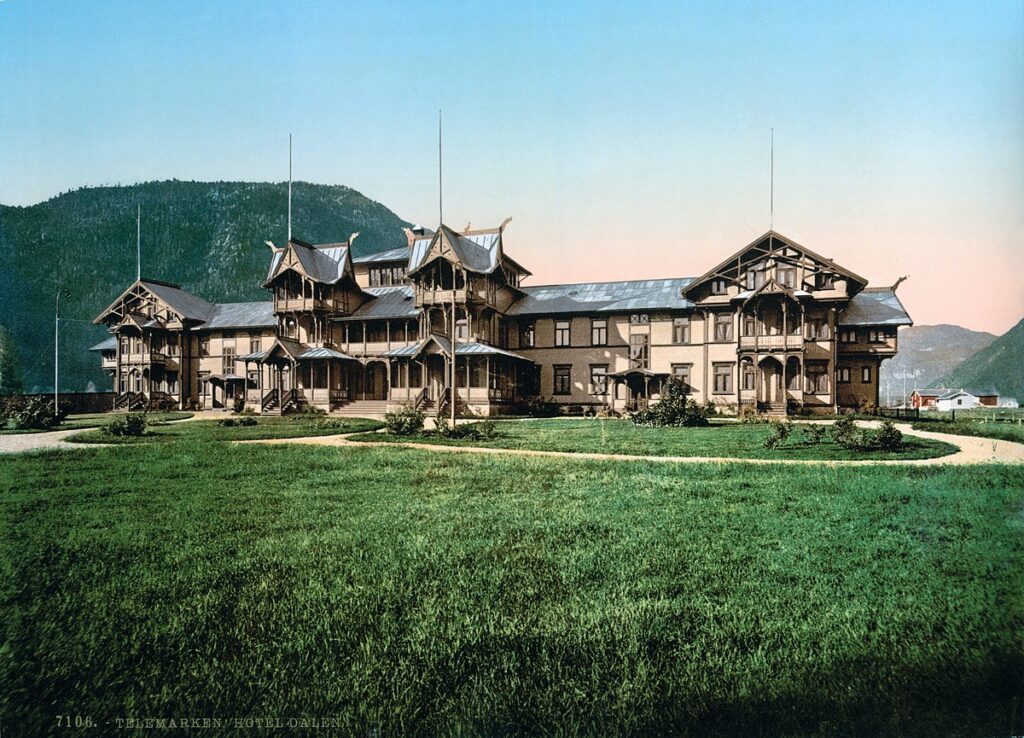
Dalen Hotel, which opened in 1894, is often referred to as the “fairytale hotel” due to its unique architecture and idyllic location by the Telemark Canal. Here, a story lives in the walls, and rumors say that the hotel is haunted. Over the years, both guests and employees have shared stories about unexplained sounds, figures, and strange events at the hotel.
Dalen Hotel, which opened in 1894, is often referred to as the “fairytale hotel” due to its unique architecture and idyllic location by the Telemark Canal. Photo: Wikipedia.
“Dalen Hotel is truly a fairy tale hotel that has created experiences for generations. With us, there is room for everyone, both visible and invisible guests. Therefore, we couldn’t say no when Strawberry invited some brave guests to celebrate Halloween with us. We are looking forward to this, and most of all to creating an unforgettable and slightly different experience,” says Morten Leite, hotel director at Dalen Hotel.
Earlier this year, Strawberry launched the Anycation concept, which aims to highlight the company’s portfolio of experiences with everything from accommodation, conferences, spas, to restaurant and food experiences across the Nordic region. Throughout the year, the company has explored various ideas and activities, with Spookcation being part of a concept that elevates the guest experience to new and somewhat unimagined heights.
Spookcation is part of a concept that elevates the guest experience to new and somewhat unimagined heights.
“Halloween has become an increasingly important celebration in the Nordic region, and it fits perfectly with Anycation. We want our guests and members to experience more and find the holiday feeling more often, and we have seen significant effects from that so far,” concludes Orderud.
rumors say that the hotel is haunted.
In addition to a significant activation in Norway and one in Sweden, there will be various activities and a whole Halloween atmosphere at several of the hotels in the company’s portfolio during the period. Among other things, you can check into an old prison in Finland at Home Hotel Katajanokka.
Norway’s Scariest Hotel Room, a press release from Mynewswire.
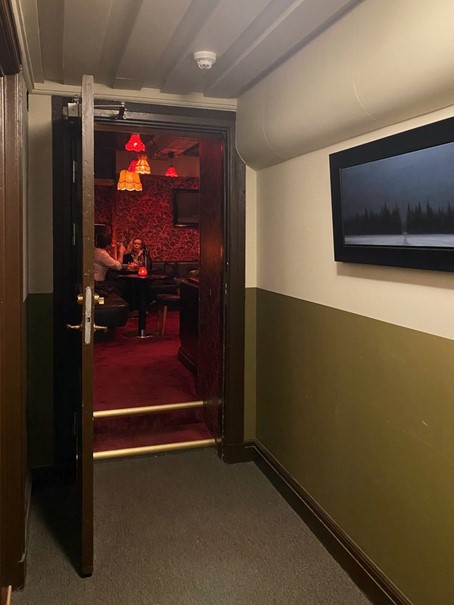
Behind a door, with the smell of pizza, Bar Amour is a “secret”, hidden bar on the second floor of the Tranen restaurant in Oslo.
The official opening of the Tranen restaurant in Oslo took place on 27 October 1921, and the newspaper Aftenposten mentioned the event in its edition the following day:
“A large group of invited ladies and gentlemen turned up at Waldemar Thranes gade 70 yesterday for dinner for the opening of the new folk restaurant, no. 8 in the row. The excellent premises were inspected, and the whole arrangement won everyone’s undivided approval. Several speeches were given, expressing the joy that this district now has a modern, affordable, and beautifully equipped folk restaurant.”
The artist Arnie “Skiffle Joe” Norse was a regular fixture for over 30 years. Photo: Olav Olsen/JazziNorge
The artist Arnie “Skiffle Joe” Norse was a regular fixture for over 30 years. Arnie played regularly at Tranen from about 1980 to 2012, initially six days a week, in recent years only on Fridays. In the 2000s, sales declined, and when the lease expired before Christmas in 2011, the owner, Omsorgsbygg, saw “no reason to renew” it.
The official opening of the Tranen restaurant in Oslo took place on 27 October 1921. Photo: Digital Museum
In the spring of 2012, the owners of Åpent Bakeri and Lofthus Samvirkelag took over, and in February 2013, Tranen reopened. There was a sale of baked goods from Åpent Bakeri during the day, alongside the restaurant’s operations. In the summer of 2015, the place was closed again.
Today, Tranen is a neighbourhood pizza restaurant in the Alexander Kiellands Plass area. The pizzas are consistently ranked among the top three to five in Oslo by nearly every pizza guide. And what better way to wash these slices of heaven than with some Burgundy from their extensive and ambitious wine list? The wine list not only holds top-tier Burgundy but also a fair share of natural wines – well-suited for this somewhat gentrified and vibey area of town.
In Bar Amour, you can enjoy high-quality food and drinks in romantic surroundings. Photo: MeravOslo
*******************************************
Related: Selected Cocktail Bars in Oslo
*******************************************
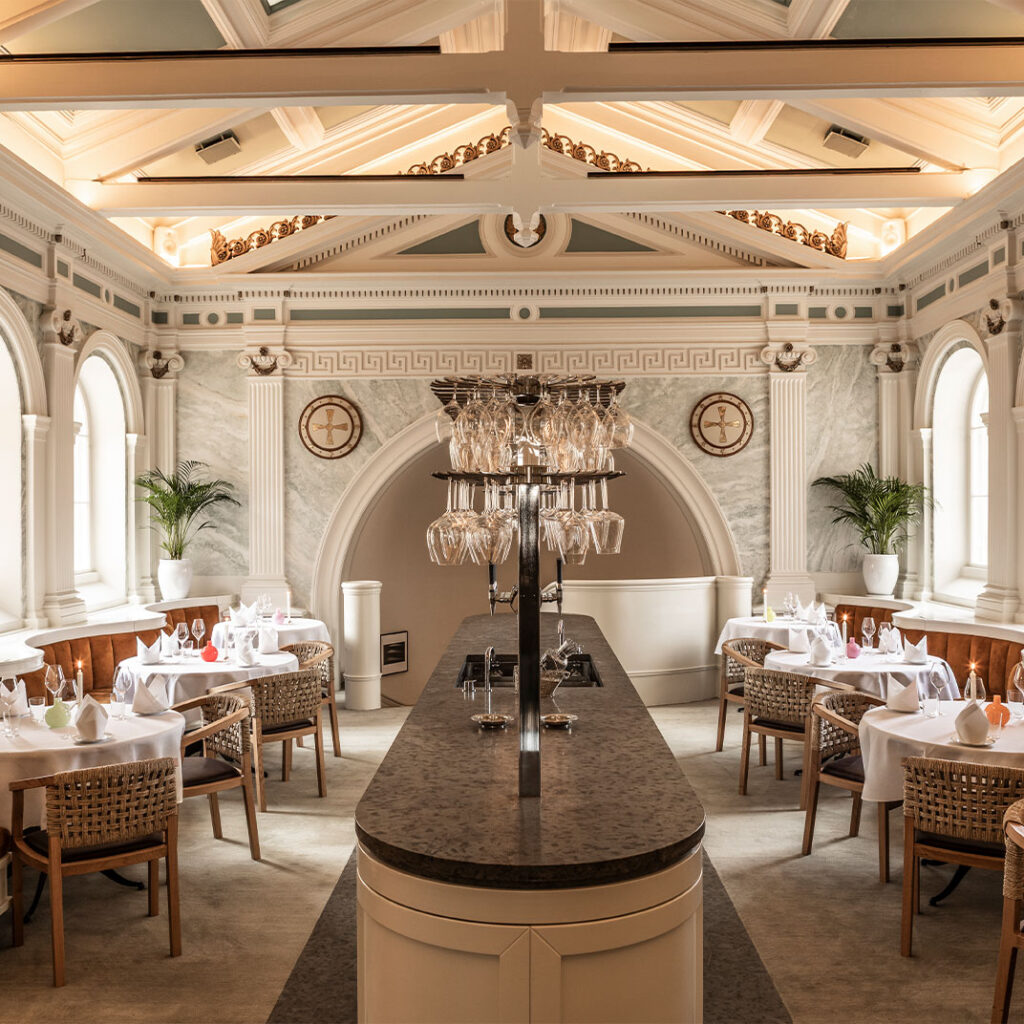
But behind a door and the smell of pizza, Bar Amour is hidden on the second floor of Tranen. Here you can enjoy high-quality food and drinks in romantic surroundings. According to Mer av Oslo, it’s no secret that the small restaurant is located up here, but it’s not easy to spot if you don’t know about it already! From the ceiling hang large and small lampshades that light up the otherwise dark room. The walls are covered in dark red wallpaper, and the place has a dark brown interior. The whole thing plays on the idea that the place is a hidden little cave above the otherwise quite open restaurant.
**************************
Related: Oslo Drink Hub
**************************
You can get wine by the glass and bottle Photo: FormandFunction
According to the bar’s website, its work is supported by a symbiosis of the complexity of both Portuguese and Norwegian culture and gastronomy. Long-standing unspoken allies, we share a bond that is hard to quantify as Portugal relies on salted Norwegian cod for the foundations of one of its most well-known signature dishes, Bacalhau.
You can get wine by the glass and bottle, but the selection on the menu is clearly the largest if you go by the bottle. Regardless of the menu, the waiter will know what bottles have been opened at the bar and make suitable recommendations to your taste. The glasses priced on the menu are 150 kroner to 220 kroner.
Bar Amour – A “Secret” Bar in Oslo, Tor Kjolberg reporting.
Feature image (top) Photo: MerAvOslo.
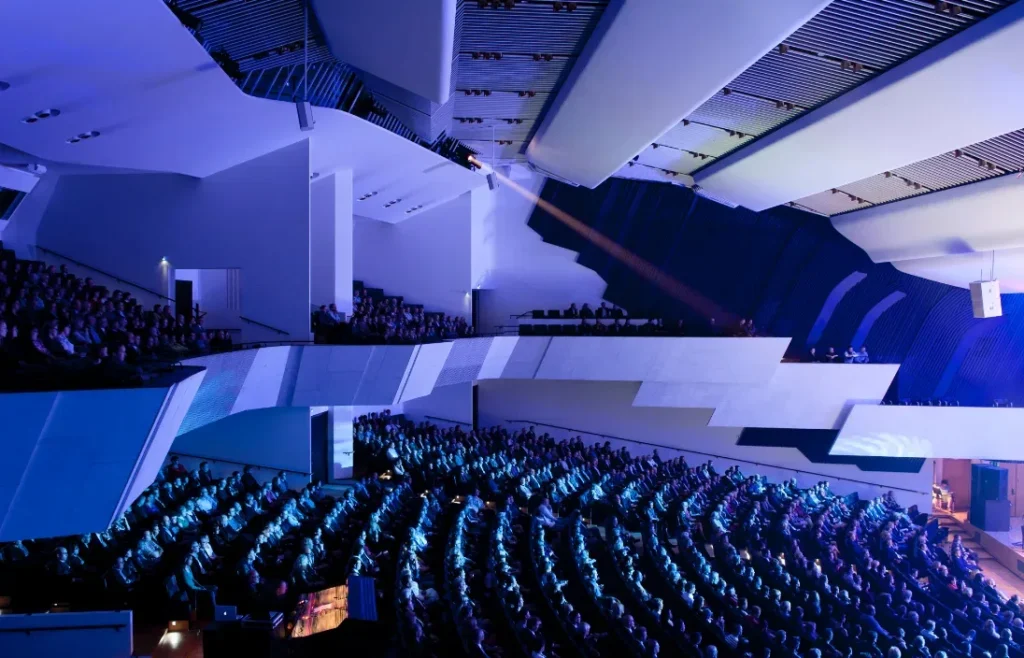
Though a central part of Helsinki’s cityscape, Alvar Aalto’s 971 Finlandia Hall always felt remote to the city’s residents, who knew it only as a conference center – until now. Learn more about the Finnish iconic architectural creation – the Finlandia Hall.
Aalto has designed every detail in the building. The designs were completed in 1962, with building taking place between 1967 and 1971. The Congress Wing was created in 1970 and built in 1973–1975. In 2011, the building was expanded with new exhibition and meeting facilities.
The Finlandia Hall.
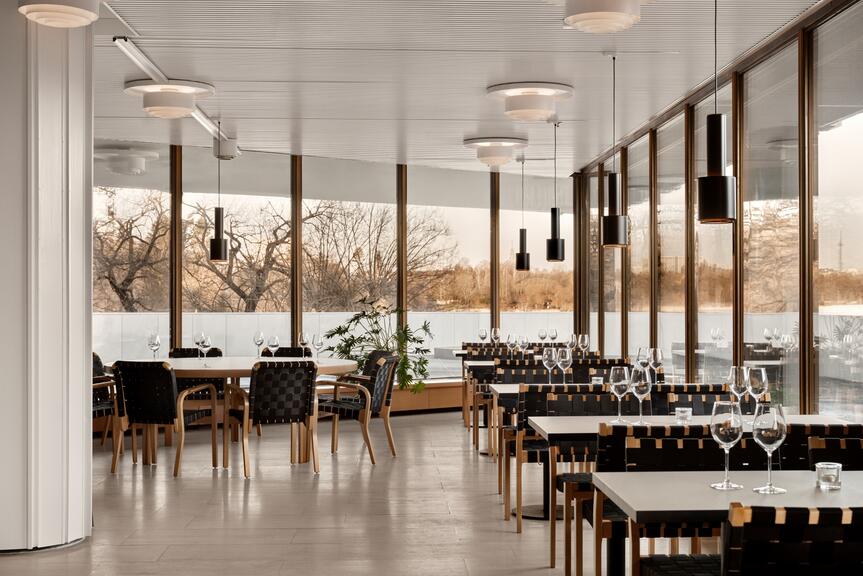
Now, Finnish design studio Fyra has opened it up to the public with a new bistro, café, and shop. Alvar Aalto’s iconic creation, Finlandia Hall, is an experiential event center and a fascinating meeting place in the heart of Helsinki.
The new bistro features original Aalto chairs and lighting, complemented by marble tables and an oak bar. Aalto used Italian Carrara marble in both indoor and outdoor surfaces as a contrast to black granite. For Aalto, the marble was a tie to the Mediterranean culture, which he wanted to bring to Finland.
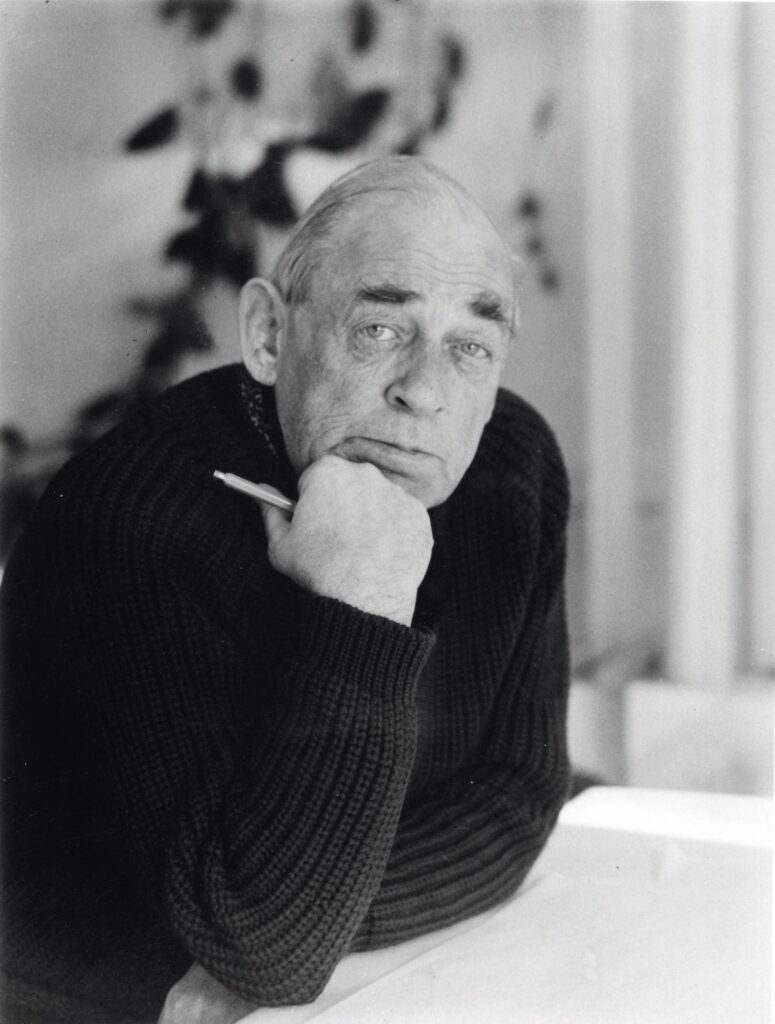
Alvar Aalto
The modern wooden Little Finlandia will, however, continue to provide a unique setting for unforgettable events. See, hear, and feel – these magical venues you won’t forget.
Internationally renowned and designed by Alvar Aalto, Finlandia Hall serves as a symbol of Finnish identity and operates as a popular venue for meetings, celebrations, and concerts.
The new café and shop are bathed in natural light. “When you design for a protected building – and Aalto one, no less – you’re custodian of heritage,” says Eva-Marie Eriksson, Fyra’s co-founder. “But this building is not a museum. Ensuring that it’s used is the best way of honoring Aalto’s legacy,” she adds.
Finnish Iconic Architectural Creation – The Finlandia Hall, Tor Kjolberg reporting
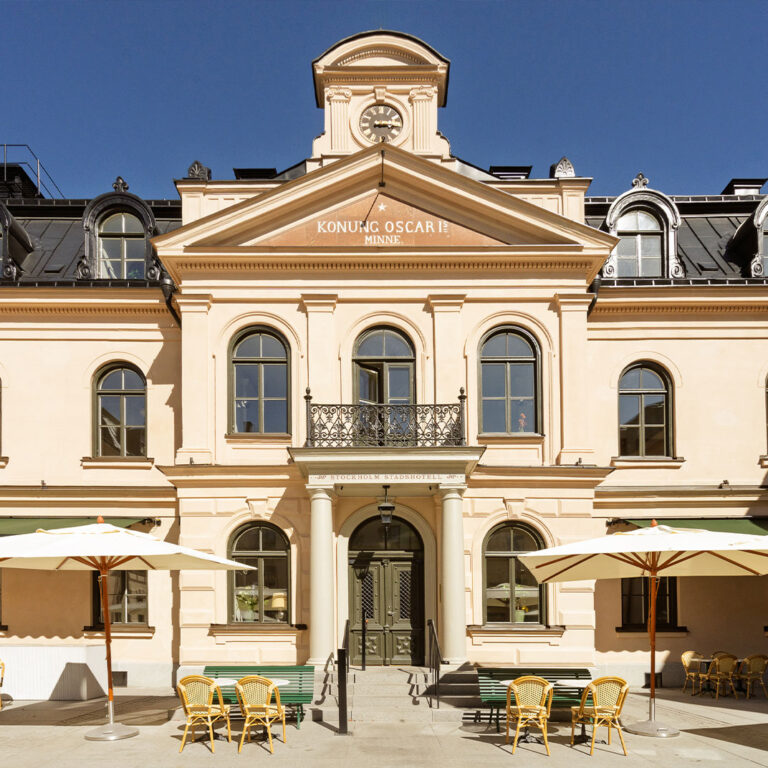
A Stockholm landmark has been reborn in the heart of Södermalm. Originally built between 1873 and 1875 in memory of King Oscar I, the historic building at Björngårdsgatan 23 has been restored and reopened its doors as »Stockholm Stadshotell«, blending history, design, and gastronomy with warm, personal service.
“So it’s no surprise that Stockholm Stadshotell oozes effortless cool,” according to the Michelin Guide. The historic building at Björngårdgatan 23 has been restored as a 32-key hotel featuring a lounge, two restaurants, a sauna, and a cold plunge.
“The property’s architectural significance made it a compelling choice for a hotel because it has soul,” says Johan Angell.
Carefully restored in close collaboration with architects, designers, artists, and craftspeople, the building integrates all aspects of life and aspires to become a kind of living room for one of the most dynamic and creative cities in the world.
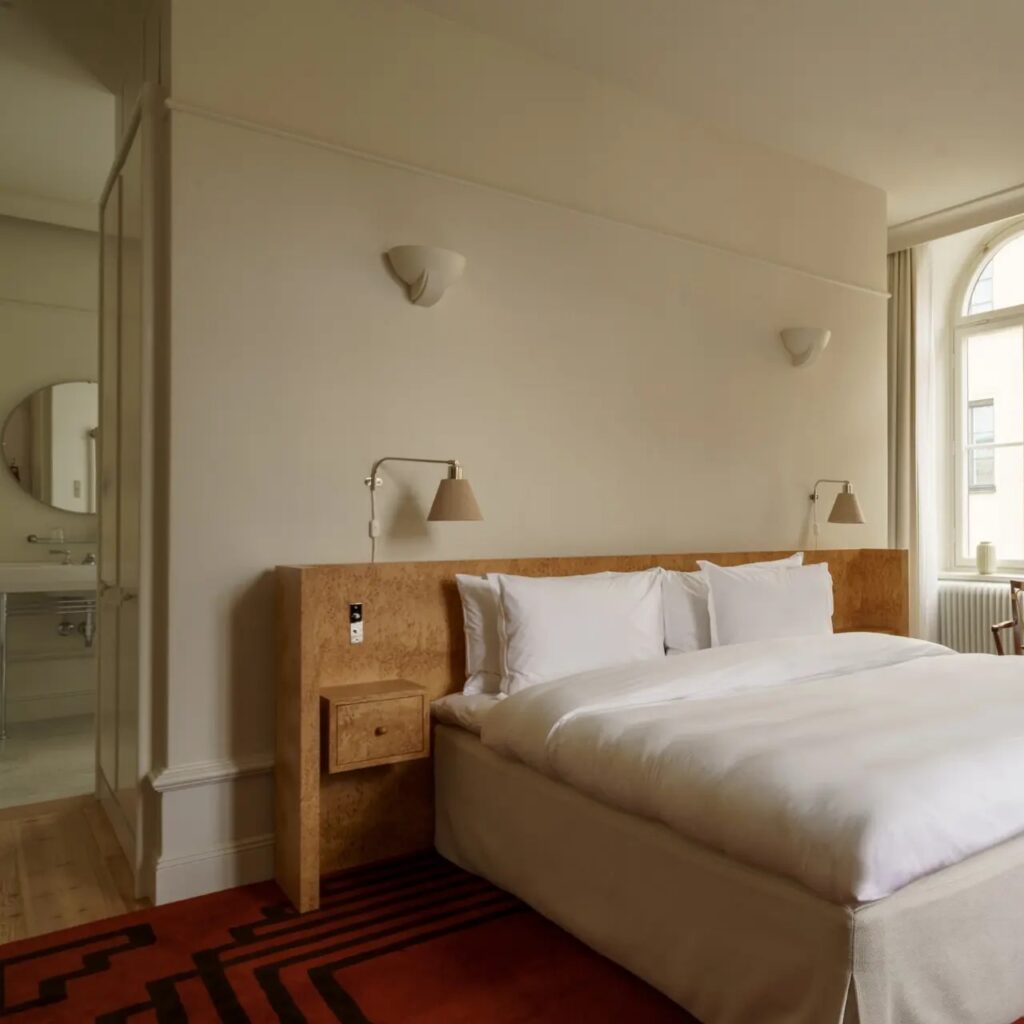
“It’s now a celebration of craftsmanship, with minimalist rooms stylishly outfitted by the city’s top designers, from the bespoke burl wood headboards right down to the retro radios,” writes the Michelin Guide.
The rooms and suites are rendered in muted tones, with furniture by Swedish company Tre Sekel, Italian linens from Liv Casas, and bathroom fixtures by Lefroy Brooks.
The two restaurants, one of which, Matsalen, is the former chapel. Chef Olle T Cellton serves up contemporary Nordic fare, including wood-grilled fish. “Matsalen is about cooking without ego,” says founding partner Johan Agrell.
During the summer, the courtyard, where guests can enjoy food and drinks under a parasol, is open to the public. In the bustling bistro, the menu changes daily to highlight the best of the season. Upstairs, in the beautifully restored old chapel, the restaurant provides a more curated dining experience. Even the minibar selections and offerings in the guest lounge’s honesty bar are carefully curated by our sommeliers and chefs.
Restaurant Matsalen Matsalen, is the former chapel.
The Guide Michelin states, “It’s now a celebration of craftsmanship, with minimalist rooms stylishly outfitted by the city’s top designers, from the bespoke burl wood headboards right down to the retro radios.”
The rooms and suites are rendered in muted tones, with furniture by Swedish company Tre Sekel, Italian linens from Liv Casas, and bathroom fixtures by Lefroy Brooks. Every detail is designed to make you feel comfortable, inspired, and spoiled.
Chef Olle T Cellton serves up contemporary Nordic fare, including wood-grilled fish.
“The property’s architectural significance made it a compelling choice for a hotel because it has soul,” says Angell.
Stockholm Stadshotell Restored, Tor Kjolberg reporting.
Cultural heritage and artistic freedom are crucial for building resilient, democratic, and inclusive societies. In times of crisis and conflict, culture is often at the forefront – precisely because it strengthens identity, cohesion, and hope. That’s why culture must form part of societal preparedness.
These messages were highlighted during a panel debate co-hosted by the Nordic Council of Ministers at MONDIACULT 2025, the world’s largest cultural policy conference, held in Barcelona from September 29 to October 1.
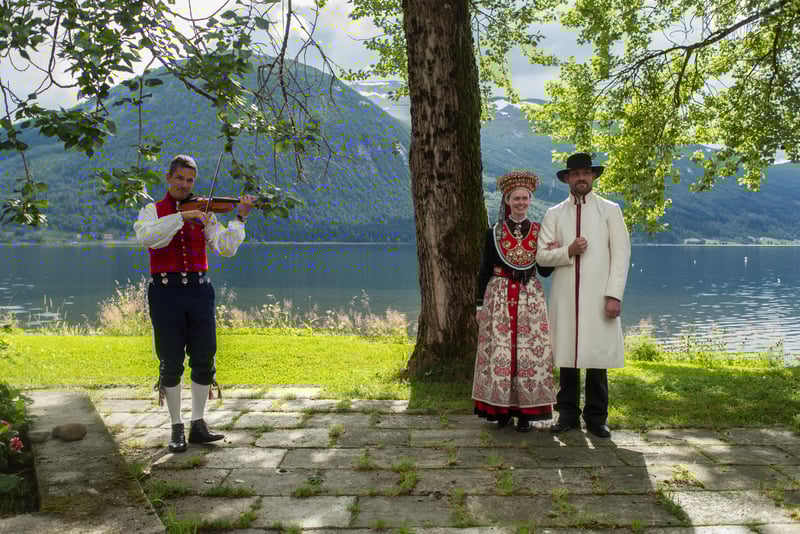
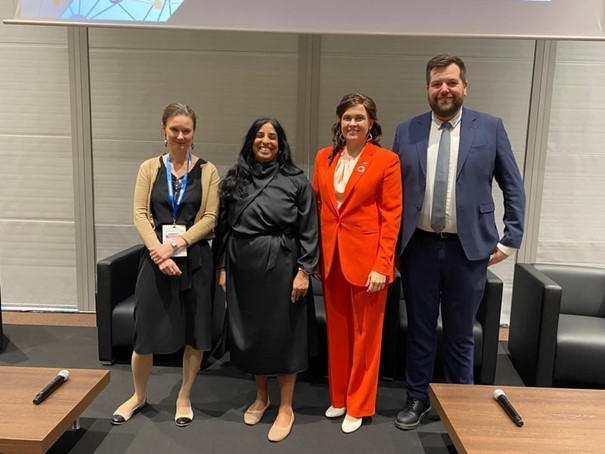
A weddig picture photographed by Oddleiv Apneseth.
“Culture is resilience. In times of crisis, it must be at the core of our response. That’s why Nordic and international co-operation is essential to protect freedom, identity, and the voices at risk when it matters the most,” said Norway’s Minister of Culture and Equality, Lubna Jaffery, in her opening statement.
Finland’s Minister of Science and Culture Mari-Leena Talvitie, State Secretary to Sweden’s Minister for Culture Karin Svanborg-Sjövall, and Minister of Social Affairs and Culture of the Faroe Islands, Eirikur í Jákupsstovu, also took part in the event.
Photo: Kaisla Härkönen.
Nordic and international co-operation is key
The Nordic Council of Ministers is working to strengthen the role of culture in crisis preparedness by enhancing the exchange of experiences within the cultural sector, both within the Nordic Region and internationally. The aim is to ensure that culture remains a cornerstone of resilience, democracy, and social cohesion. Discussions on stronger co-operation in the field of culture and preparedness were also a key theme when the ministers for culture met earlier this spring and decided to prepare a joint Nordic initiative to reinforce cross-sector dialogue on the role of culture in societal security.
“Culture is a resource in times of peace – and a lifeline in times of crisis. To protect culture in crisis is to protect humanity itself and society’s resilience,” said Eirikur í Jákupsstovu, Minister of Social Affairs and Culture of the Faroe Islands.
Nordic cultural heritage.
At the MONDIACULT event, it was emphasized that the Nordic countries share a strong community of values rooted in democracy, freedom of expression, and mutual trust. These are vital components in ensuring resilient societies that safeguard human and cultural rights. In a global context, the Nordic countries can lead the way in protecting cultural rights.
Finland’s and Åland’s Presidency of the Nordic Council of Ministers has emphasized how a strong cultural life, media literacy, and cultural diversity contribute to a resilient society by fostering cohesion, critical thinking, and democratic participation. It is essential that these topics are discussed in a global forum such as UNESCO’s MONDIACULT conference,” said Mari-Leena Talvitie, Finland’s Minister of Science and Culture.
Two panel discussions at MONDIACULT explored both how culture contributes to social development and reconstruction, as well as how freedom of expression and artistic freedom enhance the regions’ capacity to cope with threats and crises. Panel participants included Abdullah Alkafri (Ettijahat-Independent Culture), Kristin Danielsen (Nordic Culture Fund), Deeyah Khan (UNESCO Goodwill Ambassador), and Denis Krivosheev (Amnesty International). The moderator was UNESCO Youth Delegate Iina-Lotta Kuisma.
Culture is Resilience – Nordics Step Up Preparedness Through Co-Operation, a press release from the Nordic Council.
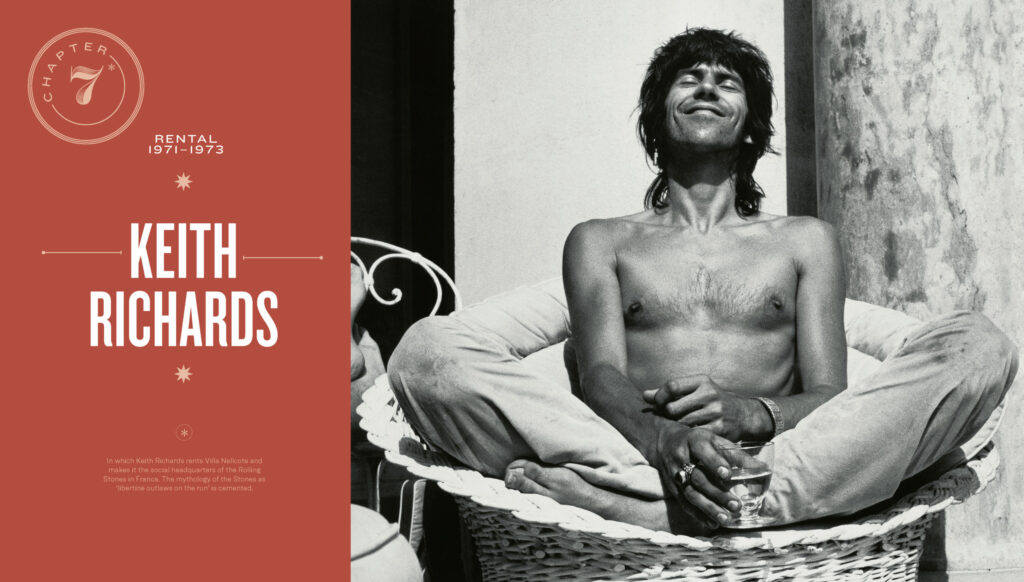
“For fans of the Rolling Stones, Villa Nellcote is as sacred as Abbey Road,” says the author, who also provides insight into the history of the magnificent villa.
A mysterious villa on the French Riviera. The Rolling Stones rented it. The wealthy and eccentric owned it. And the Nazis occupied it. And a Norwegian author wrote a book about it. But are all the rumors really true?
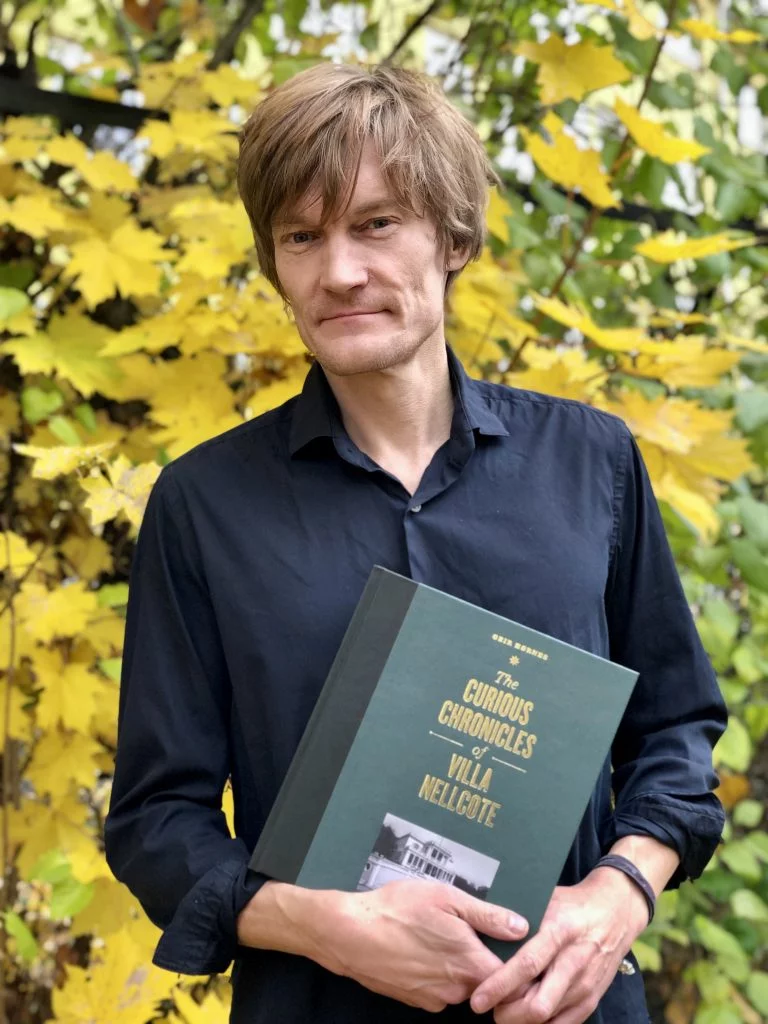
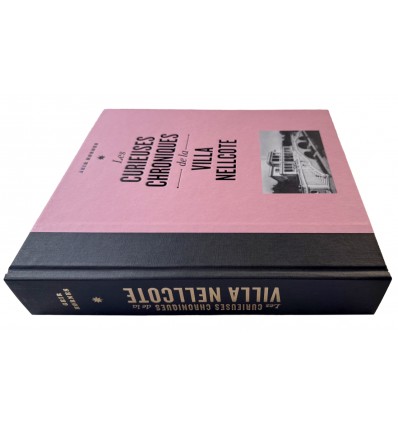
Author and commercial film director Geir Hørnes wrote a book about the magnificent villa Nellcote from the Rolling Stones’ time on the Riviera. The book, titled “The Curious Chronicles of Villa Nellcote,” was published in English in 2021, 50 years after the album “Exile on Main St.” was recorded in the villa’s basement.
Author and commercial film director Geir Hørnes wrote a book about the magnificent villa Nellcote from the Rolling Stones’ time on the Riviera.
The original bookis an exclusive 400-page account of the legendary Riviera mansion. The new French issue is a 460-page edition dedicated to the extraordinary life of Villa Nellcote.
The demand for the magnificent book was such that a new edition was published the following year, and according to Hørnes, it has now reached readers in over 40 countries. He calls it “unreal” that the book is now also being published in French.
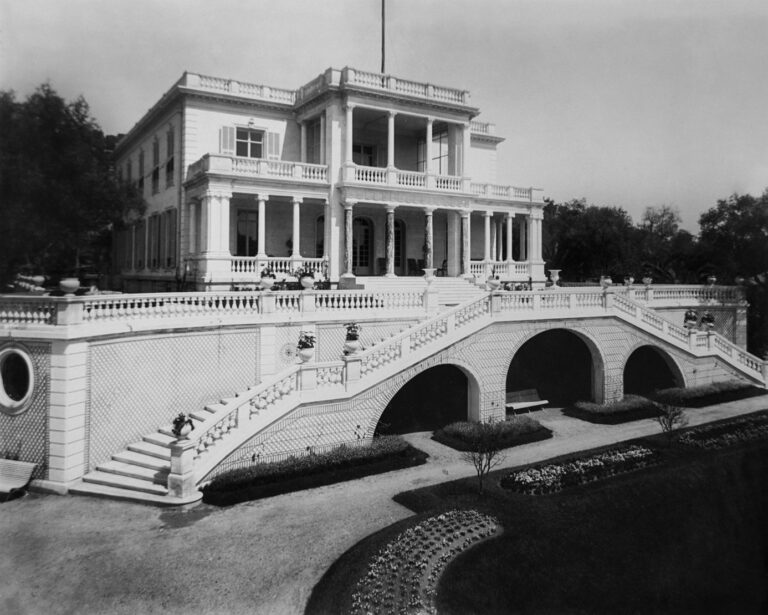
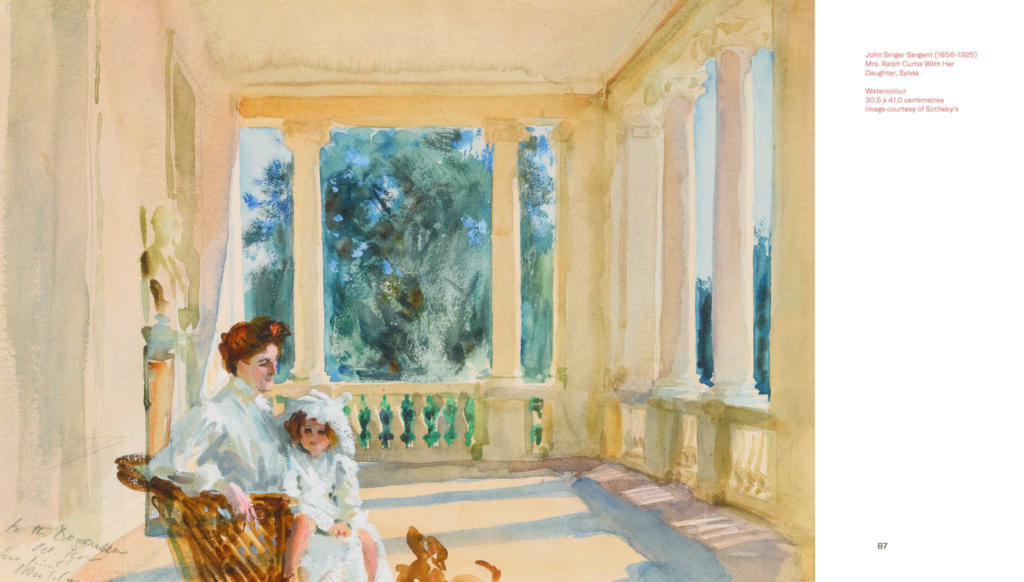
Painting of Villa Nellcote.
Produced in collaboration with the families who owned Nellcote, the book includes firsthand accounts and exclusive, new contributions from the Rolling Stones’ entourage, adding further insight into the bohemian recording of Exile on Main St. at Villa Nellcote in 1971.
The new French edition, revised, expanded, and enriched with more than 60 new pages, also explores the post-Stones era: the trial that followed their departure, the years of silence, and then the rebirth of Nellcote in the 1980s and 1990s, when the former hideout of rock stars became a haven for the Italian jet set and the Monegasque princely family.
The original book is an exclusive 400-page account of the legendary Riviera mansion.
“It all started as a personal hunt for stories that were at risk of being lost. I think we live in a time where people are hungry for knowledge and depth, as well as a slightly nerdy approach. I think many people dream of being nerdy themselves. I hope I can inspire others to do something similar,” Hørnes told NTB.
Lavishly illustrated with architect drawings, personal journals, and more than 250 photos from private archives, The Curious Chronicles of Villa Nellcote is unparalleled in scope and the most authoritative document on the history of Nellcote.
The book has now reached readers in over 40 countries.
Hørnes has received the following greeting from Keith Richards after being in contact with, among others, his son: “Thank you for your efforts for bringing this history to life.”
“Mme Keller did not realize to whom she was renting the villa. She thought a successful young pianist would be living there and had no idea who the Rolling Stones were. When she finally mentioned the name of Keith Richards, I nearly fainted.” Barbara Lee.
What happened in 1971 is duly documented, among other things, by the photographs of Dominique Tarlé, which can be seen in Hørnes’ book. The author has also spoken to even more people in the Stones camp for the French edition, as well as the judge who issued the arrest warrant against Keith Richards.
The new French edition, revised, expanded, and enriched with more than 60 new pages, also explores the post-Stones era.
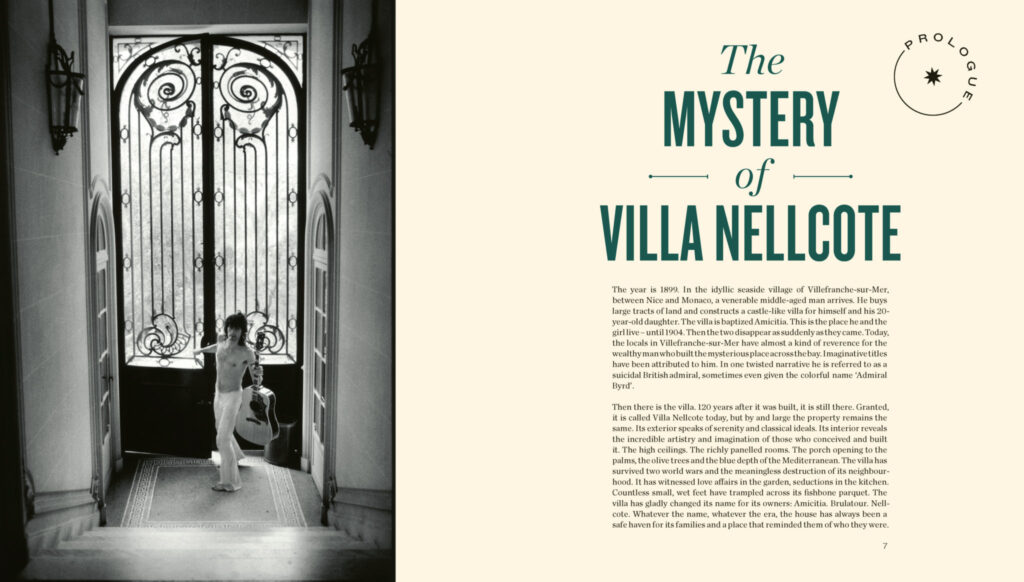
Villa Nellcote is situated on the French Riviera, where the facades of sand-colored houses and swaying palms reflect off the Mediterranean Sea’s surface.
Built by the French wine producer Eugène Thomas-Piétri in 1899 and owned by the Bordes family for generations, Villa Nellcote boasts a history shrouded in mystery and speculation.
All its residents were exceptional people: One drove the fundraising campaign for the Statue of Liberty. Another survived the Titanic disaster. A third worked, in secret, both for the Nazis and the Allies during World War II.
Where the original book left off in 1974, the final part of the new issue takes readers into the aftermath of the Stones’ adventure, Villa Nellcote’s journey through the 1980s and 1990s, and the jet-set lives of the new residents.
In 1971, guitarist Keith Richards arrived at Nellcote. Worshipped by fans, hounded by the police, and hated by the establishment, the Rolling Stones had been banished from Britain. Now they wanted to make music – in the land of the old enemy, France! The mythical recording sessions for Exile on Main St. turned Nellcote into a musical place of pilgrimage on a par with Graceland and Abbey Road. Daily, visitors arrive, take photos, and post them online as a ‘bucket list’ experience. And it doesn’t stop there: A Napa Valley wine brand ‘draws its inspiration’ from Villa Nellcote. A Chicago restaurant is decorated to resemble its interior. A hip Swedish perfume is curated to smell like its garden. Why is Villa Nellcote so alluring? And why has its full, fascinating story not been told – until now?
In this book, you can join author Geir Hørnes as he travels the globe and uncovers Villa Nellcote´s fascinating past on three different continents. Until recently, the villa was owned by a Russian oligarch who – like the family who rented the villa to Keith Richards in the 1970s – was not keen on the luxury property’s rock-iconic status. As a result, today you can only catch a glimpse of it from the sea outside Villefranche-sur-Mer.
Hørnes has received the following greeting from Keith Richards after being in contact with, among others, his son: “Thank you for your efforts for bringing this history to life.”
The Curious Chronicles of Villa Nellcote includes:
A vast selection of rare and unpublished photos, maps, drawings, and ephemera.
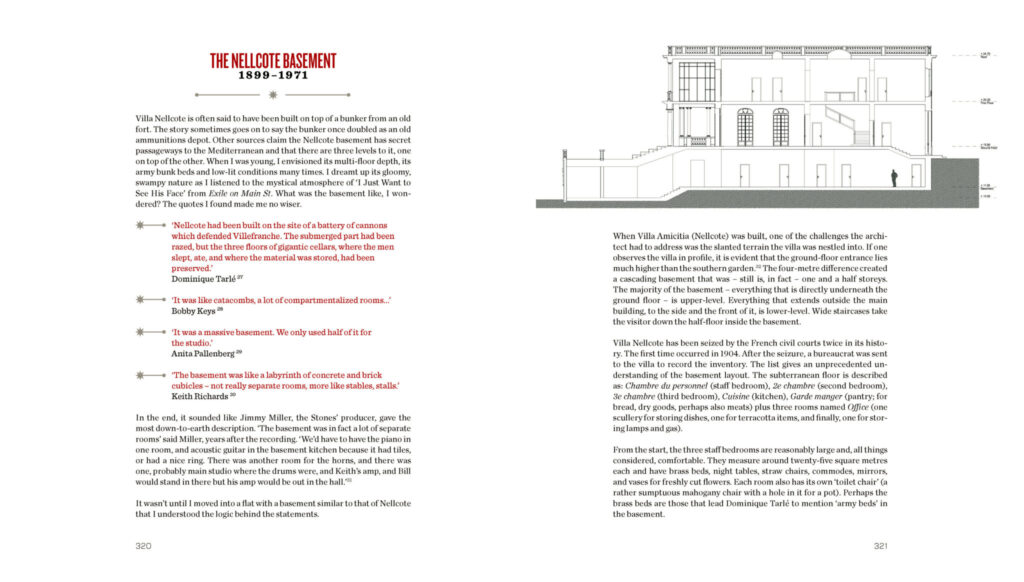
• Architect drawings of Nellcote – including the basement where The Rolling Stones recorded.
• The original Nellcote guestbook from World War I, reproduced for the first time.
• The never-before-seen journal from the Titanic, written by one of Nellcote´s owners.
• Exceptional images of the German soldiers in Villefranche-sur-Mer during World War II.
• Private snapshots and colour slides of Nellcote in the post-war years.
• Georgia Bergman´s personal journal from 1971, offering a rare glimpse into the absolute chronology of the events at Villa Nellcote during the Stones’ stay.
• Mick McKenna´s custom-made technical drawings of The Rolling Stones Mobile in 1971.
• Images of the 1971 Nellcote phonebook, displaying the names and numbers of the power players and celebrities visiting the villa.
• The Nellcote Chronicles offers new interviews and exclusive contributions from the 1971 Stones entourage: Marlon Richards, photographer Dominique Tarlé, author Robert Greenfield, Stones office administrator Georgia Bergman, record producer Robin Millar, artist Stanislas Klossowski de Rola, Nellcote chef Gérard Mosiniak, Rolling Stones Records´ European Label Manager Trevor Churchill, International Label Manager at WEA France Dominic Lamblin, Stage and Lighting Technician Bruce Byall, as well as the siblings Jake and Charley Weber.
• Contributing museums and art collections: Sotheby´s New York, Arts et Métiers Paris, New York Public Library, New Orleans Historical Collections, Staatsarchive Zurich, Swiss Federal Archives Bern, National Bibliothèque France, Military Archive Freiburg, Yad Vashem Holocaust Museum Jerusalem.
Award-winning Norwegian TV and film director Geir Hørnes has written the Curious Chronicles of Villa Nellcote.
You can buy the French issue here.
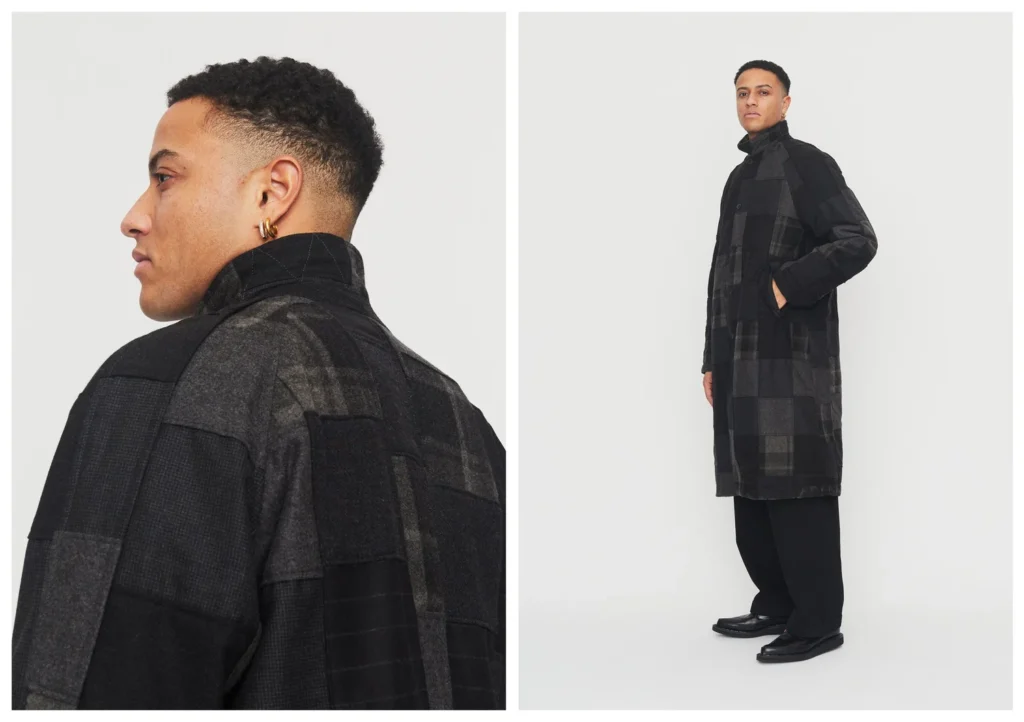
Copenhagen-based Norwegian Åse Helena Hansen, born in Sweden, has one precise aim: to make high-quality, long-lasting, and wearable clothes that reflect the individuality of the person who wears them. Discover how she crafts the well-dressed Scandinavian man.
“Seeing the value of what is closest to you is not always easy. For many years, I was searching the world, but suddenly I discovered what a source of inspiration Nordic craftsmanship is,” says Åse Helena.
“My interest in clothes has evolved from finding items I liked in high street shops, to actively seeking out the really special items. Many of my old favorites have been gradually replaced by truly great items, as they have been moved further into the darker realms of my closets. I’m not saying the things I like are what men my age will universally like, but bear with me and see if I can’t inspire you a little.”
Åse Helena Hansen is the sole designer and owner of the company.
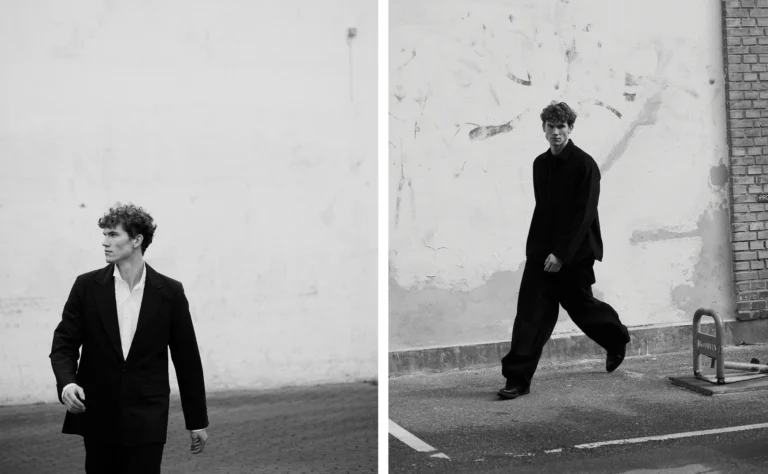
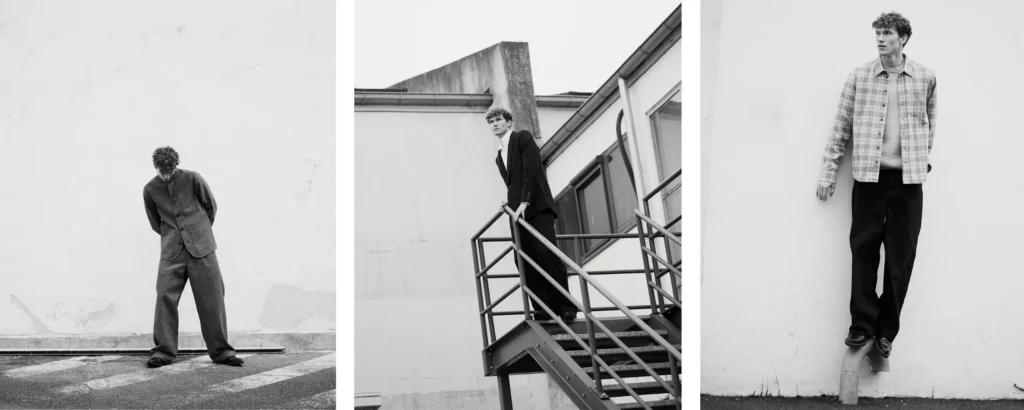
Åse Helena’s men’s clothing features names like “Roald” and “Fridtjof,” incorporating Norwegian folklore, manhood, hand embroidery, and knitting in musk yarn. The models are her uncle and cousin, both farmers, who run the family farm in Sweden.
Nordic sensibilities permeate every aspect of the company, founded in 2010, from a visual language that celebrates cold winters and bright summers to an appreciation for functionality and a democratic approach to decision-making and business operations. Scandinavia is at the very heart of the brand. The clothes exist outside the whims of fast fashion, instead relying on quality, detail and classic good design to offer everyday garments that stand the test of time and become wardrobe favorites.
Hansen targets those aged 40 and above, a modern man who wants to convey simplicity, honesty, and strength.
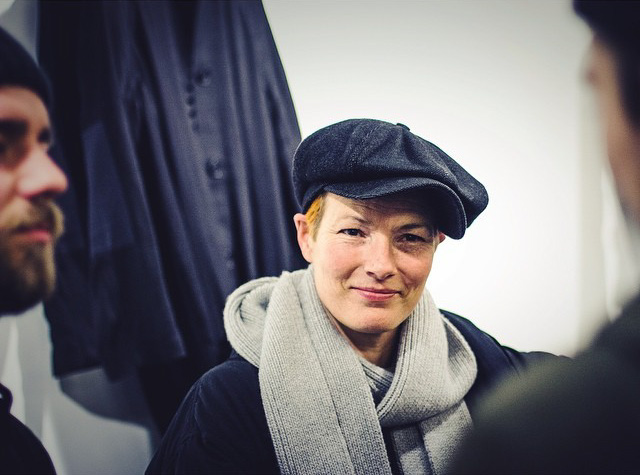
Åse Helena Hansen is the sole designer and owner of the company. As a Norwegian, born in Sweden and now based in Denmark, you can’t get more Scandinavian than that.
“I take as my starting point a time when a man had a work wardrobe and a Sunday wardrobe, and try to unite the two,” says Hansen, who has several years under her belt as chief designer at Bitte Kai Rand.
The clothes exist outside the whims of fast fashion, instead relying on quality, detail and classic good design to offer everyday garments that stand the test of time and become wardrobe favorites.
Designer Åse Hansen has a diverse background that spans photography, art, product design, and fashion. Born in Norway, she spent her childhood in Africa—an experience that allows her to view Nordic aesthetics through the lens of a world traveler. An obsessive about fabrics and tailoring details, she works alongside co-founder Per Chrois and a small Copenhagen-based team to source and produce the collections entirely within Europe.
In my opinion, Hansen is a significant part of the heritage and workwear movement. Creating garments that wouldn’t look out of place in old photos from bygone times, but at the same time give their own twist that brings them right up to date, and at the same time work outside of what might be currently fashionable. This last factor is essential for those of us wishing to be well-dressed adults, as it allows us to buy proper, good garments that will last well. I’d also consider Hansen garments to complement other quality labels, making it easy to mix and match your garments for different looks. Quality-wise, Hansen is right up there with the best. Solid, well-designed, and properly made.
Everything is available from the Hansen Garments Store online
There are numerous clothing brands specifically designed for younger men. Hansen targets those aged 40 and above, a modern man who wants to convey simplicity, honesty, and strength.
Hansen is sold in some of the world’s most interesting independent stores, some of them well-known, others more off-the-beaten-track, but all united in their common goals of offering great clothes with excellent service. In addition to wholesaling its biannual collections worldwide, Hansen Garments operates two standalone stores—one in central Copenhagen and the other in the nearby leafy suburb of Frederiksberg. Both locations stock the brand’s own clothes alongside a hand-picked selection of pieces from like-minded friends across the globe. Everything is also available from the Hansen Garments Store online.
Hansen is a significant part of the heritage and workwear movement.
A couple of my personal favorites have been a waistcoat and trousers named Sverre. I was wearing them for several years, and they were holding up very well. The trousers had a rather unusual construction, in that there was no outer seam—a nice twist.
Today, Hansen is sold in stores in the United States, Germany, Switzerland, the Netherlands, Denmark, and Sweden, among others, as well as online.
Drama in Greece is a year-round paradise for paragliders. For many, the word “drama” is synonymous with conflict or TV series, but in Greece, it is also the name of a city full of surprises. Drama is a medium-sized town in Northern Greece, surrounded by hills and farmland with the Falakro mountain range as a backdrop.
Beyond these mountains lies the Fraktos forest, one of the most untouched natural areas in Europe. The forest is part of UNESCO’s World Heritage and is home to a rich variety of wildlife and plants, marking the border with Bulgaria before the next mountain range is reached.
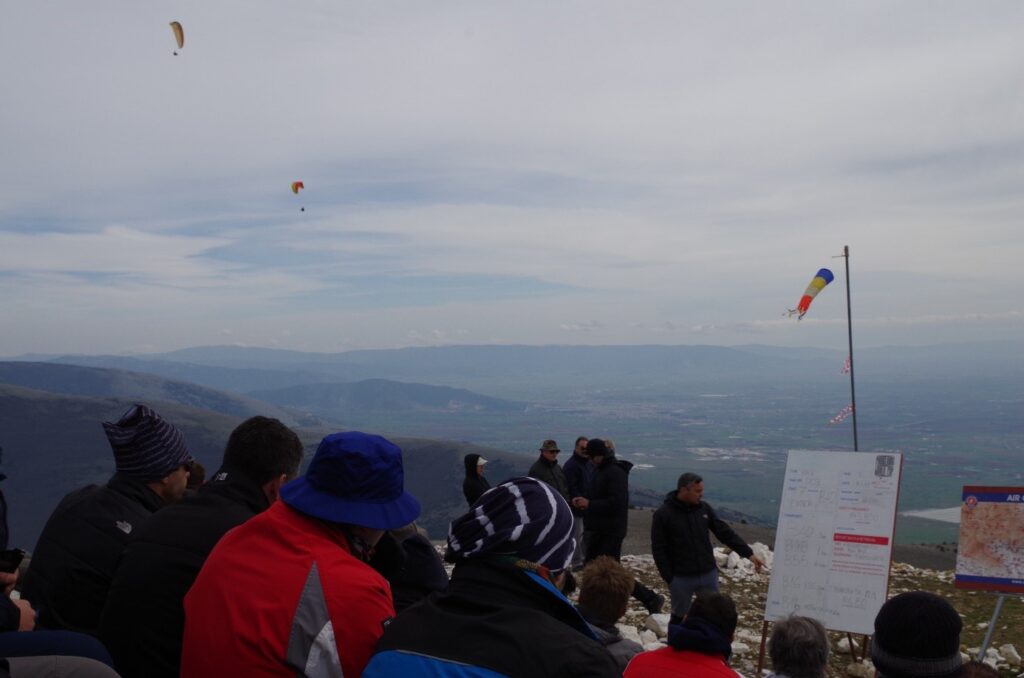
I discovered Drama through paragliding., says Raymond Sebergsen. Photo: Tor Kjolberg/Daily Scandinaian.
A Norwegian story in the sky
I discovered Drama through paragliding. What’s excellent about flying here is that the conditions suit pilots of all levels, and it’s rare to find a more welcoming community. The first time Norwegians became aware of the place was in 2010, when the city hosted the Paragliding World Cup. The following year, Kjell Harald Nessengmo and Rita Iversen traveled down, and the idea of flydrama.com was born.
In 2012, I joined the very first organized trip – there were about 16 of us, and we were immediately sold. The combination of stable flying weather, local hospitality, delicious food, and a charming town life is rare. Many of us have returned several times since.
There’s a road leading up to every launch site, and thanks to the flat valley, it’s easy to find a safe landing spot almost anywhere. The main landing areas are large and straightforward. Amazingly, there are still places you’d rather not land. I have plenty of stories from more or less lucky landings, but one experience sums up the place and the people perfectly: A pilot once landed inside a fenced solar park and thought he was in trouble. Instead of scolding, the man working there insisted on serving him both coffee and cake. The result? The pilot missed out on more flying that day because he spent so much time at the impromptu feast before finally calling the FlyDrama pickup service.
In 2012, I joined the very first organized trip. Photo: Raymond Sebergsen.
Tandem flights and courses
Want to take someone with you in the air – or try paragliding yourself? Several operators offer tandem flights and beginner courses in the area.
Drama’s hills provide good take-off and landing options, especially well-suited for beginner training. Autumn, winter, and spring often bring calm conditions, while summer is usually too strong for this type of flying.
Since 2012, FlyDrama has facilitated trips for Norwegian clubs and schools arranging their courses here. While FlyDrama does not organize the classes themselves, they handle all the logistics – from transport and accommodation to local contacts and daily briefings.
Many participants describe the experience as unique: skilled instructors, comfortable accommodation, fantastic food – and, most importantly, many flyable days. On a typical two-week course in January, you could log more high-altitude flights than many manage in several months back in Norway. That means you don’t just complete PP2, but often already make good progress toward the next level. When the weather doesn’t cooperate, the time is used for theory, exams, and excursions – including visits to local wineries.
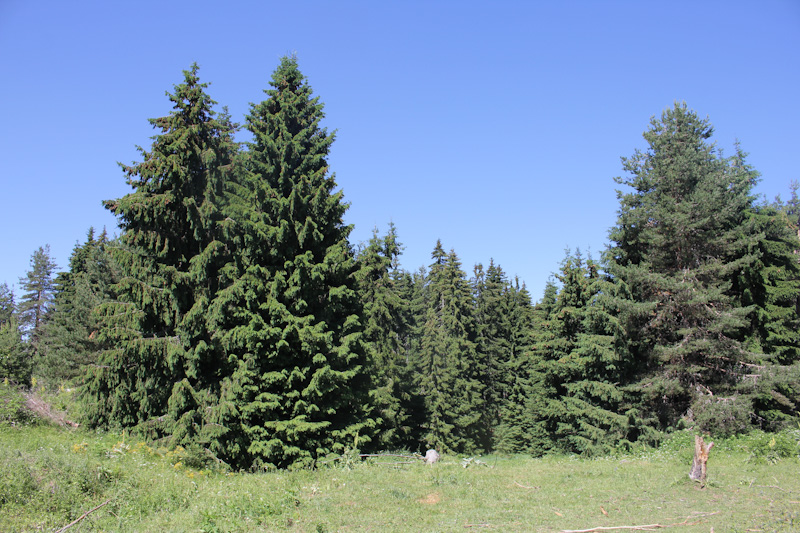
The Fraktos forest, one of the most untouched natural areas in Europe. The forest is part of UNESCO’s World Heritage and is home to a rich variety of wildlife and plants. Photo: Tor Kjolberg/Daily Scandinavian.
More than paragliding
Eventually, I realized that paragliding was just my gateway to Drama. The sport brought me here, but the region offers so much more: hospitality, nature, history, food, and experiences that keep me coming back – whether to fly or to enjoy life on the ground.
When Lonely Planet published an article by Australian journalist Karyn Noble in 2015, she called Drama an “unspoiled” destination, untouched by mass tourism yet full of experiences. She highlighted the nature, wineries, caves, and vibrant city life – summing it up by saying Drama is worth discovering now, before the rest of the world does.
A small selection of highlights:
Wineries and festivals – Drama’s microclimate produces high-quality wine. Lazaridi and Wine Art Estate are worth the trip alone, and the Dramoinognosia festival celebrates Dionysus with wine, food, music, and dance.
Aggitis Cave – an underground river with spectacular stalactites and a constant temperature of 17°C, perfect on hot summer days.
Ancient Philippi – just 20 km away, this UNESCO World Heritage site was founded by Philip II of Macedon and features an impressive amphitheater still in use today.
The Rhodope Mountains – a national park rich in wildlife, waterfalls, hiking trails, and skiing opportunities on Falakro. It also hosts the Virgin Forest Trail, an internationally renowned ultramarathon.
Noble summed it up like this: “If you’re looking for a place untouched by mass tourism but full of experiences, Drama is worth discovering now – before the rest of the world does.»
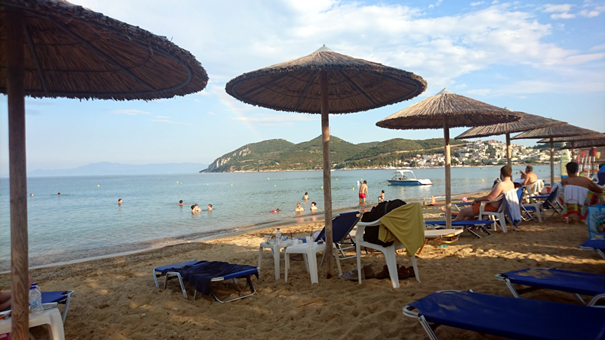
Kavala – one of our favorite spots for a swim in the sea. Photo: Raymond Sebergsen.
A place you’ll return to
Drama is known for its stable and predictable flying conditions. The local club has hosted several major competitions, and since 2012, FlyDrama has made it easy for pilots to experience the area.
One of my fondest memories was when we rented sailboats to the island of Thassos. We swam ashore at a beach, soaked up the sun, and later continued to the town center for dinner before sailing back to Kavala – one of our favorite spots for a swim in the sea.
When the weather hasn’t allowed flying, we’ve visited wineries, raced go-karts, explored caves, and come up with spontaneous activities. Drama and its surroundings are full of little discoveries – whether you’re after adrenaline or want to enjoy life.
Drama is full of coffee bars, and coffee is taken seriously here. Photo: Raymond Sebergsen.
Coffee, food, and hospitality
The city is lively but calm, with a charm that makes you feel at home quickly. It’s full of coffee bars, and coffee is taken seriously here. Locals are quick to sit down for a chat, and it’s easy to make new friends.
The food is a story in itself – from traditional Greek dishes to fresh seafood on the coast, and not least the local mountain-raised meat. Karyn Noble wrote that in Drama you should “pack an extra stomach” – and she wasn’t exaggerating. The region boasts a vibrant food culture, offering a diverse range of ingredients, including game meat, local vegetables, fresh berries, mushrooms, and herbs sourced from the surrounding mountains. The potatoes from Nevrokopi even have their own protected geographical status. Combine this with taverna classics like pastourmas (spiced, dried beef), local pasta varieties, and slow-cooked goat, and it’s easy to see why your stomach gets a workout.
Drama is one of those places that gives you everything. Photo: Raymond Sebergsen.
Why visit Drama?
Because it’s one of those places that gives you everything – whether you come to fly or to experience Greece at its most authentic, here you get the combination of spectacular nature, an active local community, endless experiences, and a warm welcome – every single time.
And these are just a few examples of what you can enjoy:
Beach life: Just 40 minutes away are the long sandy beaches of Kavala, perfect for a swim after a day in the mountains or vineyards.
Kayaking and rafting: In Paranesti, just over half an hour from Drama, you can paddle the Nestos River, try rafting, or challenge yourself in the climbing park.
Mountain adventures: The Rhodope Mountains offer hiking trails, waterfalls, cycling, and the chance to spot eagles, deer – and, with some luck, brown bears.
Culture and history: With Philippi nearby and the city’s own museums and archaeological treasures, there’s always something new to learn.
Food and wine: From the wineries of Adriani and Mikrochori to small mountain tavernas – everything is close enough to combine in a weekend trip.
In short: you can wake up to mountains and paragliding, have lunch at a winery, take an afternoon swim in the Aegean Sea, and end the day at a coffee bar in town – without it ever feeling rushed.
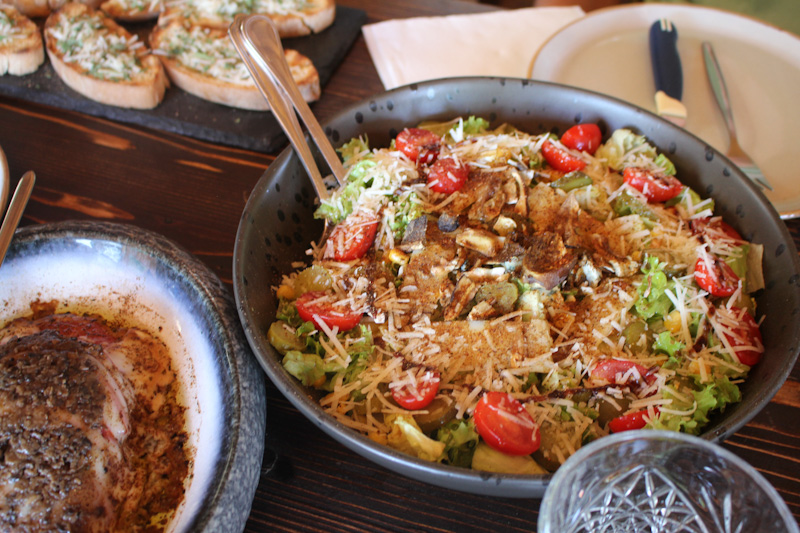
The food is a story in itself – from traditional Greek dishes to fresh seafood on the coast, and not least the local mountain-raised meat. Photo: Tor Kjolberg/Daily Scandinavian.
Practical information
Drama is located in Northern Greece. The easiest route is via Thessaloniki, the country’s second-largest city with over one million inhabitants. From there, renting a car is the most practical option – both affordable and flexible in Greece.
Alternatively, you can take the bus or arrange transport through local providers. Many are happy to assist – not only paragliding operators but also hotels, wineries, and activity organizers who help with logistics.
In short: Drama is easy to reach and even harder to leave – simply because the place offers so much more than you’d expect. Whether you come to soar in the skies, explore the mountains and vineyards, or enjoy the hospitality and coffee culture, Drama is a discovery you’ll carry with you long after.
Paragliders’ Paradise, written exclusively for Daily Scandinavian by Raymond Sebergsen.
Raymond is a self-taught multidisciplinary problem solver with over 30 years of experience in IT, sales, product and service development, and management. His career began in local radio and TV, where he discovered the joy of communicating, creating, and doing things his way. This approach continues to characterize his work: curious, practical, and driven to understand and improve. He will share his experiences and essential knowledge with Daily Scandinavian readers. Here are more tips and guides by Raymond Sebergsen.
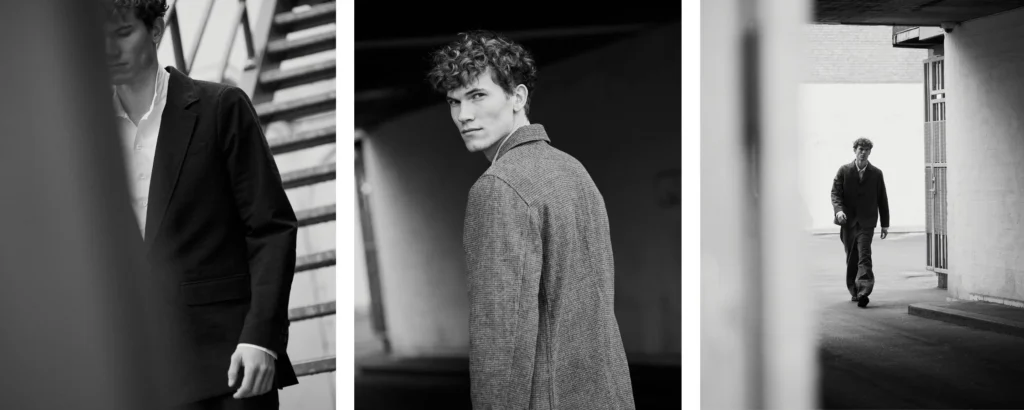
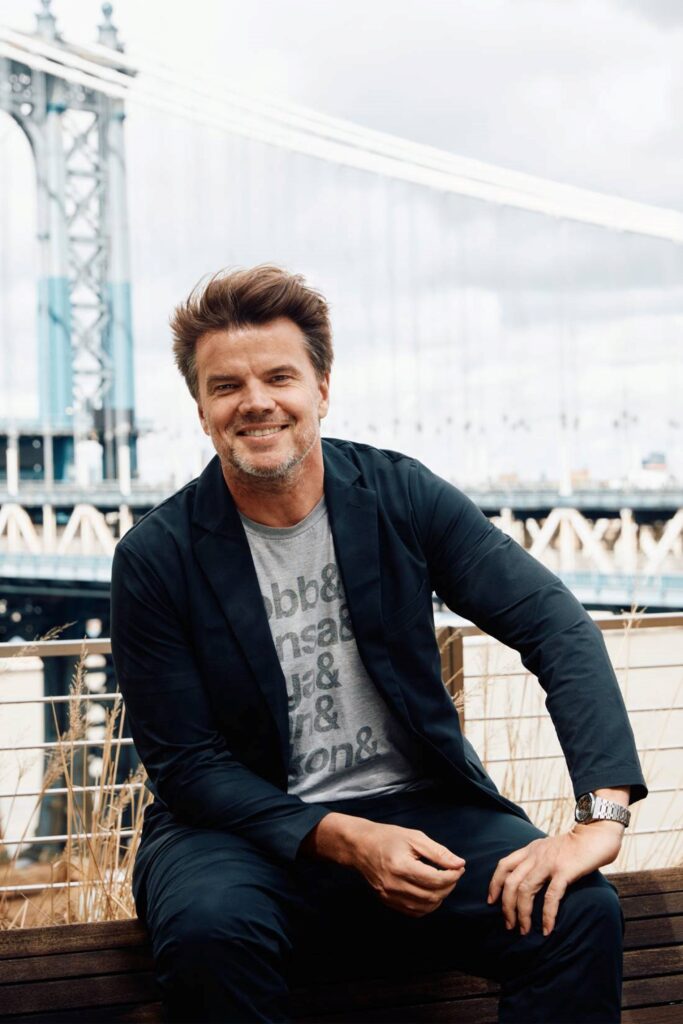
Danish architect Bjarke Ingels is aiming to shape a more efficient and responsible future by reshaping our spaces in sustainable and innovative ways.
At Milan Design Week earlier this year, the installation ‘A Beat of Water’ by BIG – Bjarke Ingels Group, in partnership with Spanish bathroom specialist Roca, zoomed in on water and its power – from a natural element to a valuable resource, touching on sustainability and consumption. The installation brought that vision to life, creating an immersive experience that reveals the inner workings of the water network and offers a glimpse into the infrastructure that sustains daily life.
The installation was set up in the courtyard of Università degli Studi di Milano and invited visitors to rethink how we design our spaces. This broader trend has been a recurring theme throughout Ingel’s 25-year career.
Are you aware of how much water we waste? This vital yet limited resource covers 71% of the Earth’s surface, but less than 1% is fresh and available for use. To save water, we first need to understand how much we use. Innovative products provide the data to help us track our water footprint,” says Bjarke Ingels.
The exhibit is a flowing, visually arresting, 14m-long and 3.5 m-high structure. Made from a total of 300m of galvanized steel pipes, this installation engages all the senses. Featuring continuous water circulation, it invites visitors to sit and be enveloped by the element’s dynamic movement, vibration, steady rhythm, and soft, calming sounds.
Ingel describes it as a rebular cave of water pipes, creating the feeling of sitting underneath an overhang in the summer while it’s raining. Although Roca has beautiful porcelain products, what really determines environmental performance is the plumbing. We’re interested in moving the focus from the surface of products to what happens behind the façade.
The exhibit is a flowing, visually arresting, 14m-long and 3.5 m-high structure.
More than an artistic display, this installation is a call to awareness. It emphasizes the balance between innovation and sustainability, demonstrating how innovative technology, such as Roca Connect, can help. This blend of design and purpose transforms the installation into a meaningful exploration of the relationship between people, technology, and the environment, reinforcing Roca’s leadership in craftsmanship and sustainable living.
The water used in the design travels through a closed-loop system, ensuring no wastage, which also underscores the importance of sustainable treatment of this precious resource. At the heart of the concept lies Roca Connect, Roca’s cloud-based, innovative water management system, showcasing how design and innovation can come together, merging contemporary flair, state-of-the-art technology, and sustainable architecture.
More than an artistic display, this installation is a call to awareness.
“We need to render our buildings more honestly, for example, exposing energy and water consumption systems,” says Ingels.
BIG- Bjarke Ingels Group
BIG- Bjarke Ingels Group is a Copenhagen, New York, London, Barcelona, Shanghai, Los Angeles, Zurich, Bhutan, and Oslo-based group of architects, designers, urbanists, landscape professionals, interior and product designers, researchers, and inventors. Led by Bjarke Ingels, the studio is currently involved in projects throughout Europe, the Americas, Asia, Oceania, and the Middle East. BIG’s architecture emerges out of a careful analysis of how contemporary life constantly evolves and changes. BIG believes that by striking the fertile overlap between pragmatic and utopian, architects can find the freedom to transform the surface of our planet, better fitting contemporary life forms.
Danish Architect Aiming to Shape a More Efficient, Responsible Future, Tor Kjolberg reporting.
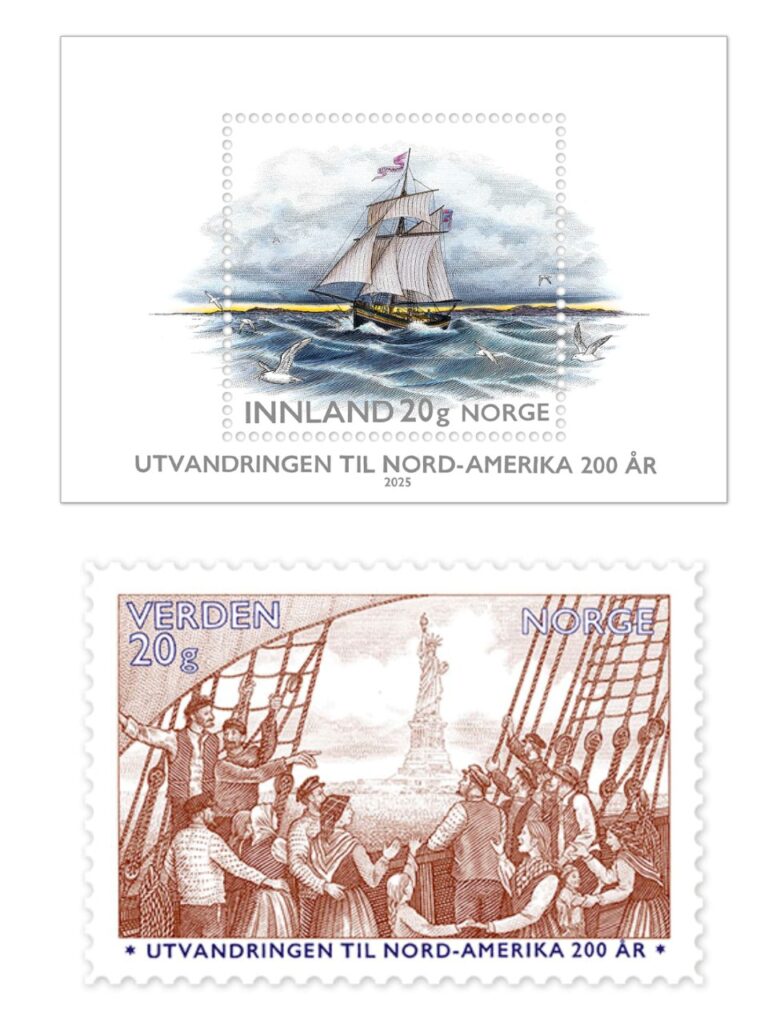
Norway’s post office celebrates the 200th anniversary of emigration from Norway to North America. Two unique Norwegian commemorative stamps were unveiled during the opening of a new exhibition at the Norwegian Emigrant Museum (Utvandrermuseet) in Ottestad, in collaboration with Posten Norge.
The Norwegian Post (Posten) issued a set of two stamps in June to commemorate the 200th anniversary of the first organized Norwegian emigration to North America. The stamps, designed by Martin Mörck, feature the emigrant ship “Restauration” and the migrants’ arrival in New York with the Statue of Liberty in the background.
Prolific stamp engraver Martin Morck served as designer and engraver for the stamp and souvenir sheet.
Read more about the official launch in Norway at the Norwegian Emigrant Museum. (News coverage in Stangeavisa.) Prolific stamp engraver Martin Morck served as designer and engraver for the stamp and souvenir sheet.
In the 19th century, Norway saw one of the highest rates of emigration in Europe. For more than a hundred years, tens of thousands of Norwegians packed up their lives and sailed across the Atlantic in search of opportunity.
According to Posten, more than 750,000 Norwegians emigrated to the United States between 1836 and 1915. Illustration: The U.S. Embassy to Norway.
Many Norwegians emigrated due to hardships such as poverty, oppression, class divisions, and overpopulation in Norway, along with the inspiration of adventure and the promise of cheap farmland in America.
The first recorded journey of organized emigration from Norway to North America began when 52 emigrants boarded the Restauration and set sail from Stavanger, Norway, on July 4, 1825, to arrive in New York City on October 9.
According to Posten, more than 750,000 Norwegians emigrated to the United States between 1836 and 1915, with those in the Country settling primarily in the Midwest states of Minnesota, Wisconsin, Illinois, North Dakota, South Dakota, and Iowa.
Two Unique Norwegian Commemorative Stamps Unveiled, Tor Kjolberg reporting.