Stephen Burks will be the first recipient of the newly established Bruno Mathsson Design Residency. Burks, a prominent American designer, will participate in the residency from May 15 to June 15, 2024. Learn more about theSwedish Design Residency which opens for Internationally Working Designers.
In May 2024, the first Bruno Mathsson Design Residency will take place in Värnamo, Sweden. The purpose of the residency is to offer an internationally working designer time for research, development, networking, and focus in a stimulating architectural environment, within the context of Vandalorum Museum of Art and Design and the extensive manufacturing industry of the region.
All international designers, based outside of Sweden, are welcome to apply
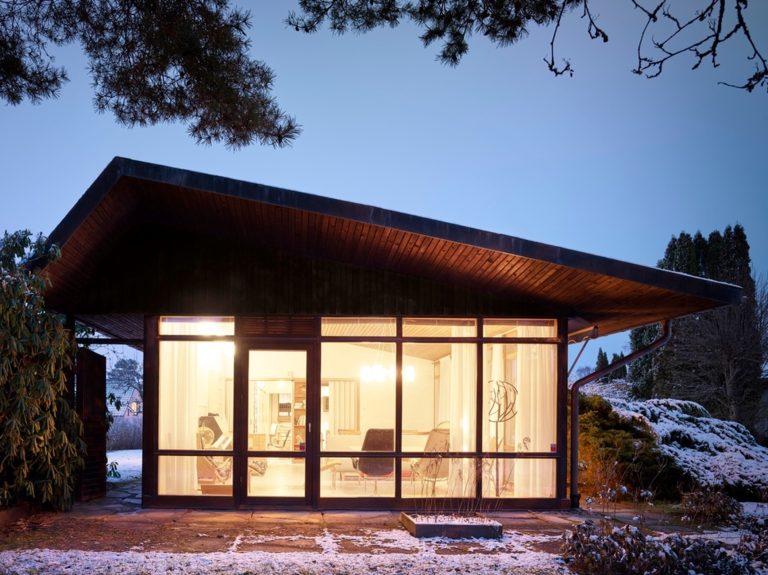
The resident is offered to stay for a month in a groundbreaking house designed by the influential architect and furniture designer Bruno Mathsson (1907–88). The house, from 1955, is located in Bruno Mathsson’s hometown of Värnamo in Småland, and was originally commissioned by Sven Lundh (founder of Källemo and initiator of Vandalorum).
Stephen Burks, Broom Thing, Berea College Student Craft
The Bruno Mathsson Design Residency is run by the Region Jönköping County and Vandalorum. During the residence period, the designer is offered visits to the extensive furniture and manufacturing industry in the Jönköping region, based on the designer’s choice and interests. The designer is also offered a tour to Bruno Mathsson’s private home and the Mathsson Center, and is invited to give a public lecture at Vandalorum during the residence period.
“I believe the closer the hand gets to the act of making, the more potential there is for innovation. The Bruno Mathsson residency will bring my way of working into conversation with Swedish design history and industrial expertise while questioning who participates in design and who benefits. As the world faces continued global crises, design has the capacity to create more dialogue around more issues for more people. Even today, Mathsson’s legacy is living proof of this,” says Stephen Burks.
The residency is run by Region Jönköping County and Vandalorum, in collaboration with IASPIS/The Swedish Arts Grants Committee`s International Programme for Visual and Applied Art and Värnamo Municipality, in collaboration with entrepreneur and furniture collector Johan Sjöberg, Bruno Mathsson International, and the Karin and Bruno Mathsson Foundation.
This year, 43 qualified designers from five continents have applied for the residency, with a jury consisting of Dr. Mateo Kries, Director, Vitra Design Museum, Weil am Rhein; Jenny Nordberg, designer, Röstånga; Magnus Jonsson, Head of Culture, Region Jönköping County; Lennart Alves Gernes, Art and Design Developer, Region Jönköping County; and Elna Svenle, Museum Director, Vandalorum, Värnamo.
Stephen Burks (b. 1969, based in New York) is a designer and professor of architecture at Columbia University in New York. He studied architecture at the Illinois Institute of Technology and Product Design at IIT’S Institute of Design, as well as attending Columbia University’s Graduate School of Architecture. Burks is the first African American to receive the Smithsonian Cooper Hewitt National Design Award in product design. Independently and through association with the non-profits Aid To Artisans, Artesanias de Colombia, the Clinton Global Initiative, Design Network Africa and the Nature Conservancy, Burks has worked as a product development consultant in close collaboration with hundreds of artisans in over 15 countries on six continents. He believes in a pluralistic vision of design that is inclusive of all cultural perspectives. His Man Made project bridges the gap between authentic developing world production, industrial manufacturing and contemporary design.
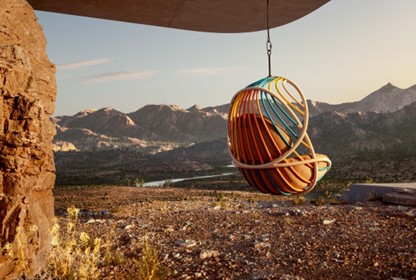
Stephen Burks, Kida Swing, Dedon, 2020
Burk’s work has been exhibited internationally including the Armory Show, Art Basel/Design Miami, Cooper-Hewitt National Design Museum, MAD Museum of Art & Design, Philadelphia Art Museum, Salone del Mobile, Hong Kong Shenzhen Biennale, and the Stockholm Furniture Fair, and the Studio Museum Harlem. He has received various awards, including the Illinois Institute of Technology Alumni Professional Achievement Award, the Brooklyn Museum Modernism Young Designer Award, and the United States Artists Architecture & Design Target Fellowship Grant. Burks has also served as a product development consultant global brands like Dedon, Missoni, and Swarovski.
Feature image (on top); The house at Backegårdsgatan, Värnamo, Sweden. Designed by Bruno Mathsson, 1955. Photograph Peo Olsson.
Swedish Design Residency Opens for Internationally Working Designers, based on a press release from Vandalorum.
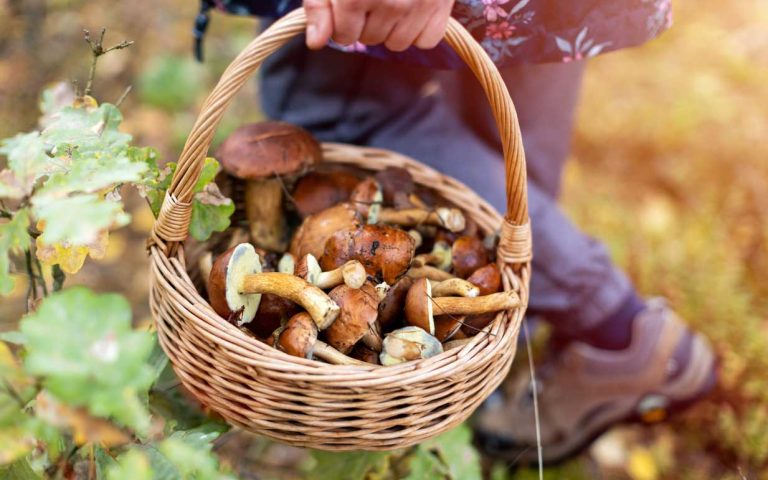
If you’re interested in mushroom foraging, respecting the wildlife you are exploring is key. Different national parks and nature reserves have varying guidelines, so it’s important to do your research before heading into the wilderness. Learn more about mushroom foraging in Sweden.
Regardless of your foraging experience, it’s crucial to have at least one experienced forager in the group to identify wild mushrooms since not all kinds are edible. If you don’t know any experienced foragers, that does not mean you can’t try still try it yourself! Many foraging tours and mycological associations are available to join in Sweden that can guide you on your first foraging experience.
Swedish national parks are ideal for mushroom foraging. Below are Annelie’s recommendations.
Abisko National Park, located in Swedish Lapland, is a great spot for foraging due to its remote location. The subarctic climate makes for a unique selection of wild mushrooms. Keep an eye out for birch bolete and golden chanterelle.
Fulufjället National Park
Fulufjället National Park
If you’re as much of a foodie as you are a hiker, I’d recommend Fulufjället National Park. Boletes and Chanterelles, two kinds of edible mushrooms that grow here, make for excellent additions to a meal. If you’re interested in an overnight trip, Fulufjället has a selection of rustic cabins available to rent throughout the park.
Skuleskogen National Park is a favourite due to its jaw-dropping views of the mountains and sea in the high coast region of Sweden. Foragers might find coastal mushrooms such as cep, pine and hedgehog. If you’re up for a challenge, try starting your hike at Slattdalsskrevan Canyon, which features a large ravine leading into an abyss that feels otherworldly.
Tiveden National Park
Tiveden National Park
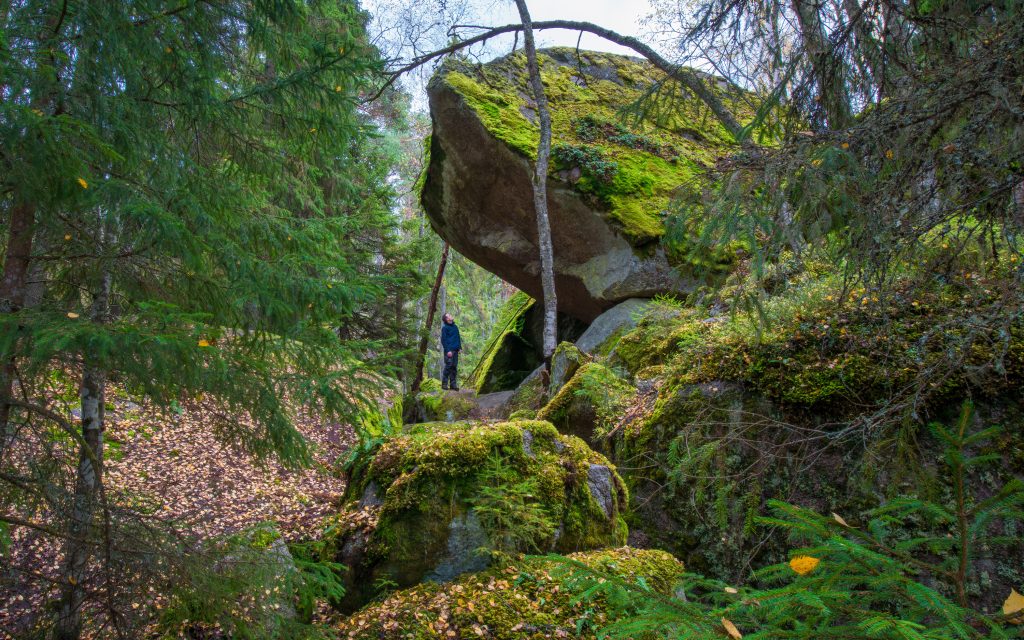
Located between two large lakes in southern Sweden is Tiveden National Park, which is one of my favourite spots for foraging wild mushrooms. The 5,000 acres of ancient forest surrounding the lakes are mainly undisturbed, which makes it a perfect spot for wild mushroom growth. Hikers should look out for chanterelles and boletes dotted beside the trails. The serene lakes, wild forest and rugged terrain make for an exciting variety of hiking options for foraging at Tiveden National Park.
Tyresta National Park
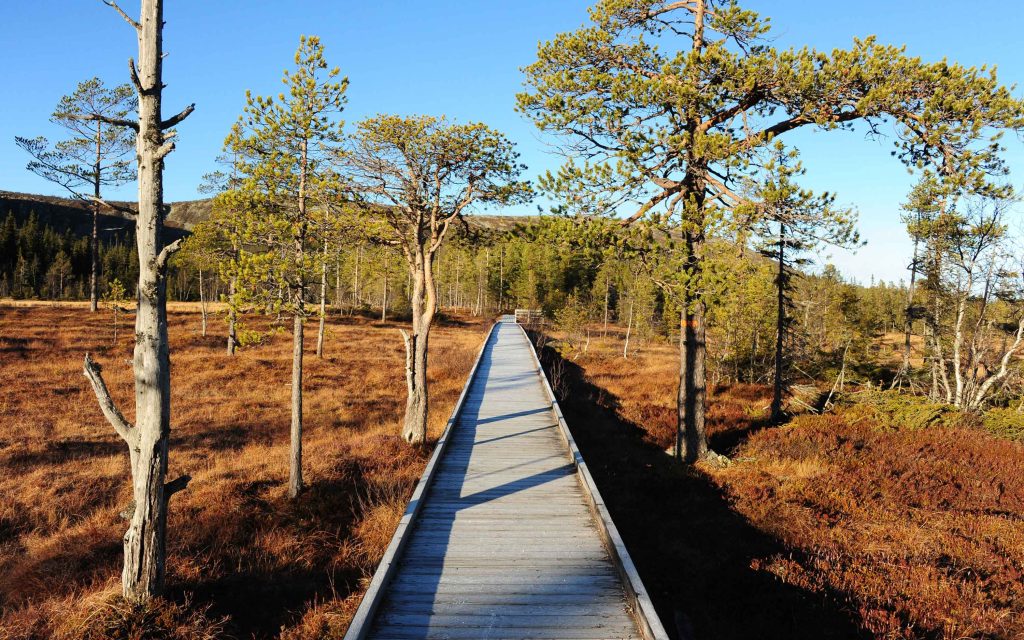
If you’re based in Stockholm and looking for a break from city life–try foraging at Tyresta National Park, which is only 20 kilometres away. Seeing the sunset reflected in the wetlands here is an especially magical experience. Foragers may find porcini, chantarelles, and saffron milk caps growing in Tyresta National Park.
Annelie Pompe
Mushroom Foraging in Sweden, written for Daily Scandinavian by Annelie Pompe. Annelie is an experienced Swedish hiker, professional adventurer and brand ambassador for Merrell Hiking Club, a women-centric community which aims to empower, inform and inspire female hikers.
A 1,300-year-old ship burial has been unearthed in Leka, a municipality in Norway’s Trøndelag county. According to a statement from the Norwegian University of Science and Technology, it is Scandinavia’s oldest identified ship burial.
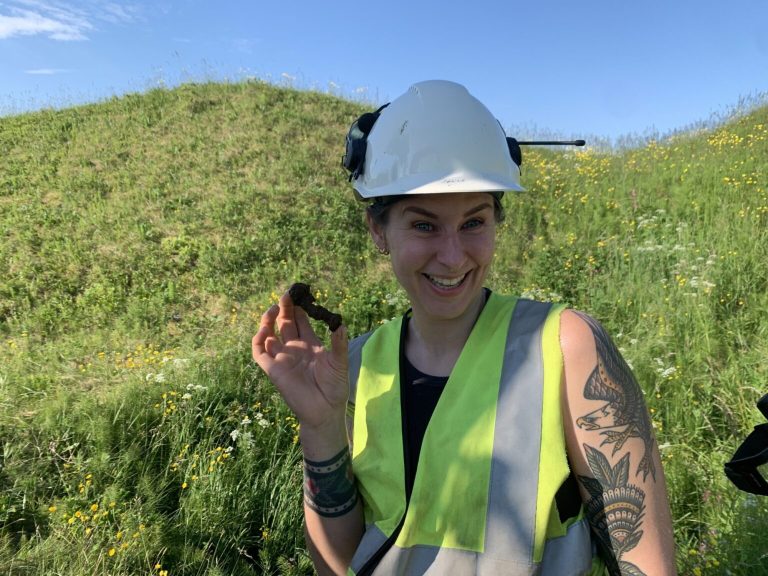
Last summer, archeologists with a metal detectorist conducted a small survey of Herlaugshaugen to date a burial mound and find out if it contained a ship. Given the size of the large, grassy hill, researchers have long suspected it contained a ship – and it was indeed a ship burial. The ship they unearthed measures 23 feet tall and 197 feet in diameter.
In the late 1700s, Herlaugshaugen was excavated three times. According to reports, findings included a type of wall, iron nails, a bronze kettle, animal bones, and a seated skeleton with a sword.
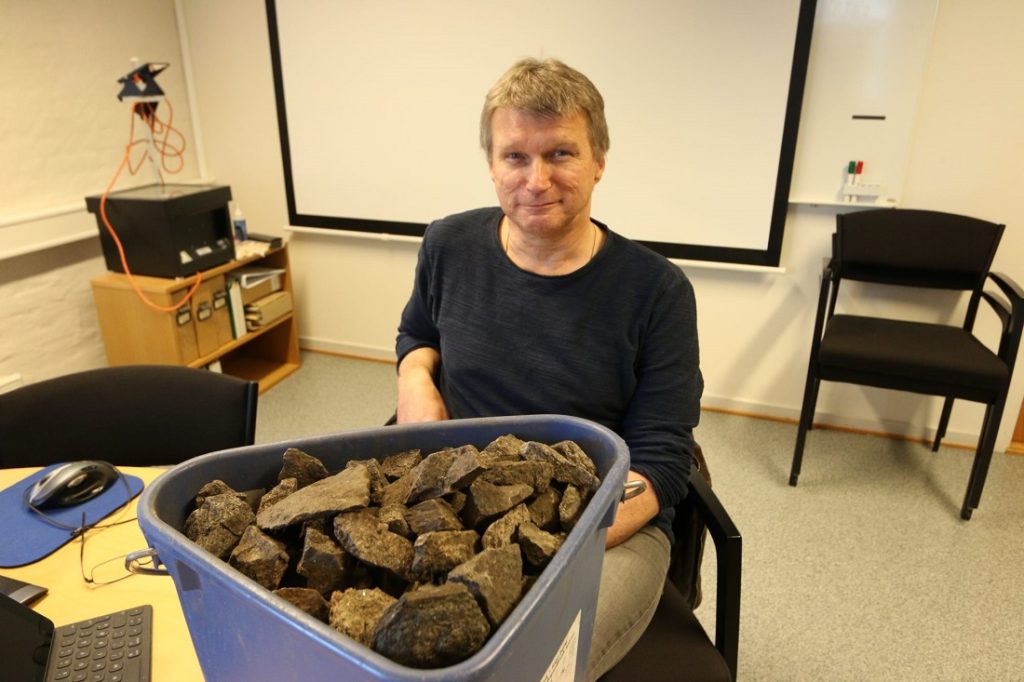
“Unfortunately, these findings disappeared already in the early 1920s. The skeleton was once displayed at Trondheim Cathedral School as King Herlaug, but no one knows where it ended up,” explains Geir Grønnesby, project leader from NTNU Science Museum.
According to Grønnesby, the discovery reveals the region’s advanced maritime capabilities much earlier than previously thought.
Skilled seafarers
“The mound was constructed in approximately 700 CE. This is called the Merovingian period and precedes the Viking Age. This dating is really exciting because it pushes the whole tradition of ship burials quite far back in time,” he says.
“The find suggests that people who lived in the region at that time were “skilled seafarers” who could build big ships “much earlier than we previously thought,” Grønnesby adds.
Is there a relationship between the ship burial traditions in Scandinavia and England?
The mound also helps fill in the gaps between early Scandinavian ship burials, which date to the end of the eighth century, and the well-known Sutton Hoo ship burial in England, which dates to the early seventh century.
Grønneby is supported by archaeologist Lars Forseth from Trøndelag County Authority who also participated in the surveys.
“I think that the location along the shipping route plays a key role in understanding why Herlaugshaugen burial mound is located at Leka. We know that whetstones have been traded from Trøndelag to the continent from the mid-700s onwards, and goods transport along the route is key to understanding the Viking Age and developments in ship design before the Viking Age,” he says.
Herlaugshaugen. Photo: Visit Namdalen
But is there a relationship between the ship burial traditions in Scandinavia and England? That remains an open question—one that researchers might be able to answer by studying other large unexplored burial mounds in Norway.
Ship burials were once a traditional custom that involved interring a deceased person inside their vessel and covering the ship with a dirt mound. The practice was “believed to make the person’s transition to the afterlife a safe one,” writes Artnet’s Verity Babbs.
Furthermore, the Herlaugshaugen mound, one of Norway’s largest burial mounds, is regarded as a symbol of power and wealth, indicating that the region’s prosperity was likely derived from trade and maritime activities rather than agriculture alone.
Scandinavia’s Oldest Identified Ship Burial, written by Tor Kjolberg
Currant-sized, tart and dry rowanberries are very popular with birds. They are inedible, and slightly toxic when raw, but no one in their right mind would eat them raw. Learn more about Scandinavian rowanberry.
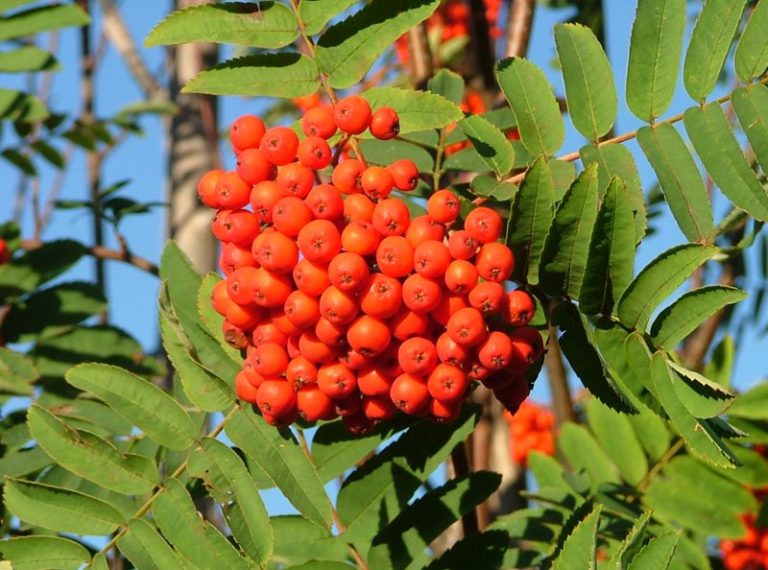
The taste of rowanberry is pleasingly bitter, and extremely aromatic when cooked. The rowan, or mountain ash (Sorbus aucuparia), is a small deciduous tree that bears the vividly orange berries in August. A fast-growing pioneer species that invades disturbed ground, the rowan will grow almost anywhere. The berries from other Sorbus species are also edible.
The taste of rowanberry is pleasingly bitter, and extremely aromatic when cooked. Photo: Det matematisk-naturfaglige fakultet.
The tannic, bitter taste of the berries can be extracted into cordials, and a delicious jelly. The berries are rich in pectin, so the jelly naturally sets well. It is beautiful with game and roast beef, with apples or simply on toast.
The tannic, bitter taste of the berries can be extracted into cordials, and a delicious jelly.
The berries are an important ingredient in the famous digestif Gammel Dansk, which owes much of its taste and bitterness to rowanberries. The berries are a much-used ingredient in flavored schnapps.
The berries are an important ingredient in the famous digestif Gammel Dansk
The berry itself is not used as a fruit, because the dryness and seeds are not too interesting, though some species were formerly dried and used as we use raisins.
Discover the deep roots and cultural importance of the Finnish sauna, from ancient traditions to modern practices. Explore the rich history and logic behind sauna rituals.
Ever wrapped yourself in a blanket of steam, letting the heat whisper secrets to your skin? an ancient Finnish tradition that has outlasted empires and withstood the test of time. Why do you think these rituals have survived for thousands of years?
We’re talking about saunas, friends—not just rooms but vessels carrying centuries-old wisdom on wellness sails. They’ve criss-crossed oceans, docking at various cultural harbors, yet their essence remains unchanged.
Imagine stepping into a Finnish smoke sauna; feel the embrace of löyly as it intertwines with history right before your eyes. Or maybe you’ll discover how Estonian traditions bring modern flair without losing their soulful touch.
You might even be curious about infrared’s high-tech glow against the rustic backdrop of traditional stones… Be prepared for further exploration; this is only the beginning.
Centuries ago, sauna culture took root in Finland and Estonia.
The Ancient Roots of Sauna Culture
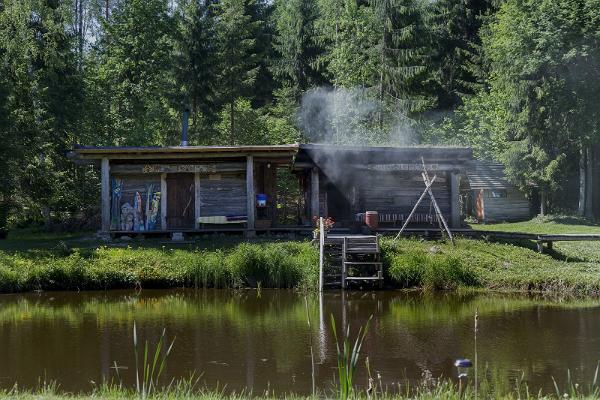
A land cloaked in the deep green of ancient forests, where steam rises like whispers from wooden huts. This isn’t the setting for a fantasy novel—it’s Finland and Estonia centuries ago, where sauna culture took root. And let me tell you, it wasn’t just about getting clean; it was wellness before wellness had a hashtag.
The Birthplace of Sauna Traditions
In these Nordic lands, folks didn’t just stumble upon saunas as we might find an old coin on the sidewalk—they were integral to life itself. Think thousands of years ago, when iPhones were still rocks and tweets came from actual birds. Here’s where Finnish people forged their bond with heat that sweats out more than toxins—it sweats out stress and bad vibes too.
But why did they start? Imagine facing those bone-chilling winters without central heating or fluffy robes. They needed something fierce to fight off the cold, and so saunas became their fiery ally against frostbite’s icy grip. Komowa is one place where you can get traditional saunas.
Sauna Rituals Across Cultures
You’d think that tossing water on hot stones is straightforward enough not to get lost in translation—but nope. As sauna traditions traveled around the globe, they morphed into new shapes faster than doughnuts disappear at office meetings. Different cultures added their own spices to the mix—literally sometimes—with aromatic herbs enhancing relaxation across continents.
Each place made saunas its own—from Turkey’s hamams echoing with echoes (and soap suds) to Japan’s sento baths calming even the busiest minds after a Tokyo workday marathon.
Finnish Sauna Culture as a Way of Life
In Finland, though, “sauna” is practically synonymous with “home.” It goes beyond mere tradition—it’s stitched into society’s very fabric (kinda like denim in America). The Finns don’t sit silently alone; oh no. They chat about politics or share stories while soaking up löyly—the magical steam that dances through air thicker than grandma’s pea soup.
This bonding ritual spans generations—families gather here much like others would around Thanksgiving turkeys, minus any potential food fights.
The Quintessential Finnish Smoke Sauna Experience
This isn’t just a quirky habit; it’s steeped in tradition and believed to improve circulation and provide an exfoliating effect that leaves the skin tingling and refreshed. As you might imagine, this rustic form of rejuvenation has been passed down through generations—each gentle thwack of birch on skin is like a nod to Finnish ancestors who knew how to live well.
Very old Finnish sauna.
Sauna Rituals Across Cultures
Imagine stepping into a world where the air hums with heat and steam dances around you like an old friend. This is the essence of sauna culture, a practice that’s made its way across borders and seas to become a global phenomenon. From the ancient smoke-filled rooms in Finland to modern infrared cabins dotting cities worldwide, saunas have evolved while holding onto their soul-soothing core.
Adapting Traditions for Global Wellness
The journey of sauna rituals from tucked-away Finnish lakesides to bustling urban wellness centers has been nothing short of remarkable. As they’ve spread globally, these practices have dressed themselves up in local garb—taking on new flavors but always staying true to their roots as places of rejuvenation and community.
In countries far from Finland’s forests, people now gather in communal sweat lodges or partake in spa experiences that pay homage to traditional Nordic customs. It’s clear: no matter where we come from or what language we speak, there’s something universally compelling about surrendering oneself to waves of warmth and emerging refreshed.
Around each corner of the globe, you’ll find saunas standing proud as testaments not just to relaxation but also innovation; cultures worldwide are weaving their own narratives into this age-old tradition. Whether it’s integrating meditation sessions within serene Japanese onsens or blending aromatherapy using local herbs within Turkish hammams, the universal language spoken here is one of well-being.
We’ve watched as simple wooden structures by quiet Scandinavian shores transformed into chic health-promoting havens at luxury hotels—and yet somehow retained that intimate connection between body and nature that first sparked our ancestors’ love for them so many years ago.
The Social Fabric of Finnish Saunas
But let’s step back for a moment—to Finland itself, where life without saunas would be akin to pizza minus cheese—a thought too tragic to even entertain. Here, these humble heated rooms aren’t mere amenities; they’re stitched deeply into society’s fabric—woven through generations who understand that sweating together strengthens more than muscles—it builds bonds stronger than any birch branch could whip up during löyly (the sacred steam).
Finnish families often share stories encircled by embers’ glow while communities rally around public saunas as if gathering points—as crucial today for socializing as ever before. Because when Finns talk about taking a sauna, it isn’t simply an act; it embodies unity—an enduring ritual shared with loved ones, symbolizing purity both physical and societal alike.
The allure of these simple yet intricate spaces is undeniable. It’s as if there’s a kind of magic in the air, with each hot stone meticulously placed atop another, contributing to an ever-growing structure that captivates and inspires. This architectural marvel doesn’t just stand tall; it tells a story of resilience and creativity—a testament to human ingenuity.
***************************************************
Related: A History of the Scandinavian Spa
***************************************************
In every corner of Finland, from city apartments to lakeside cottages, you’ll find saunas woven into daily life.
Finnish Sauna Culture as a Way of Life
Imagine stepping into a warm embrace that melts away the stress of your day—that’s what sauna is to Finns, an essential thread in their social fabric. In Finland, saunas are more than just steam rooms; they’re sacred spaces where friends and families come together.
The Social Fabric of Finnish Saunas
In every corner of Finland, from city apartments to lakeside cottages, you’ll find saunas woven into daily life. With nearly one for every household in the country, it’s clear how these communal hotspots have become vital venues for unwinding and bonding. Whether celebrating new beginnings or simply enjoying a weekend ritual, Finns see the sauna not just as a source of relaxation but also as a key to maintaining relationships.
This tradition goes beyond leisure; it reflects deep cultural values around community health and well-being. It’s common for business deals to be discussed over the sizzle of löyly (steam), showing how integrated these practices are within various aspects of Finnish society.
Embracing Löyly in Finnish Rituals
The heart-pounding heat followed by the gasping shock of icy water—it’s all part of embracing löyly. But this isn’t merely about temperature contrasts; there’s something spiritual here too. The gentle hiss when water hits hot stones transcends mere physical relief: it becomes a shared moment among those gathered—a collective sigh underlined with birch-scented vapor.
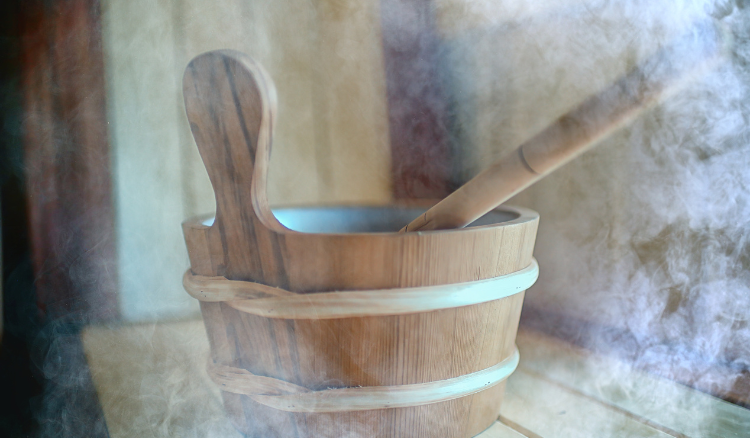
To truly grasp this culture, one must understand its humble roots—the traditional smoke sauna. Unlike their modern counterparts, which use electric heaters or stoves with chimneys, smoke saunas lack chimneys altogether—filling up with soft woodsmoke before airing out completely prior to use gives them their distinct character—and often include vihtas (birch branches) that bring nature directly into this restorative process through gentle whisks on skin, believed by many locals to not only improve circulation but cleanse both body and spirit alike.
Sauna-going might seem like simple bathing at first glance, yet when looked closer, it reveals itself as a complex interplay between personal wellness rituals connected deeply across generations who share a commitment to fostering environments where people can thrive collectively, proving why, after thousands of years, it still remains an integral piece of lifestyle throughout Finland today, from quiet countryside villages to bustling urban centers alike.
Estonian smoke sauna. Photo: Visit Estonia.
The Quintessential Finnish Smoke Sauna Experience
A serene lakeside cabin, the scent of burning wood filling the air, and an inviting warmth that seems to whisper ancient secrets. This is where we meet the heart of Finnish culture—the traditional smoke sauna. The magic here isn’t just in heating rocks; it’s about a legacy steeped in thousands of years.
Embracing Löyly in Finnish Rituals
In Finland, steam—known as löyly—isn’t merely water vapor rising off hot stones; it’s considered a living spirit warming body and soul alike. Entering the space, you become part of a timeless ritual intended to cleanse and invigorate both body and mind while fostering communal unity. In these dimly lit log structures with no chimney, smoke fills up before venting out, leaving behind a distinct aroma and soot-covered walls—a signature trait that has made them quite significant within Finnish sauna culture.
Loyalty to tradition shines through when Finns take birch branches called vihta or vasta into their hands during sauna sessions—an act meant to enhance circulation while releasing natural oils from the leaves that promote skin health. It’s akin to being gently whisked away by Mother Nature herself. With every gentle thwack against your skin, you can almost hear ancestors’ whispers echoing off the wooden beams.
To truly grasp what makes this experience quintessentially Finnish, one must recognize its communal aspect—it’s common for friends and families to gather together under one roof enveloped by löyly’s embrace, deepening connections amidst heatwaves. A testament to its importance lies not just in statistics showing how central saunas are but more vividly experienced firsthand within any given town across Finland,where they serve as hubs fostering well-being among people.
Estonian floating sauna. Photo: Rowe.me
Estonian Sauna Traditions with a Modern Twist
When you think of Estonia, images of medieval castles and digital innovation might spring to mind. But there’s another piece of Estonian heritage that blends the old with the new: their sauna culture. In Estonia, saunas are an integral part of everyday life – not just a means to unwind.
The Historical Charm Meets Contemporary Comforts
In traditional Estonian saunas, it was all about wood-fired heat and whisking oneself with branches from local trees—quite an invigorating experience. These days, while many still cherish those rustic vibes, others are spicing up their sessions with modern amenities like sound systems and mood lighting. This mix gives you both worlds’ best – authentic tradition backed by today’s comforts.
But what makes these spaces so unique? It’s how they’ve taken age-old practices and fused them seamlessly with cutting-edge technology. You can find this harmonious blend across the country in private homes or public spa resorts where folks gather for a steamy chat as well as for health benefits.
Tech-Infused Steam Sessions
Sure, cranking up temperatures is key in any sauna ritual, but adding tech takes it to another level entirely. Imagine controlling humidity or aroma at the touch of a button—welcome to 21st-century Estonia. Plus, thanks to advanced heating systems that spread warmth evenly through stones or infrared panels, you get deeper relaxation without losing out on time-honored traditions.
Estonians have always known something special happens when you combine firewood scent with birch branch therapy inside cozy wooden walls—it’s pure magic.
The love affair between Estonians and their saunas goes deep, influencing social interactions and personal well-being.
A Green Touch in Steamy Rooms
Beyond fancy gadgets lies another modern twist: sustainability—a topic close to every nature-loving Estonian heart. By harnessing green energy sources such as solar power or geothermal heating for sauna sessions, they’re not only soaking up some serious wellness but also doing right by Mother Nature.
This commitment extends beyond energy sourcing; materials chosen often reflect eco-friendliness too—think locally sourced timber over imported goods—all part of ensuring future generations can enjoy this treasured pastime sustainably.
Modern ESTonian sauna.
The Evolution from Traditional to Infrared Saunas
Imagine stepping into a sauna and feeling the warmth wrap around you like an embrace. That’s been the traditional experience for centuries. But now, infrared saunas are changing the game with their light-based heat, turning up wellness benefits in new ways.
Infrared Technology Transforms Heat Therapy
Gone are the days of only basking in conventional steamy rooms; modern technology has paved the way for infrared saunas that warm your body directly through radiant heat rather than heating air or surfaces. It’s akin to soaking up sunshine without UV damage—your core temperature rises while the space around you stays more comfortable compared to traditional setups.
This innovation isn’t just about comfort—it taps deeper into health perks too. Unlike standard saunas that can feel overwhelmingly hot, infrared models allow longer sessions at lower temperatures, which could mean better detoxification results for some people.
Comparing Health Benefits: Old-School Sweat vs New-Age Glow
“Why bother to change something that’s already working?” Well, sure, both types of saunas invite relaxation and may aid in muscle recovery after a tough workout, but let’s not overlook how they differ under their heated hoods.
Infrared options shine when it comes to delivering therapeutic wavelengths believed by many users to help reduce inflammation and support circulation—the sort of internal tune-up we all need sometimes. On top of this modern magic is convenience; these newer versions typically require less energy and prep time before you’re ready to unwind inside them—a real bonus if you’re always on-the-go.
A Shift Towards User Experience: Steam Meets Spectrum
We’ve heard tales about Finnish smoke saunas where bathers whisk themselves with birch branches amidst billowing löyly (that blissful steam), yet there’s something equally enchanting about entering an infrared cabin, knowing its gentle glow targets well-being from within as much as outward sweat signals rejuvenation.
Sure enough, though, one size doesn’t fit all—and personal preference plays a huge role here because who wouldn’t want their relaxation tailor-fit?
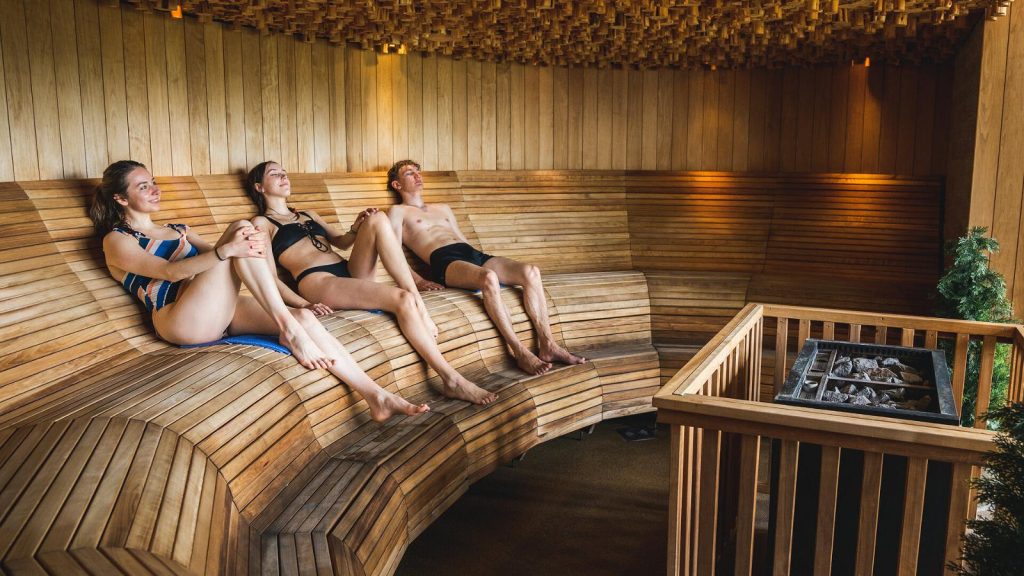
2-person outdoor sauna from Komowa.
Global Adoption and Adaptation of Sauna Practices
Saunas have gone from a Finnish luxury to a worldwide wellness staple, weaving into the fabric of many cultures. It’s not just about getting steamy anymore; it’s about community, health, and sometimes even spirituality. Think about it: What started in Finland has spread its warmth across borders faster than gossip in a small town.
The Ancient Roots of Sauna Culture
In Finland and Estonia—the heartlands where saunas first fired up—these rituals were more than just sweat sessions; they were integral to life itself. Imagine this ancient tradition spreading like wildfire across the globe, with each culture tossing their own herbs onto the coals.
Beyond these Nordic origins lies an intricate map where sauna practices cross continents. They’ve adapted over millennia yet managed to keep their core—a testament to both resilience and versatility. And let’s be real, who doesn’t love a good detox that also offers you some much-needed ‘me time’?
Finnish Sauna Culture as a Way of Life
In Finland, stepping into a sauna is like coming home—it’s cozy, familiar and oh-so-necessary for survival during those frosty winters. The Finns didn’t invent communal bonding but perfected it through löyly (steam), making sure everyone leaves feeling lighter—in spirit if not in weight.
Apart from being social hubs that would put your favorite café to shame with all their chatter and laughter echoing off wooden walls, they’re ingrained in every Finn’s DNA at this point.
Estonian Sauna Traditions with A Modern Twist
Moving on over to Estonia—where they take pride in blending traditional know-how with modern-day flair—you’ll find age-old customs sitting comfortably next door to Wi-Fi-enabled cabins. Here tradition meets tech without skipping a beat or missing out on any therapeutic benefits.
The Evolution from Traditional To Infrared Saunas
If we’re talking evolution here, folks—we’ve got infrared saunas bringing us heat without lighters or matches needed. This isn’t your grandpa’s wood-burning shack; it’s high-tech healing using invisible rays that penetrate deep beneath your skin for maximum chillaxing effect minus the smoke signals.
And so what began centuries ago near Arctic Circle shores now spans oceans far beyond imaginable horizons—all thanks to humanity’s undying quest for well-being…and perhaps our mutual dislike for cold showers too.
The History and Logic Behind Sauna Rituals –Conclusion
Stepping into the steam, you’ve journeyed through time. The history and logic behind sauna rituals are rich with tradition and a blend of wellness and community.
Saunas started in Finland and Estonia, remember? They were more than hot rooms; they were social hubs where bonds formed.
Different cultures took on this practice and made it their own. Whether through the crackle of Finnish smoke saunas or the modern glow of infrared, each adaptation carries forward that original spark of connection.
You should walk away knowing how these rituals have woven themselves into our global fabric. Sauna culture isn’t just about relaxation; it’s about legacy, health, and unity across nations.
Now go ahead. Let that knowledge sink in like heat into your bones – simple yet profound truths from ancient wisdom to today’s life.
Chris Lang
The History and Logic Behind Sauna Rituals, written for Daily Scandinavian by Chris Lang. Chris is a health and wellness enthusiast, specializing in the therapeutic powers of sauna. With a keen interest in holistic health practices, Chris’s writing demystifies the science behind sauna benefits, from detoxification to improved cardiovascular health. His articles serve as a guide for readers seeking to enhance their well-being through informed, practical advice. Outside of writing, Chris explores the latest wellness trends, ensuring his insights are both current and beneficial.
Danish television has created a series called Det Sidste Ord(“Famous Last Words”) consisting of an interview with a public figure, which will be aired only after the person has died. Read more about the television series Famous Last Words from Danish Public Figures.
The show gives audiences the chance to hear directly from the recently deceased rather than through archive footage or news commentary, while the stars receive a platform from which to shape how they are remembered after they are gone.
The subject is filmed in total secrecy, with the footage then being held in the Royal Danish Library, for editing and broadcast only after he or she has died. The interview is recorded in a studio without an audience, with only the host and the interviewee present, with remotely operated cameras ensuring that it is kept confidential until after their death.
“It’s a kind of silent uproar against the speed at which things are broadcast today,” Mikael Bertelsen, the show’s 56-year-old host and creator, told the British magazine Monocle.
Cameras are operated remotely by a crew who cannot hear what is being discussed. The unique format allows celebrities to be unusually candid.
“The strength of this format is in its core,” said Carlotta Rossi Spencer, head of format acquisitions at Banijay.
“The strength of this format is in its core: it is intimate, emotional and honest. Because of this, its international potential is huge,” said Carlotta Rossi Spencer, head of format acquisitions at Banijay, a company that has acquired the distribution rights to Danish posthumous interview format Famous Last Words.
Mikael Bertelsen had taped interviews with Danish-American pianist and comedian Victor Borge before he passed away in 2000. The recordings were ultimately not used but the experience of speaking to a notable figure in “the autumn of his eventful and exciting life” stayed with him.
It is clear that this is a public farewell, in which a famous musician, sports star, comedian, actor, business leader or politician is talking to their audience for the last time.
Povl Dissing (Famous Last Words). Photo: Tønder Festival.
“A unique and original offering, it certainly stands out in the market and is incredibly universal and adaptable; we are looking forward to travelling this unique title across our footprint and beyond,” says Rossi Spencer.
Danish television has become synonymous internationally with serious dramas such as Borgen and The Bridge, which has become successful because of, rather than in spite of, their Nordicness.
Last Words from Danish Public Figures, written by Tor Kjolberg.
Feature image (on top): On June 19, 2023, Denmark lost one of its greatest political figures, Uffe Ellemann-Jensen. Before his death, Uffe Ellemann-Jensen spoke to Mikael Bertelsen about his life, and the recordings, which have been stored in the Royal Library’s archive, are now being shown for the first time.
Annual summer concerts in Western Norway attract music lovers from all over the world. Experience the music of world-famous Norwegian composers in their private homes.
Troldhaugen, 8km (5 miles) south of Bergen is the home of Edvard Grieg, the composer of Peer Gynt. It is said that Grieg was inspired by folk music, but it is clear that nature was his main muse. Take a stroll to the lakefront spot behind his house where he used to fish to take a break from composing. He once said: “My music has the taste of codfish in it”.
A short ferry ride across Lysefjord to the beautiful island of Lysøen (Island of Light) and the onion-domed summer residence of composer and violinist Ole Bull (1810-80), who called the villa, built in 1873, his “Little Alhambra”.
Bull’s charismatic personality and musical excellence had a great influence on contemporary artists and musicians, who were often guests here, In summer, the old music room resounds to the music Bull played here.
The onion-domed summer residence of composer and violinist Ole Bull.
Sweden’s application to join Nato in May marks a major shift away from its longstanding position as a neutral state, stretching back to 1812. Sweden’s outward image is however as a home to global brands and chart-topping hits.
But Sweden has also been dented by gang-related gun crime, which has tested traditional Swedish values such as inclusiveness and tolerance. The ruling center-right coalition has been left looking weak after winning power on a promise to end the violence.
Sweden – Home to Global Brands and Chart-Topping Hits, article continues below chart.
However, Sweden’s EU presidency in the first half of 2023 was widely viewed as a success. Among the achievements was the historic Fit for 55 package designed to reduce the European Union’s greenhouse gas emissions by 55% by 2030. It is part of the union’s strategy of the European Green Deal presented first in December 2019. Sweden already sources 60 per cent of its energy from renewables and aims to be free from fossil fuel by 2045.
Sweden’s top-50 brands collectively grew by 12 per cent in 2023. Ikea, Volvo, Spotify and H&M remain important to the nation’s success at home and abroad.
Sweden’s Top 10 Brands.
Sweden’s status as a musical powerhouse was confirmed by hits for global megastars such as Taylor Swift and Ed Sheeran by the country’s producers and songwriters. A record seventh win at the 2023 Eurovision Song Contest also hit a soft-power bullseye.
Sweden’s enormous global cultural clout, especially in popular music, remains disproportionate to its relatively small population of about 10.5 million.
Sweden – Home to Global Brands and Chart-Topping Hits, compiled by Tor Kjolberg
Feature image (on top): Taylor Swift and Ed Sheeran. Screenshot from YouTube.
It all began with Banksy from Bergen in Norway in the nineties. Today, paintings by Norwegian street artists have become popular collectibles. Learn more about Norwegian commercial street art.
“Street art is a new and young art direction that captures the modern zeitgeist. It points the finger at what does not work and is critical of society. The illegal aspect also makes it exciting,” explains a German art collector.
Dolk spray. Photo: Wikipedia
Many of Norway’s most recognized street artists come from Bergen – e.g. Dolk, AFG and TEG. The city has attracted street artists for many years, and you will find some really impressive works here, particularly in stencil art. Street artists actively contribute to the public debate – including the artist AFK whose works have been hotly debated in the city on numerous occasions.
It is not easy to define Street Art. Artists who receive this designation often themselves feel that they do not fall under the definition. The performers represent a diversity of people and expressions, as in all (sub)cultures. But we call it Street Art when we have to describe a work of art that we have seen on the street.
The Shiftsquare by AFK. Photo: Gategalleriet.Street art in Oslo by T yen. Photo: Tord Baklund/Visit Oslo.
Street Art has its roots in the graffiti movement. Both forms of expression use the public space to display works without permission. In the nineties, Banksy made his mark as a graffiti artist in London. When he started using stencils on the eve of the turn of the millennium, street art had its final breakthrough.
At Gategalleriet in Bergen, you can see exhibitions and buy works by both well-known and less well-known (street) artists.
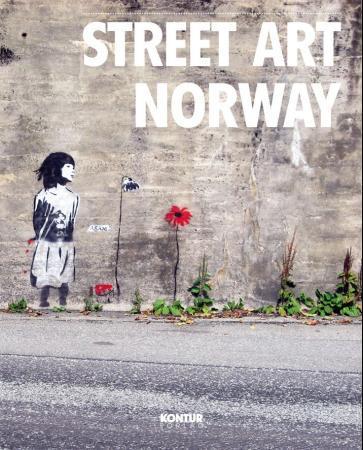
In the book Street Art in Norway, the editors have chosen to look at the phenomenon, precisely as a phenomenon, and present a diversity of artists and expressions that they believe people will appreciate.
The book Street Art Norway states that there there is no limit to what techniques you can use. What the artists have in common is that everything is carried out on the street – in public space. Therefore it is difficult to publish a collection of Norwegian Street Art without offending someone. In the book, the editors have chosen to look at the phenomenon, precisely as a phenomenon, and present a diversity of artists and expressions that they believe people will appreciate.
Important players in street art are Swoon, Os Germeos, Brad Downey, Shepard Fairey (aka Obey), Blu, Zevs, Miss Van, Mark Jenkins, Influenza and Faile. Dolk from Bergen is considered Norway’s most promising street artist. He is often compared to Banksy and Ble le Rat. Other Norwegian names worth noting are Pøbel, Strøk, Muskelpust and Decline.
Stavanger hosts an annual Nuart Festival, which attracts the world’s top street artists. The festival was held for the first time in 2001, and Nuart is now considered one of the world’s leading street art festivals. Street art enthusiasts from all over the world attend exhibitions, events, performances and workshops at the festival.
Street art by Derek Hayn in Vardø, Northern Norway. Photo: Pinterest
This urban art form has received a lot of attention in Norway in recent years, and Norwegian Street Art has garnered a lot of recognition both nationally and internationally. The motivation and goals of these artists are as varied as the artists who practice the art form. The book Street Art Norway deals with the art form in Norway from its early beginnings in the 1990s up to today’s leading artists.
However, the street art community is divided when it comes to the commercial part. Successful artists claim that those who complain and hiss about the fact that street art has become salonfähig are the ones who are less successful.
Norwegian Commercial Street Art, written by Tor Kjolberg
For several decades, Norway has played the role of facilitator between parties to conflicts. Promoting conflict resolution and reconciliation is a central aspect of Norwegian foreign policy. Conflict resolution has remained a central feature of Norway’s foreign policy efforts throughout 2023. Learn more about Norway – country of conflict and climate resolution.
Norway’s peace and reconciliation efforts vary depending on the conflict in question and the local conditions, but there are certain general features of Norway’s engagement that are common to all Norway’s efforts in this area.
Norway assists parties to conflict in their efforts to find peaceful solutions, but the overall responsibility for the peace process always lies with the parties themselves.
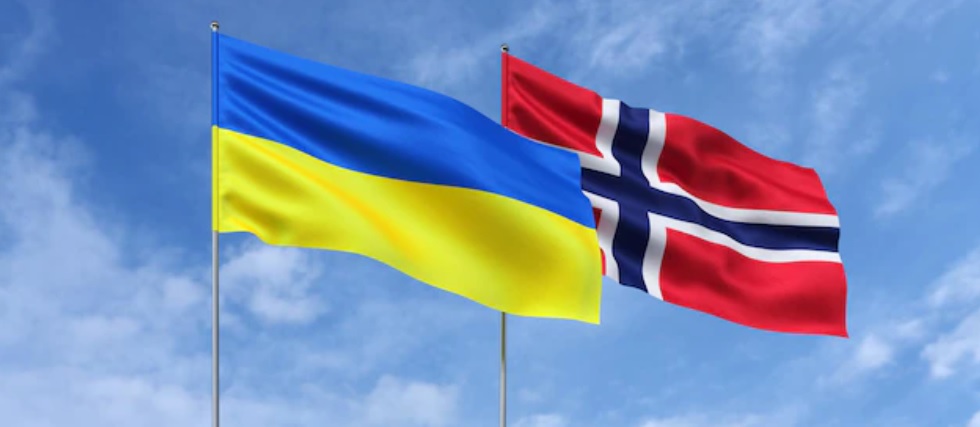
Norway has balanced its arms support for Ukraine with involvement in peace negotiations in Venezuela and Ethiopia. The country assists parties to conflict in their efforts to find peaceful solutions, but the overall responsibility for the peace process always lies with the parties themselves. Sustainable peace can only be achieved if the parties themselves show a willingness to work towards a political solution, and Norway will never push solutions onto the parties.
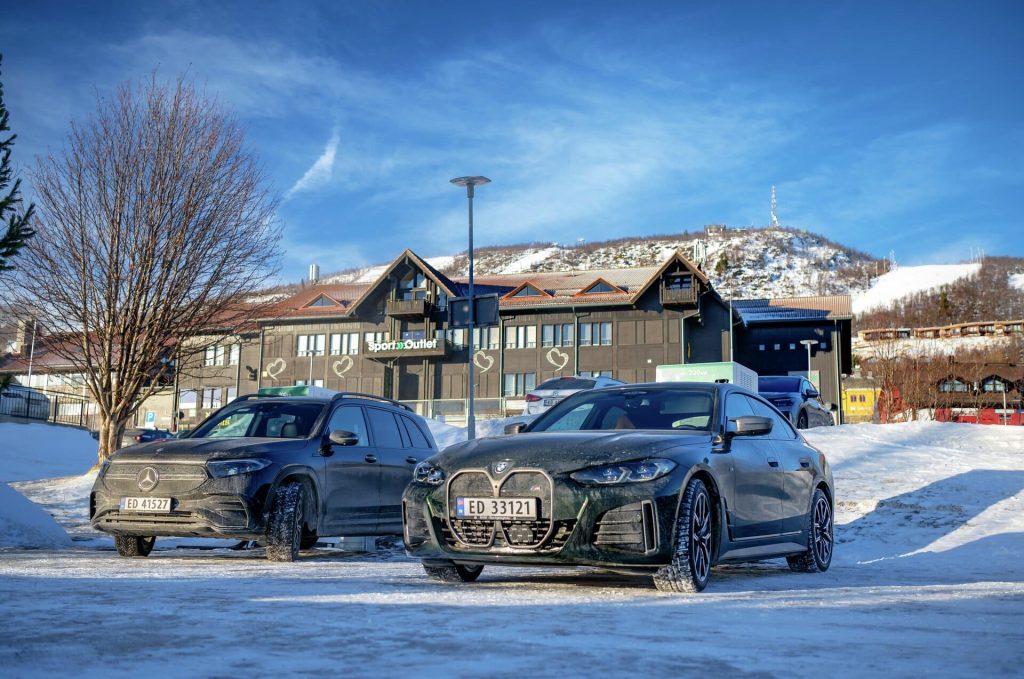
Norway’s soft-power muscle is, however, even more visible in the way it has pushed its green credentials. EVs now make up nearly 90 per cent of all new cars and, crucially, the charging infrastructure is keeping up.
EVs now make up nearly 90 per cent of all new cars sold in Norway. Photo: Jamieson Pothecary.
That said, many would like to see the country also committing to an end date for the exploration of North Sea oil and gas, still the mainstay of the Norwegian economy.
In the 50 years since the start of Norway’s petroleum activities, about 54 per cent of the estimated total recoverable resources on the continental shelf is produced and sold. This indicates that there is also a potential for a high activity level on the shelf for the coming 50 years. The Norwegian Offshore Directorate’s estimates indicate that oil and gas production is expected to reach a peak in 2025.
Talking of climate, Norway has been used to reigning supreme on the snow. But last year also was a boom for other sporting talent. Runners Karsten Warholm and Jacob Ingebrightsen, and footballer Erling Haaland have inspired fans around the globe. All in their twenties, this Norwegian trio are set to offer more inspiring performances in the years to come.
Norway – Country of Conflict Resolution, partly based on information published on government.no and Norwegian Petroleum, compiled by Tor Kjolberg.





















 However, Sweden’s EU presidency in the first half of 2023 was widely viewed as a success. Among the achievements was the historic Fit for 55 package designed to reduce the European Union’s greenhouse gas emissions by 55% by 2030. It is part of the union’s strategy of the European Green Deal presented first in December 2019. Sweden already sources 60 per cent of its energy from renewables and



 Stavanger hosts an annual