Eight new bars have opened in the center of Norway’s capital, including a bar focusing on aquavit and drinks based on Norwegian ingredients. Learn more about Oslo Drinkhub.
Part of the venerable old main post office in Oslo has been converted into the Oslo Drinkhub, unique also in an international context. All eight bars have different concepts and are run by Oslo’s and the country’s best bartenders. The 2,000 square meter hall of granite and marble has a ceiling height of 11.4 meters.
Part of the venerable old main post office in Oslo has been converted into the Oslo Drinkhub.
The old premises have been refurbished without destroying the protected architecture. Where there used to be dispatch counters, there are now shelves in the same style. Here is no longer parcels and letters to be picked up, but cocktails and drinks in countless shapes and colors.
The Tiki Tukan bar serves mainly drinks based on rum.
Red Drop serves aperitifs composed by bar manager Tomas Ricardi, who has won several awards in bartending.
In Guilty Pleasures you will find the drinks that perhaps tempted you the most in your teens, but which are here served to an international standard. Pina colada, Strawberry Daiquiri and Mojito, just to name a few.
Chair is already well known in Oslo with its selected cocktails based on gin. In this branch you can taste 150 types of gin from around the world and a variety of drinks with gin as the main ingredient.
In Dios Mio you can enjoy both food and drink. The concept is called “Texican” because the owner is from Mexico and grew up in Texas and Oslo. The drinks are based on Tequilla, Mezcal and Bourbon.
In Bacco you can choose from 160 wines from Italy, 30 of which are offered by the glass.
Post bar is the post hall’s own beer bar, but also has a good selection of whisky and simple drinks.
In addition to the bars, there will be two wine tables. At the tables there is a sommelier who can tell and answer questions about the wine you are drinking. At one table you are offered wines from traditional wine countries, at the other from “newer” wine countries.
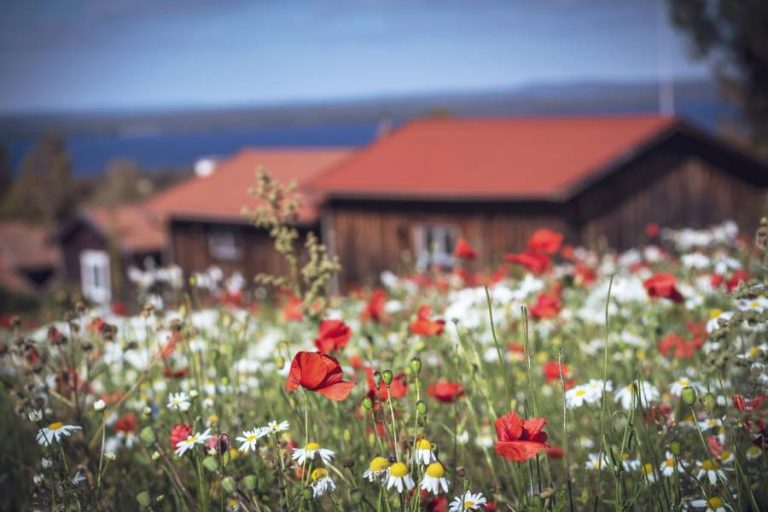
Dalarne is Sweden’s folklore province, as famous for its scarlet Dala horses as its music and merrymaking at Midsummer. Winter attracts skiers challenged by championship events.
Dalarne represents all that is quintessentially Swedish. With its colorful costumes, centuries-old traditions of music and dance, Midsummer festivals and evocative rural landscape, its folklore and beauty attract an increasing number of visitors each year.
Dalarne’s folklore and beauty attract an increasing number of visitors each year.
Dalarne is the third-largest tourist site in Sweden, after Stockholm and Guthenburg. The culture that gave us the red-painted Dalahäst (Dala horse) and inspired two of Sweden’s most beloved artists, Carl Larsson and Anders Zorn, can best be experienced in the twilight of fäbodar, the old pasture cottages nested in the hills, in the company of eldferly but amazingly energetic fiddlers.
IDalarne’sfishing lakes, campgrounds, and forests are popular destinations, and some Swedes own or rent a second home in Dalarna
The word “Dalarna” means “the dales” (valleys). Its fishing lakes, campgrounds, and forests are popular destinations, and some Swedes own or rent a second home in Dalarna, where they are likely to have a vegetable garden and apple trees. Dalarna is a region full of historical associations, and both its products and its people have strong local characteristics. In the western district Lima, some people in villages speak a traditional dialect, Dalecarlian, while in Älvdalen, they speak Elfdalian, a dialect as Foreign as Norwegian or Danish. Historically, the people of Dalecarlia – called Dalecarlians, or Dalesmen (dalkarlar, masar) and Daleswomen (kullor) – have been famous for their independent nature toward authority. (Wikipedia)
The Old Norse form of the province name is Járnberaland, which means “the land of the iron carriers.”
The northern part of the province is dominated by mountains and the vast Orsa Finnmark area. The southern part of the province is part of the Bergslagen region, and consists mostly of plains, hills and forested areas. There are several copper mines in the southern part, most notorious of which being the Falun Mine. The highest point is Storvätteshågna, at 1,204 meters above sea level. The lowest point is in the southeast, at 55 meters above sea level.
Dalarna’s largest lake is lake Siljan, in the middle part of Dalarna. With 66.6 square kilometres (25.7 sq mi) of water and over 50 islands, the lake is a tourist destination.
Sweden’s Folklore Province, written by Tor Kjolberg
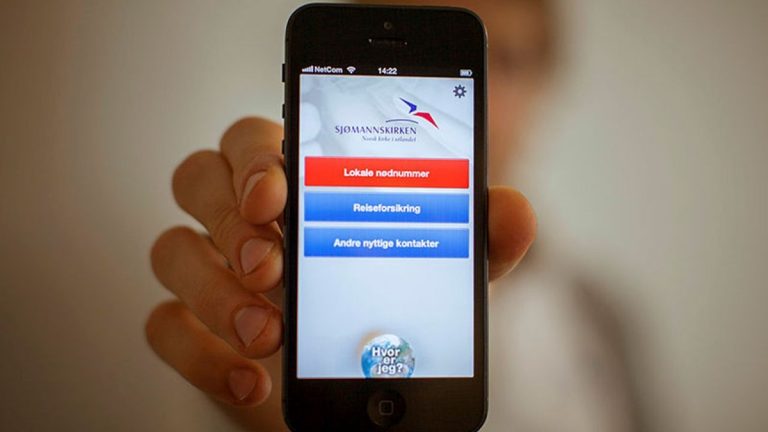
The Norwegian Seamen’s Church employees have set out to help daily Norwegians in small and large crises abroad. The organization has developed an emergency app for Norwegian travelers called “Nødnummer”. It’s intended to make Norwegian travelers’ stay abroad safer.
The app can be downloaded for both iPhone, Android and Windows and in the app store it has the following description:
The app can be downloaded for both iPhone, Android and Windows
“If an accident or disease strikes, The Norwegian Church Abroad’s App provides quick and easy emergency calls for medical assistance, fire and police in the country you are. In acute situations, we would tend to stress and not thinking as clearly as usual. Then it is important to have vital phone numbers readily available.”
Some of the major features in the app is as mentioned in the description, that you get automatic access to all local emergency numbers no matter what country you are in, but other than that, it shares your current position to let others find you via GPS coordinates, it stores contact number for relatives, employer, telephone number to block your credit cards and telephone number of the Ministry of Foreign Affairs.
you get automatic access to all local emergency numbers no matter what country you are in.
It also has all embassies and the main “tourist consulates” placed as a reference and “Find-Home function” where you can place a marker at your location, and thus be able to see which way you are going back if you go out on tour.
The app is rated with a 4+ in the app store but has not yet received enough ratings for this to be considered general.
Emergency App for Norwegian Travelers, based on a press release from Norwegian Seamen’s Church
The Moose Tower (Elgtårnet) offers a unique experience with obernight stay in the world’s only Moose Tower. Experience this unusual outdoor adventure in Norway.
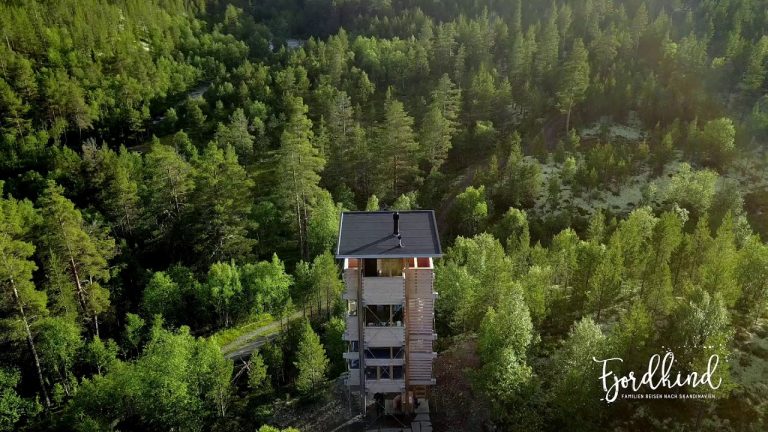
A series of five architectural interventions is being proposed in the valley of Espedalen in inland Norway, with the intention of enticing tourists to get out of their cars to explore and experience the local area. With funding provided by two local mountain hotels (Ruten Fjellstue and Dalseter Høyfjellshotell), the first completed was Elgtårnet (Moose Tower) – a 12-m-high lakeside viewing platform with overnight lodgings for six visitors.
The Moose Tower is designed by RAM Architecture, based nearby one of Norway’s most beautiful valleys, Gudbrandsdalen. Photo: Frame Magazine
The Moose Tower is designed by RAM Architecture, based nearby one of Norway’s most beautiful valleys, Gudbrandsdalen. It is a company with strong ties to Norwegian nature and traditional methods of construction. Using wood as a primary material, architects at RAM strive towards creating precise and modern design features in every project.
In the 12-meter-high Moose tower, you get close to nature and wildlife where you can enjoy a spectacular and unusual outdoor adventure.
The Moose Tower seen from boat place at Ramstjern.
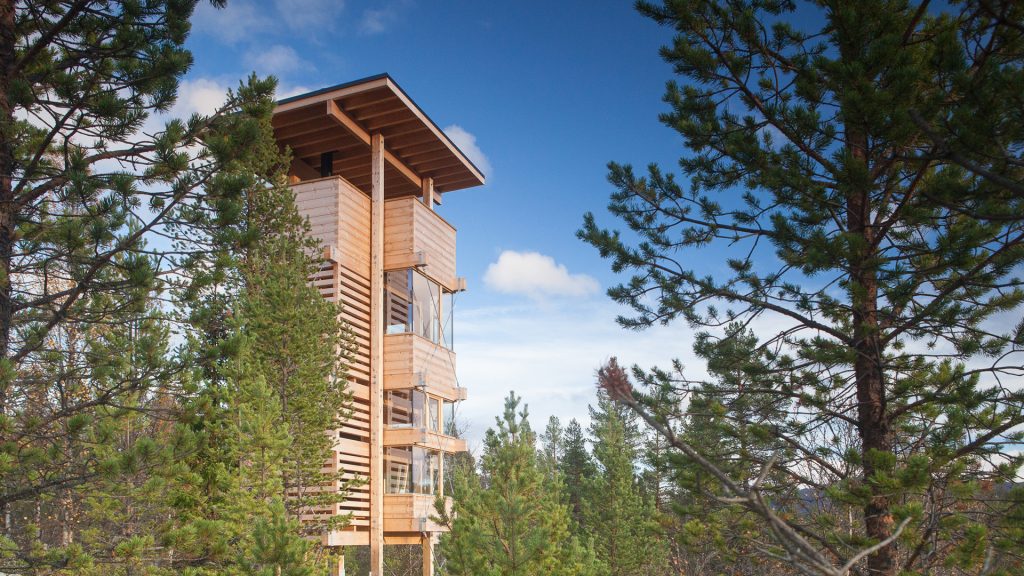
The tower provides accommodation in its most basic form, stripping back to the bare bones of hospitality with neither running water nor electricity. On three sides, beds are cantilevered from the structure, protected from the tree tops by panes of glass. The final elevation incorporates the dramatic series of ladders that guides the public to the viewing platform at the highest level.
For RAM Architecture, the successful combination of tradition and clean, inventive outlines has resulted in a collection of esteemed projects. In the moose tower’s lounges with large windows, you get close to wildlife in a simple, yet spectacular way without disturbing the animals.
“The idea was to create a unique overnight experience for a small number of guests in a remote location, combined with a public viewing platform. The form of the building was generated through early sketches of how to efficiently place beds around a small space. We wanted each bed to have a panoramic view of the surrounding area,” says Sam Hughes at RAM Architecture.
The architects’ design may be inspired by tradition, but they make a point of always interpreting that tradition into a clean, light and interesting expression. The company’s location makes it completely natural to make use of all the fantastic wood found in this part of the country, and incorporate that into their vision.
In the 12-meter-high Moose tower, you get close to nature and wildlife where you can enjoy a spectacular and unusual outdoor adventure. Photo: Arch Daily
“The remote location made access to the site difficult. By using modular elements, we reduced the amount of production work required on site, as well as the number of materials being transported. We explored different types of prefabricated panels throughout the design phase. During one of our early site visits with the client, we looked at some of the historical buildings in the valley and the idea crystallized – a real eureka moment – that a log-type construction made sense.
Its long history and strong connection with the valley satisfied all the criteria for the modular system we were trying to develop. The overall aesthetic is a result of the structural principles we applied. The influence of local traditions firmly anchors the identity of the tower into its regional context, even though we interpreted the past in the form of a contemporary design,” says Hughes.
Unusual Outdoor Adventure in Norway, written by Tor Kjolberg
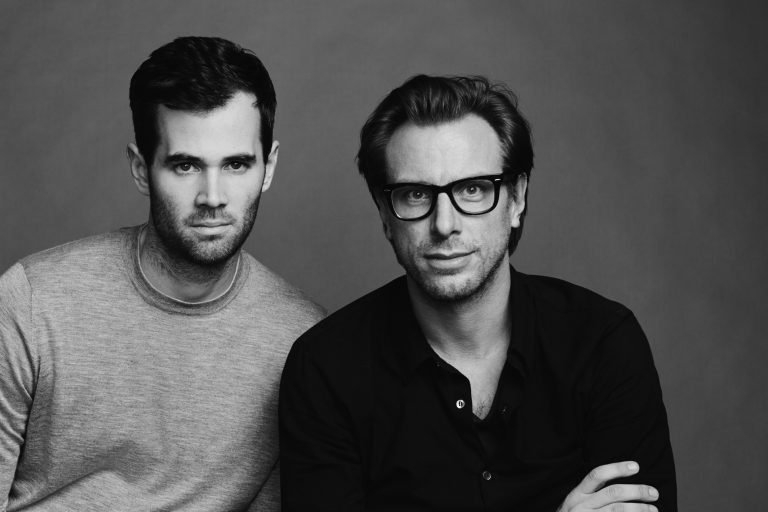
Swedes Erik Torstensson & Jens Grede have revolutionized the fashion industry by connecting superstars with exclusive clothing brands. They founded the popular denim label Frame, while their agency has executed projects such as the Jeff Koons collaboration with Louis Vuitton. Read more about the two Swedes’ revolutionary move for the fashion industry.
Nevertheless, Erik Torstensson insists there was no grand plan when he and his business partner Jens Grede launched FRAME nearly 10 years ago and on paper the brand does seem like something of a curiosity. It was founded out of LA at a time when the two Swedes were UK-based, with branding so subtle it was practically non-existent and product names inspired by French style icons of the 1970s. And yet, it worked, in fact very quickly.
It all began with the advertising company Wednesday Agency Group, based on the third floor of The Biscuit Building in Shoredirch, originally built as a factory for Allied Foods’ Lipton brand and called the Tea Building. Today, it is part of Shoreditch’s rebirth as a service-sector hub.
12 separate companies
Today, the pair oversee 12 separate companies and operate in the fields of public relations, art direction, talent brokering and sales and brand management, as well as helming Frame Denim, a denim label stocked in Net-a-Porter, Selfridges and Nordstrom among others.
Erik Torstensson
“We met someone who is a partner in Frame called Nico [Peyrache] who is very good at making jeans. We were spending a lot of time in LA doing shoots and we figured out that jeans had a lot to do with marketing which was what we knew; we were not fashion designers so maybe this could work? And the idea was to make one pair of jeans and see if we could give it away to our friends and do a cool picture,” says Torstensson.
The Swedes’ most revolutionary move for the industry is how they have connected celebrities with fashion brands and clothing chains.
The Swedes’ most revolutionary move for the industry is how they have connected celebrities with fashion brands and clothing chains. Actors such as Natalie Portman have posed in a Dior campaign and Ewan McGregor in a Belstaff advertisement. When pop star Beyoncé and supermodel Gisele Bundchen fronted H&M’s spring and autumn campaigns respectively in 2013/14, Saturday Group’s creative agency, Wednesday Group, carried out everything from concept to execution.
The Wednesday agancy
In 2012, they launched Frame Denim with the aim of crafting a perfect pair of blue skinny jeans. The brand soon garnered a long list of international stockists and celebrity endorsements, and has now expanded into menswear. In 2022, it had a turnover passing a billion USD.
FRAME is a brand that speaks naturally to the conscious consumption movement since its styles are timeless. Best-selling jeans “Le Skinny” and “Le Garcon” have been in the collection, and in customers’ wardrobes, since the beginning.
This would explain why the best efforts of brands and trend forecasters to kill off the skinny jean have been in vain. They’re just too useful and if you make them as well as FRAME does people keep buying them, and will continue to do so for many years to come.
Two Swedes’ Revolutionary Move for the Fashion Industry, written by Tor Kjolberg
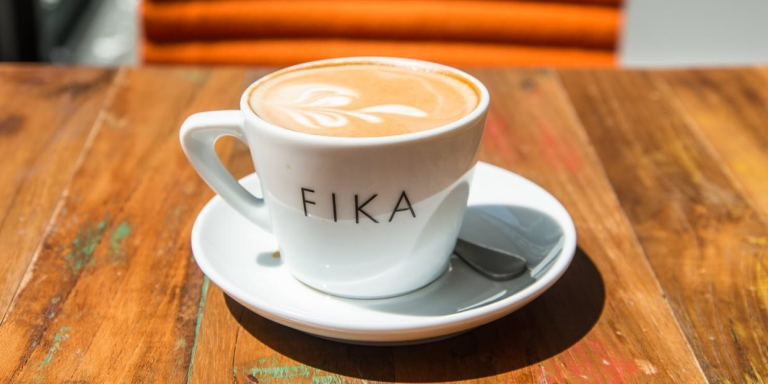
People in most countries around the world enjoy a coffee or tea break. But a fika in Sweden is much more than a coffee break. It’s more like a ritual. Learn more about the Swedish fika ritual.
Swedish people of all ages take part in the custom, enjoying it casually at work with colleagues or opting for a more elaborate outing with friends at the weekend. “Let’s do fika,” is one of the most uplifting messages you can receive from a long-lost friend. The social aspect is as important as the delicious steaming coffee and the Swedish cinnamon buns, being arguably the most popular fika accompaniment.
The Fika concept
“Let’s do fika,” is one of the most uplifting messages you can receive from a long-lost friend. Photo: Coop
Fika is a concept, a state of mind, an attitude and an important part of Swedish culture. Many Swedes consider that it is almost essential to make time for fika every day. It means making time for friends and colleagues to share a cup of coffee (or tea) and a little something to eat.
The food you choose for fika should be fresh and well presented. Ideally it should be homemade. Photo: Visit Sweden
So popular is the Swedish fika that the ritual has gained traction around the world, and so ingrained in the Swedish psyche is the custom that some companies add a clause to contracts stating that employees are entitled to fika breaks. A clever move, since a spot of fika can be therapeutic, promoting wellbeing and productivity.
Even the mighty Volvo plant stops for fika. All Swedes consider it important to make time to stop and socialize: to take a pause. It refreshes the brain and strengthens relationships. And it makes good business sense: firms have better teams and are more productive where fika is institutionalized.
In fact, it isn’t the coffee or even the sweet treat that is so important. It’s the valuable time spent connecting with others. While a traditional coffee break in an office is often an avenue for continuing a work discussion, fika is a more informal affair that may open up conversations — whether work-related or not — across departments and hierarchies.
Where does the word come from?
Cinnamon buns. Photo: Visit Stockholm
But where does the word come from? It’s believed to be a reversal of the syllables in the word kaffi, the old spelling of coffee.
So well-established is fika that the word itself has become both a noun and a verb and it can be had indoors as well as in nature. And thanks to Sweden’s unique right of public access, you’re free to fika almost anywhere. A fika out in the woods or in a nearby park is a popular pastime on a sunny day. Swedes will say to each other, “Let’s go and fika!” or “You and I fika together so well”.
However, the food you choose for fika should be fresh and well presented. Ideally it should be homemade. Many team leaders in Sweden consider it important to regularly bake something at home to take into work for fika. So, grabbing a coffee from the kitchen and sitting back down at your desk is most definitely not fika.
Coffee in the Nordic region is usually enjoyed strong and black. Filter coffee is preferred over an Americano, and all coffee shops will have a large pot of freshly-brewed coffee ready to go. But it’s up to you if you prefer a latte, other milky coffee or even tea.
It’s the valuable time spent connecting with others that is most important. Photo: Scandification
And the accompaniment might be the Swedish national cake – the Princess cake (prinsessetårta). This globe-shaped layer cake is a well-balanced affair, consisting of a light-as-air sponge cake base topped with vanilla pastry cream and lashings of fluffy whipped cream. This mound of gorgeousness is enrobed in green marzipan, often with a pink marzipan rose as the crowning glory. Most modern incarnations include a thin layer of raspberry jam, though the original Swedish princess cake recipe from 1948, found in Prinsessornas Nya Kokbok (The Princesses’ New Cookbook), does not.
The cinnamon bun (kanelbulle) has a definite place in the fika hall of fame. You won’t have to look hard for it in Sweden – this national classic is served up in most cafés and bakeries. Just follow that heavenly smell.
Often fika is enjoyed by candlelight, even if it is in an office or the corner of a factory. It’s all about slowing down and finding time for friends and colleagues, whilst you sip a drink and enjoy something small to eat. Candlelight helps!
Wherever you live, give fika a try in your daily schedule. You can never be too busy for fika!
Norwegian Guro Helgesdotter Rognså has cracked many eggs and made butter sauce for many years while studying how chemical processes affect the food we make. In 2015, she earned her doctorate in emulsion sauces at the University of Copenhagen. She can rightly so title herself the Norwegian Doctor Butter Sauce.
“Molecular gastronomy can be described as the science that explains why a dish turns out and tastes the way it does,” says Rognså from her place among the chefs at The Culinary Institute of Norway (CI) in Stavanger.
In connection with the work on her doctorate, she also completed the taste study Hautes Études du Goût, earning her the Diplôme Universitaire du Goût, de la Gastronomie et des Arts de la Table from the Université de Reims Champagne-Ardenne, in addition to training as a sommelier.
Guro Helgesdotter Rognså shares her knowledge among the chefs at The Culinary Institute of Norway (CI) in Stavanger.
What goes on in emulsion sauces?
“I wanted to find out what goes on in emulsion sauces,” says Rognså and admits that large quantities of butter have been used in connection with her studies.
An emulsion is a mixture of two liquids that initially repel each other, such as fat and water, something many people have learned in the kitchen. But this has not been studied from the angle of a professional chef until Rognså started researching butter sauces.
The doctoral project was a collaboration between the Department of Gastronomy, University of Copenhagen, Nofima and part-financed via NCE Culinology and the Norwegian Research Council.
Molecular gastronomy
Rognså has named her science molecular gastronomy. Photo: Wikipedia
Food is history, nutrition, culture, tradition, craftsmanship and science. And it’s chemistry. Rognså has named it molecular gastronomy. Or to make it a little more specific: She has put sauces and emulsions under the microscope.
Molecular gastronomy is also science’s attempt to explain what the chefs achieve in the kitchen. It is chemistry, physics and biology that make ice cream become ice cream. These are the molecules that food is made of.
Guro Helgesdotter Rognså is the first student to earn a doctorate at The Culinary Institute of Norway in Stavanger.
The fact that two liquids refuse to mix and rather separate is something most people who have tried their cooking know-how in the kitchen have experienced. But this and other butter sauce issues have not been properly investigated previously from a culinary professional angle. And even less was researched, before the girl from Valdres began her studies.
The scientific study of deliciousness
An emulsion is a mixture of two liquids that initially repel each other. Photo: Reiss/Culinary Pro
Maybe she follows in the footsteps of Harold McGee, the American author who writes about food science, and defined it as “the scientific study of deliciousness”.
“I have always been interested in food but trained as a civil engineer in chemistry and biotechnology and set my sights on a career in medical research. But then this idea was born, and someone thought it suited me perfectly,” Rognså explains about the path to the gastronomic doctorate.
However, being a new area of study, she had to forge her own path along the way. “The path to a gastronomic doctorate was perhaps not always ‘smooth as butter’”, she says.
She emphasizes that part of the challenge has been that both researchers and chefs have had a lot of knowledge, but relatively little has traditionally been exchanged between the professions.
“I wanted to combine the thoroughness of the research and knowledge of chemistry with the chefs’ experience and knowledge of raw materials,” says Rognså about the reason why she ended up at the Gastronomic Institute in Stavanger.
How cooking method affects the final methods
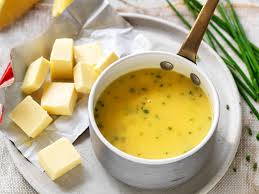
Many factors come into play and a lot can go wrong when making a butter sauce.
“All the others who work here are chefs, and it was important for them to be able to relate to the project,” she says and adds, “So it was natural to ask what they wondered about most, and pretty quickly the answer was emulsions. They wanted to know what chemical processes occur when making a butter sauce, and how factors like cooking method affect the final product.”
“Emulsions differ because they are made of two liquids that cannot mix with each other; water and oil,” she explains. “When you make an emulsion, you whip tiny droplets of fat into the water.”
“Most emulsions are unstable and require something to keep them from separating. Egg yolks are one such ingredient,” says Rognså.
“When people make hollandaise or mayonnaise and find that it separates, many believe that it is because they have put in too few egg yolks. However, that is rarely the problem, because one egg yolk is enough to make over 20 liters of stable mayonnaise. The problem is rather that they have added too little water to the emulsion,” she says.
Many factors come into play and a lot can go wrong when making a butter sauce. Another common mistake is too high a temperature. If the sauce gets too hot, approaching 80 degrees or more, the yolk proteins coagulate and the consistency becomes more like scrambled eggs.
“Cooks with experience tend to have the temperature control in their fingers in a completely different way than the average amateur. For them, it is perfectly fine to make hollandaise sauce directly in a pot on the plate. For others, it may be a good idea to make the sauce in a bowl over a kettle of hot water instead,” suggests Rognså.
Rognså has put sauces and emulsions under the microscope.
There is no perfect sauce
Rognså says that there is no perfect sauce. Which ingredients are used and how the sauce is made vary from person to person. But she offers a few tips to make good butter sauces.
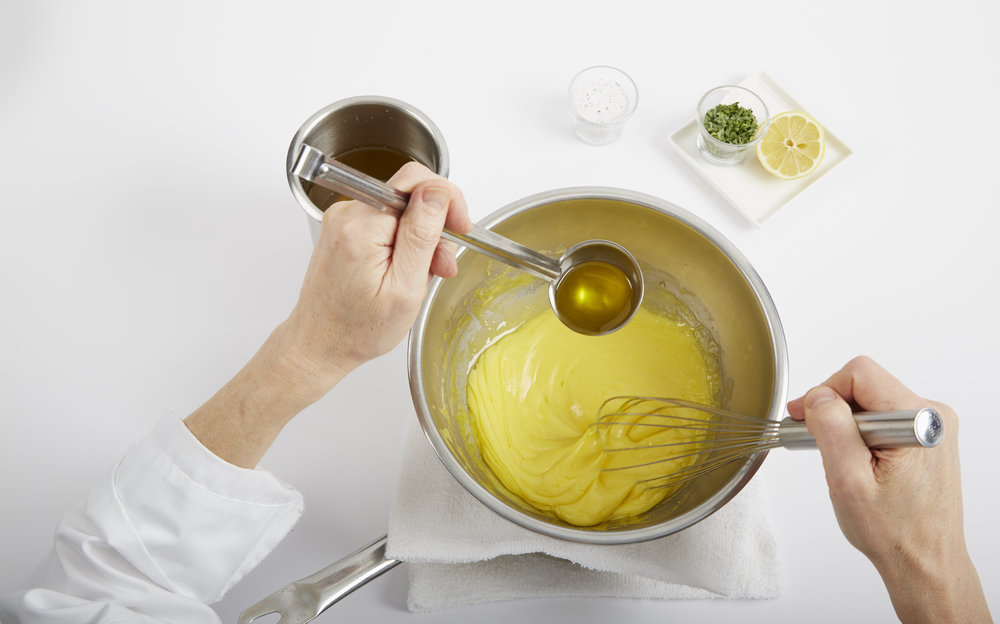
“Chefs today often start with a sabayonne sauce when they make hollandaise,” says Rognså. “I would recommend that you start by whisking egg yolks and the water-based ingredients (wine reduction or water, and lemon juice) in a bowl over steam, until it thickens. Then add warmed butter in a thin stream and whisk well.”
Hollandaise has a reputation for being difficult to make. The mixing of fat and water into a new consistency has a certain risk of failure, but it is well worth the effort,” says the doctor.
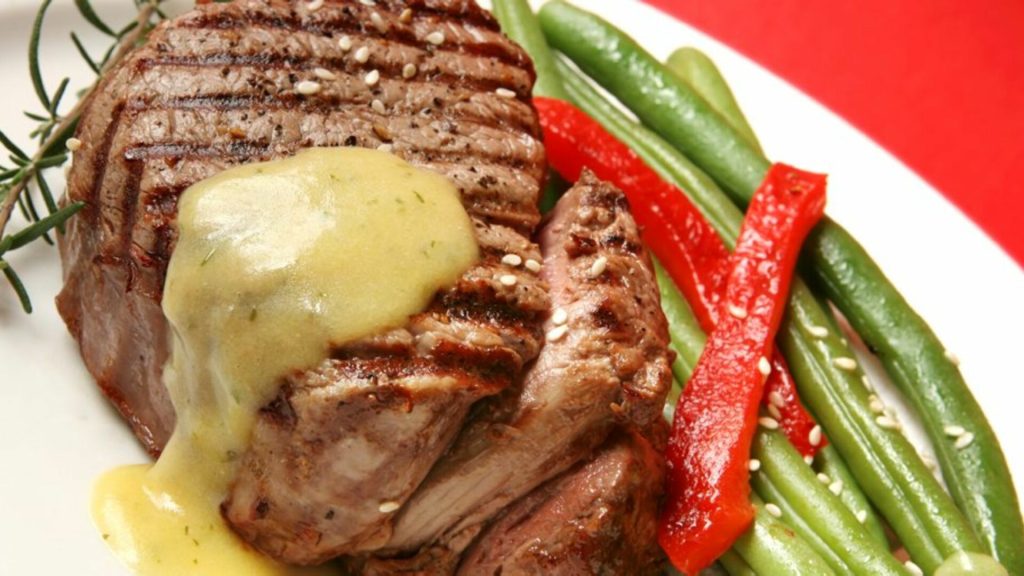
Hollandaise – the mother of all butter sauces – is, in short, a warm egg yolk-based emulsion. But there are many ways to make it. The methods have developed over 500 years.
A significant part of Rognså’s work with the doctorate has consisted of testing out different recipes and butter sauces together with the CI chefs. She admits that it has probably resulted in her making butter sauce more often now than before.
She admits that she was afraid of being perceived as the nerd who was supposed to teach skilled chefs how to do their job, but says that it turned out well.
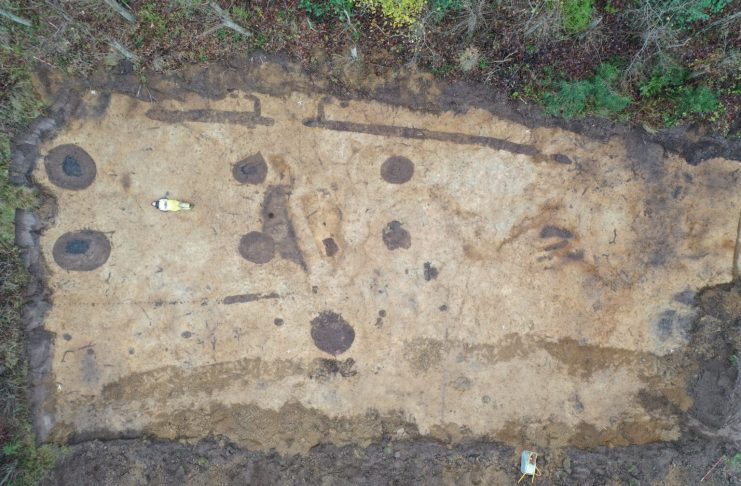
Archaeologists in Denmark have discovered the remains of a huge Viking Hall – the largest found in over a decade.
Archaeologist with the Historical Museum of Northern Jutland say that the thousand-year-old homestead is similar to those built during the reign of Harald Blåtand (Harald Bluetooth), who ruled Denmark in the late 10th century. Harald “Bluetooth” Gormsson was King of Denmark and Norway (c. 958 – c. 986) and he famously introduced Christianity to Denmark.
A large hall from the time of Viking Harald Bluetooth. Photo: Arkeonews
Remains of a Huge Viking Hall Found in Denmark, read on….
Excavation leader and archaeologist Thomas Rune Knudsen said the discovery in Hune was made while a detached house plot was being subdivided. In its pomp, the hall was up to 130 feet long and 33 feet wide. Between 10 and 12 cut oak posts would have supported a large roof.
Viking hall Hune, North Jutland. Photo: Artnet News
A rune stone speaks of a local ruler called Runulv den Rådsnilde. The hall was a prestigious building which, in addition to having an everyday function, was probably also a gathering place for political meetings and large Viking get-togethers,” according to Knudsen. “We have not seen anything like it before here in North Jutland, even though it has only been partially excavated,” he added.
Remains of a Huge Viking Hall Found in Denmark, written by Tor Kjolberg
A black-painted banana, a child in a cage. The images of photographer Torbjørn Rødland arouse curiosity and discomfort at the same time. The Norwegian photographer loves silence, mystique and unease.
Torbjørn Rødland (b. 1970, Stavanger) has in later years lived and worked in Oslo, New York, Berlin, and Los Angeles. Among contemporary Norwegian artists, Rødland is one of the biggest names internationally. His chosen media are photography and video, and he has worked with everything from still life, landscape, and nude portraits to double-exposure and abstract photography.
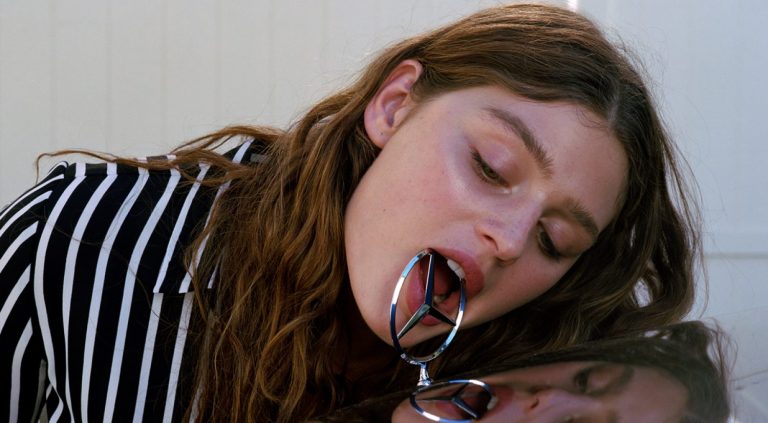
Rødland makes photographic images that pointedly address their viewers, evoking a wide range of emotional and intellectual states. Curiosity, humor, criticality, artifice, reverence for the natural world, and romanticism appear throughout his work and often in the same image.
Among contemporary Norwegian artists, Rødland is one of the biggest names internationally.
The motifs may seem trivial, they are often taken from everyday life or popular culture, but there is always something more to them, something dark, an ambiguity.
In the early 1990s Rødland established his position as a central figure in the breakthrough of photography as an art form in Norway. As part of the “Bergen wave” of artists that included Mikkel MacAlinden, Ole Johan Aandal and Vibeke Tandberg, he was very familiar with the US Pictures generation, the critical “appropriation photographers” of the 1970s and 1980s such as Sherrie Levine, Cindy Sherman and Richard Prince.
Norwegian Photographer Loves Silence, Mystique and Unease, read on….
Exploring asymmetric relationships between people
Rødland portrays scenes designed to generate psychological reaction through his depiction of highly sensory qualities.
Rødland also emphasizes the formal attributes of his photographs, pushing the medium toward modes of visual expression more commonly associated with painting, and forging links between twentieth-century art photography and twenty-first-century approaches to image-making common to advertising and social media.
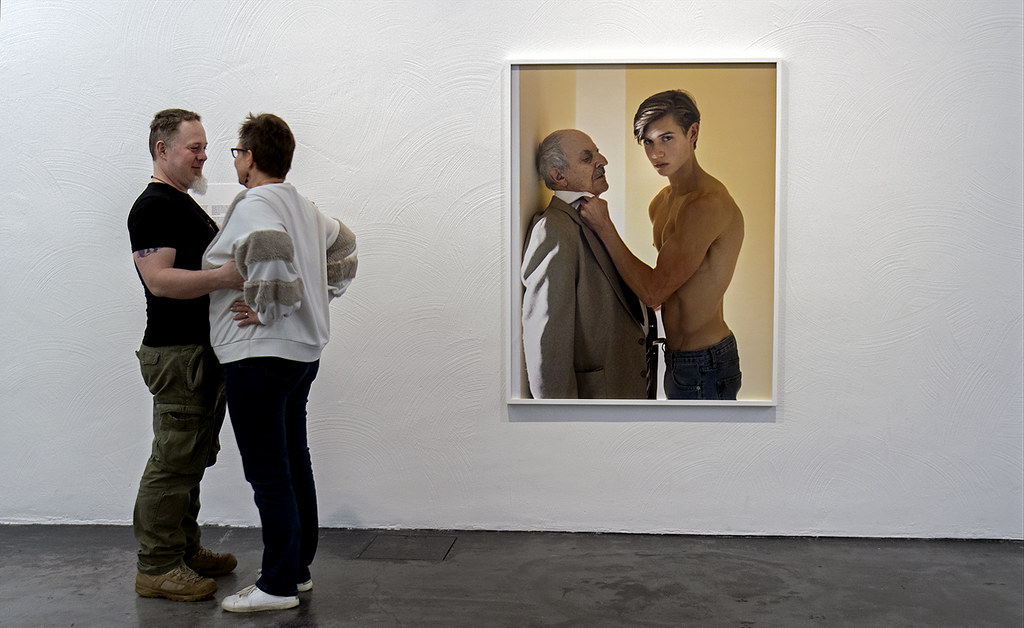
“Perhaps because photography in a commercial context so often presents idealized and frictionless couple images, it is interesting to explore asymmetric relationships between people. The stylized magazine image must be elaborated,” says Rødland.
Often prompted by non-photographic imagery that he transforms into real-world photographic subjects, Rødland portrays scenes designed to generate psychological reaction through his depiction of highly sensory qualities. The physicality present in the work is driven by his use of film-based cameras and chemical darkroom processes.
According to Rødland, the audience’s encounter with the images is controlled by who you are.
According to Rødland, the audience’s encounter with the images is controlled by who you are. But Rødland has distanced himself from the often-ironic attitude to life of his generation and seeks to challenge the notion that an authentic experience is no longer possible. In contrast to the works of the Pictures generation, his own works are not intended to decode pictorial conventions but rather to retain the onlooker in the process of observing.
Exhibitions
Torbjørn Rødland has been the subject of solo exhibitions including Pain in the Shell, David Kordansky Gallery, Los Angeles (2022); Bible Eye, The Contemporary Austin, Texas (2021); Fifth Honeymoon, a traveling exhibition produced as a collaboration between Bergen Kunsthall, Norway, Bonniers Konsthall, Stockholm, and the Museum of Contemporary Art Kiasma, Helsinki (2018–2019); THE TOUCH THAT MADE YOU, Fondazione Prada, Milan (2018) and the Serpentine, London (2017); Back in Touch, C/O Berlin (2017); and Blue Portrait (Nokia N82), Whitney Museum of American Art, New York (2016). Notable group exhibitions include What People Do for Money, Manifesta 11, Zurich (2016); LIT, 9th Berlin Biennale for Contemporary Art (2016); and 48th Venice Biennale, Italy (1999). His work is in the permanent collections of museums including Albright-Knox Art Gallery, Buffalo, New York; Astrup Fearnley Museum of Modern Art, Oslo, Norway; Malmö Art Museum, Sweden; Museum of Contemporary Art Chicago; Stedelijk Museum, Amsterdam; and Museum of Modern Art, New York. Rødland lives and works in Los Angeles.
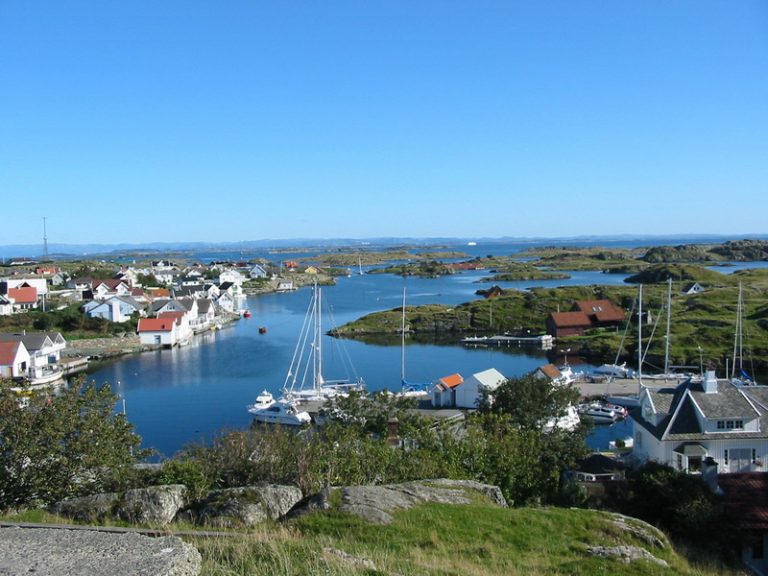
There’s much to experience both on land and at sea in Norway’s smallest municipality in area and second smallest in population, Kvitsøy in Rogaland. Visit Norway’s smallest municipality.
The Old Norse form of the name Kvitsøy was Hvítingsøy (jar) which means “the white island(s)”, probably because there is white quartz in the rocks on the islands. Originally, the spelling of the municipality was “Kvitingsø”, but later it was shortened to “Kvitsøy”.
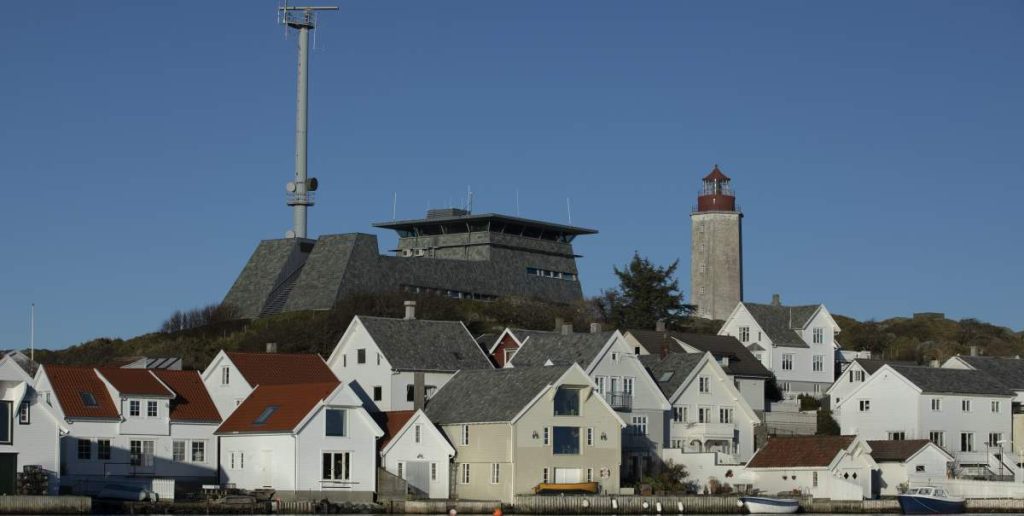
Kvitsøy lighthouse was built in 1829. Photo: Fjord Norway
If you’re in the area, a place not to be missed is the Kvitsøy lighthouse, south of Skudesneshavn, located near Ydstebøhavn harbor in a maritime environment. The place offers also several other cultural monuments.
Kvitsøy lighthouse was built in 1829. It was then 18 meter-high with a coal burner on top. In 1859, the tower was raised by a further 7m and equipped with an oil-fired flame and a lens system. The top of the lighthouse is now 45 m above sea level. In 1938, the lighthouse was electrified, and in 1969, automated.
The lighthouse is heritage-listed. The history of the tilting Kvitsøy lighthouse has, however, a history dating back to the year 1700 when Henrich Petersen set up a so-called bascule lighthouse in Ydstebøhavn.
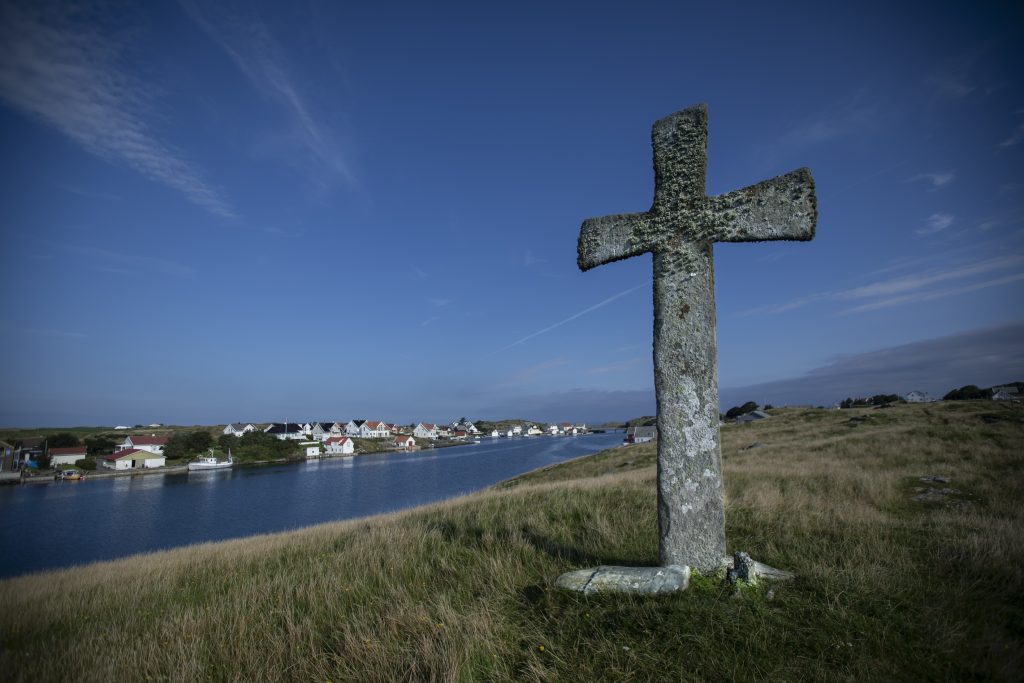
The charming gourmet restaurant Grøningen on the quay in Ydstebøhavn is worth a visit in itself and don’t miss the few but cozy streets or one or more of the secluded little beaches. The trails here are well marked. Don’t miss the stone cross on Krossøy.
On the island there are great opportunities to fish for crab and lobster. Bjellandsparken is an old facility for lobsters from 1902.
Kvitsøy is first mentioned in the Snorre Saga, where Snorre records a truce being made between King Olaf II of Norway later to be known as St. Olav (Norwegian: Hellige Olav) and Erling Skjalgsson, under the stone cross.
The 6-square-kilometre (2.3 sq mi) municipality is the 356th largest by area out of the 356 municipalities in Norway, making it the smallest in the nation. Kvitsøy is the 349th most populous municipality in Norway with a population of 523. The municipality’s population density is 83.3 inhabitants per square kilometer (216/sq mi).
Accommodation
There are few accommodations on Kvitsøy, so book early or bring a tent, your own boat or motorhome. People here are very friendly, so don’t be afraid to strike up a conversation.
Visit Norway’s Smallest Municipality, written by Tor Kjolberg


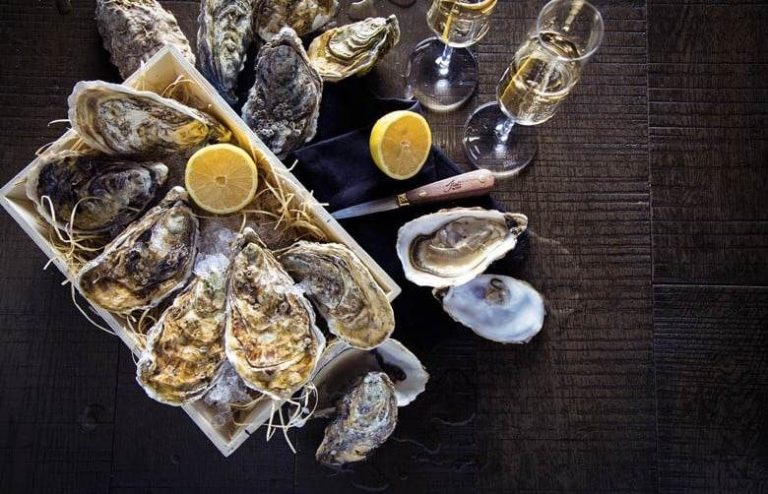

 In the Oslo Drinkhub you may enjoy mixed drinks, classic drinks, beer and wine.
 The Tiki Tukan bar serves mainly drinks based on rum.
 Red Drop serves aperitifs composed by bar manager Tomas Ricardi, who has won several awards in bartending.
 In Guilty Pleasures you will find the drinks that perhaps tempted you the most in your teens, but which are here served to an international standard. Pina colada, Strawberry Daiquiri and Mojito, just to name a few.
 Chair is already well known in Oslo with its selected cocktails based on gin. In this branch you can taste 150 types of gin from around the world and a variety of drinks with gin as the main ingredient.
 In Dios Mio you can enjoy both food and drink. The concept is called “Texican” because the owner is from Mexico and grew up in Texas and Oslo. The drinks are based on Tequilla, Mezcal and Bourbon.
 In Bacco you can choose from 160 wines from Italy, 30 of which are offered by the glass.
 Post bar is the post hall’s own beer bar, but also has a good selection of whisky and simple drinks.
 In addition to the bars, there will be two wine tables. At the tables there is a sommelier who can tell and answer questions about the wine you are drinking. At one table you are offered wines from traditional wine countries, at the other from “newer” wine countries.