In Conversation With the Hungarian Ambassador to Norway

0

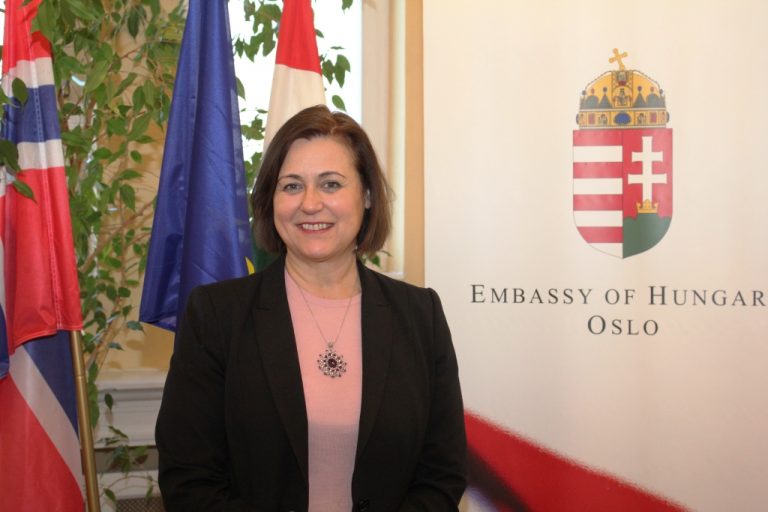
When the Embassy of Hungary in Oslo organized the open air exhibition “Natural Treasures of the Viserad Group”, we were invited to a conversation with the Hungarian ambassador to Norway, Mrs. Eszter Sándorfi.

The ambitious project “Natural Treasures of the Visegrad Group” was an impressive initiative from the Embassy of Hungary. The exhibition was organized and coordinated by the Hungarian nature Art, the Association of the Hungarian Nature photographers and realized in close cooperation with the largest nature photographers’ association of the Visegrad countries.
In Conversation With the Hungarian Ambassador to Norway
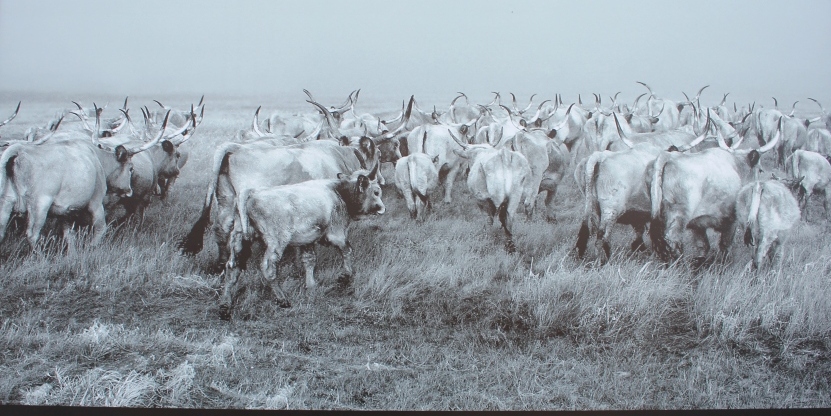
Photo from the exhibition: Steppe cattle, by Laszlo Meszaros

In the period December-January, 40 of the nature photographers’ impressive works were exhibited along the fence outside the Hungarian Embassy building in Oslo to the delight of both ordinary passers-by and visitors to the Embassy – a view certainly worth a stroll.

Related: On Being An Ambassador to Norway

In Conversation With the Hungarian Ambassador to Norway
40 of the nature photographers’ impressive works were exhibited along the fence outside the Hungarian Embassy building in Oslo

We were honored to be invited to a conversation with the Hungarian ambassador Mrs. Eszter Sándorfi. Her Excellency handed over her credentials to HM the King Harald V of Norway on May 6, 2021.

In Conversation With the Hungarian Ambassador to Norway
“There’s a lot of potential and possibilities. Our countries are getting closer and closer, and we also have to find joint answers to upcoming new challenges, like climate change, energy security, the future of Europe,” says Ambassador Mrs. Eszter Sándorfi

“The development of our economic and trade relations and the growth of mutual interest are shown by the Norwegian companies present in Hungary or the Hungarian companies appearing in Norway. At the same time, there are still plenty of undiscovered opportunities in many areas of trade and tourism in our countries. Together with the Hungarian-Norwegian Chamber of Commerce (HNCC), established in 2016, one of my important objectives is to facilitate that Norwegian and Hungarian companies find each other in order to implement successful business projects,” the Ambassador underlined at the beginning of our conversation.

During our meeting with the ambassador, she tells us that she studied in the Diplomatic Academy in Vienna after the fall of the Iron Curtain. She used to work in Brussels between 1994-1999 dealing with the Partnership for Peace Program, a member of the team preparing Hungary’s accession to NATO in 1999.  During her carrier she also served as special advisor to NATO relations with Eastern Europe then became security policy director before she was appointed ambassador to Greece.

In the period before she was appointed Ambassador to Norway and Iceland, she served as Director for the North American Department.

What knowledge did you have about Norway before arriving in our country?
From the professional point of view we are both members of NATO so I naturally followed our relations related in the context of our security policy cooperation. Although Norway is not a member of the EU but part of the European Economic Area. I actually remember the disappointment of some Norwegian friends in Brussels because of the outcome on the referendum.

As for the country, I knew of course, that Norway offers a beautiful landscape with breathtaking nature. Besides, I am very fond of the music of Edvard Grieg, and Henrik Ibsen is probably the most famous author in the world after Shakespeare.

I also watched several Norwegian films and TV series, like «State of Happiness» (Lykkeland) and Lillyhammer. A book I really appreciate is “Out Stealing Horses” by Per Petterson. Now, I don’t have the time to such pleasant activities anymore.

What would you say are the most important characteristics for a diplomat?
First of all, I would say a talent for networking and a willingness to engage with people. However, the Covid-19, which has been the reality most of my time as the Ambassador to Norway, has prevented me from a lot of activities I otherwise would have liked to take part in or initiate. So, when working as a diplomat, you must always have a willingness to redefine and change. Most small countries are only able to employ specialists to a limited extent, so you must be able to successively focus on new challenges. The Hungarian Norwegian Chamber of Commerce is an important association and B2B meetings are important. I also want more people to visit Hungary, as tourists as well as to do business or to study.

In Conversation With the Hungarian Ambassador to Norway
“We travelled up to Svalbard to deposit for the first time electronic copies of significant documents of Hungarian culture and history in the Arctic World Archive,” says the Ambassado. Photo from Svalbard. AWA Sebastian Moss

I am happy that in spite of the Covid difficulties we managed to realize a very interesting cultural project. The Director of the Hungarian National Széchenyi Library visited Norway last September. Apart from having consultations with the Director of the National Library and the Deichmann Library in Oslo, we travelled up to Svalbard to deposit for the first time electronic copies of significant documents of Hungarian culture and history in the Arctic World Archive, based on the collection of the National Széchényi Library. Located in one of the closed coal mines in Longyearbyen, the northernmost inhabited settlement in the world, the facility aims to preserve the cultural and historical heritage of different nations for posterity.

Related: Norway Won Seat On UN Security Council

What are the biggest challenges for a diplomat in Norway or Scandinavia?
What used to be called consular assistance that was considered more an “administrative routine” became increasingly central during the Coronavirus pandemic.  Embassies had to be able to organize repatriation, bringing people home, to their families and or back into their jobs. We received and still receive plenty of questions related to the pandemics. As for the business relations, although Norway is part of the EEA, one could not characterize it as a completely open market, like the EU-members.  In addition, there are some ideological issues, which is more reflected in the media.

Does a conflict area like Hungary formally loosing access to over €200 million in grants from Norway, Iceland and Liechtenstein last year amid growing concerns about the country’s democratic backsliding affect your role as the Hungarian ambassador to Norway?
Your question is interesting as our Norwegian  partners never argued with the wording of “democratic backsliding” in this context, a wording used by the media and  some politicians, and which I absolutely refuse with regards to my country.  The Norway Fund Financial Mechanism is an important tool to strengthen cohesion within the EEA community. To put an ideological pressure and conditionality on this process is very controversial, and serves the opposite purpose what it was originally meant to be:  deepen division instead of helping cohesion.  Flexibility and compromise might have been the key here because it is a pragmatic issue that has now a negative impact on a lot of good projects, like helping green economy, disadvantageous regions, people-to people contact, with the participation of companies and different organizations of Norway and Hungary.

What do you think about the relationship between Hungary and Norway?
There’s a lot of potential and possibilities. Our countries are getting closer and closer, and we also have to find joint answers to upcoming new challenges, like climate change, energy security, the future of Europe.  I think it is important to concentrate on those issues which strengthens cooperation, the positive agenda. We already have many common interests, like business, tourism, culture and education. I am also open for the media and public relations; it is very important to understand each-others’ history and culture better.

In Conversation With the Hungarian Ambassador to Norway
From the exhibition: The Danube Island, photo by Katalin Nagy

Is there something an ambassador must pay more attention to today than before?
This is a complex question. A lot has changed.  Today, communication is so much faster than before. Now, you have to act very fast but you cannot compete with new agencies and it is not your job as a diplomat. High-level meetings can be organized very quickly and – apart from COVID – take part quite frequently in different formats, so an ambassador has definitely a different role than 50 years ago. I think that diplomacy in practice has become more similar to other “business like” international activities.

Has digitalization changed diplomacy – what are your views on that? With digitalization, work processes have certainly changed very substantially, even for the most senior diplomats. I think also that social media and other new forms of communication, as well as the additional time pressure this creates, have affected the job profoundly. And I think that our most recent – forced – experience with videoconferencing will also lead to very substantive changes in the way we work.

However, diplomacy is very much about developing personal relations and building personal trust, and a lot of that can only be done in person.

What does diplomacy mean to you?
This is a very intricate question. As I have said before, diplomacy has become very similar to other international activities. However I am a Hungarian diplomat so I work primarily for Hungary. On the other hand, we are part of regional cooperation as the Visegrad Four, NATO, the European Union, OSCE, UN etc. Modern technology and communication, far-reaching economic relation produced a very strong interlink in the globe. I think the most important role of diplomacy is to work for a more stable, secure and livable world for the next generations.

Thank you so much, Mrs. Ambassador.

The Hungarian ambassador to Norway, Mrs. Eszter Sándorfi, was interviewed by Tor Kjolberg

All images © Tor Kjolberg/Daily Scandinavian, except where otherwise noted
The Norwegian Electric Vehicle Success Story

2

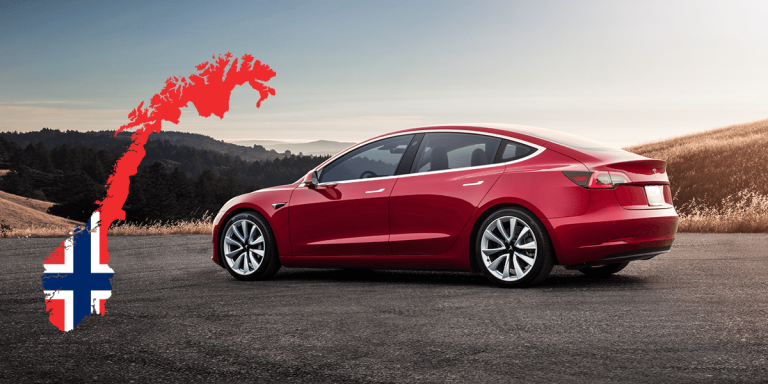
The Norwegian success story is first and foremost due to a substantial package of incentives developed to promote zero-emission vehicles into the market. The incentives have been gradually introduced by different governments and broad coalitions of parties since the early 1990s to speed up the transition. Learn more about the Norwegian electric vehicle success story.

In 2020, Norwegians actually bought more electric cars than any other types of cars altogether. A country far north, stretching way above the Arctic Circle, with long driving distances, rugged mountains and a very cold climate is not the most likely place to start a transportation revolution, but electric vehicles (EVs) are suddenly the new normal here. How did it happen?

The Norwegian Electric Vehicle Success Story
In 2020, Norwegians bought more electric cars than any other types of cars altogether.

Local governments allowed to decide incentives
Since 2017 it has been up to the local governments to decide the incentives regarding access to bus lanes and free municipal parking. The Parliament has agreed on implementing a 50 % rule, which means that counties and municipalities cannot charge more than 50 % of the price for fossil fuel cars on ferries, public parking and toll roads.

Related: The Evolution of Electric Flights Takes Place in Norway

80% of new cars sold this year will probably be EVs
“In 2020, 54% of the new cars that were sold in Norway were EVs. And it is important to note that when we talk about EVs, we mean fully electric cars. Plug-in hybrids aren’t part of that number. If we included those like they do in many other countries, we would get to a whopping 74 per cent!” says Christina Bu, secretary general of the Norwegian Electric Vehicle Association.

The Norwegian Electric Vehicle Success Story
Christina Bu, secretary general of the Norwegian Electric Vehicle Association

Almost 65% of new passenger cars sold in Norway in 2021 were electric; in addition, 22% were plug-in hybrids. EVs are purchased all over the country. It took only 10 years to move from 1% to 65%, and this year the number will probably pass 80%. The Norwegian Parliament has decided on a national goal that all new cars sold by 2025 should be zero-emission (electric or hydrogen).

Related: Royal Mail is Testing Norwegian Electric Parcel Delivery Vehicle

“But the maybe strongest incentive is that we heavily tax the purchase of polluting petrol and diesel cars”, Christina Bu explains. Most cars are purchased secondhand, and people in the secondhand market are dependent on the choices made by new-car buyers. The government therefore taxes the sales of new polluting cars heavily but does not tax EVs at all, making EVs, which are more expensive because of their production costs, a competitive and appealing option.

The VAT exemption for zero-emission vehicles in Norway has been approved by the EFTA Surveillance Authority (ESA) until the end of this year.

The Norwegian Electric Vehicle Success Story
NIO sedan will be launched in Norway later this year

Electric cars are cool
Another important aspect is that electric cars are cool! They don’t smell bad. They are silent. And you can drive them for several hundred kilometers before you need to charge them. Not that charging is a problem in Norway – there are more than 16,000 charging stations, including 3,300 fast chargers, all over the country. So, no need for range anxiety.

Related: Norway – The Poster Child For Electric Vehicle Adoption

Economical beneficial to choose zero and low emission cars
The overall signal from the majority of political parties is that it should always be economically beneficial to choose zero and low emission cars over high emission cars. This is obtained with «the polluter pays principle» in the car tax system. High taxes for high emission cars and lower taxes for low and zero-emission cars. Introducing taxes on polluting cars can finance incentives for zero-emission cars without any loss in revenues.

The Norwegian Electric Vehicle Success Story
You can easily get around with an EV – even in cold climate

“Even in the northernmost parts of Northern Norway – an area with huge distances, more reindeer than people, and really low temperatures in the wintertime – you can easily get around with an EV”, Christina Bu claims.

The Norwegian Electric Vehicle Success Story, written by Tor Kjolberg

All images © Norsk elblforening

Scandinavian Ramsons

In spring, ramsons (or wild garlic) covers the floors of deciduous forests in Scandinavia, and they can be detected from miles away. Their permeating garlic smell is pungent in the warm May air. Learn more about Scandinavian ramsons.

You should collect and eat them while you can, as the darkening canopies of beech leaves will soon make them wither. You can grow ramsons yourself in a woodland area of your garden, but beware – they must be planted where they can be allowed to follow their rampant nature.

Scandinavian Ramsons
The bulbs themselves, the broad, soft leaves and the white, starry flowers are very much edible. Photo: Store norske leksikon

Appearance and taste
The bulbs themselves, the broad, soft leaves and the white, starry flowers are very much edible. Perhaps surprisingly, the flowers tend to have a stronger flavor than the mildly garlicky leaves.

Scandinavian Ramsons
Perhaps surprisingly, the flowers tend to have a stronger flavor than the mildly garlicky leaves. Photo: Plantasjen

Culinary uses
Ramsons are so abundant in spring that they can be eaten and cooked like spinach, in soups, omelets, as an accompaniment for everything nice and light, for a pesto, or in salads. The mild garlicky taste and softness of the leaves mean that they lend themselves to anything that you might associate with spinach and garlic.

Scandinavian Ramsons
There are several secrets behind making a good omelet. Photo: melk.no

Omelet with ramsons and other herbs

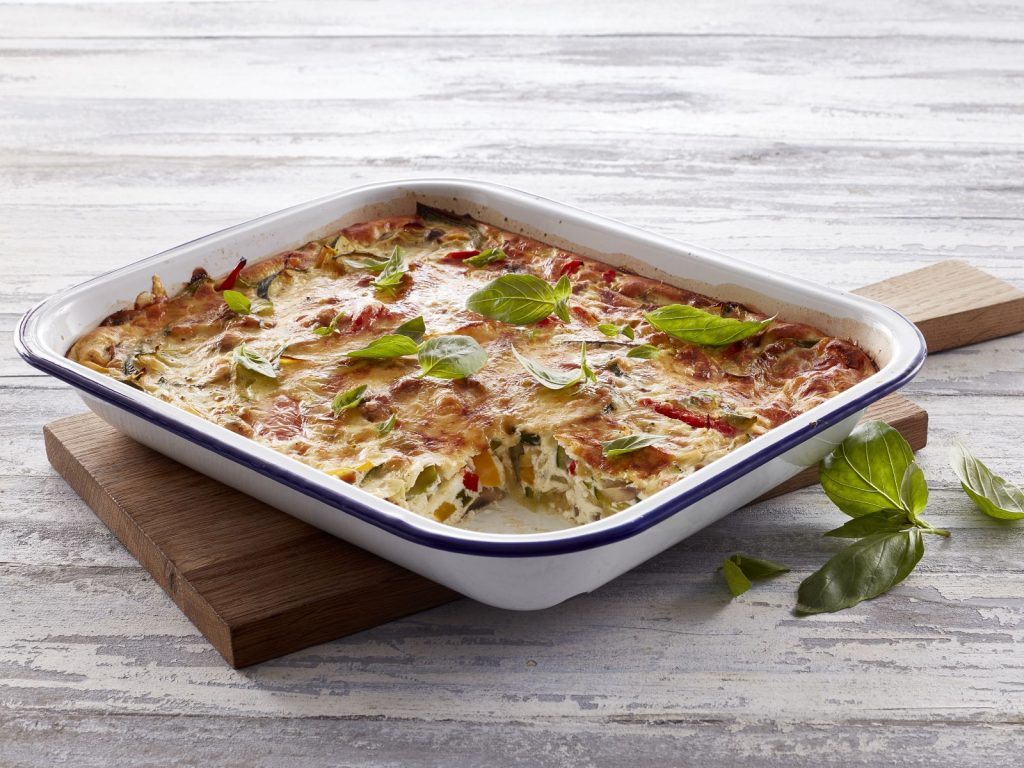
There are several secrets behind making a good omelet as is often the case when cooking very simple seeming dishes. Firstly, add no salt before the omelet is finished. Also, omelets need a very high pan, with lots of butter or olive oil to make the eggs fluff up. And always use very fresh eggs, from decently raised and fed birds. You do not need to consider all the lore about expensive omelet pans washed by mermaids in the moonlight. A heavy pan, preferably iron or copper, is fine (Tefal pans do not work very well at high temperatures). Mozzarella is not, admittedly, very Nordic, but the consistency amidst the soft eggs is beautiful. Eat the omelet with rye bread, and maybe a tomato salad. Leftovers taste lovely in a sandwich, especially with smoked fish – ideally as part of a picnic.

100ml extra virgin olive oil
200g mixed fresh herbs, finely chopped: choose from ramsons, sorrel, chervil, tarragon,              chives, dill, parsley and blanched nettles.
8 large organic eggs
1 buffalo mozzarella, cut into thin slices
Salt and pepper

SERVES 4 for lunch

Heat a heavy frying pan until very hot, then pour in the oil and heat again. Meanwhile, whisk the herbs into the eggs.

Pour the eggs into the hot pan and let them fluff up wildly into a bubbly light thick omelet. Add the mozzarella slices.

As soon as the eggs are solid around the edge, lift with a palette knife and tilt the pan, so that the more uncooked egg runs underneath. When the omelet is no longer fluid, but still very soft in the middle, remove it from the heat. Scatter with salt and pepper, and fold into a half moon.

Scandinavian Ramsons, written by Tor Kjolberg

Feature image (on top): Photo: Hageland

Stockholm Furniture & Light Fair 2022 Postponed to September

0

Due to current restrictions in Sweden, the Stockholm Furniture & Light Fair 2022 has been postponed to September. However, the much-appreciated Stockholm Design & Architecture Talks will run digitally February 8 – 10 with the overall theme “Being a Game Changer”. So, although Stockholm Furniture & Light Fair 2022 has been postponed to September, the week 7 – 13 February will be filled with inspiring design news and events. Read on.

This year’s fair in September with the theme “Being Scandinavian” explores the typically Scandinavian beyond obvious conventions. One of the news for 2022 is a new fair layout making the experience for the visitors more dynamic. There are also a number of new concepts like The Library, a curated exhibition space where you can book a space to show only one or two new launches instead of booking an entire stand.

Stockholm Furniture & Light Fair 2022 Postponed to September
September 2022 is the 72nd Stockholm Furniture & Light Fair. Photo: Dezeen

Explore Scandinavian design during Stockholm Design Week February 7-13
Design news and launches will take place digitally in the organizers’ social media channels and will be a week filled with inspiring design news and events.

Related: Handmade Furniture From Sweden

Both Stockholm Furniture & Light Fair and Stockholm Design Week are scheduled to run again in September this year. The launch of the interactive app pushing events and exhibitions in Stockholm will also be postponed until it’s safer to meet in larger numbers again.

Stockholm Furniture & Light Fair 2022 Postponed to September
“Being a Game Changer” is the overall theme of this three-day event

Stockholm Design & Architecture Talks
On February 8-10 the digital seminar program Stockholm Design & Architecture Talks will be broadcasted. With “Being a Game Changer” as an overall theme this three-day event focus on the most important issues facing the industry right now.

Related: One Of Sweden’s Most Prolific Designers

Stockholm Design & Architecture Talks is a leading platform for discussing and exploring architecture and design, and has been part of Stockholm Furniture & Light Fair since 2013. The program for 2022 has a strong focus on sustainability and innovation and is designed to promote knowledge and to spur discussion and development within the field of design and architecture.

Related: Swedish Designers Change The Way Companies Think About Waste

Stockholm Furniture & Light Fair 2022 Postponed to September
Dezeen founder Marcus Fairs and British journalist Katie Treggiden will moderate several of the panel discussions during the digital seminar program.

Dezeen founder Marcus Fairs will moderate several of the panel discussions during the digital seminar program, as will the British journalist Katie Treggiden, author of the recently released book Wasted: When Trash Becomes Treasure (Ludion, 2020). Tregidden also runs successful podcast Circular with Katie Treggiden, which explores craft’s potential role in the transition to a more circular economy.

Stockholm Furniture & Light Fair 2022
September 2022 is the 72nd Stockholm Furniture & Light Fair. For more than half a century, the fair has been Scandinavia’s display window for design. Since the Stockholm Furniture & Light Fair was held for the first time in 1951, it has evolved from being a local furniture fair, only featured Swedish manufacturers and furniture retailers, to have become the world’s leading event for Scandinavian design, welcoming visitors and exhibitors from all corners of the world.
Over the years, countless business deals have been created there, contacts have been established, new products have been launched, and both design classics and celebrated designers have been presented.

Stockholm Furniture & Light Fair 2022 Postponed to September, compiled by Tor Kjolberg

How a Loan Intermediary in Scandinavia Can Help You Find the Best Offer

If you want to apply for a loan and compare different offers, you can either apply yourself through several lenders or use a loan intermediary. More and more people are using loan intermediaries because these make it easier to compare loans and the road to finding a loan that best suits their financial needs shorter. Learn how a loan intermediary in Scandinavia can help you find the best offer.

With that said, a loan intermediary makes it easier to obtain an overview of the loan providers that offers loan. The application process is also faster if you want many offers to get the best possible basis for your loan comparison. Here is what you need to know about a loan intermediary and how they can help you find the best offer.

How a Loan Intermediary in Scandinavia Can Help You Find the Best Offer
A popular operator for loan intermediation in Sweden and the rest of Scandinavia is Loanscouter. Photo: Tierra Mallorca/Unsplash
How a loan intermediary works
In short, a loan intermediary’s job is to obtain offers for private loans on customers behalf. When someone send an application to the intermediary, they forward their application to all the lenders they work with. So instead of sending applications to various lenders and/or banks, the loan intermediary does this for you.

Due to a high demand for consumer loans recently, the number of lenders in the market has increased, and so has the number of loan intermediaries. A popular operator for loan intermediation in Sweden and the rest of Scandinavia is Loanscouter, who you can   LoanScouter to more easily find a cheap loan that suits your needs.

Loan intermediaries should not be confused with lenders themselves, i.e., the loan itself is not paid out by Loanscouter. However, you send an application with the help of Loanscouter and then this application is forwarded to the respective lender that they work with. Within a day, you should receive several offers and can then choose which option is best suited for your situation.

How a Loan Intermediary in Scandinavia Can Help You Find the Best Offer
Loan intermediaries mean better competition on the market. Photo: Lukas Blazek/Unsplash
Why loans through intermediaries tend to be cheaper
Loan intermediaries mean better competition on the market and therefore it is quite logical that a consumer loan mediated by a loan intermediary is cheaper than other consumer loans. When the loan providers receive the application from the intermediary, they know what they are just one of the companies that are fighting for the same customer. This often leads to them offering lower interest rates.

It is important to remember that the loan’s interest rate also depends on the borrower’s creditworthiness, which in turn means that the borrower with a bad credit score will still have a lower interest rate than the borrower with a good credit score. Further, it is worth noting that other fees may also come in connection with a consumer loan, such as a set-up and delay fees.

How a Loan Intermediary in Scandinavia Can Help You Find the Best Offer
Another benefit with using a loan intermediary is that they do the credit report. Photo: John Schnobrich/Unsplash
Usually only one credit report through intermediaries
Another benefit with using a loan intermediary is that they do the credit report. It is then passed on to the loan providers with whom the intermediary works with. Therefore, not every lender needs to take their own credit report and there will only be a single entry in the credit information register about the borrower. This in turn does not affect your credit score as negatively.

How a Loan Intermediary in Scandinavia Can Help You Find the Best Offer is a promotional article from LoanScouter.

Feature image (on top):  Photo by Pixabay

A Danish Ceramic Artist’s Legendary Blue House

It’s almost 16 years since the Danish ceramic artist Bjørn Wiinblad died, but his Blue House still remains a landmark. Wiinblad was one of the most famous and popular Danish artists of the last century. Learn more about the Danish ceramic artist’s legendary Blue House.

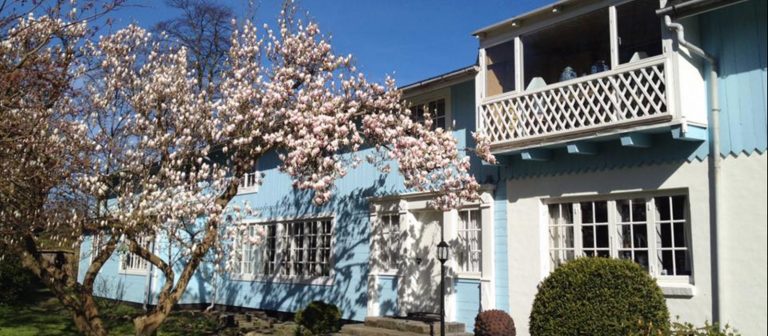
Bjørn Wiinblad (1918-2006) owned a number of houses and apartments in Denmark and Europe, but he reserved a special place in his heart for The Blue House. He bought the charming wooden building from the Swedish applied artist Brita Drewsen in 1966. Brita Drewsen continued to live in the guest house located at the end of the large and beautifully planted grounds, while Bjørn Wiinblad resided in the main building, which he furnished with his own designs, furniture and carpets, supplemented by his huge art collection.

A Danish Ceramic Artist’s Legendary Blue House
Bjørn Wiinblad taught himself a variety of ceramic techniques, and from there he expanded his vigorous talent for creation and delight in art to encompass ‘all platforms’. Photo: Rosenthal

The Blue House
The Blue House was Wiinblad’s home and workshop until his death in 2006. Today, the Blue House is owned by the Bjørn Wiinblad Fund. Wiinblad’s longtime chauffeur and right-hand man, René Schultz, is responsible for its day-to-day care, as well as for guided visits.

A Danish Ceramic Artist’s Legendary Blue House
Bjørn Wiinblad reserved a special place in his heart for The Blue House. Photo: The Danish Club

Related: Cultural Achievements in Denmark

At a very early age, Bjørn Wiinblad began to show signs of his talent for drawing and creating imaginative worlds. Aged 17, he began an apprenticeship as a typographer, but soon realized that his heart was set on following the path of an artist.

A Danish Ceramic Artist’s Legendary Blue House
Wiinblad’s international greatness can be compared to that of Søren Kierkegaard

Joie de vivre
Ceramics, porcelain and graphics with Wiinblad’s lush, colorful shapes and winding lines, gradually became a great international success. He made advertising posters and fountains for the Tivoli Gardens in Copenhagen. The Blue House is in every respect a reflection of Wiinblad’s maximalism and joie de vivre – and a riot of sensory impressions.

A Danish Ceramic Artist’s Legendary Blue House
Ceramics, porcelain and graphics with Wiinblad’s lush, colorful shapes and winding lines, gradually became a great international success.

He is most famous for the distinctive ceramics he designed for Nymølle and Rosenthal, found today in homes around the world. He created everything from dinnerware to furniture, from fountains to sculptures as well as restaurants and cruise ships. He made stage curtains for ballets and opera performances in Denmark, Oslo and Beirut.

A Danish Ceramic Artist’s Legendary Blue House
Bjørn Wiinblad espousied a style dominated by wavy lines, bright colors and romantic worlds.

The romantic worlds of Bjørn Wiinblad
Even though Bjørn Wiinblad was Copenhagen born and bred, and had trained in Copenhagen, his style was anything but Danish, and while functionalism ruled the roost in Denmark, Bjørn Wiinblad went the other way, espousing a style dominated by wavy lines, bright colors and romantic worlds.

The 700 m2 Blue House in Kongens Lyngby, outside Copenhagen, which Wiinblad bought in the early 1960s functioned as both an open artist’s home and a living workshop for ceramic artists. The House still stands today exactly as it was when he died. It includes a host of secret rooms – are laid out with the most amazing interiors consisting of a huge, multifarious art collection from all parts of the world, as well as books from floor to ceiling. They bear testimony to a much-loved and intellectual multi-artist.

A Danish Ceramic Artist’s Legendary Blue House
It was at his drawing board in the Blue House — which boasts a view of the garden’s magnolia tree — that Wiinblad created thousands of his singular pieces.

An artist of international greatness
Wiinblad taught himself a variety of ceramic techniques, and from there he expanded his vigorous talent for creation and delight in art to encompass ‘all platforms’.

Wiinblad’s international greatness can be compared to that of Søren Kierkegaard or, for a more contemporary reference, the artist Olafur Eliasson – although Wiinblad never achieved the same artistic recognition in Denmark as Olafur Eliasson. He did outside Denmark, however, where he was commissioned to design complete hotel furnishing solutions in Japan, the United States and Germany. To the 2500th anniversary of the Persian Empire in 1971, he designed a completely gold-plated dining plates set inspired by Mozart’s “The Magic Flute” on which royals from all over the world, including his good friend Queen Ingrid, have enjoyed their dinners.

A simple life in the Blue House
In the Blue House, Wiinblad had no television set. He subscribed to the newspaper Politiken, but only read the book reviews. The artist was perceived as a person who made beauty just for the sake of beauty. He was just as happy to make cake boxes for the supermarket chain Irma as graphic prints, often in large numbers.

The blue clapboard home on a quiet side street in Lyngby is deceptively unassuming. It’s been the site of fashionable dinner parties for movie stars and royalty and houses spectacular art and antiques collections. It also holds works by the eccentric Wiinblad, along with personal mementos and objects that tell the tale of his journey to international fame.

A Danish Ceramic Artist’s Legendary Blue House
Wiinblad’s curiosity served to reinforce the flow of artistic objects.

Curiosity was his trademark
It was at his drawing board in the Blue House — which boasts a view of the garden’s magnolia tree — that Wiinblad created thousands of his singular pieces, everything from figures and ceramic plaques to theater sets and costumes to Oriental-style tapestries. He was a prolific artist whose diverse works ranged from incredibly expensive and unique projects to mass-produced ashtrays.

Wiinblad did not leap randomly from one object to the next. It was more a matter of an ongoing process, in which one object pointed to the next, and where Wiinblad’s curiosity served to reinforce the flow.

He regularly took the ferry to Norway to open exhibitions and meet customers at his Norwegian gallery.

Restaurant Wiinblad
Day in, day out, guests were invited to dinner with Wiinblad as the focal point and generous host. He was also keen to invite guests to ‘his’ restaurant at Hotel d’Angleterre – Restaurant Wiinblad – which he furnished and decorated in 1994.

Visit the Blue House
The Blue House is normally off limits to the general public, but associations and large groups (min. 16 people) can visit it by arrangement. On such occasions, one or more people who were close to Bjørn Wiinblad will lead a guided tour and tell stories and anecdotes from Bjørn Wiinblad’s remarkable life.

A Danish Ceramic Artist’s Legendary Blue House, written by Tor Kjolberg

Swedish Rock-Star of Nordic Noir

0

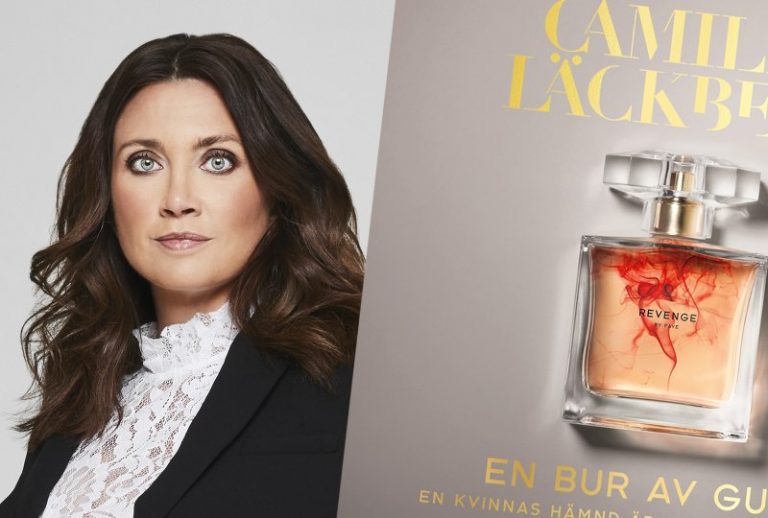
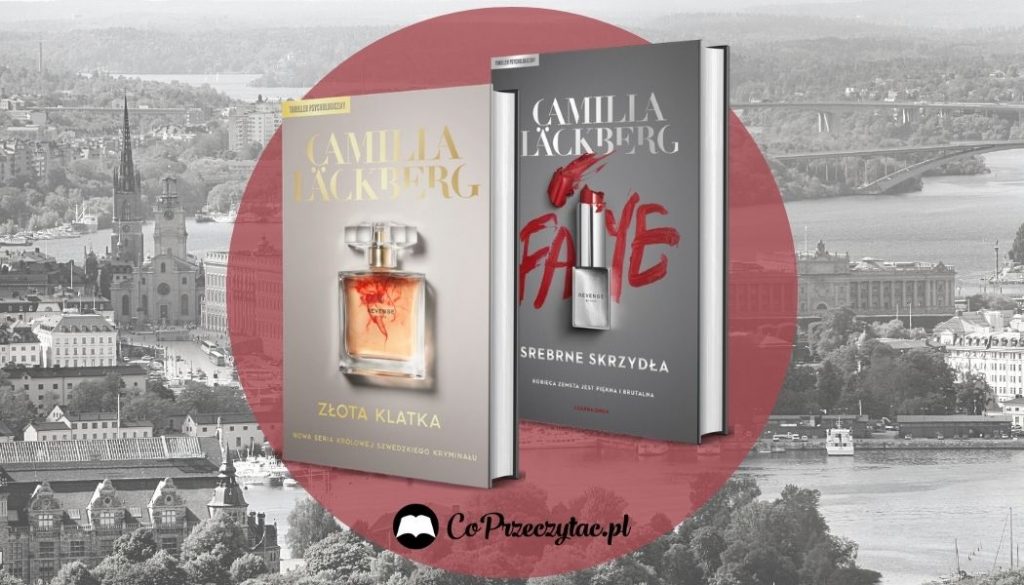
Swedish crime author Camilla Läckberg’s novel The Golden Cage was the most sold book in Sweden 2019. Now she breaks sales record once again with over 30 million books sold around the world. Learn more about the Swedish rock-star of Nordic noir.

After 20 years as an author with over 30 million books sold in 45 languages ​​in 60 countries Camilla Läckberg presents herself in a new reality series, “Swedish Power Women” on TV3 and Viaplay. She proudly talks about her success or flaunts luxury and glamor. She invites you to her home life with the children as well as to her husband Simon Skold. In the first episode, she shows her huge walk-in closet with shelves full of handbags and shoes and jewelry in showcases.

Swedish Rock-Star of Nordic Noir
Camilla Läckberg’s books have been sold over 30 million copies in 45 languages in 60 countries.

Related: Meet The Best Today’s Swedish Writers

Now wonder, Camilla Lackberg (born 1974) in Fjällbacka, Sweden, has been called “the rock-star of Nordic noir” or the Swedish Agatha Christie. After graduating from Gothenburg University with a degree in Economics, she moved to Stockholm, where she worked as an economist before beginning writing fiction seriously.

Swedish Rock-Star of Nordic Noir
Camilla Läckberg and her husband. Photo: TV3

Related: Swedish Murder Case with Elk as Prime Suspect

Läckberg is recognized for detail and in-depth characterization. She became a writer after her husband and parents enrolled her in a creative writing course as a Christmas present. She describes herself as a visual writer “For me actually, specific images – snapshots – come first, and then the story starts to come together from those bits and pieces. I am very visual when I write. I ‘see’ the story in pictures and writing a book is like having a movie running in my head 24/7,” she says.

Swedish Rock-Star of Nordic Noir
“A book is like having a movie running in my head 24/7,” says Läckberg.

Related: 5 Best Contemporary Scandinavian Writers You Should Read

Now, the sales in Sweden, Spain, Italy, France, Poland, Germany and others have exceeded expectations. Up to now the French readers have bought over 5 million books. Her work has been described as “standing out for its atmospheric depiction of the Swedish coast, well-drawn characters and (at its best) complex and psychologically nuanced plots.

Swedish Rock-Star of Nordic Noir
Camilla Läckberg at Gothenburg Book Fair 2013. Photo: Wikipedia commons

It’s Läckberg’s new groundbreaking series about the business woman Faye that has found more readers all around the world.

Swedish Rock-Star of Nordic Noir, written by Tor Kjolberg

21 Belgian Battery-Electric Trambuses for Public Transport in Sweden

0

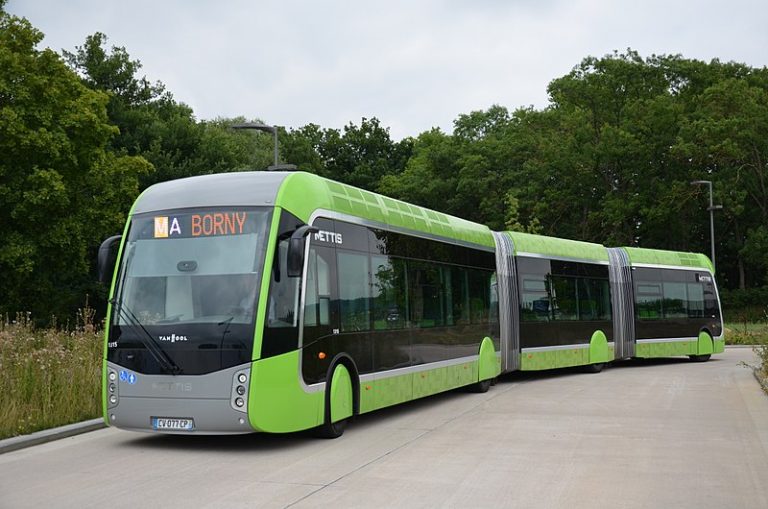
Belgian company Van Hool has concluded a contract with the largest passenger transport company in Scandinavia for the delivery of 21 battery-electric 24-meter articulated trambuses of the Exqui.City model. Since 2014, fifteen Van Hool hybrid articulated trambuses have been operating in Malmö. Now, another 21 Belgian battery-electric trambuses for public transport in Sweden have been ordered by operator Nobina.

The new buses will also be used in the public transport system of the Swedish city of Malmö from mid-2022. Among suppliers of e-buses for Nobina so far there are BYD and Ebusco.

21 Belgian Battery-Electric Trambuses for Public Transport in Sweden
Van Hool ExquiCity 24 at Malmö central station, 2016. Photo: Wikipedia commons

Related: Norwegian Zero Emissions Ship Without Crew

100% zero emission solutions
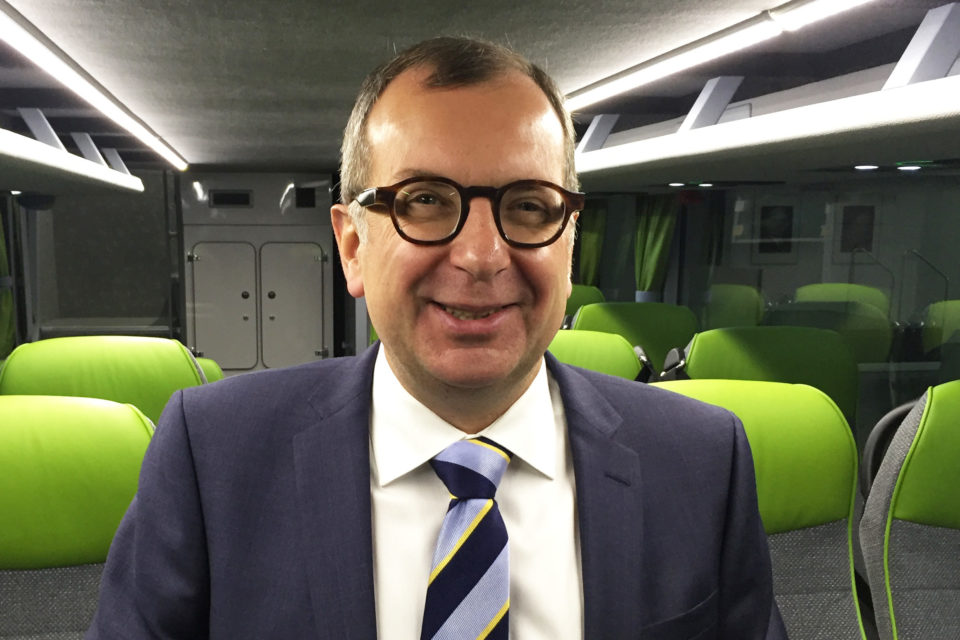
“This order confirms the confidence that Nobina has in Van Hool. This is a new and important reference for Van Hool and it represents the undeniable proof of the company’s technological power. Van Hool is fully committed to its 100% zero emission bus and coach range. We are convinced that the various 100% zero emission solutions we offer – battery-electric, trolley and hydrogen – can, depending on the local application, provide an answer to the environmental and sustainability initiatives that public transport companies worldwide are undertaking,” says Filip Van Hool, CEO of Van Hool.

He adds: “As an independent Belgian manufacturer of buses and coaches, with customers all over the world, we have delivered no fewer than 1,200 electrically powered vehicles, so far. Van Hool’s strength lies in the fact that we have gained a lot of experience in various complex types of electrically powered vehicles, including 100% battery electric vehicles, and the charging infrastructure that goes with it.”

21 Belgian Battery-Electric Trambuses for Public Transport in Sweden
“As an independent Belgian manufacturer of buses and coaches, with customers all over the world, we have delivered no fewer than 1,200 electrically powered vehicles, so far,” says Filip Van Hool, CEO of Van Hool. Photo: van Hool

There are already more than 300 trambuses operating in 17 cities, primarily in Europe but also in Martinique (a French overseas department). Van Hool has also produced 58 trambuses for Trondheim in Norway.

Related: World’s First Fossil-Free Steel From Sweden

Next generation of buses
The electric tram buses are plug-in vehicles that will be charged at the Nobina depot in Malmö. Van Hool says that the Exqui.City model, which comes in 18 and 24-meter versions combine the flexibility of a bus with the efficiency of a tram.

“We feel pride in continuing this journey together with Skånetrafiken and Van Hool, introducing the next generation of 24 meter, fully electric zero emission tram buses – the first of its kind in the Nordics. Further developing the modern, safe and sustainable public traffic solution in Malmö”, said Jens Råsten, Fleet Manager at the Nobina Group.

21 Belgian Battery-Electric Trambuses for Public Transport in Sweden
van Hool trambus in Norway. Photo: Nobina Norway

Related: Electric Highway in Sweden

Distinct futuristic design
Van Hool has designed these tram-buses with what they call a “distinct futuristic design”, saying that a high level of comfort is afforded with air conditioning, low noise levels and soft lighting. The bus-tram design is supposed to offer optimal accessibility with a low boarding height, and easy entry and exit via the four double doors. Van Hool builds these vehicles on a multi-power platform with three zero-emission options of purely battery-electric, trolley (overhead lines) and hydrogen fuel cell.

21 Belgian Battery-Electric Trambuses for Public Transport in Sweden, based on a press release from Van Hool. Feature image (on top): van Hool.

Cultural Connections Between Norway and Venice

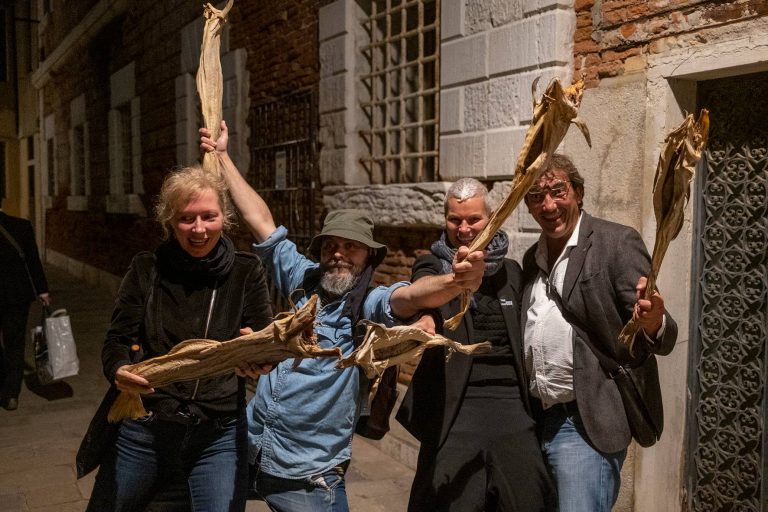
Students from Venice and Lofoten participated in a workshop called “Spheres” as a part of “Il Primo Cerchio del Paradiso” (The First Circle of Paradise) organized by Bjørnådal Arkitektstudio at the 2021 Architecture Exhibition in Venice in November last year. Learn more about the cultural connections between Norway and Venice.

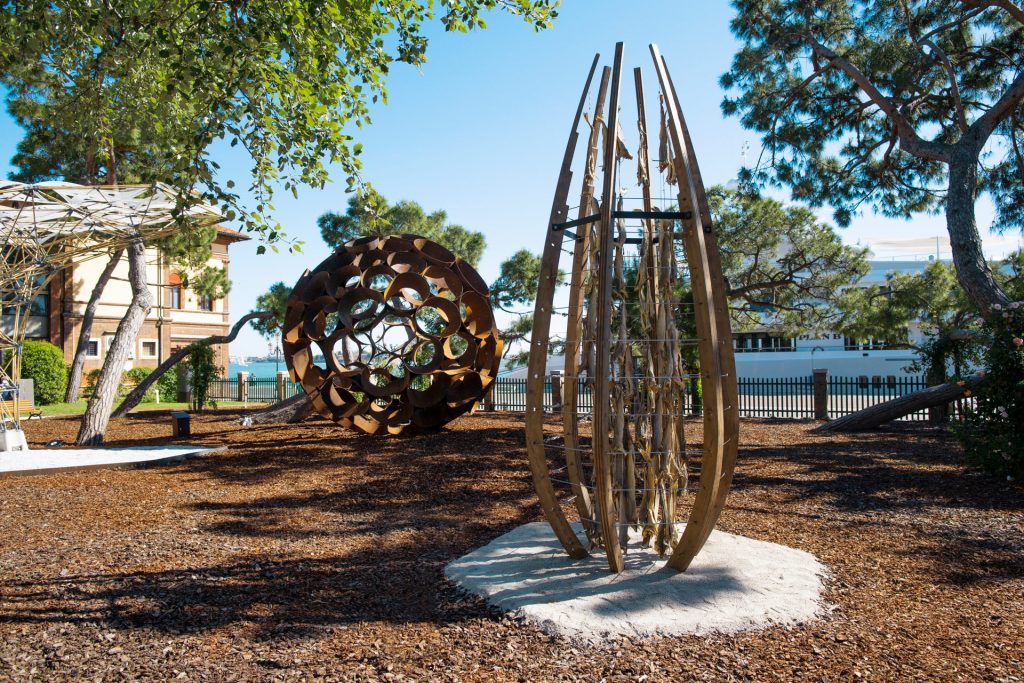
The workshop was organized by architect Hans-Petter Bjørnådal and glass artist Geir Morten Karlsen in collaboration with Bodø 2024 -European Capital of Culture. The intrinsically sustainable installation was part of the “Time Space Existence” side event at Giardini Della Marinaressa, focusing on Norway’s cultural connections with Venice dating back to 1432, when a North Sea storm altered the voyage of a Venetian merchant ship that had set sail for the Netherlands.

Cultural Connections Between Norway and Venice
The intrinsically sustainable installation was part of the “Time Space Existence” side event at Giardini Della Marinaressa. Photo: Hans-Petter Bjørnådal

Related: 24 Architecture Students Created New Life at Historical Farm in Northern Norway

Paradise’s first circle
After finding refuge on a small island off the Norwegian coast, the ship’s captain indulged in the cultural and geographic wonder of a place he characterized as “Paradise’s first circle”. The new installation revealed past and present connections, with a strong emphasis on issues of current relevance such as climate change, environment and the merits of going back to a simpler lifestyle.

Cultural Connections Between Norway and Venice
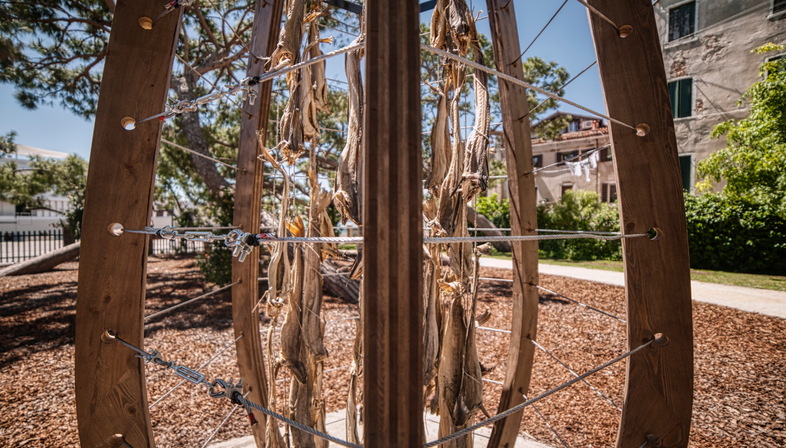
“The project is a Norwegian gesture of simple living, but also a reflection of our current need for a shift in direction and consciousness in order to address climate change,” explained Hans-Petter Bjørnådal, Lead Architect of the firm bearing his name. Photo: Hans-Petter Bjørnådal

As dried Norwegian cod found a receptive market in Venice, the fishing trade became a staple of cultural connectivity between the two countries. The dried cod is a tribute to the men who sailed between the two countries with a wooden hull reminiscent of early trading ships.

Simple life in harmony with nature
“The project is a Norwegian gesture of simple living, but also a reflection of our current need for a shift in direction and consciousness in order to address climate change,” explained Hans-Petter Bjørnådal, Lead Architect of the firm bearing his name, “The essence of the message is that a simple life, in harmony with nature, is still a viable path to discovering paradise.”

Cultural Connections Between Norway and Venice
As dried Norwegian cod found a receptive market in Venice, the fishing trade became a staple of cultural connectivity between the two countries. Photo: Hans-Petter Bjørnådal

Related: Powerful Norwegian Architecture

Bjørnådal applied his philosophy to the construction of his project, working in partnership with a company called ReBiennale to procure the materials he required to build ‘Il primo cerchio del paradiso’. ReBiennale is a collaborative project including a network of Venetian citizens, students, architects, artists and political activists who trade ideas, methods and know-how to build creative works using recycled materials from previous editions of the Biennale di Venezia. So, ReBiennale offers tangible evidence of the increased focus on the environment that has been noted in many of the installations at last year’s Architecture Biennale.

Cultural Connections Between Norway and Venice
“I spent 10 days in Venice erecting the finished product with my team, but this project is two years in the making due to the event’s postponement last year,” said Hans-Petter Bjørnådal. Photo: Hans-Petter Bjørnådal

Related: The Norwegian Wild Reindeer Center 

Two years in the making
“I spent 10 days in Venice erecting the finished product with my team, but this project is two years in the making due to the event’s postponement last year,” said  Hans-Petter Bjørnådal and added, “Every restaurant in Venice has a recipe for dry cod, or clipfish, and Venetian recipes for gratinated fish with macaroni have been repatriated to Norway and have become national dishes.”
Cultural Connections Between Norway and Venice, based on a press release from MyNewsdesk

Feature image (on top): Photo by Ketil Bom

5 Scandinavian Slimming Secrets

Losing weight isn’t easy, and it often makes us long for a magical diet. Eating a healthy but unappetizing diet seems to be a tough task. However, Scandinavians have a different and better approach to staying fit. The Nordic countries – Sweden, Norway, Finland, and Denmark – have found the perfect diet for losing weight. Learn more about he 5 Scandinavian slimming secrets.

While the obesity prevalence was 42.4% in the United States in 2017-2018, Scandinavians have never had a high obesity rate. Along with a healthy weight, their culinary culture also promotes longevity, as Scandinavians have one of the longest life expectancies. Just like the Mediterranean diet, the traditional Nordic diet and active lifestyle have been gaining popularity.

5 Scandinavian Slimming Secrets
The Mediterranean diet prefers olive oil, whereas the Nordic diet favors rapeseed oil, also called canola oil. Photo: Brooke Lark

The Difference Between the Mediterranean and the Nordic Diet
Popularity isn’t the only common factor between the Mediterranean diet and the Nordic diet. The main difference between the two diets is the fat source. The Mediterranean diet prefers olive oil, whereas the Nordic diet favors rapeseed oil, also called canola oil. Apart from the oils, they are both whole foods and plant-based diets. They are better for the environment too, as they don’t include red meat. The Mediterranean and Nordic diets share similar advantages. Chronic illnesses, such as cholesterol, cancer, and heart diseases, can be prevented through these diets.

Related: 5 Reasons Why Scandinavia Is One Of The Healthiest Regions In The World

5 Scandinavian Slimming Secrets
The Nordic diet includes plant-based and seasonal foods, with lean protein and healthy fats. Photo: Louis Hansel

How the Nordic Diet Works
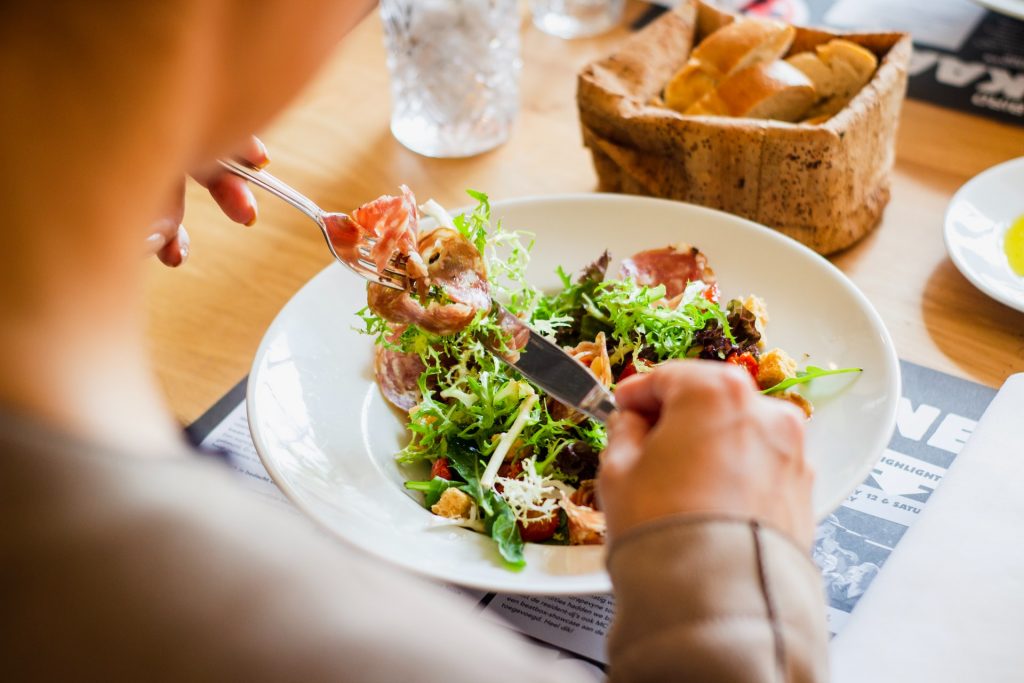
The best part about the diet is that it doesn’t promote calorie counting. It’s not crash dieting, but a way to completely transform your lifestyle for the better. The Nordic diet includes plant-based and seasonal foods, with lean protein and healthy fats. It has plenty of organic produce, so you just need to visit your local farmers’ market. Canola oil provides the right amount of healthy fats and the sustainably caught fish will keep you satiated for a long time. Whole grains like legumes and oats, wild foods, and carbohydrates in the diet are considered the best nutrients for weight loss. The promising results of the Nordic diet are backed by research, too. Therefore, it’s a safe and healthy approach for weight loss.

5 Scandinavian Slimming Secrets
The secret in Scandinavian slimming lies in the people’s traditions and diet. Photo: I. Yunmai

What Are the Scandinavian Slimming Secrets?
When you look at someone with a Nordic background, it’s easier to get jealous. Why? Well, their thin waists and slim figures are the dreams of anybody trying to lose weight. The secret lies in their traditions and diet, so you just have to add the following strategies into your lifestyle to shed those extra pounds.

Related: 6 Scandinavian Health Philosophies We Should All Embrace

5 Scandinavian Slimming Secrets
Scandinavians avoid less or excess use of anything, be it food or other activities. Photo: Farhad Ibrahimzade

Eat the right nutrients
Scandinavians follow a moderate approach in every area of life. They avoid less or excess use of anything, be it food or other activities. As a result, the Nordic diet contains the right nutrients in a balanced amount. Unlike common diets, it doesn’t cut off on carbohydrates and dairy. Since it is mostly cold in the Nordic countries, their diet includes a variety of cold-weather foods. Root vegetables, apples, plums, and pears are the commonly eaten fruits and veggies. They are rich in nutrients, antioxidants, and phytochemicals, all of which are essential for a healthy body. Fatty fish, such as mackerel and salmon, provide omega-3 fatty acids. They are beneficial for your heart health, as well as your mental health.

5 Scandinavian Slimming Secrets
Scandinavians combine socialization and exercise. Photo: Gabin Vallet

Exercise and socialize
Most people exercise alone in gyms or at home, as it has become the norm nowadays. Scandinavians follow a different strategy by combining socialization and exercise. They have sports clubs for every sport and you can find them throughout Scandinavia. If they wish to expand their social circle, Scandinavians join a sports club. It connects like-minded people together, especially through their similar interests in exercise. Surprisingly, sports clubs aren’t limited to your house, but the workplaces also have their own social sports group.

Related: Why More People Should Be Eating the Nordic Diet

5 Scandinavian Slimming Secrets
Public transportation combined with walking is the common way of commuting. Photo: Christopher Burns

Walk around the city
Despite the cold climate in Nordic countries, people prefer to walk around the city. Whether it’s freezing cold or snowing, you’ll find people either walking or bicycling. Public transportation combined with walking is the common way of commuting. People also use bicycles to travel to work or colleges.

5 Scandinavian Slimming Secrets
Along with a healthy diet, Scandinavians also emphasize portion control. Photo: Toa Heftiba

Have smaller meals
Along with a healthy diet, Scandinavians also emphasize portion control. They have smaller meals and eat often, instead of the regular big meals. Research has found that smaller meals are more beneficial for health, as they lower cholesterol levels and maintain blood sugar levels. While a big meal may cause an increase in both. The Nordic diet contains grains with high fiber content, which has been shown to support maintaining weight loss. Fiber keeps you full for a long time, so eating smaller meals packed with fiber can be great for slimming down.

5 Scandinavian Slimming Secrets
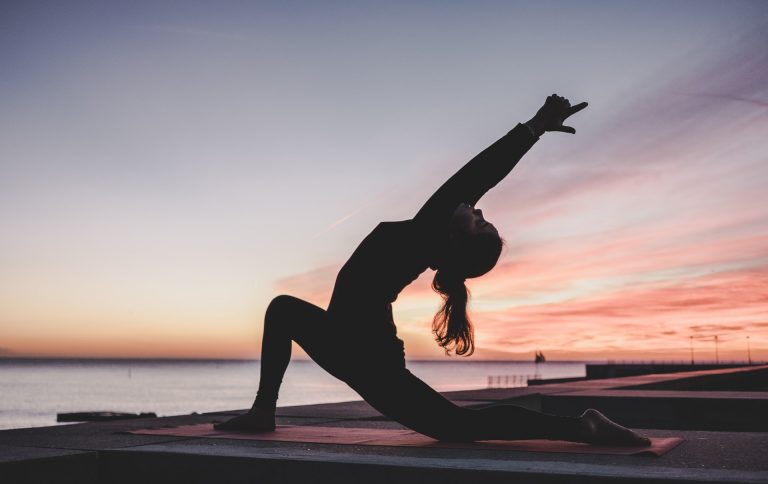
Scandinavians spend a part of their day outside regularly. Photo: Kylo

Breathe in fresh air
Scandinavians spend a part of their day outside regularly. This is derived from their philosophy of spending time in nature for a healthy life. They spend this time exercising or simply enjoying the beautiful views and fresh air. The exercise adds to their weight loss and nature helps to regulate stress.

5 Scandinavian Slimming Secrets – Conclusion
Scandinavians’ lifestyle is the major reason for their healthy body. They don’t follow any fad diets, but a few healthy approaches. When it comes to weight loss, Health Canal has always encouraged a healthy lifestyle change. Try including these healthy habits in your daily life and you’ll see the benefits.

5 Scandinavian Slimming Secrets, written dedicately for Daily Scandinavian by
Kanza Javed. Kanza is a writer and a storyteller. She possesses a passion for writing and has delivered outstanding content to readers around the world. She enjoys writing about lifestyle tips and wants to assist others in living healthier lives. Her published articles in the healthcare field have piqued the interest of many readers and have helped them improve their quality of life. When she is not writing, you will find her reading books, spending time in nature, and taking long walks.

All images © Unsplash. Feature image (on top): Photo by Kike Vega / Unsplash