The Decline of Butterflies in Scandinavia

Scandinavian researchers are identifying suitable habitat management for endangered butterflies. However, your own garden can help them find food and shelter. Here you can read the Ultimate Guide to Butterflies & How To Prevent Their Decline.

Butterflies and moths have been around for millions of years. They used to be a common sight in gardens, but numbers have declined since the 1940s along with our other native wildlife species such as bees and hedgehogs.

It will come as no surprise to hear this loss is due to destruction of natural habitats such as wildflower meadows, peatbogs and ancient woodlands in favour of intensive farming practices, roads and housing developments that have stripped away the majority of their nesting and foods sites.

Climate change is partly responsible for butterfly decline too, producing wetter weather that alters the distribution of certain species.

The relentless march forward of ‘progress’ damages our 56 species of butterfly and 2,500 species of moths who are sensitive to change – but your garden can help them find food and shelter.

The Decline Of Butterflies
The State of the UK’s Butterflies Report shows ‘serious, long term and ongoing decline of UK butterflies’. It highlights how 76% of our butterfly species have declined over the past forty years, with species such as the High Brown Fritillary at risk of extinction, and the once common Small Tortoiseshell becoming a rare sight.

The new State of Britain’s Larger Moths 2013 report mirrored this decline, which is hardly surprising since many moths are daytime creatures and others are what you could describe as night butterflies. Records show moths have declined 28% over the same period.

But why should we care about pretty, fanciful butterflies?
Because it’s bad news for the food chain. Animals rely on butterflies for food, including us. Butterflies and moths are pollinators and without them our crops are in trouble.

The decline is not only of concern to butterflies, its evidence of a problem in our environment. The face of our environment is changing, it’s turning into an urbanised monoculture reliant on pesticides, intensive farming and building to house and feed our ever increasing population – and this comes at the cost of our wild creatures.

Some butterflies have declined so severely they’re protected under law – the Large Blue, Large Copper and Swallowtail being just a few at real risk of extinction.

Life Cycle of a Butterfly

The Decline of Butterflies in Scandinavia
Life cycle of a butterfly

Image source

It’s worth remembering that butterflies have four stages of life and with that many stages it’s no wonder environmental changes wreak havoc on their life-cycles.

We all learn about the caterpillar to butterfly in primary school, but it’s easy to forget that wriggling grub emerging from a tiny egg to eat your hard grown vegetables will turn into a beautiful pollinating insect. Talk about ugly duckling syndrome! Of course, they will be a chrysalis for a time too.

Butterflies don’t live that long, the lifespan depending on their species and the weather. Larger butterflies like the Peacock can live a season with hibernation, but other smaller ones only manage a few weeks to a few months.

The Decline of Butterflies in Scandinavia
The anathomy of a butterfly

The Anatomy of a Butterfly
A butterfly or moths wings are the most dramatic part of their anatomy, but there are other parts too.

They have six jointed legs beneath a head, thorax which is the chest, and an abdomen – the tail. A butterfly’s head has large compound eyes that allow it to check all around for predators. It will also have two antennae.

Antennae assess the surrounding environment and report back on chemical activity – a bit like a snake’s tongue. They use them to detect nectar producing plants and to track the pheromones of a mate. Near the antennae is a special organ used for flight orientation and balance. It’s called the Johnston’s organ. Butterflies with a damaged Johnston’s organ may fly in circles and be unable to manage a straight line.

Their wings are made from scales, but not like fish scales, they are made from thin material called chitin which is stretched over vein type structures. There are four wings in all. The wings closest to its head are usually triangular in form, and the lower pair of wings is fan shaped. The wings provide insulation, allowing the butterfly to heat up, and they’re often brightly coloured to scare away predators.

Since a butterfly can’t live without heat, the wings are a very important method of retaining and building up body heat. They don’t regenerate, which is why butterflies seek shelter in winds and rain.

Where do Butterflies Live?
This depends on the species and where they are on the point of the butterfly lifecycle.

Species prefer different locations for shelter and egg laying, which is one of the reasons why they are declining. Certain habitats like wildflower meadows are hard to come by – we’ve lost 97% of wildflower meadows over the past few decades.

Nettles are preferred by Small Tortoiseshell butterflies that lay their eggs on stingers, whereas Large Whites prefer your cabbages, and Brimstone butterflies lay their eggs on buckthorn.

A caterpillar and chrysalis won’t go far from the food source, but an adult butterfly will spend its life on the wing searching for nectar and egg laying sites.

At night they creep into small crevices, in hedgerows and masonry or anywhere that affords them protection. Moths do the same –there are many species of daytime moth flitting around with the butterflies too.

A butterfly house provides welcome shelter. Place your hotel in a south facing sunny location because butterflies like warmth – their wings are adapted to soak up as much heat as possible. Ensure it remains dry inside by attaching a porch if yours doesn’t have this vital addition. Fix it to fence post or brick wall to avoid a tunnel of freezing wind. A butterfly house stood on away from a wall or on a chain is little use.

Peacock butterflies and Tortoiseshells may hibernate in your butterfly house so don’t take the winter months as an opportunity to clean it out.

What Do Butterflies Eat?
Butterflies survive on nectar. They taste it through sensors on their feet, and drink it from the flower centre using a proboscis – a long, narrow tube just like a straw. If you stand quietly to watch a butterfly at a flower you will see this fascinating body part in action. Other sources of food depend entirely on the species but fruit, tree sap and the sodium found in our sweat are attractive to some.

Caterpillars eat plants, and plenty of them, each specific to their species. In fact, the children’s story The Very Hungry Caterpillar could be considered a factual book! So much energy is needed to transform into a butterfly that caterpillars are mini eating machines.

Peacock caterpillars eat and live on nettles as do Comma and Red Admiral caterpillars whereas Elephant Hawk moth caterpillars dine on willowherb and fuchsia, and the Holly Blue is specific to, you’ve guessed it, holly. Other caterpillars love trees such as alder buckthorn, others like wild roses, lavender – in fact most native flowers and weeds are utilised by our caterpillars.

In case you were wondering, only two out of the 2500 species of moth will eat your clothes, and they only enter the house because they are attracted to light, not because they want to dine on your expensive winter wool coat!
The Decline of Butterflies in Scandinavia
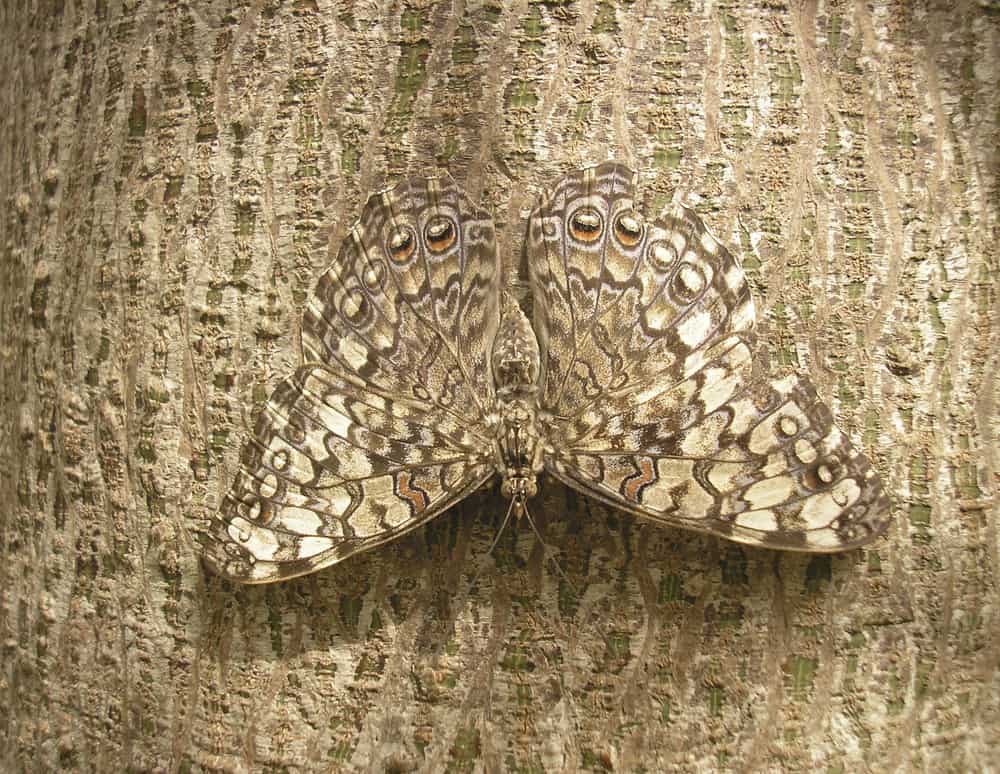
Camouflaged butterfly

Do Butterflies Have Any Predators?
Unfortunately for butterflies they have a range of predators at their caterpillar, pupa and adult stage. Birds, spiders, frogs, toads, hedgehogs, bats, cats, dogs, wasps all eat caterpillars, butterflies and moths. Butterflies are especially vulnerable when they emerge from the chrysalis to pump liquid into their wings and wait patiently for them to harden before flying away.

To defend themselves an array of defences have developed. Caterpillars blend into the foliage, others stand out a bright shade of danger, and some have spines. Butterflies often have bright markings that mimic something dangerous – for example the Peacock butterfly has two large spots that resemble eyes on his wings to scare predators, but at rest the wings are closed up to reveal a dull, camouflaged grey. When folded a butterfly is so thin it’s difficult to spot from above.

Some caterpillars and butterflies release a chemical scent to deter predators and other have foul smelling parts such as the Swallowtail.

Do Butterflies Hibernate?
Some of the larger UK butterflies hibernate as eggs, as caterpillars, a chrysalis, or as fully fledged adults.

Our annual visitors such as the Painted Lady can’t stand winter temperatures and fly to back to warmer African climates. Most Painted Ladies retuning to Africa in autumn are fresh, following in their parents’ footsteps with no directions or guidance. The fact they can do this at an altitude of 500 metres makes the Painted Lady an astonishing creature.

Those hibernating do so in the coldest winter months because there are no food sources available. Brimstone, Small Tortoiseshell, Red admiral and Peacocks will all hibernate, potentially in your butterfly hotel, in dried-out grass stalks, in brickwork, or in your house.

Don’t disturb a hibernating butterfly, they do not harm, and releasing one that’s woken in the central heating means death if it’s cold outside. Instead, put it in a shoebox with a thin cut on one side. Then place it in a cold, dark place like your garage or shed to continue hibernating.

The slot is vital – don’t forget to cut the box so a waking butterfly can escape on its own. If it’s warm and sunny outside put the box into a hot spot, and the butterfly will fly away – if it made it through hibernation safely. Many don’t make it, either running out of stored energy or falling ill to fungal infections in damp hibernation spots.

The Decline of Butterflies in Scandinavia
How butterflies help the garden

How Butterflies Help The Garden
Butterflies and moths are not only beautiful garden ornaments, they are vital pollinators.

Whereas bees get covered in pollen butterflies take a smaller amount on their slender legs, but they travel greater distances than bees, flitting around like nomads instead of returning to a hive or burrow. This means they spread pollen over a larger area strengthening the genetic variation of DNA in plants. This means our plants are tougher and less likely to fall prey to disease.

Butterflies and moths also provide food for our birds. Blue tit chicks in particular feast on caterpillars in spring, and the adult butterflies are a filling meal for both birds and bats. In fact without butterflies our native wildlife would go hungry as mating and breeding seasons are arranged around food sources.

You can help in a number of ways:
Intensive farming practices find farmers more often growing tall grass for silage instead of the traditional wildflowers for hay, so butterflies have a hard time finding food.

Bees and butterflies need flowers to survive and in turn birds, bats and other mammals need bees and butterflies. But it’s not as simple as loading up your boot at the garden centre because caterpillars need certain plants to thrive – here are some good choices:

Nettles
Bird’s-Foot Trefoil
Nasturtium
Garlic Mustard
Ladies Smock
Long Coarse Grasses
Oak
Elm
Holly
Ivy

You might not be keen on common nettles, but a patch in a sunny garden corner is invaluable. Limit their spread by growing nettles in a sunken container.

Adult butterflies and moths need nectar – Most native wildflowers and weeds are appreciated by our pollinators, but here are some good choices:

Aubrietia
Bluebell
Clover
Cuckooflower
Daisy
Dandelion
Forget-Me-Not
Pansy
Primrose
Wallflower
Oregano
Buddleia

Lilac
Sedum

Michaelmas Daisy
Asters
French Marigold
Nnapweed
Lavender

Marjoram
Red Valerian
Scabious
Thyme
Verbena

Flowering Ivy

Try to have as many suitable flowering plants as possible right through the seasons. Choose warm, sunny spots to plant your nectar-rich flowers and keep deadheading them so more blooms appear. This is especially important in spring and autumn when food sources are slim pickings.

Its good practice to buy genuine UK plants and wildflower seeds because exotic species are not always suitable food for butterflies.

What Else You Can Do to Help Butterflies
Don’t collect them. This is an old fashioned hobby, but some people still catch butterflies in nets and pin them to boards. It’s a cruel practice and some butterflies are protected so you could get into trouble. Use a camera instead.

Join your local environmental group to learn about coppicing and natural techniques that enhance the environment. Environmental groups plant wildflowers and count the butterflies to give picture of their health.

Stop using pesticides. Pesticides kill everything they land on and sprays are carried around on the wind. This means butterflies, moths, caterpillars, eggs and pupa are destroyed. Bees, ladybirds, hoverflies and all pollinating insects are wiped out. A sterile garden is a wildlife free garden.

It won’t take long for natural aphid predators to arrive if you simply spray with citrus soaked water or remove them by hand. Just wear gloves it’s not that bad. Gardeners have managed for thousands of years without pesticides, so net your cabbages – don’t spray them.

As well as growing more nectar rich flowers, keep an area of garden wild. Leave it unmown, add bee and butterfly hotels, some native wildflower seeds, a hedgehog house, some logs, and the wildlife will move in. If you don’t have a garden, a hanging basket or container of flowers on a balcony will also attract bees and butterflies. Any little you can do will save lives and promote a healthy environment.

Water all around – but not a drop for our wildlife to drink. We have taps, but mammals, birds and insects don’t. In hot summer months wildlife dies from dehydration. A simple bowl of fresh water is so easy, yet saves countless lives. Butterflies drink water too and the best way to help is to fill a dish with marbles or pebbles and fill it daily. Bees and butterflies will sit safely in the pebbles with danger of falling in.

Save a Butterfly
If you find a butterfly on a cold, wet day it’s probably in trouble. If it’s in water then it will certainly drown because once cold, they need sun to get moving again. Get involved and save that butterfly!

Remove it from the cold or watery situation into a sunny, sheltered area away from predators. If you are feeling generous a teaspoon of cool water with a bit of dissolved sugar will give the butterfly enough energy to find safety. Ensure you don’t get any of the solution on its wings as it will be unable to fly away and simply die. When it takes a drink, you’ll see that fabulous proboscis emerge. It’s a sight worth waiting for, so be patient.
The Decline of Butterflies in Scandinavia
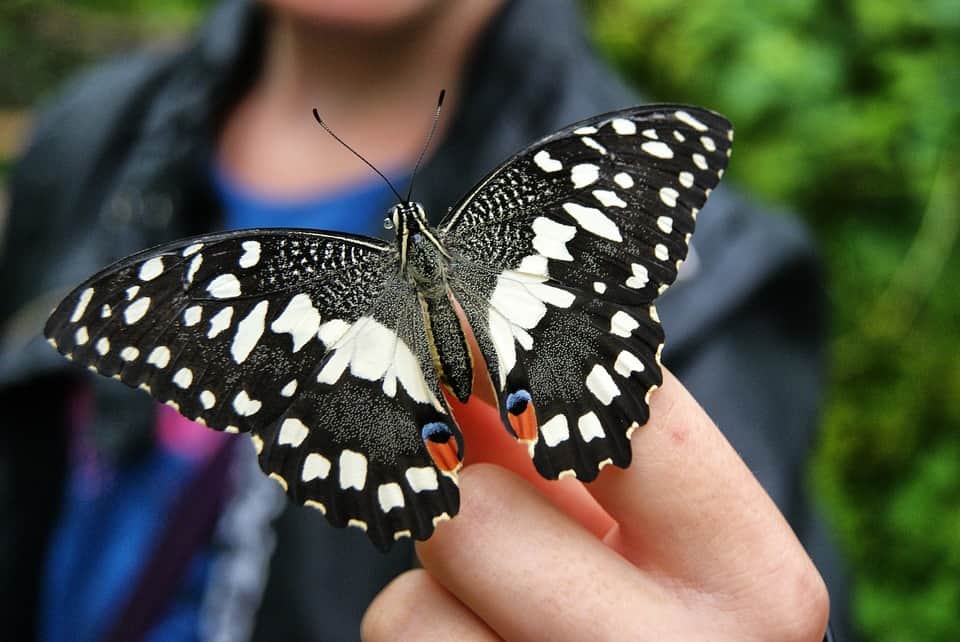
How to hold a butterfly

How To Pick Up A Butterfly
Butterflies do not bite, sting or harm you in any way. Don’t leave a butterfly to die if you can help. If possible use a glass with a piece of card slipped beneath, but if this isn’t possible encouraging the butterfly onto your finger or a leaf is best all round.

If it’s in water, or won’t budge,  you can gently pick it up. Cupped in your hands is a good method, and you can pick it up by the wings if you don’t rub them together. In order to escape from predators butterflies can fly with over 70% of their wings missing, despite us being told as children they die if you touch the delicate wings. Be gentle and slow at all times.

Always pop a watery butterfly, bee, moth, hoverfly, or ladybird somewhere sunny to dry out, away from winds and birds or bored cats.

Bye Bye Butterfly
The loss of our iconic butterflies is more than a shame, it’s an indication we are changing our environment with building, intensive farming practices, urbanisation and a shocking lack of knowledge or conscience.

Losing our biodiversity impacts us in ways we may not consider or yet understand. Our crop harvest is mainly pollinated by bees and butterflies. Insect loss has an effect on birds and mammals too.

The degradation of our world by activities to solely benefit the human race is one of the biggest issues facing us today.

We must remember the planet belongs to all of us and when we change fundamental principles that have evolved over millennia we play god in a field we know little about.

Individuals like us can take steps to help re-flower our green spaces, avoid chemical insecticides and learn about our environment. These steps are essential and they need to quicken pace, because our native wildlife is running out of time and a world without flora and fauna would a difficult one.

The Decline of Butterflies in Scandinavia is written by Rachel Brown, editor of diygarden. We thank Rachel for permission to republish this guide.

The 10 Most Popular Mountain Hiking Trails in Norway

0

The following represents 10 of Norway’s premier mountain hiking trails. Many other hikes are worthy of consideration, but these in particular embody Norway’s most iconic and awe-inspiring mountain views.

The length and difficulty of the hikes vary, but they are all worthy of serious consideration depending on what part of the country you are visiting.

Romsdalstrappa, Åndalsnes
A rather steep but very good path up the Romsdal Valley  leads you 715 meters above sea level where you have a beautiful view over Åndalsnes and the Romsdalsfjord. The hike takes approximately 1 – 1.5 hours.

The 10 Most Popular Mountain Hiking Trails in Norway
Galdhøpiggen, Norway

Galdhøpiggen, Jotunheimen
Galdhøpiggen is the highest mountain in Norway, Scandinavia and Northern Europe, at 2,469 m above sea level. It is located within the municipality of Lom, in the Jotunheimen mountain area.

Galdhøpiggen can usually be climbed in three ways from Spiterstulen: Easy, Hard and Extreme. It is possible to climb to the top of the “Gateway”, but we recommend a good knowledge and climbing guide for this.

The 10 Most Popular Mountain Hiking Trails in Norway
Besseggen, Norway

Besseggen
Besseggen is one of Norway’s most famous mountain hikes, and each year around 30,000 tourists enjoy the breathtaking view from the top of the ridge.

The hike over Besseggen takes six to eight hours including breaks and is recommended for experienced hikers. The ridge is both windy and steep, so if this is the first time you are hiking in the mountains, it might be a good idea to choose an easier alternative. To ensure that your mountain hike will be a good experience, it is important to prepare yourself before you start. We recommend that you have at least two days at your disposal to increase the chances of nice weather.

Related: Acessible Mountaineering in Norway

The 10 Most Popular Mountain Hiking Trails in Norway
Aurlandsdalen, Norway

Aurlandsdalen Valley
Aurlandsdalen is often described as the Grand Canyon of Norway. Lush nature, fantastic fjord views and roaring rivers that are perfect for outdoor activities.

The Aurlandsdalen Valley and Nærøyfjorden, located at the end of the Sognefjord, are two classic hiking areas with plenty of other outdoor adventures within easy reach. A few ideas that can be combined with hiking are to go kayaking on the fjord, cycle from 1,222 to 0 meters above sea level and join a RIB safari or fjord cruise. It is all there in one destination, making sure that you do not need to spend time on transfers.

The 10 Most Popular Mountain Hiking Trails in Norway
Rallarvegen, Norway

Rallarvegen
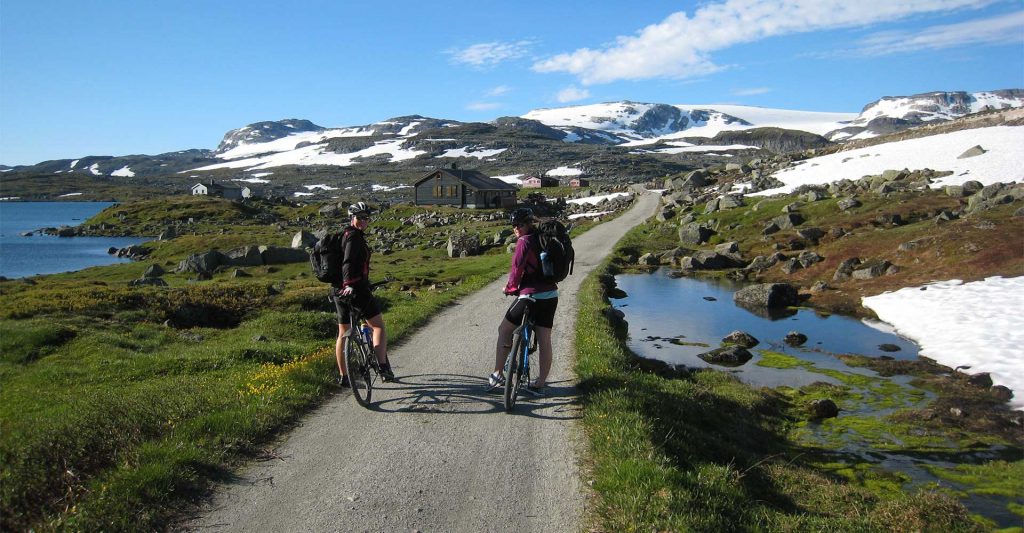
Rallarvegen, following the outskirts of the Hardangervidda Plateau, leads you along the Bergen Railway Line from Haugastøl via Finse, Hallingskeid, Myrdal and down to Flåm. It is also possible to follow the road down to Voss. The road by itself is an attraction, but it also brings you through a fantastic highland area starting at 1000 meters above sea level, peaking at 1350 meters for then to lead you back down to the fjords at sea level.

Related: Norway’s Views

The 10 Most Popular Mountain Hiking Trails in Norway
Over Vidden, Bergen, Norway

Across Vidden, Bergen
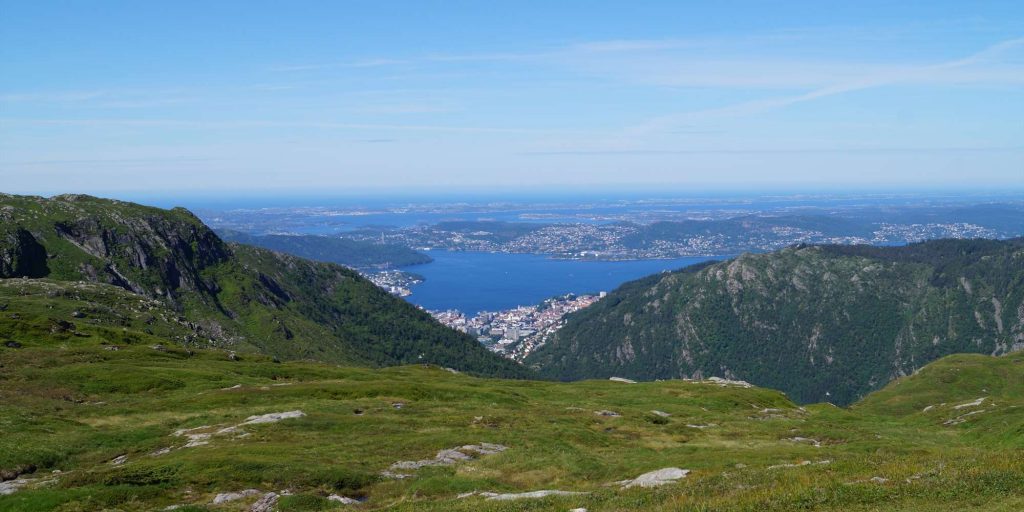
The tour between Mount Ulriken and Mount Fløyen is one of the the most popular tours in Bergen. Beautiful views of Bergen and the region.

You can start and end your trip by taking Ulriken Cable Car or Fløibanen funicular. Between these two beautiful mountains you can see the fjords and islands around Bergen. On a clear day you can enjoy the view to Folgefonna glacier.

The 10 Most Popular Mountain Hiking Trails in Norway
Troll’s Tongue. Norway

Trolltunga
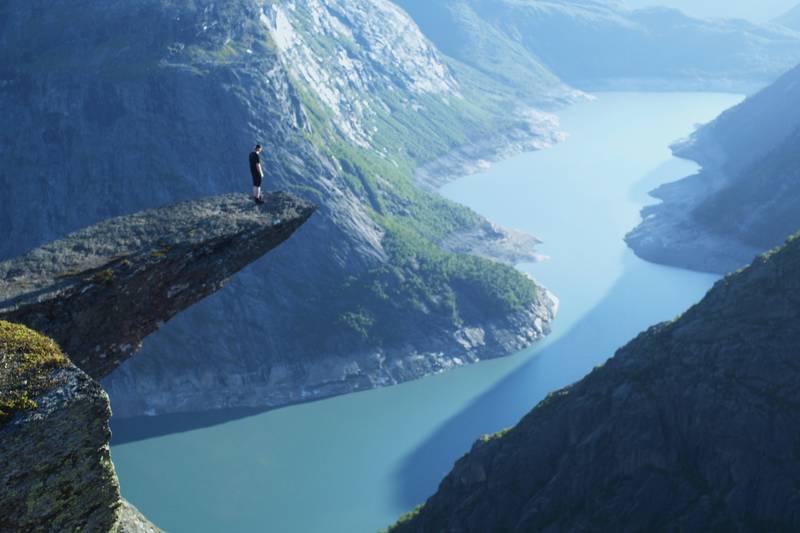
Trolltunga (Troll’s Tonhue) is one of the most spectacular rock formations in Norway. It’s located 1,100 meters above sea level and about 700 meters above Lake Ringedalsvatnet. Expect lofty and spectacular views. The hike is long and demanding, and passes through the high mountains.

The trail to Trolltunga is well signposted. From the main trailhead at P2 in Skjeggedal it is a 28 km return hike with an ascent of 1.200 and an estimated hiking time of 10–12 hours. There are additional trailheads at P1 in Tyssedal and P3 at Mågelitopp. Shuttle services connect Odda and P2 Skjeggedal and the P1, P2 and P3 parking lots.

Related: Picturesque Norway

The 10 Most Popular Mountain Hiking Trails in Norway
Gaustadtoppen, Norway

Gaustadtoppen
The majestic Gaustatoppen is considered one of Norway’s most beautiful mountains. Telemark’s highest peak can be found in the serene Tinn municipality. Many believe that the top of Gaustatoppen provides the best view Norway has to offer. In fact, on a clear day you are gazing out onto one-sixth of Norway’s landscape. You can see the mountain peaks and forest of Telemark, Oslo, and Buskerud municipalities as well as large parts of the Hardangervidda National Park.

The 10 Most Popular Mountain Hiking Trails in Norway
Kjerag, Norway

Kjerag
At 1084 metres, Kjerag towers above the other peaks along the Lysefjord. It has been traditional to admire this mountain face from the fjord, but in recent years, it has become increasingly popular to walk up the path to the plateau. Most people are happy just to enjoy the view of the Lysefjord from the plateau itself, but for some hikers, the climax of the excursion is to be photographed on the Kjeragbolten, a round rock wedged solidly in a mountain crevice. Kjerag has also become a popular attraction for mountain climbers and base jumpers.

The 10 Most Popular Mountain Hiking Trails in Norway
Pulpit Rock, Norway

Preikestolen
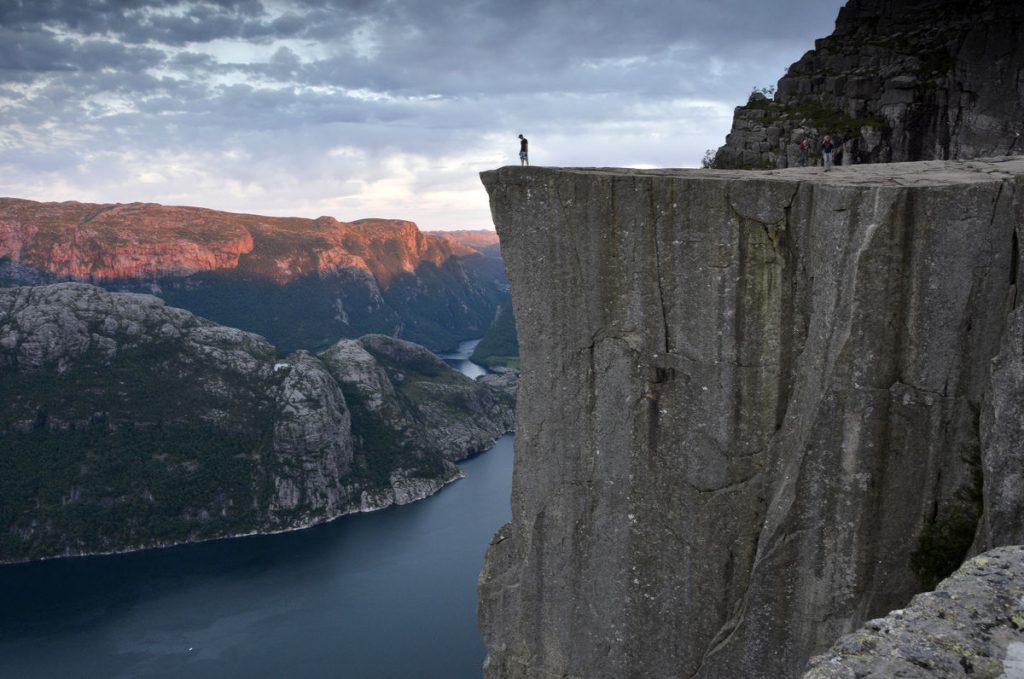
Climbing to the top of Preikestolen (Pulpit Rock) by the Lysefjord is one of Norway’s most popular hiking trips.

This hike is considered relatively easy by Norwegian standards. One can do the trip in just half a day, and there are multiple routes to choose from. A good alternative is to follow the main trail to the top, choosing one of the alternative routes downhill.

Feature image (on top): Romsdalstrappa, Åndalsnes

The 10 Most Popular Mountain Hiking Trails in Norway, compiled by Tor Kjolberg

Your Essential Guide to Wonderful Aarhus, Denmark

You probably know the song Wonderful Copenhagen from the film Hans Christian Andersen. However, Denmark’s second city, Aarhus, has during the last century stolen visitors’ attention from the capital of Denmark.

Aarhus (also written Århus and pronounced Oar-Hoos) is the main city on the Jutland peninsula. It holds the title of Denmark’s second largest city with a population of just over 300,000 inhabitants. Being a university city and center for education, Aarhus has the youngest population in the whole of Denmark and among the lowest in Europe. Aarhus offers an elegant mix of cosmopolitan city and small-town charm.

The relatively small size of the city, the many attractions, shops and world-class restaurants, wonderful pubs, impressive art galleries and romantic places can easily be explored on foot. And the modern canal-veined dockland quarter at its northern tip has been a concrete and brick playground for architects given a free hand.

Your Essential Guide to Wonderful Aarhus, Denmark
Street food in Aaehus

Around Aarhus beach you find everything from sustainably built student accommodation to a building called the Lighthouse as well as the temporary greenhouse-style “Dome of Visions” housing everything from art exhibitions and lectures on the future of architecture to yoga and live music.

The many fine restaurants in Aarhus have made the capital of Jutland a tourist magnet. There is a clutch of Michelin-starred restaurants as well as bistros and a burgeoning street food scene. Aarhus is also known as the City of Cafés.

Your Essential Guide to Wonderful Aarhus, Denmark
The greenhouses at Aarhus’ Botanical Garden, just north of Den Gamie By have all been renovated in the last few years

Visitors and residents alike can enjoy the public flower and vegetable garden and warehouses that are offices by day and spaces for book clubs and workshops by night. Last February, the city hosted the Michelin Nordic Guide ceremony for the first time, further cementing its reputation as a top gastronomic city.

In Aarhus the words værtshus, bodega, bar, kro and café are used in a rather loose and confusing way, but when you have visited some you have probably learned how to differentiate between them. Why not check out Cirkuskroen, formerly owned by a circus-family and decorated with clowns and old circus paraphernalia.

The greenhouses at Aarhus’ Botanical Garden, just north of Den Gamie By have all been renovated in the last few years
Kähler Villa facade

One of Aarhus’ most famous restaurants is Substans, having held a Michelin star since 2015. It is serving elegant Nordic-style cuisine in the Latin Quarter. It is closed until May 2020 when it opens in new locations on the east harbor-side.
Opened in 2013, Kähler Villa Dining offers wonderful dining experiences with aperitifs, appetizers, snacks, a three-course dinner, unlimited wine and coffee. The restaurant has been awarded the prestigious title ‘best gourmet restaurant in town’.

Your Essential Guide to Wonderful Aarhus, Denmark
Restaurant Grehlin. Photo: RAISFOTO

The patrician villa has an open view to the kitchen and an interior décor that brilliantly depicts the Kähler design universe. Kähler Design is a 175 years company, world famous for its handcrafted ceramics, which also can be purchased in the restaurant.

One of Aarhus’ newest restaurants is Ghrelin, run by the charismatic Anders Kristensen and Nicklas Nielsen, who are thoughtful about every ingredient they use in a dish. The two chefs have seemingly also found  the right balance between serious and fun. However, even if the plates are playful there is a serious punch in the flavor department.

Your Essential Guide to Wonderful Aarhus, Denmark
Restaurant Pondus, opened in 2018

One of Aarhus’ first cafés, opened in 1989, Café Smagløs (English translation Café Tasteless) is anything but devoid of flavor. Over the years, this cozy and friendly café with a spacious outside dining area that faces Monastery Square has developed quite a cult following, and is popular with students. Smagløs’ brunch is the very best for the price in Aarhus and their NamNam burger is nothing short of amazing.

Restaurant Pondus, opened in 2018 by the same owners as Substans, offers some knock-off dishes. The friendly staff are happy to make suggestions on which wines pair best with what dishes, and there is always a good selection available by the glass. The day’s menu is listed in chalk on a blackboard.

Your Essential Guide to Wonderful Aarhus, Denmark
Aarhus is also known as the City of Cafés. Here’s Cafe Casablanca

Delicious Scandinavian cuisine and wonderful wines are served at the critically acclaimed Nordisk Spisehus  restaurant in the heart of Aarhus. Its team of top chefs, including members of the National Culinary Team of Denmark, design luxurious Scandinavian menus, decidedly Nordic but very ‘nouvelle cuisine’. The hay-smoked salmon is unbeatable.

Occupying an old bus garage, Aarhus Street Food is cheap eats galore, featuring 30 vendors. The options are global in scope, with everything from Thai and Indian to fish and chips. In the summer, outdoor bars serving beer from the local brewery Aarhus Bryghus make it a great place to come and drink too.

Your Essential Guide to Wonderful Aarhus, Denmark
If you’re searching for a cocktail bar, head to St. Pauls Apothek

Situated between Aarhus and the quiet, charming village Odder, close to the forest and the beach, you find Malling Kro (Inn). The atmospheric restaurant unites tradition and innovation, and was awarded two stars by the Danish Dining Guide for a kitchen of high quality, and three ‘wine glasses’ for an excellent wine selection. It’s a great place for wining and dining since you also can choose to spend a night or two in one of the guest rooms.

Jægargårdsgade is a street lined with hip bars and restaurants. If you’re searching for a cocktail bar, head to St. Pauls Apothek, which the name implies once was an old chemist’s shop originally opened in 1899. The award-winning mixologists creates the best cocktails in town!

Your Essential Guide to Wonderful Aarhus, Denmark
The tapas bar Forlæns & Baglæns (Forward & Backward) is a cozy place with a vintage feel

In Åboulevarden in the center of the city you find Hotel and Restaurant Ferdinand. Hotel and Restaurant Ferdinand was named the best Danish brasserie of 2009 by Den Danske Spiseguide (The Danish Restaurant Guide). Their menu is a combination of high quality and simplicity and includes dishes at all price levels.

The tapas bar Forlæns & Baglæns (Forward & Backward) is a cozy place with a vintage feel. Spanish tapas are prepared from scratch with fresh, high-quality produce and served with Spanish beer and wine or organic fruit juices. Enjoy a classic cocktail before your meal and a home-made cake and a freshly ground coffee after dinner.

Your Essential Guide to Wonderful Aarhus, Denmark
Searching for organic food? Then the place is Café Gaya

Forget all about Tuborg or Carlsberg (the Budweiser of Denmark). The craft beer offered at Mig & Ølsnedkeren is a rotating selection of 20 taps from their own microbrewery as well as other small, local producers.

Searching for organic food? Then the place is Café Gaya, a warm and friendly café where the food is mainly vegan, and oozes with intense flavors to delight the senses. In good weather they have outside seating in a courtyard away from the street. Every Friday, the café offers live concerts.

Just want a glass of wine or two? Head for the bright, modern S’vinbar, which probably offers the best selection of wines in Aarhus. The staff are very friendly and can help with recommendations from the list which focuses on smaller, lesser-known producers and unusual styles.

The wine bar makes for a perfect pre- or post-dinner stop off, but they do serve some snacks, if you want to settle in for the duration.

Your Essential Guide to Wonderful Aarhus, Denmark
The best coffee in town you’ll probably find in La Cabra Coffe Roasters

The best coffee in town you’ll probably find in two locations, one in the Latin Quarter and another right inside the train station. Look for the name La Cabra Coffee. With modern Scandinavian design and an internationally acclaimed coffee roaster, which only uses beans sourced directly from small producers, La Cabra takes coffee very seriously. They also serve a selection of cakes and pastries.

Your Essential Guide to Wonderful Aarhus, Denmark
The amusement park Tivoli Friheden is tucked into the Marselisborg Forest, beech and coniferous woodland. Photo: Pernille Sborg

Worth a visit

South of the Aarhus city, in the Thors woods which are part of the larger Marselisborg-Moesgaard forest, lies the Deer Park. The area houses a wonderful population of sika and fallow deer which you can get really close-up to. The wild boars live in their own enclosure.

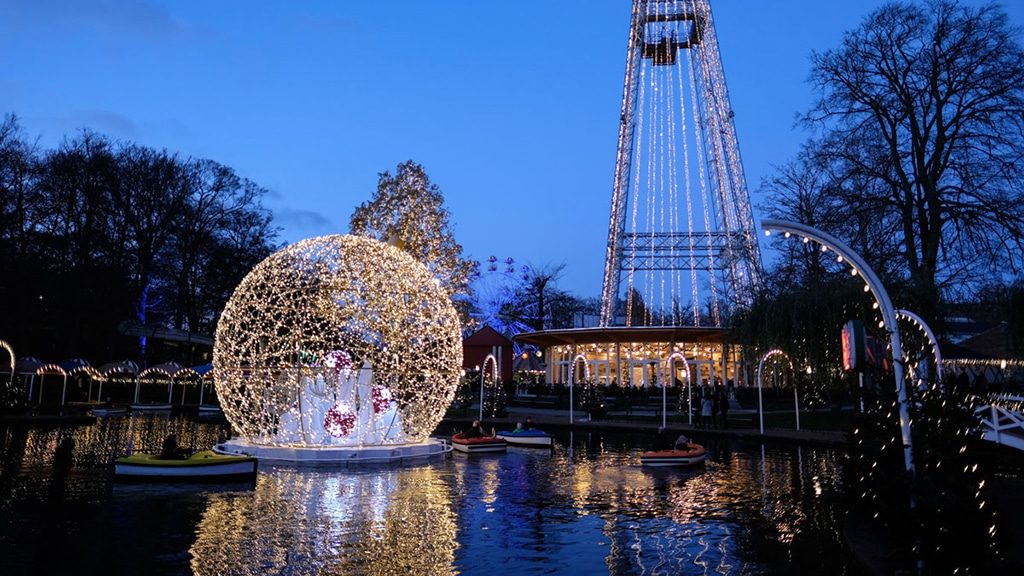
The amusement park Tivoli Friheden is tucked into the Marselisborg Forest, beech and coniferous woodland. There are four roller coasters at Tivoli Friheden, as well as 40 other rides, games and other amusements.

Your Essential Guide to Wonderful Aarhus, Denmark
Ballehage Beach is popular with sunbathers and swimmers due to the long stretch of white sand and calm clear water

Big kids can board the Cobra, which has three inversions, while smaller kids will have great fun on a choice of animal-themed rides like the monkey. When hunger strikes there are sit-down eateries, fast-food cafes, as well as picnic and barbecue areas if you pack your own lunch.

Combine your visit to this area with a walk along the Ballehage Beach. In the summer, the beach is popular with sunbathers and swimmers due to the long stretch of white sand and calm clear water. There’s no lifeguard but there are toilets and changing facilities and a 66-foot-long jetty that extends into the sea allowing people to dive straight into the ocean.

Your Essential Guide to Wonderful Aarhus, Denmark
Shopping in the latin quarter. Pgiti: Visit Denmark/Kim Wyon

In the village of Lisbjerg just north of Aarhus, you can visit the Japanese Garden, an authentic Japanese garden laid out in traditional chisen-kaiyu style designed for promenading. The garden, which has no entry-fee, is rather large and varied.

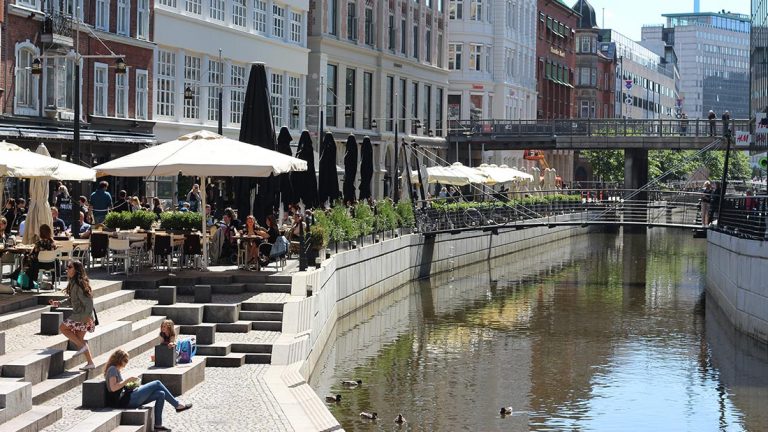
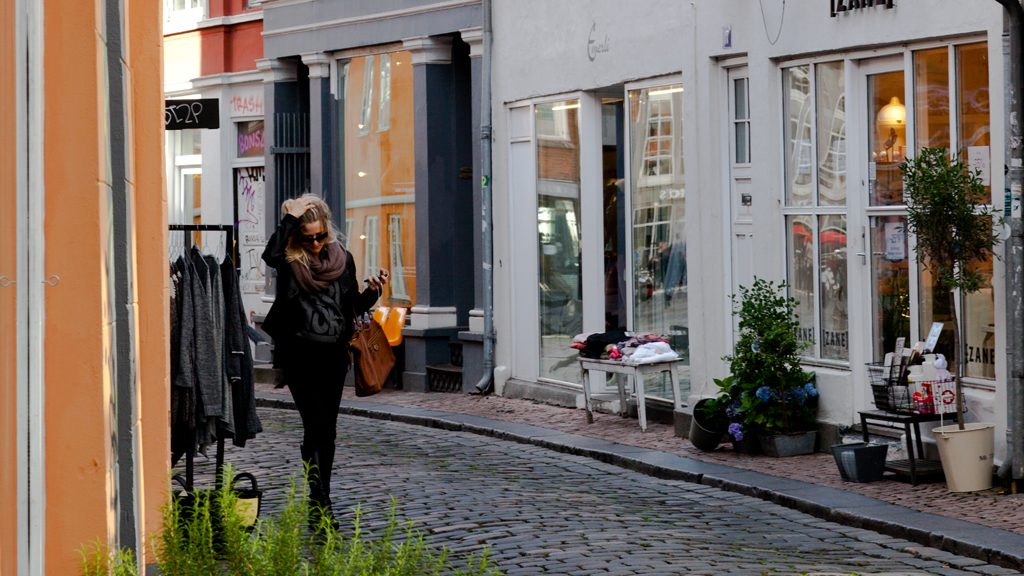
Dating from the 14th century, the Latin Quarter is the beating heart of Aarhus and the area most visitors will head to first. Graven, a street that runs east to west, is the main drag but all the little side streets that run off it are worth exploring too, with the Pustervig Torv square providing a good place to stop and relax in between.

Your Essential Guide to Wonderful Aarhus, Denmark
The Old City (Den gamle by) is a large open-air museum with 75 authentic historic buildings

The Old City (Den gamle by) is a large open-air museum with 75 authentic historic buildings and is the ultimate gateway to Danish social history since the 1700s. The attraction creates living snapshots of the 18th, 19th and 20 centuries and lets you interact with the period as much as possible.

The most recent part covers the 1970s, so you’ll meet four young hippie-types and listen to LP records.

Your Essential Guide to Wonderful Aarhus, Denmark
ARoS Museum is the largest art gallery in Northern Europe

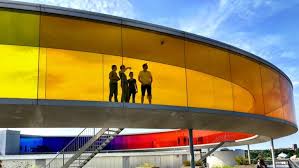
ARoS Museum is the largest art gallery in Northern Europe and is the most visited in all of Scandinavia, so it’s an essential stop on any Aarhus itinerary. Topped with a rooftop installation by Olafur Eliasson, the “Rainbow Panorama” is a 150-meter-long circular, and most colorful, walkway.

Along with regular touring exhibitions, there’s an impressive permanent collection featuring both Danish and international artists such as Grayson Perry, Robert Mapplethorpe, Lucian Freud and Francis Bacon.

Your Essential Guide to Wonderful Aarhus, Denmark
Mosegaard museum. Photo: Rogvin Johansen

Moesgaard Museum has collections from around the world, but the exhibitions covering Denmark’s past boast artefacts you can’t see anywhere else.

If you have the nerve take a peek at the Grauballe Man, a bog body from the 3rd century BC that was discovered in 1952. The body was so well preserved that they were even able to take the man’s fingerprints.

Part of the museum’s appeal also lies in its sleek low-impact design, with a grass-covered roof that blends almost seamlessly with the surrounding hillside.
Your Essential Guide to Wonderful Aarhus, Denmark
Aarhus Harbor Bath

Aarhus’ spectacular Harbor Bath is a triangular floating complex featuring a rectangular 50-meter-long swimming pool, a circular diving pool, square children’s pools and two saunas. Harbor Bath is open Saturdays and Sundays and is free to the public.

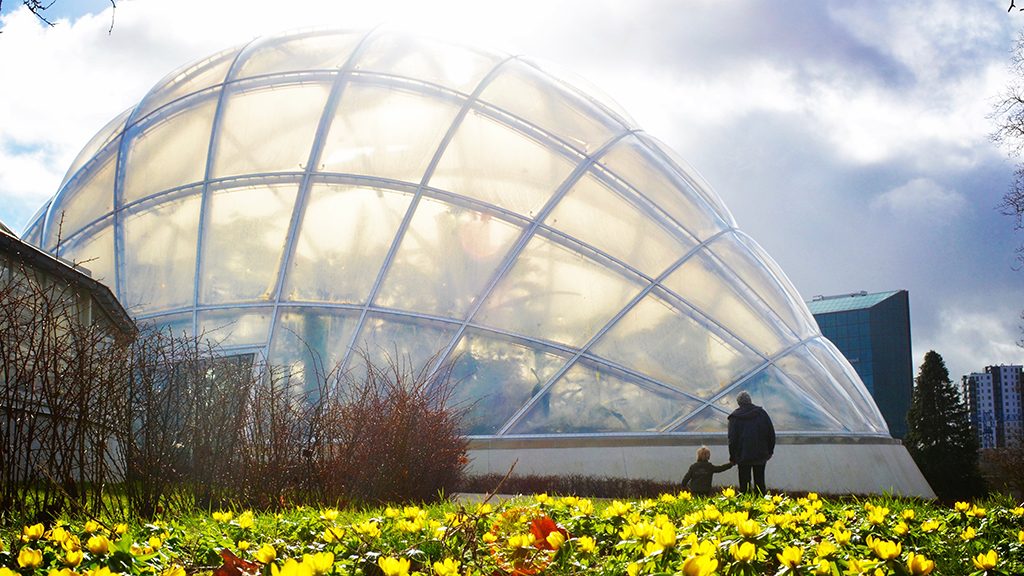
The greenhouses at Aarhus’ Botanical Garden, just north of Den Gamie By have all been renovated in the last few years. A new tropical house has also been added, and this is an almost alien, curved structure housing dense rainforest and with simulated animal sounds to enhance the experience.

There are four different climate zones synthesized at the park. Outside you can amble through typical Danish landscapes of beech forest and heathland. The large rose gardens here are maintained by local volunteers.
Your Essential Guide to Wonderful Aarhus, Denmark
Comwell is a design hotel which opened in 2014 with 240 rooms

Where to stay

The choice of hotels in Aarhus is not the same as in Copenhagen though, but there are decent hotels.

One of the better options is Hotel Oasia. The hotel is decorated with an emphasis on elegant and discreet luxury, clean lines and Scandinavian design – and focus on functionality. The rooms are furnished only with designer furniture, including Hästens beds, Bang & Olfusen, custommade Montana furniture and chairs from Theselius and Kjærholm. Raw plank floors without carpet underline the pure Nordic style.

Comwell is a design hotel which opened in 2014 with 240 rooms. It is located in the city’s newest and tallest highrise, Aarhus City Towers.

Your Essential Guide to Wonderful Aarhus, Denmark
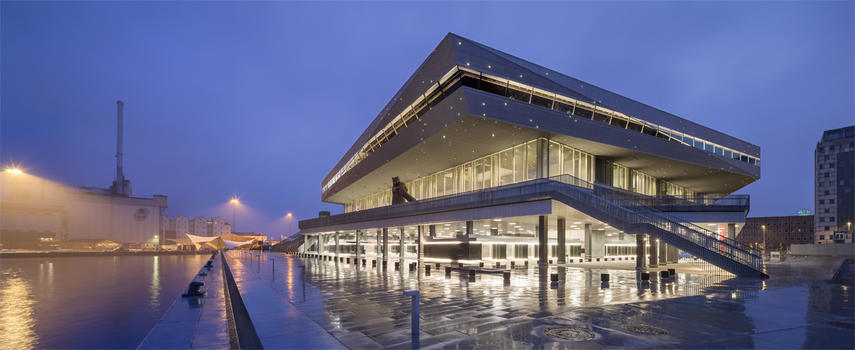
Aarhus library

Tips
Invest in an Aarhus Card for free access to 25 of the city’s top museums and attractions and travel on the airport bus and city public transportation. The card can be purchased for different time periods

Your Essential Guide to Wonderful Aarhus, Denmark, compiled by Tor Kjolberg

The Norwegian Tennis Ace

The two meters high Casper Ruud, born in Bærum outside Oslo 1998, became the youngest winner of the men’s National Championship in 2014 only 15 years old. As a young boy he was into several sports offered by the local community. Everything involving a ball caught Casper’s attention but tennis soon became his favorite sport, having Rafael Nadal as his tennis idol.

He was the first Norwegian to be ranked no.1 junior player in 2016, and in September same year, playing right-handed (two-handed backhand) he managed to win the Copa Sevilla in his first ever ATP Challenger. He recorded his first wins over players ranked in the top 150.

The Norwegian Tennis Ace
In 2018, Ruud qualified for his first Grand Slam at the 2018 Australian Open after going through the qualifying competition

Related: Scandinavian Sporting Heroes

The Norwegian Tennis Ace
In 2018, Ruud qualified for his first Grand Slam at the 2018 Australian Open after going through the qualifying competition. This made him the first Norwegian to qualify for any Grand Slam main draw in 17 years. He also received a wildcard for the German Tennis Championships.

The Norwegian Tennis Ace
Injuries and lack of consistency lead Ruud to not climbing up the rankings as quickly as many expected

Related: New York’s Most Popular Ice Warrior – Norwegian Mats Zuccarello

Injuries and lack of consistency
However, injuries and lack of consistency lead Ruud to not climbing up the rankings as quickly as many expected. Even after reaching his first ATP semi-final in 2017 in Rio de Janeiro, Casper wasn’t able to capitalize on his first success.

So, late last year Ruud decided to go to Mallorca and re-join the Rafa Nadal Academy, to try and regain his fitness and form. It turns out that this decision was the best one he has made so far as he has only been getting better in 2019. A second ATP semi-final in Sao Paulo and qualifying for his first Masters event in Miami has given him a platform to build on.

The Norwegian Tennis Ace
Casper Ruud, French Open 2019

Related: The World’s Hardest Rock Climb – in Norway

Ruud has been training at the Rafa Nadal Academy for several months and making steady strides up the rankings and now he’s ranked no. 63 on the Men’s Tennis ATP Rankings

The Norwegian Tennis Ace
Ruud has been training at the Rafa Nadal Academy for several months and making steady strides up the rankings

What is Casper Ruud’s net worth?
Ruud earned a total of $339,761 from competition according to Wikipedia, but that’s not all of Ruud’s earnings, which may include sponsorships, businesses, and promotions, so his net worth is still being calculated.

The Norwegian Tennis Ace, written by Tor Kjolberg

Beaches and Picturesque Seaside Towns in Southern Norway

Norway’s southern beaches and picturesque seaside towns are a magnet for summer visitors, while the west coast is blessed with glorious fjords and the oil-rich city of Stavanger and the Hanseatic city of Bergen.

Draw an upward arc on the map from Oslo in the east to Bergen in the west, and south of it you see the part of Norway where the majority of Norwegians take their home country holidays. They head for their seaside cottages, camp in the forests and by the lakes, or set sail to explore the islands and the inlets.

Beaches and Picturesque Seaside Towns in Southern Norway
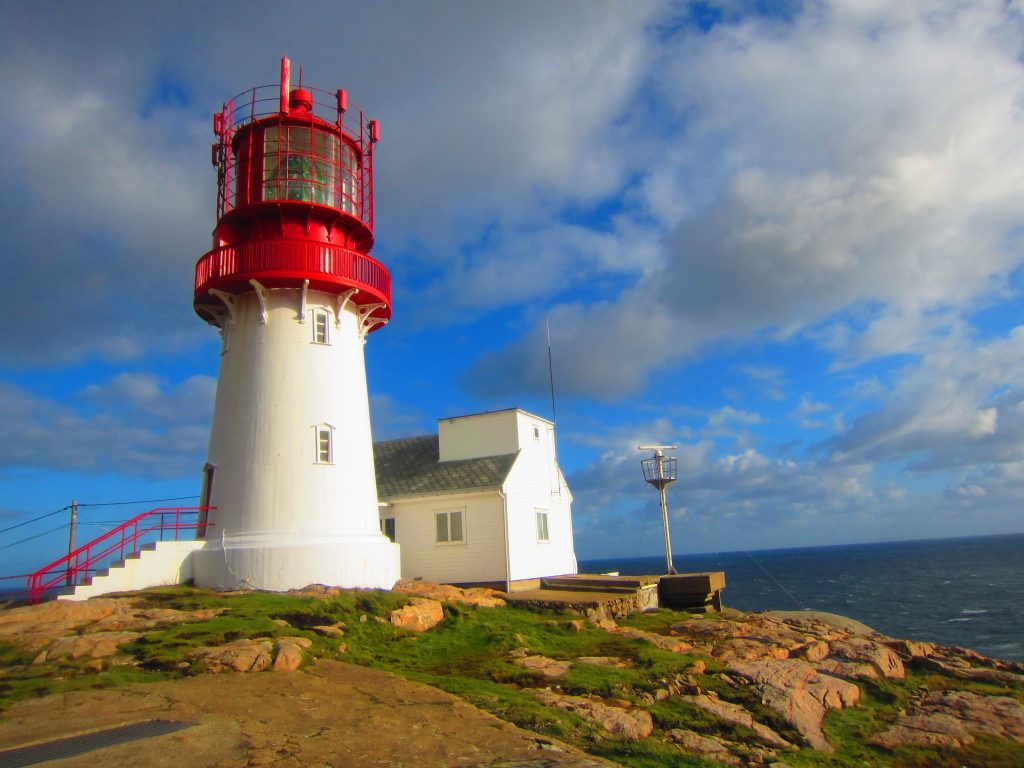
Lindesnes lighthouse, southern Norway

Related: The Smiling Landscape OF Southern Norway

Beaches and Picturesque Seaside Towns in Southern Norway
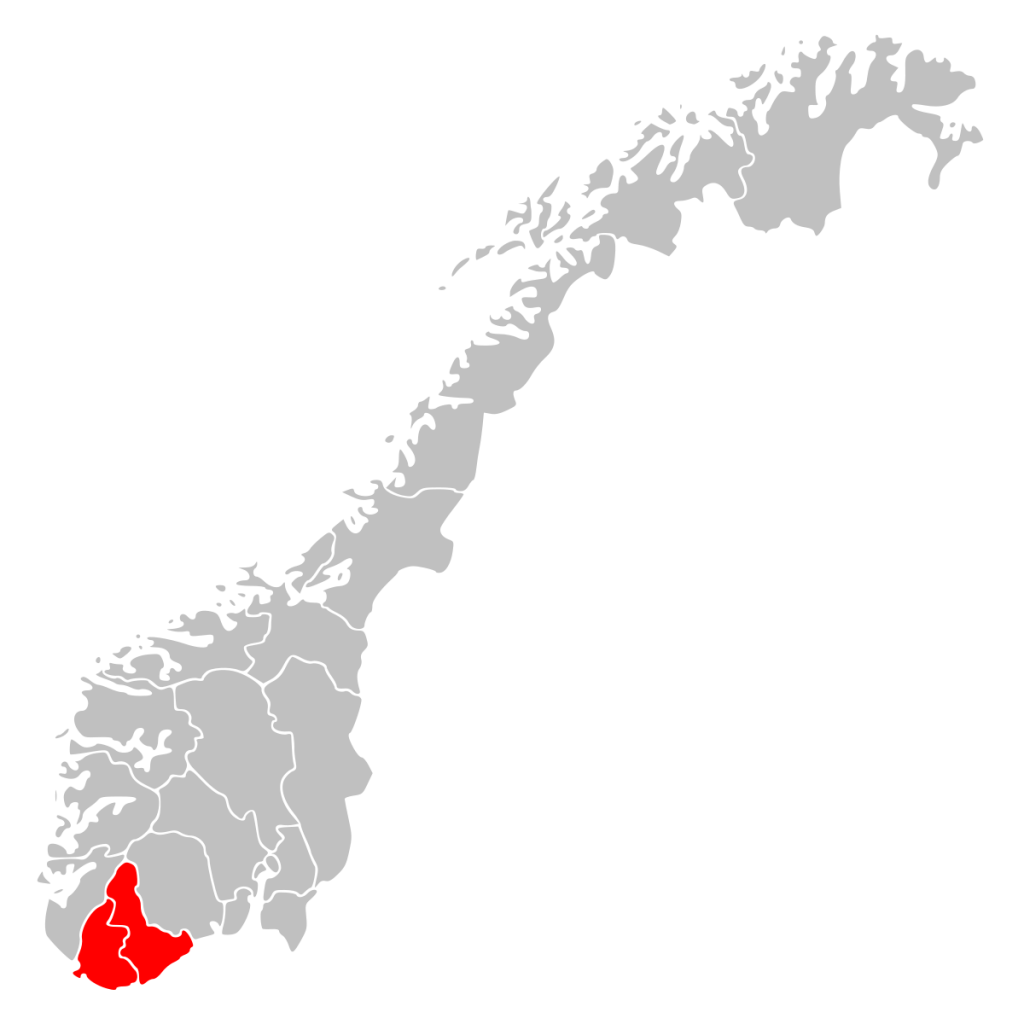
In clockwise order starting at Oslo, southern Norway can be divided into the principal regions of Sørlandet (southern country), comprising Telemark, Aust-Agder and Vest-Agder counties and their coasts around to about 7 o’clock; Rogaland county centered at the city of Stavanger on the west coast and Hordaland county around Bergen.

Sørlandet
Norway’s fifth largest city, lively Kristiansand, is the unofficial capital of the southern coast. It’s a busy summer resort with ferry connections to Denmark. In 1639, King Christian IV of Denmark and Norway selected the site of the city for a fort to control the approaches to the North Sea and the Baltic. You can visit the remains of Christiansholm Fortress, which offers views of the harbor and coast from its stocky ramparts.

Beaches and Picturesque Seaside Towns in Southern Norway
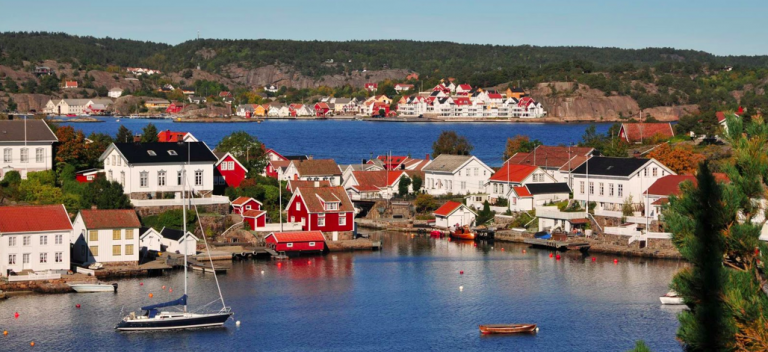
From Lyngør, southern Norway

Related: Norway’s Countryside of Smiles

One of Norway’s most visited attractions is Kristiansand Dyrepark 11km (7 miles) east of the city, incorporating a zoo, wilderness park, water park and amusement park.

Beaches and Picturesque Seaside Towns in Southern Norway
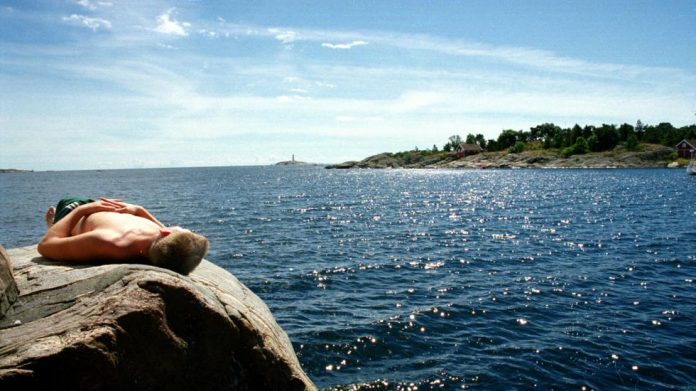
Summer holiday in southern Norway

Norway’s best sandy beach
West of Kristiansand, the seaside resort and former timber town, Mandal, boasts Norway’s best sandy beach and a well-preserved center of cobbled streets and white clapboard houses, characteristic of this area of beaches and picturesque seaside towns in Southern Norway

Beaches and Picturesque Seaside Towns in Southern Norway
Southern Norway marked on map of Norway

Related: The Picturesque Coastal Town of Lyngdal, Norway

The Lindesnes Lighthouse marks the southernmost point of Norway.

Beaches and Picturesque Seaside Towns in Southern Norway
Yacht harbor in southern Norway

Splendid waterfalls
The last town before Vest-Agder rises to meet Rogaland is the port of Flekkefjord and the idyllic island of Hidra. The terrain is mountainous, with many splendid waterfalls, especially around Kvinesdal.

Beaches and Picturesque Seaside Towns in Southern Norway, written by Tor Kjolberg

The Norwegian Tall Ship Statsraad Lehmkuhl

To sail with the Statsraad Lehmkuhl is a once-in-a-lifetime experience. The three-masted steel barque was built in 1914 in Bremerhaven, Germany as a training ship for the German merchant navy and originally called Grossherzog Friedrich August.

After the First World War the ship was taken by the British army as a trophy of war and sold in 1921 to the former minister of Norway, Kristoffer Lehmkuhl. That explains the name, Statsraad Lehmkuhl, which literally means ‘Cabinet Minister Lehmkuhl’.

The Norwegian Tall Ship Statsraad Lehmkuhl
You’d better roll up your sleeves being in board Statsraad Lehmkuhl

Related: Coastal Norway – Wild and Beautiful

The Norwegian Tall Ship Statsraad Lehmkuhl
The Statsraad Lehmkuhl has an impressive and romantic appearance with the length of 98 meters and over 2000 m² of sail – you’d better roll up your sleeves! In fact, you’re welcomed aboard. No prior experience is necessary – the professional crew is expert sailors and will teach you all the skills you need.

The Statsraad Lehmkuhl takes daytrips, but also cruises of 10 days and naturally this ship competes during the Tall Ships Races. This Norwegian giant often finishes in the top three.

The Norwegian Tall Ship Statsraad Lehmkuhl
The Statsraad Lehmkuhl has an impressive and romantic appearance with the length of 98 meters and over 2000 m² of sail

Related: Tall Ships Races

Saved from falling into foreign hands
Statsraad Lehmkuhl started sail training in Norway, transferring to the Bergen School Ship Foundation in 1924 where she was run until 1966 with the exception of five years during the Second World War when she was renamed Westwärts.

Ship tycoon Hilmar Reksten bought her in 1967 to prevent Statsraad Lehmkuhl from falling into foreign hands. Twelve years later he donated the ship to the foundation ‘Stiftelsen Seilskip Stadsraat Lehmkuhl’. The foundation has been the owner and manager since.

The Norwegian Tall Ship Statsraad Lehmkuhl
You’re welcomed aboard. No prior experience is necessary – the professional crew expert sailors and will teach you all the skills you need.

The steel barque is moored in Bergen, from where it will depart for most of its 2019 cruises.

Related: Hurtigruten (“The Express Route”)

The Norwegian Tall Ship Statsraad Lehmkuhl
The Statsraad Lehmkuhl takes daytrips, but also cruises of 10 days and naturally this Ship competes during the Tall Ships Races

Circumnavigation in cooperation with the University of Bergen
In August 2018, Statsraad Lehmkuhl and the University of Bergen (UiB) became the first partner to sign a statement of intent to participate in the circumnavigation and to provide the scientific content. In 2021, it plans to perform its first ever circumnavigation of the world.

A number of UiB’s research environments and initiatives have been involved in shaping the statement of intent, including the world-renowned Bjerknes Centre for Climate Research, the SDG Bergen initiative and the Ocean Sustainability Bergen centre.

The Norwegian Tall Ship Statsraad Lehmkuhl, written by Tor Kjolberg

Handmade Furniture from Sweden

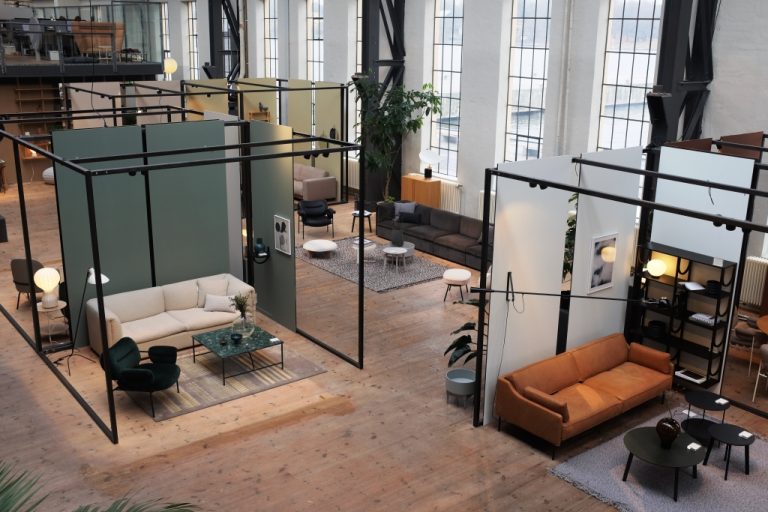
Swedish furniture company Fogia, established in Stockholm in 1981, works closely with some of Scandinavia’s most successful designers. We visited Fogia’s concept store inside a subtly overhauled 19th-century steam engine workshop just outside Stockholm to meet CEO and owner Marcus Huber and PR & marketing manager Richard Prime.

Located in the municipality of Nacka beside an inlet of the Stockholm archipelago, the 1200 square-meter concept store Fogia Market appears almost like a well-furnished home.

Handmade Furniture from Sweden
“Fogia believes in the natural Scandinavian heritage of blending excellent craftmanship with intelligent choice of materials,” explains Richard Prime

Related: New Designs by Norwegian Interior Designer Andreas Engesvik

“Fogia began its ‘design life’ as a manufacturer of tables that joined glass tops to Plexiglas frames,” says Richard Prime. “The Swedish word “foga” means “join” and thus the name Fogia.” Over the years, Fogia has developed its production range to furniture and interior items, working closely with a tight-knit group of european designers, such as Swedish Stefan Borselus and Carina Seth Andersson, Andreas Engesvik from Norway and studios like Norm Architects, Note, TAF Studio and Main.

Handmade Furniture from Sweden
Fogia Barba sofa group, designed by Andreas Engesvik

Furniture made to order
“Fogia believes in the natural Scandinavian heritage of blending excellent craftmanship with intelligent choice of materials,” continues Richard Prime. “We’re aiming at making the most out of the materials and create aesthetic expressions.”

Handmade Furniture from Sweden
Fogia Bond shelf system

Related: Unique Wallpaper Designed By Norwegian Designer

Most of Fogia’s products are handmade in Europe. There is no stock of furniture, every piece of inventory is made to order. So, don’t expect delivery the next day after you have found your favorite bookcase or sofa at one of the Fogia dealers around Scandinavia and Europe. Fogia is now expanding into the international market. Last year, the company opened a showroom in New York and won the Collection of the Year Award at the 2018 edition of ICFF in New York.

Handmade Furniture from Sweden
“We don’t follow the trends, we make our own paths,” says Marcus Huber who took over the company with partner Lars Lindgren in 2011

An element of surprise
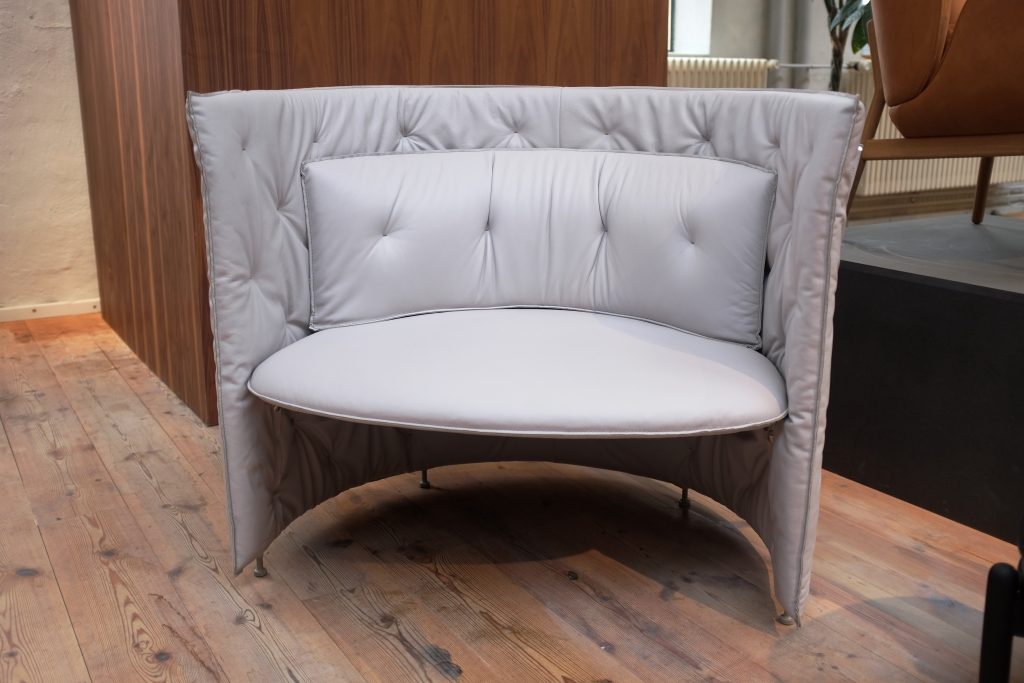
“We don’t follow the trends, we make our own paths,” says Marcus Huber who took over the company with partner Lars Lindgren in 2011. “There is often an element of surprise. When the National Museum in Stockholm reopened after five years of restoration last year, Fogia was commissioned to make site-specific chairs designed to fit into a curved recess in the restaurant. The result was Niche, a one and a half seater designed by TAF Studio.”

Handmade Furniture from Sweden
Fogia concept store in Stockholm – overview

Related: 100 Icons of Nordic Cool & Scandinavian Design

Handmade Furniture from Sweden
Fogia Jord sofa, designed by Luca Nichetto

Months later, an internationally acclaimed single seater club chair, influenced by the design and also named Niche, was added to Fogia’s collection.

Handmade Furniture from Sweden
Fogia Mtko chairs, designed by Stefan Borselius

When we ask Richard what makes Fogia so special, he smiles and says, “It’s a combination of design, choice of materials and good craftsmanship. I will give you an example. Some time ago I wanted to change my old sofa at home and the new one was of course a sofa from Fogia. The movers came and my old sofa was quickly removed. It took considerably more time for my new sofa to arrive at my apartment. I could not believe it since their truck was parked nearby. When they returned with my new sofa, I asked the movers why it took them so long to come back. I still remember their answer: “Your new piece of furniture is  just a better quality item compared to your old lightweight sofa; so it takes a bit more manpower to get it from the van!”

Handmade Furniture from Sweden
Niche, a one and a half seater designed by TAF Studio for the National Museum of Stockholm

Sustainability is a keyword
Fogia’s product manager Hanna Nilsson is incredibly focused on producing as sustainabily as possible without compromising quality. Each Fogia item is made to last for a long time, and we’ll take no shortcuts where this is concerned.

“Before launching a new model, we never rush,” explains Richard. “It can take years to launch a new product. We wait until it’s perfect. We want to give our designers space. We don’t make furniture specifically to launch at the furniture fairs. These days, our products are released when they’re ready.”

An ambitious company
“Ambition is the answer to success,” says Marcus Huber. “We’re not locked into a system on how to do things right in our industry. We have our own vision that governs how we operate in the design framework. We work in close collaboration with creative people both within and outside our company.”

Handmade Furniture from Sweden
Foga Tiki sofa, designed by Andreas Engesvik

Fogia works with several styles in their furniture collection, with a story behind each product. The concept store in Nacka, Stockholm is the perfect place to exhibit the items and let each of them communicate their own story.

Welcome to Fogia’s concept store in Stockholm
If you have not had the chance to visit Fogia’s concept store in Stockholm, you have missed an important part of Swedish furniture history. Or, more accurately, you have missed an important part of its future.

There is also a small café that serves drinks and snacks to browsing visitors at the rear of the store.

All photos: Tor Kjolberg

Handmade Furniture from Sweden, written by Tor Kjolberg

The Swedish Inland Railway

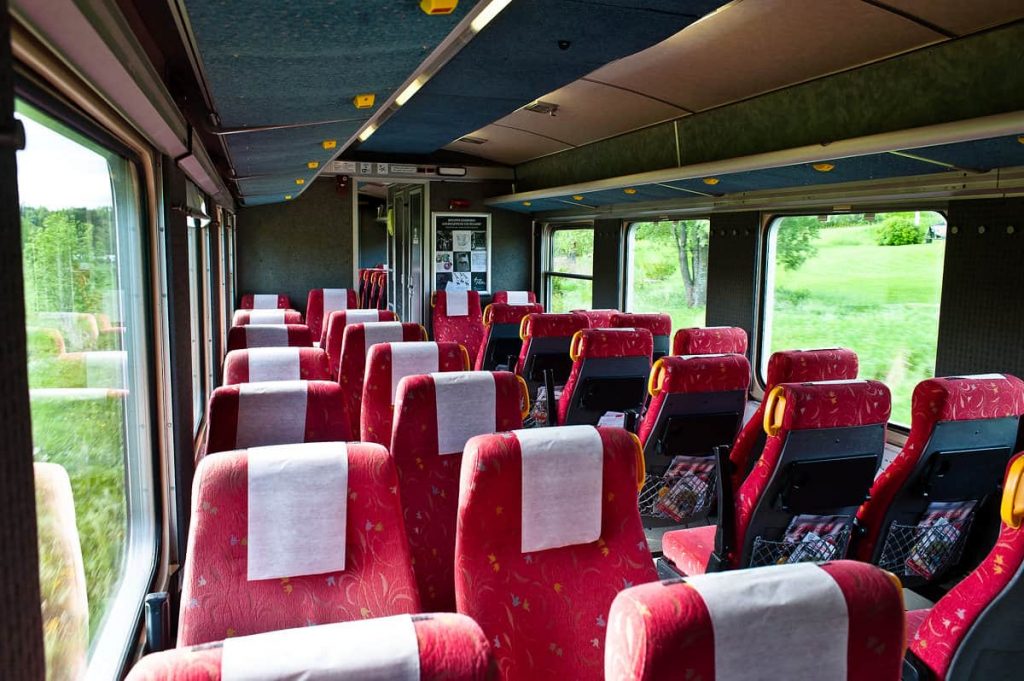
The 1,007-km (667-ml) Inlandsbanan carries you along the spine of central northern Sweden. Built to serve the logging industry, it has now diversified to cater for the burgeoning tourist trade.

The pace of the train is very laid back. As befits a Swedish operation, you are transported at an average speed of 50 kph (30 mph) through magnificent pine and birch forests.

The Swedish Inland Railway
Onlandsbanan crossing a lake

Related: The Rauma Railway, Norway

Departing from Mora
As the train departs Mora on its northbound journey, all eyes are drawn to the deep forest where yellow wild flowers line the track. This is an ideal habitat for bear, reindeer and moose and the train will conveniently slow down if any are spotted so to be sure to have your camera primed and ready.

The train passes many water features in the way but the waterfalls at Storstupet (Grand Plunge) and Helvetestfallet (Hell’s Waterfall) are the most spectacular.

The Swedish Inland Railway
The train departs Kristinehamn on its northbound journey and finally pulls in to Gällivare

Related: Norwegian Railway Heralded as a Wonder of the World

The Swedish Inland Railway
Whilst it is possible to make this gentle journey inside two days, it is best experienced in separate stages with stopovers between. Aside for the wonderful forest surroundings, there is much more to enjoy on the way.

First main stop
The first main stop is Ôstersund. More associated with winter sports, it takes on a different life in the summer. A picturesque little town, it offers historic walks, a heritage museum and the splendid Lake Storsjön is nearby.

The Swedish Inland Railway
It is possible to make this gentle journey inside two days

Related: A Rolling Railway Museum in Norway

Exploring Vilhelmina
The next stop, Vilhelmina, is most worthy of exploration. Surrounded by invigorating fast flowing streams, it is home to many Sami artisans and has many naturally heated pools and an extensive cycleway.

The Swedish Inland Railway
Swedish inland railway passing the Arctic Circle

Finally pulling in to Gällivarte
As the train continues steadfastly towards the Arctic Circle, the forest becomes more untamed and the vista ever more beautiful. The train finally pulls in to Gällivare, a town where people successfully combine modern living with a more traditional way of life.

The Swedish Inland Railway, written by Tor Kjolberg

Italian Photographer in Love with Norwegian Nature

Originally from Cattolica, the Italian province of Rimini, Massimo Leardini has lived and worked in Norway since 1987 and has become one of the most sought-after photographers in Scandinavia. His works have received numerous awards and prizes and appear regularly in leading magazines, like Elle, S Magazine, Smug, Carl’s Car and Personae.

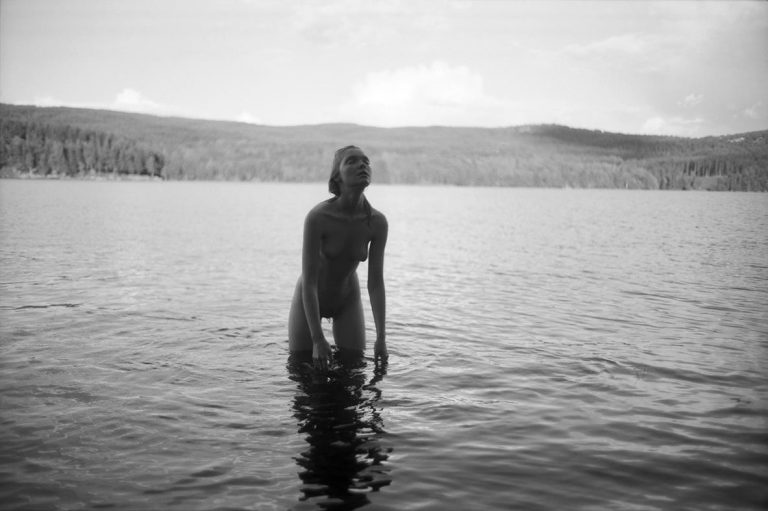
He moved to Norway because of a book project in 1987, a book featuring photographs with female models Iselin Steiro, Marianne Schröder, Viktoria Winge, Jenny Sinkaberg and Ophelie Rupp amongst others. His vision was to bring together the beauty of the human body along with the timeless Scandinavian landscape.  He has always been captivated by the visual world.

Related: Wonderland in Stockholm

Italian Photographer in Love with Norwegian Nature
The result was a large format clothbound hardcover book, Scandinavian by Massimo Leardini. Later he has made another book, Iselin, in which he presents a series of intimate portraits of Norwegian model Iselin Steiro. Despite the seeming purity and innocence of these candid moments, a quite sense of melancholy pervades and hint at a deeper undercurrent of Nordic angst.

Italian Photographer in Love with Norwegian Nature
Massimo Leardini moved to Norway because of a book project in 1987

Related: Star Photographer Visits Oslo Kameraklubb

Never willing to compromise
Leardini is basically interested in natural things. He makes portraits, landscapes and takes pictures of grass. To him everything is natural. He also works with fashion photography and says many of these pictures are like a diary to him. The simplicity behind his art is what makes it so easy for the eyes to appreciate.

Related: Wild Scandinavia

Italian Photographer in Love with Norwegian Nature
Massimi Leardini’s vision was to bring together the beauty of the human body along with the timeless Scandinavian landscape

Placing the integrity of his work above everything else, Leardini is never willing to compromise on his vision. His images successfully create a timeless story of female adoration and empowerment – no clothes, no barriers, no messing!

Feature image (on top): Iselin, by Massimo Leardini

Italian Photographer in Love with Norwegian Nature, written by Tor Kjolberg

The Historic Treacherous Bay Tavern in Copenhagen

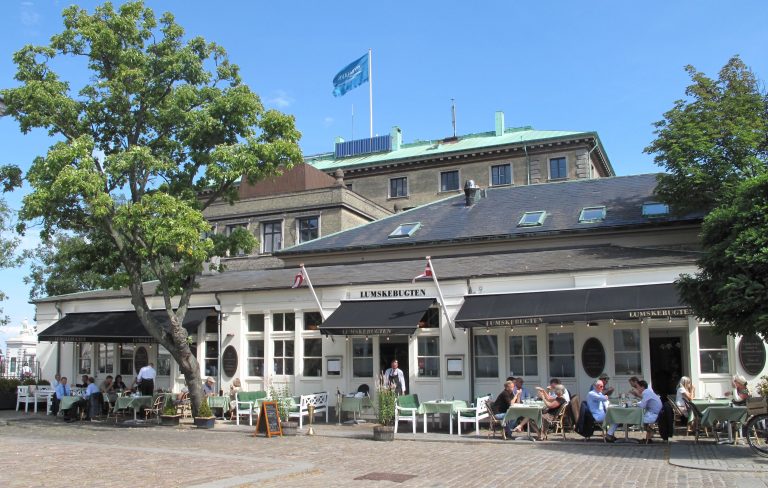
“Lumskebughten” is an odd word in Danish. However, when you look at the surroundings it actually makes sense. Tucked away at the sea entrance to Copenhagen, the historic sailor’s tavern Lumskebugten no longer has to rely on strong currents to secure its clientele.

Today, as well as in historic times, Lumskebugten offers traditional Danish cuisine, including an extensive selection of fresh seafood and is a shining example of Danish charm.

The Historic Treacherous Bay Tavern in Copenhagen
Lumskebugten offers traditional Danish cuisine, including an extensive selection of fresh seafood and is a shining example of Danish charm

Related: Discover the Danish Region of Gastronomy

From the old custom house Frederiksstad next to the restaurant there is very strong currents forming sand banks in the bay. So, the restaurant is amply decorated with paintings of seafaring men, ship models, and other curious, lending a certain maritime touch to the establishment, led by one of Denmark’s most established chefs Erwin Lauterbach.

Superb atmosphere
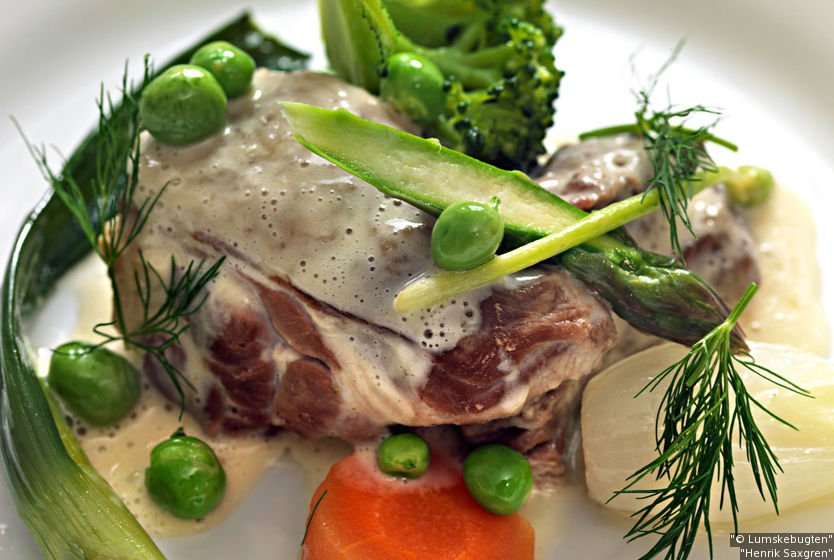
The spotless restaurant offers superb atmosphere, and the authentic Danish menu includes tartare of salmon with herbs, fried herring platters, and fish cakes in mustard sauce. Since 1854 sailors and lubbers alike have been “washed” into the establishment. The tavern was situated just where ships and sailors took leave of Denmark and then again sat foot on Danish soil after having cruised around the world.

The Historic Treacherous Bay Tavern in Copenhagen
Chef Erwin Lauterbach in front of Lumskebugten

Related: Traditional Daish Smørrebrød Reinvented in Copenhagen

The Historic Treacherous Bay Tavern in Copenhagen
From the beginning of the 1900s, Lumskebugten was constantly the talk of town. Fresh French frog’s legs were regularly flown in, and Russian Czar Nicolai II often graced the restaurant with a royal visit.

The Historic Treacherous Bay Tavern in Copenhagen
The restaurant is amply decorated with paintings of seafaring men, ship models, and other curious, lending a certain maritime touch to the establishment

Since 2011, the tavern is owned and run by Chef Erwin Lauterbach, famous for his love of vegetables, fish and traditional cooking. It is also worth visiting the restaurant if you want to try a traditional Danish lunch. “This is a kind of place that I would love to stumble upon in my own holidays,” says Lauterbach.

Related: Breakfast in Copenhagen

The Historic Treacherous Bay Tavern in Copenhagen
The authentic Danish menu includes tartare of salmon with herbs, fried herring platters, and fish cakes in mustard sauce

Where to find it
Within a short stroll from the old defense site Kastellet and the famous Little Mermaid, Lumskebugten has one of the most peaceful cobblestoned terraces in Copenhagen

The place’s popularity has grown much in later years, so reservations are recommended.

A small booklet with the story of Lumskebugten is at hand for free when you visit the Restaurant.

The Historic Treacherous Bay Tavern in Copenhagen, written by Tor Kjolberg