The Moss-Horten car ferry connects Østfold (east mainland of the Oslo fjord) and Vestfold (west mainland of the Oslo fjord) in just under an hour. And there you have it – the Viking Vestfold in Norway.
Highlights in Horten
The Naval Museum at Horten, home port of the Royal Norwegian Navy, bulges with maritime history.
Home to the Vikings …
To the south of Horten lies the heart of eastern Viking country, and Borre National Park en route to Tønsberg, contains large turf-crossed mounds concealing the graves of Viking kings, keeping to the coastline along Route 311.
Borre mound Cementry
… and a world famous painter Edvard Munch’s house at Åsgårdstrand is where the artist lived most of the time when in Norway. It was the setting for many of his paintings.
Oseberghaugen in Vestfold
Between Åsgårdstrand and Tønsberg is a burial mound, Oseberghaugen, the most important Viking site yet discovered. Oslo’s Viking Ship Museum contains the finds, including the 20-meter (65ft) arch-ended wooden ship.
Tønsberg. Photo: Bernt Rostad / Flickr
Norway’s oldest town
Just south is Norway’s oldest town, Tønsberg, established in the 9th century. On the 65-meter (200ft) high Slottsfjellet (Castke mountain) are the fortress remains, and tower. The main street, Storgata, is flanked by Viking graves. These were excavated and incorporated under glass, into the ground floor of the new library.
Map of south Norway
The most renowned king to hold court in Tønsberg was Harald Håkonsson IV (1204-63). The ruins of his court can be seen on Nordbyen, a street with historic houses.
Steam-ship Kysten I
Polar explorer Roald Amundsen
A more recent native person is Roald Amundsen, the polar explorer. The steamship Kysten I (built 1903), moored on Byfjord near the old custom house, operates a three-hour islands tour, but in July only, out to the skerries and it is a great way to see Norway.
Viking Vestfold in Norway, compiled by Tor Kjolberg
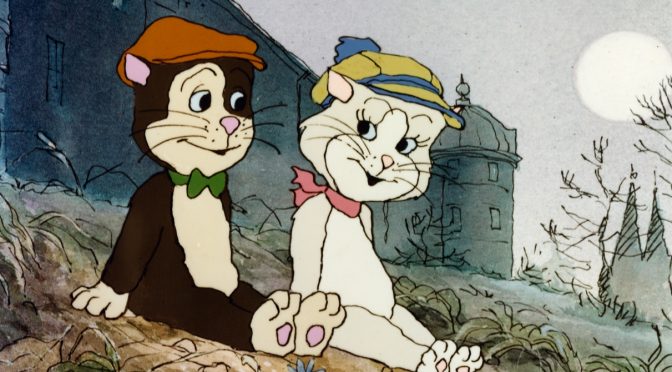
Pelle Svansløs (Peter No Tail in English) is a cat who was born without a proper tail. He compensates this by studying hard and, much to the dismay of his archrival Måns, receives a fancy degree very few cats in Sweden have obtained. The Pelle Svanslös series, consisting of 12 books in total, was written by Gösta Knutsson between 1939 and 1972.
As his name suggests, Pelle has no tail. A rat bit his tail off when he was a kitten. But despite this mean mishap, Pelle grows into a kind-hearted young cat. He has been loved by many Swedish children for decades.
Every summer, Gösta Knutsson spent a lot of time in Småland, and it was there that he came across a cat whose tail had been bitten off by a rat. That was the inspiration for the stories of Peter No-Tail. The first book was published in 1939 and was followed over the years by eleven more books. Each of the feline characters is based on a real person who Gösta knew well. The idea was that adults could have fun figuring out which real people were hidden behind these furry personae, while their children could just enjoy listening to the stories of Peter No-Tail.
The Story of Peter No-Tail
Once upon a time, there was a kind and naive cat, who was born on a farm outside Uppsala. When he was little, he had his tail bitten off by a big rat, and so everyone called him Peter No-Tail. One day, Peter lay down in a car to take a nap, and when he woke up, he found himself in Uppsala. There he was adopted by a family who lived in an apartment near the corner of Åsgränd and Övre Slottsgatan streets.
Peter No Tail goes to America
Later in life Peter was visited by his relative Pelle Swanson who invites him over to visit his new home country America. There everything is bigger, even the rats are much fatter. Everything seems possible in America, even the prospect of finally having a proper tail and a sweetheart to call one’s own. That’s what the animated film from 1985 is all about.
The Pelle Svanslös series, consisting of 12 books in total, was written by Gösta Knutsson between 1939 and 1972
Uppsala pays homage Peter No Tail
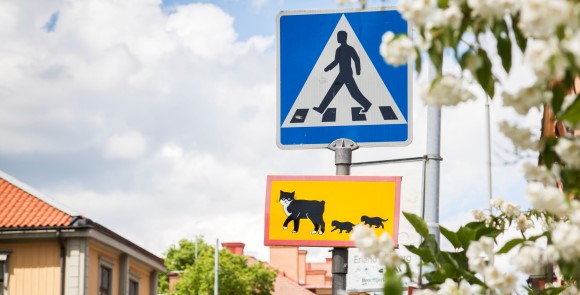
To mark the cat’s popularity, there are many traces related to the children’s literature star around the city, such as a statue, a peep-hole (his residence), and crossing signs.
A Peter No Tail crossing sign in Uppsala
No wonder that Peter has become a celebrity in Uppsala. The road signs in front of Carolina Rediviva Library have something unusual: cats. On closer look, you might notice the adult cat leading kittens has no tail. He isn’t just an ordinary bobtail cat.
Check also out Peter’s peep-hole in Åsgränd Street or go on a Peter No-Tail walking tour.
Do You Know Peter No Tail from Sweden? written by Tor Kjolberg
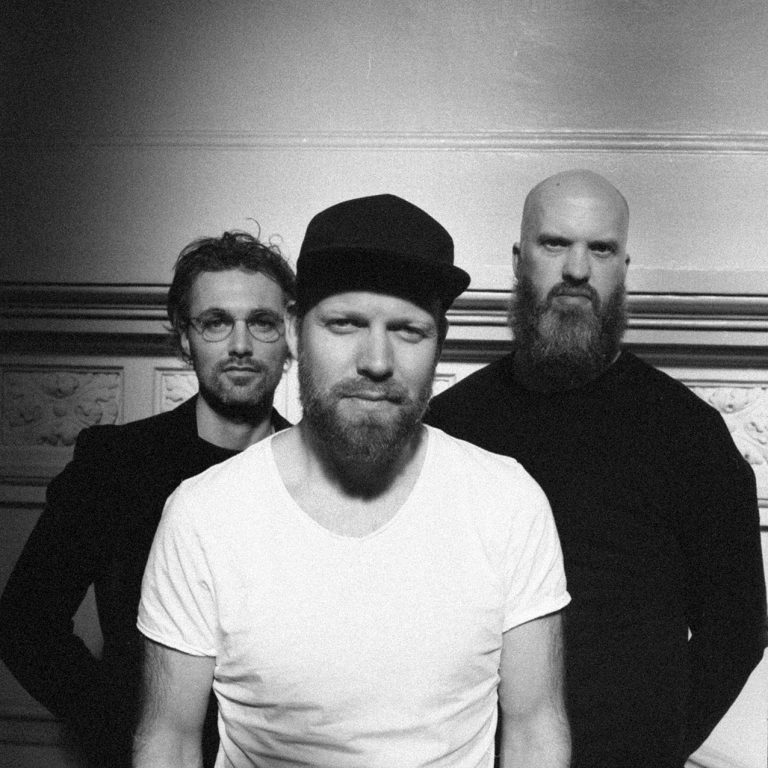
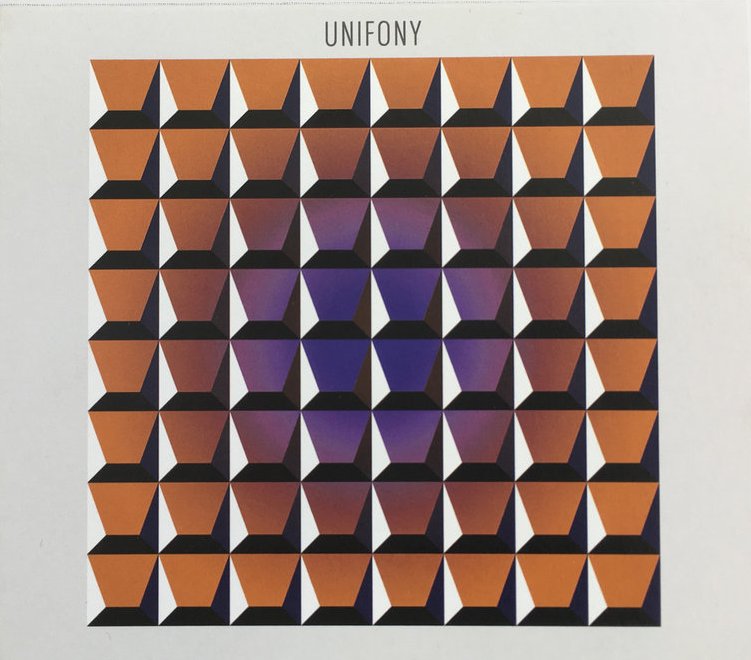
Some years ago Dutch Minco Eggersman and Theodoore Borger started to collaborate with the Norwegian trumpet player Mathias Eick. The result is the jazz group UNIFONY and release of a new album.
The UNIFONY project started when Minco and Theodoor worked together on Minco’s album ‘RESERVOIRS’ and found out they shared a love for this specific music and sound from the 80s. Later on, this album found its way to James March which in turn led to Minco writing an essay for the ‘Spirit of Talk Talk’ project. The method was recognized and appreciated by others which in the end led to Mathias, Phil, James and Bob joining forces.
“By listening to UNIFONY, we hope you will join our friendship,” says the musicians.
Soft and Ambient Moods from Dutch-Norwegian Jazz Group
UNIFONY is the end result of all the talent. Soft and ambient moods with trumpeter Mathias Eick teaming with Minco Eggersman and Theodoor Borger for a collection of intuitive interactions. The moods range from soft pitter patter percussion and piano on “Whisper” and “Ghostly” alongside sighing and fragile trumpet work for “Drive.” A mix of drama and sonic wallpaper meld on “Glow” with long shadows of the full moon being cast on “Blur.” This is pure tone poems and meditations.
What does UNIFONY mean? There is no literal meaning to the word UNIFONY, but the name shows that it is the result of something commonly shared (UNIVERSAL) and that it is not based on notes but rather on sounds (PHONIC). Friendship, harmony, meeting, focus, experiment, kindred spirits, vulnerability and universality all come to mind but this is probably as far as the group can go when explaining, as musical and poetical freedom is what it has to offer.
“By listening to our music, we hope you will join our friendship,” says the musicians.
The UNIFONY musicians Minco Eggersman is a Dutch musician, producer and composer. Apart from being singer and drummer, he’s been focusing on writing scores the last few years. Last year he released the critically acclaimed ‘KAVASAKIA’.
Theordor Borger is also a Dutch producer, musician, composer and engineer. He is the owner of a recording studio and has worked on albums by artists like Kim Janssen and Lärus Sigurddson.
Mathias Eick is a Norwegian jazz musician. He is mainly known from his releases on the jazz label ECM Records. His main instrument is the trumpet, but he also plays upright bass, vibraphone, piano and guitar. He has performed with several well-known musicians such as Pat Melheny, Chick Corea and Manu Katché.
‘Labour of love’, says studio engineer Phill Brown
‘I’m a fan’ writes British film and documentary director James Marsh
‘A fabulous group, reminds me of the latest Ryuichi Sakamoto’ says American mastering engineer Bob Ludwig
There are many good reasons to visit the winter wonderland Norway. Here we list only a few of them. And this is a true love letter to Norway’s winter wonderland.
Light and fluffy snow
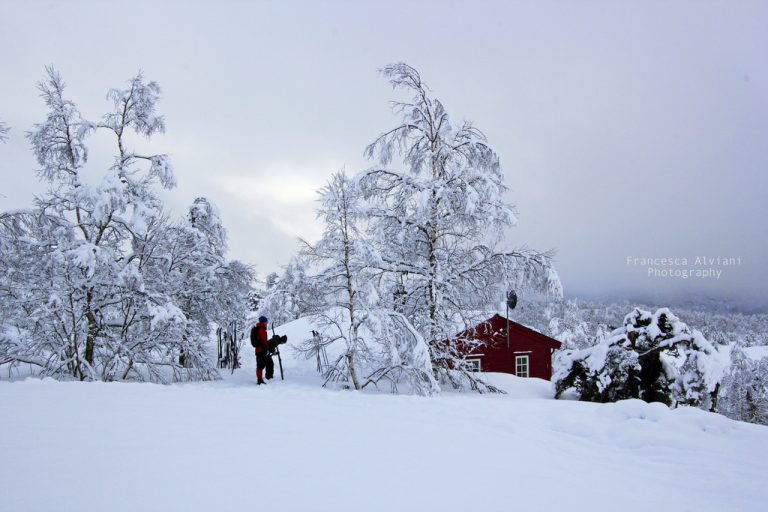
Enjoy the pure magic of snow in January or February in the mountains of Norway. You are guaranteed a winter wonderland. Whether you are a ski enthusiast or just want to feel the highest quality snow, you’ve come to the right place. The true raw beauty of Norway is greeting you every day. Particular cold days are full of glittering snow – it’s basically fairy dust.
Enjoy the pure magic of snow in January or February in the mountains of Norway
The winter in Norway is not nearly as dark and cold as many people seem to believe. The glistening snow makes everything lighter. And it is not as cold as many people seem to believe. Thanks to the magic of the Gulf Stream, temperatures in many areas are rarely dropping below zero.
An ocean cruise in search for the Northern Lights
Going on an ocean cruise is only one good reason. Viking Ocean Cruises offers a new kind of adventure that really appeals to those seeking to go to new places and check a few items off their lifetime wish list. The 930-passenger Viking Sky has become extremely popular and is drawing passengers from all over the world searching for the Northern Lights (nordlys).
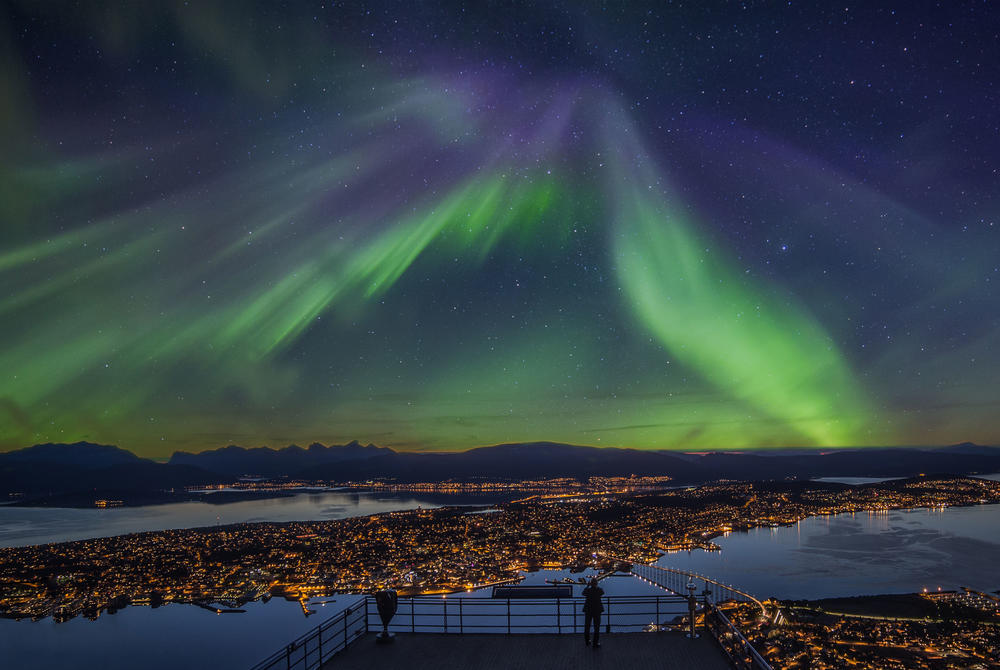
Northern lights over Tromsø
People from all over the world are visiting the northern regions to watch these amazing lights showing in one place, dance across the sky, disappear, and immediately show up again somewhere else. If you ever get the chance to witness something like this, it is a scene that will never leave you and will bring you joy deep into the core of your being every time you think about it.
Several companies in Norway have specialized on excursions taking passengers out in coaches with specially trained guides to head off the spots where the skies are clear and offer the best chance to get great sightings and photo opportunities.
Sailing the Norwegian fjords The stunning physical features along the coastline of western Norway are for many visitors a definite highlight. Visitors are treated to breathtaking views all along the way – snow-capped mountains high above the fjords, small lighthouses, hillside homes and fishing villages.
The stunning physical features along the coastline of western Norway are for many visitors a definite highlight
A Taste of Norway
Try the flavors associated with the Norwegian regions, for instance cooking fresh reindeer sausages or a reindeer stew on an open flame inside a Sami tent. Lutefisk is another Norwegian traditional seafood dish which for many good reasons you should try. Some fall in love with it, but I must admit – many don’t. The same goes for the Norwegian brown goat cheese.
Norwegian waffles, however, with jam and sour cream, are favorites for children as well as adults.
Norwegian Christmas food
When it comes to drinking, you should probably think twice before you drink in Norway. Alcohol in Norway is a complicated thing, especially if you want anything heavier than 4.7%. Alcohol is state regulated and strong alcohol is only sold in state-run Vinmonopolet. However, Norwegian beer is very tasty and there are many brands and several micro-breweries. Drink it together with the traditional Norwegian snaps – the aquavit.
Christmas in Norway You don’t mess with Christmas in Norway. It is a synonym for love, chaos and memories. The Norwegians love Christmas time, a season rich with traditions, good food and at least seven sorts of cakes, among them kransekake – and funny Christmas stories. Different regions have different food traditions. Up noth and on the southern coast cod is the favourite Christmas dish. On the west coast, pinnekjøtt and smalahoved are the preferred main dishes. In the rest out the country lutefisk or ribs of pork with Christmas sausages and surkål (sweet sauerkraut) are common.
Cgristmas in Norway. Photo: Baard Løken
Add to that a beautiful decorated Christmas tree and a burning fire place – life can’t get any better. A proper Norwegian Christmas is unlike anything else in the world. You simply must experience it to understand.
At the Norwegian Christmas markets most everybody is drinking the wonderful spiced wine Gløgg, baked treats and are buying handmade crafts and other gifts. Christmas markets in Norway are really great places to enjoy with family or friends.
Cozy Norwegian homes
Norwegian homes
The dark winters are no excuse not to visit Norway during wintertime. The fact is that just because of the dark winters, the Norwegians make their homes beautifully charming. Many homes look like wooden cottages built into the sides of mountains so they look much smaller than they really are.
They might appear fairly simple and are usually one of about three-color choices. It’s a bit of a reversal of another country’s love of elaborate mansions decorated with expensive cars out front, while the insides are left strangely bare. Norwegian homes, on the other hand, positively glow with warmth. Norwegians love lamps, candles, fireplaces, and any other source of light, and are not afraid to use them all at once.
In my opinion, nothing is cozier than looking across a frozen landscape and seeing clusters of cottages twinkling through the snow.
Dog sledding in Tromsø. Photo: Baard Løken
Outdoors fun and adventure The traditions of working with reindeer (husbandry) is a typical Sami way of life. They raise the animals and utilize them for transportation, clothing, crafts and food. The interaction with the animals is important. The Samis welcome visitors and are keen to share their traditions. Experience a day of cross-country skiing in the wilderness and learn the proper techniques from the residents to get up and down gentle hills.
Dog sledding with a team of huskies is a popular outdoor activity in Norway and so is cod-fishing, especially in the Lofoten archipelago. However, fishing is popular all along Norway, whether it is in the lakes or at the shore. And in winter time when there are fewer competitors out fishing, you can really get lucky.
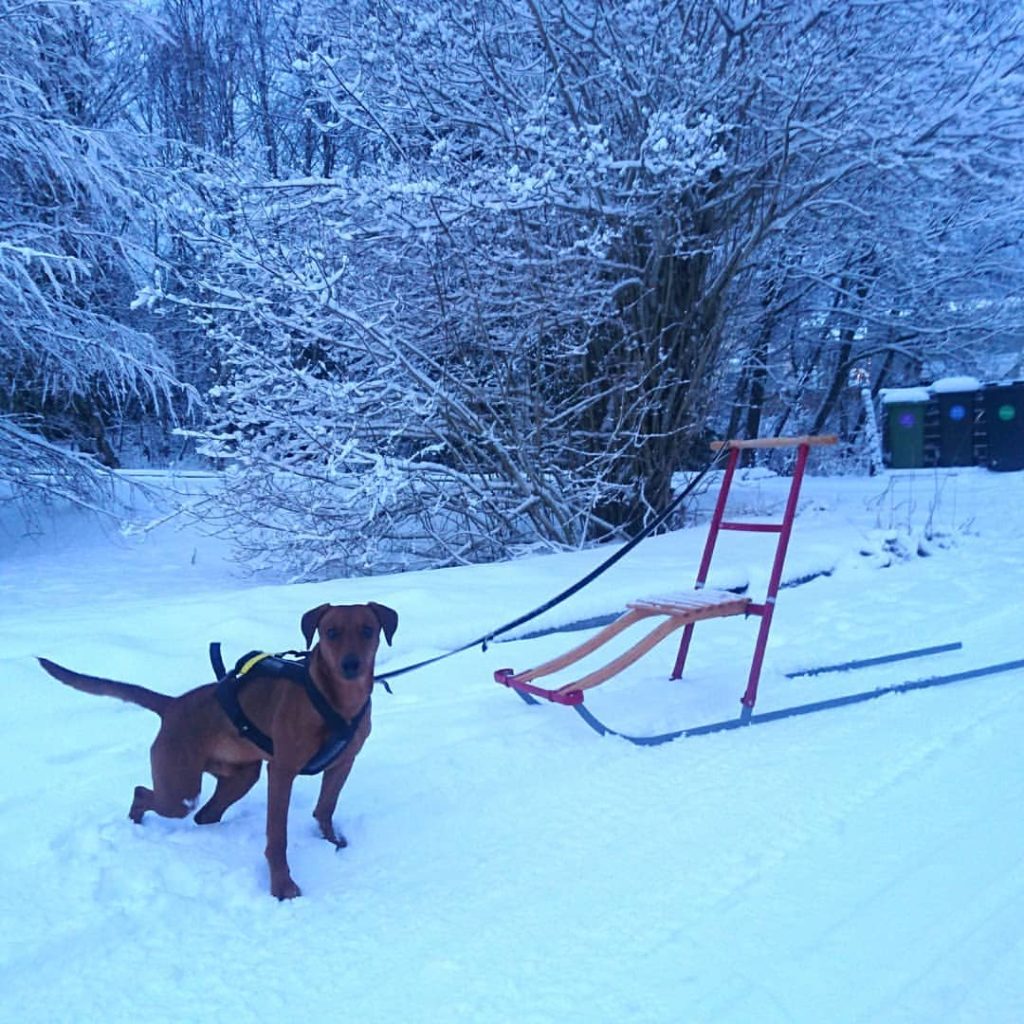
In Norway people use their skis and sleds or sparks everywhere. Many people are still skiing to school or the post office. And what better way you make it to work on time than sledding down the hill into town?
Sparks are super fun, but you should know how to handle the sled.
Even if you’re not a fan of partaking in winter sports, it’s pretty hard to ignore the contagious excitement with which Norwegians follow any sport on skis. Especially when the Winter Olympics roll around! The town of Lillehammer hosted the Winter Olympics in 1994.
Lillehammer is called the Town of sparks (a spark being a chair sled where one person sits on the chair and the other person stands behind and kicks and steers the sled. It’s super fun, but you should know how to handle the sled.
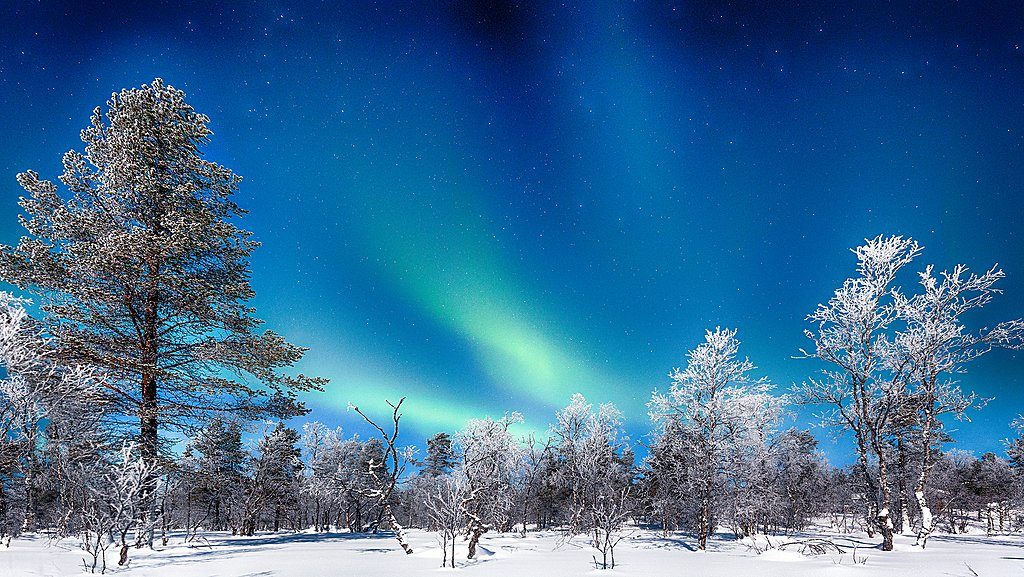
Panoramic view of amazing Aurora Borealis northern lights over beautiful winter wonderland scenery with trees and snow on a scenic cold night in Alta,, northern Norway
A Love Letter to Norway’s Winter Wonderland Winters in Norway are a perfect time to gather together with family and friends and truly appreciate the meaning of koselig. Turn away from the distractions, enjoy each other’s company and have a cup of coffee.
The truth is that whether or not you ski or even enjoy winter at all, this time of year is perfect for focusing on what matters most: quality time with loved ones.
Bottom line: if you can learn to appreciate the harsh and cold winters of Norway, you are guaranteed to be rewarded with incredible scenery and amazing memories.
The winter season in central Norway is from December through March. Farther north you can add a month on both sides.
Feature image (on top): From Kvamskogen A Love Letter to Norway’s Winter Wonderland, written by Tor Kjolberg
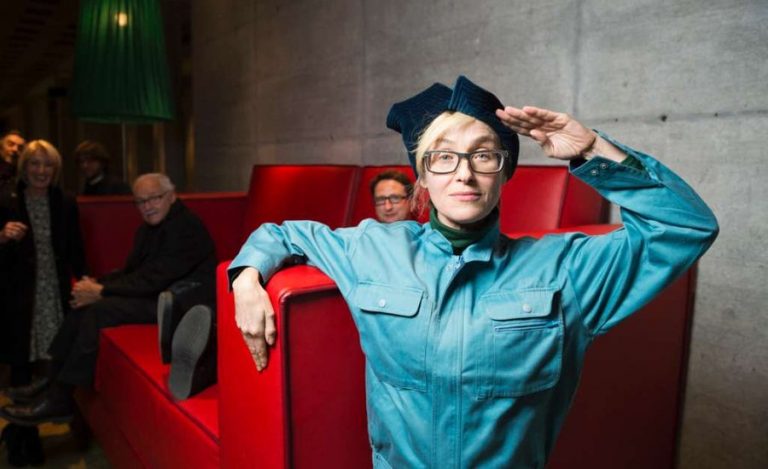
The Spring at Louisiana Museum of Modern Art begins with a blast full of colors, immersive images and sensuous dreamscapes.With the first major presentation in Scandinavia of Swiss artist Pipilotti Rist, the exhibition in the museum’s South Wing presents the work of one of visual art’s most conspicuous researchers of the senses in moving pictures.
Pipilotti Rist is a Swiss contemporary video artist who is best known for her vividly colorful work exploring the female body—namely her own. Rist’s work engages in lighthearted play, frequently combining a camera-specific aesthetic and technique with a message of social critique or commentary. “When I close my eyes, my imagination roams free,” she has explained.
Explores, challenges and explodes her potentials Born Elizabeth Rist in 1962 in Rheintal, Switzerland, Pipilotti Rist combined her childhood nickname, Lotti, with the first name of the Swedish children’s story character Pippi Longstocking to create her artistic moniker in 1982. She attended the Hochschule für Angewandte Kunst in Vienna from 1982 to 1986 and the Schule für Gestaltung Basel from 1986 to 1988.
Since the middle of the 1980s Pipilotti Rist has continuously explored, challenged and exploded the potentials, rules, conventions and limitations of a constantly evolving palette of video technologies. In her works, video is not just video, but also painting and space.
Rethinking the video medium
“In the same way I want to create spaces for video art that rethink the very nature of the medium itself, I want to discover new ways of configuring the world, both the world outside and the world within,” she says.
She produced her first video, “I’m Not the Girl Who Misses Much” (1986), while still at school in Basel. In it, she bounces up and down, falling out of her dress, as she repeatedly sings the title line (derived from the lyrics to a Beatles song).
Internationally recognized
Pipilotti Rist’s work is at one and the same time high-tech and sensual, radiantly colorful and critical, weightless and body-bound. The camera is brush, eye and sense of touch, and the fusion of major themes revolves around the body, technology, the sensory and the sensual, gender, nature, inner and outer space, our arrangement of and being in the world.
Gaining acclaim for her work in the 1997 Venice Biennial, during which she received the Premio 2000 Prize, Rist continued her upward trajectory of international recognition, teaching at the University of California, Los Angeles with Paul McCarthy in 2002–2003, and being awarded the Joan Miró Prize in 2009.
Enjoy the Moving Pictures of Pipilotti Rist in Copenhagen
The exhibition ‘Åbn min lysning’ (Open My Glade) is the first major presentation of the artist’s work in Scandinavia and will span the whole output of the artist’s oeuvre — from early works in the TV format to large spatial video and audio installations with projections on ceilings, walls and floors. The exhibition, created for Louisiana in close collaboration with the artist herself, takes on the character of a site-specific immersive installation and continues out into the museum park.
She currently lives and works between Zurich and the mountains of Switzerland.
The exhibition runs: 1.3.2019 – 23.6.2019
Enjoy the Moving Pictures of Pipilotti Rist in Copenhagen, written by Tor Kjolberg
“Edvard Munch will impress Chinese audiences with more representative works of the painting master,” said Yang Zhigang, curator of the Shanghai Museum, in a comment on the Norwegian painter’s exhibitions in Beijing and Shanghai from the summer of 2019 to the spring of 2020.
Chinese edition of four volume work on Edvard Munch
The exhibition will be jointly held by the National Museum of China in Beijing, the Shanghai Museum and the Munch Museum in Oslo to promote cultural exchanges between China and Norway. The Munch exhibition will feature roughly 100 works from the Munch Museum collection, including 50 to 60 paintings.
One of the world’s largest museums The National Museum in Beijing is one of the world’s largest museums, with over eight million visitors in 2017. It will be the fourth time Edvard Munch’s works have been displayed in China.
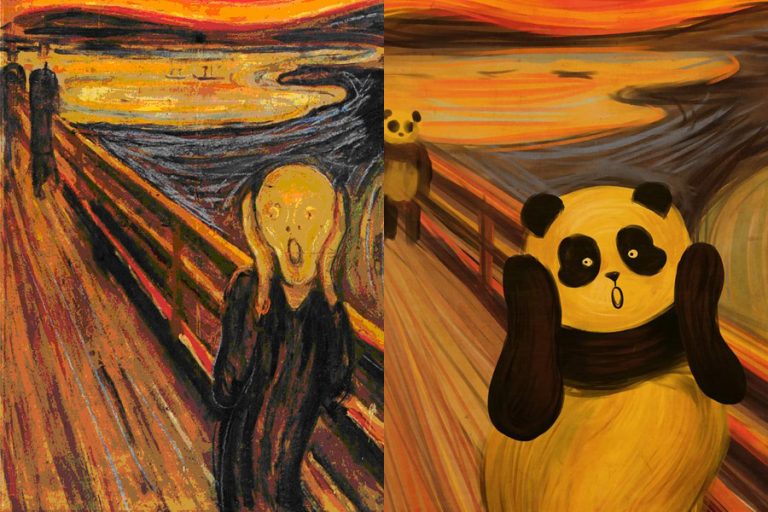
The first was in 1961. During the Norwegian royals’ visit to China in 1997, over 50 works of Edward Munch were displayed at the Shanghai Museum, including his best-known work ‘The Scream’.
King Harald and Queen Sonja of Norway at the conference “China and Norway – a wealth of opportunities” in Beijing, October 2018
Tremendous Interest in World Famous Norwegian Artist in China
“There is a tremendous interest in Edvard Munch in China,” says director Stein Olav-Henrichsen at the Munch Museum in Oslo. He adds that the museum has strengthened its international publication strategy. “We notice that there is a great demand for books about Munch throughout the world,” he says.
Tremendous Interest in World Famous Norwegian Artist in China, written by Tor Kjolberg
An artificial ski slope and recreational hiking area are set to open in the spring 2019 in Copenhagen, built on top of the new waste management center.
Ski enthusiasts can soon hit the trails on the roof of a waste-treatment plant in Copenhagen. The capital of Denmark is trying to solve the problem of how to cope with a mountain of trash. The city has soon a new attraction, Copenhill (Amager Bakke).
Spectacular and innovative in the true sense of the words, 10 minutes from downtown Copenhagen. Its main facility is a futuristic building with a sloping roof nearly 280 feet high that’s covered in a material called neveplast. It looks just like a ski slope, except it’s colored in vibrant shades of green.
Not only will the new architectural beacon be visible from most of Copenhagen, a giant chimney way up on top will be blowing giant smoke rings. This sounds like something out of a sci-fi fantasy but will be reality as the power plant opened in 2017 under the name ARC (Amager Ressource Center).
The ski slope forms part of the Copenhill mountain activity center, designed by BIG in collaboration with SLA Architects, which covers the power plant in the Danish capital.
Copenhill ski lift. Photo: Alexander Vissing
“I think everybody is surprised to start with when they look at it and it’s not snow,” said Christian Ingels, the director at Copenhill. “It’s green dry-slope material. After one or two runs, your mind is automatically adjusting so you feel exactly like skiing.”
Ski enthusiasts can soon hit the trails on the roof of a waste-treatment plant in Copenhagen
You can bring your own equipment, or you can rent some from the local shop, Steep and Deep, where the experts will be ready to help you. Just like at more traditional ski sport destinations, you can of course finish your day on the slopes with after-ski at Copenhill’s very own café and after-ski bar.
Although only around half of the slope has been installed so far, the company has carried out several test days before the official opening. “It’s a fantastic experience in the middle of a city to be able to do what you do like the most,” said visiting skier Pelle Hansen. “Instead of having to go six, seven, eight or 10 hours to a ski destination, you can be here in 10 minutes.”
Copenhagen has soon a new attraction, Copenhill or Amager Bakke
When complete, the 400-metre long slope will run from the top of the 90-metre-high building to its base, with a 180-degree turn halfway down the piste.
If you are not much of a skier, you can also try the hiking trail that goes all the way along Copenhill’s roof. At Copenhill, you will also find the world’s highest climbing wall of 85 meters, where certified climbers can test their skills.
Copenhill is spectacular and innovative in the true sense of the words
“It’s fantastic that one can ski without snow,” said ski slope visitor Tommy Christensen. “It’s a slightly different experience than to skiing in real snow, but it’s my second run and I’ll try it again. It looks promising.”
Copenhagen’s First Ski Destination, written by Tor Kjolberg based on press releases from REUTERS and Visit Denmark.
Scandinavian perfume makers have brought a sense of Scandinavian craftmanship and aestetic to your scents. Here is a quick guide to perfumes that can get a little weird, maybe a scent combination you’ve never smelled before or an unexpected top note such as saffron.
These are the Scandi perfume brands you won’t want to stop sniffing:
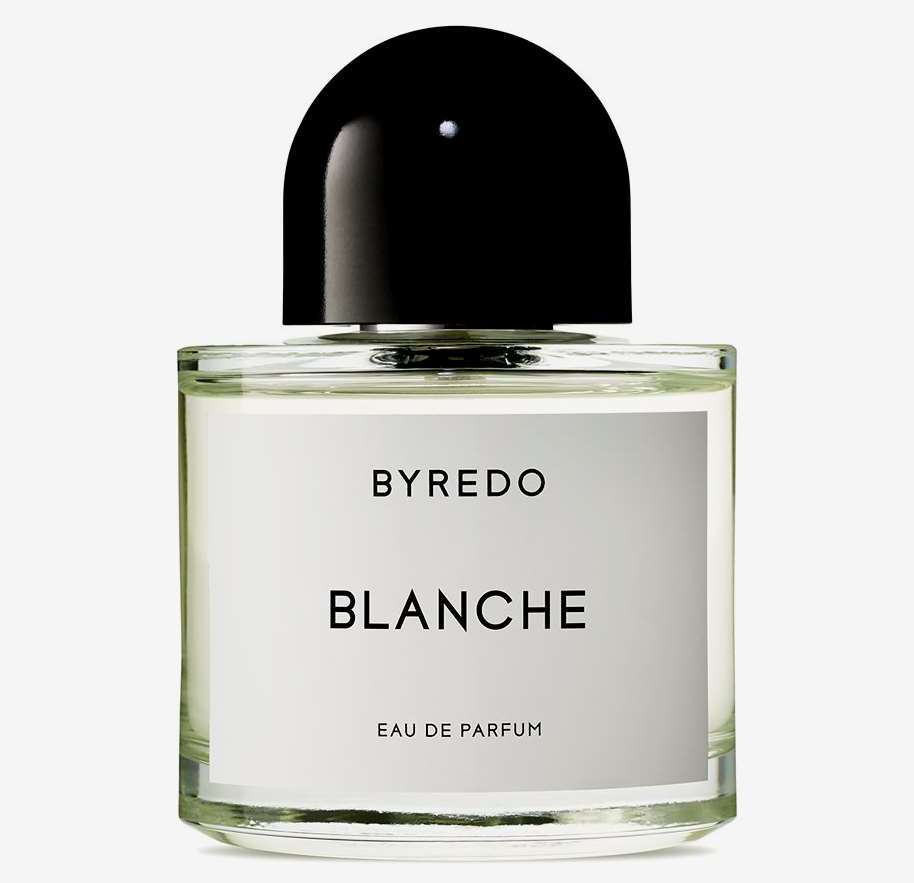
Blanche by Byredo
Blanche by Byredo Byredo was launched in Sweden in 2006 by Ben Gorham at the age of 31 years old, after an inspiring encounter with perfumer Pierre Wulff. The native Swede didn’t have a formal training in the field, but he sought out the services of world renowned perfumers to whom he carefully explained his olfactory desires. “Ben began to be intrigued by scent and memory after travelling to his mother’s hometown in India, where he was stirred by the aromas of spices and incense. Inspired by this trip, BYREDO’s scented candles and perfumes have been developed with an understated approach, using simple composition of the highest quality raw materials.”
The brand has exploded onto the scene with their interesting perfume profiles and stunning packaging, Stockholm-based Byredo makes the scents that everybody’s after these days. In addition to eau de parfum, Byredo also makes candles, hand cream and body care.
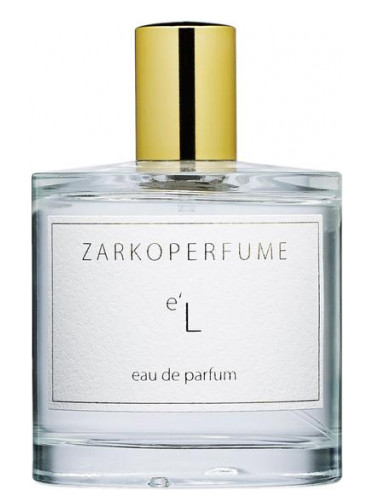
Zarkoperfume creates perfumes wherein the base ingredients interact with your pheromones
e’L by Zarkoperfume Founder Zarko Ahlmann Pavolv writes that he wanted to combine the French art of perfumery with Nordic molecular science; Zarkoperfume is the intriguing result.
Fully utilizing the science of body chemistry, Zarkoperfume creates perfumes wherein the base ingredients interact with your pheromones, making a scent that is totally unique to you.
Zarko Perfume is a Danish fragrance brand founded in 2014. The company strives to create perfumes that encapsulate the Scandinavian experience. Handmade and bottled in Denmark.
The scent of e’t is soft, discrete and fresh. It is a perfume that develops from soft white florals and pomegranate to Indian green tea, herbs and ozones, with final notes of sweet white musk and blond woods. Not a heavy perfume, the fragrance still retains deep sensual notes.
Cedar root black, by Henrik Vibskov
Henrik Vibskov Another stop in the colorful, sensual world of Scandinavian scents is Henrik Vibskov’s universe. His perfumes recreate the experience of the pine forest or lotus fields as imagined by the Danish fashion designer. The quirky, hand-carved toppers on simple bottles make for a sweet visual treat.
Dual, by Andreas Maack
Dual by Andrea Maack Andrea Maack is a renowned icelandic visual artist and eponymous fragrance brand, born through a series of scented art exhibitions. “What started as a series of art exhibitions using scent as a medium has now grown into one of the most sought after and unique brands within the international niche market of perfumes. The collection of unisex fragrances has been developed with an artistic approach, using the highest quality raw materials and embody elements of Maack’s travels, artistic explorations and her profound relationship with Iceland.”
This unisex sport fragrance is inspired by the calming water of the natural hot springs in the Icelandic highlands. This fragrance mimics the feeling of fresh water on the skin and the intense color spectrum surrounding the hot spring lagoons. The powerful, uplifting aromas of ginger, lemon and pink pepper coexists with the grounded woody elements of dry amber and cedar wood resulting in a very interesting mix of aromas.
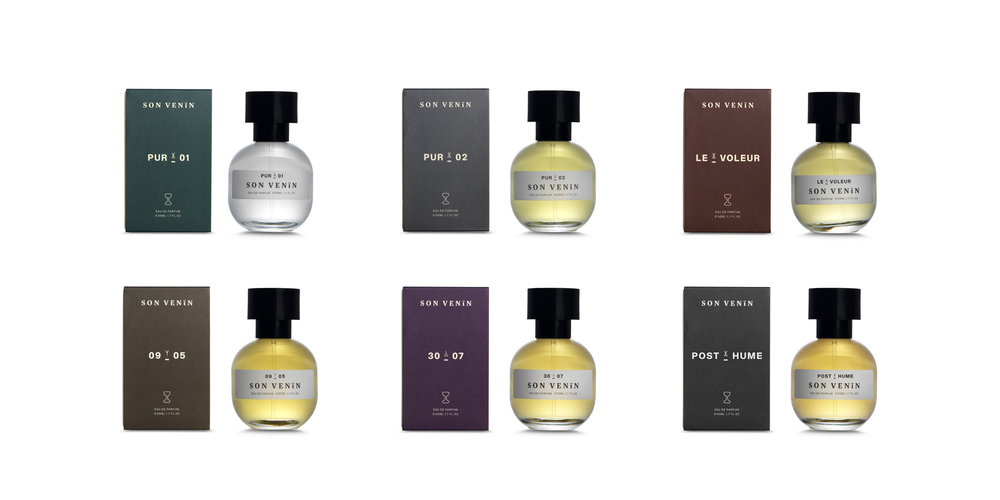
Son Venïn is bringing the best of niche fragrance to Norway
3007 by Son Venin With gorgeous bottles that recall the vanity table of a 19th century lady and a range of notes from the complex and unconventional to the pure, Son Venïn is bringing the best of niche fragrance to Norway. This is a really special brand – their passion for scent is evident in every bottle and the way each piece is lovingly packaged.
Son Venin is a new niche Norwegian perfume brand with headquarters in Oslo with a focus on its Nordic heritage, craftsmanship, visual presentation and a sensuous experience. The fragrance compositions are sophisticated and charismatic, made from the best ingredients, without any unnecessary chemicals.
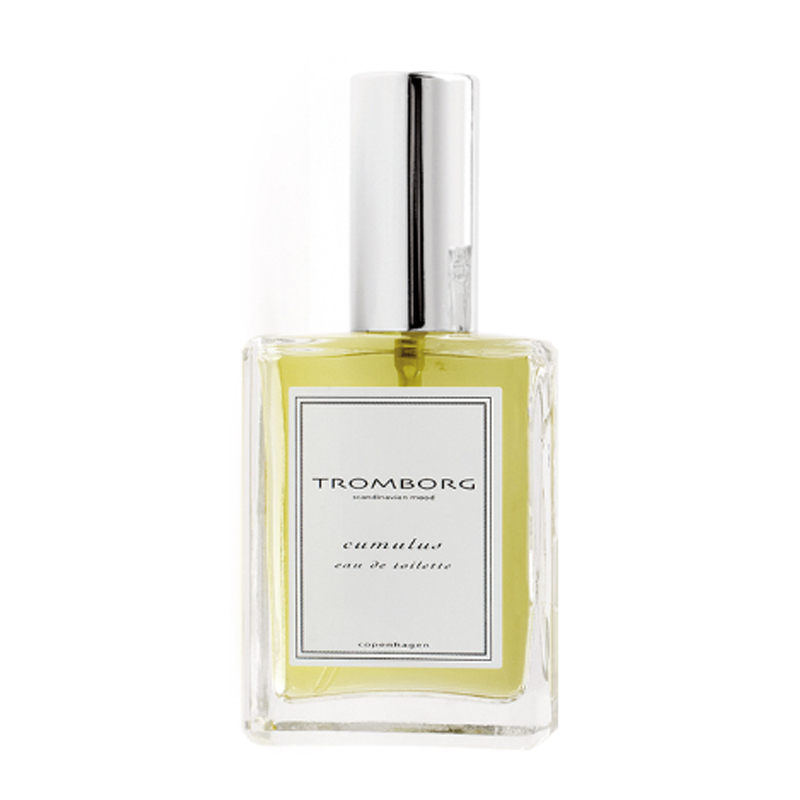
Cumulus,by Tromborg
Cumulus by Tromborg Created by Marianne Tromborg, the eponymous luxury beauty brand also offers skincare and makeup that are organic and natural; just like their perfumes. They focus on natural well-being, and use essential oils as well as plant extracts. The products are produced in Denmark, following the philosophy ‘less is more’.
“Clouds have always inspired art and literature. Their greatness and proportions trigger the imagination. Dreams and happiness are the notions we associate with clouds. Their shapes even symbolize the poetic, imposing, mystical and beautiful. It is a peaceful waste of time to watch the clouds wander over the sky, forever changing their shape.” Cumulus is Tromborg’s attempt to capture this very special atmosphere in a bottle, inspired by “the soft, downy, beautiful Cumulus clouds in the Scandinavian sky”. It features joyous notes of Bergamot with a hint of vanilla.
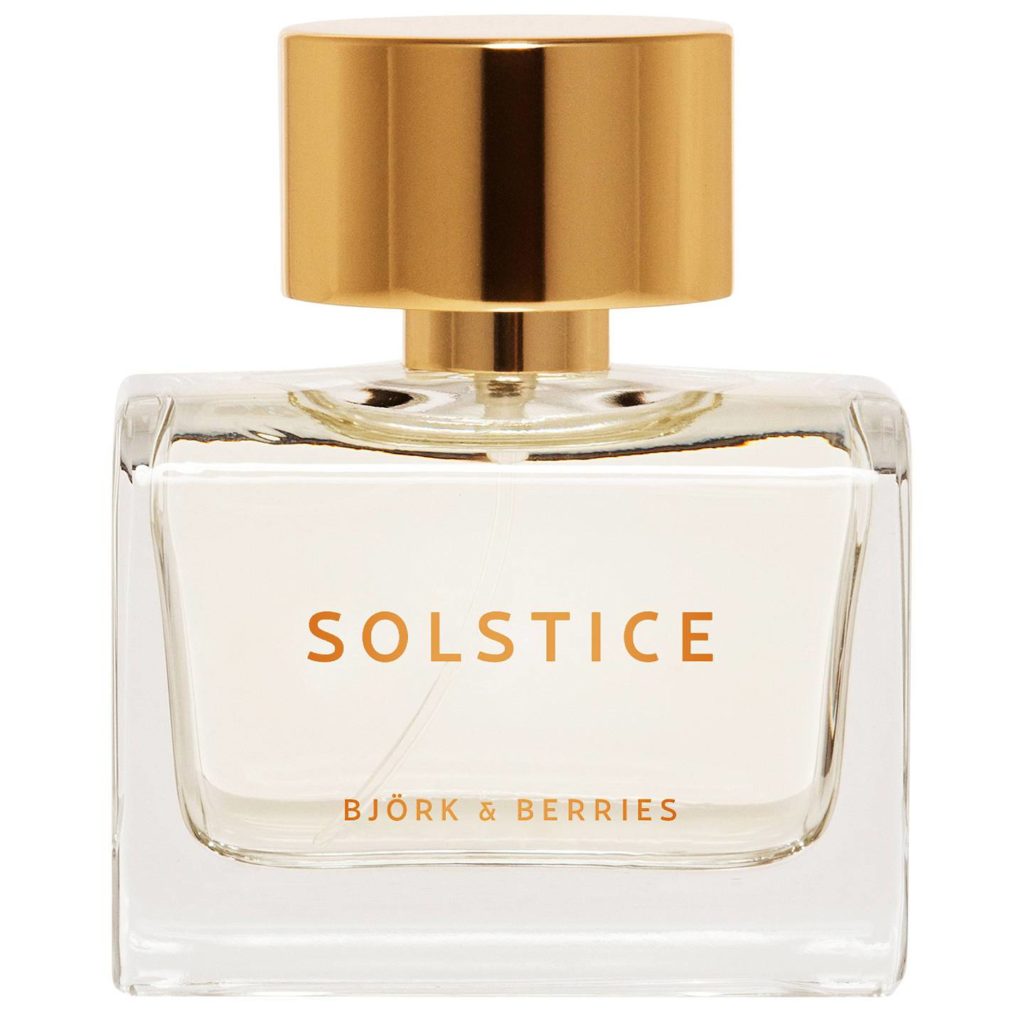
Solstice, by Björk & Berries
Solstice by Björk & Berries Björk & Berries is a Swedish botanical skincare and perfume house dedicated to capturing the beauty and benefits of the country’s nature in its purest form, using local flora with advanced technology to provide luxurious organic skincare products and artisanal fragrances. All products are made in Sweden.
Solstice was inspired by the mythology and symbolism of ancient midsummer traditions, and the celebration of the ‘never ending light’. It has notes of bright neroli, soft orange blossoms, deep amber, herbaceous lavender and cashmere woods.
Agonist, by Solaris
Solaris by Agonist Agonist is a Swedish Perfume House launched in 2008 by creative couple Christine and Niclas Lydeen. The unique and dramatic artistic expressions from AGONIST is derived from the beauty of Scandinavian nature and culture. Each perfume is bottled in a fantastic hand-blown Swedish glass flacons.
Solaris, as the name suggest, is inspired by the sun; the one that never sets in the midst of summer in the North. “Fresh, citrusy and warm, this fragrance is as magical as refreshing. With classic base note of Patchouli, it becomes vibrant with the touch of pink grapefruit.”
And last, but not least….
Hav, by Skandinavisk
Skandinavisk Imagine a great land hidden at the end of a long rocky track. A land populated by silent forests, silvery lakes, secluded islands and mountains of snow. Where nature dominates and seasons dictate. A land larger than Germany, France and Italy but one-tenth of the people. With more boats and bicycles than those owning them, and a border to continental Europe just sixty kilometres long.
This is a land (three countries to be honest) that has plotted its own course, shaped a different way of living over centuries. Where community, consciousness and timeless values of trust, equality, respect thrive. Where its inhabitants place the greatest priority on life balance, on fellowship, family and friends, and on everyday moments of shared happiness.
Skandinavisk was started by two English chaps, Shaun Russell and Gerry Kingham, who fell in love with two blonde Scandinavian girls two centuries ago and never left. Their collection is inspired by more than fifteen years of travels and experiences across the Nordic region.
In 2013, when they launched their first scented candles, the guys made it their mission to bring to life the stories of Scandinavia through design and fragrance – whether the focus be on the local flora, so abundant in summer and frozen in winter, or the thoughtful approach to life common to all Scandinavians. Interpretations of raw nature, and of human nature.
Nose for Scandinavian Perfumes
“My wife’s Copenhagen garden, itself the inspiration for the Rosenhave fragrance, hosts more than one hundred varieties of rose including alba and rugosa roses often found wild in the north, and delicate old French tea and Bourbon roses. The garden is also a haven for temperate-friendly flora such as lily of the valley, elderflower, lilac, peony, apples and berries,” says Shaun.
“Our own growing team of Brits and Scandinavians can be found in Copenhagen, Stockholm and London and we produce everything here in Scandinavia or in the European Union. As we look toward the next five years, we will keep exploring, keep learning, and keep challenging ourselves to bring to life this beautiful and inspiring region,” he continues.
“But living in Scandinavian is not just about which part of the world you come from, it’s also how you think, how you treat others, and what you treasure. We believe a Scandinavian approach to life offers a blueprint for a better future in a world that’s forgetting how to listen to quieter voices,” he concludes.
Nose for Scandinavian Perfumes, compiled by Tor Kjolberg
India and Sweden will cooperate on anti-microbial resistance (AMR). Sweden intend to boost cooperation with India to tackle a globally “really dangerous” challenge.
After a meeting with Indian Union Health Minister J P Nadda on Monday 26 February, Swedish Health Minister Lena Hallengren said, “We were discussing specifically the AMR work because there has been a cooperation but we intend to really increase it because it is a global and really dangerous situation we are facing.”
When anti-microbial drugs are overused, AMR develops as microorganisms such as bacteria, virus and fungi that become resistant to drugs
Related: All Scandinavian Capitals on the “50 Smartest Cities in the World” List
Joint Innovation Partnership Between India and Sweden
Sweden and India signed a joint innovation partnership to deepen the collaboration between the two countries and contribute to sustainable growth and new job opportunities. The partnership was signed in connection with Indian Prime Minister Narendra Modi’s visit to Stockholm.
When anti-microbial drugs are overused, AMR develops as microorganisms such as bacteria, virus and fungi that become resistant to drugs. Stating that AMR work is an “ongoing cooperation” between India and Sweden, Hallengren hoped that India would join the “Alliance of Champions, which is a creation between many countries globally to face and to fight AMR”.
India – one of the world’s most important emerging economies
“The innovation partnership with India will strengthen our exchange with one of the world’s most important emerging economies. It will boost our prospects of developing joint solutions to face global societal challenges, while at the same time strengthening Sweden’s competitiveness and innovation capacity,” says Minister for Enterprise and Innovation Mikael Damberg.
India’s Prime Minister Narendra Modi REUTERS/Wolfgang Rattay
At the 2015 World Health Assembly, the then Swedish Health Minister Gabriel Wikstrom launched the “Alliance of Champions”, which consisted of health ministers of 14 countries, to promote “political awareness, engagement and leadership” on AMR.
Minister for Enterprise and Innovation Mikael Damberg
Targeting the surveillance
Niclas Jacobson, Deputy Director-General, Ministry of Health and Social Affairs told , “The Swedish Public Health Agency is also the WHO collaborating center on AMR. We are specifically targeting the surveillance to see how is the situation in the countries. And there, the authority (agency) is offering support on how to go about in establishing this surveillance. So that is one part of the cooperation.”
Ondian Health Minister JP Nadda
The partnership in brief:
• The partnership covers several areas, including smart cities, transportation and eMobility, energy, clean technologies, new materials, space, circular and bio-based economy, and health and life sciences.
• Sweden and India will cooperate to develop and implement joint innovation projects. Indian and Swedish enterprises and other key innovation players will work together to find solutions to common challenges and make use of each other’s strengths.
• Sweden and India will cooperate on support to innovative start-ups, for example through exchanges between incubators. The two countries will also step up their collaboration regarding research infrastructure and test beds.
• The partnership is intended to deepen the bilateral dialogue on innovation issues through increased cross-sectoral, cross-ministerial and cross-agency cooperation, to discuss innovation from a system perspective.
As part of this partnership, on Thursday 19 April the Government will task Vinnova (the government agency for innovation) with strengthening innovation cooperation between Sweden and India in the field of smart cities. The Government intends to allocate up to SEK 50 million to Vinnova for this assignment up to the year 2021.
Innovation Partnership Between India and Sweden, written by Tor Kjolberg Feature image (on top): Indian PM Narendra Modi and Swedish PM Stefan Löfven in Stockholm. Photo: Henrik Montgomery/TT
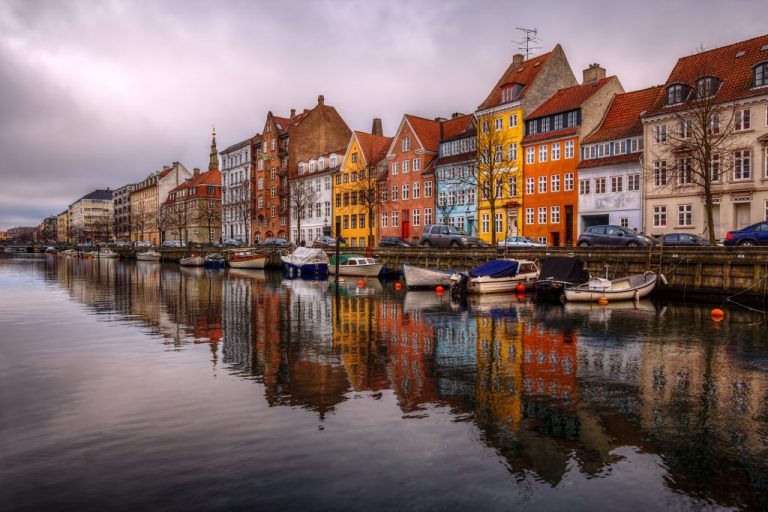
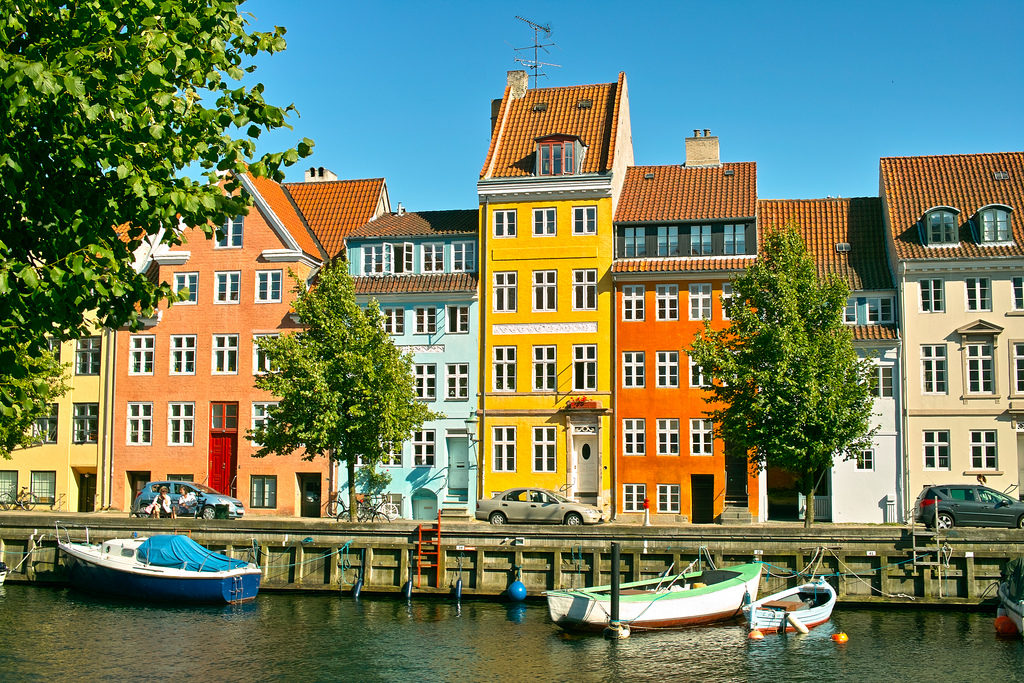
Cross the harbor via the Knippelsbro bridge to reach Christianhavn, one of Copenhagen’s oldest and most colorful residential areas, Christianhavn was built on an island in 1617 by Kristian IV and is surrounded by the original star-shaped ramparts.
Along the harbor wall, one of the meticulously restored warehouses is well worth a visit, the Danish Architecture Center which features various exhibitions, a bookshop and café.
Christianhavn is also the home of Christiania, the hippie-style “free city”
Christianhavn has changed enormously
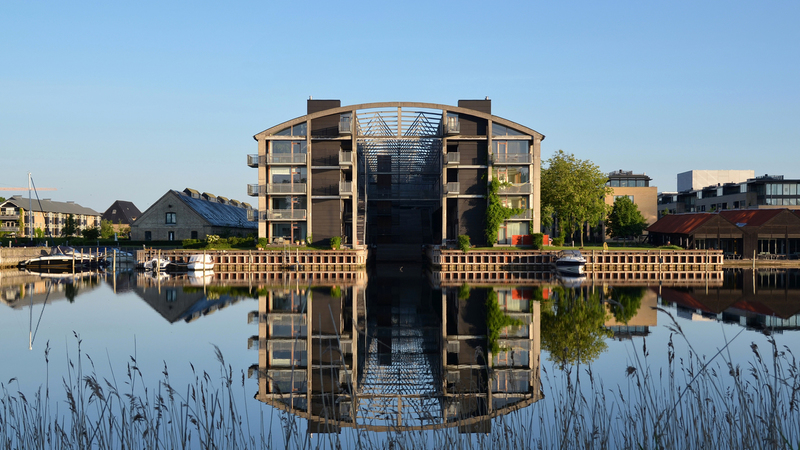
Until recently a run-down working-class area and Denmark’s largest shipyard, Christianhavn has changed enormously and now features a mixture of smartly renovated 18th-century city houses, big apartment blocks, old and new industry, a good deal of the state’s administration, laidback café-bars, some of the city’s finest restaurants and stunning new architecture.
It’s a real bohemian mixture, home to all kinds of people, and an area just made for wandering, take a stroll down the streets of Christianshavn and glance into the countryside of some of the oldest houses in Strandgade, stop for a coffee on Wildesgade and then to gaze at Amagergade 11, surrounded by old galleries and said to have the finest courtyard in town.
It’s a real bohemian mixture, home to all kinds of people, and an area just made for wandering or take a stroll down the streets
Christianhavn in Copenhagen
In the very bottom edge of Christianhavn is the city’s first floating hotel, CPH Living.
Christianhavn is also the home of Christiania, the hippie-style “free city”. The main entrance is on Prinsessegade.
From Holmen, Copenhagen
Two of Copenhagen’s more notable churches are on Christianhavn, Christianskirke in Strandgade is a rococo building from 1754. It was built as a theatre with boxes, including one for the royal family. The Church of Our Savior in Prinsessegade attracts the most attention. Built in red brick in 1694, its tall copper-clad tower with a spiraling external stairway can be seen from all over the city. The tower is open to visitors who are brave enough to climb through a maze of roof timbers and up the 150 gilded steps.
Holmen at Christianhavn
At the northern end of Christianshavn, a cluster of little islands, known as Holmen, were the Danish Navy’s base until the 1990s. Some interesting naval architecture remains, such as the 18th-century Mastekranen, used for fixing masts onto sailing ships.
Copenhagen Opera House
But the most recent buzz around Holmen was the creation of Copenhagen’s immense new Opera House. Designed by Henning Larsen, the building contains over 1,000 rooms and cost 2.5 billion Danish kroner.
Christianhavn in Copenhagen, written by Tor Kjolberg