Scandinavian Beauty Standards: Everything You Need to Know

The Scandinavian region is known for its stunning landscapes, rich culture, and flawless skin. Keep reading if you’re looking to achieve the perfect complexion, and learn everything you need to know about Scandinavian beauty standards.

The Scandinavian countries are well-known for their gorgeous blonde hair, stunning blue eyes, and pale skin. While the genes for these features may be something that you are born with, there are still some things that you can do to help achieve a flawless complexion like the Scandinavians.

There are a lot of standards of beauty in the world. But healthy and glowing skin is always in vogue. Heliotherapy Institute allows you to improve your skin condition with phototherapeutic devices. They can help you have a healthy and bright look and feel confident.

We will discuss the principles of Scandinavian beauty and a skincare routine that you can follow to get beautiful skin!

Scandinavian Beauty Standards: Everything You Need to Know
focus on using products that will hydrate and nourish the skin. Photo: Wisconsin Hemp Scientific/Unsplash

What does Scandinavian beauty mean?
The definition of Scandinavian beauty has changed dramatically over time. It was all about having pale skin, blue eyes, and blonde hair in the past. But today, it is all about achieving a natural and effortless look. It means that your skin should look healthy and glow without looking like you’re wearing much makeup. Nowadays, we have a chance to achieve the Scandinavian beauty standard.

Related: Hair Growth in Scandinavian Countries

Main Scandinavian beauty principles
There are a few essential Scandinavian beauty standards to have a flawless skin:

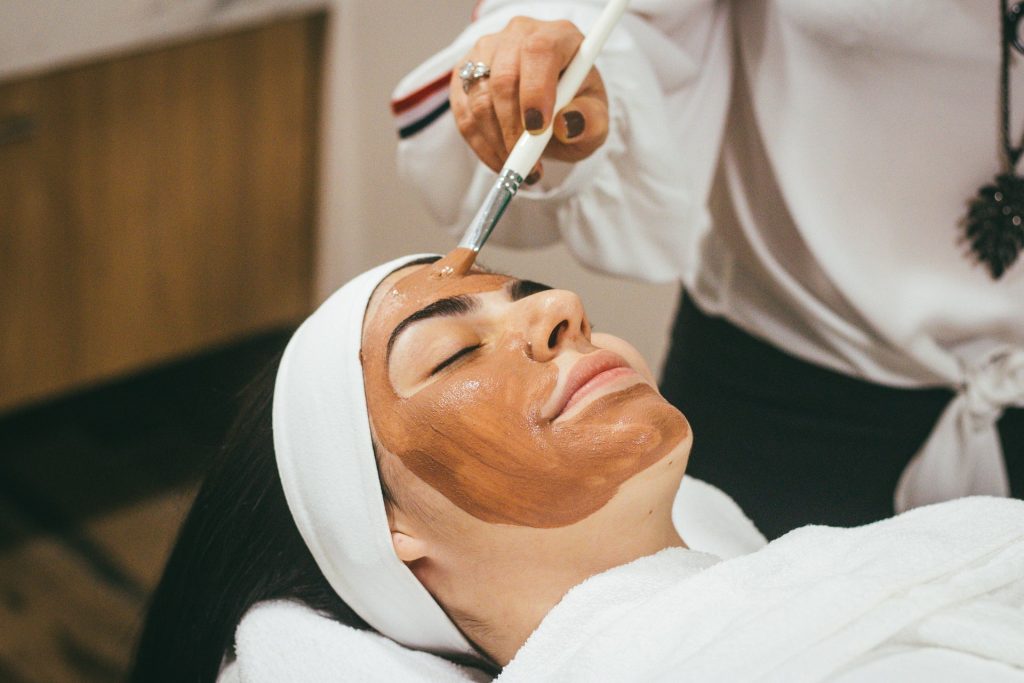
Keep your skincare routine simple and focus on using products that will hydrate and nourish the skin;  Invest in good quality products, don’t use many products; Get regular facials;

Minimal makeup is maximized: a natural, dewy complexion with a nude lip is the ultimate goal for Scandinavian beauty.

Below, we collected world-known principles of Scandinavian beauty.
Scandinavian Beauty Standards: Everything You Need to Know
Protect your skin from wind and sun damage by using hyaluronic acid products.Photo: Raphael Lovaski/Unsplash

Hydration is paramount
Scandinavians are known for their love of water, and it shows in their skin. The first step to getting flawless skin is hydration, both internally and externally. It means drinking plenty of water and using products that contain hyaluronic acid. A good rule of thumb is to apply a layer of lotion or cream within three minutes of stepping out of the shower or washing your face. Some simple skincare steps include:

Don’t forget to use face cream or lotion every day;

Use a gentle cleanser that won’t strip your skin of its natural oils;

Exfoliate once or twice a week with gentle circular motions;

Protect your skin from wind and sun damage by using hyaluronic acid products.

Related: Nose For Scandinavian Perfumes

Make your skincare seasonal
Like changing your wardrobe with the weather, you should also switch your skincare routine to match the temperature and humidity outside. In the colder months, you need products that will protect skin from the elements and help it retain moisture. Opt for richer creams and serums that will help your skin stay hydrated. You need lighter products that won’t clog pores or leave the skin feeling greasy in the summer, like gels and lotions.

Scandinavian Beauty Standards: Everything You Need to Know
Scandinavians understand that the sun’s UV rays can penetrate through clouds, so they never leave home without applying SPF. Photo: Karma

Never forget sunscreen
Scandinavians are diligent about sunscreen, even on cloudy days. They understand that the sun’s UV rays can penetrate through clouds, so they never leave home without applying SPF. Women often keep a small bottle of sunscreen in purses or backpacks for touch-ups throughout the day. And while you’re at it, make sure to apply a lip balm with SPF to keep lips hydrated and protected.

Scandinavian Beauty Standards: Everything You Need to Know
Scandinavian glacier water is some of the world’s purest and most refreshing water. Photo: Pure Nordic

Natural ingredients
Scandinavian women are known for their love of natural ingredients, extending to their skincare routine. Scandinavian glacier water is some of the world’s purest and most refreshing water. This water contains natural minerals and nutrients that hydrate and nourish the skin. Scandinavians have long been using cloudberry oil to achieve flawless skin. The oil is rich in Vitamin C and antioxidants, making it an excellent choice for those seeking to improve their complexion. According to Scandinavian standards, the next step is incorporating pure omega oils into your beauty routine. Omega-three and omega-six fatty acids are essential for maintaining healthy skin cell membranes, which protect against environmental damage and help keep skin hydrated.

Incorporate these natural ingredients into your skincare routine to achieve flawless skin like a Scandinavian woman.
Scandinavian Beauty Standards: Everything You Need to Know
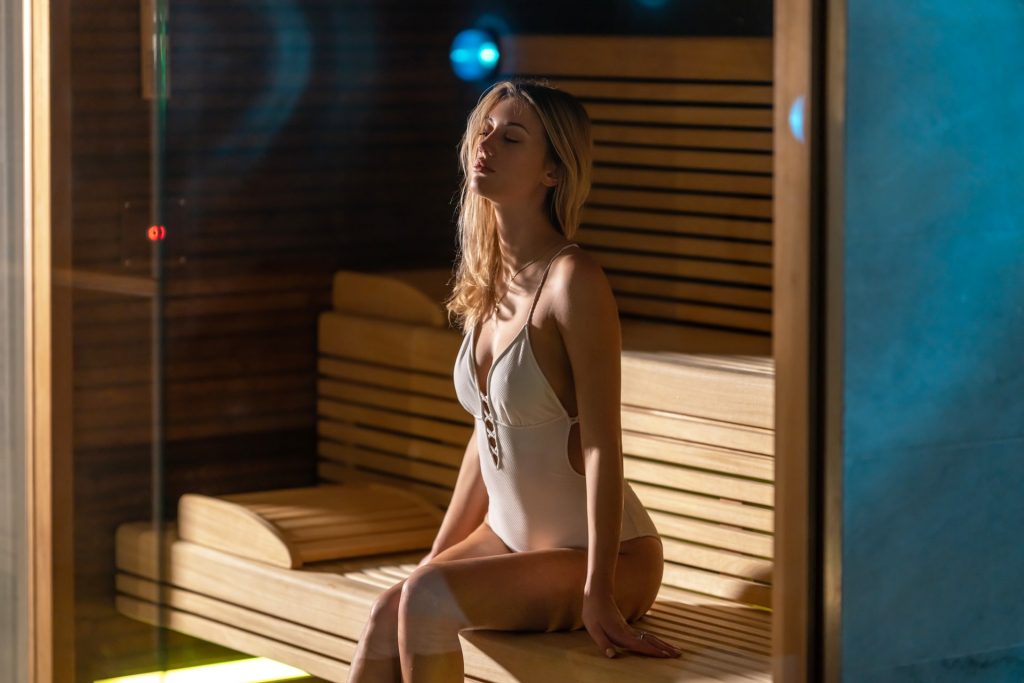
The dry heat of a sauna can help open up pores, making them easier to cleanse. Photo: Crystalweed Cannabis/Unsplash

Related: Organic Luxury From Sweden

Stop by a sauna
Saunas are a staple in Scandinavian culture, and for a good reason. They are incredibly relaxing, but the heat and steam are great for your skin. The dry heat of a sauna can help open up pores, making them easier to cleanse. It can also improve circulation and increase sweating, great for detoxifying the skin. No worries if you don’t have access to a sauna. You can create your at-home spa day by running a hot bath and adding some eucalyptus or lavender oil to the water, followed by a cold rinse.
Scandinavian Beauty Standards: Everything You Need to Know
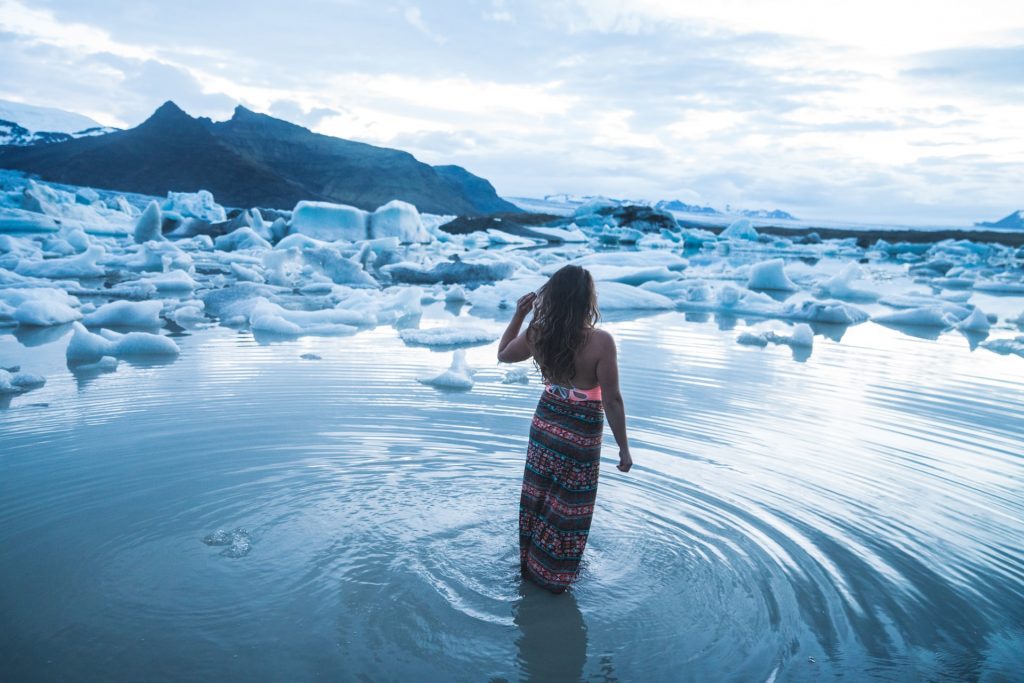
One of Scandsinavians’ favorite winter pastimes is taking ice-water facials, which improve circulation, give your skin an instant glow, and help reduce inflammation. Photo: Keeyahtay Lewis/Unsplash

Embrace the cold
Scandinavian winters are known for being long, dark, and cold. And while most people would prefer to hunker down indoors during this time of year, the Scandinavians have found a way to make the most of it. One of their favorite winter pastimes is taking ice-water facials, which improve circulation, give your skin an instant glow, and help reduce inflammation. They’re also incredibly refreshing and invigorating — exactly what you need to get through a long winter’s day.

Skincare extends beyond the face
One of the most important things to remember when achieving flawless skin is that your skincare routine should not stop at your face. Your neck, chest, hair, and even hands are susceptible to sun damage, dryness, and aging. Be sure to include them in your skincare routine!

Beauty from the inside out
The Scandinavian approach to beauty is all about taking care of yourself from the inside out. You should keep a healthy diet, get enough sleep, and do sports regularly. The Nordic diet is rich in omega-three fatty acids, fruits, and vegetables essential for healthy skin. Scandinavians typically go to bed early and get up early, giving their bodies the time to rest properly. Also, they use natural, organic products on skin and hair.

Scandinavian Beauty Standards: Everything You Need to Know
Brands like IDUN Minerals and Lumene have become household names in the beauty world, thanks to their high-quality products and commitment to natural ingredients. Photo: Lumene

Scandinavian famous beauty brands
Scandinavian women are known for their flawless skin, and it’s no wonder that some of the world’s most famous beauty brands hail from Scandinavia. Brands like IDUN Minerals and Lumene have become household names in the beauty world, thanks to their high-quality products and commitment to natural ingredients. Also, you should know about Pixi, Verso, Nuori, Sachajuan, and Foreo.

Scandinavian Beauty Standards: Everything You Need to Know – Summary
The Scandinavians have some of the perfect skin in the world. The women (and men) of Sweden, Norway, Denmark, and Finland are known for their porcelain-like complexions, which they achieve by following a few simple steps. We have collected everything you need to know about getting flawless skin like a Scandinavian. Use these pieces of advice and shine with healthy and pure skin.

Scandinavian Beauty Standards: Everything You Need to Know
Jessie Luis

Scandinavian Beauty Standards: Everything You Need to Know, written exclusively for Daily Scandinavian by Jessie Luis. Jessie is a public health expert and a contributor at Heliotherapy Institute. He aspires to continuously contribute an in-depth range of health guides and helpful information on health and beauty while providing valuable tips with his written articles.

Feature image (on top): © Oriflame
Snapshots From Norway

The Berlin-based Norwegian photographer Benjamin Alexander Huseby (b. 1978) has won critical acclaim for its streetwear aesthetic that offers an alternative to today’s overconsumption. In 1997, he began making fashion imagery for high-profile international stylists. His work has been shown at notable galleries world-wide, from the Whitechapel Art Galley in London to the KunstWerke in Berlin and the Fotogalleriet in Oslo. In this article we share with you some of his private snapshots from Norway.

Bernjamin grew up outside Oslo in Norway. He came to Chelsea School of Art in London to study Fine Art in 1997 and began making fashion imagery for Dazed & Confused magazine. Since then, he has gone on to work with high-profile stylists including Nicola Formichetti, Katy England, Alister Mackie, Cathy Edwards, Mattias Karlsson and Jane How. He has contributed to i-D, Vogue (US and UK), V, V Man, AnOther Magazine, AnOther Man, Pop, Arena Homme + and Self Service.

Related: The World of Ski Photography

Sehrat Isik and Huseby met on a Berlin dance floor in 2015. Isik is Turkish and German, while Huseby is Norwegian and Pakistani. Isik had just left a Berlin-based collective Bless, where he was in charge of menswear design, and Huseby was working as a freelance fashion photographer, shooting for Fantastic Man, i-D, Vogue, Acne Paper and Harper’s Bazaar.

Related: The Best of Postcards From Norway

They founded GmbH together, and their stockists include Barneys New York , SSense and Dover Street Market.

Snapshots From Norway
“Mushrooms are not something to play with”, says Alexander

Related: The Beauty of Norway From Behind A Camera

The Berlin-based fashion sensation takes its cues from the German capital’s club culture, but it’s the glory of nature that excites Benjamin more than anything else. Here, he dives into his archive overflowing with memories of his home country, Norway. It’s a picture-perfect universe of self-picked food, lead red farms and barns, hikes, canoe trips and skiing to school.

Snapshots From Norway
“This farm with its typical red barn is very close to where I grew up”, says Alexander

“I love Berlin but I just wish I could step out into a beautiful garden instead of on a city street,” says Benjamin.

Snapshots From Norway
“This is me. My mom took this picture.”
Snapshots From Norway
Mushrooms, from his book Weeds & Aliens

“I made a book called Weeds & Aliens of all these edible plants that I found in Berlin on the way from my home to the studio”.

Snapshots From Norway
It’s the glory of nature that excites Benjamin more than anything else.

“There’s no way we can allow ourselves to come out of this Coronavirus crisis and not change anything and just pretend we can go on as normal. This moment is a great opportunity for change.”

Snapshots From Norway
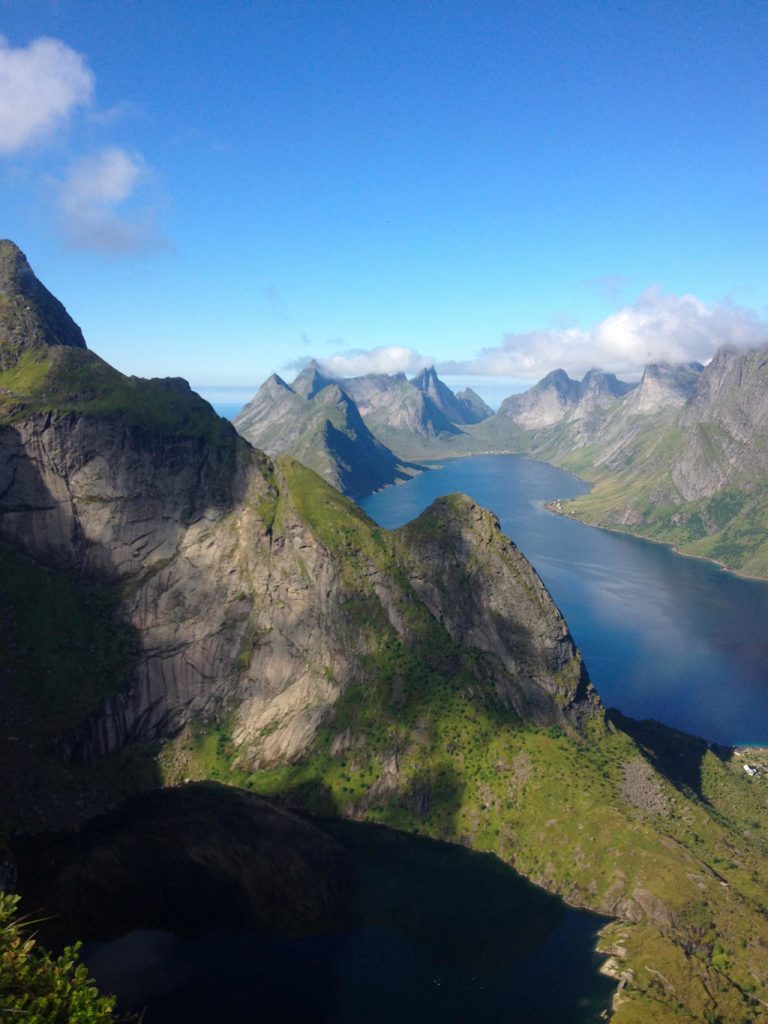
“This is me on Rondeslottet, one of Norway’s highest mountains”.

Snapshots From Norway compiled by Tor Kjolberg

All images ©  Browns. Browns changed the course of fashion retail history when it opened in 1970, as a leader in fashion and the UK’s first multi-brand luxury boutique. A champion of next generation design, Browns continues its legacy, sourcing fresh talent to add to its ever-growing community of creative innovators.

Accessible, Tranquil, And Fun – Why Copenhagen Is The Ideal City For Seniors

Ranking as the most livable city in Europe and ninth in the entire world, Copenhagen is the ideal destination for everyone, and particularly seniors. Not only does Copenhagen offer endless beautiful views, historic sights, and a relaxing, laid-back atmosphere around its colourful, vibrant waterfront, but it’s also extremely accessible and easy to explore. Seniors looking to book their next vacation are bound to fall in love with this beautiful and unique city. Accessible, tranquil, and fun – learn why Copenhagen Is the ideal city for seniors.

Easy to explore
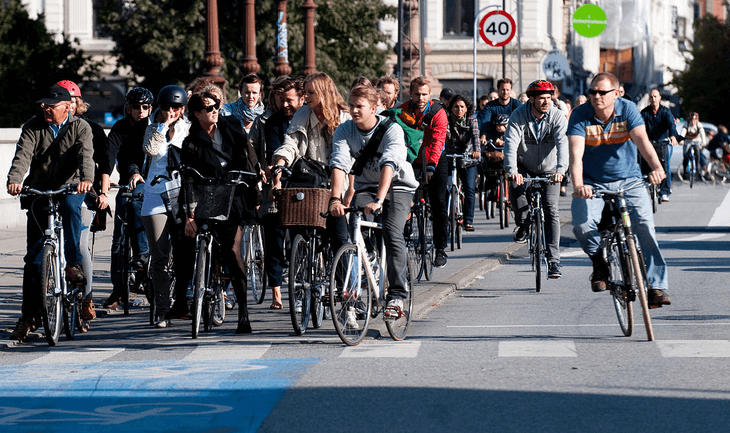
Copenhagen is exceptionally easy to explore. In fact, it’s even been crowned as the world’s most bike-friendly city — which is great news for seniors. Aside from just being a fast, fun, and affordable mode of travel, biking has plenty of health benefits, including, boosting mental and physical wellbeing, stalling the ageing process, and minimising risk of falls in daily life. Biking also gives seniors the opportunity to explore the city in a local and authentic way. For example, guided urbanism and architecture bike tours are focused on highlighting urban life, architecture, and cycling culture around the city. Seniors can enjoy exploring some of the best bike paths in the city, as well as special places off the beaten track.

Accessible, Tranquil, And Fun - Why Copenhagen Is The Ideal City For Seniors
Copenhagen has been crowned as the world’s most bike-friendly city — which is great news for seniors. Photo: The City of Copenhagen’s Bicycle Strategy, Copenhagen, Denmark – © By heb@Wikimedia Commons (mail) – Own work, CC BY-SA 3.0

Accessible attractions
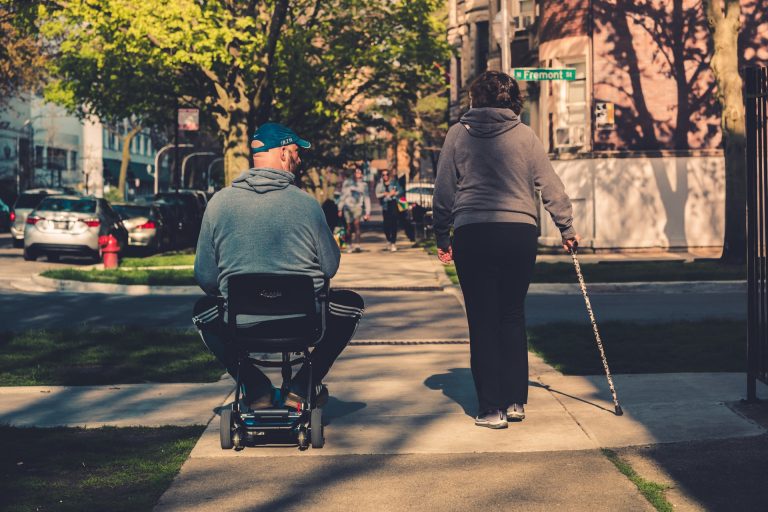
Seniors with disabilities or mobility issues can rest assured Copenhagen is extremely easy to navigate. An abundance of accessible streets and public toilets makes getting around the city as easy as possible for everyone. All buses also feature wheelchair ramps, while lifts are also installed in all metro stations. Copenhagen’s attractions are also usually wheelchair-friendly with wheelchairs available to rent for the visit free of charge. For example, the National Museum of Denmark is Denmark’s largest museum of cultural history, and it’s also wheelchair-friendly with lifts on every floor and accessible restrooms. Wheelchairs are also available to borrow at the museum. Moreover, accessible landscaping is increasingly a priority for all businesses to better attract as many customers as possible. Disability-first principles like wheelchair accessibility and pathways are key to ensuring outdoor spaces are welcoming to all visitors.

Accessible, Tranquil, And Fun - Why Copenhagen Is The Ideal City For Seniors
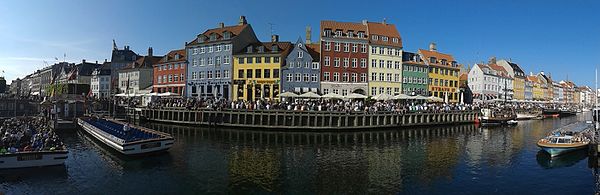
Nyhavn, in particular, is one of the most iconic waterfront neighbourhoods in Copenhagen . Photo: Wikipedia

Tranquil relaxation
Offering a casual, laid-back atmosphere, Copenhagen is also the ideal destination for rest and relaxation. Seniors can enjoy wiling away the afternoons in one of the many charming waterfront cafes overlooking the city’s tranquil canals. Nyhavn, in particular, is one of the most iconic waterfront neighbourhoods in Copenhagen — here you’ll find no shortage of gorgeous views of the city’s harbour along with a host of delicious and varied dining options.

Additionally, Copenhagen also offers plenty of canal tours to provide seniors with the unique opportunity to explore the many fascinating and historic canals. Italian-inspired gondola tours are even available to provide a fun yet peaceful and relaxing Venice-style experience right in the middle of Copenhagen.

Accessible, Tranquil, And Fun - Why Copenhagen Is The Ideal City For Seniors
The National Museum of Denmark is Denmark’s largest museum of cultural history, and it’s also wheelchair-friendly with lifts on every floor and accessible restrooms. Photo: Tor Kjolberg/Daily Scandinavian

Copenhagen is the ideal destination for seniors. As it’s easy to explore and accessible with plenty of opportunities for rest and relaxation, this inviting and historic city is undoubtedly the perfect fit for mature travellers.

Accessible, Tranquil, And Fun - Why Copenhagen Is The Ideal City For Seniors
Karoline Gore

Accessible, Tranquil, And Fun – Why Copenhagen Is The Ideal City For Seniors, written exclusively for Daily Scandinavian by Karoline Gore. Karoline is a freelance writer from Stoke on Trent in the UK who left the corporate grind when she started a family and has never looked back. She enjoys contributing to a range of online publications on the topics that are important to her.


Other articles by Karoline Gore you might like to read:

Enjoying Scandinavia by Road the Eco-Friendly Way
Enjoy a Family Fishing Adventure in Sweden
Why There Is No Plan B for Sweden’s Bee Population

Feature image (on top): Photo by Max Bender / Unsplash

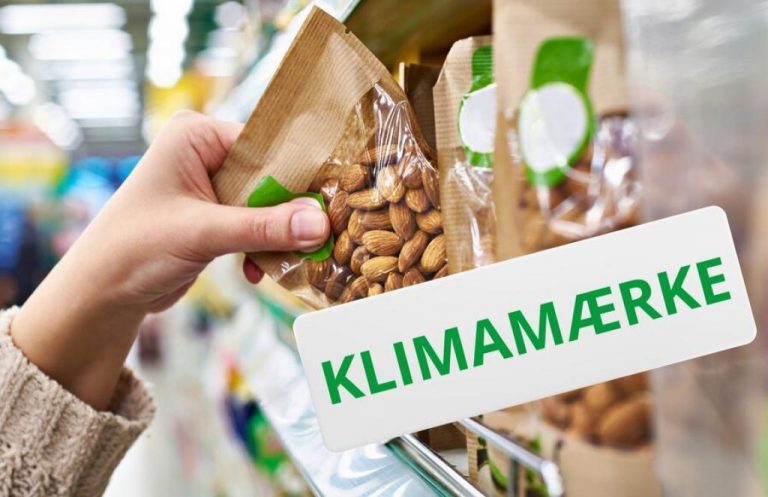
Voluntary Climate Labelling in Denmark

In April 2022, the Danish Ministry of Food, Agriculture, and Fisheries announced it would begin funding the development of a climate label for food, making Denmark the first country to do so. The voluntary climate labeling in Denmark is intended to enforce transparency while minimizing consumer confusion over a multitude of different labels on food products.

The plan is to become carbon neutral by 2050.The program goals are to promote climate-friendly food production and help shoppers make “green” choices when buying food.

However, this is not Denmark’s first foray into environmental labelling. Last year, the Danish official dietary guidelines included carbon emissions for the first time, offering its citizens advice on how to have a climate-friendly diet. The announcement of climate labelling on food therefore appears to be a conscious directive to instill social responsibility at the heart of Danish consumption.

Voluntary Climate Labelling in Denmark
Dr. Adrian Camilleri from the University of Technology Sydney and Duke University describes the current lack of transparency. Photo: YouTube

Related: How The Nordics Ares Standing Up To Climate Change

Officials from the Danish Ministry of Energy, Utilities, and Climate stated that the Government is proposing to work with supermarkets to place stickers on all food products that clearly indicate their carbon footprint.

Research from the University of Technology Sydney and Duke University suggests that using labels that are easy to understand may create demand for responsibly produced food. Lead author of the research, Dr. Adrian Camilleri, describes the current lack of transparency, “With an appliance such as a heater you can feel the energy used and see an electricity bill at the end of the month, so the impact is quite salient, whereas the impact of food production is largely invisible.”

A credible nationwide system will be hugely important to empower consumer decision-making on food and could help to inspire similar policies around the world. It is notable that Denmark’s actions come ahead of the European Union’s proposal for a Europe-wide food labelling framework at the end of 2022. As the European Commission forbids Denmark to demand all foods carry a climate label, voluntary labelling may suffer from limited visibility and misinterpretation.

Voluntary Climate Labelling in Denmark
The plan is to become carbon neutral by 2050

Related: The Danish Energy Island

The Danish government has set aside 9 million kroner (equal to $1.3 million US dollars) and established a working group led by the Danish Veterinary and Food Administration to create a labeling proposal. The Danish Plant-Based Association will help to create standards for the labels.

Minister for the Environment Lars Christian Lilleholt says that giving consumers easy access to information is important, but accurate labeling comes with a long list of challenges. The labels may have to consider water and land usage, life-cycle analysis, greenhouse gas emissions, and carbon footprint from transport. Director of the Danish Agriculture & Food Council, Morten Høyer, approves of the proposal, but notes a challenging component: nutritional value. “It might be necessary to weigh up the environmental impact against the nutritional value of the product. A bottle of soda may have a low environmental impact, but it is not a product you can live on,” says Høyer.

Voluntary Climate Labelling in Denmark
“Giving consumers easy access to information is important, but accurate labeling comes with a long list of challenges,” says Minister for the Environment Lars Christian Lilleholt. Photo: Siemens Gamesa Renewable Energy

According to GlobalData’s 2021 Q1 consumer survey, over a quarter (27%) of Danish consumers are often or always influenced by how ethical, environmentally friendly, or socially responsible a product is. This sentiment ranks lower than the global average of 42% but does suggest significant attention is paid to how a product is presented. When asked more specifically about carbon footprint labelling on product packaging, GlobalData’s Q3 2021 consumer survey reveals that while Denmark still falls below the global average (60%), but two in five (40%) of its population are influenced positively to some extent by such information.

Voluntary Climate Labelling in Denmark
Director of the Danish Agriculture & Food Council, Morten Høyer, approves of the proposal, but notes a challenging component: nutritional value. Photo: Dansk Industri

Denmark currently produces seven tons of carbon dioxide per year, with two tons coming from food-related purchases. According to Rasmus Prehn, the Danish Minister of Food, Agriculture, and Fisheries, Danes want to eat more climate-friendly foods but do not know how to make those choices. A standardized, government-controlled labeling system will make it easier for consumers to determine which foods are better for the environment.

Voluntary Climate Labelling in Denmark
“Danes want to eat more climate-friendly foods,” says Rasmus Prehn, the Danish Minister of Food, Agriculture, and Fisheries

Related: Domestic Fossil Fuel Free Flights In Denmark 

On the surface, eco-labelling supports the green values that are increasingly evident among European consumers. However, Danish retailers will need to balance this new initiative with other consumer desires, such as those for ethical certifications or minimalistic packaging. Excessive jargon may mislead consumers, so user-friendly visual designs will be vital to ensure climate action is well presented on food packaging.

Denmark, which ranked 17th in the world in the Climate Change Performance Index, announced the proposal last year in the wake of the Intergovernmental Panel on Climate Change report highlighting the consequences of global warming.

Voluntary Climate Labelling in Denmark, written by Tor Kjolberg

Around Lake Vättern in Sweden

Lake Vättern covers an area of 1,912 sq km (/38 sq miles). The areas around Lake Vättern in Sweden is worth a visit!

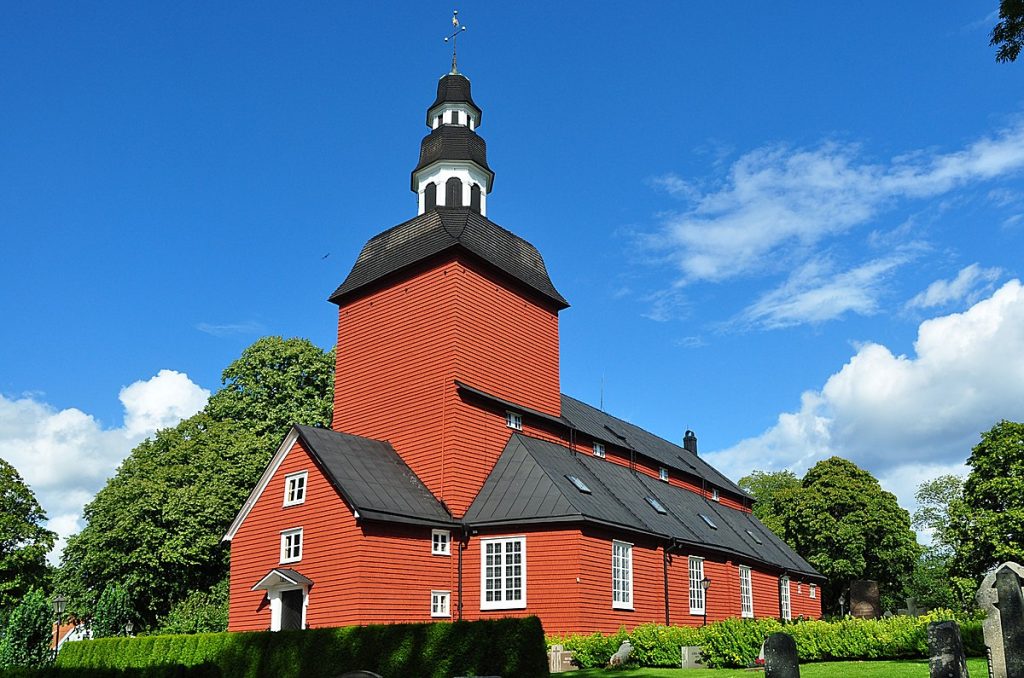
Habo Church
Near the southern tip of the lake, on the west side, is the 14th century timber-built Habo Church, southwest of Habo village. It features an outstanding painted interior, the work of Johan Christian Peterson and Johan Kinnerus, between 1741 and 1743, illustrating Luther’s catechism and biblical scenes.

Related: Enjoy a Fishing Adventure in Sweden

Around Lake Vättern in Sweden
The 14th century timber-built Habo Church. Photo: Wikidata

The 1892 steamer Trafik
Traveling north along the lake, stop at the small waterside resort of Hjo, to enjoy freshly smoked whitefish. Then tour the town in a horse-drawn carriage, or cruise on the lake in the 1892 steamer Trafik. In summer, Hjo hosts the largest craft festival.

Around Lake Vättern in Sweden
Cruise on the lake in the 1892 steamer Trafik. Photo: vastsverige.com

Related: The Cradle of Sweden

Around Lake Vättern in Sweden
Sweden’s second oldest cathedral (after Lund), dating from the 11th century. Photo: Wikipedia

Sweden’s second oldest cathedral
Skara, 50km (31 miles) to the west of Hjo, has Sweden’s second oldest cathedral (after Lund), dating from the 11th century. Skara Sommarland, 8 km (5 miles) east of Skara on route 49, is a delight for children, with numerous attractions from lunar vehicles to a giant water park.


Related: The Great Lakes in Sweden

For birdwatchers
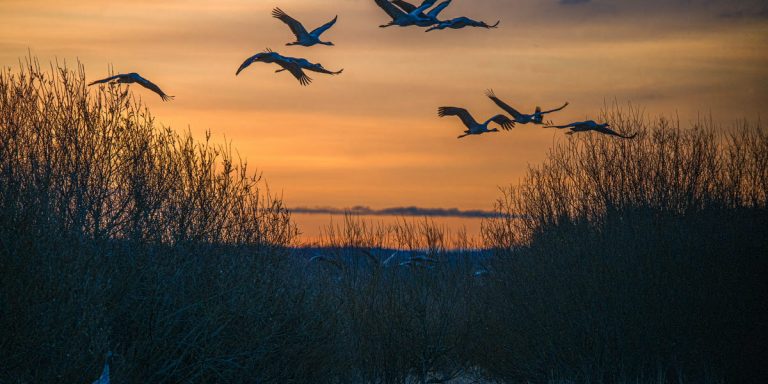
Around 10km (6 miles) southeast of Skåra on route 184 is Hornborgasjön (image on top), a wildlife area with more than 100 species of birds. This is a stopover for migrating cranes.

Around Lake Vättern in Sweden, compiled by Tor Kjolberg

Feature image (on top): Hornborgasjön. Photo © Elisabeth Landberger / vastsverige.com

Fruit from Scandinavia

Fruit can be grown all over Scandinavia – apples and rhubarb almost up to very north and pears, plums and cherries in almost all of it. Learn more about fruit from Scandinavia.

The gulf stream makes it possible to grow fruit much farther north than in similar latitudes in America.

There has been much research into finding and developing hardy cultivars and rootstocks of fruit to suit even the harshest climates, and the worst situations, and people grow fruits in almost every garden across Scandinavia. This is necessary if you want a more flavored fruit as most of the fruit in the shops are imported.

Fruit from Scandinavia
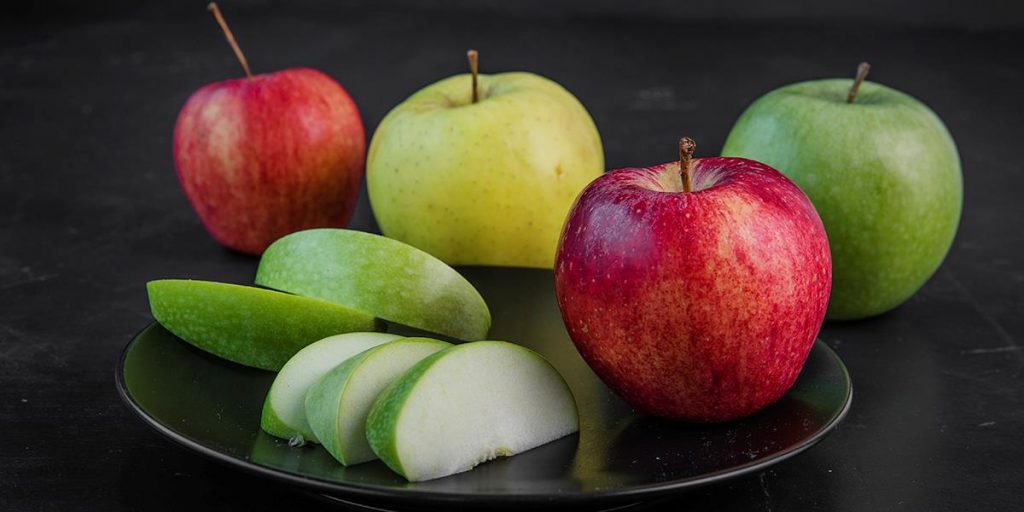
Glazed apples. Photo: Spar

Related: A Taste of France in Hardanger, Norway

Fruit grows in cool summers, with daylight almost till midnight, and even longer in the far north, has a special sweetness, a very thin, crisp skin, and lots of taste. It’s very different from fruits grown in warmer climates. There is a rising interest in growing – and eating – old tasty cultivars, and awareness after many years of bland imported fruit, to take care of it, preserve the cultivars, and support the growers by gorging on it when it is in season.

Local fruit can now be found with little effort in markets, and good supermarkets, and the trees can be found in special nurseries to grow yourself.

Related: Everything Smells of Apples in Hardanger

Fruit from Scandinavia
Fruit grows in cool summers, with daylight almost till midnight, and even longer in the far north, has a special sweetness, a very thin, crisp skin, and lots of taste. Photo: Coop

Scandinavians love fruit, especially in cakes ad desserts, but also in savory cooking. Scandinavians have a love of eating apples, cherries, plums and rhubarb with meat and fish; we stuff the roast for Christmas with apples and prunes, and serve both sweet and savory fruit preserves and compotes with fried fish, chicken, game and venison.

Related: Apple Art in Southern Sweden

Fruit is preserved in a multitude of ways: dried, pickled, jellied, jammed – and all the nice things in between.

Scandinavian Apple compote
Apple compote is a very basic commodity in Scandinavia, and extremely versatile. We can eat it on hot oatmeal, with blackberries and cream, make it into old-fashioned apple cakes, use it as a topping for pork sandwiches, or eat it just as a snack.

It makes sense to prepare a large quantity, which you can dust with granulated sugar and keep in the fridge; it will disappear in a few days.

Fruit from Scandinavia
Apple compote. Photo: Wikipedia

2.5kg cooking apples, peeled and cored
500g sugar, or to a taste

Put the apples in a non-corrosive pan, add 50ml water, and put it on the heat with a lid on. The apples will disintegrate into a fluffy, white cloud. Check once in a while and stir with a spoon until the last of the apples has softened. But small chunks are no problem.

Cool a little, then add more sugar if needed; note that the compote will taste a little less sweet when cold. If you ae going to eat the compote with cream and berries you must leave room for a sprinkling of sugar on top.

Fruit from Scandinavia, written by Tor Kjolberg

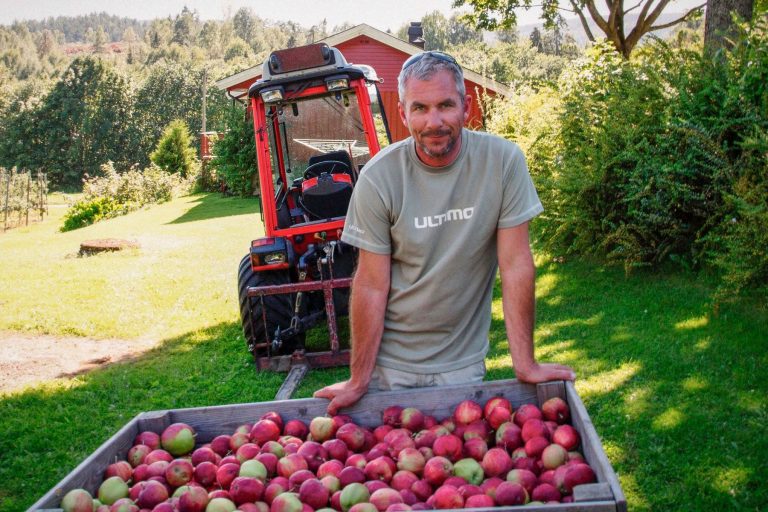
Feature image (on top) Photo © Norsk-Landbrukssamvirke / John-Trygve-Tollefsen

Danish Sculpture in Hong Kong Recreated in Norway

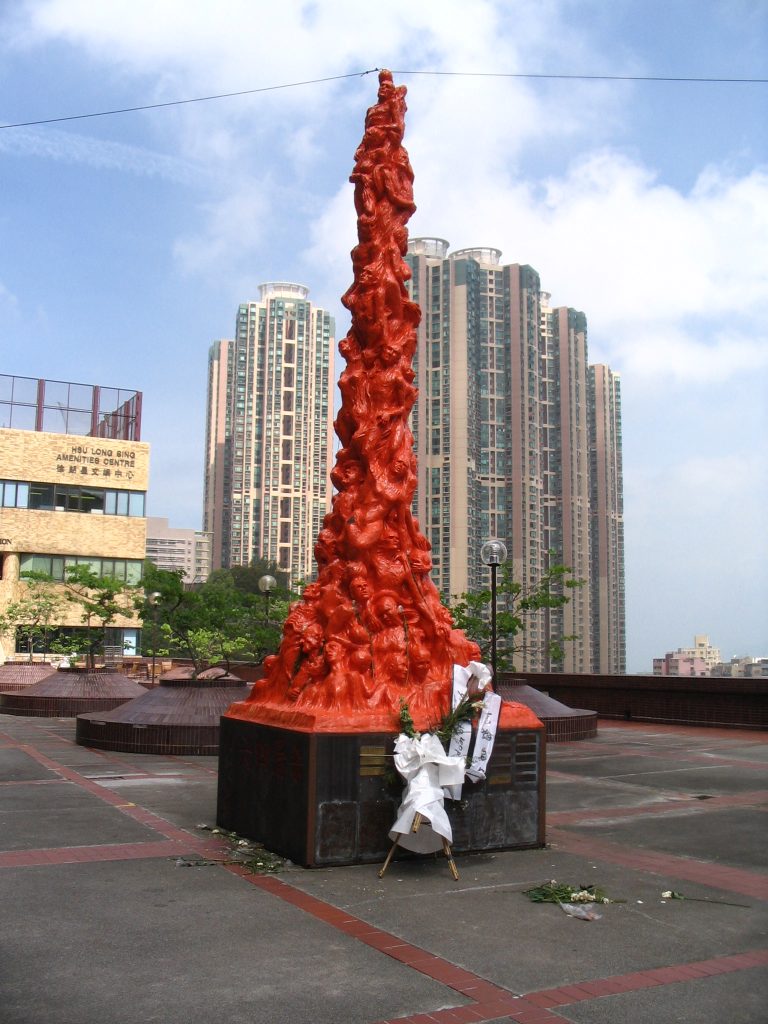
For almost 25 years, the soaring “Pillar of Shame” by Danish sculptor Jens Galschiøt stood on the University of Hong Kong (HKU) campus to honor victims of the 1989 Tiananmen Square massacre. When officials from the University of Hong Kong removed the pillar in December 2022, they took away a historic symbol of freedom in one of the most important locations in Hong Kong. They did so in a concerted effort to erase history and collective memory; in that effort, they will not succeed and the Danish sculpture in Hong Kong has been recreated in Norway.

The sculptor has always claimed that the status symbolism would live forever, and on May 25, a full-scale replica of the 8 meter-tall (16-foot) sculpture was unveiled by Jens Galschiøt at the University Garden in Oslo in Norway.

Related: The Freedom of Expression in the Nordic Countries

Danish Sculpture in Hong Kong Recreated in Norway
The sculptor has always claimed that the status symbolism would live forever. Photo: Fox Metronews

Installed in 1997
The Pillar was installed at the University in 1997, shortly before the handover of Hong Kong to the People’s Republic of China. With its many twisted faces and skulls crushed together, it was not something that was meant to be easy to look at or admire. Like the truth about the events of June 4, 1989, it is designed to make the viewer uncomfortable, and hence unable to forget this part of history.

Hong Kong was the only place in China where people could openly gather on an annual basis to remember those whose lives were lost under the tanks of the People’s Liberation Army. The Pillar of Shame and the annual candle vigil gatherings in Victoria Park were the symbol of Hong Kong as the last beacon of freedom and democracy in China. The hope was that one day those who perished in Tiananmen would lay the foundation of a better China.

Shortly after the ceremony in Oslo, the Danish artist said over the phone to CNN, “The message is to show the world that we’re still talking about Hong Kong, we won’t forget Hong Kong and we won’t forget what China is doing in Hong Kong.” The ceremony was attended by Norwegian parliamentarians, Hong Kong activists and the dissident Chinese artist Badiucao.

Related: Norway Criticizes Qatari Human Rights Record at FIFA Congress

Danish Sculpture in Hong Kong Recreated in Norway
In 1923, Sun Yat-sen gave his famous speech about his hopes for a democratic and modern China.Photo: Wikipedia

A shameful event which must never recur
According to Galschiøt, the sculptures remind people of a shameful event which must never recur. The torn and twisted bodies of the sculpture symbolize the degradation, devaluation and lack of respect for the individual. The black color symbolizes grief and loss and the sculpture, which represents the victims, expresses the pain and the despair of the event. It can be used by both sides in complicated conflict situations, where it can be difficult to point out the guilty party.

The Pillar’s location on campus had a deeper significance. The University has over the past century nurtured countless thinkers and leaders. It was there that, in 1923, Sun Yat-sen gave his famous speech about his hopes for a democratic and modern China, saying, “I feel as though I have returned home, because Hong Kong and the University of Hong Kong are the birth place of my knowledge.” Among other activists who followed in the footsteps of Sun at the University was Benny Tai, one of the organizers of Occupy Central, a peaceful movement led by him and others in 2014 to fight for democratic reform in Hong Kong.

Danish Sculpture in Hong Kong Recreated in Norway
The Pillar was installed at the University in 1997, shortly before the handover of Hong Kong to the People’s Republic of China. Photo: Virtual Student Exchange

Painted orange
On 30 April 2008, the Pillar of Shame was painted orange as part of the project The Color Orange, to raise awareness about human rights in China. As the sculptor Galschiøt was denied access to Hong Kong, the Hong Kong Alliance in Support of Patriotic Democratic Movements in China painted the Pillar without his participation.

Related: Scandinavia – the Most Democratic Countries in the World

Removed in October 2021
In October 2021 the University of Hong Kong, represented by law firm Mayer Brown, formally requested that the statue be removed, although they did not cite any specific reason for the request. The university released a statement claiming that the statue belonged to “an external organization” which had publicly announced its disbandment – referring to the Hong Kong Alliance – and that it had written to the Alliance based on the “latest risk assessment and legal advice” to request the removal. Galschiøt said that he was “shocked” when hearing the news about the potential removal and that he, who considered himself as remaining the owner of the statue, had never been contacted by the university in the matter.

On 15 October, Mayer Brown announced that it would no longer be representing the university in the matter of the statue, while retaining it as a client. The move came days after intense pressure, including an open letter penned by 28 civil society groups, as well as by overseas intellectuals.

Coordinated by Amnesty International and the non-profit organization Hong Kong Committee in Norway, the new sculpture will be on display in the university’s garden through 20 June. A commemorative event took place there on June 4 to mark 33 years since the military crackdown in Tiananmen Square, where pro-democracy protests were violently crushed by armed Chinese troops.

The old cannot kill the young forever
On the base of the statue, the history and pictures of the massacre are carved in and engraved into the base, in both English and Chinese, are the words “The Tiananmen Massacre”, “June 4th 1989” and “The old cannot kill the young forever.”

Today, Beijing no longer recognizes the words and spirit of the Sino-British Joint Declaration, an international treaty signed by the People’s Republic of China in 1984 and registered with the United Nations that guaranteed Hong Kong’s freedom. With the imposition of the National Security Law and the wholesale takeover of all aspects of life in Hong Kong by the authoritarian Communist government, there is now no place left for freedom.

Jens Galsciøt and "My Inner Beast". Photo: WikipediaThe open commemoration of the Tiananmen Massacre will not be tolerated under the “new” Hong Kong. Leaders of the opposition, like Tai, journalists, radio hosts, student leaders, and countless others, are now in prison. Charged with subversion and sedition, they are looking at years in jail simply for speaking out and fighting for freedom and democracy.

Focus on student activism, freedom of expression and human rights
In a statement provided to CNN, the University of Oslo’s rector, Svein Stølen, said the statue shared his school’s values of “student activism, freedom of expression, democracy and human rights.”

Using more than 900 photos of the work, activist group Lady Liberty Hong Kong created an open-source 3D version that can be downloaded and used to produce replicas. The digital model has also been turned into an augmented reality (AR) file, allowing users to erect the statue, virtually, anywhere in the world.

The original Pillar of Shame was erected in Rome ahead of a Food and Agriculture Organization summit, to commemorate victims of hunger worldwide. Other versions of the work were installed in Mexico and Brazil to pay tribute to those killed in the Acteal and Eldorado dos Carajás massacres, respectively.

Danish Sculpture in Hong Kong Recreated in Norway, written by Tor Kjolberg

Feature image (on top): Photo by Wikipedia

Hair Growth In Scandinavian Countries

First of all, I want to discuss about some interesting facts about hair growth in Scandinavian countries.

Hair growth Facts
There is a lot of variation in hair growth rates among different people, and even among different parts of the body. However, on average, it is thought that human hair grows at a rate of around 0.5 inches (1.3 cm) per month. This means that the average person can expect to grow 6-7 inches (15-17 cm) of hair per year.

Scandinavian countries have been found to have some of the fastest hair growth rates in the world. In one study, it was found that the average person in Norway grows their hair at a rate of around 0.8 inches (2 cm) per month. This means that the average Norwegian can expect to grow 9.6-10.8 inches (24-27 cm) of hair per year.

Hair growth in Scandinavian countries
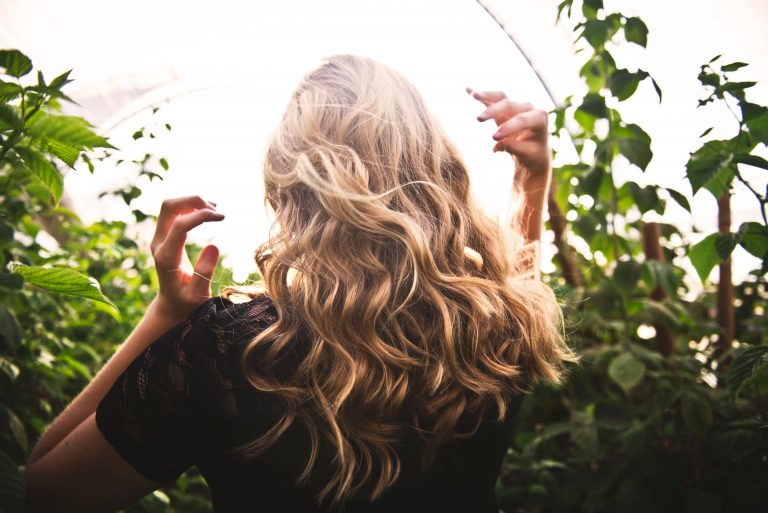
The average person can expect to grow 6-7 inches (15-17 cm) of hair per year. Photo: Lindsay Cash/Unsplash

The reason for this faster growth rate is not fully understood, but it is thought to be due to a combination of factors, including diet, genetics, and climate. For example, it is known that people who eat a lot of protein tend to have faster hair growth, and that people who live in colder climates tend to have faster hair growth than those who live in warmer climates.

Whatever the reason, if you’re looking for long, luscious locks, Scandinavia might just be the place to go!

Hair Problems Overview
There are many hair problems that people in Scandinavian countries face. One of the most common problems is dry and damaged hair. This can be caused by a number of factors, including the weather and the use of harsh chemicals.

Another common problem is dandruff. Dandruff is a condition that causes the scalp to shed dead skin cells. This can be caused by a number of factors, including the use of harsh chemicals, an unhealthy diet, and a build-up of oil on the scalp. If you are experiencing any hair problems, it is important to see a doctor or a hairstylist. They will be able to diagnose the problem and recommend the best course of treatment.

Hair growth in Scandinavian countries
Scandinavian countries have been found to have some of the fastest hair growth rates in the world. Photo: Kyle Smith/Unsplash

There are many hair products on the market that claim to be able to treat hair problems. However, it is important to remember that not all of these products are effective. Some of them may even make the problem worse. If you are looking for a product that can help with your hair problems, you should look for one that contains natural ingredients. There are many products on the market that contain natural ingredients, but not all of them are effective. You should also look for a product that is designed for your specific hair type. There are many products on the market that are designed for different hair types, but not all of them are effective. You should also look for a product that is suitable for your scalp type.

10 Common hair problems in Scandinavian countries
Scandinavian people are known for their beautiful, blonde hair. But did you know that they also suffer from a variety of hair problems? Here are the top 10 hair issues that Scandinavian people are facing:

  1. Dryness and frizziness
  2. Lack of shine
  3. Damage from heat styling
  4. Breakage
  5. Dandruff
  6. Oily scalp
  7. Itchy scalp
  8. Hair loss
  9. Gray hair
  10. Brittle nails
Hair growth in Scandinavian countries
There are many hair problems that people in Scandinavian countries face. Photo: Brillare Beauty Institute

How to protect hairs in Scandinavian countries

  1. Use a quality shampoo and conditioner. Be sure to use products that are suitable for your hair type.
  2. Avoid using hot tools on your hair. If you must use them, be sure to use a heat protectant product.
  3. Don’t over-wash your hair. Washing your hair too often can strip it of its natural oils and make it more susceptible to damage.
  4. Consider using a leave-in conditioner or treatment to help keep your hair healthy and hydrated.
  5. Be careful when brushing your hair. Wet hair is more fragile than dry hair, so be gentle when brushing it. Start from the bottom and work your way up to avoid breakage.
  6. Be mindful of the products you use in your hair. Avoid using products that contain harmful chemicals or ingredients.
  7. Try to avoid using hairstyles that put excessive stress on your hair. styles like tight ponytails, braids, and cornrows can cause damage to your hair over time.
  8. Protect your hair from the sun. UV rays can damage your hair, so be sure to wear a hat or use a product with SPF when you’re outdoors.
  9. Be gentle with your hair when you’re shampooing and conditioning it. Avoid scrubbing your scalp too vigorously, as this can cause irritation and breakage.
  10. Consult with a professionalfor laser hair removal treatment and for free advice if you’re unsure about how to care for your hair type. A stylist can help you choose the right products and styles to keep your hair healthy and looking its best.

I hope you will follow these tips, If you have any questions please comment below. I will be happy to answer your questions.

Hair growth in Scandinavian countries
Grace Griffin

Hair growth in Scandinavian countries, written exclusively for Daily Scandinavian by Grace Griffin. Grace is a contributor to many fitness & beauty groups. She helped many wellness businesses to grow with her writing. she wanted to explore all the possible subjects in the world. Still, she is afraid that she couldn’t do so. Grace is a technical writer and writes research-based content. As for her hobbies, she loves reading articles, blogs, magazines, newspapers, and books.

Feature image (on top) ©  Tim Mossholder / Unsplash

Swedish Parcel Delivery Start-Up Is No. 3 On The List Of “Europe’s Fastest-Growing Tech Companies”

Instabox has been recognized as one of the fastest-growing companies in Europe by the Financial Times’ annual FT1000 ranking. Learn more about the Swedish parcel delivery start-up which is no. 3 on the list of “Europe’s fastest-growing tech companies”.

Some of our readers might have seen parcel lockers in supermarkets, post offices and train stations — the easy-access boxes that let you pick up a package at any time. The Swedish parcel delivery start-up Instabox has raised 174 million euros in its latest financing round. Its value is now estimated at 1 billion euros, granting it the Unicorn Status.

Related: Important Issues in the Booming Scandinavian E-Commerce Market

Swedish Parcel Delivery Start-Up Is No. 3 On The List Of “Europe’s Fastest-Growing Tech Companies”
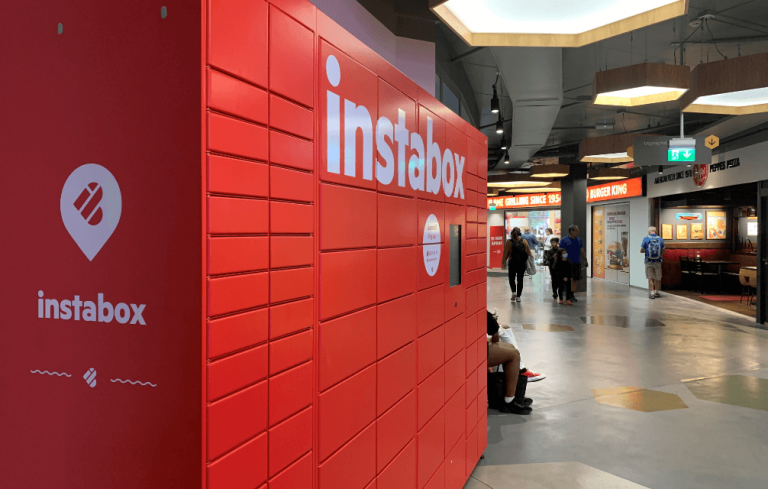
Instabox in Säffle, Sweden. Photo: Wikimedia Commons

Instabox ranks 3rd on the list among tech companies in Europe, 1st in Sweden in all categories, and 10th overall. The company lessens the burden on delivery staff, who don’t need to go to each house or risk leaving a parcel on the front porch of someone who’s not home — and investors are betting big on these boxes to solve the last-mile delivery issue.

Launched in 2015
Instabox has been growing fast since its launch in 2015. In 2020, it generated a revenue of 24 million euros. In 2021, the company raised over 73 million euros and entered the Netherlands through its acquisition of Red Je Pakketje.

Swedish Parcel Delivery Start-Up Is No. 3 On The List Of “Europe’s Fastest-Growing Tech Companies”
Instabox ranks 3rd on the list among tech companies in Europe, 1st in Sweden in all categories, and 10th overall.

With a growth of ~300 percent yearly since 2017, Instabox makes its first entry on the prestigious list. Instabox currently employs ~2,700 employees and serves consumers and merchants in Sweden, Norway, Denmark, and the Netherlands. In 2021, revenues amounted to 70 million euros. It makes the company the best-funded private parcel locker startup in Europe.

Related: Scandinavian E-Commerce Trends 2022

Expanding into the rest of Europe
The company was forecast to become a Unicorn for some time already, but it was via this last financing round that it actually achieved the mark of a billion euros, thus becoming the newest unicorn in Sweden.

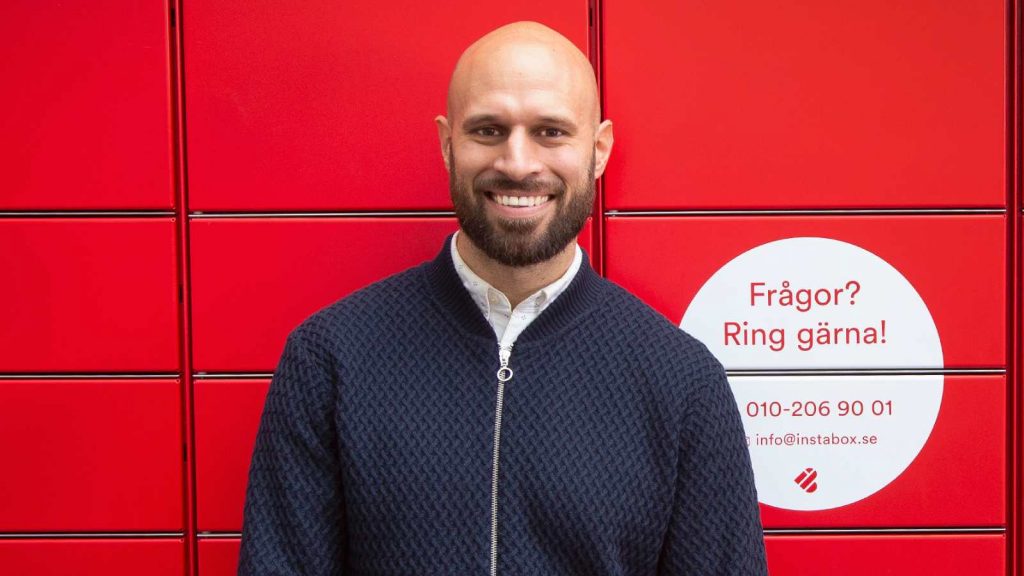
“This is a great recognition of all the hard work a lot of people have put in over the last five years. Some truly great and inspirational companies have made it into the top-10 over the years, and I hope that our journey can serve as an inspiration to others. I’m extra proud that we have achieved this extreme growth without sacrificing our commitment to sustainability,” says Alexis Priftis, Co-founder and CEO of Instabox in a press-release.

Instabox now wants to translate its model to the rest of Europe — one market at a time. ‘The new financing will help us improve our services, making us even more sustainable. I am delighted with the confidence that our current and new investors have shown in us. The global parcel services market continues to grow every year and lightning-fast, hassle-free and fossil-free shipping set us apart from traditional shipping services. The new financing will help us build on that and further improve our services, making us even more sustainable and customer-oriented”, said Priftis.

A fossil-free shipping company
As a completely fossil-free shipping company, it will also benefit from an increased focus on sustainable options, both from merchants and online shoppers. In Sweden, the online beauty retailer Lyko recently decided to remove non-fossil-free options from their checkout altogether, and the trend to prioritize sustainable alternatives is expected to continue.

“In most markets, you don’t really have any choice as a consumer. You’re just presented with shipping and then like okay, sure, I’m gonna go for shipping. In Sweden we have created another type of experience,” Priftis says. Instabox currently operates 4,500 automated parcel machines.

Swedish Parcel Delivery Start-Up Is No. 3 On The List Of “Europe’s Fastest-Growing Tech Companies”
“I’m extra proud that we have achieved this extreme growth without sacrificing our commitment to sustainability,” says Alexis Priftis, Co-founder and CEO of Instabox

Consolidating is important
However, the company will use the money raised in this round, not so much for expansion, but to further consolidate and reinforce the infrastructure of Instabox in Sweden, Norway, and The Netherlands, a much-needed reinforcement due to the amazing year-on-year growth of 300% that the company has had since 2017.

Related: The Scandinavian E-Commerce Market 

Startups like Instabox, Airmee and Budbee have been shaking up Sweden’s archaic delivery landscape in the last few years with branded last-mile delivery and lockers. Ecommerce shoppers now have the possibility to choose from as many as ten different delivery companies and methods.

“We want to create a world where shipping is branded, shipping is differentiated and the consumer can choose. And that’s not an easy task necessarily, because we have to convince a lot of merchants all across Europe why this is a better idea,” Priftis says.

Swedish Parcel Delivery Start-Up Is No. 3 On The List Of “Europe’s Fastest-Growing Tech Companies”
Instabox has been growing fast since its launch in 2015.

After Scandinavia – Netherlands and Germany
Instabox has already announced that it wants to place at least 3.000 more parcel lockers in the Netherlands. It will also strengthen its position in Norway, after taking over the Norwegian same-day delivery company Porterbuddy. Earlier this year, the company launched in Germany. The parcel deliverer announced that it would open more locker terminals within the country soon.

Swedish Parcel Delivery Start-Up Is No. 3 On The List Of “Europe’s Fastest-Growing Tech Companies” written by Tor Kjolberg

Feature image (on top): Instabox in Norway. Photo © DnB Næringseiendom

What To Keep In Mind Before Applying For A Loan In Norway

Taking a loan is something most people do in their lifetime, whether it is for big things like housing and a car, or as a consumer loan in connection with small expenses that you may not have enough savings for. But the rules concerning loans can be a little different from country to country, even though there are many similarities. Here is what to keep in mind before applying for a loan in Norway  

In this article, you will get an introduction to some of the conditions that will apply when you take a loan in Norway, or the other Scandinavian countries, so that you can get a better understanding of the requirements you  have to deal with when you want to take up a loan.

What To Keep In Mind Before Applying For A Loan In Norway
In this article, you will get an introduction to some of the conditions that will apply when you take a loan in Norway

Related: How a Loan Intermediary in Scandinavia Can Help You Find the Best Offer

There can be various reasons why one wants to take a loan. W hether it is a large amount such as a mortgage or you need an overview of consumer loans online, there is advice to get.

One of the things many people do not know is that there are rules when it comes to who can apply for a loan in Norway. The main requirement is that you must either be a Norwegian citizen or have lived in Norway for a certain number of years to be able to get a loan. But if you can get a loan, it is primarily these two types that you should deal with: secured loans and unsecured loans.

Related: Norwegians Still Hold a European Record

What To Keep In Mind Before Applying For A Loan In Norway
There is a high probability that you can get a loan when you move to Norway, especially if you are with someone who is eligible to do so.

Different types of loans
Having said that, there is a high probability that you can get a loan when you move to Norway, especially if you are with someone who is eligible to do so. So here is a list of the two most common types of loans one can apply for, namely secured loans, and unsecured loans. Always remember to consider other options before taking out a loan, because sometimes it is better to save money than borrowing them, if the purchase is something that can wait a bit, and it often can. Perhaps you could use money from your savings or adjust your budget to gather the required amount for that purchase.

Secured loans: Secured loans are a term for loans where the bank has security in what you borrow, typically a home, boat, or car. This is a loan that often has a decent interest rate and a repayment period over many years. It is always good to make sure that you can handle the monthly instalments, but with loans of this size, the bank often helps you identify whether it is a loan that fits into the budget you have or not.

What To Keep In Mind Before Applying For A Loan In Norway
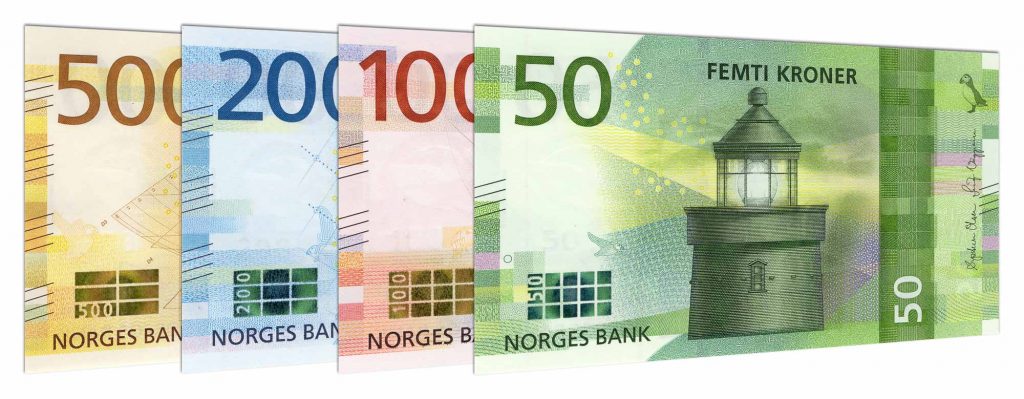
Norwegian kroner

Related: Common Expenses When Moving To Scandinavia

Unsecured loans: This is a term for those types of loans, where the bank does not have collateral in what you borrow. Keep in mind that fees and interest rates are often a little higher than with secured loans. It can still be a good option if you know for sure that you can repay the instalments within the agreed framework so that the extra costs are minimised as much as possible.

What To Keep In Mind Before Applying For A Loan In Norway, is written exclusively for Daily Scandinavian by Matchbanker.

Feature image (on top): (c) Monstera/Pixels