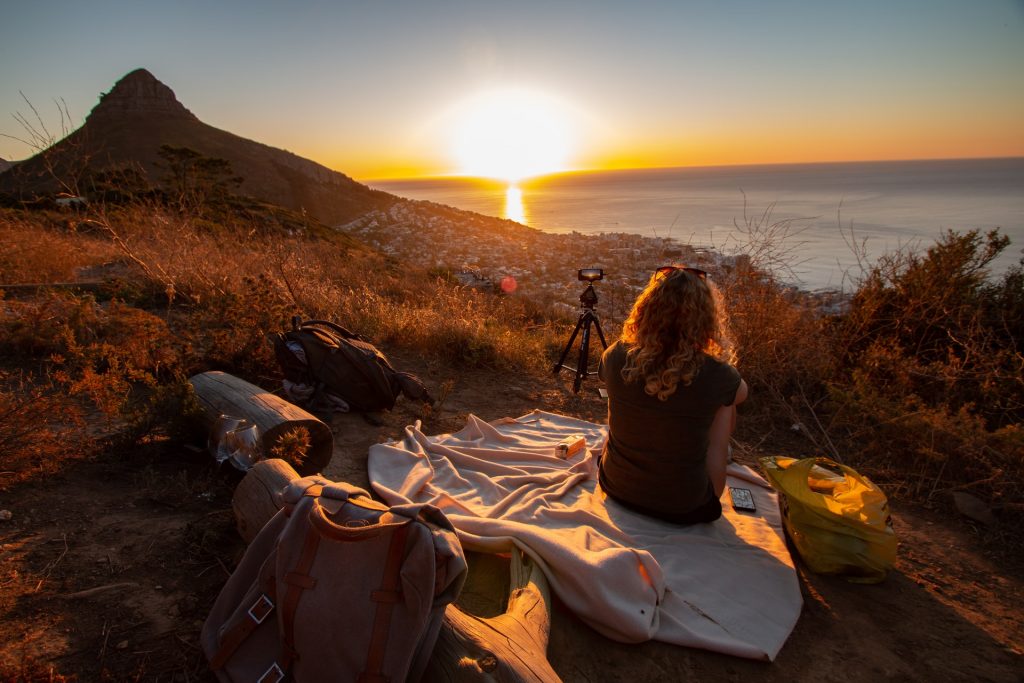
Being outdoors in nature has a profound effect on your health and wellbeing. A study of more than 20,000 participants done by the University of Exeter found that those who spent more than two hours a week outdoors in green spaces reported better psychological wellbeing and good health. Learn how to enjoy nature In Stockholm and boost your wellbeing.
The results were the same whether the participants were financially rich or poor, whatever their occupation, and regardless of whether they were living with a disability or chronic illness. It was simply conclusive that nature has a positive impact on our lives. Although Stockholm is a big city, there is also an abundance of nature, parks and green spaces to spend time in. If you’re visiting, you can spend time out in nature and boost your own sense of wellbeing as well as enjoying the city.
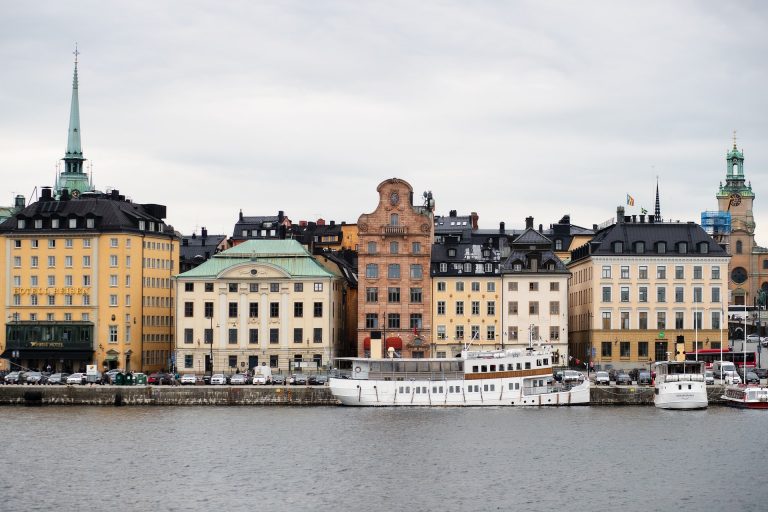
in the 1500s, Humlegården was a royal garden, established to grow hops, fruits and spices by Johan III. Photo: Wikipedia
Humlegården, Östermalm Humlegården is a green space with prestige: in the 1500s it was a royal garden, established to grow hops, fruits and spices by Johan III. The word “humle” actually translates as “hops.” In 1686, Queen Eleonora of Denmark built the beautiful Rotunden Pavillion in the park for her family. Humlegården is a green oasis, perfect for a lunchtime walk, and you will see plenty of people from the business district enjoying lunch. Even a short time in nature can help improve your mood so you feel refreshed. A study done by the University of Essex on people living with depression found that 75% of them felt less depressed after a walk through a country park. At Humlegården, there are plenty of walking trails that you can follow, as well as good routes for cycling.
The diverse area of Björnö includes pine forests, wetlands, farmland and beaches . Phpoto: Visit Stockholm
Björnö Nature Reserve Located in the Stockholm Archipelago is the much-loved Björnö Nature Reserve. This diverse area includes pine forests, wetlands, farmland and beaches – you certainly wouldn’t notice that you are so near a capital city. At the nature reserve you can enjoy some wild swimming, rent a kayak for the afternoon, and even follow an underwater snorkel trail. Björnö Nature Reserve is also very popular for hikers: you can either go off the beaten track or follow one of the forest trails that leads you round the reserve. You can easily spend the whole day at the Björnö Nature Reserve and even enjoy a family barbecue, using one of the many free barbecues that are laid out.
Until 1974, Låmgholmen was a prison fortress. Photo: Visit Stockholm
Långholmen, Södermalm Långholmen has had a transformation – until 1974, it was a prison fortress. This beautiful park is now known for its sandy beaches and beautiful crystal-blue waters. It is a popular place with locals for swimming in all seasons. There is also a big allotment garden that is well-used for growing produce. Långholmen has beautiful walking trails through the gardens and woodland areas, and you can also enjoy cycling. The old prison has now become a museum with a popular hostel so you can stay on the island and enjoy a relaxing few days in nature.
Even in a busy city, Stockholm has some beautiful nature reserves and public parks that you can enjoy. Spending regular time in nature can help improve your mood and give you a sense of wellbeing: what better reason is there to explore all that Stockholm has to offer?
Karoline Gore
Enjoy Nature In Stockholm And Boost Your Wellbeing, written exclusively for Daily Scandinavian by Karoline Gore. Karoline is a freelance writer from Stoke on Trent in the UK who left the corporate grind when she started a family and has never looked back. She enjoys contributing to a range of online publications on the topics that are important to her.
Feature image (on top): Photo by Jon Flobrant/Unsplash
Twas the Night before Christmas, a poem by Clement Clarke Moore
Twas the night before Christmas, when all through the house
Not a creature was stirring, not even a mouse.
The stockings were hung by the chimney with care,
In hopes that St Nicholas soon would be there.
The children were nestled all snug in their beds,
While visions of sugar-plums danced in their heads.
And mamma in her ‘kerchief, and I in my cap,
Had just settled our brains for a long winter’s nap.
When out on the lawn there arose such a clatter,
I sprang from the bed to see what was the matter.
Away to the window I flew like a flash,
Tore open the shutters and threw up the sash.
Photo by: Erwan Hesry/Unsplash
The moon on the breast of the new-fallen snow
Gave the lustre of mid-day to objects below.
When, what to my wondering eyes should appear,
But a miniature sleigh, and eight tinny reindeer.
With a little old driver, so lively and quick,
I knew in a moment it must be St Nick.
More rapid than eagles his coursers they came,
And he whistled, and shouted, and called them by name!
Photo: Fan Kiefer/Unsplash
“Now Dasher! now, Dancer! now, Prancer and Vixen!
On, Comet! On, Cupid! on, on Donner and Blitzen!
To the top of the porch! to the top of the wall!
Now dash away! Dash away! Dash away all!”
As dry leaves that before the wild hurricane fly,
When they meet with an obstacle, mount to the sky.
So up to the house-top the coursers they flew,
With the sleigh full of Toys, and St Nicholas too.
And then, in a twinkling, I heard on the roof
The prancing and pawing of each little hoof.
As I drew in my head, and was turning around,
Down the chimney St Nicholas came with a bound.
He was dressed all in fur, from his head to his foot,
And his clothes were all tarnished with ashes and soot.
A bundle of Toys he had flung on his back,
And he looked like a peddler, just opening his pack.
His eyes-how they twinkled! his dimples how merry!
His cheeks were like roses, his nose like a cherry!
His droll little mouth was drawn up like a bow,
And the beard of his chin was as white as the snow.
The stump of a pipe he held tight in his teeth,
And the smoke it encircled his head like a wreath.
He had a broad face and a little round belly,
That shook when he laughed, like a bowlful of jelly!
He was chubby and plump, a right jolly old elf,
And I laughed when I saw him, in spite of myself!
A wink of his eye and a twist of his head,
Soon gave me to know I had nothing to dread.
Photo: Chad Madden/Unsplash
He spoke not a word, but went straight to his work,
And filled all the stockings, then turned with a jerk.
And laying his finger aside of his nose,
And giving a nod, up the chimney he rose!
He sprang to his sleigh, to his team gave a whistle,
And away they all flew like the down of a thistle.
But I heard him exclaim, ‘ere he drove out of sight,
“Happy Christmas to all, and to all a good-night!”
Most people hold tight to their families’ holiday traditions, especially when it comes to food. Most of us have that one recipe that just can’t be modified, in even the smallest way. Here Norwegian chefs reveal their favorite holiday food traditions.
Christmas is just around the corner! Christmas dinners are an important part of the Norwegian Christmas tradition, which mean a busy time for restaurants and chefs (at least under normal conditions). Although there are many restrictions this year due to the corona pandemic, many restaurants in Western Norway offer traditional Christmas dinners in safe surroundings.
But how do chefs actually celebrate Christmas themselves? Do they cook at home after cooking pork a hundred times in their restaurant, or do they eat something completely different? Western Norway’s top chefs reveal their Christmas food traditions.
Christmas is all about “la faiglia” for Sven Erik Renaa
Sven Erik Renaa, chef at and owner of the 2 stars Michelin restaurant Re-Naa, Lou Lou cocktail bar and Renaa Express in Stavanger says that Christmas is all about “la famiglia”. Christmas is family time for most people and for the Renaa family it’s no exception. He loves to gather family and friends and prefers to make the Christmas dinner himself. Sven Erik is generous with the menu and since he has a large family, it contains something for everybody. He makes roast duck with accessories and he makes chops that are both smoked and unsmoked served together with Vossakorv (sausages from Voss). Renaa does not forget his Italian heritage and the passatelli soup is a must, often added with white truffle.
Sven Erik Renaa, chef at and owner of the 2 stars Michelin restaurant Re-Naa. Photo: Wikipedia
Renaa has also some inside tips on how to make Christmas food tase even better! If you serve ribs for Christmas, the most important thing is to use the best pig you can get hold of. It should be fresh and must not have been vacuum packed. Keep your local butcher store alive and buy it from them. When it comes to pinnekjøtt (based on lamb ribs) it must be watered out well. “Spend lot of time doing this,” he emphasizes. Otherwise, Sven Erik swears to making his own side dishes. Christmas is special and earns that we spend a little extra time and not buy ready-made dishes.
Different family traditions ended up in lobster and champagne
Ørjan Johannessen is winner of Bocuse d’Or 2015 and chef at Bekkjarvik Gjestgiveri. For Christmas, the whole family gathers – wife Cecile and daughter Leah Mirambelle, Ørjan’s mother, father, sister and brother with brothers-in-law and parents-in-law.
On Christmas Eve, the Johannessen family has a tradition of eating lobster – fished in season by Ørjan’s father and served with Champagne. The Johannessen family is a mixture between people from the west, from the east – and a little Danish. No wonder he makes chops with turnip puree, sauerkraut, fat and potato ribs with red cabbage, small potatoes glazed in caramel and butter and rib sauce. He also serves coarse pork sausages.
Ørjan Johannessen is winner of Bocuse d’Or 2015 and chef at Bekkjarvik Gjestgiveri
And for dessert: Rice a la mande with cherry sauce and Queen Maud pudding.
Ørjan usually starts preparing the dinner after breakfast starting with the dishes that need longest time (ribs and chops). However, much of the dinner is made before Christmas eve, for example red cabbage, Queen Maud pudding, rice porridge, salting of the ribs and peeling off turnips and potatoes.
The rest of the day is just about having a good time and resting before the guests arrive at 5 pm.
On the first day of Christmas, the regular Christmas cod served with roe, liver and stirred butter is usually on the menu. He drives out to some fishing friends and picks up cod the same day. The second day of Christmas is Ørjan and Cecile’s Christmas brunch. “Leftovers” from the days before are collected and Ørjan makes Pâté a croute of ribs, knuckles, pistachios and lots of other goodies.
Good ingredients often make dinner better. Ørjan’s tip is to find a good pork or chops, and juicy turnips. He recommends calculating sufficient time on the rib so that it has time to rest, preferably 4 hours if possible.
Buy meat from a local farmer is best tip from Ronny Kolvik Bro restaurant in Ålesund is owned by chef Ronny Kolvik and is listed in the White Guide Nordic.
Ronny teams up with his family and in-laws when he is going to celebrate Christmas. He has tested steamed chops in dark beer in his grill, but usually there is traditional healthy Christmas food on the table on Christmas Eve. And typical of Sunnmøre, it should be made fully sufficient.
Ronny teams up with his family and in-laws when he is going to celebrate Christmas
The Kolvik family does not settle for pork only. It should also be pork ribs, sauerkraut, red cabbage, cabbage radish paste, Danish pork sausage, vossakorv and local tenderloin. For dessert, a good homemade caramel pudding, or fresh cloudberry cream.
Ronny Kolvik’s best tip for giving the Christmas dinner an extra good taste is to buy meat from a local farmer, or pay what it costs to buy good quality meat on the special day of the year. It makes a big difference! He also suggests making your own sauerkraut and red cabbage in advance. In the red cabbage he adds goodies like dried figs, raisins, apricots, anise, orange peel, cloves, black currants and currants.
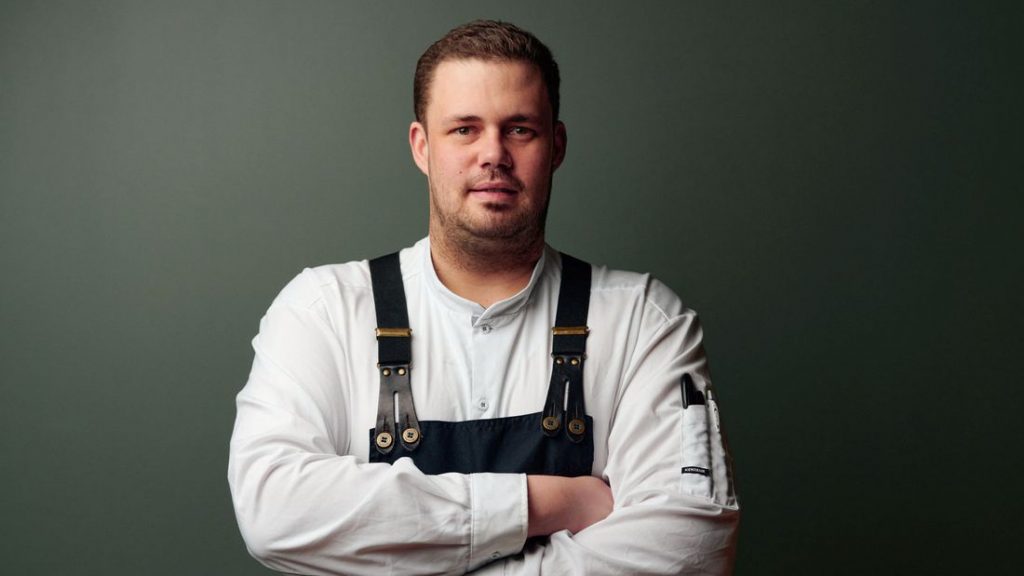
Mum is still responsible for Kristian Bretten Vangen’s Christmas dinner Restauran BARE in Hotel Børsen, Bergen, received one Michelin star earlier this year. The star chef is Kristian Bretten Vangen.
It is still mum who has made the Christmas dinner when Kristian leaves Bergen and returns to his childhood home in Asker. On Christmas Eve, the family makes both chops and pork ribs, since his grandmother does not eat lamb, while his father cannot eat anything but chops. Therefore, his mother has to double up. This is another proof of how deep the traditions are. For Kristian, Christmas means to indulge in love and coziness.
Star chef Kristian Bretten Vangen. Prwess photo: Helge Hanssen
Norwegian Chefs Reveal Their Favorite Holiday Food Traditions, is based on a press release from Mynewsdesk.
Feature image (on top): Photo: Opplysningskontoret for egg og kjøtt
Until about 50 years ago, cucumbers were eaten only in late spring and summer. The arrival of the first cucumbers was awaited with eagerness, a feeling now reserved only for the very first new potatoes. Read more about Scandinavian cucumber.
The watery cucumbers that we buy in their plastic sarcophagi all year round cannot be compared to the freshly picked summer cucumbers that are sweet, heavy and crisp, with a much lower water content and much more taste.
Cucumbers have been known and grown in the north for a very long time
Cucumbers have been known and grown in the north for a very long time, and have found their place both fresh as salad greens and pickled. They match the favorite herb dill and horseradish, whatever way you choose to prepare them.
How it grows Most cucumbers in Scandinavia are grown in greenhouses, and many people grow their own.
Appearance and taste Most of our cultivars are the same as in the rest of the world, except for the asier, a Nordic cultivar which is a very large, thick, fleshy, and thick-skinned cucumber. It is filled with inedible hard seeds, and is used only for pickling, while still green. If it is successfully pickled it will be extremely crisp, and is used in the same way as pickled gherkins and cucumbers.
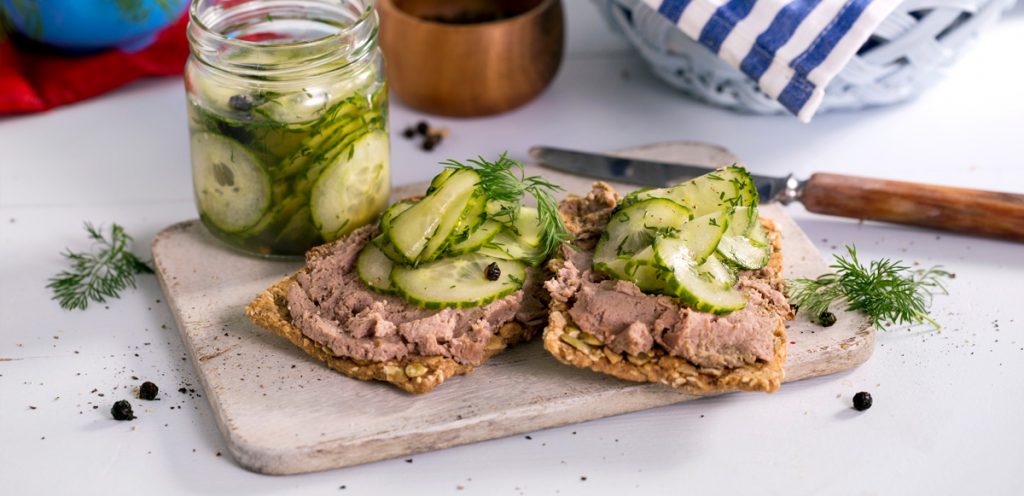
Cucumber is a favourite topping for liver paste on rye bread
Culinary uses There are not many ways to prepare cucumber. It’s a favourite topping for liver paste on rye bread or is used in salads, often with dill. It can also be pickled in different ways, with more dill, and a few slices of horseradish, making the most of both the sharp taste and amazing preserving qualities of horseradish.
Sweet-and-sour cucumber salad Preserved in a vinegar marinade, the salad will keep for several weeks in the fridge. Eat on open sandwiches, with chicken, frikadeller or sausages.
100ml water
100ml cider vinegar
4 tablespoons sugar
1 tablespoon coarse sea salt
I teaspoon coarsely ground
black pepper
2 small cucumbers
Serves 4
Put the water, vinegar and seasoning in a pan and bring to the boil. Meanwhile, slice the cucumber finely (with the peel on), then place in a bowl. Pour over the boiling marinade and have it to cool before serving.
The globe is beginning to feel the effects of climate change at an accelerated rate than at any other time in the history of the world. The Nordic nations’ geographical location makes them more vulnerable to climate change effects and reports are already showing the negative effects. Read more about how the Nordics are standing up to climate change
Global warming is being felt within the Nordic belt, with statistics showing an increase in temperatures ranging between 0.30c–0.450c per decade, a trend which is worrying, owing to the continued melting of ice within the arctic region.
Global warming is being felt within the Nordic belt, with statistics showing an increase in temperatures ranging between 0.30c–0.450c per decade
Moving Away from Fossil Fuel The Nordics are at the forefront of a 100% adaptation to green energy aimed at reducing carbon emissions responsible for the global rise in temperature. Sweden is a major consumer of biofuel and has increased the production of wind energy and hydropower.
Denmark relies more on wind power, accounting for about 40% of the nation’s total consumption, with Finland adapting to biofuels, wind, and hydro energy. Norway is leading in the consumption of renewable energy, with hydropower taking the highest percentage.
Iceland is impressively almost 100% renewable energy generation with hydropower at 73% and geothermal at 27%. There are many college essays available online that students in the Nordic education department have written about moving away from fossil fuel.
Within the Nordic nations, the governments are involving their population in embracing climate change adaptions
Involvement of The Nordic Population in climate-change: Essay example Within the Nordic nations, the governments are involving their population in embracing climate change adaptions. In a campaign called climate stand-up, Nordic comedians are spreading the message of climate change’s effects on the population.
Schools and colleges are adapting to the students’ role in climate change by involving climate change college campaigns. Environmental education is taking shape in colleges, something evident in essay writing by Nordic students.
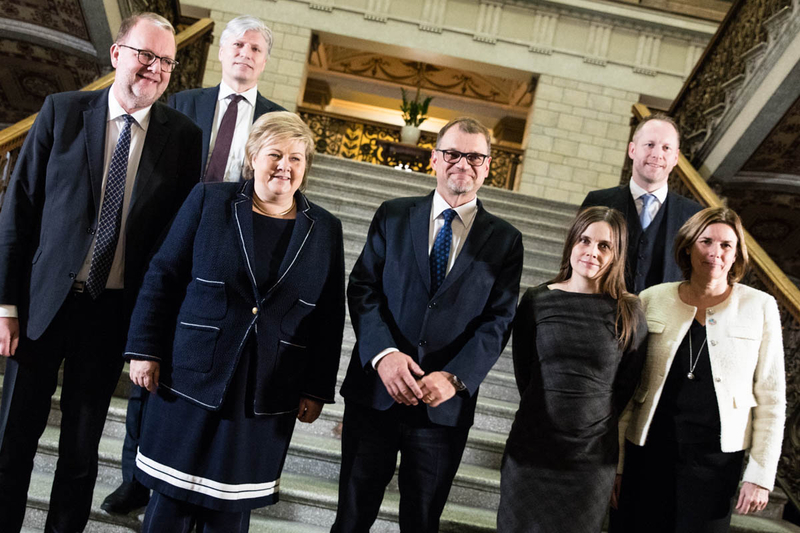
Gathered at the climate summit in Helsinki, from back left: Norway’s Minister of Climate and Environment Ola Elvestuen; Denmark’s Minister of Energy, Utilities and Climate Lars Christian Lilleholt; Norway’s Prime Minister Erna Solberg; Finland’s Prime Minister Juha Sipilä; Iceland’s Prime Minister Katrin Jakobsdóttir; Sweden’s Minister for International Development Cooperation and Climate, and Deputy Prime Minister Isabella Lövin; and Iceland’s Minister for the Environment and Natural Resources Guðmundur Ingi Guðbrandsson. Photographer: Laura Kotila/Valtioneuvoston kanslia
There are environmental activists in the forefront and the Nordic governments have given them the freedom to spread their campaigns without interruptions, even as the Nordic youth are taking part as sustainable change-makers towards a transition to sustainable consumption and production of renewable energy.
The awareness campaigns also greatly lie in the hands of Nordic students as they write blogs, articles and essays to spread their ideas and views. When students write in their papers about climate change, it is sure to be revolutionary. If you are also of similar views, you can refer to EduZaurus for free essay samples on climate change and much more. After all, it’s a global issue, so it needs global participation from students.
To enhance cooperation and focus on the Nordic climatic change goals, the administration has come up with key organizations and initiatives
Nordic’s Progressive Policies to Combat Climate Change The Nordic governments are working on the implementation of policies designed towards the reduction of carbon emissions to mitigate climate change while at the same time working towards sustainable economic growth.
Some of the policies include:
Social responsibility for adaptation of green energy policies:
The industries agree with government policies and are setting the factories to lower levels of emissions and Nordic’s are currently the highest importers of electric cars.
Nordic forests and carbon sinks aimed at increasing the forest cover
Creation of local market opportunities for consumption of green technology
Tapping the most into the renewable resources: The Nordic government is committed to maximally tapping into wind power, hydro, geo, and biofuel energy resources.
All these key policies are tied to climate change mitigation in the short term and the long-term vision of the Nordic administration. The education department is not left behind in these policies and the government is engaging college student empowerment on the knowledge of government’s green policies.
Any slight change in global warming impacts the Nordic nations massively due to their proximity to the arctic circle
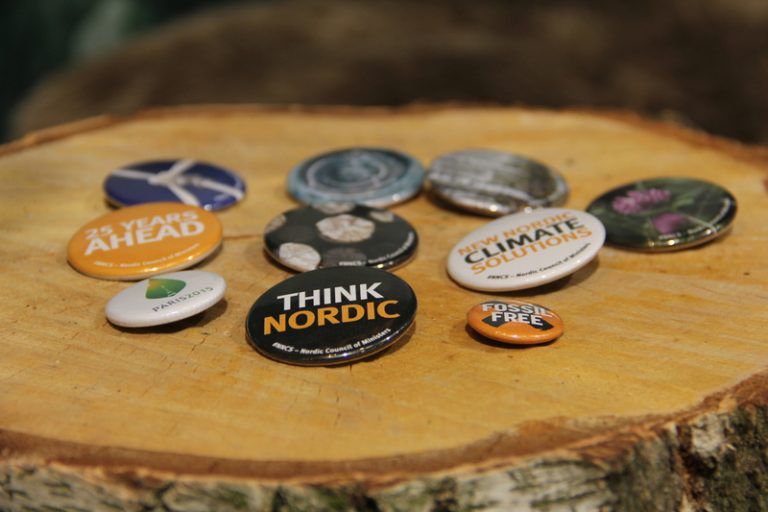
Formation of Key Nordic Organizations and Initiatives To enhance cooperation and focus on the Nordic climatic change goals, the administration has come up with key organizations and initiatives like:
Nordic Council of Ministers: promoting green growth initiative.
Nordic Way Website: featuring examples of Nordic green initiative
Nordic Development Fund: financing green initiatives in other continents
Nordic Climate Facility: transfer of green knowledge to developing nations.
How the Nordics Are Standing Up to Climate Change – Conclusion Any slight change in global warming impacts the Nordic nations massively due to their proximity to the arctic circle. As a result, the Nordic administration is at the forefront of implementing the 2016 Paris Agreement (UNFCCC), where nations agreed to mitigate, adapt, and finance programs that work against greenhouse emissions. Every government project within the Nordic region is set to operate within the key progressive policies for combating climate change.
How the Nordics Are Standing Up to Climate Change is written exclusively for Daily Scandinavian by Emma Rundle. Emma works for an environmental NGO as a senior program manager and looks after the global warming control initiatives in North America. She’s a part-time academic writer and helps students write essays and research papers around this topic and everything around science and technology. Her free time is for watching movies, playing with pets and writing poems.
Feature image (on top): Photo: Vita Thomsen/Norden.org
Because of climate change, a huge haul of arrows dating from the Stone Age to the medieval period have in recent years melted out of a single ice patch in Norway. Read more about how secrets of the ice in Norway has been revealed.
According to the journal The Holocene, researchers from the Universities of Cambridge, Oslo and Bergen have discovered 68 arrow shafts, some with arrowheads attached. The arrowheads are made of a range of materials, including bone, slate, iron and mussel shell. In some cases, the ice even preserved twine and tar used to hold the arrow together.
William Taylor, an anthropologist at the University of Colorado Boulder who was not involved in the study, tells New Scientist that the discoveries represent a “treasure trove” not usually found in a single patch of melting ice.
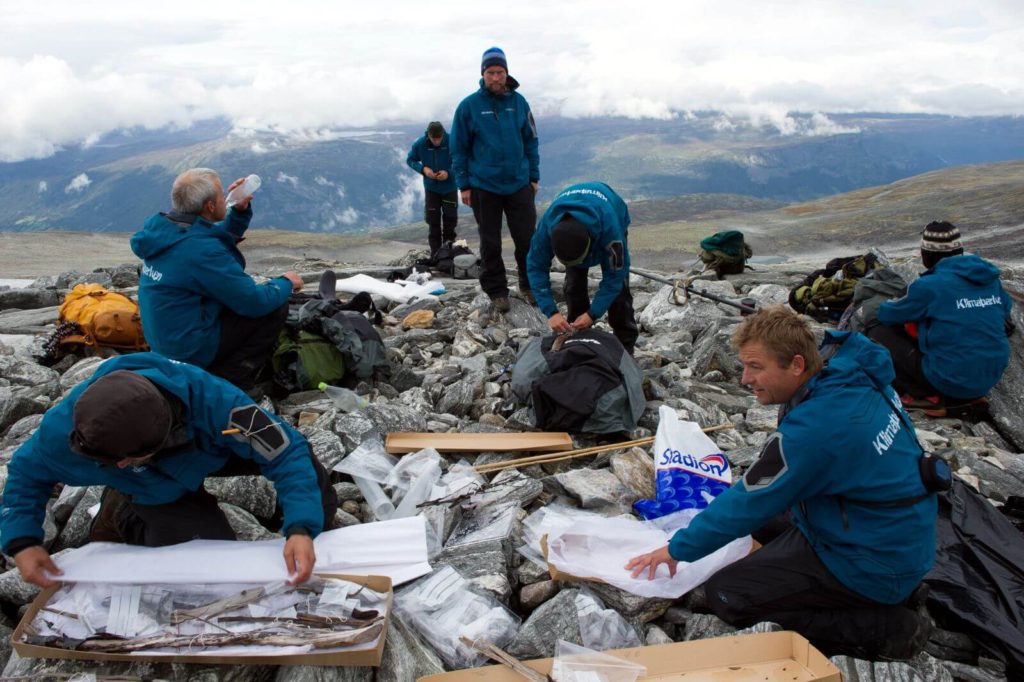
Members of the Secrets of the Ice team packing finds in the Lendbreen pass. Photo: Johan Wildhagen, Palookaville
The study was surrounded by secrecy for a long period because the area was so rich in artefacts. The oldest arrows date from around 4100 BC while the youngest are from roughly AD 1300, based on radiocarbon analysis. However, the dates aren’t evenly distributed across the millennia, raising questions about whether environmental conditions during some periods were more likely to preserve fallen arrows than at other times. Peaks and troughs in reindeer hunting activity could also have played a role.
“Doing fieldwork here and finding all the arrows was an incredible experience, an archaeologist’s dream. I remember telling the crew: ‘Enjoy the moment as much as you can. You will never experience anything like it again,’” said Lars Holger Pilø from Innlandet County Council’s Department of Cultural Heritage, who is a co-author of the paper.
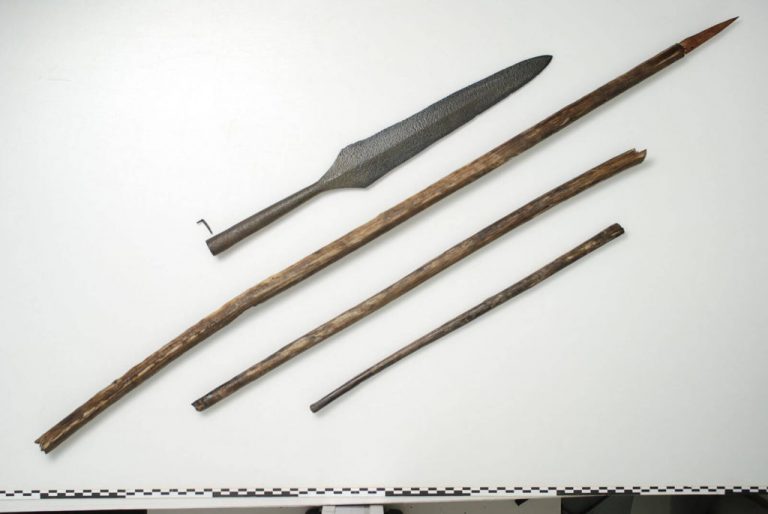
Viking Age spear, originally found in one piece in front of the Lendbreen ice patch. Photo: Vegard Vike, Museum of Cultural History
Based on the nearly 300 specimens of reindeer antler and bone also secreted by the ice, and the fact that reindeer still frequent the area, the archaeologists are confident that the area served as a key hunting ground for millennia.
“We thought that one item could perhaps be as old as the Viking Age if we were lucky,” Lars Holgar Pilø, writes on Secrets of the Ice, a website maintained by the researchers.
“When the radiocarbon date came back it turned out to be much older—3300 years old, from the Early Bronze Age. That find was a real shocker for us.”
Ancient horse dung found in the depression at the top of the Lendbreen ice patch.
The ice storage has shifted and deformed over time, meaning that the arrows, arrow heads and other items have been moved over the years. This means it’s difficult to read too much into the specific activities they were used for, says Pilø.
Secrets of the Ice in Norway Revealed, written by Tor Kjolberg
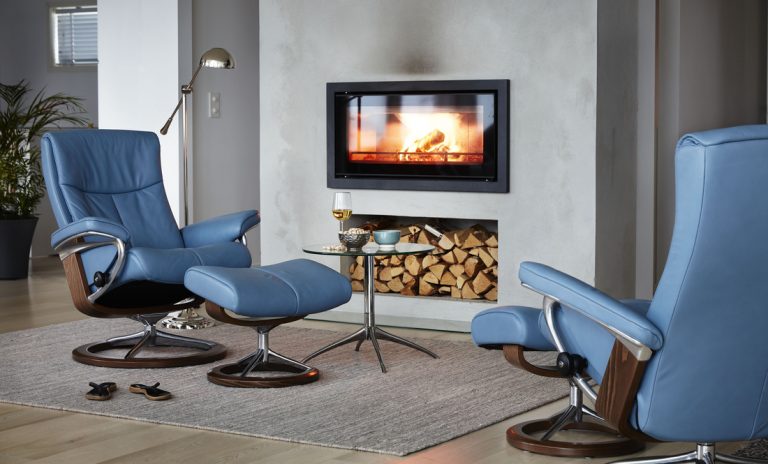
In competition with the companies Heymat, Swims and Vestre, the 2020 Export Award was given to Norwegian furniture manufacturer Ekornes, best known for its Stressless collection.
“2020 has been a special year. Closed markets and order shortages in March have now turned into record order intake and growth in all markets. We are very pleased to be named export company of the year”, says Øystein Vikingsen Fauske, Executive Vice President of Ekornes.
Furniture manufacturing was new to Sunnmøre which gave the founder, Jens Ekornes, his first customers.
For several decades, the furniture manufacturer Ekornes has consolidated its position as a solid export company, with carefully selected distribution channels that extend throughout the world. Today, the export share is as high as 90 percent, with the USA and Germany as the most important markets.
The manufacturer in Sykkylven is best known for its Stressless collection, which since 1971 has sold over 10 million seats.
After design company Fora Form relaunched the chair in 1994, it has sold a quarter of a million pieces at home and abroad.
The Beginning
J.E. Ekornes Fjærfabrikk started production in 1934 with three employees and German-made machines. Furniture manufacturing was new to Sunnmøre which gave the founder, Jens Ekornes, his first customers. Soon after, springs were used in furniture and mattresses throughout Norway.
Svane mattress
Jens Ekornes developed an interest in springs and mattresses, but he wanted them to differ from the heavy steel-spring mattresses on wooden frames. Once he understood how the springs worked, he went back to his factory and built the first Svane (Swan) mattress. New products and factories followed with a steadily increasing workforce.
1935-38
Jens Ekornes presented his idea for internal springs at a major furniture exhibition in Ålesund. His springs were linked together by steel coils and could be used in mattresses and furniture cushions. Three versions of Svane mattresses were launched on the market.
1940s
Jens Ekornes traveled to the USA and worked in a mattress factory to learn about the trade. His brothers, Martin and Leif, looked after the business while he was away. Jens Ekornes bought American machinery to produce upholstered spring mattresses at a more reasonable price. The factory also started manufacturing wooden components for sofa beds and mattress bases.
1950s
Mattress production began. They also produced foamed plastic which became an important
element in the manufacturing process of Ekornes’ mattresses and furniture, including on the open market.
Ekornes lounge furniture
1960s
Ekornes launches their first collection of lounge furniture. They began marketing their brand and products with newsletters to every household in the country followed by an Ekornes catalog every year. At the end of the 1960s, mattress production moved from Sykkylven to Fetsund and they launched their first leather lounge furniture.
1970s
Stressless was introduced in 1971, as the first recliner designed to meet your body’s need for movement and support when seated. The characteristic TV-recliner was a revolution in comfort and functionality, and soon became an international success.
Offering patented features, you won’t find on other recliners, from the glide system that follows your slightest movements, to the Plus™ system for correct neck and lumbar support in every position, Stressless® is still known as the ultimate recliner.
The first Stressless was launched in Norway and immediately became the first real TV chair. You could lean backwards and rest, watch TV in comfort or turn around to face the coffee table with one easy movement. The patented sliding system attracted a great deal of attention and is still unique.
In 1975, revenue of the Ekornes Group exceeded NOK 100 million. The following year, the Fetsund plant was destroyed by a fire. A new factory was built 1976-78. During this time, Ekornes group became the largest furniture manufacturer in Scandinavia. In 1978, Ekornes entered the computer age with an online computer system for order processing, invoicing, statistics, and production control.
Stressless comfort
1980s
1980: Stressless comfort had become an unconditional success. Sales of Stressless passed the magical limit of 100 million Norwegian Kroner.
1981: The characteristic wooden base is introduced The Stressless Royal recliner was the first model to have the characteristic wooden base.
1983: Export exceeded 100 million Norwegian Kroner and Stressless no. 500.000 was registered. The company’s success in the export market was rewarded in 1983 as Ekornes was awarded the Norwegian Export Prize.
Marketing to the USA began which became the largest export market for Ekornes. Various companies under the Ekornes umbrella and ownership structure were reorganized to enable one generation to pass on to the next. In 1984, the company turned 50 years old. By 1985, eight Ekornes factories existed in Norway and they acquired a company in West Germany.
Stressles Plus with sleep function
1990s
1991: The patented Plus™ system was launched, with its pioneering automatic adjustment of the headrest and lumbar support. At last, people could read and watch TV leaning back in a recliner. Stressless consolidated its position as the most comfortable swivel recliner.
1993: The Stressless sofa was launched. This is based on the idea that people need to be able to move individually just as much when sitting in a sofa as in a recliner. The sales message became: ‘In a Stressless sofa, every seat is a Stressless’.
1994: The company turned 60 years old and manufacturing plants were reduced to four locations in Norway. Ekornes launched a new child chair concept called KIDDO and a new mattress series called Svane Goldline in 1998.
1995: The Stressless Senator was chosen by the Consumer Digest as the “Best Buy” in the US.
1996: Ekornes started to make the same design in two or three sizes. Stressless was the first recliner in the market to take into account that people with different builds have to have different chair sizes in order to sit comfortably.
1999: The sleep function is an extension of the unique Plus™ System. The user can choose whether the headrest is to be in the reading or sleeping mode when the chair is in the reclining position. Once more Stressless was the first to introduce a pioneering innovation.
2000s
2001: Stressless and the Ekornes Collection began to be produced in matching designs. This allowed new opportunities for combining reclining and fixed-back furniture in an integrated layout. The idea was a hit worldwide. Stressless sales exceeded 1 billion Norwegian Kroner.
2002: The Stressless factory became Norway’s most robotized and automated production business. Sofas and chairs were presented as product families.
2003: A tailor-made home theatre set-up based on Stressless was launched. The concept was very well received throughout the world.
The Ekornes factory in Sykkylven
2004: The Ekornes factory at Sykkylven was extended by 30,000 square meters to comply with increased demand making 2,000 chairs per day. The factory is one of the most modern furniture factories in the world. Through extensive use of advanced robotics, the production capacity increased substantially. 2004 was also the year when the redesigned Stressless logo was introduced. Ekornes expands by opening showrooms in Las Vegas and Paris and markets to Russia, Spain, Indonesia, Taiwan, China, Brazil, and more.
2005: Stressless Paradise was launched as the first low-back sofa with full Stressless functions. The goal over time is to convert all Ekornes sofas into Stressless sofas. At the same time, Ekornes Fairytale was introduced, a roomy and comfortable corner solution which also can be used separately. Both models quickly became popular worldwide.
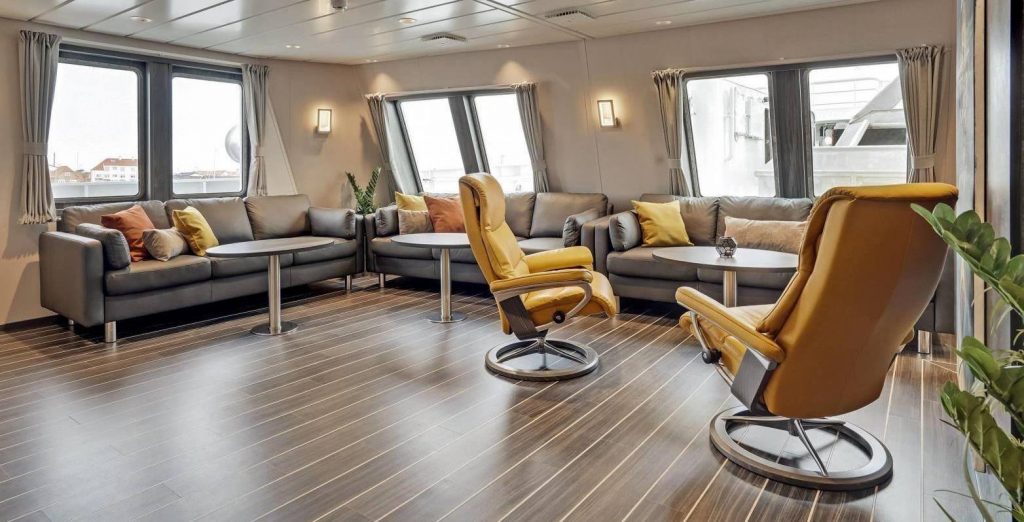
Stressless Contract – for the professional market
2010-Present
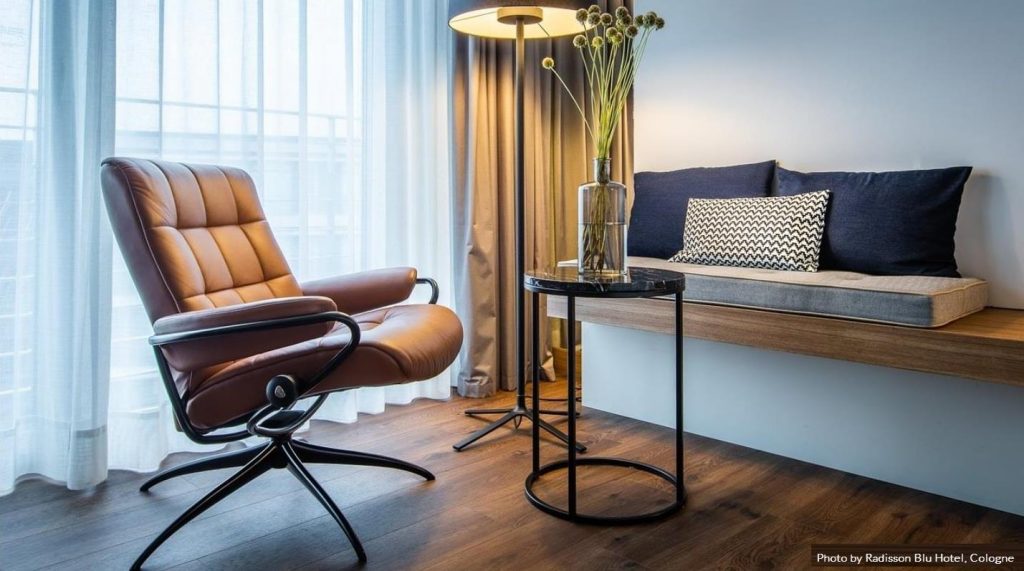
In 2010, Ekornes was the first company to win two categories of the British interior design awards for “Best Overseas Furniture Manufacturer” and “Best Marketing Support”. Stressless turned 40 in 2011 with over 6.5 million seat units sold since 1971. Ekornes won more awards in Britain, Japan, and Hong Kong. The Svane mattress brand celebrated 75 years in 2012, the same year the new Stressless Office line launched. In 2014, the Stressless City and Stressless Metro launched with new designs and steel/aluminum bases.
Presently, Ekornes continues to automate production, innovate products and deliver high-quality furniture pieces all over the world!
2020 Export Award was given to Norwegian furniture manufacturer Ekornes.
In a new Norwegian book “Da musikken stilnet” (When music became silent), author Arvid Skancke-Knutsen interviewed more than 60 actors, from all genres of Norwegian music life, among them singer/songwriter Sondre Lerche. Read more about the book and the latest album Patient, music by the Norwegian singer/songwriter.
The book was written between March and November 2020, during what the Norwegian Government called “the strongest and most intrusive measures we have had in Norway in peacetime.” The book is about the Norwegian music industry – and how everyone who works in it was affected by the consequences of the corona pandemic.
When the music became silent” contains personal and strong lyrics from Sondre Lerche, as well as several other performers
For nearly two decades, Los Angeles-based Norwegian singer/songwriter Sondre Lerche has established a consistent knack for an ear-catching and eclectic blend of jazz-influenced indie pop, married effusively to thoughtful, intriguing lyrics.
Skancke-Knutsen has appropriately dedicated a whole chapter in When Music Became Silent where Lerche tells from his last summer tour, where he did pretty much everything on his own. Loading up a car with a suitcase, guitar, some albums and merchandise may sound like a familiar journey to musicians at the start of their careers. But for a musician of 20 years to embark on a tour like that is unique, to say the least.
“As much as I continue being inspired by the great American songwriters of the jazz age, my harmonic DNA feels Brazilian more than anything”, says Lerche
The book is not a funeral speech for the Norwegian music industry. On the contrary: it is intended as a tribute to all the creative souls who have stood up in a new and difficult everyday life, and who have made the best of the situation.
About his latest release Patient, Lerche says, “As much as I continue being inspired by the great American songwriters of the jazz age, my harmonic DNA feels Brazilian more than anything. There are so many phenomenal Brazilian songwriters, from Jobim to Tropicália and beyond”. He is referring to the movement that developed under the militant dictatorship of the late 60s. “I’ve always felt that at least half my songs are really just Brazilian pop songs underneath it all. And I’m so happy whenever I hear those harmonies in contemporary music, whether it’s Tyler, The Creator or Dirty Projectors.”
“It’s definitely more challenging to keep a record alive when you can’t tour the world,” he adds. “I think one of the advantages of the streaming era is that you can be a bit more spontaneous, expand on things and continue to tell the story of the record here and now. I’m always looking for ways to share it. This is a special record for me, I want to keep expanding on it, and to share anything that can soothe or help people in this strange point in time that we all find ourselves in.”
Lerche has also published an essay collection and a children’s book this year, as well as Patient, which is an extremely solid studio album, and perhaps this year’s finest and most ambitious pop composition “Why Would I Let You Go”. It is tempting to nominate Sondre Lerche as the most important Norwegian artist in 2020.
“When the music became silent” contains personal and strong lyrics from Sondre Lerche, as well as several other performers. The book is in Norwegian only, but is a book for everyone who works in the Norwegian music industry – and for everyone who loves Norwegian music.
Patient Music by Norwegian Singer/Songwriter, written by Tor Kjolberg
In the centre of Funen lies quaint, but lovely Odense. Denmark’s third largest city (pop. 200,703 in 2017) and the birthplace of fairytale author Hans Christian Andersen is indeed the Danish fairytale city.
The Gothic cathedral, Skt Knuds Domkirke, is one of the most beautiful landmarks. It was named after King Knud (Canute) II, who was murdered in the town in 1086 by his rebellious subjects and later canonized by the Pope. It’s adorned with a gilded altarpiece made by Claus Berg in Germany in 1521. In the crypt lie the remains of Skt Knud.
Munkemøllestredet west of the cathedral, is the cobblestone street where the storyteller Hans Christian Andersen grew up in the early 1800s. Northeast of the cathedral is the outstanding Hans Christian Andersen Museum. The museum’s collection is devoted to the writer’s life, with manuscripts and other personal belongings.
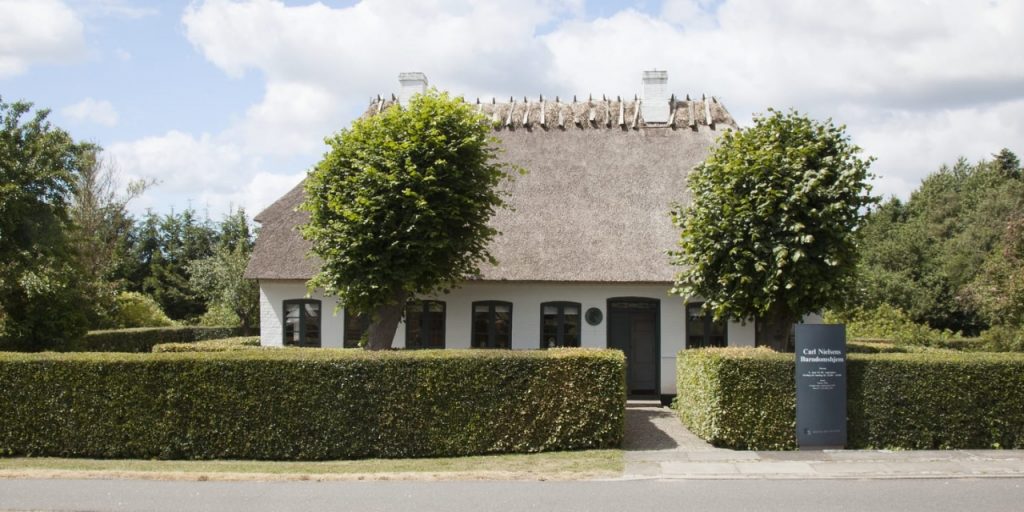
Carl Nielsen Museum. Photo: Kim Wyon/Visit Denmark
Denmark’s foremost composer, Carl Nielsen spent his early years in the city, and the Carl Nielsen Museum is devoted both to his life and work and to that of his wife, Anne Marie Nielsen, a sculptor. His childhood home can be visited at Nørre Lyndelse, 15km (9 miles) south of Odense.
Few other cities have a river that is clean enough to offer fishermen sea trout and eel, an accomplishment for a once-polluted industrial center. Today, the quarter around the old factory buildings at Kongensgade and Vestergade has been revitalized and is a popular destination for leisure-seekers.
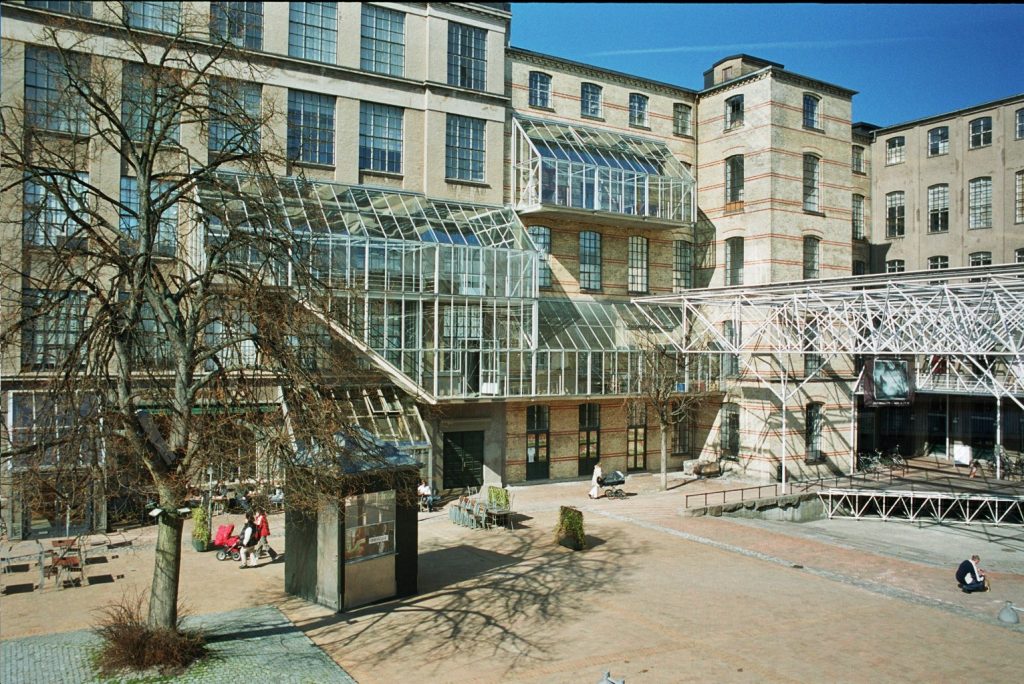
The former textile mill, Brandts, off Vestergade, is now a multipurpose cultural center. Photo: Jens Friis
The former textile mill, Brandts, off Vestergade, is now a multipurpose cultural center, complete with Museet for Fotokunst (Museum of Photographic Art), Kunsthallen art gallery, featuring a varied program of exhibitions, Danmarks Mediemuseum (Danish Media Museum), and Tidens Samling (Time Collection), which follows daily life and fashion since 1900, plus cafés, bars and concert halls.
Hans Christian Andersen’s childhood home. Photo: Wikipedia
Just south of Odense is a delightful spot, Den Fynske Landsby (Funen Village). It contains old farm buildings from different areas, with a vicarage, workshops, a windmill and watermill.
The Danish Fairytale City, written by Tor Kjolberg
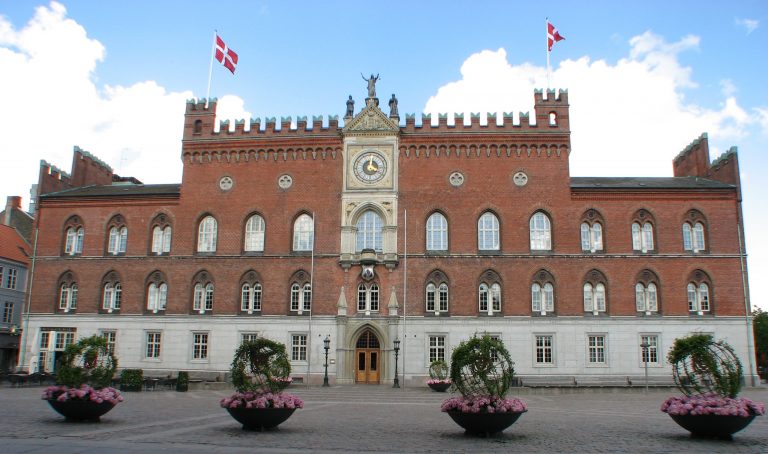
Feature image (on top): Odense City Hall. Photo: Wikipedia
Enjoying a happy life is primarily based on a happy home with roots extended to a happy workplace. A happier workplace can help you achieve your goals more satisfactorily. The Scandinavian work model emphasis employee’s happiness and satisfaction. Read more about what Scandinavians can teach us about work culture.
Well, this is not the case in many progressive countries like the UK & US. Scandinavian countries are outperforming these technological giants and keeping the lead for the past few years. Happier employees, healthier workplace, and thus higher productivity. Here is the list of the lesson we learn from Scandinavian culture to foster a workplace
Aksel Sandemose. Photo: Wikipedia
The Concept of Janteloven Janteloven (Law of Jante) was the term first introduced by Aksel Sandemose. The concept describes the equality of everyone. No one has any superiority over anyone else. One should embrace the values of others in the workplace.
In the Scandinavian model, employees are implicitly trusted by the outset. This trust results in an open working environment with lesser conflicts and more output. The Janteloven mentality defines the value of people working in your surrounding rather than putting yourself over the top. This is just en example of what Scandinavians can teach us about work culture
Photo: Anna Shvets / Pexels
Celebrate Often With Everyone The Scandinavian model works under a flat management architecture. Whenever there is any celebration, everyone is invited. When all the employees value each other, the atmosphere flourish. Everybody feels valued and happy with no priority play.
No matter you are in any position, your work gains recognition the same way your senior manager work does. This feeling of appreciation accompanies your self-confidence and boosts your outcome.
Yet another remarkable aspect of the Scandinavian model is ‘Fika’
Fika Yet another remarkable aspect of the Scandinavian model is ‘Fika’. It is a refreshment break in the mid-morning. You can enjoy a light breakfast, a hot cup of coffee, or some snacks. Having snack time with your coworkers maintains a friendly relationship.
The Scandinavian model provides flexibility to the employees by offering relaxation during working hours. Originated in Sweden, this concept has now slowly spread all around the world.
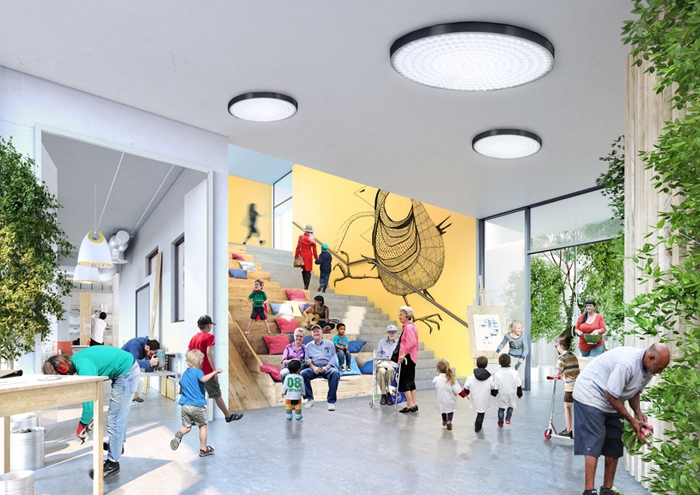
From House of Generations in Aarhus, Denmark
Free Daycare Facility The biggest concern of the working parents is the arrangement of a daycare facility for their child. The daycare dues and hiring a babysitter cost you a lot in the US. Sometimes instead of paying heavy dues, one of the parents ends up quitting their career.
Well, if you live in Scandinavia, you do not need to worry about daycare anymore. The Scandinavian workplaces offer subsidized daycare facilities according to your income. A person with a lower income might not pay a single penny. Whereas the employees with higher income pay slightly higher but still very reasonable.
Photo: Thisisengineering / Pexels
Flexible and Less Working Hours The Scandinavian schedule is far more flexible than any other country whether the US or UK. Scandinavian people work 36 hours weekly compared to 38 hours in the US. The difference becomes noticeable when calculating an hour annually.
More prominently, the average yearly earning is $38,000 in Sweden while $31,000 in the US. The difference is striking and so is the outcome. Scandinavian people enjoy flexible working hours and working overtime is not valued at all.
Medical ultrasound in Sweden. Photo: Sweden.se
Free Medical Care Although many organizations offer a medical allowance to their employees in case of any health issue. In the case of the Scandinavian structure, the employees enjoy highly subsidized massages and routine checkups. Some companies offer these services free of cost, depending on the company’s profit margins.
The Scandinavian model is more focused on the employee’s wellbeing than any other country. That is why this model is more successful worldwide.
Vacation in Scandinavia. Photo: Olivier Brugger / Unsplash
Enjoy Plenty of Vacations Usually, 16 days of paid leave is allowed in organizations. Contrary to this, Swedish companies have far more flexible rules. In Sweden, a person can enjoy 5 weeks off annually exclusive of Christmas and Easter holidays.
The Scandinavian countries eagerly believe in the employee’s mental and physical health. The purpose of plentiful vacations is to gather energy, make themselves fresh, and recharge themselves.
Photo: Fauxels / Pexels
No Boss, No Stress It is believed in Scandinavia that when the employees are given autonomy, they are happier. Instead, everyone has the liberty to make decisions, lead their projects, and manage their working schedule.
As there is a flat management structure, employees in Scandinavia are their own boss. No boss, No hardcore deadlines, no work pressure, No stress. One can perform the task in a way he likes.
Less stress greatly helps with productivity. You will see many people sitting with a laptop and a set of vertical monitors, working like there is no tomorrow.
Photo: Wikipedia
Subsidized Meals
*With numerous perks enjoyed by employees in Scandinavia, another one comes up as a free meal. The employees in Sweden enjoy free healthy meals in their canteens. The companies are concerned about the health of their employees. Therefore, they provide quality food for the employees.
Although this costs the company slightly in the short-term but in the long-term healthier employees perform healthily.
Encouraging Entrepreneurs The Scandinavian culture is the healthiest culture that flourishes the company’s atmosphere. Such rich atmospheres are the root to grow successful businesses. Starting a new business is always a risky step with many fears going around.
While in Scandinavia, you are provided with finance, education, and social support to encourage you to a startup. That’s why you see a lot of entrepreneurs working successfully in these Scandinavian countries.
Shawn Mack
What Scandinavians Can Teach Us About Work Culture, written exclusively for Daily Scandinavian by Shawn Mack. Shawn is a content writer who offers ghostwriting, copy-writing, and blogging services. His educational background in business and technical field has given him a broad base from which to approach many topics.