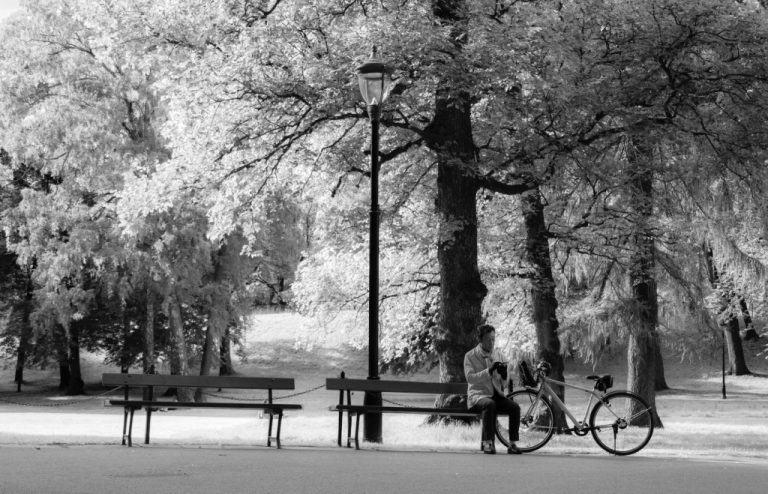
Queen Sonja of Norway has made the Palace Park in the capital Oslo a park reminding us of English romance with modern sculptures and skating ice on the ‘King’s Mirror’ (Kongespeilet). It is the king and queen who in collaboration with the Directorate of Cultural Heritage decide lasting alterations in the park. Read more about the Norwegian Palace Park in Oslo.
The Palace Park in Oslo is one of the Norwegian capital’s first and largest parks, surrounding the Royal Palace on all sides and features grassy areas as well as old, majestic trees.
The first palace gardener, Martin Mortensen, played an increasingly important role in the design of the park landscape
The Palace Park was developed simultaneously with the construction of the new Royal Palace. The palace architect, Hans Ditlev Franciscus Linstow, took active part in the planning of the park. Over time the first palace gardener, Martin Mortensen, played an increasingly important role in the design of the park landscape. Several plans for the park were developed, all of which differed from the final result.
The Palace Park displays the romantic landscape style that dominated garden arts in the 1840s. Extensive perennial plantings, great lawns as well as some of the oldest trees in central Oslo characterize the park. Despite its historical roots, new ideas and styles are also implemented in the park design.
The Palace Park displays the romantic landscape style that dominated garden arts in the 1840s.
Queen Sonja said in an interview that King Olav had, to put it mildly, been careful with upgrades. The park needed an upgrade to make it more accessible so that people could enjoy both summer and winter there.
As the city expanded to the west, the park came to lie at the center of the capital city
An open park
The park is based on the ideal model of nature which prevailed in the mid-1800s and which set the tone for European horticulture of the era. The park was constructed in the Romantic style, in which the “line of beauty” can be seen in the ponds’ undulating forms and the winding gravel paths.
The park was open to the public from the outset, and as the city expanded to the west, the park came to lie at the center of the capital city. It covers an area of 220 acres and contains about 1 000 trees, of which many were planted in the first phase of the park’s history.
One area is dedicated to native meadows, important for bees and pollinators
One area is dedicated to native meadows, important for bees and pollinators. The park also contains seven historic statues as well as a newly opened section with sculptures designed in collaboration with children.
Thanks to the country’s monarchs, the capital has a central park that has been open to the public for almost 180 years. The green lung was established in 1840 as a park around the castle of the Norwegian-Swedish king Carl-Johan. At that time, the castle was located on the outskirts of the city. Behind was only the farmland, and the king wanted the park to extend all the way to Bygdøy. But the Parliament was stingy on allocations to the Swedish king’s castle. The first castle grant in 1824, was barely enough to cover the groundwork, and to blast a road through two boulders down to the city.
Today, the Palace Park is a valuable, protected cultural monument which the gardeners of the Royal Court work to maintain in the best possible manner for everyone’s enjoyment. It also encompasses the Palace Square – Norway’s largest ceremonial square. Every year on 17 May, Norway’s national day, the Royal Family stand on the Palace Balcony and wave to the Children’s Parade as it crosses the square. When foreign heads of state visit Norway, they are greeted by the King and Queen in the Palace Square.
The main changing of the guard takes place daily at 13.30. During the summer, concerts or drill exercises may be presented in conjunction with this ceremony.
Interface between city and park Abelhaugen was and still is an important element in the park, creating a visual and practical connection between the city and the castle. This part of the park is named after Niels Henrik Abel, a famous Norwegian mathematician. It is redesigned to a small but complex garden with a beautiful planting of roses and perennials.
Princess Ingrid Alexandra Sculpture Park
Princess Ingrid Alexandra’s Sculpture Park was opened in 19th May 2016 and was designed by Head Gardener Royal Estates Ane Senstad Guldahl and The Royal Court Landscape architect Thor Johansen.
The Norwegian Palace Park in Oslo, edited by Tor Kjolberg
For the past 8 years, Jon Arne Foss has distinguished himself as an “Oslo photographer”. Ha has been a contributer to the Oslo blog “Poor Guy” with exhibitions in Oslo at DOGA, VisitOslo’s premises in Østbanehallen and premises at Økern Næringspark.
Jon Arne has also submitted photos to NRK (Norwegian Broadcasting Corporation). “I have a fascination with Oslo’s varied content with the islands in the Oslo Fjord and the nature in the fields of Oslo, The suburban developments connected to the downtown by tram tracks and the metro,” Says Jon Arne Foss. He recommends a look at the design of the metro stations for example Romsås, Nydalen, National Theatre and Løren. The new developments in Bjørvika and Sørenga are particularly attractive to all photographers. “Give yourself some time to plan. On closer inspection you will quickly observe new lines and perspectives,” he advises.
Birch wood or bark is called “näver” in Swedish and “never” in Norway. It plays a great part in the historical part of Scandinavia being the main wood for furniture and home building. They were also used to build boats during the Viking era. Here you can learn how to clean your Scandinavian birch wood furniture.
Scandinavian birch wood has a tendency to become faded and discolored with age. That’s why if you have Scandinavian birch wood furniture at home, you should know how to properly maintain it.
Cleaning birch wood furniture requires great care and careful polishing so it will look new and clean. If you want to make it look good as new, you’ll eventually have to do some restoration.
That being said, restoring your furniture can be done at home and is actually fairly easy. However, you will have to spend quite some time to finish the whole process.
Antique Scandinavian bookcase
Cleaning Before you polish your birch wood, you need to clean off all the dirt on it. Similar to cleaning a hardwood floor, you need a few cleaning tools, and then to follow these steps to remove the dust.
Use a dusting rug to remove all the dirt, dust, and any other residue that might have settled on the wood.
If you find a lot of grease on it, use a degreasing cleaner. Fill a spray can with a degreasing cleaner and spray it on the entire furniture. Wait for a couple of minutes to let the cleaner settle in.
Clean using a scrub brush. Make sure you use gentle strokes to scrub off the dirt. You can use sandpaper to remove hard to clean stains from the surface of your furniture. However, only do this if you are only planning to restore it. After sanding the surface, use a vacuum cleaner to remove the wood particles.
Rinsing Now that you got rid of all the dirt and grease and scrubbed the plywood clean, the next step is rinsing the wood.
Rinse the cabinet with water. Scandinavian birch wood is 100% waterproof so you won’t have to worry about them soaking up moisture. Let it dry. You can air-dry your furniture for the best results. However, if your furniture is very old, it’s not recommended to use water on it. You can dampen a rag and manually scrub it clean to remove the oil and chemicals on it.
Finishing Using a piece of cloth, daub on the finish restorer. Apply the cloth with the chemical to your furniture in circular motions. Rub the cloth all around it. Make sure that you don’t apply excess finish restorer. If you happen to excessively apply it, use a clean, damp cloth to remove it.
Glossing Now that you’ve completely cleaned your furniture, it’s time to make it look like new again. While the restorer helps a little in bringing back some of the original colors of the furniture, you need a little more to make it look new.
Birch wood furniture on display. Photo: Drammen Museum, Norway
Use linseed oil to give it a glossy finish to the surface. Boil the linseed oil for a few minutes. Allow it to cool afterward. Use a paintbrush to apply it and completely cover your entire furniture. The linseed oil will get the original sheen of the wood back while casting a protective coating on it.
However, like all things the coating will wear off with time. So, you will have to repeat the process of cleaning and restoring after a few years from cleaning it.
How to Clean Your Scandinavian Birch Wood Furniture– Conclusion Cleaning your Scandinavian birch wood furniture is fairly manageable but you also need to be gentle. They’re some of the best woods you can use for your furniture so you need to preserve them and treat them with care.
How to Clean Your Scandinavian Birch Wood Furniture, written exclusively for Daily Scandinavian by Allen Michael.
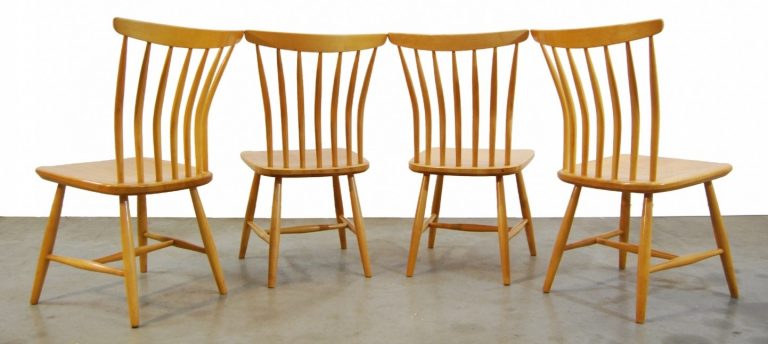
Fature image (on top) 1950s Scandinavian antique birch dining chairs from Akerblom, Sweden
Hospitality management education has generally been provided by university departments and hotel management schools. Changes over time have seen these educational departments and schools being absorbed by larger units, such as business schools. The new School of Tourism and Hospitality in Geilo, Norway now offers a two-year program at a level above upper secondary education, ensures that the students gain a balanced approach to the hospitality business encompassing operational as well as academic issues.
The new School of Tourism and Hospitality in Geilo, Norway will at the same time ensure that Norwegian hotels and hospitality businesses can welcome long-awaited skilled employees.
Knut Arne Gurigard has been owner of the school throughout the development phase. “There have been many alpha males to deal with and demanding to keep the progress engaged and positive,” he says. “But the business community has been positive and supportive all the way and the county council has been willing to use resources.” He emphasizes that there has been an exceptionally good collaboration between the County Municipality, Tinius Olsen Vocational School in Kongsberg, Region Hallingdal and the tourism industry.
Knut Arne Gurigard has been owner of the school throughout the development phase
New Norwegian School of Tourism and Hospitality with 40 students
Jonny Pettersen from the Tinius Olsen Vocational School in Kongsberg was appointed project manager and was given the task of developing the school and its content. The owner, Viken County Municipality, has according to the project manager been very solution-oriented and contributed to the Norwegian School of Tourism being able to welcome 40 students in August.
“Hospitality management schools have always trained students to pay attention to detail, to care for customers and provide impeccable service, and our school’s hospitality business programs also meet the industry needs for business specialists,” says campus leader Ole Fredrik Stevning.
Campus leader Ole Fredrik Stevning (left) and appointed project manager Jonny Pettersen
Perceptions about Geilo
Why has Geilo become the go-to destination to obtain a reliable hospitality education? And what makes the Geilo model of hospitality teaching so effective?
Perceptions about Geilo are shaped by many operators, and show how both the tourism industry itself, external seasonal workers and the local young people are involved in shaping the images of the destination. The magnificent nature is an important ingredient in this image. A number of hotels and restaurants help to emphasize that “something is happening here!” and the young people agree that this is a party place.
The school itself applies the term “higher vocational education”
Divided course program
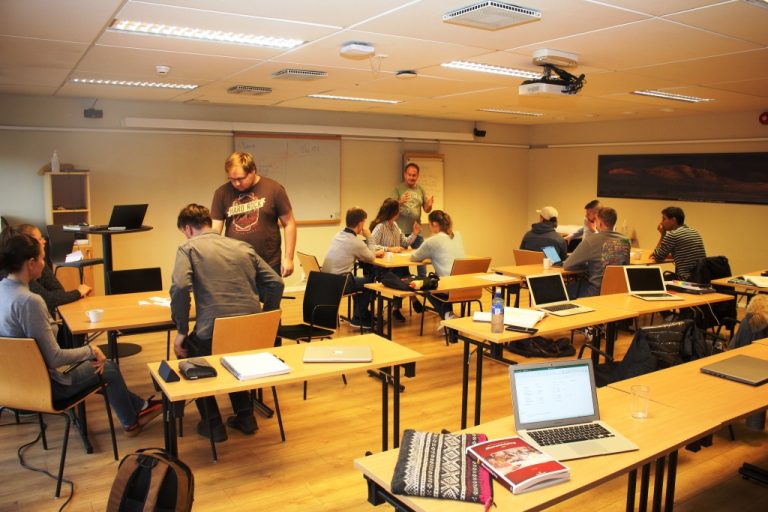
The two-year course includes two months of practical placement in the school’s member organizations. The school itself applies the term “higher vocational education” and the course program consists of “Tourism and Destination Development”, “Communication and Language” and “Marketing and Finance”.
The subjects in the new School of Tourism and Hospitality in Geilo, Norway go a bit into each other and the students are a complex group, “says Jan-Anders Dam-Nielsen who is a teacher in communication. “The connection to Bardøla hotel, where the teaching takes place, is worth its weight in gold,” he says and adds, “Geilo is regarded as «a destination of hospitality» because it began seriously to catering to tourism at an early stage in Norwegian tourism.
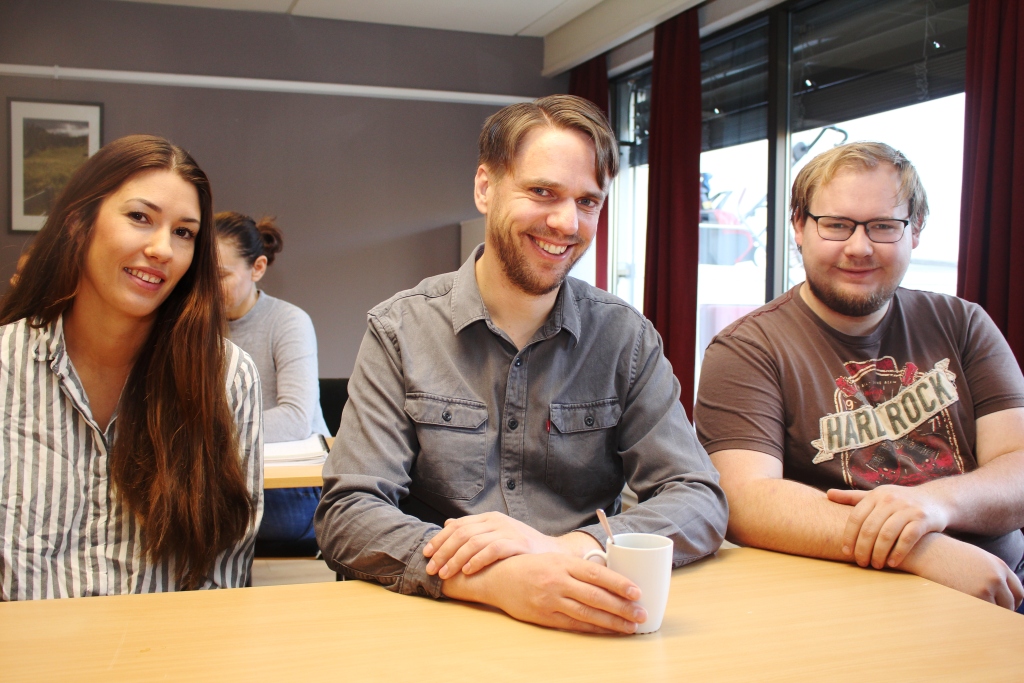
Students (from left): Katrine Bergan (26), Espen Korsveen (40) and Christian Eide Fredriksen (25)
Preparing students for the future
At the moment, the school has 40 students. The students come from all over Norway. Some have worked in hotels as receptionists, some in administrative positions, while others have been working as cooks or have agricultural background. The requirement for admission is 5 years of relevant practice.
More than a traditional university environment, Norwegian School of Tourism in Geilo is preparing students for the future by integrating technology, customer experience and research into the academic programs. The education provides study competence.
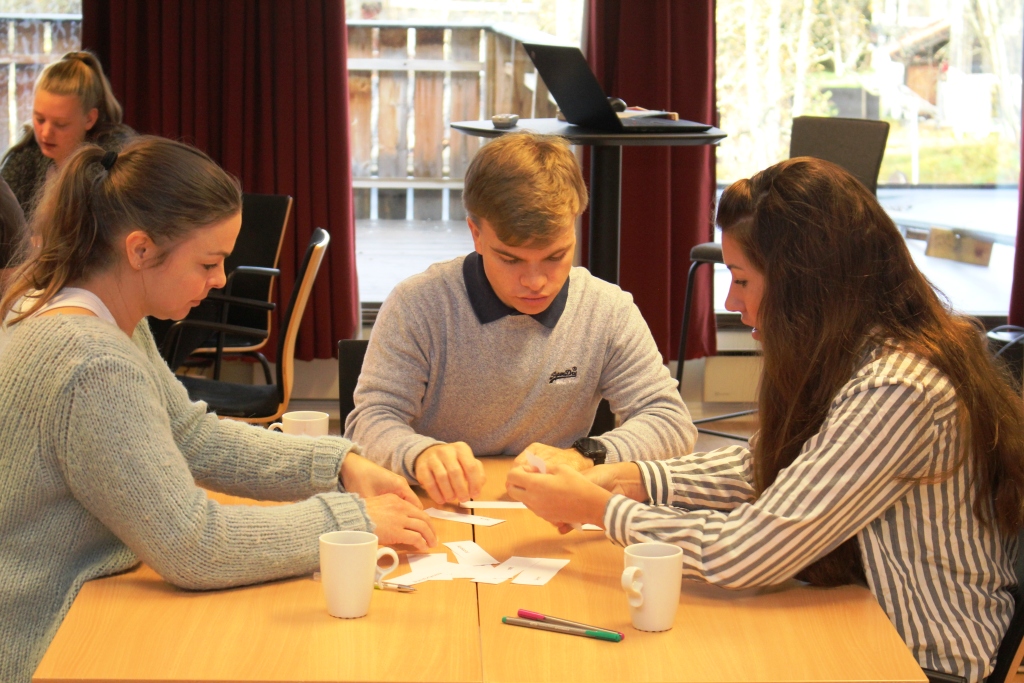
We spoke with three students, Katrine Bergan (26), Espen Korsveen (40) and Christian Eide-Fredriksen (25). All three have had practical work in the tourism industry and had an earnest wish to build on their experience with theoretical subjects. “Our experience from practical business has proven to be very useful,” they say. “We are now being challenged with real issues that we have to deal with.”
The students emphasize that visits from the business community are important. “Real issues are something we want to deal with and the challenges will come when we are being deployed, 7 weeks in springtime and 7 weeks next autumn,” they say.
Summer activities in Geilo
A quickly changing hospitality industry
“The challenges include the implementation and quality assurance of various subject areas in a pedagogical way so that the students get a valuable academic supplement,” says campus leader Ole Fredrik Stevning, who is in charge of 6 qualified lecturers with cutting-edge expertise.
“The hospitality industry is changing quickly led by new technology and evolving consumer behaviors. Hospitality schools, however, are often seen as remaining very much the same as they were 30 years ago, an outdated perception that needs to change,” he adds.
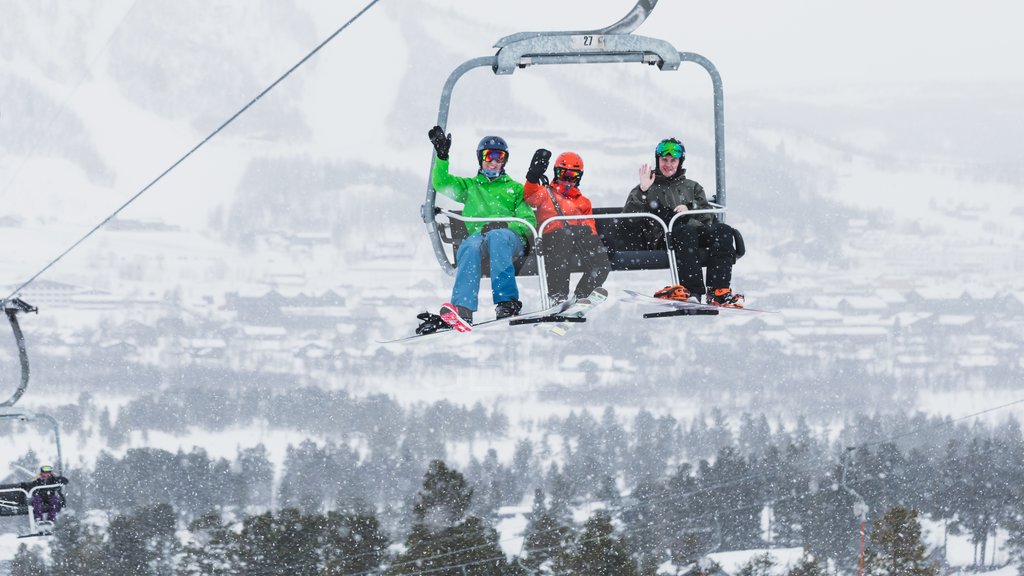
Ski lift in Geilo
The Norwegian School of Tourism and Hospitality is a modern, thorough and up-to-date vocational school for the entire tourism industry. In Hallingdal, tourism has been a natural part of the people and culture since 1849. Now, the combined knowledge and experiences will be shared with the students. “The business of hospitality is in our blood,” says Stevning.
Enthusiastic lecturers
One of the lecturers, Kyrre Romuld, has been a part of strategic planning in the education and has extensive experience from education and the hospitality business. He has co-written several books and specialized in digitalized teaching aids.
Geir Høistad is lecturer in marketing
In his opinion, technology is the most disruptive change to which industries have to adapt. Winners are the companies who succeed in freeing up time and resources and helping customers connect with others using technology.
Kyrre Romuld has been a part of strategic planning in the education
Geir Høistad is lecturer in marketing and has a broad background as self-employed for 20 years. He comes from a family of lecturers, has an MSc in Economics and has taught in upper secondary school since 2009. When he read about the new school which was to be established in Geilo, he became interested and applied for a position.
“We have motivated students with varied backgrounds,” he says. “Some have digital competence while others have major shortcomings. But everyone must be involved, and in group work it’s all about mastery in practice. The students’ involvement is touching for a lecturer,” he adds.
Jan-Anders Dam-Nielsen, teacher in communication
Kyrre Ronald has been involved in the planning of the school and is a specialist in digital teaching aids. He has a Master of Arts and educated in sustainable tourism. “It is exciting to work closely with local businesses,” he says, adding: “It is important to facilitate practical subjects. The key word is cooperation.”
Visit Geilo vs. local travel industry Visit Geilo is a development and marketing organization for tourism in Geilo. Visit Geilo consists of 150 members (owners), and has been an important partner in the development of the Norwegian Travel Industry Academy. In connection with the start-up of the Norwegian School of Tourism, Visit Geilo has contributed with relevant projects, as well as student guidance on these projects.
Terje Simonsen, General Manager of Bardøla High Mountain Hotel
Bardøla High Mountain Hotel
Terje Simonsen is General Manager of Bardøla Høyfjellshotell. He started as a cook apprentice at the hotel in 1991 and advanced to head chef, operations manager and sommelier. The Norwegian School of Tourism is currently located in the hotel’s conference department. He says that the journey from apprentice to management has been exceptionally rewarding and he appreciates being a part of other people’s training and motivation.
Roger Espelid, CEO The Geilo Group
Geilogruppen (The Geilo Group) AS The company owns three large hotels in Geilo; Vestlia Resort, Highland Lodge and Bardøla Høyfjellshotell (Bardola Mountain Hotel) and some other properties. The CEO, Roger Espeli, has played an important role in building the company to what it is today, and he is also chairman of the board at Visit Geilo. The Geilogroup has been a very important partner in the development, and contributed with marketing and participation in various forums that have worked with the development of the Norwegian School of Tourism. From 1 August 2020, the Norwegian School of Tourism and Hospitality will be located at Bardøla Høyfjellshotell (Bardola Mountain Hotel).
Mayor of Hol municipality, Petter Rukke, says that a hospitality school in Geilo has been crucial for regional cooperation
Final words from the Mayor of Hol Municipality
Mayor of Hol municipality, Petter Rukke, says that a hospitality school in Geilo has been crucial for regional cooperation. “There was never a debate about school placement,” he says. “It’s completely unique that no other regions in the county demanded that the school be located in their municipality. Everyone wanted such a school, and it was urgent.”
Roger Espelid is the leader of Visit Geilo. Geilo is described as the Nordic region’s best tourist destination, and Geilo was the most natural location. “The launching ceremony is the greatest inaugural I’ve ever attended,” says Rukke. “All mayors from the region with a chain were present, and also tourist representatives from all over Norway. 6 municipalities and the entire region have been involved. It was touching. But now the opening party is over. Now it is important to maintain the level of ambition and drive,” he concludes.
New School of Tourism and Hospitality in Geilo, Norway, written by Tor Kjolberg
According to HSBC global economist James Pomeroythe degree of fiscal support available in Norway and Sweden offers cause for a rosier outlook than the rest of the developed world.Therefore,Scandinavia is expected to have an economic kick-start in 2021.
Improving consumer and capital spending, combined with continued fiscal stimulus, drive a rebound in domestic demand in Scandinavia. Also, a Reuters poll of economists predicts that the recession in Sweden and Norway from the COVID-19 pandemic is now expected to be shallower than originally projected.
Both Sweden and Norway notched better-than-expected recoveries in the third quarter. Photo by Resi Kling / Unsplash
Better-than-expected recoveries
Both Sweden and Norway notched better-than-expected recoveries in the third quarter, with GDP (gross domestic product) expanding by 4.3% and 5.2% respectively after the second-quarter slump at the height of the coronavirus crisis.
Inflation came in at 0.7% in October, unchanged from September’s reading. In 2021, regional inflation is forecast to pick up on higher consumer spending and improving labor markets, having fallen significantly last year.
Relatively low oil prices and uncertainty around the trajectory of the pandemic are likely to keep price pressures muted nonetheless. Photo by Bram Naus / Unsplash
Positive news on vaccines
Scandinavia has been less badly hit than many European economies, despite taking very different approaches to fighting the spread of virus, with Sweden opting for the most-lax response on the continent.
Alongside the positive news on vaccines driving optimism about a global economic recovery in 2021, HSBC global economist James Pomeroy said in a recent research note that “the degree of fiscal support available in both countries offers cause for a rosier outlook than the rest of the developed world”.
However, relatively low oil prices and uncertainty around the trajectory of the pandemic are likely to keep price pressures muted nonetheless. Central banks in the region maintained ultra-accommodative monetary policies over the past month, with Norges Bank holding rates at 0.00% at its 5 November meeting. Overall, regional monetary policy is projected to remain loose in 2021 as central banks seek to continue measures taken this year to bolster the economic recovery.
A strong digital culture are among reasons economists said the region has escaped worse economic damage. Photo by Austin Distel / Unsplash
Strong digital culture Less reliance on services and tourism and a strong digital culture are among reasons economists said the region has escaped worse economic damage, as well as relatively swift and early lockdowns in Norway and Denmark.
Sweden and Norway tightened restrictions over the past month, despite Sweden’s previous skeptical stance on lockdowns. Although not quite as stringent as the measures taken elsewhere on the continent, Swedish Prime Minister Stefan Lofven has urged the public to avoid gyms, libraries and restaurants and cut the limit on public gatherings from 50 to eight.
Scandinavia Expected to Have an Economic Kick-Start in 2021, written by Tor Kjolberg
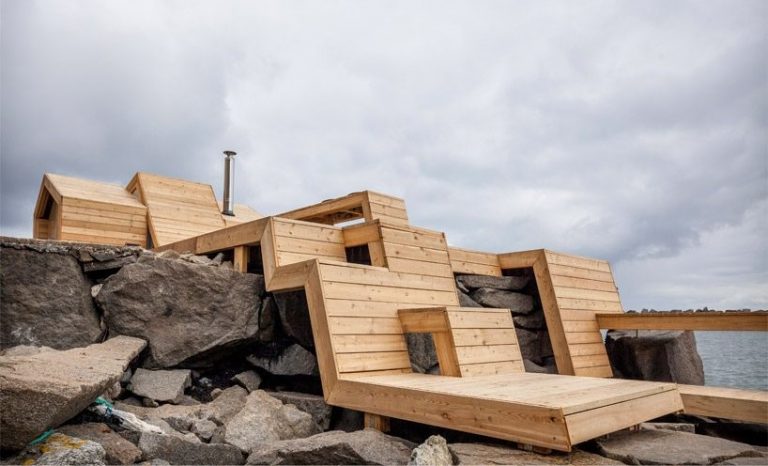
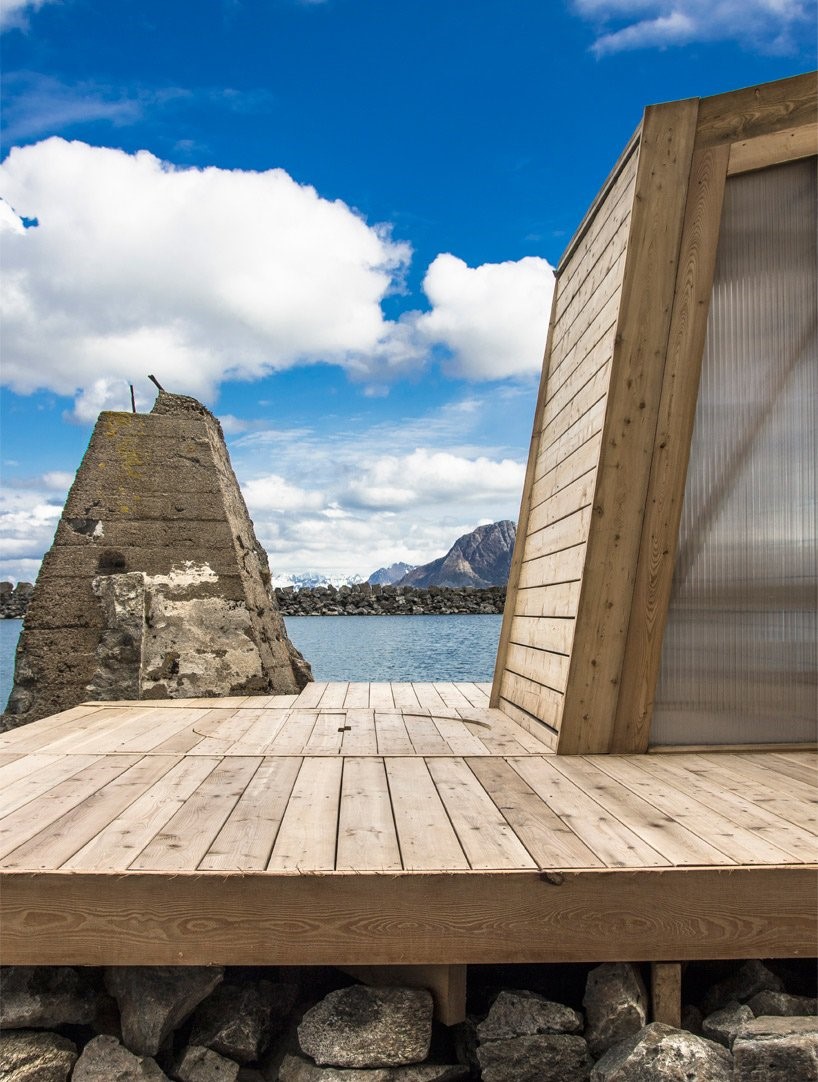
In an abandoned fishing village in the far north of Vestvågøy in Norway, a new building emerges from the shore. Freshly sawed wood shines in the sun in contrast to the old, weather-beaten houses around. The project is called the Bands, and is part of an art and culture center connected to Villa Lofoten. Read more about how 24 architecture students created new life at historical farm in Northern Norway.
At Villa Lofoten you can live in a historical farm and in listed harbor buildings. In earlier times these buildings were vital in allowing those who lived here to use local resources in a sustainable way. Since time immemorial people in Lofoten have survived through a combination of fishing and farming.
Located north of the Polar circle
Kleivan is a small town on Norway’s Lofoten islands. Located north of the polar circle, even in its prime the place was little more than a fishing village. Representing a bi-gone era, three buildings still exist on the village’s quay: a fisherman’s cottage, a cod liver oil production plant and a cod salting building. Dating back to the early 1800s, the structures showcase a lifestyle that is likely never to exist in the same way again. Due to their historical significance, all three were listed in the cultural heritage plan for Lofoten by Nordland county in 2007.
“The assignment was to create a meeting place for people in the area,” says Solveig Sandness, lecturer and civil engineer at the School of Architecture and Design in Oslo (AHO). “Villa Lofoten is founded on culture and nature. Through restoring old buildings and putting them to new use we have conserved and communicated Lofoten’s unique history. New life in old buildings is better than depopulation and decay. Values created by previous generations are given meaning in new contexts,” she adds.
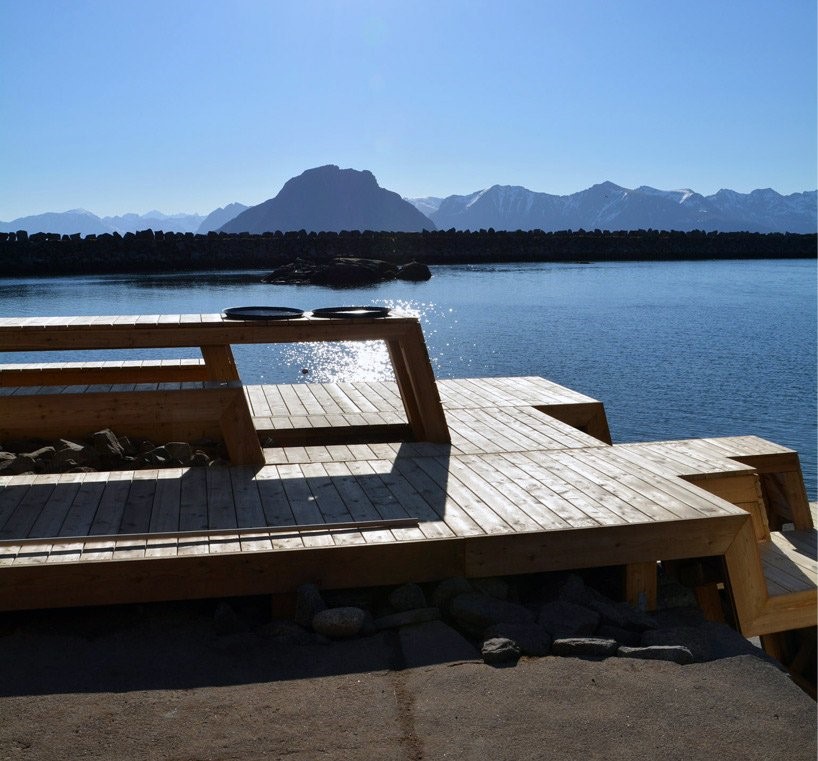
Students were asked to improve the use of protected buildings Students of the scarcity and creativity studio from the AHO were asked, ‘to improve the use of these protected buildings by creating a melting point which would provide activity and social life to increase the use of the quay, and make it more pleasant for visitors, artist groups, locals and summer tourists.’ Their answer came in the form of The ‘bands’, a multi-purpose facility that forms a sensitive relationship with the landscape and water.
the name comes from the basic organization of the project, which can be described as three independent ‘bands’, or strips, that run parallel to the waterfront. All functions are built into folds and directional changes of the lines, separating the whole into four sections. In the north, the deck emerges directly from the water. From there, they move jaggedly up to the main level; home to a sauna, a changing room and a patio with hot tub, table, benches, barbecue and a gutting bench.
The roofs mirror the mountains The idea was that the roofs of the Bands should mirror the mountain peaks around, the displacements in the roof surface also ensure that the area is broken up and that daylight enters the building from several directions.
Together with architect Christian Hermansen and doctoral fellow Marcin Wojcik, Solveig Sandness led 24 architecture students in the work with the Bands. The project at Kleivan was part of the teaching offer at AHO, a course for fourth- and fifth-year students at the school.
Residency program for artists from around the world
Towards the turn of the century, Kvalnes was affected by a decline in population. Houses were sold and new people moved in. Kvalnes is one of the six inhabited places in Vestvågøy with midnight sun. People who like Kvalnes are often people looking for presence, closeness to nature, and self-expression.
Villa Lofoten is also run as a residency program for artists from around the world.
24 Architecture Students Created New Life at Historical Farm in Northern Norway, edited by Tor Kjolberg
As a film location manager, you are tasked with finding locations and securing them for the members of the film industry and the production crew. Many a number of times finding the right location often depends on aesthetic appeal and movie elements that can be complemented during the shoot. Learn about the 11 reasons why Scandinavia is the best choice for film location manager.
This is why Scandinavian countries can be a perfect place to set up your new film set as it offers an incredible amount of natural beauty and terrific locations to serve as backdrops.
Popular tourist destination
According to a recent study by Statistia.com, Denmark in 2019 had the highest share of 45% for overnight stays of foreign travelers in Nordic countries. Sweden had the second most visits amounting to 27%, followed by Norway (17%).
Scandinavian countries are considered quite friendly, and according to another report by Statistia.com, over 1.5 billion tourist visits were recorded for Norway alone in 2019. While Norway is overflowing with amazing landscapes, Sweden and Denmark have a lot of cultural and medieval attractions to offer.
In light of this information, let’s look at some of the reasons as to why you should choose Scandinavian countries for your next film’s location.
Scandinavian countries are overflowing with national parks Image Credits
Abundance of National Parks Parks can be a great setting for movies, and they can serve a variety of purposes during the day and night both to excite people, leave a pleasing impression, and even incite fear in the dark. Luckily Scandinavian countries are overflowing with national parks and natural settings. Here Norway and Sweden take the cake and offer you delightful locations to shoot and capture their beauty and glory.
Parks in Norway
Hardangervidda National Park – largest national park in Norway and Europe’s largest mountain plateau.
Dovrefjell-Sunndalsfjella National Park – occupying over 654 square miles, known for its musk oxen and reindeers.
Blåfjella-Skjækerfjella National Park – one of the largest parks in the country with astonishing hiking trails and wild animals including wolverines, lynxes, and birdlife.
Parks in Sweden
Muddus National Park – belongs to the largely untouched UNESCO World Heritage classified Laponian area.
Färnebofjärden National Park – covering over 25,000 acres with complex hydrography and great biodiversity with numerous species of birds including woodpeckers and owls.
Kosterhavet National Park – first national marine park and home to the largest seal colony while offering surreal sunrises and sunsets
Norway is famous for its fjords. Photo: Fjord Norway
Continue reading 11 Reasons Why Scandinavia Is the Best Choice for Film Location Manager.
Breathtaking Mountains
Norway is famous for its fjords, and amongst its fjords, the Trollfjord or Trollfjorden takes the crown. Surrounded by mountains that over 3,500 ft. high, the mouth of the Trollfjord is only 100 meters wide, making for some truly exciting entries. Other than that, there are several notable mountains in Scandinavia, including:
Galdhøpiggen – tallest mountain in Norway at 2,469 meters above sea level.
Kebnekaise – highest mountain in Sweden with an elevation of 2,106 meters above sea level.
Stetind – also known as Stetinden or Stadda in the municipality of Narvik in Nordland County.
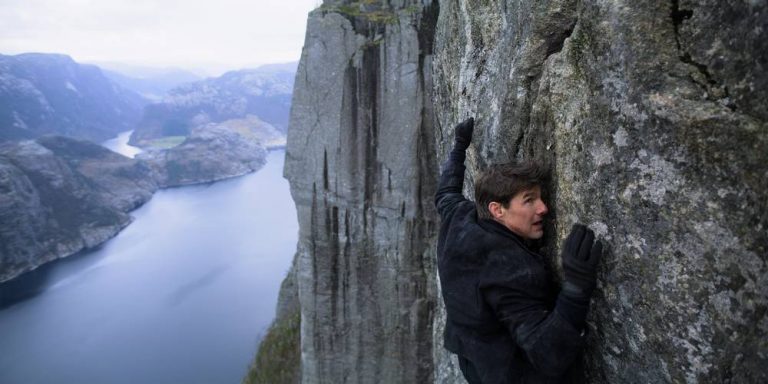
Pulpit Rock – also known as Preikestolen or Prekestonlen, a popular tourist destination in Rogaland County.
Kjerag/Kiragg – where you will find Kjeragbolten, a 5-cubic meter rock suspended above a 984-meter abyss and wedged in the mountain’s crevasse.
Road network in Scandinavia
Expansive Road Network Travelling to a new location can be tedious, and this is why you should consider locations that make touring easy. Scandinavian countries offer you an expansive road network that makes road travel convenient.
Sweden alone offers numerous motorways, national roads, and secondary or regional roads. The secondary and regional roads in Sweden measure at 157.2 thousand kilometers. Public transport in Scandinavia is also bliss where passengers can use the same ticket to travel by bus, light rail, rail, and urban ferries in some cities.
Additionally, you can journey throughout the region use a smartcard to pay for your travel.
Scandinavian countries offer you the tremendous architecture of buildings with both modern and fairytale settings. Image Credits
Dreamy Buildings & Structures Scandinavian countries include Denmark, Norway and Sweden. All three countries offer you the tremendous architecture of buildings with both modern and fairytale settings. There are, in fact, castles that you can use to serve as the backdrop for a fictional movie setting, while others feel futuristic and carry superb aesthetic appeal. Some prominent buildings in the region include:
Oslo Opera House – Norwegian National Opera and Ballet theatre in Norway that looks like a spaceship crashed on our planet.
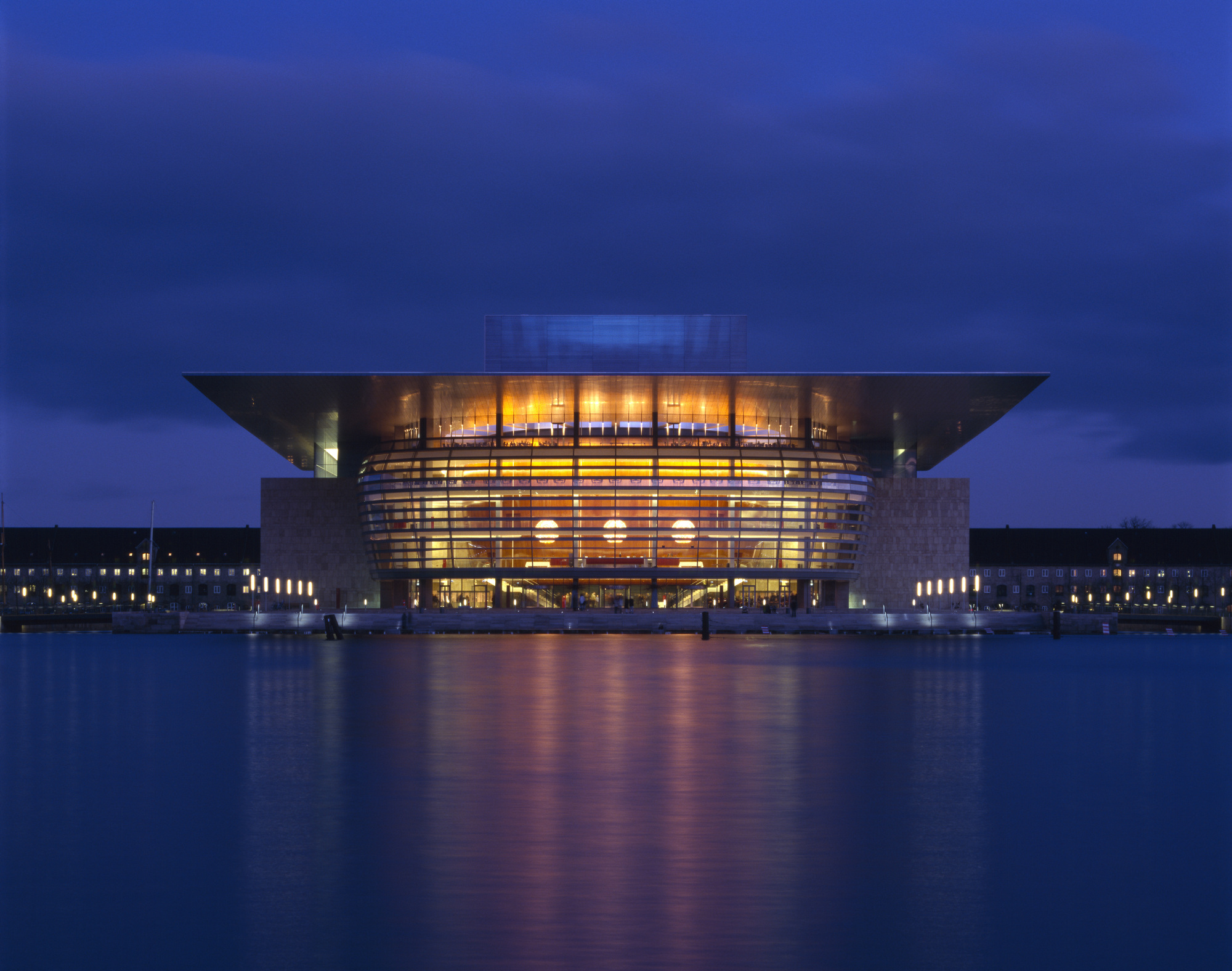
The Copenhagen Opera House – massive and breathtaking national opera house of Denmark built at the cost of over $380 million.
Skyview, Stockholm – offers glass-enclosed gondola rides for families and tourists along the outside of the Ericsson Globe, the world’s largest spherical building.
The Scandinavian folklore has prominent elements from Norse mythology as well as Christian conceptions of the world. Image Credits
Folklore & Norse Mythology The Scandinavian folklore has prominent elements from Norse mythology as well as Christian conceptions of the world. It includes folklore from the Faroe Islands, Denmark, Iceland, Norway, and Sweden. Furthermore, it also includes influences from English folklore, Germany, and Baltic countries.
Trolls in Scandinavian folklore are fairly common and are considered popular characters in many ballads, fairy tales, and legends. Pupils in higher education who seek a custom essay also spend time reading about these myths and folktales. Then several cultural events happen in the region which can be used to put a slice of life in your films, including:
Hans Christian Andersen Festival Odense, Denmark and Island of Light Smogen, Sweden.
Historical Landmarks Some of the most prominent landmarks spread throughout the Nordic countries are enchanting and majestic to behold in their own right. Some popular ones include:
Drottningholm Palace – one of the private residences of the Swedish Royal Family built on the island Lovon.
Frederiksborg Castle – a palatial complex in Denmark that speaks of true magnificence and splendor that can make even Disney’s castle shy away.
Icehotel – located in Sweden, the world’s first and largest hotel built with ice and snow.
Lofoten Viking Museum – surrounded by the beautiful scenery of Bostad, Norway. It offers a reconstructed longhouse with a unique outlook.
Scandinavian countries are simply pouring with lakes Image Credits
Lakes Galore If you plan to include a lot of waterfront shots or scenes near a lake, then look no further as Scandinavian countries are simply pouring with lakes. Some of the best ones include:
Lakes in Norway
Rossvatnet – a lake and reservoir in the municipalities of Hattfjelldal and Hemnes in Nordland County.
Mosvatnet – the third largest lake in the municipality of Stavanger in Rogaland County.
Lakes in Sweden
Lake Asnen – a large lake with roughly a size of 58 square miles in southern Smaland.
Lake Vattern – the second largest lake by surface area in Sweden with a surface area of 738 square miles.
The terrain and typography of the Nordic countries offer a wide range of diversity Image Credits
Mesmerizing Scenic Beauty The terrain and typography of the Nordic countries offer a wide range of diversity that will keep you guessing the best location to pick for your next film. Here are some outstanding venues that offer bedazzling scenic beauty.
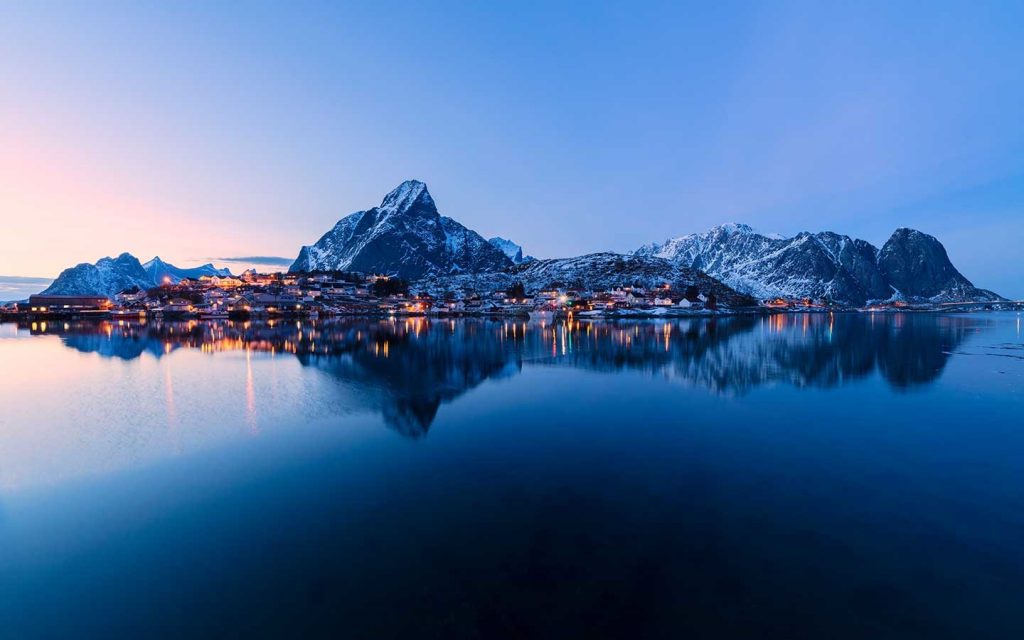
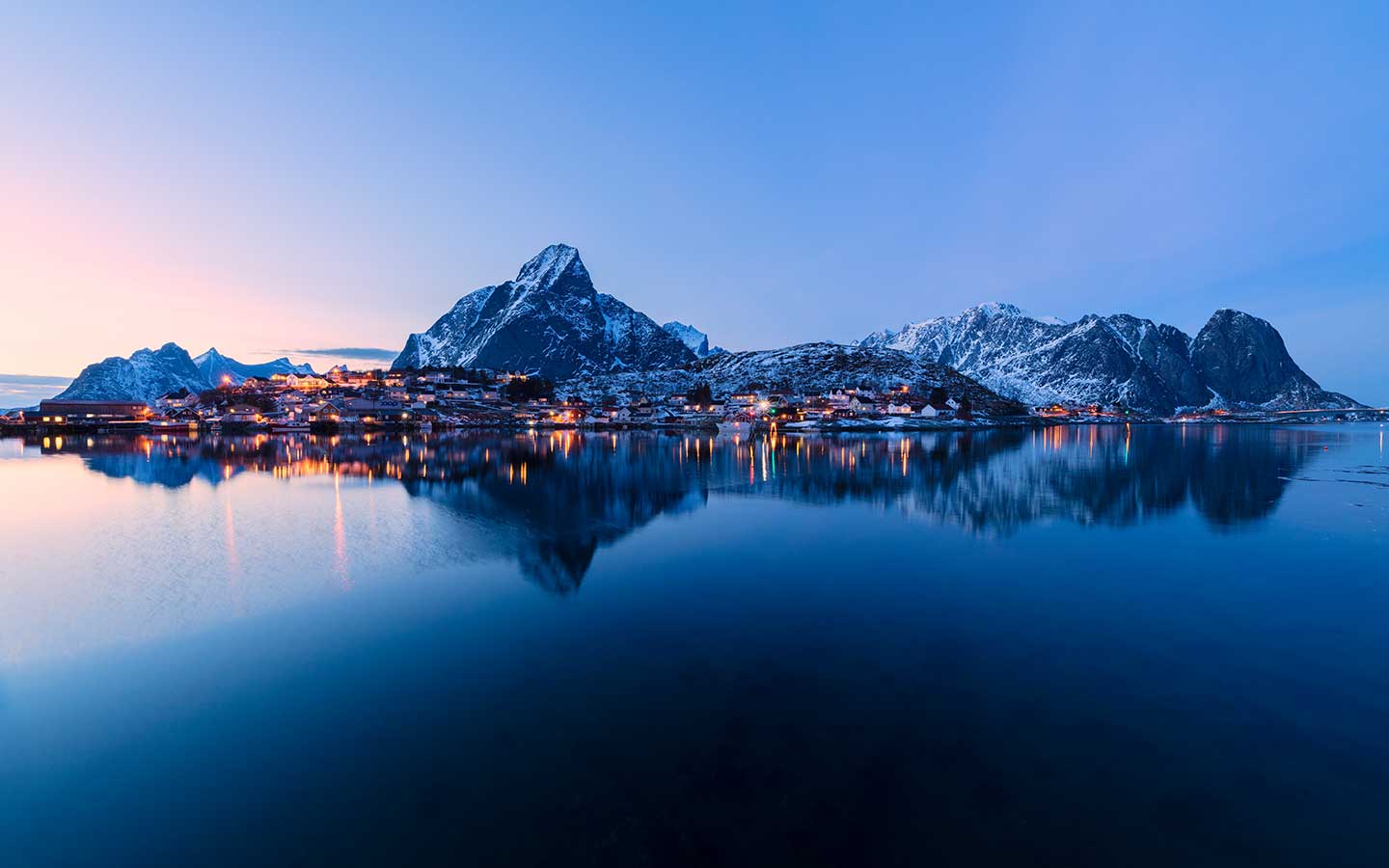
Lofoten Islands (photo above) – this is where most people will experience a jaw-dropping reality and dramatic scenery.
Rabjerg Mile – a gigantic migrating dune in Denmark that creates scenic views that make you feel Sahara Dessert which is actually 3,880 kilometers away.
Trolltunga – picture the pride rock from Lion of King and now give it a gothic and troll-ish look with snowcapped mountain tops in the distance.
Geirangerfjord – another marvelous fjord, this time in Romsdal County, offering spectacular views and natural beauty.
While winters can be tormenting and cold can be harsh to deal with, summer is the best time to visit the Nordic countries Photo by Anh Lam / Unsplash
Outstanding Weather While winters can be tormenting and cold can be harsh to deal with, summer is the best time to visit the Nordic countries. Summer times in Scandinavia is during the months of July and August, offering you heavenly weather conditions that you would wish to last throughout the rest of your life.
The summer also inspires a lot of outdoor activities, gatherings, and family picnics. You are greeted by serene blue skies that fill your soul and make you at peace with yourself. Students would also apply for dissertation help UK to spend their free time out in the sun during the summer season.
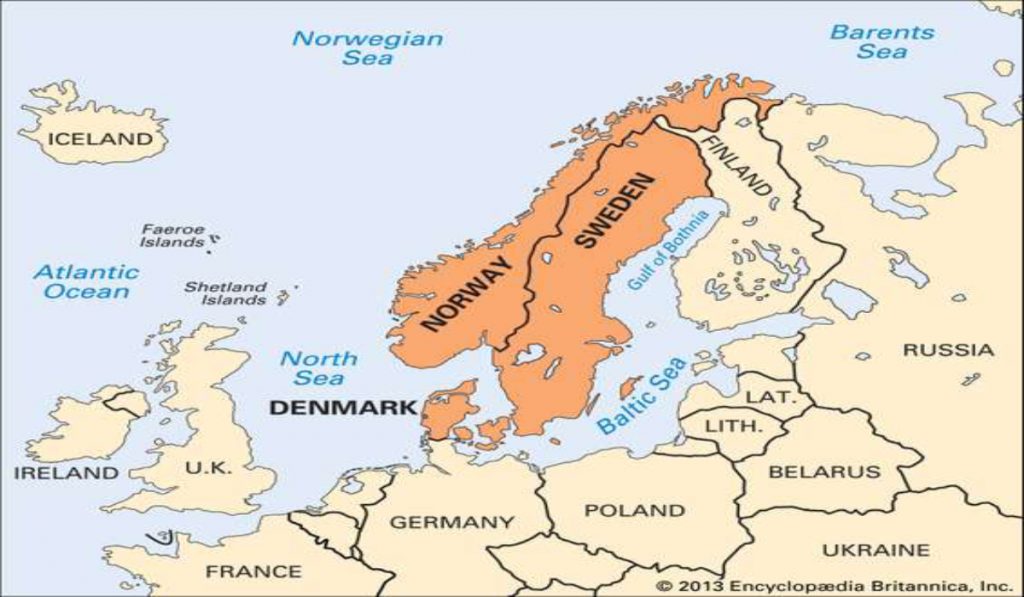
The entire population of the Scandinavian countries is just 21 million people as of 2017. Map: Encyclopedia Brirannica
Population Density Denmark is the most densely populated region in Scandinavia with a population density of 133.9 people per square kilometer. This is compared nothing to New York City’s population density of 38,242 people per square kilometer.
In fact, the entire population of the Scandinavian countries is just 21 million people as of 2017, which is even more surprising as New Delhi, a city in India was reported to have over 21.75 million people back in 2011. As a film location manager, this means you would have to practice less crowd control maneuvers during shoots and takes, which makes your job pretty much easier.
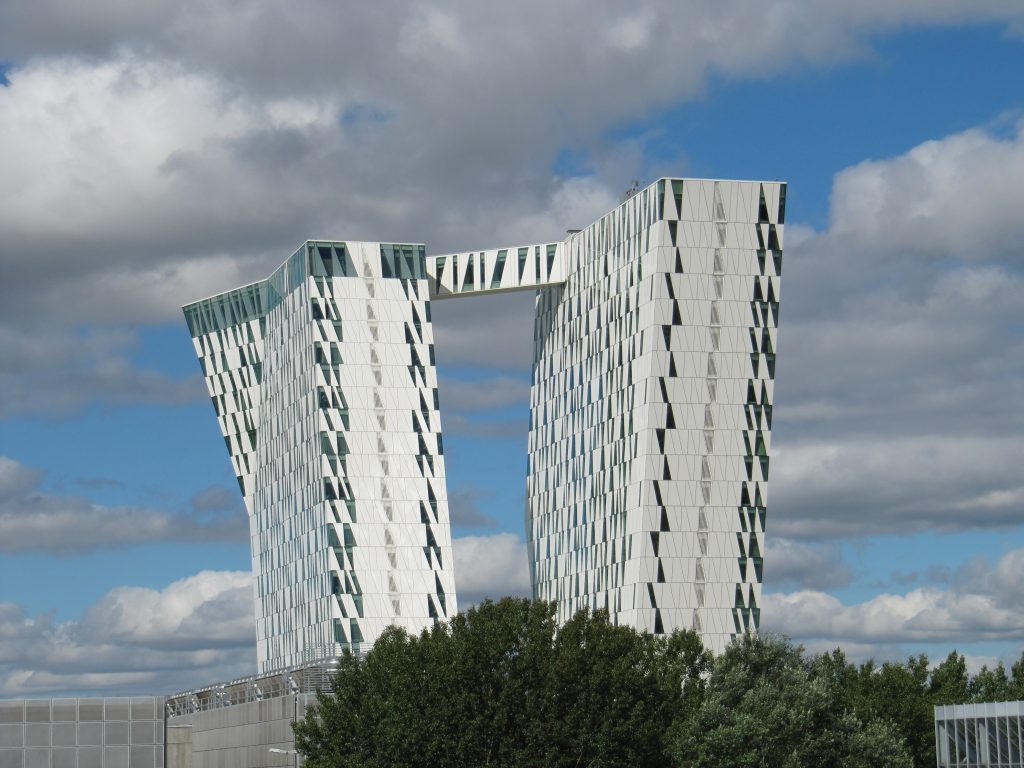
Bella Sky Hotel, Copenhagen. Photo: Wikipedia
Tall Buildings This post might have ventured too much on the landscape and natural beauty aspect, which might have made you think that Scandinavia is full of wilderness. In fact, it’s the exact opposite
You will find a fair share of modernized architecture and high rise buildings in many urban dwellings that will make you feel as if you are living in the future. Hence there is something for everyone, and honestly, we have not even begun to scratch the surface when it comes to Nordic architecture and its diversity.
The Nordic countries offer you a range of lakes, mountains, fjords, and national parks Image Credits
11 Reasons Why Scandinavia Is the Best Choice for Film Location Manager – Conclusion The Nordic countries offer you a range of lakes, mountains, fjords, and national parks. Furthermore, the population density and friendly people would play into your favor to have the place booked and reserved with the help of officials.
The road networks, ease of transport, along with stupendous weather during the summer, will offer you the best time to shoot your film. Plus, you also have a variety of historical landmarks as well as modernized architecture that can serve as a great backdrop for your story setting.
Claudia Jeffrey
11 Reasons Why Scandinavia Is the Best Choice for Film Location Manager is written exclusively for Daily Scandinavian by Claudia Jeffrey. Claudia currently works as a Sr. Research Analyst and Lifestyle Blogger at Dissertation Assistance. She finds herself extremely fascinated with Norse Mythology and romanticizes folklore. During her leisure time, she likes to travel to new exotic places with family and friends.
Non-profit organization Green Dot Norway has been helping companies be more environmentally friendly for over 20 years. Read more about responsible recycling in Norway.
The level of product-packaging is increasing year on year. These days, when you buy something, you seem to get more packaging than actual product. Of course, it’s there for a reason, but how do you make sure this level of packaging doesn’t damage the environment?
Well, in Norway and many other European countries, it’s done through companies that produce packaged goods taking responsibility for their packaging when it’s empty – a concept called Extended Producer Responsibility (EPR). EPR is promoted and securely managed through Grønt Punkt Norge (Green Point Norway).
Extended Producer Responsibility (EPR) is promoted and securely managed through Grønt Punkt Norge (Green Point Norway)
Recovering and recycling of used packaging
This non-profit organization was set up to finance the recovery and recycling of used packaging on behalf of the country’s industrial sector. Every company selling packaged goods on the Norwegian market can and (according to Grønt Punkt Norge, should become a member of the organization). It will then contribute an amount of money to the recycling scheme that corresponds with the quantity of packaging they put out in the market. Grønt Punkt Norge uses the total contribution to compensate collection, transport, sort and recycle packaging waste, and to create motivational campaigns.
“Our mission is in two parts,” explains Grønt Punkt Norge’s spokesperson Kari-Lill Ljøstad. “The first is securing a just system where all companies shoulder their share of the cost so we can fund all our packaging schemes – for cardboard, plastic, glass, metal and carton-packaging. The second is operating recycling schemes for plastic and carton-packaging.”
Spread throughout Norway
The system is spread throughout Norway, and the organization works closely with waste companies and each municipality. The system is that the municipality will collect the consumer waste, Grønt Punkt Norge will compensate them for adding expenses, and then transport the packaging from the municipalities to sorting or recycling facilities. Plastic packaging waste from trade, industry and agriculture is collected by commercial waste-companies with compensation from Grønt Punkt Norge.
The organization was set up in 1997. With over two decades in action, what has it achieved? “Norway already had systems for glass, cardboard and deposit inn place, but for materials such as plastic and carton packaging, there was nothing”, says Ljøstad.
“Norway already had systems for glass, cardboard and deposit inn place, but for materials such as plastic and carton packaging, there was nothing”, says Grønt Punkt Norge’s spokesperson Kari-Lill Ljøstad
Over 6,000 voluntary company members
“Now sorting has become second-nature for the major of consumers and industry. We have more than 6,000 voluntary company members taking environmental responsibility for their packaging, amounting to more than 80% of all packaging distributed on the Norwegian market”. In 2018, 94.2% of packaging waste in Norway was recovered and 52.9% recycled.
Responsible Recycling in Norway is a special promotion from Grønt Punkt Norge, published in Daily Scandinavian to honor the organization.
The year 2020 was a year full of special challenges with lockdowns, cancelled vacations and serious hospitalizations and deaths. Let’s welcome a covid free new year 2021.We Wish All Our Readers A Happy New Year!
What is in store for the world in 2021? While everyone wishes that science should defeat the COVID 19 virus, everyone is keeping the fingers crossed, hopefully setting new goals, hoping for new achievements and a lot of new inspirations.
Due credit should be given to the medical research agencies and pharmaceutical companies for having initiated massive research efforts to find a vaccine to treat COVID 19.
We are wishing you a year fully loaded with happiness. Wishing every day of the new year to be filled with success, happiness, and prosperity.
Admire the stunning view of the magnificent Sea of Åland while you let yourself relax in a traditional spa at hotel Havsbaden in Grisslehamn. This is indeed an extraordinary Swedish spa hotel.
Exquisitely located in Grisslehamn with gupping waves and splashing plankton below lies this charming conference facility. Already 200 years ago, Grisslehamn was a popular destination, and in 1903 Havsbaden was built as a first version of today’s facility.
New rooms and programs have created a place that’s rather a destination than just a hotel.
Recover from hectic everyday life
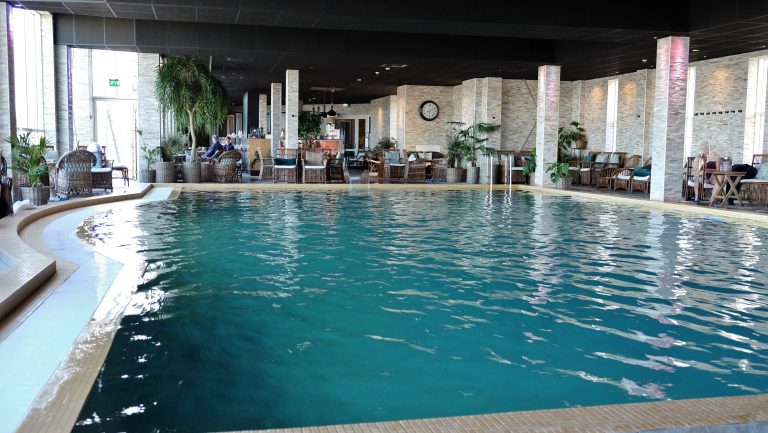
Here you will achieve complete relaxation and you will be able to rest and recover from hectic everyday life. Located 110 km north of Stockholm, this spa hotel has got a new life. After two years long renovation, Hotel Havsbaden opened its doors again in July 2018. New rooms and programs have created a place that’s rather a destination than just a hotel.
122 rooms still make the hotel an intimate facility. The bedrooms are furnished in turn of the century and welcome into a time capsule back in time. All double rooms have views of waves and rocks while the single rooms offer 120 cm wide beds for a comfortable rest.
7 conference rooms and 3 group rooms
The location could not be better for a spa hotel. During the weekdays, the hotel mostly hosts conferences, and there’s room for up to 350 participants per conference. There are 7 conference rooms and 3 group rooms. The Roslagen is the largest, with space for up to 120 people in charismatic warm interior with carpet and soft green walls. Kobben, Svartklubben and Klippan are suitable for 14-60 people and are also flexible for different seats, all with their own style and color chart.
In Loskäret and Albert Engström, smaller groups meet in a richly surrounded environment. Last (but not least) is Udkiken, a round facility located at the top of one of the towers, where 8 people combine together with extensive views of the archipelago.
At Havsbaden you will be able to rest and recover from hectic everyday life
Indulge in a chocolate massage
The hotel is equipped with large panorama windows to fully benefit from the fantastic view. Hotel Havsbaden is not a massive spa hotel, but has an intimate and personal vibe and guests can benefit from the small size of the hotel and spa. One of the specialties on the spa menu is the chocolate massage, which is effective for both body and mind.
A trip to Åland is just 4 ½ hours by boat, here M/S Eckerö
Enjoy plenty of fresh seafood
Food is something really special at Havsbaden, very much influenced by proximity to the sea. Guests can take delight in their evenings with plenty of fresh seafood locally sourced. A particular focus is in fact given to the use of local ingredients both for freshness and environmental impact. In the dining room visitors will enjoy fantastic dishes while admiring the view to the fishing harbor. Beaches and cliffs are located close to the hotel, and make it ideal for those who love sunbathing.
During the weekends, the hotel welcomes individuals who want to relax from their everyday routine. There are many cozy options at Hotell Havsbaden.
From Gisslehamn
Popular weekend-packages
“We offer a large range of weekend packages. There’s one that we simply call ‘Just Be’, that includes spa, a nice dinner, breakfast, a robe, and slippers. This has become a popular package,” says Anton Lukeniuk, who is in charge of marketing at the hotel and who’s worked with developing the new concept.
Another popular activity that can be combined with a stay at Hotel Havsbaden is a trip to Åland which is just 4 ½ hours by boat. The spa hotel greets guests all year around with special offerings every season.
An Extraordinary Swedish Spa Hotel, written by Tor Kjolberg
When we choose suppliers and products for our store, we make sure that they will represent both the Nordic spirit and a high standard of quality. The brands we choose to work with are usually based on Scandinavian values like tradition, nature, and sustainability. Learn about the ten top Scandinavian brands and why we love them.
The clothes, shoes, bags, and other items they create are made to last, some even get passed down from generation to generation. Of course, we also like to present new and trendy items from younger, more untraditional companies, but they all have two things in common; High quality and the Scandinavian spirit of exploring nature.
Scandinavian Explorer As the name implies, these clothes are made for travel. Designed by Norsemen that have the Norwegian custom of “The Sunday Hike” installed in their backbone, Scandinavian Explorer makes clothes for the whole family.
As the name implies, clothes from Scandinavian Explorer are made for travel
These colorful down jackets are not only made to protect you from the weather, they are inspired by it! Warm yellow, orange and pink hues from the midnight sun, the bright white snow, cool blue rain, and the magic green of the Northern Lights.
You will find that Scandinavian nature has inspired this brand to create some of the most beautiful colors for their garments.
When they add the technical experience of what will work in the ever-changing weather conditions of the Nordic countries, Scandinavian Explorer knows how to keep you warm and dry.
Complete with an eye for both the classic and modern fashion, these fleeces, rain jackets, sweaters, socks, hats, and mittens will also make you feel fresh and comfortable in the city as well as the mountains.
Continue reading the Ten top Scandinavian brands and why we love them
Dale of Norway An institution in the world of knitwear, the Dale of Norway textile factory has remained active in the village of Dale in Norway for centuries. Being one of the very few textile companies with production in Norway, they pay close attention to every stage of the production. This ensures great quality in every garment – a Dale of Norway trademark since 1879.
Their primary focus has always been to make knitted clothing like merino wool sweaters, jackets, and accessories. Skilled knitters and artisans have joined Dale’s production, often followed by their family members. Subsequently, their experience and expertise were passed on to the next generation. Generations of Norwegians have worked in their factory their whole lives.
Dale of Norwayis an institution in the world of knitwear
Dale of Norway is really an integral part of Norwegian history and culture. Since the 1956 Cortina Winter Olympics, they have provided the national Norwegian ski team with official sweaters for all Winter Olympic Games and World Championships. Later they were chosen by the International Olympic Committee (IOC) to design official sweaters for the Winter Olympics, with the right to use the Olympic rings.
These official sweaters, often named after the location of the event, remain popular for years afterward – contributing to the Dale of Norway brand being well-known all over the world. You can find some of them in our store.
Helly Hansen Making layers on layers of waterproof and windproof protective fabrics that also ensure the ability to breathe! Helly Hansen has been making professional-grade gear like jackets and life jackets, to help people stay alive and feel alive for more than 140 years!
Helly Hansen gear is worn and trusted by professional sailors on oceans, professional athletes skiing down mountains, and workers getting the job done at worksites all around the world.
Helly Hansen has developed jackets and other sporty clothes that can live through generations
All the way back in 1877, a sea captain called Helly Juell Hansen, and his wife Margrethe launched a business. They made waterproof oilskin jackets, trousers, sou’westers, and tarpaulins made from coarse linen soaked in linseed oil, a great innovation at the time.
Over the years, Helly Hansen has developed jackets and other sporty clothes that can live through generations. Long-lasting products require durable materials, that is also an advantage for the environment.
Helly Hansen’s sailing gear is worn by world-class sailors across all five oceans and many of the world’s top skiers swear by this brand.
A core value for Helly Hansen is safety, and wearing their amazing rain jackets with layers of high- tech fabrics will make you feel protected in all kinds of weather. Check out our selection in the Mall of Norway store.
Continue reading the Ten top Scandinavian brands and why we love them
ECCO A Danish Icon, these shoes are made for more than walking! The heart and soul (no, that’s not a typo, it’s a pun!) of their shoes is craftsmanship and innovation. Every pair of shoes and every bag is designed from high-quality leathers and other sustainable materials.
Sustainability is in fact a core value that defines not only the production of their shoes and bags, but that also is an inspiration for all their designs, as many of them are inspired by nature itself.
Every pair of shoes and every bag from ECCO is designed from high-quality leathers and other sustainable materials
Another area of focus for Ecco is comfort. Your feet should always feel at home and well taken care of when you put your shoes on. Technology is used to find the right balance and the very best materials for your feet.
If it is to put a bounce in your step with Phorene midsoles, a firm grip with Michelin rubber outsoles or the patented 100% waterproof Gore-Tex to keep you dry and warm.
From beautiful shoes to rugged terrain shoes, classic dress shoes and comfy sandals that let your feet breathe and feel happy, to classy and practical bags and backpacks, Ecco combines style and quality in a unique way. You will find it hard to let them go, fortunately they will last you longer than most.
Continue reading the Ten top Scandinavian brands and why we love them
Fjällräven It is hard to travel the Scandinavian countries without seeing one of these backpacks out and about. In the city or on the mountain, it fits in everywhere, and almost every Scandinavian has one at some point in their lives. Some are even handed down from generation to generation.
The idea behind this famous backpack was to make it easier to explore nature, by creating a bag that could hold everything you needed for a hike, but still be comfortable on your body. As the years went by, they also developed other items for all who enjoy being outdoors, like tents, sleeping bags, jackets, coats, belts, purses, and pocketbooks.
Of course, this brand is all about nature and also preserving it in the best possible way, so making sure that it is not disturbed more than necessary is a big part of Fjällrävens vision. Focusing on what nature needs, developing clothes and gear that will last for generations, and choosing partners that share the love of nature and sustainability is a huge part of their philosophy.
What does the fox say? Probably that you should get your own Fjällräven backpack, because they are amazing!
Røros Tweed Have you ever admired the magnificent Scandinavian nature of mountains and fjords and just wished that you could wrap yourself in it? With a blanket from Røros Tweed, you will come pretty close to that feeling.
These high-quality blankets are made in Norway, carefully knitted in Norwegian wool, created in collaboration with some of the leading designers and textile artists in Scandinavia. The factory itself, curiously situated at 600 meters above sea level at Røros, has an interesting backstory.
Røros Tweed – Flette. The motifs of Naturpledd are inspired yarn and the various techniques that can be done in weaving, braiding, knots and knitting. Naturpledd series is made only of natural dyed yarn – without artificial coloring – resulting in a 100% natural product. Naturpledd by Kristine Five Melvær won Best Textiles in 2015 ICFF Editors Awards
A wealthy CEO donated his fortune to the poor people of Røros, but in an untraditional way. He ordered wool and linen to be bought and handed out so that they could make warm clothing from the materials to be sold.
They got paid for their work and every year clothes were handed out, some were given back to the people who made them. As the years passed, this legacy developed into a factory and Røros Tweed was made. Curtains, fabrics for furniture, blankets, and tweed were made.
Today, Røros Tweed is most known for their blankets, both for kids and adults, and they are inspired by the cultural legacy of Røros and its mountain landscape. You will find both traditional colors and organic patterns by Karen Staver and Judy D. Lundin as well as more modern and artistic designs like Bjarne Melgaard and Ingunn Birkeland.
Continue reading Ten top Scandinavian brands and why we love them
Twentyfour Like their name says, these clothes can be worn all day, all night! Made to be worn skiing in the steep slopes of the Nordic mountains, but also for a night out. The philosophy for Twentyfour is to make clothing that can be worn anytime, anywhere!
Pairing traditional Norwegian design with new and fresh colors, anoraks and pants from Twentyfour are made for movement
Pairing traditional Norwegian design with new and fresh colors, these anoraks and pants are made for movement. Wear them dancing at the after-ski, or hiking in beautiful Norwegian nature, the light and smooth fabrics move right along with you.
Established in 2006, this is a young brand with a fresh and youthful style that embraces technical details to ensure quality and durability. Still, there is the occasional nod to the good old days, with designs inspired by more classic Norwegian pieces.
Combine your favorite pair of pants and anorak for a complete look, check out our selection in the Mall of Norway store.
100% Norwegian wool, carefully spun and made into long-lasting, comfortable sweaters
Rauma Combining high tech knitting in the form of whole garment, with both modern and traditional Norwegian patterns, Rauma brings together the best of both worlds.
100% Norwegian wool, carefully spun and made into these long-lasting, comfortable sweaters, is the fundament for Rauma’s success.
Famous for their traditional knitting patterns of classics like Marius, Setesdal, and Fana, and their yarn of top quality, Rauma has expanded their business to include clothing. The whole process of manufacturing, from wool to finished product, is done in their factory in Romsdalen in the middle of Norway.
These are knitted sweaters and hats you will fall in love with, and they are long-lasting, so it is true love! Wear them while you explore the Norwegian landscapes, maybe enjoying a trip to the most famous waterfalls, or the finest beaches in Norway.
Knitwear from Rauma is also perfect for snuggling up in a cabin with your own knitwork, maybe wearing a modern classic like Spire will inspire you to knit an old classic like Marius? It’s a great gift too!
Norlender is a family-owned business with a history that dates back to 1927
Norlender Knitwear How about a modern and rough spin on the classic knitted woolen sweater?
Norlender is a family-owned business with a history that dates back to 1927. Now 90 years and three generations later, Norlender is one of the few existing textile factories in Norway.
They are very proud to be able to offer garments made from Norwegian 100 % pure new wool from yarns spun in Norway, and knitted and manufactured at their factory on the Norwegian west coast.
Norlender always uses high-quality yarns, and they cooperate with skilled spinners in both Norway and Europe. Norway is known internationally for the high quality of its woolen clothing.
To stay warm in the cold and often wet climate of the north has been a key factor for survival, and wool is a natural fiber with the extraordinary properties to do just that and has been used in Norway for clothing for over 6000 years.
Continue reading the Ten top Scandinavian brands and why we love them
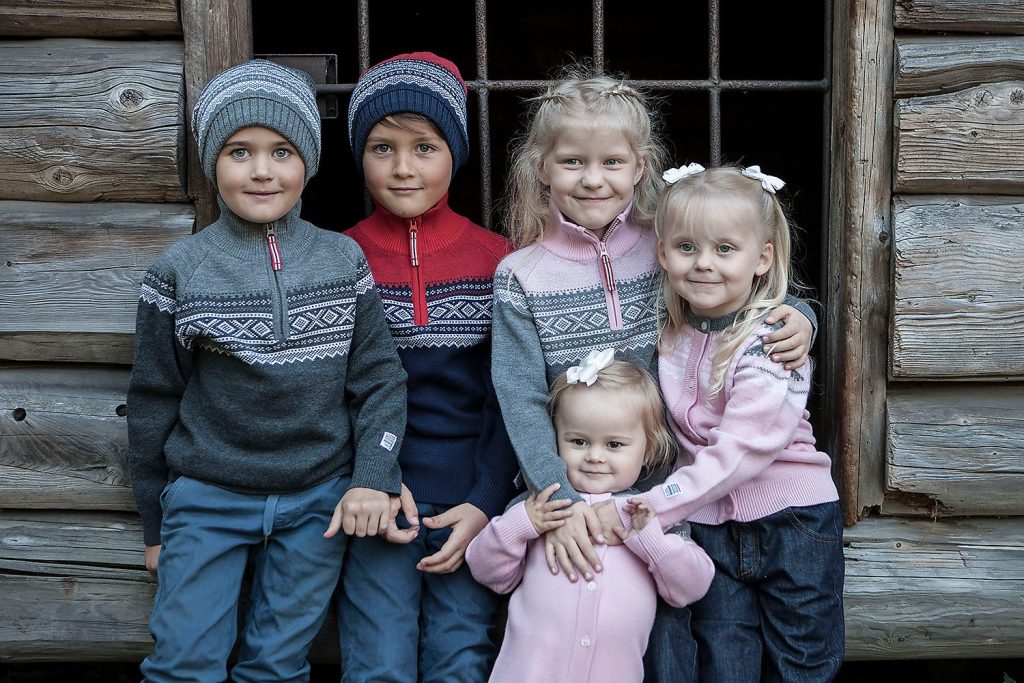
Marius Kids Is there a better gift than a cozy sweater, dress or jumpsuit with the traditional Marius pattern? We think not! Marius Kids have the rights to the famous pattern for children’s wear from the ages 0-12, and they have designed the cutest outfits for your little ones.
If you have a bunch of cuties, it is always fun to dress them up in matching outfits
Both the old, traditional red, white, and blue pattern with the colors of the Norwegian flag and more modern colors like mint, pink, and light blue, are among the designs.
If you have a bunch of cuties, it is always fun to dress them up in matching outfits, and you can do that with the fun and practical Marius Kids’ clothes.
Exploring new materials like bamboo is part of this brand’s focus on sustainable production, and they always make sure to leave room for movement, fun, and play with their cool garments for the little ones. If you are going outdoors, there are hats and mittens to match as well.
Make the best memories, and maybe a great Christmas card?
Ten top Scandinavian brands and why we love them, written exclusively for Daily Scandinavian by the Mall of Norway marketing team.