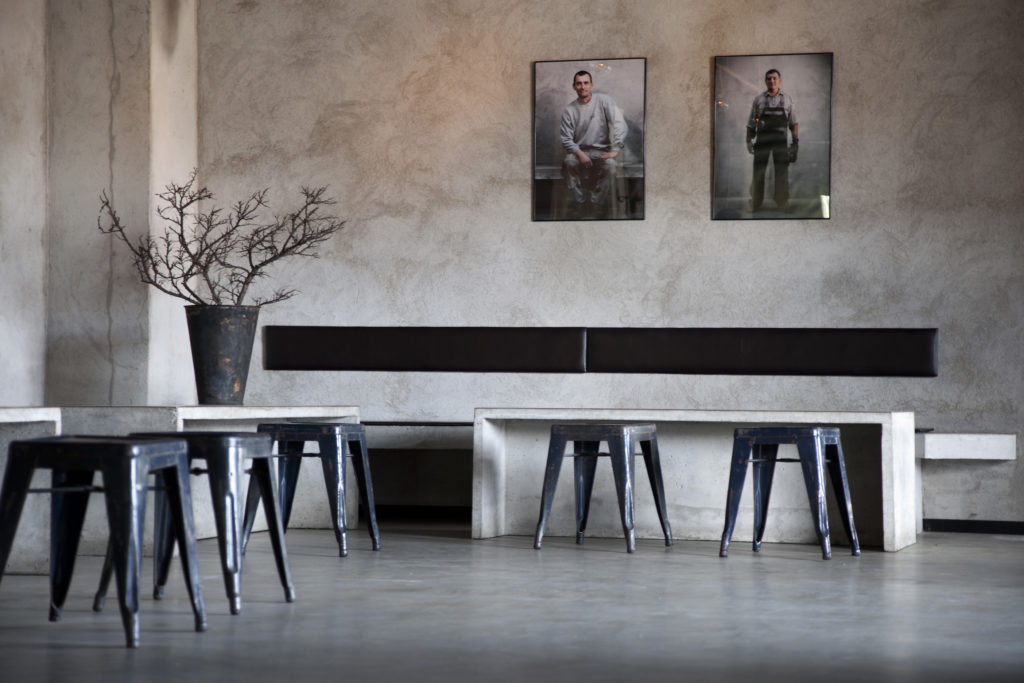
Restaurant Usine in the heart of Stockholm is in fact three restaurant concepts totaling 2,000 square meters under a striking high ceiling in what was once an old sausage factory. The premises in the lively Södermalm neighborhood, in which the Swedish Tax Agency operated, went through an extensive renovation in 2014-2015 by the internationally renowned designer Richard Lindvall, who also designed the restaurants Museet and WIN awarded restaurant Nazdrowie.
Restaurant Usine opened in April 2015 and has become a unique combination of a restaurant, bar, café and gallery.
RestaurantUsine opened in April 2015 and has become a unique combination of a restaurant, bar, café and gallery. It includes Restaurant Bistro 38, Bar Poche 36, a reception and conference spaces. What we love most about Usine is the part where you can eat and drink and the gallery where you can enjoy beautiful art and super-stylish interior design.
The premises of Usine went through an extensive renovation in 2014-2015 by the internationally renowned designer Richard Lindvall
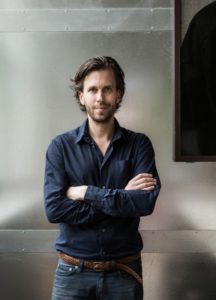
«I was a little worried about making it too cold, it was important to keep a warmth in the environment, while it at the same time should be raw and fresh,” says Lindvall. “I am especially pleased with the boards on the walls,” he continues, “made from expanded metal that I found in Germany, cut into smaller segments and placed in black lacquered steel frames, which gives a hint of Art Deco style.”
We are tempted to describe the interior as Scandinavian French, with a mix of industrial design and lots of natural materials. Another signature is the bar that stretches throughout the room and binds the concepts together.
Connecting the three areas is also the spacious corridor serving as a gallery, curated by Dennis Blomberg from Noll Images, with new exhibitions coming up continuously.
Connecting the three areas is also the spacious corridor serving as a gallery, curated by Dennis Blomberg from Noll Images
Behind Usine In Södermalmsalleen at Medborgarplassen are the restaurant keepers Tim Karlsson and Michael Andreassen, who also runs Franska Matalen (the French Dining Room) and the Museum in the Swedish capital, as well as chef Nicola Perreli.
2000 Square Meter Restaurant in Stockholm, written by Tor Kjolberg
Parental benefit is intended to ensure parents an income in connection with the birth or adoption of a child. The financial compensation in Scandinavia ranks among the world’s best. There are small differences between the three Scandinavian countries, Denmark, Norway and Sweden.
Denmark
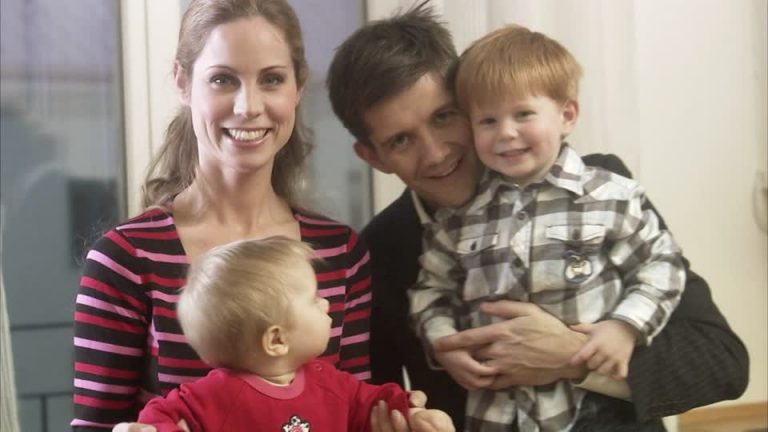
New moms in Denmark get a total of 18 weeks of maternity leave, all at full pay; four weeks before the birth and 14 weeks after. During this period, the father can also take two consecutive weeks off.
New moms in Denmark get a total of 18 weeks of maternity leave, all at full pay
Whether you have the right to get full salary or not during your parental leave in Denmark depends on the agreements that are in place at your workplace. In some cases the employer pays the full salary during part of the period of leave, and in other cases the new authority Udbetaling Denmark pays the money.
After 18 weeks, patents can split 32 additional weeks of leave however they see fit. They can extend the leave for another 14 weeks if the child or parents get sick. By law, the government covers 52 weeks of pay, though not always at the full salary. You do not need the employer’s approval for this.
Sweden New parents in Sweden are entitled to 480 days of leaveat 80% of their normal pay. That’s on top of the 18 weeks reserved just for mothers, after which the parents can split up the time however they choose. Swedish dads also get 90 paid paternity days reserved jut for them, a popular system promoting bonding between father and child during a time when moms are getting most of the attention.
New parents in Sweden are entitled to 480 days of leave at 80% of their normal pay
Out of these 480 days, 60 must be taken by the father or else all are lost. This leave can be taken by the month, week, day or even by the hour.
Sweden’s unique parental leave system marks it as a leader in gender equality.
Norway
Norway’s system is flexible and generous. Mothers can take 35 weeks at full pay or 45 weeks at 80% pay, and fathers can take between zero and 10 weeks depending on their wives’ income. Together, parents can receive an additional 46 weeks at full pay or 56 weeks at 80% of their income.
In Norway, mothers can take 35 weeks at full pay or 45 weeks at 80% pay
Parents are eligible for parental benefit if they have been gainfully employed and have had a pensionable income for at least 6 of the 10 months prior to the start of the parental benefit period.
For employed parents, the parental benefit basis is normally calculated on the basis of the income at the start of the leave.
When applying, parents must choose between 100 percent or 80 percent degree of coverage The total benefit period for parental benefit in the case of a birth, is 49 weeks at 100 percent coverage, and 59 weeks at 80 percent coverage. The parents must choose the same degree of coverage.
Parental leave when working in Scandinavia, compiled by Admin
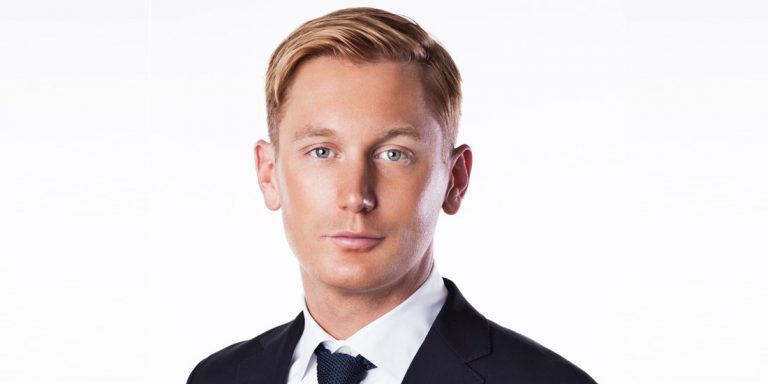
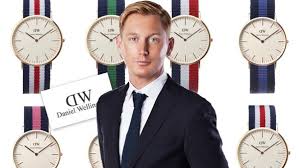
Over six years, Swedish Filip Tysander has made the watch brand, Daniel Wellington, a million dollar company. The man who has given the watches his name is probably unaware of the success.
In 2011 Tysander financed $24,000 out of his own pocket to start DW watches. Now he us 33 and his company is selling watches for around $200 annually – with a margin of over 50%.
Over six years, Swedish Filip Tysander has made the watch brand, Daniel Wellington, a million dollar company
It was a coincidental meeting during a backpacking tour to Australia that sparked the idea for Daniel Wellington. A man he met wore a Rolex with a black military looking black watch band around his wrist. The fashionable Englishman was named Daniel Wellington, and Inspired by his new acquaintance’s timeless style, Filip decided to create his own line of watches: Named Daniel Wellington.
Minimalistic and refined, the classic Daniel Wellington design with interchangeable straps truly has wide-ranging appeal
“Maybe it was just the fact that the industry was so conservative, that made it possible for a slightly more innovative watch to penetrate in the market,” said Filip Tysander in an interrview with Veckans Affärer. The name also sounded right for an international watch brand.
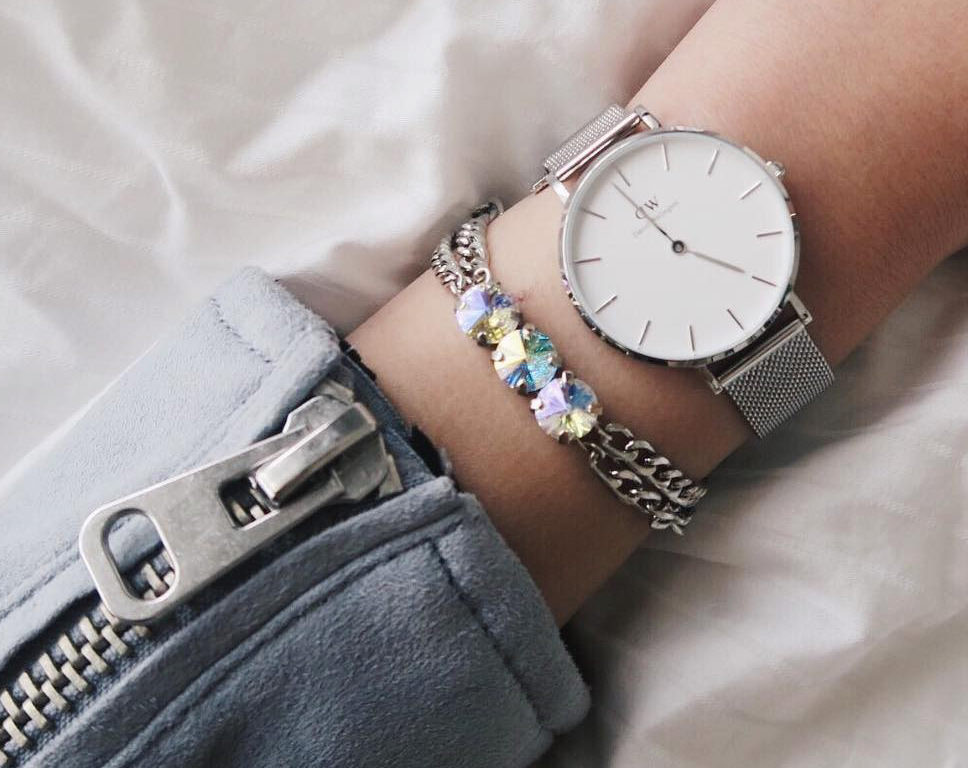
Minimalistic and refined, the classic design with interchangeable straps truly has wide-ranging appeal.
The watches began ticking in an Uppsala basement. Tysander realized that making wristwatches most people could afford but at the same time looking expensive, was the only way to stand out.
Daniel Wellington classic petite
However, the success didn’t happen overnight. Before he enrolled in business studies in Sweden, Tyssander was fired from a couple of jobs. To finance the watch idea he was selling neckties and plastic watches online. Six years later the brand has over two million followers on Instagram, and he has hardly used a Swedish krone on marketing. The design is still an important part of what makes Daniel Wellington watches so special.
Daniel Wellington rose gold
“I started a little webshop and designed the logotype myself in Photoshop. Then I sent designs back and forth to a factory in China manufacturing the Nato watch bands”, Tysander said to Veckans Affärer.
Daniel Wellington loved to wear his watches on old NATO straps. We liked the idea and feel of the mix so much that we wanted to incorporate the idea into our own line of watches,” it’s stated on their website.
The company’s strategy was to actively getting influencers on social media with lots of followers to showcase the watches. This strategy has proven to be a success.
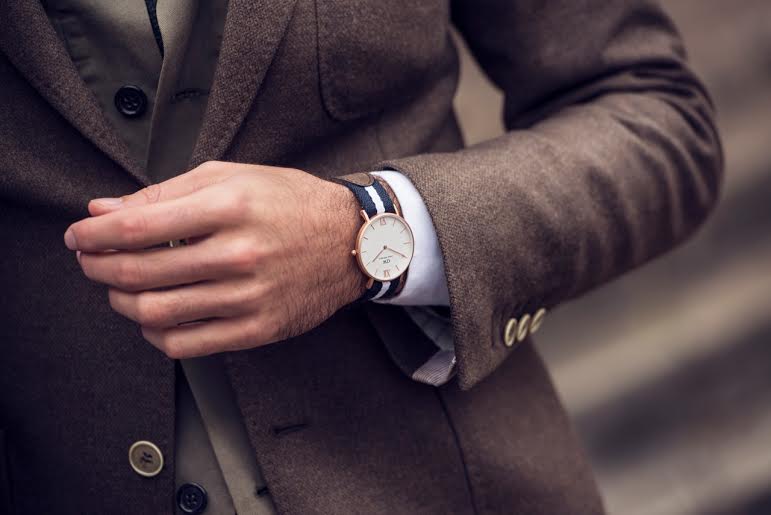
Daniel Wellington watch with NATO strap
According to the magazine Bloomberg Businessweek, the timing was correct in several ways. “Tysander chose a good time to build a watch brand. After a drop in sales during the financial crisis, the industry has grown every year since,” wrote the magazine in an article about the company. A survey quoted in the article shows that 40 million analogue quartz watches were sold in 2014 in the United States alone, seven million more than the previous year.
The company’s strategy was to actively getting influencers on social media with lots of followers to showcase the watches
With lucrative margins above 50 percent, Tysander, who is the sole owner of the company, wasn’t exactly scraped when he bought Stockholm’s most expensive apartment.
We consider Denmark Europe’s best destination for families, not only because of Lego. You should also enjoy the waterparks, Viking warrior training and the Givsgud Zoo.
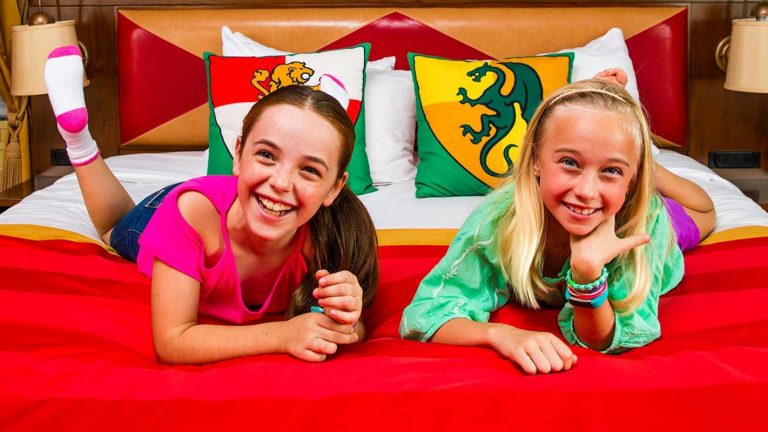
In this family-friendly area the children will no doubt adore the Ninjago-themed décor of glowing neon swords in the family room at Hotel Legoland in Billund. And the buffet dinner there is better than in any other theme park we know about. Another advantage is the resort pass allowing you to nip in and out and also gets you into Lalandia, a giant water park next door.
The giant water park Lalandia
Lalandia mixes giant flumes and multiple pools with a spa and sauna set-up, and there’s also ice skating, bowling and trampolines in addition to a climbing wall and even a dry ski slope.
If you don’t want to stay in the Legoland Hotel there are self-catering holiday cottages on site.
Map of Legpland
Legoland Billund also provides lots of well-sited, undercover picnic spots allowing you to save the price of lunch in the park.
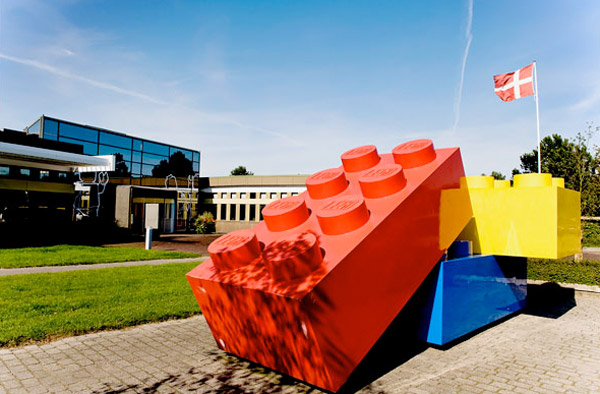
Outside the Lego Factory
Lego came to life in Billund in 1949. It all began with a stackable wooden toy which later became the bright plastic bricks we all know today. Lego produces one of the world’s most recognizable toys with eight amusement parks, in Denmark, England, Germany, Malaysia, Dubai, Japan, Florida and California. A future Legoland is planned in Orange County, New York.
Bird’s eye on Lego House
The Lego House opened earlier this year.
Legoland is a dream for children aged two to 10. With the exception of the ice pilot’s school in Polar Land where a giant robot arm shakes the children like a milkshake, no ride is particularly scary.
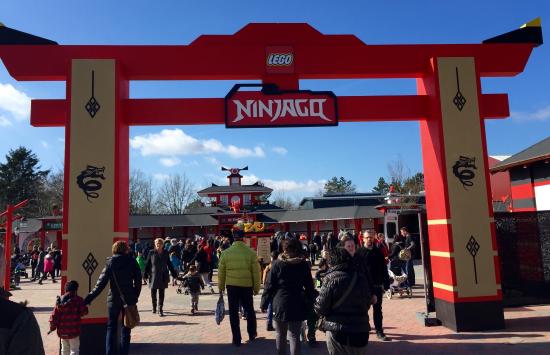
Visit Ninjago World
Visit the Ninjago World, which is actually new for this year. There you can fire its 3D guns’ lasers feeling like a real Ninja.
Whether you have Vikings, Lego, northern European church architecture or the new Nordic cuisine in mind, Billund is your right choice. Billund has Denmark’s second largest airport situated just minutes from the original Legoland. The Lego factory itself is just a mile from the theme park.
Map of Billund
There are plenty of offers, not only in Legoland, but also coast-to-coast in the region. Save money and buy a Happy Pass giving you admission to special trips, and sites in this amazing region.
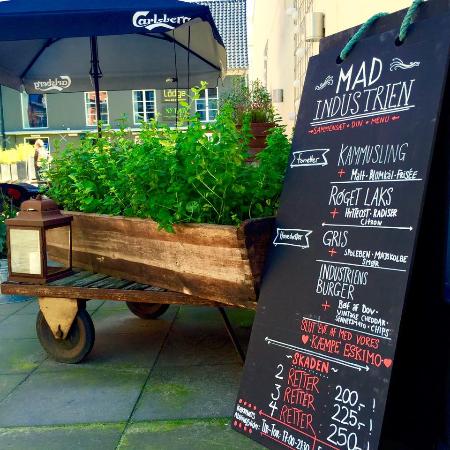
In the nearby pretty town of Vejle you should enjoy the hip new Nordic restaurant, Madinsustrien
Take an evening drive along empty roads bisecting countryside crowned by wind turbines to the hip new Nordic restaurant, Madinsustrien, in the nearby pretty town of Vejle.
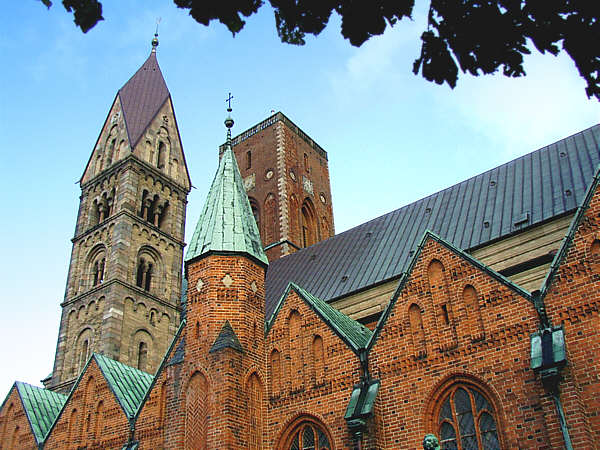
The Romanesque cathedral in Ribe
You should also make a stop in Scandinavia’s oldest town, Ribe, and wander its meticulously medieval streets. The Romanesque cathedral with its aged wood carvings and glitzy mosaics is a must visit. Overlooking the Ribe River, the 17th-century timber frame inn with its restaurant Saelhunden serves you a medley of smoked and fried fish – delicious!
Restaurant Saelhunden in Ribe serves you a medley of smoked and fried fish
The town of Ribe matches Aarhus for historic charm with its cobbled streets and squares lined with beamed buildings.
Jelling is one of Denmark’s most important heritage sites
Explore the history of trade at the Viking Museum, a 30-minute drive away, in the town of Jelling. There are ample play areas where children can dress up and imagine life on the coast 1,000 years ago. This is one of Denmark’s most important heritage sites. Here Harald Bluetooth and his father, Gorm the Old, established the dynasty that made Denmark a world power.
The noble-looking creatures in Givskud Zoo are remarkably calm
A 15-minute drive from Jelling is the Givskud Zoo, featuring a lion drive-through. The noble-looking creatures are remarkably calm. They look like they wouldn’t hurt a fly.
In Aarhus Old Town you find one of the biggest collections of old Danish architecture
North of Billund, in Aarhus Old Town you find one of the biggest collections of old Danish architecture. The city also has its ultra-modern gallery ARoS with the amazing rooftop Rainbow Panorama installation.
Don’t miss genuine family fun in the Lego Dreamland.
Family Fun in the Lego Dreamland, written by Tor Kjolberg
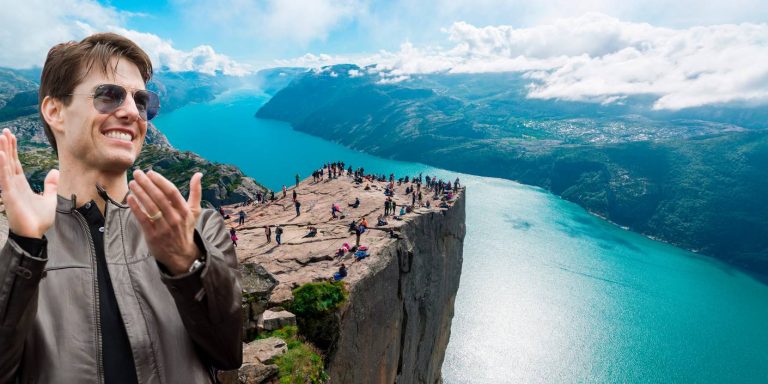
One of Norway’s most famous tourist attractions, The Pulpit Rock, is being temporarily closed off for visitors. Why? Tom Cruise is expected to climb the 600 meters (nearly 2,000 feet) Prekestolen above the Lysefjord.
According to Stavanger Aftenblad, technical equipment is now being helicoptered into southern Norway to shoot parts of “Mission Impossible 6”. Cameras will be rolling this week at this spectacular viewpoint over Norway’s mountainous landscape.
Tom Cruise is expected to climb the 600 meters (nearly 2,000 feet) Prekestolen above the Lysefjord File photo
Tom Cruise broke his ankle while performing a stunt for the film during a London shoot, and his visit to Norway has therefore been delayed until now.
Containers with filming gear have been seen flying by helicopter to the Pulpit Rock
Containers with filming gear have been seen arriving at the Stavanger airport and forwarded by helicopter to the Pulpit Rock.
Several scenes for Mission Impossible 6 have also been shot in New Zealand.
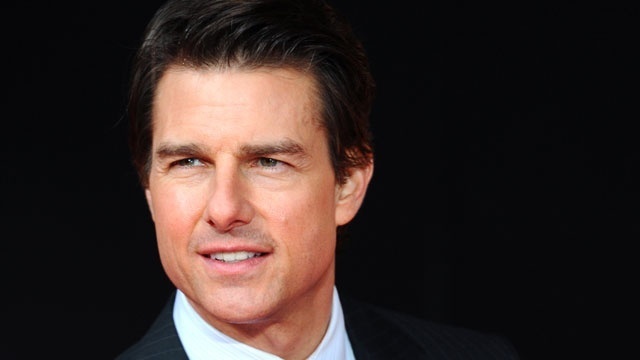
Tom Cruise on set in New Zealand
The film is scheduled to open in July 2018
Mission Impossible Goes to Norway, source: Stavanger Aftenblad/Associated Press
A new study conducted by the online travel specialists TravelBird explores how over-tourism affects residents and impacts how welcoming cities are to tourists.
October 31st has been designated by the United Nations as World Cities Day, with the theme ‘Innovative Governance, Open Cities’. To mark the occasion, TravelBird has released this study to further the discussion about sustainable tourism and global urbanization.
As a travel provider, TravelBird feel they have a duty to promote thoughtful travel and sustainable tourism. They undertook this study firstly to take notice of those cities that are making impressive efforts to welcome tourists with responsibility, and secondly to open the dialogue about over-tourism and its impact on residents and their surrounding communities.
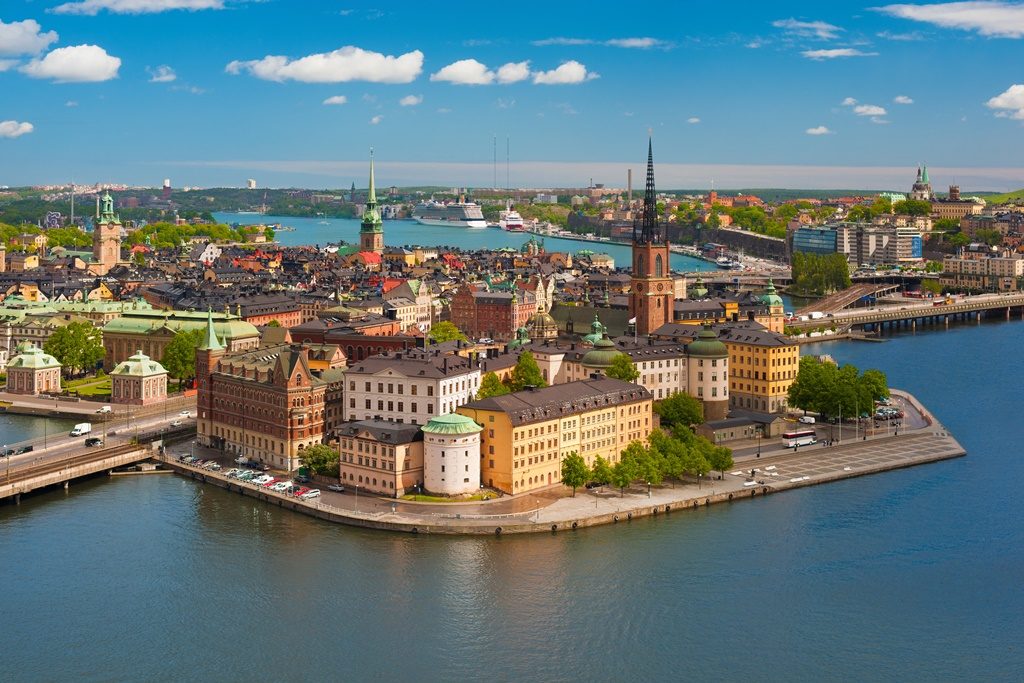
Classical view on the old town of Stocholm in a sunny summer day
Stockholm ranks 2 out of 100, with a low level of over-tourism, high levels of happiness, high levels of safety and a high opinion from journalists regarding their welcoming attitude. Oslo ranks as number 8, and Copenhagen ranks as number 12!
From the new Barcode area in Oslo. Photo: OSU – Jens Haugen
To create the ranking, TravelBird first analysed the global top 500 tourist destinations (taken from the UN-WTO) based on factors that can make a visitor feel welcome, such as a welcoming port of entry (airport, train station etc.), citizens’ happiness, safety, openness to host tourists, and English language proficiency.
Furthermore, they ran an expert poll asking over 15,000 travel journalists how welcoming they found each city based on their personal experiences. TravelBird then weighted all of these factors with a formula that measures over-tourism in each destination to determine the final ranking of 100 cities. This research highlights a precise selection of popular cities around the world in order to give an international overview, meaning there are undoubtedly many welcoming cities not included in this study.
Copenhagen ranks as number 12 in the new TravelBird study
About the United Nations World Cities Day: The United Nations General Assembly has designated the 31st of October as World Cities Day. The general theme of World Cities Day is Better City, Better Life, while each year a different sub-theme is selected, to either promote successes of urbanization, or address specific challenges resulting from urbanization. This year, the United Nations has selected the theme Innovative Governance, Open Cities to highlight the important role of urbanization as a source of global development and social inclusion. For more information, please visit: http://www.un.org/en/events/citiesday/
About TravelBird: TravelBird is an online travel company offering a curated collection of holiday and travel experiences – from short inspirational breaks to international get-aways. TravelBird’s passionate local travel advisors work directly with tour operators across the world to offer a selection of travel experiences that invite travelers to discover something new and immerse themselves in different cultures. For more information, please visit: https://travelbird.nl
Scandinavian Capitals Rank Among the World’s Most Welcoming Cities, source TravelBird
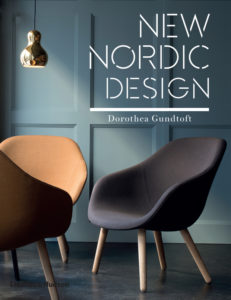
Minimal aesthetic and innovative approach are hallmarks of contemporary Nordic designers. Creating pieces of simplistic elegance is meant to reflect the quality of light in the northern hemisphere, resulting in clean, modern furniture decorating the homes of the region’s most stylish residents. The book New Nordic Design is a comprehensive guide to Nordic designers practicing today.
Danish author, fashion stylist, writer and photographer Dorothea Gundtoft currently manages ND-WORLD.COM, and was Stylist of the Year at the Elite Style Awards in 2013, and has been nominated twice again in 2014 and 2015. She also received a ‘New Generation Award’ nomination by Vogue UK. In addition to the book New Nordic Design, she has written Fashion Scandinavia, also published by the leading art & design publisher Thames & Hudson. She grew up in southern Spain and is now based between London and Paris.
Danish author, fashion stylist, writer and photographer Dorothea Gundtoft
The book celebrates the impact of contemporary Nordic style on interiors, furnishings and product design and is, according to the magazine American Craft “a must for anyone looking to expand their understanding of the Scandinavian influence on global handmade and industrial design marketplaces”.
The book celebrates the impact of contemporary Nordic style on interiors, furnishings and product design
New Nordic Design features fifty notable interior and product designers from Sweden, Norway, Denmark, Iceland and Finland, and demonstrates the attention to detail and the high quality of materials that have long been associated with Scandinavian design.
New Nordic Design features fifty notable interior and product designers from Sweden, Norway, Denmark, Iceland and Finland
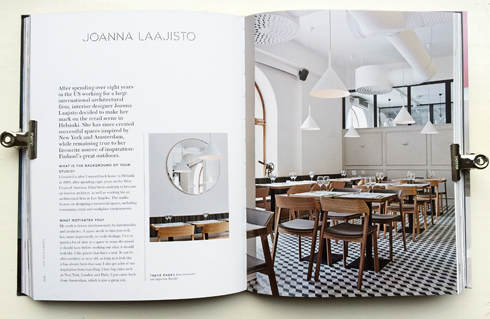
The book is also a source of minimalistic inspiration, and the format is interesting in that it adopts features of on-line magazines with short self-contained entries. The main section of the book take the form of a question and answer dialogs with twenty international commentators, placing the fifty designers and architects in a global context.
The book New Nordic Design demonstrates the attention to detail and the high quality of materials that have long been associated with Scandinavian design
Many of the designers talk about the importance of being physically close to the sea or to countryside. Lars Beller Fjetland, living in Bergen, actually goes as far as to explain that “there is less visual noise that tends to clutter my mind.”
The book is also a source of minimalistic inspiration, and the format is interesting in that it adopts features of on-line magazines with short self-contained entries
A tag cloud inside the front cover and the Directory in this book list web sites instead of postal addresses, although this would have made more sense on a digital site where you can click through with a link.
In New Nordic Design, established designers as well as the up and coming all share a passionate commitment to elegant style with widespread international appeal, with great potential to reach a wide, global audience for whom Scandinavian living is a dream and an aspiration.
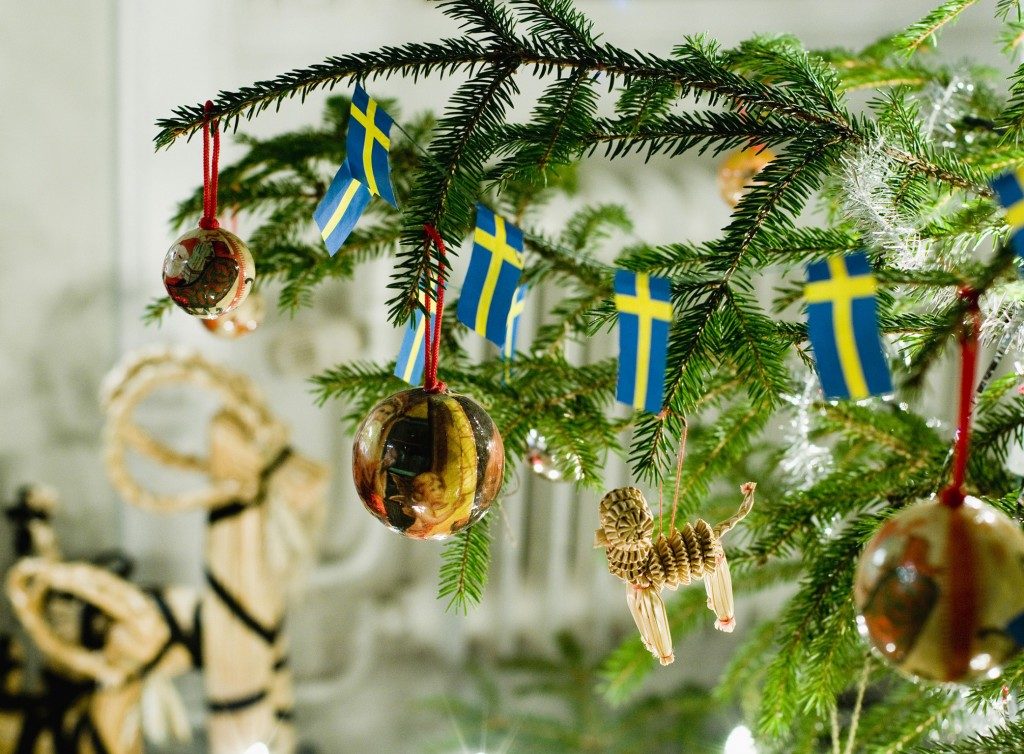
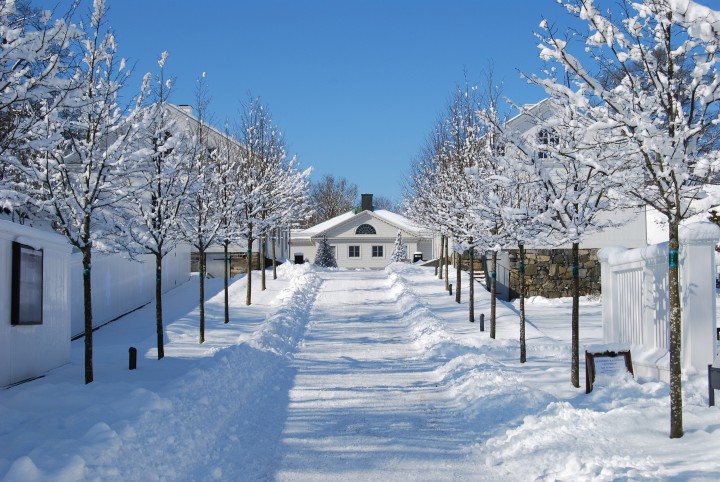
Sweden does a very good job when days are getting shorter, rooftops are covered by snow, candles are flickering and the warm smell of freshly baked gingerbread is getting people into the Christmas spirit.
It’s time to cozy up and start looking ahead to the festive season, and for a truly unforgettable festive period visit one of the world’s most naturally awe-inspiring destinations.
It’s time to cozy up and start looking ahead to the festive season
If you visit the country any time between late November and New Year’s Eve, locals are welcoming Christmas (Jul) with open arms. They do so to brighten op the dark days of winter with some seriously festive celebrations with experiences to cater for all tastes.
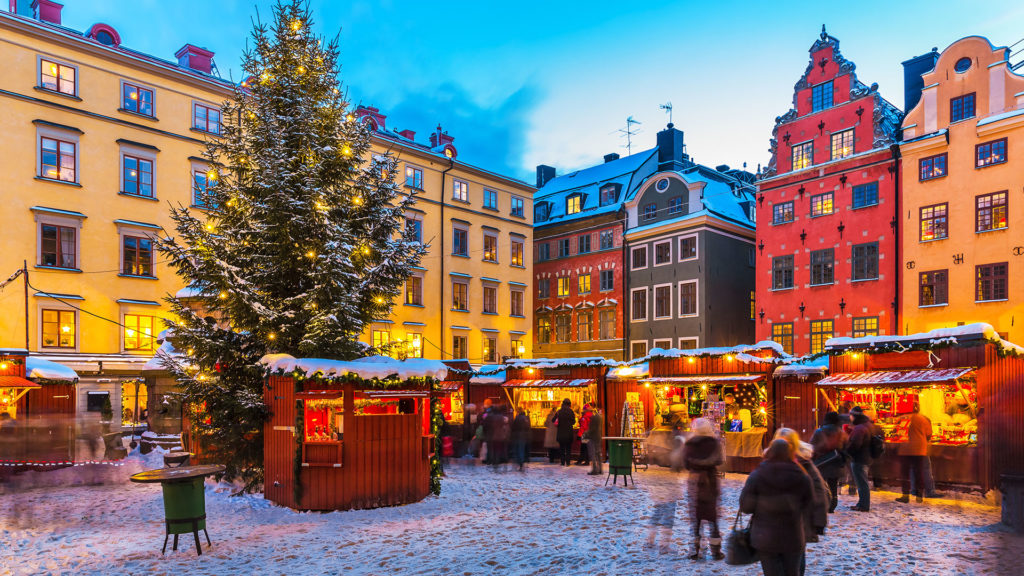
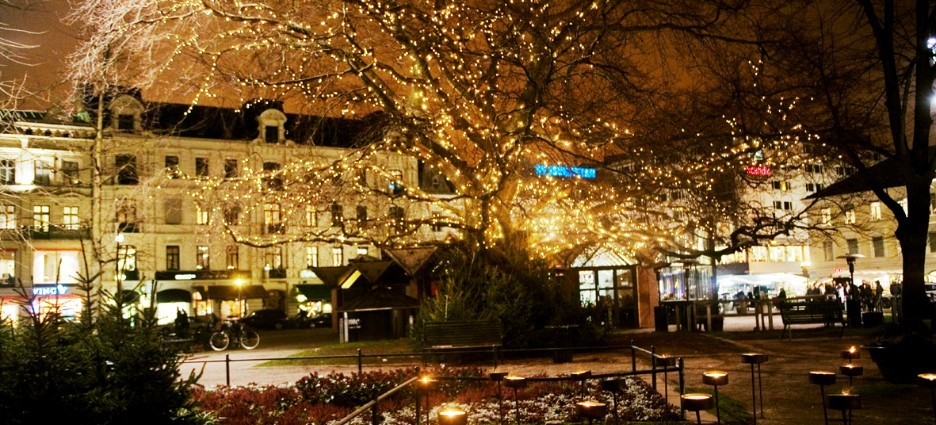
Cgristmas market in Stockholm’s old town
Christmas markets are popping up all over Sweden, including opportunities to witness the northern lights.
But let’s start in the Old Town (Gamla Stan) in Stockholm. The annual Christmas market there dates back to 1837 and is the oldest in Sweden, inspired by the old medieval winter markets. The market takes place at Stortorget Square where you can enjoy Swedish Christmas sweets, smoked reindeer, elk meat, as well as a range of Swedish handicrafts.
Europe’s biggest outdoor museum, Skansen in Stockholm, also organizes its own Christmas market
Europe’s biggest outdoor museum, Skansen in Stockholm, also organizes its own Christmas market, and has done so since 1903. Young and old can participate in the dancing games around the Christmas tree, have a cup of steaming mulled wine and make Christmas decorations in the Christmas workshop in the Forestry Centre.
The World Heritage site Drottningholm Castle in Stockholm offers a Christmas market every year
Also the World Heritage site Drottningholm Castlein Stockholm offers a Christmas market every year. On the second weekend in Advent, 9-1p December, you’ll find all kinds of Christmassy delicacies and traditional handicrafts there.
Be aware that the southern part of Sweden could remain snow-free until January or February, so if you want at least some of the white stuff, you should head further north, for instance to the breathtaking Ice Hotel, which has the perfect Christmas-card scenery.
Lokated by Lake Siljan (around 300 km northwest of Stockholm), little and big kids will get a kick out of visiting Fairytale Santa Claus Land in Mora
Located by Lake Siljan (around 300 km northwest of Stockholm), little and big kids will get a kick out of visiting Fairytale Santa Claus Land in Mora (Sagolandet Tomteland). Before Christmas, the park is transformed into a winter wonderland, with snowy red cabins surrounded by forests and frozen streams.
But let’s first head for the Wapnö farm and castle in Halmstad in southwestern Sweden, where you can taste the Christmas feeling with a traditional jule market, buy handmade candles, taste smoked eel and locally sourced honey. This is the biggest Christmas market on the west coast.
Wapnö farm and castle in Halmstad in southwestern Sweden, lets you taste the Christmas feeling with a traditional jule market
However, you should expect Sweden to be very cold during Christmas time. Temperatures in the south hover around freezing point. A good down jacket and warm, waterproof boots are essential. It’s also wise to bring a hat, gloves and a thermal under layer. Wrapped up warm, the atmosphere couldn’t be better.
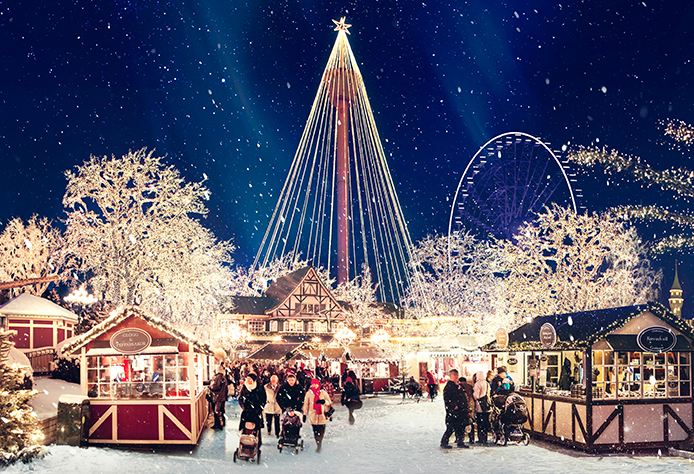
Every Christmas Liseberg in Gothenburg lights up with millions of candles, offering everything from carol singing to ice skating
In one of the big cities in southern Sweden, Gothenburg you should visit its attraction, the amusement park Liseberg. Every Christmas it lights up with millions of candles, offering everything from carol singing to ice skating. Homemade sweets and roasted almonds together with gleaming Christmas decorations make you feel extra Christmassy.
From mid-November onwards, in a large part of the city center of Gothenburg, including Avenyn, the city’s main thoroughfare, the festive imagery is festooned with twinkling fairy light. Festive imagery is also projected onto the huge brick façade of the city’s main art gallery.
From Sweden’s leading Arts and Crafts property, Tjolöholm Castle, 40 minutes south of Gothenburg
At Sweden’s leading Arts and Crafts property, Tjolöholm Castle, 40 minutes south of Gothenburg, over 100 craftsmen and small-scale food producers are gathering every year before Christmas. Children can bring their Christmas wish lists to Santa and join in fun Christmas activities with Santa’s elves.
The open-air museum Fredriksdal in Helsingborg, in south-west Sweden, offers a Christmas market where thousands of lights, candles and fires are spread all over the park.
The open-air museum Fredriksdal in Helsingborg, in south-west Sweden, offers a Christmas market where thousands of lights, candles and fires are spread all over the park. Enjoy farmers market, handicraft, music, traditional Christmas songs & dance around the Christmas tree!
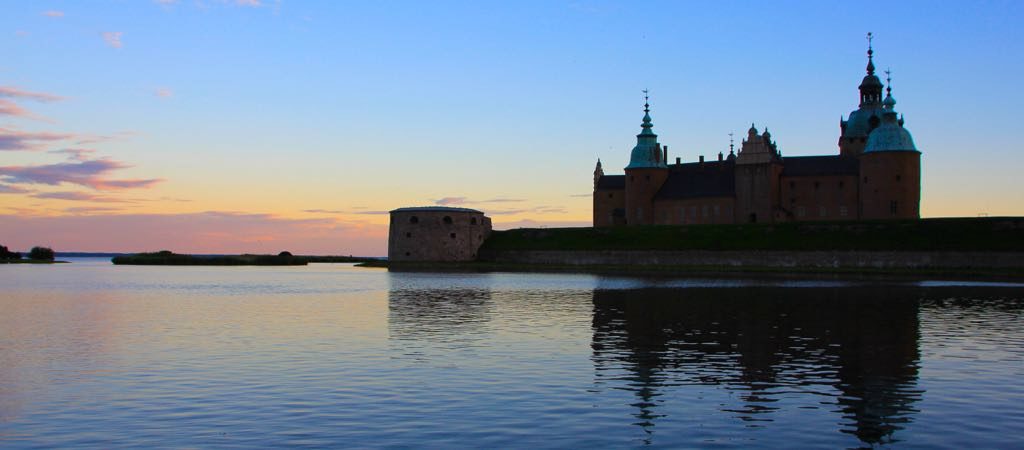
While southern part of Sweden still get a good few hours of daylight during December, northern reaches of Sweden are dark almost right around the clock. Let’s stay down south and suggest the Kalmar Castle Christmas celebration in the south-eastern region. It is filled with over 110 exhibitors selling a variety of beautiful products made from pottery, straw, wood and textiles – as well as delicious Christmas treats.
A visit to Kalmar Castle to shop local cheese, mulled wine and craft has become a tradition for many visitors
“Christmas fair at Kalmar Castle is one of the most atmospheric fairs and also one of the largest in Sweden. A visit to Kalmar Castle to shop local cheese, mulled wine and craft has become a tradition for many visitors,” it claims on its website.
Ar Möllevångern in Malmö all visitors are invited to see and live Christmas with a Swedish touch
Sweden’s third biggest city, Malmö, organizes a market of art, culture, food and fashion. It takes place at the trendy and multicultural area Möllevången, where a small town is made of wooden huts. And all visitors are invited to see and live Christmas with a Swedish touch.
The other option for a Christmas trip to Sweden is to head into the countryside. This is where you’ll get the true winter wonderland experience, with the chance to go dog sledding and visit the unspoiled wilderness.
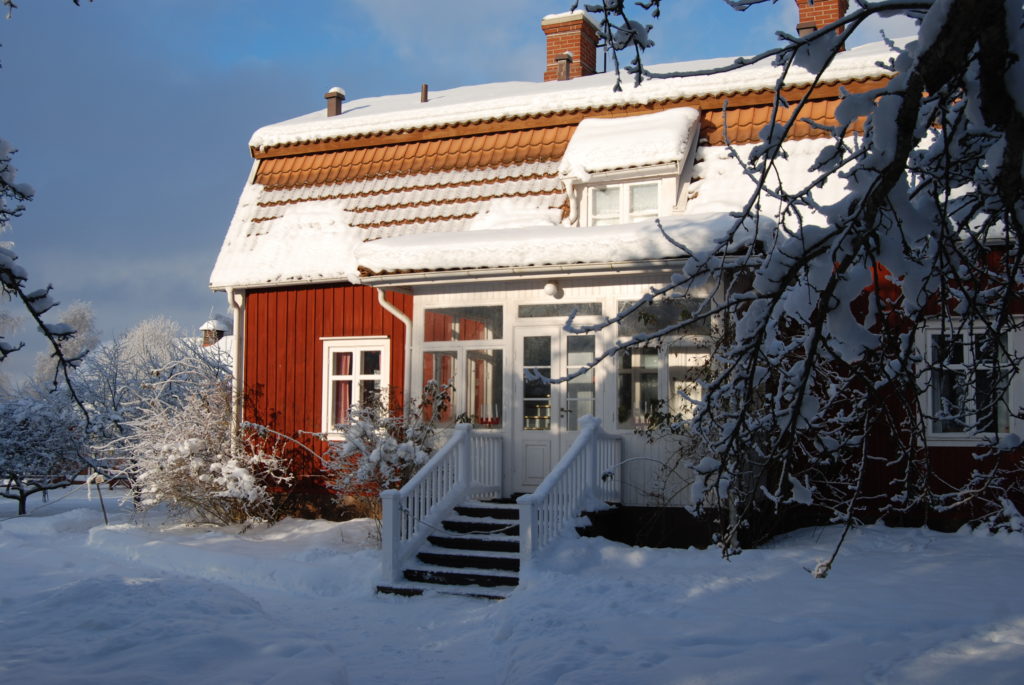
Astrid Lindgren’s childhood gome in Näs
In the childhood home of one of Sweden’s most internationally famous children’s authors and the creator of Pippi Longstockings, Astrid Lindgren, in the southern region Småland, the annual Christmas market is a melting pot of arts and crafts.
Even if you don’t feel for visiting one of the Christmas markets it’s good to know that museums and galleries all stay open in the days before Christmas, and you’ll find plenty of stuff to do. For one thing, eating and drinking at all the cozy, candlelit restaurants and cafés never seems to get boring.
Experience the northern lights at Aurora sky station
If you want to see Sweden at its wildest and most magical, head to the far north. A weekend in Swedish Lapland gives you enough time to see herds of wild reindeer, northern lights and go snowshoeing through snow bent trees in the forests. The Abisko National Park is widely regarded as one of the best places to see the northern lights. Take the chair lift to the Aurora Sky Station.
Gammelstad Church Town in winter
Our festive collection in Sweden also recommends a break in the stunning Gammelstads Church Town in Luleå, far north in Sweden. The Gammelstad Church Town is the country’s largest and best preserved church town, and a UNESCO World Heritage site. It is over 400 years old, and comprises of 405 cottages, six stables and a privy sprawling around a large medieval stone church.
The Christmas market there is always on the second weekend of Advent. Christmas candles can be seen thru the church cottages windows, the old medieval stone church comes to life and the sellers at the market are ready to greet all visitors.
Camp cabins in Swedish Lapland
If time allows, take a break on the stunning Lulea Archipelago. The Luleå archipelago is a world of its own. 1,312 ever-changing islands, shaped by weather and wind, ice frozen and cold midwinter, but northern lights combined with Christmas traditions, do make it worth a visit.
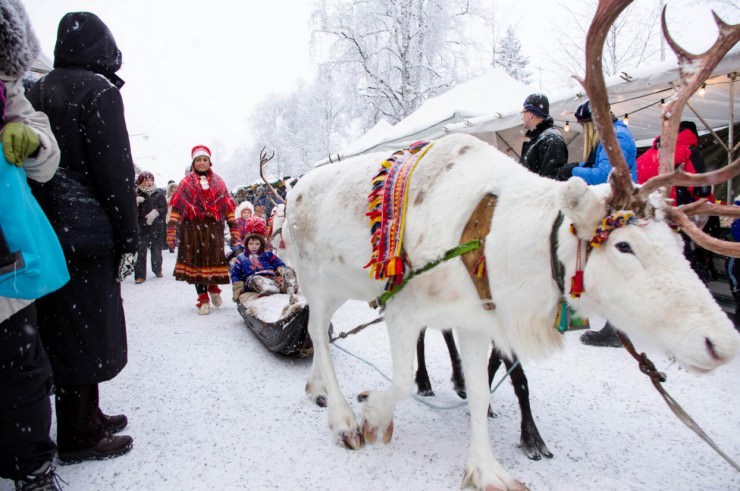
Jokkmok is an important place for the Sami people and is famous for its Christmas market
Jokkmok is an important place for the Sami people. It’s famous for its winter market, which has been an unbroken tradition since 1605. It takes place in Fabruary. However, the newly-established authentic Christmas market, celebrates the winter solstice. There you’ll also find traditional Sami handicrafts, called duodji.
Jukkasjärvi is probably the most Christmassy little village in Lapland
Jukkasjärvi is probably the most Christmassy little village in Lapland. There’s where you’ll find the famous Ice Hotel. If you want a guaranteed White Christmas this year, enjoy these snow covered landscapes. It is a truly special festive break.
Salen os a relaxed, family friendly ski resort has a good mix of different runs and cozy cabins
If you don’t fancy traveling all the way to Swedish Lapland, Sälen is worth a shot. This relaxed, family friendly ski resort has a good mix of different runs and some cozy cabins available for rent. Avoid the stress at home and take the family along with you to the mountains over Christmas.
Whichever of these breaks suits you best, you’re guaranteed a Christmassy feeling.
The Nordic model, also called Nordic social democracy, refers to the economic and social policies common to the three Scandinavian countries Denmark, Norway and Sweden as well as the Nordic countries Finland and Iceland. Why is the Nordic model so successful? Researchers all over the world are curious.
The term is coined to capture the unique combination of free market capitalism and social benefits, creating a society that enjoys top quality services like free education, free healthcare and generous guaranteed pension payments for retirees.
The 2017 Happiness Index
Researchers all over the world are looking to the Nordic model to examine when and why it emerged, and why it evidently is so successful. However, recently there has been a greater interest for discovering the secrets of the model outside the Nordic region, while less research has been done inside the region itself.
Haldor Byrkjeflot, academic director of UiO: Nordic
In 2015 the University of Oslo launched a research program called “Global Challenges – Nordic Experiences”. In March 2017 they arranged the first cross-disciplinary Nordic Challenges conference, aiming to establish an international forum for researchers who work with issues related to Nordic experiences. Haldor Byrkjeflot, academic director of UiO: Nordic, the strategic inititative behind the “Nordic challenges research program” was the chief organizer behind the conference.
There are many questions and issues to be taken into consideration, for instance the role of the indexes where the Nordic countries commonly score the highest. What is measured and how? One example is the happiness index, where Norway score highest followed by Denmark , Switzerland and Iceland.
Nordic challenges research program
Gitte Meyer from Copenhagen Business School argues that the measurements used for the happiness index may be misleading. “There has been 2,500 years of disagreement on what is happiness,” she claims. “Fortuna has often been named the Goddess of Happiness, but is the Goddess of Luck a better depiction?” she asks.
The Nordic Model
The Happiness Industry is not a new one. 125 years ago the American neurologist George Miller Beard wrote a paper, “American Nervousness, Its Causes and Consequences”, in which he discusses several issues related to happiness, or rather the opposite, like domestic and financial trouble, politics and religion, gambling, new inventions and many more.
The World Happiness Index
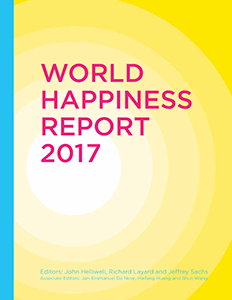
Happiness indicators have been as volatile as happiness itself. The first World Happiness Report was launched in 2012, and the Nordic countries have always been on top. But how does happiness research and happiness measuring affect what is considered valuable in a society?
World Happiness Report 2017
The research program “Global Challenges – Nordic Experiences” at University of Oslo currently involves 140 researchers. The project has been granted NOK 80 million from the the University of Oslo and the participating units of the University must fund the same amount itself, totaling NOK 160 million. One of the projects, Nordic Branding, covers issues like social welfare, gender equality and rights and democracy. The group, led by professor Malcolm Langford, involves 35 researchers from the University of Oslo and beyond.
Professor Byrkjeflot explains that all countries today wish to brand themselves. However, there are several examples of negative national branding.
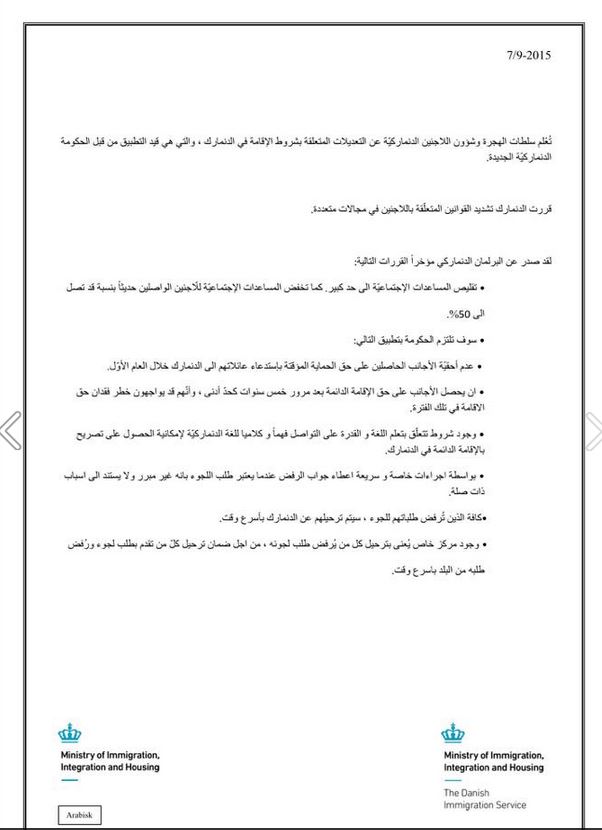
Mads Mordhorst, associate professor at Copenhagen Business School, has written a paper titled Public Diplomacy vs Nation Branding: The Case of Denmark after the Cartoon Crisis(2016) included in the bookHistories of Public Diplomacy and Nation Branding in the Nordic and Baltic Countries. In this paper he discusses how Denmark moved from emphasizing the need for a positive and strategic to a more complex and negative branding strategy after the Danish government took out advertisements in Lebanon telling refugees not to go to Denmark. As a consequence the international media has become more critical in their reporting of current events in Denmark, such as for instance in their reporting of Danish kindergartens that were obliged to serve pork to protect “Danish food culture”.
Danish advert in a Libanese paper
Is the Nordic Model sustainable? How are ideas about Nordic identity and models constructed and disseminated? What drives the construction of the Nordic region as exceptional and successful and how are such perceptions of the Nordics challenged.
One of the projects, Nordic Branding, is led by professor Malcolm Langford
These and several other questions are discussed in this strategic initiative launched by the University of Oslo. Researchers across disciplines from all over the world continue to cultivate their findings, and Daily Scandinavian will follow the project and report on the developments.
Are Scandinavians the Happiest People in the World? Written by Tor Kjolberg
On Bernstorffsgade, across from the Copenhagen Tivoli’s west entrance, is the Central Railway Station (Hovedbanegården). Beyond it to the west lies Vesterbro, one of Copenhagen’s oldest residential districts, today a multicultural community, vibrant with bizarre shops, exotic restaurants and its red-light boulevard, Istedgade, which is also Vesterbro’s best shopping artery.
Over the last few years, Vesterbro has been the focus of a whole whirl of stylish new bars, clubs, restaurants and contemporary art galleries, based in Kødbyen, the meat-packing district. By day, it is still populated by butchers (although rising rents are forcing many to relocate). By night, it’s a place to party.
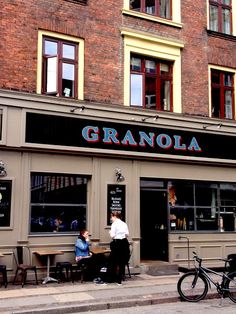
Local families come for pancake breakfasts at Granola
Local families come for pancake breakfasts at Granola, while old ladies prefer a croissant and students sit discussing their subjects.
If you’re searching for local traditions you should have smørrebrød (open sandwiches) for lunch. Visit Øl & Brød (Beer and Bread). They also serve 50 options of aquavit there, in case you’re not in the mood for beer.
In one of Copenhagen’s loveliest streets, Værnedamsvej, you shouldn’t miss the wine bar Falernum or the restaurant Les Trois Cochons.
The Copenhagen Tourist Office lies across from Central Station on Bernstorffsgade, near the corner of Vesterbrogade. This travelers’ ganglion has it all: information on sights, cultural activities, transport, eating places and events. A prime source of information is the weekly English language tabloid newspaper The Copenhagen Post in which you also will also find local news and listings.
Don’t miss the wine bar Falernum
Copenhagen’s Oldest Residential District, written by Tor Kjolberg