A Nordic survey on media literacy shows that more work is needed, as young Nordic people find it difficult to keep up with the news.
Comparable data on media literacy in the Nordic countries are now available for the first time, thanks to the Nordic Media Literacy Survey – a new study by the Nordic Council of Ministers, conducted by the media authorities in Denmark, Finland, Iceland, Norway, and Sweden. Just over 12,000 people in the Nordics took part in the survey. The results show that although media knowledge is good, there are significant differences across age groups.
Vital for resilience and democracy
One-third of adults aged 16 to 44 find it difficult to keep up with the news, while around one-fifth of over-55s do not verify news content they suspect is fake. These examples demonstrate the need for continued investment in media literacy education in the Nordic Region.
Finland’s Minister of Education and Minister for Nordic Co-operation, Anders Adlercreutz..
“Media literacy is an important component of Nordic societal resilience. By educating children and adults in source criticism and equipping them with the tools to detect fake news and attempts to influence, we can strengthen our resilience and our democracy. This survey is an important step towards being able to improve our analysis of and work with these important issues at a Nordic level going forward,” says Finland’s Minister of Education and Minister for Nordic Co-operation, Anders Adlercreutz.
Overall, the survey shows that the Nordic countries are very similar, despite some differences. The biggest differences are not between countries, but between different age groups.
Younger people are more digitally savvy, while older people are more knowledgeable about traditional media. Photo: Readability.
“Younger people are more digitally savvy, while older people are more knowledgeable about traditional media. Knowledge and understanding of different media types, how they work, and how this can affect content is important for both source criticism and source trust,” says Catharina Bucht, analyst at the Swedish Agency for the Media and project lead for the survey.
Unique venture
The purpose of the survey is to provide a picture of media literacy in the Nordic population and to build a knowledge base to promote media literacy. The survey is the first of its kind and sheds light on knowledge, abilities, and attitudes towards the media.
The survey shows that the Nordic countries are very similar, despite some differences.
“The Nordic countries are working actively to promote media literacy. However, we’ve lacked a common basis for assessing people’s actual level of knowledge. Which areas do we need to improve? And what groups need more help than others? This survey helps to shed light on these questions,” says Bucht.
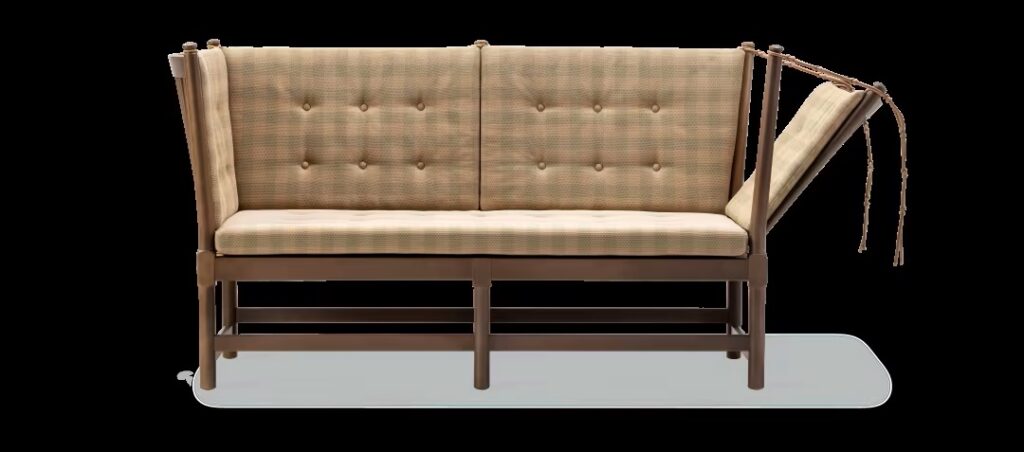
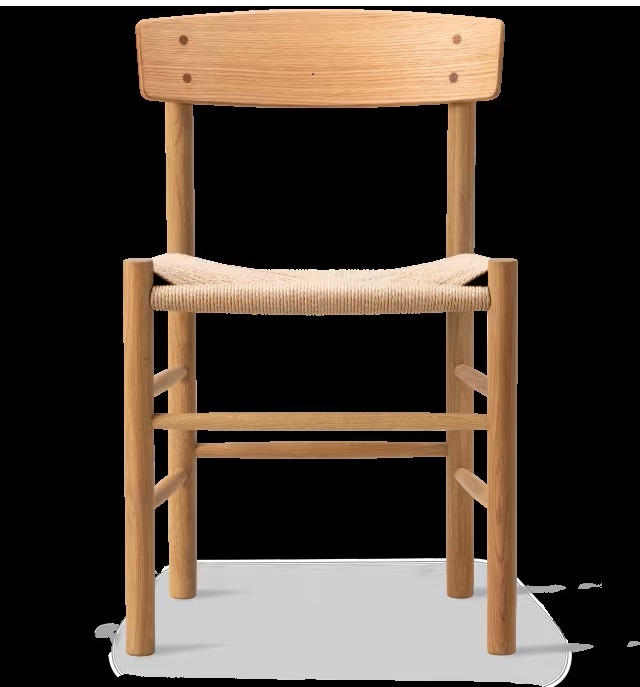
Danish Company Fredericia Furniture honor Danish design masters and produces old masterpieces crafted to last.
Fredericia Furniture creates Scandinavian design that encourages human well-being wherever people live, work and connect. Items they have chosen to reproduce are designed by Børge Mogensen, Edward Barber & Jay Osgerby, Cecilie Manz, Erik Jørgensen, Erik Ole Jørgensen, Hannes Wettstein, Hans J. Wegner, Hugo Passos, Jasper Morrison, Jørgen Gammelgaard, Kaare Klint, Maria Bruun, Mogens Koch and Nanna Ditzel.
Encouraging customers to conscious consumption has been at the core of Fredericia’s company ethics ever since it began in 1911.
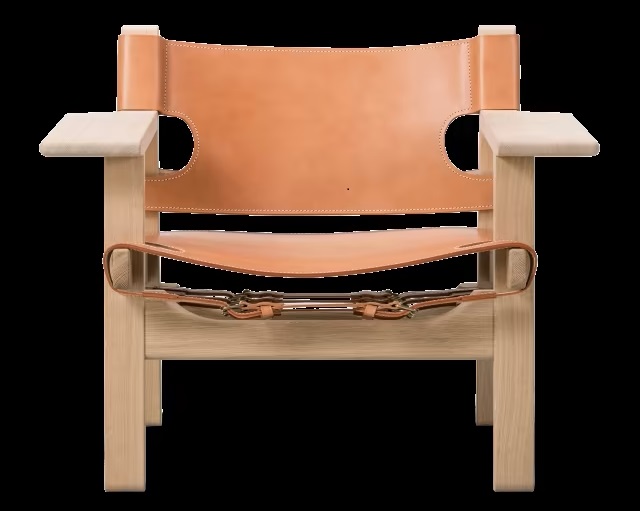
Børge Mogensen on his Spanish chair.
Fredericia’s pioneering work with Børge Mogensen (1914-1972) is based on combining a timeless, modern aesthetic with durable construction and suitable materials. Fredericia took over the rights to Børge Mogensen’s design in 2005.
Børge Mogensen was one of the most influential designers in shaping Danish Modern design and Fredericia’s founding designer from 1955 until his untimely death in 1972. As a pioneer with a strong belief in democratic design, he played a key role in establishing Denmark as a culture of furniture design. He found inspiration worldwide to create everyday objects that would endure for generations. Mogensen’s most recognized pieces were developed through his collaboration and friendship with Andreas Graversen, Fredericia’s CEO, from 1955 to 1995. Together, they believed in honest design, natural materials, and enduring quality.
What set Mogensen apart was his contribution to a visionary design movement grounded in a humanist approach that shaped every aspect of his work. He believed furniture should be honest, functional, and free from unnecessary ornamentation. For Mogensen, design was never about the object but the people who used it. By designing furniture that demands less attention, Mogensen believed he created more space for life itself—for presence, reflection, and the small rituals of everyday living.
Mogensen chair
Fredericia’s goal has always been to create furniture that becomes more beautiful with age and is intended to be passed on from generation to generation. These core values are rooted in a sense of responsibility and use of natural materials. The company’s ethical methods of production and respect for the people using the furniture every day are are essential.
”A successful pipe is for me is characterized by the words balance and rhythm,” says Norwegian pipe maker Bård Hansen. “A balanced exterior adds to the the calm I wish you as a pipe–smoker.” A dying craft is very much alive in Norway. Tabago is Bård Hansen’s brand, Norway’s sole contemporary pipe-maker. He learned his craft in Lillehammer and is now working from his workshop situated at Bryggen in the center of Bergen.
Before the turn of the century, Hansen worked as a computer engineer and HSE auditor for the Norwegian National Railways. The pipe-smoking eventually developed into a hobby that he wanted to find out more about. So he went to Lillehammer where part of the Lillehammer pipe factory was supposed to be preserved. It wasn’t, but he met a retired worker from the factory who had taken care of the pipe-making equipment. Hansen said he would be happy to buy it if the retiree would train him.
Pipe smoking was the “original” way of smoking tobacco.
Pipe smoking was the “original” way of smoking tobacco, a habit colonists from Latin America in the 17th century brought with them.
When pipes are shaped by hand, variations in shapes increases. Every pipe becomes somehow unique. Smaller pipes are handier when you go outside. However,when you have plenty of time, a bigger pipe is your best choice. A larger pipe-head will absorb more of the the heat from the tobacco and provides you with a cooler and tastier smoke,” explains Hansen.
Every pipe is somehow unique.
The Mesna pipe series from G. Larsens Pipefabrikk in Lillehammer was long one of the classic pipe brands in the world. Today, world-class pipes are made in a small workshop at Bryggen in Bergen.
A Dying Craft Very Much Alive in Norway, written by Tor Kjolberg
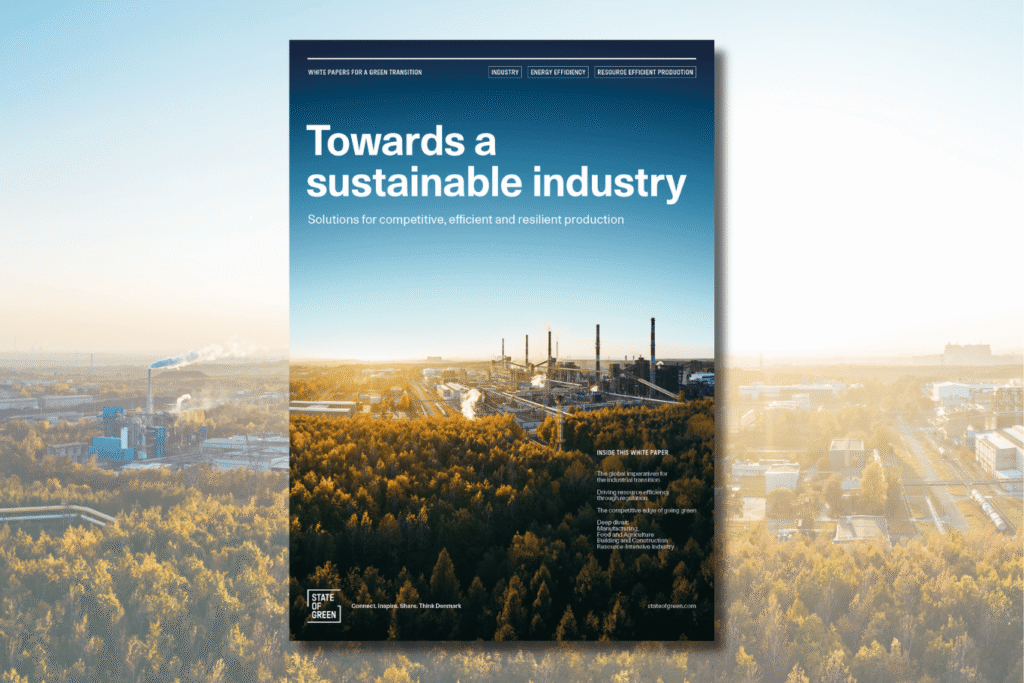
HOFOR – Greater Copenhagen Utility – create sustainable towns and cities. The company’s new white paper “Towards a sustainable industry” is about competitive, efficient and resilient production. Learn more about large-scale heating in Copenhagen. Copenhagen is pioneering large-scale heating using energy from biomass that would otherwise go to waste. The system supplies hot water and warmth to 98 per cent of its residents.
Everything that HOFOR does on a daily basis – down to the very last detail – is about creating sustainable towns and cities, because people will still need to live in them in 100 years’ time.
The white paper analyzis, among other issues, why carbonizing industry is essential for meeting global climate and resource challenges.
*************************************************
Related: Green Living in Copenhagen
*************************************************
This white paper covers insights into Denmark’s experience within energy, water and resource efficiency in industries ensuring sustainable industries. Deep diving into the industries of food & beverage, resource-intensive industry, manufacturing, life science and pharmaceutical, and industrial symbiosis, cases and solutions are presented to showcase efficiency measures across a wide range of industrial sectors.
UK-born writer Ruth Kvarnström-Jones moved to Stockholm from the UK in the 1980s. Last year, she was author of the most borrowed fiction book in selected Swedish libraries. She says she was inspired by Agnetha Fältskog to learn Swedish.
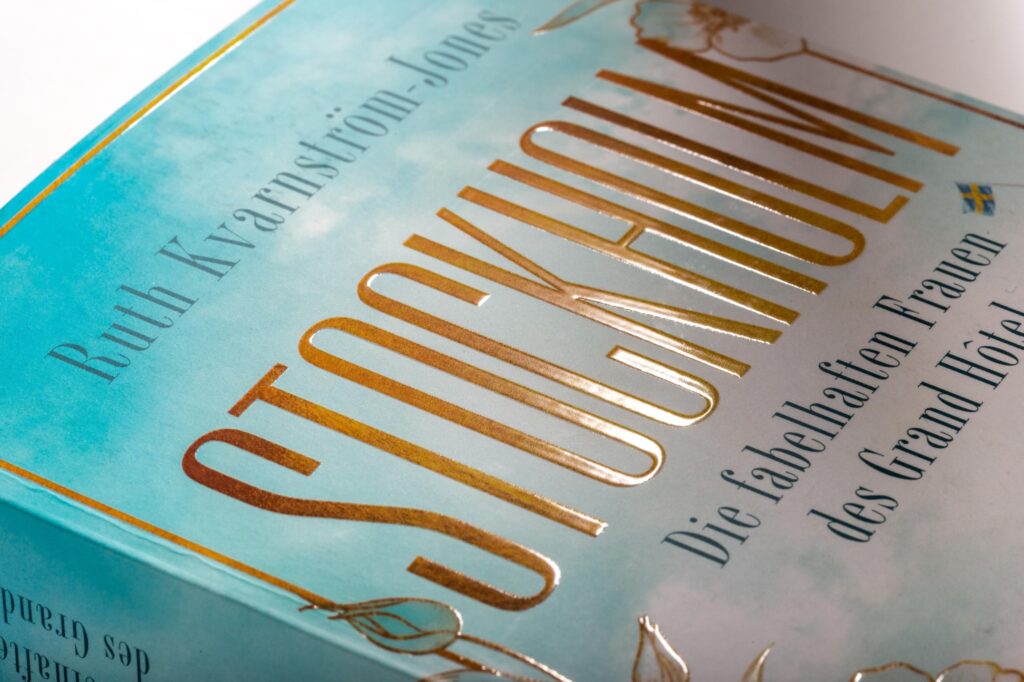
Kvaernström-Jones is known for her historical fiction, including the Halleholm series and The Phenomenal Women of the Grand Hôtel, blending British roots with Swedish history and culture in her storytelling.
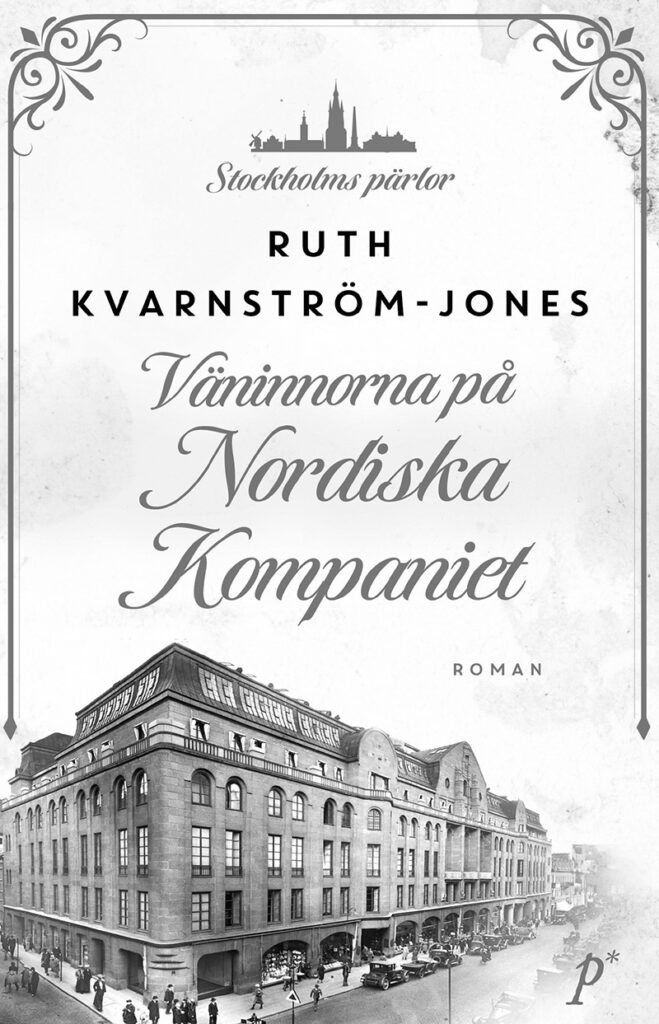
Her new book, ”Väninnorna på Nordiska Kompaniet”, is set to 1912 in Stockholm.
Her book The Phenomenal Women of the Grand Hôtel was voted Feelgood Book of the Year in Sweden in 2024.
Her new book, ”Väninnorna på Nordiska Kompaniet”, is set to 1912 in Stockholm and war is rumbling on the horizon. But Joseph Sachs has made up his mind — he is going to build Northern Europe’s grandest department store: Nordiska Kompaniet.
Ruth Kvarnström-Jones is blending British roots with Swedish history and culture in her storytelling.
Set against the background of a breathtaking emporium in the heart of Stockholm, friendships among the women see them through the men’s war nobody wanted and into the swinging 1920s. Kindred Spirits at Nordiska Kompaniet spans fifteen years and is based on the fascinating history of Josef Sachs and his fabulous Nordiska Kompaniet at Hamngatan 18 where the customer is king and the King is a customer.
Kvaernström-Jones focuses on Swedish history, particularly women’s stories, often set in Stockholm.
British Author Inspired by ABBA to learn Swedish, Tor Kjolberg reporting.
Denmark holds good title to the island of Greenland, along with the right to self-determination of the local population. But why is Greenland Danish?
While Denmark technically does not own Greenland, the world’s largest island is still part of the Kingdom of Denmark. It was a Danish colony until 1953, when it was made a part of Denmark. Greenland was finally granted home rule in 1979. The self-government act referendum in 2008 further extended its autonomy, allowing Greenland to govern its own affairs and have its own parliament, prime minister, anthem and flag.
The Danish government still controls areas such as citizenship, monetary policy, the military and foreign affairs. While Greenland has its own local Government, Greenlandic representatives are present in the Danish parliament.
Julianehaab (Qaqortoq) was founded in 1775 by the Norwegian farmer Anders Olesen and soon became an important center for trade. Today Qaqortoq is the central town in south Greenland.
The first Nordic presence in Greenland dates back to Erik the Red, a Norse Viking banished from Iceland for manslaughter, who sought a new future in Greenland around the end of the 10th century. The name “Greenland” referred to the vegetation around Southern Greenland’s fjords, but the name was likely also given in an attempt to lure more Norse settlers to Erik’s settlement in Southeast Greenland. The Norse settlements in Greenland became part of a North Atlantic empire ruled from Norway.
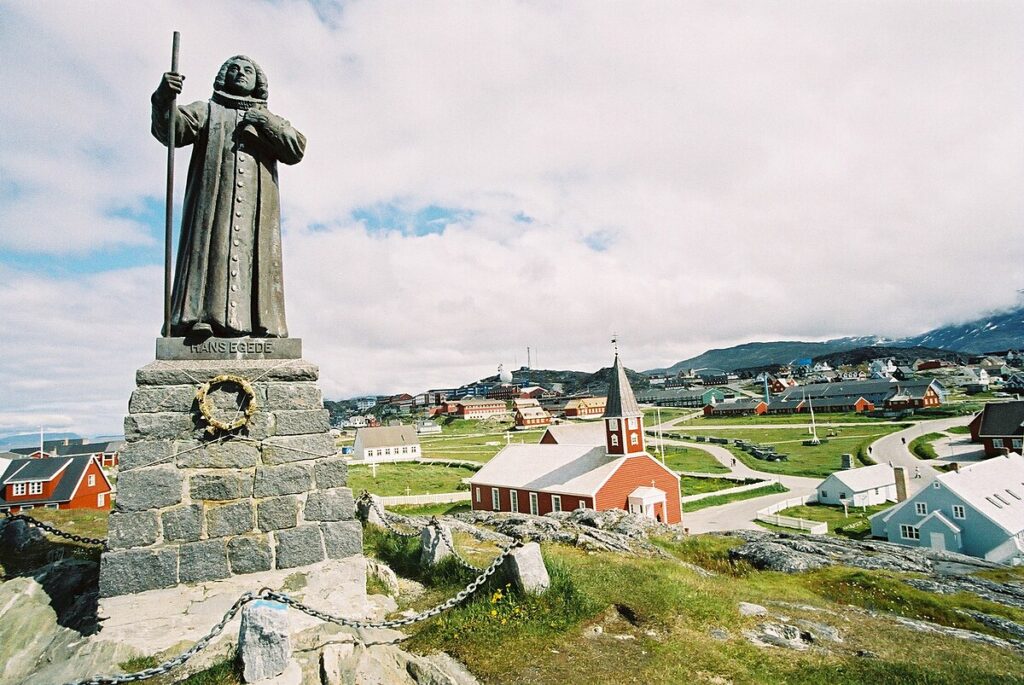
The Hans Egede statue. Photo: Wikipedia
Denmark can point to the arrival of missionary Hans Egede on the island in 1721. It claims to have administered the islands ever since. International law accepts that evidence of the actual effective occupation can be light where the territory is remote and inhospitable.
In view of the complicated relationship between Denmark and Norway at the time, and some Norwegian activity in Eastern Greenland later on, Oslo challenged the Danish claim early in the 20th century.
The Norwegian-Danish influence in Greenland had to compete with other foreign powers, notably the Dutch. In a process that spanned generations, the Inuit were converted to Christianity, and Greenland was both politically and economically tied to Denmark-Norway in a colonial relationship.
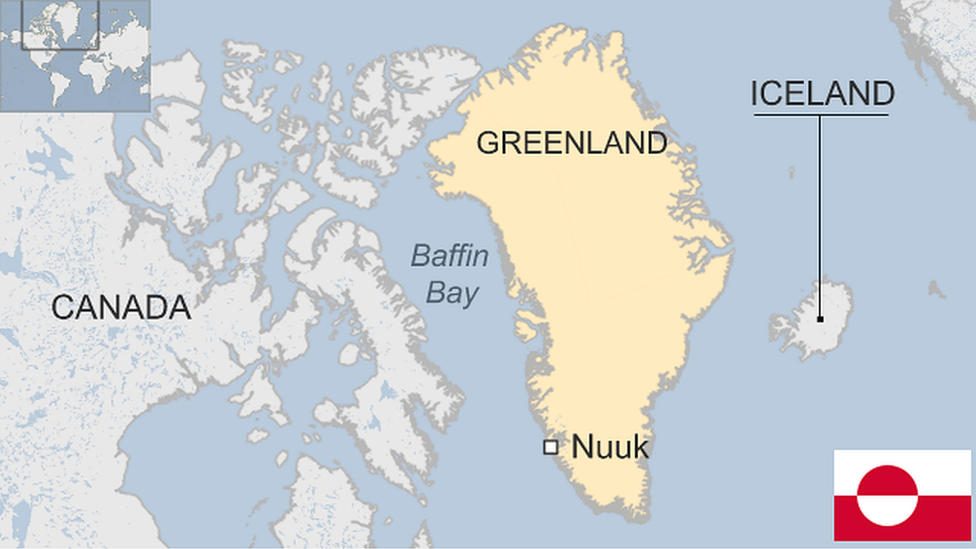
Map of Greenland.
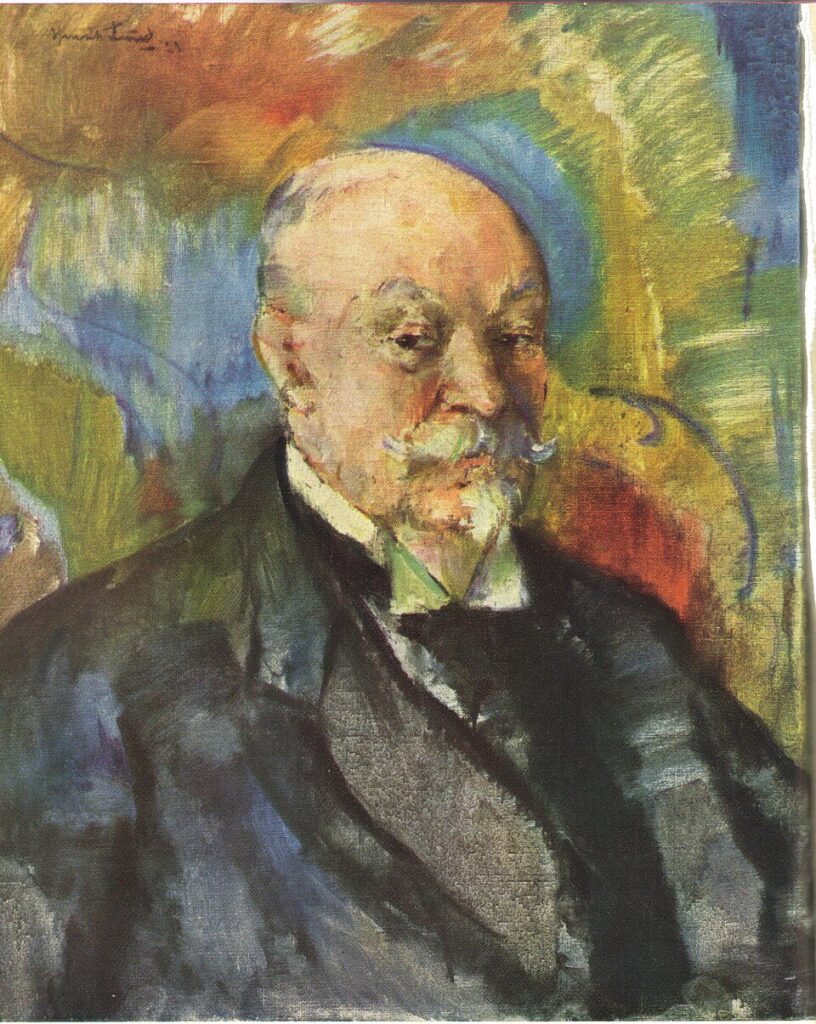
When the monarchy of Denmark and Norway broke apart in 1814, Denmark kept Greenland. Danish-Greenlandic colonial relations in the 19th and early 20th centuries were characterized by a Danish paternalistic policy for cautious development, ensuring that Greenland would be a profitable colony. In 1916, Denmark’s rights to Greenland were confirmed by the United States, as part of a deal that facilitated the American purchase of the Danish West Indies. Norway’s Foreign Minister Nils Claus Ihlen had given up any claim to Greenland. He had declared in 1919 that the Danish claim ‘would be met with no difficulties on the part of Norway’.
Norway’s Foreign Minister Nils Claus Ihlen, painting by Henrik Lund. Photo: Wikipedia.
A controversy concerning a Norwegian claim to parts of Greenland ended in 1933, when the Permanent Court of International Justice, founded by the League of Nations, ruled against Norway.
During World War II, Greenland fell under United States military protection during Denmark’s occupation by Germany when Danish ambassador Henrik Kauffmann signed a defense agreement in 1941 at his own initiative (but in the name of the king). This was also strategically important for the United States due to the proximity of Greenland to the North American continent. Denmark joined NATO in 1949, which opened further opportunities for the United States to place bases in Greenland. The United States holds a military base in Quaanaaq (northern Greenland) to this day.
After World War II, the United Nations pushed for decolonization in Greenland. In 1953, the former colony was incorporated into Denmark and granted two seats in the Danish Parliament. In 1979, Greenland achieved Home Rule, which included the formation of the Greenlandic Parliament, and it gained self-rule in 2009 through the passage of a law that included a ‘blueprint’ for seeking independence. The 2009 law firmly established that the decision to go for independence from Denmark would now rest with the Greenlandic people.
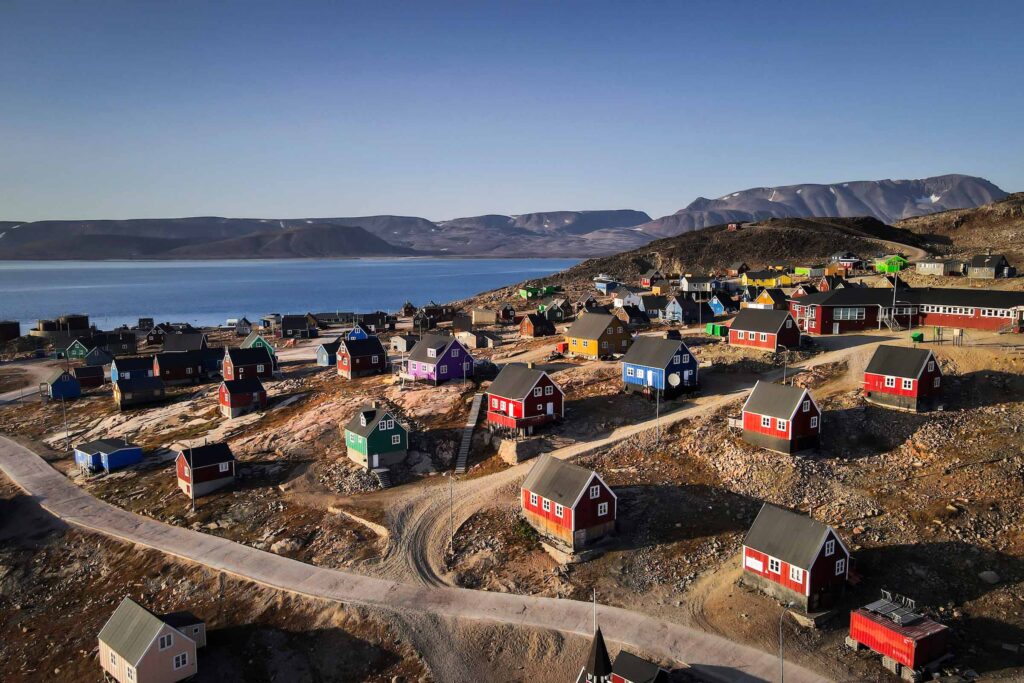
The red house area in Ittoqqortoormiit. Photo by Linda Kleist/Visit Greenland.
The UN General Assembly determined in Resolution 849 (IX) that ‘Greenland freely decided on its integration within the Kingdom of Denmark on an equal constitutional and administrative basis with the other parts of Denmark.’
This result has been universally accepted. However, since then, campaigners have argued that the indigenous population of Greenland did not approve this move in a referendum.
There is no doubt that the majority of Greenlanders want to use this option eventually. Polls show this. Independence has been accepted in Denmark as well. However, polls also consistently show that Greenlanders do not want independence if the price is the collapse of the Greenlandic welfare state.
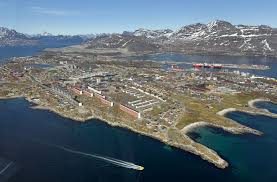
From Nuuk. Photo: Wikipedi.
Herein lies the challenge. Greenland is vast, stretching over more than 800,000 square miles, but its population is tiny, consisting of only 56,000 people. Furthermore, the climate remains harsh for most of the year, especially in the North. For these reasons, among others, the Greenlandic government remains dependent on a yearly block grant from Denmark of roughly $600 million, as well as on the Danish state supporting services in areas such as defense, coast guard, and law enforcement.
Greenlandic independence, therefore, depends on substantial continued Danish assistance after independence, something the Greenlandic government has yet to convince Denmark to accept.
Since 2009, the Greenlandic language has been the sole official language of Greenland.
The US has attempted to buy Greenland on repeated occasions over the past centuries, most notably in 1946, when President Truman offered $100 million in gold – a colossal sum at the time. Then as now, Denmark refused.
The extreme Arctic climate, incredible ice sheet, mesmerizing northern lights, vibrant Inuit cultures and modern capital city – there is no limit to what you can discover on this amazing island called Greenland.
Andy Mossack joins a Secret Atlas Expedition Micro Cruise with just twelve guests exploring the Arctic Svalbard Archipelago.
Svalbard is a remarkable place. A piece of prime Norwegian real estate north of the Arctic Circle of nine main islands and countless islets wedged between mainland Norway and the North Pole. Right at the convergence of the Arctic and Atlantic oceans, it is one of the world’s northernmost inhabited areas yet still intensely remote. A haven for wildlife – land, sea and sky – and enjoying 24 hours of summer sunlight for 6 months of the year.
Andy and his two leaders.
Longyearbyen
Longyearbyen was the base port for my eleven-night Secret Atlas Expedition Micro Cruise around the fjord-laden Svalbard Arctic archipelago. A select expedition cruise with just twelve guests, two experienced expedition guides and a top-notch crew at our beck and call to get us up close to as much wildlife and Nature’s landscapes as possible.
Longyearbyen’s transformation from old coal mining town to popular tourist hot spot is remarkable. Perhaps being the world’s northernmost settlement or the home of the world-famous Global Seed Vault or maybe even the location for the hit thriller series Fortitude are clues. Either way, I was grateful for the extra day to explore a fascinating town with a deep history of mining since 1899, no small feat when you consider it is dark as pitch for six months a year.
Today the mines are silent, but the town is small enough to walk around with a clutch of good hotels, two museums, some cosy coffee bars, a shopping mall and Svalbardbutikken, a large supermarket selling tax-free items including an impressive alcohol section. One word of warning though, make sure you have your passport with you when purchasing in case you get asked, to ensure you get your goods tax free. There are many hiking trails from here, but visitors are warned to only go out with an experienced armed guide as a polar bear encounter is always a possibility.
Zodiac boat (drone shot).Zodiac beach landing.
***************************************************
Related: A Homage to Svalbard
***************************************************
Vikingfjord Expedition Micro Cruise ship
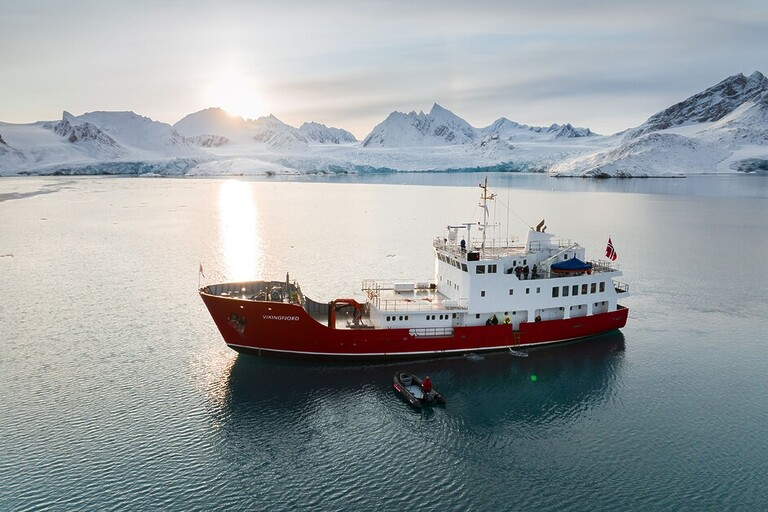
MV Vikingfjord was waiting patiently in the port for our group to embark. With only twelve guests to accommodate she had more than enough home comforts to keep us all happy. Eight very comfortable ensuite cabins with luxury toiletries, an open-plan L shaped lounge, an observation lounge up on the bridge, an on-deck hot tub and sauna and plenty of viewing opportunities everywhere.
However, what she isn’t is a sleek cruise yacht built to graze around the tropics. As skipper Sven explained, “for 50 years she was an engineering supply ship to repair and service the lighthouses around the archipelago. Once she was retired, she had a complete refit to expedition cruising standards with all-new Scandi-style interiors, a brand-new energy-efficient engine and ice-strengthened hull. Trust me, she is one tough bird”.
Walrus huddleReindeer on Svalbard.
Norway has the longest coastline in the world, and I reckon Vikingfjord might well have seen most of it. I found it strangely comforting that she had so many miles under her Plimsole Line. Experience and strength are what you need in the polar wilderness not cheesy entertainment and fancy fine dining.
Speaking of which, the restaurant was the domain of Chef Rico a culinary wizard from the Philippines who, ably supported by stewardesses Carina and Ahliza, made sure our daily three meals were delicious and prepared with everyone’s dietary needs catered for. Even special requests were no trouble at all. Fishing rods were always in place whenever we stopped to ensure our catch of the day was just that and let’s face it, you can’t get much fresher than literally sea to table, can you?
Seating and eating was so straightforward. Just three tables, with everyone seated at the same time, including the skipper, and no dress code – just anything comfortable. Buffets for breakfast and lunch and table service with wines for dinner.
Lastly, all outdoor gear for our daily excursions was found in the changing area at your assigned peg number. Waterproof rubber muck boots, essential for grip while out walking, and waterproof suits and life jackets for our Zodiac dinghy cruises and landing transfers.
MV Vikingfjord (drone shot).
Expedition Micro Cruise Experience.
“Shall we wake you up if we spot some wildlife during the night?” This question from Miriam, our expedition leader, was at the end of our embarkation briefing and was answered with a resounding YES from the group. This may not be something you’ve experienced before, as typically, overnight cruising is in darkness, but as we were in 24-hour daylight, wildlife spotting is always a possibility. And it proved to be the case more than once, both times in glorious bright sunshine at 2am! It was well worth it though with two blue whales – the largest animals on Earth – adjoining the ship for a drive by one night, plus a female polar bear with her cub taking a nighttime stroll together on another.
MK Vikingfjord’s main lounge.Female polar bear.
Magical moments and utterly jaw-dropping!
Another landing excursion brought us to a remote beach where a whole huddle (yes that is what a group is called) of giant walruses was resting after a strength-sapping breakfast. These giant creatures need to eat up to 6% of their bodyweight in clams, that is over 6,000 in every session. We had to silently step around them to get to a place where we could just sit and observe them safely. An extraordinary encounter.
This is the beauty of expedition cruising on such a small scale. No plans are set in stone, everything is changeable depending on the wildlife, the weather, the opportunities and your own preferences. It was a privileged position to be in, particularly as we were completely alone in the wilderness without another ship in sight. Quite unlike any expedition cruise I’ve previously experienced.
Dramatic waterfall from a giant iceberg.
Another unforgettable moment was when Skipper Sven spotted a huge female polar bear walking across the ice. He stopped the ship, turned off the engines and we waited in silence. Nose raised in the air she caught our scent (polar bears can smell prey up to 5 miles away) and started walking towards us clearly intent on checking us out. Perhaps Chef Rico opening the kitchen door had a hand in this moment! She got to within 20 feet of us, almost touching distance, before calling it a day. Treating us to a final sideways roll on the ice before heading off. Spellbinding.
Expedition crew looking out for whales
Daily Expedition Life
The cruise plan was to sail clockwise around the archipelago stopping off in various key locations every day for guided outdoor excursions. Miriam would brief us at dinner each night about where we were stopping and what the next day’s outings entailed. For all the off-ship adventures two Zodiac inflatable ribs were driven by our expedition team either onto a beach landing for a guided hike or for close cruising glaciers across sea ice fields, or along the rugged coastline in search of wildlife.
Our armed guides regaled us with stories behind some of the historical relics and geology we came across on our treks, while all the time being mindful of our safety by keeping their eyes peeled for any polar bears. The remains of an old German wartime weather station, a few huts from famous turn of the century trapper/explorers, remnants of whaling stations, animal remains and even a wander around Pyramiden, a once famous but now eerily abandoned Russian mining town.
Beautiful icebergs shaped by nature.
There was Arctic flora and fauna to examine, all manner of bird life to identify, and more than few Attenborough encounters including being entertained by two Arctic fox cubs and tiptoeing around a whole herd of walrus.
These Attenborough moments could never be replicated by watching a television series. The sheer scale of being close to the face of a majestic glacier while learning about glacier movement and at the same time being interrupted by the thunder of huge chunks calving off in the distance is indescribable.
This cruise really was an exclusive front row seat to an epic production by our natural world.
Arctic fox cub.
Verdict. Is it worth the price?
Seemingly within hours of embarking Vikingfjord, I and my eleven other Secret Atlas shipmates had been transformed from strangers to something of a family, enjoying our shared experiences together and reminiscing each evening over dinner and a few drinks in the lounge. We all felt we were members of an exclusive club. A rare glimpse into a natural world seldom seen by many and in such a small group. Memories I will certainly never forget.
Was this experience worth the price? Every guest agreed it was worth every penny.
Land mammals: Arctic Fox, Svalbard Reindeer. Sea mammals: Polar Bear, Walrus, Bearded Seal, Harbor Seal, Minke Whale, Beluga Whale, Harp Seal and the biggest of all, 3 Blue Whales! Birds: Barnacle Goose, Pink-footed Goose, Common Eider, Black-legged Kittiwake, Glaucous Gull, Little Auk, Brünnich’s Guillemot, Black Guillemot, Nothern Fulmar, Common Ringed Plover, Purple Sandpiper, Ivory Gull, Arctic Tern, Great Skua, Arctic Skua, Long-tailed Skua, Atlantic Puffin, Red-throated Diver and Snow Bunting
About Secret Atlas
Launched in 2019 and run by Explorers for Explorers, Secret Atlas trips are curated for people who want to enjoy the spirit of exploration and be a part of an intimate experience rather than joining an overcrowded commercial cruise. Secret Atlas pioneering Expedition Micro Cruises take the smallest group sizes in the Arctic (12 guests) and Antarctic (48 guests) offering guests an authentic, unrivalled experience free from the crowds of larger vessels. To find out more about Secret Atlas, visit Secret Atlas Rates from £10,900 pp
Landing in Indonesia feels like stepping into another rhythm of life. The warmth, the scooters, the smiles, the chaos; it’s all part of the charm. But there’s one challenge many Scandinavian travelers don’t expect until they arrive: getting online quickly and affordably. Here’s anIndonesia eSIM guide for Scandinavians visiting Indonesia.
Traditional airport kiosks selling a physical SIM card often come with long queues, language barriers, and confusing packages. Relying on hotel public Wi-Fi hotspots sounds tempting, but coverage is patchy, speeds vary, and security isn’t always reassuring, especially when you need two-factor authentication to log into banking or work accounts.
This is where modern solutions step in to solve those early frustrations, letting you stay connected without disrupting your first travel moments.
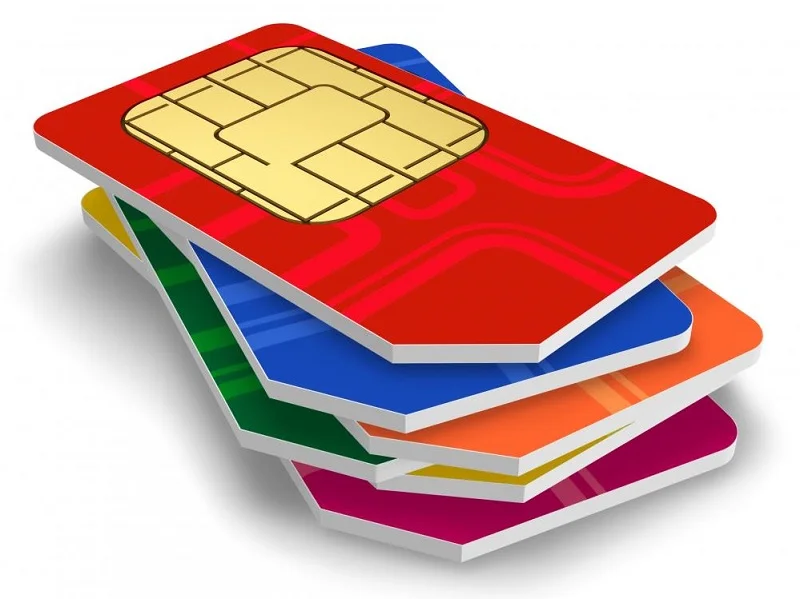
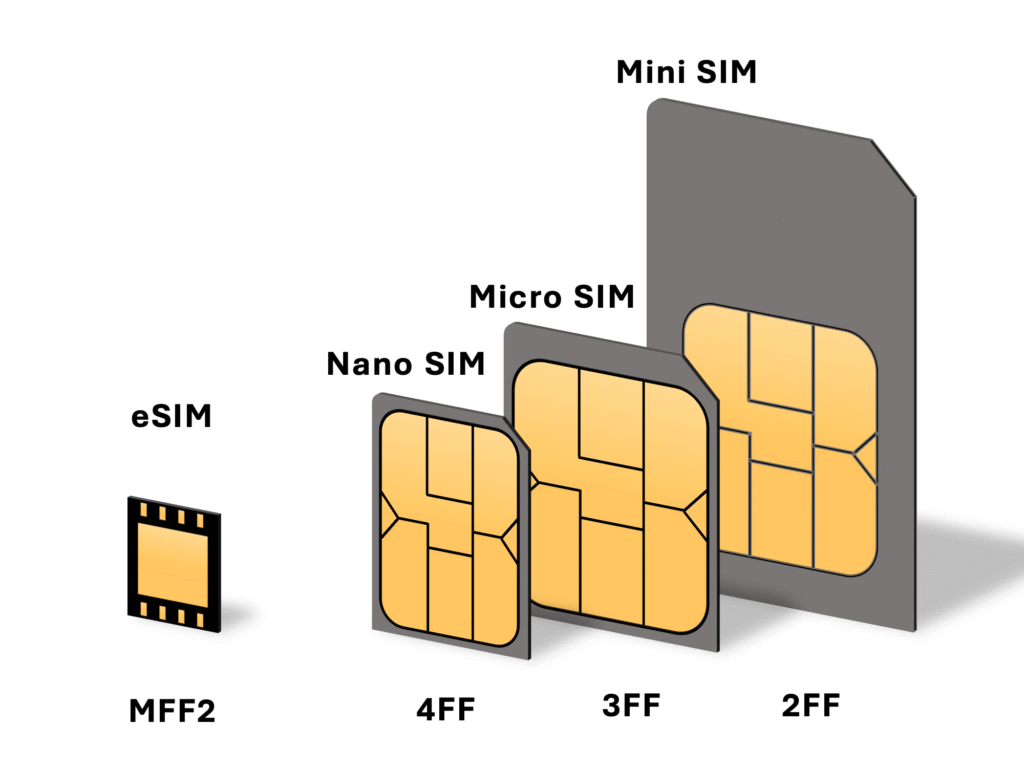
An eSIM, sometimes called a digital SIM, is embedded directly into your phone.
Finding the Best eSIM for Indonesia
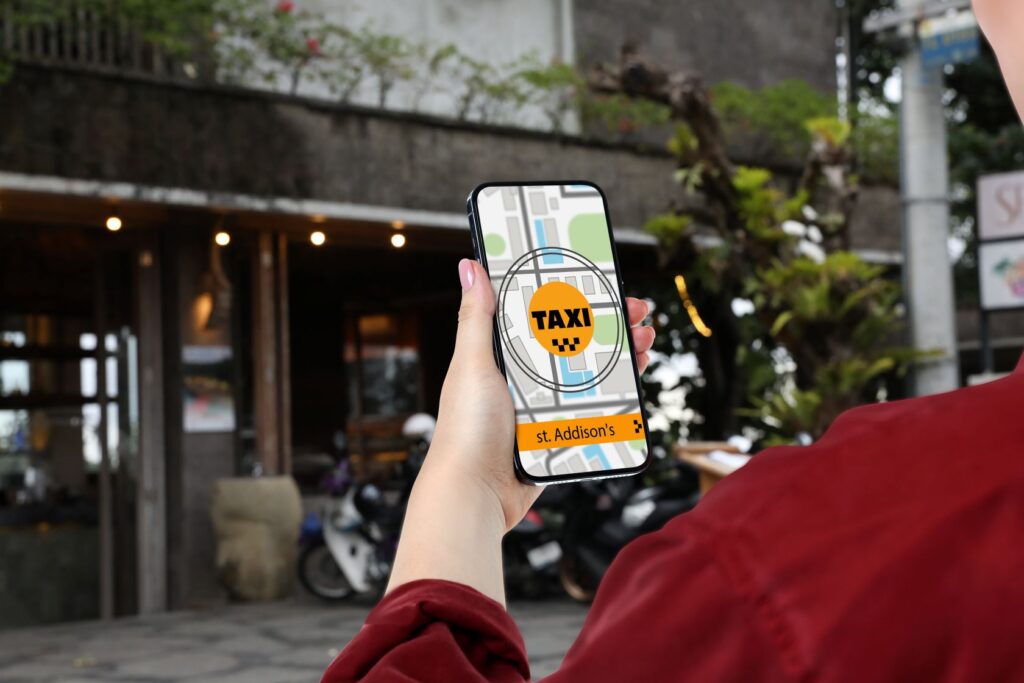
The biggest issue most Nordic travelers face is losing time and patience trying to connect after arrival. You want maps to work, ride-hailing apps to load, and messages to send immediately.
Choosing the best eSIM for Indonesia addresses this by removing the need to hunt for shops or swap tiny plastic cards. Instead, everything is ready before you board the plane, giving you confidence from the moment you land.Angeline Magalong
What an eSIM Actually Is (and Why Scandinavians Love It)
An eSIM, sometimes called a digital SIM, is embedded directly into your phone. There’s nothing to insert or remove. This feels intuitive for travelers from Sweden, Norway, Denmark, Finland, or Iceland, where cashless systems and digital services are already the norm. You scan a QR code, follow a simple setup, and your phone connects.
Unlike older solutions tied to a single phone number, many travel eSIMs are built for flexibility. They’re perfect if you mainly rely on messaging apps, maps, and online bookings rather than traditional calls or texts.
Once purchased, the setup is done at home using stable Wi-Fi, which removes pressure after a long-haul flight.
Where to Get an eSIM for Indonesia: Before You Fly or After You Land?
Getting an eSIM before traveling is usually the smoothest choice. You can compare providers calmly, read plan details in English, and choose coverage that fits your itinerary. Once purchased, the setup is done at home using stable Wi-Fi, which removes pressure after a long-haul flight.
When you land, your phone connects automatically, giving you immediate access to maps, transport apps, and messages. For Nordic travelers used to efficiency and planning, this approach often feels more natural and reliable.
That said, you can also obtain eSIMs after arrival. Some Indonesian mobile operators and travel-focused providers offer eSIM activation through their official websites or partner stores in major cities like Jakarta and Denpasar.
However, this usually requires strong Wi-Fi access first, and instructions may be less traveler friendly. Airport options exist, but availability varies, and staff may prioritize physical SIMs over digital ones, which can slow things down.
You also need to look at the timing. If you arrive late at night or during peak travel hours, getting connected on the spot can become frustrating. Setting things up beforehand avoids that uncertainty and lets you start your trip smoothly, whether you’re heading straight to a hotel, a ferry, or a late-night ride.
In practical terms, most short-term visitors benefit from arranging their eSIM in advance, while longer stays may justify exploring local options later. Either way, planning your connectivity pays off in saved time and peace of mind.
Compatibility and Setup Before You Fly
It’s essential to check device compatibility before buying. Newer Android and iPhone models support eSIM technology, but not all versions do. Your phone must also be an unlocked phone, meaning it isn’t restricted to a Scandinavian carrier.
The activation process is usually straightforward and often includes instant activation after landing or at a scheduled time. Some providers guide you step by step, which is reassuring if this is your first time using an eSIM.
Coverage Across Islands, Cities, and Nature
Indonesia is vast, and coverage varies by region. Reliable providers connect to local networks operated by major local carriers, ensuring solid network coverage in populated areas.
You’ll typically enjoy 4G/5G coverage in cities like Bali, Surabaya, and Jakarta, while more remote destinations may fall back to 4G. Even so, signal strength is generally sufficient for navigation, messaging, and sharing photos, whether you’re exploring the Gili Islands or watching sunrise at Mount Bromo.
Data Plans That Match How You Travel
Most eSIM data plans are flexible and offer options for short holidays or longer stays. You’ll see everything from limited bundles to unlimited data, depending on how much streaming or work you plan to do.
Many options are data only, which suits travelers who use apps for international calls and video calls. This approach avoids unexpected roaming fees and painful data roaming charges from Nordic carriers.
The level of information technology development makes Indonesia increasingly attractive to digital nomads.
Internet Speed, Infrastructure, and Reliability
Indonesia’s digital landscape has grown rapidly in recent years. The country has the fifth-largest number of internet users at 185 million as of January 2024. This scale has pushed significant investment into infrastructure, especially in tourist-heavy and business regions.
The level of information technology development makes Indonesia increasingly attractive to digital nomads. You’ll notice improving speed coverage in urban centers, where high-speed data supports everything from ride-hailing to streaming. This is crucial, as cafés, co-working spaces, and hotels rely on stable backbones that complement mobile usage.
Staying Practical on the Road
An eSIM shines during everyday travel situations. Ordering food through local apps, navigating unfamiliar streets, or booking last-minute transport becomes effortless with consistent mobile connectivity.
You can also share your connection via a mobile hotspot, which is useful if you’re traveling with a partner or need to connect a laptop briefly. And if your plan allows top-ups, extending usage is easy without visiting a store.
Local Regulations You Should Know About
Indonesia has specific rules around IMEI registration, which affects long-term device usage. Short-term visitors using a prepaid eSIM are usually unaffected, but it’s wise to understand the basics if you’re staying longer.
Some providers specialize in prepaid eSIM options designed for tourists, offering compliance with regulations while maintaining access across local networks.
Using mobile data instead of open Wi-Fi reduces security risks, especially when accessing sensitive accounts.
Security, Support, and Peace of Mind
Using mobile data instead of open Wi-Fi reduces security risks, especially when accessing sensitive accounts. Reputable providers offer responsive customer support, often in English, which is reassuring if something goes wrong.
But connectivity is only one part of a smooth journey. Pairing it with the right travel insurance lets you focus on the experience rather than logistics.
Who Benefits Most From an Indonesian Travel eSIM
Whether you’re uploading content or coordinating schedules, a consistent internet connection matters. An Indonesian travel eSIM works well for many traveler types.
Solo backpackers appreciate the simplicity, couples enjoy shared planning, and business travelers value immediate access after landing. For remote workers and creatives, it supports daily workflows without the hassle of switching cards or relying on unstable connections.
Indonesia eSIM Guide for Scandinavians Visiting Indonesia Final Thoughts: Travel Light, Stay Connected
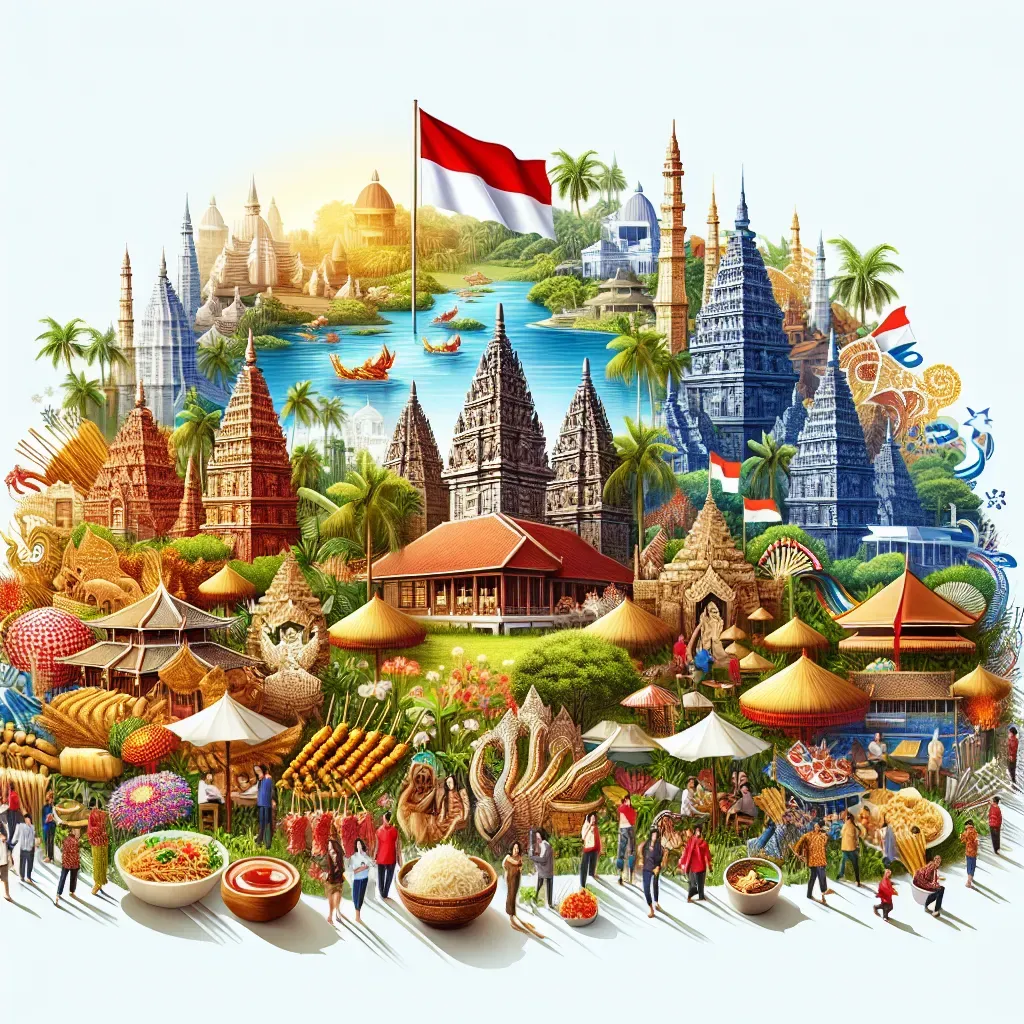
Indonesia rewards curiosity. From temples to beaches, street food to volcanoes, every day brings something new. The last thing you want is to worry about connectivity while you’re soaking it all in.
Choosing a modern eSIM solution lets you travel lighter, stay informed, and capture your experiences as they happen. With the right setup, your phone becomes a quiet companion, keeping you connected while Indonesia does the rest.
Indonesia eSIM Guide for Scandinavians Visiting Indonesia, written by Angeline Magalong for Daily Scandinavian.
Be prepared for any delays or discomfort on your next flight. Here’s what we recommend you bring on board a plane for a pleasant flight.
For a pleasant flight, pack comfort items like a neck pillow, an eye mask, and layers (a scarf/jacket) for temperature changes.
Waiting for the beverage cart to offer you a few ounces of water a few times during the flight won’t do the trick.
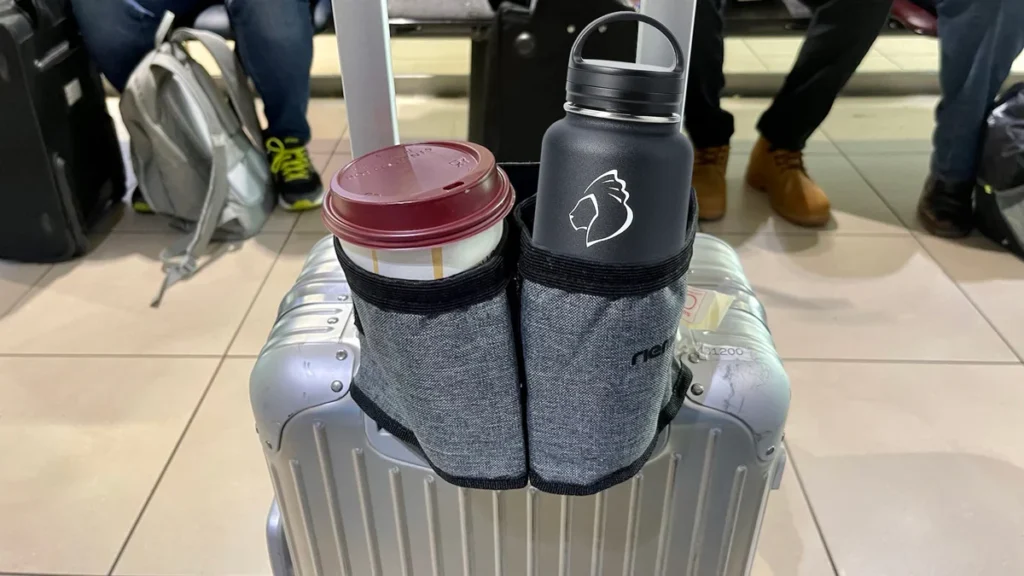
Bring your own water onboard
Since sleeping even slightly dehydrated can compromise sleep quality, staying properly hydrated helps you arrive at your destination more rested and may also help prevent illness. Waiting for the beverage cart to offer you a few ounces of water a few times during the flight won’t do the trick. And water bottles are very expensive to purchase on a flight (as much as €8 for a sixteen-ounce bottle). You can either purchase a liter of water for about €5 at an airport shop, or you can bring an empty bottle in your carry-on and fill it at an airport water dispenser after you have gone through security, of course. If you have multiple flights on an international trip, this will save you a little extra money.
Lip balm and moisturizer are also handy accessories.
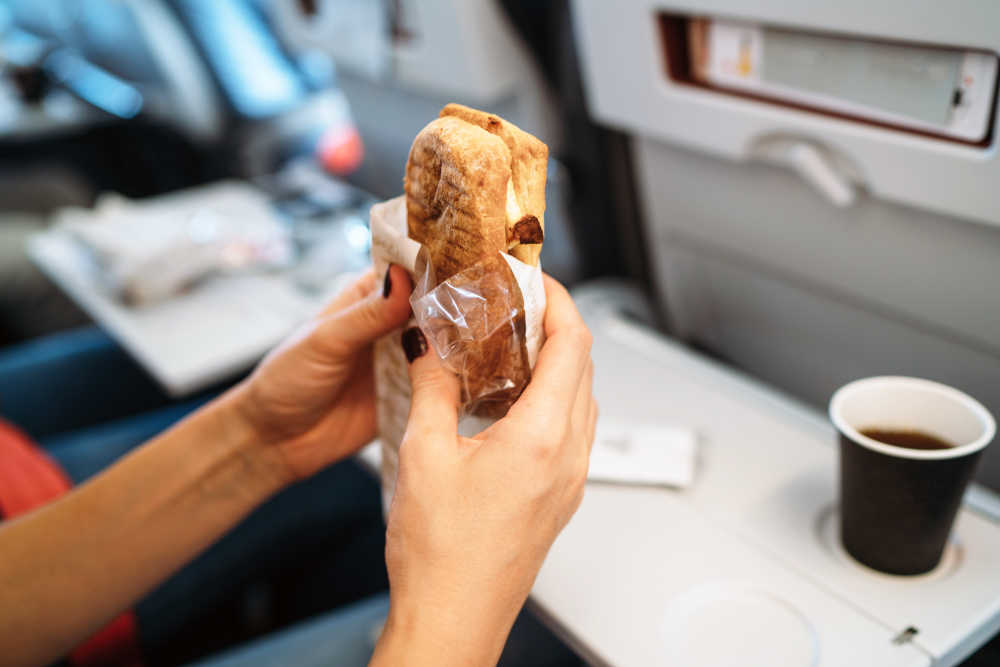
Buy your food and snacks before entering the airport.
Bring your own food and snacks on board
Many don’t know you can bring your own food and snacks on board an airplane. If you want to save as much money as possible, buy your food and snacks before entering the airport. Food items such as sandwiches, pizza, cooked meat, chips, nuts, chocolate, candy, pies, and cakes are allowed through security. Almost any food items that aren’t composed mostly of liquid are allowed. However, spreadable items such as hummus, cheeses, butter, peanut butter, and jam are subject to the 3.4-ounce rule. I sometimes buy food or snacks at the airport because cooked items are a few hours fresher, and I don’t have to keep track of snacks until just before boarding. However, the price will be higher, so make your own choice based on the price-convenience factor.
For entertainment and comfort on board, bring your book, paper, and important documents and essential toiletries, such as wipes and a toothbrush. Then you’ll be prepared for any delays or discomfort.
*******************************************
You may also like to read Flying Anxiety Cured
*******************************************
While you can’t change the seat itself, you can help reduce the noise.
Bring earplugs Sleeping on planes is difficult enough because of the size and awkward angle of airplane seats. The noise can also make it difficult. While you can’t change the seat itself, you can help reduce the noise. Having a set of earplugs can significantly reduce noise from people talking, babies crying, and attendants announcing. You will stay asleep longer and arrive slightly more rested. I like to keep a separate pair of earplugs in my toiletry kit, so I don’t have to remember to pack them. Always keep your toiletry kit in your carry-on bag so you have access to earplugs, a toothbrush, toothpaste, aspirin, eye drops, sleeping pills, or any other items you may need for a longer flight.
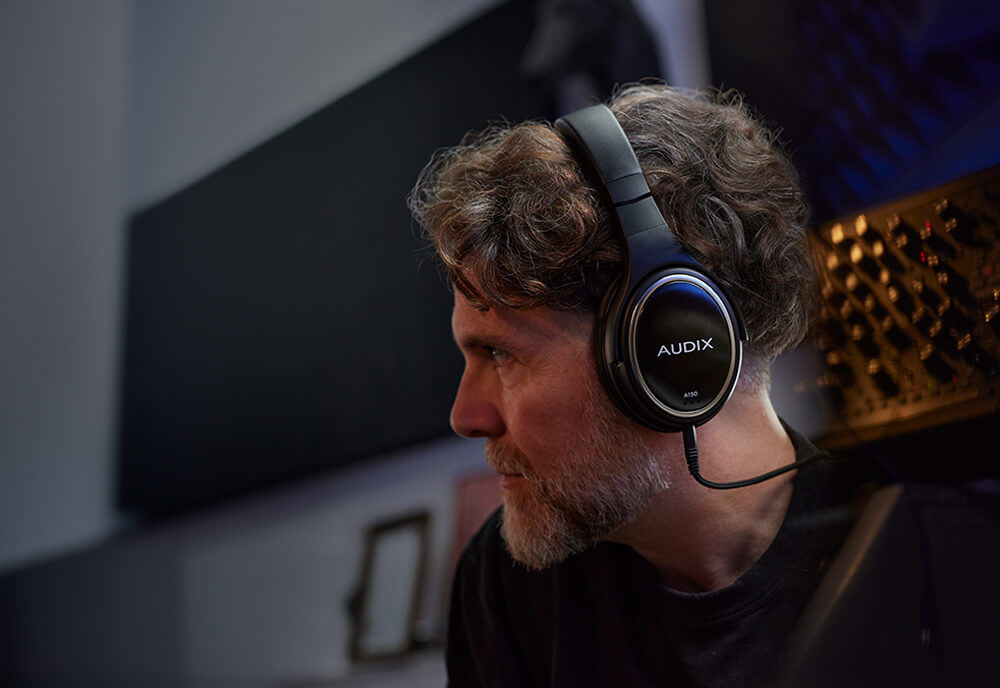
Bring your own earphones
To me, earphones are one of the most important items to bring on long international flights. You will need them to listen to music, watch imperative time-passing movies and TV shows, or even help you to sleep. Some airlines charge for earphones, and some offer them at no charge, but one thing is for sure: the quality is poor. The airline’s standard-issue earphones usually don’t fit properly, and the sound quality is right up there with the food on the plane. Bringing your own earphones will save you a lot of money and give you a higher-quality experience. You can connect your own wired or wireless headphones to most airline entertainment systems, but you’ll likely need an adapter, especially for older planes with dual-prong jacks or for using wireless Bluetooth headphones. Standard wired headphones often need a dual-prong (airplane) adapter, while wireless ones need a Bluetooth audio transmitter that plugs into the plane’s 3.5mm jack.
Pleasant flight!
What You Should Bring On Board a Plane for a Pleasant Flight, written by Tor Kjolberg
I must admit, to put it mildly, I hate the freezing-cold Norwegian winter. Not only cold, but with lots of snow. You cannot even go out to your trash boxes without putting on snow boots and winter clothing. I was longing for light and warmth. I’ve found my winter paradise, south of winter – Sri Lanka.
After Christmas, winter in Norway stops feeling seasonal and starts feeling structural. The light thins to a rumor. Cold settles not just into streets and buildings, but into habits, conversations, and the body itself. Life continues—efficiently, responsibly—but at a reduced sensory volume. You dress for survival, move with purpose, and wait. For spring. For relief. For something to shift.
This is not a complaint. Winter here is part of the social contract. You endure it quietly, with wool, discipline, and the unspoken belief that resilience is a virtue. But this particular winter, endurance felt less like strength and more like inertia. I noticed how often I was tired without reason, how creativity slowed, how even pleasure became procedural. The problem was not the cold alone; it was the prolonged absence of contrast.
Few places offer such a decisive break from Nordic winter as Sri Lanka.The body stops bracing and begins to respond.In Norway, winter teaches restraint. In Sri Lanka, everything I imagined suggested expansion.
Why Sri Lanka?
Sri Lanka entered my thinking almost accidentally. Not as a checklist destination, but as an idea shaped by climate, geography, and scale. An island close to the equator, defined by light, movement, and variety. Beaches and tea hills, dense cities and quiet villages, monsoon air and sudden sun. It felt less like choosing a place and more like choosing the opposite. Not staying there permanently—just long enough to remember how it feels to be warm without effort.
People ask why Sri Lanka, specifically. Why not somewhere closer? Why not southern Europe, the Canary Islands, North Africa, or a short escape within reach? The answer is partly climatic—few places offer such a decisive break from Nordic winter—but it is also psychological. I did not want a softened version of the same season. I wanted immersion. Heat that reorders the body. Light that resets the clock.
In Norway, winter teaches restraint. In Sri Lanka, everything I imagined suggested expansion. Color replaces monochrome. Noise replaces silence. Life happens outdoors, in motion, in proximity. Markets spill into the streets. The body stops bracing and begins to respond. Trains move slowly enough to observe landscapes passing rather than disappearing.
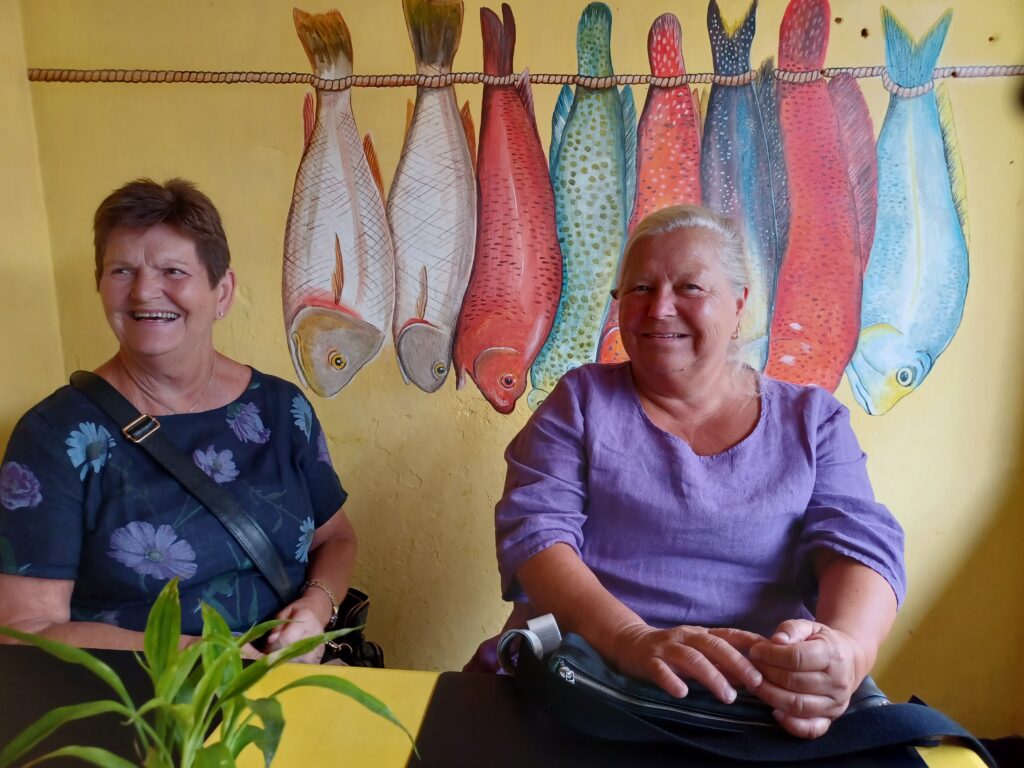
The people in Sri Lanka are pleasant, polite, and helpful. I feel relaxed and well cared for.
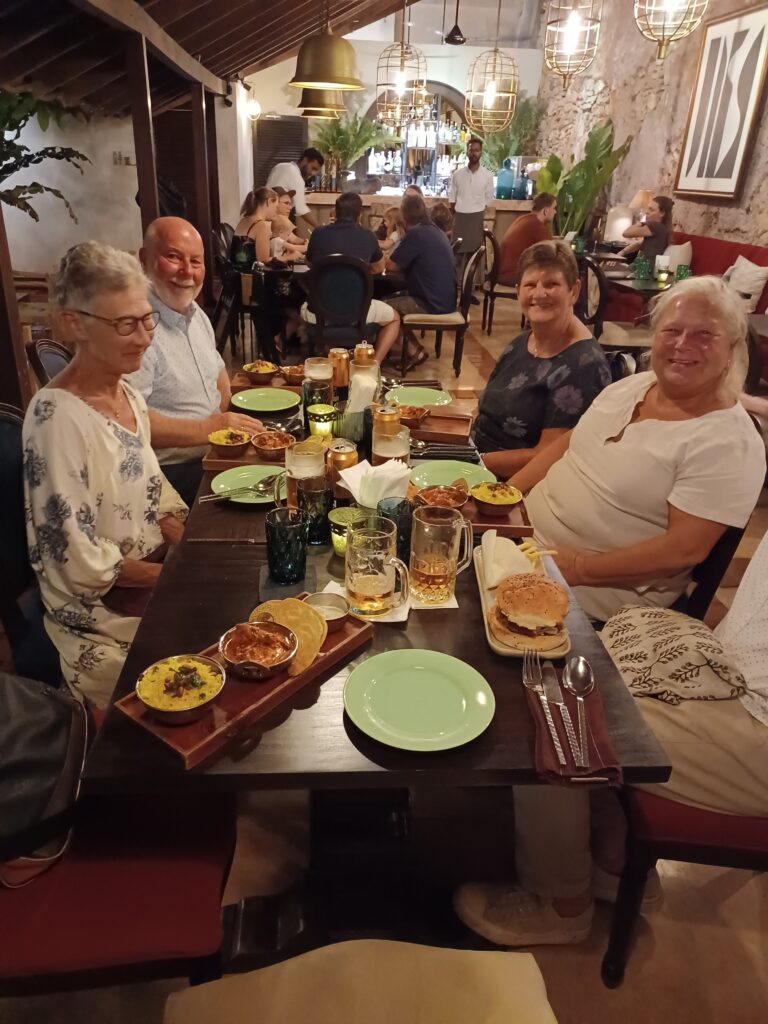
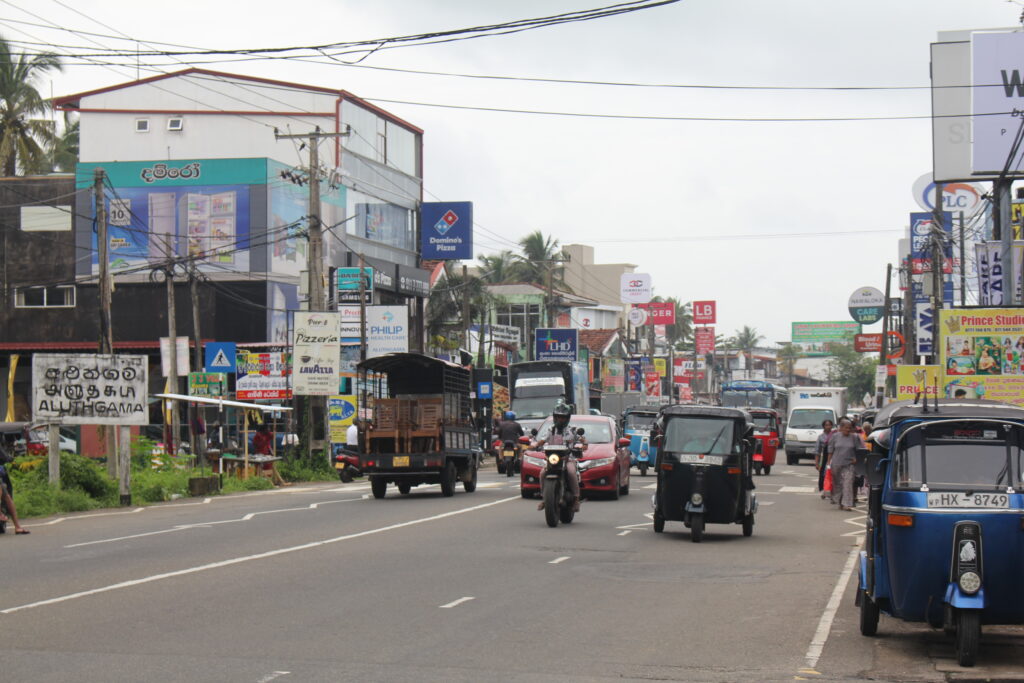
Dining out in Bentota.Life happens outdoors, in motion, in proximity.High street in Bentota.
My winter paradise
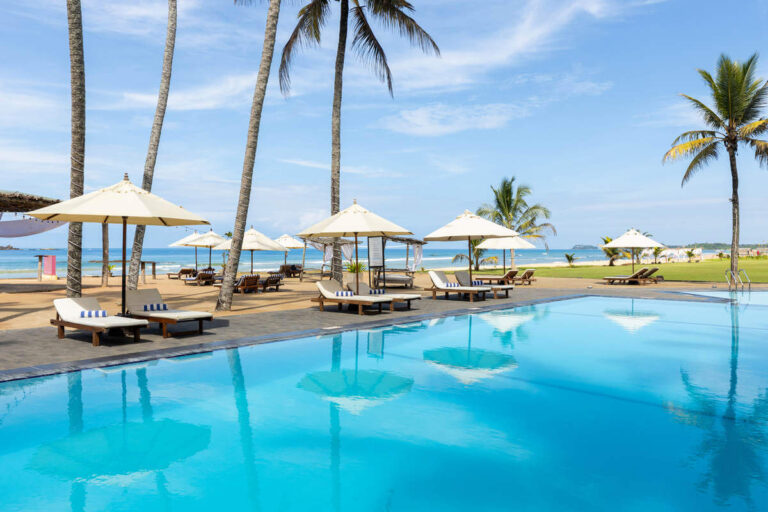
Talking about trains, a truly iconic Sri Lankan train journey is riding the coastal line through Bentota. Or even better, like me, making Bentota my winter paradise. Bentota is a popular resort town on Sri Lanka’s southwest coast, renowned for its beaches and the Bentota River.
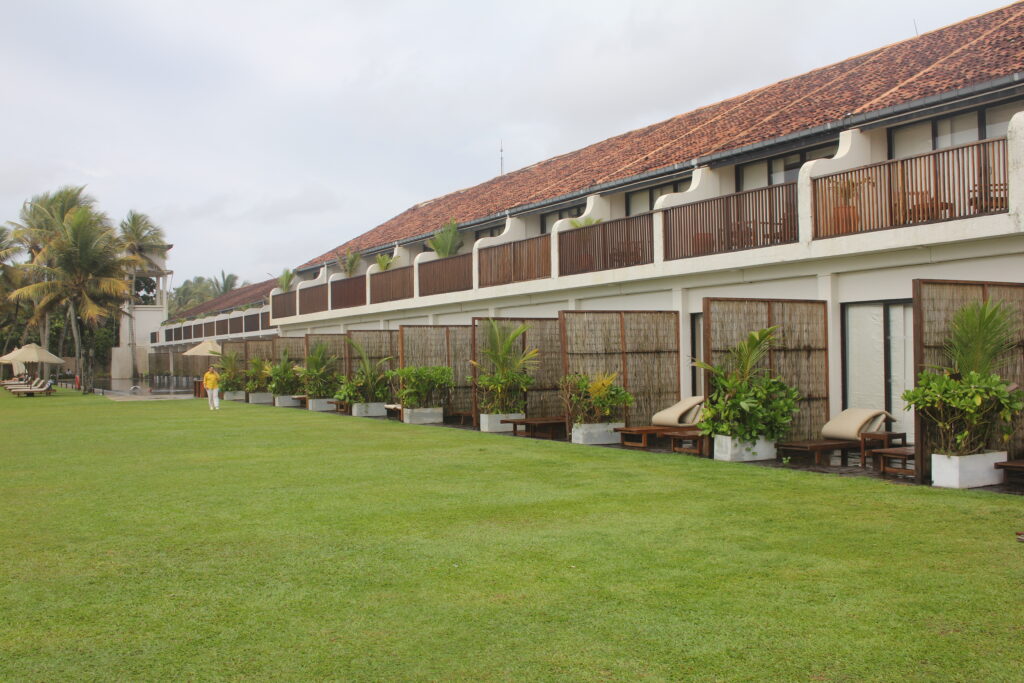
A three-week stay in Bentota is offered by the travel agency Explore Sri Lanka. In Bentota, you can relax at your four-star hotel at the beach with all facilities, and enjoy excursions to nearby towns or attractions at your own pace if you feel restless. In my next report from Sri Lanka, I will recommend places you might visit.
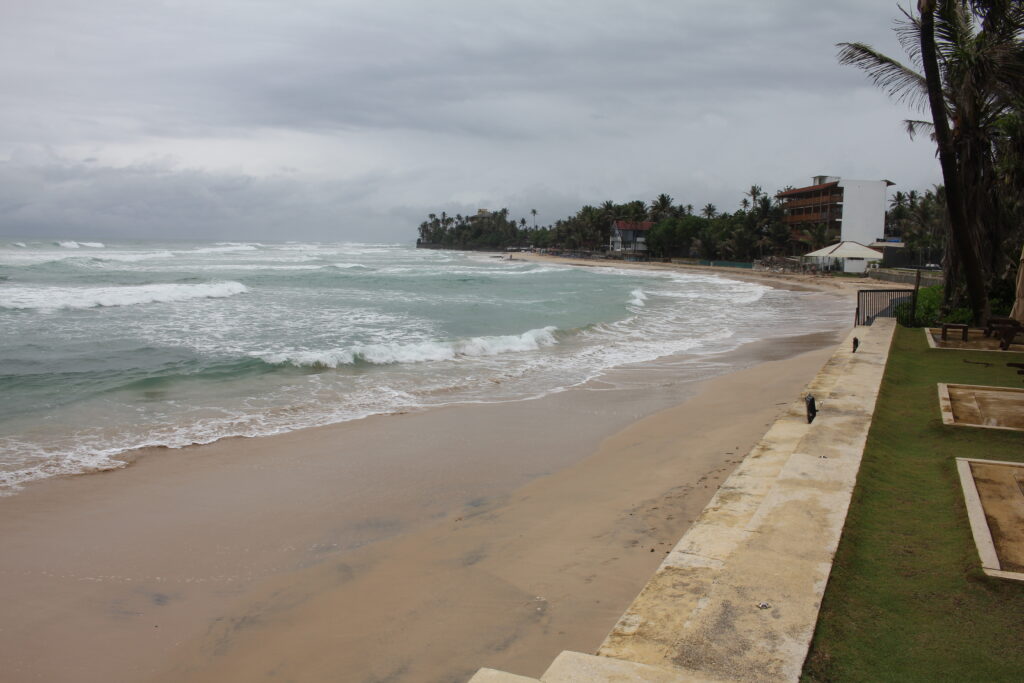
However, unsurprisingly, one of Bentota’s main attractions is the beach, with its smooth, white sand, palm-fringed shores, and sweeping sunset views. Though not every day, the waves of the ocean are suitable for surfers.
Winter (January-March) temperatures here are around 30°, with a gentle breeze, and sea temperatures around 28°C. The pleasant, mild evenings are one of the reasons Bentota is my favorite destination. I experienced a brief tropical downpour that lasted about 10 minutes, but a nearby bar offered a pleasant shelter.
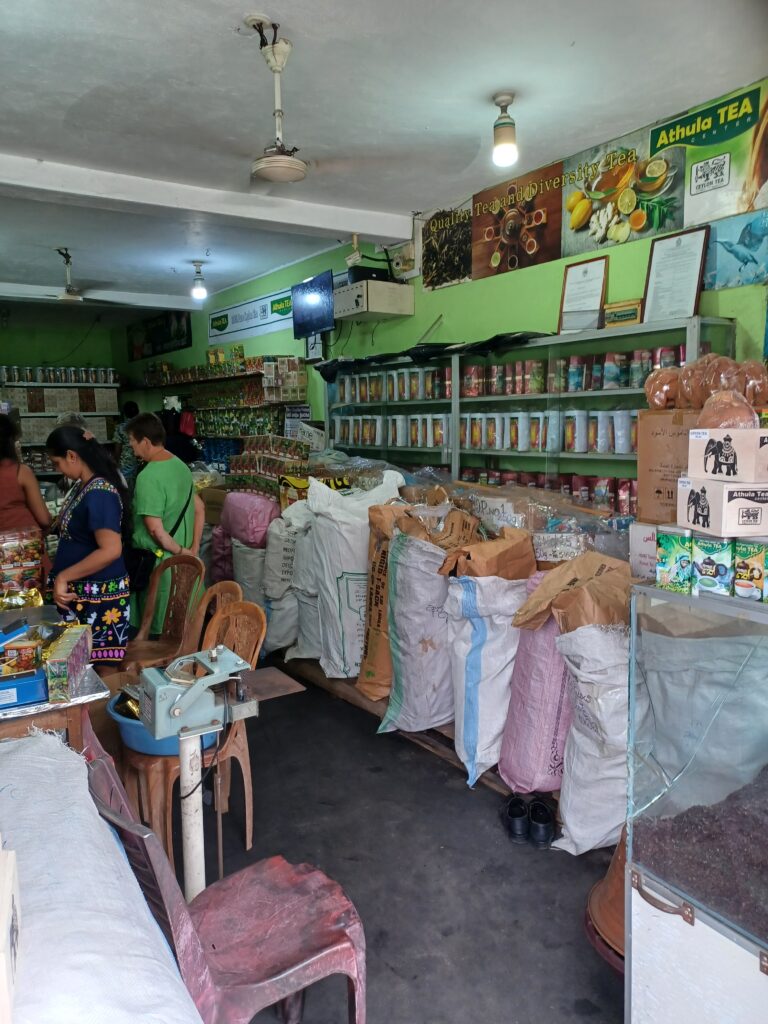
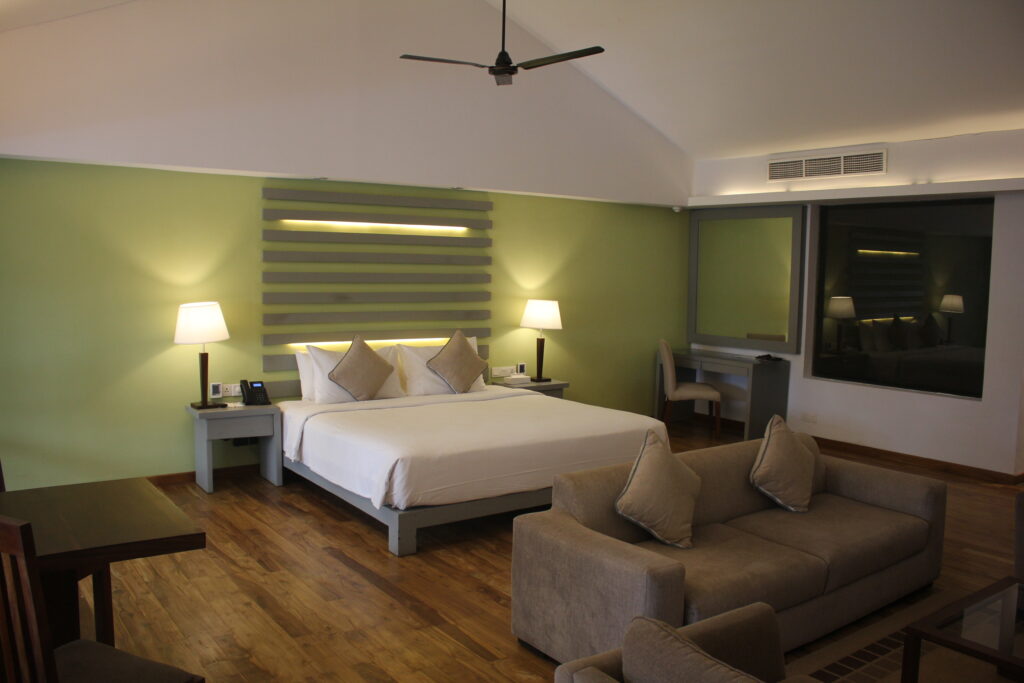
Shopping in Bentota.Welcome to our hotel!Your hotel room has either a balcony or you can go straigh out to the lawn.
One advantage of Bentota as a beach holiday destination is its calm waters and the wide river mouth at the back of the Bentota peninsula. This stretch between Bentota and Aluthgama is perfect for relaxed water sports, such as banana boat rides. The Bentota Bridge is the boundary of the western and southern provinces. Bentota lies only 65 km from the capital, Colombo.
Bentota is also a center of Ayurvedic treatments, a superb way to unwind on holiday. The Bentota Ayurveda Center is nestled right across the railway tracks behind the sea and the resorts. There you’ll also find some of the best traditional restaurants in the area, just a short walk from the resorts.
The restaurants along the railway track offer delicious food at reasonable prices. The service is excellent. Beer or sparkling water is my preferred drink, as imported wine is relatively expensive. By the Bentota River, there are other options: fine dining restaurants in romantic surroundings. It’s a rare possibility to enjoy a meal outside in the midst of palm trees. It’s a body-and-brain relaxation unlike anything else.
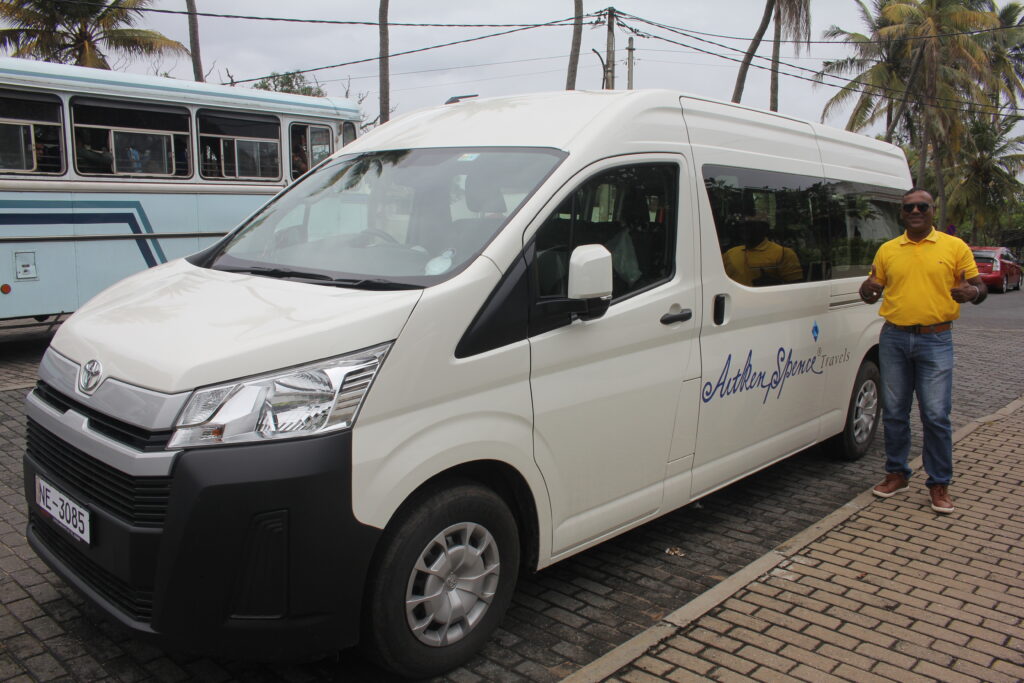
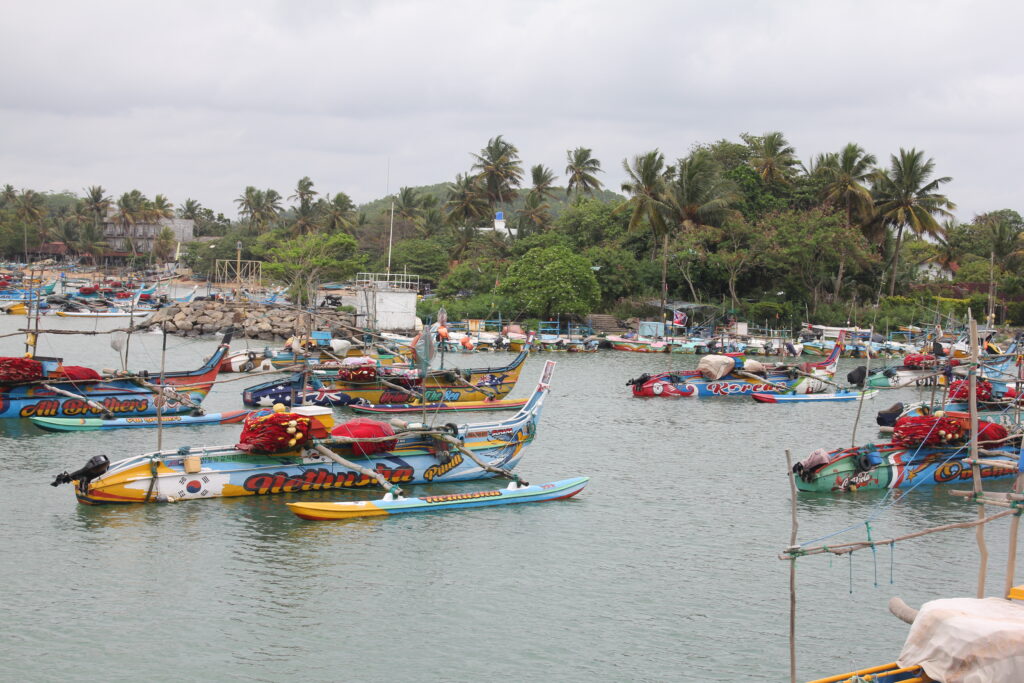
Spaceous rooms.Our driver taking us to the most exiting places.Colorful boats take you on a river ride.
To me, Bentota was love at first sight. The scenery, the people, and the warmth. Not just physical warmth, but sensory abundance. Humidity carries smells and sound. Food is layered, fragrant, unapologetic. The ocean is not scenery; it is a presence. After weeks of cold-induced inwardness, the external world becomes demanding again—and that demand feels like relief.
The people in Sri Lanka are pleasant, polite, and helpful. I feel relaxed and well cared for.
Still, whenever I describe this desire to escape winter, doubts inevitably follow.
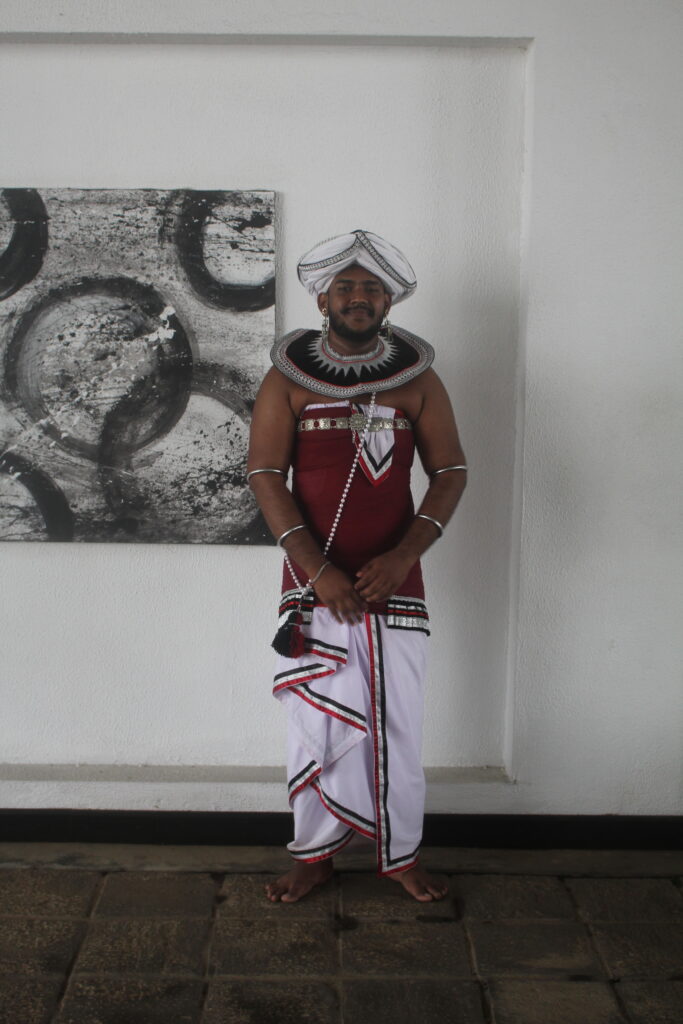
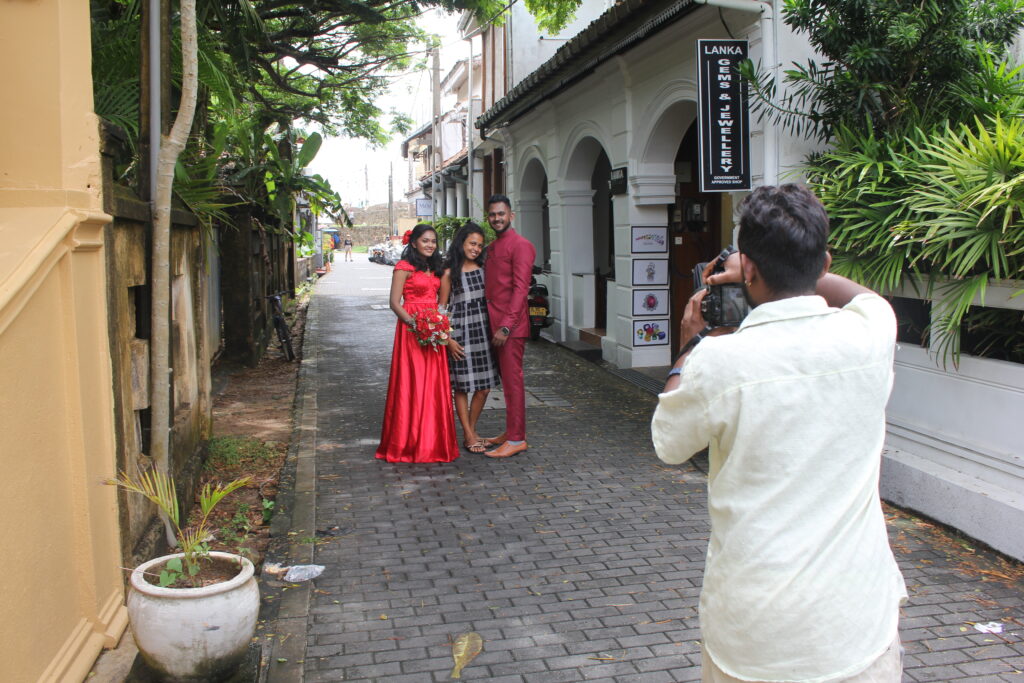
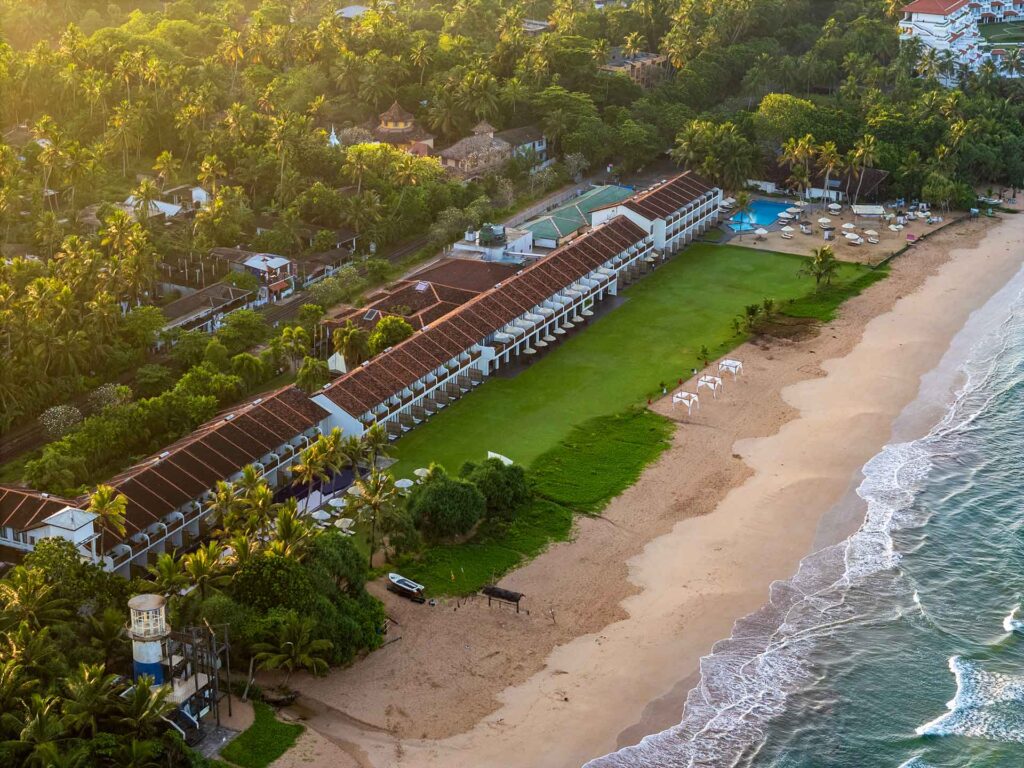
From a simple wedding seremonyEcho hotel, Bentota. Photo: Echo.Your accomodation, Echo hotel. Photo: Echo.
It’s such a long flight
Yes, it is. And distance matters. But there is a difference between inconvenience and deterrence. A long flight becomes a threshold—a clear transition between lives. And after a short stop in Doha, you do not drift into Sri Lanka; you arrive deliberately. That distance creates mental separation, which is precisely the point. For me, the length of the journey was not a flaw but a feature: a signal that this was not a weekend distraction, but a reset.
Isn’t it hard being so far from home?
Only if home is defined purely by proximity. Modern travel collapses distance in practical terms. Communication is constant. Familiar routines can be recreated selectively. And being far from home sharpens perspective. You notice which habits you miss and which you do not. Distance clarifies attachment rather than weakening it.
What about health concerns?
This question often carries unspoken anxiety about unfamiliar systems and climates. But health risks exist everywhere; they simply take different forms. Sri Lanka has established medical infrastructure, especially in urban areas, and common travel precautions—insurance, vaccinations, awareness—address most concerns. More importantly, mental health is part of health. Prolonged darkness and cold take a toll that is rarely acknowledged because it is normalized. Choosing sun and movement can be preventative care, not indulgence.
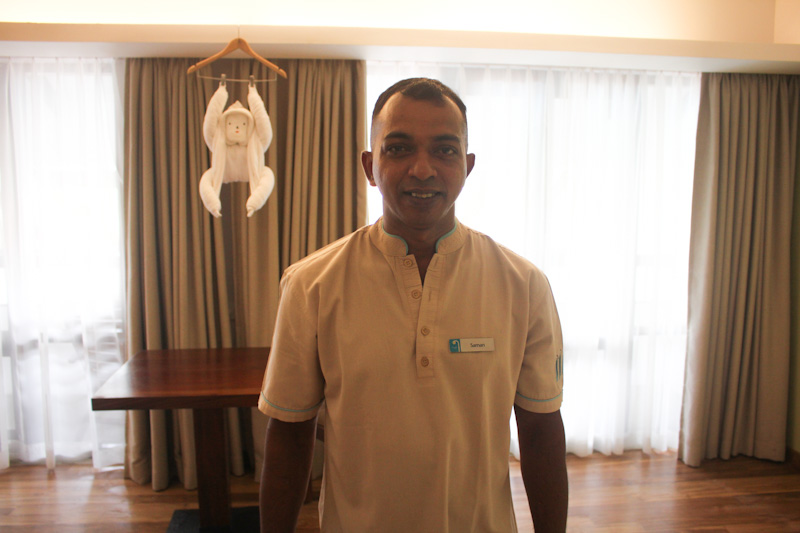
My room keeper Saman made a new towel animal everyday, placing it on the bed, or like here, hanging in front of the curtain. He told me he could make about 30 different figures.
Isn’t it irresponsible to escape rather than endure?
This is perhaps the most Nordic question of all. Endurance is valued here, sometimes at the expense of well-being. But escape is not abandonment. It is paused. Recalibration. The ability to step outside a system in order to return to it with perspective. Leaving winter behind for a time does not negate resilience; it preserves it.
In Sri Lanka, what I anticipated most was not rest, but responsiveness. The way days are shaped is less by clocks and more by heat, rain, and light. The way people adapt continuously rather than fortifying against the environment. Climate shapes culture, and culture shapes emotional availability. Smiles come easier when faces are not hidden behind scarves. Conversations happen in shared space rather than scheduled slots.
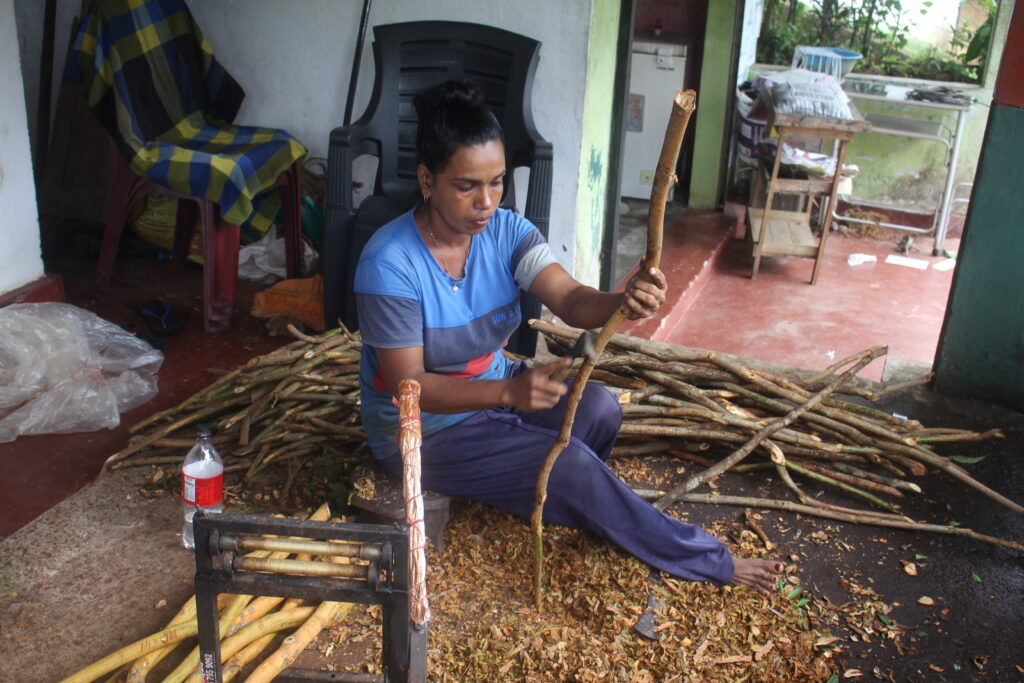
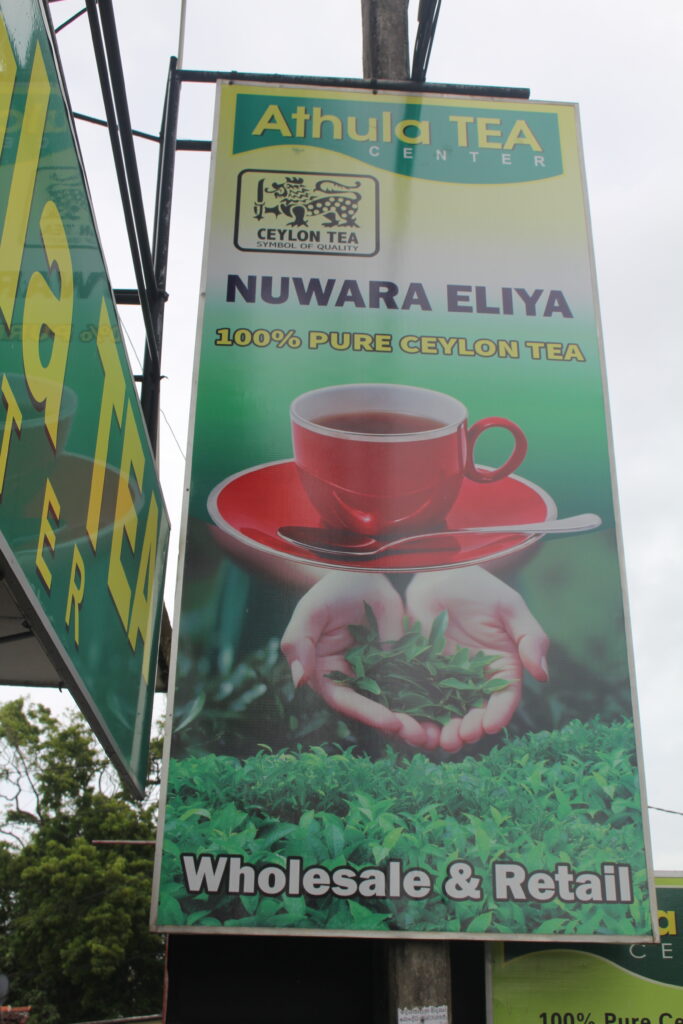
While Bentota isn’t a major production center like the dry zone, it’s part of the broader national context where sugarcane cultivation and processing are vital for food security and rural income.For centuries, Ceylon tea has been known as the finest tea around the world. Ceylon tea consists primarily of black tea, however green tea and other types of tea are also grown.
This is not romanticism. Sri Lanka has its own complexities, challenges, and contradictions. But none of them resembles winter paralysis. The island demands engagement. You sweat. You adjust. You participate. Even discomfort feels active rather than numbing.
Escape, in this sense, is not about avoiding difficulty. It is about choosing a different kind of effort. Cold asks you to contract; heat asks you to adapt. One rewards discipline. The other rewards presence. After weeks of contraction, the presence felt urgent.
I never imagined this journey as permanent. The value lies in contrast. Norway in winter teaches patience, structure, and restraint. Sri Lanka offers looseness, immediacy, and sensory renewal. One sharpens the other’s appreciation. Leaving makes returning meaningful.
If you want to escape the winter, Explore Sri Lanka is the only travel agency in Norway specializing solely in Sri Lanka. Check it out here.
When I picture the end of this escape, I do not imagine reluctance. I imagine carrying heat home—not literally, but rhythmically. A memory of light strong enough to endure darkness without being consumed by it. A reminder that endurance is a choice, not an obligation.
Winter will still be there. But I will meet it differently. Not depleted, but replenished. Not waiting, but prepared. And that, more than warmth, is why I needed to go south.










 Key takeaways from the white paper: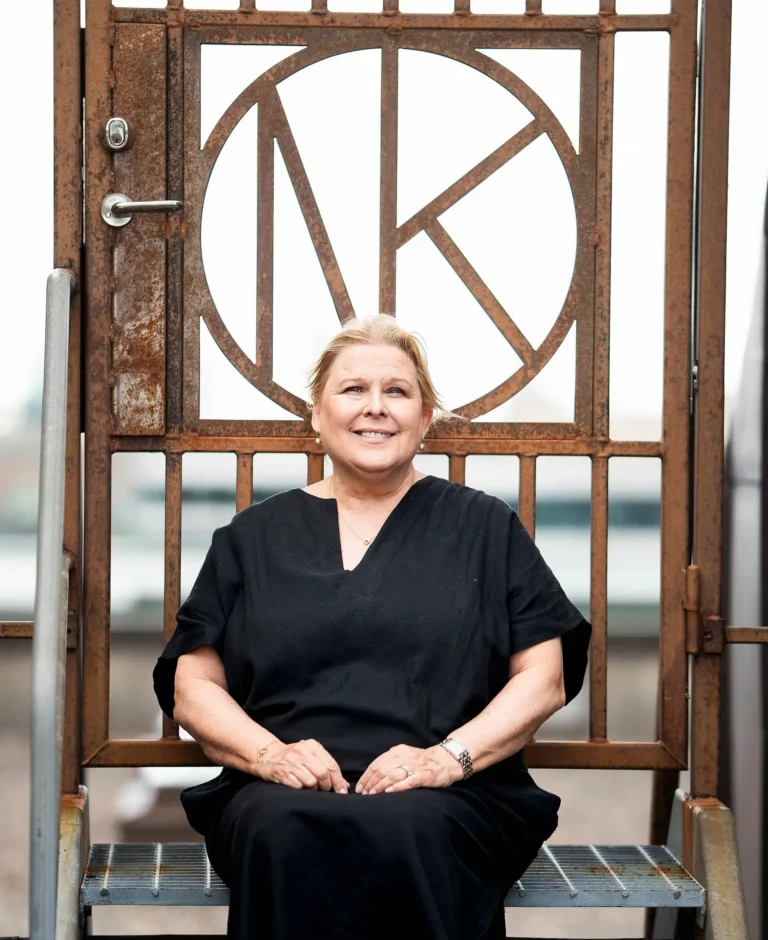





 Bring your own earphones