The Story of Storytelling in Marketing

In my opinion, too many professional marketers forget the element of storytelling in activating enthusiasm and turning campaigns from messages to experiences. That’s one of the reasons I wrote the book “How I’ve Survived as a STORYTELLER for Over 50 Years: 12 Survival Techniques”. It is my story of storytelling in marketing.

Storytelling in marketing has evolved from simple product advertising to a strategic, emotional connection, moving beyond facts to narrate brand values and purpose. Championed by thinkers like Claude Hopkins (1923) and Seth Godin in the mid-2000s, this approach fosters deep customer loyalty by creating relatable, authentic narratives.

In today’s fast-paced digital world, it has become increasingly important for businesses to capture and maintain their target audience’s attention. Traditional marketing techniques can be limited in their targeting, reducing effectiveness.

During my career, I have had the privilege of working on several successful storytelling campaigns. I have worked in several businesses, from fashion and cosmetics to construction and tourism.

The Story of Storytelling in Marketing
If you want a free copy of my new book, just contact me.

If you want a free copy of my new book, just contact me. The only thing you have to do is to write your name, your email address, and Storytelling in the subject line.

I have experienced the power of definition and purpose where a narrative arc (characters, conflict, resolution) conveys brand message and values rather than just listing features, making the brand more memorable.

Modern storytelling acts as a strategic pillar, aiming to build trust, differentiate in crowded markets, and foster emotional connections. Data from LinkedIn shows 2012 as a pivotal year for the rise of storytelling, with campaigns like Chipotle’s “Back to the Start” and Coca-Cola’s “Content 2020” prioritizing narrative to engage consumers.

Storytelling can also simplify complex ideas and make them easier to comprehend. For example, a brand’s story could illustrate how to use a product/service or highlight its benefits, helping to break down information barriers and making information more accessible to customers. When information is easily accessible, it can help attract new customers who may have been hesitant to engage with the brand because of its complexity.

At its core, storytelling in marketing involves crafting a narrative that resonates with your audience on an emotional level. It goes beyond promoting products or services; it’s about creating a connection that fosters trust and loyalty. In an age where consumers are bombarded with information, a compelling story can cut through the noise and leave a lasting impression.

Effective storytelling often highlights customer experiences, company culture, or the brand’s mission. It focuses on “why” a brand exists rather than just “what” it sells. Authentic stories help consumers empathize, boosting brand loyalty and allowing for higher value perception.

Authentic storytelling portrays real-life challenges and enables consumers to empathize and immerse themselves in these scenarios, helping them to connect with the brand on a deeper level. Tapping into customers’ emotions helps inspire, motivate, and drive action aligned with the brand’s objectives. This benefits both parties, whereby customers receive value from the brand’s products/services while the brand achieves its objective and continues to deliver value to its customers.
The Story of Storytelling in MarketingStories are also more memorable than mere facts or statistics. A well-told story can stick with consumers, making them more likely to remember the brand and its message. Particularly in a crowded market, storytelling can set a brand apart. By sharing unique narratives, brands can highlight their values, mission, and the people behind the products, creating a distinct identity.

Key Examples:

  • Nike: Focuses on the story of athletes overcoming obstacles (“Just Do It”).
  • Chipotle: Used storytelling to emphasize sustainability (See above).
  • IKEA: Creates relatable, emotional scenarios in ads.

Storytelling in marketing evolved from simple product feature lists to emotional narratives that place the customer at the center of the experience. This shift allows brands to cut through the noise of thousands of daily advertisements by building trust and humanizing their identity.

Core Frameworks:

  • The 5 C’s: Character, Context, Conflict, Climax, and Closure.
  • The 4 P’s: People, Places, Purpose, and Plot.
  • The 5 P’s Alternative: People, Place, Pictures, Personalization, and Peril.

If you want to discuss a future campaign for your product with me, without obligation, please contact me at editor@dailyscandinavian.com.

The Story of Storytelling in Marketing, written by Tor Kjolberg

Food as a Cultural Positioning in Denmark

0

Denmark is currently exploring whether gastronomy could be officially recognized as an art form. The announcement was made by Minister of Culture Jakob Engel-Schmidt at the international gastronomy symposium Convergence in Copenhagen last month. Food is thus considered a cultural positioning in Denmark.

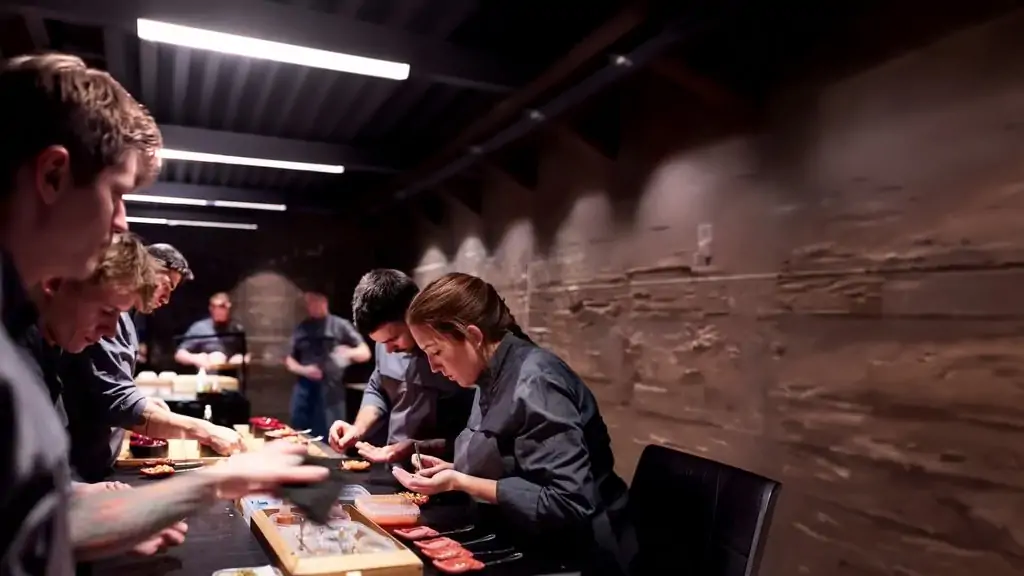
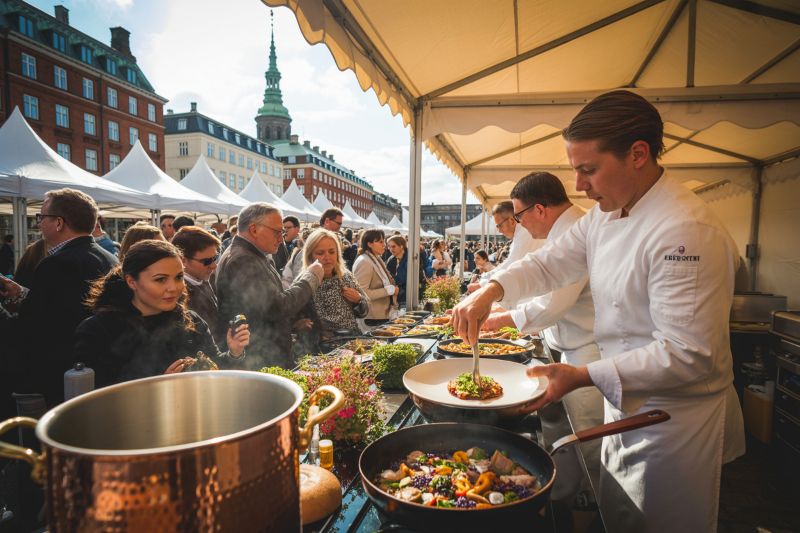
More than 60 chefs from 26 countries gathered in Copenhagen from January 29 to February 2. From immersive dinners at “Alchemist” to visionary talks on the future of food, Convergence transformed Copenhagen into a global meeting point for gastronomy.

Denmark has long been regarded as a global reference point for culinary innovation, shaped by the New Nordic Kitchen Manifesto and a strong fine-dining scene. Leading voices such as chef Rasmus Munk of Alchemist see the discussion as a potential shift toward greater creative freedom and public recognition.

“To pull that many chefs together at one time, for five days straight, is sort of mind-blowing,” said Kyle Connaughton, chef and co-owner of SingleThread.

Conceived by Rasmus Munk as a response to a divided world, the new symposium celebrated collaboration, creativity, and the universal language of cooking—across continents, cultures, and cuisines.

Food as a Cultural Positioning in Denmark
Convergence offered a rare glimpse into how some of the world’s most thoughtful chefs are rethinking their craft. Photo: Søren Gammelmakr/Visit Denmark.

Food is becoming part of cultural positioning, where he described high-end cuisine as a form of cultural expression rather than pure craftsmanship. For those who were not in the room, Convergence offered a rare glimpse into how some of the world’s most thoughtful chefs are rethinking their craft, from what they value and question to what they intend to carry forward into 2026 and beyond.

“I dreamed of a place where we could communicate through the craft we all share,” Munk said. “Where food becomes a way of connecting, not dividing.”

The initiative reflects a broader trend: food is increasingly positioned as a cultural experience, not just a service. For tourism, this strengthens the role of gastronomy as a carrier of place, values, and storytelling.

The Convergence symposium, held at DR Koncerthus and hosted by journalist Rafael Tonon, unfolded as a series of panels and presentations featuring chefs, academics, and cultural voices from around the world.

Food as a Cultural Positioning in Denmark
, Convergence transformed Copenhagen into a global meeting point for gastronomy.

Each of the five evenings saw 12 to 14 international chefs cooking side by side at Alchemist, presenting their signature dishes in collaborative dinners unlike anything previously staged in Copenhagen.

For tour operators and buyers, culinary experiences are increasingly relevant across city breaks, premium travel, and experience-led itineraries. Recognizing gastronomy as a cultural product reinforces its value as a strategic element, not merely an add-on.

Food as a Cultural Positioning in Denmark, Tor Kjolberg reporting

Sweden’s Boycott of US Products is Growing

0

The boycott of American wines by Swedes is increasing. Last year’s decline was 23 percent, according to Systembolaget’s statistics. “It will continue,” says Ulf Sjödin, assortment manager. Sweden’s boycott of other US products is also growing.

According to a new study from Lund University in Sweden, approximately one in five BoycottSwedes is already choosing not to buy American brands. The majority would consider boycotting American products such as Coca-Cola in favor of European or Swedish alternatives.

The majority of those questioned are open to replacing these with alternatives. Almost 20 per cent say that they have already boycotted an American brand.

Sweden’s Boycott of US Products is Growing
Canada is a critical market and the top importer of U.S. wine.

************************************************
Related: Discovering Scandinavian Wine Regions: Where To Get The Best Nordic Wine Experiences
************************************************

U.S. President Donald Trump has not been the best friend of American wine producers. Since he started talking about tariffs last spring, sales at Systembolaget have plummeted. Swedes largely abandoned U.S.-made wines in a sort of boycott. In the first half of 2025, the decline was 17 percent.

The Lund University study asked four questions of 1,000 Swedes aged 18 to 74 to assess their attitudes toward boycotting American goods.

Made in America” has become an unsavory term as sour sentiments around President Trump’s trade war grow.

Sweden’s Boycott of US Products is Growing
Coca-Cola is the best-selling soft drink in Sweden, and 61 per cent of all Swedes between the ages of 18 and 74 have purchased Coca-Cola at least once in the past year.

“The newly imposed U.S. trade tariffs on European products are causing European consumers to think twice about what’s in their shopping cart,” the European Central Bank wrote. The current proposed tariffs on most goods imported from Europe are 50%, and they will take effect on July 9 (though talks are underway).

For the full year 2025, the decline of US wine and spirits in Sweden was 23 percent compared with 2024, according to Ulf Sjödin.

Coca-Cola is the best-selling soft drink in Sweden, and 61 per cent of all Swedes between the ages of 18 and 74 have purchased Coca-Cola at least once in the past year. Of those who bought the brand at least once, 69 per cent can envisage switching out Coca-Cola for an alternative, according to the Lund findings.

**********************************************
Related: Underwater Sparkling Wine from Norway
***********************************************

Canada is a critical market and the top importer of U.S. wine. Canada is the single most important export market for U.S. wines, with retail sales exceeding $1.1 billion annually. “The tariffs are creating a fiercely pro-Canadian movement,” says Shane Munn, winemaker at Martin’s Lane in British Columbia’s Okanagan Valley. “You see it in the grocery store—people pick up products, check where it’s from, make a face and switch to something labelled ‘Grown in Canada.’”

Before last year’s decline, American wines accounted for around 6 percent of Swedes’ total wine purchases. This has fallen significantly, and Swedes are instead looking more toward European wine sellers, among others.

Sweden’s Boycott of US Products is Growing
Some governments have purged American products.

Boycotts are difficult – but not impossible

Historically, consumer power has been an important driving force for change. When French wines were boycotted in the 1990s, as a protest against the country’s nuclear weapon tests in French Polynesia, the impact on exports was significant.

In France and Denmark, Boycott USA Facebook pages have grown. In Canada, apps like Maple Scan have emerged to help shoppers make homegrown swaps for American goods.

Even some governments have purged American products. Several Canadian provinces pulled American alcoholic beverages off shelves. Three months in, no American wine has been sold in Ontario or Quebec.

“The U.S. was a bit of a pioneer in craft beer. Now much of that role has been taken over by Swedish breweries,” says Ulf Sjödin.

Sweden’s Boycott of US Products is Growing, Tor Kjolberg reporting

Arriving Three Hours Before Your Flight?

Almost every airport recommends arriving three hours before your international flight. But is it necessary?

It’s fine if you want to wait around for two and a half hours before you depart. However, airports vary, so I routinely arrive at OSL (Oslo International Airport, Norway) an hour and a half to two hours before an international flight, and I have never missed a flight from that airport.

Typically, it takes five to fifteen minutes to drop off bags at OSL if I have checked in online prior to arriving. The lines to drop off bags are much longer the earlier you arrive, since most people arrive so early before their flights. Therefore, arriving a bit later in the cycle will not require you to wait as long to drop off your bags.

Arriving Three Hours Before Your Flight?
Since I rarely spend over €400 on international flights, I’ll spend those extra few hours at home, thank you.

*******************************************
Related: World-Class Scandinavian Airports
*******************************************

The security line typically runs fifteen to twenty-five minutes, in my experience. Use your personal preferences here.

*******************************************
Related: How To Get the Lowest Airfare to Scandinavia
*******************************************

Arriving Three Hours Before Your Flight?
Use your personal preferences. Photo: Avif.

Some will trade a few extra hours of their time waiting at the airport for peace of mind. That’s OK for people who spend €1,800 round trip. Since I rarely spend over €400 on international flights, I’ll spend those extra few hours at home, thank you.

Arriving Three Hours Before Your Flight? written by Tor Kjolberg.
Feature image (top): (c) Viator.

Is it Time to Restore the Ferry Connection Between Norway and the UK?

1

The direct ferry route between Newcastle, UK, and Bergen, Norway was cancelled 18 years ago. Is it time to restore the ferry connection between Norway and the UK?

Yes, that is what the Newcastle City Council is discussing right now. The Council has recently revealed that it will explore ways to bring the route back into service.

Norway’s glacial fjords, snowy ski slopes, and breathtaking northern lights may soon get just that bit easier for Brits to access. Newcastle council leader Karen Kilgour said they would “explore all ways” to restore the popular journey in a meeting on 21 January.

Is it Time to Restore the Ferry Connection Between Norway and the UK?
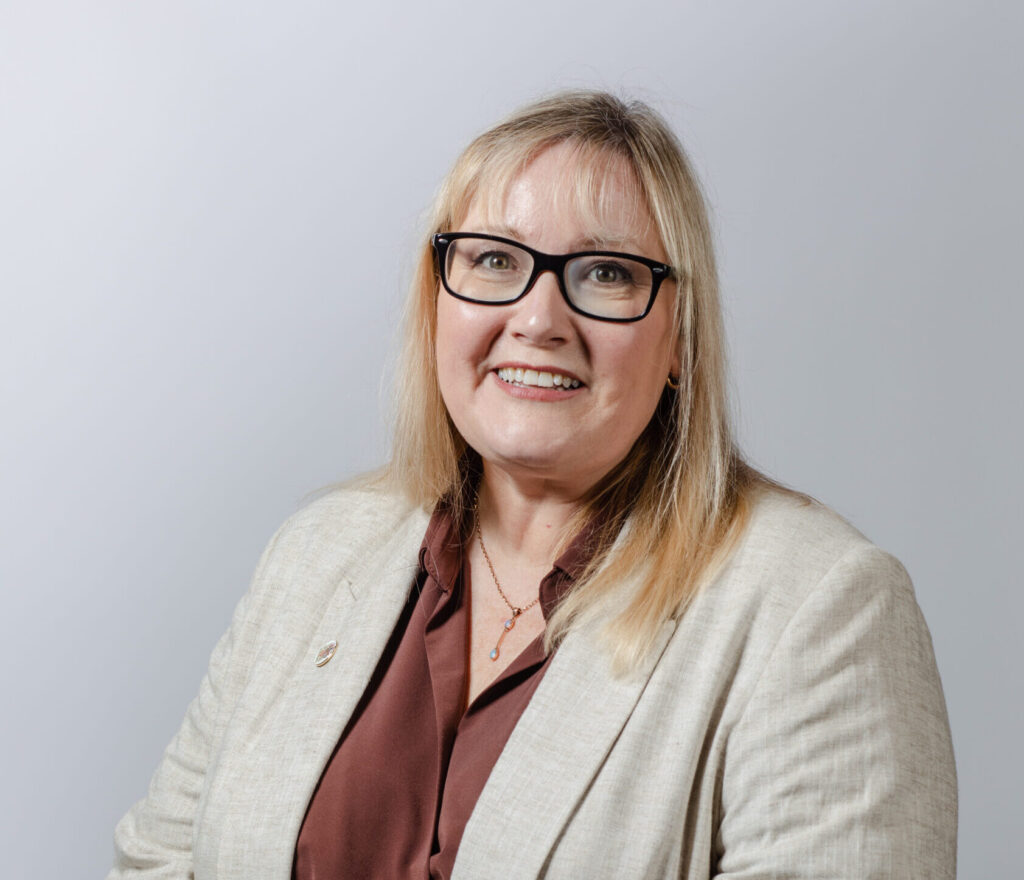
Newcastle council leader Karen Kilgour.

For over 140 years, passengers could hop aboard a boat in Newcastle and be transported tranquilly across the North Sea, directly to Bergen. The route was closed by its operator (DFDS) in 2008 due to rising oil costs.

Is it Time to Restore the Ferry Connection Between Norway and the UK?
For over 140 years, passengers could be transported tranquilly across the North Sea, from Newvastle directly to Bergen.

However, nothing is confirmed yet, with local officials still needing to find an operator for the potential voyage.

Is it Time to Restore the Ferry Connection Between Norway and the UK?
Nilliennum Bridge in Newcastle. Photo: Stena Line.

Kilgour said, “We’d love to see the return of the ferry. We know that many people in both cities have fond memories of travelling by sea to visit Newcastle and Bergen.

Is it Time to Restore the Ferry Connection Between Norway and the UK? Tor Kjolberg reporting. Feature image (top): Bryggen in Bergen. Photo: Visit Norway.

Danish Alternative Rock Band Played Farewell Shows in 2025

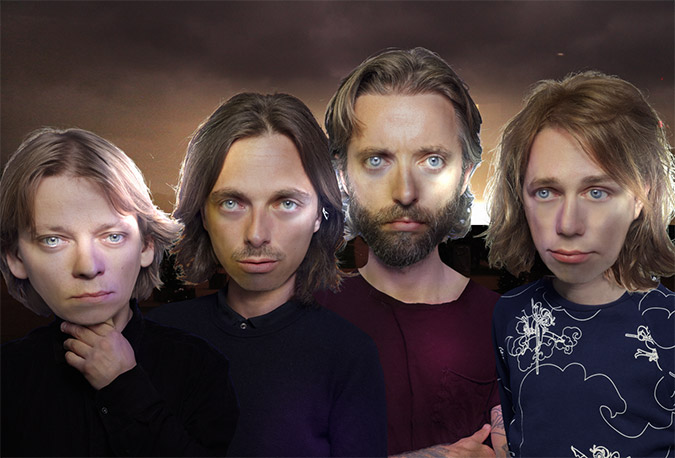
The renowned Danish alternative/indie rock band Mew, formed in 1995 in Copenhagen, played farewell shows in 2025.  

Mew is known for their dream pop, progressive rock influences, and high-pitched vocals. The core members are Jonas Bjerre (vocals) and Silas Utke Graae Jørgensen (drums), with bassist Johan Wohlert returning in 2013.

Danish Alternative Rock Band Played Farewell Shows in 2025
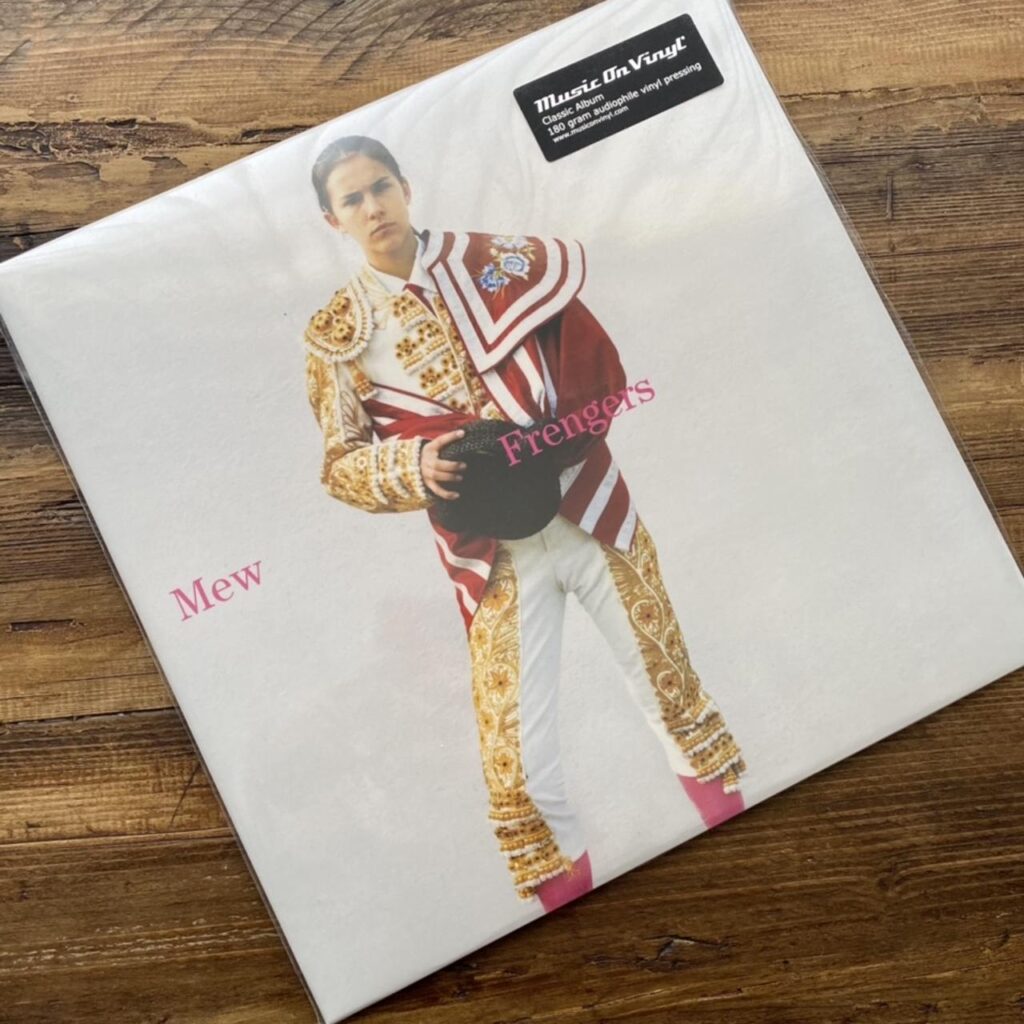
The band began to receive attention with their third album, Frengers (2003).

The band began to receive attention with their third album, Frengers (2003). Whilst their music may be classified as indie and on occasion progressive rock, former guitarist Bo Madsen said, “I usually say we are ‘indie stadium.’ A mix between ‘feelings’ and ‘thinking’ is usually good.” Their style has, however, often been described as “dreamy” or “symphonic” art-rock, featuring intricate, melodic, and sometimes epic, space-pop songs.

****************************************
Related: Rocking Scandinavia
****************************************

They are recognized for hits like “Comforting Sounds,” and their farewell shows last year were their 30th-anniversary tour.

Danish Alternative Rock Band Played Farewell Shows in 2025
MEW from Piknik in Parken, Norway (2018). Photo: Wikipedia.

After Frengers, the album And the Glass Handed Kites was released in Denmark on 19 September 2005, in the rest of Europe on 26 September, and in the United States on 25 July 2006. The album received critical acclaim, with Mew described as making “dreamy thunderstorm pop”. At the 2006 Danish Music Awards, they won four awards.

In 2018, the band announced a 15th-anniversary reissue of Frengers, as well as a short tour in which they performed the album in full.

******************************************
Related: Fascinating Scandinavian Rappers
******************************************

Danish Alternative Rock Band Played Farewell Shows in 2025
Tour image (Barbican)

On 14 December 2018, Mew released the With Copenhagen Philharmonic album. It comprised both live recordings and separate studio sessions of songs that had been modified and recorded in collaboration with the Copenhagen Philharmonic Orchestra.

As part of their 30th-anniversary farewell tour last year, Mew played in Hong Kong in November.

Danish Alternative Rock Band Played Farewell Shows in 2025, Tor Kjolberg reporting.

Swedish Designers Searching for What is Missing

0

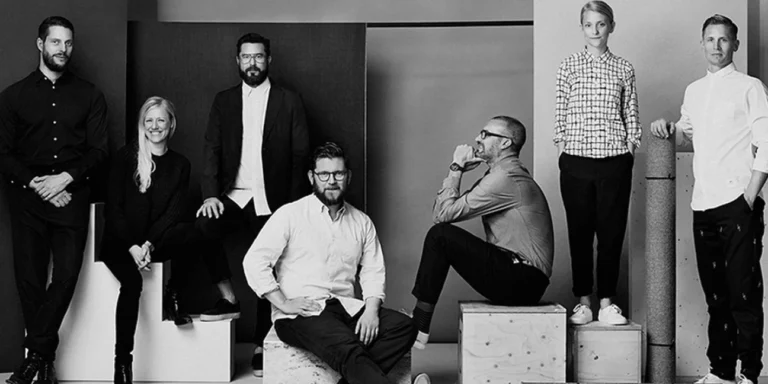
Swedish design studio Note comprises a forward-thinking group of designers searching for what is missing.

Founded in 2008 by Johannes Carlström, Cristiano Pigazzini, Susanna Wåhlin, Kristoffer Fagerström, and Daniel Hecksher, Note Design Studio studio works across the fields of architecture, interior, product, graphic, and design strategy. Notes’ pieces for Le Chance, Menu, Sancal, Fogia, and Design Within Reach, among other brands, have become renowned worldwide.

Inspired by the tension and dynamics of a trapeze act, the Circus collection, designed by Antoni Arola, stands out for its refined structure and its signature conductor bar, delicately balanced by opposing elements to create a captivating display of light.

Swedish Designers Searching for What is Missing
The studio blends its wide-ranging experience with an adaptive, innovative mindset to reveal new opportunities.

*********************************************
You might also like to read Norwegian Designer Makes Traditionally Knitted Reading Lamps

*********************************************

Swedish Designers Searching for What is Missing
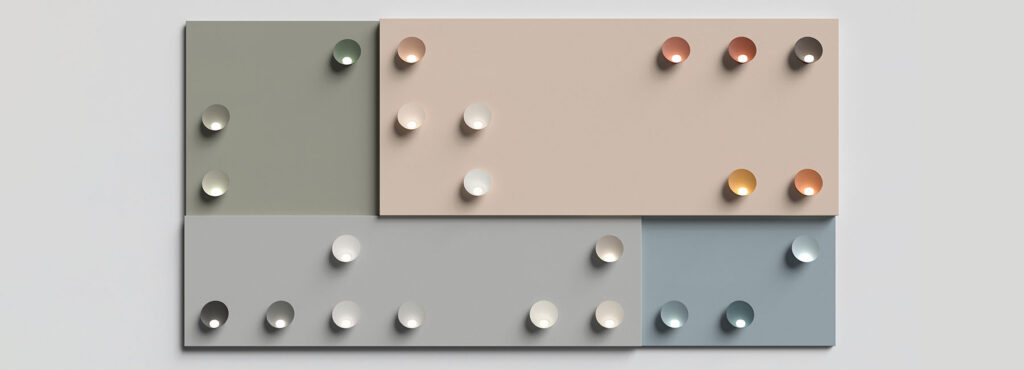
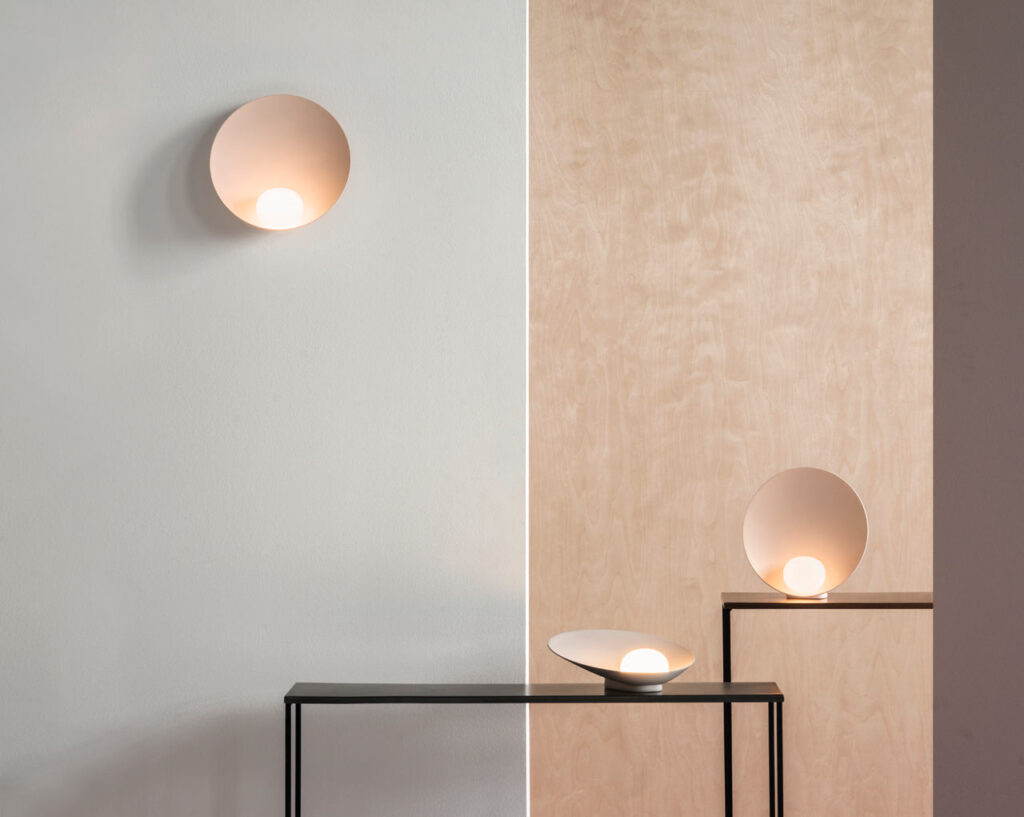
The Vibia chromatics Musa lamp.

The studio blends its wide-ranging experience with an adaptive, innovative mindset to reveal new opportunities. Whatever it designs or makes, the designers always aim to engage the senses, evoke genuine emotion, and stimulate meaningful dialogue. Whether an office, a playground, a publication, or a chair, they always pay close attention to the endless possibilities for interacting intimately with our surroundings.

Swedish Designers Searching for What is Missing
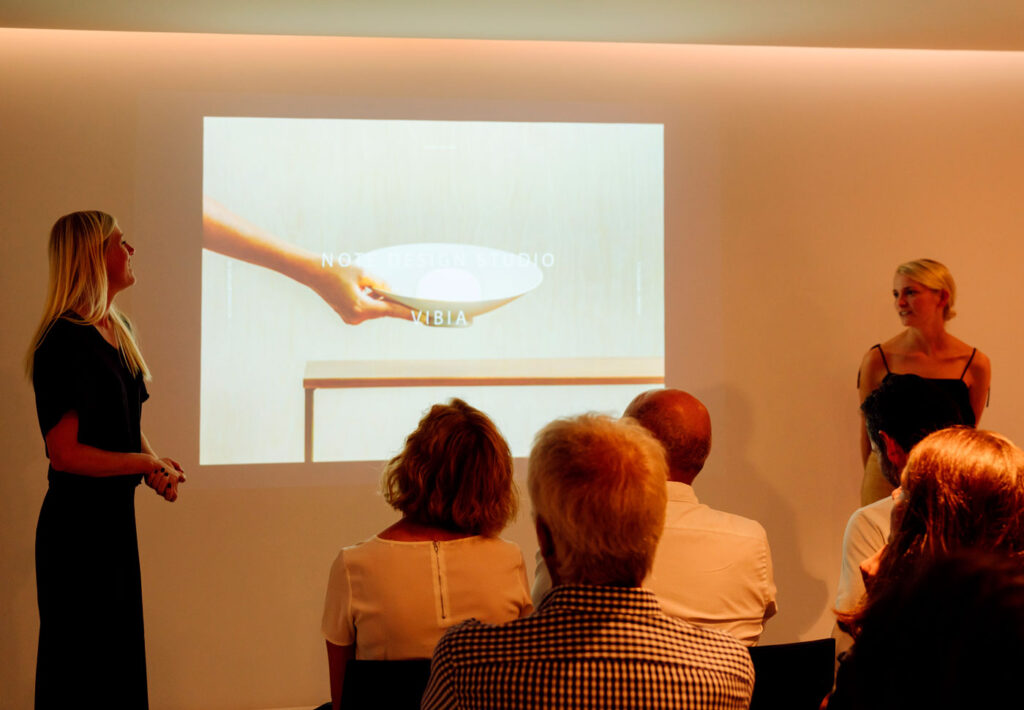
The collaboration between Note Design Studio and Vibia brought the MUSA collection and the Chromatica color palette to life.

**********************************************
You might also like to read A Danish Company’s Tribute to Famous Lamp Designers

**********************************************

Swedish Designers Searching for What is Missing
Inspired by the tension and dynamics of a trapeze act, the Circus collection, designed by Antoni Arola, stands out for its refined structure.

The collaboration between Note Design Studio and Vibia brought the MUSA collection and the Chromatica color palette to life. Musa Lighting Collection is the result of an intensive manual research phase, using paper models that influenced its organic expression. A delicate and elegant design where a symbiotic interaction is established between the small hand-blown opal glass sphere and the dish that holds and reflects it. Its ability to work anywhere underscores its poetic physical form. A design that appeals to the touch, to the day-to-day, and the familiar.

Innovative designers with an impressive track record seem to have a bright future.

Swedish Designers Searching for What is Missing, Tor Kjolberg reporting.

All images © Note Design Studio

Hidden Seasonal Traditions That Shape Scandinavian Daily Life

In Scandinavia, time is not experienced as a straight line of deadlines and productivity cycles. It is circular, seasonal, and deeply embodied in daily habits. There are hidden seasonal traditions that shape Scandinavian daily life.

In Scandinavia, people structure their lives around light, temperature, and natural transitions rather than fighting them. This approach explains why visitors often feel a subtle calm in everyday routines, even during harsh winters. To truly learn something new about Scandinavia, you have to look beyond postcard landscapes and focus on the quiet customs people repeat year after year. These seasonal traditions that shape Scandinavian daily life are not ceremonial or nostalgic—they are practical systems for staying balanced in a demanding climate.

Winter: Endurance, Stillness, and Inner Life

Winter is not treated as a problem to solve but as a condition to adapt to. Long darkness encourages slower mornings, earlier evenings, and an intentional narrowing of focus. Candles are lit not for aesthetics but for emotional warmth. Coffee breaks become social anchors, and silence is culturally acceptable rather than awkward. Sauna sessions, especially in Finland and northern regions, serve as both a form of hygiene and an emotional reset. Through winter routines and seasonal traditions that shape Scandinavian daily life, people learn to conserve energy, tolerate discomfort, and maintain mental clarity when external conditions are unforgiving.

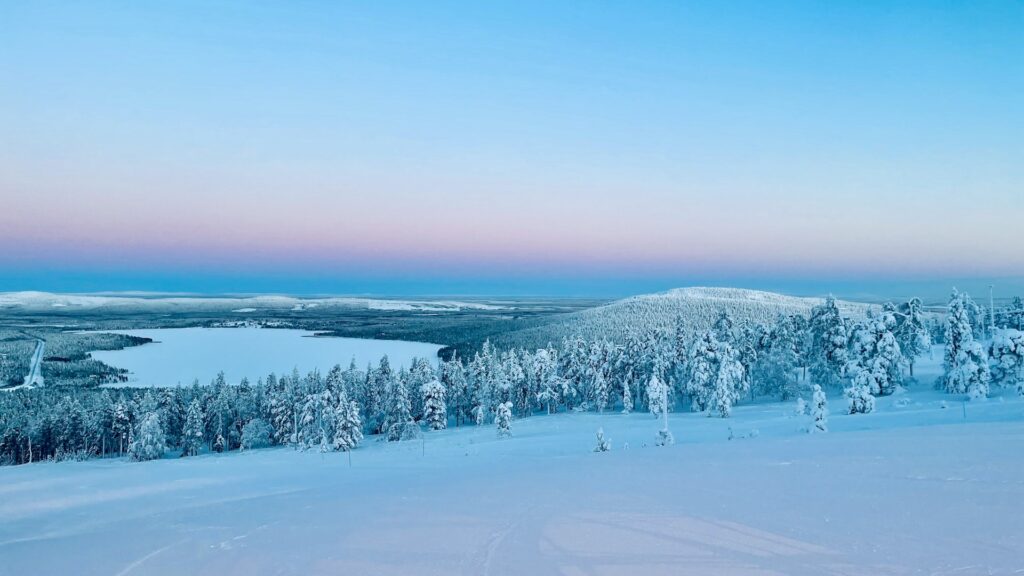
Winter landscape in Scandinavia
Winter symbolizes stillness and inward energy. Photo: Harri P/Unsplash

Spring: Release, Renewal, and Controlled Optimism

Spring arrives gradually, and so does optimism. Instead of dramatic transformations, Scandinavians ease back into social life. Homes are thoroughly cleaned, symbolizing both psychological and physical renewal. Seasonal foods shift toward greens, herbs, and lighter meals, supporting digestion after months of heavier fare. There is a cautious joy in spring—an understanding that light has returned, but patience is still required. This restraint prevents emotional whiplash and reinforces long-term emotional stability rather than short-lived excitement.

Summer: Intensity, Presence, and Collective Joy

Summer is brief, and everyone knows it. This awareness creates urgency, but not stress. People spend long hours outdoors, eat later, sleep less, and gather frequently. Midsummer celebrations mark not abundance, but presence—being fully available while conditions allow it. Social hierarchies soften during the summer months as nature becomes a shared living space. Work schedules often relax, acknowledging that productivity looks different when daylight stretches late into the night. These patterns reinforce connection and memory-making across generations.

Autumn: Preparation, Grounding, and Acceptance

Autumn is a season of psychological preparation. Harvesting, preserving food, and organizing homes are all part of a cultural mindset that values readiness over denial. Social calendars slow without disappearing, and people naturally turn inward again. There is no panic about the coming winter—only acceptance. This emotional training builds resilience, making seasonal transitions less disruptive. Autumn traditions reinforce the idea that endings are not failures, but necessary pauses before renewal.

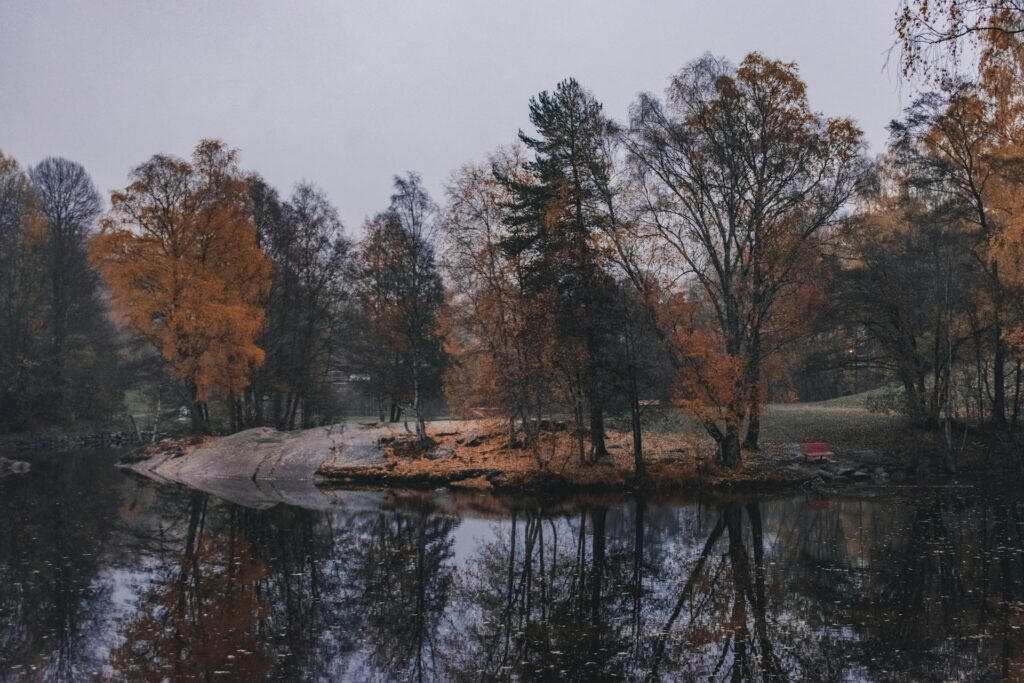
Trees next to a body of water
Autumn is about grounding in the seasonal traditions that shape Scandinavian daily life. Photo: Mary Ray/Unsplash

Seasonal Living and Longevity

Seasonal living supports long-term health by aligning daily expectations with natural cycles rather than forcing the same pace year-round. Stress tends to ease when rest becomes socially accepted, and periods of lower energy do not carry pressure to perform. This mindset contrasts with the always-on routine common in many parts of Virginia, where productivity often takes precedence over recovery. The difference helps explain why Scandinavia is frequently discussed as one of the best retirement destinations, not only for its healthcare systems and infrastructure, but also for how aging fits into everyday life. For many people in Virginia, especially those reassessing priorities later in life, this cultural flexibility offers a compelling alternative. That perspective resonates strongly for Virginians looking to relocate abroad, particularly retirees who want a calmer rhythm that supports longevity without sacrificing purpose.

Aging, Independence, and the Seasonal Advantage

Seasonal awareness also influences how older adults remain independent. Cities and communities are designed for walkability, predictability, and social continuity. Daily routines remain manageable even as physical capacity changes. That is one reason many observers consider Copenhagen the ideal city for seniors. The city’s rhythms, public spaces, and cultural respect for slower pacing allow older adults to stay active without pressure. Seasonal living reduces isolation by embedding people in shared cycles rather than isolating them through constant change.

Seasonal Eating and Emotional Regulation

Food traditions shift noticeably throughout the year. Winter meals prioritize fats, warmth, and fermented foods that support immunity and mood. Summer diets become lighter, fresher, and more hydration-focused. That is not diet culture—it’s emotional regulation through nourishment. Traditional eating patterns reflect the understanding that nutrition is key in battling stress, especially in environments where external conditions already challenge the nervous system. Seasonal eating reinforces stability without obsession.

What Other Cultures Can Learn from Scandinavian Seasons

The value of Scandinavian seasonal traditions is not in imitation, but in perspective. You don’t need long winters or midnight sun to apply seasonal thinking. Adjusting expectations, honoring rest, and celebrating intensity when conditions allow are universally relevant ideas. Seasonal awareness reframes productivity as sustainable rather than constant. It offers permission to live with variation rather than resist it.

People talking
Other cultures can benefit from some of these habits. Photo: Brooke Cagle/Unsplash

These Are The Seasonal Traditions That Shape Scandinavian Daily Life The Most 

At their core, seasonal traditions that shape Scandinavian daily life are about cooperation—with nature, with the body, and with time itself. These traditions do not promise constant happiness or comfort. Instead, they offer stability, resilience, and meaning through repetition. By respecting seasons rather than ignoring them, Scandinavian cultures have built systems that quietly support wellbeing across a lifetime.

Hidden Seasonal Traditions That Shape Scandinavian Daily Life, written explicitly for Daily Scandinavian by Astrid H. Whitmore. Astrid is a cultural anthropologist focused on everyday rituals, seasonal living, and how long-term well-being is shaped by routine rather than ideology. Her work examines how people adapt their habits to light, weather, and natural cycles, with particular attention to aging, resilience, and emotional balance. She writes about seasonal traditions not as folklore, but as practical systems that support stability, independence, and sustainable living over time.

Feature image (top) by Charley Litchfield / Unsplash


The Royal Danish Ballet – 55 Exceptional Dancers

The Royal Danish Ballet, founded in 1748, is one of the world’s most renowned ballet companies and comprises 55 exceptional dancers.

The company was founded with the opening of the Royal Danish Theatre in 1748, and it has been its home ever since. The Royal Danish Ballet School was founded in 1771 under the leadership of French ballet teacher Pierre Laurent (1730–1807), and Vincenzo Galeotti later developed it. August Bournonville founded the school’s methodology.

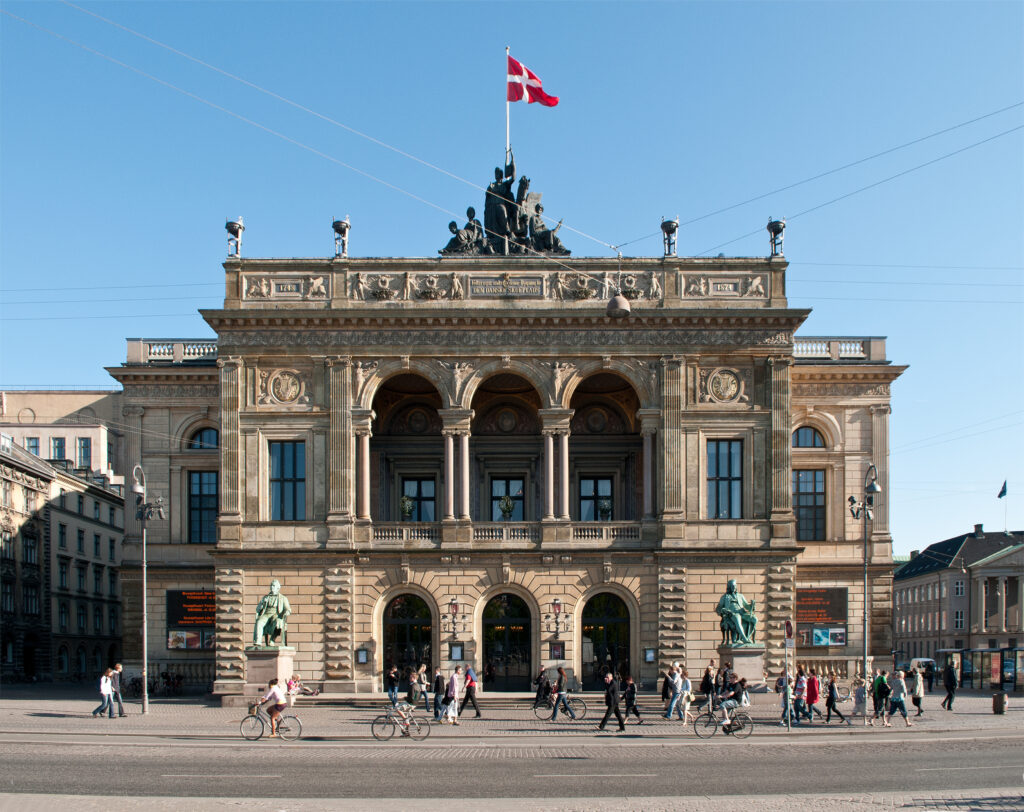
The 600-seat opera house on the harbor front has been the Royal Danish Ballet’s home for over 250 years. The company is led by artistic director Amy Watson. Today, the Royal Danish Ballet is a modern ballet company with both Danish and international dancers.

The Royal Danish Ballet – 55 Exceptional Dancers
The 600-seat opera house on the harbor front has been the Royal Danish Ballet’s home for over 250 years.

******************************************
Related: The Stunning Opera House in Oslo
******************************************

One of the company’s early masters, Vincenzo Galeotti, is considered the veritable founder. He was master of the company from 1775 to 1816, and introduced ballet d’action and prepared for the advent of romantic ballet.

The Royal Danish Ballet – 55 Exceptional Dancers
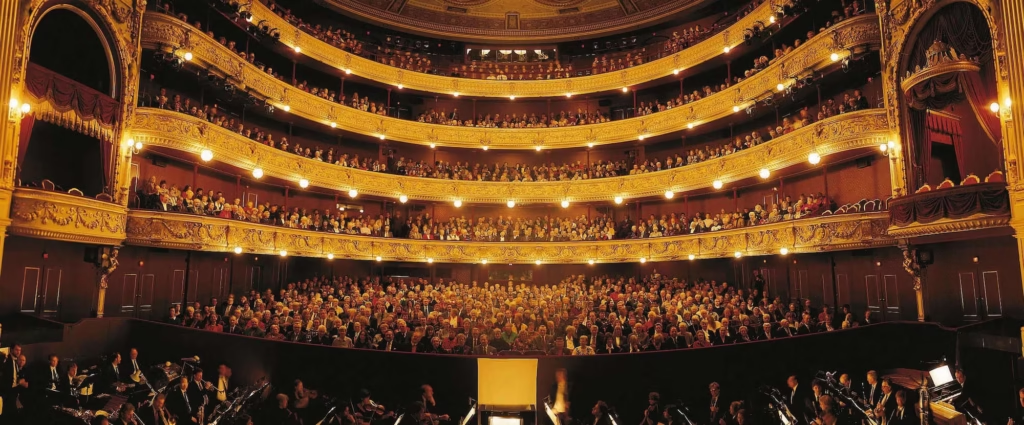
Inside the Royal Danish Theatre

During the half-century that the Danish dancer August Bournonville led the company (1828–1879), he choreographed about fifty ballets, of which about a dozen remain in the company’s repertoire. The works are highly influenced by the French school of dance, since Bournonville studied in that country, and include key roles for male dancers, undoubtedly written with himself in mind. After his death, one of his successors, Hans Beck, used the basic steps he learned in Bournonville’s classes to establish the Bournonville school, which teaches contemporary dancers the tradition of the old master.

The third great period of the Danish Royal Ballet came in 1932, when Harald Lander took over the helm of the corps. Trained in the United States and the Soviet Union, he both adapted traditional ballets and choreographed original works for the company. He encouraged local choreographers, who went on to create prominent works that won international acclaim.

The Royal Danish Ballet – 55 Exceptional Dancers
The challenge as a dancer is as much mental as it is physical.

All dancers retire at the age of 40. However, not all of them quit at the theatre. Henriette Brøndholm started at the company’s ballet school when she was nine years old and now works as the shoe manager at the theatre. From her own performances, she knows how much black toes hurt. “When the audience is there, and music plays, it doesn’t matter how much it costs you in toenails and blisters,” she says. “It’s all worth it.”

“The challenge as a dancer is as much mental as it is physical,” says lead dancer Astrid Elbo. “I need to concentrate and visualize like an athlete – planning the day, thinking about nutrition, and getting extra protein.”

************************************************
Related: Norwegian Dancer’s Dream Comes True
************************************************

The Royal Danish Ballet – 55 Exceptional Dancers
Artistic director Amy Watson.

Artistic director Amy Watson was born in 1981 and trained as a ballet dancer at The School of American Ballet in New York. She became a corps dancer at the Royal Ballet in 2000, appointed soloist in 2003, and principal dancer in 2007. She began teaching at the Royal Danish Ballet in 2016 and assisted with the ballet’s productions until her retirement as a dancer.

The Royal Danish Ballet – 55 Exceptional Dancers, written by Tor Kjolberg
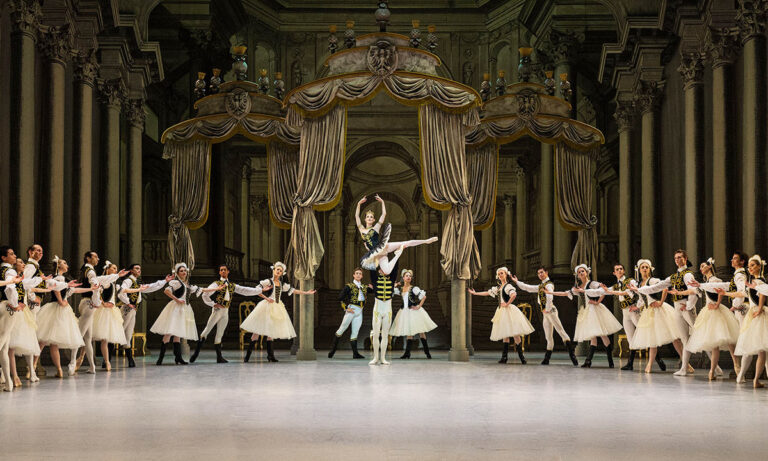
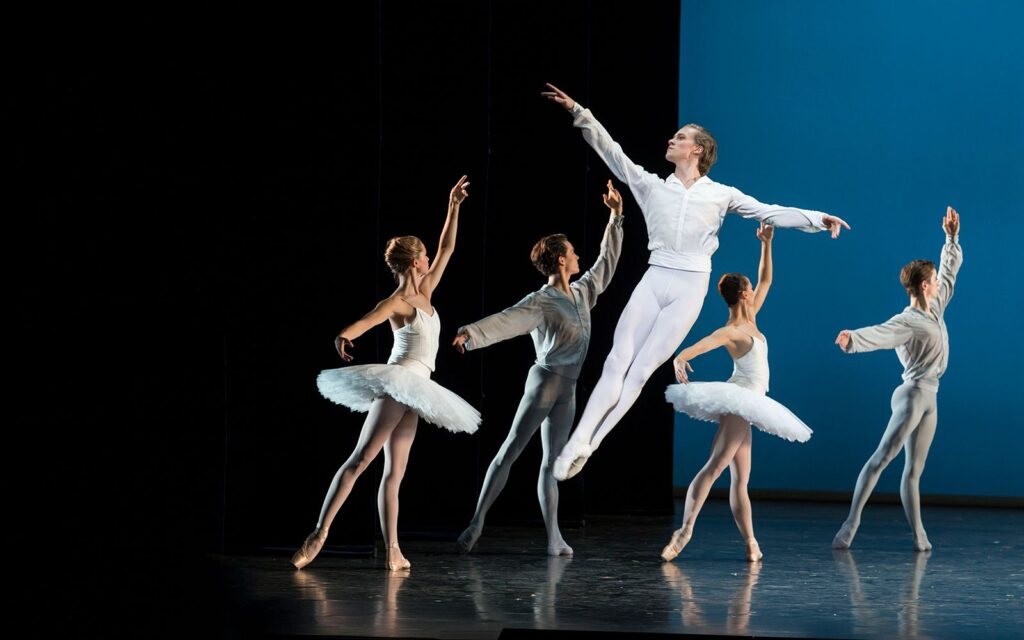
Feature image (top): J’aime Crandall and Alexander Bozinoff in Raymonda. Photo
© Henrik Stenberg.

Age-Old Finnish Sauna Rituals

Age-old Finnish sauna rituals, spanning thousands of years, are sacred, purifying practices focused on cleanliness, relaxation, and connecting with nature.

Finnish sauna culture was inscribed on the UNESCO Intangible Cultural Heritage Lists at the 17 December 2020 meeting of the UNESCO Intergovernmental Committee for the Safeguarding of the Intangible Cultural Heritage. As authorized by the state, the Finnish Heritage Agency commits, together with Finnish sauna communities and promoters of the sauna culture, to safeguard the vitality of the sauna tradition and to highlight its importance as part of customs and wellbeing. The word sauna itself is of Finnish origin.

Age-Old Finnish Sauna Rituals
Harvia infrared sauna.

Finnish saunas are less about chatter and more about calm. The sauna is a place for quiet reflection, mental calm, or light conversation. It’s an age-old ritual of contrasts – hot steam, followed by a quick plunge into cool air.

Core traditions include creating löyly (steam) by throwing water on hot stones, using a vihta (birch whisk) to improve circulation, and alternating between intense heat (70-100∘C) and cold plunges, such as lake swimming or rolling in snow.

Its roots are difficult to trace, but its earliest versions are believed to date back to 7000 BC. This points to the fascinating history of saunas and their deep cultural significance in Nordic life. Bathhouses were recorded in Europe during the same period, but Finnish bathing habits were poorly documented for most of Finnish history.
Age-Old Finnish Sauna Rituals

Harvia Ventura sauna cabin.Harvia, the Finnish maker of saunas and heaters keep the tradition alive by focusing on natural materials and heaters engineered to give you the perfect löyly that only a sauna can provide.

Age-Old Finnish Sauna Rituals, Tor Kjolberg reporting.

Feature image (top): Harvia Legend outdoor sauna.