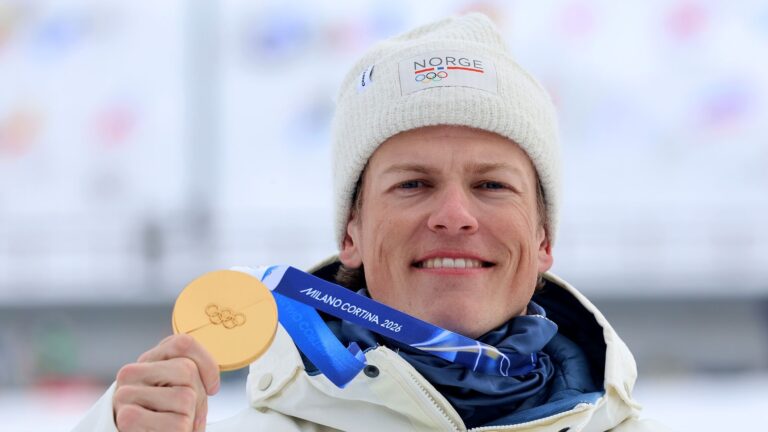
Norwegian cross-country skiing champion Johannes Høsflot Klæbo became the most decorated Winter Olympian at the 2026 Winter Olympics in Italy. He deserved his new nickname, King Klæbo of Norway.
“I imagined becoming like Petter Northug, perhaps becoming Petter Northug himself, with his steel muscles, his square jaw, and the medals hanging around his neck,” Johannes Hoesflot Klæborecalled of his boyhood dreams.
With his ninth Olympic gold, he joined three other legendary Norwegian athletes. The win marked his fourth gold medal at Milan Cortina 2026, as he targets history by surpassing the Winter Games gold medal record in his next three events.
The Norwegian’s latest triumph, gold in the men’s cross-country skiing, his fourth at Milano Cortina 2026, means Klæbo has now won nine gold medals in the Winter Olympics, more than any other athlete in history. But that was not enough! The total gold medals for Klæbo during the Milano Cortina 2026 was six gold medals!
Klæbo has scooped up almost every title available. 15 world titles, 107 World Cup wins – more than double those of the second-place finishers – already make him the most decorated cross-country skier on the planet. He won all six cross-country events at the FIS Nordic World Ski Championships in 2025.
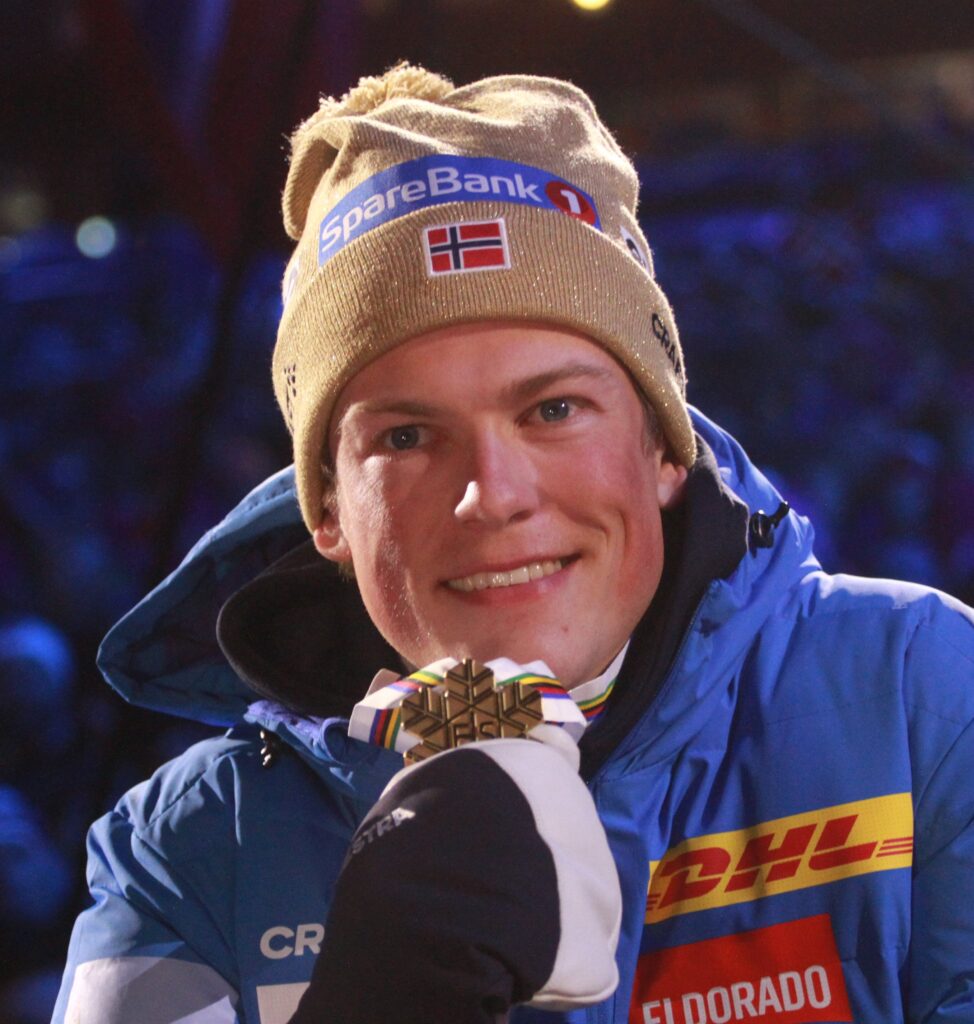
With his ninth Olympic gold, he joins three other legendary Norwegian athletes. Photo: Wikipedia.
“This is the first time I have won a 10k skating (freestyle technique) interval start (including the FIS Cross-Country World Cup or at a championship),” Klaebo said. “So, being able to do that here at the Olympics, it’s just amazing, and with the weather and the atmosphere, to kind of have my best day here at the Olympics, it’s special.”
The 29-year-old matched Norwegian compatriots Bjørn Dæhlie, Marit Bjørgen, and Ole Einar Bjørndalen when he won his eighth gold medal on Friday, 13 February, in the men’s 10km interval start free.
He won three golds from PyeongChang 2018 and two at Beijing 2022
With ruthless elegance, Klaebo’s stride seems to consume the snow. His “hops” have been honed through pronounced hip and knee flexion during the ‘leg-swing’ phase and through a superhuman anaerobic capacity.
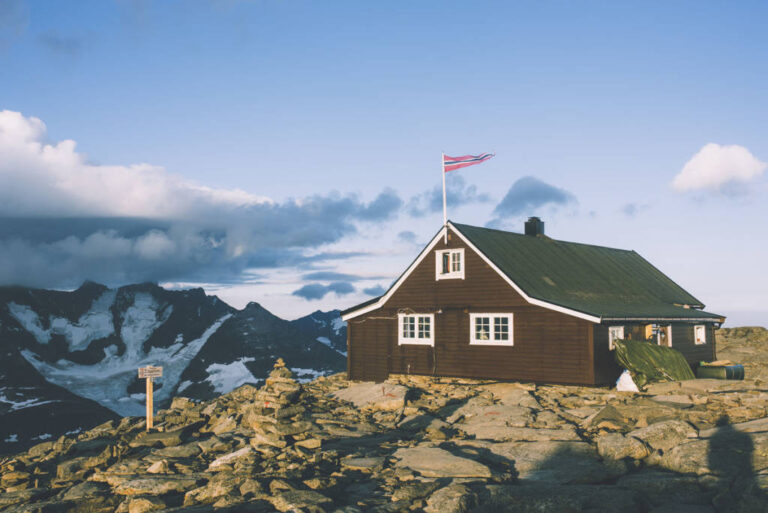
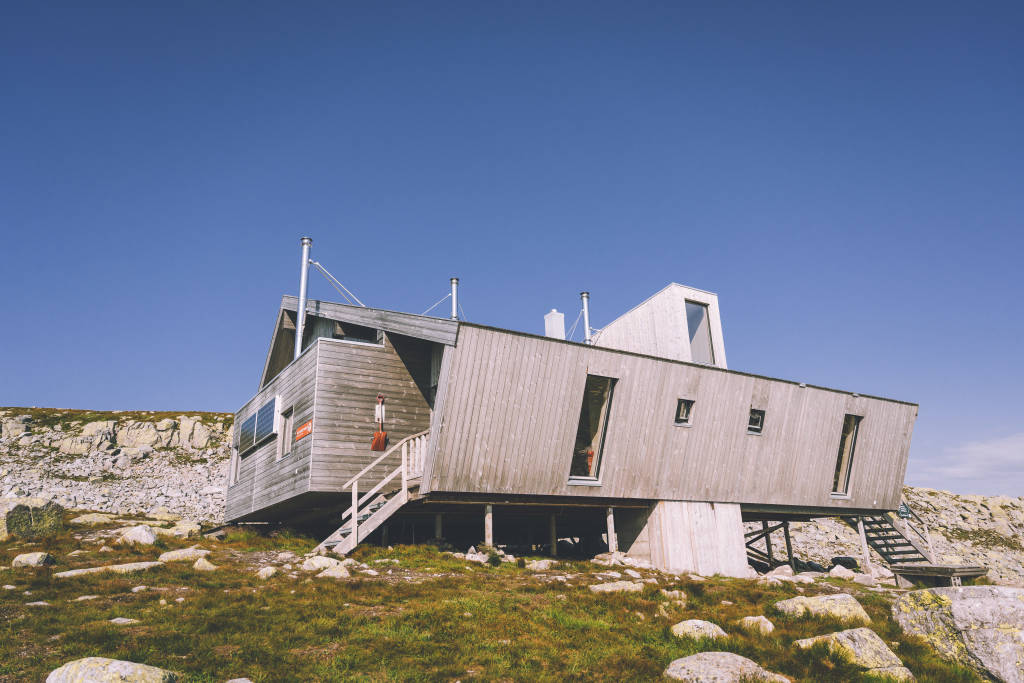
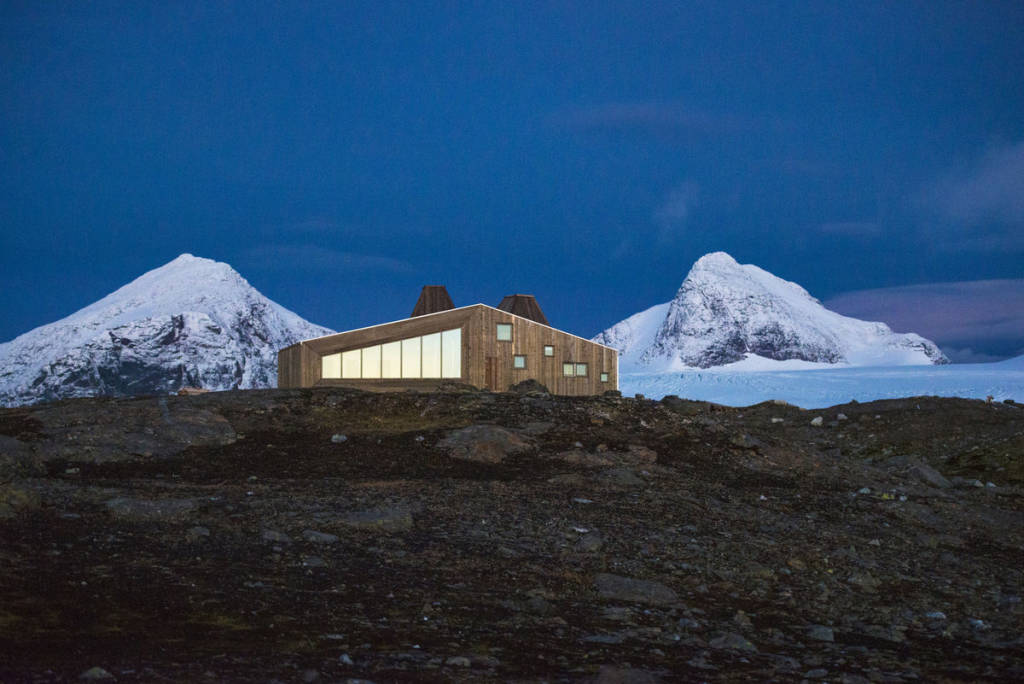
The word hytte, pronounced “hutta”, describes a simple cabin in a tranquil, preferably remote setting in the wilds of nature. Read on and learn more about the Norwegian hytte.
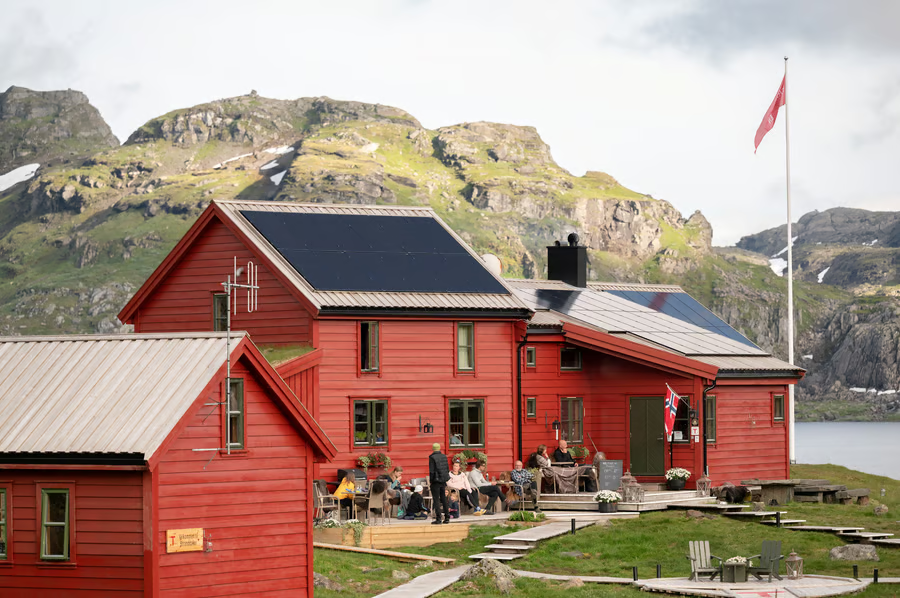
The Norwegian Trekking Association (DNT) manages a network of over 600 hytter (cabins) across Norway, offering accessible, affordable accommodation in the mountains, forests, and coast. Ranging from staffed lodges to self-service cabins, this network enables cabin-to-cabin hiking and promotes outdoor life, with members receiving discounts and access to a universal key for entry.
The Norwegian Trekking Association (DNT) manages a network of over 600 hytter (cabins) across Norway.
In this area, the hytte is a mountain lodge with comfortable bunk beds (you need only bring a sleeping bag), which usually provides meals for hungry, weary hikers.
Types of DNT Cabins
Staffed Lodges (Betjente hytter): Offers full-service meals, beds, and sometimes electricity/showers.
Self-Service Cabins (Selvbetjente hytter): Equipped with kitchen facilities and food storage (a “trust shop”) for purchase.
No-Service Cabins (Ubetjente hytter): Smaller cabins with basic equipment but no food supply.
The hytte selection spans from exclusive to very modest.
You need not be a member to stay in a DNT hytte, but membership is a good investment, as the price is soon offset by the accumulated discounts on accommodation. At the tourist cottage Snøheim (Snowhome), for example, you can wander on Norway’s roof and gather strength in authentic 1950s interiors.
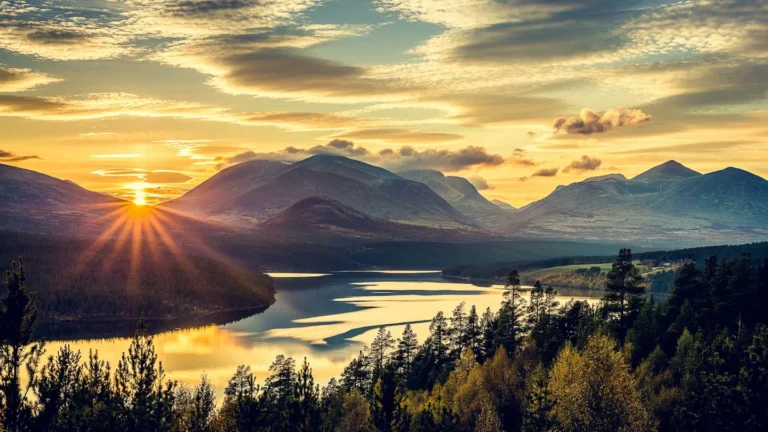
Central Norway encompasses a remarkable landscape, from the shimmering fjords of the west across the peaks, plateau and valleys that have inspired great writers and composers. This is the heart of Norway.
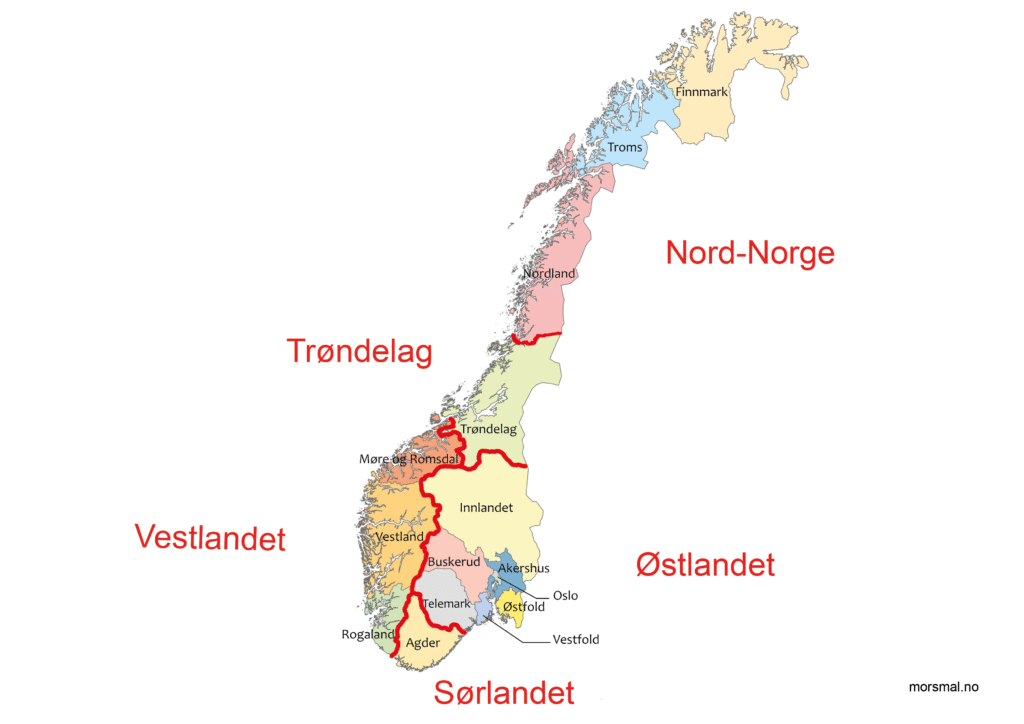
The heartland of Norway is the upper part of the country’s southern bulge, extending from just north of Oslo and Bergen to just south of Trondheim.
Map of Norway
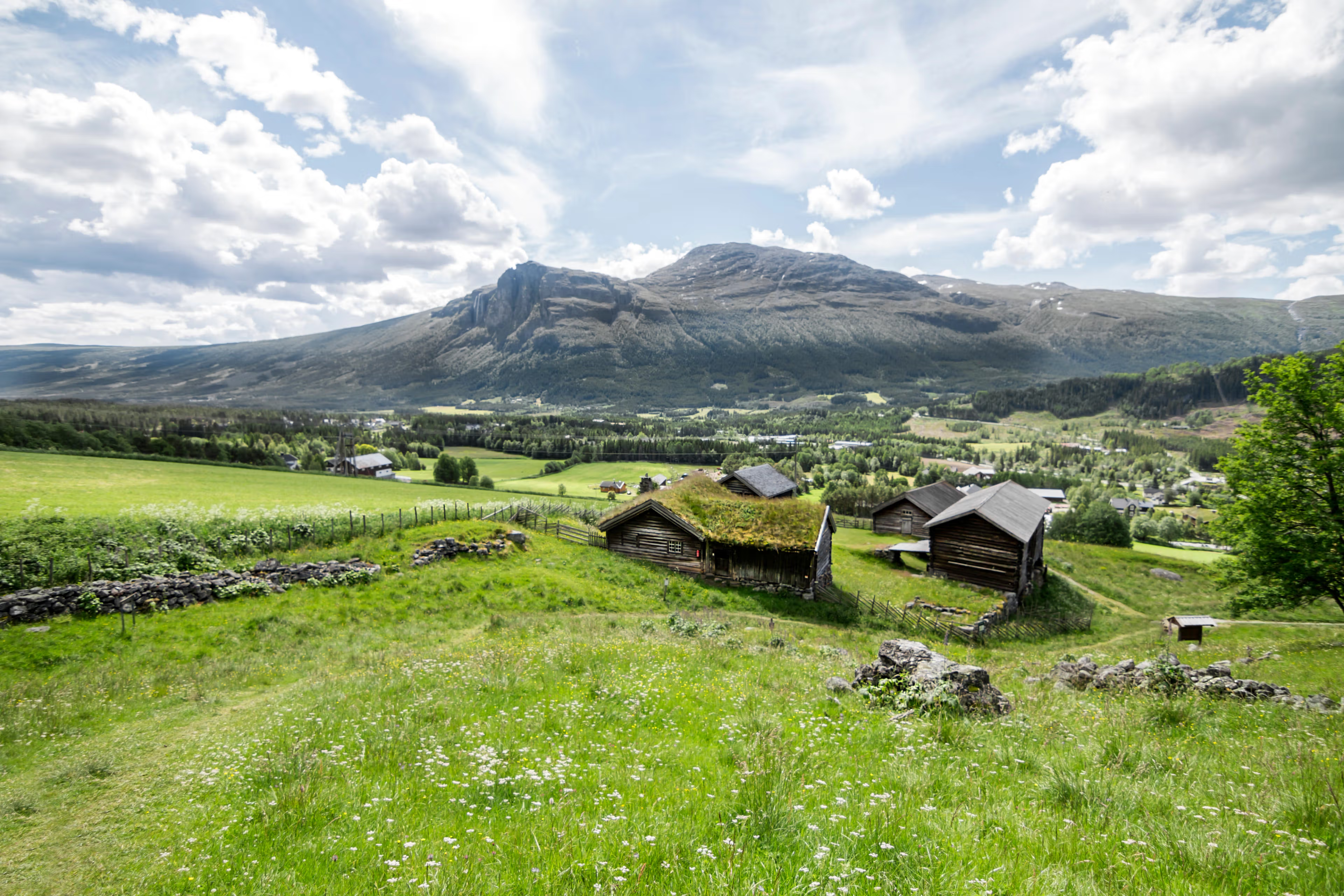
The area encompasses the highest mountains in Scandinavia, and freshwater lakes and watercourses abound. To the east, there are two long valleys, Østerdalen (literally “Easterly Valley”) and Gudbrandsdalen, orientated roughly parallel to the border with Sweden and knifing through the high interior cordillera to provide the major north-south transport arteries.
The area encompasses the highest mountains in Scandinavia, and freshwater lakes and watercourses abound. Photo: Visit Norway.
In the middle, there are the lofty peaks and high plateaus of the Rondane and Jotunheimen ranges, and to the west lies the coast with its fjords archipelago in waters plied by boats since the land was first settled.
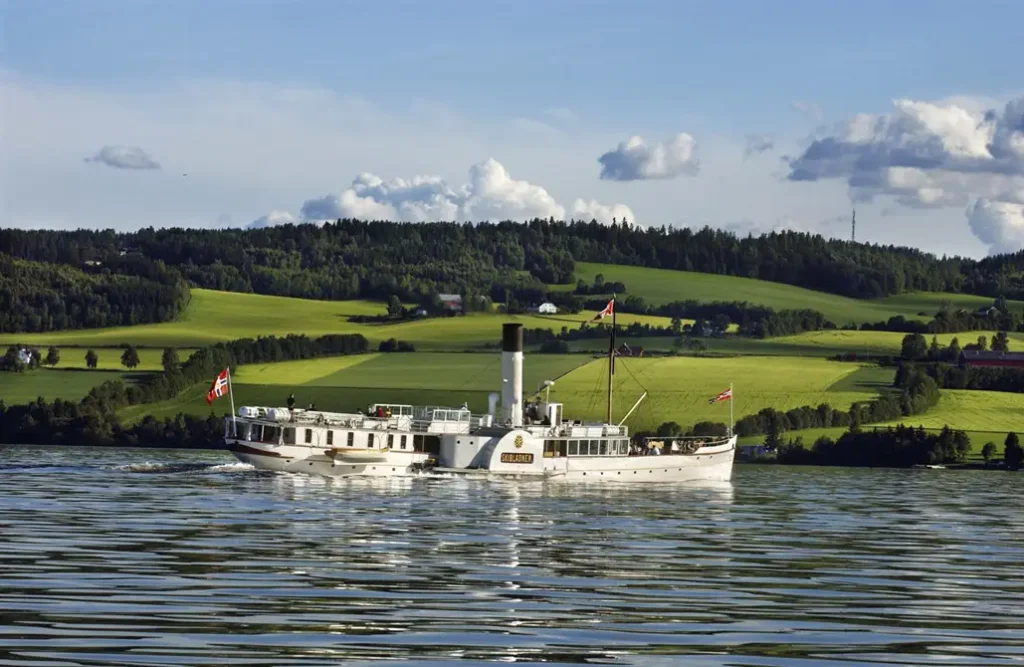
Lake Mjøsa is the largest lake in the country, and the best way to enjoy the lake is on a trip with Skibladner, the world’s oldest paddle-wheel steamer.
Skibladner, the world’s oldest paddle-wheel steamer.
To the east of Lake Mjøsa lies Østerdalen, carved through the mountains by the country’s longest river, Glomma. To the west of Østerdalen lies Gudbrandsdalen, the country’s second-longest valley.
Scandinavia is experiencing significant demand for skilled workers, driven by an aging population, green energy transitions, and rapid digitalization. The highest demand is in engineering, healthcare, IT, and specialized skilled trades. Read more about the demand for skilled workers in Scandinavia.
Denmark’s latest list, effective January 1, 2026, includes the Positive Lists for both graduates and skilled workers. The new Positive List for People with a Higher Education includes 180 job titles (down from 187), while the Positive List for Skilled Work includes 54 job titles (down from 65). Notable additions to the Higher Education Positive List include Business Intelligence Manager, Movie, TV and Animation Designer, and Communication Officer.
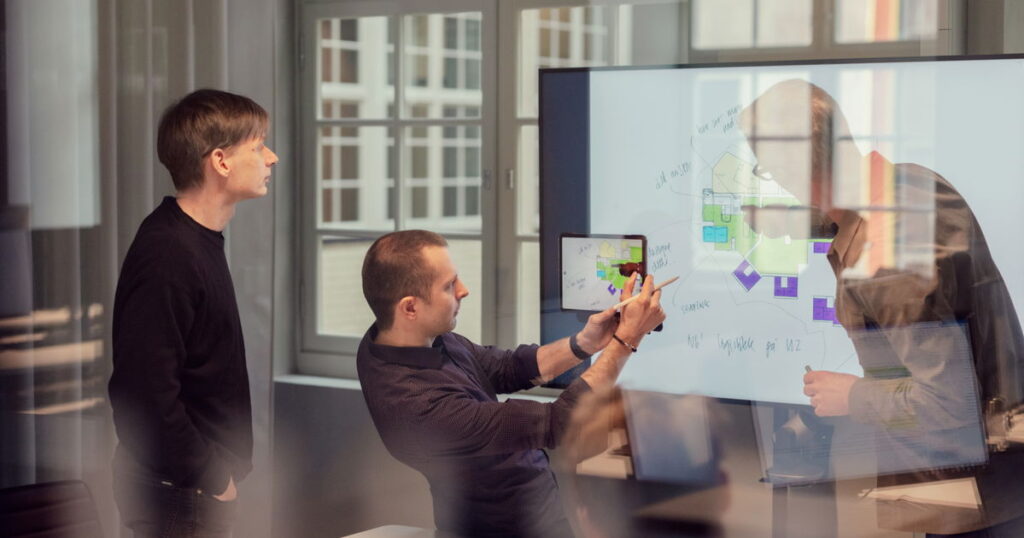
Photo: Nordic Office of Architecture.
The Positive Lists – which are updated twice a year – designate shortage occupations eligible for a Positive List Program residence and work authorization in Denmark. These changes do not affect current Positive List permit holders, who can renew their permits provided they continue to meet general renewal conditions, even if their job title was removed from the Positive List.
Sweden is facing a total shortage of approximately 70,000 people across various sectors.
IT & Tech: AI/ML specialists, software developers, cloud, and cybersecurity professionals.
Engineering: Chemical, electrical, mechanical, mining, and building construction engineers.
Healthcare: Specialized doctors, nurses, and geriatric/elderly care workers.
Skilled Trades: HVAC technicians, electricians, plumbers, and carpenters.
Other: Educators (especially in STEM), finance controllers, and transportation staff (truck drivers).
Required language skills
While English is widely used in IT and private engineering firms, proficiency in the local language (Norwegian/Danish/Swedish) is generally required for healthcare and public sector roles.
Green Transition
Massive investments in battery manufacturing, sustainable transport, and renewable energy are driving demand for specialized, highly skilled workers.
Visa & Immigration
Non-EU/EEA nationals usually require a job offer to obtain a work permit. In Norway, the “Positive List” outlines specific roles in shortage areas, while Sweden often seeks high-level specialized skills.
Skilled Workers Needed in Scandinavia, compiled by Tor Kjolberg
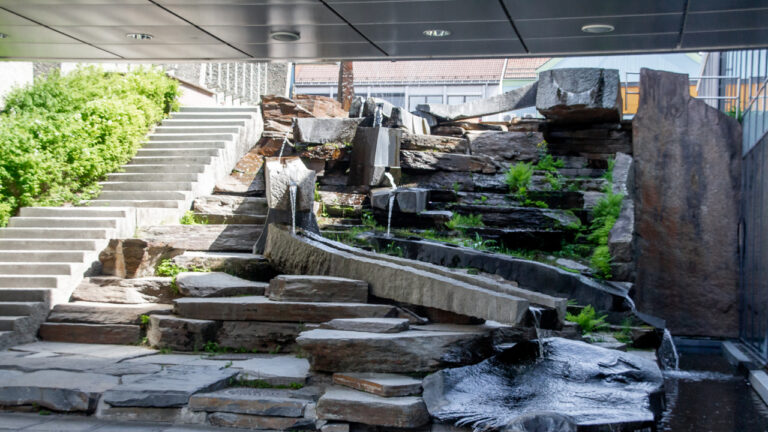
At the Lillehammer Art Museum in Lillehammer, a cascade of stone and water
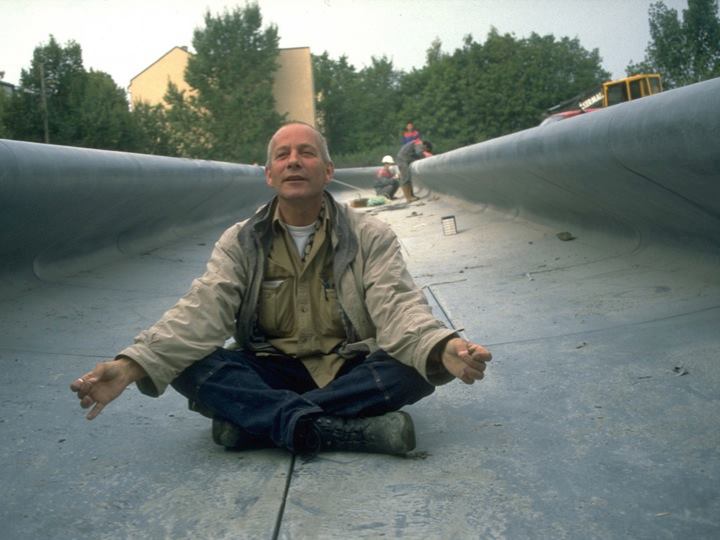
connects the museum’s buildings. The Art Garden was created by artist Bård Breivik (1948–2016).
Stone and water are Art Garden’s principal elements. In connection with Bård Breivik’s exhibition in 1992-93, Breivik stated the following:
The watercourse begins by spill from a granite monolith into a long, stone trough.
Water has its own life; a river never flows in a straight line. Wherever it can, water tries to wind its way through the terrain, and in a flat landscape, rivers meander where they will. The eddies that are formed in the river’s course remove foreign elements from the water and infuse it with new oxygen and clarity.
In the spring of 2016, the Museum’s new building, designed by the architectural firm Snøhetta, was completed. Bård Breivik designed the building’s façade, which complements the Art Garden.
Art Garden begins serenely on flat ground at the height of the space. There, a screen of vertical granite slabs encloses a dry courtyard; a green lawn is bisected by a flagstone path, and the watercourse begins by spilling from a granite monolith into a long, stone trough. The water descends in multiple streams through a series of channels to a reflecting pool at the bottom of a steep rockery. Breivik’s sculptured garden is a good example of art that interprets nature without imitating it.
Bård Breivik (1948 – 2016) was a Norwegian sculptor and art instructor.
About the sculptor
Bård Breivik (1948 – 2016) was a Norwegian sculptor and art instructor. He was educated at the Bergen Academy of Art and Design (Bergen Kunsthåndverkskole and Vestlandets Kunstakademi) and St. Martin’s School of Art in London. Breivik held a professorship at the Royal Institute of Art in Stockholm from 1982 to 1985 and worked actively as an artist throughout his life.
A cascade of Stone and Water in Lillehammer, Tor Kjolberg reporting.
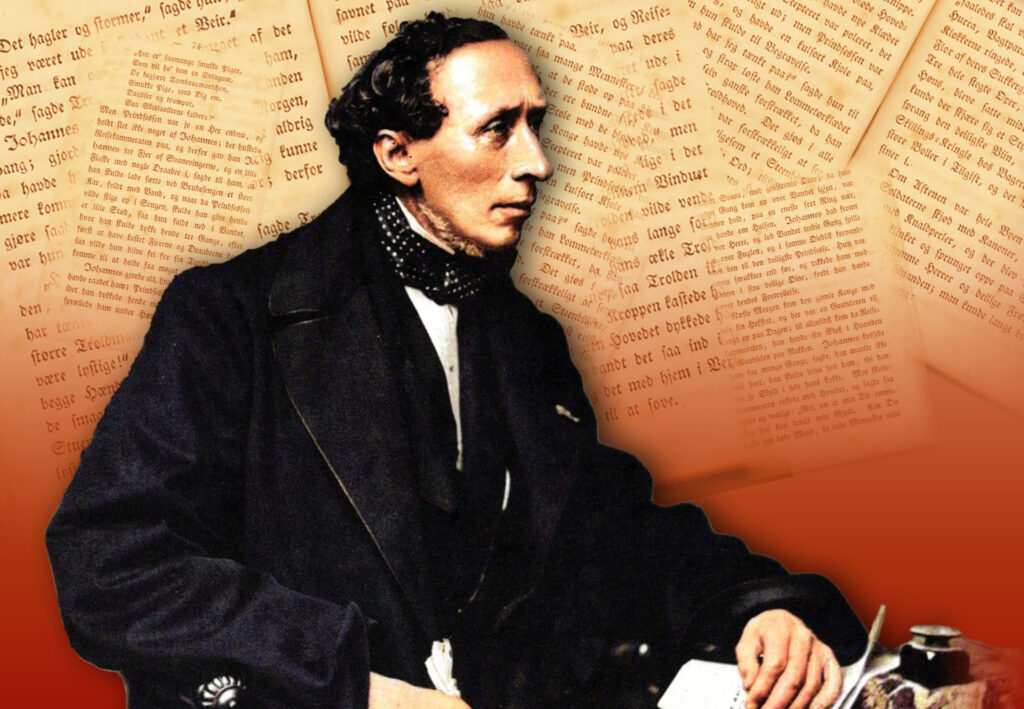
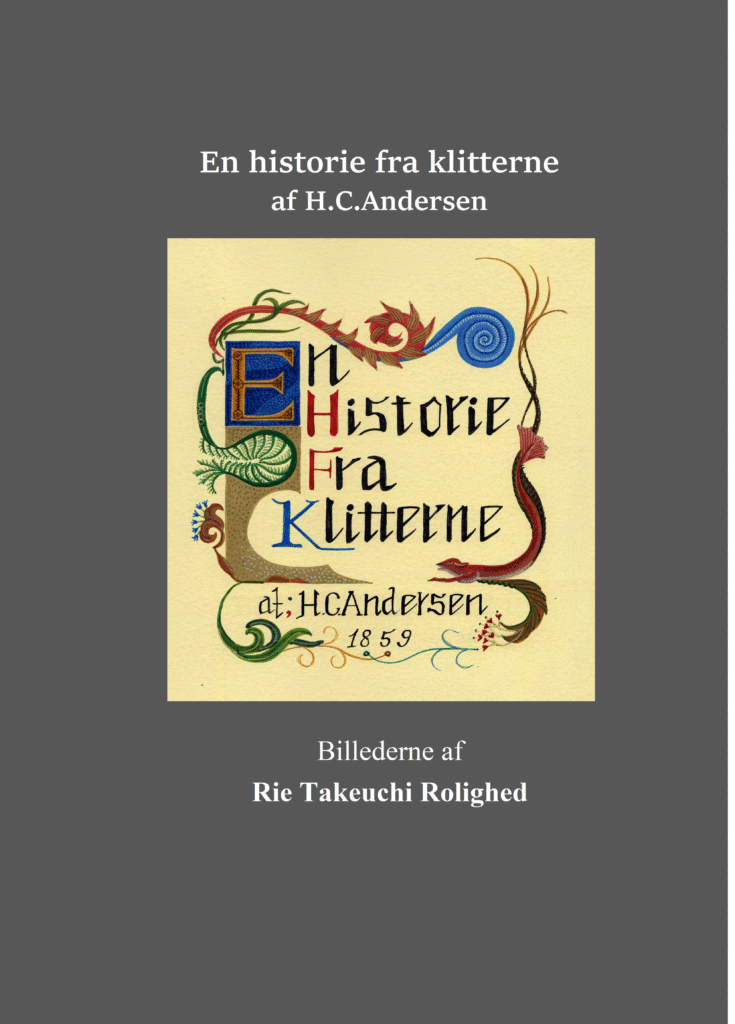
A Story from the Sand Dunes (Danish: En historie fra Klitterne) is one of the Danish fairytale writer H. C. Andersen’s “adult” or realistic stories. It was written in 1859 when he stayed at Nørre Vosborg mansion for 14 days.
“(…) once there shall come from the west a man cloaked in blue, who shall bring the tower to tilt and fall.” Such was a cryptic prophecy about the original Vosborg’s demise. The prophecy was allegedly given to one of the first known owners, Niels Bugge, in the 14th century and concerned the castle he built in 1341. And indeed, in 1593, a massive storm surge swept over the estate, smashing it to pieces.
The novella reflects Andersen’s deeper, often darker, storytelling style.
Reflecting Andersen’s deeper, often darker, storytelling style
The original manor was located near Nissum Fjord but was moved to its current, more secure location around 1530-1532 after a major storm surge. The 1860 novella by Hans Christian Andersen, set in the desolate dunes of Jutland, Denmark, follows the life of Jørgen, a child born of a shipwreck involving a Spanish couple, who grows up in poverty in Denmark, leading to a tragic, predetermined path of misfortune.
The 1860 novella by Hans Christian Andersen, set in the desolate dunes of Jutland, Denmark.
The novella is often considered a mature, realistic work rather than a typical fairy tale, reflecting Andersen’s deeper, often darker, storytelling style. Jørgen is accused of murder and faces execution in a desolate, cold, and dark setting, reflecting a feeling of hopelessness.
Several prominent guests visited the magnificent manor in the 19th century. H.C. Andersen stayed here for the summer in 1859, where he had time to write, make paper cuts, and fantasize about the many ghosts of the place.
Nørre Vosborg, located near Vemb in West Jutland, Denmark, is a historic 700-year-old manor house turned hotel, cultural center, and restaurant.
Located near Vemb in West Jutland
Nørre Vosborg is one of the most researched manor houses in the country. We can recommend the impressive two-volume work on the manor’s more than 800-year history. The Danish newspaper Politiken wrote, “Outstanding manor work sets new standards for cultural dissemination,” and awarded the work 6 hearts.
Nørre Vosborg, located near Vemb in West Jutland, Denmark, is a historic 700-year-old manor house turned hotel, cultural center, and restaurant, with records dating back to 1299. Following a major restoration completed by Realdania in 2008, the estate blends 16th-century architecture with modern hotel facilities, including a new wing designed by Architizer Arkitema.
the estate blends 16th-century architecture with modern hotel facilities.
The site features four distinct wings from different centuries, showcasing Renaissance, Baroque, Classicism, and Gothic Revival styles.
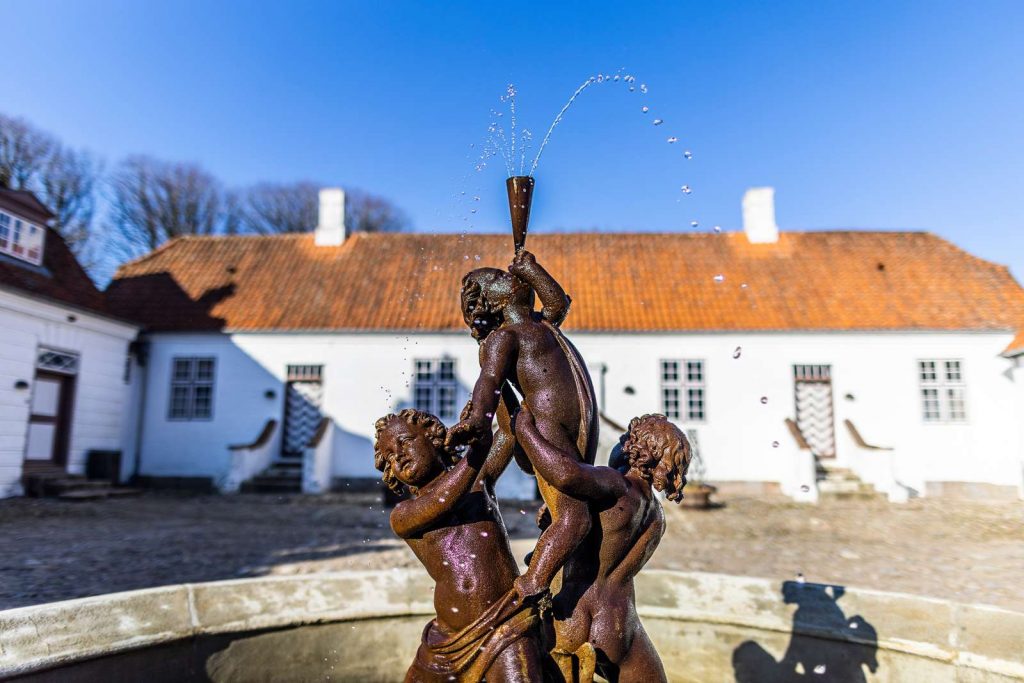
The manor was owned by the Tang family for over 200 years and is known for its deep roots in Danish history. Restored between 1946 and 2008, it now operates as a high-end hotel with rooms, a restaurant, and conference facilities, featuring a new, distinct wooden-clad hotel wing.
The manor is considered a significant cultural landmark in West Jutland, combining historical preservation with contemporary hospitality.
A Story from the Sand Dunes, written by Tor Kjolberg
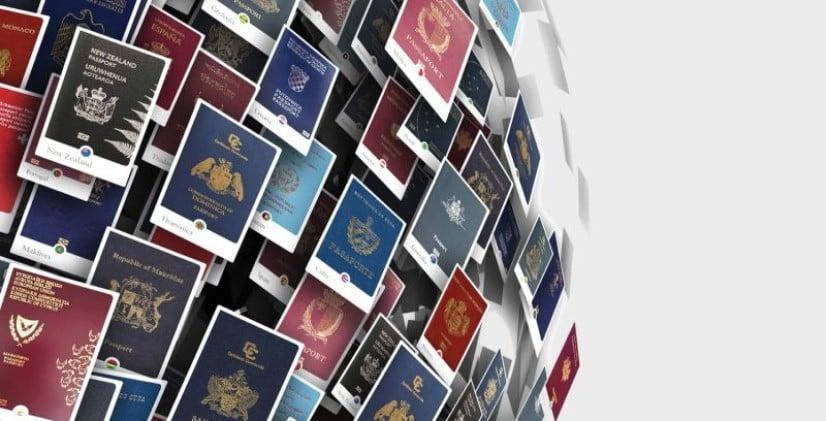
Securing a secondary citizenship can be a matter of making the right investments or donations. But securing residency rights in a foreign country without living there is tricky. Programs that offer citizenship for sale have financial integrity risks that must be managed.
During the first two decades of this century, many people in the West came to take easy mobility for granted. The 2020s have pulled the rug out from under their feet. Income-based visas, such as retirement and digital nomad permits, require you to live in the country. After all, that’s why countries offer such visas: They want your money and your taxes.
As countries closed their borders to slow the spread of COVID-19, a second passport became an ever-more-desirable commodity for those who could afford it. While not a new phenomenon—several countries have adopted “golden passport” programs over the years—the pandemic generated renewed interest.
The most popular way to get optional residency rights is a golden visa, an investment-based residency permit.
In Europe, 17 countries that are party to the Schengen Agreement reintroduced internal border controls. Australian citizens were banned from leaving the country for 19 months unless they could demonstrate strong ties elsewhere.
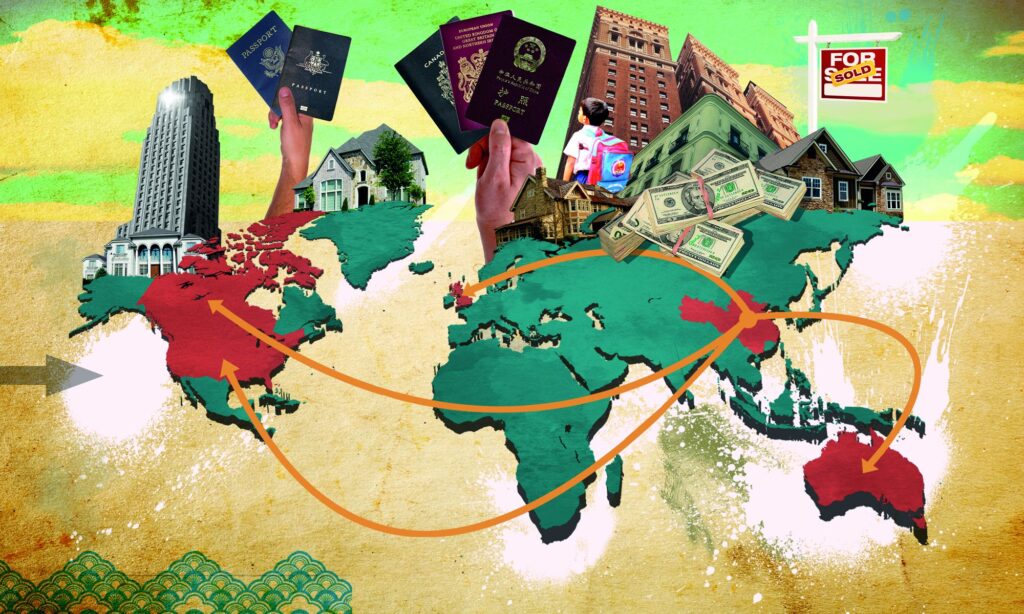
The most popular way to get optional residency rights is a golden visa, an investment-based residency permit. Like retirement and digital nomad visas, the point is to have you bring your money to the country. But if you bring a lot up front, many countries will give you residency rights without requiring you to use them very much.
Price tags for a second citizenship—sometimes in only 30 days—range from $100,000 to $2.5 million. Antigua and Barbuda, Cyprus, Grenada, Jordan, Malta, St Kitts and Nevis, and Vanuatu are among the many countries that have offered such deals.
The Ukraine war and the unpredictable actions of the second Trump administration and other destabilizing developments have driven record numbers of Westerners to seek alternative papers.
If freedom of movement and asset protection are important to you, having only one citizenship is as reckless as storing your entire net worth in a single place.
Citizenship by investment is known as CBI
This is known as citizenship by investment, or CBI. In 1984, the Caribbean nation of St. Kitts and Nevis launched the world’s first formal CBI program. It allowed foreign nationals to acquire citizenship through the purchase of real estate or through government donations.
In the 1990s and early 2000s, other Caribbean nations, including Dominica, Grenada, Antigua and Barbuda, and St. Lucia, launched their own CBI schemes. Like St. Kitts, these countries saw CBI as a way to raise revenue without raising taxes on their tiny populations. Qualifying investments included a government donation, real estate purchase, or business investment. There are few figures about the trade in passports, given the overall opacity of these programs.
If freedom of movement and asset protection are important to you, having only one citizenship is as reckless as storing your entire net worth in a single place. By holding multiple, you diversify your exposure to geopolitical risks.
CBI remained under the radar until the 2010s. But after the global financial crisis, two European island nations joined the CBI market. Cyprus (2013) and Malta (2014) offered citizenship that included EU citizenship. These attracted high-net-worth individuals, primarily from Russia, the Middle East, and China. Other island nations, such as Vanuatu in the Pacific, soon followed suit.
About 75 per cent of countries now permit the holding of multiple passports (up from about 30 per cent in 1990).
A second passport has many benefits, such as the ability to travel freely without visas and flee political persecution, conflict, or civil unrest. It can also offer attractive tax and wealth management benefits. Usually, citizens from autocratic countries, where the rule of law is weak, are the most anxious to obtain a golden passport.
There are several ways of acquiring citizenship, and about 75 per cent of countries now permit the holding of multiple passports (up from about 30 per cent in 1990).
It didn’t take long for politicians and regulators in Europe and North America to realize the risk of CBI. Investigators soon found that money launderers, tax evaders, spies, international criminals, and other miscreants were obtaining second passports that allowed them to enter the EU and the US—something they couldn’t do if they’d applied for a visa using their native passports.
That led to diplomatic pressure on CBI countries— especially Cyprus and Malta, which were part of the EU and whose citizens could legally live and work anywhere in the bloc. Cyprus closed its program in 2020 after multiple scandals. Malta was forced to end its CBI program after losing a court case to the EU earlier this year. Dominica and Vanuatu both lost visa-free access to the EU because of irregularities in their own programs.
The OECD (the Organization for Economic Co-operation and Development) publishes a list of high-risk programs it suspects allow people to hide their taxable assets abroad. Foreign banks can react to these negative risk perceptions, putting pressure on correspondent banking relationships. This can have far-reaching implications for financial stability.
A method of obtaining a second citizenship that is growing more popular worldwide is citizenship by investment or donation, which falls under the umbrella term “investment migration”.
The key difference between CBI and Investment Migration is that CBI programs, in most cases, offer investors citizenship without requiring a period of residence and, in a few months, if the requirements have been met. Meanwhile, IM programs only offer residence to investors, namely the right to live (and sometimes work) in a country. RBI programs often impose mandatory physical presence requirements for specific periods to maintain residence rights. Another major difference between the two is the ability to add dependents to an application. Many CBI programs, especially in the Caribbean, allow the main applicant to include their immediate family members, such as a spouse and children, and extended family members, such as parents, grandparents, and siblings. IM or golden visa programs can be more limiting, generally restricting dependants to immediate family members such as spouses and minor children. One exception is Portugal, which also allows dependent adult children, parents, siblings, and the spouse’s family.
The IMF is working with members to provide policy advice that highlights the risks of these arrangements.
Evaluating programs
The IMF is working with members to provide policy advice that highlights the risks of these arrangements, with an eye to balancing risks and benefits and avoiding long-term negative economic impacts. For example, the IMF has advised members on the financial integrity risks of such current and past programs in Article IV consultations for Comoros, Cyprus, Dominica, Grenada, Malta, St. Kitts and Nevis, and St. Lucia. More broadly, countries should clearly understand the risks.
Investment migration will continue to grow as countries introduce programs and more people seek to take advantage of them.
Investment Migration
Currently, there are 15 countries operating official programs that grant citizenship to foreigners in exchange for a set donation or investment: Turkey, Cambodia, El Salvador, São Tomé and Principe, Sierra Leone, Nauru, Vanuatu, Dominica, Antigua and Barbuda, Grenada, Saint Lucia, St. Kitts and Nevis, Egypt, Jordan, and Pakistan. The required amounts range from $18,000 for Pakistan to $1m for El Salvador. Processing times for such programs range from a few months to a year.
Investment migration will continue to grow as countries introduce programs and more people seek to take advantage of them. Over the next few decades, having multiple citizenships will become commonplace – a huge social shift that will fundamentally alter the notions of nationhood and citizenship.
The small island community of Fedje on the west coast of Norway has only 530 permanent residents. However, there is a distillery – and plans for a new hotel.
The island is accessible only by small boat or ferry. It’s only a couple of hours’ beautiful journey from Bergen, but nevertheless off the beaten track. The population has halved since the 1950s. As jobs in fishing and fish processing disappeared, people lost their livelihoods.
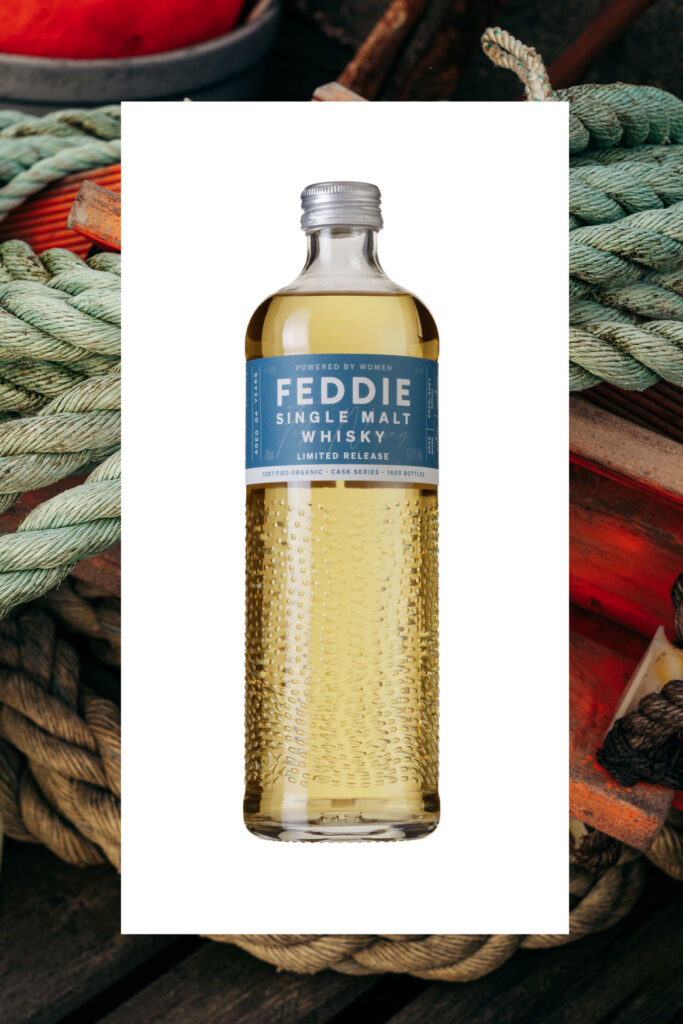
A spectacular hotel, designed by Saunders Architecture is on its way.Feddie single malt whisky.
Younger people left Fedje, leaving an aging population. But now the distillery, a group of nine women investors, and plans for the new hotel have blown a new wind of optimism across the island.
*****************************
Related: The Islands Off Bergen
*****************************
An island community threatened by depopulation can now have the confidence to face a future on the island they love. Feddie Ocean Distillery and the people of Fedje are embarking on a new adventure. They have the sea and their gorgeous surroundings as a playground, a spectacular hotel, designed by Saunders Architecture, on its way, climate-positive ambitions, and good values.
The island is accessible only by small boat or ferry.
A Small Norwegian Island with a Distillery and a Hotel – Credits: Todd Saunders with Ryan Jorgensen and Éva Baráth. Visualization: Mir.
I first heard the sentence in a clinic waiting room, spoken quietly, almost casually: “We’re not leaving because we want to. We’re leaving because we can’t stay.” It wasn’t a dramatic moment. No sirens. No soldiers. No border. Just plastic chairs, a flickering fluorescent light, and a mother trying to keep her child calm while waiting for a doctor who would never arrive. This is my take on when staying becomes a risk.
Over time, I heard versions of that sentence everywhere. In taxi rides. In kitchens. On cracked phone screens during late-night calls across time zones. Different countries. Different languages. The same logic.
Migration, as it’s usually discussed, is framed as a decision — a choice between places, a preference for opportunity, a desire for something better. But for most people who move, it isn’t a choice in the way the word suggests. It’s a calculation. A risk assessment. A comparison between two forms of danger.
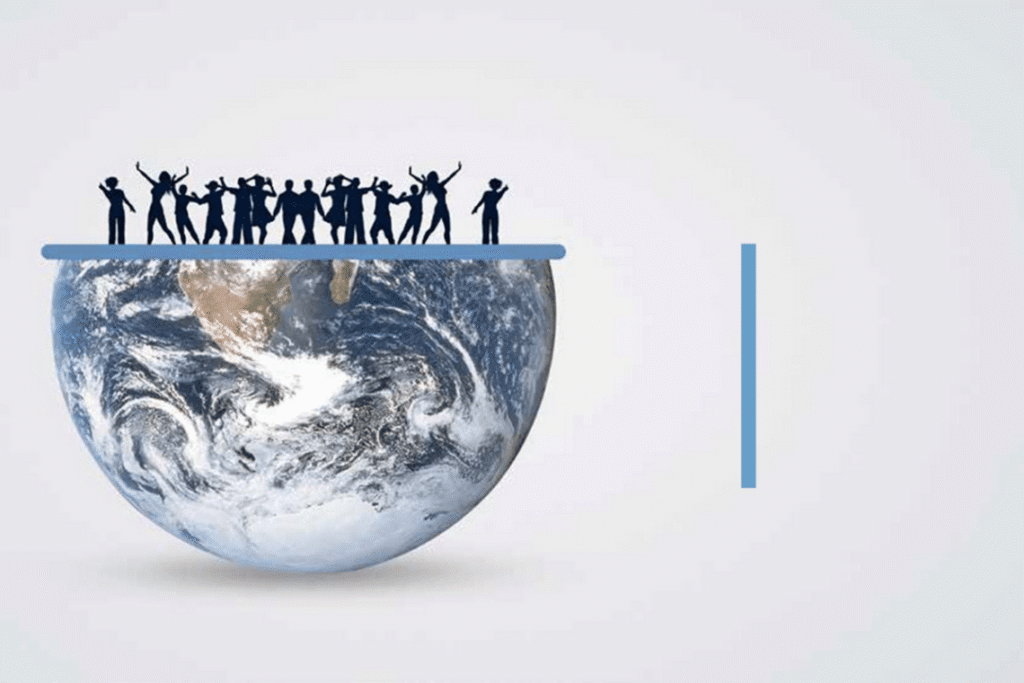
Migration is a calculation. A risk assessment. A comparison between two forms of danger. Illustration: OECD
Staying, for many, becomes the riskier option
People rarely leave for a single reason. Not one war, one election, one drought, one lost job. They leave because pressures accumulate. Wages fall while food prices rise. Clinics close while pollution spreads. Schools deteriorate while political rhetoric hardens. The future shrinks, slowly, quietly, until daily life itself becomes a form of exposure.
One woman described it as living inside a narrowing corridor. Every year, the walls moved closer. The cost of living. The cost of medicine. The cost of safety. The cost of dignity. Nothing dramatic happened — and that was the problem. Nothing changed, and everything worsened.
Policy language refers to this as “economic migration” or “voluntary movement.” But there is nothing voluntary about systems that steadily remove the conditions necessary for a stable life. When institutions fail gradually, they don’t look like a collapse. They look like inconvenience, then stress, then exhaustion, then inevitability.
The moment of decision rarely arrives with spectacle. It comes during ordinary routines: when a school fee can’t be paid, when a clinic visit becomes unaffordable, when a bus route disappears, when work becomes informal, when safety becomes conditional. The question stops being “Can I make this work?” and becomes “How much damage does staying cause?”
That’s when migration begins — not at the border, not at the airport, not at the checkpoint, but in the mind, when the future no longer feels viable.
The dominant narrative imagines migration as movement toward something: opportunity, freedom, prosperity. But for many, it is a movement away from collapse. Away from systems that no longer protect, no longer provide, no longer stabilize. Away from environments where risk accumulates faster than resilience.
Leaving is not liberation. It is displacement. It fractures families. It dissolves professions. It erases social capital. Teachers become cleaners. Engineers become drivers. Credentials vanish at borders. Language becomes a barrier. Identity becomes paperwork.
Governments tend to treat migration as an external shock rather than an internal consequence.
Migration does not produce mobility; it produces controlled instability
People move into legal uncertainty, economic precarity, and social invisibility. They exchange one form of insecurity for another — often safer, but still fragile. This is why the romanticization of migration is as misleading as its criminalization. It is neither adventure nor invasion. It is an adaptation under constraint.
Governments tend to treat migration as an external shock rather than an internal consequence. Borders are hardened. Patrols expanded. Deterrence policies implemented. But these approaches misunderstand the problem. Migration is not the disease. It is the symptom.
When healthcare systems fail, people move.
When labor markets collapse, people move.
When climate pressure rises, people move.
When governance erodes, people move.
Movement is what humans do when stability disappears
What’s missing from most political debates is causality. Borders are managed, but root conditions are ignored. Labor is demanded, but workers are criminalized. Economies benefit from migrant labor while denying migrant legitimacy. States externalize responsibility for displacement while profiting from the structures that produce it.
The categories themselves are broken. “Refugee.” “Economic migrant.” “Asylum seeker.” “Illegal.” These labels suggest clear moral and legal boundaries. Real lives don’t follow those lines. A person fleeing economic collapse caused by political corruption and climate stress does not fit neatly into bureaucratic definitions. But their need to move is no less real.
“Refugee.” “Economic migrant.” “Asylum seeker.” “Illegal.” These labels suggest clear moral and legal boundaries. Photo: Georgios Giannopoulos/Wikipedia 2015
The question we keep asking — “Who deserves to migrate?” — is the wrong one. It assumes movement is a privilege to be granted rather than a response to harm. The real question is: What conditions are making staying unlivable?
Until that question becomes central, migration policy will remain reactive rather than preventive. Punitive, not protective. Symbolic, not structural.
In every story I’ve heard, the logic is the same: people are not chasing dreams — they are managing risk. They are trying to protect children, preserve health, secure food, maintain dignity, and keep a future possible. Migration is not an aspiration. It is triage.
This reframes how responsibility should be understood. Displacement is not a failure of individuals to stay rooted. It is a failure of systems to keep the world livable.
The mother at the clinic did not speak in political terms. She didn’t use words like “policy failure” or “structural inequality.” She just said: “There’s nothing left to hold on to here.”
That sentence contains an entire theory of migration.
Decision making factors.
People do not cross borders to start new lives. They cross them because the old ones stop working.
And until societies confront why so many lives are becoming unworkable, movement will continue — not as a crisis, but as a pattern. Not as chaos, but as logic. Not as a threat, but as evidence.
Migration is not a border problem. It is a systems problem.
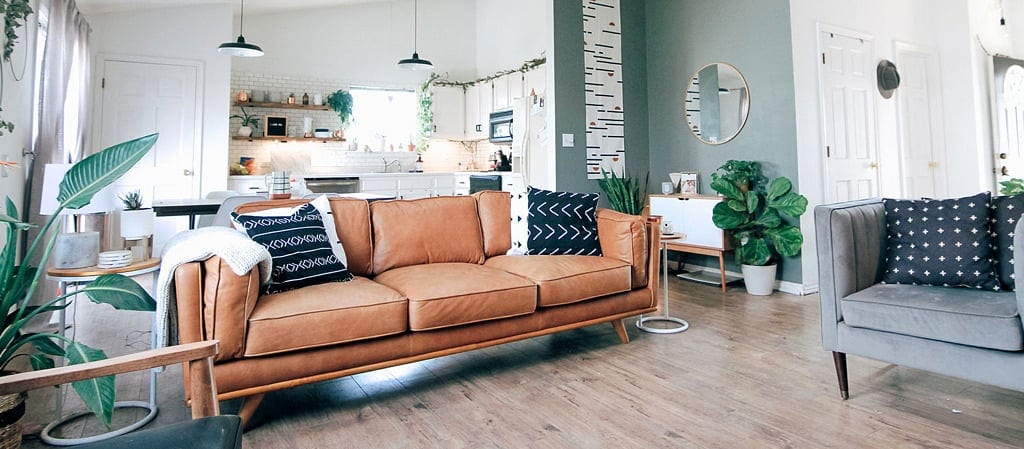
Undeniably, Scandinavians are known for some of the world’s greatest home design and décor principles. Much of the rest of the globe tends to follow this concept: its simplicity, sophistication, and neutral palette, paired with soft lighting that envelops you and invites you to sit down with a book, enjoy a cup of tea, gather around a table with friends, or even take a restorative nap. This article is aboutfinding peace and calm in the home through hygge and Feng Shui.
What lies behind this aesthetic, however, is something deeper, and the Nordic countries truly have this figured out. A large part of this is hygge; many have heard of it, and many more may already be living it, perhaps without even realizing.
This way of life embodies and embraces slowing down through spending time in nature, gathering with people you love and value, eating in a way that truly nourishes the body, honoring coffee or tea rituals, reading by candlelight, and curling up by a fire. Interestingly, this is where an East meets West concept emerges, as ancient principles of Feng Shui naturally complement the hygge way of life. Feng shui emphasizes intentional design, balance, and the smooth flow of energy within a space; removing clutter, optimizing layout, and creating environments that feel grounding rather than draining. When a home supports ease of movement, natural light, comfort, and purpose, it becomes more than a place to land at the end of the day; it becomes a sanctuary that calms the nervous system and restores the body and mind.
This way of life embodies and embraces slowing down through spending time reading and honoring coffee or tea rituals.
A Deeper Look at Both Hygge and Feng Shui
Hygge (pronounced hoo-ga for those not familiar) captures a deep sense of coziness, comfort, and quiet contentment, rooted in the appreciation of simple, meaningful moments. Derived from a 16th-century Norwegian word meaning “comfort,” combined with the English word for “hug.” More than a design trend or lifestyle aesthetic, hygge reflects warmth, presence, and connection. It can be felt in the soft glow of candlelight on a winter evening, the comfort of a shared meal with loved ones, or the calm of curling up with a warm drink and a good book.
Hygge encourages slowing down, creating inviting spaces, and savoring everyday pleasures without pretension or excess. At its core is mindfulness: being fully present and finding joy in what is already here. become a cultural cornerstone often associated with well-being, emotional safety, and togetherness. These qualities often contribute to the high levels of happiness reported in Scandinavian countries.
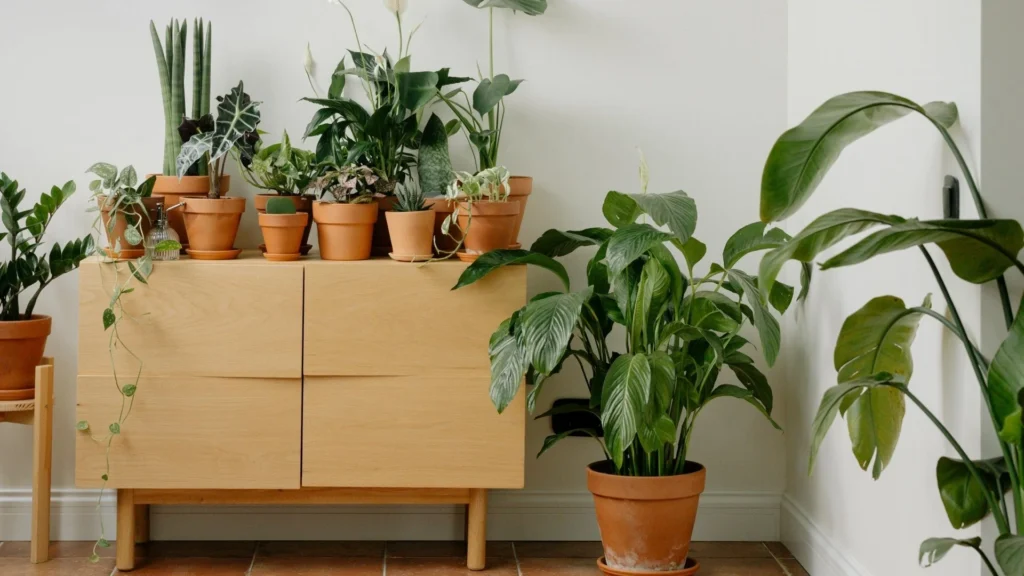
Feng Shui is both a philosophy and a way of life that views the home as a living, energetic system. This principle directly influences our physical health, emotional well-being, relationships, and sense of balance. Rooted in the idea that our surroundings shape how energy, or chi, flows through our lives, Feng Shui emphasizes intentional placement, harmony, and simplicity to create spaces that feel supportive rather than draining. A Feng Shui-aligned home prioritizes clarity over clutter, natural light, thoughtful color choices, and furniture arrangements that promote ease, safety, and connection; inviting nature indoors through plants, natural materials, and airflow. It is not about rigid rules or perfection, but about awareness. Designing your home in Feng Shui helps you and your home feel grounded, calm, and alive, with daily routines becoming more mindful and restful, and life flowing with greater ease and intention.
A Feng Shui-aligned home prioritizes clarity over clutter, inviting nature indoors through plants, natural materials, and airflow.
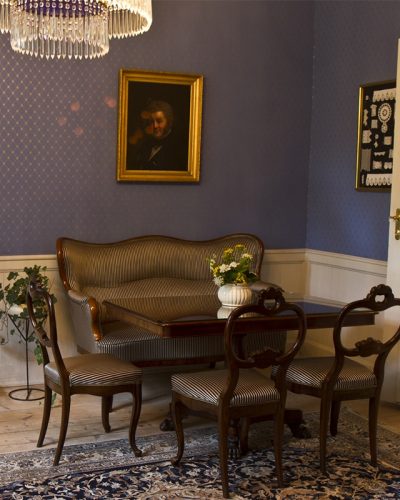
In a blended Feng Shui and hygge approach, each room in the home can embody both energetic flow and emotional comfort, creating spaces that feel intentional and restorative. For example, the home entryway or hall sets the tone for the entire home and life within it. Feng Shui emphasizes keeping this space clear, well-lit, and welcoming to allow energy to enter smoothly, while hygge invites warmth through soft lighting, natural textures, and a sense of arrival that immediately feels grounding. The living room is a place of connection, where Feng Shui encourages furniture arranged to promote conversation and ease. Hygge softens the space with cozy textiles, layered lighting, candles, and an invitation to linger with loved ones, a book, or a quiet moment.
The Feng Shui kitchen is the heart of nourishment and abundance, benefiting from cleanliness, organization, and the mindful placement of appliances to support balance and vitality. Hygge complements this by turning everyday cooking into a comforting ritual. This includes warm lighting, shared meals, simple, nourishing foods, and a sense of presence rather than haste. The bedroom in both Feng Shui and Hygee prioritizes rest and emotional serenity through symmetrical layouts, grounding colors, supportive bed placement, minimal technology, soft linens, and textures that encourage deep rest and restoration.
Feng Shui and hygge create a home that not only looks beautiful but also feels supportive.
Together, Feng Shui and hygge create a home that not only looks beautiful but also feels supportive. Your home becomes a space that calms the nervous system, invites meaningful connection, and gently guides daily life toward balance, nourishment, and well-being. This blended philosophy reminds us that home is not just where we live, but where we restore, reset, and reconnect with what matters most.
Nicole Hammond
Finding Peace and Calm in the Home Through Hygge and Feng Shui, written exclusively for Daily Scandinavian by Nicole Hammond. Nicole is a health educator, coach, and wellness writer with a Master of Science in Health and Human Performance and a Bachelor of Science in Health Science. She also holds certifications in stress management, coaching, and feng shui design. She enjoys writing, researching, creating, and facilitating in the areas of health and creating balance in mind, body, and the home. In her spare time, Nicole enjoys reading, cooking, traveling, exercising, and spending time with her family, including her two golden retrievers and cocker spaniel.