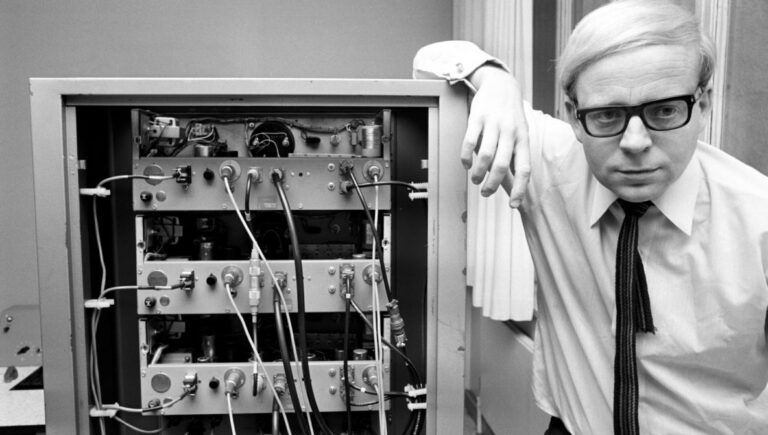
Norwegian composer Arne Nordheim, who died in 2010 and received a state funeral in Norway, was widely considered the greatest living Norwegian composer. An incredible presentation of the complete body of electronic music, worth listening to, is issued by the record company Rune Grammofon.
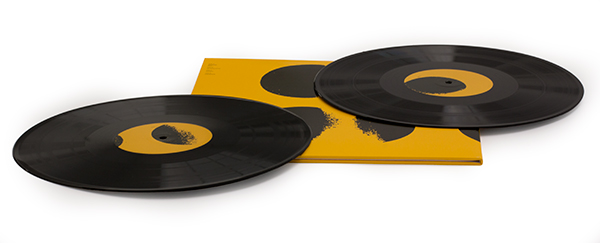
Originally released by Rune Grammofon in 1998 on CD, the label continued its dedication to highlighting Norway’s often-neglected contributions to avant-garde and experiential music with a long-awaited 2017 vinyl reissue of its compilation Electric, featuring works by Nordheim from 1968 and 1970. For those who missed it the first time, it’s bound to be nothing short of a revelation.
It was a real eye-opener when our great contemporary composer’s early electronic-music works were released on CD in 1998. The 90s were a period when looking back was not as widespread as it is today. “Electric” showed that what Nordheim did in the 60s aligned with what many Norwegian electronic producers and art musicians were doing decades later.
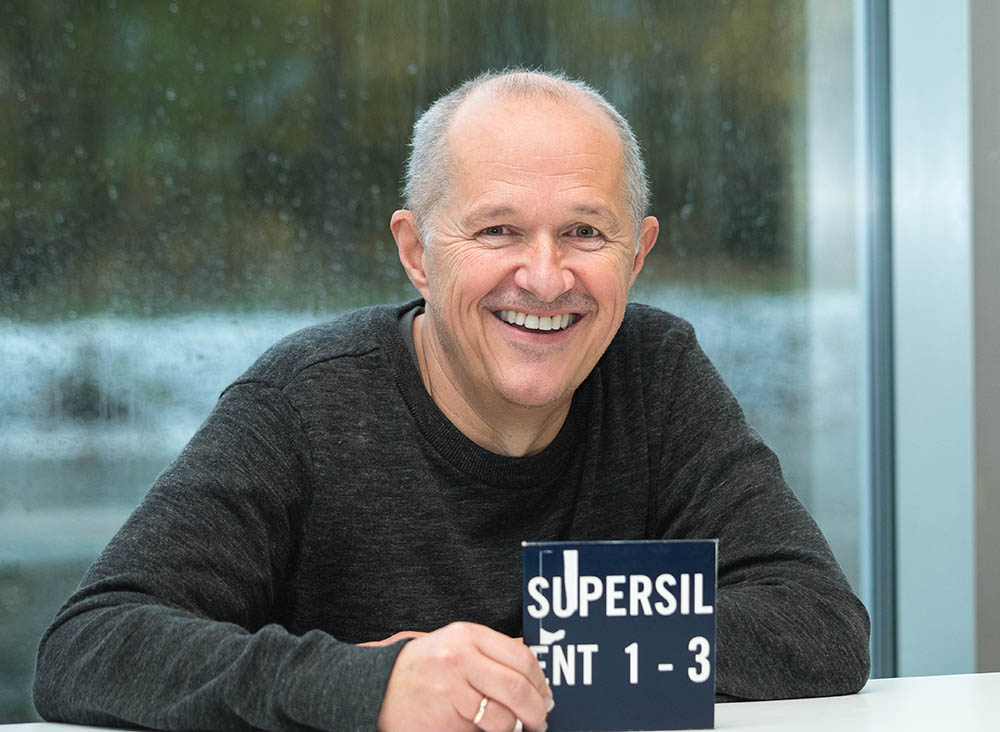
Rune Kkristoffersen, founder of Rune Grammofon. Photo: Terje Mosnes.
Arne Nordheim was born in Larvik. On the opening night of the town’s 350th anniversary, the composer’s fanfare ‘Recalls and Signals’ was performed by the Nanset Wind Ensemble, conducted by Odd Terje Lysebo.
Nordheim was a member of Oslo’s International Society for Contemporary Music. He studied Musique concrète in Paris during the 1950s and furthered his practice in electronics and synthesis in Holland toward the end of that decade, but he remains best known in Norway for his chamber music and orchestral works. ‘Electric’ presents a startling body of mind-throttling work that is essential listening if you’re into anything from Bernard Parmegiani to Xenakis to Oram.
While not widely known outside his own country or beyond the circles of fans devoted to this music, he has, for nearly three-quarters of a century, been laboring to sculpt a singular body of work. The composer’s works in his fields are a marvel – standing with the best of their era and finding much common ground with contemporary gestures emerging from Groupe de Recherches Musicales and elsewhere. His work is a largely overlooked link, shedding light on Scandinavia’s place in the network of conversations, united by creative utopian idealism, among artists engaged with electronic processes during this period.
“Electric” is available in a beautiful double-vinyl edition, delicately mastered for the occasion by Helge “Deathprod” Sten. The flashing loneliness of the work “Solitaire” is particularly poignant and still fascinating.
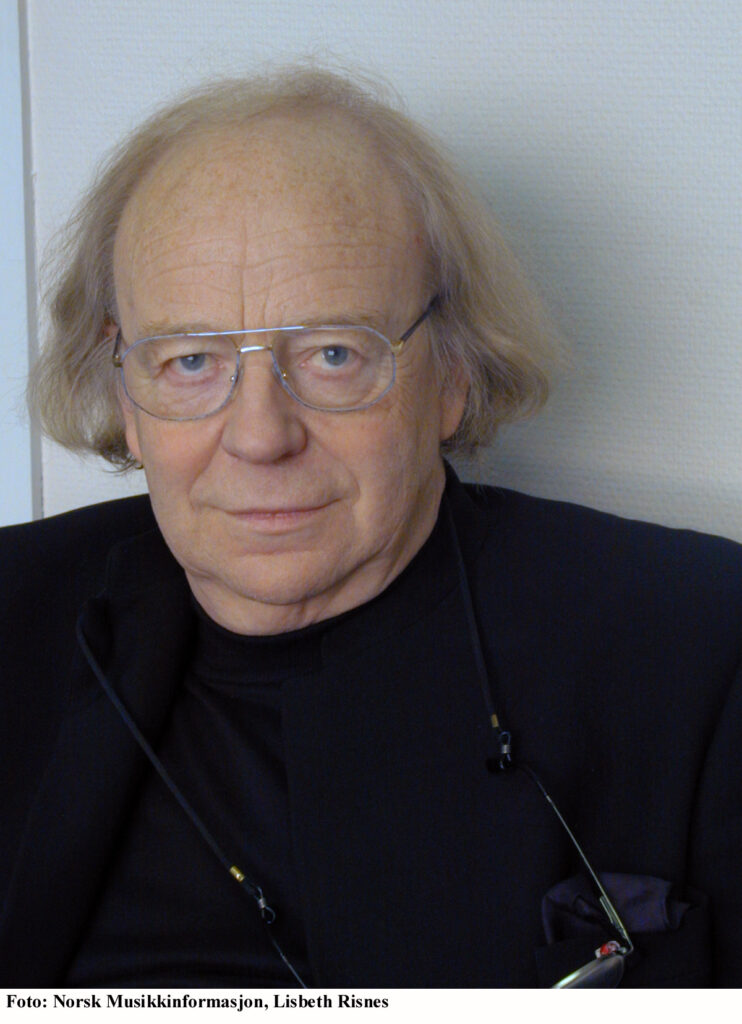
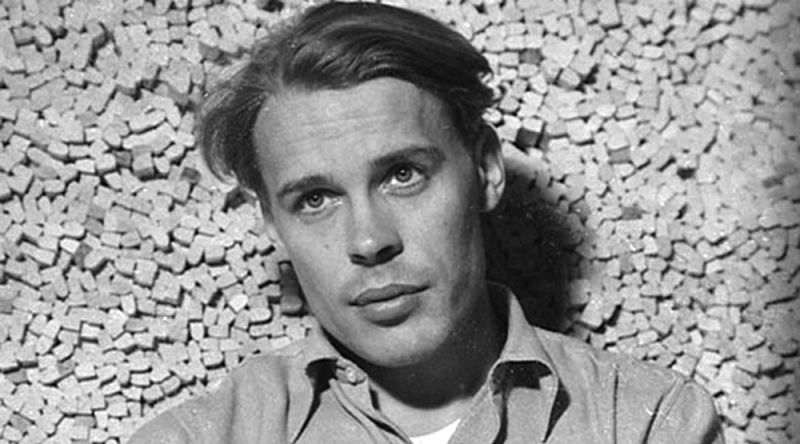
Arne Nordheim. Photo: Grappa musikkforlag.
This release brings together the collected electronic works of Arne Nordheim, pieces that were furiously dismissed in academic circles in Norway when they first appeared almost 40 years ago and that, in a way, have put an effective stop to weaker souls. Compared to some of the more ‘famous’ electronic composers, Nordheim distinguished himself by his sheer musicality and sense of structure… Electronic boxes, electric instruments, and recorded tape glide in and out as a natural part of the orchestra, in constant pursuit of magical and spellbinding timbres. The orchestral parts reveal how working with mixers and tape splicing has influenced the development of musical ideas in more traditional arrangements.
The “Barclaycard stories about couples’ clashing tastes” was a popular advertising campaign by Droga5 London in 2019, highlighting the entertainment and ticketing perks available to cardholders. Barclaycard is our third Brand Master of Storytelling.
A couple daydreaming about escaping to their own “happy place”.
The Core Concept & Twin Ads
Barclaycard explored a couple’s vastly different interests in a national campaign promoting the entertainment perks available to cardholders.
Two new spots, created by Droga5 London, boomerang between the perspectives of a man and a woman who put up with each other’s passions while daydreaming about escaping to their own “happy place”.
The Man consoles himself with the fact that he saved money on tickets through Barclaycard
The first ad takes place at a wrestling match, where the woman is clearly a big fan. Meanwhile, her patient partner consoles himself with the fact that he saved money on tickets through Barclaycard, as his mind wanders to the event he would rather be at: a music festival.
In the second, the opposite situation plays out. While at a music festival, where the man is having the time of his life, the woman’s attention drifts to her fantasy of taking the starring role in a wrestling ring.
The campaign ran across TV, video-on-demand, digital out-of-home, social media, and cinemas for three weeks, featuring 30- and 15-second spots.
It highlighted the offers and perks available to Barclaycard cardholders at events, including savings on tickets, access to festival pre-sales, and 5% off food and drink at O2 Academy venues.
Alex Naylor, managing director, marketing communications, at Barclays UK, said: “When it comes to our love for entertainment, our passions and preferences are all unique – whether that’s attending a wrestling match or dancing in the crowd at a music festival. We are excited to bring this to life in an innovative way through mirrored storytelling. No matter what your interests or tastes are, it’s so much better when you know you’ve saved on the purchase of your tickets. And with a wide range of entertainment to choose from, we can help every customer get to their happy place.”
The campaign explicitly promoted Barclaycard Entertainment’s extensive range of ticket discounts and pre-sale access. The closing tagline promised “There’s a happy place for everyone,” positioning the credit card as the perfect tool to fund any passion, no matter how mismatched the couple might be.
The ads were written by creatives Nick Lindo and Seb Thomas and directed by Nick Ball at the production company Blink UK. They ran for three weeks across UK television, cinema, social media, and digital out-of-home platforms.
Think about the last time you created something simply because you wanted to. Perhaps it was a meal shared with family, a garden planted in spring, a few lines in a journal, or strokes on a canvas. Most likely, the experience was not about productivity or perfection. In this article, I explore the art of being human: how creativity supports well-being throughout life.
While creativity is often associated with artists, musicians, and writers, it is a deeply human trait that extends far beyond traditional art forms. It helps us process experiences, explore emotions, connect with others, and find meaning in our lives. In many ways, it may be one of the most overlooked tools for emotional well-being and self-discovery.
Jillann Hertel
For Jillann Hertel, MFA (Creative Director, Founder of Creative Career Origination Lab, and Faculty at Georgia Institute of Technology), creativity is far more than an artistic skill. It is an essential part of being human. Through years of mentoring individuals and helping them discover their purpose, she has observed that the most important questions are not what we do but why we do it. That search for meaning lies at the intersection of creativity and well-being. When people take time to express themselves, reflect on their experiences, and create something that did not exist before, they engage in a process that supports emotional health, personal growth, and a deeper connection with the world around them.
Long before social media and smartphones, Lillann used her father’s VHS camera to make films, write plays and musicals, and sought opportunities to share them with others. Photo: Umutyildiz/Pexels
Hertel’s creative journey began early. Long before social media and smartphones, she used her father’s VHS camera to make films, write plays and musicals, and sought opportunities to share them with others, often performing at senior care centers. Looking back, she recognizes an innate drive toward self-expression and believes creativity is one quality that makes human beings unique. People can reflect on their experiences, interpret their meaning, and communicate those insights through stories, images, music, design, and other outlets. Through innovation, individuals transform personal experiences into something others can understand and relate to. This process does more than produce art. It helps people feel seen and understood. “When someone expresses their experience, it helps others recognize their own,” Hertel explains.
Rather than holding experiences internally, individuals can explore them.
In many ways, creativity functions similarly to other established wellness practices. Just as journaling, talking with a friend, or spending time in nature can help process emotions, creative expression offers a healthy outlet for thoughts and feelings that might otherwise go unspoken. Whether through painting, writing, music, photography, or hands-on projects, these pursuits allow people to transform emotions into something tangible. The process encourages reflection, mindfulness, and emotional release. Rather than holding experiences internally, individuals can explore them, better understand them, and sometimes discover meaning. Hertel describes this as the difference between trapped energy and flowing energy. This ability to create meaning is especially valuable during periods of uncertainty, transition, or stress. While she often works with students navigating questions about their futures, the underlying challenge is universal. People of all ages wrestle with questions of identity, purpose, and direction.
“I one hundred percent think everyone has creative potential,” Lillann says.
What makes you tick? The question may seem simple, yet Hertel believes it can be one of the most important questions a person asks. Rather than searching for a single answer, she encourages exploration through whatever methods feel natural. Brainstorming, jotting ideas on sticky notes, or simply paying attention to recurring interests and passions are all ways to get ideas flowing. Sometimes seemingly unrelated interests reveal deeper values. A love of gardening, for example, may reflect a desire to nurture growth, practice patience, or stay connected to nature. Understanding those motivations can provide insight into what brings fulfillment and meaning. Perhaps most importantly, she rejects the idea that creativity belongs only to artists. “I one hundred percent think everyone has creative potential,” she says. For those looking to reconnect with their creativity, Hertel recommends starting small and letting curiosity lead the way. One of her favorite examples is making a zine (a handmade booklet assembled with paper, scissors, glue, images, and ideas). There are no rules, no expectations, and no requirement for perfection. The goal is simply to express something meaningful. Find a link to zine ideas here:
Creativity may look different from person to person. Illustration: ArtsHub.
For many people, creativity serves as a bridge to community. Shared artistic experiences create opportunities for connection through local art groups, music ensembles, photography clubs, workshops, or informal gatherings. These creative spaces often become places where people feel welcomed, understood, and supported. Art can also shape the environments where people live, work, and gather. Murals, public installations, gardens, and thoughtfully designed spaces bring color, beauty, and character to everyday surroundings, transforming them into places that feel distinctly human and invite reflection and engagement. Research consistently shows that social connection is one of the strongest predictors of overall well-being, and creative communities naturally foster these bonds by encouraging people to share their stories, perspectives, and experiences. Creativity may look different from person to person. For some, it emerges through painting or music; for others, through cooking, storytelling, problem-solving, decorating a home, building a business, or cultivating a garden. In many ways, creativity is reflected in the countless choices people make each day as they shape their lives and respond to the world around them.
In the end, creativity is about far more than producing art. It is a way to understand ourselves, connect with others, and make sense of our experiences. It helps us discover meaning and cultivate greater well-being. In a culture that often values efficiency above all else, it offers something equally important: a reminder of what it means to be fully human. What can you put a bit of time and imagination into? The possibilities are endless…
To find out more about Jillann Hertel, just click the link.
Nicole Hammond
The Art of Being Human: How Creativity Supports Well-Being Throughout Life,
written exclusively for Daily Scandinavian by Nicole Hammond. Nicole is a health educator, coach, and wellness writer with a Master of Science in Health and Human Performance and a Bachelor of Science in Health Science. She also holds certifications in stress management, coaching, and feng shui design. She enjoys writing, researching, creating, and facilitating in the areas of health and creating balance in mind, body, and the home. In her spare time, Nicole enjoys reading, cooking, traveling, exercising, and spending time with her family, including her two golden retrievers and cocker spaniel.
Feature image (top): Sculpture ‘Being Human’ by Joseph Hillier. Being Human is a complex work, comprising five large sculptures. Two of the sculptures can be found in the Newcastle University Biomedical Building Courtyard on the Campus for Ageing and Vitality. This purpose-built campus is located in the west end of the city, on the site of the former Newcastle General Hospital.
When I am asked about Finnish furniture, people always refer to Alvar Aalto’s pieces. However, Werner West and Ilmari Tapiovaara are two undervalued Finnish furniture designers.
When people in the design world refer to the Finnish designer Werner, they are almost always talking about Werner West (1890–1959). He is widely credited with laying the foundation for modern Finnish industrial furniture design.
Werner West: The Pioneer of Finnish Functionalism
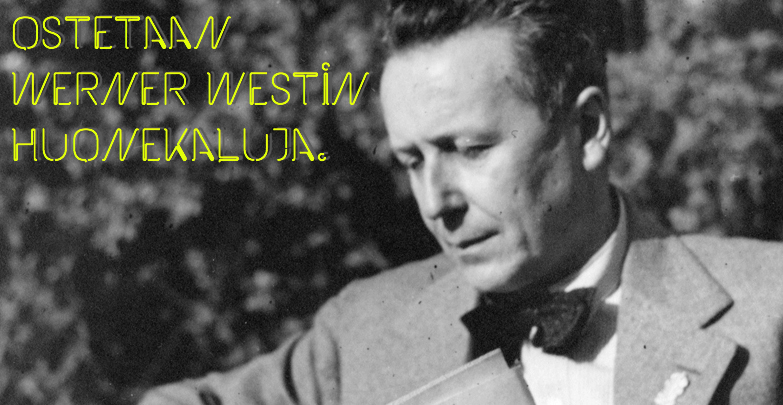
Werner West
Werner West (born in Tuusula, Finland) was a central figure in bringing international functionalism to Finland. Throughout his career, he operated as both a furniture maker and a prominent interior designer.
West is known for his soft, rounded shapes. He seamlessly blended playful aesthetics with sturdy, comfortable construction. He specialized in solid and laminated steam-bent birch. He is frequently cited as an early instructor and mentor to many young, mid-century Finnish designers and was heavily involved in the Finnish decorative arts union, Ornamo (which he helped found in 1911).
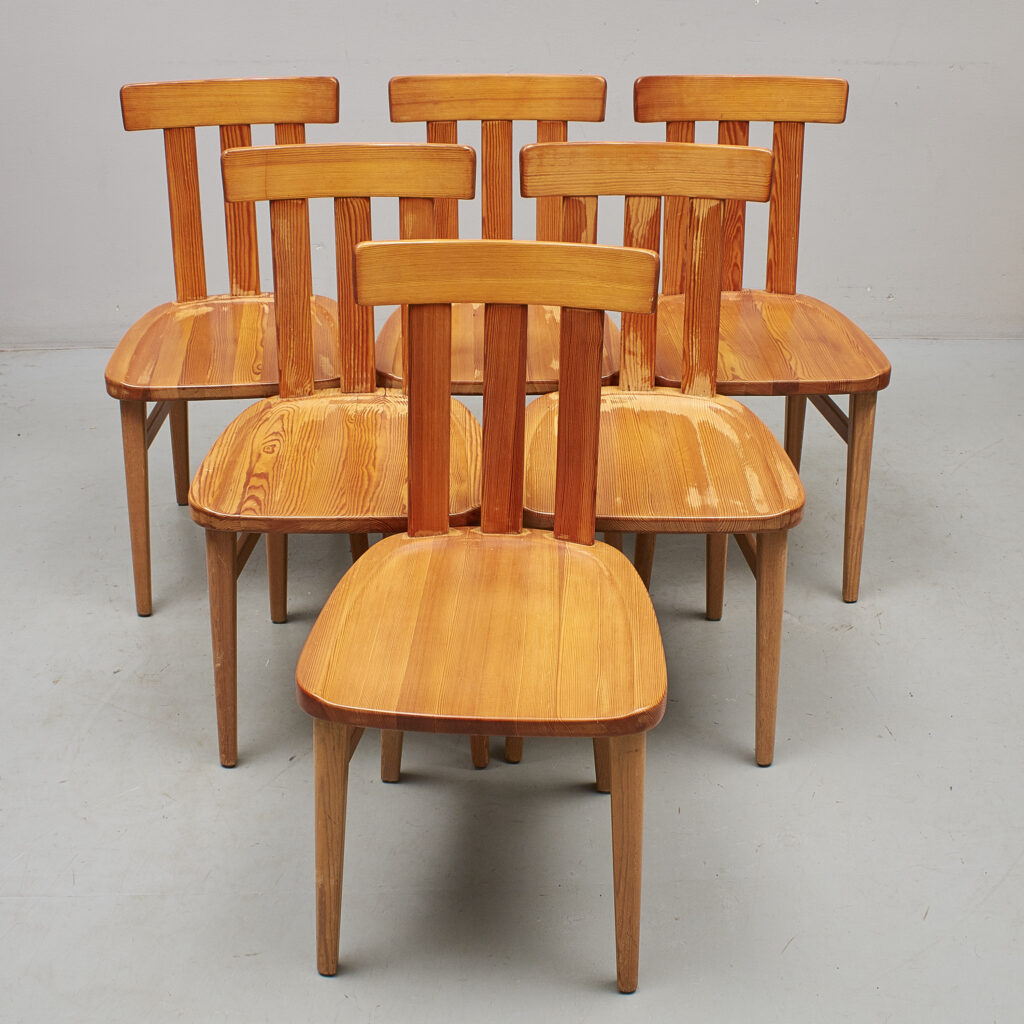
Leo chairs, by Werner West
West was entrusted with designing interiors for some of Finland’s most prestigious public spaces, including banks, hotels, and, most famously, the Parliament House in Helsinki. His classic pieces—such as the W1 Dining Chair and his 1930s “Hugging” armchairs (often manufactured by Wilh. Schauman)—remain highly sought-after collector’s items today.
Ilmari Tapiovaara:One of the most influential interior architects and furniture designers of the 20th century
Ilmari Tapiovaara
Ilmari Tapiovaara(1914–1999) was celebrated as a champion of “democratic design”. His philosophy in life was centered on creating affordable, high-quality, and functional everyday objects for the masses.
Tapiovaara had a deeply international education, working in Le Corbusier’s office in Paris and alongside Mies van der Rohe in Chicago. However, his design language was thoroughly Finnish. During World War II, he designed field furniture for the Finnish Army using only a pocket knife, local timber, and absolutely no nails or screws—an experience he called his true higher education.
Mademoiselle charis, by Ilmari Tapiovaara.
His ultimate breakthrough came in 1946 with the iconic Domus Chair, a stackable, ergonomic multi-purpose piece designed for student housing in Helsinki that went on to sell by the millions worldwide.
While Werner West, Alvar Aalto, and Ilmari Tapiovaara are all structural pillars of Finnish modernism, they represent successive generations that pushed the boundaries of functionalism in unique ways.
Feature
Werner West (1890–1959)
Alvar Aalto (1898–1976)
Ilmari Tapiovaara (1914–1999)
Generational Role
The Pioneer & Mentor
The Master of Humanist Modernism
The Explorer & Democratizer
Core Philosophy
Soft functionalism anchored in institutional craft.
Organic modernism merging nature, architecture, and art.
Universal, affordable furniture for everyday people.
Material Innovation
Steam-bent solid birch, prioritizing longevity and structural sturdiness.
Revolutionized bent laminated plywood and the patented “L-leg” technology.
Mixed molded plywood with solid wood dowels, optimized for factory mass-production.
Defining Masterpiece
Parliament House Interiors (Helsinki)
Paimio Chair (Model 41) & Stool 60
Domus Chair & Mademoiselle Chair
Key Distinctions in Their Legacies
Alvar Aalto was primarily a visionary architect whose furniture was designed to fit his specific building commissions (such as the Paimio Sanatorium). Werner West operated somewhere in the middle, curating grand civic interior designs. Tapiovaara, by contrast, focused fiercely on the industrial scalability of individual objects, believing a single well-made chair could anchor an entire room’s energy.
Tapiovaara deeply admired Aalto and briefly worked for Artek’s London office in 1935. While Aalto proved that wood could bend like tubular steel, Tapiovaara took that ideology and refined it specifically for efficient, cheap shipping and post-war factory manufacturing.
While Alvar Aalto’s pieces are global high-art status symbols, vintage collectors note that Werner West and Ilmari Tapiovaara designs still represent incredibly high-value, durable examples of Finnish modernism that are criminally underrated compared to Aalto’s premium prestige.
Two Undervalued Finnish Furniture Designers, Tor Kjolberg reporting.
Feature image (top): Werner West chairs.
The Kruunuvuorensilta bridge is Finland’s longest and highest bridge, spanning 1,191 meters across the Kruunuvuorenselkä bay. It is unique globally because it is completely car-free, serving pedestrians, cyclists, and the upcoming light-rail trams. The world’s longest pedestrian bridge in Helsinki was officially inaugurated and opened to the public on Saturday, April 18.
The grand opening drew more than 50,000 visitors over its first weekend. To mark the ribbon-cutting by local city officials, the festivities featured a live brass band, a samba performance, food trucks, and even a temporary tent sauna.
The new bridge connects the waterfront residential neighborhood with the island of Korkeasaari, the district of Laajasalo, and central Helsinki, significantly shortening travel to the city center.
Helsinki Partners have called the bridge “a distinctive new identity” for the Finnish capital’s skyline because it features a striking 135-meter-high diamond-shaped central pylon, making it taller than Finland’s highest residential buildings.
The Kruunuvuorensilta bridge is designed by Knight Architects and WSP Finland and incorporates a gentle curve to make long-distance walking and cycling feel more approachable.
Helsinki Partners have called the bridge “a distinctive new identity” for the Finnish capital’s skyline.
City Mayor Daniel Sazonov said: “Kruunuvuorensilta bridge is the new, unique, and exciting landmark for Helsinki. A sight that will draw visitors from near and far. The new bridge reshapes how we look at Helsinki. It connects the areas of Kruunuvuorenranta and Laajasalo to the larger central city area in a completely new way. The bridge reflects our commitment to sustainable solutions and embraces Helsinki’s unique maritime setting.”
The bridge is built with high-strength stainless steel and advanced concrete technology to last up to 200 years. Construction began in 2021 and, according to official figures, cost around €326 million. The bridge now cuts the distance between neighboring city districts by nearly six kilometers. By 2030, it is predicted to handle around 23,000 tram trips and 3,750 cycling trips per day. Work on a light rail system is ongoing.
The bridge is built with high-strength stainless steel and advanced concrete technology to last up to 200 years.
Pedestrians and cyclists share dedicated lanes. Cyclists have a 3-meter-wide lane, and benches are placed halfway across for resting and taking in panoramic city and sea views. Helsinki is implementing a long-term vision to prioritize public transportation, walking, and cycling in urban mobility. The majority of journeys in Helsinki are made using sustainable modes: about 41% on foot, 25% by public transport, and 11% by bike, while only about 20% are made by car. Two tram lines (part of the larger Crown Bridges light-rail project) will begin operations across the bridge, providing direct access to and from central Helsinki.
The bridge’s sustainability credentials are also evident in its carbon footprint of approximately 129,000 tCO₂e over a 50-year period, with 76% from construction and 24% from operation and maintenance. Emissions have been reduced by using low-emission materials and renewable energy sources.
Strong marine winds are common. A specialized wind guardrail runs along the southern side, protecting pedestrians and cyclists. The bridge rises about 20 meters above the waterline to accommodate boat traffic, creating a noticeable incline on both sides. The city prioritizes this route for winter maintenance, so snowplows regularly clear the bike path during the colder months.
For fans of Finnish architecture, one of the Nordics’ oldest indoor swimming pools reopened in the capital earlier this year, blending Classicism and Art Deco and also offering not only a place to do laps but also a taste of Finland’s sauna culture.
World’s Longest Pedestrian Bridge Has Been Inaugurated in Helsinki, Tor Kjolberg reporting.
There is a particular quality to the timber that comes from the far north. The trees that grow slowly through long Scandinavian winters, through months of darkness and temperatures that strip less resilient species of their viability, produce wood with a density, a tightness of grain, and a resin content that trees grown in more temperate climates simply cannot match. From Nordic forests to British buildings: How Finnish ThermoWood became the UK’s most sought-after cladding.
This is not romanticism — it is biology, and it has direct consequences for how Nordic timber performs when it is used to clad and finish buildings in the wet, mild, UV-active climate of the United Kingdom.
ThermoWood — the thermally modified timber produced primarily by Lunawood in Finland from sustainably managed Nordic pine and spruce — has become one of the most specified exterior cladding materials in the UK over the past decade. Understanding why requires understanding both the Nordic timber tradition it draws on and the modification process that elevates already-excellent raw material into something genuinely exceptional.
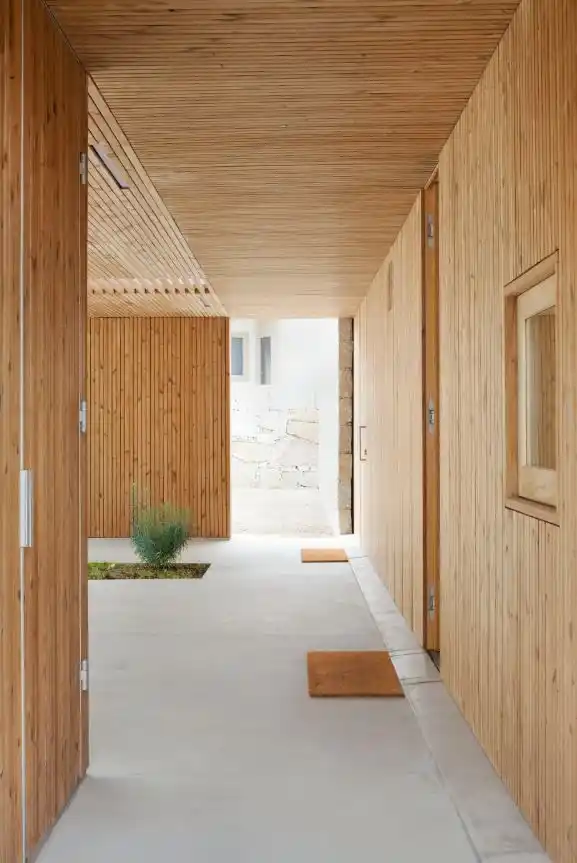
Scandinavian countries have used timber as a primary building material for centuries.
The Nordic Timber Tradition
Scandinavian countries have used timber as a primary building material for centuries — not out of necessity, but because the forests of Norway, Sweden, and Finland produce material that is genuinely well suited to northern European conditions. Nordic vernacular architecture — the red-painted farmhouses of Sweden, the stave churches of Norway, the lakeside saunas of Finland — demonstrates a deep practical understanding of how timber performs, ages, and can be protected and maintained across generations.
The Finnish sauna tradition is perhaps the most direct expression of this understanding. ThermoWood was originally developed in part in response to demand for timber that could withstand the extreme heat and humidity cycles of sauna use — conditions that quickly destroy untreated or chemically preserved wood. The thermal modification process that emerged from this requirement proved equally valuable for exterior cladding in all climates where moisture management is a challenge.
*****************************************************
You may also like to read Sweden – Leading the World in Prefab Houses
*****************************************************
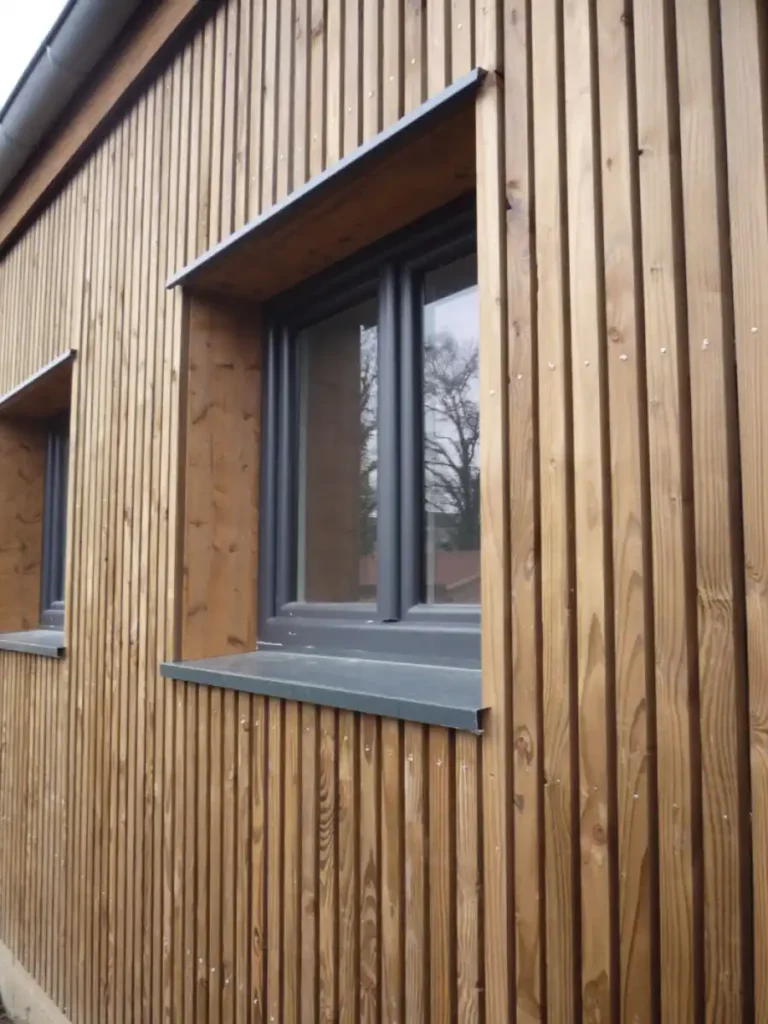
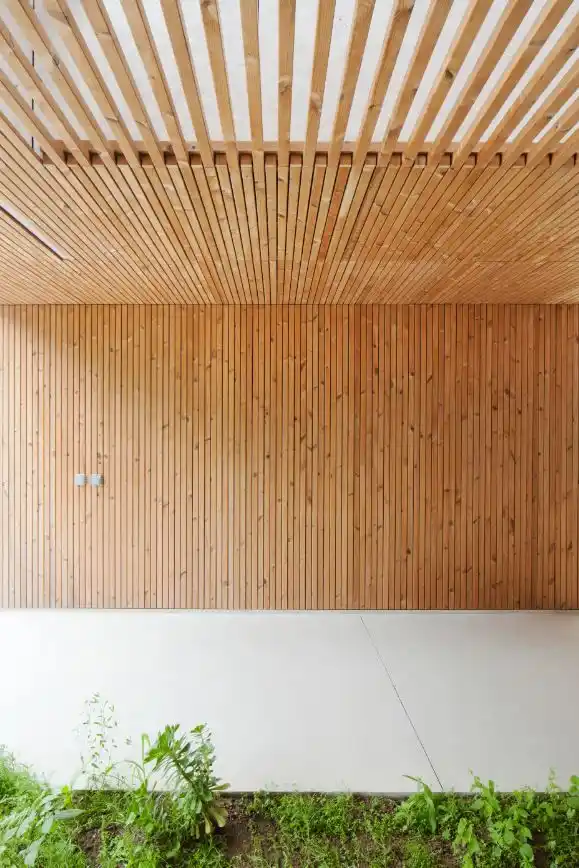
Lunawood thermowood vertical cladding.
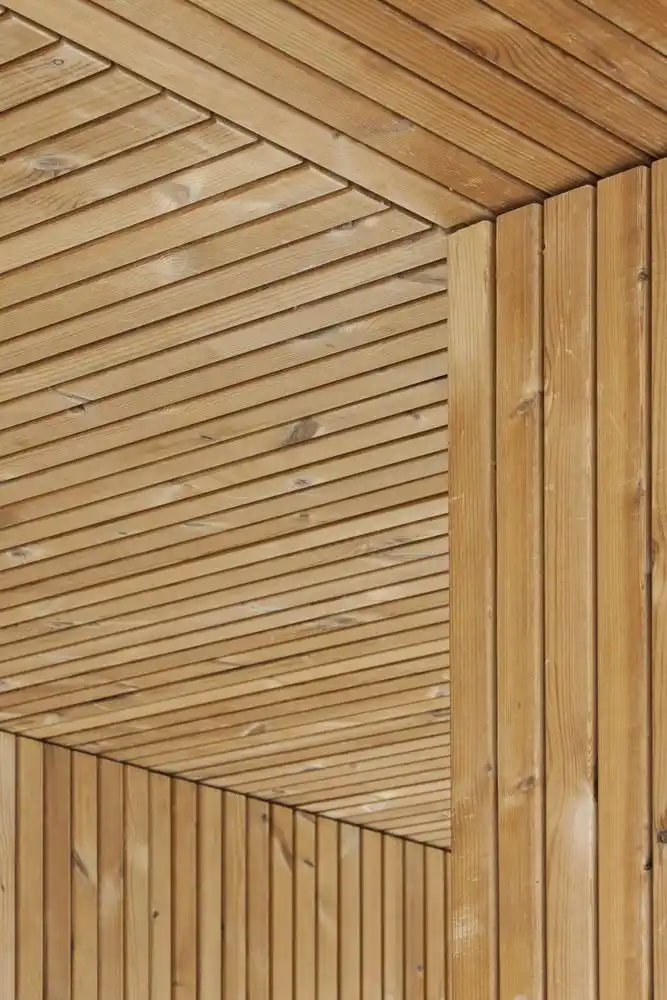
Lunawood’s approach to thermal modification represents the current state of this tradition. Founded in Finland and sourcing timber exclusively from FSC and PEFC-certified Nordic forests, Lunawood produces ThermoWood to a consistent specification that allows architects and specifiers to predict how the material will behave over decades rather than years. The characteristic honey-brown colour of fresh ThermoWood, the even silver-grey weathering of untreated boards, and the warm patina of oiled installations have become visual signatures of quality timber cladding on buildings across the UK.
For a complete guide to Lunawood ThermoWood in the UK context — covering the range of profiles available, how to specify each for different applications, where to source the material, and how it compares to alternative thermally modified timber brands — the Lunawood ThermoWood cladding Nordic timber UK guide provides the full picture for architects, self-builders, and homeowners considering ThermoWood for a current project.
Lunawood produces ThermoWood to a consistent specification that allows architects and specifiers to predict how the material will behave over decades rather than years.
The comparison between ThermoWood and cedar cladding is one of the most common questions that arises in UK timber specification. Both are positioned as premium exterior cladding materials. Both are marketed on their durability and natural credentials. Both weather to a silver-grey if left untreated. But the differences between them — in performance, sustainability, and whole-life cost — are significant and frequently misunderstood.
Western red cedar — the cedar most commonly specified for exterior cladding in the UK — is imported primarily from North America, where it is harvested from old-growth and second-growth forests on the Pacific coast. Its natural durability (Durability Class 3 to 4) makes it suitable for exterior use without preservative treatment, and its low density makes it easy to work and fix. However, cedar’s sustainability credentials have come under increasing scrutiny as old-growth sourcing becomes harder to certify and the carbon footprint of transatlantic shipping becomes harder to justify for low-carbon building projects.
ThermoWood, sourced from sustainably managed Nordic forests and modified in Finland, has a significantly shorter supply chain to the UK.
ThermoWood, sourced from sustainably managed Nordic forests and modified in Finland, has a significantly shorter supply chain to the UK, fully certified sustainable forestry credentials, and a modification process that uses no chemicals and produces no hazardous waste. Its durability (Durability Class 2 after Thermo-D modification) is superior to cedar in most classifications. Its dimensional stability — reduced moisture movement of up to 50 percent compared to unmodified timber — is significantly better, particularly relevant for the profiles and fixing systems common in contemporary UK facade design.
For a detailed side-by-side comparison of ThermoWood and cedar cladding across all the dimensions that matter for UK specification — durability class, moisture movement, weathering behaviour, sustainability credentials, whole-life cost, and availability — the ThermoWood vs cedar cladding UK guide examines both materials honestly and practically, with recommendations for which suits different project types, budgets, and sustainability requirements.
The forests of Norway, Sweden, and Finland produce material that is genuinely well suited to northern European conditions.
Why Nordic Timber Continues to Set the Standard
The appeal of Nordic timber in British architecture is not fashion. It is the result of a genuine material advantage — timber grown in conditions that produce exceptional density, durability, and workability — combined with a long tradition of craft knowledge about how to use it well. ThermoWood extends that advantage further, taking already excellent Nordic raw material and applying a precisely controlled modification process that makes it more stable, more durable, and more predictable than anything the same species could achieve untreated.
For UK architects, self-builders, and homeowners who want exterior cladding that looks exceptional on the day it is installed and continues to look right as it ages — whether allowed to weather naturally to silver-grey or maintained with periodic oiling — ThermoWood from Lunawood represents the current gold standard in naturally modified Nordic timber. The forests that produced it have been growing slowly for decades. The buildings it clads will stand for decades more.
Jamshaid
From Nordic Forests to British Buildings: How Finnish ThermoWood Became the UK’s Most Sought-After Cladding, written for Daily Scandinavian by Jamshaid. Jamshaid is an SEO specialist and digital marketing strategist with over 10 years of experience helping businesses rank higher on Google. He has written for industry-leading sites like HubSpot and Search Engine Journal. When he’s not optimizing websites, he shares expert tips on his blog at guestpostforyou.com. Connect with him on gmail (jamshaid@guestpostforyou.com) for more SEO insights.”
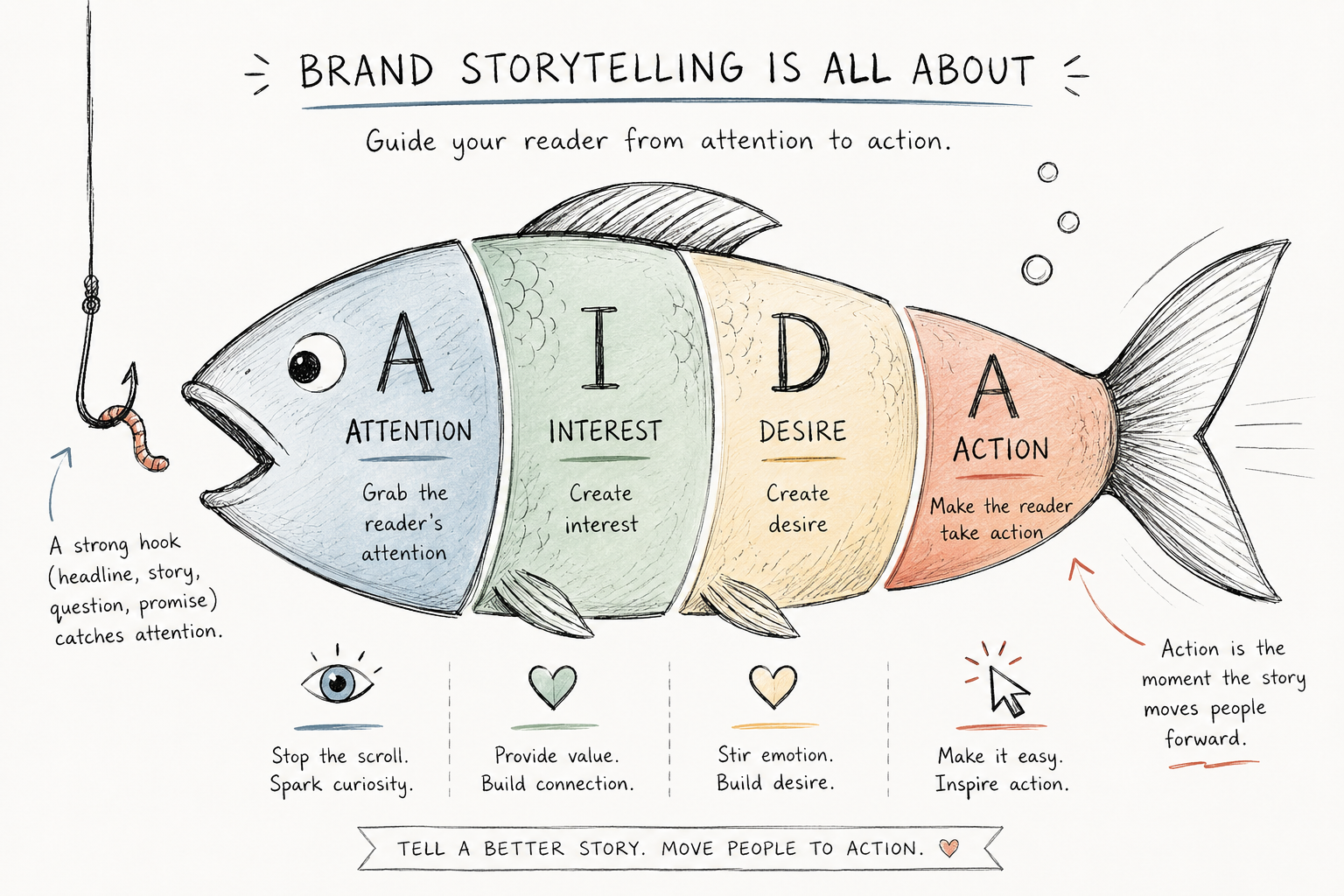
Not long ago, I read about a 19th-century narrative structure called Freytag’s Pyramid, used to plot emotional tension in plays and novels. Having used the AIDA formula in my brand storytelling for years, I began wondering whether and how the Pyramid might be applied to my storytelling mission. In this article, I elaborate on the difference between creative storytelling and direct marketing.
I realized that marketers, copywriters, and communication theorists often compare these two concepts. At their core, Freytag’s Pyramid and the AIDA formula both guide an audience through a progression, but they serve entirely different purposes—creative storytelling versus direct marketing.
Freytag’s Pyramid
The Frameworks at a Glance
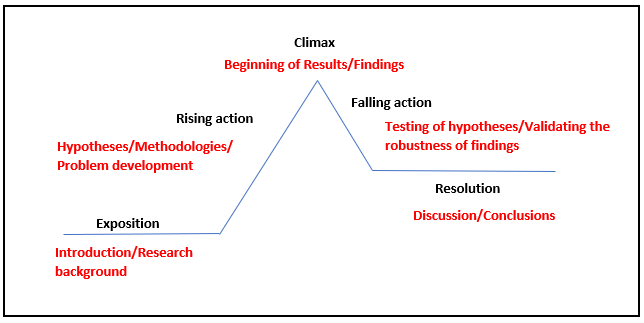
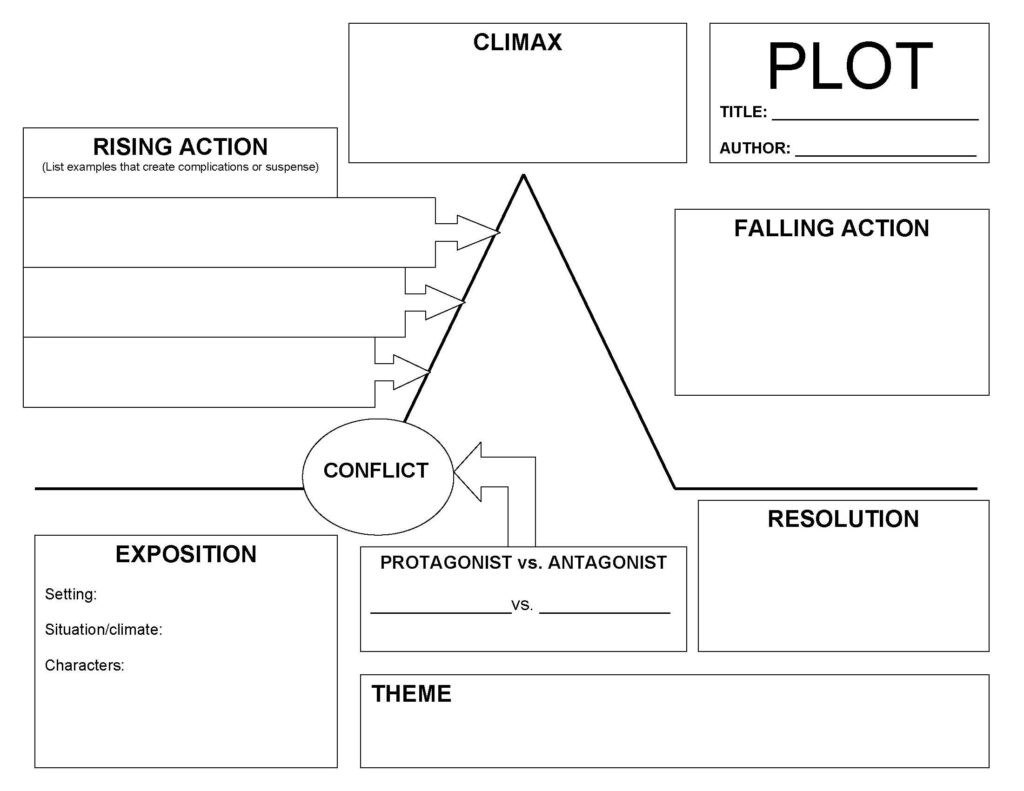
Freytag’s Pyramid (The Narrative Arc): A 19th-century dramatic structure by Gustav Freytag used to plot emotional tension in plays and novels. It has five parts: Exposition, Rising Action, Climax, Falling Action, and Resolution/Catastrophe.
AIDA (The Marketing Funnel): Created in 1898 by advertising advocate E. St. Elmo Lewis, this classic copywriting and sales formula guides prospects through the purchasing process. It stands for Attention, Interest, Desire, and Action.
Key Differences
Feature
Freytag’s Pyramid
AIDA Formula
Primary Goal
To entertain, build emotional stakes, and evoke empathy or catharsis.
To persuade, convert, and drive a specific commercial or marketing intent.
Audience Role
Passive observer / empathetic participant.
Active buyer who needs to be moved to a definitive decision.
The Pacing
Slower build-up of conflict, peaking in a major revelation or turning point.
Immediate, punchy flow designed to overcome shrinking attention spans.
The Final Stage
The story wraps up, and unresolved tension is settled.
The consumer makes a purchase, signs up, or completes a transaction.
Because both models agree on the fundamentals of engaging an audience, they often overlap in content marketing and digital ads. The overlap lies in how human psychology processes information:
Both models require an engaging “hook” right out of the gate to stop a scroll or keep someone reading. In fiction, this is where the stakes rise. In marketing, this is where you agitate a pain point, establish value, and make the prospect want your solution.
In a story, the climax is the emotional payoff; in AIDA, the payoff is a clear, decisive Call to Action (CTA) or a conversion.
While Freytag is meant to captivate the mind with an arc, AIDA serves as a conversion checklist for your Sales and Marketing Strategy.
Many creators combine them by framing an advertisement as a micro-story, thereby satisfying both emotional connection and sales intent. A micro-story marketing campaign distills a brand’s message or value proposition into a bite-sized, highly emotional narrative (5-30 seconds or 1–3 sentences). Rather than listing features, it leverages relatable moments—such as a customer’s transformation or a founder packing an order—to build instant, memorable connections.
The Anatomy of a Micro-Story
Effective micro-campaigns rely on brevity and impact. They typically follow a simple three-step arc designed for today’s shrinking attention spans:
The Hook: Introduces the character or situation immediately.
The Shift/Conflict: Shows a problem, change, or a feeling that matters to the reader.
The Payoff: Provides closure or hints at how the brand solves the issue, all in a matter of seconds.
Common Formats & Mediums
Because they are designed for social media and quick consumption, micro-stories appear in several formats:
Vertical Video (TikTok/Reels): A 10-second slice-of-life showing the before-and-after of using a product, or a quick behind-the-scenes look at the people behind the business.
Text & Image Carousels: A 3-sentence narrative on LinkedIn or a brief caption over a photo on Instagram that turns an everyday problem into a relatable feeling.
Micro-Drama Series: Multi-part, serialized short-form “episodes” (similar to content on apps like ReelShort) that are funded or sponsored by brands to naturally weave a story into entertainment.
A plot diagram
Why Brands Use This Strategy
Audiences are overwhelmed by traditional ads. A micro-story feels like an organic social media post or a moment of entertainment, lowering consumer resistance.
People remember feelings, not facts. Micro-stories focus on sentiment (humor, shock, awe) to drive brand recall and require a lower production budget than traditional commercials. This allows brands to quickly test multiple stories to see what resonates.
Take-away
If you learned something from this article, I believe you’ll also enjoy my recent book, “How I’ve Survived as a Storyteller for Over 50 Years: 12 Survival Techniques.” Get your FREE e-book copy by sending me your name and e-mail address, and include “Storytelling” in the subject line. Thank you for reading!
The Difference Between Creative Storytelling and Direct Marketing, written by Tor Kjolberg.
More articles on Storytelling by Tor Kjolberg you may like:
Seaweed may not yet be a staple on Nordic dinner tables, but interest is growing quickly. A new report funded by the Nordic Council of Ministers finds that certain types of seaweed contain protein levels comparable to pulses, beans, and soy. Could seaweed be the Nordics’ future protein?
As pressure mounts on global food systems, seaweed is emerging as a promising marine resource that could support both sustainability and food security in the Nordic region. What if part of the answer to more sustainable, resilient food systems is already growing along our coastlines?
Seaweed valorization in food systems. Illustration: Research Gate
Why the Nordics are looking to the sea for solutions
As global food systems face mounting pressure from climate change, geopolitical instability, and growing demand, the Nordic countries are seeking sustainable, locally available protein sources, including those from the sea. In this context, seaweed has emerged as a potential alternative.
“Sustainable ocean management that contributes to global solutions is a key priority for the Nordic Council of Ministers. Exploring the role of seaweed in food systems fits squarely within this agenda,” says Tine Due Hansen, Senior Advisor for Fisheries.
Although seaweed is not a standalone solution to protein supply, it has the potential to support sustainable ocean management, diversification, and resilience within Nordic food systems — particularly when combined with other plant-based and marine resources.
According to the report Seaweeds for food: from production to consumer, seaweeds can be valuable food ingredients. They are inherently low in calories but rich in micronutrients, and some species – particularly red seaweeds – contain protein levels comparable to pulses, beans, and soy.
However, the report also highlights key challenges. Iodine content limits how much brown seaweed can be used safely, and consumer acceptance is another decisive factor: taste, appearance, and texture will determine its commercial success.
According to the study, further research is needed. This includes additional studies with human subjects to better understand health effects, safe intake levels, and consumer acceptance before seaweed becomes a staple on Nordic dinner tables.
The report concludes that, with the right frameworks in place, seaweed could become more than a niche ingredient and a valuable component of more resilient and sustainable Nordic food systems – rooted in our oceans.
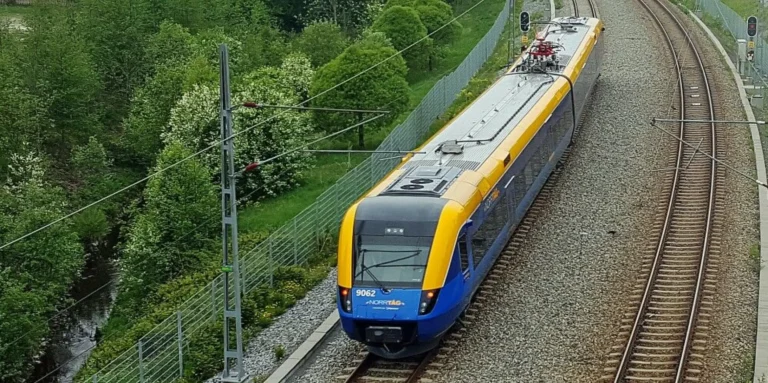
Europe’s longest train journey between Finland and Sweden is made possible by a historic cross-border railway link. By transferring between the Finnish VR and Swedish Norrtåg and SJ rail networks at the border, you can travel continuously across the region, taking a route from Helsinki to Stockholm in just over 24 hours. Experience Europe’s longest rail journey: Finland-Sweden.
Because Finland and Sweden use different track gauges (Finland uses the 1,524 mm Russian standard, while Sweden uses the 1,435 mm standard), a seamless cross-border train cannot operate without transfers.
The historic station in Haparanda, Sweden (built in 1919) has been restored to serve as the central hub between the two systems. You take a Finnish VR train to Tornio, step into the station building, and transfer to a Swedish Norrtåg train on the other side.
The trip from Helsinki to Stockholm takes about 24 to 25 hours with connections.
For those seeking the longest rail adventure, the Finland-Sweden connection offers a remarkable cross-European route.
The Longest Continuous EU Journey
For those seeking the longest rail adventure, the Finland-Sweden connection offers a remarkable cross-European route. It is now possible to travel more than 5,000 kilometers by train entirely within the European Union, from Kolari in Finnish Lapland to Lagos in Portugal’s Algarve region.
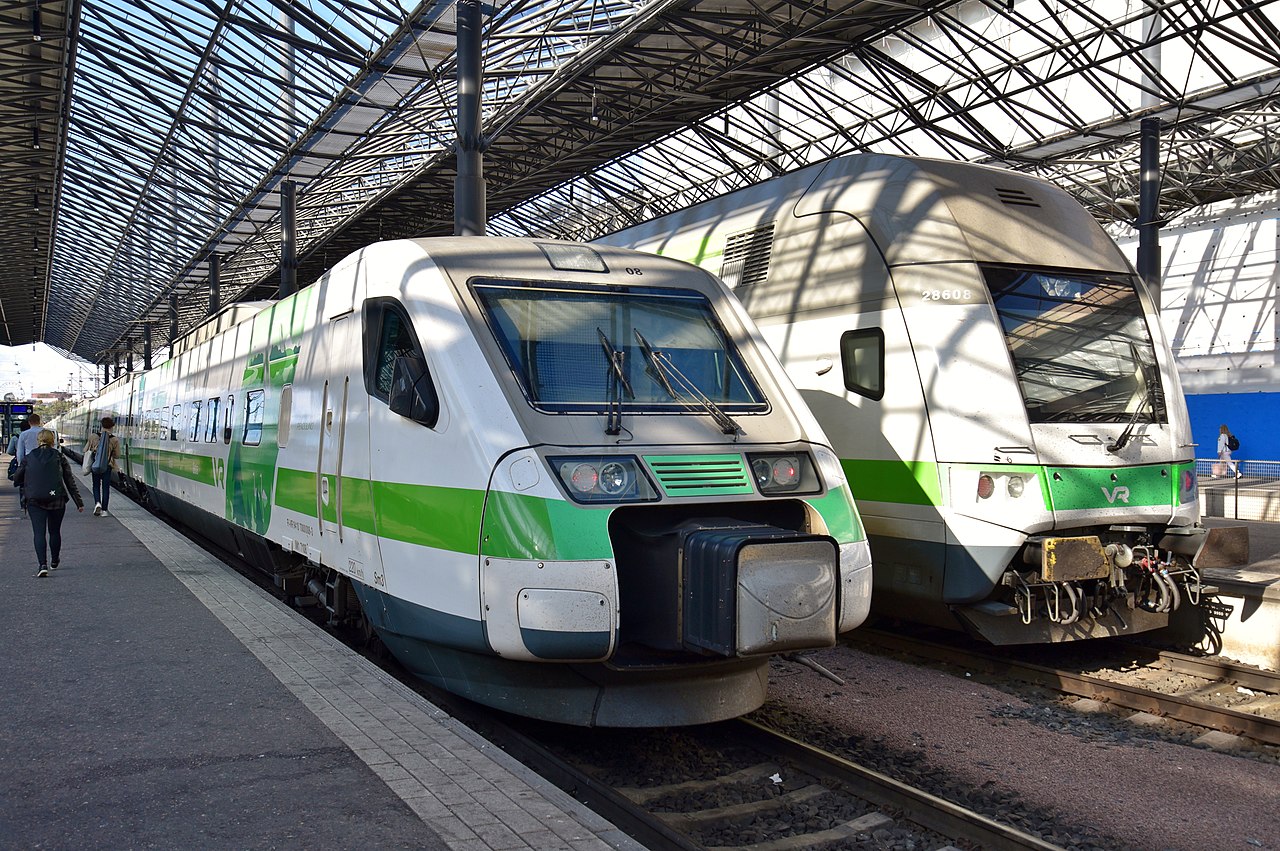
Trains at Helsinki train station. Photo: Wikipedia.
Finland and Sweden are set to finally be linked by rail this summer
Finland and Sweden will once again be connected by train. The long-awaited connection depends on the reopening of the Tornio–Haparanda rail link on the Finnish-Swedish border. From Tornio, passengers will be able to cross into Haparanda and connect to the wider European rail network for the first time in decades.
The new service also appeals to train enthusiasts. Independent European rail expert Jon Worth recently told Yle News that the new cross-border railway between Finland and Sweden will mark a historic transit milestone in transit: the longest train journey entirely within the European Union.
The reopening will also mark Finland’s first regular international passenger rail connection since services to St. Petersburg were suspended in 2022 after Russia’s invasion of Ukraine.
Finland and Sweden will once again be connected by train.
Not for the busy ones
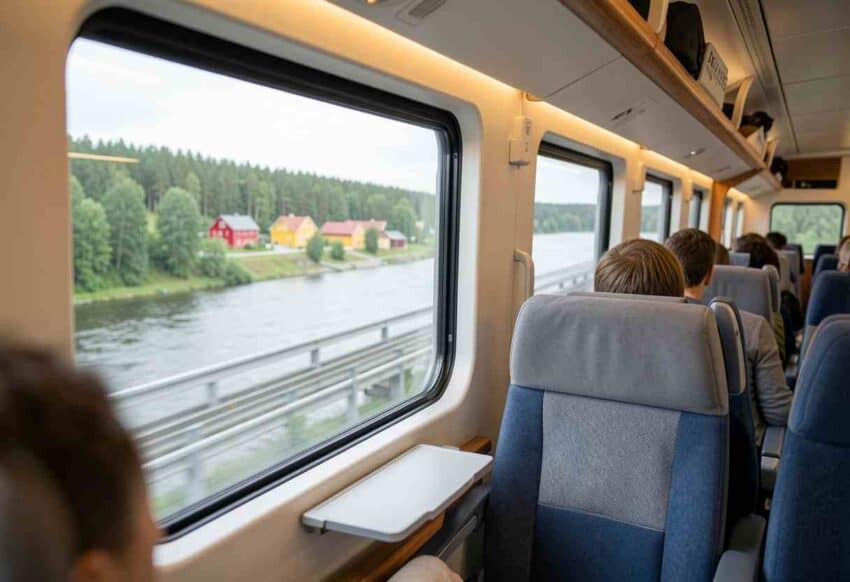
The journey, however, will not be suitable for the time-pressed. A full trip between Helsinki and Stockholm by rail will take around 24 hours, compared with roughly 18 hours by ferry or a much shorter flight. Those choosing rail will trade speed for a slower, more scenic journey.
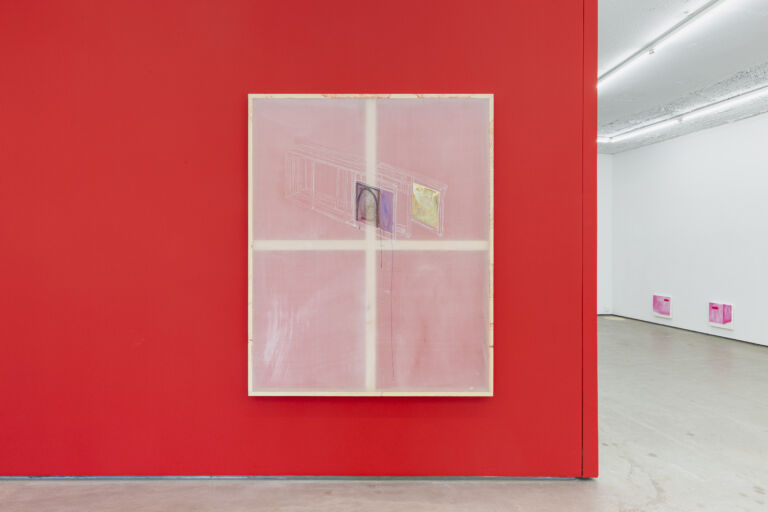
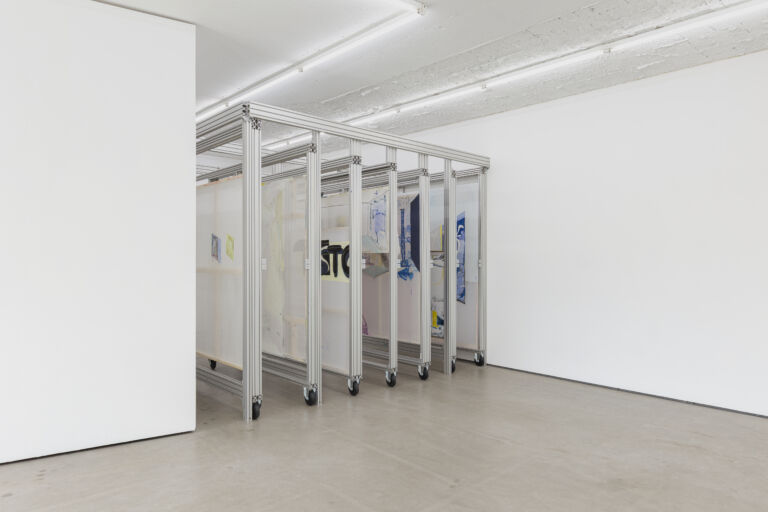
What do these words mean, and to whom are they addressed? Gallery owner Randi Thommessen has adapted these terms from the Norwegian National Museum’s new public-management-aligned core values for the exhibition at LNM (The Norwegian Association of Painters).
Before becoming director at LNM (The Norwegian Association of Painters), Randi Thommessen served as a curator at Trondheim Kunstmuseum from 2015 to 2019. From 2007 to 2012, she founded and ran LAUTOM Contemporary, an artist-run space in Oslo. Thommessen holds an MA in Curatorial Practice from the Bergen Academy of Art and Design and has a background in fine art from Central Saint Martins in London.
Randi Thommessen, Director of LNM.
“I studied art at Central Saint Martins in London and for a long time thought I would become a painter. But I didn’t like the solitude of the studio,” she says. “Producing art wasn’t that important to me, so I eventually realized I wasn’t meant to be an artist.”
********************************************
You might also like to read 50 Years of Living Art in Oslo
********************************************
Red, by Victor Lind
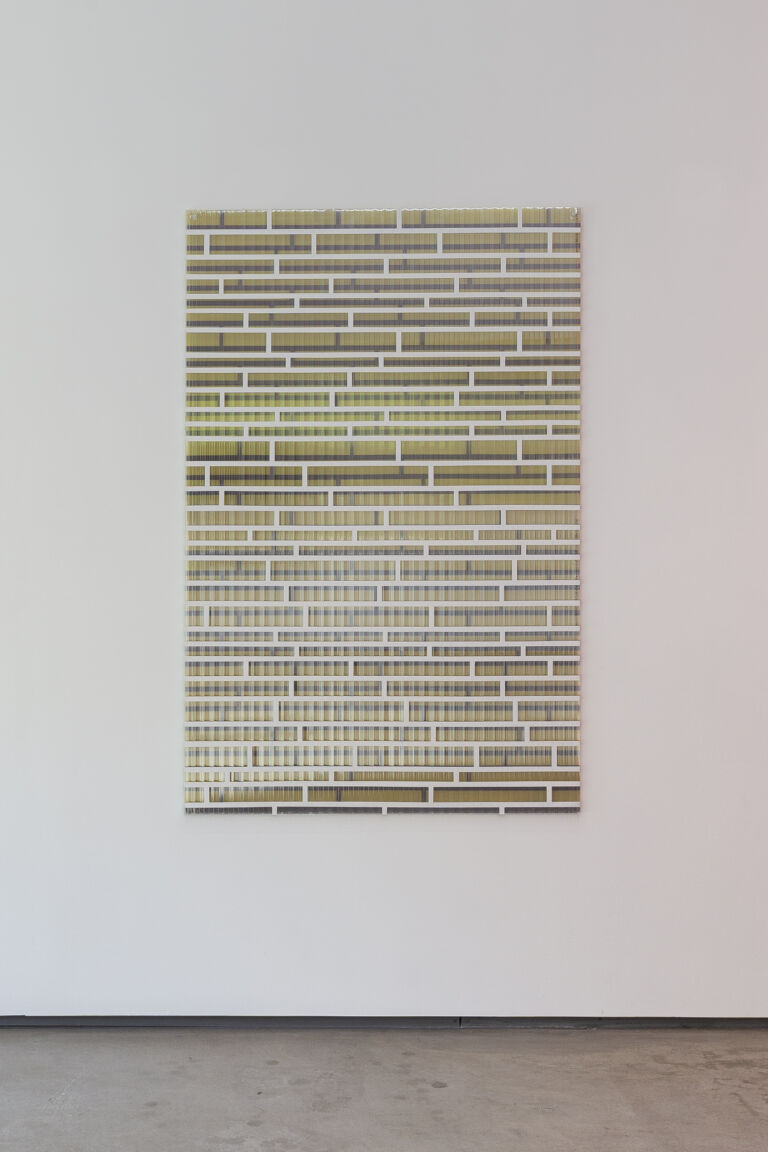
The LNM Exhibition critically examines what today’s museums stand for. It features works by artists Clara Claussen, Wenche Gulbransen, Victor Lind, Joel Billekvist, and Øystein Aasan that question who is recognized, what kind of curiosity is invoked, and who is included in the community.
Cul de sac, by Joel Billekvist
********************************************
You might also like to read An Art Lover’s Guide To Oslo
********************************************
The exhibition runs through June 21. The next exhibition at LNM will feature the Bergen-based artist Anthony Morton from Durban, South Africa. It runs from August 6 through September 6.



 Nordheim was a member of Oslo’s International Society for Contemporary Music. He studied Musique concrète in Paris during the 1950s and furthered his practice in electronics and synthesis in Holland toward the end of that decade, but he remains best known in Norway for his chamber music and orchestral works. ‘Electric’ presents a startling body of mind-throttling work that is essential listening if you’re into anything from Bernard Parmegiani to Xenakis to Oram.
 “Electric” is available in a beautiful double-vinyl edition, delicately mastered for the occasion by Helge “Deathprod” Sten. The flashing loneliness of the work “Solitaire” is particularly poignant and still fascinating.



 Alex Naylor, managing director, marketing communications, at Barclays UK, said: “When it comes to our love for entertainment, our passions and preferences are all unique – whether that’s attending a wrestling match or dancing in the crowd at a music festival. We are excited to bring this to life in an innovative way through mirrored storytelling. No matter what your interests or tastes are, it’s so much better when you know you’ve saved on the purchase of your tickets. And with a wide range of entertainment to choose from, we can help every customer get to their happy place.”














 Key Differences
 The Anatomy of a Micro-Story
 Take-away