
A Balance Blueprint: From Mind and Body Connection to Blood Sugar in 2026

As 2026 unfolds, the concept of finding balance sits at the forefront of minds around the globe. More than ever, we are seeking an integrated model of living well that emphasizes harmony in how we think, move, eat, and ultimately how our internal systems respond to the relentless pace of modern life. Here’s a balance blueprint: From mind and body connection to blood sugar in 2026.

How can our everyday choices better support both mind and body?

The modern world is faster, louder, and more connected than ever before. Chronic stress has become so normalized that it is often worn as a badge of honor in the pursuit of productivity until it manifests as severe fatigue, irritability, disrupted sleep, physical discomfort, weight fluctuations, and difficulty concentrating, often referred to as “brain fog.”

These signals are not signs of weakness. They are messages from the body indicating that balance has been disrupted and some attention is needed. This is where we need to listen and implement small changes that can have a significant positive impact.

A Balance Blueprint: From Mind and Body Connection to Blood Sugar in 2026
Practices such as breathwork, mindfulness, time in nature, and intentional movement are no longer viewed as luxuries.

Finding balance invites us to rethink our daily rhythms and implement small, intentional changes that restore a sense of harmony within. Health experts increasingly emphasize nervous system regulation as a foundational pillar of well-being. Practices such as breathwork, mindfulness, time in nature, and intentional movement are no longer viewed as luxuries; they are becoming essential counterweights to cognitive and physical overload. Physical balance practices, including tai chi, qi gong, and yoga, help create and support a strong balance blueprint in the body, in tandem with nutrition choices that nourish the brain and promote steady blood sugar levels.

Let’s break these down.

Techniques for Physical Balance and the Mind and Body Relationship

Mental and physical health are deeply intertwined. Psychological stress affects our physiological rhythms, including breathing, digestion, and hormone levels. Our physical habits include nutrition, exercise, and sleep, all of which shape our mood, focus, and emotional resilience. Research continues to show that when the body is under constant physiological stress, systems designed for short-term survival remain activated, the “fight or flight” mode.

Over time, this can affect everything from immune function to metabolic efficiency. Practices such as tai chi and qi gong are gentle, meditative movements that offer powerful benefits for physical and mental well-being and balance. Physically, slow, controlled movements improve balance, flexibility, posture, and joint mobility while building strength without placing stress on the body. These practices support circulation and breathing efficiency and promote recovery and resilience in the nervous system.

A Balance Blueprint: From Mind and Body Connection to Blood Sugar in 2026
Physically, slow, controlled movements improve balance, flexibility, posture, and joint mobility while building strength without placing stress on the body. Photo: Map My Genome.

These practices are beneficial for stress reduction, injury prevention, and healthy aging. Mentally, tai chi and qi gong help to calm mental chatter and regulate emotional responses. By synchronizing breath with movement, they activate the parasympathetic nervous system, reducing anxiety, improving focus, and fostering a sense of calm and clarity. Together, they offer a holistic approach to movement that restores both the physical and mental balance between mind and body.

The ancient practice of Yoga has been popular and is known for its benefits, including increased strength and flexibility, reduced stress and anxiety, lower blood pressure, improved heart health, and better blood sugar control. Simple meditation is another way to support the body’s systems, find balance, reduce stress, and improve sleep patterns. Various meditation techniques offer distinct pathways toward mental and physiological regulation.

Guided imagery uses visualization to evoke calm and promote relaxation, while mindfulness meditation emphasizes present-moment awareness, allowing thoughts to arise and pass without judgment as attention remains anchored in the breath and the surrounding environment. Mantra or chanting meditation, which involves repeating a word or phrase such as “calm,” “health,” or “peace,” can further support cognitive focus and reinforce intentional states of being. Collectively, these practices provide evidence-informed tools to restore balance and bridge ancient wisdom with contemporary needs for resilience, regulation, and well-being.

A Balance Blueprint: From Mind and Body Connection to Blood Sugar in 2026
Cardiovascular exercise, such as brisk walking, jogging, cycling, or swimming, works the heart and lungs, strengthening the cardiovascular system, improving circulation, and increasing the heart’s efficiency in pumping blood. Photo: Science Daily.

Physical Activity and Exercise for Balance

It is generally recommended that we get at least 150 minutes per week of physical activity to improve our overall health. Committing to at least 150 minutes of exercise per week, an average of 30 minutes per day, five days a week, or what you can, broken up into time increments allowed in your schedule. You can combine cardiovascular activity with strength training to build a strong foundation for balancing the body, mind, and internal systems.

Cardiovascular exercise, such as brisk walking, jogging, cycling, or swimming, works the heart and lungs, strengthening the cardiovascular system, improving circulation, and increasing the heart’s efficiency in pumping blood. Over time, this helps improve resting heart rate and blood pressure, reduces cholesterol levels, and significantly lowers the risk of heart disease and stroke. Cardiovascular exercise also plays a critical role in blood sugar regulation by increasing the muscles’ ability to absorb and use glucose during and after movement, helping to prevent sharp spikes and crashes in energy.

Strength training complements these benefits by building and maintaining lean muscle mass, essential for long-term health. Strength training also supports joint stability, posture, and bone density, reducing the risk of injury and age-related bone loss. Muscle tissue also serves as a reserve for glucose. The more muscle we have, the better our body can regulate blood sugar and improve insulin sensitivity. Together, cardio and resistance training reduce chronic inflammation and support a more resilient physical body.

Beyond physical effects, regular cardio and strength training have profound benefits for mental and emotional well-being. Exercise stimulates the release of endorphins and neurotransmitters such as serotonin and dopamine, which help reduce stress, anxiety, and symptoms of depression while improving mood, focus, and cognitive function. Physical activity also helps regulate the nervous system, promoting better sleep and enhancing the body’s ability to adapt to daily stressors. When practiced consistently, 150 minutes of intentional, varied exercise each week becomes a key strategy for creating balance.

If we can’t get 150 minutes per week, do what is possible.  It all counts, and new studies show that even 10 minutes of exercise per day can yield significant health benefits. The key is to implement whatever changes you can; even small ones can have a significant impact. Take a quick five-minute walk or do a few squats when time and circumstances allow.
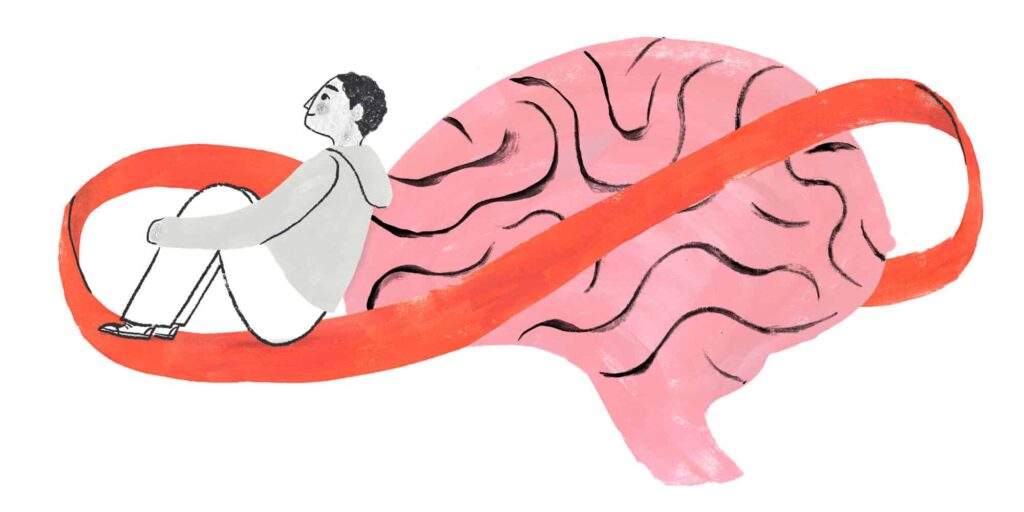
A Balance Blueprint: From Mind and Body Connection to Blood Sugar in 2026
A Balance Blueprint: From Mind and Body Connection to Blood Sugar in 2026. Illustration: Harvard Health.

The Impact of Nutrition on Balance in the Body

Whole foods rich in fiber, healthy fats, quality protein, and essential micronutrients support steady health, balance, and energy in the body, and reduce the dramatic highs and lows often associated with highly processed diets. Healthy meals and eating patterns tend to promote satiety, mental clarity, and sustained performance throughout the day. Nutrition supports balance in the body most effectively when foods and nutrients work together to stabilize blood sugar while nourishing the brain and heart.

Fiber-rich foods such as oats, barley, rye, lentils, beans, berries, apples, and leafy greens slow carbohydrate absorption, helping prevent blood sugar spikes and supporting a healthy insulin response. Aim for 30 or more grams of fiber per day for good digestion and healthy blood sugar. Pairing these carbohydrates with quality proteins such as eggs, yogurt, fish, poultry, tofu, legumes, and healthy fats from avocados, olive oil, nuts, seeds, and fatty fish further steadies glucose levels and promotes long-lasting energy.

For brain health, omega-3 fatty acids found in salmon, sardines, walnuts, flaxseeds, and chia seeds support cognitive function, memory, and mood regulation. B vitamins from whole grains, eggs, leafy greens, and legumes are essential for neurotransmitter production and nervous system balance. Minerals such as magnesium found in pumpkin seeds, almonds, spinach, bananas, dark chocolate, and whole grains help calm the nervous system, regulate blood sugar, and support heart rhythm, while potassium from bananas, sweet potatoes, beans, and yogurt helps maintain healthy blood pressure.

Antioxidants from colorful fruits and vegetables such as blueberries, beets, tomatoes, and peppers help protect brain and heart tissue from inflammation and oxidative stress. Together, these foods and nutrients create internal balance by stabilizing energy, supporting mental clarity, protecting cardiovascular health, and allowing the body’s systems to function in harmony. The typical Scandinavian diet, or Nordic diet, includes many of these foods and nutrients and has gained increasing global attention as a model to aspire to, much like the Mediterranean diet. Eating in this healthy way helps keep blood sugar levels stable, an area of growing interest and importance in our health.  Normal, healthy fasting blood sugar levels should be under 100 milligrams per deciliter. This test is typically performed during a physical exam.  Another important test for assessing where our blood sugar levels are is an A1c test, a simple blood test that measures the average of our three-month blood sugar levels. A healthy A1c result is below 5.7. Results from 5.7 to 6.4 suggest pre-diabetes, and levels above 6.4 indicate diabetes. The good news is that by following a healthy diet, exercise, and mind-body techniques, along with your physician’s guidance, your numbers can be lowered or reversed.

A Balance Blueprint: From Mind and Body Connection to Blood Sugar in 2026
Photo: Lentils.org

Scandinavian Internet-Inspired Salmon-Lentil Bowl Recipe

  • 2 salmon fillets baked at 200 celsius for 12-15 minutes
  • 1 cup cooked lentils (brown or green)
  • 1 small cucumber, sliced
  • 1/2 cup cherry tomatoes
  • 2 tablespoons olive oil
  • 1 tablespoon lemon juice
  • 1 teaspoon Dijon mustard
  • 1 clove garlic, minced
  • Salt and pepper to taste
  • Optional: fresh dill or parsley

Fiber-rich lentils support digestion and steady energy

Salmon provides protein and omega-3 fats for brain health

Healthy fats and greens promote satiety and nutrient absorption

A Balance Blueprint: From Mind and Body Connection to Blood Sugar in 2026
Balance. Photo by Nicole Hammond.

The Importance of Sleep for Health and Balance

Sleep and rest are essential to maintaining health and balance in the body. Sleep deprivation and irregular schedules disrupt nearly every system in the body, from hormone regulation to blood sugar levels to immune defense. As people become more aware of how fatigue affects decision-making, mood, and physical performance, sleep and rest are finally gaining the respect and momentum they deserve. To establish good sleep habits, aim for 7-8 hours of sleep per night.  Avoid heavy meals within a few hours of bedtime, and avoid caffeine for several hours before bedtime. Try to establish a consistent sleep routine, going to bed around the same time every night.  Avoid bright lights and screen time in bed when possible, and make the bedroom a cool, dark, clean, and cozy place. Journaling, meditation, and breathing exercises can support this important component of our health.

The Blueprint

Ultimately, balance in 2026 is not about perfection, rigid routines, or adding yet another item to an already full to-do list. It is about awareness, intention, and responding thoughtfully to the signals our bodies continually provide. When we align movement, nourishment, rest, and mental well-being, we create a sustainable support for our energy, focus, emotional resilience, and long-term health.

Small, consistent choices accumulate into meaningful change. In redefining balance as a daily practice rather than a distant goal, we empower ourselves to live with greater clarity, vitality, and resilience in an increasingly demanding world, finding balance in our minds, bodies, and yes, even our blood sugar.

Stay tuned for next month’s article, which will highlight how a cozy, well-designed home helps us feel healthy and productive.

A Balance Blueprint: From Mind and Body Connection to Blood Sugar in 2026
Nicole Hammond

A Balance Blueprint: From Mind and Body Connection to Blood Sugar in 2026, written exclusively for Daily Scandinavian by Nicole Hammond. Nicole is a health educator, coach, and wellness writer with a Master of Science in Health and Human Performance and a Bachelor of Science in Health Science.  She also holds certifications in stress management, coaching, and feng shui design.  She enjoys writing, researching, creating, and facilitating in the areas of health and creating balance in mind, body, and the home.  In her spare time, Nicole enjoys reading, cooking, traveling, exercising, and spending time with her family, including her two golden retrievers and cocker spaniel.
Feature image (top) © Liv Hospital
Stunning Viking Age Find in Norway

0

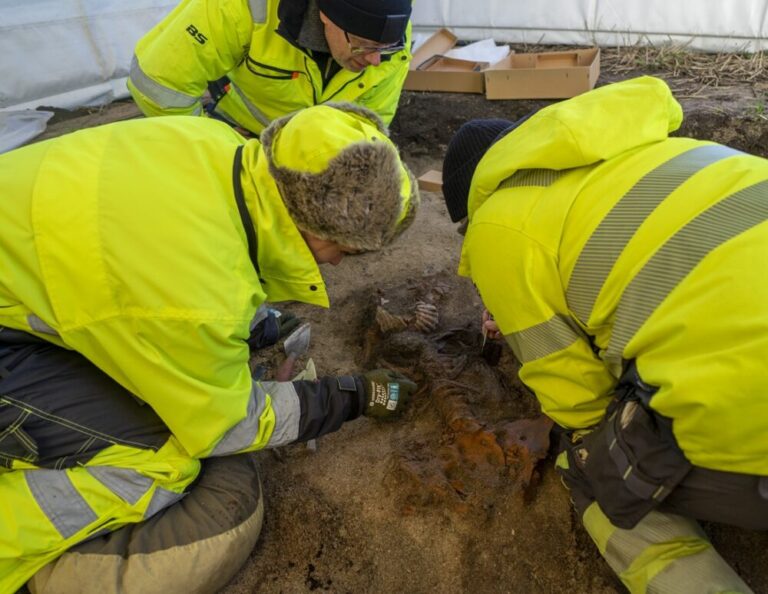
A metal detectorist made a stunning Viking Age find in Norway. He discovered a Viking Age grave with a scallop covering the mouth of a skeleton, leaving archaeologists perplexed.

The find was made at Val in Bjugn, where hobbyist detectorist Roy Søreng uncovered an oval brooch late last year, an object commonly associated with women’s clothing in the 9th century. His report brought specialists from the NTNU Science Museum and Trøndelag County Council to the site, where they quickly realized that the artifact was only the beginning of something far larger.

What they found surpassed expectations. “This is a grave belonging to what we believe was a free, possibly married woman, likely a respected farm mistress,” says Raymond Sauvage, senior engineer at NTNU’s Department of Archaeology and Cultural History. “The preservation, the jewelry, the symbolism, it’s extraordinary.”

Stunning Viking Age Find in Norway
The find was made at Val in Bjugn. Photo: Arkeonews.

*****************************************************
Related: Rare Viking Boat Burials Uncovered in Sweden

*****************************************************

Unknown symbolism

The practice of placing shells on a dead person’s mouth has previously not been documented from any pre-Christian grave in Norway. They also found small bird bones along the length of the grave, largely wing bones, carefully arranged, which provide another layer of symbolism that researchers are still trying to understand.

“We don’t yet understand the symbolism, but it must have carried deep meaning for those who laid her to rest,” says Sauvage. In the Middle Ages, scallop shells were associated with the cult of St James, but they have rarely been found in pre-Christian graves.

Stunning Viking Age Find in Norway
The practice of placing shells on a dead person’s mouth has previously not been documented from any pre-Christian grave in Norway.

Quiet and quick excavation

The excavation was conducted quickly and quietly because the grave was at risk of being destroyed by future plowing. In the same field, archaeologists previously found another remarkably well-preserved skeleton dating to the 8th century. The proximity of the two burials implies that the area was used over several generations as an important family or communal cemetery. Upcoming DNA testing may reveal whether the individuals were related.

*************************************************
Related: Exceptional Viking Finds in Denmark’s Oldest Town

*************************************************

Stunning Viking Age Find in Norway
The excavation was conducted quickly and quietly because the grave was at risk of being destroyed by future plowing.

Incredibly exciting discovery

Because of the exceptional preservation, the Ministry of Cultural Heritage provided emergency funding to conduct a full rescue excavation. The funding enabled the archaeologists to document the grave in detail, recover fragile objects, and secure bone samples before further deterioration. Specialists will examine the woman’s age, health, and possible causes of death, while conservators work to stabilize these delicate items.

Stunning Viking Age Find in Norway
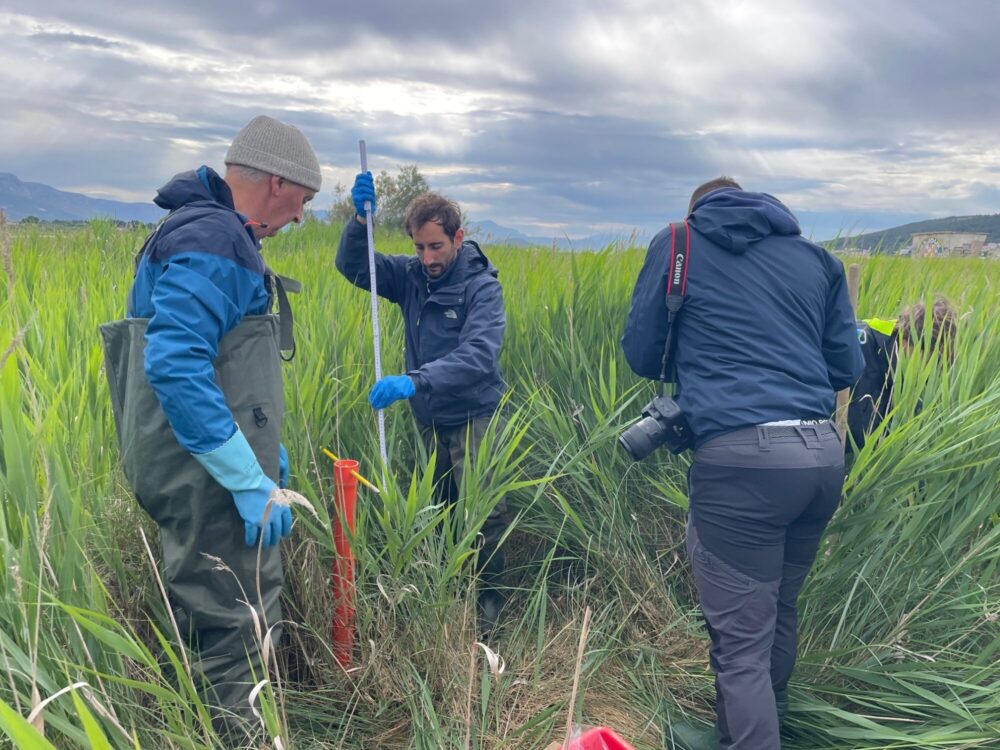
Researchers sampling carbon sequestration.

“This is an incredibly exciting discovery,” says Minister of Cultural Heritage Hanna Geiran. “Well-preserved Viking skeletons are exceptionally rare, and the knowledge potential here is enormous.”

Stunning Viking Age Find in Norway, Tor Kjolberg reporting. Sources and images: NTNU.
Feature image (top): Hanne Bryn, Knut Harald Stormsvik from Trøndelag County Authority with Kristoffer Rantala in action in the field. Photo: Raymond Sauvage, NTNU.

Why Scandinavian Methods Work Better Than Extreme Dieting

How Swedish, Norwegian, and Danish fitness cultures deliver sustainable results without diet-industry chaos. Read on and learn why Scandinavian methods work better than extreme dieting.

 Walk through Stockholm, Copenhagen, or Oslo, and you’ll notice something: people look fit without appearing obsessed with fitness. There’s no juice cleanse culture, no extreme bootcamps on every corner, no diet industry dominating conversations. Yet Scandinavian countries consistently rank among the healthiest populations globally, with lower obesity rates than most Western nations.

This isn’t genetic luck—it’s a cultural approach. The Nordic philosophy on weight loss and body composition emphasizes sustainability, balance, and realistic goals over the quick-fix, all-or-nothing mentality that dominates American and UK fitness culture.

As Scandinavian fitness professionals increasingly build global practices serving international clients, they’re bringing this balanced approach to audiences desperate for alternatives to extreme dieting. The results speak for themselves: better long-term adherence, sustainable weight loss, and improved relationship with food and exercise.

Here’s what the Nordic approach gets right that mainstream diet culture gets wrong.

Why Scandinavian Methods Work Better Than Extreme DietingLagom: The Swedish Philosophy Applied to Fitness

The Swedish concept of “lagom”—roughly translated as “just the right amount” or “not too much, not too little”—is pervasive in Nordic fitness culture. This philosophy rejects extremes in favor of sustainable moderation.

What This Looks Like in Practice:

  • Working out 3-4 times weekly, not punishing daily sessions
  • Eating well most of the time without obsessing over every meal
  • Walking and cycling as primary transportation, integrating movement into daily life
  • Enjoying social meals and treats without guilt, then returning to normal eating
  • Taking rest seriously as part of fitness, not as weakness

This approach seems obvious, but it’s revolutionary compared to fitness culture promoting “no days off,” extreme caloric restriction, and moral judgment around food choices.

Why Scandinavian Methods Work Better Than Extreme Dieting
Scandinavians don’t need gym motivation—they have cultural practices. Photo: forskning.no

Friluftsliv: Outdoor Living as Exercise

The Norwegian concept of “friluftsliv” (outdoor life) treats exposure to nature and outdoor activity as essential to well-being, not optional recreation.

Scandinavians don’t need gym motivation—they have cultural practices of hiking, skiing, cycling, and walking that make movement automatic rather than something requiring willpower. This creates baseline activity levels that support weight management without formal “exercise.”

The Weight Loss Advantage: When movement is integrated into daily life rather than compartmentalized into gym sessions, total energy expenditure increases without feeling like effort. Someone walking 30 minutes to work, cycling to errands, and hiking on weekends burns significantly more calories than someone driving everywhere but doing one intense gym session.

Why Scandinavian Methods Work Better Than Extreme Dieting
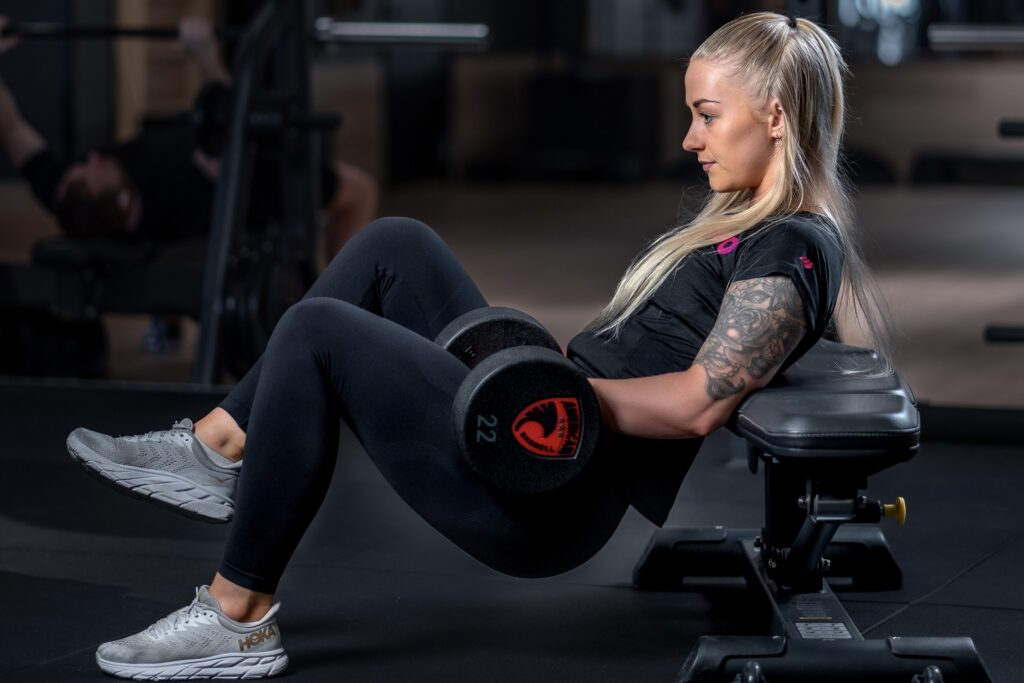
Nordic fitness culture emphasizes body composition. Photo: EVO

Body Composition Overweight Loss

Nordic fitness culture emphasizes body composition—the ratio of muscle to fat—rather than just scale weight. This is where the FFMI Calculator becomes relevant.

Fat-Free Mass Index (FFMI) measures lean body mass relative to height, providing insight into muscle development independent of body fat. Two people at the same weight can have dramatically different body compositions—one with high muscle and low fat (high FFMI), the other with low muscle and high fat (low FFMI).

Why This Matters: Scandinavian trainers focus on building or maintaining muscle while losing fat, not just losing weight indiscriminately. This creates the lean, strong appearance characteristic of Nordic populations rather than the “skinny-fat” outcome common with extreme caloric restriction.

The FFMI approach also sets realistic expectations. Extremely low body fat with high muscle mass (bodybuilder physique) typically requires unsustainable practices. Nordic culture targets the middle ground—healthy body fat percentage with good muscle development, achievable and maintainable over the long term.

No Extreme Diet Culture

Walk into a Scandinavian grocery store, and you won’t find aisles of “diet” foods, meal replacement shakes, or extreme low-calorie products. The Nordic diet emphasizes whole foods—fish, whole grains, berries, root vegetables—prepared simply.

Why Scandinavian Methods Work Better Than Extreme Dieting
• Social eating is valued over eating alone. Photo: Strawberry hotels.

Cultural Food Approach:

  • Regular meals at consistent times (no skipping breakfast or intermittent fasting trends)
  • Social eating is valued over eating alone
  • Quality over quantity—good ingredients prepared well
  • Minimal processed foods without demonizing them
  • Coffee breaks (fika in Sweden) as social ritual, not guilty pleasure

This creates healthy eating patterns without the psychological damage of restrictive dieting, binge cycles, and food anxiety that plague diet culture.

Why Scandinavian Methods Work Better Than Extreme Dieting
Scandinavian fitness trainers are building international practices serving clients worldwide. Photo: PhotRoom.

Scandinavian Fitness Professionals Going Global

As remote work and digital business models expand, Scandinavian fitness trainers are building international practices serving clients worldwide—and bringing Nordic philosophy with them.
These trainers differentiate themselves through:

Sustainable Programming: No extreme transformations or 12-week challenges. Long-term coaching relationships focused on lifestyle change, not temporary motivation.

Work-Life Balance Modeling: Unlike American fitness culture glorifying hustle and constant availability, Nordic trainers maintain clear boundaries. They take summer holidays, they work reasonable hours, and they model the balance they preach.

Evidence-Based Practice: Scandinavian education systems’ emphasis on research literacy means Nordic trainers typically offer more scientifically grounded advice versus broscience and trends.

Professional Digital Infrastructure: To serve global clients, successful Scandinavian trainers use professional weight loss trainer link in bio platforms consolidating booking, programming, and client management. This allows them to maintain a Nordic work-life balance while serving an international clientele.

Why Scandinavian Methods Work Better Than Extreme Dieting
The Scandinavian training philosophy is moderate, consistent practices rather than alternating restriction and excess. Photo: EYDA.

The Mental Health Component

Nordic countries consistently rank highest in happiness and well-being indexes. Part of this reflects an approach to fitness and body image that avoids the shame, guilt, and obsession characterizing diet culture elsewhere.
Cultural Differences:

  • Body acceptance coexists with health goals—you can be content with your body while working to improve it
  • Exercise is for wellbeing, not punishment for eating
  • Food is fuel and pleasure, not a moral category
  • Rest and recovery are valued, not seen as laziness

This creates better mental health outcomes alongside physical health improvements—something extreme diet culture rarely achieves.

What the Rest of the World Can Learn

The Nordic approach won’t solve everyone’s weight challenges—genetics, socioeconomic factors, and medical conditions all play roles. But the philosophical framework offers a valuable alternative to extreme dieting:

Sustainability Over Speed: Slow weight loss (0.5-1% body weight per week) maintained over the long term outperforms rapid loss followed by regain.

Integration Over Compartmentalization: Building activity into daily life rather than separating “exercise” from normal living.

Balance Over Extremes: Moderate, consistent practices rather than alternating restriction and excess.

Composition Over Weight: Building muscle while losing fat, rather than just pursuing lower numbers on scales.

Wellbeing Over Aesthetics: Prioritizing how you feel and function over appearance alone.

The Business Model for Scandinavian Trainers

Scandinavian fitness professionals building international businesses face a unique challenge: maintaining the Nordic work-life balance while serving global markets across time zones.

Success requires a professional infrastructure—automated booking, asynchronous programming, and clear availability boundaries. The trainers thriving aren’t those working 80-hour weeks, but those with systems enabling them to serve more clients while working less.

This actually creates better client outcomes. Trainers who model sustainable practices deliver sustainable results for clients. The Nordic trainer, taking an August holiday and working 35-hour weeks, teaches clients that fitness doesn’t require sacrificing quality of life—it enhances it.

Why Scandinavian Methods Work Better Than Extreme Dieting – The Bottom Line

Scandinavian populations maintain lower obesity rates and higher fitness levels, not through extreme practices but through cultural integration of movement, balanced nutrition, and realistic body composition goals rather than weight obsession.

As Nordic fitness professionals build global practices, they offer an alternative to extreme diet culture: sustainable, balanced approaches that work long-term precisely because they don’t require perfection or extremism.

The lagom approach—just the right amount—applied to fitness creates results that last because they’re built on practices you can maintain for life, not just 12-week transformation programs.

For people exhausted by diet culture’s extremes, the Nordic model offers a refreshing alternative: health and fitness as a sustainable lifestyle, not temporary suffering.

Why Scandinavian Methods Work Better Than Extreme Dieting
Sikandar Hayat

Why Scandinavian Methods Work Better Than Extreme Dieting, written for Daily Scandinavian by Sikandar Hayat. Sikandar is a digital marketing and SEO professional with a strong interest in health, fitness, and evidence-based wellness trends. He works closely with international brands, publishers, and fitness professionals to create high-quality, research-driven content that connects modern lifestyle practices with sustainable health outcomes. Sikandar focuses on long-term approaches to fitness, nutrition, and online growth, avoiding hype-driven trends in favor of practical, realistic strategies that people can maintain over time.

Feature image (top) © Grand Hotel, Oslo.

How Sweden Is Upgrading Home Heating Systems to Meet Emission Goals

0

Scandinavia experiences frigid temperatures that can drop to −25°C to −30°C, posing significant health risks and disrupting daily life. Read on to learn how Sweden is upgrading home heating systems to meet emissions targets.

Frigid winter temperatures make an efficient heating system a non-negotiable for Swedish people, with Sweden having one of the highest heat pump sales per 1,000 households in Europe. Although the country relies primarily on heating oil to keep homes warm, the government has taken significant steps to reduce fossil fuel use and offer more environmentally friendly alternatives.

Sweden aims to achieve net-zero emissions by 2045 and is now addressing its heating challenges by focusing on green technology and energy efficiency. Here’s how Sweden is upgrading home heating systems to meet emission goals.

How Sweden Is Upgrading Home Heating Systems to Meet Emission Goals
The country’s electricity surplus encouraged more homeowners to install heat pumps. Photo: Daikin.

Extensive Heat Pump Adoption

Older homes in Sweden typically had boilers to provide heat, and as of 2018, nearly 35,000 homeowners still used oil boilers regularly, with some keeping them on standby as needed. Although they’re now considered a minority heating source, boilers remain beneficial because they distribute heat evenly throughout rooms and shared indoor spaces. Unlike furnaces, these don’t blow dust or allergens into homes, making them ideal for those with respiratory conditions or allergies.  Regular boiler maintenance and cleaning, ideally performed by a trained professional, can help keep boilers in good condition, ensuring safety and optimizing energy consumption. Eventually, however, expect boilers to be phased out in favor of more sustainable heating alternatives, such as electric heat pumps.

The transition from fossil-fuel to electricity-powered heating has been underway since the 90s, driven by Sweden’s carbon tax, which raised the price of heating oil. The country’s electricity surplus encouraged more homeowners to install heat pumps. Although heat pumps are about two to four times more expensive than gas or oil boilers, around 70 percent of Swedish houses now have a heat pump, which accounts for 30 percent of the country’s total building heat demand.

To make green heating more affordable, Stockholm-based clean energy company Aira has begun offering a subscription model to Swedish residents and homeowners in other parts of Europe. Since the unit typically costs €2,000 to €19,000, depending on the model, spreading the cost of the heat pumps over monthly repayments can make this heating system more accessible to the average homeowner.

How Sweden Is Upgrading Home Heating Systems to Meet Emission Goals
Sweden has achieved district heating, now meeting 75 percent of the country’s energy demand. Illustration: Open DH Forum.

District Heating for a Lower Carbon Footprint

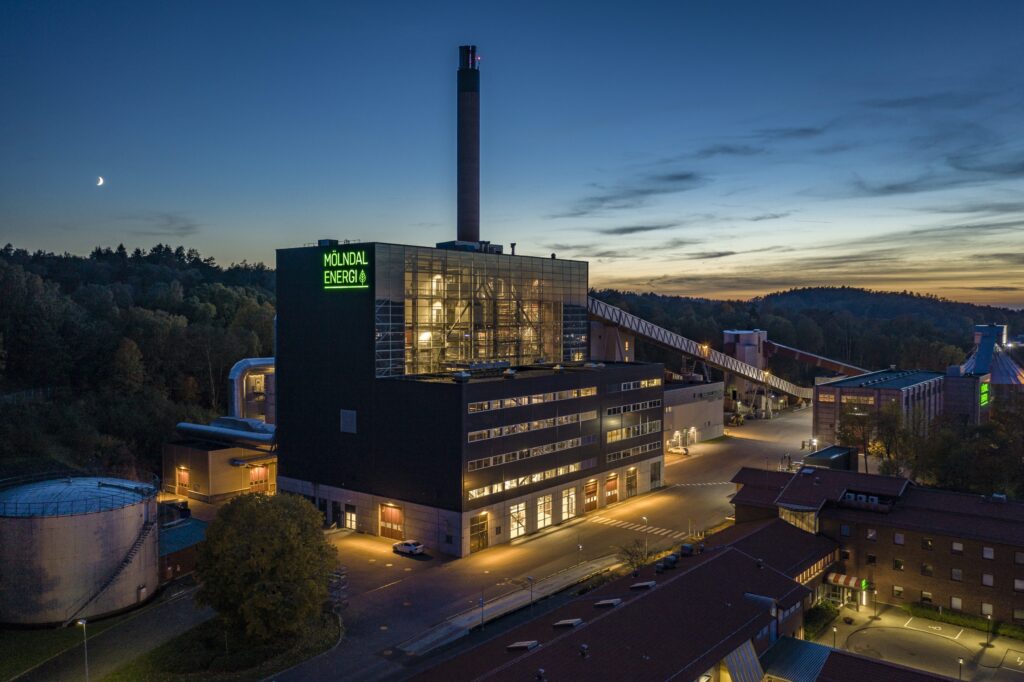
District heating is often thought to be only possible in science fiction movies, where entire utopian communities rely on a single sustainable heat source to keep their homes warm. However, Sweden has achieved this, with district heating now meeting 75 percent of the country’s energy demand. This system operates by heating water in large plants using eco-friendly fuels, such as waste, wood chips, and pellets, and by capturing residual heat from data centers and factories. The hot water is then pumped through a network of underground pipes to buildings, where it flows to radiators and out of hot water taps. The cooled water then returns to the central plant for reheating, and the cycle repeats.

This type of heating system is now supplying continuous, reliable heating in urban areas, particularly for multi-family homes and residential apartments. Because it’s a crucial driver of Sweden’s reduced carbon emissions, district heating is a major contributor to the nation’s 2040 fossil-free goals, as it lowers the country’s environmental impact.

*********************************************
Related: How Does Sweden Succeed in Emissions Reduction Combined with Economic Growth?

*********************************************

How Sweden Is Upgrading Home Heating Systems to Meet Emission Goals
To prevent warm air from escaping, more Swedish households are adopting holistic heating approaches. Photo: Petersson Sustainable Power Plant/Smart City Sweden.

Holistic Approach to Heating

Heat loss can increase heating system load, as heat pumps and district heating systems must operate more frequently and for longer periods to maintain healthy indoor temperatures. To prevent warm air from escaping, more Swedish households are adopting holistic heating approaches, such as installing triple-glazed windows, reinforcing walls with substantial insulation, such as mineral wool, and building houses with multi-layered walls. Some homeowners have also installed heat-exchanger ventilation systems in their homes to capture heat from outgoing air.

Holistic heating approaches can improve efficiency while keeping homes comfortable. It also reduces heating costs while supporting the transition to clean energy.

Sweden has set a remarkable example by using technology and renewable energy to keep homes warm year-round. By upgrading its heating systems, the nation is sure to meet its emissions targets while creating a pleasant indoor environment for locals and visitors.

How Sweden Is Upgrading Home Heating Systems to Meet Emission Goals
Karoline Gore

How Sweden Is Upgrading Home Heating Systems to Meet Emission Goals, written exclusively for Daily Scandinavian by Karoline Gore. Karoline is a freelance writer from Stoke-on-Trent, UK, who left the corporate grind when she started a family and has never looked back. She enjoys contributing to a range of online publications on topics vital to her.
Feature image (top) © Efrem Efre/Pixels.

Add a Hat to Your Look in Colder Temperatures

0

Established in 2014 and based in Helsinki, Onar Studios is at the forefront of ecological leatherwork, driven by a strong commitment to innovation and sustainability. In colder temperatures, you should add a hat from Onar Studios to your look.

The company carefully selects the finest materials to guarantee the highest quality for all Onar Studios products. All leather is dyed in accordance with the Onar color palette and finished per company standards.

Add a Hat to Your Look in Colder Temperatures
Colder temperatures offer the perfect excuse to put on a hat

Colder temperatures offer the perfect excuse to put on a hat – it’s the oldest styling trick in the book and will also keep you warm. The brand celebrates the family’s craftsmanship tradition of founder Irene Kostas while embracing avant-garde design, bringing a fresh perspective to the fashion industry.

Leather is a natural material with minor grain and color variations. Due to the natural characteristics of leather and shearling, each item is unique. Finnish-Greek label Onar Studios makes the coziest shearling bucket and aviator-style hats.

****************************************
Related: The Classic Norwegian Sweater That Became a Fashion Hit

****************************************

Add a Hat to Your Look in Colder Temperatures
The hats feature 100% shearling and lamb nappa leather, sourced exclusively from food-industry by-products.

The hats feature 100% shearling and lamb nappa leather, sourced exclusively from food-industry by-products. This ethical approach not only minimizes waste but also aligns with the principles of a circular economy, ensuring that every piece contributes to sustainability.

The beauty of shearling is that rain, sleet, or snow will not harm the material. If your hat gets wet from rain or snow, shake off the excess water and leave it to dry. Toscana shearling might react to wetness by becoming curlier. Brush it after it has dried to restore the wool to its original form.

Add a Hat to Your Look in Colder Temperatures
Norwegian wool beanie from Holzweiler

If you prefer a more discreet look – and we don’t blame you – you can’t go wrong with a Norwegian wool beanie from Holzweiler made from soft Norwegian lambswool.

Add a Hat to Your Look in Colder Temperatures, written by Tor Kjolberg

Norwegian Multitalented Actress Began Her Career as a Red Blood Cell

Norwegian actress, model, television presenter, and author Jenny Skavland (b. 1986) started her career by appearing in a television commercial for pizza in 2007, after which the Norwegian multitalented actress began her acting career as a Red Blood Cell.

Skavlan made her acting debut at age eight as Alveole (a red blood cell) in Body Troopers, after which she appeared in several commercials. She has since appeared in such films as FatsoDead SnowBørning, and Tomme Tønner. In 2008, Skavlan participated as a celebrity dancer on Skal vi danse? on Norway’s TV2. In 2012, she wrote a book titled Sy om about her passion for sewing.

Norwegian Multitalented Actress Began Her Career as a Red Blood Cell
Jenny Skavland launching her book “Sy selv” in 2012. Photo: Wikipedia.

**********************************************
You might also like to read Norwegian Film Director Creates American Women’s History

**********************************************

Since then, Jenny Skavlan has worked as an actress and presenter in Norway and Sweden. She has always sewn and been interested in textiles, and in 2016, she helped launch the recycling app Tise in Norway. The app has almost 3 million users. In 2020, Jenny started Fæbrik together with three colleagues, where she now works full-time.

Norwegian Multitalented Actress Began Her Career as a Red Blood Cell
Jenny Skavland in a commercial for Vitus Apotek.

According to their website, “Fæbrik inspires many people to sew for themselves or to take part in the green clothing journey. Through a range of tools, Fæbrik helps consumers learn to sew, repair, or buy used items in a simple, accessible way. Our method is to use the carrot, not the whip, in our communication. Sustainability will become completely irresistible through Fæbrik’s social media channels”.

**********************************************
You might also like to read Swedish Actress – From Icelandic Viking to Mother Theresa

**********************************************

Norwegian Multitalented Actress Began Her Career as a Red Blood Cell
. In 2020, Jenny started Fæbrik together with three colleagues. Photo: Pullman Management.

“I have a weakness for older ladies who don’t change their wardrobe. Those who have a unique, high-quality wardrobe that stands the test of time, like Åse Kleveland! Fashion influencers who jump on short-term trends and always have new clothes are, I find, uninspiring,” she recently said in an interview with the magazine Costume.

Norwegian Multitalented Actress Began Her Career as a Red Blood Cell, written by Tor Kjolberg.
Feature image (top) © Pullman Management.


A Taste of the World in Oslo 2026

Norway’s most significant travel event takes place at NOVA Spektrum outside Oslo, 20 – 22 March. The exhibition is open to the public and professionals. Experience a taste of the world in Oslo 2026.

Under the slogan “A taste of the world”, TravelXpo will be elevated to a vibrant travel festival that combines inspiration, experiences, and trade. From 20 to 22 March 2026, NOVA Spektrum will be filled with destinations, culture, food, and experiences, allowing the public to taste, see, and hear a bit of the world while planning their next trip or experience.

A Taste of the World in Oslo 2026
From 20 to 22 March 2026, NOVA Spektrum will be filled with destinations, allowing the public to taste, see, and hear a bit of the world while planning their next trip or experience.

In a press release, TravelXpo says it aims to strengthen its position and regain ground. Through a strong advisory board, key players are coming together to help shape a solid professional program and mobilize the entire industry to unite behind TravelXpo – both in 2026 and in the years to come.

*******************************************************
You might also like to read Does Your Travel Website Attract the Right Visitors?

*******************************************************

A Taste of the World in Oslo 2026
The latest travel industry topics will be on the agenda.

Before the doors open to the public part of TravelXpo, the day at NOVA Spektrum begins with a current travel industry conference on Friday, March 20. Here, the latest travel industry topics will be on the agenda. The trade day starts with an informal sofa chat with the radar couple, Ronny Brede Aase and Tuva Fellmann, who recently opened a hotel in Greece and produced a TV series about the project for NRK.

*********************************************************
You might also like to read Tourist Board of Northern Norway Adopts Sustainable Marketing Guidelines to Promote Responsible Tourism

**********************************************************

A Taste of the World in Oslo 2026
Under the slogan “A taste of the world”, TravelXpo will be elevated to a vibrant travel festival that combines inspiration, experiences, and trade.

Meanwhile, the travel company Antor will hold its annual press meeting at a separate location within NOVA Spectrum.  The press meeting is a forum for the travel industry and the media, designed to enhance the visibility of member countries and inspire new travel experiences. The event is coordinated with TravelXpo to ensure broad press attention and allow participants to share news, presentations, and ideas in a professional forum.

A Taste of the World in Oslo 2026, Tor Kjolberg reporting
All images © TravelExpo

Norwegian Settlers Memorial in the US

0

The first permanent Norwegian settlement in America is located on the farmland outside Chicago. Today, there are 25,000 descendants of those who left 200 years ago. Read on and learn more about the Norwegian Settlers Memorial in the US.

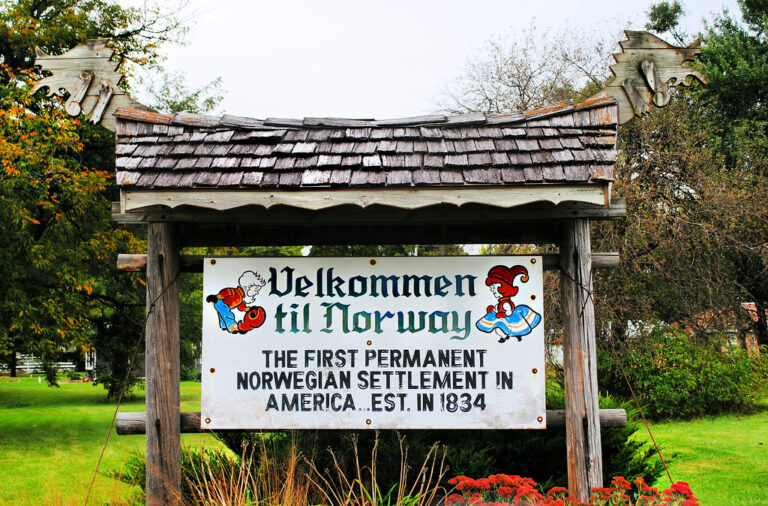
Norway, Illinois, is the first permanent Norwegian settlement in North America, settled in 1835 by the Sloopers, led by Cleng Peerson. The Sloopers were immigrants who arrived in America aboard the sloop Restaurasjonen in 1825 and later settled in Illinois.

In 2025, it was the 200th anniversary of the start of organized Norwegian emigration to America. In that narrative, the village of Norway on the toad flat prairie outside Chicago is significant. This is where Norwegian America truly began: Norway was the first permanent Norwegian settlement in the United States.

Norwegian Settlers Memorial in the US
Norwegian immigrants moved into the former lands of the Potawatomi tribe.

Norway is an unincorporated community in Mission Township, LaSalle County, Illinois, located along the Fox River, known as the Fox River Settlement. The settlers had, in large part, relocated from the Kendall Settlement in New York State.

The Norsk Museum was established in 1978 in the oldest Norwegian Lutheran Church in America. The museum is dedicated to Norwegian culture and strives to honor and preserve the memory of the Norwegian forefathers who settled in the area. The museum continues to provide a link to the past and to preserve it for the future. The museum features household items, spinning wheels, rosemaling, bunads, a Viking display, immigrants’ trunks, early farm tools, and much more.

Norwegian Settlers Memorial in the US
The Norsk Museum was established in 1978 in the oldest Norwegian Lutheran Church in America.

The building is an excellent example of carpentry by pioneer Norwegian craftsmen. All the structural beams in the attic were hand-hewn from soft pine and fastened with wooden (hardwood) pegs rather than nails. The ends of some of the attic beams still bear various craftsmen’s symbols stamped into the wood. Building materials were hauled 70 miles from Chicago to Norway (IL) by wagon and oxen. It was dedicated as a house of worship in 1848, replacing a log cabin church built in 1838, and was decommissioned as a church in 1918.

Norwegian Settlers Memorial in the US
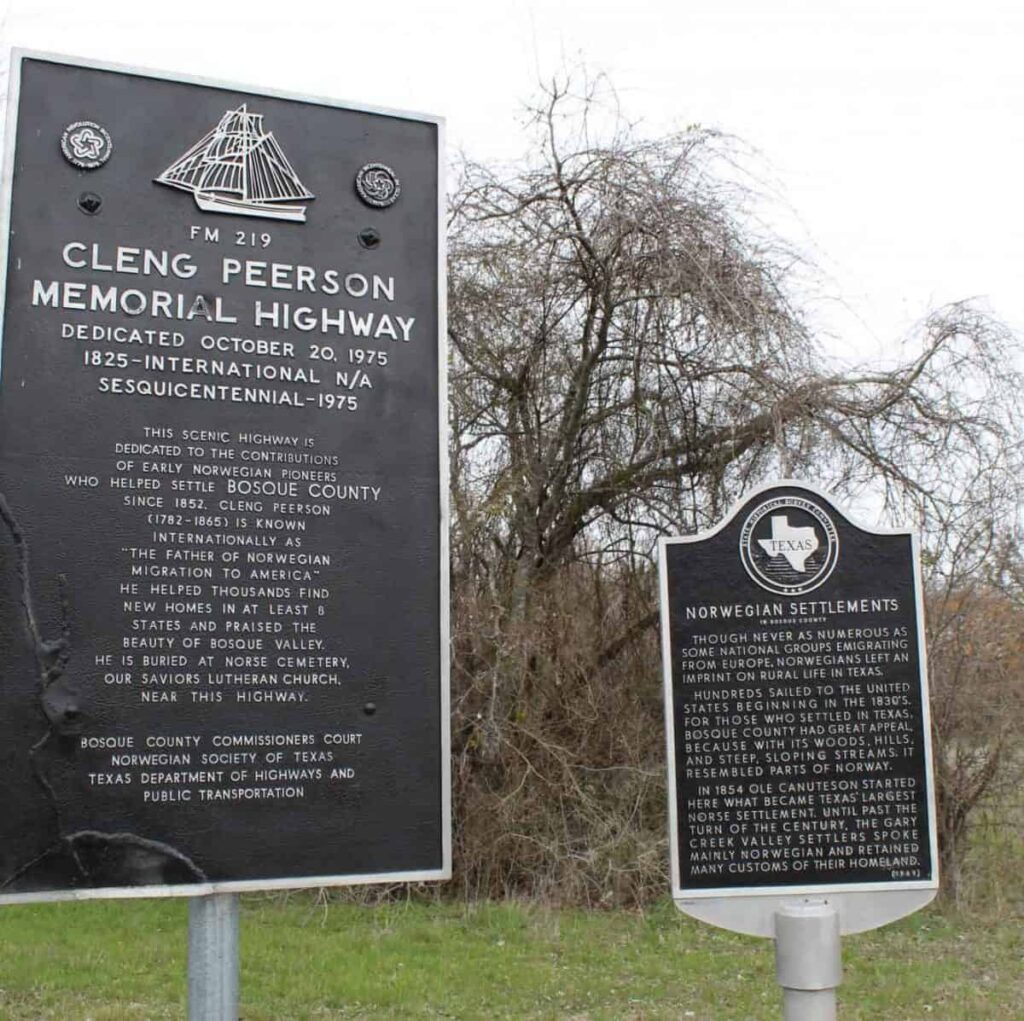
The Cleng Peerson Memorial Highway runs through downtown Norway.

The Cleng Peerson Memorial Highway runs through downtown Norway. The emigrant leader Peerson from Tysvær in Rogaland is central to the history of this place. He found his way to what became Norway and brought Norwegian emigrants here.

He came here as the first Norwegian in 1833, on foot. Perhaps a Norwegian had never been this far west in America before. Peerson had heard that an area on the prairie here would soon be put up for sale. He stopped in Chicago and found a swamp, camps inhabited by indigenous people, and a fort. Chicago was not yet a city at that time.

The Norwegian emigrants dreamed of vast, fertile American soil. Here they found it. Along the Fox River, there were to be many Norwegian farms.

The Cleng Peerson Memorial Highway runs through downtown Norway.
Mills Troy, 1901.

Norwegian immigrants moved into the former lands of the Potawatomi tribe, writes Sverre Mørkhagen in the book “Drømmen om Amerika,” but colonization had already displaced the indigenous people.

Norway does not have local government, fire districts, school districts, local police, or postal services. The nearby community of Sheridan provides most local government services. Postal addresses are designated as either being in Sheridan or Serena, both of which are no more than six miles away.

Norwegian Settlers Memorial in the US, Tor Kjolberg reporting

Nordic Vacuum-Packed Glass Windows Keep the Cold Outside and the Heat Inside

Windows can be a bane or a boon when it comes to an evening spent indoors. But Nordic vacuum-packed glass windows keep the cold outside and the heat inside.

Scandinavian window insulation focuses on high-performance timber frames, often aluminum-clad (aluclad) for durability, with advanced double- or triple-glazing (often argon-filled) for superior thermal performance. At the same time, traditional methods use separate inner panes creating an insulating air gap, all designed for extreme cold and high energy efficiency, prioritizing heat retention and minimizing drafts in Nordic climates.

Thanks to the high-vacuum chamber of such windows, which effectively blocks thermal conduction, its thermal insulation performance is 2-4 times better than that of insulated glass and 6-10 times better than that of single-pane glass. The properties of these products meet all international thermal transmittance requirements for windows and doors in passive houses.

Nordic Vacuum-Packed Glass Window Keeps the Cold Outside and the Heat Inside, the article continues below the image.

Nordic Vacuum-Packed Glass Window Keeps the Cold Outside and the Heat Inside
Standard in Nordic homes today is triple glazing.

******************************************
Related: Living in Scandinavian Glass Houses
******************************************

When visiting British and American homes in winter, often with only single-glazed windows, I have experienced how the cold seeps in and quietly ruins the mood.

Standard in Nordic homes today is triple glazing, using three panes with argon as the insulating gas, achieving exceptionally low U-values (as low as 0.5 W/m²K).

Nordic Vacuum-Packed Glass Window Keeps the Cold Outside and the Heat Inside, the article continues below the image.

Nordic Vacuum-Packed Glass Window Keeps the Cold Outside and the Heat Inside
Another advantage of triple-glazing is sound reduction.

******************************************
Related: Building Challenges on Greenland
******************************************

Another advantage is sound reduction. The best windows make downtown rooms quiet like a library. They effectively block sound transmission; their sound-insulation performance is significantly better than that of insulated glass. It has remarkable acoustic properties against high-penetration media and low-frequency noise, such as traffic and construction.

Nordic Vacuum-Packed Glass Window Keeps the Cold Outside and the Heat Inside
There are several Scvandinavian producers of triple-glass window panes.

If you’re searching for something able to withstand a Nordic gale, the Danes and the Norwegians do it best: from Horsens-based Velfac to Viborg’s Unik Funkis and Norway’s Magnor Vinduet.

Nordic Vacuum-Packed Glass Windows Keep the Cold Outside and the Heat Inside, Tor Kjolberg reporting.

Why has Iceland been ranked No. 1 in the World Economic Forum’s Global Gender Gap Index?

For 16 consecutive years, Iceland has been ranked first in the World Economic Forum’s Global Gender Gap Index. Read on and find out if the Hjalli model might be the answer.

The Global Gender Gap Index annually benchmarks the current state and evolution of gender parity across four key dimensions (subindexes): Economic Participation and Opportunity, Educational Attainment, Health and Survival, and Political Empowerment. Since its launch in 2006, it has been the longest-standing index tracking the progress of numerous countries’ efforts to close these gaps.

Why has Iceland been ranked No. 1 in the World Economic Forum’s Global Gender Gap Index?
Key factors for Iceland’s top ranking have been early suffrage and political power.

Iceland has for many years had a commitment to and significant progress in closing gaps in Economic Participation, Education, Health, and Political Empowerment, featuring high female representation, mandatory parental leave, and cultural emphasis on equality, making it a leader for over a decade by ensuring women’s access and influence in all societal aspects.

Iceland currently has a female president, prime minister, head bishop, and chief of police. But it is also the birthplace of the Hjalli model.

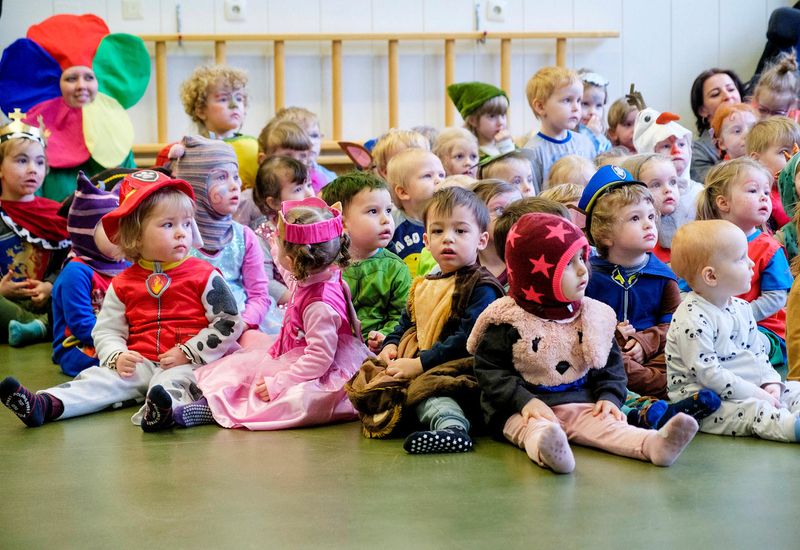
The education system was founded by Margrét Pála Ólafsdóttir in 1989 to promote gender equality, with children taught in small, single-sex groups for most of the day, alongside mixed-gender activities. It aims to break down gender stereotypes by providing focused attention and training in traditionally “opposite” gender traits (e.g., boys in nurturing, girls in assertiveness) through a “compensatory” curriculum, thereby fostering independence, empathy, and resilience in all children, using neutral environments and unisex gear.

Why has Iceland been ranked No. 1 in the World Economic Forum’s Global Gender Gap Index?
The education system was founded by Margrét Pála Ólafsdóttir in 1989.

In this edition of the Global Gender Gap Index, all 10 top-ranked economies have closed at least 80% of their gender gaps, the only economies to do so. European economies dominate the top 10, occupying eight of the spots. Among them, Iceland (92.6%, 1st), Finland (87.9%, 2nd), Norway (86.3%, 3rd), and Sweden (81.7%, 6th) have consistently ranked in the top 10 in every edition since 2006. Compared to the 2024 edition, the United Kingdom (83.8%, 4th) and the Republic of Moldova (81.3%, 7th) moved up in the rankings from last year to join the top 10. Germany (80.3%, 9th) and Ireland (80.1%, 10th) are also among the top 10 this year, marking their 7th and 18th appearances, respectively. New Zealand (82.7%, 5th) and Namibia (81.1%, 8th) have held the two remaining spots in the top 10 since 2021.

Key factors for Iceland’s top ranking have been early suffrage and political power. Iceland granted women the right to vote early (national suffrage in 1915) and has experienced significant female political participation, including the election of a female President and Prime Minister, fostering an environment in which women hold influential roles.

Why has Iceland been ranked No. 1 in the World Economic Forum’s Global Gender Gap Index?
Iceland granted women the right to vote early (national suffrage in 1915) and has experienced significant female political participation.

Economic equality has also played an important role. High female labor force participation, equal pay legislation, and policies that promote women in leadership roles contribute to strong scores on the economic opportunity dimension.

In addition, Iceland’s mandatory, shared parental leave has ensured that fathers take time off, promoting work-life balance and shared caregiving responsibilities, a key factor in workplace equality.

Beyond specific laws, Iceland has a deep-rooted culture and a systematic approach to addressing inequality, viewing gender equality as essential to national prosperity and growth, a sentiment reinforced by early legislation, such as equal inheritance rights in 1850.

Last but not least, Hjalli (“rock” in Icelandic) is based on the theory that children are stunted by being taught in mixed classrooms because social pressures lead them to gravitate toward behavior commonly coded as male or female.

Why has Iceland been ranked No. 1 in the World Economic Forum’s Global Gender Gap Index?
Today, it is estimated that almost 10 per cent of nursery-aged Icelandic children are taught under these principles in 18 preschools and primary schools.

*************************************************
Related: Examining the Gender Pay Gap in Scandinavian Countries

*************************************************

The Icelandic Hjalli Model (Hjallastefnan) is a progressive early education system founded on the following core principles:

  • Children spend most of their day in same-sex groups to minimize traditional gender roles and allow for focused development without social pressure.
  • A curriculum designed to explicitly teach qualities often discouraged by gender stereotypes (e.g., empathy for boys, assertiveness for girls).
  • Classrooms use neutral colors and designs, and toys/uniforms are unisex to avoid gender cues.
  • Cooperative activities are integrated to teach mutual respect, collaboration, and democratic values.
  • Focuses on emotional intelligence, self-regulation, resilience, kindness, and independence for all children.

*****************************************************
Related: Norwegian New York-Based Author, Feminist and Philosopher About Art and Gender

*****************************************************

Today, it is estimated that almost 10 per cent of nursery-aged Icelandic children are taught under these principles in 18 preschools and primary schools.
Children engage in specific courses (e.g., communication, friendship, courage) that rotate, reinforcing all human qualities.) Educators provide equal attention and opportunities, addressing individual needs within a gender-aware framework.

These schools encourage girls to take more risks and to speak confidently and directly. In contrast, boys are taught tenderness and a connection to their caring sides, for example, by giving each other gentle massages.

Why has Iceland been ranked No. 1 in the World Economic Forum’s Global Gender Gap Index?
Icelandremains the only economy to have closed more than 90% of its gender gap since 2022.

Iceland has pioneered efforts to require companies to report their gender pay gaps and to impose quotas for female representation on company boards.

The 2025 Global Gender Gap Index shows that no economy has yet achieved full gender parity. Iceland (92.6%) continues to lead the Global Gender Gap Index, holding the top position for 16 consecutive years, and remains the only economy to have closed more than 90% of its gender gap since 2022.

Why has Iceland been ranked No. 1 in the World Economic Forum’s Global Gender Gap Index? Tor Kjolberg reporting.