
Best Hotel Breakfasts in Norway

Are you going to Norway in the near future? According to a recent unofficial domestic championship, you’re now able to find the hotels in which you can experience Norway’s best breakfasts.

Twinings Best Breakfast is the unofficial Norwegian championship in hotel breakfast. This year more than 400 hotels have been reviewed, and 19 county winners have been selected.

Best Hotel Breakfasts in Norway
“The breakfast gives the hotels a great opportunity to give the guests the best start of the day, “says Svein Arild Steen-Mevold, CEO at Scandic Hotels

“Norway is in a special position regarding hotel breakfasts. The norm is that breakfast is included in the price when staying at a hotel. Therefore, this competition is particularly important. In fact, there are over 9 of 10 hotel guests who have breakfast at the hotel they are staying at. This gives the hotels a great opportunity to give the guests the best start of the day, “says Svein Arild Steen-Mevold, CEO  at Scandic Hotels.

Best Hotel Breakfasts in Norway
Food and drink director at Scandic, Morten Malting

The winning recipe
Food and drink director at Scandic, Morten Malting, believes that the combination of service and innovation is the recipe for award-winning breakfasts.

“The best breakfast requires local produce, hard work and continuous efforts in order to develop and improve. It is clear that sustainable and ecological initiatives pay off. With top-level service, it‘s also important that the chef has a central role. Managers, chefs and waiters alike must understand breakfast trends and be ahead of them,” says Malting.

Best breakfasts in Eastern Norway (Østlandet)
Scandic St. Olav’s
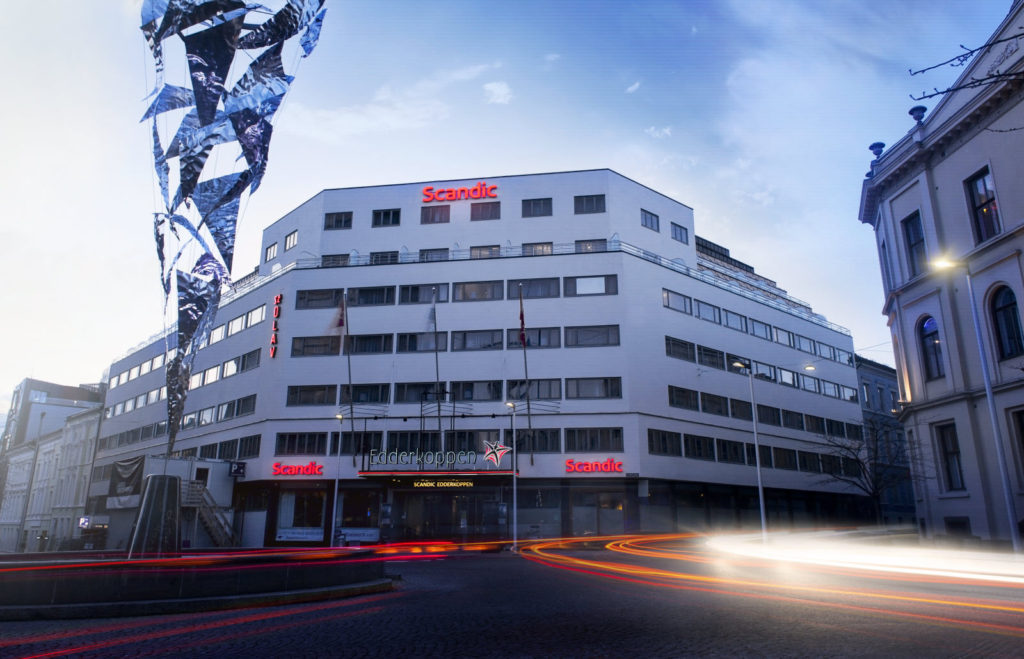
in Oslo has been chosen to be the best breakfast experience in the capital city. Magnus Melsom, responsible for food and drink at Scandic St. Olav’s, says that the most important issue for the hotel is that all guests should experience a perfect breakfast. The hotel also has a major emphasis on fruit and vegetables.
Best Hotel Breakfasts in Norway
Scandic Hotel at St. Olav’s Square in Oslo

“Breakfast is a meal where everyone has special wishes and needs. We have invested heavily in healthy and customized foods, so that all our guests will find a breakfast tailored to their needs. In addition, good signage and inviting presentations are important so everyone finds what they are looking for. The offer must be equal good and tempting if you are the first or the last person who enters the breakfast restaurant,” he says.

Best Hotel Breakfasts in Norway
Hafjell Hotel

The other county winners in Eastern Norway are Hafjell Hotell, Scandic Park Drammen, Scandic Park Sandefjord, Støtvig Hotel, Quality Hotel Skjærgården, Thon Oslo Airport and Scandic Elgstua in Elverum. At Scandic Elgstua, you can experience unique local ingredients for breakfast like hot smoked moose and moose of celeriac.

Scandic Hotel, Hell in the Trondheim region

Trøndelag’s best breakfasts
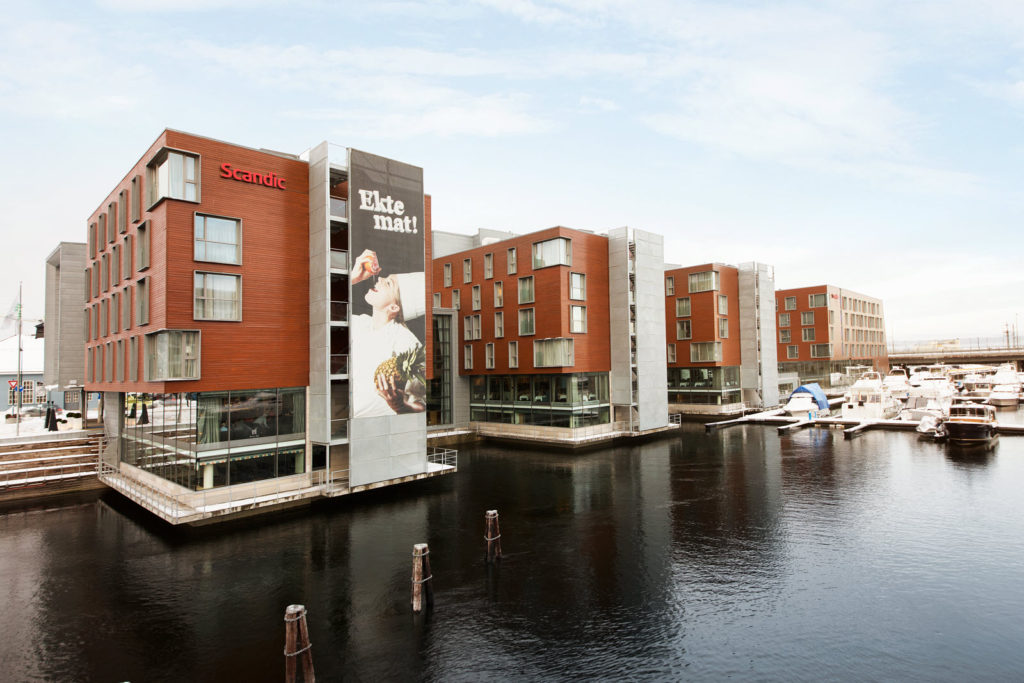
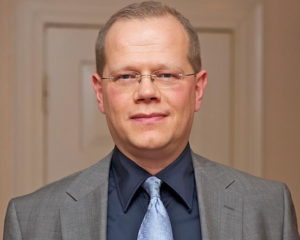
In Trøndelag the winners were Scandic Hell and Scandic Nidelven. Hotel Scandic Nidelven in Trondheim has won Twinning’s award for 10 of the 12 previous years. Hotel Director Kjetil Vassdal believes that one of the secrets of Trondheim’s best breakfast for so many years is the hotel’s ability to renew, for example, by developing its own unique products.
Best Hotel Breakfasts in Norway
Scandic Hotel, Nidelven, Trondheim
Best Hotel Breakfasts in Norway
Director Kjetil Vassdal at Scandic Nidelven believes that one of the secrets of Trondheim’s best breakfast for so many years is the hotel’s ability to renew

“One of the news this year is that we have produced our own cheese, Nidelven Blue, whil we have developed our own breakfast beer that fits perfectly with this cheese,” he says.

The chef at Scandic Nidelven, Sigve Eliassen, hopes that the hotel will take a 11th win this autumn in the championship “Norway’s best lunch 2017”.

“We have cooks who like to brag about themselves, and that adds a little extra to each guest every single day, he says, and adds:  “To stand out in the breakfast room is demanding, and we’re working hard to renew ourselves year after year. Even if you are being endorsed for a perfect breakfast, it does not mean that you can sit back and rest. With us it has become a corporate culture.”
Best Hotel Breakfasts in Norway
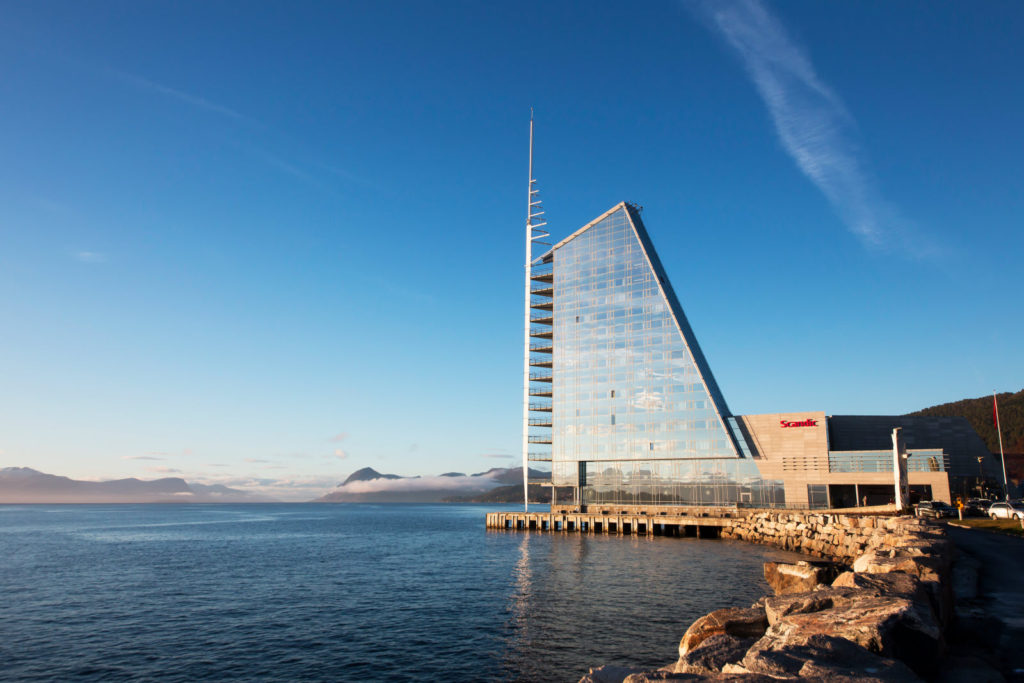
Scandic Seoleu (The Sail), Molde

Best breakfasts at the west coast
In Western Norway the winners are Scandic Seilet, Scandic Sunnfjord and Scandic Maritim Hotel Haugesund. Enjoy Bergen’s best breakfast at the Scandic Bypark. Hotel director Lene Mjeldheim believes that the key to the winning position lies in the use of unique western Norwegian ingredients and an extensive breakfast offer.

Best Hotel Breakfasts in Norway
Breakfast heroes at Scandic Seilet: Grom left chef Tone Rød, breakfast chef Arnt Lyngstad, breakfast chef Anacita Uren, waiter Maimona Lauvstad, weiter Vigdis Kittelsen, restaurant director Sylvia Borgundvåg.

“We use superior ingredients, carefully selected local food, and we have a lot of homemade dishes on the menu. In addition, the staff put their own personal touch on the breakfast with recipes like Sam’s famous omelet, Fonn’s Vitamin C shot and Bengt’s homemade graved salmon,” says Mjeldheim.

Best Hotel Breakfasts in Norway
Scandic Ishavshotellet, Tromsoe

Northern Norway’s best breakfasts
In Northern Norway you may enjoy the best breakfasts at the Scandic Ishavshotellet, Thon Hotel Lofoten and Scandic Kirkenes. For the first time Scandic Kirkenes was the winner in Kirkenes.
Best Hotel Breakfasts in Norway
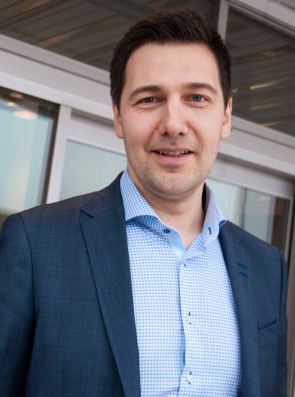
Jevgeni Mlinnikov, hotel director at Scandic Kirkenes

“For the last year we’ ve been aiming to serve a varied and tasty breakfast for all our guests. Regardless of whether you have allergies, intolerances or are vegans or vegetarians, you should have a large and varied breakfast offer. To be the county winner is an inspiration to be even better, and it shows that the job we are doing is appreciated,” says Jevgeni Mlinnikov, hotel director at Scandic Kirkenes.


Southern Norway’s best breakfasts

Dyreparken Hotell and Thon Hotel Arendal have been voted to be the best breakfast hotels in southern Norway.

Best Hotel Breakfasts in Norway
Roof terrace at Thon Hotel, Arendal

Best Hotel Breakfasts in Norway, written by Admin
Chinese Tourists Are Looking to Norway

0

Figures from Statistics Norway (SSB – Statistisk sentralbyrå) show that there has been a clear jump of Chinese trourists coming to Norway in 2017 compared to the last three years.

Worldwide the Chinese tourism boom started almost 10 years ago, and new statistics on hotel stays show a 90 percent increase in Chinese nationals to Norway so far this year with 31,803 overnight stays.
Chinese Tourists Are Looking to Norway
China and Norway illustration by Thinkstock

One of the reasons for Chinese to go to Norway is according to GoDigitalChina that the average income in China has risen by 30 percent. Assuming that only 4 percent of the population in China has an income of at least $15 000 annually, the number of people who can afford travelling to Europe has increased by 600 percent.

Related: China and Norway Normalize Relations

Chinese Tourists Are Looking to Norway
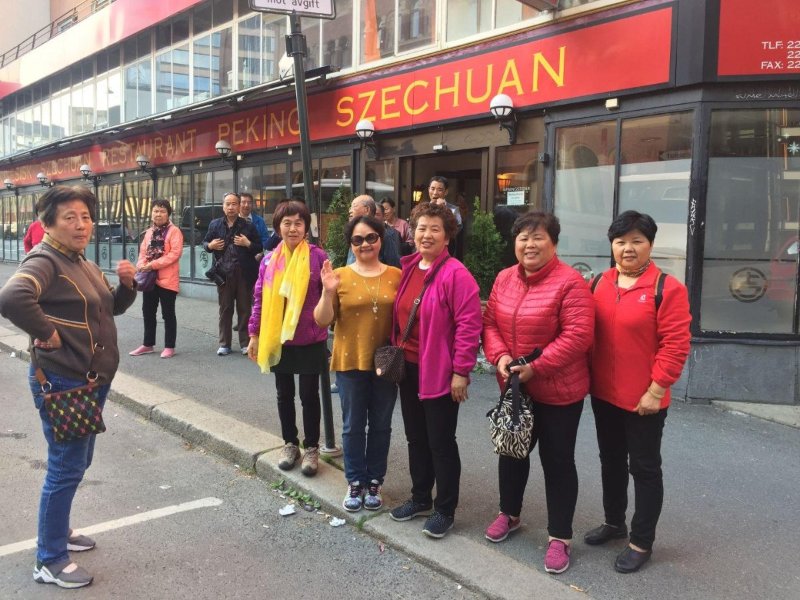
Chinese tourists in the Frogner Park, Oslo
Photo: Lise Åserud / NTB scanpix

Another reason is improved relations between Norway and China. The tourist industry noted a downturn in relations between Norway and China after Liu Xiaobo received the Nobel Peace Prize in 2010. In December last year, the government announced that relations between the two countries had been normalized after six years without any political engagement.

Chinese Tourists Are Looking to Norway
Chinerse tourists in Oslo

A third reason is the beautiful nature in Norway and the fact that Norway is considered a peaceful country.

“The Asian market is growing the most,” Bente Bratland Holm, travel director for Innovation Norge, told newspaper Aftenposten earlier this year. “Norway now has the most overnight stays by Chinese tourists in Scandinavia.”

Related: H. C. Andersen Fairytale Book Containing Handmade Danish Chocolate for Chinese Consumers

Purchases of airline ticket and hotel reservations have led travel and tourism organizations to expect yet another record year, with business up 28 percent over last year.

Chinese Tourists Are Looking to Norway
Ole Warberg

‘China can become one of our largest foreign markets,’ said Bergen Reiselivslag Director, and President of NHO Reiseliv, Ole Warberg.

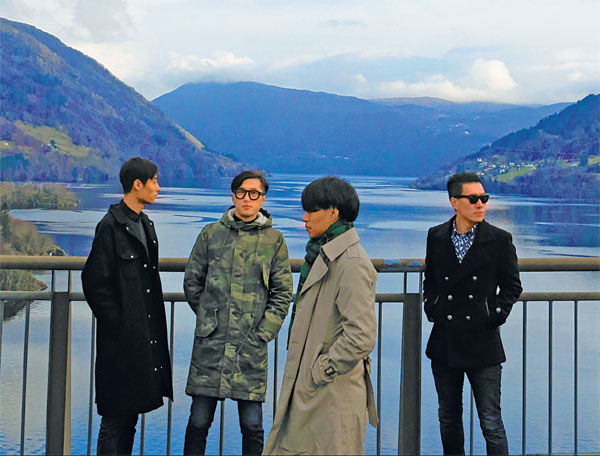
Feature image (on top): Members of Chinese rock-band Escape Plan on a tour to Norway

Chinese Tourists Are Looking to Norway, written by Tor Kjolberg

Swedish H Day

0

50 years ago, 3 September 1967 Sweden switched from left-hand to right-hand traffic. At that time 90 percent of Swedes drove left-hand drive vehicles which led to many head-on collisions when passing on narrow two-lane highways. The H stands for Högertrafik (right traffic).

The H Day was an historic and potentially catastrophic moment, which luckily unfolded smoothly as anyone possibly could have imagined. The decision to move to the other side of the road was however not taken lightly. In fact, the idea had repeatedly been voted down during the preceding decades.

Swedish H Day
Left-hand drive bus in Stockholm

Over one thousand new buses were purchased with doors on the right-hand side. Some 8,000 older buses were retrofitted to provide doors on both sides, and the city of Malmö exported their right-hand drive buses to Pakistan and Kenya.

Related: Nostalgic Driving in Sweden

Swedish H Day
Swedish G Day sign

There had of course been meticulous planning ahead of the momentous occasion, including government-led education campaigns as well as a right-hand-traffic-themed song-writing competition by public broadcasters. As you know, Swedes know how to write popular music.

Here is the winner:

A popular referendum in 1955 showed however that 83 percent of the Swedish population was opposed to the change, but on 10 May, 1963 the Swedish Parliament approved the introduction of right hand traffic in 1967.

Swedish H Day
Trams pn Line 5 in Stockholm, 1962. Photo: Håkan Trapp

On September 3rd 1967 all non-essential traffic was banned from the roads between 1am and 6am; in Stockholm and Malmö the ban was in place from 10pm on September 2nd to 3pm the next day.

Related: Sweden’s “Middle Way”

With all of Sweden’s neighboring countries driving on the right, it made sense for Sweden to do the same.

Feature image (on top): 3 September 1967: Kungsgatan in Stockholm (Wikipedia)

Swedish H Day, written by Tor Kjolberg

Welcome Back to Norway, Maud!

0

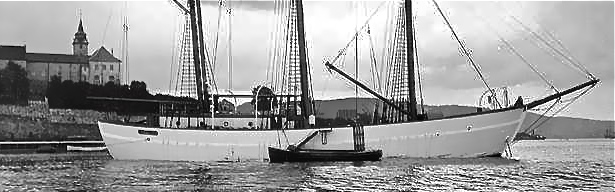
Norwegian explorer Roald Amundsen’s sturdy oak ship Maud was made to withstand Arctic winters but sank off the coast of Cambridge Bay, in northern Canada’s remote Victoria Island in 1930. 87 years later she is ready to sail back home to Norway.

“It is not my intention to dishonor the glorious grape, but already now you shall get the taste of your real environment. For the ice you have been built, and in the ice you shall stay most of your life, and in the ice you shall solve your tasks. With the permission of our Queen, I christen you Maud,” said Roald Amundsen when he ceremonially christened the vessel in 1917, crushing a chunk of ice against her bow.

Welcome Back to Norway, Maud!
Roald Amundsen christened the vessel Maud in 1917

Maud was built for his second expedition to the Arctic through the Northeast Passage and named Maud after Norway’s then-queen. Amundsen’s original plan was to sail through the unexplored part of the Arctic Ocean, and perhaps drift over to the North Pole. After two failed attempts, he abandoned his plan to go to the North Pole, and after seven years of exploring the Arctic, Maud was seized by Amundsen’s creditors and sold to the Hudson’s Bay Company in 1925.

Welcome Back to Norway, Maud!
Maud was an attraction for cruise ships coming in, sail boaters, and just regular visitors to Cambridge Bay

For years Norwegian project manager Jan Wanggaard and his team has worked with the “Maud Returns Home” project. Last summer they used giant “balloons” to raise the wreck and then slipped a barge under it. Over the winter they let it dry and then followed considerable repatriation efforts.

Welcome Back to Norway, Maud!
Norwegian project manager Jan Wanggaard

Related: Only Filipina Who Has Reached the North Pole

Although the Maud’s exploits aren’t widely known today, the expedition was quite eventful for Amundsen. He was nearly mauled to death by a polar bear and poisoned by carbon monoxide. However, it resulted in heaps of scientific data on the Arctic environment.

Welcome Back to Norway, Maud!
Deputy Mayor of Cambridge Bay

Joe Ohokannoak, deputy mayor of Cambridge Bay and an amateur historian who enjoys studying Arctic history, says Maud certainly is a part of their history. “It was an attraction for cruise ships coming in, sail boaters, and just regular visitors to Cambridge Bay, especially the last year when it was totally out of the water on pontoons,” he says.  For decades, parts of her hull protruded above the waters.

Amundsen was the first man to reach the South Pole, including the first successful transit in the Northwest Passage.

Related: Can You Name the World’s Largest Island?

Welcome Back to Norway, Maud!
Maud being lifted

Maud will spend this winter in Greenland after heading east, back through the Northwest

Welcome Back to Norway, Maud!
“The Maid is now ready for the next step, which is to sail home,” said Wanggaard

Passage, before going on its final destination to Norway.

“The Maid is now ready for the next step, which is to sail home,” said Wanggaard.

Welcome Back to Norway, Maud! Written by Tor Kjolberg

Hästens – The Swedish Dream Factory

Pehr Adolf Janson had a dream – to make the world’s best handcrafted beds and for five generations, the company he founded in 1852 has had as its goal that people should sleep well and wake up refreshed. He created Häsyens – the Swedish Dream Factory.

“Before Thomas Edison invented the light bulb, before Alexander Graham Bell made his first phone call and before Henry Ford put the world on wheels, my great-great-grandfather founded Hästens,” says Jan Ryde, fifth-generation owner and executive chairman of Hästens.

 Hästens – The Swedish Dream Factory
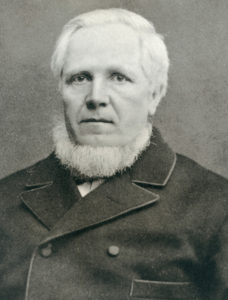
Pehr Adolf Janson

The Hästens history
The Hästens company began in 1852 as a saddler. Master saddlers at that time were also upholsterers, and as a result, the horse, horsetail hair, the tailor and his handcraft have always been present in every detail of Hästens and its beds. The arrival of the automobile reduced the need for saddlery as the company focused more and more on beds, and soon Hästens was manufacturing the most comfortable beds ever made.

The best beds during the 19th century were considered to be made in Europe. So Swedish master craftsmen did what Swedes do best; combining the standout features of European beds with Swedish ingenuity, craftsmanship, logic and problem solving.

 Hästens – The Swedish Dream Factory
The Hästens topper measures an impressive 7cm deep and keeps your body at the ideal temperature and provides the right balance between firmness, cushioning and springiness to give you that instant cloud feeling when you climb into bed

Hästens launches the world’s first frame bed
Production of beds has now been lifted to a whole new level, and the continuous product development that has made Hästens famous has now become the norm.

 Hästens – The Swedish Dream Factory
Hästens Excel frame bed

Hästens was the first company in the world to use a top mattress on a continental bed and launched the world’s first frame bed.

 Hästens – The Swedish Dream Factory
Hästens trademark registered in 1935

In 1917, third generation David Stefanus Janson decided that the company should concentrate solely on making beds. Hästens’ logo was then designed by Janson’s artistic cousin Paul Janson, the trademark being registered in 1935.

David Stefanus Janson’s vision was to build a “dream factory” in Sweden. A relatively unknown British-Swedish architect, Ralph Erskine, was engaged to design an untraditional factory to be built in Köping, south-west of Stockholm. The building, which was jokingly called “the Tivoli”, has later gained iconic status among architects in Sweden as well as abroad. In 1998, Erskine returned to Köping to expand the building he had designed more than 50 years before.

Fifth generation Jan Ryde in front of Hästens’ headquarter in Köping

The Swedish Dream Factory grants 25 year warranty
In the 1940’s, Hästen introduced a 25-year guarantee on all its beds, and in 1952, the Swedish American Line ordered Hästens beds for its cruise ship M / S Gripsholm, enhancing Hästen’s reputation as a manufacturer of quality beds worldwide.

 Hästens – The Swedish Dream Factory
The Appaloosa mattress designed by Bernadotte & Kylberg

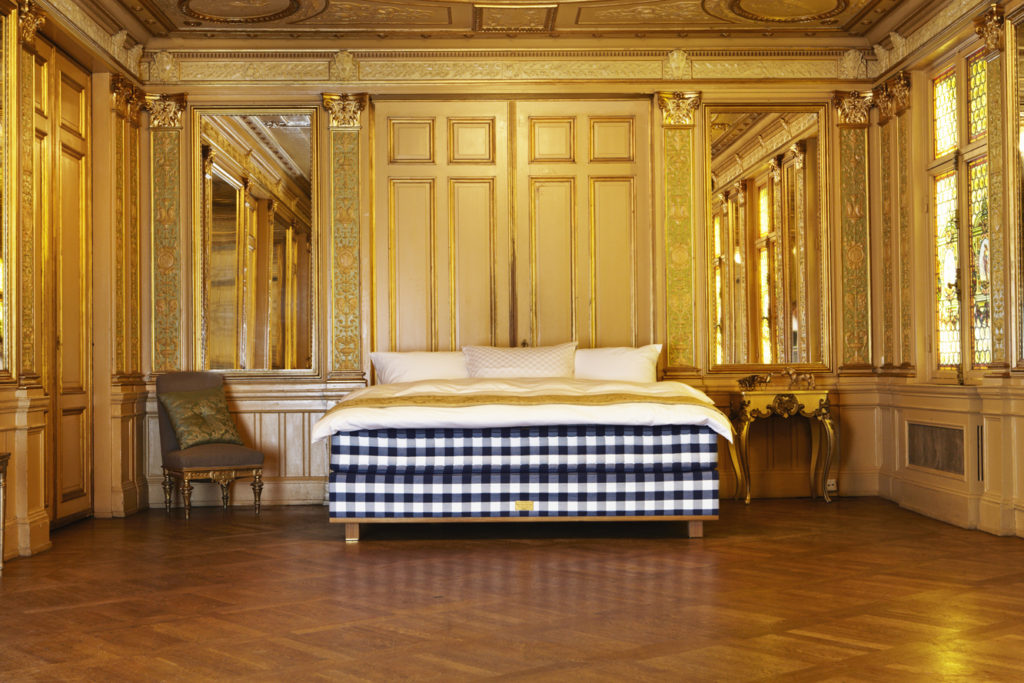
David Janson’s daughter Solveig, married to the artistic visionary Jack Ryde, continues Hästens’ traditions with her sisters and husband. In 1978, the famous blue-checkered Hästens pattern (currently available in 13 different colors) was designed by Ryde. A modern cubic version of the pattern was launched in connection with the 40th anniversary of the checkered pattern which was designed by the Stockholm-based design duo Bernadotte and Kylberg.

 Hästens – The Swedish Dream Factory
Family traditions have been continued with quality crafts and forward thinking

Family traditions are the very symbol of Hästen’s success
The synergy between father and son, parents and children, generation after generation, has become the symbol of Hästen’s success. The children have been inspired by their parents and have always built on their experience. Family traditions have been continued with quality crafts and forward thinking.

 Hästens – The Swedish Dream Factory
Handmade stitching

Fifth generation
“I want you to be better than I am, learning to master a profession of your choice that gives people something they need. This way you will always be able to take care of the people you love the most,” said the foresighted founder, Pehr Adolf Janson, to his sons Adolf Fredrik and Per Thure.

Fifth generation Jan Ryde, is now the owner and manager of Hästens, with one of his sons actively involved in the business.

 Hästens – The Swedish Dream Factory
Inside Hästens factory in Köping

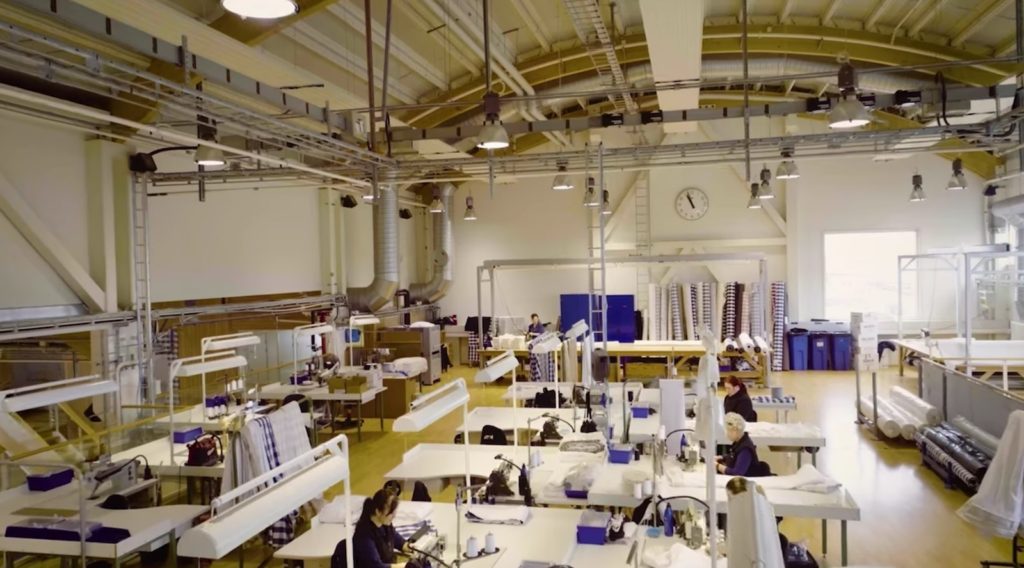
Walking around in Hästen’s factory in Köping is like walking around in an animation movie of Walt Disney’s. Each department and each employee has its specific tasks. There are no robots here, only 100 skilled professionals making 30 mattresses a day.

 Hästens – The Swedish Dream Factory
A Hästens bed consists of layer upon layer of natural materials

A Hästen mattress follows the laws of nature
We spend about one third of our lives in bed so the mattress is very important in order for us to sleep deep and well. Good sleep comes from more than the sum of the different components, more than just the bed frame and mattress. It is the culmination of five-generation sleep craftsmanship using natural materials adapted to individuals. Sleeping on the wrong mattress can cause insomnia, pain and in worst case sickness.

Hästens – The Swedish Dream Factory
We spend about one third of our lives in bed so the mattress is very important in order for us to sleep deep and well

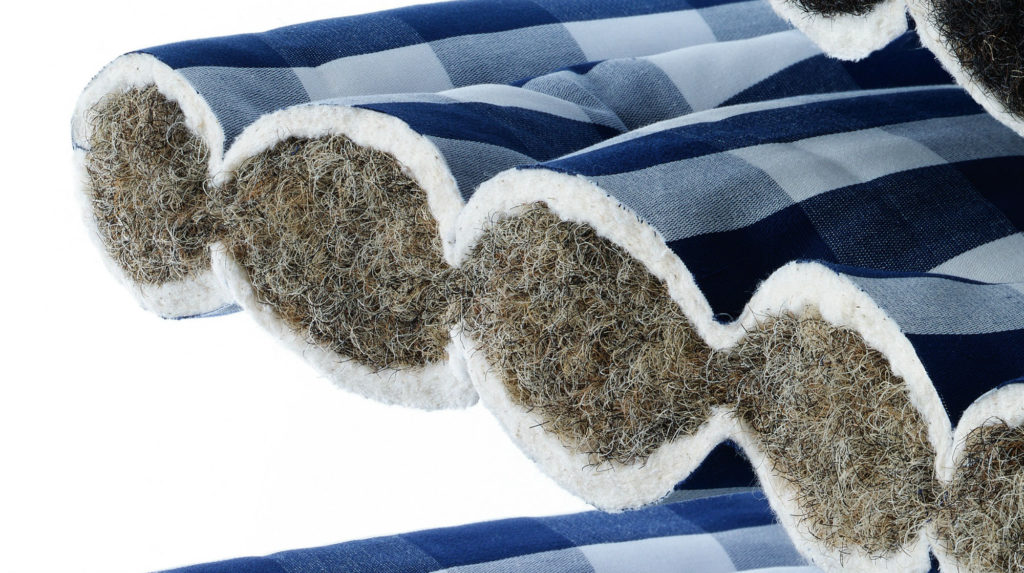
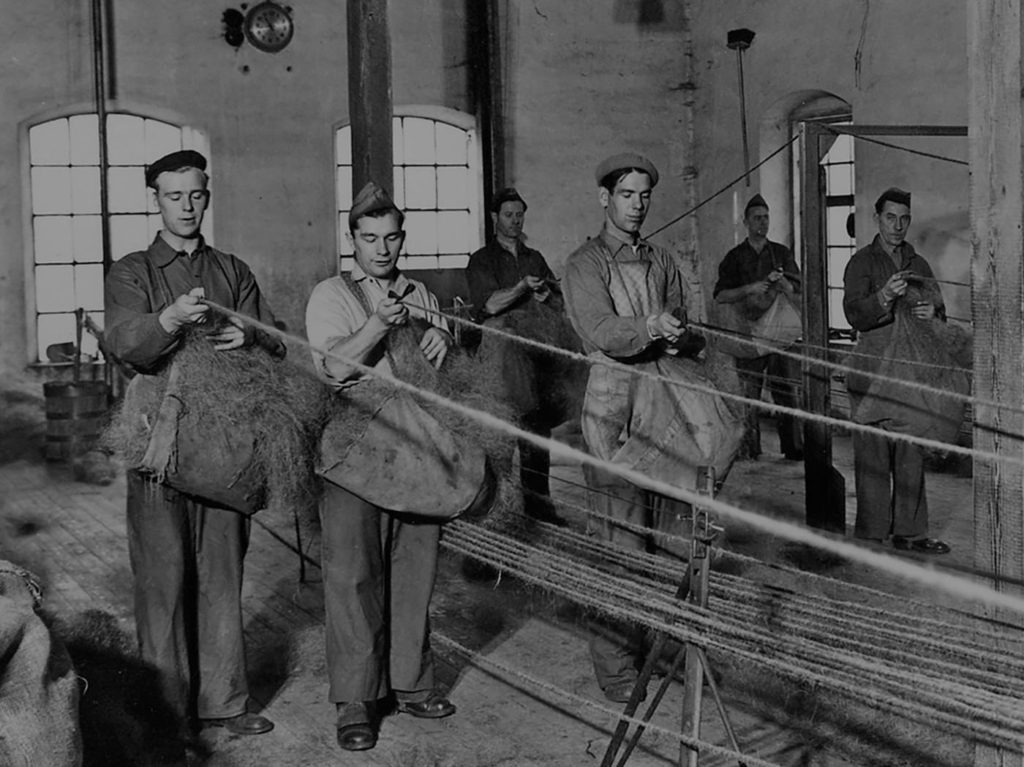
In all Hästens beds, horsehair from slaughterhouses in South America, where horse meat is a delicacy, is used. The horsehair is washed and twisted tight in long braids while still wet. In Sweden the braids of horsehair, which have become curly of the twine, are then opened.

The hairs in the horse’s tail are hollow so that when heated, they absorb moisture. When cooled down, they release the moisture. These are features perfectly fit for beds. The hairs absorb the moisture that is emitted while you sleep and release the moisture after you rise.

Hästens – The Swedish Dream Factory
The headquarter in Köping was jokingly called “the Tivoli” and has later gained iconic status among architects in Sweden as well as abroad

At the factory, the horse hair is distributed by hand across what is about to become the mattress and top mattress. A twin top mattress contains 3-4 kilos of horse hair while the bed itself contains much more. Between several layers of horsehair and over the bed bottom itself are sections with felted wool and cotton blend.

Only natural materials
In a Hästens bed, wool from the abdomen on sheep in New Zealand is used. The wool gives warmth when it’s cold and coolness when it’s hot.

Hästens – The Swedish Dream Factory
From Hästens Beds’ flagship store in Dubai

The pine wood in the bed frame comes from northern Sweden while the plugs hidden inside the famous blue–checkered pattern are fashioned from Swedish oak. The spring coils in the bed are made of Swedish steel. A common curing process makes the steel rigid. The springs are treated with induction so that the outside becomes hard while the core is still soft, resulting in better suppleness. Small spring coils are packed into viscose bags resulting in less rubbing and preventing static electricity, which some sleepers might otherwise respond to.

The mattresses consist of two harnesses, both of which are embroidered. A double bed often consists of one hard side for the man (who generally has the heaviest body weight) and a softer side for the woman. The natural materials adhere to the body.

Hästens currently offers 11 different bedding models

 Hästens – The Swedish Dream Factory
Hästens – The Swedish Dream Factory
 Hästens – The Swedish Dream Factory
The top of the line Hästens continental bed takes more than 320 hours to produce

The top of the line Hästens continental bed takes more than 320 hours to produce andaccording to CEO Björn Kölerud, Hästens is now represented in 37 markets, North America being the largest.

“The combination of springs, pocket springs and materials creates a whole,” says Kölerud. “Other manufacturers may have specialties like memory foam etc., but for us it’s about allowing people to sleep well and wake up refreshed,” he concludes.

Find a Hästens dealer near you

Feature image (on top): Hästens Vividus

All images by Hästens

Hästens – The Swedish Dream Factory, written by Tor Kjolberg

Oslo Welcome Week

Oslo International Hub is welcoming internationals with the first-ever “Oslo Welcome Week”, starting today Thursday 31 August.

Oslo Welcome Week ’17 is a pilot, preparing for OWW ’18. We hope to contribute to Oslo becoming an even warmer city for internationals moving here,” says founder of Oslo International House, Jørn Lein-Mathisen. OWW is here to welcome internationals and repatriated Norwegians back to Oslo after summer, no matter how long since they arrived first time,” he adds.

Oslo Welcome Week
Oslo International Hub is helping under-utilized international talent to package and sell their competence – no matter if they do tech or consulting

Oslo Welcome Week is organized by International House in Oscarsgate 27, right behind the royal palace and run by the incubator Oslo International Hub, the only incubator in Norway focused on internationals. From today throughought next week  internationals and repatriated Norwegians are invited to a host of different events, and more are still being added. “We are just these last days inviting any other institution in Oslo to add to the OWW program” says Lein-Mathisen, continuing “any event held in any language but Norwegian, that is open to any internationals and focused on the values of cosmopolitanism, business and creating your own future”.

Oslo Welcome Week
Oslo International House in Oscarsgate 27. Photo: Nicci Oih

In fact, OWW opens this Thursday afternoon 5.00 – 8.00 pm with French Market 2017.

This is the third French market, arranged jointly between French-Norwegian Chamber of Commerce, Atout France, France Alumni Norvège and Oslo International Hub. Members and business people with any connection to France can mingle with an international business community and discover a selection of French products and services, as well as enjoy the yearly summer party at the International House.

Oslo Welcome Week
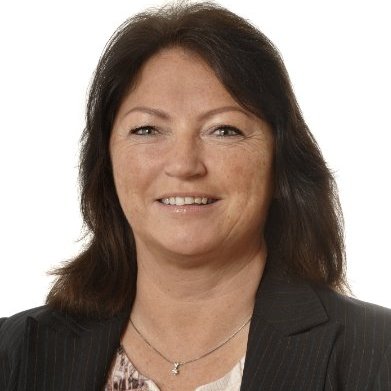
CEO of Oslo International House, Elisabeth Kalsnes

When the International House was awarded “Oslo Garden of the Year 2016”, Elisabeth Kalsnes, CEO of Oslo International Hub, said, “We are very proud to receive this award for our garden in the heart of the embassy district behind the royal palace.”

Friday 1 September follows with weekly Friday International Lounge, from 3.30 – 6.00 pm. Every Friday international professionals meet at International House in a relaxed atmosphere. When the weather allows, the participants are enjoying the surroundings in the beautiful “royal” garden – ir even going sailung together – so check our Facebook page. You are free to bring a bottle or snacks to share, and are encouraged to bring business cards and your smile. Alternatively to the garden, the state of the art Conference room does just fine. At 4 o’clock starts a tour of International House.  These Friday lounges are organized jointly by Oslo International Hub and Oslo International Club. For those who want to continue the evening in a fashionable manner, Litteraturhuset Café is just down the block.

Oslo Welcome Week
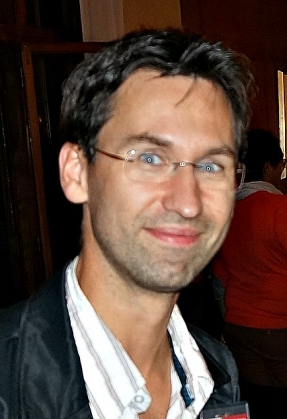
Foinder of OIH, Jørn Lein-Mathiesen welcomes internationals and repatriated Norwegians back to Oslo after summer

“Embrace that you are more than just Norwegian. Give your international self to co-create this cosmopolitan city that Oslo has become. By internationals, for internationals,” says Lein-Mathisen.

Saturday 2 September
at 2.00 pm until midnight is The Summer Networking Barbecue Festival.
This is a collaboration of the most influential social, startup and entrepreneurial networks in Oslo, where the startup and expat community of the city meets up for the largest Summer Networking Event in this area this year – all while having nice drinks, talks, opportunities and excellent BBQ. Organizers: Oslo International Hub are among others New to Oslo (facebook-group), DrinkEntrepeneurs OsloExpats in OsloHUB.no, Millenials in Oslo and Alfaskolen.

To register for this event click here!

There will be several Barbecue options, including Vegan. Unique, handmade, and delicious food is served. The raffle includes one of Alfaskolen’s professional Norwegian courses, tailored to the winner’s skill level – as well as a two part-time desks at International House.

There is limited program by design, this is all about mingling. But the garden opens at 2.00pm, a short tour of International House is offered at 2.30pm before an official welcome at 3.30pm followed by another tour of the House. At 4.00pm we have a fireplace chat on innovation trends: How London corporates are trying out new models for outsourcing innovation. Jerome Andries is CFO at the leading HIV company Viiv, about to take on the CFO role for all R&D in pharma giant GSK.

The party moves indoor around 9 o’clock to continue eating, drinking and having fun until late.

To register for this event click here!

“Oslo has become a very cosmopolitan place, much more so than when I last lived in Oslo ten years ago.” said So Takahashi, graphic design guru, when he visited International House earlier this month.

Osalo Welcome Week
Oslo Welcome Week is organized by International House in Oscarsgate 27, right behind the royal palace

Monday 4 September 12.00 – 12.30 pm is the Informal International Lunch where the participants bring their own lunch and listen to a 5 minutes presentation of a hot topic, followed by questions and answers as well as mingling. This is organized every Monday at 12pm at International House.

Oslo Welcome Week
Oslo International Hub is by internationals, for internationals,” says Jørn Lein-Mathisen.

“International House is the leading arena for internationally-minded professionals in Norway, says Jørn Lein-Mathisen.

Wednesday 6 September 4.00 – 5.00 pm: Club Diplomatique Summer reception (By Invite Only – for diplomats, bilateral chambers etc)

Welcome drink and mingling, then followed by short program – and then the OWW party. The program ask if “good” values matter in international business today? More so?

– All Norwegian businesses (receiving public funds) must follow the 2015 UN Guiding Principles on human rights, by Norwegian Ministry of Foreign Affairs (TBC)

– Norwegian business as a force for good globally, by Kirsten Sandberg Natvig, RBAdvisors

– Being businessworthy – common values in purpose-driven companies. By Per Saxegaard, founder Business for Peace Foundation.

Wednesday 6 September 5.00 – 7.30+: OWW Party
Drinks and mingling with the International House community – Oslo Welcome Week. Drinks and food for sale. Organized by: Chamber of Commerce – France, Israel, Ukraine, Nigeria, Litauen, Columbia (musica!) and International House.

Oslo Welcome Week
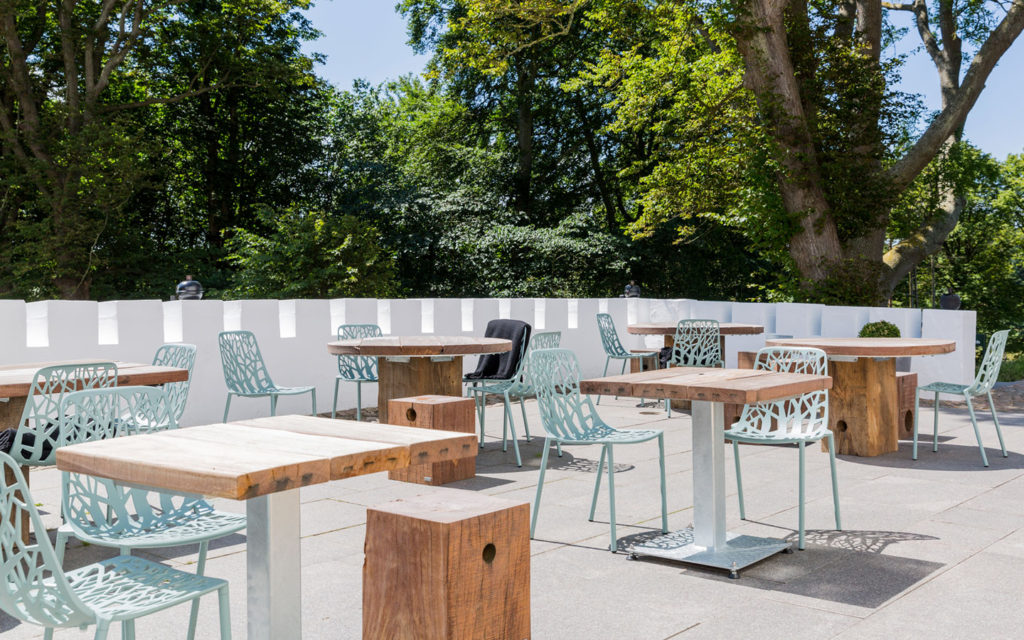
The Oslo Internatuonal House’s Garden was awarded “Oslo Garden of the Year 2017”

Wednesday 6 September 6.30 – 7.30 pm Oslo International Rotary Club
As every Wednesday at International House, the only English-language Rotary Club in the Oslo region has its meeting 6.30-7.30pm. Guests are always welcome, but better connect beforehand.

Thurday 7 September
4.00 – 7.00pm:
Inspirational Forum #LoveWhatYouDo

Topics like
– Bring Love and Passion to your Work
– Get inspired and
– Start changing your life

This event is for YOU and about YOU.
*Passionate and inspiring people
*True stories
*Great content and new ideas
*Insights and advice
*Mingling and wine

Amazing people with different experience and backgrounds will come together.
No matter what you do if you do it with love its already a success.
The speakers will share their true stories, – Stories of successes and failures. They will open their hearts for YOU. Hear from the people who believe that creating things with passion and love can change the world. And they do change it!

For more information, program and tickets click

Organizers: Love What you do, Oslo International Hub

And once again it’s Friday and time for another Friday International Lounge.

Friday 8 Septeptember 4.30 – 5.30 pm: Friday International Lounge
Program as of 1 September.

Saturday 9 September 8pm, English-language Comedy Club
A cool event around the corner from International House is the Comedy Club. Good members discount for members of Oslo International Club and Oslo International Hub, mention your membership at the door. Cash only.

Oslo Welcome Week
Oslo International Hub
OIH, the incubator that runs International House, is helping under-utilized international talent to package and sell their competence – no matter if they do tech or consulting or anything else.

Oslo International Hub was started in 2013. During the first year, more than 70 startup companies moved in, and in the same time period a new startup concept was conceived from the synergies between the different startup companies. These synergies are what make the Hub unique.

“We are helping qualified expats in Norway to use their talents and contribute to our country’s economic growth,” says founder Jørn Lein-Mathisen in Oslo International Hub. “Our hairy goal is to increase our foreign trade with at least 1% annually. So far we are well on our way – having created what is the closest thing to a world trade center in Norway for now,” he adds.

Oslo Welcome Week, edited by Tor Kjolberg

Art and Design in Copenhagen

A two-minute walk south of the City Hall on H.C. Andersens Boulevard is the Dansk Design Center with ongoing Danish and international exhibitions.

The Danish Design Centre seeks to promote the value of design for Danish business and industry. Denmark has a unique design narrative. The DDC is rooted in history and in the qualities that Danish design stands for, but it is also oriented towards the future.

Art and Design in Copenhagen
Danish Design Center

Related: Art in Copenhagen

Until 29 September you can explore the winners and finalists of this year’s Danish Design Award, who demonstrate the difference design can do.

Art and Design in Copenhagen
Exhibition at Danish Design Center

Across the road is the Ny Carlsberg Glyptotek. This exquisite museum offers a grand art collection begun by the brewer Carl Jacobsen and maintained by the New Carlsberg Foundation.

Art and Design in Copenhagen
Ny Carlsberg Glyptotek

Related: Experimentarium in Copenhagen Re-opened

There are collections of ancient Egyptian, Greek, Roman and Etruscan sculptures, as well as some French masterpieces from Cézanne, Gauguin and Todin. The lush, palm-lined indoor Winter Garden has a wonderful café.

Feature image (on top) Sculptures in Ny Carlsberg Gyptotek

Art and Design in Copenhagen, written by Tor Kjolberg

New Skyline Restaurant in Copenhagen

September 20th Restaurant Trio opens its doors at Axeltorv Square in a completely new building consisting of five tower-like structures in central Copenhagen.

On the three top floors of Axel Tower’s Tower D, there will be an exclusive banqueting room, a cocktail bar and Trio restaurant on the very top (the 10th floor).

New Skyline Restaurant in Copenhagen
Christian Aarø

Behind the concept is the team of the two-star Michelin restaurant AOC in Dr. Tværgade, Christian Aarø and Søren Selin.

New Skyline Restaurant in Copenhagen
Søren Selin

With a location next to Tivoli Gardens and the Circus Building in central Copenhagen, expectations are sky high for the new restaurant concept.

New Skyline Restaurant in Copenhagen
A part of the bar on the 8th floor will have an open stairway to Trio Restaurant on the 10th floor

The banqueting room on the 8th floor will accommodate around 70 people, and both the view and surroundings are exquisite with views of Sweden as well as fine interior. The 8th floor has its own kitchen for those who want a unique private dining experience.

Related: Cocktails in Copenhagen

New Skyline Restaurant in Copenhagen
Søren Selin in Trip restaurant

In the bar on the ninth floor you can get both classic cocktail and Nordic-inspired drinks based on among other ingredients, aquavit. A part of the bar will have an open stairway to the 10th floor.

“We want to try something new here. Normally, when you enter a sky-bar anywhere in the world, you get a relatively bad  overpriced drink, just because it is a sky-bar. We want to change that,” says Søren Selin.

New Skyline Restaurant in Copenhagen
Aerial photo of Axel Towers

Trio, on the 10th floor, will be a lively medium-priced restaurant with space for 100 guests.

Related: Selected Cocktail Bars in Oslo

The five towers of Axel Towers are of different sizes with up to 16 floors. At street level and on the 1st floor, the building is fitted with cafes and shops. The five towers are joined at the top by footbridges, while at street level there is open space between the towers.

New Skyline Restaurant in Copenhagen
With a location next to Tivoli Gardens and the Circus Building in central Copenhagen, expectations are sky high for the new restaurant concept

“Since it’s unwise to drink on an empty stomack, and alcohol goes well with food, you can in fact eat in our cocktail bar,” explains Selin. “Everything on the menu, as well as nuts and snacks, is served there,” he adds.

New Skyline Restaurant in Copenhagen, written by Tor Kjolberg

Royal Dinner in Denmark

0

The unique kitchen in the 800-year-old Dragsholm Castle, supervised by chef Claus Henriksen, is well worth a visit. Experience a royal dinner in Denmark.

In 2014 Dragsholm Castle was acknowledged by the US food magazine Bon Appétit as one of the 11 best Food Lover’s Hotels outside the United States. Here landscape, gastronomy and history are united into harmony and you can experience the past, the present and the future in one setting.

Royal Dinner in Denmark
Castle kutchen, Dragsholm castle

Visitors who do not want a full evening at one pf the castle’s two restaurants can enjoy a glass or a light dish at the new food bar having a wonderful view to the Nekselø Bay.

Royal Dinner in Denmark
We enjoyed 16 royal dishes in the Castle kitchen

The castle’s gourmet restaurant “Slotskøkkenet” (The Castle Kitchen), however, belongs to the Nordic gastronomic elite. The castle itself is one of the oldest in Denmark in the beautiful countryside of Odsherred.

Royal Dinner in Denmark
Chef Claus Henriksen

The big menu may vary from season to season. It’s called “Time and Place” and starts with six appetizers, served one by one. We had leaves of pickled majors with oyster emulsion, scallops with dried gooseberries, pancakes witch chicken skin and a delicious gazpachoque soup with cucumber and a few drops of smoked oil and corn.

Royal Dinner in Denmark
Claus Henriksen and hotel director Mads Bøttger

Related: Luxury Spa in Copenhagen

The castle kitchen is an innovative gourmet cuisine, where the basis is the castle’s history and seasonal produce from the Odsherred area. The past and the future are thus united on the plate.

Royal Dinner in Denmark
The past and the future are united on the plates.
Royal dinner in Denmark
“Slotskøkkenet” (The Castle Kitchen), belongs to the Nordic gastronomic elite

The name Dragsholm means “the islet by the drag”, where the “drag” refers to the isthmus that connected Odsherred with the rest of Zealand before the reclaiming of Lammefjorden (The Lamb Fjord).
After the appetizers an excellent sommelier and servant drove an old-fashioned meat grinder to the table to grind a lot of fresh strawberries, which were mounted on the spot with browned sugar and served with, among other things, currants, raspberries and sprouts, accompanying a delicious virgin lobster.

Royal Dinner in Denmark
Visitors who do not want a full evening at one pf the castle’s two restaurants can enjoy a glass or a light dish at the new food bar having a wonderful view to the Nekselø Bay.

Wine plays a very special role at Dragsholm Slot. The wine cellar contains a selection of excellent wines, discovered during visits with wine growers, on vineyards and through numerous wine tastings by some of the best wine merchants in the country.

Royal dinner in Denmark
The wine cellar contains a selection of excellent wines

Related: Copenhagen Gourmet

The islet has been the site for a Dragsholm Slot, since the 1200s original palace, later the medieval castle and to the present baroque castle. There are guided tours of the castle all year round.

The dinner continued when a rolling table was place by our table, offering a boiled Thornback ray, whose meat was cut from the bone and served in an intense sauce of smoked butter, sunflower seeds, cider from Birkemosegård and pikcled pear flowers. The tasty dish was brilliantly accompanied by white Burgundy from Ballorin.

Royal Dinner in Denmark
There are guided tours of the castle all year round.

The next dish consisted of white rings of partly squid and partly large onion fried in the vintage fat from a cow shot in 2015, as well as bronze fennel. The Cuvée Castor wine from Champs Divin in Jura with a smooth bacon taste was perfect to the dish.

The following so-called “Intermezzo” consisted of two intermediaries, one of which was the evening’s most interesting dish, a regional dish from Seljrø, a kind of Danish dumplings or ravioli. The dough was made of soft oatmeal and the fillet consisted of veal and pork, served in an intense sauce consisting of whey, seaweed and pepper.

Royal dinner in Denmark
One of the ‘in between’ dishes

The second ‘between dish’ consisted of a bite of honey grilled lamb breast served on a marzipan spear of bird cherry.

In the Castle Kitchen, the main course is always a pure vegetable dish. We were served a potpourri of delicacies from the castle’s own garden; sweet carrots, parsnips and parsley roots with flowers from all over the world with herbs and a sauce of ‘saved’ celery.

Royal Dinner in Denmark, continue reading….

Before that we had a portion of monk-fish fried crunchy crispy and served with romaine salad, cream of romaine, rucola and egg added more crisp brown sauce made of the fish’s fried bones and red wine. The dish was served with a masculine Beaujolais-like red-.wine from Chateau de Lavernette.

Royal Dinner in Denmark
The big menu may vary from season to season

Refreshing desserts consisted of lightly warmed blueberries with milky and crisp “bark” of baked parsnip and ice cream of green strawberries with various flowers.

16 servings later we were so pleased, not only by the food but the whole experience. The Castle Kitchen has one Michelin star. We think it deserves more!

Advance table reservation necessary.

Royal Dinner in Denmark, written by Tor Kjolberg

Norwegian Food Traditions – A Living Museum in Oslo

0

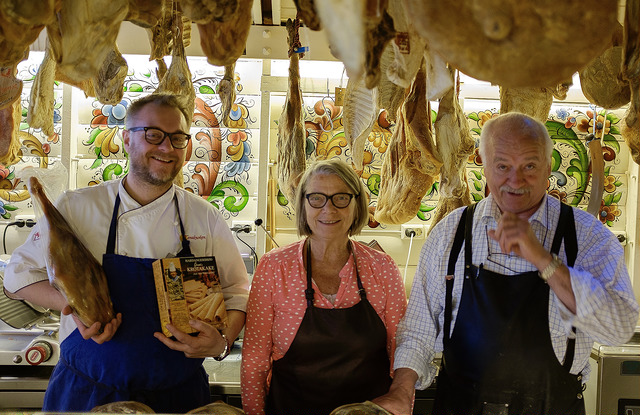
In downtown Oslo not far from the Oslo City Hall is a specialty store, called Fenaknoken (meaning knuckle-bone of mutton ham), offering delicious Norwegian delicacies.  The proprietors, father Gudbrand, mother Randi Funnemark and son, gourmet chef Eirik Bræk, have provided tourists and locals alike with quality food and a roundtrip in Norwegian food traditions – much like a living museum.

Fenaknoken, established in 1996, is a melting pot of Norwegian food culture, and the owners are eager to tell you about the food they’ve purchased from selected domestic producers being offered in the small shop.  Brunost (brown cheese), for instance, is a staple of Norwegian kitchens, usually cut thin with a cheese slicer to top buttered toast or warm waffles.

Norwegian Food Traditions – A Living Museum in Oslo
Gourmet chef Eirik Bræk in Fenaknoken

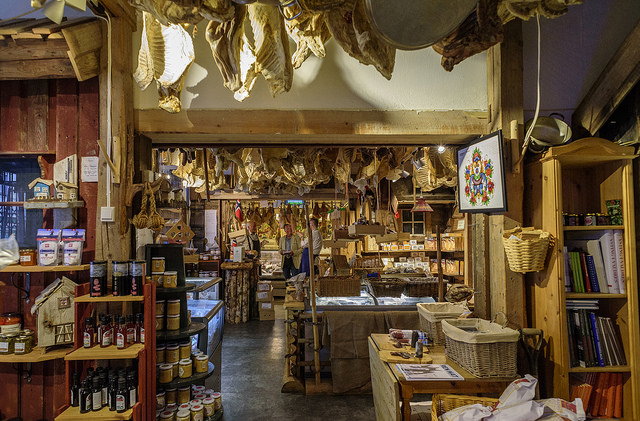
If you really want to familiarize yourself with the best of food Norway has to offer, the shop is stuffed to the gills with dried meats, racks of lamb and wooden crates overflowing with cheese and salami. This is indeed one of the most unique shops in Oslo, a museum as well as an institution.

Norwegian Food Traditions – A Living Museum in Oslo
Fenaknoken, established in 1996, is a melting pot of Norwegian food culture

A choice of sausages, cured hams, smoked and dried meat, perhaps the best smoked salmon in Norway,  Pata Negra Parma Hams, reindeer and whale, a huge selection of cheeses – it’s all there.  Did you know there’s a Norwegian equivalent to French Roquefort?  At Christmas the shop is filled with ‘pinnekjøtt’ (cured and dried lamb or mutton) hanging from the ceiling.

Norwegian Food Traditions – A Living Museum in Oslo
Products from selected domestic producers are being offered in the small shop

“Food is thought for the brain,” says father Gudmund. “Knowing more about traditional food is like having a college crash course. It’s about logistics more than anything else. The growing time is short in this country, but people should live from it all year round. It gives added value to the brain, so don’t let price kill the diversity,” he adds smiling.

Norwegian Food Traditions – A Living Museum in Oslo
From left tp right: Son Gourmet chef Eivind Bræk, mother Randi Funnemark and father Fudbrand Bræk

Old Norwegian conservation methods demonstrate how curing, drying and salting raw materials created superb delicacies today as well as thousand years ago. Before modern household technology was invented, this was the only way one could preserve food for years without rotting.

Norwegian Food Traditions – A Living Museum in Oslo
A choice of sausages, cured hams, smoked and dried meat, perhaps the best smoked salmon in Norway, Pata Negra Parma Hams, reindeer and whale, a huge selection of cheeses – it’s all there.
Norwegian Food Traditions – A Living Museum in Oslo
“Knowing more about traditional food is like having a college crash course,” says father Gudmund

Gudmund Bræk tells us that he has experienced a lot of peculiar episodes in the shop. A Japanese customer once visited the shop and when he should pay his credit card did not function. “You can pay next time you’re here,” said Gudmund. A year later the Japanese customer entered the shop again, showed the sales slip and paid.

“We buy and sell trust,” explains Gudmund. “It’s all about generosity, spaciousness and humility,” he adds.

Fenaknoken is a living larder.

Owner, Eirik Bræk, is a well-educated chef and has worked in restaurants in Japan and in the United States, where he worked in the Norwegian Pavilion at the EPCOT Center in Orlando, Florida. Since 1996, he and his father, Gudbrand Bræk, have been in charge of providing traditional Norwegian quality food to the public. Mr. Bræk is originally from Kviteseid in Telemark County, and has a strong affiliation with the local food culture.

Norwegian Food Traditions – A Living Museum in Oslo
Old Norwegian conservation methods demonstrate how curing, drying and salting raw materials created superb delicacies

All photos: Jon-Arne Foss

Norwegian Food Traditions – A Living Museum in Oslo, written by Tor Kjolberg

You might also like to read:

New Food Prize Celebrates Nordic Cuisine
Food and Drink in Norway