
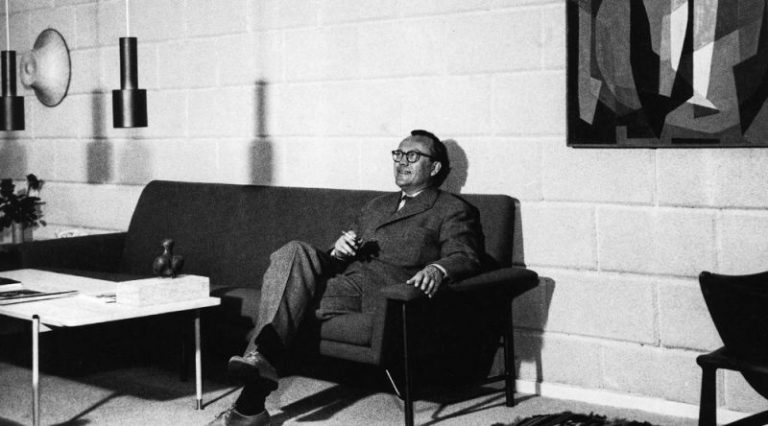
Old Classic Furniture By World-Famous Danish Designer

0

In 1999, the company Onecollection took over the rights to produce the works of Danish architect and designer Finn Juhl (1912-1989). Under the brand name House of Finn Juhl, the company regularly relaunches old classics by the acclaimed furniture designer. Learn more about the old classic furniture by the world-famous Danish designer.

In 1998 Finn Juhl’s widow, Hanne Wilhelm Hansen, called Onecollection and asked if the company could help her make one of Finn Juhl’s sofas – model 57. Initially the manager was very surprised as he did not know Hanne Wilhelm Hansen. “However, we did know architect Bård Henriksen who was helping Hanne manage the rights to Finn Juhl’s furniture and he was the one who had suggested that she got in touch with us – “the guys from Ringkøbing”, says one of the owners Ivan Hansen.

Old Classic Furniture By World-Famous Danish Designer
The Pelican ciair by Finn Juhl

Read also: Finn Juhl – The Golden Age of Danish Design

Exclusive righte to manufacture Finn Juhl’s furniture
In 2001 Onecollection was trusted the exclusive rights to manufacture and relaunch Finn Juhl’s sculptural and iconic furniture. Today, the unique Finn Juhl collection consists of more than 50 classic masterpieces, all of which are manufactured with the utmost respect for the original heritage and strict demands for quality.

Old Classic Furniture By World-Famous Danish Designer
Ivan Hansen and Henrik Særensen a Ringkøbing harbor

Initially, Finn Juhl wanted to become an art historian. Since his early years, he had been interested in fine arts. However, his father wouldn’t allow him a career in the arts. Instead, Finn Juhl enrolled at the Department of architecture at the Royal Academy of Arts in Copenhagen. Finn Juhl began his studies in the 1930s, which was an important period in furniture design, when modern design started to emerge. While he was still a student, Finn Juhl started working with the prominent Danish architect Vilhelm Lauritzen in 1934.

Related: Rare Design Objects From Danish Designer Company

Organic, natural forms
Finn Juhl had a strong fascination for colors. He was a big supporter of Cubism and Goethe’s famous color circles, and used colors actively in his designs in the 50’s and 60’s. The 57 sofa was a wonderful piece of furniture with design and craftsmanship qualities that Onercollection had not worked with before.

Old Classic Furniture By World-Famous Danish Designer
From the House of FINN Juhl

The company produced the sofa and began to study Finn Juhl’s materials and archives in detail and requested permission to re-launch the Poet sofa and the Pelican chair. Hanne gave the permission and Onecollection was even given full access to Finn Juhl’s house where Hanne lived.

Contrary to Juhl’s modernist contemporaries, with their streamlined, scaffolding-like structures, Juhl aimed at a more organic, natural form. The potential strength of the material was utilized to the maximum just like in nature’s own constructions. As Juhl translated his ideas into daring, supple joinery where each element of the design flowed seamlessly into each other, he also put enormous demands on the joiners who were to produce the design.

Related: The Danish Chair – An International Affair

One of the international highlights of Juhl’s career was designing the complete interior of the Trusteeship Council Chamber at the UN headquarters in New York between 1951 and 1952.

A trip around the world
“We have always held the firm belief, that the world would open its eyes to Finn Juhl’s universe of artistic furniture. Therefore it is with great joy and satisfaction that we now find that Finn Juhl has taken us on a fantastic trip around the world where we meet furniture enthusiasts interested in Finn Juhl everywher,” say the owners Henrik Sørensen & Ivan Hansen who have chosen to brand the Finn Juhl collection separately under House of Finn Juhl.

Old Classic Furniture By World-Famous Danish Designer
The 2 seater Poet sofa

Today, House of Finn Juhl furniture is mainly manufactured in Denmark. The upholstered furniture such as the Poet Sofa and the Pelican Chair are entirely hand-sewn in the same Danish tradition as the old ones. However, when it comes to wooden furniture, the company has chosen to utilize modern technology, which goes hand-in-hand with excellent craftsmanship in order to make Juhl’s visions come true. The intricately shaped wooden frames in the Chieftain Chair for instance, are masterly crafted by skilled Japanese furniture makers in Yamagata.

Now, the collection consists of more than 50 classic masterpieces, all of which are manufactured with the utmost respect for the original heritage and strict demands for quality.

Old Classic Furniture By World-Famous Danish Designer
The Paul Smith 57 sofa

Finn Juhl and his house
In the book Finn Juhl and his house Per H. Hansen, a renowned expert in Scandinavian furniture design, provides a humorous, extremely informative description of Juhl’s unconventional character and classic furniture — the Chieftain Chair, the Pelican Chair, or the Poet Sofa. Drawings, original photographs, images of the curated house (2008), and an amusing final chapter about his patrons round off this unusual book.

Old Classic Furniture By World-Famous Danish Designer, compiled by Tor Kjolberg. Sources: Company’s websites, the book Finn Juhl and his House (see above) and the book Finn Juhl – Life Work World.

All images © Onecollection

5 Great Remote Jobs Opportunities in Scandinavia for Travel Lovers

Have you always dreamt of traveling around Scandinavia but were worried about your budget? The you should learn about 5 great remote jobs opportunities in Scandinavia for travel lovers.

Indeed, Scandinavian countries can be quite expensive for some tourists. But who says that your only option is to come as a visitor?

Ironically, thanks to the pandemic, many countries have introduced remote work visas. Norway, for instance, has an independent contractor visa, which you can use to work and travel around the country.

But which job should you choose?

Here are some options to consider to both work and travel around Denmark, Norway, and Sweden.

5 Great Remote Jobs Opportunities in Scandinavia for Travel Lovers
Image by Gerd Altmann from Pixabay
  1. Foreign Language Teacher
    Scandinavian countries often need highly skilled foreign language teachers. In Norway, for instance, English is the first foreign language taught at schools. So, if you are fluent in English and have the necessary qualifications, you could apply for a job at a local school or language learning courses.

Wouldn’t a teacher need to be physically present during classes?

Not necessarily. Since we are still in the state of a pandemic, many schools still work remotely. If we’re talking about language learning courses, the situation is even easier – some learners prefer online lessons due to tight schedules and other reasons. So, a foreign language teacher position is a great option if you want to work and travel simultaneously.

Related: Growing Job Fields in Sweden

  1. Business Analyst
    Another job you can do from home is a business analyst. A lot of companies hire freelance analysts to identify growth opportunities and conduct market research. The pay is also quite lucrative – you can charge up to $100 per hour depending on your experience:

    5 Great Remote Jobs Opportunities in Scandinavia for Travel Lovers
    Illustration: Upwork

In fact, there’s a growing demand for business analysts in Denmark. According to the list of shortage occupations, Danish companies will hire you if you have three years of education at the university or business school level. This is a great opportunity to travel around Denmark while also earning good money.

In terms of language proficiency, it is still possible to find a business analyst job if you don’t speak the language of a Scandinavian country – some companies invite foreign specialists. However, most recruiters will still require at least a B2 level of proficiency – you should be able to express yourself and apply professional terminology freely.

  1. Leisure Educator
    Leisure education is an organized instruction that helps learners determine how, why, and when they should engage in leisure activities. In other words, it teaches children and adults how to spend quality time leisuring.
5 Great Remote Jobs Opportunities in Scandinavia for Travel Lovers
Illustration by Darkmoon Art / Pixabay

A leisure educator is actually an in-demand job in Sweden. According to the list of Swedish shortage occupations, as of 2020, leisure educators are among the jobs that qualified foreigners can apply for and get a work permit in Sweden.

Much like foreign language teachers, leisure educators can also work remotely as consultants and as private coaches. It’s a nice opportunity to earn extra money for trips around Scandinavia. But your language should be proficient – at least a B2 level.

  1. Psychologist
    A psychologist is another job on the shortage occupations list mentioned above. You can work as a consulting specialist in mental health clinics, hospitals, physician offices, correctional facilities, government institutions, schools, and colleges.

If this job opportunity interests you, be ready that you will have to provide proof of five-year education, both theoretical and practical. Additionally, you should complete one year of supervised practice to get a license.

5 Great Remote Jobs Opportunities in Scandinavia for Travel Lovers
Illustration by Gerd Altmann / Pixabay

Apart from the license, you should also have a certificate confirming your high proficiency in the language of the Scandinavian country where you will work. The proficiency level should be no lower than C1 or close to a native.

  1. Programmer/Web Developer
    Lastly, all Scandinavian countries, much like many other countries around the world, are in need of skilled web development professionals. This job opportunity is also present on the list of Swedish shortage occupations mentioned above.

As a web developer, you can work anywhere – advertising, consulting, manufacturing, healthcare, etc. Naturally, you will need a degree to prove your qualifications.

5 Great Remote Jobs Opportunities in Scandinavia for Travel Lovers
Photo by Tookapic/Pixabay

You can also try freelancing as a web developer in Norway after getting an independent contractor visa. You can charge up to $90, depending on your experience. That’s a great opportunity to earn extra cash for a trip around Scandinavia.

The good news is that you won’t be required to know the language if you get a job as a web developer – most companies hire international professionals. However, it doesn’t mean that you shouldn’t learn it at all – knowing the language will help you understand your coworkers better and build useful connections.

5 Great Remote Jobs Opportunities in Scandinavia for Travel Lovers- Wrapping Up
Remote work helps many travel lovers get an opportunity to explore new places around the world. And now, as more countries have introduced independent contractor visas, you can both work and travel around Scandinavia.

Whatever job you choose, be ready to provide proof of education and experience in the relevant field. But most importantly, you will need a high language proficiency level depending on the country. Some employers will ask for a certificate to confirm your knowledge of the language, so be ready to provide it upon request.

5 Great Remote Jobs Opportunities in Scandinavia for Travel Lovers
Ryan Pell

5 Great Remote Jobs Opportunities in Scandinavia for Travel Lovers, written by Ryan Pell. Ryan is a passionate blogger and writer who likes sharing his thoughts. Now he works as a content editor and internet researcher. He likes to travel and explore new countries.

Feature image (on top) © Image by Gerd Altmann / Pixabay

Danish Museum Unveils World Art In A Contemporary Setting

Tomorrow, on the 14th of August, a new chapter will be added to the history of Ordrupgaard. This day marks the reopening of one of the finest collections of French art in Northern Europe in a new extension by the award-winning Norwegian architect firm Snøhetta. Read more about the Danish Museum Unveiling world art in a contemporary setting.

The extension provides space for the entire French collection and safeguards the works for future generations.  Snøhetta’s building blends in elegantly with the existing Ordrupgaard buildings, entering into dialogue with the collections, the surrounding landscape, and the other buildings. Moreover, it has the appearance of a self-contained architectural work, adding an innovative and significant aspect and transforming Ordrupgaard into a museum destination of international dimensions.

Danish Museum Unveils World Art In A Contemporary Setting
Home Alone installation by Ta R. Photo: Anders Sune Berg

Snøhetta’s building
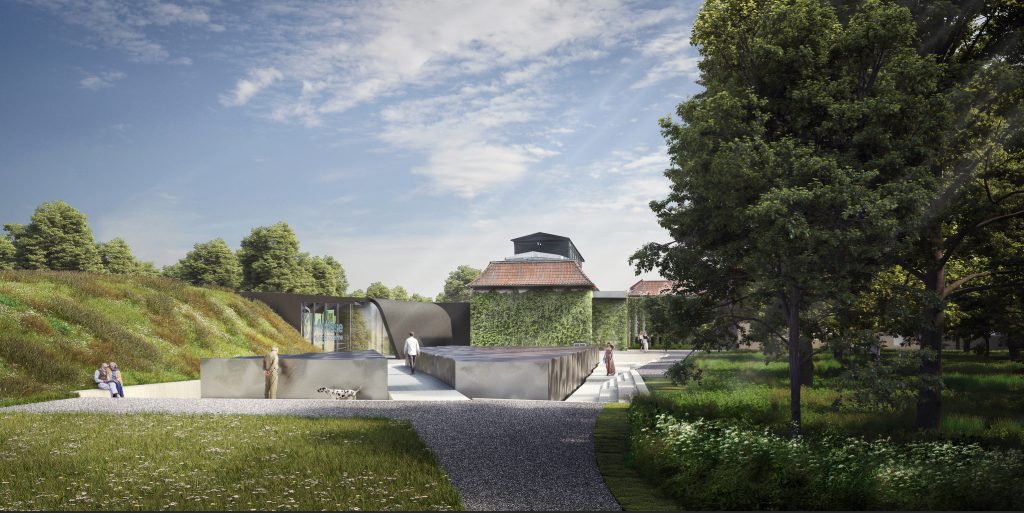
Thanks to generous donations from private foundations and benefactors, Snøhetta’s building is finally ready to open its doors to the public. The building itself is located below ground and only a glistening steel roof in clear-cut geometric shapes is visible from the outside, welcoming visitors in the museum’s new forecourt.

Danish Museum Unveils World Art In A Contemporary Setting
Snøhetta’s building is finally ready to open its doors to the public. Photo: Snøhetta

The extension consists of three new gallery spaces for the French collection plus two for temporary exhibitions. The latter form direct extensions of Zaha Hadid’s building, continuing this acclaimed architect’s striking idiom of black lava concrete and grandiose rawness. In contrast, the French galleries appear bright and gentle.

Danish Museum Unveils World Art In A Contemporary Setting
The building itself is located below ground and only a glistening steel roof in clear-cut geometric shapes is visible from the outside. Photo: Paul Skovbakke

Floors, walls, and coffered ceilings are covered with white-oiled oak only interrupted by pastel green walls forming a backdrop for the works. Hence the French gallery spaces present an almost classicistic transition from Zaha Hadid’s building (2005) to Gotfred Tvede’s elegant stately home (1918) to which they form a passage. In this way, Snøhetta’s building creates a perfect ambulatory through the museum, taking visitors through the whole collection with the architecture accentuating the transitions, sharpening the senses as you go, and bracing you for new impressions.

Danish Museum Unveils World Art In A Contemporary Setting
The Zaha Hadid building. Photo: Zaha Hadid

Snøhetta’s building is set gently into the landscape. Only the steel roof marking the outline of the centermost of the three French galleries is visible from the outside. The sculptural shapes of the roof and its numerous facets refract the light in subtle anticipation of the impressionist works on show inside. Snøhetta’s building unlocks a wealth of associations, for example, the notion of a buried treasure chest.

The French collection
Ordrupgaard possesses a unique collection of twentieth-century French art, including works by Monet, Degas, Renoir, Cézanne, Gauguin, and Matisse. These works have, over a number of years, undergone restoration to the tune of a multi-million sum granted by the Ministry of Culture. The new building designed by Snøhetta enables the museum to show the collection in its entirety while optimal climate, light, and humidity conditions will preserve the works for the future.

Danish Museum Unveils World Art In A Contemporary Setting
The Home Alone installation. Photo: Ordrupgaard

Due to lack of space, some forty per cent of the collection was previously relegated to storage, including numerous works likely to have occupied places of honor in other museums. Enhanced lighting conditions now enables the museum to show a series of delicate pastels by great impressionist masters such as Manet, Degas, and Renoir in a permanent hanging. These works are now doing their utmost to outshine one another like a row of glittering gems in the subdued lighting in the pastels gallery.

During the construction phase of Snøhetta’s building, the French collection has been ‘touring abroad’ to Musée Jacquemart-André, France, Hamburger Kunsthalle, Germany, and the Royal Academy of Arts, England, to name but a few. Everywhere, it was critically acclaimed and extremely popular with visitors and it is a great pleasure for the museum to present the collection at Ordrupgaard once again.

Related: A New Playground of Contemporary Art in Denmark

A new Ordrupgaard
Snøhetta’s building virtually doubles the exhibition space at Ordrupgaard, showing the entire collection to its best advantage which, besides the French collection, includes the Danish Golden Age, Hammershøi and his time, Finn Juhl’s House, and contemporary art in the open.

For the reopening, Ordrupgaard is pleased to present a new installation in the park by the Argentine contemporary artist Tomás Saraceno. The work Omega Centauri 3.9 hangs among a group of trees in the northern end of the park, drawing parallels to the roof construction of the new building with its geometric shapes and reflections.

Related: Art in Copenhagen

Snøhetta’s building underpins Ordrupgaard’s architectural profile, creating a modern museum complex with space for the collections, international temporary exhibitions, and a learning center, plus a café, shop, and children’s room.

Danish Museum Unveils World Art In A Contemporary Setting
From Golden Days Tears 2021 by Emma Rosenzweig. Photo Ordrupgaard

Popular read: The Trolls of Danish Artist Thomas Dambo

About Snøhetta
The award-winning architect firm Snøhetta also designed buildings including the Oslo Opera House, The Lillehammer Art Museum, Bibliotheca Alexandrina in Egypt, and the National September 11 Memorial Museum & Pavilion in New York, USA.

Danish Museum Unveils World Art In A Contemporary Setting, based on a press release from Ordrupgaard.

Feature image (on top) Photo by Snøhetta

Terrace With A Mediterranean Atmosphere In Downtown Oslo

Due to the pandemic Oslo restaurateur Nevzat Arikan has sold one of his restaurants, Olympen, to Fru Haugans Holding AS. Several changes are expected in both the main restaurant and the Pigalle bar when they reopen later this autumn. According to restaurant-manager Tora Eriksson, the summer terrace on the first floor retains its current charm. We should be happy about that, because it is a pearl in the Oslo Grønland district. Read more about the terrace with a Mediterranean atmosphere in downtown Oslo.

The Olympn Restaurant, Pigalle Bar and the summer terrace is the perfect spot for a new challenge for Fru Haugans Holding AS, the owner of  Fru Haugans Hotel in Mosjøen. The hotel is the oldest in Northern Norway with a history dating back to 1794.

Terrace With An Mediterranean Atmosphere In Downtown Oslo
Look for the sign “Velkommen ut” (Welcome out) and follow the stairway up to the first floor

“The work that Arikan has put into the restaurant is formidable. We will build on this and lift the restaurant building to new heights,” says fifth generation owner and hotel manager, Ellen Løvold Strand.

Terrace With An Mediterranean Atmosphere In Downtown Oslo
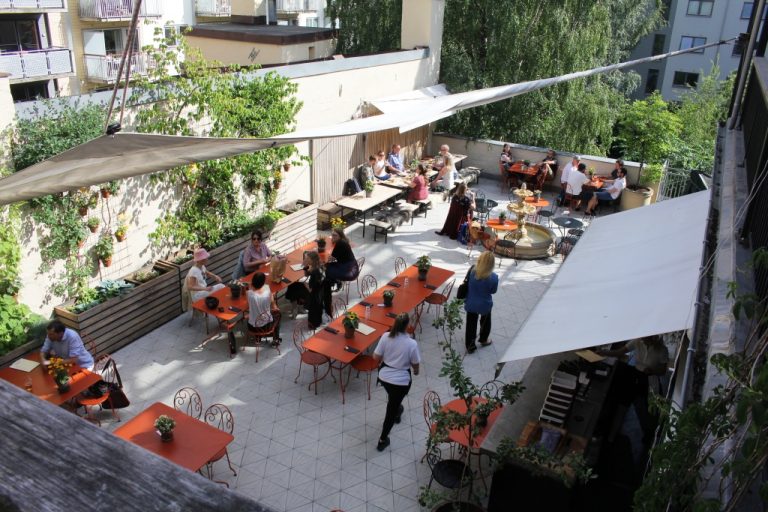
The summer terrace has a Mediterranean atmosphere and is located at the heart of Grønland

So, what is actually Pigalle Summer Terrace all about?
We claim it’s a summer terrace with a Mediterranean atmosphere located at the heart of Grønland, offering a small but delicate menu. The terrace is the place where simple ingredients provide guests with Mediterranean authenticity and flavor.

Terrace With An Mediterranean Atmosphere In Downtown Oslo
We chilled out with a bottle of Floralba prosecco

To start with, we chilled out with a bottle of Floralba prosecco, followed by a delicious crisp asparagus with cajole sauce, roasted almonds and fresh salad sprinkled with parmesan.

Terrace With An Mediterranean Atmosphere In Downtown Oslo
A delicious crisp asparagus with cajole sauce, roasted almonds and fresh salad sprinkled with parmesan
Terrace With An Mediterranean Atmosphere In Downtown Oslo
Stemed mussels in broth
Terrace With An Mediterranean Atmosphere In Downtown Oslo
Mackerel with crispy cabbage
Terrace With An Mediterranean Atmosphere In Downtown Oslo
Porta del Vento, from Sicily

Terrace With An Mediterranean Atmosphere In Downtown Oslo, contiunue reading

For main-dishes, we chose a real Norwegian summer dish, mackerel with crispy cabbage and new potatoes and perfect steamed mussels in a broth made with white wine, garlic, and shallots. We were suggested a bottle of Porta del Vento from Sicily for accompaniment, an excellent choice for a beautiful summer day in Oslo.

Terrace With An Mediterranean Atmosphere In Downtown Oslo
The terrace is, definitely, an intimate place with plenty of setting possibilities

Parallel to delicious Mediterranean and Norwegian food, the kitchen and cozy, yet modern atmosphere, are truly unique aspects of the Olympen restaurant house.  The terrace is, definitely, an intimate place with plenty of setting possibilities: from the tables by the counters to the ones by the fountain, there is room for everyone.

Terrace With An Mediterranean Atmosphere In Downtown Oslo
The building in Grønlandsleiret 15 was built by Schous Bryggeri in 1892

Historic house
The building in Grønlandsleiret 15 was built by Schous Bryggeri in 1892, but was not converted into a restaurant until 1904. In 1927, architect Lars Backer carried out a major renovation of the building. The facade was changed and the building was expanded, including a roof terrace with the possibility of dining.

In the years 1961-63, Olympen was refurbished twice. The restaurant was first decorated as “the French cave of the East Side”, but this did not appeal to the public and Olympen returned to its original expression.

Terrace With An Mediterranean Atmosphere In Downtown Oslo
The terrace is the place where simple ingredients provide guests with Mediterranean authenticity and flavor

In October 2006, the doors closed for another renovation, and opened just over a year later to great public success. The atmosphere was the same continental style Olympen (Lompa, in the vernacular) has always had: dark wood, brass details and large chandeliers to match the paintings with motifs from Grønland and the surrounding area.

Terrace With An Mediterranean Atmosphere In Downtown Oslo
On the terrace, there is room for everyone

All year fine dining and entertainment at Olympen
Just like Oslo, Olympen has over the years developed and gone through many phases, but never lost its identity or its belonging to the local community. “We will preserve the traditions at the same time as we will develop the restaurant house in harmony with current trends. We have appointed a chef from Paris for the Olympen restaurant, and the Pigalle Bar & Dancing will open as soon as the pandemic is more or less behind us” says manager Christian Steinsholm.

Terrace With An Mediterranean Atmosphere In Downtown Oslo
According to restaurant-manager Tora Eriksson, the summer terrace on the first floor retains its current charm. Here a photo from Olympen restaurant.

The Pigalle summer terrace is a hidden pearl in Oslo downtown. It might be a little hard to find, so look for the sign “Velkommen ut” (Welcome out) and follow the stairway up to the first floor.

The Pigalle Terrace is open through August.

Terrace With A Mediterranean Atmosphere In Downtown Oslo, written by Tor Kjolberg

All photos © Tor Kjolberg / Daily Scandinavian

Gravel Road Biking in Sweden

0

The extensive use of gravel as a road surface in Sweden and forestry having been a key part of the nation’s economy are the main reasons gravel road biking is one of the hottest topics in the world of bikes in Sweden right now.

Swedish as well as international bikers have realized that Sweden’s dusty gravel roads, blue mountains and large forests create a paradise for biking lovers.  There’s literally been a worldwide boom with more riders than ever heading out exploring their local forests and hillsides on their favorite gravel bikes.

Gravel Road Biking in Sweden
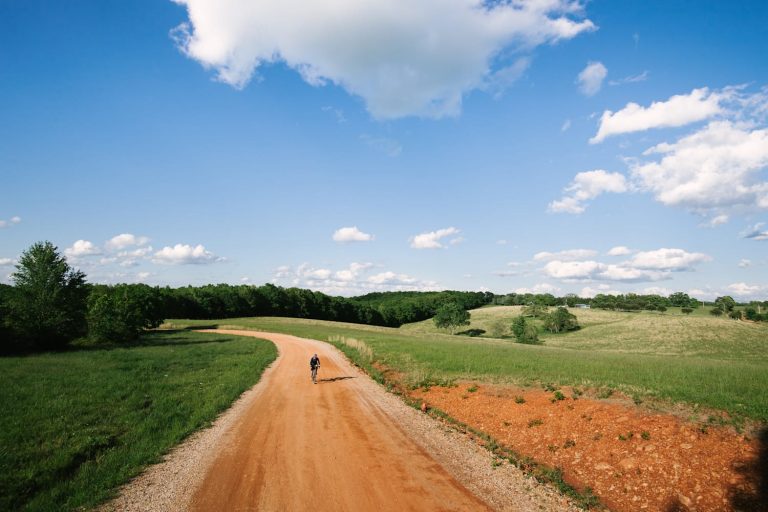
If there is anything which is in abundance in Sweden, it is blue mountains, winding gravel roads and water, Photo: Redbull

A gravel bike is a sort of mix between a road bike, a cyclocross and a MTB. With wide tires, drop bars and a pretty comfy geometry these bikes are the perfect adventure companion both on and off-road.

Related: Picturesque Biking in Sweden

A thing of fear
For many Swedish bikers, gravel has almost been a thing of fear. The reason being that truckload after truckload of a particularly nasty type of gravel is strewn across urban areas here during winter, ss if it was the result of a secret conspiracy with tire manufacturers who want to up their sales of delicate road tires.

If there is anything which is in abundance in Sweden, it is blue mountains, winding gravel roads and water. With miles and miles of small roads and little traffic, Sweden is heaven for gravel biking, and there are roads there for everyone.

Gravel Road Biking in Sweden
Sweden is heaven for gravel biking, and there are roads there for everyone. Photo: Marie Leander/Västsverige.com

A young discipline
Gravel biking is a young discipline, having only been around for less than a decade with the first gravel-specific bikes created in the early 2010s. And since then, this kind of riding has captured the wheel-addicted hearts of both roadies and mountain bikers alike as it blurs the lines between road, gravel and singletrack.

Related: How to Choose a Specialized Hybrid Bike to Travel in Scandinavian Countries

However, mountain bike marathon riders, the second largest group of cyclists in Sweden, have been riding these gravel roads for many years. To this group gravel is yawn-inducing, a necessary evil to take you from one stretch of singletrack to the next.

The early gravel bikes in Sweden were made for tough conditions: to carry lumberjacks through the Swedish forests, so that they could do the logging. Today, all paths and roads are different and you will soon realize that you would need several different bikes to discover all of them, for instance the so-called “bicycle string” outside Sorsele in northern Sweden.

A boost in gravel addiction
Sweden has seen a huge boost in gravel addiction lately and is the perfect place to discover and enjoy this discipline. Sweden has become a country filled to the brim with pure biking pleasure – and gravel events have exploded.

But even if this young sport is growing at record-pace it’s still a fairly new and unknown community around it. So, to find out more about the Swedish gravel scene, the sport itself, and of course, where to go graveling, we digged into the grvl.se – a community and website for gravel routes.

One of the very few events that actually took place last spring, due to the pandemic, was the Gravel Challenge Bauerskogen at the end of March 2020.

Related: Cycling through the Stockholm Countryside

Gravel Road Biking in Sweden
This kind of riding has captured the wheel-addicted hearts of both roadies and mountain bikers alike. Photo: Visit Sweden

The best tours
The whole idea of the website is to promote the best tours in their area, which have been tested, don’t cause any problems with landowners etc. Bauerskogen is named after the artist John Bauer, who spent a lot of time out in the deep forests common to the area. It was there he was inspired to illustrate the Swedish fairytale book Among Gnomes and Trolls at the beginning of the 20th century.

Gravel biking is usually done over a day, so it’s easier and more accessible, but some prefer to go for overnight rides to explore the routes further. When bike packing you go on multi-day trips and bring your own equipment.

Gravel biking in Stockholm
An easy route of 50km recommended by grvl.se is biking around Stockholm’s national park but without ever going into it (as it is forbidden to ride bicycles in this national park). Beautiful gravel dipping in and out of suburbia, this route has it all and a must to any biker living or visiting Stockholm.

Gravel Road Biking in Sweden, written by Tor Kjolberg

Feature image (on top): Photo by Redbull

Scandinavian Herbs

Fall is an exciting time for Scandinavian herbs. Herbs are the essence of the soil, and the tradition of any given culinary tradition. Foraging has been a long-loved Nordic activity, especially in September, when everything is brimming for harvest and the long dark winter fast approaches.

The Nordic kitchen is very much influenced by Russian cooking and its use of horseradish and dill. Many Scandinavians tramp into the forest every year to find a bounty. The other herbs that infuse our dishes are used all over the world, although the subtle flavors of chervil, tarragon and parsley, wild thyme and wood sorrel are used in mild Nordic ways, particular to our habits of eating delicately flavored food, with ingredients as the key note.

Scandinavian herbs
There are no clear distinction between herbs and edible leaves except that herbs are more pungent, not being a considerable part of the dish, but a leafy flavoring nonetheless. Photo: Annie Spratt

Related: Scandinavian Poor Man’s Asparagus

Foraging
Foraging practice in Scandinavia is that you should never take more than a small percentage of what you forage, so that the plants have an opportunity to regrow. Herbs have been gathered from the wild since the Stone Age, and more than now. The necessary common knowledge of herbs has more or less vanished, although cooks and foodies are regaining knowhow and adding new-old local herbs to the table once more.

Related: A Cabbage Called Swede

Scandinavian herbs
the subtle flavors of chervil, tarragon and parsley, wild thyme and wood sorrel are used in mild Nordic ways. Photo: Katherine Kanton

New and old herbs
Ramsons, nettles, woodruff, angelica and mugwort are new to us, but can be found in all the Nordic cookbooks. However, the Nordic people had their own unique relationship with mugwort. Some entomologists are of the opinion that the common name for the plant is in fact derived from the old Norse word muggi­- meaning marsh and Germanic wuertz meaning root. Mugwort was a staple for the völur, the Norse prophecy women who inhabited the pre-Christian era.

Related: A Cabbage Called Swede

Scandinavian herbs
The necessary common knowledge of herbs has more or less vanished, although cooks and foodies are regaining knowhow and adding new-old local herbs to the table once more.. Photo: Angele Kanp

Herbs and edible leaves
There are no clear distinction between herbs and edible leaves except that herbs are more pungent, not being a considerable part of the dish, but a leafy flavoring nonetheless. During the next months I will describe some of the most important herbs in Scandinavia, like dill, parsley, tarragon, chervil, lovage, horseradish, ramsons, nettles, elderflower and more. I will also present familiar as well as not so familiar recipes.

I hope this will give you a well-deserved excuse to pop into nature in the coming seasons.

Scandinavian herbs, written by Tor Kjolberg

All images © Unsplash

Feature image (on top): Photo by Markus Spiske / Unsplash

Great Places To Catch A Gig In Stockholm This Autumn

Stockholm has an impressive 2088 places where you can go and see some live music. From lounge acts and intimate shows, to big stadium concerts, there is definitely something for everyone, covering every type of music genre, from classic pop to electronica. You can even head to an open mic night and take part in the gig yourself, playing with others and learning a few new guitar skills along the way. Learn more about the great places To catch a gig In Stockholm this autumn.

This autumn, as more venues are booking live acts, there is plenty to choose from, so you can enjoy a night out with friends and family, and have a real treat for your ears.

Also written by Karoline Gore: Solo Travel Tips: Where To Go If You’re Single In Stockholm 

Great Places To Catch A Gig In Stockholm This Autumn
Stampen in Old Town, Stockholm. Photo: Wikimedia Commons

Open Mic at Stampen
Stampen, home of the Big Time Blues Jam is a jazz, rhythm and blues bar located in old town Stockholm. This building itself has a fascinating history – it was once a pawnshop, and many of the original antiques are still to be found in the bar, which has been serving up live music since 1968. There is daily live music at Stampen and the Big Time Blues Jam takes place every Saturday afternoon. It is worth brushing up on your licks and riffs if you want to take part, and you can do this with a guitar app. Learning using an app is quick and easy, and you can do it at your own pace. The Blues Jam is free to attend and enter, and all genres are welcome from funk and heavy metal, to country soul. The afternoon is hosted by harmonica legend Bill Öhrström and the bassist Derek January.

Stallet – Världens Musik
Stallet are now releasing tickets for their autumn gigs, and there is plenty to choose from. The venue is well known for its folk and world music, presented on a more intimate stage. This autumn you can catch Jeanett and Peter playing their own inimitable brand of folk, with harmonious chorales and beautifully melodic songs. The Sada Trio are playing in October, as part of their jazz festival. The trio play traditional oriental music on authentic instruments, but with their own unique style. If you love a sea shanty, Quilty is also playing in October – there will be plenty of songs and ballads about adventures on the high seas.

Also written by Karoline Gore: Eco-Friendly Ways To Heat Your Scandinavian Home

Great Places To Catch A Gig In Stockholm This Autumn
Many popular artists perform at Nalen. Photo: Nalen

Rock and pop at Nalen
Nalen has an eclectic program of events this autumn. You can check out Slowgold, who are touring following the release of the sixth album. Their previous album Mörkare won a Grammy. Petra Marklund, one of Sweden’s most beloved artists, is also playing. Her latest album, Stamps, features her unique blend of folk soul that is haunting and melodic.

Stockholm’s music scene is definitely alive and thriving. There are plenty of places where you can catch some live music this autumn, from intimate gigs to stadium rock concerts – in Stockholm there is something for everyone.

Also written by Karoline Gore: Building A Luxury Jewelry Collection In Stockholm

Great Places To Catch A Gig In Stockholm This Autumn
Karoline Gore

Great Places To Catch A Gig In Stockholm This Autumn, written exclusively for Daily Scandinavian by Karoline Gore. Karoline is a freelance writer from Stoke on Trent in the UK who left the corporate grind when she started a family and has never looked back. She enjoys contributing to a range of online publications on the topics that are important to her.

Feature image (on top): Jay Jay at Nalen. Photo: Nalen

A View from the Top of the World – Cover Art from Norway

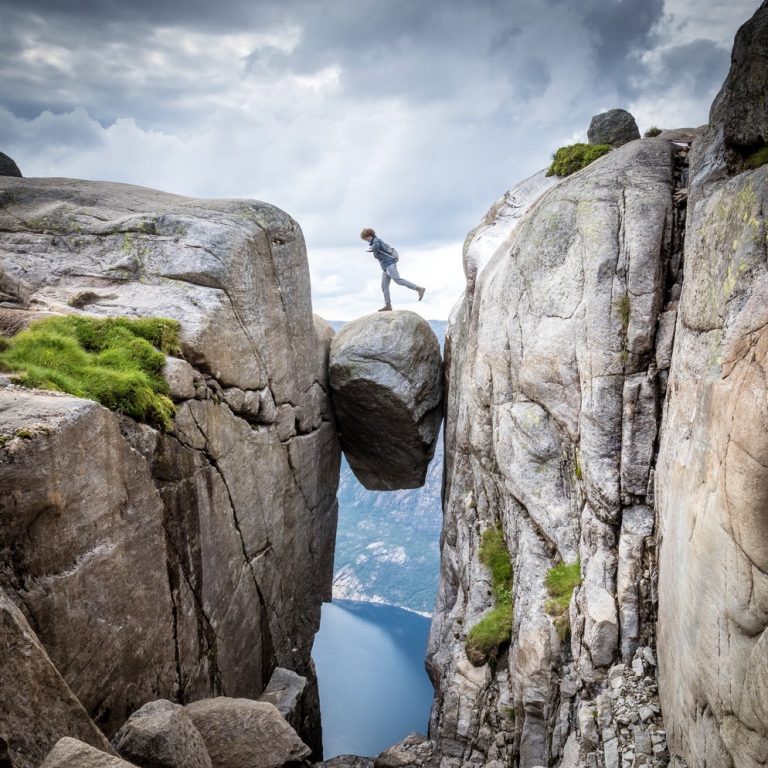
The American progressive metal pioneers Dream Theater promote Norway with a picture of the Kerag Bolt in Norway on the cover of their next album A View from the Top of the World. The album will be released on October 22, and the cover shows fascinating cover art from Norway. The artwork was created by long-time cover collaborator Hugh Syme (Rush, Iron Maiden, Stone Sour).

A View from the Top of the World is the upcoming fifteenth studio album by American progressive metal band Dream Theater. This is the band’s first album to be recorded at their own studio DTHQ (Dream Theater Headquarters), their first album since Black Clouds & Silver Linings (2009).

A View from the Top of the World – Cover Art from Norway
Dream Theater, press photo from the Spectrum Oslo visit, 2020

The Canadian Juno Award-winning graphic artist Hugh Syme is a member of the Premier Artists Collection (PAC) who is best known for his artwork and cover concepts for rock and metal bands. He is also a musician and has appeared on some Rush albums as a keyboard player.

Related: Heavy Metal Promotes Peace at the Nobel Peace Center in Oslo

A View from the Top of the World – Cover Art from Norway, read on…

The Starman logo
Syme is notably responsible for all of Rush’s album cover art since 1975’s Caress of Steel as well as creating Rush’s famous Starman logo. In 1983 he told Jeffrey Morgan that he never imagined the band would use it as their main logo

A View from the Top of the World – Cover Art from Norway
The Starman logo

Additional musicians he has designed and created artwork for include: Iron Maiden, Bon Jovi, Whitesnake, Aerosmith, Def Leppard, Celine Dion, Scorpions, Meatloaf, Megadeth, and hundreds more.

Related: Norwegian Black Metal Music Inspired by Edvard Munch

Hugh’s art education came from the Toronto New School of Art in Toronto and York University in York, England. In addition to the album covers for which he is now internationally renowned, Syme has worked on advertisements for such companies as Accenture, Denon, Xerox, AT&T, The Washington Post, Virgin, Bausch & Lomb, Universal Studios and numerous others.

A View from the Top of the World – Cover Art from Norway
Cover art for “A View From The Top Of The World”

A View from the Top of the World – Cover Art from Norway, read on…

The motif
Kjeragbolten (English: Kjerag Bolt) is a boulder on the mountain Kjerag in Sandnes municipality in Rogaland county, Norway. The rock itself is a 5-cubic-metre (180 cu ft) glacial deposit wedged in the mountain’s crevasse. It is a popular tourist destination and is accessible without any climbing equipment. However, it is suspended above a 984-metre (3,228 ft) deep abyss. It is also a popular site for base jumping. The boulder is just southwest of the village of Lysebotn, just south of the Lysefjorden.

Related: Millions of Plays for New Hit by Swedish Pop Star

Many photographers and visual artists have taken the Kjerag Bolt into their hearts. One of them, Ashley Cameron, has worked with an array of magazines and advertising agencies. London-based Cameron has over the past 20 years built a reputation as a studio with a flexible, problem- solving approach.

A View from the Top of the World – Cover Art from Norway
Model May Hem posing on the Kerag Bolt. Photo: Ashley Cameron

The above image is how he interpreted the Kjerag Bolt.  

A View from the Top of the World – Cover Art from Norway, written by Tor Kjolberg

Cycle Chic in Copenhagen

0

The book Cycle Chic is photographed by Danish Mikael Colville-Andersen, who is the man behind the popular blog Copenhagen Cycle Chic. He has hunted cyclists from Copenhagen to Amsterdam and to Paris. Read more about Cycle Chic in Copenhagen.

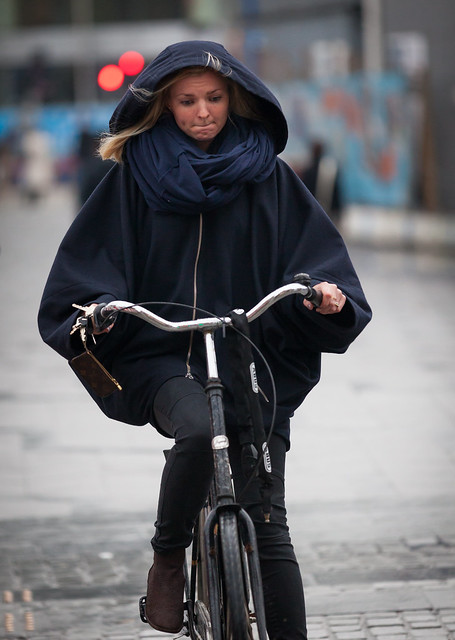
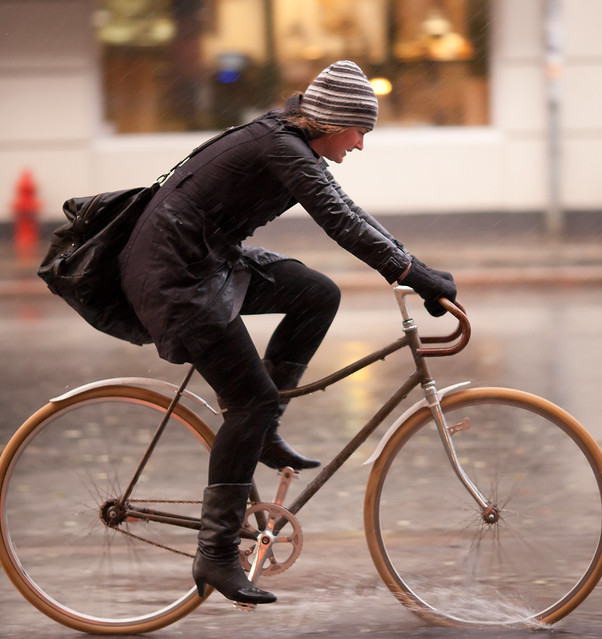
Cycle chic or bicycle chic refers to cycling in fashionable everyday clothes. The phrase Cycle Chic was coined in 2007 by Mikael Colville-Andersen, who started the Copenhagen Cycle Chic blog in the same year.

Copenhagen – The biking capital of the world
Copenhagen is an extremely stylish city – as well as a biking city. Thanks to Mikael Colville-Andersen, we are able to catch a glimpse of both worlds as they collide and whiz by. It seems like the most effective transportation system of the 21st Century is going to be the future – the humble bicycle.

Related: Picturesque Biking in Sweden


Cycle Chic is a modern phrase to describe something that has existed since the invention of the bicycle in the 1880s – regular citizens on bicycles. Cycling was fashionable from the late 1880s and through the 1940s.

The book Cycle Chic contains a collection of snapshots of beautiful, happy cyclists on the go. The photographer has stated that he does not care about cycling, but that cities should be livable for those who want to ride around them on a bicycle. He started blogging in 2007 and had to quit his regular job as a film director and photographer; the interest in ordinary cycling was enormous.

Cycle Chic in Copenhagen
Copenhagen is an extremely stylish city – as well as a biking city

The Cycle Chic philosophy
“The Cycle Chic philosophy is about looking good, interacting with your urban landscape, and contributing to the urban scene by merely riding a bicycle,” says Colville-Andersen. “We all think and breathe design in our daily lives,” he adds.

Related: Biking the Danish East Coast Route

Copenhagen’s cycle tracks are winning the “space race” in cities across the globe – and having an immediate and massive impact. Better catering to residents’ comfort and ease can make cycling irresistible. “The seductive power of well-designed infrastructure can even transcend important issues, like weather,” Colville-Andersen said, showing a photo of Copenhagen cyclists pedaling in the snow. And, not only are people getting out of their cars; they’re more likely to act like model citizens.

Cycle Chic in Copenhagen
Cycle chic or bicycle chic refers to cycling in fashionable everyday clothes

The book Cycle Chic is the story about a new generation of cyclists. The book has long since sold out and we are waiting for a new edition. The publisher, Horst A. Friedrichs, believes the popularity is related to the downturn and the availability of the bicycle.

Good design breads good behavior
Around the time that Mikael Colville-Andersen coined the phrase Cycle Chic, the bicycle had largely disappeared from the public consciousness as a transport option, at least in many North American cities, though that was not the case in northern Europe.

Related: High Mountain Biking in Northern Norway

“I realized that people in other countries were hungry for this rebranding of the bicycle as not just transport, but also as an urban lifestyle accessory,” said Colville-Andersen. “Good design breeds good behavior,” Colville-Andersen emphasized. When you get 400 bikes through a single light cycle, like they do in Copenhagen, you’re much less likely to see those scofflaw riders charging through a red, as is common in many other cities.

“Everyone can afford to buy a bicycle. Now that people have less money to spend, the bike is more relevant than ever,” he says.

The Photo That Launched a Million Bicycles
The current bicycle boom in transportation and fashion has its roots in his very first published photo of an “elegantly-clad” woman on a bike. IBM’s Smarter Planet have documented the birth and growth of the Cycle Chic trend using advanced analytic software – from its origins in Copenhagen through 2012.

“I didn’t notice the bicycle, I noticed the urban scene,” he explained about the picture that has been coined “The Photo That Launched a Million Bicycles.”

Cycle Chic in Copenhagen
“I didn’t notice the bicycle, I noticed the urban scene,” explained Colville-Andersen

Denmark isn’t the only model. Major leaders around Europe are making bold announcements about their intentions to go back to the future of bicycling. Colville-Andersen shared a stunning quote from the mayor of Paris: “The fact is that automobiles no longer have a place in the big cities of our time.”

Cycle Chic in Copenhagen, written by Tor Kjolberg

All photos © copenhagencyclechic.com

Cycle Chic is a modern phrase to describe something that has existed since the invention of the bicycle in the 1880s – regular citizens on bicycles. Cycling was fashionable from the late 1880s and through the 1940s.

The book Cycle Chic contains a collection of snapshots of beautiful, happy cyclists on the go. The photographer has stated that he does not care about cycling, but that cities should be livable for those who want to ride around them on a bicycle. He started blogging in 2007 and had to quit his regular job as a film director and photographer; the interest in ordinary cycling was enormous.

The Cycle Chic philosophy
“The Cycle Chic philosophy is about looking good, interacting with your urban landscape, and contributing to the urban scene by merely riding a bicycle,” says Colville-Anderson. “We all think and breathe design in our daily lives,” he adds.

Related: Biking the Danish East Coast Route

Copenhagen’s cycle tracks are winning the “space race” in cities across the globe — and having an immediate and massive impact. Better catering to residents’ comfort and ease can make cycling irresistible. “The seductive power of well-designed infrastructure can even transcend important issues, like weather,” Colville-Andersen said, showing a photo of Copenhagen cyclists pedaling in the snow. And, not only are people getting out of their cars; they’re more likely to act like model citizens.

The book Cycle Chic is the story about a new generation of cyclists. The book has long since sold out and we are waiting for a new edition. The publisher, Horst A. Friedrichs, believes the popularity is related to the downturn and the availability of the bicycle.

Good design breads good behavior
Around the time that Mikael Colville-Andersen coined the phrase Cycle Chic, the bicycle had largely disappeared from the public consciousness as a transport option, at least in many North American cities, though that was not the case in northern Europe.

Related: High Mountain Biking in Northern Norway

“I realized that people in other countries were hungry for this rebranding of the bicycle as not just transport, but also as an urban lifestyle accessory,” said Colville-Anderson. “Good design breeds good behavior,” Colville-Andersen emphasized. When you get 400 bikes through a single light cycle, like they do in Copenhagen, you’re much less likely to see those scofflaw riders charging through a red, as is common in many other cities.

“Everyone can afford to buy a bicycle. Now that people have less money to spend, the bike is more relevant than ever,” he says.

The Photo That Launched a Million Bicycles
The current bicycle boom in transportation and fashion has its roots in his very first published photo of an “elegantly-clad” woman on a bike. IBM’s Smarter Planet have documented the birth and growth of the Cycle Chic trend using advanced analytic software – from its origins in Copenhagen through 2012.

“I didn’t notice the bicycle, I noticed the urban scene,” he explained about the picture that has been coined “The Photo That Launched a Million Bicycles.”

Denmark isn’t the only model. Major leaders around Europe are making bold announcements about their intentions to go back to the future of bicycling. Colville-Andersen shared a stunning quote from the mayor of Paris: “The fact is that automobiles no longer have a place in the big cities of our time.”

Cycle Chic in Copenhagen, written by Tor Kjolberg

All photos © copenhagencyclechic.com

Spice up Your Swedish Itinerary with These Tips

Famous for the Northern Lights, lush green space, and clean environment, Sweden is a Scandinavian country that welcomes people of all cultures and backgrounds. Packed with breathtaking landscapes and a wealth of unique activities to do, best believe you’ll never run out of things to see and do in Sweden. Spice up Your Swedish Itinerary with These Tips.

If you want to take your Swedish itinerary up a notch, lucky for you because we’re about to discuss our lifesaving travel tips and must-see spots in the country. Read further!

Lake Vattern and Lacko Castle
Sweden is home to the world’s most beautiful castles. One of them is the Lacko Castle, which is located on the shores of Lake Vattern, Sweden’s largest lake. Home to 31 fish species, including trout and char, Lake Vattern presents itself as a perfect fishing spot for hobbyists. Fishing rules can be accessed on Svenska fiskeregler’s website.

Spice up Your Swedish Itinerary with These Tips
Lacko summer palace. Photo: Roger Borgelid/Västsverige.com

With its baroque, timeless charm, it’s not hard to see why Lacko Castle is regarded as one of the most beautiful castles in Sweden. Wander in the historical halls and enjoy an authentic medieval experience.

Tip: Finish your trip with a sumptuous meal at Hvita Hjorten in Victoriahuset, which serves fresh vegetables and fish caught from Lake Vattern.

Gothenburg
The second-largest city in the country is a food hotspot. World-class restaurants, rich history, and breathtaking coastline are making tourists flock to the city. You can spend an entire day roaming around the top-rated attractions in the city. Stroll around the Slottsskogen Park in the morning, where various wildlife, including seals, penguins, moose, elk, and deer, are waiting for the entire family.

Spice up Your Swedish Itinerary with These Tips
From Guthenburg. Photo: Visit Sweden

After a worthwhile stroll, visit the Gothenburg Museum of Natural History nearby. Next, wind down on the streets of Haga District, one of the oldest neighbourhoods in the city. Revel in one of the world’s largest cinnamon buns at Café Husaren or munch on a lovely seafood meal at Sjöbaren restaurant. In the afternoon, you can choose to try the thrilling rides at the Liseberg Amusement Park or take an exciting boat ride to Nya Älvsborg Fortress, a beautifully preserved fortress in the country.

Tips: If you’re commuting around the city, remember that locals believe in “stranger danger.” Bumping into someone in the street would usually elicit an apology; it is somewhat alien in Sweden. Don’t take it personally, though. Swedes rarely engage in conversations, even small talks, with strangers!

Locals love to walk and bask in the wonders of their surroundings. While public transport is widely available, traverse the city like a true local by keeping your feet on the ground.

Stockholm
The Swedish capital is a fusion of the old and new. Teeming with medieval buildings, contemporary architecture, and great tourist attractions, explore the city in a day or two to get that ultimate Swedish experience.

Spice up Your Swedish Itinerary with These Tips
Skeppsbron, Stockholm. Photo: Ola Ericson/Visit Sweden

The colorful Gamla Stan is a great starting point. It’s a breathing museum of sleek architecture developed in the 1200s. The Royal Palace, Stockholm Cathedral, and the Nobel Prize Museum are all situated nearby this old town. Make sure to include them in your itinerary!

Make the most out of your visit by joining sightseeing tours as well. There are many local tours that you can join to witness the city’s spectacular sights by bus or boat.

Tip: Like most Scandinavian cities, activities in Stockholm can be expensive. One way to enjoy the city without costing an arm and leg is to eat one main, heavy meal during the day and munch on something lighter in the evening.

Spice up Your Swedish Itinerary with These Tips – Conclusion
Sweden is such a sight to behold, and one way to make the most of your trip is to plan ahead. May this article help you level up your Swedish itinerary!

Spice up Your Swedish Itinerary with These Tips
Kenneth Reeves

Spice up Your Swedish Itinerary with These Tips is exclusively written for Daily Scandinavian by Kenneth Reaves. Kenneth loves to practice his passion for angling across the waters of the world. He’s also a passionate coach and writer, helping anglers of all levels master the art of fishing on his website, Perfect Captain.

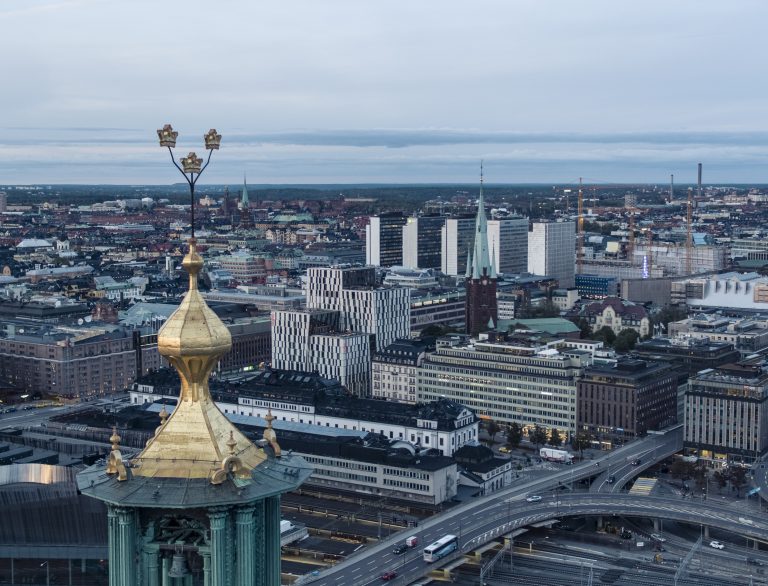
Feature image (on top): Stockholm skyline. Photo: Ulf Grunbaum/Visit Sweden