A new study by NimbleFins shows Denmark ranking as the 6th Best Country in Europe for Startups, while Norway ranking 8th and Sweden 9th. The countries stood out amongst others by having a favorable business climate (especially regarding the ease of doing business and access to venture capital) and a high-quality labor force. Learn more about why Scandinavia Ranking High for Startups in Europe.
NimbleFins‘ study analyzed the economic data of 31 countries in Europe. The best European countries for startups have highly educated populations, strong economies, healthy business environments and relatively low costs for conducting business. To determine the ranking, NimbleFins analyzed data from the World Bank, World Economic Forum, UNESCO, OECD and tax consultancies.
NimbleFins’ study analyzed the economic data of 31 countries in Europe. Photo: Wilhelm Gunkel/Unsplash
Methodology The data collection focused on general economic factors, such as growth rates and unemployment rates, and factors specific to startups including the ease of securing financing and salary costs.
Using these data sets, the study first ranked 31 European countries based on each metric and calculated an average ranking for each category. The overall composite ranking is an equally weighted average of each category’s average ranking across the various metrics. A lower score indicates a better rank.
To determine the ranking, NimbleFins analyzed data from the World Bank, World Economic Forum, UNESCO, OECD and tax consultancies. Photo: Mika Baumeister/Unsplash
Economic health
Economic Health data include general indicators of an economy’s strength. The study included GDP per capita, GDP growth rates and unemployment rates. Together, these factors gave us a picture of the general state of each economy.
Cost of doing business
Cost of Doing Business data include costs related to business operations. The study included corporate taxes, cost of living ranks and average salaries.
Business climate
Business Climate data relate to the ease of doing business and development status of each country, such as trust in the independence of the justice system, market dominance of large players, regulatory burdens and availability of venture capital funding.
Labor force quality
Labor Force Quality incorporate primary and secondary education attainment rates, the availability of staff and vocational training as well as the ease of finding skilled workers to compare the skill of each country’s workforce.
A few changes to the study for 2020 have been made. Photo: Andrew Neal/Unsplash
Related: The Sky is No Limit for Norwegian Entrepreneur
Scandinavia Ranking High for Startups in Europe – Differences from the 2019 study A few changes to the study for 2020 have been made. First, the study expanded the number of countries presented in the study to include the United Kingdom and all of the European Economic Area (EEA) except Liechtenstein (due to a lack of reliable data for Liechtenstein resulting from its small size).
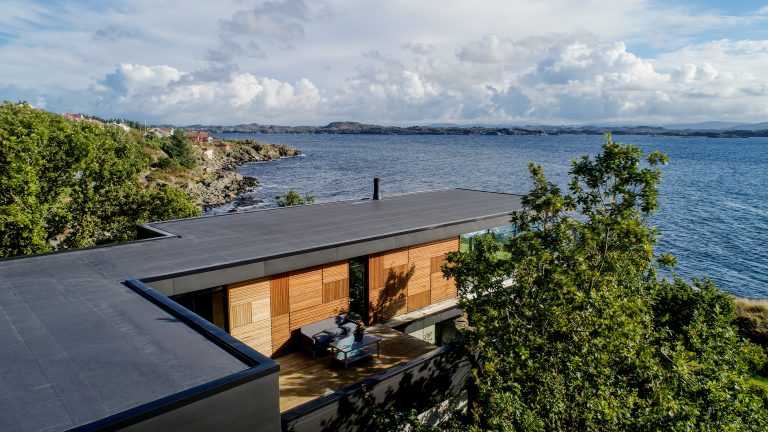
The nature in and around the Norwegian island of Karmøy was the inspiration for a private home, designed by the Norwegian architect Tommie Wilhelmsen. Villa Melstokke blends with its surrounding fjord landscape and is indeed a Norwegian home inspired by nature.
Villa Melstokke is built as a V-shaped steel construction on a narrow plot of land filled with trees, grass and rocks. This allows the house to blend in almost effortlessly with its surroundings.
“During our first visit it was evident that the rocky surface was too small for a house if we wanted to maintain the rock formation that rises from the shoreline,” says Tommie Wilhelmsen and adds, “I therefore wanted a building that flowed around the stones. And, in order to hold this weight, a split base of a V shape made from steel was used and attached to the rocky outcrop.”
Morning and evening sun
The plot of land has the morning sun on its eastern side and the evening sun on its west side. The kitchen is the heart of the home with one terrace for the easterly morning sun and another for the westerly evening sun. Both terraces have two angled walls which provide protection from the wind, regardless of whether it is coming from the north-west or south-west. This makes it possible to follow the sun all day long.
Natural forces at play
This way, the interior really comes into its own on a stormy day, when you can watch the natural forces at play over the fjord directly from the windows.
The slimline, elegant Schüco sliding doors in the façade offer the perfect experience of nature and landscape in such an exposed location.
While the concrete base with integrated ground floor appears wedded to the rocky ground, the top floor timber construction floats like a viewing platform above it.
Norwegian home inspired by nature
The holistic building design consistently breaks down the barriers between landscape and building both in the building envelope and the coordinated interior design.
Norwegian Home Inspired By Nature, based on text from the architect
Denmark’s second city Aarhus might not be the most famous European Capital of Culture, but its eco, design and foodie credentials mean it’s probably one of the most interesting. Read about the must-visits in Denmark’s most interesting city.
The Latin Quarter
This is the oldest part of the city, an area of quaint shop-fronts, half-timbered houses, spires and cobblestone streets around Pustervig Torv, the central square.
The street-plan in the Latin Quarter goes back to the 14TH century, but the neighborhood only got its name in the ’90s because of its similarities to the Latin Quarter in Paris.
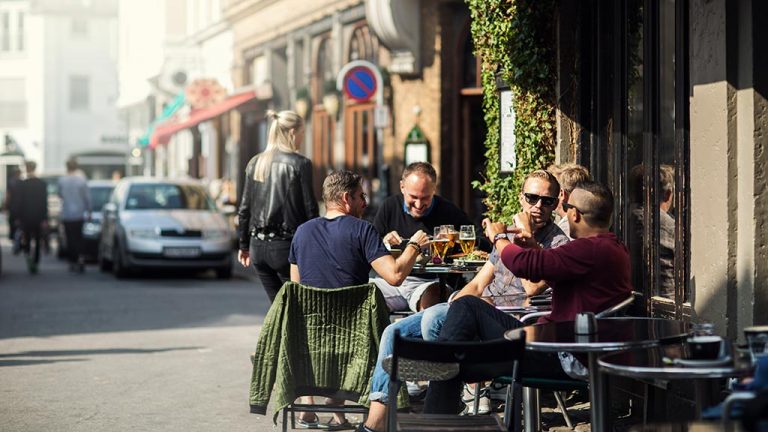
Shopping in Latin Quarter, Aarhus. Photo: Visit Denmark / Kim Wyon
At night it’s a part of town where Aarhus comes to let its hair down, with restaurants, bars, clubs and cafes, and by day you can see what you can find in the independent shops or have a chat with a friend over a beer or coffee.
Its winding cobblestone streets, quiet backyards and half-timbered houses ooze charm, but it’s still a thriving hub. You’ll find plenty of independent shops selling everything from ceramics and jewelry to books and vinyl, plus a gaggle of lively cafes.
Graven, a street that runs east to west, is the main drag but all the little side streets that run off it are worth exploring too.
City Center Home to major hotels, buzzing bars and top attractions, the city center is also a shopper’s paradise, with stylish department stores such as Magasin du Nord and Salling, and Danish brands like Samsøe & Samsøe and Georg Jensen. In Aarhus’ center point, Domkirkepladsen, the city’s 12th century cathedral looms large. At Nordea Bank, across the square, the Vikings founded the city in the ninth century. Its name comes from “Aros”, meaning “place at the river’s mouth”). The Viking Museum marks the exact spot.
Aarhus cathedral. Photo: Visit Aarhus
The cathedral was originally built at the start of the 1200s in the Romanesque style, but had a gothic update in the 1400s and has kept this appearance ever since.
At 93 meters long and 96 meters high, it’s the longest and tallest church in Denmark. However, the most interesting features are inside the church. The well-preserved medieval frescoes depict a variety of saints. The altar of the church is considered one of Denmark’s great treasures; it was designed by the German painter-sculptor Bernt Notke in the 1400s and has a section that can be rearranged according to the time of year.
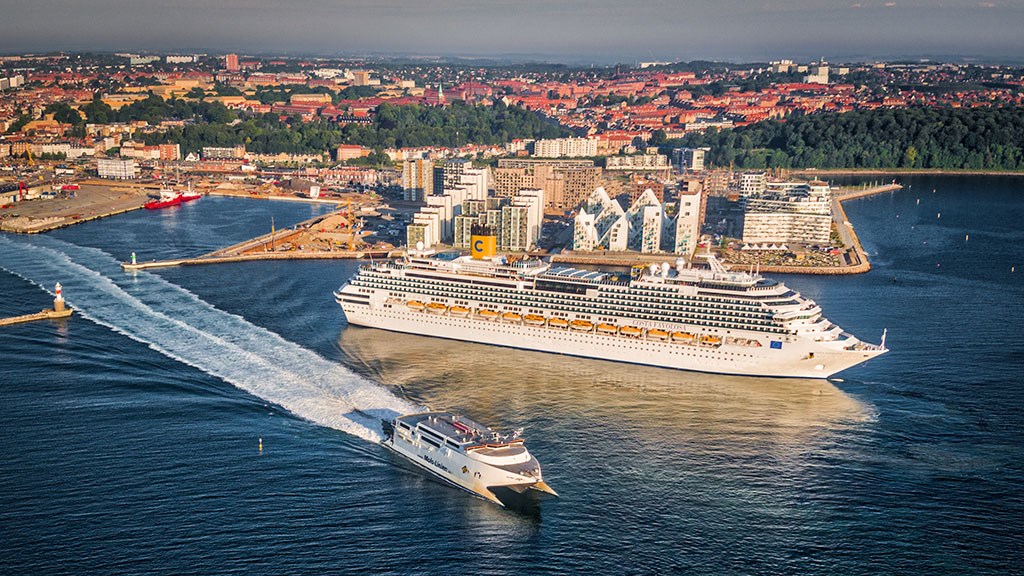
The harbor district Aarhus Ø (East) showcases cutting-edge Danish architecture such as Bjarke Ingels Group’s Iceberg building, which won an international Architecture Award in 2016. Explore your inner bookworm at Dokk 1, the city’s new public library, which opened in 2015 and revitalized a section of the city’s former industrial harbor. It’s a seven-sided disk above a glass prism, in which the city library is housed.
Costa Favolosa in Aarhus harbor. Photo: Visit Aarhus – 3 Fotografen, Dennis, Borup, Jacobsen
A remarkable piece of sculpture, a three-ton tubular bell, is placed in Dokk 1’s atrium. It’s the largest in the world and connected to the city’s main hospital. Every time a baby is delivered, the bell will chime. The piece was designed by Copenhagen-based artist Kirstine Ropestorff.
The spectacular Harbor Bath is a triangular floating complex featuring a rectangular 50-meter-long swimming pool, a circular diving pool, square children’s pools and two saunas.
In summer when the country enjoys 17 hours of daylight and warm temperatures, a refreshing dip in the ocean is highly recommended.
It’s open every Saturday and Sunday from 8 am to midnight, entry is free and there are lifeguards on duty.
Vesterbro
The western neighborhood is home to two major tourist attractions – the Botanical Gardens and the Old Town. The latter is an open-air museum that shows visitors how people lived from pre 1900 to the 1970s. The attraction was built using 75 historical houses that were relocated from 24 towns across Denmark.
Tropical House at Botanical garden, Aashus. Photo: Visit Aarhus
In the 19th-century area you can see what life was like when Hans Christian Andersen was writing, meeting village characters like the widow of a clergyman or merchant’s maid and tasting cakes baked with recipes from 1895.
In the Botanical Garden, the tropical house looks like an almost alien, curved structure housing dense rainforest and simulated animal sounds. There are four different climate zones synthesized at the park. The large rose gardens here are maintained by local volunteers.
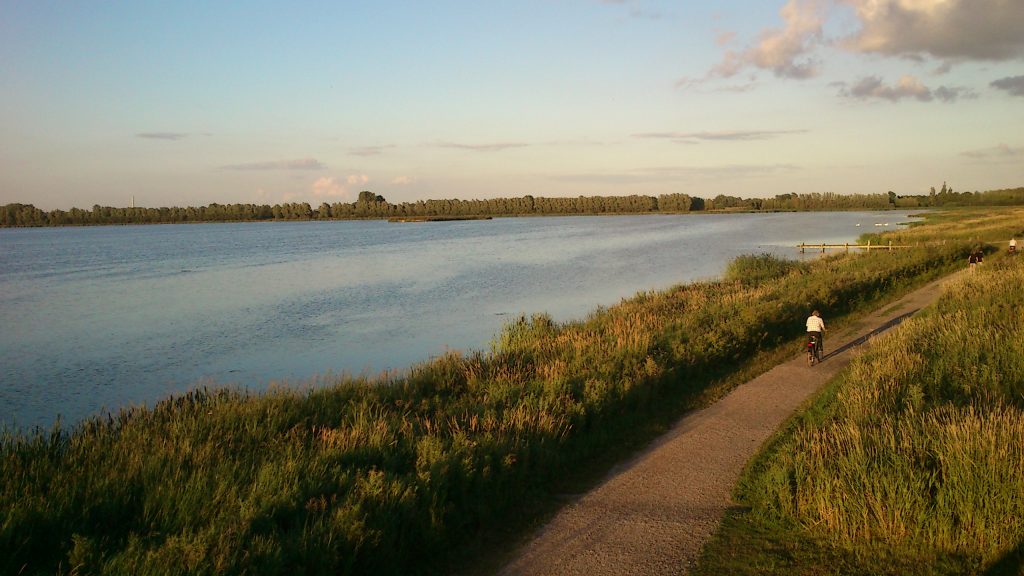
Northern suburbs Egå Engsø is an artificial lake and wetland area that was created when land that had once been reclaimed for farming was re-flooded in the 1950s. In the decades since its creation Egå Engso has become a habitat for a catalogue of animal and plant species that are endangered in Denmark.
Egå Engsø. Photo: Wikipedia
White storks stop by the lake to rest, while short-eared owls hunt the meadowlands. From the tower that was installed in 2007, you might spot interesting birds or just enjoy the sight of the pleasingly green landscape.
Fredriksbjerg This is a relatively new part of Aarhus and the bustling neighborhood has a twice-weekly outdoor market plus numerous bars, cafes, restaurants and indy boutiques. You’ll find most of them in Jægersgårdgade.
Aaros This is one of the largest contemporary art museums in Europe. It’s also a distinct landmark in the city thanks to Olafur Eliasson’s 50m multicolored circular walkway, suspended above the roof. It’s visible from all over the city. If you think it makes for amazing photo opportunities from the outside, just wait till you get to the top. Through its multicolored glass, it provides spectacular views of the city – especially at sunset.
The Danish High Line Could Aarhus have an answer to the High Line in the future? That’s what a consortium of architects and urban planners hope, with their aim to transform Kulbroen – a 160m long decrepit bridge that was once used to transport coal – into a recreational green and healthful urban space. For now, the Coal Bridge remains an atmospheric backdrop for summer food-markets and occasional jazz festivals.
Godsbanen, Aarhus. Photo: Visit Aarhus
Godsbanen Godsbanen describes itself as a ‘center for cultural production’ and multidisciplinary focal point – in plain English, it’s a collection of repurposed industrial buildings that’s home to a range of businesses. Come to wander its 10.500 square meter space where you’re bound to stumble across live music, theatre and markets among the upcycled shipping containers and yurts.
Moesgaard Museum Moesgard Museum is worth visiting for the architecture alone. The roof resembles the wing of an airplane and is a lovely place to explore. The museum has collections from around the world, but the exhibitions covering Denmark’s past boast artefacts you won’t find anywhere else. If you have the nerve take a peek at the Grauballe Man, a bog body from the 3rd century BC that was discovered in 1952. It was so well preserved that they were even able to take the man’s fingerprints.
There’s also a large hoard of Iron Age weapons dating back well over 2,000 years and excavated at the Illerup Ådal river valley.
Musikhuset Aarhus Aarhus’ Concert Hall is one of Denmark’s most important pieces of modern architecture designed by Kjaer & Richeter architects and built in 1982. The building is enclosed by spacious grounds with precise boxwood hedges, flower beds and fountains.
Aarhus Music Hall. Photo: Visit Aarhus
Inside there’s a large complex of six halls and nine stages that put on a packed calendar of performances each year.
Marselisborg Palace and Memorial Park The park is landscaped in the English style, so has the loose, flowing appearance of a pastoral country scenery.
Paths wend their way through copses and cherry groves and up the gentle rises between the palace and the bay.
Next to the palace grounds is a memorial park to the First World War, and there’s a monument here from 1925 naming the 4,144 soldiers from this part of Denmark that lost their lives after being conscripted to fight for Germany.
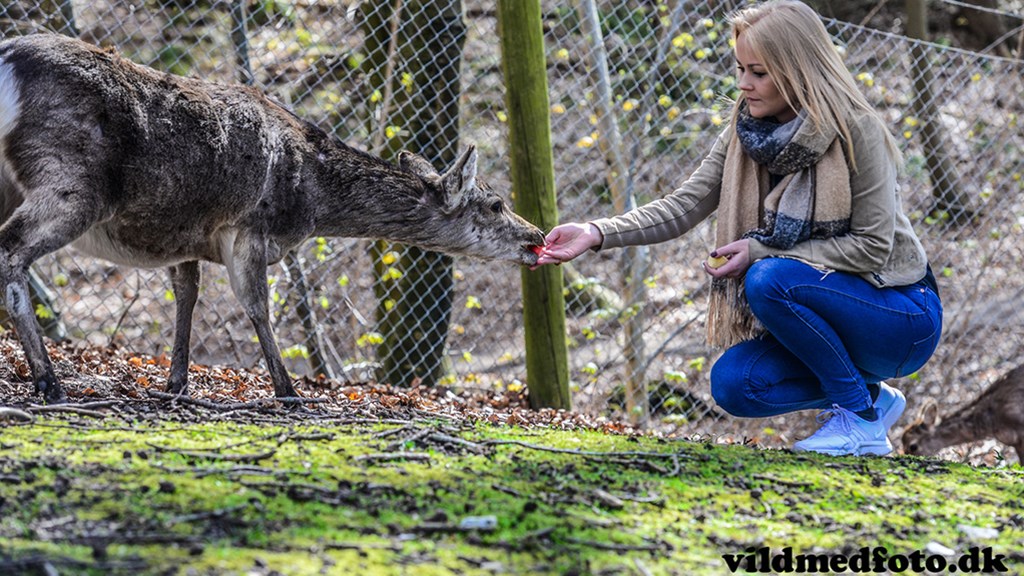
About a 15-minute bike ride south of the city is a pretty wildlife park where deer roam around among the trees. They’re used to human contact and are particularly fond of raw carrots, which they will happily eat straight from your hands.
Marselisborg Deer Park. Photo: Visit Aarhus
Located on the coast, the park makes for a great escape just outside the city, especially when combined with a walk along the Ballehage Beach.
In the summer, the beach is popular with sunbathers and swimmers due to the long stretch of white sand and calm clear water. There’s no lifeguard but there are toilets and changing facilities and a 66-foot-long jetty that extends into the sea allowing people to dive straight into the ocean.
Museum Ovartaci This museum is definitely on of a kind since it focuses on psychiatric treatment. It sits within the Risskov Psychiatric Hospital, which dates to the mid-19th century.
OLYMPUS DIGITAL CAMERA
One of the main exhibitions here is the collection of art created by the institution’s patients down the years. 850 of the collection’s 12,000 are on display.
Upstairs the museum charts the history of psychiatric treatment and the various advances that have taken place.
Eat and Drink
La Cabra Coffee
From its two locations, one in the Latin Quarter and another right inside the train station, La Cabra Coffee serves the best coffee in Aarhus. And you can enjoy freshly baked sourdough bread and a selection of cakes and pastries too.
Central Food Market If you’re looking for relatively cheap, go to the Central Food Market, housed in a building that opened in 1938 as a restaurant and dance hall. In 2016 it was converted into the current food-focused operation. It features 10 vendors, communal seating and a centerpiece: a big horseshoe-shaped bar at the entrance that spills into the outdoor courtyard in summer when the doors are left open. Traditional Smørrebrød (Danish open-faced sandwiches) are among the best on offer here.
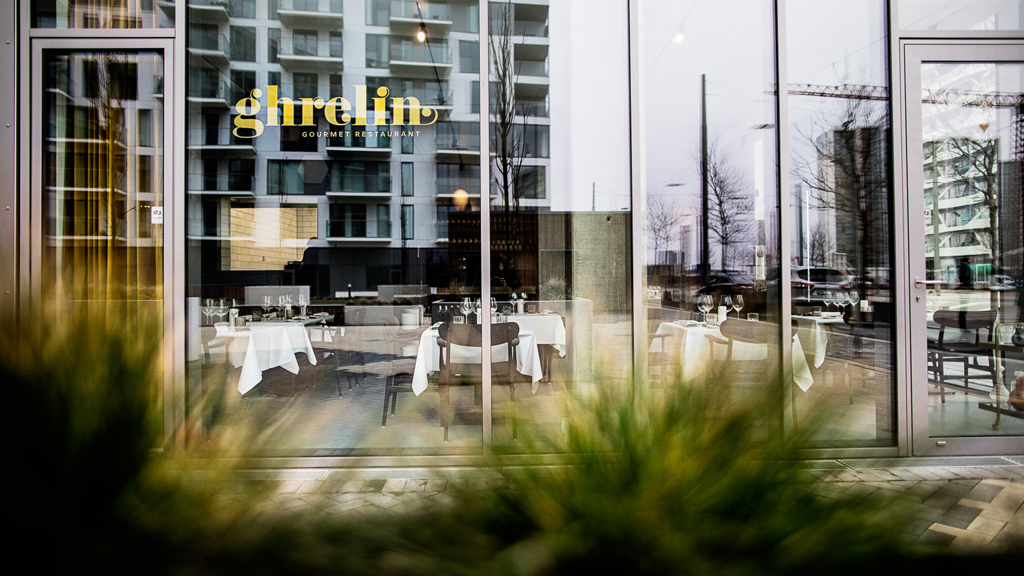
Ghrelin Ghrelin is one of Aarhus’ newest and best restaurants. The restaurant is run by the charismatic Anders Kristensen and Nicklas Nielsen
Mig & Ølsnedkeren A standout among Aarhus’ many cozy pubs and smart tap rooms is Mig & Ølsnedkeren. This craft beer bar only sells a rotating selection from their own microbrewery as well as other small, local producers. From the 20 taps on offer, go for a classic pale ale or try something more experimental such as the sour yuzu and raspberry.
Pondus
Cozy, rustic bistro Pondus in Aarhus’ city center, opened in 2018, offers some knockout dishes like beef tartare and roast pork cheek. The day’s menu is listed in chalk on a blackboard.
The majority of wines at Pondus is made with natural methods using organic grapes and are sourced from small European producers, particularly in France.
S’vinbar The best selection of wines in Aarhus is on offer at S’vinbar. The wine list focuses on smaller, lesser-known producers and unusual styles. It’s a perfect pre- or post-dinner stop, but they do serve some snacks, if you want to settle in for the duration.
The Speakeasy At Sonnesgade 11, look for the stylish cracked façade, then skip the ground-floor restaurant – even though it’s rather good – and head for the basement, where you’ll find a little-known branch of Rosforth & Rosforth – Copenhagen’s trendiest retailer of natural wine.
St Pauls Apothek
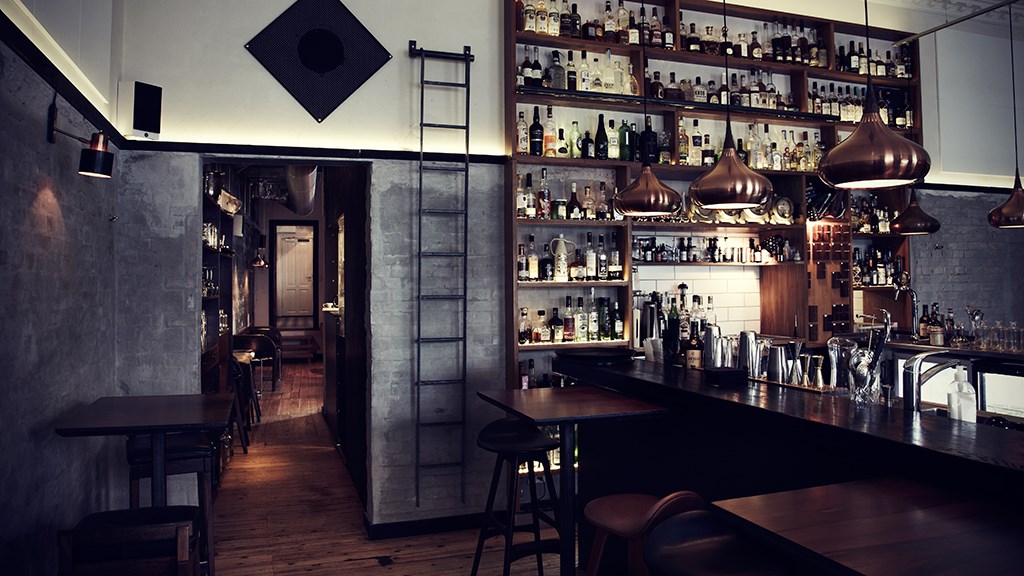
St Pauls Apothek is the city’s premier destination for cocktails and is located on Jægergårdsgade, a street which is lined with hip bars and restaurants.
St. Pouls Apothek. Photo: Visit Aarhus
The building, an old chemist’s shop originally opened in 1899, now sells potions of a different kind, created by a team of award-winning mixologists.
Restaurant Substans Substans is one of Aarhus’ most famous restaurants, having held a Michelin star since 2015. It’s set to move location to the new harbor-side Aarhus Ø development later this year, but for now it’s still serving elegant Nordic-style cuisine from its original home in the Latin Quarter.
There is no à la carte menu at Substans, with diners instead choosing one of two multi-course tasting menus, the “Big” (12 courses) or the “Not So Big” (nine courses), which certainly keeps things simple.
The cooking is anything but simple, however, with technical, precise dishes that include thinly sliced scallop dressed with lovage oil and lightly fried pine needles, and pork with onions, a crisp kale leaf and finished with a zesty green tarragon cream.
Aarhus Street Food Wallet-friendly dishes are served at Aarhus Street Food. It occupies an old bus garage and features around 30 vendors under its large industrial roof. The options are global in scope, with everything from Thai and Indian to fish and chips, but one of the best is Stegen & Dellen, which serves traditional Danish pork sandwiches smothered in gravy and topped with mustard and crackling.
It’s open seven days a week for lunch and dinner throughout the year, except for some public holidays.
Recommended
Invest in an Aarhus Card for free access to 25 of the city’s top museums and attractions and travel on the airport bus and city public transportation.
Feature image (on top): From Latin Quarter. Photo: Visit Aarhus
Must-Visits in Denmark’s Most Interesting City, compiled by Tor Kjolberg
Only the imagination sets limits to what kind of damage reports an insurance company receives after summer vacations. Some travelers refuse to wear a face mask during corona virus times and others have booked their tickets the wrong way. Here is a selection of stories of funny damage claims from a Norwegian insurance company.
Norwegians have perhaps the world’s best travel insurance and thereby expectations for what is covered. Especially during summertime, many travel-related injuries are reported to the insurance industry. Most of these are covered under ordinary conditions, but some of them are slightly more curious.
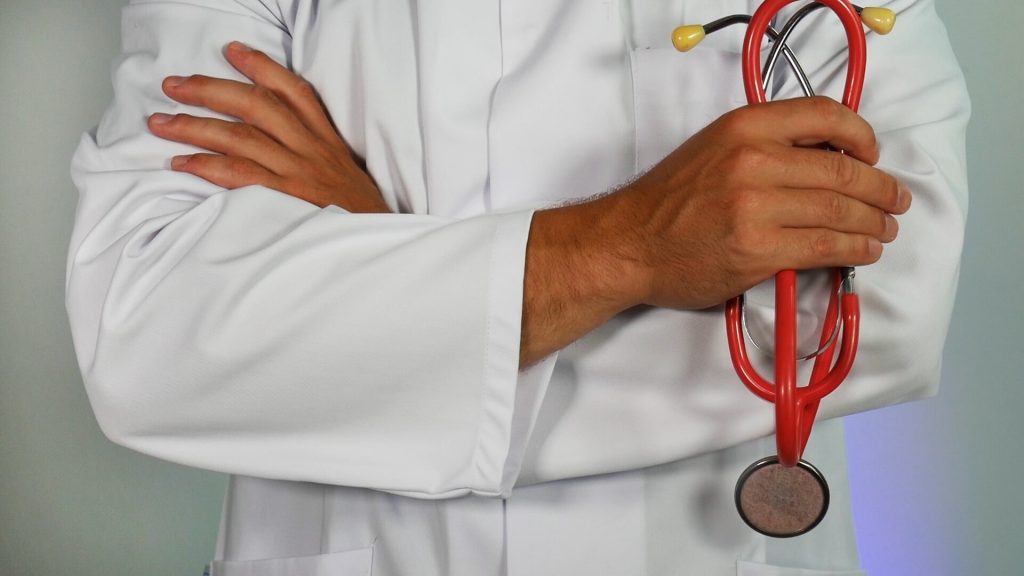
Every summer there are some who try to get beauty surgery. Photo: Online Marketing / Unsplash
Anything can happen
“Even though most people this year are on holiday in Norway, anything can happen,” chuckles Arne Voll. He has a long career as communications manager at the Norwegian insurance company Gjensidige and can tell stories of creative injury reports and explanations of why things went wrong.
Communication manager Arne Voll, Gjensidige Insurance.
“One customer wanted to cancel his holiday because he had heard on the news that the place demanded that everyone should wear face masks,” tells Voll. The customer’s claim was rejected.
Too many noisy children by the pool
“Every summer there are also some who try to get beauty surgery covered after ‘performing a faceplant’ and injuring themselves. Often a dream of a prettier nose or larger breasts entices,” he adds.
The insurance company also receives several claims where customers seek compensation due to the hotel being too far away from the beach, don’t offer sea views or lacking a pool. Others think it was too hot or too cold. One customer wanted a compensation since there were too many noisy children by the pool and part of the holiday was ruined.
A classic mistake many people make is booking a trip with wrong departure or return dates.
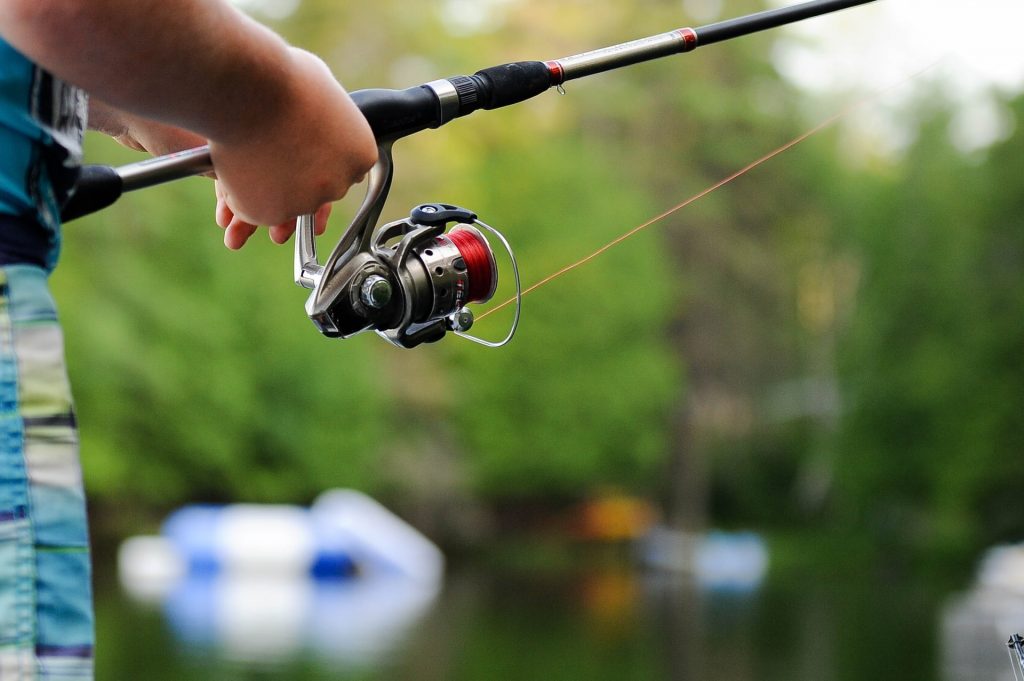
A salmon fisherman demanded to be reimbursed for what he had paid for renting a cabin with fishing rights, because there was too much water in the river to go fishing. Photo: Clark Young on Unsplash
Funny claims and stories
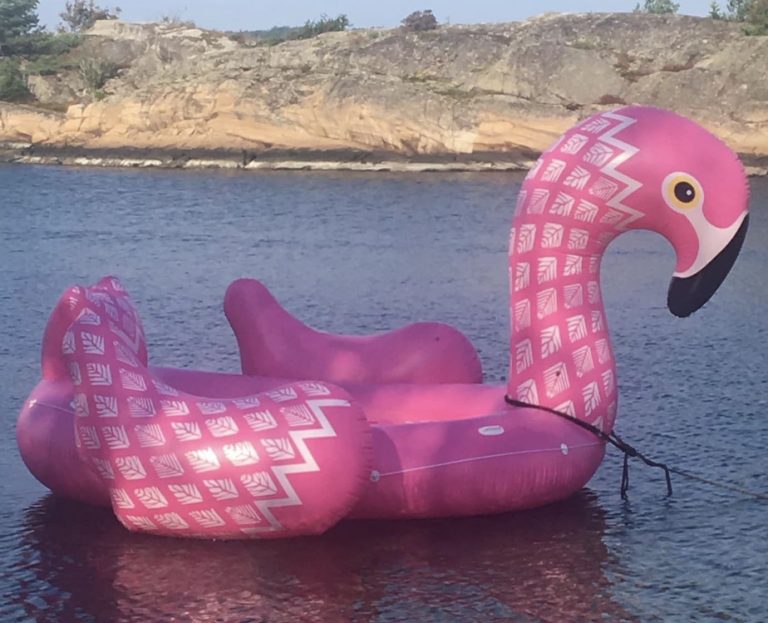
One customer had invested in a mega large inflatable flamingo; great fun for children of all ages, but suddenly it was gone. The owner believed someone has played with the rope that attached it to the pier. Such inflatable figures weigh little and are an easy prey for wind and current. The flamingo was searched for throughout the area without success, and the owner reckoned it had left the nest – for good.
A young woman wrote that the dog had eaten her Gucci glasses. The injury report said, “the dog survived but had, after all, had a treat”.
Bad fishing luck
A salmon fisherman demanded to be reimbursed for what he had paid for renting a cabin with fishing rights, because there was too much water in the river to go fishing.
“We also have those that require the same due to low water,” says Arne Voll.
A young woman wrote that the dog had eaten her Gucci glasses
Suitcase stories
One customer reported damage to a trolley bag. The handle was broken and therefore he “had to go crooked to the hotel,” according to the injury report.
A family had booked a terraced house, but it turned out that there were lots of stray dogs making noise at all hours as well as many cats coming into the house. This was so uncomfortable that they had to rent a new holiday home somewhere else. They applied for compensation for double booking, but were rejected since this is a claim that must be directed to the booking agency.
“We also have several customers who report the loss of a suitcase while traveling. Once we tried to reconstruct one of these claims and had to use several large suitcases to pack the content. The customer’s suitcase, however, was of the more moderate size.”
Stories of funny damage claims from a Norwegian insurance company – conclusion “In addition to passports, tickets and a good mood, it is important that the travel insurance is in order before departure. It is perhaps the best guarantee for a safe and happy vacation,” concludes Voll.
The cases above are from this summer as well as previous years.
Gjensidige Gjensidige is a leading Nordic insurance company listed on the Oslo Stock Exchange with about 3700 employees. The company offers non-life insurance in Norway, Denmark, Sweden and the Baltics. In Norway, it also offers retirement and savings. Operating revenues were NOK 26 billion in 2019, while total assets were NOK 112 billion.
Stories Of Funny Damage Claims From a Norwegian Insurance Company, based on a press release from Gjensidige.
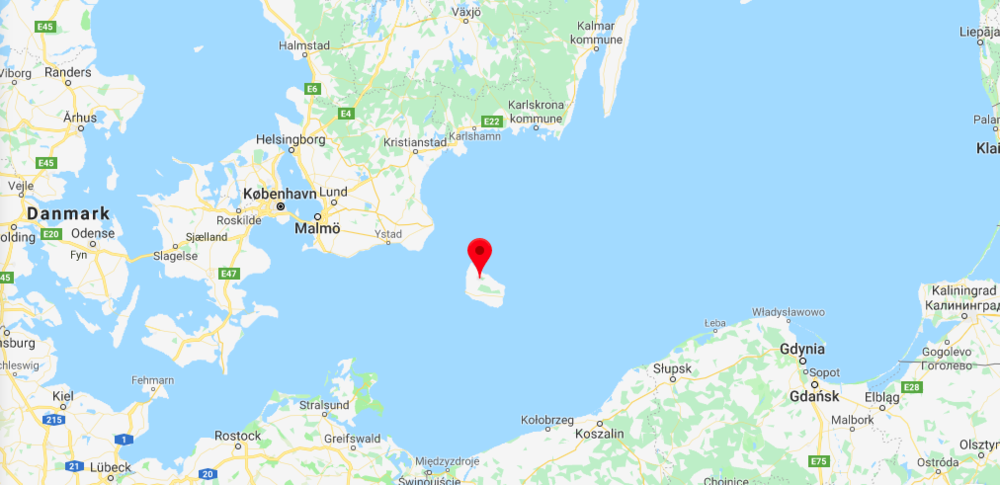
The four medieval round churches on the Danish island Bornhoim were built in the 12th and 13th centuries. All four churches are still used for religious service, but are open to the public at other times. Learn more about the round churches of Bornholm, Denmark.
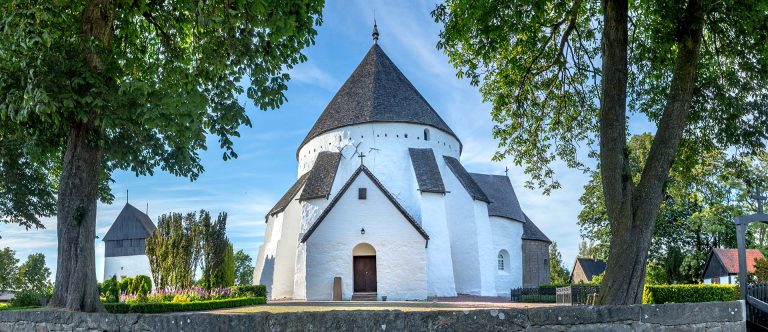
Østerlars Church just over 4km (2 ½ miles) southwest from Gudhjem, is the largest of the ‘round churches’ of Bornholm, which include Nylars Nyker and Olsker.
Bornholm, west of Denmark and south of mainland Sweden
Places of refuge
When the Slavic Wends ravaged the island they were occasionally used as places of refuge, and in the 14th-16th century Hanseatic merchants from northern Germany would move in during the herring season.
Østerlars Church. Photo: Wikipedia
Visit Østerlars
At Østerlars the enormous support pillars create the impression of a fortress, which was the second purpose of the structure. Inside the church (built around 1150), the vault is painted with fine frescoes of biblical scenes.
On the north wall of the oval-shaped choir, stone steps lead to the second storey where the hollow central pillar has two entrances. The outer wall has a watchman’s gallery. The double altarpiece, originally from 1882, was painted by the local artist Poul Hom in 1973.
Bornholm Middelaldercenter. Photo: Visit Denmark
Introduction to the medieval age
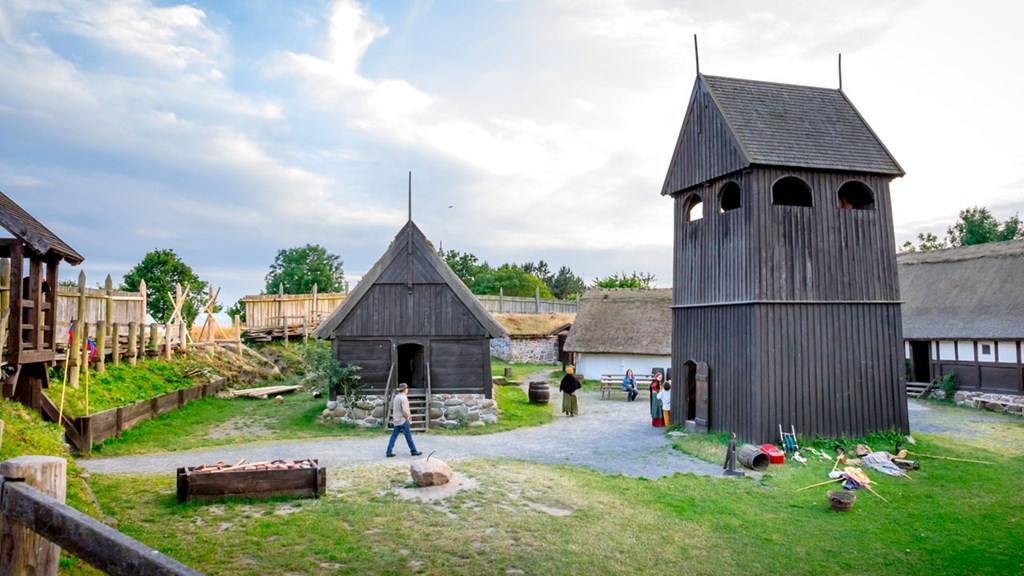
If you’re here with children, drop in on the nearby Bornholms Middelaldercenter, an activity-packed introduction to the medieval age. The reconstructed town comes alive in summer, with craft demonstrations, performances, a bustling July market, bonfires and booming cannons.
The Round Churches of Bornholm, Denmark, written by Tor Kjolberg
When people think of surfing, it’s often exotic and far-flung locations that come to mind. Hawaii, Australia, Indonesia with their white sand beaches, turquoise waters, and awesome waves are just some of the places you might have on your list. However, have you ever thought of Scandinavia? You might be surprised by what this part of Northern Europe has to offer! Read more about the top surf spots in Scandinavia.
In this article, we’ll take a look at some of the top surf spots in Scandinavia. Hopefully, it’ll make it easier to plan your trip to this beautiful part of the world. Just remember to pack your wetsuit! Let’s check them out.
Norway Norway has a thriving surfing scene, and there’s probably more variation than anywhere else in the world here. From the wild winds of the North Sea to cliff flanked beaches, to Arctic surfing under the midnight sun, you’re sure to be surprised.
Hoddevik When you think of a white sand beach and azure waters, you definitely won’t be thinking of the west coast of Norway. Isn’t that all fjords and cliffs? Well, yes, but sometimes you get a little slice of paradise between those cliffs. Located on the Stadlandet Peninsula, you can have year-round surfing here, although you will have to contend with rain, snow, and hail at times! Hoddevik boasts a couple of surf camps so it’s a great place for beginners to learn their craft. However, there are only 15 – 25 permanent residents so don’t expect wild nightlife and loads to do in the evenings. That peace and quiet are what many people cite as their reason to come back though!
Jæren Just a stone’s throw from the port of Stavanger in southern Norway, you have the Jaeren coastline. With winds and waves buffeting the coast from the North Sea, there is a range of surfing spots that suit everyone from beginners to advanced surfers. Sele point, Borestrand, and Solastrand are great options for those who are new to the sport – you could even try your first steps in surf SUP here – the water is calm enough to get the basics of stand up paddle boarding before you hit the waves!
Lofoten Islands If there is a surfing destination further north than the Lofoten Islands, we’d love to hear about them. Until then, they’ll just have to do it. Not for the faint-hearted, the waters here are freezing cold and you’ll need a wetsuit. However, you can surf year-round and you’re more likely to get company from seals, porpoises or eagles than other surfers. If all of this isn’t enough to convince you, perhaps being able to surf 24/7 in the summer’s midnight sun will?
Denmark Already popular with Scandinavian surfers, Denmark is increasingly attracting surfers from wider Europe and the world. Thy on Denmark’s northwestern Jylland Coast is where you’ll find most of the country’s surf spots. Here are two of the best.
Surfing at Agger. Photo: YouTube
Agger One of the best surf spots on the coast known as ‘Cold Hawaii’, Agger has a number of beaches which are divided up by piers. The big pier is one of the most popular surf spots, and there are a lot of big waves that come when there is a south wind. The Agger Channel is another spot where the breaks are good, but this is better suited to intermediate and expert surfers.
If you want to combine surfing with music, come during the annual “Heavy Agger” metal music festival. It usually takes place around the end of May.
Klitmoller Possibly the best-known surf spot in Denmark, this place is known as Klitten by the locals. With three main spots, the Reef, the Bay, and Bunkers are easy to find from the town itself. Kiltmoller is the prettiest part, and it’s better suited to intermediate and advanced surfers. There are lots of surf clubs in the area, so you might be able to tackle this after a few days at The Reef and The Bay! Many top surf competitions and the Wind Surfing World Cup take place in Klitmoller.
Sweden With more islands than any other country in the world, it makes sense that there’s surfing in Sweden. The best season for surfing off the Stockholm Archipelago is also the coldest, so you’ll have to be brave to try it!
Torostenstrand Toro Beach in the Stockholm Archipelago is the best place to surf in Sweden and hosts several national championships. The pebbled beach has a rocky reef offshore, and that means big swells! It’s no secret, and you’re likely to see more than 50 surfers here on most days.
Surfing at Varberg. Photo: YouTube
Varberg With three main spots, Varberg and Toro are often in competition for the title of Sweden’s surf capital. Varberg was originally a fishing village, but now its black waters attract not only surfers, but stand up paddleboarders too. Varberg is one of the few places in the world where you still see surfers out when it’s – 15 degrees outside and there’s snow covering the pretty little town!
Top Surf Spots in Scandinavia So, now you know where to surf in Scandinavia…
It’s a good time to book your trip. Whether it’s Norway’s fjords, the flatlands of Denmark, or the stunning archipelago off Stockholm, there’s a place to surf in Scandinavia for you. For more travel tips and news from this part of the world, check out The Daily Scandinavian.
Daniel Hall
Top Surf Spots in Scandinavia, written exclusively for Daily Scandinavian by Daniel Hall. Daniel is a travel writer, blogger, and English teacher interested in learning new languages and cultures and trying a cooking class everywhere he goes! He also enjoys reading, writing, playing and watching football, and comedy.
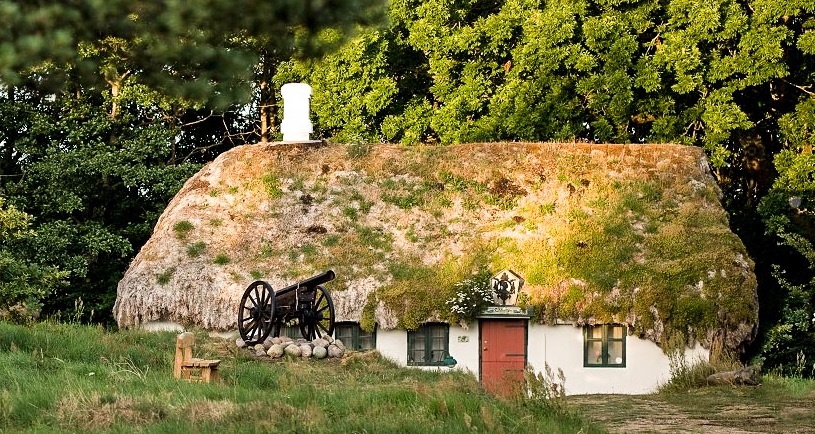
Roofs made of seaweed called eelgrass have been in use on the island of Læsø in Denmark for more than 300 years. Will this thatching consisting of thick, heavy bundles of silvery seaweed be the solution of tomorrow? Read more about the Danish thatch for the future.
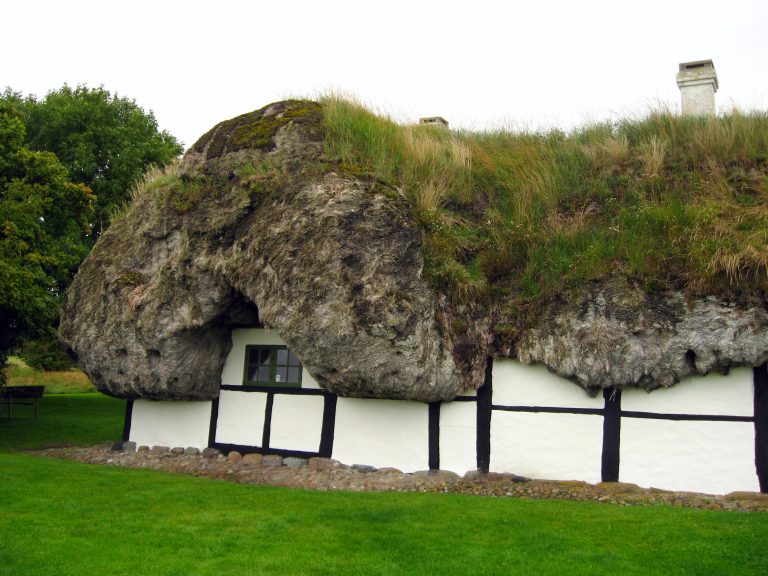
The roofs on the 1.800-person island of Læsø are up to a meter thick and hanging over the walls of the houses, they appear to be wearing a cloak. Seaweed is far more durable than thatch and might have the potential to be a contemporary building material around the world.
Højsande on the 1.800-person island of Læsø. Photo: Wikipedia
Old traditions
Seaweed thatching began on Læsø in the 17th Century. Eelgrass grows on the island’s seas and were once so abundant that it frequently washed up on the shores. They have long, bright green, ribbon-like leaves about a centimeter wide, and up to 2 meters long. Farmers would collect them from the beach and once dried, they were bundled and twisted into thick ropes that were then woven through a home’s rafters to form a roof. Traditionally, weaving bundles of seaweed together was done by the island’s women folk. As many as one hundred women and young girls would take part in the activities. In the late 18th century there were 250 homes and farms thatched with seaweed.
The roofs are up to a meter thick and hanging over the walls of the houses. Photo: Visit Nordjylland
A heritage project
In the 1930s a disease attacked the Island’s eelgrass making it difficult to maintain the roofs and now there are only 36 left. In 2009 a heritage project to save Læsø’s seaweed homes was established. Part of the project was to teach farmers in the south of Denmark to harvest and prepare eelgrass. A so called ‘Seaweed Bank’ was created to provide the materials to re-thatch the remaining homes.
Eelgrass is a very interesting material because it won’t burn: there’s too much salt in the straw and a thatch can last up to 400 years. As the roof ages it solidifies into one solid mass that is not only waterproof, but fireproof as well and can be trodden over without causing damage. It is also rot- and pest-resistant, but not only that. It also absorbs CO2, and as it doesn’t require heat to produce, is carbon neutral when harvested.
Danish thatch for the future? Today, the island has been reforested and residents can no longer see the sea from their rooftops. Many houses are surrounded by trees, protecting them from salt-laden winds. The Copenhagen-based American architect Kathryn Larsen is currently researching how the seaweed thatching on Læsø could be updated to contemporary sustainable building material.
Feature image (on top): Eelgrass roof at Læsø. Photo: Wikimedia commons
Danish Thatch For The Future, written by Tor Kjolberg
In 2010, the Swedish web architect Jens Persson got an idea: How about creating an app where the best fishing spots are plotted together with facts about what one can expect to get on the hook? A few years later, Fishnbrain has become a world sensation. Read more about how you can improve your fishing with the Swedish app.
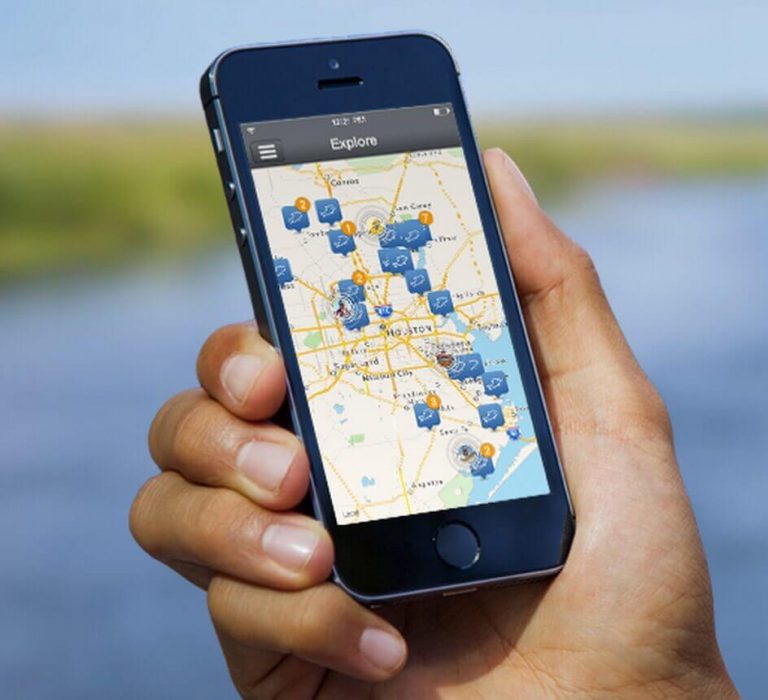
The Fishbrain website claims that its app is the world’s No. 1 fishing app. Fishbrain can in fact help you catch more and bigger fish. Through the app’s combination of Catch Map and Fishing Forecast, you can bring your fishing up another notch. Today, Fishbrain has become an angling community with nearly ten million users globally. It is also an in-app marketplace which allows users to find and purchase the best fishing gear from some of the world’s most respected brands.
Fishbrain can in fact help you catch more and bigger fish.
On the app, fishermen share their ups and downs from all the world’s waters and oceans as well as their innermost experiences: Not only where they can fish, but also how and in what direction it is most likely to get a catch – and at what times.
Tools and knowledge
So, Fishbrain provides the tools and knowledge to help anglers get better at fishing, how to find nearby fishing locations for their next trip and discover the best time to fish, and what bait to throw.
With 200 million people sport fishing around the world, Fishbrain is connecting anglers to make fishing dreams come true, today and tomorrow. The office people in Stockholm and the boat people out on the waters, make sure to talk a lot. That’s how it’s kept real. It’s more fun to brag about a catch with people who care about fishing. So far, more than 2 million fishing grounds worldwide have been plotted.
The Fishbrain website claims that its app is the world’s No. 1 fishing app
Purchase with confidence
The Fishbrain store presents different categories, including Baits & Lures, Rods, Boat Accessories, Reels etc., from which users can easily find and purchase products they need for their next trip from over 80 of the leading brands, including Mustad, Aftco, Favorite Fishing, Googan Baits and Omnia Fishing, with more being added continually. Users can also search through brands’ dedicated pages, and read honest reviews left by anglers who have tried and tested equipment, meaning they can purchase with confidence.
Fishing easier for everyone
Fishbrain CEO and co-founder Johan Attby comments: “Our aim has always been to make fishing easier for everyone, and to advance a sport fishing industry in desperate need of modernizing. With the launch of the Fishbrain Shop we are simplifying the process of finding and buying fishing gear, which has until now been arduous and time-consuming.”
The Fishbrain Shop centralizes the whole experience, providing users with the best gear from some of the most popular brands out there, all accessible from the award-winning mobile app.
Improve Your Fishing With Swedish App, written by Tor Kjolberg
Scandinavians have long enjoyed a vibrant and healthy relationship with food. For starters, the surrounding Arctic waters provide an abundant variety of seafood. Further inland, rich Scandinavian soil reaps various spoils, ranging from sweet berries and apples to potatoes and yams, often prepared alongside pork belly, lamb, or mutton. Read more about alternative dining options in Scandinavia.
Ultimately, fresh, local, naturally-sourced ingredients form the backbone of Scandinavian dining, which eschews heavy processing in favor of healthy proteins, organic vegetables, and home cooking. In fact, as far as nutrition is concerned, Scandinavian food and drink knocks it out of the park, and researchers have determined that the Scandinavian diet is among the world’s healthiest.
Photo: Michelle Henderson / Unsplash
The Nordic Diet
Showcasing its culinary versatility, Scandinavia is even a standout in the realm of fad diets. The globally famous Nordic diet, where locally sourced food is emphasized, is a prime example of the health benefits of Scandinavian cuisine.
The Nordic diet spans Scandinavia, to also include foods native to Finland to Iceland, and was specifically created to “address growing obesity rates and unsustainable farming practices in the Nordic countries,” according to Healthline. Introduced in 2004, the evidence-based diet helped spawn a movement towards healthier, plant-based dining options across Scandinavia.
Today, whether you’re a native of Scandinavia or are planning a visit to the region, you’ll find an abundance of options in the realm of healthful, alternative dining, spanning from Stockholm’s gluten free eateries to the so-called “vegan takeover” in Norway. For many visitors, your authentic Scandinavian dining journey begins deep in the past.
Photo: YouTube
Eating Like a Viking The concept of maintaining a healthy lifestyle likely never occurred to the Vikings, a seafaring people whose culture thrived between the 8th and 11th centuries. Today, however, humans are fundamentally aware of the importance of health and wellness, on both an individual and societal level. When it comes to the food we put in our bodies, maintaining a healthy diet involves consistency, effort, and adaptability.
Referred to as the three big rocks of health, ancient Scandinavians embodied those same principles, highlighting the ways in which our lifestyle impacts our health. And without even understanding they were doing so, the Vikings also practiced sustainability, harvesting resources from the natural environment and manipulating it when necessary.
Photo: Jonas Jacobsson / Unsplash
That commitment to sustainability and an active life continues into the present day. Scandanavia’s abundant seafood dishes, including the infamous Stekt strömming, or fried herring, provide lean proteins for those looking to cut calories. Those with food allergies or diet preferences, as well as globetrotting vegans, are helping the world to see that Scandinavian cuisine is far more nuanced and delectable than Ikea’s Swedish meatball plates will have you believe.
Make no mistake: Norway’s vegan movement notwithstanding, meat remains a crucial component in Scandinavian dining, the production of which is becoming increasingly sustainable. Throughout the region, there exists a plethora of dining options in the realm of sustainably sourced meat, from lamb-based dishes to grass-fed beef and sustainable seafood.
Historically, lamb and mutton were considered foods of the poor, yet savvy foodies in contemporary times can find sheep-based dishes on the menus of Michelin-rated establishments and quaint countryside eateries alike. Meat eaters can even enjoy a lamb course that’s prepared tableside at Frantzén in Stockholm, a 3-star Michelin restaurant. Or, if you find yourself hungry while in Denmark, try out the traditional sweet and savory dish known as Aebleflæsk, cured pork belly prepared with apples, thyme, and sugar.
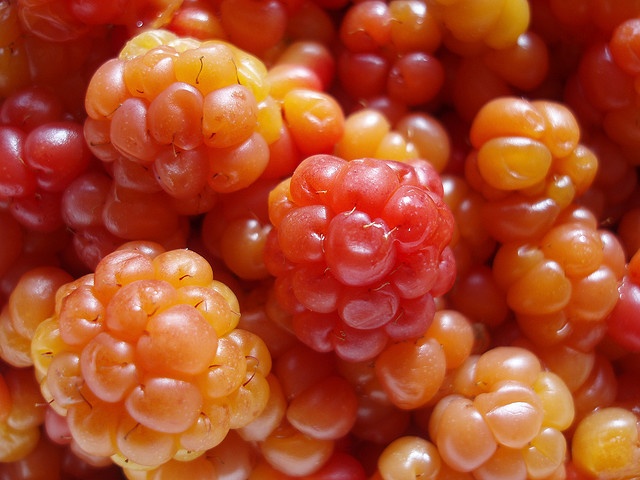
Cloudberries from Scandinavia
From Savory to Sweet and Back Again Sweet glazes are also a common sight atop Scandinavian meat-based dishes, yet fruits are typically lacking on Scandinavian menus, as the region’s climate is too hostile for most fruit plants to thrive. Berries are a notable exception, however, and are abundant throughout the summer months.
Blueberries, raspberries, and lingonberries are a staple in Swedish cuisine, used in various desserts and creative main courses. Travelers should be aware that the lingonberry is used in savory, rather than sweet, dishes such as meatballs and Kåldolmar, and it has a bitter taste when consumed raw.
Dating from the Ottoman empire, Kåldolmar is steamed cabbage rolls stuffed with a combination of bread, potatoes, and/or cream sauce, and garnished with lingonberries. The traditional dish is highly adaptable and can be prepared to accommodate a gluten-free or vegan diet.
From the Nordic diet to Kåldolmar to fresh seafood, berry-laden desserts and beyond, Scandinavian dining options offer a prime opportunity to help you develop a healthier relationship with food. And as your diet improves to incorporate more fresh Scandinavian dishes, you may find that your mood, behavior, as well as physical and oral health follow suit.
Danish Æbleflæsk. Photo: Wikimedia commons
Alternative Dining Options in Scandinavia– The Last Word Developing and maintaining a positive relationship with food often takes time, and Scandinavians have spent the last several millennia doing just that. By working with, rather than against, the natural environment, modern Scandinavian cuisine has evolved into one of the world’s healthiest diets. Whether you find yourself on the remote Faroe Islands or the cosmopolitan capital city of Copenhagen, alternative dining options abound.
Beau Peters
Alternative Dining Options in Scandinavia, is written exclusively for Daily Scandinavian by Beau Peters. Beau is a creative professional with a lifetime of experience in service and care. As a manager, he’s learned a slew of tricks of the trade that he enjoys sharing with others who have the same passion and dedication that he brings to his work. When he is not writing, he enjoys reading and trying new things.
London-based Edda Gimnes (29) was born in Oslo and says she grew up in a very creative home. Her graduation collection at the Royal College of Fashion in 2015 won an award under the auspices of the British Fur Trade Association (BFTA) and good reviews in Italian and British Vogue and international headlines such as ‘A Norwegian Fresh Out Of Fashion School Designer To Watch’ created international attention. She is indeed a Norwegian designer for tomorrow.
The works of the Norwegian fashion designer Edda Gimnes typically combine disparate elements, from pink knitting with gold and light blue embroidery to bold prints with elements of fur. She is fascinated by textiles in all sorts of combinations. In 2016, she was awarded, in competition with 220 fashion designers, the award ‘Designer for Tomorrow’ during the Fashion Week in Berlin. After earning prestige in the cut-throat world of fashion, Edda continues to create eclectic designs embraced by followers all over the world.
An honest intimate and stylish look
The most precious stage of designing a collection is for many fashion designers the time to make mistakes, erase and restart without the pressure of onlookers. Edda embraces this pressure offering an honest, intimate and stylish look into her creative hand through her collections.
Edda says that the turning point in her struggle at College in London came after she had bought a garbage bag with hundreds of old photographs at a car boot sale in Wimbledon. Among the photographs was a nude album from the 1940s. The photographs were the inspiration for her winning collection.
The ragpicker
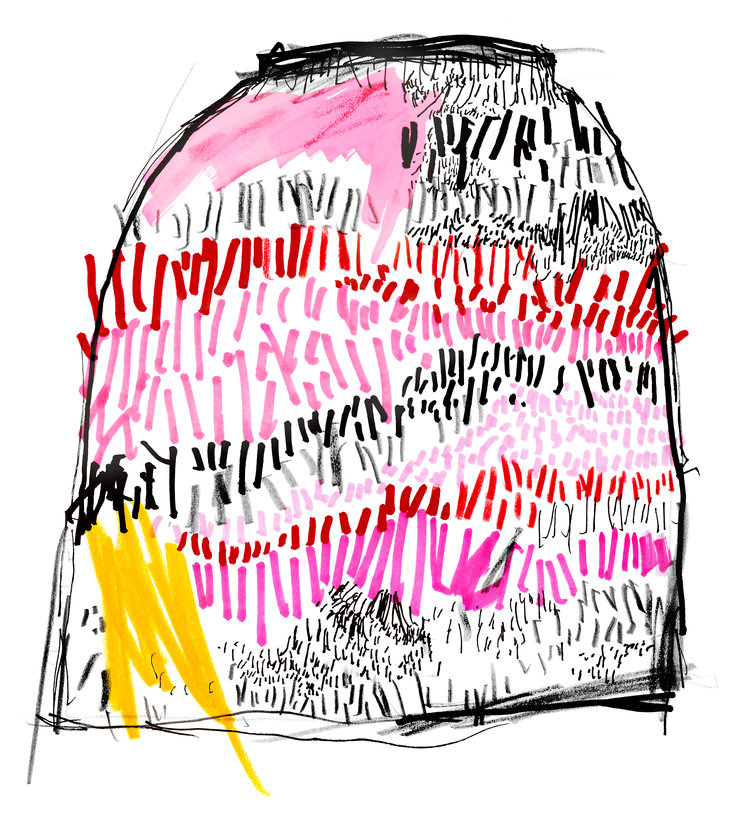
“I enjoy using old objects and things that have gone to waste, so for my collections I have been “The Ragpicker” of my own projects, she said in an interview. Edda’s cutting-edge innovative futuristic vision is simultaneously curated with audacity and precision which makes it beautifully bizarre. “I use my opposite hand to get a ‘naïve and hand rendered’ black-colored sketch and transfer that onto white cotton fabric used through the collection,” she said.
Desiree Mattsson/Edda Gimnes
Gimnes stretches large canvases across the floor in her London studio and draws straight on the durable fabric to create spontaneous lines. But really, she is a very colorful person and is a designer who does more than interpret existing trends and create scandi-minimalist designs. “I want to continue to push boundaries and be playful while making things most people can use,” she says.
Things with story and soul
Edda explains that she simply loves things with a story and soul. She hopes that people are able to make up their own narrative when looking at her design. “Instead of starting with the pattern, I start with my illustrations and then make the pattern accordingly,” she once told Vice/Intel’s international platform The Creators Project.
Edda Gimnes aims to explore uncharted avenues and enthusiastically allow her inherent voice to shine through.
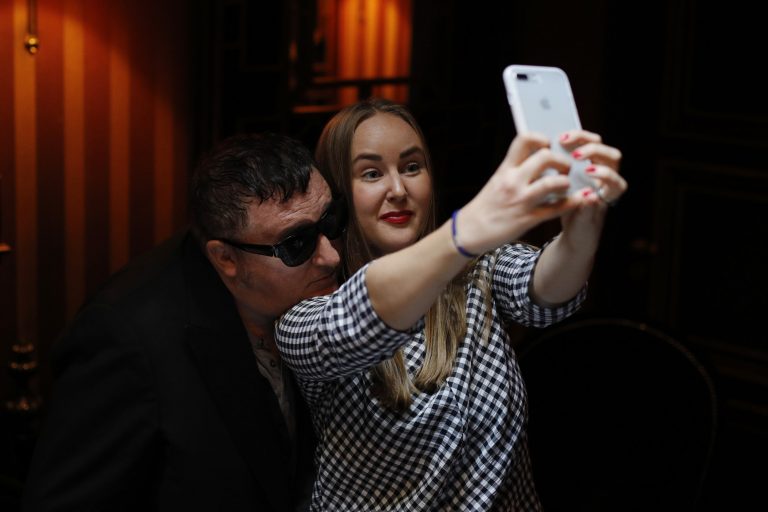
Feature image (on top): Designer Alber Elbaz and the winner of the fashion talent award ‘Designer for Tomorrow’ by Peek & Cloppenburg and Fashion ID, Edda Gimnes, are seen on October 19, 2016 in Paris, France.
A Norwegian Designer For Tomorrow, written by Tor Kjolberg