
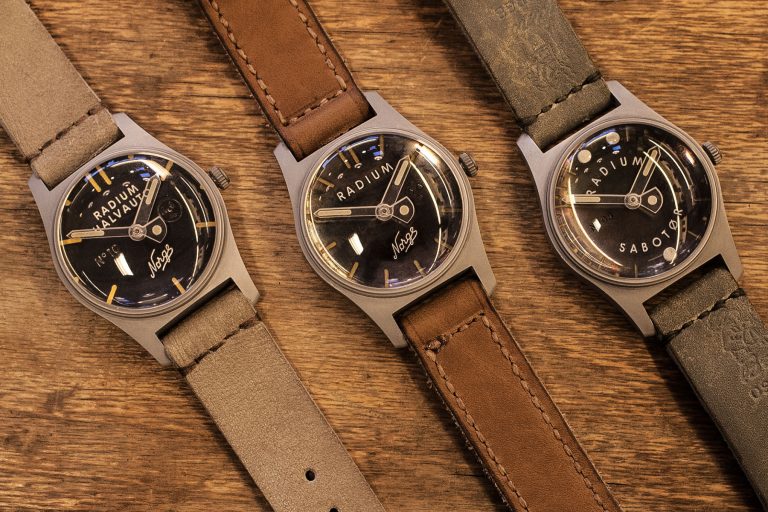
Norwegian Watchmaker on Classic Wrist Watches

0

Self-taught watchmaker Erik Sutterud was a sound engineer until he started as a watchmaker in 2013. Today, he repairs and restores old wristwatches and wall clocks, gives valuations on old watches and sells both new watches and vintage. Here you can learn more about the Norwegian watchmaker’s take on classic wrist watches.

“The classic wrist watches are classy, they are less expensive than new ones and they are just as reliable. Besides, let’s face it, who needs a watch to keep time to the second these days?” he asks on his homepage.

With a magnifying glass, he studies the critical parts of an older wrist watch – the anchor, the escapement-wheel and the balance that positions the force in equal seconds.

Norwegian Watchmaker on Classic Wrist Watches
“Is there a watch that can possibly be better than a classic wrist watch?” asks Sutterud. Here, the inside of a Rolex.

Related: Five Scandinavian Watch Brands You Should Know About

“Is there a watch that can possibly be better than a classic wrist watch? Find your favourite style from the best designers of your choice and you never need to get bored again! One glance at your wrist is all it takes to spin your head with interesting thoughts. What was it like back in the day when this watch was assembled? Who worked at the factories and who bought this particular watch”? The questions are popping up.

“Actually, I’m not that interested in watches”, he says. “It’s the clockwork I’m interested in – and the time itself”.

Wearing a vintage time piece is in practice to keep a tradition alive. An old watch is a live reminicense of the past and it bridges between past, present and future. We carry our ancestor’s wisdom, knowledge and even culture into new fashions and changing times. Very few artifacts act as a carriers of tradition in such an obvious way. The sensation of winding up your watch in the morning is another reason to look for the vintage mechanical watch. There is always time for this gesture and if you give it a little thought while you are at it, you may enjoy a filosophical moment to yourself.

Time is here and now, all the time, in a single set. Now and now and now. Over and over again. Time surrounds us like air.

Norwegian Watchmaker on Classic Wrist Watches
“For me, it’s the fascination that the little gadget keeps time in place despite the stresses I give it,” says Sutterud. Here, in his Oslo shop.

Related: The Swedish Watch King

The Golden age
The fifties and sixties are sometimes referred to as The Golden Age of watchmaking. In these times quality was the most important factor in many manufacturing industries. Since the beginning of the industrial revolution, quality was as an equal important factor as efficiancy. After World War two, every nation did its best to re-establish prosperity and wellfare. Things were to be better than ever, and for the wrist watches this led to some amazing time pieces. Even if the watches tend to be fairly uniform in style, there is no need to look for the top brands to get an excellent time keeper from this era.

One day I was discussing with a customer who was wondering if time is coming or going. I think that time just is. It neither comes nor goes. Time consists of moments, and every moment just is. All those moments that just are all the time, they are put together into a life. Those moments become our lives.

A great example of a great classic is this Certina DS. With an in-house movement Kurth Frères, the makers of Certina, put tremendous efforts into the development of reliable movements second to none, really. Furthermore, they placed a chunky 2.4mm rubber ring around it, clutching the movement within the watch case. Certina’s aim was clearly to achieve recognition for their quality.

For me, it’s the fascination that the little gadget keeps time in place despite the stresses I give it. That it manages to keep up, so precisely, even if I climb high in the mountains, or ride a motorcycle that shakes. And every time you look at the clock you see the gadget you are a little fond of. You are reminded that spent your savings.

Norwegian Watchmaker on Classic Wrist Watches
“It’s the mechanical part that interests me. The sublime,” says Sutterud.

Related: Watch a Norwegian Mountain Lake

Another proud ambassador from the mid-fifties is the Omega. Well, I guess Omega needs no further introduction, and this is reflected in the ample number of watches available as well as their prices, 100-1000% above the less sought-after vintage watches. And not without reason. Featuring a very reliable Breguet hair spring and a robust movement, not to mention the design. The movement had been thoroughly tested and tried through several decades by the time they were named caliber 265 through 269, the 284 and 285. The eighty series have center second hands whereas the sixty series all have a small sub second dial placed at six on the dial.

It’s the mechanical part that interests me. The sublime. Watchmakers have tried and failed for 300 years, and arrived at the watches we have today. Someone has devoted his whole life to this, added a little detail, and now we are sitting here, with watches that are so finely honed, so thoughtful and so thoroughly worked out. It is not a random part, and all the small parts must be brought together, with tiny margins. Yes, in the critical parts, in the heart of the clock, you may have only a thousandth of a millimeter’s margin.

So, the next time you consider digging deep into your pockets for that latest technology wrist watch, take a deep breath and a good look at the vintage collections available. I promise you will be charmed by patina, ruggedness, reliability and, sometimes, price. And you get to carry a piece of history with you, just like an old uncle, following, making sure you are behaving right. Your cell phone keeps track of time. All you need to do is enjoy your fine time piece!

Norwegian Watchmaker on Classic Wrist Watches, compiled from sutterud.no by Tor Kjolberg

All images © Erik Sutterud’s Archives
Hiring In Sweden: Key Facts to Know

Every country has its own rules and regulations to consider for business leaders looking to hire new talent. Part of making sure your company stays successful, no matter how much it expands, is making sure you understand the hiring and recruitment rules of each location.

When you’re expanding into a location like Sweden, you need to learn everything there is to know about contract law, annual leave, taxes, and more, to avoid getting into serious legal trouble. Learn more about hiring in Sweden: Key facts to know.

Failing to adhere to the guidelines set by the Swedish authorities while dealing with payroll for example, could lead to your entire business being shut down.

In this article we’ll explain some of the key facts you need to know before you hire in Sweden; for a deeper dive see this Swedish payroll resource.

Related: 4 Things To Consider When Hiring A Marketing Agency In Sweden

Hiring In Sweden: Key Facts to Know
Sweden’s labor laws and policies also make it an appealing place for employees and employers alike. Photo: Arlington Research/Unsplash

There are 3 Types of Contracts for Hiring in Sweden
Sweden is the home of countless companies known for changing the world, from Ericsson with its innovative mobile technology, to IKEA with its affordable furniture. The country’s labor laws and policies also make it an appealing place for employees and employers alike.

In fact, Sweden is ranked among the best countries in the world for job security and work-life balance.

Of course, there are some differences between hiring in Sweden, and hiring elsewhere in the world. For instance, there are 3 types of employment contract in Sweden:

  • Probationary employment (provanställning)
  • Fixed-term employment (tidsbegränsad anställning)
  • Permanent employment (tillsvidareanställning)

Permanent employment is the most common kind, defining a type of employment where the contract could last indefinitely. An employment contract for a permanent employee will usually include:

  • Starting date for the employee
  • Personal details of the employee and details of the workplace
  • Any probation periods (up to 6 months)
  • Pay or salary agreements
  • Firing benefits
  • Job title and duties
  • Annual leave

Sweden Offers a Range of Annual Leave Options
Employees in Sweden have the right to a certain number of paid days off a year, whether they’re full-time or part-time. All staff are entitled to at least 25 vacation days annually, and some employers also offer more than this. The Swedish Vacation Act also allows employees to take up to 4 weeks of consecutive vacation during the summer.

Related: Growing Jon Fields in Sweden

When employees receive paid vacation, they get 0.43% of the monthly base salary for each day taken which is paid in the month following the time off. Bonuses are usually paid in May, accounting to 12% of commission sales or bonus payments for the last year.

Sick leave and parental policies are very generous. Sick employees receive up to 14 days of paid leave at 80% of their salary. Pregnant employees receive 7 weeks of vacation before and after their child’s birth, and partners can take 10 days. New parents can even take paid parental leave for up to 480 days after giving birth or adopting a child at any time until the child turns 8.

Related: 6-Hour Workdays in Sweden Boost Productivity, Energy, and Happiness

Hiring In Sweden: Key Facts to Know
In Sweden, the right to paid vacation is earned in one year and given the next. Photo: Jason Goodman/Unsplash

Termination Notices in Sweden
Termination notices in Sweden are interesting too. The amount of notice you need to give depends on how long you’re employed. It’s one month if you’ve been employed less than 2 years, and up to 2 months if you’ve been employed for 2-4 years. One additional month is added for every two years, up to a cap of 6 months. Employees work as normal during the notice period and have their normal salary paid as standard.

Resigning requires a one month notice period, and employees don’t have to provide a reason.

In Sweden, the right to paid vacation is earned in one year and given the next. This means some employees take “unpaid leave” during their first employment year.

However, most companies offer förskottsemester, which allows employees to take paid leave before earning it, and they record this as a debt to the company. If an employee resigns before completing five years of service, they need to repay the debt in a deduction from their final salary.

Hiring In Sweden: Key Facts to Know
Swedish Social Insurance Agency. Photo: Funka

Social Security, Pension Contributions, and Employee Contributions
All Swedish employers must pay social security contributions which consistent of pension charges, health insurance, and other social benefits. These contributions make up around 31.42% of gross salary, with 10.21% set aside for pension contributions.

All Swedish residents are entitled to a state-financed minimum pension of SEK7,500 per month. Employees pay around 7% of their income to pension contributions, and this contribution is balanced by an equal tax reduction for the employee.

Notably, pension contributions for an employee in Sweden are also tax deductible for the employee, and a tax of 24.26% is levied for the contribution amount.

Payroll and Wages in Sweden
The payroll process involves various contributions on the part of employees, and business payroll processes need to consider individual income tax, payroll and sales taxes, social security contributions and withholding taxes. Setting up payroll also requires a Swedish TIN from employees.

Employees need to be issued with a pay slip on every pay date, and payroll records need to be maintained for at least 10 years. Sweden also doesn’t have a “minimum wage”. Instead, wages are set based on Collective Bargaining Agreements with a trade union. This means average salaries can vary drastically by occupation. The average salary in 2022 was around 45.100 Swedish krona (SEK) per month.

Usually, payroll is paid as a monthly salary or hourly wage, and some employers pay wages a month in arrears, while others pay at the end of each month.

Scandinavian Neighbours
Being part of the same Scandinavian bloc as Denmark and Norway, Sweden does share similarities in its payroll and employment laws as them although there are differences.

You can learn more about each country here:
https://www.papayaglobal.com/countrypedia/country/denmark/
https://www.papayaglobal.com/countrypedia/country/norway/

Hiring In Sweden: Key Facts to Know, a promotional article from Papaya Global.

Feature image (on top): © Depositphotos

A Norwegian’s Journey From Professional Snowboarder to Visual Artist – An Interview With Artist Jonny Hurts

Johnny Hurts (b 1988) grew up in the little Norwegian municipality Brumunddal, son of an Argentinian mother and a Norwegian father. He tells us that he was given a lot of freedom and was a clever school child but noticed early that he was more interested in his own projects than listening to his teachers. This is the story of a Norwegian’s journey from professional snowboarder to visual artist – an interview with artist Jonny Hurts.

He has always been fascinated by his background; how his mother, son of the legendary football player René Orlando Houseman, nicknamed Loco, arrived in Brumunddal and met his father, an electrician and a ski enthusiast.

A Norwegian’s Journey From Professional Snowboarder to Visual Artist
Jonny Hurts has always been fascinated by his background.

“I was not born by coincidence,” he often said to himself. “I am meant to be something.”

He always wanted to be free to pursue adventure and found snowboarding, freeriding at his leisure in any mountain terrain, was his true self.  Like his father he studied to be an electrician, but the pursuit of riding massive peaks attracted him more, and slowly he mastered the art so well that he traveled to the USA during winters to perform professionally. He even performed in films and became friends with other creative personalities.

A Norwegian’s Journey From Professional Snowboarder to Visual Artist
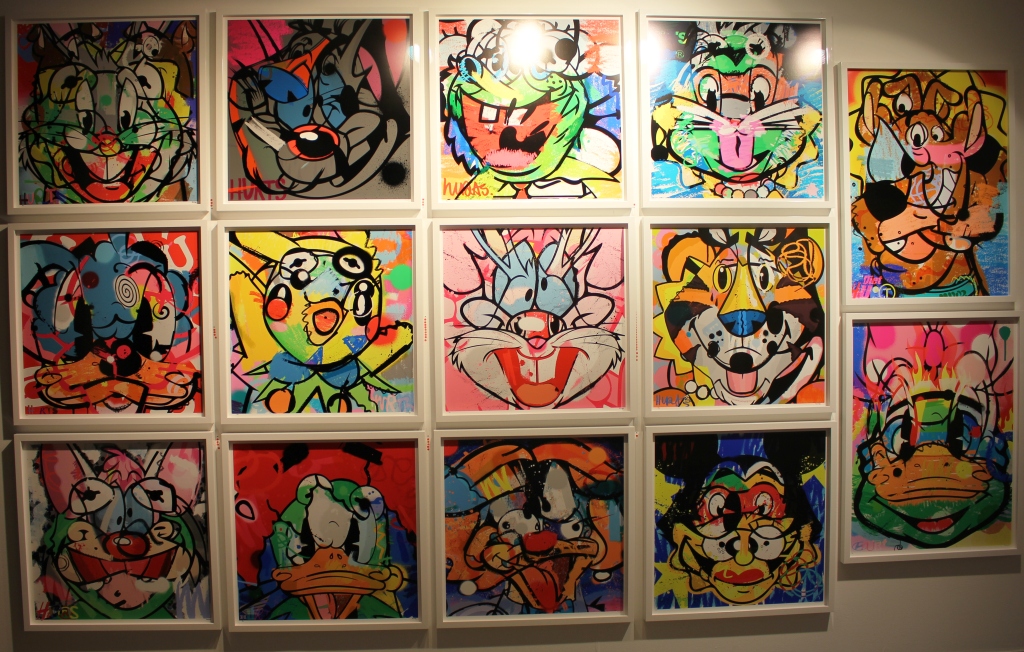
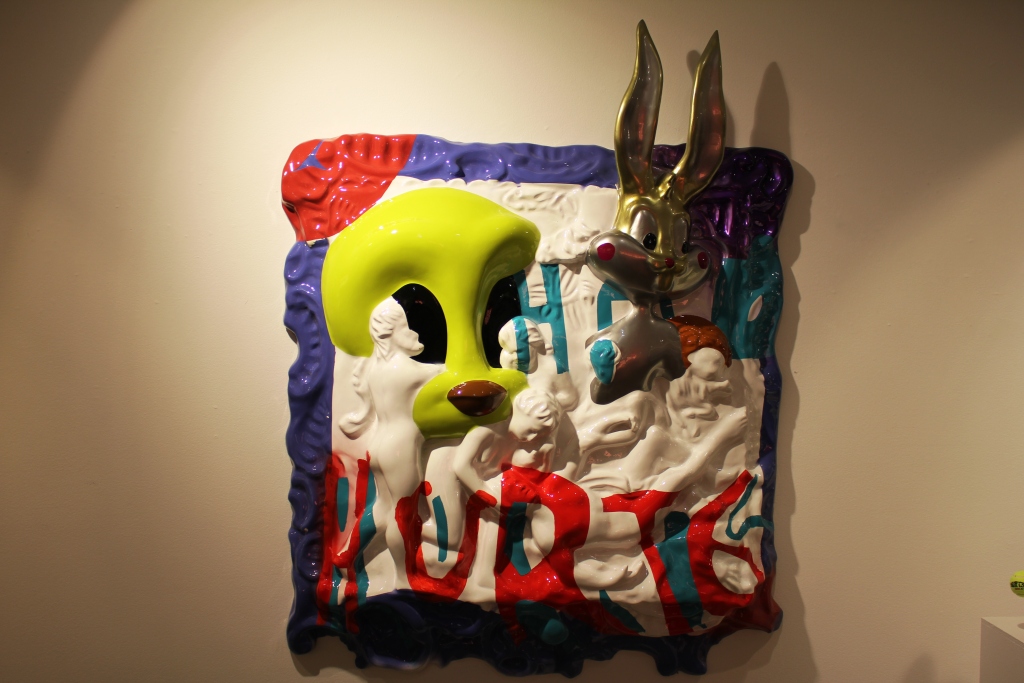
From the exhibition “Once Upon a Time” at Fine Arts, Oslo

He met Nicolai Gyllenhammar and together they formed the art duo Broslo, describing themselves as “creators of unique art – we know what you want”. They are both self-taught, which means that neither of them has an official art education. However, Gyllenhammar has a master’s degree in architecture and runs his own architectural office. Before his architecture education, he studied vocational subjects, and took a certificate as a car mechanic.

Related: Portraits of Four Contemporary Norwegian Portrait Painters

A Norwegian’s Journey From Professional Snowboarder to Visual Artist
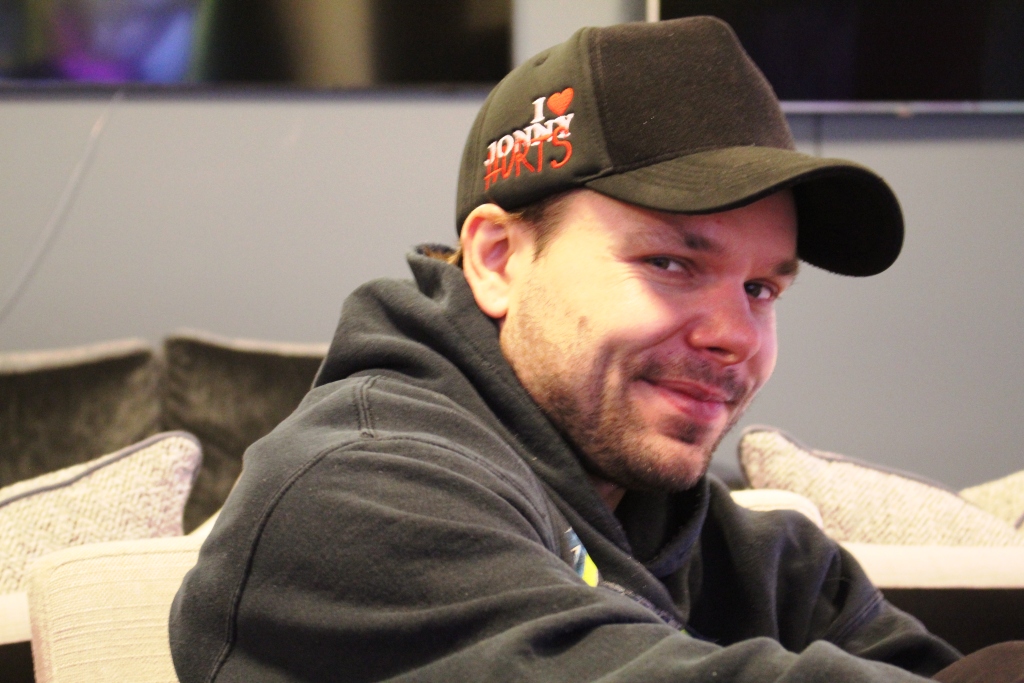
Jonny Hurts is self-taught, which means that he doesn’t have an official art education.

Broslo created their own artistic collective universe, at the old airport of Oslo, Fornebu, and called it “Californebu”. They lived out their dreams through art and never looked back. For the Norwegian television company TV2 they produced a series which ran for almost two years, showcasing their world of art and music.

“You find much of my history in this television program,” says Jonny Hurts.

A Norwegian’s Journey From Professional Snowboarder to Visual Artist, read on.

A Norwegian’s Journey From Professional Snowboarder to Visual Artist
“I didn’t know anything about art history, art distribution or techniques,” says Jonny.

In the series, viewers could follow the ups and downs when Nikko and Jonny were about to make Broslo’s biggest show so far in their careers in a difficult time. But as usual when the guys started something, they did not save on gunpowder. The ambitions were sky high, time and the corona were a challenge, in addition to the many other balls they simultaneously had in the air.

A Norwegian’s Journey From Professional Snowboarder to Visual Artist
Sculpture by Jonny Hurts

“Together with Nikolai I made my first picture,” says Jonny. “We bought an abandoned ski stick factory in Lillehammer with the intention of redecorating it,” he adds. “It turned out not to be what you might expect from a renovation object. We worked there during the weekends and made special furniture, used design elements and transformed the old factory to something very special.”

They filled the walls with “things” without any knowledge of art. “I didn’t know anything about art history, art distribution or techniques,” says Jonny. He decided he had no time for a family, he just wanted to create, create something that would last – longer than himself.

A Norwegian’s Journey From Professional Snowboarder to Visual Artist
Jonny decided he had no time for a family, he just wanted to create, create something that would last – longer than himself.

“People want more than white walls and an ordinary kitchen,” he says. “We made furniture and visual art objects, and after six years, a guy came on visit one day and was over enthusiastic.” They sold the transformed building at a reasonable profit.

In 2014,
he started to produce 20 big art objects in his studio at Fornebu for an art exhibition initiative by art dealer Katinka Traaseth. She asked if the duo would like to take part in a popup exhibition in central Oslo. The duo was offered a corner in the 1.300 sq. meters premises. Howeevr, they refused by saying “all or nothing at all”. Reluctantly, Traaseth accepted and the duo created the works for the exhibition in the course of five months. The exhibition “False Diamonds” was a huge success.

A Norwegian’s Journey From Professional Snowboarder to Visual Artist
In 2014, he started to produce 20 big art objects in his studio at Fornebu

During the opening party, many felt that they had ended up at a club in New York for a moment, with DJs, shows and colorful slush drinks at the bar. While young and old mingled, artwork was sold at record speed. – It was completely incredible. “I have never experienced anything like this in Oslo. There were 1000 people at the opening. People did not have time to think before the works were sold, and the red patches flew between the walls,” said Katinka Traaseth in an interview.

Related: International Breakthrough for Norwegian Painter

A Norwegian’s Journey From Professional Snowboarder to Visual Artist
“I have a more honest relation to art now than before.,” says Jonny Hurts

“From that time, I have had one big project every year in addition to smaller ones,” says Jonny. “I still work together with Nikolai from time to time, but now I’ve more or less gone solo. I have a more honest relation to art now than before. I express my own feelings, and so it’s difficult to be two.”

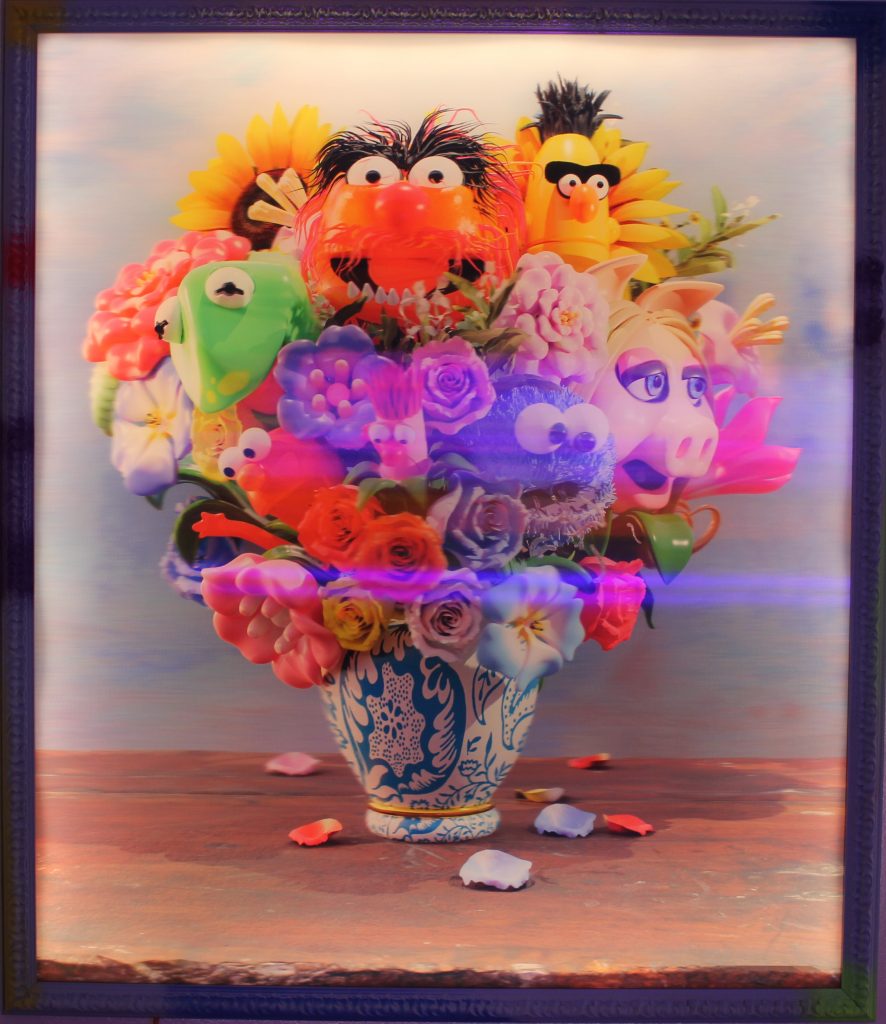
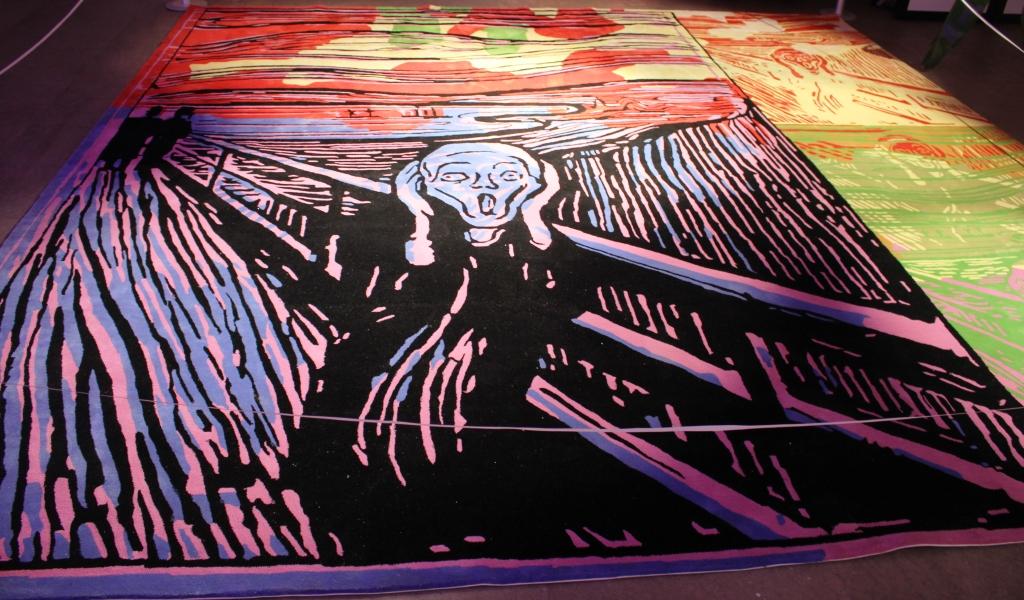
At the exhibition “Once Upon A Time” at Fine Arts in the heart of Oslo earlier this year, he followed in the footsteps of Damien Hirst, Peter Blake, Pushwagner and David Yarrow, covering 20 000 sq. ft with around 150 artworks including holograms, paintings, drawings, sculptures and carpets.

A Norwegian’s Journey From Professional Snowboarder to Visual Artist
Jonny Hurts by his sculpture at Aker Brygge.

“It’s much about the child in me taking over the creative process,” he says. “To me it’s important not ‘to grow up’ in my head, to be playful, in the search of impossible techniques – like a child. It’s a lot of nostalgia. Technically, it’s not difficult, but it has been a challenge but a I was in a playful mood.”

Creating is what intrigues him. He loves to evoke people’s emotions. “Young people understand me,” he explains. “If you want something strong enough, you succeed. I do many artworks at the same time. I have a lot in my head simultaneously. The idea and thoughts are there before I start materializing anything. I think one of my strengths is to conduct many processes at the same time, a lot of contrasts that need to be followed up. Done in the right order everything get right in the end.”

A Norwegian’s Journey From Professional Snowboarder to Visual Artist
Carpet by Jonny Hurts

Related: Young Norwegian Painter With International Ambitions

He adds that some artworks are finalized in a couple of hours while others take several weeks. When asked what his future plans are, he answers, “I will continue to do what I do now until I die. The most important thing is that I’m not standing still. I want to inspire people, be more aware of how I treat people. At the moment, I have few responsibilities to Norway. Norway is a small country, and I want to reach out to the world, meet people, find my very special way of expressing myself and hopefully deserve a place in art history.”

He explains that he, In the digital world, can develop works over time and they become better and better and better. Physical works are more difficult since it’s not easy to correct mistakes.

“I like to combine classical works with modern art. The great artists expressed themselves with their contemporaries. Now, I can do the same in a ‘travel in time’. No classical artist can match what I do today. I try to master most art techniques as best I can and give it my very own expression. Without formal art education I feel free. I like fashion, jewelry and digital art. There are no boundaries.”

His role models are, not surprisingly, Edvard Munch and Gustav Vigeland. “Both managed to fulfill their projects and use the resources around them – with style. Munch worked all his life for art without being disturbed artistically. He refused to be a father in the name of art. He was good at measuring the time he lived in and stretching boundaries. Also, Picasso developed and mastered many techniques and art eras to create his own expression throughout his life, more playful than most of his contemporaries.

A Norwegian’s Journey From Professional Snowboarder to Visual Artist
“Art moves in cycles and I think our present time has been an important cycle in breaking certain taboos.,” says Jonny Hurts

“What is contemporary art to you?”

“Art moves in cycles and I think our present time has been an important cycle in breaking certain taboos. If you don’t meet the critics expectations, you might please someone else. You always have to bring something new to the creation,” he concludes.

A Norwegian’s Journey From Professional Snowboarder to Visual Artist, artist Jonny Hurts interviewed by Tor Kjolberg.

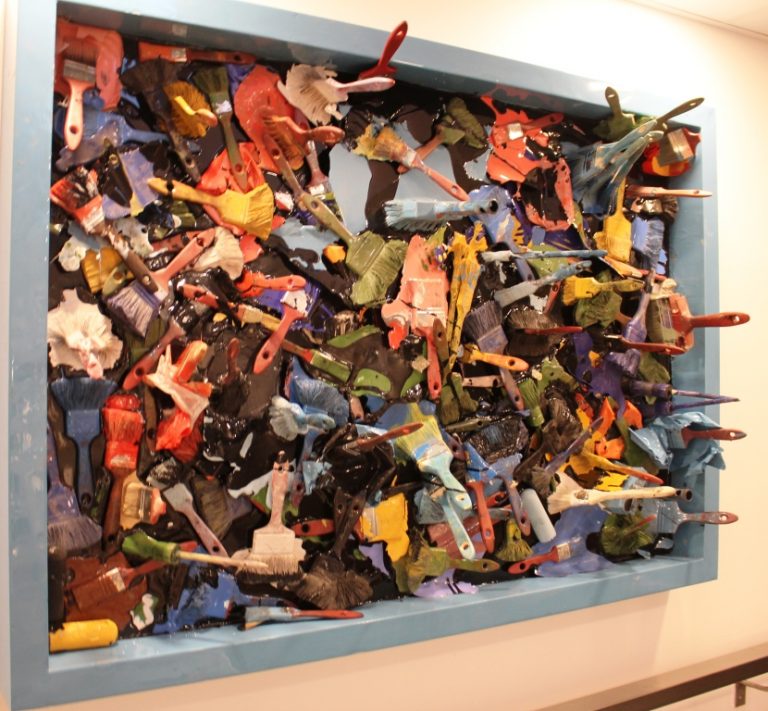
Feature image (on top): Paint brushes, by Jonny Hurts.

All images © Daily Scandinavian – Tor Kjolberg.

Authentic Italian Experience in Norway

Olivia is Norway’s largest Italian restaurant group with presence in several Norwegian cities as well as in Sweden. Thanks to Olivia Italian restaurants, you can now experience a touch of Italy all year round. Learn more about the authentic Italian experience in Norway.

Olivia opened its first restaurant at Aker Brygge, Oslo, in 2006, bringing a little piece of Italy in Oslo. Three years later, another Olivia restaurant in Hegdehaugsveien, Oslo west, opened, closely followed by a third restaurant at Tjubholmen, next to Aker Brygge, in 2011.

Later, Olivia have opened several new restaurants all over Norway and two in Sweden, Gothenburg and Stockholm respectively.

Authentic Italian Experience in Norway
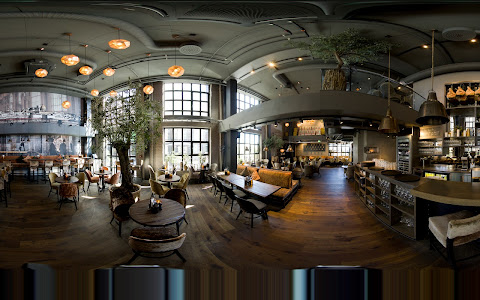
Olivia Østbanehallen

Related: To Norway to Eat Pizza

The restaurants serve high quality Italian pizza and pasta as well as other traditional Italian food at affordable prices. Read more at: www.oliviarestauranter.no

Each restaurant offers a different experience but they all have one thing in common: authentic Italian food served in a lively warm atmosphere. They all have large outdoor seating areas where guests can wrap up with blankets and heat lamps among olive trees during those colder winter months.

We particularly recommend visiting the restaurant in Aker Brygge, which is inspired by Naples, while every single restaurant from this chain, although the interior is mostly similar from one to another, is inspired by a different Italian town.

Authentic Italian Experience in Norway
Olivia Trondheim

Related: The Coolest Region In Norway’s Capital

“We like to think that Olivia is not a chain, despite all restaurants having the same name and similar menus,” said CEO Tone Wicklund once in an interview. “We put a lot of attention and effort into creating each restaurant, making it a little different with its own individual touch.”

The authentic Italian kitchen, as well as the fireplaces, lights, candles, the pleasant atmosphere, comfort and the overall laid-back effect will give you the unique chance to experience Italy whichever restaurant you chose. The true Napoli feel has been preserved in the Aker Brygge, with the chance to sit and dine, sipping a nice glass of Italian wine on the balcony overlooking the pier, the sea, the fjord, as well as the Akershus Fortress, a true experience to remember.

Authentic Italian Experience in Norway
Pizza baker at Olivia

Olivia is famous and much loved by locals, for its authentic Italian pizzas, pasta and antipasta, all made from fresh Italian ingredients. The pizza baker and his oven are always placed in a prominent position within the restaurants creating a lively atmospjere. Guests can book private parties and those interested in Italian cooking can learn the fundamentals of the cuisine from the in-house chef.

Related: You Find Three of the World’s Best Restaurants in Scandinavia

The menu at Olivia consists of appetizers and many dishes intended to be enjoyed as mains, a wide variety of pizzas, pastas, risottos and salads among other specialties. You might opt for one of the best pizzas in Norway, characteristic for its thin, crispy crust, baked in a wood-fired oven.

Olivia Hegdehaugsveien is inspired by Rome and has a large outside seating area full of olive trees and fairy lights. The restaurant is famous for its wine bar serving glasses of wonderful Italian wines which are difficult to find elsewhere.

Authentic Italian Experience in Norway
Olivia Bergen

The Venice-themed Olivia Tjuvholmen has adjacent to the restaurant a small deli which sells Olivia’s homemade focaccia, aioli and cheese as well as a number of other Italian products. They also have the most delicious ‘al taglio’ pizza, which is Italy’s answer to takeaway pizza.

“Olivia very quickly became a very popular place to be because of the warm and welcoming atmosphere. You never feel alone here and that makes people want to come back again and again,” says Wicklund-Hansen.

Benvenuti!

Authentic Italian Experience in Norway, written by Tor Kjolberg

Feature image (on top): Olivia Aker Brygge

All images © Olivia

10 Reasons to Visit Restriction-Free Sweden This Summer

Sweden attracts great events and news for Scandinavians and international travelers who are hungry for new experiences. Here are 10 reasons to visit restriction-free Sweden this summer.

1. New hermit cabins and circulation houses at Swedish Country Living
In 2021, Swedish Country Living was awarded the prize for Sweden’s most sustainable food and destination by 360 Eat Guide Experience, and now they are expanding the experience with two new hermit cabins.

10 Reasons to Visit Restriction-Free Sweden This Summer
Swedish Country Living is now expanding the experience with two new hermit cabins. Photo: Swedish Country Living

Related: Around Lake Vättern in Sweden

The hermit cabins are built by natural materials from the area, such as wood, hemp and sheep wool, and are furnished with Scandinavian design. The cabins do not have water or electricity, but this summer a cycle house with outdoor kitchen and outdoor spa will be ready in connection with the cabins.

The purpose of the hermit cabins is to find relaxation and tranquility and enjoy the individual life with nature’s inherent power.

10 Reasons to Visit Restriction-Free Sweden This Summer
Kattegatleden is perfect for those who want a slightly more sustainable holiday with lots of fresh air and good food. P?hoto: Kattegatleden

2. Experience Kattegattleden by bike
Bicycle ride with food stops to experience the Kattegattleden, a 390-km-long cycle path along the coast from Helsingborg in Skåne, through Halland, to Gothenburg. The concept of “Taste on the Kattegattleden” offers tailor-made food and cycling rounds where local food and drinking producers open the doors to hungry cyclists. The philosophy behind the concept is “from earth to table”, a thought that guests will come close to local producers. Perfect for those who want a slightly more sustainable holiday with lots of fresh air and good food.

Related: One Of The Most Beautiful Rivers in Sweden

10 Reasons to Visit Restriction-Free Sweden This Summer
Open Art is a temporary art exhibition that over 3 months this summer.

3. Open Art is back in Örebro
With seven successful years behind it, the art concept Open Art is back in Örebro. Open Art is a temporary art exhibition that over 3 months this summer offers inhabitants and visitors in Örebro fine art. The art biennial attracts national and international interest and shows works of art in every imaginable and unimaginable forms and expressions. The art can be found in the middle of the city, in galleries, on facades, in the water, in parks and other unexpected places in Örebro. Scandinavia’s largest art biennial takes place outdoors and is thus available to everyone. Open Art opens on June 18 and continues until September 04.

10 Reasons to Visit Restriction-Free Sweden This Summer
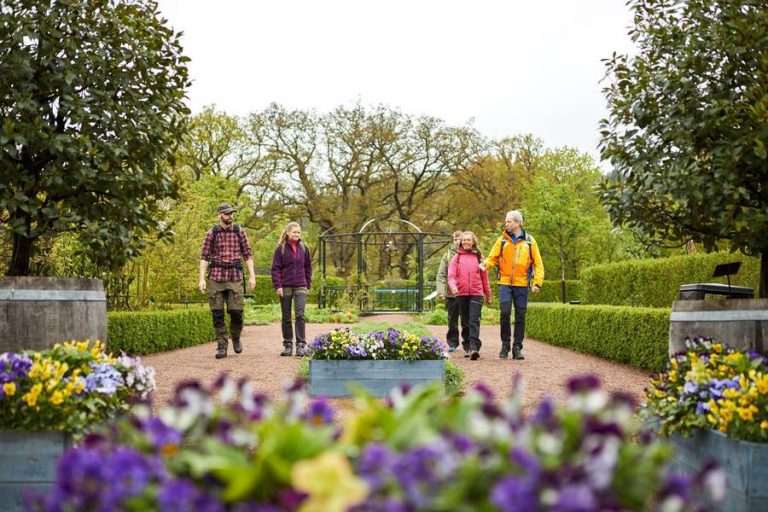
Recently, two new hiking trails opened in the border region of Western Sweden, Biosfärleden and Koppfjällsleden. Photo: Visit Sweden

4. New hiking trails in western Sweden
Recently, two new hiking trails opened in the border region of Western Sweden, Biosfärleden and Koppfjällsleden. The former is 138 km long and extends along Sweden’s largest lake Vänern, from Mariestad, via Kinnekulle and to Läckö castle. The hiking trail is one of the biospheric areas that UNESCO sees as worthy of protection, and where the goal is to create a long -term and sustainability relationship between people and the environment. The trail runs through a beautiful landscape with views, archipelago, cozy urban cores, historical areas, cafes and well -preserved forest areas. The body feather trail is inaugurated in June 2022 and snatches through high plateaus, rock cracks, along powerful lakes and small ponds. The first stage from Dals Rostock is 21 km and the second stage is 23 km and gives hikers the opportunity to experience one of Western Sweden’s largest wilderness areas.
10 Reasons to Visit Restriction-Free Sweden This Summer, read on

5. Sweden’s largest golf competition
Sweden’s largest golf competition Volvo Car Scandinavian Mixed takes place 09.-12. June at Halmstad Golf Club. The golf course in Halmstad is idyllically located in the pine forest in Tylösand, just off Kattegat’s rushing waves. Here are two fantastic eighteen -hole courses, the northern track is considered one of the country’s best courses. Volvo Car Scandinavian Mixed consists of the best men and women on the European Tour. Here everyone plays in the same competition and about the same prize pot and trophy.


Related: East of Leden in Sweden

10 Reasons to Visit Restriction-Free Sweden This Summer
This year you can visit a unique double exhibition with Bea Szenfeld’s handmade couture garments made of paper and Stina Wirsén’s elegant and expressive drawings and paintings in Örebro Castle. Photo: Wikipedia

6. Creative artist duo at Venerable Örebro Castle
This year you can visit a unique double exhibition with Bea Szenfeld’s handmade couture garments made of paper and Stina Wirsén’s elegant and expressive drawings and paintings. The handmade paper garments move in borderlands between fashion and art, and will surely impress both small and large. In addition, the exhibition “Päron and Papiljotter” will also be located, an interactive exhibition for children with paintings, play sculptures, drawings and cartoons.

10 Reasons to Visit Restriction-Free Sweden This Summer
On August 13 is the premiere of night swimming, where the starting shot goes as the sun goes down and darkness falls. Photo: Vansbrosimmingen

7. Night swimming in Dalarna
The well -known swimming competition Vansbrosimningen is launching a somewhat special experience this year in connection with the race. On August 13 is the premiere of night swimming, where the starting shot goes as the sun goes down and darkness falls. There is no competition, but a nightly experience in fellowship with other swimmers. The race is 1000 meters long and the swim style is optional.

10 Reasons to Visit Restriction-Free Sweden This Summer
Experience the old mining community in Falun with either SUP or kayaking. . Photo: Falun Whitewater Park

8. Paddle in the World Heritage in Falun
Experience the old mining community in Falun with either SUP or kayaking. World Heritage Falun is a cultural -historical area with a lot of beautiful scenery and the cow.

10 Reasons to Visit Restriction-Free Sweden This Summer
Use the map to travel between Gothenburg and Borås this summer. Photo: West Sweden

9. Road trip to three beautiful gardens in West Sweden
Use the map to travel between Gothenburg and Borås and be inspired by beautiful visitor gardens, cozy accommodation, textile shopping, locally produced delicacies, and the exciting cultural history of this area.

If you set out on a journey around West Sweden’s magnificent visitor gardens, you’ll get a lot more than just floral splendour, well maintained borders, and garden cafes. Your trip will be through the Borås region’s beautiful historic landscapes, past its textile centres and exciting destinations. Enjoy home baked fika and great meals made with fresh, seasonal ingredients. If you want to buy textiles and designer crafts there’s an excellent choice of shops and outlets. Stay in a guesthouse, a mill, or a mansion. And decide which direction you want to travel yourselves!

10 Reasons to Visit Restriction-Free Sweden This Summer
Combine a music experience with accommodation in a luxurious glamping tent in Dalhalla.

10. Glamping and opera concert in a unique environment.
Combine a music experience with accommodation in a luxurious glamping tent in Dalhalla. Dalhalla is a spectacular outdoor scene in a discontinued limestone quarry and new this summer is that they offer glamping to guests. Here you come to a newly made bed in stylish tents, and when the day dawns, breakfast is ready for you!

10 Reasons to Visit Restriction-Free Sweden This Summer, based on press releases from Visit Sweden.

Feature image (on top): Gotaleden ©Jonas Ingman/Visit-Sweden

International Breakthrough For Norwegian Painter

Norwegian painter Fredrik Værslev made his international breakthrough in 2013. At a high pace, he exhibited his works in renowned galleries on both sides of the Atlantic, including in one of Europe’s most prestigious art institutions, the Pompideu Center in Paris. Read more about the international breakthrough for the Norwegian painter.

In 2018 and 2019, the Zak Group worked with Fredrik Værslev on the exhibition’s campaign and accompanying catalogue as part of their continuing collaboration with the Astrup Fearnley Museum in Oslo. Drawing on the modernist references of some of the artworks, and the unusual techniques of painting, Zak Group developed a visual identity that explores creative agency and creative imposition on the rational. This can be seen in the use of type and graphic gesture, colour and texture and the implication of layers.

International Breakthrough For Norwegian Painter
In 2018 and 2019, the Zak Group worked with Fredrik Værslev on the exhibition’s campaign and accompanying catalogue as part of their continuing collaboration with the Astrup Fearnley Museum in Oslo. Photo: Astrup Fearnley Museum

Related: Norwegian Painter’s Exceptional Universe

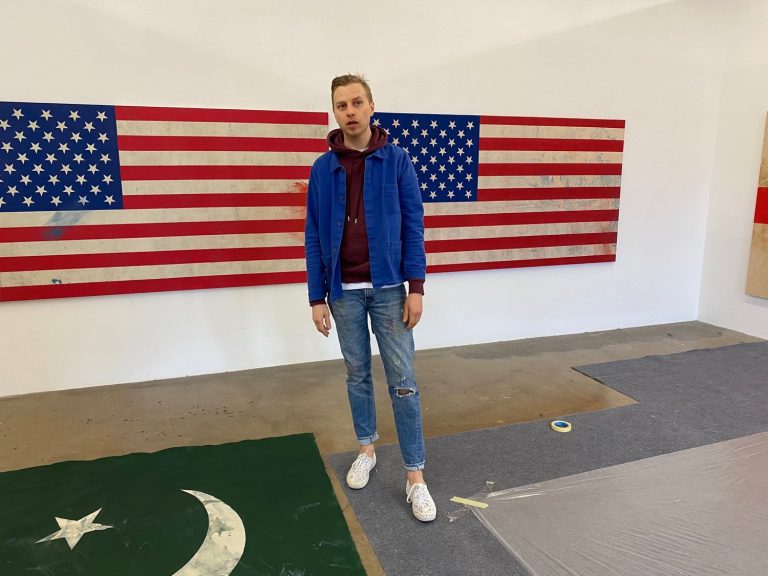
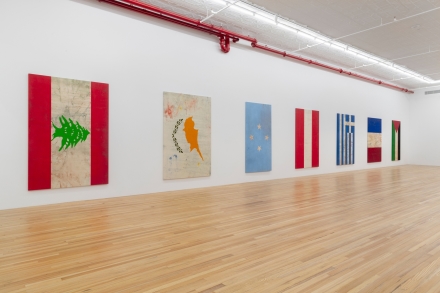
In 2020, Fredrik Værslev (born 1979 in Moss, Norway, lives and works in Drøbak, Norway) created a new series of paintings depicting national flags. At the same time, Dieter Roelstraete undertook an investigation of vexillology through art historical, sociocultural, and philosophical lenses —the study of flags—as a way to decipher World Paintings.


According to Dieter Roelstraete: “An old Jean-Luc Godard quip comes to mind: ‘It’s not blood, it’s red,’ to which the symbolists inevitably reply: ‘It’s not red, it’s blood!’ The same symbolists who would likely exclaim, ‘It’s not a painting, it’s a flag!’ to which the formalists would object in turn: ‘It’s not a flag, it’s a painting!’ Asked differently still, the question becomes: Is it a duck, or a rabbit? Is it a—duckrabbit? (There is no such thing—or is there?)”

At leading auction houses such as Sotheby’s and Phillips, Værslev’s paintings have been sold for seven-digit figures (NOK), which makes the artist’s works some of the most expensive art made by a living Norwegian.

Værslev studied at the Staatliche Hochschule für Bildende Künste in Frankfurt and at the Malmö Art Academy, Sweden. He is the director and founder of the Landings Project Space in Vestfossen, Norway.

International Breakthrough For Norwegian Painter
95 percent of hVærslev’s artistic activities have taken place outside Norway’s borders. Photo: Mynewsdesk

Related: Young Norwegian Painter With International Ambitions

Nevertheless, 95 percent of his artistic activities have taken place outside Norway’s borders, and his art has always been more relevant to an international audience than a Norwegian one. Værslev navigates between different painterly traditions. His practice demonstrates an insistent focus on the painting process that demonstrates the possibilities and relevance of the medium today. His works stem from the meeting between architecture and painting, and take form as painted renderings of motifs from the artist’s daily life.

Although there are long traditions for Norwegian artists to go out and both study and work in other countries, artistic success in this country for many decades has mainly been about progress in Norway. Fredrik Værslev is one of the few Norwegian artists who breaks this tradition.

He treats his paintings as objects, often created through more or less laborious, serial, or deterministic processes where time itself, as well as various external factors, become active co-creators in the making of the piece. In several series he left his paintings outdoors for long periods of time, allowing the weather and external wear to complete them.

International Breakthrough For Norwegian Painter
World flags by Værsev. Photo: World Paintings Installation View via Andrew Krebs

Related: Portraits of Four Contemporary Norwegian Portrait Painters

Værslev’s achievements spring from a not too glamorous studio in a distinctly Norwegian settlement, Vestfossen in Buskerud where he also challenges the process of painting by freely collaborating with fellow artists or making use of untraditional painting tools, such as spray cans or equipment used to paint roads and sports arenas.

His development to international fame has only just begun.

International Breakthrough For Norwegian Painter, written by Tor Kjolberg


Scandinavian Beauty Standards: Everything You Need to Know

The Scandinavian region is known for its stunning landscapes, rich culture, and flawless skin. Keep reading if you’re looking to achieve the perfect complexion, and learn everything you need to know about Scandinavian beauty standards.

The Scandinavian countries are well-known for their gorgeous blonde hair, stunning blue eyes, and pale skin. While the genes for these features may be something that you are born with, there are still some things that you can do to help achieve a flawless complexion like the Scandinavians.

There are a lot of standards of beauty in the world. But healthy and glowing skin is always in vogue. Heliotherapy Institute allows you to improve your skin condition with phototherapeutic devices. They can help you have a healthy and bright look and feel confident.

We will discuss the principles of Scandinavian beauty and a skincare routine that you can follow to get beautiful skin!

Scandinavian Beauty Standards: Everything You Need to Know
focus on using products that will hydrate and nourish the skin. Photo: Wisconsin Hemp Scientific/Unsplash

What does Scandinavian beauty mean?
The definition of Scandinavian beauty has changed dramatically over time. It was all about having pale skin, blue eyes, and blonde hair in the past. But today, it is all about achieving a natural and effortless look. It means that your skin should look healthy and glow without looking like you’re wearing much makeup. Nowadays, we have a chance to achieve the Scandinavian beauty standard.

Related: Hair Growth in Scandinavian Countries

Main Scandinavian beauty principles
There are a few essential Scandinavian beauty standards to have a flawless skin:

Keep your skincare routine simple and focus on using products that will hydrate and nourish the skin;  Invest in good quality products, don’t use many products; Get regular facials;

Minimal makeup is maximized: a natural, dewy complexion with a nude lip is the ultimate goal for Scandinavian beauty.

Below, we collected world-known principles of Scandinavian beauty.

Scandinavian Beauty Standards: Everything You Need to Know
Protect your skin from wind and sun damage by using hyaluronic acid products.Photo: Raphael Lovaski/Unsplash

Hydration is paramount
Scandinavians are known for their love of water, and it shows in their skin. The first step to getting flawless skin is hydration, both internally and externally. It means drinking plenty of water and using products that contain hyaluronic acid. A good rule of thumb is to apply a layer of lotion or cream within three minutes of stepping out of the shower or washing your face. Some simple skincare steps include:

Don’t forget to use face cream or lotion every day;

Use a gentle cleanser that won’t strip your skin of its natural oils;

Exfoliate once or twice a week with gentle circular motions;

Protect your skin from wind and sun damage by using hyaluronic acid products.

Related: Nose For Scandinavian Perfumes

Make your skincare seasonal
Like changing your wardrobe with the weather, you should also switch your skincare routine to match the temperature and humidity outside. In the colder months, you need products that will protect skin from the elements and help it retain moisture. Opt for richer creams and serums that will help your skin stay hydrated. You need lighter products that won’t clog pores or leave the skin feeling greasy in the summer, like gels and lotions.

Scandinavian Beauty Standards: Everything You Need to Know
Scandinavians understand that the sun’s UV rays can penetrate through clouds, so they never leave home without applying SPF. Photo: Karma

Never forget sunscreen
Scandinavians are diligent about sunscreen, even on cloudy days. They understand that the sun’s UV rays can penetrate through clouds, so they never leave home without applying SPF. Women often keep a small bottle of sunscreen in purses or backpacks for touch-ups throughout the day. And while you’re at it, make sure to apply a lip balm with SPF to keep lips hydrated and protected.

Scandinavian Beauty Standards: Everything You Need to Know
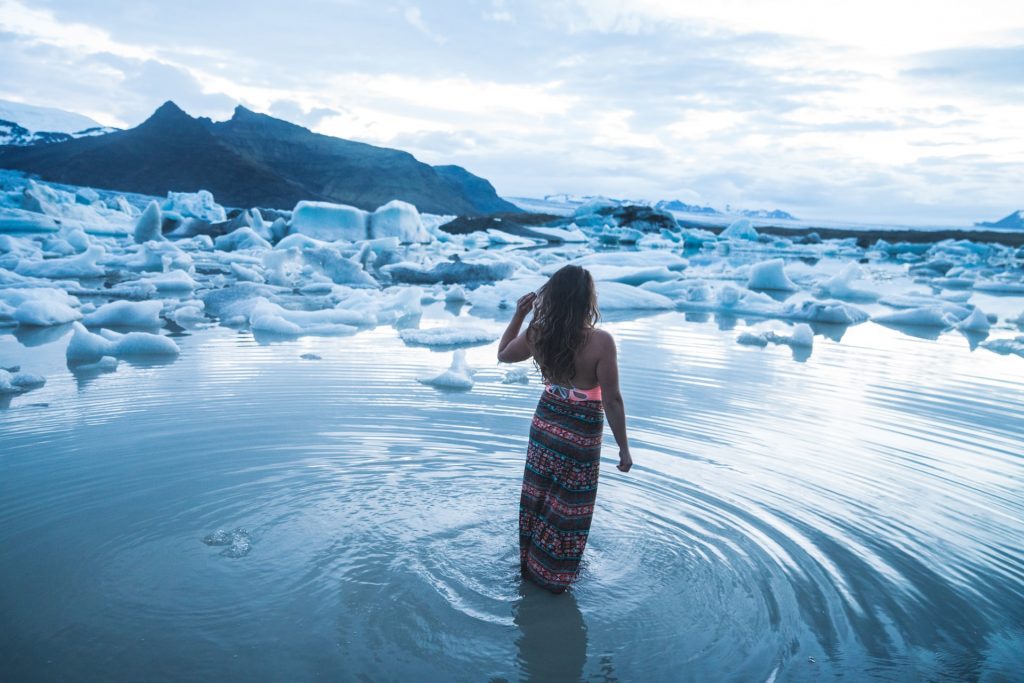
Scandinavian glacier water is some of the world’s purest and most refreshing water. Photo: Pure Nordic

Natural ingredients
Scandinavian women are known for their love of natural ingredients, extending to their skincare routine. Scandinavian glacier water is some of the world’s purest and most refreshing water. This water contains natural minerals and nutrients that hydrate and nourish the skin. Scandinavians have long been using cloudberry oil to achieve flawless skin. The oil is rich in Vitamin C and antioxidants, making it an excellent choice for those seeking to improve their complexion. According to Scandinavian standards, the next step is incorporating pure omega oils into your beauty routine. Omega-three and omega-six fatty acids are essential for maintaining healthy skin cell membranes, which protect against environmental damage and help keep skin hydrated.

Incorporate these natural ingredients into your skincare routine to achieve flawless skin like a Scandinavian woman.

Scandinavian Beauty Standards: Everything You Need to Know
The dry heat of a sauna can help open up pores, making them easier to cleanse. Photo: Crystalweed Cannabis/Unsplash

Related: Organic Luxury From Sweden

Stop by a sauna
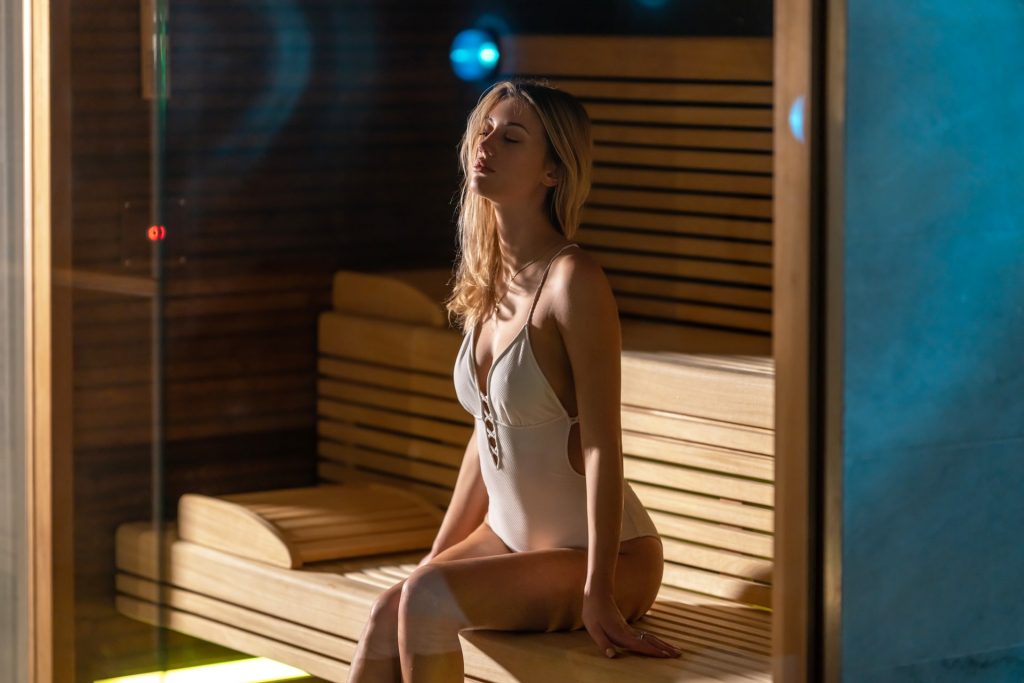
Saunas are a staple in Scandinavian culture, and for a good reason. They are incredibly relaxing, but the heat and steam are great for your skin. The dry heat of a sauna can help open up pores, making them easier to cleanse. It can also improve circulation and increase sweating, great for detoxifying the skin. No worries if you don’t have access to a sauna. You can create your at-home spa day by running a hot bath and adding some eucalyptus or lavender oil to the water, followed by a cold rinse.

Scandinavian Beauty Standards: Everything You Need to Know
One of Scandsinavians’ favorite winter pastimes is taking ice-water facials, which improve circulation, give your skin an instant glow, and help reduce inflammation. Photo: Keeyahtay Lewis/Unsplash

Embrace the cold
Scandinavian winters are known for being long, dark, and cold. And while most people would prefer to hunker down indoors during this time of year, the Scandinavians have found a way to make the most of it. One of their favorite winter pastimes is taking ice-water facials, which improve circulation, give your skin an instant glow, and help reduce inflammation. They’re also incredibly refreshing and invigorating — exactly what you need to get through a long winter’s day.

Skincare extends beyond the face
One of the most important things to remember when achieving flawless skin is that your skincare routine should not stop at your face. Your neck, chest, hair, and even hands are susceptible to sun damage, dryness, and aging. Be sure to include them in your skincare routine!

Beauty from the inside out
The Scandinavian approach to beauty is all about taking care of yourself from the inside out. You should keep a healthy diet, get enough sleep, and do sports regularly. The Nordic diet is rich in omega-three fatty acids, fruits, and vegetables essential for healthy skin. Scandinavians typically go to bed early and get up early, giving their bodies the time to rest properly. Also, they use natural, organic products on skin and hair.

Scandinavian Beauty Standards: Everything You Need to Know
Brands like IDUN Minerals and Lumene have become household names in the beauty world, thanks to their high-quality products and commitment to natural ingredients. Photo: Lumene

Scandinavian famous beauty brands
Scandinavian women are known for their flawless skin, and it’s no wonder that some of the world’s most famous beauty brands hail from Scandinavia. Brands like IDUN Minerals and Lumene have become household names in the beauty world, thanks to their high-quality products and commitment to natural ingredients. Also, you should know about Pixi, Verso, Nuori, Sachajuan, and Foreo.

Scandinavian Beauty Standards: Everything You Need to Know – Summary
The Scandinavians have some of the perfect skin in the world. The women (and men) of Sweden, Norway, Denmark, and Finland are known for their porcelain-like complexions, which they achieve by following a few simple steps. We have collected everything you need to know about getting flawless skin like a Scandinavian. Use these pieces of advice and shine with healthy and pure skin.

Scandinavian Beauty Standards: Everything You Need to Know
Jessie Luis

Scandinavian Beauty Standards: Everything You Need to Know, written exclusively for Daily Scandinavian by Jessie Luis. Jessie is a public health expert and a contributor at Heliotherapy Institute. He aspires to continuously contribute an in-depth range of health guides and helpful information on health and beauty while providing valuable tips with his written articles.

Feature image (on top): © Oriflame

Snapshots From Norway

The Berlin-based Norwegian photographer Benjamin Alexander Huseby (b. 1978) has won critical acclaim for its streetwear aesthetic that offers an alternative to today’s overconsumption. In 1997, he began making fashion imagery for high-profile international stylists. His work has been shown at notable galleries world-wide, from the Whitechapel Art Galley in London to the KunstWerke in Berlin and the Fotogalleriet in Oslo. In this article we share with you some of his private snapshots from Norway.

Bernjamin grew up outside Oslo in Norway. He came to Chelsea School of Art in London to study Fine Art in 1997 and began making fashion imagery for Dazed & Confused magazine. Since then, he has gone on to work with high-profile stylists including Nicola Formichetti, Katy England, Alister Mackie, Cathy Edwards, Mattias Karlsson and Jane How. He has contributed to i-D, Vogue (US and UK), V, V Man, AnOther Magazine, AnOther Man, Pop, Arena Homme + and Self Service.

Related: The World of Ski Photography

Sehrat Isik and Huseby met on a Berlin dance floor in 2015. Isik is Turkish and German, while Huseby is Norwegian and Pakistani. Isik had just left a Berlin-based collective Bless, where he was in charge of menswear design, and Huseby was working as a freelance fashion photographer, shooting for Fantastic Man, i-D, Vogue, Acne Paper and Harper’s Bazaar.

Related: The Best of Postcards From Norway

They founded GmbH together, and their stockists include Barneys New York , SSense and Dover Street Market.

Snapshots From Norway
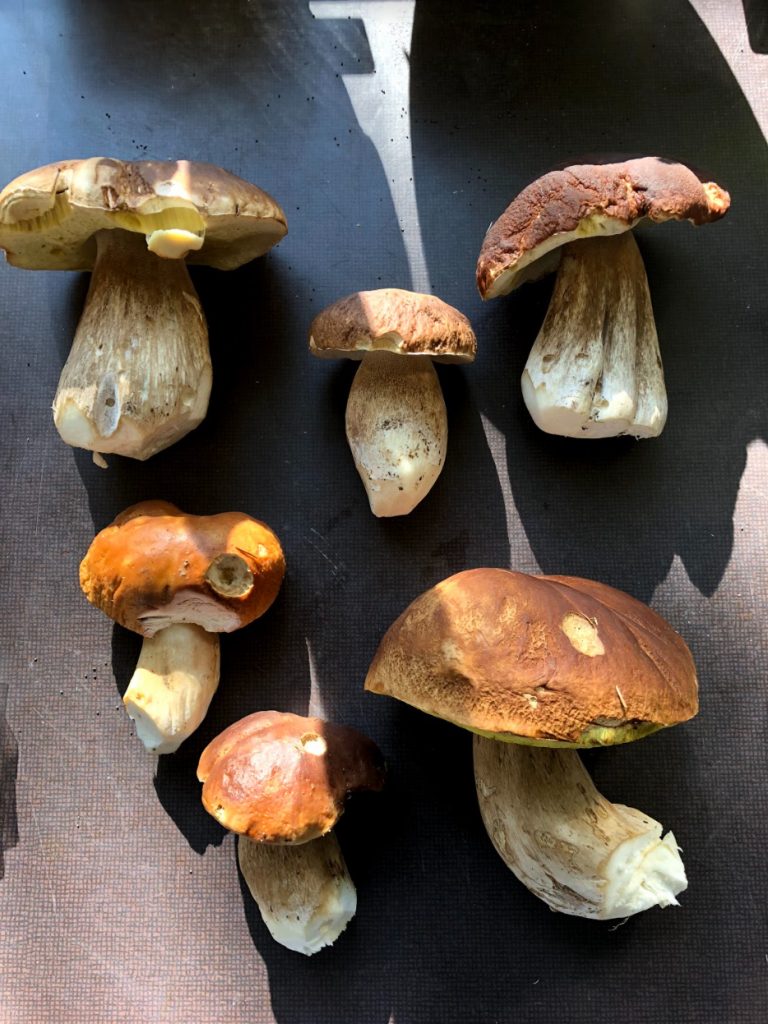
“Mushrooms are not something to play with”, says Alexander

Related: The Beauty of Norway From Behind A Camera

The Berlin-based fashion sensation takes its cues from the German capital’s club culture, but it’s the glory of nature that excites Benjamin more than anything else. Here, he dives into his archive overflowing with memories of his home country, Norway. It’s a picture-perfect universe of self-picked food, lead red farms and barns, hikes, canoe trips and skiing to school.

Snapshots From Norway
“This farm with its typical red barn is very close to where I grew up”, says Alexander

“I love Berlin but I just wish I could step out into a beautiful garden instead of on a city street,” says Benjamin.

Snapshots From Norway
“This is me. My mom took this picture.”
Snapshots From Norway
Mushrooms, from his book Weeds & Aliens

“I made a book called Weeds & Aliens of all these edible plants that I found in Berlin on the way from my home to the studio”.

Snapshots From Norway
It’s the glory of nature that excites Benjamin more than anything else.

“There’s no way we can allow ourselves to come out of this Coronavirus crisis and not change anything and just pretend we can go on as normal. This moment is a great opportunity for change.”

Snapshots From Norway
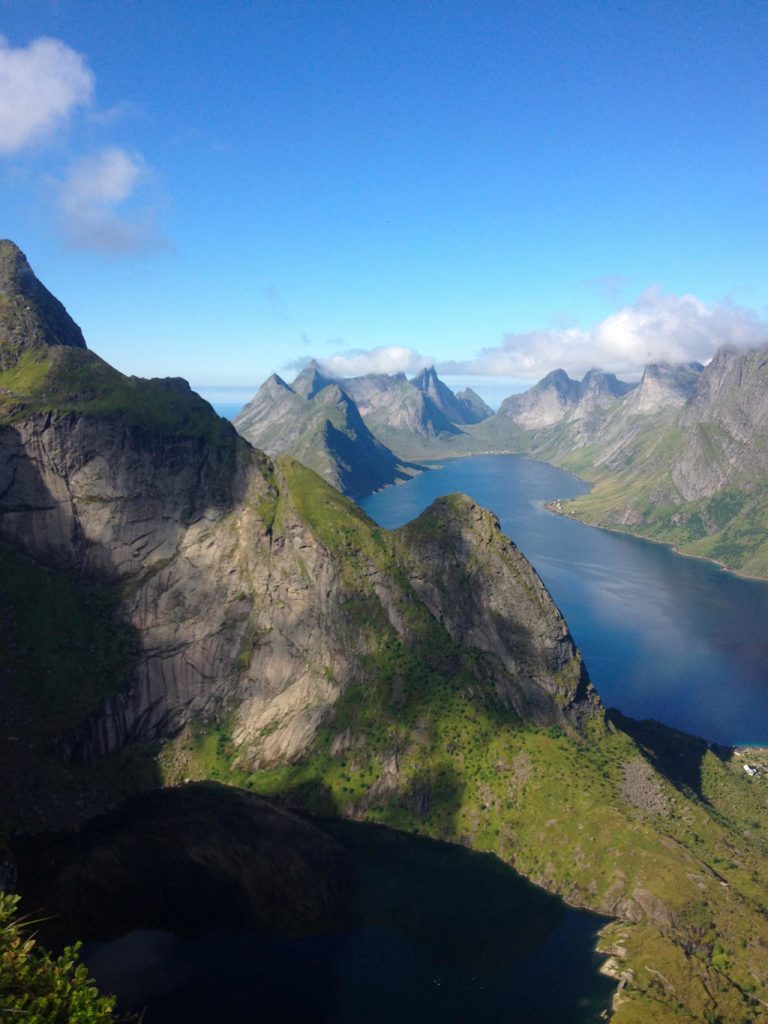
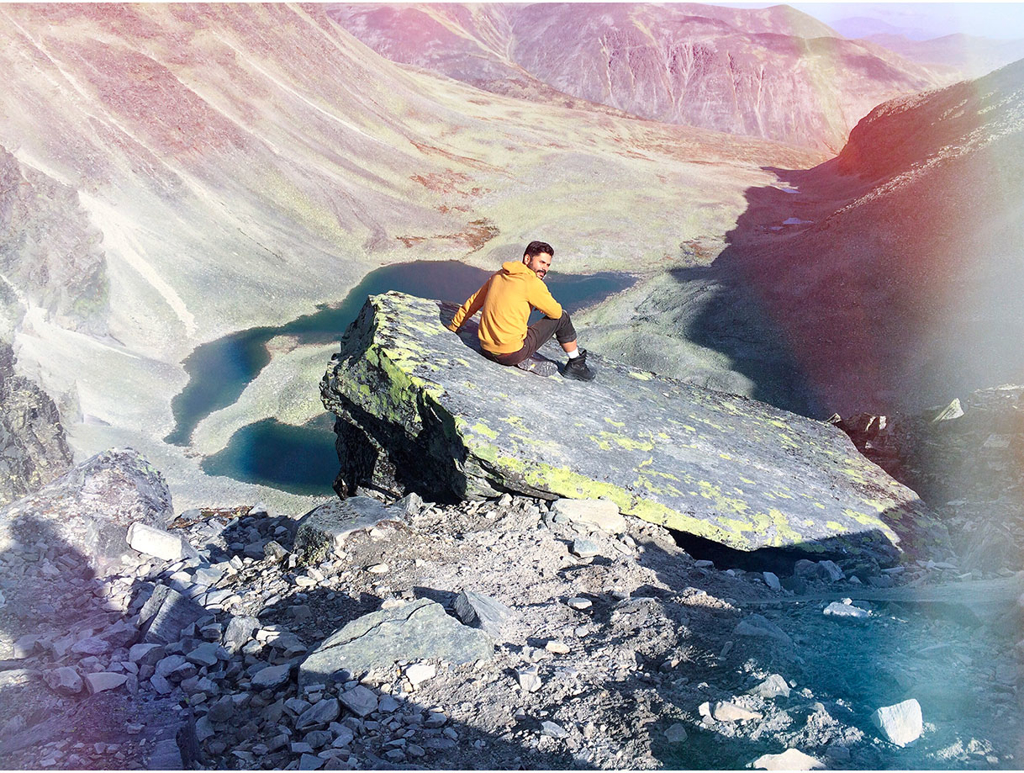
“This is me on Rondeslottet, one of Norway’s highest mountains”.

Snapshots From Norway compiled by Tor Kjolberg

All images ©  Browns. Browns changed the course of fashion retail history when it opened in 1970, as a leader in fashion and the UK’s first multi-brand luxury boutique. A champion of next generation design, Browns continues its legacy, sourcing fresh talent to add to its ever-growing community of creative innovators.

Accessible, Tranquil, And Fun – Why Copenhagen Is The Ideal City For Seniors

Ranking as the most livable city in Europe and ninth in the entire world, Copenhagen is the ideal destination for everyone, and particularly seniors. Not only does Copenhagen offer endless beautiful views, historic sights, and a relaxing, laid-back atmosphere around its colourful, vibrant waterfront, but it’s also extremely accessible and easy to explore. Seniors looking to book their next vacation are bound to fall in love with this beautiful and unique city. Accessible, tranquil, and fun – learn why Copenhagen Is the ideal city for seniors.

Easy to explore
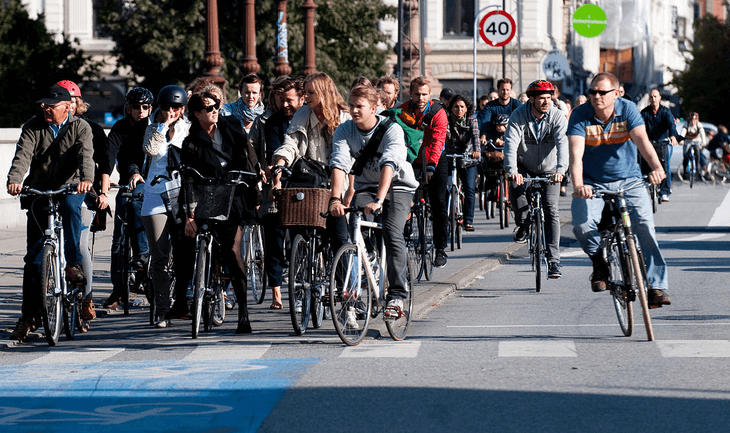
Copenhagen is exceptionally easy to explore. In fact, it’s even been crowned as the world’s most bike-friendly city — which is great news for seniors. Aside from just being a fast, fun, and affordable mode of travel, biking has plenty of health benefits, including, boosting mental and physical wellbeing, stalling the ageing process, and minimising risk of falls in daily life. Biking also gives seniors the opportunity to explore the city in a local and authentic way. For example, guided urbanism and architecture bike tours are focused on highlighting urban life, architecture, and cycling culture around the city. Seniors can enjoy exploring some of the best bike paths in the city, as well as special places off the beaten track.

Accessible, Tranquil, And Fun - Why Copenhagen Is The Ideal City For Seniors
Copenhagen has been crowned as the world’s most bike-friendly city — which is great news for seniors. Photo: The City of Copenhagen’s Bicycle Strategy, Copenhagen, Denmark – © By heb@Wikimedia Commons (mail) – Own work, CC BY-SA 3.0

Accessible attractions
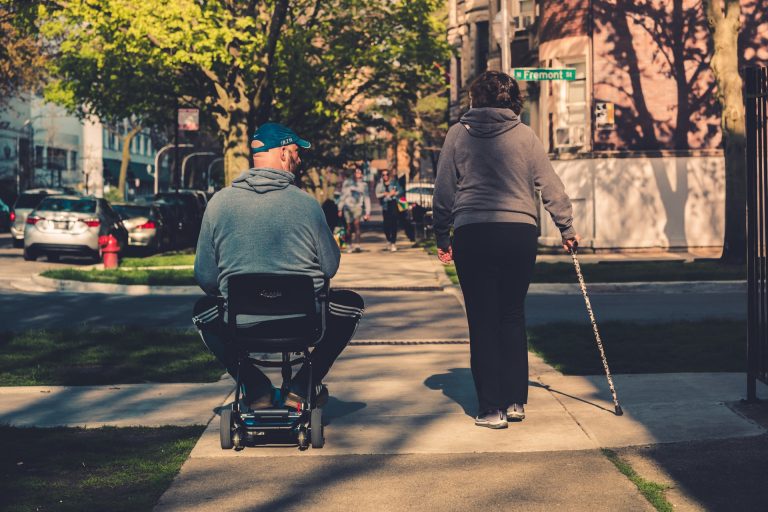
Seniors with disabilities or mobility issues can rest assured Copenhagen is extremely easy to navigate. An abundance of accessible streets and public toilets makes getting around the city as easy as possible for everyone. All buses also feature wheelchair ramps, while lifts are also installed in all metro stations. Copenhagen’s attractions are also usually wheelchair-friendly with wheelchairs available to rent for the visit free of charge. For example, the National Museum of Denmark is Denmark’s largest museum of cultural history, and it’s also wheelchair-friendly with lifts on every floor and accessible restrooms. Wheelchairs are also available to borrow at the museum. Moreover, accessible landscaping is increasingly a priority for all businesses to better attract as many customers as possible. Disability-first principles like wheelchair accessibility and pathways are key to ensuring outdoor spaces are welcoming to all visitors.

Accessible, Tranquil, And Fun - Why Copenhagen Is The Ideal City For Seniors
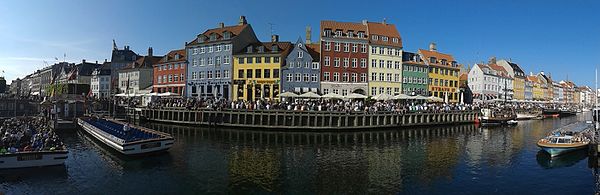
Nyhavn, in particular, is one of the most iconic waterfront neighbourhoods in Copenhagen . Photo: Wikipedia

Tranquil relaxation
Offering a casual, laid-back atmosphere, Copenhagen is also the ideal destination for rest and relaxation. Seniors can enjoy wiling away the afternoons in one of the many charming waterfront cafes overlooking the city’s tranquil canals. Nyhavn, in particular, is one of the most iconic waterfront neighbourhoods in Copenhagen — here you’ll find no shortage of gorgeous views of the city’s harbour along with a host of delicious and varied dining options.

Additionally, Copenhagen also offers plenty of canal tours to provide seniors with the unique opportunity to explore the many fascinating and historic canals. Italian-inspired gondola tours are even available to provide a fun yet peaceful and relaxing Venice-style experience right in the middle of Copenhagen.

Accessible, Tranquil, And Fun - Why Copenhagen Is The Ideal City For Seniors
The National Museum of Denmark is Denmark’s largest museum of cultural history, and it’s also wheelchair-friendly with lifts on every floor and accessible restrooms. Photo: Tor Kjolberg/Daily Scandinavian

Copenhagen is the ideal destination for seniors. As it’s easy to explore and accessible with plenty of opportunities for rest and relaxation, this inviting and historic city is undoubtedly the perfect fit for mature travellers.

Accessible, Tranquil, And Fun - Why Copenhagen Is The Ideal City For Seniors
Karoline Gore

Accessible, Tranquil, And Fun – Why Copenhagen Is The Ideal City For Seniors, written exclusively for Daily Scandinavian by Karoline Gore. Karoline is a freelance writer from Stoke on Trent in the UK who left the corporate grind when she started a family and has never looked back. She enjoys contributing to a range of online publications on the topics that are important to her.


Other articles by Karoline Gore you might like to read:

Enjoying Scandinavia by Road the Eco-Friendly Way
Enjoy a Family Fishing Adventure in Sweden
Why There Is No Plan B for Sweden’s Bee Population

Feature image (on top): Photo by Max Bender / Unsplash

Voluntary Climate Labelling in Denmark

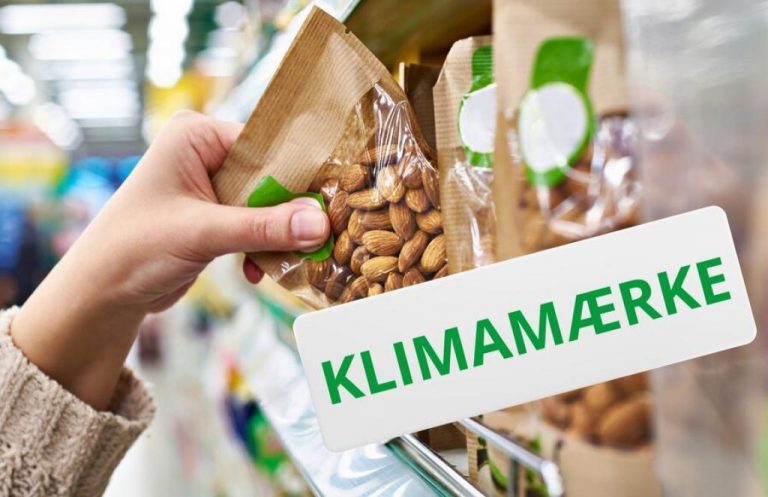
In April 2022, the Danish Ministry of Food, Agriculture, and Fisheries announced it would begin funding the development of a climate label for food, making Denmark the first country to do so. The voluntary climate labeling in Denmark is intended to enforce transparency while minimizing consumer confusion over a multitude of different labels on food products.

The plan is to become carbon neutral by 2050.The program goals are to promote climate-friendly food production and help shoppers make “green” choices when buying food.

However, this is not Denmark’s first foray into environmental labelling. Last year, the Danish official dietary guidelines included carbon emissions for the first time, offering its citizens advice on how to have a climate-friendly diet. The announcement of climate labelling on food therefore appears to be a conscious directive to instill social responsibility at the heart of Danish consumption.

Voluntary Climate Labelling in Denmark
Dr. Adrian Camilleri from the University of Technology Sydney and Duke University describes the current lack of transparency. Photo: YouTube

Related: How The Nordics Ares Standing Up To Climate Change

Officials from the Danish Ministry of Energy, Utilities, and Climate stated that the Government is proposing to work with supermarkets to place stickers on all food products that clearly indicate their carbon footprint.

Research from the University of Technology Sydney and Duke University suggests that using labels that are easy to understand may create demand for responsibly produced food. Lead author of the research, Dr. Adrian Camilleri, describes the current lack of transparency, “With an appliance such as a heater you can feel the energy used and see an electricity bill at the end of the month, so the impact is quite salient, whereas the impact of food production is largely invisible.”

A credible nationwide system will be hugely important to empower consumer decision-making on food and could help to inspire similar policies around the world. It is notable that Denmark’s actions come ahead of the European Union’s proposal for a Europe-wide food labelling framework at the end of 2022. As the European Commission forbids Denmark to demand all foods carry a climate label, voluntary labelling may suffer from limited visibility and misinterpretation.

Voluntary Climate Labelling in Denmark
The plan is to become carbon neutral by 2050

Related: The Danish Energy Island

The Danish government has set aside 9 million kroner (equal to $1.3 million US dollars) and established a working group led by the Danish Veterinary and Food Administration to create a labeling proposal. The Danish Plant-Based Association will help to create standards for the labels.

Minister for the Environment Lars Christian Lilleholt says that giving consumers easy access to information is important, but accurate labeling comes with a long list of challenges. The labels may have to consider water and land usage, life-cycle analysis, greenhouse gas emissions, and carbon footprint from transport. Director of the Danish Agriculture & Food Council, Morten Høyer, approves of the proposal, but notes a challenging component: nutritional value. “It might be necessary to weigh up the environmental impact against the nutritional value of the product. A bottle of soda may have a low environmental impact, but it is not a product you can live on,” says Høyer.

Voluntary Climate Labelling in Denmark
“Giving consumers easy access to information is important, but accurate labeling comes with a long list of challenges,” says Minister for the Environment Lars Christian Lilleholt. Photo: Siemens Gamesa Renewable Energy

According to GlobalData’s 2021 Q1 consumer survey, over a quarter (27%) of Danish consumers are often or always influenced by how ethical, environmentally friendly, or socially responsible a product is. This sentiment ranks lower than the global average of 42% but does suggest significant attention is paid to how a product is presented. When asked more specifically about carbon footprint labelling on product packaging, GlobalData’s Q3 2021 consumer survey reveals that while Denmark still falls below the global average (60%), but two in five (40%) of its population are influenced positively to some extent by such information.

Voluntary Climate Labelling in Denmark
Director of the Danish Agriculture & Food Council, Morten Høyer, approves of the proposal, but notes a challenging component: nutritional value. Photo: Dansk Industri

Denmark currently produces seven tons of carbon dioxide per year, with two tons coming from food-related purchases. According to Rasmus Prehn, the Danish Minister of Food, Agriculture, and Fisheries, Danes want to eat more climate-friendly foods but do not know how to make those choices. A standardized, government-controlled labeling system will make it easier for consumers to determine which foods are better for the environment.

Voluntary Climate Labelling in Denmark
“Danes want to eat more climate-friendly foods,” says Rasmus Prehn, the Danish Minister of Food, Agriculture, and Fisheries

Related: Domestic Fossil Fuel Free Flights In Denmark 

On the surface, eco-labelling supports the green values that are increasingly evident among European consumers. However, Danish retailers will need to balance this new initiative with other consumer desires, such as those for ethical certifications or minimalistic packaging. Excessive jargon may mislead consumers, so user-friendly visual designs will be vital to ensure climate action is well presented on food packaging.

Denmark, which ranked 17th in the world in the Climate Change Performance Index, announced the proposal last year in the wake of the Intergovernmental Panel on Climate Change report highlighting the consequences of global warming.

Voluntary Climate Labelling in Denmark, written by Tor Kjolberg