Climbing Norwegian Mountains – Step by Step

0

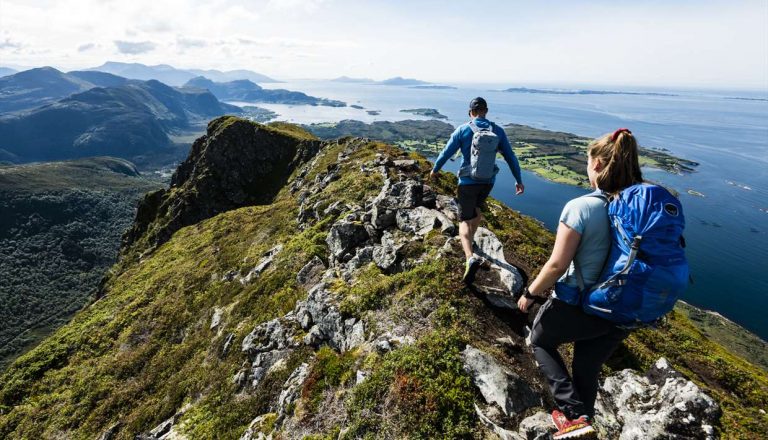
Norway is a country of outstanding natural beauty, but did you know that the country has been called the world capital of outdoor stairways? Here’s our twist on climbing Norwegian mountains – step by step.

It’s easier and safer to reach the top if you can hike on man-made mountain stairways – this is something the Norwegian authorities have taken note of and engineered wood and stone steps that lead to the country’s most breathtaking viewpoints.

The Pulpit Rock (Preikestolen) near Stavanger in south-west Norway is visited by more than 300,000 nature-loving hikers every year. Towering 604 meters above the Lysefjord, the trek is one of Norway’s most famous mountain hikes. The hike up is an expertly engineered and well-maintained stone staircase that is as much of a marvel as the final viewpoint itself.

Climbing Norwegian Mountains - Step by Step
Pulpit rock. Photo: Fjord Norway

However, there was a time when Norway’s mountain paths would only see a handful of local visitors. Over the past decade, social media has changed all that. A company called Stibyggjaren (The trail builder) hires Sherpas from Nepal to construct mountain steps and has so far been responsible for more than 300 projects in Norway in recent years. Here we’re exploring some of the longest and most spectacular steps Norway has to offer.

Climbing Norwegian Mountains - Step by Step
The Flørli stairs. Photo: Flørli

The Flørli stairs in Lysefjord
The stairways leading to the Pulpit Rock is not the only one above Lysefjord near Stavanger. The Flørli stairs is one of the longest wooden stairways in the world with 4,444 steps all the way from the tiny village of Flørli up to Lake Ternevatnet 740 meters above sea level. Flørli is a roadless hamlet serviced by four ferries per day.

In areas with many visitors, staircases, made by wood or stone, can lower the threshold for many to experience nature.
Climbing Norwegian Mountains - Step by Step
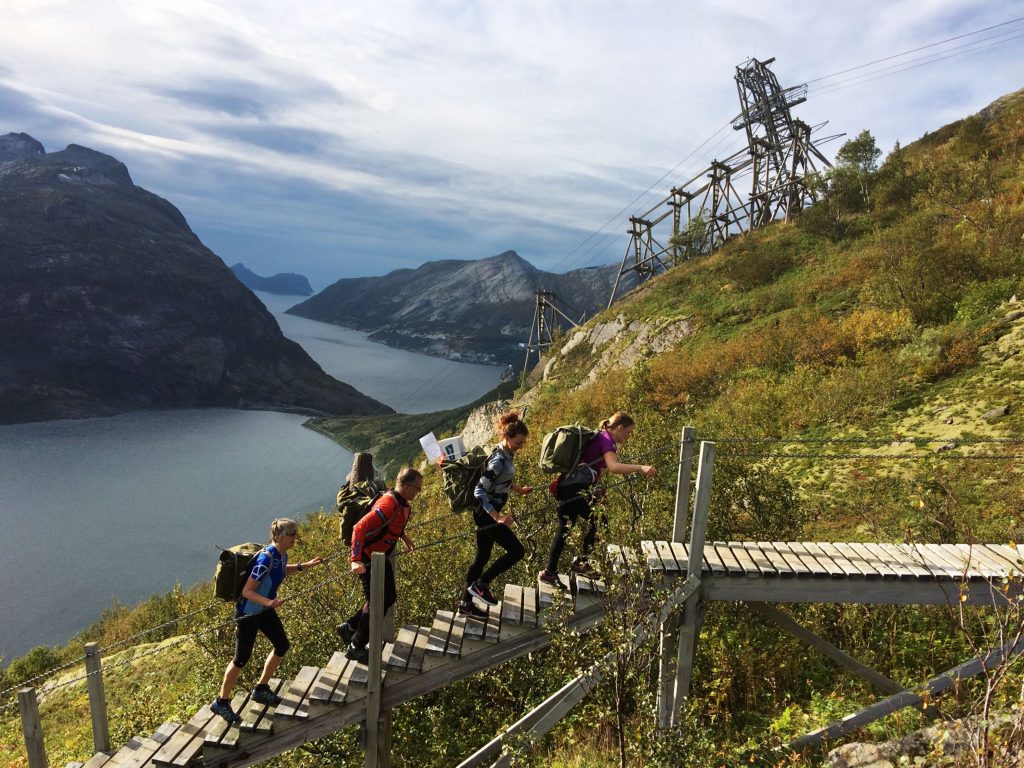
The Helgeland steps. Photo: Visit Norway

Helgeland-steps in Northern Norway
The town of Mosjøen is home to Helgelandstrappa, Norway’s longest stone staircase with 3,000 steps sculpted into the highlands. It takes you up to the 818-meter-high Øyfjellet mountain. If you don’t feel like walking back, you can fly down Nordland’s longest zip line across the salmon river Vefsna.

The Helgeland-steps are ranked on the top-5-list of the best mountain steps in the entire country. Each step is two meters wide which gives the possibility of three people walking side-by-side. Resting areas are placed along the way, all of them blending perfectly into the nature around.

On July 6th 2019 the Queen of Norway was there to mark the opening of the steps.
Climbing Norwegian Mountains - Step by Step
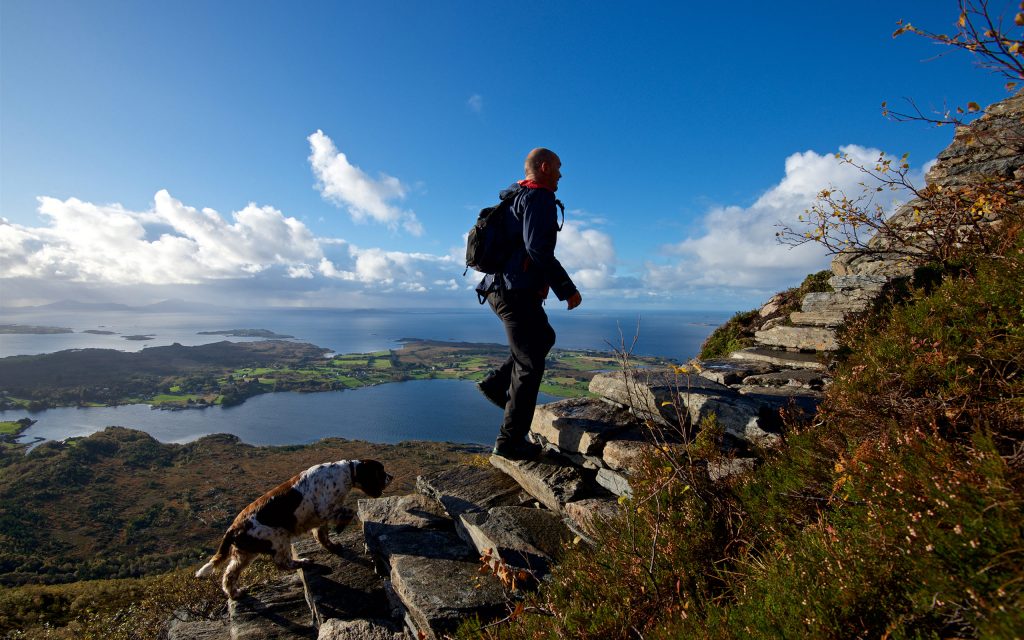
Miidsundtrappene. Photo: Norwegian Fjords

Midsundtrappene in the Northwest
On the Otrøya island, you find the longest continuous stairway in stone in Norway, made by Sherpas from Nepal. 2,200 stone steps take you up to Rørsethornet, 659 meters above sea level. The climb has a panoramic view of the sea and the archipelago all the way, but if you are afraid of heights, beware that some sections are pretty steep.

However, getting to the top, you will have an amazing 360-degree view to the ocean as well as the fjord and other mountains. The sunset from Rørsethornet is also worth the experience, and so is the sunrise. From Rørsethornet you can walk a marked route to Ræstadhornet

If you want a slightly easier hike, you can walk up the neighboring mountain Digergubben (527 metres above sea level), where you “only” have to climb 1,400 steps to reach the summit.
Climbing Norwegian Mountains - Step by Step
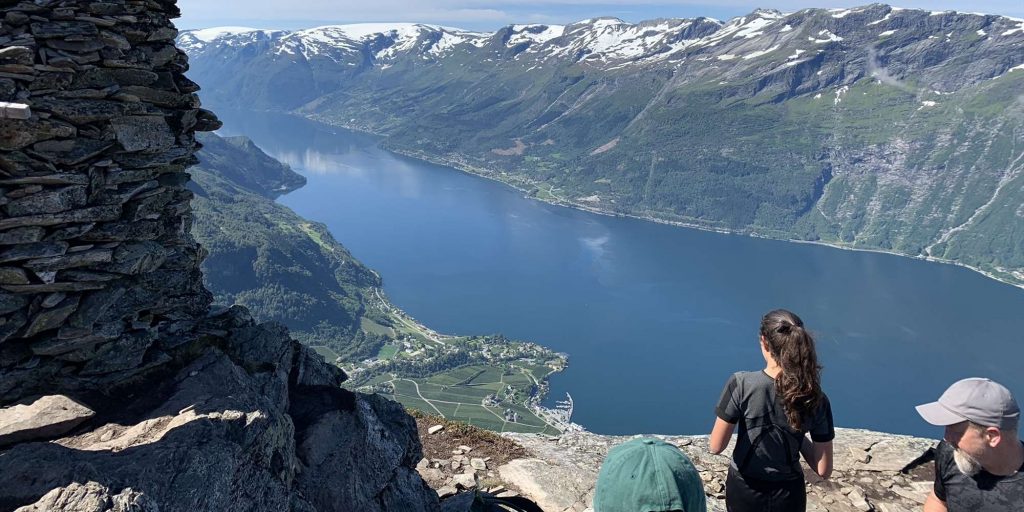
Monks’ stairway, Hardanger. Photo: Visit Bergen

The Monks’ Steps in Hardanger
The oldest stone stairs in Norway were created by English Cistercian monks at the beginning of the 13th century. The monks built the 616 steps in order to improve the road between the fjord and the Hardangervidda mountain plateau. They also laid the foundations for the fruit production that characterizes the idyllic village of Lofthus to this day.

Its starting point is at Røte in Kinsarvik and ends at Lofthus, making it a total of 16 kilometers long. The 6-8 hour long hike is heavy and steep, so it is recommended for more experienced hikers.

There are however, multiple view points along the way, so an option for less experienced hikers would be to hike only a part of the trail. Whether you hike the whole trail or not, you can expect stunning, paranomic views of the Hardangerfjord.
Climbing Norwegian Mountains - Step by Step
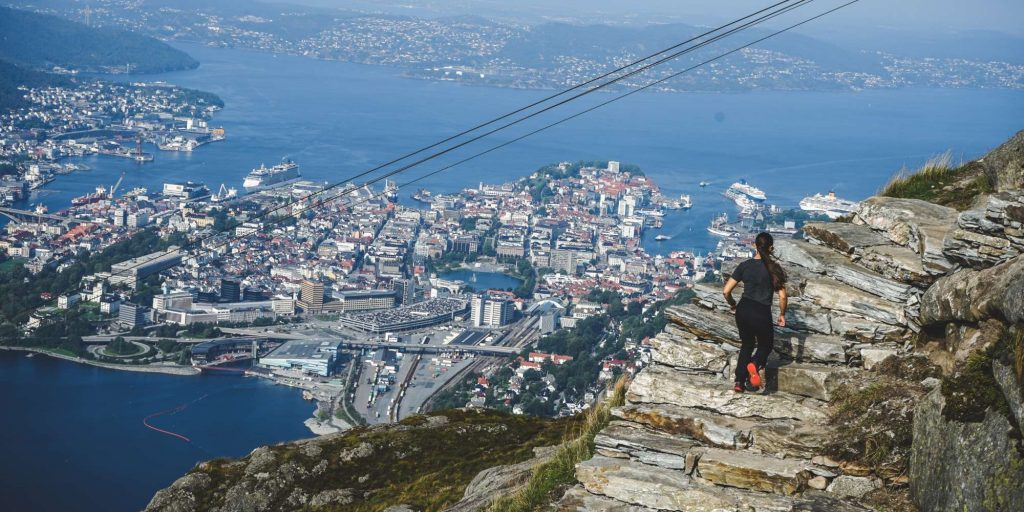
Oppstemten, Bergen. Photo: Visit Bergen

Oppstemten to Mount Ulriken in Bergen
If you take the stairs instead of the gondola to the top of the city mountain Ulriken in Bergen, you’ll climb 290 meters in 1,300 steps. The consolation is that you can take the gondola – or a zipline – back down.

The stone path up Stoltzekleiven to Mount Sandviksfjellet is a slightly easier alternative, with only 800 steps.
 

Climbing Norwegian Mountains - Step by Step
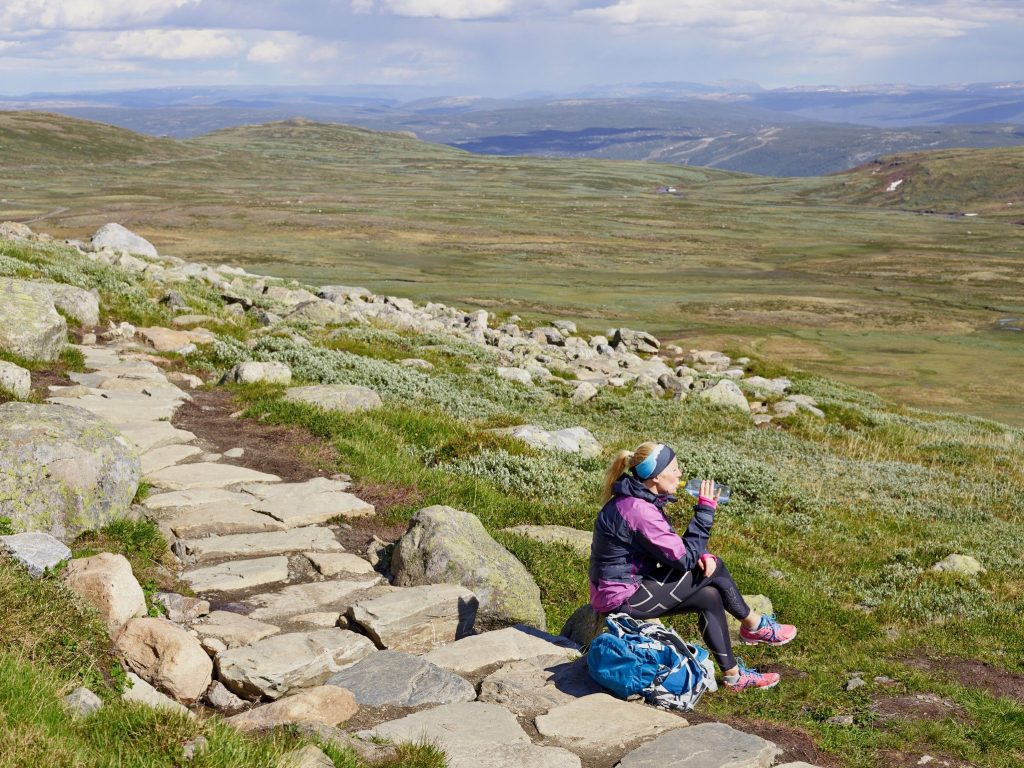
Prestholstien trail. Photo: Emile Holba/Geilolia

The Prestholtstien trail in Geilo
The Hallingskarvet mountains near Geilo rise like a giant petrified wave on the enormous Hardangervidda, which is one of Norway’s largest mountain plateaus. From the idyllic Prestholtsetra mountain farm, you have to climb around 2,500 stone steps in one sweaty kilometer to enjoy the scenic view from the top. However, the stone steps make the summit trip a pure joy. Follow the same trail back down, or continue on the 6.5 kilometers long Prestholtet hike. The most fit can start the trip from the center of Geilo. Follow the Pilvegen Road up to Geilohovda and further on westward past Gullsteinhovda and Urundberget.

In Eggedal, less than two hours away, you can climb the stairs along the beautiful Madonnastien trail, which has been named Norway’s most popular hiking route.
Climbing Norwegian Mountains - Step by Step
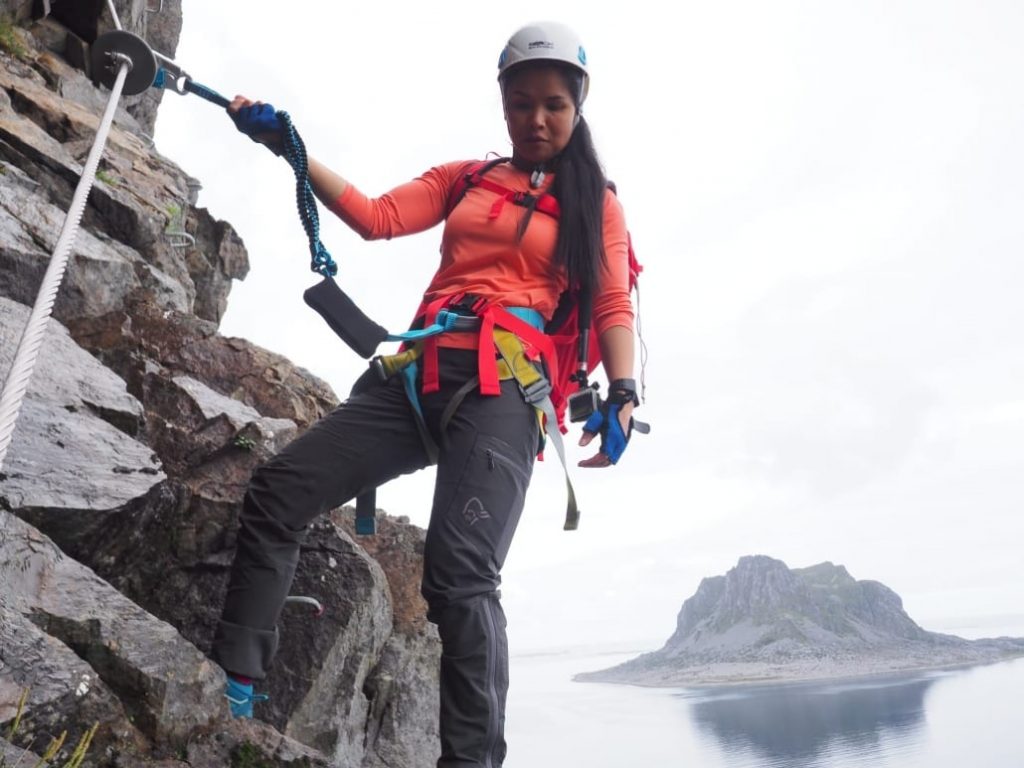
Ravnfloget Via Ferrata. Photo: Stig Sæther/Visit Helgeland

Ravnfloget Via Ferrata
The locals at Vega have built a beautiful wooden staircase on the UNESCO island Vega. After almost 2,000 steps and an elevation of 450 meters, you can catch your breath at the top of Mount Ravnfloget, which has panoramic views of the sea and the islands on the Helgeland coast. The rugged mountain was once a lofty playground accessible only to sea eagles and ravens, hence the name. Today, the Ravnfloget Via Ferrata, a spectacular climbing trail, will take you to the summit of Ravnfloget. The mountain is situated on the western side of the island of Vega.

Climbing Norwegian Mountains - Step by Step
Reinebringen. Photo: YouTube

Reinebringen in Lofoten
This demanding trip up to the true gem of Reine, located at the southern end of Lofoten, is not for those who suffer from a fear of heights. After climbing hundreds of steep steps between wild mountain peaks, the view of the Vestfjord and the tiny fishing villages of Reine and Hamnøy are sure to make your heart beat faster. Only make the trip in good weather, and make sure that you stay safe at all times.

However, Reinebringen is far from one of the highest peaks on the Lofoten islands. Yet this is more than made up for by the iconic view from the summit. The view, combined with the easy access from Reine, makes Reinebringen one of the most popular hikes in Lofoten, with hundreds of people making the ascent each day during the summer season.

The construction on a stone stairway on the mountain was started in 2016 due to the increased erosion and danger of rockfall from the high amount of visitation. As of July 2019, the Nepali Sherpa team completed all but the final 50 meters at the top of the mountain. So now the route is little more than a 1560 step stone staircase.
Climbing Norwegian Mountains - Step by Step
Ruiplassen. Photo: Visit Telemark

Ruiplassen in Dalen, Telemark
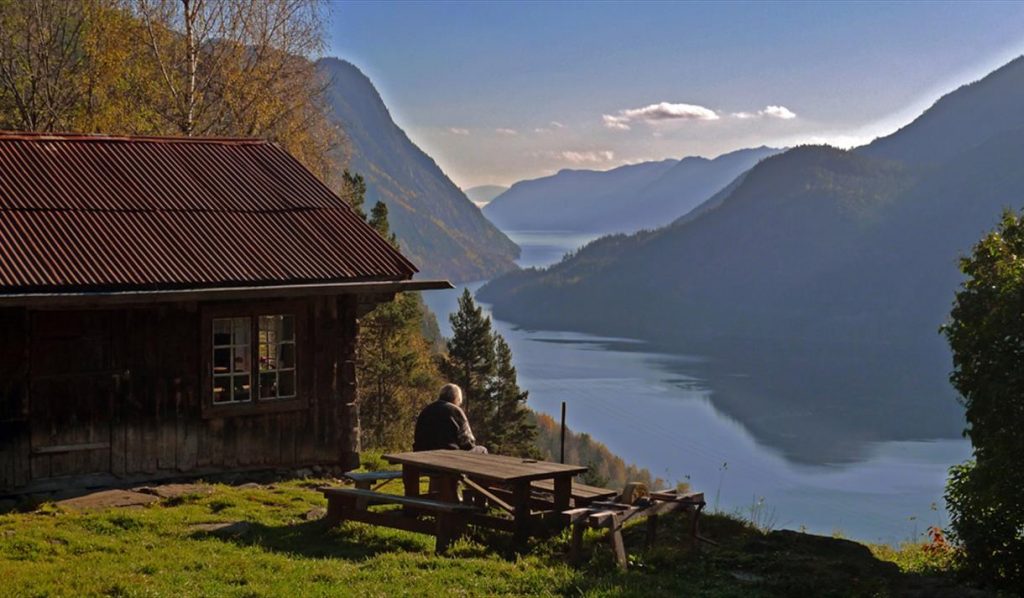
From Dalen in Telemark you can climb a steep stone staircase of 810 steps up to the old cotter’s farm Rui. This is a route with historical roots, and along the way, you can learn more about the two unusual sisters who lived there their whole life. Only once did they leave Telemark – to visit the King in Oslo! The hike from the start of the staircase up to Rui is 1 km long, 810 steps, 200 metres hight difference, about 20-30 minute-hike one way. To get to Rui, you follow in the Rui girls’ footsteps from Dalen on a stone staircase made by Sherpas from Nepal.

“Beintsteberg” is the path called locally, which means the shortest path up the mountain. A lot of work is laid down in building the staircase, and the experience of first walking on the beautiful stairs that swirl up the mountain, and then ascending to the height of beautiful Rui is quite unique.
Climbing Norwegian Mountains - Step by Step
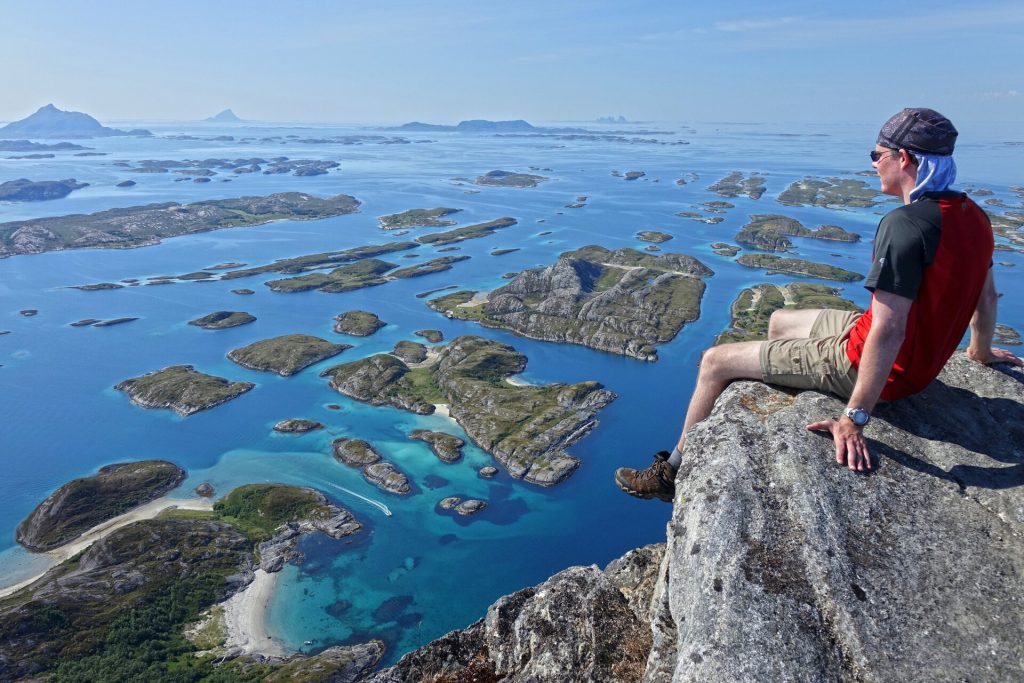
Rødøy Lion. Photo: Stefan Barth / Helgeland reiseluv, Rødøy

Rødøy Lion at the Helgeland coast
The hike up the majestic Mount Rødøyløva at Rødøy is one of the most beautiful trips along the Norwegian Scenic Route Helgelandskysten. More than 1,000 steps get you to the top, 440 meters above sea level, where you can enjoy scenic views of thousands of small islands, reefs, and white sandy beaches. Unforgettable in the midnight sun!

The first 200 metres of the path is quite steep with a set of stairs, but soon you are rewarded with the great view.

Climbing Norwegian Mountains - Step by Step
The Sherpa Steps, Tromsæ. Photo: YouTube

The Sherpa steps in Tromsø
In Tromsø, 1,300 stone steps connect Fløyvegen, 85 meters above sea level, with the Fjellheisen Cable Car’s upper station at 421 meters – so you can go up, or down, or both up and down, through birch forest and past the tree line. From the top you have panoramic view over Tromsø Island with the “Ersfjord traverse” in the background. The walk up the Sherpa steps is suitable for everyone. The steps make the terrain easy to walk in, and you find several breaks. In one year, over 100 000 people walked up or down the Sherpa stairs in Tromsø.

The Cable Car is one of Tromsø municipality’s most popular tourist destinations, and a fantastic perspective to see Tromsø from, so this is really an attraction one should visit when spending time in Tromsø.

Climbing Norwegian Mountains - Step by Step
Vøringfossen view bridge. Photo: Wikipedia

The Vøringfossen bridge
Vøringsfossen is perhaps the best-known waterfall in Norway, with vast quantities of water plunging 182 meters (597 ft) down from the Hardangervidda plateau to the Måbødalen valley. The waterfall and the dramatic transition between fjord and mountain plateau make for a majestic impression.

The Vøringfossen bridge is designed by architect Carl-Viggo Hølmebakk, and the construction represents a long tradition of exploring the fields between architecture, technology, infrastructure and nature.

The bridge has a range of 47 meters (154 ft) and has 99 steps.

The development of the tourist icon Vøringsfossen has happened step by step over several years to make sure that visitors and the local tourism industry can enjoy the project as it is being finished.

The step bridge consists of two tripods founded on rock that carry the centre span. The structure is made up of seven parts, of which five make up the flight of steps and the final two serve as supports. The seven bridge components have been hoisted in place by a crane and assembled on site. The entire step bridge is built in steel and secured with long rock bolts drilled into the rock.

Exploring Norway – step by step. Conclusion
Around 300 stone staircases have been built in Norway over the past two decades. The steps make it easier and safer to walk, and maybe most importantly – they protect the vulnerable nature. So, stick to the stairs and don’t drift off to the side even if your legs hurt. And please stop when you want to enjoy the view or take pictures, as you really don’t want to stumble.

Climbing Norwegian Mountains – Step by Step, compiled by Tor Kjolberg

Feature image (on top) © Fjord Norway
Scandinavian Lovage

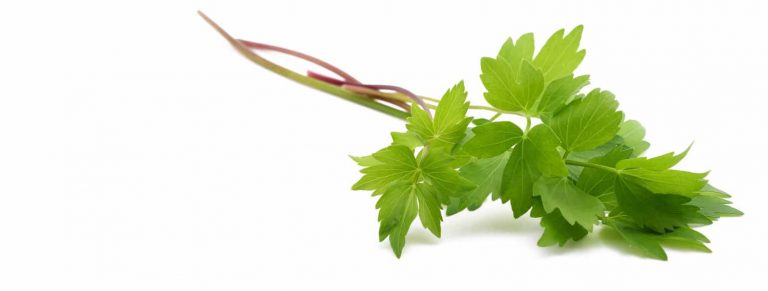
Lovage (Levisticum officinale), although originally a Mediterranean plant, grows wild all over the north. It is a classic example of an old herb that has fallen into disuse among home cooks, though it is often the main flavor used in bouillon cubes. Lovage is not easy to buy, so your best option is to grow it. Learn more about Scandinavian lovage.

How it grows
Lovage, a huge umbellifer, is a hardy perennial, though short-lived. It can grow up to 2 meters in height, so plant its position in the garden carefully, ideally at the back of a border. Lovage prefers a rich, well-drained soil, but generally needs very little encouragement to grow whether in full sun or partial shade. It dies right back in winter.

Related: Scandinavian Herbs

Scandinavian Lovage
Lovage, a huge umbellifer, is a hardy perennial, though short-lived. Photo: Wikipedia

Appearance and taste
With its hollow stems, lovage bears a passing resemblance to celery, and its flavor is certainly similar, though perhaps celery on speed is the best way to describe its penetrating, slightly citrussy taste. The leaf and very young stalks are the parts used.

Related: Chervil in Scandinavia

Scandinavian lovage
With its hollow stems, lovage bears a passing resemblance to celery, and its flavor is certainly similar. Photo: Hageland

Related: Tarragon in Scandinavia

Culinary uses
Lovage is a herb that all good old sensible kitchen literature tells us should be used sparingly, as it makes hostile takeovers on all other aromas. This is not true, it takes its place nicely beside the other flavors, but it does not hide itself. The taste is slightly bitter, meaty and herby. It’s lovely if you put a leaf in the water for boiling potatoes, use it with other herbs for soup, or go all the way and make it into a powerful, northern pesto.

Scandinavian Lovage
Lovage pesto. Screendump from NRK

Loveage pesto
This pesto is perfect as a dressing for new potatoes, as a sauce for grilled meat and fish, or on rye bread with sliced new potatoes – just top with a blob of pesto and scatter with salt flakes.

A handful of lovage leaves
100 walnuts, toasted
1 tablespoon lemon juice
100ml extra virgin olive oil
Salt and pepper
a punch of sugar
½ smallish new garlic bulb
I tablespoon capers
1 tablespoon cider vinegar
100g breadcrumbs, toasted

Serves 6

Whiz everything except the breadcrumbs in a food processor, but not too much as you want a coarse, chunky consistency alternatively you can chop everything up by hand on a board.Simply mix with the crisp crumbs and it’s ready to use.

Scandinavian Lovage, written by Tor Kjolberg

Feature image (on top): Photo Store norske leksikon

Norwegian Ski-jumps

Ski-jumping used to be one of the most popular sports in Norway. As a little boy in the 1950s, the Norwegian photographer Espen Tveit (76) was interested in ski jumps – perhaps to a greater extent in the facilities themselves than in the sport that is practiced in them.

The photo book Norwegian Ski-jumps was created after he read that a ski jump on Skiptvedt was to be demolished. Curious, he traveled to look at it and discovered that the scaffolding looked like an exciting wooden sculpture. This is how Norwegian ski jumps became an art project.

Norwegian Ski-jumps
Norwegian ski-jumps. Book cover

Related: The Legendary Norwegian Ski Race

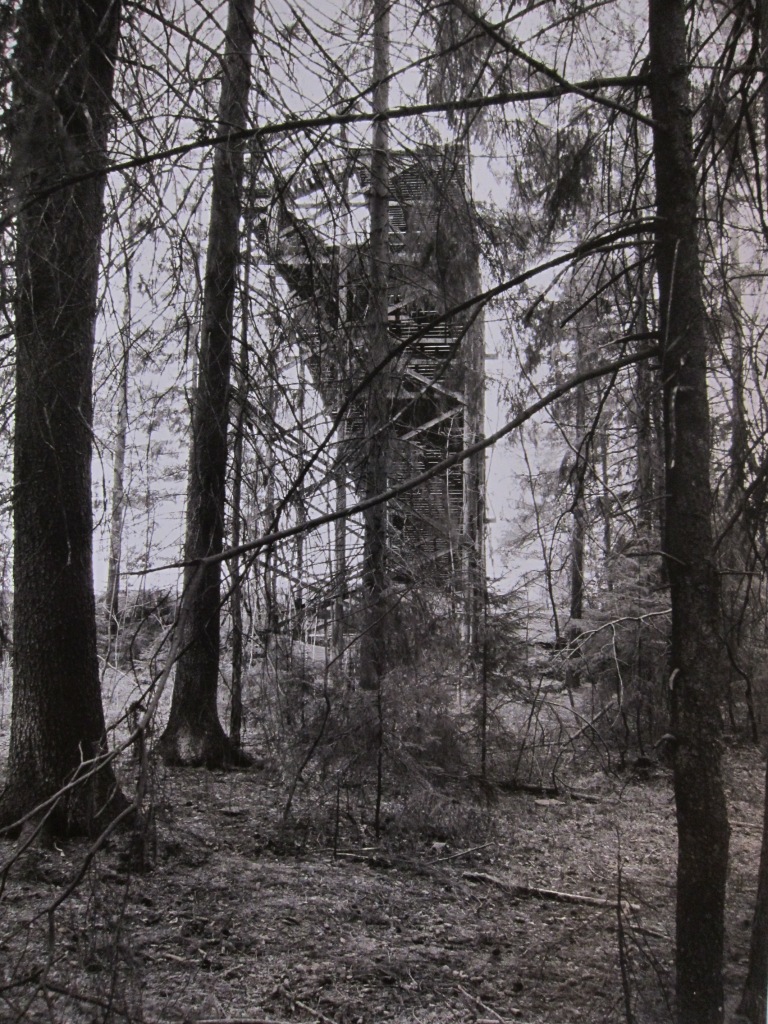
Today there are only 200 inrun towers left in the country, most of them on the road to destruction. During a couple of years photographer Espen Tveit photographed most of them. His black and white photographs, printed in triotone, are mysterious and beautiful.

“I have waited for cloudy weather, photographed in rain and climbed in rugged terrain. The old ski-jumps were steeper than the new ones and only few had stairs to climb. I had a standing joke during this period: if anyone asked me how I was doing, I replied that my life had its ups and downs,” said Espen Tveit.

Related: Portrait Of A Retired Norwegian Ski Racer

Norwegian Ski-jumps
Østby ski-jump

He admits that the pictures of the abandoned ski jumps evoke a certain feeling of sadness. The sport of jumping does not have the same popular appeal as it once had. “Several of the jumps have also been demolished since I started the project,” says Tveit.

Norwegian Ski-jumps
Son ski-jump

Espen Tveit was born in Drammen in 1945. He grew up in an art and literature-oriented family, became a teacher and studied photography. He says he is an analog photographer who likes to work with series over a long period of time.

Related: A Love Letter To Norway’s Winter Wonderland

Norwegian Ski-jumps
Skui ski-jump

He has published six books: 80-talls runer (Runes from the 80s) 1989, Samtidsarkeologi (Contemporary archeology) 1997, Rite (2001), Fra siden/Side-Lines (2011), Samtidsarkeologi 2 (2013) and Norwegian Ski-Jumps (2016). The latter published by Journal.

Norwegian Ski-jumps, written by Tor Kjolberg

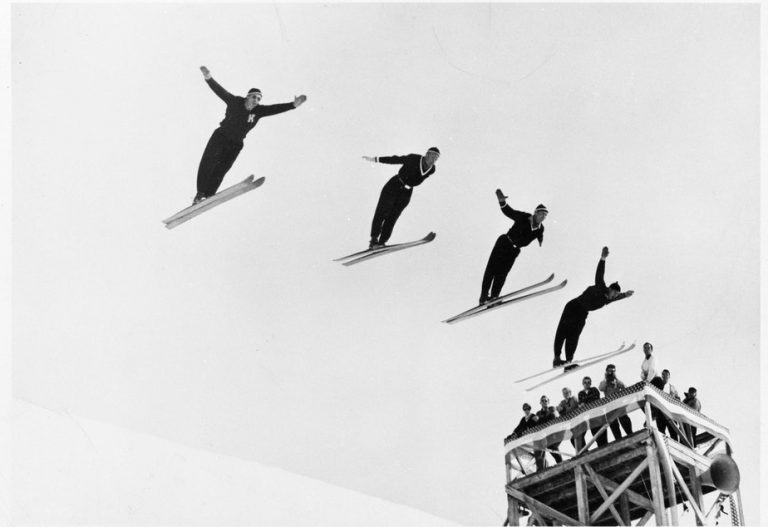
All images © Espen Tveit, except feature image (on top): Olav Ulland, Gustav Raaum, Alf Engen, and Kjell Stordalen perform a four-person simultaneous ski jump at Sun Valley, Idaho, in December 1948. Credit: courtesy of National Nordic Museum

Cheering Scandinavian Christmas Gifts

Christmas is so memorable because of the traditions surrounding it. Decorating and baking aren’t the only holiday traditions. The gifts you give and why you give them are part of the holiday season. Here we have compiled a selection of cheering Scandinavian Christmas gifts that your loved ones will appreciate.

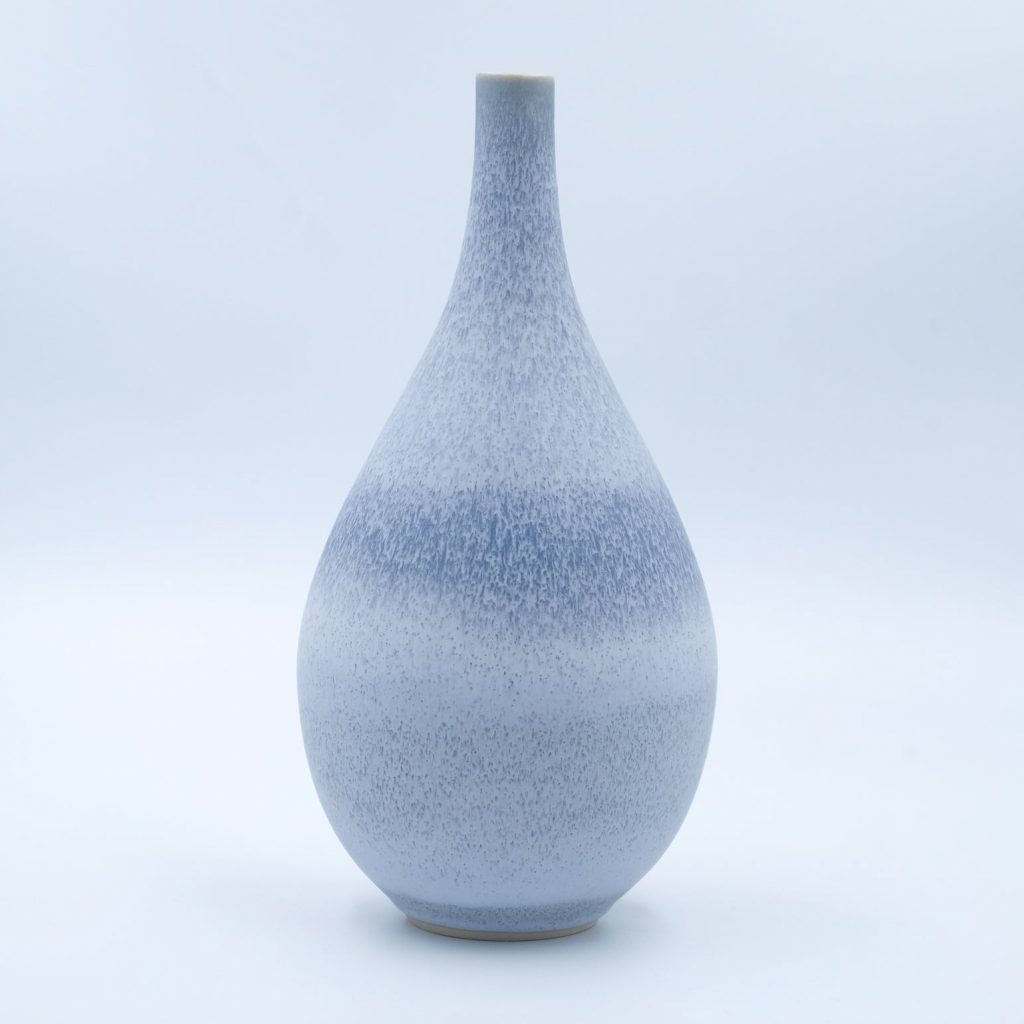
Everybody is happy for a vase. The Unika Teardrop Vase from Tortus Studio in Copenhagen is a gift that will last forever. Eric Landon from Copenhagen pottery design studio has amassed a huge following online supposedly due to his beautiful videos of the making process and wonderful shapes that he gets in the result.

Cheering Scandinavian Christmas Gifts
Unika Teardrop vase

Children’s cutlery from the elegant, nature-inspired Julie design was designed by Per Finne in 2012. The children’s cutlery is designed exactly the same as the dinner set. This gives your child a feeling of being included and equal around the dining table. The cutlery has a comfortable grip and will follow the child until they are 8-10 years old. From Hardanger Bestikk.

Cheering Scandinavian Christmas Gifts
Nina – children cutlery

The Världsvan backpack (formerly the Scholar) fits textbooks, laptop and everything else. It has a low profile, yet roomy. From Db.

Cheering Scandinavian Christmas Gifts
The Värdsvan backpack

Make your bottle of LINIE Aquavit come alive with The LINIE App. Enter an amazing LINIE universe based on augmented reality. You can also watch the highlights from LINIE’s live-streamed sea journey around the world. Read more about Norwegian Christmas aquavit.

Cheering Scandinavian Christmas Gifts
World-famous Linie aquavit

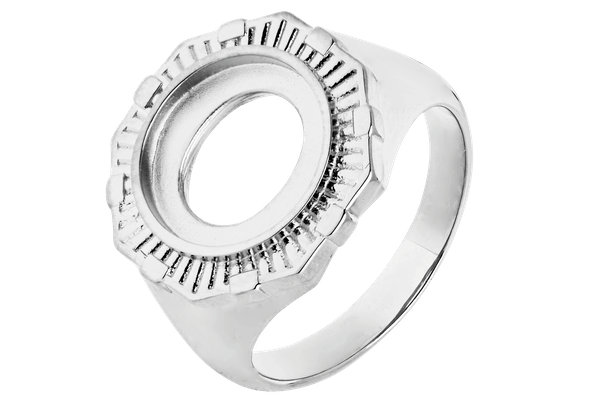
Christmas is not all about shopping for others. Be it a treat for yourself or a wish for your list, you’re sure to find a perfect fit at Maria Black Copenhagen store. Read more here.

Cheering Scandinavian Christmas Gifts
Moss ring by Maria Black
Cheering Scandinavian Christmas Gifts
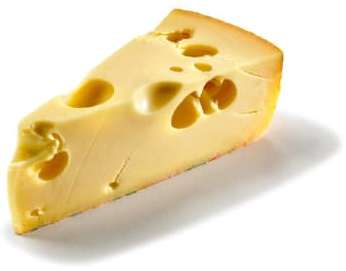
Famous Norwegian Jarlsberg cheese

A mild, firm ripened cheese made from cow’s milk. Jarlsberg® is famous around the world for its characteristic mild, sweet and nutty taste and its large round holes. Jarlsberg® is such a wonderfully versatile cheese – whether you buy it as a regular staple for sandwiches, a complement for salads, a tasty addition to your cheese board or as an irresistible snack! And a perfect Christmas gift as well. Read more about Scandinavian cheese.

It is necessary to reduce the negative impact consumption has on our climate, our environment, and our health. Yaytrade is the marketplace for environmental conscious rebels from all over the world, the web’s top spot to buy and sell pre-loved fashion and lifestyle products from fellow community members, ambassadors and sustainable brands. Find out more about these sustainable Scandinavian rebels.

Cheering Scandinavian Christmas Gifts
Race down jacket from Yaytrade


Cheering Scandinavian Christmas Gifts
Byredo perfume candles

The Byredo luxury scented candle collection brings Byredo’s signature multi-faceted fragrance offerings to the home for the ultimate olfactory experience. The best-selling candles are crafted in elegant smoked black glass, featuring black wax and wicks and finished with the signature Byredo minimalist labelling to elevate any room space. Read more about Scandinavian perfumes.

Cheering Scandinavian Christmas Gifts
The classic all-round Mora knife

There is a long tradition of knife making in Mora. We have been creating sharp knives for the rest of the world for more than 400 years. The seed of what would become one of the world’s most popular knife manufacturers was sown as early as 1891 when Frost-Erik Erson returned to the village of Östnor in Mora after four years of work as a lumberjack in North America. Read more about the ultimate Swedish all-round knife.

Cheering Scandinavian Christmas Gifts
Daniel Wellington’s color dials

It was a coincidental meeting halfway around the world that inspired the idea for Daniel Wellington. On this trip, our founder, Filip Tysander, met an intriguing British gentleman with impeccable yet understated style. The man had a particular fondness for wearing his vintage watches on old, weathered NATO straps. His name? Daniel Wellington. Read more about the Swedish watch king.

New Nordic is a Swedish-based company with a unique knowhow in medicinal plants. New Nordic develops and markets effective herbal dietary supplements, as well as cosmetics, to satisfy specific health and beauty needs. It markets these under the New Nordic brand to an increasing number of people all over the world. Choosing a healthy Christmas gift this year? Read more about New Nordic.

Cheering Scandinavian Christmas Gifts
Why not e healthy gift from New Nordic?

Not sure what to get the person who has everything? Surprise them with something they may never have seen or thought of before! From unique handmade vase designs and watches or environment friendly garments and Scandinavian perfumes that make great gifts for women, men or children – find something to match their personality.

Cheering Scandinavian Christmas Gifts, compiled by the Daily Scandinavian editorial team.

Feature image (on top): Photo by freestocks / Unsplash

Treat Your Man to a Little Getaway to One of Scandinavia’s Bustling Cities

If you’re looking for something exiting to do for a long weekend or just a short getaway, you might want to consider exploring one of Scandinavia’s larger cities. Depending on where you’re residing now, and what makes it easier for you and your partner, there’s lots of options in this part of the world. Treat your man to a little getaway to one of Scandinavia’s bustling cities.

Maybe you’re treating your partner or husband because it’s their birthday. Maybe you just want to treat him to a nice little getaway. If you’re looking for some inspiration about what cities to visit, you, you might find this article relevant. Enjoy!

Treat Your Man to a Little Getaway to One of Scandinavia’s Bustling Cities
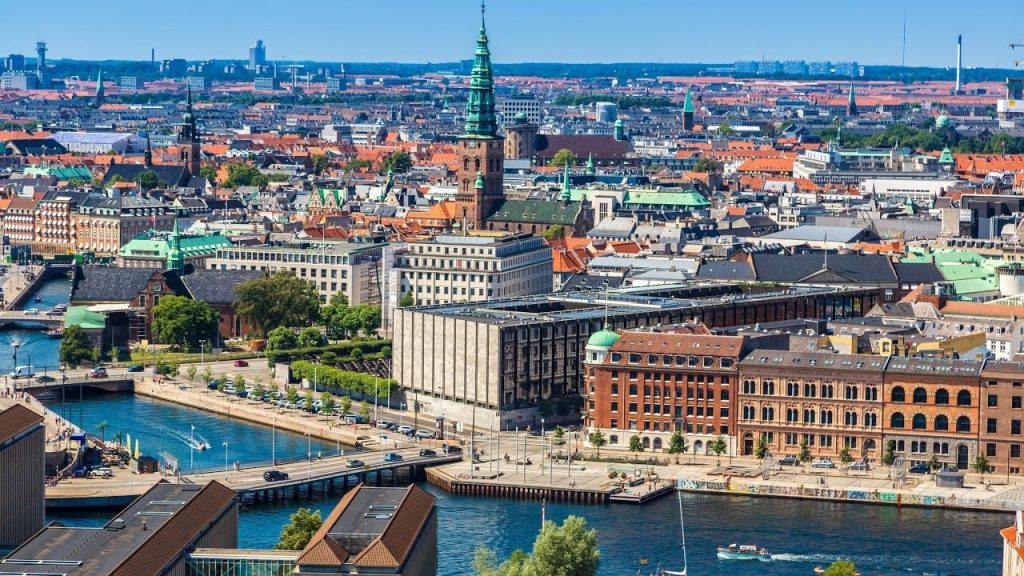
Copenhagen is a vibrant and cultural city, where you’ll find lots of diversity in attractions and things to see and experience

Birthday-trip to Copenhagen
Copenhagen is Denmark’s capital. Copenhagen is a vibrant and cultural city, where you’ll find lots of diversity in attractions and things to see and experience. The city has a big range of interesting art museums, unique history and many different must-sees. Depending on what you fancy when traveling, and what season you’re going, you can still be sure that you will not be bored. If the trip is a birthday present for your partner or husband, you could do the following:

  1. Enjoy a nice brunch at one of the many cafes in Copenhagen
  2. Go on a boat trip to experience Copenhagen from a different perspective
  3. Explore Tivoli Gardens and get adrenalin rush
  4. Go window shopping at the famous walking street, ‘Strøget’
  5. Have dinner at one of the amazing restaurants in the city
  6. Have a drink at one of the busy bars in Copenhagen

If you want to treat you man to a present, you could choose to bring it from home. Maybe just a little thing, that fits in the suitcase. If he’s a man who cares about his skin, you should maybe consider giving him a dermaroller.

You may also like to read: Street Charm in Copenhagen

Treat Your Man to a Little Getaway to One of Scandinavia’s Bustling Cities
Skeppsbron, Stockholm. Photo by Ola Ericsson/Imagebank Sweden

Go to Sweden and experience Stockholm
If you guys have never experienced the capital of Sweden, you should add it to the bucket list. Stockholm is a beautiful city, with many unique budlings around and many islands to explore. A walk around ‘Gamla Stan’ is a must when you’re exploring Stockholm. Here you will find lots of restaurants shops, while admiring the historical buildings. You can also take a boat trip or visit museums if you’re into that.

You may also like to read: 7 Reasons to Visit Stockholm

Treat Your Man to a Little Getaway to One of Scandinavia’s Bustling Cities
From the Castle Park in Oslo. Photo: Jon Arne Foss

Oslo – The capital of Norway
Norway is an extraordinary country, with dramatic scenery and lots to do if you’re an outdoor person. But if you’re on limited time, you should consider a visit to the country’s capital Oslo. Oslo has a variety of museums; you might find interesting for an example. Even though you might stay in Oslo, it is still possible to also enjoy some of Norway’s spectacular nature.

You may also like to read: The Greebwich Village of Oslo

Treat your man to a little getaway to one of Scandinavia’s bustling cities, is written exclusively for Daily Scandinavian by the team of Made4men.

Feature image (on top): Grunerløkka has been named the Greenwich Village of Oslo.


New Concealed Gem Resort in Oslo

Lily Country Club is a resort set among beautiful acres in rural surroundings 25 minutes’ drive from Oslo or 10 minutes from Oslo Airport Gardermoen. “With 507 spacious rooms and suites, everybody is welcome to our resort,” says Food & Beverage Director Christian Eriksson. The resort opened on the last day in May this year. Owned by Lily Hospitality Group, a division of Norwegian investment group Aker ASA, the estate is surrounded by a glorious 18-hole golf course offering a backdrop of the most magnificent sweeping rural views. Welcome to the new concealed gem resort in Oslo.

The resort is the perfect location for both business and leisure stays, close to highway E6 and Oslo Airport Gardermoen. The hotel offers shuttle to and from the airport. The car parking area is fee-based.

New Concealed Gem Resort in Oslo
The resort is the perfect location for both business and leisure stays
New Concealed Gem Resort in Oslo
From the reception. The library in the background.

Business and leisure
The business facilities cater from six to 1,000 people and are equally valuable for weddings, anniversaries, celebrations, business conference meetings, team-building and corporate events. The largest conference hall has a capacity of up to 500 people seated by round tables. The main restaurant, Brasseriet, with beautiful views across the 18th hole at Miklagard golf course, is the perfect venue for lunch or dinner. It offers a formal á la carte menu as well as set menus.

New Concealed Gem Resort in Oslo
The largest conference hall has a capacity of up to 500 people seated by round tables
New Concealed Gem Resort in Oslo
From the conference section

You might also like to read:
Majestic Luxury in Norway: A Hotel With Fascinating History and Top-Class Food and Wine

New Concealed Gem Resort in Oslo
The main restaurant Brasseriet
New Concealed Gem Resort in Oslo
36 chefs use all their experience to bring home the classic and well-known French and Italian classical tastes that combine and refine quality ingredients from the abundant local areas. Here are some of them on duty.

Fine dining
The hotel’s 36 chefs have used all their experience to bring home the classic and well-known French and Italian classical tastes that combine and refine quality ingredients from the abundant local areas. “The Brasseriet has also become a restaurant for locals,” says Eriksson and adds, “We’re now planning to extend our offers with more eateries and bars to cater for guests staying for longer periods.”

New Concealed Gem Resort in Oslo
“The Brasseriet has also become a restaurant for locals,” says Food & Beverage Director Christian Eriksson
New Concealed Gem Resort in Oslo
Brasseriet has beautiful views across the 18th hole at Miklagard golf course

For lunch, we had juicy chicken tights followed by a light dessert. For dinner we had a tree course meal. For starters we had ecological salmon graved with Løiten Linje Aquavit, burned cucumber emulsion on herbs, aquavit and dill, unhomogenized milk from Røros and fried crumbs from rye bread. The main dish was deer tenderloin with creamed chantarelles, baked potatoes, Brussels sprouts, lingonberry, pommes dauphine and port wine reduction with beurre noisette. For dessert we were served hazelnut & mandarin parfait filled with caramel & oreo crumble. Delicious! However, nothing can beat the abundant breakfast menu where the chefs from time to time prepare their own favorites to give your day the best possible beginning.

New Concealed Gem Resort in Oslo
Ecological graved salmon
New Concealed Gem Resort in Oslo
Deer tenderloin
New Concealed Gem Resort in Oslo
Hazelnut & mandarin parfait

We enjoyed after drinks by the fireplace in Bar Lilibet.

New Concealed Gem Resort in Oslo
Bar Lilibet

You might also like to read: Magnificent Mountain Hotel in Norway

On Sundays in December there will be served traditional Norwegian Christmas food and on request guests will be offered sleigh rides.

New Concealed Gem Resort in Oslo
Christmas at Lily Country Club
New Concealed Gem Resort in Oslo
Christmas mood at Lily Country Club

In summertime visitors can also enjoy the spectacular view over the golf course from the Greenfield Terrace and being served food from the outdoor restaurant. Outside the Library Lounge you will find Courtyard Terrace – a Bellini and Spritz bar where sunbeds and lounge areas invite guests to relax and experience the atmosphere.

New Concealed Gem Resort in Oslo
The Hamma spa. Photo: Nordic Choice Hotels

The Lily Spa
When it comes to relax, Lily Country Club welcomes you to the Lily Spa, where you can experience waves of rituals, senses and mystery indoors as well as outdoors. Lily Spa offers a truly holistic approach to making you look and feel fantastic. The spa is the best place to unwind and relax. Whether you’re on a spa break or just want to book for a consultation, professional therapists will be talking to you about the offerings that can be customized to your needs.

New Concealed Gem Resort in Oslo
Room 5036. Photo: Nordic Choice Hotels
New Concealed Gem Resort in Oslo
View from the room

Guest rooms
The guest rooms at Lily Country Club feature an elevated, modern design that connects you to the energy of the surrounding community. Some rooms also offer a balcony, a private terrace or floor-to-ceiling windows with great views. It is possible to open up the window on all rooms for fresh air.
We stayed at room 5036 on the top floor. It is a standard room, but located at a corner of the building, the room offered wonderful views in two directions. All rooms include robes, slippers, coffee machine from Nespresso and other amenities.

You may also like to read: Hotel With a Hamptons Atmosphere in Norway

New Concealed Gem Resort in Oslo
“We’re now planning to extend our offers with more eateries and bars to cater for guests staying for longer periods,” says Eriksson

Oslo’s new hidden resort gem
The tradition of country clubs originated in Scotland, and first appeared in the US in the early 1880s. There they are often private, closed clubs with golf facilities. Lily’s philosophy goes in the opposite direction and shows the world how to make a proper clubhouse – open, genuine and Norwegian – a sustainable meeting place for everyone.

New Concealed Gem Resort in Oslo
Main entrance
New Concealed Gem Resort in Oslo
Springtime at Lily Country Club. Photo: Nordic Choice Hotels

In former times, country clubs had a profound effect on expanding suburbanization and are considered to be the precursor to gated community development. Lily offers high quality content, impressions and comfort – but for everyone. You’ll have a break and find inspiration. Located right by hole 18 at Miklagard golf, an international championship course that has been named Norway’s best by Rolex Golf Guide, this is also an obvious choice for both old as well as new and curious golf enthusiasts.

New Concealed Gem Resort in Oslo
Don’t be surprised if you’re met by a crowd of alpacas from one of the neighboring farms.

The field is perfect for walks, but don’t be surprised if you’re met by a crowd of alpacas from one of the neighboring farms.

New Concealed Gem Resort in Oslo, written by Tor Kjolberg

All photos © Tor Kjolberg/Daily Scandinavian if not otherwise stated.

Feature image (on top): Photo by Nordic Choice Hotels

3 Reasons Why Stockholm is the Perfect Place to Pursue Postgraduate Studies

0

Increased earning potential, career advancement opportunities, and the ability to build valuable networking connections are all prime benefits of obtaining a master’s degree. However, for those who can’t decide where to complete their studies, looking at international destinations can be a game changer. From the financial benefits involved to the unique cultural and diverse setting, here are just three reasons why Stockholm, Sweden, can present an optimal choice. Learn 3 Reasons Why Stockholm is the Perfect Place to Pursue Postgraduate Studies

A relaxing learning environment
Stress is often a major component for anyone aspiring to complete a master’s program, though in Stockholm, you’ll be in the perfect location for combating stress with ease. Not only does Sweden’s education system present a laid-back learning environment where professors are addressed by their first names, but you’ll have the opportunity to be surrounded by nature, even when it is a cosmopolitan city like Stockholm. This is important, as research from the University of Michigan found that group nature walks can minimize depression and lessen perceived stress, making nature an ideal tool when navigating exam related stress. With nature filled experiences like biking through National City Park, visiting Hellasgården park, or Kungsträdgården (Kings Garden) park, there’s no shortage of places to go when feeling stressed out.

3 Reasons Why Stockholm is the Perfect Place to Pursue Postgraduate Studies
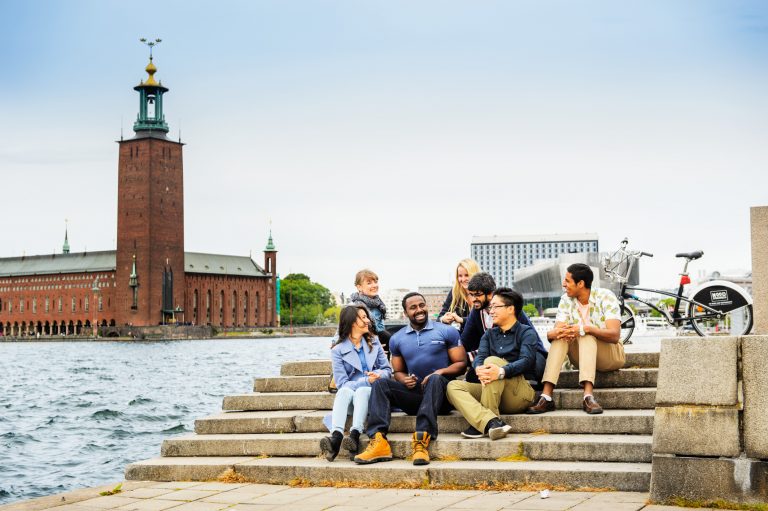
Skeppsbron in Stockholm, Photo: Ola Ericson

The financial benefits involved
Postgraduate programs are known for their pricey investments, though by choosing to study in Sweden, there are a few financial benefits to be aware of. In fact, tuition fees are free to citizens of the EU, while non-EU citizens should expect costs to range anywhere from 7,500 to 25,000 euros (depending on the university and program of choice). On the other hand, PhD programs in Sweden are actually free of charge for international students, regardless of citizenship — making it a great location for those wishing to pursue such a program and cut out costs entirely. However, it’s important to note that even if tuition fees apply to you, there are always scholarship opportunities available to help reduce or even eliminate costs. The Swedish Institute scholarships for global professionals is just one example, and is offered by the Ministry for Foreign Affairs of Sweden and the Swedish Institute, providing a fully funded education for those who are master’s candidates.

3 Reasons Why Stockholm is the Perfect Place to Pursue Postgraduate Studies
Stockholm University library. Photo: Ccecila Larsson

Sweden’s diversity and culture
For those looking to head to Sweden for their postgraduate studies, the country offers a highly diverse environment that openly invites any international student wishing to be a part of it. In addition to being LGBTQ+ positive, as well as linguistically and religiously diverse, almost 15% of the Swedish population are first generation immigrants. Regarded as the most equal country in the world according to Business Insider, there’s no question that the country offers a welcoming environment for those coming from abroad, no matter who you may be.

While the country’s diverse nature allows for international students to be authentically themselves, the rich culture is also worth experiencing as you study, as you won’t find another like it. With notable holiday celebrations including the Swedish National Day, midsummer, and the crayfish party, being in Stockholm is a fantastic way to be at the heart of every celebration — not to mention the number of unique Swedish cuisine options you’ll find, too. From pickled herring to open face sandwiches and authentic Swedish meatballs, there’s something for everyone.

3 Reasons Why Stockholm is the Perfect Place to Pursue Postgraduate Studies
For those looking to head to Sweden for their postgraduate studies, the country offers a highly diverse environment that openly invites any international student wishing to be a part of it. Photo: Cecila Larsson

Going abroad for your postgraduate studies is a wonderful way to experience another culture, with Sweden presenting an ideal location. With its unique culture and diverse environment, studying in Stockholm can present unique financial benefits in addition to being a laid-back learning environment.

3 Reasons Why Stockholm is the Perfect Place to Pursue Postgraduate Studies
Karoline Gore

3 Reasons Why Stockholm is the Perfect Place to Pursue Postgraduate Studies, written exclusively for Daily Scandinavian by Karoline Gore. Karoline is a freelance writer from Stoke on Trent in the UK who left the corporate grind when she started a family and has never looked back. She enjoys contributing to a range of online publications on the topics that are important to her.

Other articles written by Karoline Gore you might like to read:

Norway – The Poster Child For Electric Vehicle Adoption
Solo Travel Tips: Where To Go If You’re Single In Stockholm
Eco-Friendly Ways To Heat Your Scandinavian Home

All images © The Official Image Bank Sweden. Feature image on top by Simon Paulin.

The Norwegian Wild Reindeer Center

0

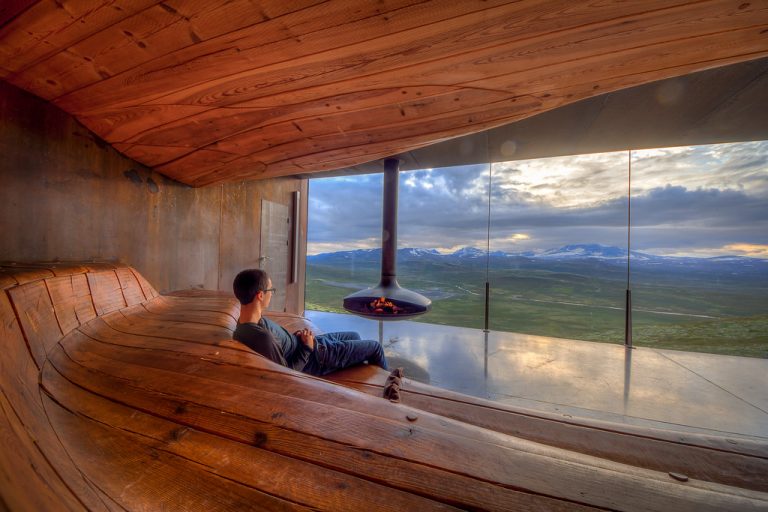
The Norwegian Wild Reindeer Center is not only designed by prolific Oslo architecture firm Snøhetta, but overlooks the Snøhetta mountain massif in Norway.

The Norwegian Wild Reindeer Center Pavilion is located at Hjerkinn on the outskirts of Dovrefjell National Park, overlooking the mountain Snøhetta. The building is 90 m2 and is open to the public. It serves as an observation pavilion for the Wild Reindeer Foundation’s educational programs.  A 1.5 km hiking trail leads visitors to the spectacular site 1200 meters above sea level and tourists as well as researchers visit this spectacular site. Facilitating access to national parks, giving people the opportunity to enjoy the landscape and its wildlife without notable disturbance, is a way to empower the national parks and their importance to people.

The Norwegian Wild Reindeer Center
The Norwegian Wild Reindeer Center Pavilion is located at Hjerkinn on the outskirts of Dovrefjell National Park, overlooking the mountain Snøhetta.

The Dovrefjell mountain range forms a barrier between the northern and southern parts of Norway. It holds a unique place in Norwegian consciousness through a wide range of tales and myths (Ibsen) and music (Grieg) connected to the mountains, and has a long history of travelers, hunting and mining. Military activities has also left its mark on this land. The founding fathers of the Norwegian constitution said, ”agreed and faithful, until the fall of Dovre!”

The Norwegian Wild Reindeer Center
Reindeer males. Photo: Rolf Sørumgård/Gudbrandsdalsmuseene

This unique natural, cultural and mythical landscape has formed the basis of the architectural idea. With a steel and glass exterior, and wooden core designed to look like eroded rock or ice, it also looks pretty cool. The interior creates a protected and warm gathering place, while still preserving the visitor’s view of the spectacular panorama.

The Norwegian Wild Reindeer Center
The interior creates a protected and warm gathering place, while still preserving the visitor’s view of the spectacular panorama.

Considerable emphasis is put on the quality and durability of the materials to withstand the harsh climate. The pavilion is a robust yet nuanced building that gives visitors an opportunity to reflect and contemplate this vast and rich landscape.

The Norwegian Wild Reindeer Center, written by Tor Kjolberg

All images © Snøhetta if not otherwise stated

Unsolved Swedish True Crime Series With An Unlikely Murderer

Netflix is now streaming ‘The Unlikely Murderer’ about the unsolved murder of Prime Minister Olof Palme in 1986. Netflix’s new five-part drama based on the book by Thomas Pettersson is well worth watching. The book and the series tell the story of how an unassuming graphic designer named Stig Engström not only killed Swedish prime minister Olof Palme in 1986, but also managed to elude being arrested for the assassination all the way up until his death in 2000. Read more about the unsolved Swedish true crime series with an unlikely murderer.

The opening statement announces that The Unlikely Murderer is based on an unsolved case.

Who killed Olof Palme? Last year, the case was finally officially concluded and the blame was pinned on Stig Engström – an insurance company employee who killed himself in 2000. All the way, there was hot debate in Sweden about whether he had actually carried out the crime.

Unsolved Swedish True Crime Series With An Unlikely Murderer
Stig Engström, brilliantly played by Robert Gustavsson.

Related: The Best of Bergman

The Netflix synopsis
The series opens with Stig Engström, brilliantly played by Robert Gustavsson, stumbling into the building where he works and coming home to his wife acting traumatized. The Netflix synopsis describes the five-part series as “a fictional interpretation adapted from a 2018 book written by Thomas Pettersson, who investigated the case thirty years later, leading him to pin the murder on Stig Engström.”

In The Unlikely Murderer, Engström puts himself forward as the first eyewitness at the scene of the killing, playing the press off against the police and using shards of publicly available information to bolster his story. He is portrayed as a chaotic fantasist whose plan shouldn’t have a chance of working – except that it’s going to, because the police are inept, too.

Unsolved Swedish True Crime Series With An Unlikely Murderer
Prime Minister Olof Palme. Press photo

The assassination of Olof Palme
Meanwhile, eyewitness accounts, including from Palme’s son Mårten, played by David Andersson, report a man fitting Stig’s description hanging near the Palmes as they left the theater that night. Arne Irvell, head of the national police’s homicide division, played by Peter Andersson, is irate at how casually his department has been handling this, not even securing the crime scene properly.

Related: Assassination Shockwaves in Sweden

The assassination of Olof Palme is Sweden’s highest profile murder investigation in the nation’s history. In the first three episodes, Engström is an ensemble player in a drama about politics, the media and what happens when blokes with enlarged opinions of themselves dominate positions of responsibility.

Unsolved Swedish True Crime Series With An Unlikely Murderer
Arne Irvell, head of the national police’s homicide division, played by Peter Andersson

Confident and clueless new chief constable
When it becomes apparent that the Stockholm police have an investigation on their hands that could not be more momentous, the county chief constable Hans Holmér, played by Michael Persbrandt, swans in, confident and clueless, to take it over. Even as the tips flow in and he gets more eyewitness accounts describing the same round, thin-lipped man with glasses, he thinks the assassination was a professional job, as does his “brain trust.” Meanwhile, Stig keeps speaking to the press and looking for stories that feature his “eyewitness account.”

The series shows how Engström keep changing his story after hearing the news or reading the papers, contacting the journalists himself to have his statement and photograph published, while Holmér is obsessed with uncovering an international conspiracy that will make for a sexier news story. His bravado born of inadequacy causes harm, just as Engström’s does.

Unsolved Swedish True Crime Series With An Unlikely Murderer
The real crime scene. Press photo

The Unlikely Murderer is not a wholly invented story. There’s a reason why Engström wasn’t named the prime suspect in Palme’s murder until 2020, 20 years after his death. And even then, authorities acknowledged that the evidence was circumstantial and wouldn’t have withstood scrutiny at trial.

Related: Meet The Best Today’s Swedish Writers

Journalist begins to reinvestigate the case
What the series succeeds in showing is how botched the police investigation was. In the second half of the series, the focus shifts as we see journalist Thomas Pettersson begin to reinvestigate the case years after it’s gone cold.

The series ends solemnly, with Engström having ruined his own already benighted life, as well as taking Palme’s.

Unsolved Swedish True Crime Series With An Unlikely Murderer
Journalist Thomas Pettersson. Screenprint SVT

Despite being sinfully entertaining, The Unlikely Murderer can’t credibly be accused of taking the tragedy too lightly.

The five-part series, written by Wilhelm Behrman and Niklas Rockström is directed by Charlotte Brändström and Simon Kaijser. The Unlikely Murderer is an absorbing Scandinavian crime drama, that presents a thirty-year-old murder mystery as a solved case.

Unsolved Swedish True Crime Series With An Unlikely Murderer, written by Tor Kjolberg

All images © Netflix if not otherwise stated

Making and Circulation of Nordic Models, Ideas and Images

The first book in the series “Nordic Studies in a Global Context” is a critical and empirically based volume in which the multiple existing Nordic models provide analytically innovative attention to the multitude of circulating ideas, images and experiences referred to as ‘Nordic’. The book ‘Making and Circulation of Nordic Models, Ideas and Images’ addresses related paradoxes as well as patterns of circulation, claims about the exceptionality of Nordic models, and the diffusion and impact of Nordic experiences and ideas.

Making and Circulation of Nordic Models, Ideas and Images
Using original case studies, the chapters examine how the Nordic models, policy ideas, and cultural images have been constructed, transformed, and circulated in time and space.

The vision of the book
The introduction explains the vision of the book: In its original meaning, the Nordic model refers to a middle way between market society and welfare society or capitalism and communism. Since the 1990s, the meaning of the term has moved toward referring to societies that successfully combine competition and cooperation, and efficiency and equality.

Although originally associated with developments in the sphere of socioeconomics, labor, and welfare, the Nordic model has expanded into labeling a diversity of experiences and perspectives in spheres like gender equality, education, daycare, prisons, design, food, and culture.

Related: Are Scandinavians the Happiest People in the World?

Original case studies examining the Nordic models
Using original case studies, the chapters examine how the Nordic models, policy ideas, and cultural images have been constructed, transformed, and circulated in time and space. Historically there has been both positive and negative images and views associated with the terms Swedish, Nordic, or Scandinavian.

The authors’ answer to the question ‘what is the Nordic model?’ is fairly simple: It is an empirical question that need to be explained through historical-empirical investigations.

Making and Circulation of Nordic Models, Ideas and Images
the book shows that Nordic models, perspectives, or ideas do not always originate in the Nordic region.

Related: The Nearly Almost Perfect People

The book investigates the actors and channels that have been involved in circulating models: journalists and media, bureaucrats and policy-makers, international organizations, national politicians and institutions, scholars, public diplomats and analyses where and why models have travelled.

Not always Nordic originality
Finally, the book shows that Nordic models, perspectives, or ideas do not always originate in the Nordic region, nor do they always develop as deliberate efforts to promote Nordic interests.

This book will be of key interest to Nordic and Scandinavian studies, European studies, and more broadly to history, sociology, political science, marketing, social policy, organizational theory and public management.

Related: What’s the Secret Behind the Happy Scandinavian Countries?

The Open Access version of this book, available at http://www.taylorfrancis.com has been made available under a Creative Commons Attribution-Non Commercial-No Derivatives 4.0 license.

The authors:

Making and Circulation of Nordic Models, Ideas and Images
Haldor Byrkjeflot

Haldor Byrkjeflot is a Professor at the Department of Sociology and Human Geography at University of Oslo, Norway.

Making and Circulation of Nordic Models, Ideas and Images
Lars Mjøseth

Lars Mjøset is Professor of Sociology and Director of the Oslo Summer School for Comparative Social Science Studies at the Social Science Faculty, University of Oslo, Norway.

Making and Circulation of Nordic Models, Ideas and Images
Mads Mordhorst

Mads Mordhorst is Associate Professor at Copenhagen Business School (CBS), and the Director of the Centre for Business History, Denmark.

Making and Circulation of Nordic Models, Ideas and Images
Klaus Petersen

Klaus Petersen is Professor of Welfare State History at the Danish Centre for Welfare Studies, and Chair of Humanities at the Danish Centre for Advanced Study, University of Southern Denmark, Denmark.

Making and Circulation of Nordic Models, Ideas and Images, based on a newsletter from UiO: Nordic