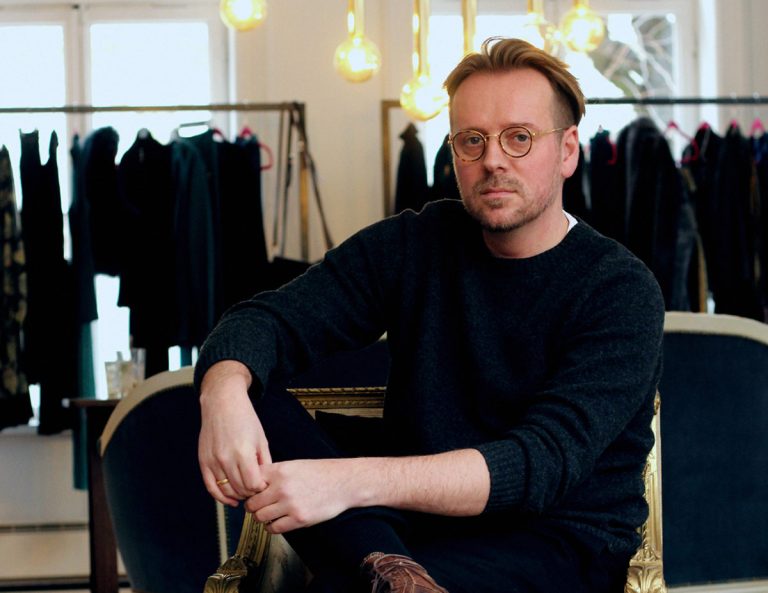
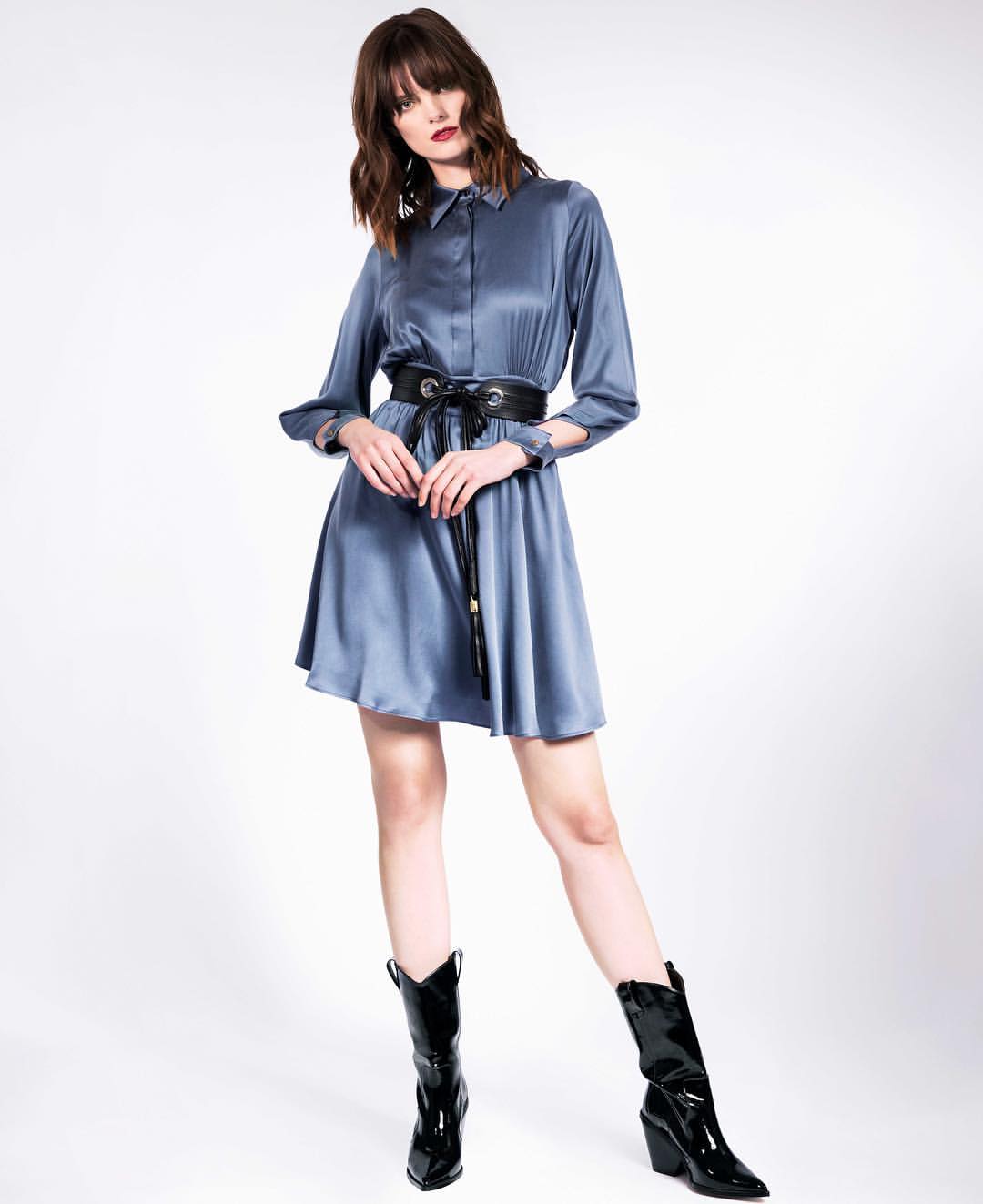
Norwegian fashion designer Frank Remme designed men’s fashion clothes for H&M and Wesc before he established his own brand. Today, he designs women’s and men’s clothing characterized by a sophisticated yet casual look. This is fashon from Norway at its best.
Fashion designer Frank Remme (born 1973) from Stokmarknes, Norway started out in Paris almost 25 years ago working at H&M responsible for men’s wear and other French and Scandinavian high-end and streetwear brands like Christian Lacroix and Swedish WeSc.
Realizing his dream
in 2014 Remme realized a lifelong dream when her returned to his native Norway and established his eponymous label, frankremme, designing men’s as well as women’s fashion.
According to Remme, “he wants to create a new fashion sense through playful design with surprising elements, create striking looks that catch all eyes and make heads turn. These are the clothes of my dreams,” he says.
Fashion from Norway
The ultra-feminine fashion designer Cavallo is one of the designer Frank Remme admires. While Frankremme is a relatively young brand, the label has already found its niche. The Norwegian designer has always been eager to push the frontiers of his country’s exciting fashion scene.
The Norwegian designer has always been eager to push the frontiers of his country’s exciting fashion scene
A high degree of comfort
Creating a stand-out collection made up of clothes people want to buy and wear, year after year, has according to Remme been the key to success. This requires great quality in fabrics and design, durability, versatility and full focus on sustainability in all aspects of the production – and of course, a high degree of comfort.
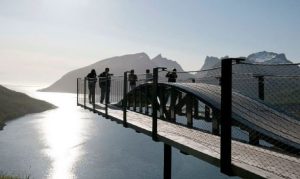
According to a new report, Norwegian national tourist road initiative contributes to increased local value in Senja and Gaularfjellet in Northern Norway.
A new survey by Menon Economics on effects along the two stretches is based on analyzed accounting figures from companies along the two tourist roads. The report has been commissioned by the Norwegian Public Roads Administration and the report documents that tourism companies along the two tourist roads have had a noticeably stronger value creation than comparable reference groups regionally and nationally.
Norwegian National Tourist Road Initiative Contributes to increased Local Value
The aim of the Norwegian Public Roads Administration’s tourist road initiative is to make Norway an even more attractive destination as a contribution to strengthening the business sector and the settlement in the districts.
The report
The recent report “Effect Measurement of National Tourist Roads – Local Economic Effects of the National Tourist Roads Senja and Gaularfjellet” also supports the findings from Menon’s tourist road survey from 2017, when they found clear positive effects of the tourist route initiatives in Varanger and Rondane. Growth comes after the completion of important attractions along the tourist routes, the report concludes.
The report has been commissioned by the Norwegian Public Roads Administration
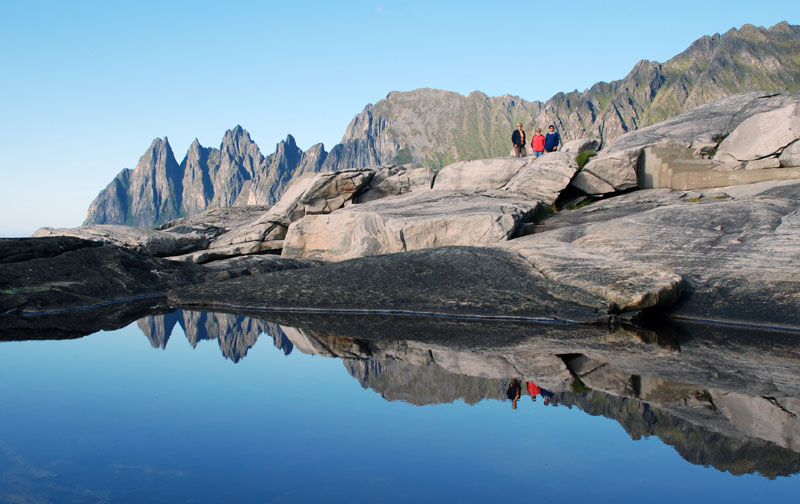
Senja Menon concludes that tourism companies along the tourist route on Senja have more than quadrupled their value creation from 2010 to 2017. This is far higher than comparable companies in the districts of Troms, Northern Norway and nationally, which have all grown by just over 50 per cent in the same period. The report also finds that the tourist road has increased the value of local trade companies. This is a clear indicator that the national tourist route has had a positive impact on the companies along the road.
Norwegian national tourist road Gaularfjell
Gaularfjell The national tourist route Gaularfjellet has also increased value creation for the tourism companies, which has had a value-added growth of 60 per cent from 2010 to 2017. The growth has been stronger than similar tourism in Sogn and Fjordane, Western Norway. Given the general growth in adventure tourism and more established attractions elsewhere in the county, this is a clear indication that the tourist routes have had a positive effect on the tourism-related business sector.
Interviews support the conclusion Menon’s quantitative analysis is supplemented by 38 qualitative interviews of businesses along the two sections, carried out by the Norwegian Public Roads Administration. The feedback from the interviews supports Menon’s conclusion that the national tourist roads have had a positive impact on the tourism industry both on Senja and Gaularfjellet.
Norwegian National Tourist Routes consist of 18 roads through beautiful Norwegian nature where the experience is enhanced by innovative architecture and thought-provoking art at adapted viewpoints and picnic areas. The tourist roads go through areas with unique natural qualities, along coasts, fjords, mountains and waterfalls.
Feature image (on top): From Senja
Norwegian National Tourist Road Initiative Contribute to increased Local Value, is based on a press release.
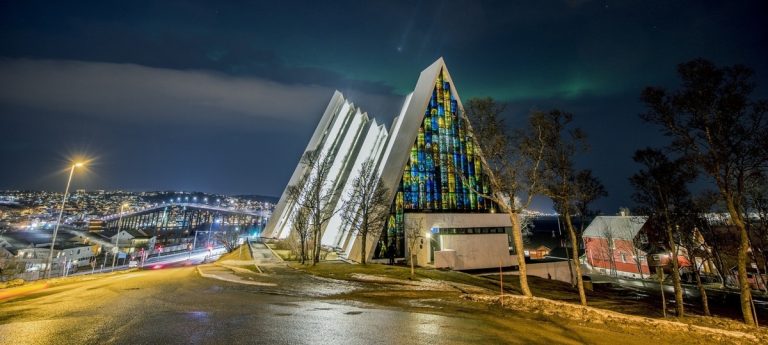
The Arctic Cathedral in Tromsø is the Norwegian architect Jan Inge Hovik’s most iconic building. However, Hovig designed late modernist buildings in several northern Norwegian cities.
Jan Inge Hovig (1900-1969) was born in Nord-Trøndelag and finished his studies at the Norwegian Institute of Technology, Trondheim, in 1946.
Jan Inge Hovig in front of photo of Harstad church
Rooms for Togetherness by Norwegian Architect
The northern city of Narvik had been devastated in battle during 1940 as part of the Norwegian Campaign of the German invasion of Norway, and Hovik was part of the reconstruction of the city 1947-1950.
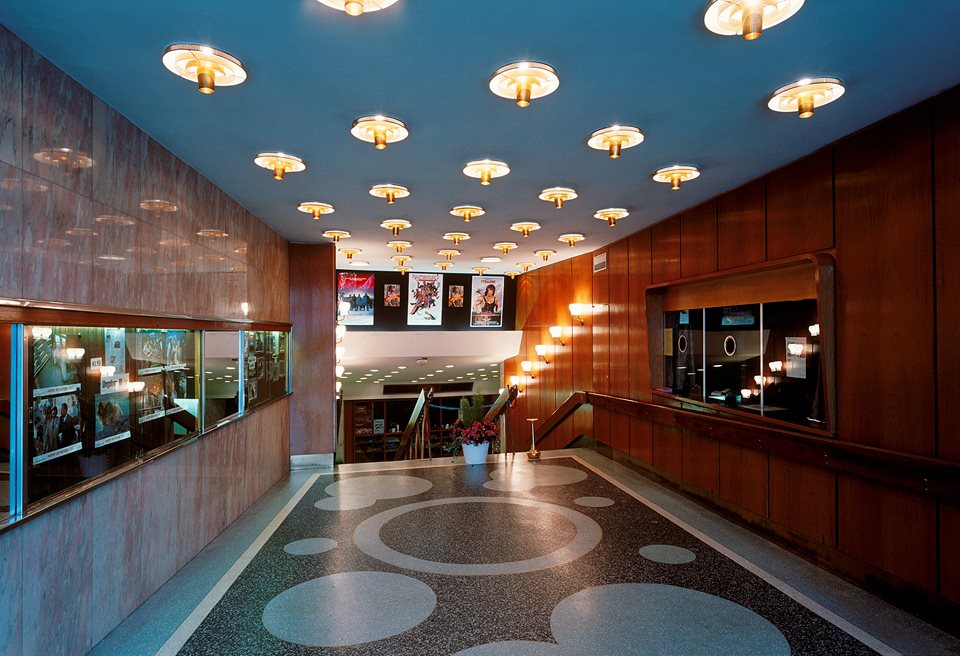
Harstad cinema. Photo: Terje Solvang (Norwegian National Museum)
During the 1968 Summer Olympics in Mexico City, Hovig represented Norway at the Architectural Exhibition.
The Arctic Cathedral in Tromsø The Arctic Cathedral in Tromsø (feature image on top) is Hovik’s most notable work. It was drafted in 1960 and completed in 1965. “The shape, color and location let the building take command and radiate a rare power in the landscape,” writes Professor Einar Dæhli in his church architecture history book “Modernism 1900s”
Harstad swimming hall. Photo: Terje Solvang (Norwegian National Museum)
The cathedral is a visible landmark to be seen from the Tromsø Sound, the Tromsø Bridge and when landing in Tromsø by air. The cathedral’s form is provided by the 11 aluminum-coated panels on each side of the roof.
The cathedral’s organ was built in 2005 by Grönlunds Orgelbyggeri and is masterly adapted to the cathedral’s architecture. It provides associations with sails and ice floes.
Post-war buildings in Northern Norway
Jan Inge Hovig also designed many of the most important buildings in Northern Norway after the war. He used teak, marble, copper and leather when he designed the Harstad Cinema. To meet modern demands, some of the structure has been changed, but most of the original elements, and not least the atmosphere, have been maintained.
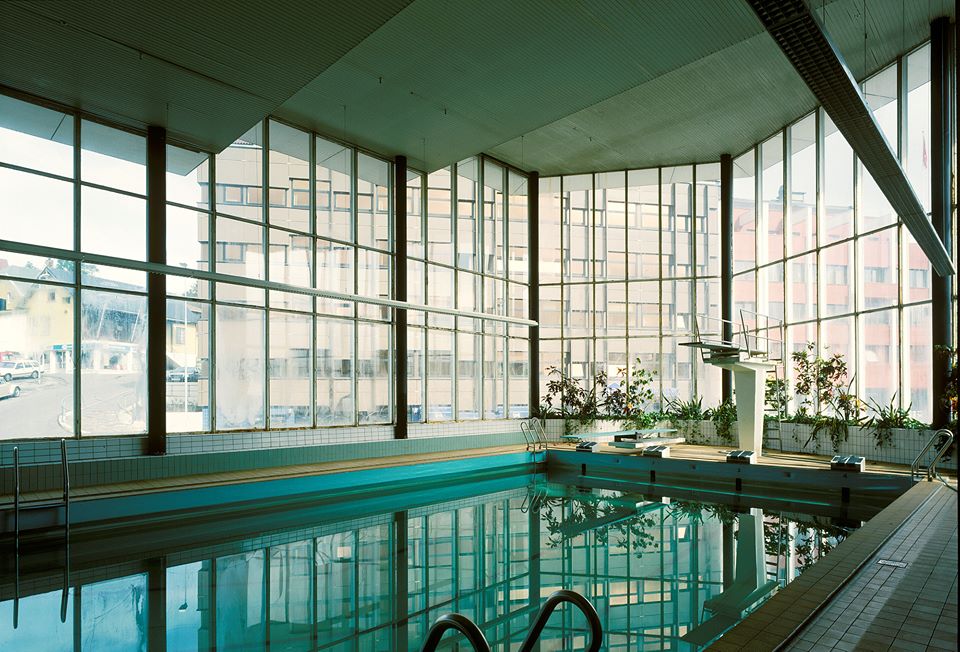
Alfheim Swimming hall in Tromsø is built in a residential district above the city center. It is easily seen from the Tromsø Sound and the mainland towards the east. The pool component has large glass walls, terminating with a tapering roof connected to a second building which from some angles appears to be hovering in mid-air.
Since 2004, Danish design company Sebra has been designing quality furniture, textiles, toys and accessories for children.
If you have kids you are likely to have come across the distinctive colorful designs from Sebra Interior for Kids. Sebra was founded in 2004 by Mia Dela just a few years after she graduated from the School of Design in Kolding, Denmark. It was the birth of her first son Gustav which led her to establish the company. She started to decorate a room for him but did not find any children interior collections to her liking on the market and spotted the gap.
This was the beginning of Sebra. Mia designed an innovative range of items combining traditional handicrafts such as crocheting and knitting with her own choice of colors and design. Today, a major part of the Sebra collection is handmade in natural materials, such as wood, cotton and wool.
Sebra was founded in 2004 by Mia Dela
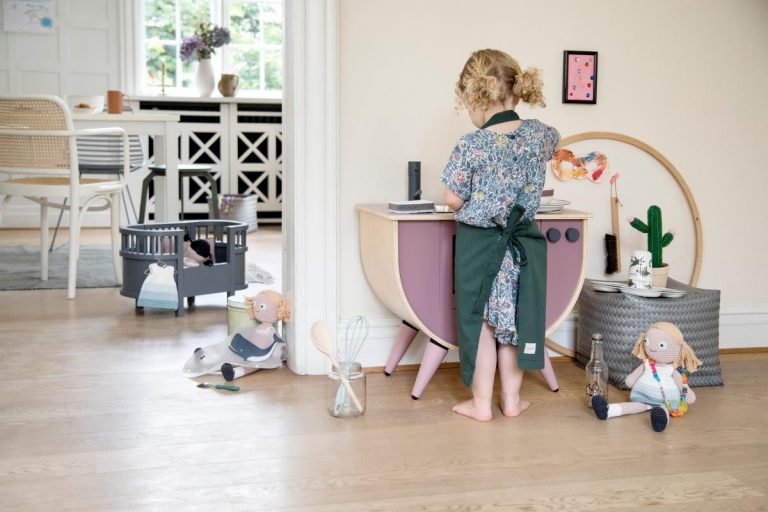
Danish Interior for Kids The company focuses on materials which appeal to children´s imagination and satisfy the parent´s requests for quality and creativity.
The famous Juno bed was designed by the Danish architect Viggo Einfeldt in the years 1942-43. However, the original Juno bed did not live up to modern European safety standards, so Sebra acquired the design rights in 2016 from the granddaughter of the designer and updated it. The Sebra bed retains the original appearance and the timeless lines but comply with the required standard.
Joining forced with German PR agency
In 2018, the company joined forced with the German PR agency Melanie Syring Public Relations who is also specialized in kids PR. Melanie Syring looks after both German and international clients from the initial consultation to PR and strategy workshops and the execution of large PR campaigns and events.
An incredible sympathetic Danish company “Sebra offers beautiful and high-quality furniture, textiles, toys and accessories for children that meet all demands of parents and young children,” says Melanie Syring. “Sebra fits into our lifestyle portfolio and it’s fun to work for the incredibly sympathetic Danish company,” the agency owner says.
Appealing to grown-ups as well as kids
It is obviously not the kids but the parents who choose the products so Sebra creates a packaging and design that is stylish and appealing to grown-ups rather than the kids. It is, however, important that the products are decorated with cheerful colors and motifs which appeal to kids.
Scandinavian simplicity
The PR agency states that “when you select a product from Sebra, you choose a dedicated Danish children’s interior brand that focuses on safety, functionality and quality. The Sebra range is characterized by a Scandinavian simplicity, and the majority of the collection is made from authentic materials – including wood, wool and organic cotton. At Sebra, we believe that creating a joyful home with space for children and their creativity does not mean having to make aesthetic compromises. Therefore, we have made it our vision to create quality products filled with joy for playful children and their style-conscious parents.”
“It was more the passion about my products that drove me to create my designs,” says founder Mia Dela. “It is just fantastic that so many people appreciate the things we create.”
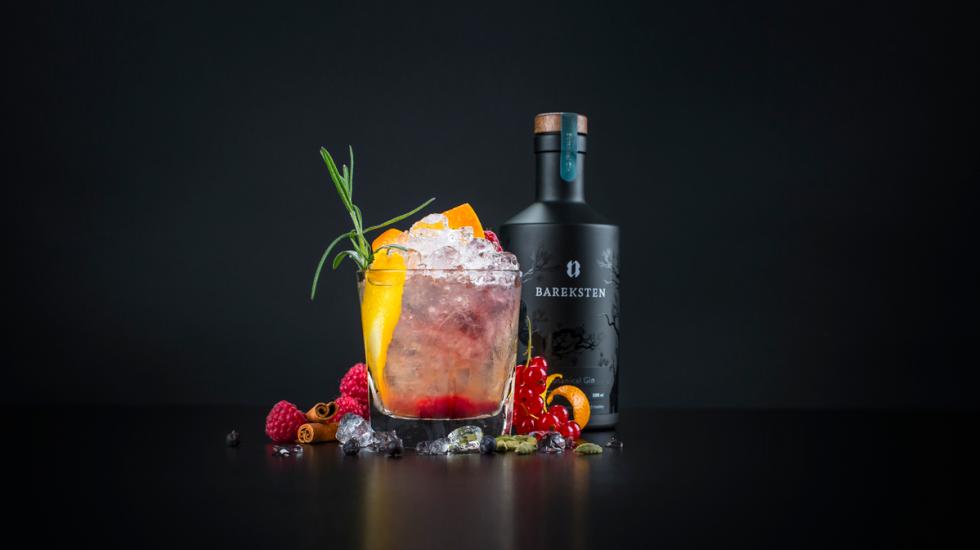
Last year, Bareksten Botanical Gin from Norway was awarded the coveted Double Gold Awardatthe San Francisco World Spirits Competition. Read more about the gin of success from Norway.
Also, this year Bareksten Gin was awarded the Gold Award. “Green stalk and white pepper aromas. Clean, but with a slightly strange texture,” was one of the comments on the Norwegian handcrafted gin. Four years earlier, the gin did not exist, but today gin-lovers can buy the gin in 20 different countries.
OSS Craft Distillery produces aquavit, whisky, vodka, fruit liqueur and the world-renowned Bareksten Botanical Gin
“In 2005, when the Norwegian alcohol market first opened up, the country was home to two distilleries, but neither of them was especially good at taking advantage of the new market,” says Stig Bareksten, founder and owner of OSS Craft Distillery. “I had an idea for a product, so I asked one of the distilleries to help me make it.”
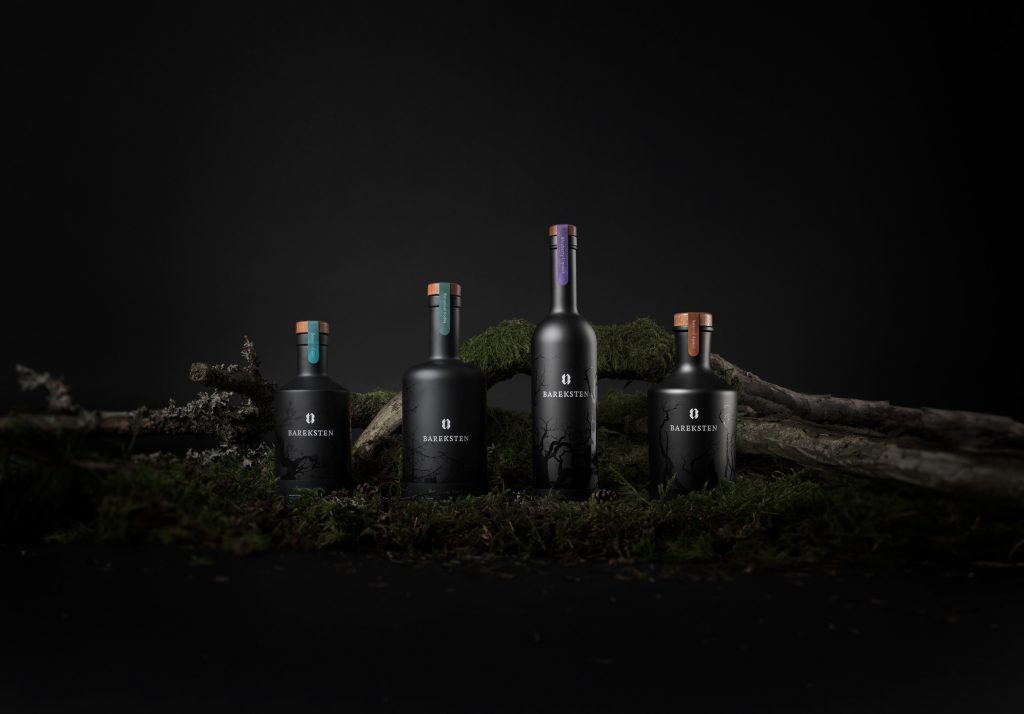
The gin of success from Norway The distillery outside Bergen, which was bought by Bareksten in 2014, was originally a biofuel facility. Today, OSS Craft Distillery produces aquavit, whisky, vodka, fruit liqueur and the world-renowned Bareksten Botanical Gin.
SFWSC Doble Gold for Bareksten
The distillery outside Bergen, is one of the new generation Norwegian distilleries springing up across the country. The gin is “bright zesty green juniper and pine aromas layered with red berries and earthy spice. A very smooth palate with a touch of sweet wood, cinnamon and citrus. Complex and elegant in style,” according to the judge panel.
San Francisco World Spirits Competition
San Francisco World Spirits Competition is one of the longest-running of this type in the world. The Double Gold Award is only ‘awarded to the very few entries that receive a Gold medal rating by all members of the judging panel; among the finest products in the world’.
“I am absolutely thrilled with this award. The San Francisco World Spirits Competition is world-renowned and one of the most respected events of its type,” said Bareksten.
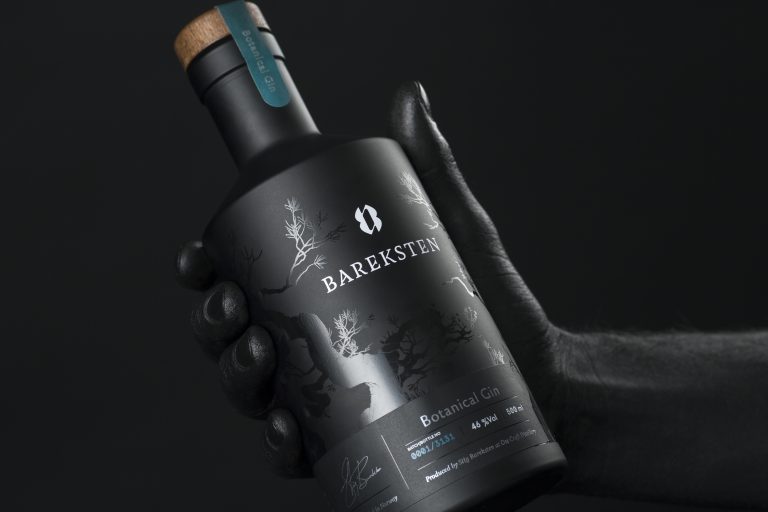
The Bareksten Gin is “bright zesty green juniper and pine aromas layered with red berries and earthy spice”.
Blind tasting “All the judging is done by blind tasting, which means that it really does all come down to the flavor and quality of the spirits. To win Double Gold in the gin category feels amazing. It’s a fantastic achievement and really feels like vindication for all the hard work that has been put into Bareksten over the years. Out of more than 2,000 entries, just a handful received the Double Gold,’ said Stig Bareksten.
Stig Bareksten
26 different botanicals
The distillery has chosen to cooperate with the international branding agency Kind to create and manage the overall branding and visual identity of Bareksten. “Bareksten Botanical Gin is truly on the world stage now. These awards are renowned internationally and the Double Gold achievement is something that is recognized the world over,” says Stig Bareksten.
“Bareksten Botanical Gin contains 26 different botanicals, 19 of which are locally sourced. They include wild berry, lingonberry, blueberry, rhubarb, elderflower and rosehip, to name just a few,” adds Stig Bareksten
The Gin of Success from Norway, written by Tor Kjolberg
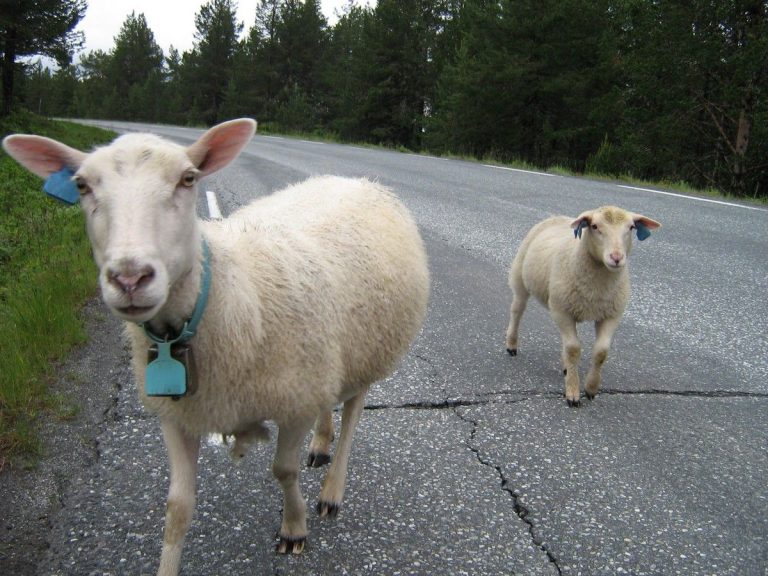
Sheep were the first domestic animals in the north, and are still of great importance in areas where the land is not arable – in the mountains and in wet regions. Scandinavian lamb & mutton have traditions back to the Iron age.
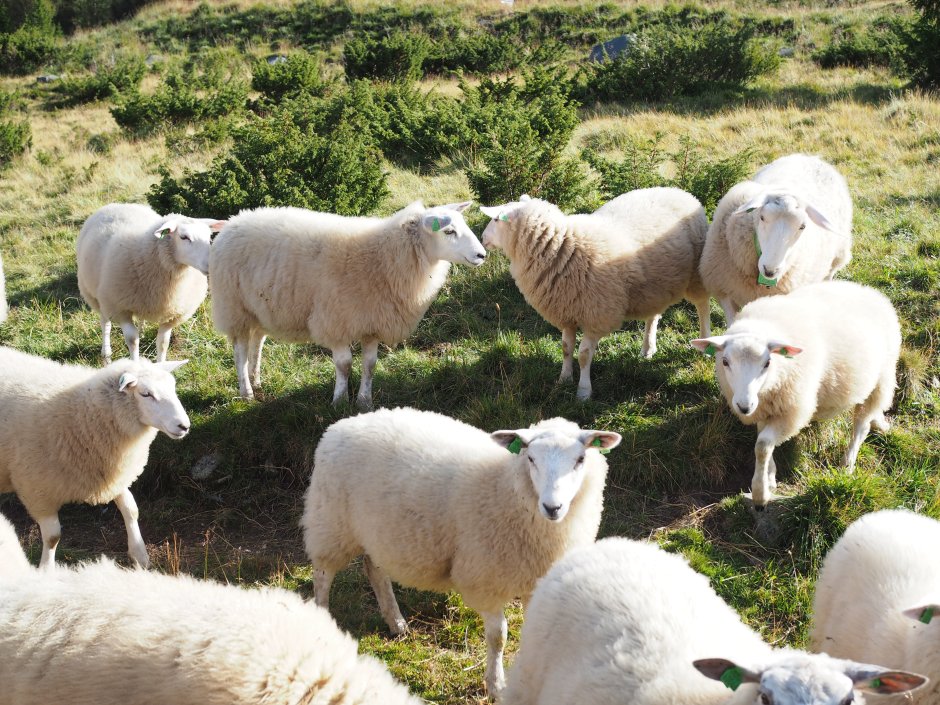
Sheep can live on very sparse vegetation, even on bad, stony ground or heathland, and thrive on a varied diet of weeds, grass and leaves. Formerly they were fed on dried young branches in winter, cut from fields with grass and trees grown to harvest the new growth. This tradition is the reason for the farmed landscapes of the middle of Sweden, now almost extinct.
So, sheep have always been the food of the poor, as anybody could keep a few animals on whatever land they happened to have. For this very reason, lamb and mutton have been held in generally low esteem, and have fetched very bad prices.
Appearance and taste While the taste and texture of lamb meat varies with each breed, it also has a unique way of reflecting the land and vegetation on which the sheep has fed. For example, the sparser and drier the vegetation, the leaner and spicier the meat will be: so, meat from mountain and heath lambs has a unique spiciness, while grass-fed lamb is mild tasting.
Lamb from the Nordic islands and Greenland is very sought after as it has a distinctive taste of its own.
Several robust Nordic breeds The Scandinavians have been breeding sheep since the Iron Age, and there are several robust Nordic breeds of short-tail sheep. The best-known Nordic breeds include immensely hardy Spelsau (sau means sheep in Norwegian), which are found all over the north, including Iceland and the Faroe Islands. They have a layered fleece intended to keep the sheep warm in very bad weather; the distinctive long hairs were once used in the making of sails for Viking boats.
Norwegian ponnekjøtt
Black-faced Gotland-sheep, also short-tailed, are skinnier than their Spelsau cousins, with very good lean meat. Some of the offspring are horned, some even having two parts of horn. Their beautiful and extremely thick wool is made into carpets and whole sheepskin rugs.
In southern Scandinavia we have marsh lambs, whose meat has a special salinity because of the flat marshland is spayed with salt water from the sea, and this gives the meat a notable flavor, juiciness and color.
Scandinavian Lamb & Mutton Many older people believe that lambs have a terrible taste, like chewing on a wet woolen mitten. This view stems from a time when the meat was often from old ewes, which does admittedly have s distinct wooly taste.
Mutton is very rare nowadays, and hard to come by, even if you want it – outside Norway, that is – as it is mostly made into sausages. Mutton is fattier than lamb, with a pronounced gamy taste.
Sheep can live on very sparse vegetation, even on bad, stony ground or heathland, and thrive on a varied diet of weeds, grass and leaves
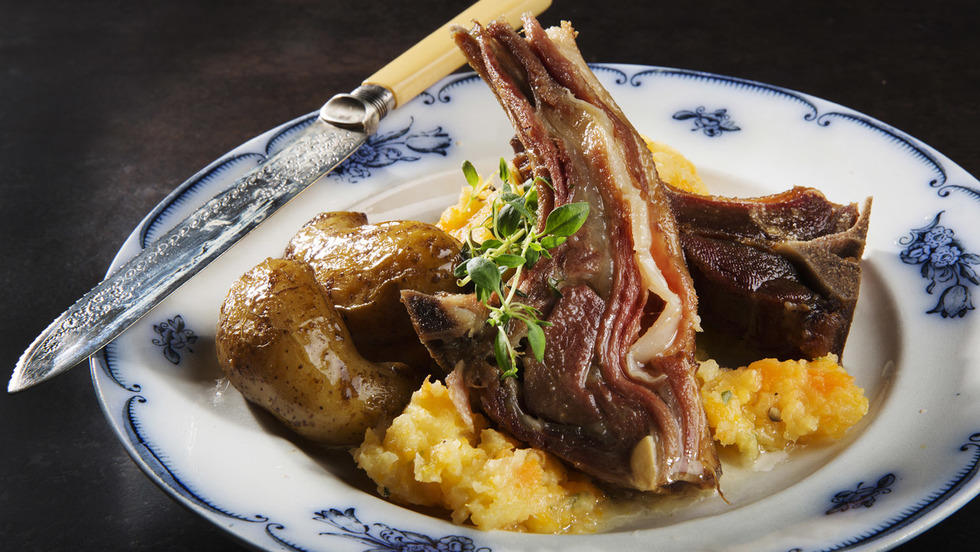
Culinary uses November is traditionally the month in which lambs and older ewes are butchered and the meat then prepared to last during the winter. Pinnekjøtt and fenalår are two Norwegian methods of preserving the meat for winter. Fenalår is a salted (and sometime smoked), then dried leg of mutton that can last for several winters. Other than these old ways, lamb is prepared pretty much like it is in the rest of Europe – roasted as whole legs or chops, or made into light stews, often with dill.
Scandinavian Lamb & Mutton, written by Tor Kjolberg
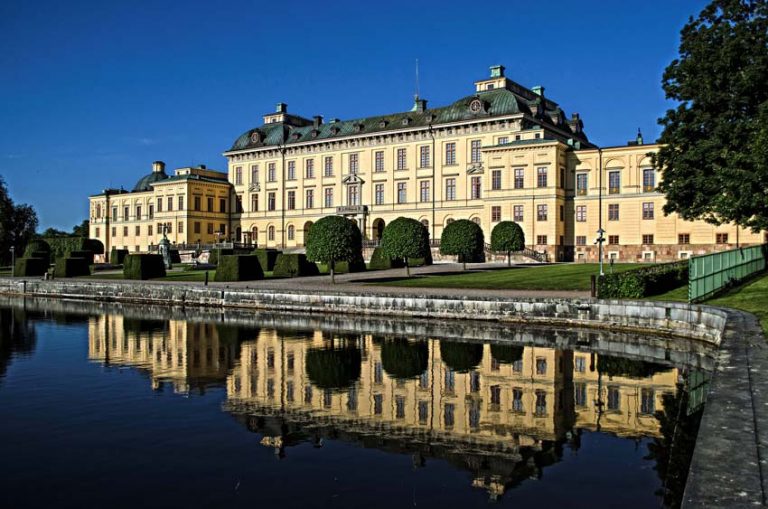
Often referred to as Sweden’s “mini Versailles”, the island palace of Drottningholm with its exquisite gardens and historic theatre is not to be missed when visiting Stockholm. If you’re looking for a royal treat. Visit Drottningholm Palace in Stockholm.
The most popular place to visit in Stockholm’s archipelago is Drottningholm Palace. Now the main home of the Swedish royal family, the 17th-century palace is a Unesco World Heritage site, surrounded by formal Baroque and Rococo gardens of fountains, statues, flowerbeds and a variety of trees.
The most popular place to visit in Stockholm’s archipelago is Drottningholm Palace. Photo: Visit Stockholm
A Royal Treat: Drottningholm Palace in Stockholm
The palace was built for Eleonora, the widow of King Karl X, by the Tessin family of architects headed by Nicodemus, the Elder (1615-81). Work began in 1662 and was completed by his son, Nicodemus the Younger.
Open to the public
Although the royal family live at Drottningholm, much of the palace is open to the public. Interior highlights include a magnificent Grand Staircase with trompe l’oeil paintings by Johan Sylvius, the Baroque Karl X Gallery, Queen Hedwig Eleonora’s State Bedroom with its painted ceiling, and the library of Queen Ulrika, who married King Adolf Fredrik in 1744.
The Chinese Pavilion
Visit the Chinese Pavilion
In the parkland stands the exotic pagoda roofs and ornamental balconies of the Kina Slott (Chinese Pavilion), a birthday present to Queen Louisa Ulrika from her husband. In one of four adjoining pavilions the king had his carpentry workshop.
In Kanton, a small village built next to Kina Slott, silkworms that had been introduced perished in the freezing winter, thwarting the court’s attempt to produce cheap silk.
Drottningholm Court Theatre
The islands greenest treasure is undoubtedly the 18th-century Drottningholms Slottsteater (Court Theatre). The theatre was designed for Queen Louise Ulrika by Carl Fredrik Adelcrantz and opened in 1766. The queen’s soon Gustav III, was an actor and playwright who became knowns as the “Theatre King”. He invited French troupes of actors to perform at Drottningholm, and the theatre soon became an influential center for performing arts. Gustav went on to found Stockholm’s Dramatic Theatre and developed a native theatre and opera.
The building fell into disrepair in the 19th century, then in the early 20th century it underwent extensive restoration. Today, it is the oldest theatre in the world still using its original backdrops and stage machinery for productions. In summer, the annual opera festival stages works from the time of the theatre’s glory days, with the music performed on period instruments – attending one of these performances is a magic experience.
A Royal Treat: Drottningholm Palace in Stockholm, written by Tor Kjolberg
In 2001, after working with the international agency Image Bank / Getty Images for 13 years, as partner in Image Bank Norway and as an international photographer, Norwegian photographer Terje Rakke established his own photo agency. Its specialty is photography from Norway and Scandinavia. Here we present a portrait of a Norwegian star photographer.
Terje has also participated in several public art decoration projects for hospitals, organizations, companies, airports and contributed to Norway’s World Expo pavilions in Lisboa, Portugal 1998, Shanghai, China 2010 as well as Yeosu, South-Korea 2012.
Polar bear, Polar waters Norway
He has performed audiovisual solo exhibitions with specially composed sound settings and music by Knut Halmrast: Havlandskap 1990 , Storm & Stille 1995 , Eksistens / Akershus Castle 1999 – 2000 , Vendt mot Havet 2009 – 2011.
Impressed by his photographic skills, Daily Scandinavian wanted to share a portrait of Terje with our readers, and we appreciate that he took time and effort to answer our questions.
Hi Terje, first of all, thank you very much for agreeing to do this interview.
You founded your company Nordic Life in 2001. Can you tell us a little about why and how?
From Kjerag, Rogaland in Norway
After 10 years of working as a freelance photographer and artist for former Image Bank (now Getty Images) I was ready to create my own agency in order to choose for myself what images should be published through my own collection and website of imagery, nordiclife.com .
Clients in Norway and Scandinavia were requesting more imagery with a Nordic style and with Nordic looking people acting as models.
Everything I had learned as a photographer active in the international arena since 1988 proved valuable, as we laid the foundation of Nordic Life Photography. Just the task of providing a good search system required an astonishing amount of work.
Were you formally educated in photography, or are you self-taught?
I was educated in photography for 2 years at Sogn high school in Oslo.
Who have you learned the most from?
I was first working in a photographic company in Oslo called Color Graphics which was serving AD agencies with imagery for AD campaigns. I did learn a lot related to professional photography and also custom animation. After 3 years I became independent and started my own photographic business moreover within advertising photography.
What camera do you use the majority of the time? I have always been a Nikon photographer. At the time when you do discover equipment that is always working properly and you can trust in most conditions, it has never been an idea for me to change from Nikon. I have probably worn out 10-12 Nikons along with my career.
You have an impressing client list. What’s your secret? I have always been building stone by stone and in the end you have built a kind of monument that is recognizable and visible. With a dose of courage, energy and confidence one may be able to catch the most sought clients. It takes for sure a while to become a recognized location photographer.
If you can only have one lens for the rest of your life, what would it be?
It would probably be a Nikkor 24 – 70 mm lens, as long as the quality is optimal. For sure a telephoto and superwideangle lens would pretty soon be missed and needed.
How would you define your personal style if any?
Keeping it all clean and simple is often a great challenge. Light and color need to become carefully reconciled. Keeping big attention to catch models’ natural expression. Looking for magic moments with something rare, unusual, awesome, different or magnificent to expose. You have to be willing to swim against the current to reach the source. Guided by the power of color and light. My passion is to convey the innate value of our cultural heritage and tradition, while bearing in mind a sense of form and aesthetics. The remnants of our past cast light on our surroundings and who we are, and enable us to see our own lives in a greater context.
Favorite accessory?
You need to bring what you need and you never know what you really need ahead of your shoot/trip. So every lens accessory from micro and 12 mm to 600 mm is fine. Reflectors, flashes and lamps may be needed.
Do you have any thoughts about B&W versus Color photography?
My force, strength and clearly fingerprint is working elaborately with colors and light. These days it is trendy to remake color imagery to black and white and also to shoot in B & W. I did remake some of my color photographs to B & W and sepia for my main international distribution and publishing partners Getty Images in USA and Plainpicture in Germany.
Terje was educated in photography for 2 years at Sogn high school in Oslo
Which photo are you currently most proud of?
Having nature as my source of reference, I never tire of exploring the text that is written therein. My cooperation with international agencies gives me confidence that my very next photograph just might take the world by storm. My best selling image of an executive hurdler has sold 450 times worldwide.
You’re constantly traveling the Nordic countries taking photos. What are your favorite subjects and locations? Even though I was born and bred in southeast Norway, I am very proud that our image collection includes more photographs from the magnificent and vast northern Norway, than from southern Norway. My life as a treasure hunter and adventurer has given me the opportunity to seek out those themes that are closest to my heart. My extended journey through spectacular landscapes and cultural heritage has taught me how vulnerable the heritage on this planet is to human intervention. I want my source of imagery to be an instrument, a fine-tuned voice, that can be accessed from every corner of the world. My wish is that nordiclife.com should be a place for inspiration and contemplation. Though I did name my collection Nordic Life with a Norwegian touch, the collection is today about imagery from many different countries like Sweden, Denmark, Iceland, England, Scotland, France, Italy, Spain, Croatia, Montenegro, Hungary and Greece.
Biggest inspiration? The focus on seeking and creating art of work itself is the strive, inspiration and motivation, no matter whether the subject is people, nature, culture, animals, architecture, underwater, stillife or urban jungles. Physical activity and the joy of mastering the challenges I set for myself were always my strongest spurs and aspirations during my childhood years. I have never been looking much at other photographers work. Probably a good idea if you are focused on creating your own style and living source. Music to me is important, poetry and popular space- and natural sciences are always inspiring and valuable to fill my work of life. My constant amazement of life in all its many forms causes me to pose questions about color and light, biology and geology, the elements and building blocks, harmony and equilibrium, time and space, our senses and thought processes.
Terje in Steigen
Favorite photography website? plainpicture.com, where I am also represented with 9.000 photographs.
Top tip for any aspiring photographers out there?
If you aim to become a top professional/international photographer you may need to practice physical training like any other sports athlete. Simply because catching the magnificent moments with a camera is at least equally concentration and focusing demanding as to perform on a sports arena. You simply have to win the competition on the marketplace out there to succeed. Years as a creative photographer have taught me that there is no easy road to success. To live an exciting and varied life on the go is dependent on a solid dose of will and faith.
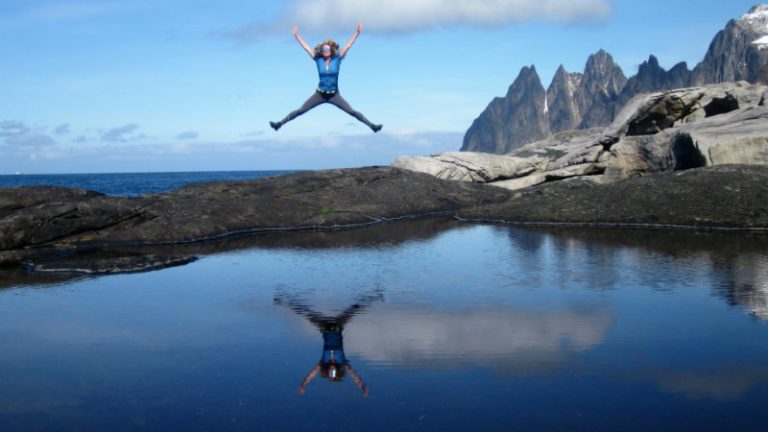
From Senja, Norway
And finally, please write a short message to anyone who looks up to your style, with a few words of wisdom.
My photographic art must reflect – and reflect upon – what I stand for as a human being. The main focus of my journey has been to search for subjects that capture everyday life in exciting and remarkable ways. Whether I walk, crawl, climb, run, cycle, sail, row, kayak, swim, dive, skate, ski or am standing still, my goal is to capture images of substance and intensity.
The key to achievement in this profession is to have the will to search long enough and hard enough, and to develop the ability to see and discover remarkable moments and exciting juxtapositions. Being able to make a living by doing what I love most is a privilege so great that I have never taken it for granted. In my view it is a blessing to be allowed to document to the world that I am a part of it. We live in a time when there are many pressing questions, and perhaps we will find some key answers. Each in our own way, we are searching for ourselves – our identity, our dreams and our future.
To know your heritage is to know yourself, and Europe is a part of the world with rich and colorful history. Our cultural heritage consists of far more than old buildings and building methods, traditional handicrafts and storytelling, music and dance, the subtle language of the cultural landscape and song of dialects. The knowledge of roots, our local and national history and culture, is a vital factor in forming each one of us as individuals. Ever since I was a little boy, I needed a dream that felt alive. I once learned that the worst thing a man can do is not to follow his dream.
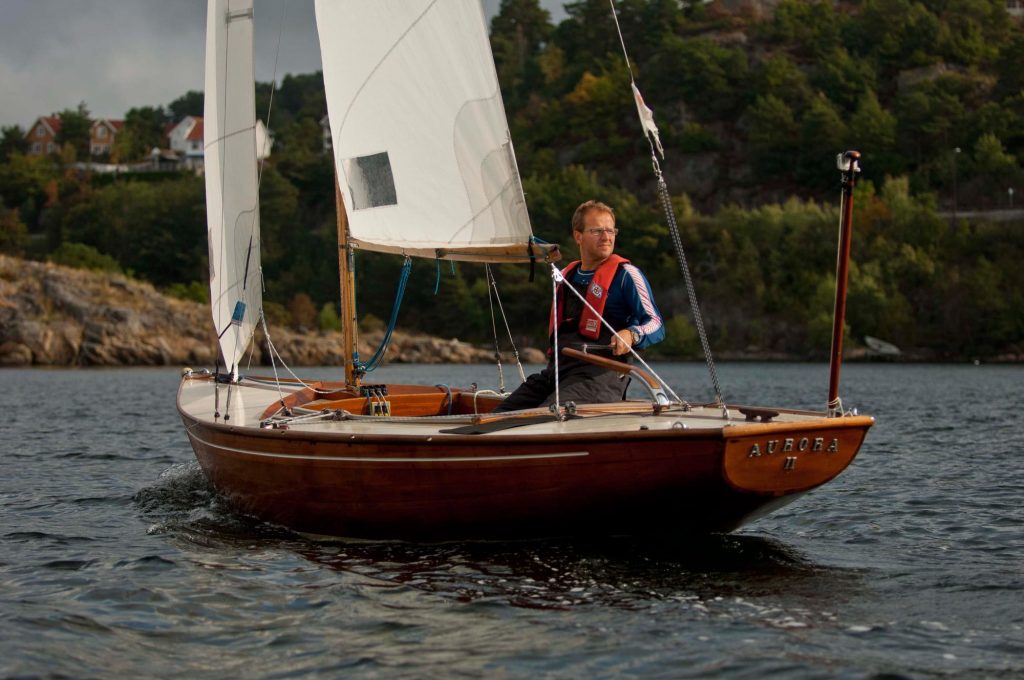
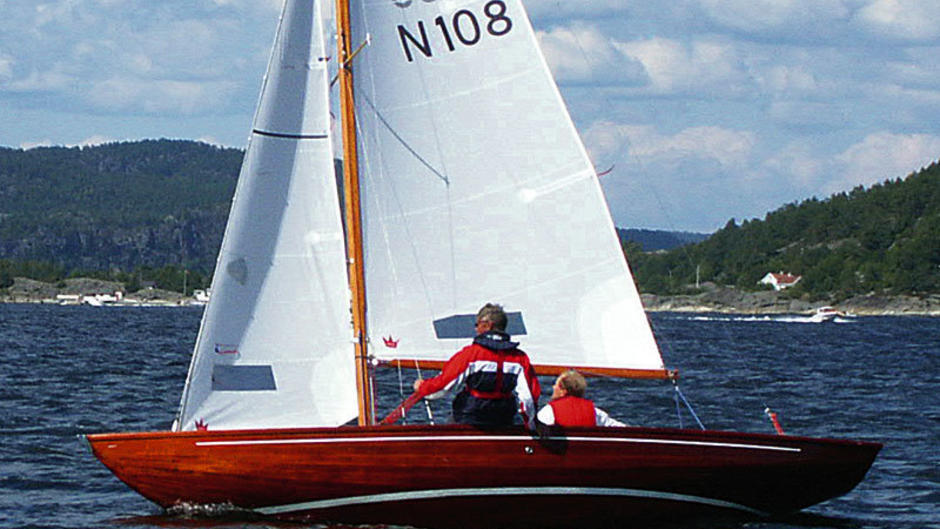
The Norwegian sailboat BB1 is 20 feet long made of mahogany. The very first boat was launched on 1 January 1956 and was produced in series until 1968. It was built in excess of 1300 of the little Norwegian sailboat BB1s and today there are about 350 left in Norway. The rest were exported to USA, Canada, Asia, Africa and most countries in Europe.
Borge Bringsværd from Arendal had the idea for the boat and built it at his yard outside Drøbak. He collaborated with jeweler Knut Larsen on the construction.
BB is Børge’s initials and 11 denotes the eleven square meters sail
Børge Bringsværd
Børge Bringsværd built rowboats, kayaks, motorboats and sailboats. He also built a boat for the famous Norwegian painter Edvard Munch. The first BB1 he built alone. The logo BB11 was embroiderd on the sail. BB is Børge’s initials and 11 denotes the eleven square meters sail. The price was about $ 550 and the serial production could begin.
BB1 has been floating for more than 60 years. It has survived rough sea and stiff gale, rot and rain and even plastic boats. In 2006 it was named the all-time Norwegian sailboat by the magazine Seilmagasinet.
The BB1s are good sailers, stable and handle wind well
The Little Norwegian Sailboat
The BB1s are good sailers, stable and handle wind well. BB1 is a nice looking small classic looking a little like Sunbeams or Brown Boats in England. BB1 was used as sail-trainer at Haakonsvern – the Naval academy. The long keel and high freeboard make it directionally stable and seaworthy.
The last produced BB1 was launched in 1968. You can see the sailboat’s data here.
The Little Norwegian Sailboat, written by Tor Kjolberg
Nobis Hospitality Group has just opened the doors to Blique in Stockholm’s Vasastan district. Founded in 1987 by Alessandro Catenacci, Nobis Hospitality Group is a family-owned group of first-class hotels, restaurants, bars, nightclubs and meeting and event venues in Stockholm, expanding into international markets. Blique by Nobis is a living hotel in Stockholm.
Conceived originally by celebrated architect Sigurd Lewerentz and now gloriously reborn at the hands of Swedish stararchitect Gert Wingårdh, Blique by Nobis is a fitting testament to the many fine art galleries that surround it in the vibrant Stockholm neighborhood of Vasastan.
Historically and esteemed venues
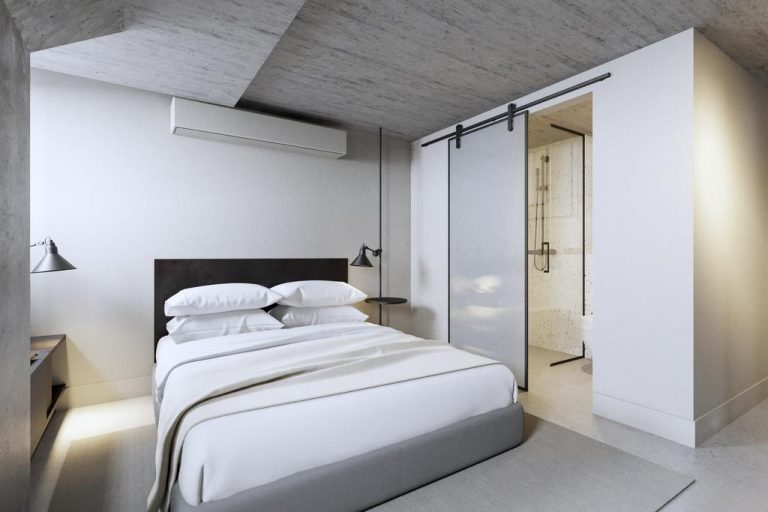
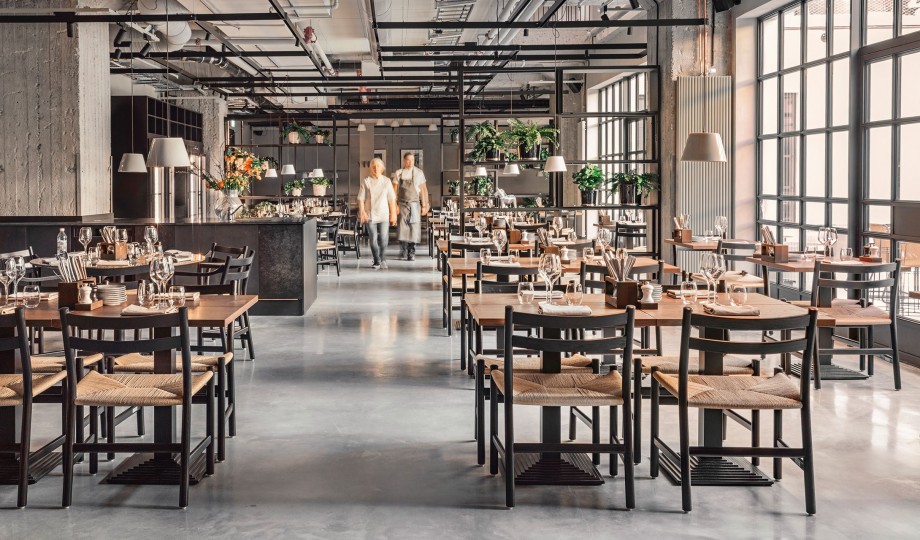
Many of the Nobis Hospitality Group venues are housed in remarkable, historically prominent and esteemed venues. This 249-room property is occupying a 1930s industrial warehouse. A social and organic venue for design, architecture, arts, food, music, and drinks, the property serves as a natural hub for artists and creative travelers alike.
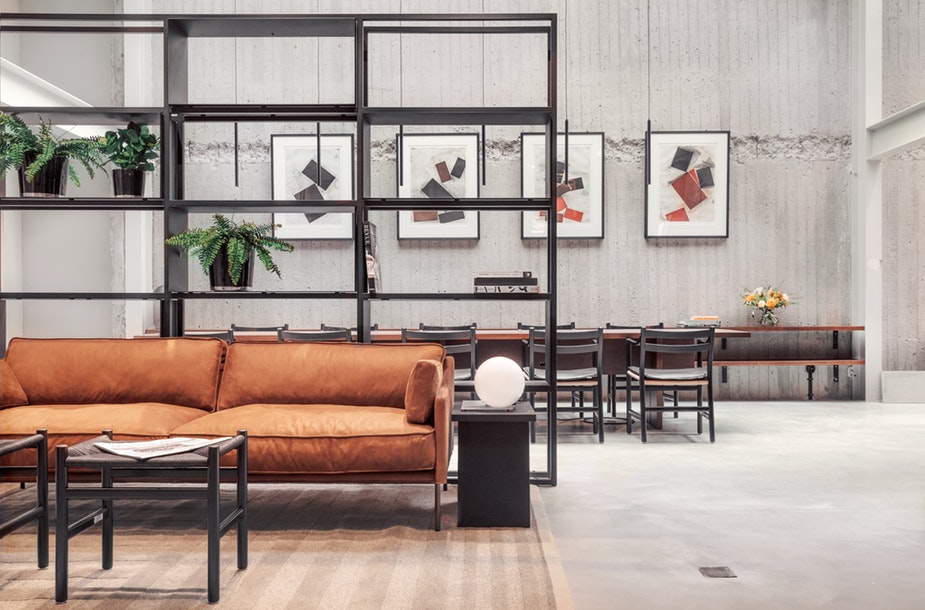
Using raw materials to underpin its original heritage, metal and steel complement the concrete surfaces, which are then softened with tactile leathers, textiles and timber. Nobis Hospitality Group is not a chain or a franchise. Each hotel, restaurant, club and venue in the group has its own distinctive personality, based on its individual history and tradition.
Origo by Beatrice Graalheim at Bloque Hotel, Stockholm
A Living Hotel in Stockholm
Here, amid a hotel, a courtyard, several restaurants and bars, and a rooftop terrace with breathtaking views of Stockholm, Blique by Nobis appears as a warm, welcome, and inspiring city retreat.
A Living Hotel in Stockholm, written by Tor Kjolberg