Seven Strategies for Increasing Customer Participation in Brand Stories

The strongest brand stories are those in which customers become characters, contributors, and eventually storytellers. Read on to learn seven strategies for increasing customer participation in brand stories.

Two people buy the exact same running shoes. One simply owns another pair of shoes. The other becomes part of a worldwide community that shares training stories, celebrates personal victories, and inspires thousands of runners online. The product is identical. The story is not. The difference is participation. One customer purchased a product. The other joined a narrative.

Do you see why participation matters?

The most successful brand stories are no longer told to customers—they are co-created with them. Customer participation transforms storytelling from a one-way broadcast into a shared experience.
Seven Strategies for Increasing Customer Participation in Brand StoriesWhy participation changes everything

Traditional advertising positions the company as the hero. Modern storytelling positions the customer as the hero. People rarely tell friends about ads. They often share stories about experiences they helped create. Participation creates ownership. Ownership creates advocacy.

At Amdocs, a $4.5 billion provider of customer-experience software and services, showcasing marquee customers’ success stories is central to its marketing and PR efforts. “If we want to do something we think the press might also pick up, or for awards submissions, the bigger the name, the better,” said Stephanie Porter, Director of Relationship Marketing.

Seven strategies for increasing customer participation

  1. Invite customers into the story early

Don’t wait until after a purchase. Ask questions before customers buy, such as “Why are you looking for this?” “What problem are you hoping to solve?” or “What adventure are you planning?”

People enjoy talking about themselves, and their answers may become story material.

  1. Make customers the heroes

Instead of saying: “Our company has fifty years of experience,” tell the story of: “Maria finally climbed her first mountain after years of believing she never could.”

Customers remember people far more readily than corporate achievements.
Seven Strategies for Increasing Customer Participation in Brand Stories

  1. Collect stories continuously

Many companies gather testimonials once a year. Great storytellers collect stories every day. Potential sources include customer service, sales staff, support teams, social media, events, newsletters, and online communities.

Think of every employee as a story scout.

  1. Build communities rather than audiences

Audiences listen. Communities participate. Create opportunities for customers to exchange ideas, solve problems together, celebrate successes, and inspire newcomers.

When customers start talking to each other, the brand story grows on its own.

  1. Reward storytelling—not just purchasing

Many loyalty programs reward spending. Imagine rewarding customers for sharing experiences, mentoring new customers, submitting ideas, contributing photos, creating videos, writing travel journals, or helping other customers.

You reward contribution rather than consumption.Seven Strategies for Increasing Customer Participation in Brand Stories

  1. Leave room for customers to add their own chapters

Don’t over-control the message. The strongest brand stories evolve. Encourage customers to adapt the story to their own experiences. Think of your story as an open book rather than a finished novel.

  1. Celebrate customer achievements

The customer’s success should be the headline. Instead of saying:

“Our software increased productivity,” tell the story of the entrepreneur who finally had evenings free to spend with family.

Stories about transformed lives resonate more deeply than stories about product features.

Seven Strategies for Increasing Customer Participation in Brand StoriesThe psychology behind participation

Incentives are a tricky topic when it comes to offering them in exchange for endorsements of your product or service. To both sides, it can feel like the customer’s endorsement is being “bought,” even if customers are genuinely happy with your solution. In fact, few large companies offer discounts in exchange for customer stories or other forms of reference activity.

Pure participation satisfies several fundamental human motivations. People want to belong and be recognized. They like to influence others, share experiences, leave a legacy, and learn from peers.

When brands support these motivations, storytelling becomes meaningful rather than promotional.
Seven Strategies for Increasing Customer Participation in Brand StoriesPractical ideas for brand managers

Encourage readers to ask themselves:

  • How many customer stories did we collect this week?
  • How many customers became visible heroes?
  • How often do customers create content without being asked?
  • What percentage of our marketing comes from real customer experiences?
  • Are we building conversations or simply broadcasting messages?
  • Which employees are uncovering the best stories?
  • What prevents customers from participating more actively?

These questions shift storytelling from a creative exercise to an organizational capability.

Seven Strategies for Increasing Customer Participation in Brand Stories – Conclusion

Brands do not own stories. People do.

Every customer arrives with a personal history, dreams, challenges, and ambitions. The most successful companies understand that their role is not to write the entire script but to provide a stage where customers can become the heroes of stories worth telling.

When customers share those stories with friends, family, and colleagues, marketing evolves into something far more powerful: a community of authentic voices. That is where brand storytelling reaches its greatest potential—not when a company tells its story, but when customers choose to tell it for the company.
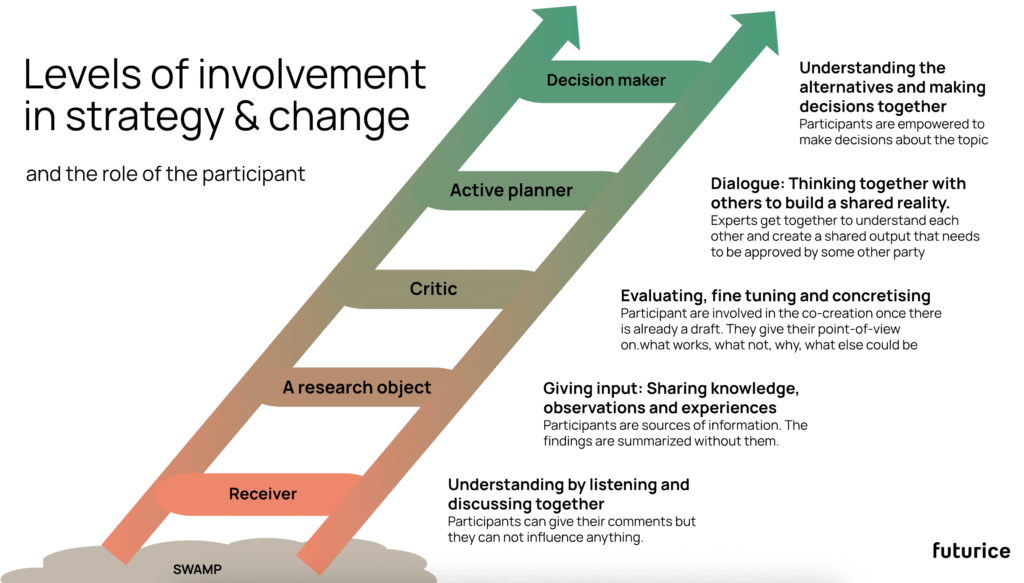
Seven Strategies for Increasing Customer Participation in Brand StoriesThe Customer Story Participation Ladder

The Customer Story Participation Ladder shows that participation develops in stages rather than occurring all at once:

  1. Observer – Reads or watches the brand’s stories.
  2. Engager – Likes, comments, or responds.
  3. Contributor – Shares photos, reviews, or ideas.
  4. Co-creator – Helps shape campaigns, products, or events.
  5. Advocate – Voluntarily tells the brand’s story to others.
  6. Ambassador – Becomes a trusted voice whose experiences inspire new customers.

This framework provides brand managers with a practical way to assess where their customers are today and to identify initiatives that move them toward deeper participation. It also reinforces a key message: successful brand storytelling is not just about producing better content—it’s about creating more opportunities for customers to become active participants in the narrative.
Seven Strategies for Increasing Customer Participation in Brand StoriesTake-away

If you learned something from this article, I believe you’ll also enjoy my recent book, “How I’ve Survived as a Storyteller for Over 50 Years: 12 Survival Techniques.” Get your FREE e-book copy by sending me your name and e-mail address, and including “Storytelling” in the subject line. Thank you for reading!

Seven Strategies for Increasing Customer Participation in Brand Stories, written by Tor Kjolberg.

More articles on Storytelling by Tor Kjolberg you may like:
Brand Masters of Storytelling 3
Stop Chasing Case Studies: Build a Living Library of Customer Stories
The Anatomy of a Brand Story for Destinations
Brand Stories Are Boring
Travel Stories Designed for the Adult Part of Our Population

Seven Strategies for Increasing Customer Participation in Brand Stories, written by Tor Kjolberg.
The World of the Odyssey: A Palimpsest of the Hellenic Art of Living Well

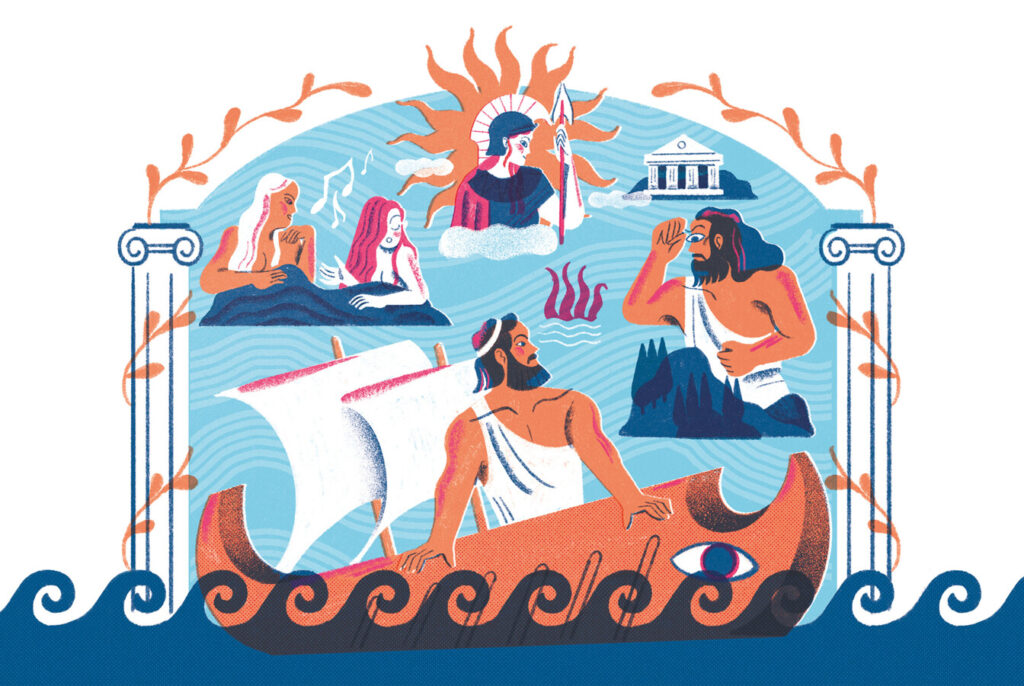
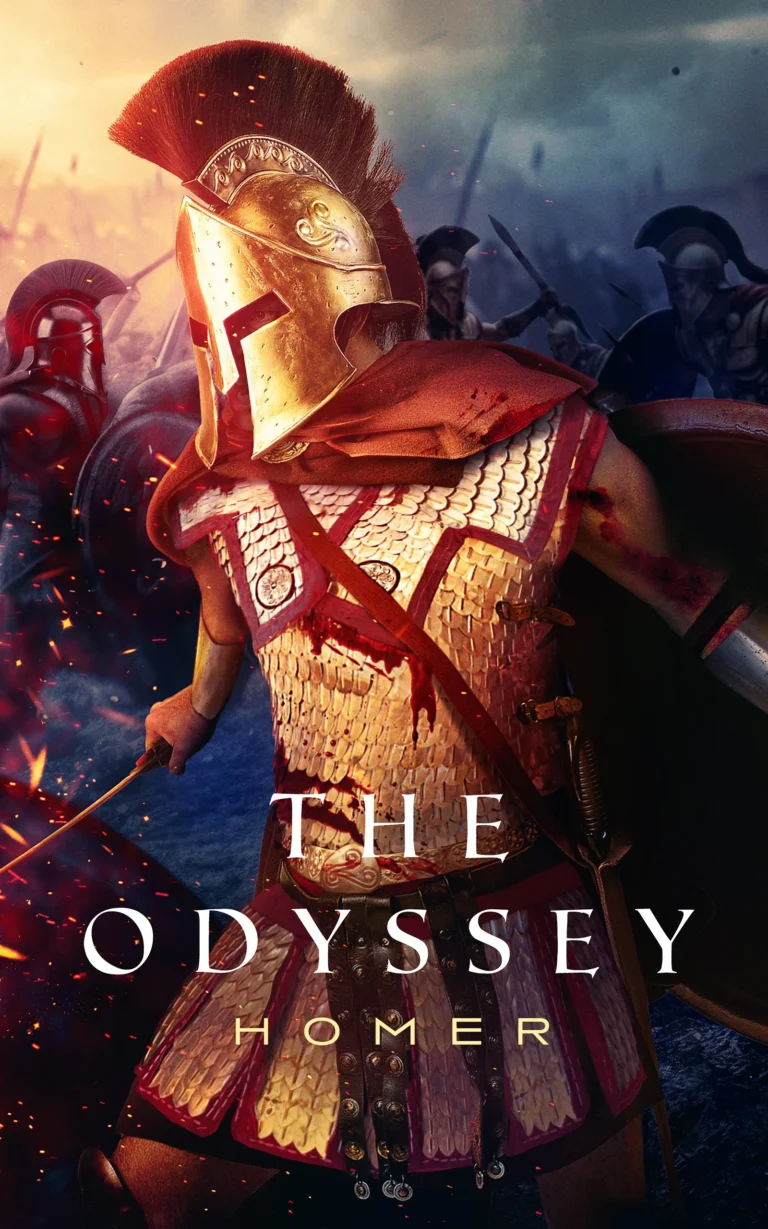
The Odyssey is an epic Greek poem by Homer that recounts King Odysseus’s 10-year struggle to return to Ithaca after the Trojan War. The Odyssey is our third article in the series, “Stories of Travel Stories.” The world of the Odyssey is a palimpsest of the Hellenic art of living well.

While battling monsters and gods, King Odysseus faces a secondary challenge: 108 unruly suitors who have taken over his palace and are pressuring his faithful wife, Penelope, to remarry. 

The World of the Odyssey: A Palimpsest of the Hellenic Art of Living Well
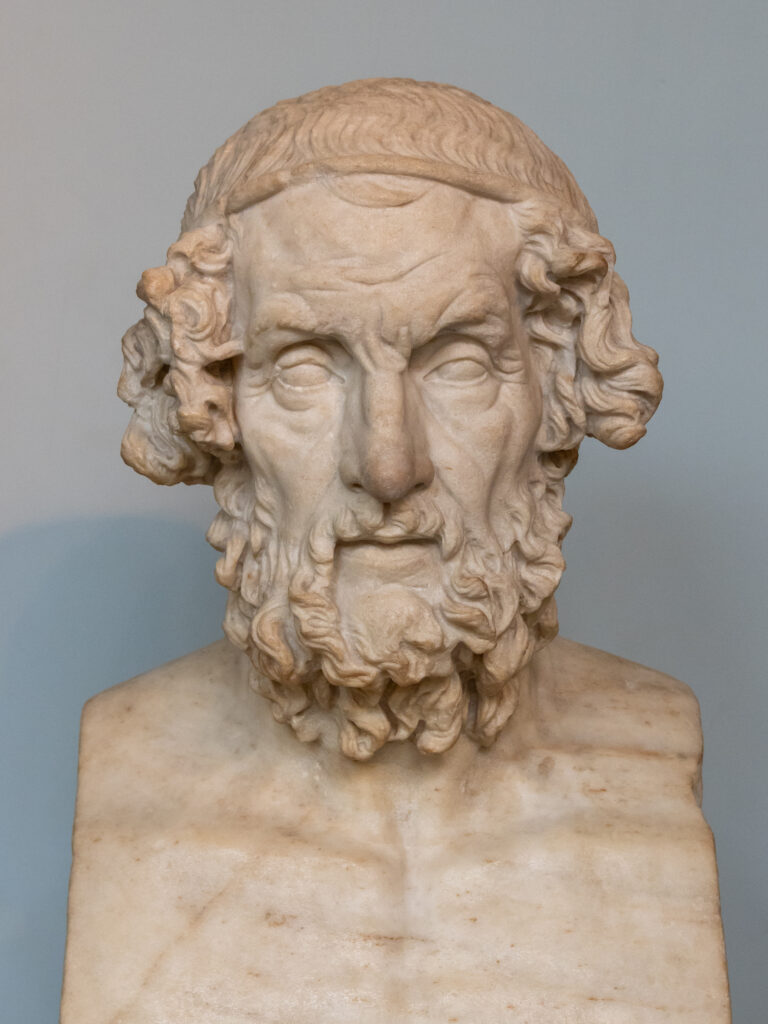
Marble terminal bust of Homer at British Museum, London. Photo: Wikipedia.

Who was Homer?

There is no unique historical human person called ‘Homer’. Modern scholarly research since about 1700, but especially since the 1930s, has established beyond a shadow of doubt that ‘Homer’ was a tradition – many bards over several centuries, perhaps as many as nine – but a tradition with a difference, namely the genius of two separate individual master poet-editors.

The World of the Odyssey: A Palimpsest of the Hellenic Art of Living Well
No one today, anywhere, is a ‘native’ reader of Homer, so translation into other modern vernaculars, including Greek, is not just a luxury add-on but a basic necessity. Photo: Wikipedia.

The Odyssey story

The epic is famous for beginning in medias res (in the middle of the story), with Odysseus trapped on the island of Ogygia by the nymph Calypso, who offers him immortality if he stays. Meanwhile, back in Ithaca, his son Telemachus leaves home to seek news of his father.

Eventually released by the gods, Odysseus is shipwrecked and rescued by the Phaeacians. In their court, he reveals his identity and recounts the harrowing adventures that have delayed him.

The World of the Odyssey: A Palimpsest of the Hellenic Art of Living WellTranslations of Homer’s Odysseus

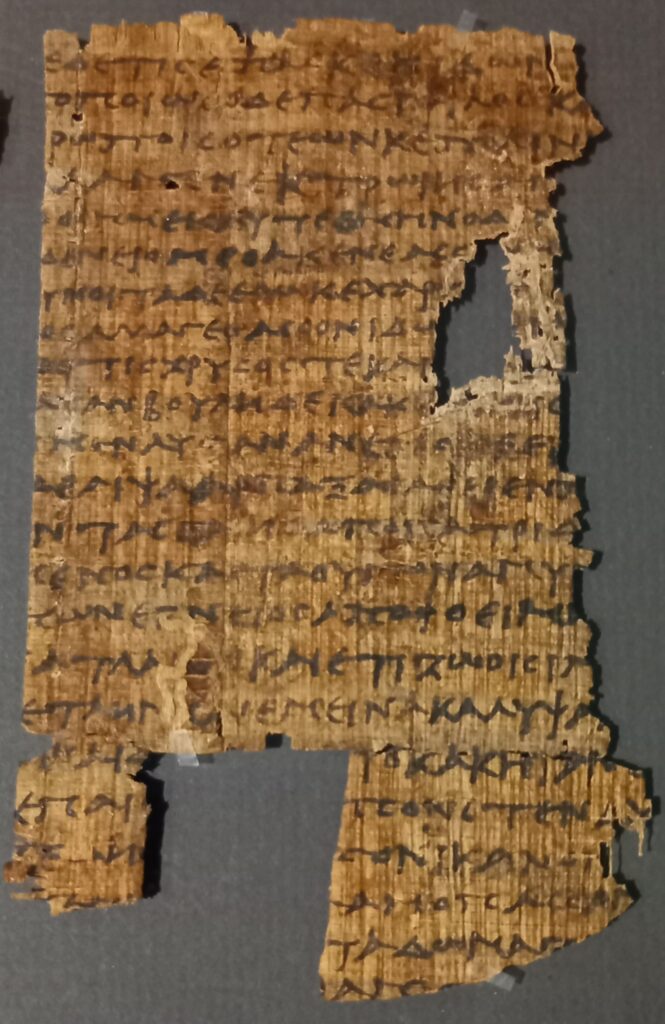
In some sense and at some level of interpretation, ‘knowledge’ of Homer requires the ability to read the original language fluently. But no one today, anywhere, is a ‘native’ reader of Homer, so translation into other modern vernaculars, including Greek, is not just a luxury add-on but a basic necessity. The nature and quality of literary translations matter a great deal. How many people now even read in hard copy? Screens are the thing. Films are another kind of ‘translation’ altogether, and the development of digital technology has transformed the moviemaker’s possibilities for rendering or interpreting the ancient myths.

A 2026 Epic Action Fantasy Film on The Odyssey

Christopher Nolan has adapted Homer’s ancient Greek epic poem into a film starring an ensemble cast including Matt Damon, Tom Holland, Zendaya, and Charlize Theron. In the film, Odysseus (Damon), the Greek king of Ithaca, undertakes a long, perilous journey home after the Trojan War and encounters mythical beings as he tries to reunite with his wife, Penelope (Hathaway).

Nolan began writing the script in March 2024 and secured the project with Universal Pictures by October.

The World of the Odyssey: A Palimpsest of the Hellenic Art of Living Well
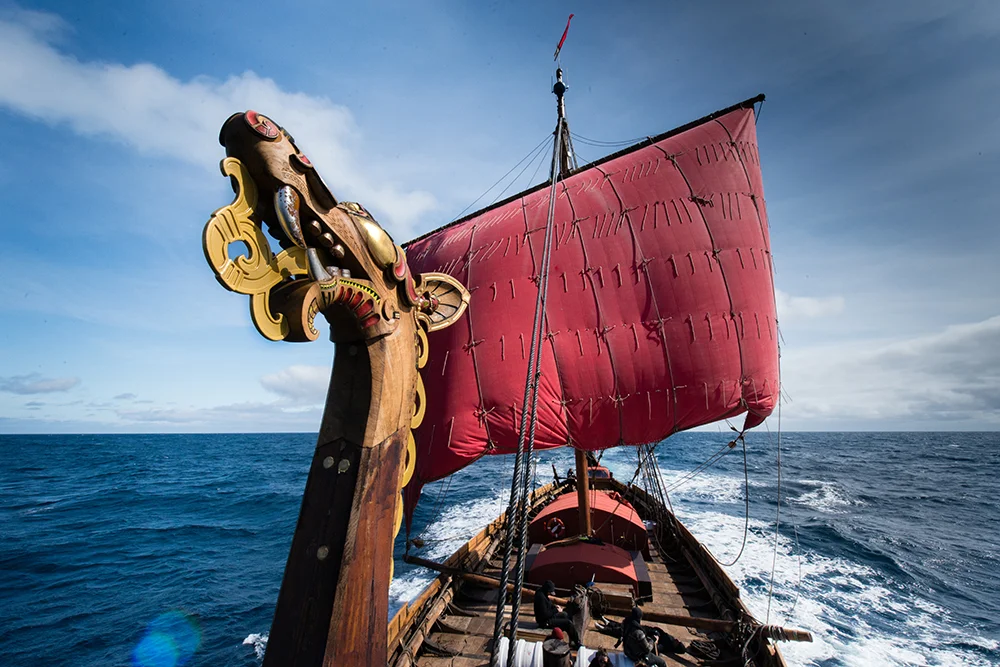
Dragon Harald Fairhair is an 115-foot modern Viking longship built in Haugesund, Norway, between 2010 and 2012. Photo: Peder Jacobsson.

The Viking Ship in ‘The Odyssey’ Is More Than Digital Technology

The Draken Harald Hårfagre is making its big-screen debut in Christopher Nolan’s latest film. The full-scale, seaworthy vessel has been painstakingly built using Viking shipbuilding techniques and the era’s materials, with breathtaking dimensions.

Dragon Harald Fairhair is an 115-foot modern Viking longship built in Haugesund, Norway, between 2010 and 2012. Named after the king who unified Norway, it is the largest Viking ship built in modern times, combining traditional clinker-building techniques with deep-sea ocean exploration capabilities.

To build an authentic ocean-going vessel, boatbuilders drew on archaeological knowledge, Norse sagas, and traditional Norwegian clinker-building techniques (overlapping planks) to recreate a seaworthy warship.

A 2026 Epic Action Fantasy Film on The Odyssey
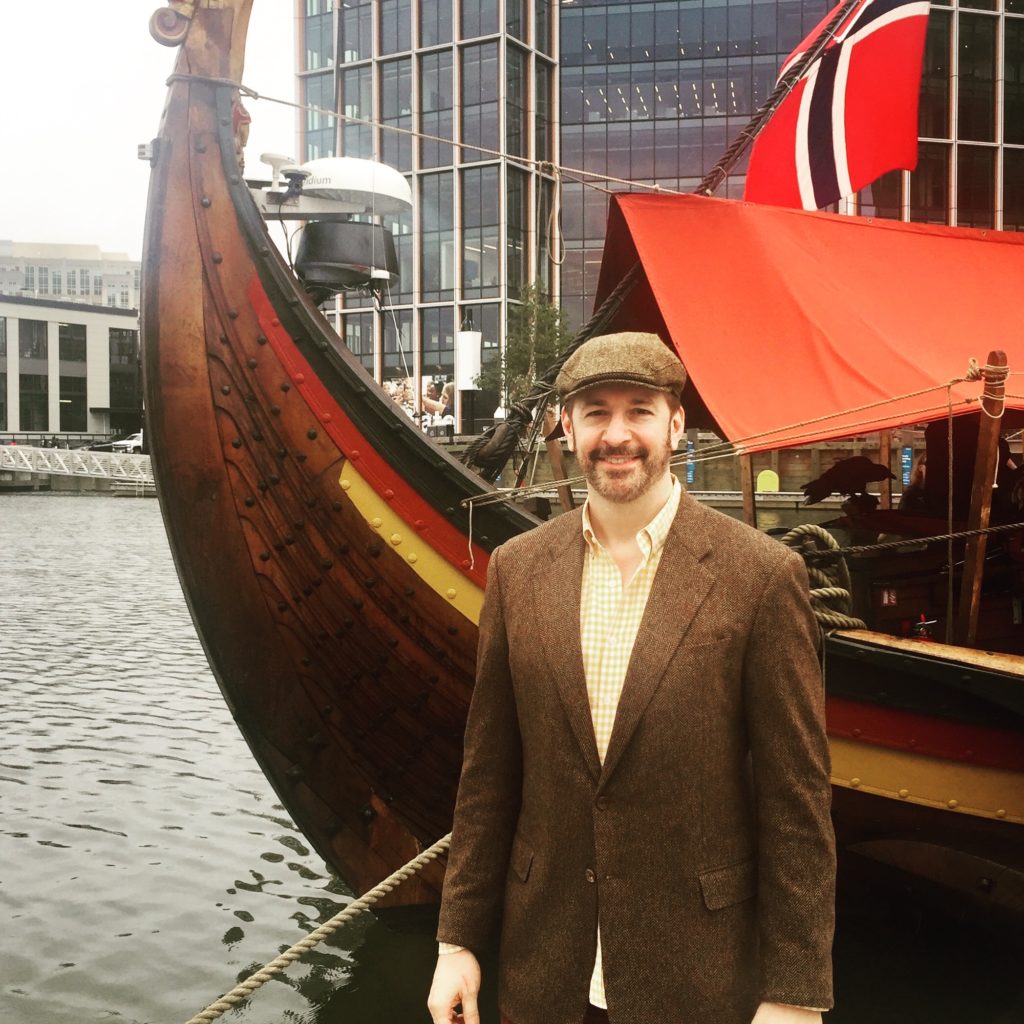
Emanuel Persson, visiting the Explorers Club Washington Group, October 15, 2018.

“There is something on board that cannot be easily faked: the weight of the oak, the sound of the rigging, the movement of the sail, and the crew working together in real wind and water,” says Emanuel Persson, Draken’s CEO and expedition director. “When you put a real ship in real conditions, it brings a different kind of truth to the image.”

The World of the Odyssey: A Palimpsest of the Hellenic Art of Living Well, written by Tor Kjolberg.
Previous stories in this series:
The World’s Oldest Surviving Travel Story


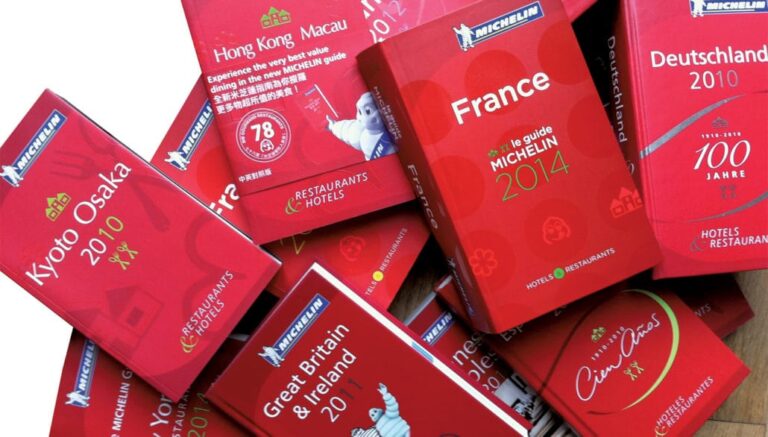
The100th Anniversary of the Michelin Stars

A century after the first Michelin star was awarded, the award continues to shape the world of dining, recognizing everything from elegant French restaurants to Singaporean street-food stalls — and everything in between. 2026 marks the 100th anniversary of the Michelin Stars.

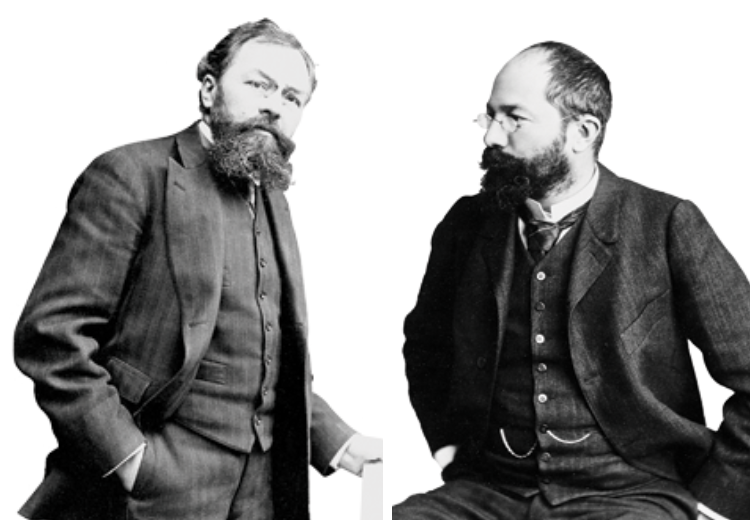
The first iterations of the Guide appeared in the early 20th century, when French brothers and tire company owners André and Edouard Michelin began producing a printed publication for motorists. “This book will be published at the turn of the century, and it will last just as long,” André Michelin wrote in the first guide.

Originally featuring maps and car-related tips, such as how to change a tire, the little red book was relaunched in 1920 to list restaurant recommendations across France. The brothers’ thinking was clear: by encouraging motor tourism, the company would sell more tires.

**************************************
Related: Michelin Stars Shine on Bergen
**************************************

The Michelin Guide began awarding its first stars in 1926. What started as a single star denoting a “good table” evolved by 1931 into the iconic hierarchy that still defines global culinary excellence today.

In 1931, the famous zero-, one-, two-, and three-star tiering is formally introduced. The definitions have remained identical for nearly 100 years:

1 Star: A very good restaurant in its category.

2 Stars: Excellent cooking, worth a detour.

3 Stars: Exceptional cuisine, worth a special journey.

The100th Anniversary of the Michelin Stars
French brothers and tire company owners André and Edouard Michelin.

In 2026, the collection covers 28 titles across more than 25 countries, and several other restaurant categories have been added over the years. For example, the so-called Bib Gourmand indicates “high-quality food at great value,” while the Green stars have been introduced specifically to recognize sustainable gastronomy.

************************************** ****
Related: Michelin Star Sprangled Scandinavia
*******************************************

The100th Anniversary of the Michelin Stars
The Michelin brothers’ thinking was clear: by encouraging motor tourism, the company would sell more tires.

The selection process is notoriously secretive, but according to the official Michelin Guide site, inspectors follow strict rules. They are full-time employees—usually hospitality veterans with more than a decade of experience—who eat up to 250 meals a year, all while remaining completely undercover.

The100th Anniversary of the Michelin Stars, written by Tor Kjolberg.

The Swedish Exit

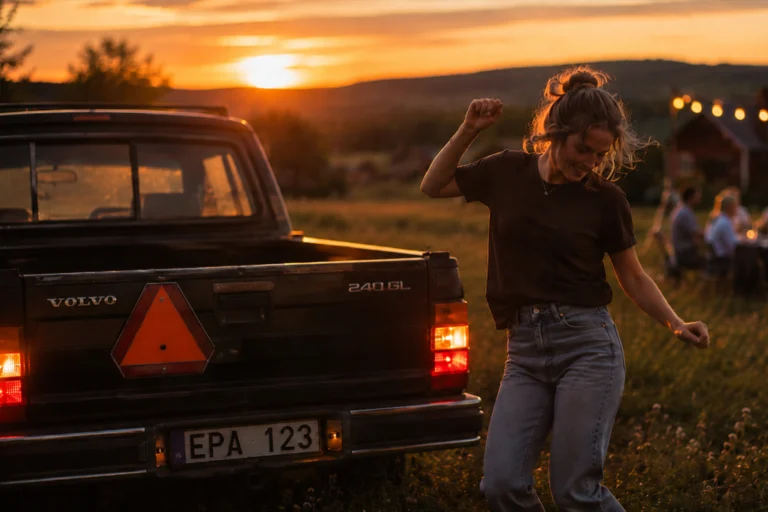
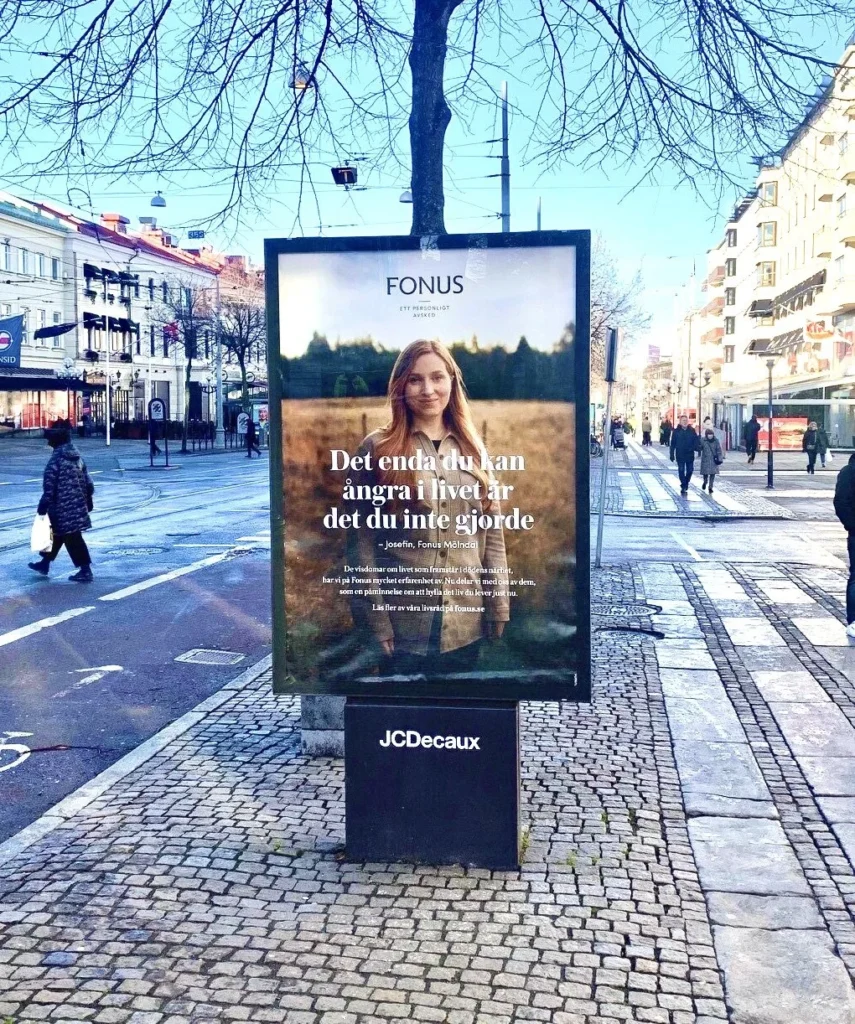
The Swedish funeral agency Fonus has launched “The Swedish Exit.” It is a campaign and visual interpretation—driven by survey data and AI-generated imagery—designed to shift funeral traditions away from quiet, somber ceremonies and toward festive, life-celebrating farewells with music, laughter, and warmth.

Grief and funerals in Sweden have traditionally been marked by flowers, silence, and coffee afterward. But it seems this introverted nation, known for patiently waiting in line and following rules, increasingly wants to go out with a bang.  

The Swedish Exit
The launch of The Swedish Exit highlights a growing cultural shift in how people want to be remembered.

The launch of The Swedish Exit highlights a growing cultural shift in how people want to be remembered. Surveys show that more than a third (35%) of Swedes prefer a more festive farewell that celebrates the life lived rather than focusing solely on grief. Younger generations are even more open to the idea; among those aged 18 to 29, the share rises to over 41%.

However, it is not an “Irish goodbye,” where someone slips away from the party unnoticed, nor is it a memorial or held in church. Instead, it’s a party in the style of a Swedish Midsummer celebration – schnapps included. Maybe it’s connected to the way Swedes like to party hard while abroad?

*************************
Related: Typically Swedish
*************************

The Swedish Exit
“People are increasingly willing to discuss how they want to be remembered, and we are moving toward a cultural shift in how we think about the final farewell,” says Conny Sohlberg, funeral director at Fonus.

Conny Sohlberg, funeral director at Fonus, comments on the unexpected shift: “In the funeral industry, we have seen this develop over the past few years. People are increasingly willing to discuss how they want to be remembered, and we are moving toward a cultural shift in how we think about the final farewell. For many Swedes, it is no longer only about saying goodbye. It is also about throwing one last party for the life that was lived. That does not make it less respectful. On the contrary, a farewell with warmth, laughter, music, and celebration can be a very meaningful way to be remembered.”

The Swedish Exit, based on a press release from Geelmuyden Kiese.

Helsinki – the World’s 16th Most Liveable City

Helsinki, the capital of Finland, is ranked the world’s 16th most liveable city in Monocle’s Quality of Life survey. It is behind Amsterdam but ahead of Seoul.

Helsinki earns its high global livability ranking due to world-class public education, a virtually crime-free environment, pristine infrastructure, and an extensive network of green spaces. The Finnish capital perfectly balances an innovative, tech-forward economy with a deep cultural emphasis on sustainability, wellness, and work-life balance.

Helsinki – the World’s 16th Most Livable City: The article continues below the image.

Helsinki – the World’s 16th Most Livable City
With over 300 islands, numerous parks, and clean air, the city allows residents to easily escape into nature and enjoy a wellness-focused lifestyle. Photo: KLM.

Global indexes, such as the Monocle Quality of Life Survey, consistently highlight Helsinki for several key factors. One, mentioned by the Monocle correspondent, is public trust in the police, which stands at 92 percent.

With over 300 islands, numerous parks, and clean air, the city allows residents to easily escape into nature and enjoy a wellness-focused lifestyle.

Helsinki – the World’s 16th Most Livable City
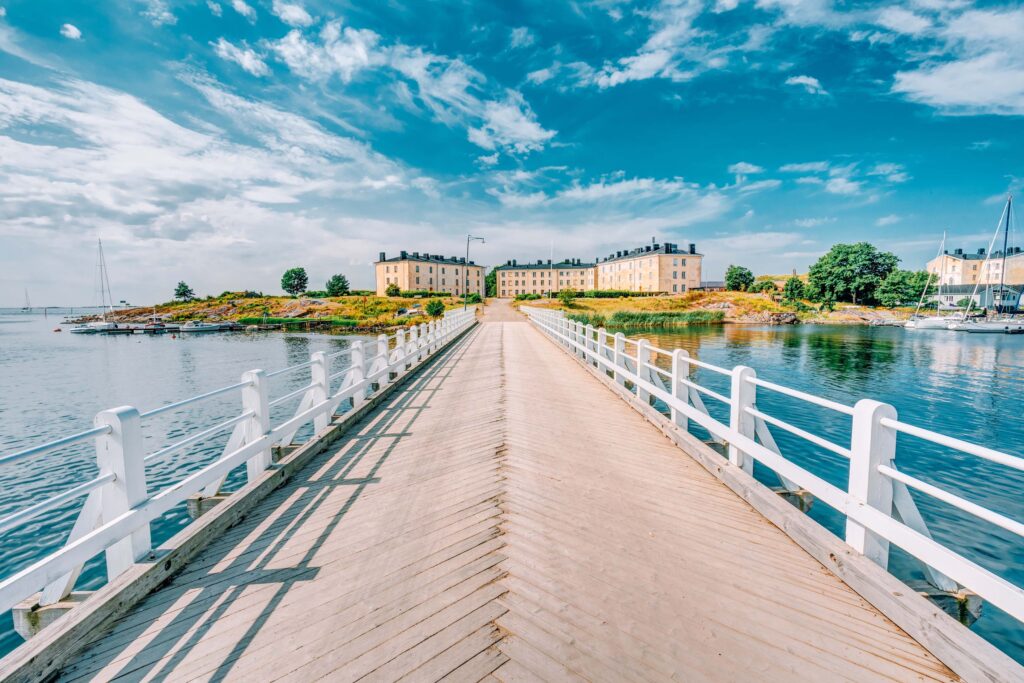
Suomenlinna bridge. Photo: Visit Finland.

But Helsinki so often undersells itself internationally. There can be a lack of the kind of confidence and bold storytelling displayed by rival Nordic capitals Copenhagen, Stockholm and Oslo.

Helsinki – the World’s 16th Most Liveable City, Tor Kjolberg reporting.
Feature image (top): Visit Finland.

Brand Masters of Storytelling 4

Patagonia’s brand storytelling centers on its mission, “We’re in business to save our home planet.” Its award-winning campaigns blend environmental activism, radical transparency, and customer empowerment. Rather than promoting pure consumerism, it champions product longevity, repair, and environmental defense. This is our Brand Masters of Storytelling #4.

Brands are catching on to how people look for brands that reflect who we are, where we’ve been, and what we care about, particularly when it comes to environmental responsibility. From Nature Valley granola bars to Seventh Generation cleaning products, corporations are leaning into our generation’s collective call for corporate sustainability through both meaningful action and authentic brand storytelling.

Brand Masters of Storytelling 4
Patagonia is a poster child for authentic environmental stewardship and brand storytelling.

“Turn everything off, at least until we know more” – It’s a sentence you never expect to hear from a Marketing Manager while partway through several large campaigns at the start of the new season; but this was no ordinary year. This was 2020.

Patagonia is a poster child for authentic environmental stewardship and brand storytelling. Sustainability is central to their purpose, promise, and product. Their purpose statement, “We’re in business to save our home planet,” encapsulates their commitment to sustainability and sound business.

In March 2020, when COVID-19 took hold of the world, the ‘Dirksen Derby’ splitboard race was just about to take place, the ‘Running up for Air’ fell race was planned for the weeks after, and Torrentshell, a large eCommerce push, was all scheduled and ready to start firing any day now. But as with most things at that time, the only option was to hit ‘pause’ and wait.

Brand Masters of Storytelling 4
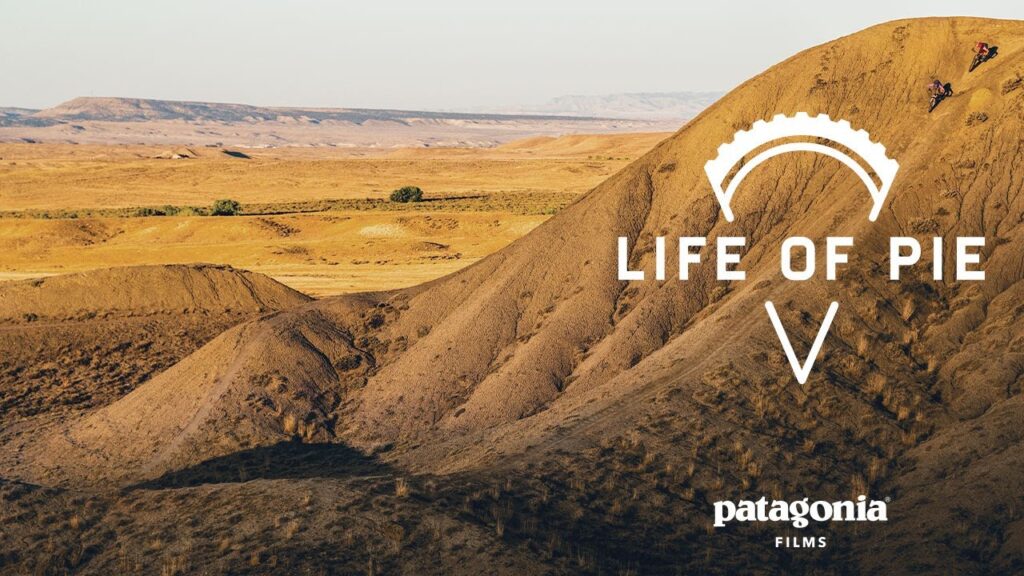
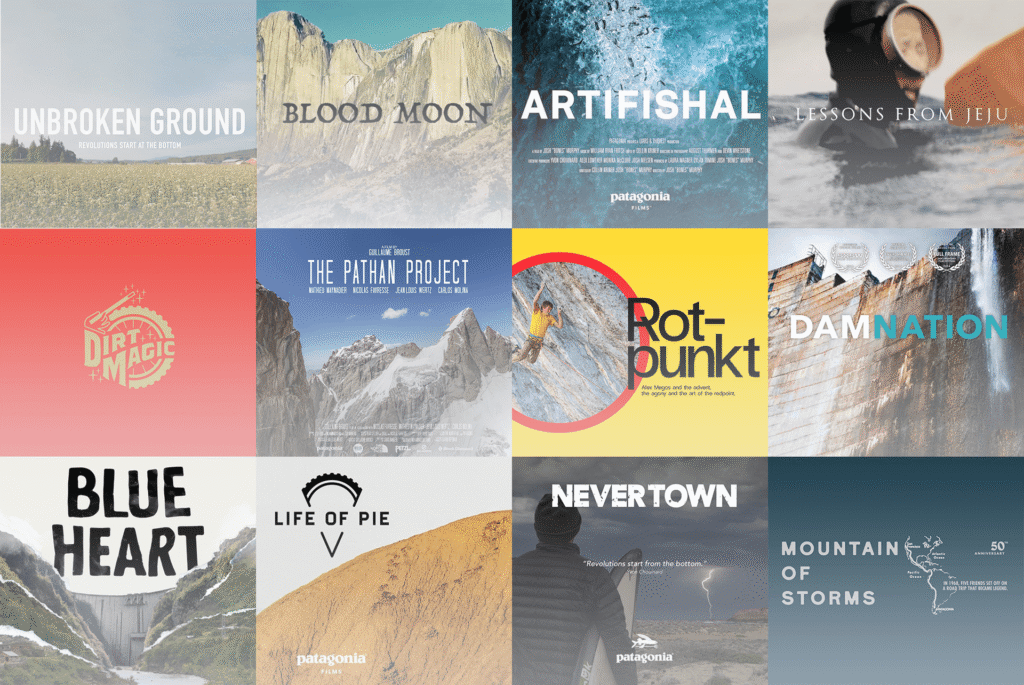
The first film in the Stories That Inspire series was Life of Pie – a story of pizza and mountain biking in Utah.

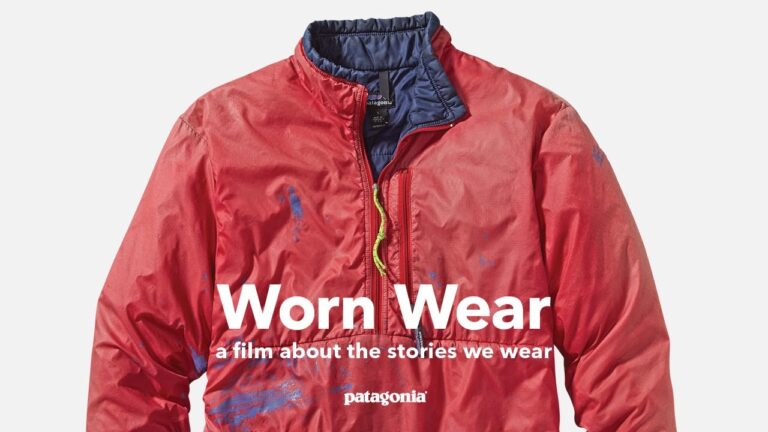
Patagonia does not want you to buy excess products – they’d rather customers reuse, resell, and share. By accepting trade-ins through “Worn Wear,” repairing used products in their stores, and ultimately extending the life of the products they sell, they send a powerful message about their commitment to sustainability. The classic “Don’t Buy This Jacket” campaign articulated this message succinctly.

Brand Masters of Storytelling 4
“We’re in business to save our home planet”.

During the COVID period, Patagonia decided that because its audiences would not be able to attend in-person events for an extended period, it would recreate these events online, providing much-needed inspiration and ‘stoke’ in the process. The first film in the Stories That Inspire series was Life of Pie – a story of pizza and mountain biking in Utah.

Brand Masters of Storytelling 4
Patagonia does not want you to buy excess products – they’d rather customers reuse, resell, and share.

In 2022, founder Yvon Chouinard transferred ownership of the billion-dollar company to the Patagonia Purpose Trust and Holdfast Collective, ensuring that all profits not reinvested in the company are used to fight the environmental crisis.

Brand Masters of Storytelling 4, written by Tor Kjolberg.
Other Brand Masters of Storytelling articles in this series:
Brand Masters of Storytelling
Brand Masters of Storytelling 2
Brand Masters of Storytelling 3

The World’s Earliest Surviving Travelogue

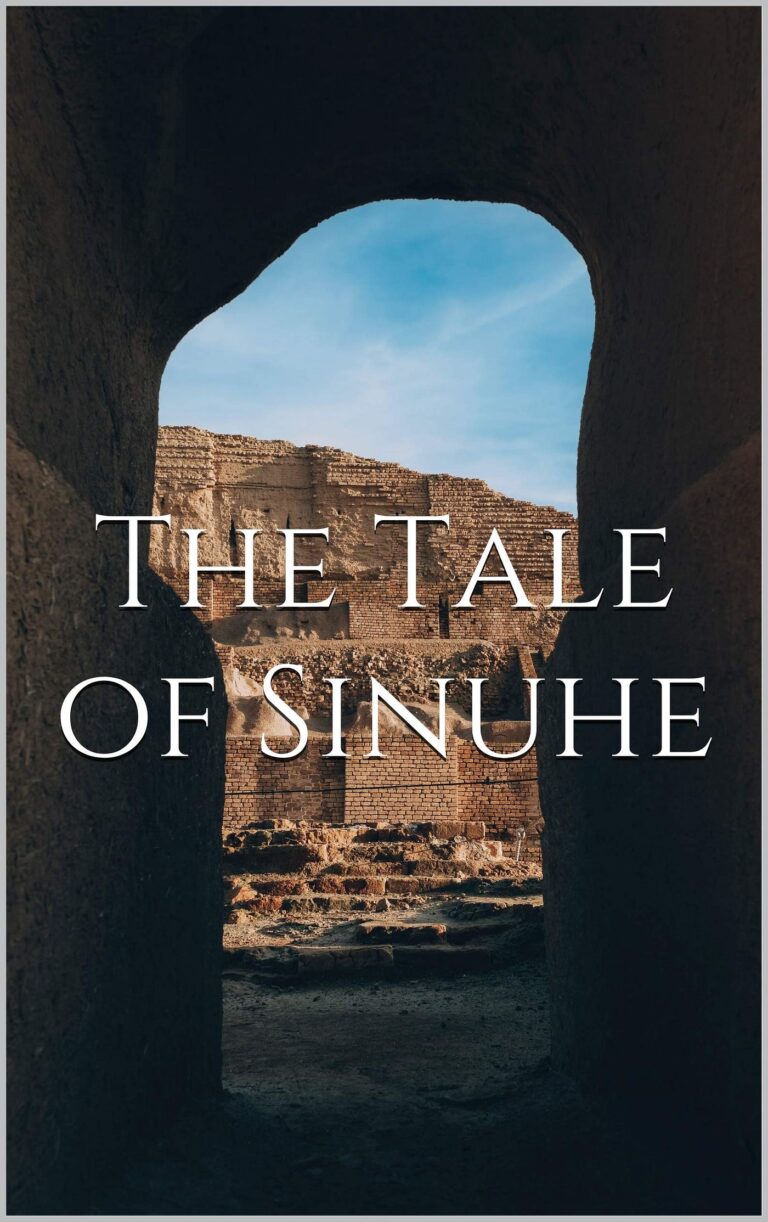
A travelogue is a narrative account of a journey, combining personal experiences, cultural observations, and vivid descriptions of the places visited. It can take the form of a book, a film, a blog post, or a spoken lecture, moving beyond a standard guidebook to offer the soul and meaning of a trip. Story of Sinuhe (c. 1875 BCE) is often cited as the earliest surviving travelogue.

This ancient Egyptian text follows a court official who flees into exile in the Levant (modern-day Lebanon/Syria) after the assassination of the Pharaoh, detailing his years of wandering and eventual return home.

The Story of Sinuhe provides an incredibly detailed, realistic look at the geopolitics of the Ancient Near East around 1900 BCE. It acts as an ancient intelligence report, highlighting the vast differences between Egyptian civilization and the tribal regions of the Levant.

The World’s Earliest Surviving Travelogue
The Story of Sinuhe provides an incredibly detailed, realistic look at the geopolitics of the Ancient Near East around 1900 BCE.

***********************************************
Related: The World’s Oldest Surviving Travel Story
***********************************************

The Flight Route and Border Security

Sinuhe’s escape route reveals how strictly Egypt guarded its borders during the Middle Kingdom.

Sinuhe must sneak past the  Walls of the Ruler, a massive string of desert fortresses built to keep out Asian migrants (Asiatics).

He hides in the bushes of the  Bitter Lakes (near modern-day Suez) to avoid the frontier guards, nearly dying of thirst before being rescued by nomadic Bedouins.

The World’s Earliest Surviving Travelogue
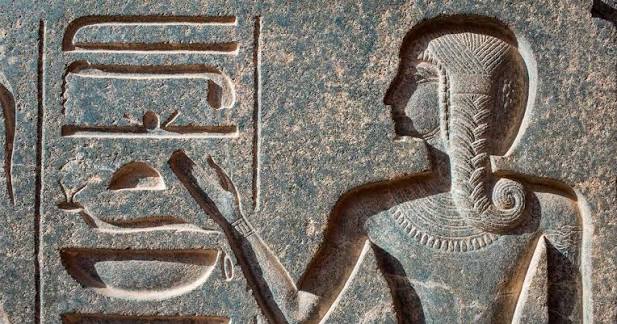
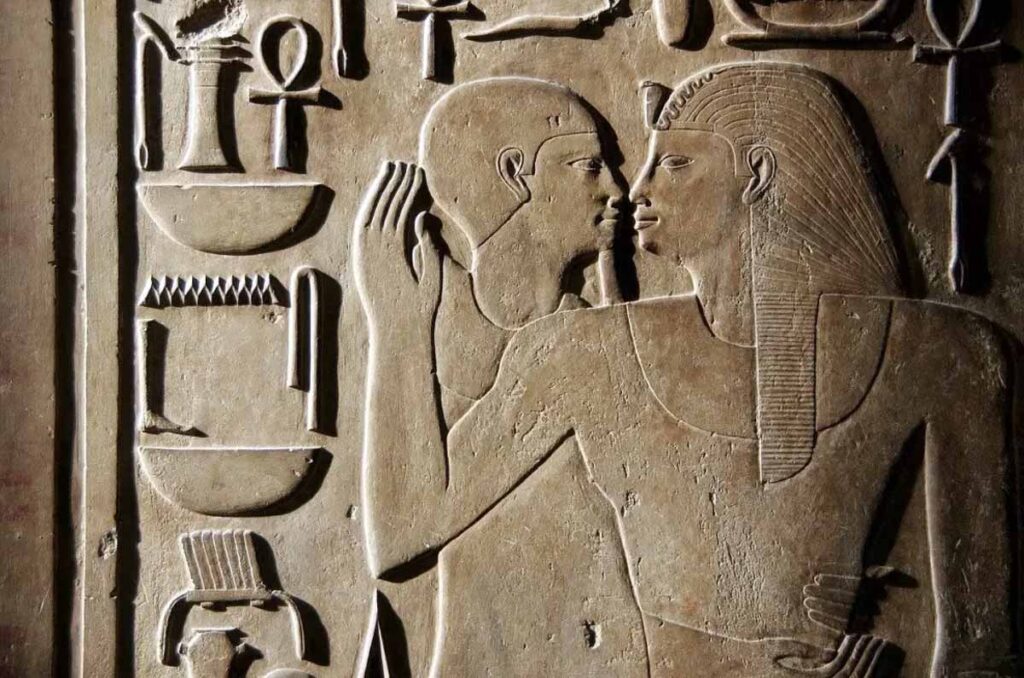
Limestone hieroglyphs tell the tale of Sinuhe.

Egyptian Supremacy vs. Levantine Tribes

The text contrasts Egypt’s centralized, urban government with the decentralized tribal systems of Retjenu (modern-day Syria and Lebanon).

Sinuhe is taken in by this local ruler of Upper Retjenu, Amunenshi, who recognizes Sinuhe’s high-ranking status in Egypt.

Sinuhe is given the ruler’s eldest daughter in marriage, showing how foreign chieftains used high-status Egyptian defectors to elevate their own political standing.

Sinuhe is granted a rich, fertile borderland called Yaa, packed with figs, grapes, olives, and barley—a strategic move to place an Egyptian general in charge of protecting the tribe’s frontiers.

**************************************
Related: The Story of Storytelling in Marketing
**************************************

Warfare and Border Diplomacy

The narrative shifts into a military chronicle that mirrors Bronze Age geopolitics. Sinuhe commands Amunenshi’s army against invading desert tribes, showcasing how foreign rulers relied on Egyptian military tactics.

Sinuhe fights a local champion in a formal, one-on-one combat to settle a tribal dispute. He wins by shooting the giant through the neck with an arrow, capturing the rival tribe’s cattle and goods.

The World’s Earliest Surviving Travelogue
The narrative shifts into a military chronicle that mirrors Bronze Age geopolitics.

Pharaoh’s Soft Power and Amnesty

The story concludes with a display of Egyptian political reach. Even while living in exile, Sinuhe cannot escape the influence of the Pharaoh (Senwosret I).

The Pharaoh sends a formal letter offering total amnesty. The decree explicitly warns Sinuhe not to die in a foreign land, as “Asiatics” do not wrap bodies in linen or build proper tombs.

Sinuhe surrenders all his foreign property to his children and returns to Egypt, illustrating that for an Egyptian, political exile in a wealthy foreign land was still considered a fate worse than death.

The World’s Earliest Surviving Travelogue, written by Tor Kjolberg

The World Tourism Always Recovers

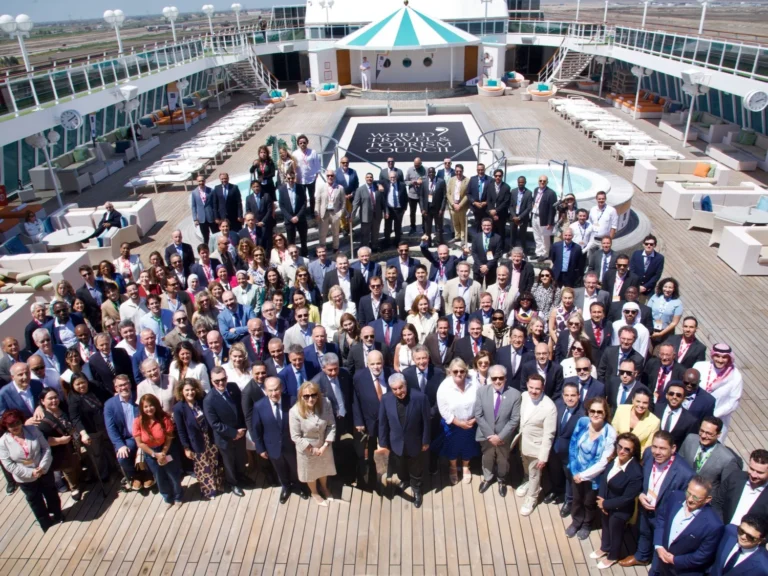
The inaugural WTTC Leadership Cruise took place in Egypt in early May 2026, bringing together more than 300 global travel and tourism leaders. Following the Leadership Cruise, WTTC has published its latest findings, sending one clear message to the world: tourism always recovers.

Hosted by the Egyptian Government and sponsored by the Antonio Lefebvre Foundation, Coral Travel Group, Crystal Cruises, and Abercrombie & Kent, the three-day program brought together some of the most influential figures in global Travel & Tourism, including WTTC Chairman Manfredi Lefebvre d’Ovidio, WTTC President & CEO Gloria Guevara, Egypt’s Minister for Tourism and Antiquities Sherif Fathy, former Presidents of Mexico Felipe Calderón and Argentina Mauricio Macri, and former Italian Prime Minister Matteo Renzi.

The World Tourism Always Recovers
The three-day floating summit focused on accelerating industry recovery and strengthening resilience in the Middle East travel sector.

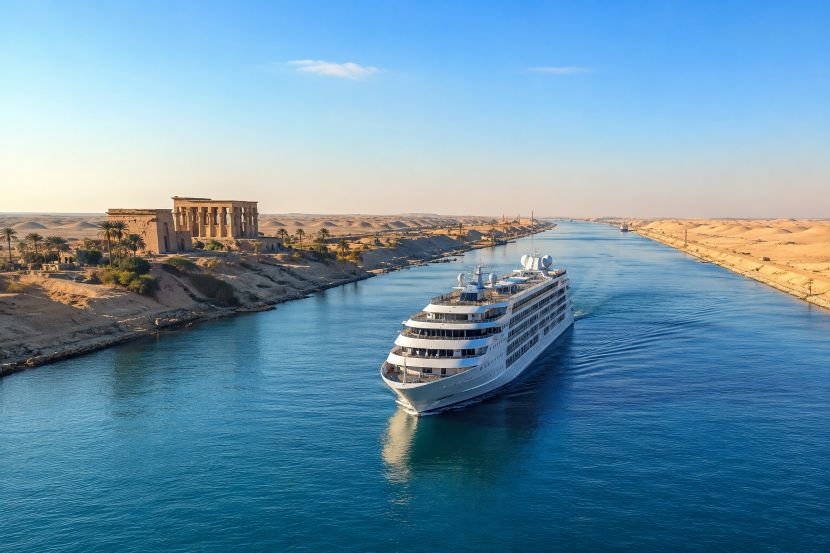
During its transit through the Suez Canal, the three-day floating summit focused on accelerating industry recovery and strengthening resilience in the Middle East travel sector. Attending government representatives included Nick Adams, the US Special Presidential Envoy for Tourism; Harris Whitbeck, the Tourism Minister of Guatemala; and private sector leaders, including Audrey Hendley, President of American Express Travel; Jennifer Wilson-Buttigieg, Head of Policy at Chase Travel; Jerry Inzerillo, Group CEO of Diriyah Company; Frank Marini, President and CEO of Railbookers; Enrique Ybarra, Founder and CEO of City Sightseeing Worldwide; Richard Attias, Chairman of the FII Institute Executive Committee; and the renowned Egyptologist Dr. Zahi Hawass.

The cruise ran from May 6 to May 9, 2026, navigating the Suez Canal, docking in historic Port Said, and concluding in Alexandria. The study, titled Accelerating Travel & Tourism – Global Evidence from Four Decades of Crisis, analyzes 100 significant crises over 40 years. Developed in partnership with Chemonics International and the George Washington University Business School, it was launched aboard the Crystal Serenity as the ship transited the Suez Canal. Set against the backdrop of the Middle East’s continued recovery and renewed global confidence in the region, the WTTC Leadership Cruise served as the first major global platform dedicated to accelerating Travel & Tourism recovery through stronger public-private collaboration.

*******************************************
You may also like to read A Short History of Tourism in Norway
*******************************************

The Egyptian government highlighted its significant growth, noting that it welcomed 19 million international visitors. The location was highly symbolic, given ongoing disruptions in the Strait of Hormuz and the Red Sea, reinforcing the idea that global connectivity and cooperation are fundamental to recovery. From strategic discussions on rebuilding connectivity, seamless cross-border travel, workforce and talent shortages, and destination stewardship, to high-level conversations on leadership during a crisis and the future of high-value tourism, the program focused on the critical actions required to move from recovery to sustained, long-term growth.

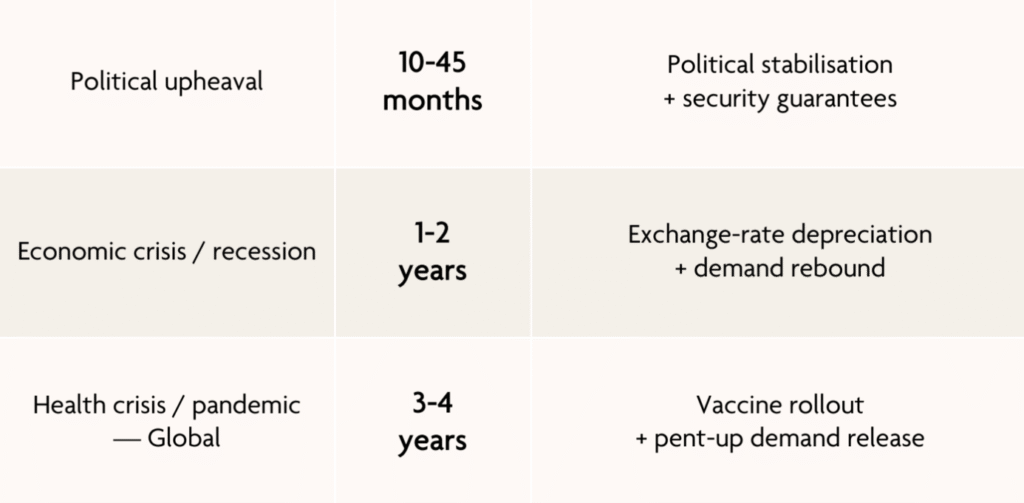
The report finds that not a single destination has suffered a permanent collapse in tourism. Recovery is the norm, and in most cases, the sector emerges stronger. Furthermore, the authors stress that the only real variable is speed and that this is a policy choice.

The World Tourism Always Recovers
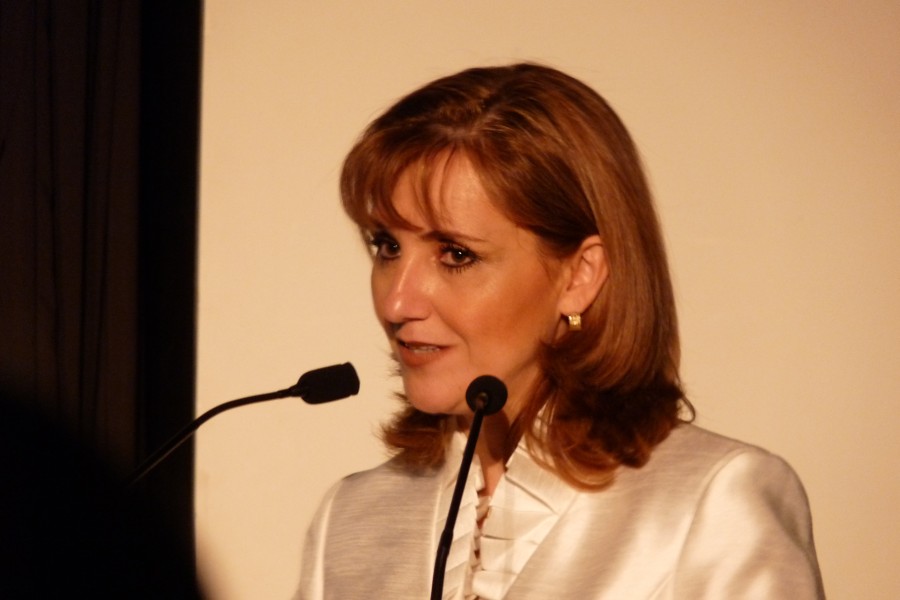
Gloria Guevara, President & CEO of WTTC, said: “This event was created to bring global leaders together at a pivotal moment for Travel & Tourism.”

Gloria Guevara, President & CEO of WTTC, said: “This event was created to bring global leaders together at a pivotal moment for Travel & Tourism. As we said from the outset, rebuilding trust and confidence requires strong coordination between governments and the private sector. Over these three days, leaders from around the world came together not only to discuss recovery but also to define the actions needed to deliver it. This historic first Leadership Cruise marks an important milestone for WTTC and the Middle East, reinforcing the region’s role as a driver of global Travel & Tourism growth, resilience, and opportunity.”

**********************************************
You may also like to read Nordic Guidebook for Tourism Innovation
**********************************************

Recovery timelines by crisis type © WTTC/Oxford Economics Economic Impact Research; UN Tourism World Tourism Barometer.

The World Tourism Always RecoversThe report highlights several notable recoveries: Phuket’s recovery after the 2004 tsunami and its record arrivals by 2010, despite the 2008 financial crisis; Tunisia’s record 8.3 million arrivals just three years after the 2015 attacks; and Nepal’s recovery after the earthquake in the same year.

The World Tourism Always RecoversAs the sector looks ahead to the next decade of transformation, the event leaves behind not only a successful first edition but also a renewed sense of confidence that Travel & Tourism can continue to lead economic recovery, create jobs, and strengthen global stability.

The first-ever WTTC Leadership Cruise has concluded, making history.

The World Tourism Always Recovers, Tor Kjolberg reporting.


Stockholm – the World’s 11th Most Livable City

Stockholm, the capital of Sweden, is ranked the world’s 11th most liveable city in Monocle’s Quality of Life survey. It is behind Oslo but ahead of Milan.

Stockholm consistently ranks among the world’s most livable cities. The city achieves this through its excellent work-life balance, abundant green spaces, robust public transit, and top-tier educational institutions. Explore these metrics on the Monocle Quality of Life Survey.

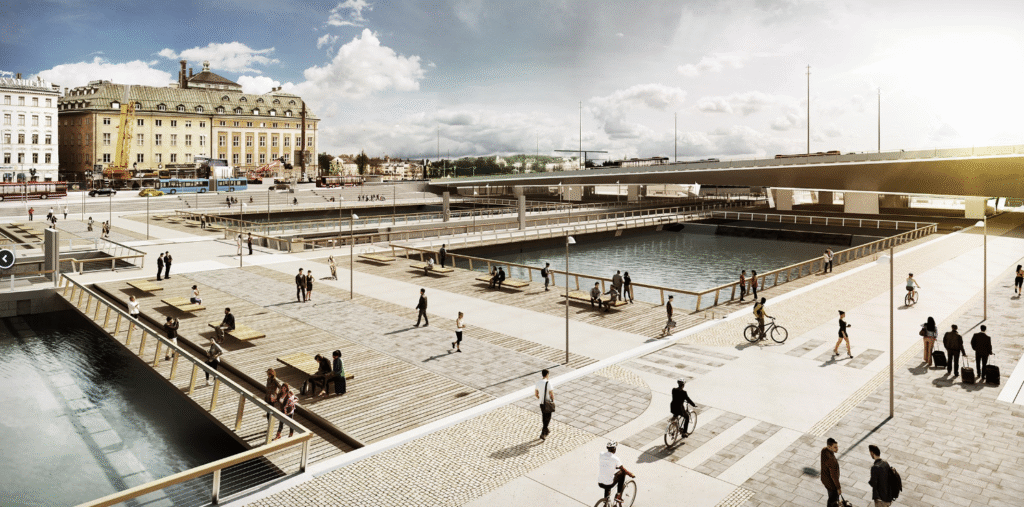
After years of development, the new Slussen project, a gleaming urban quarter linking Södermalm to the old town, is complete and teeming with people. Stockholmers enjoy flexible work hours, generous parental leave, and quick commutes from surrounding residential areas to the city center.

Stockholm – the World’s 11th Most Livable City
After years of development, the new Slussen project, a gleaming urban quarter linking Södermalm to the old town. Photo: C40Cities.

However, Stockholm’s trump card is its natural beauty. Wherever you are in the city, a park, forest, or swimming spot is never far. At the same time, Stockholm features one of the world’s best public transportation systems, with an extensive network of subways (Tunnelbana), buses, and commuter ferries.

The Stockholm Archipelago Hiking Trail is a 167-mile (270km) path that has been gradually opening, section by section. The official launch was in October 2024.

Stockholm – the World’s 11th Most Livable City
. Wherever you are in the city, a park, forest, or swimming spot is never far. Photo: Visit Sweden.

Nonetheless, there has recently been significant criticism from both inside and outside the city that the Swedish model of high taxes in return for free health care, childcare, and education has not protected the country from economic and racial segregation. In recent years, the levels of gang-related crime have gone up, and the housing market has wobbled. However, hope and ambition in Stockholm remain strong.

Another complaint is that strict enforcement of noise control at late-night bars has forced many beloved establishments to close in recent years.

But again, the city is rapidly expanding its green infrastructure, as evidenced by ongoing developments such as Stockholm Wood City in Sickla, the world’s largest planned mass-timber neighborhood.
Stockholm – the World’s 11th Most Livable City, Tor Kjolberg reporting.

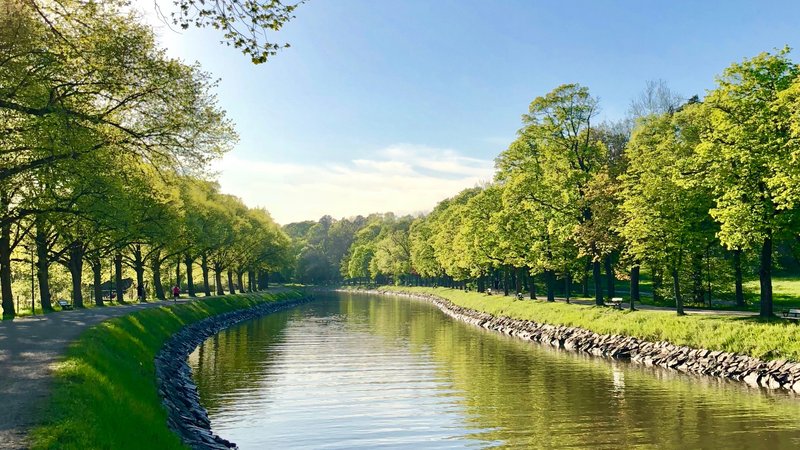
Feature image (top): Stockholm Wood City, Illustration © Henning Larsen.

Do You Want Your Company to be Visible?

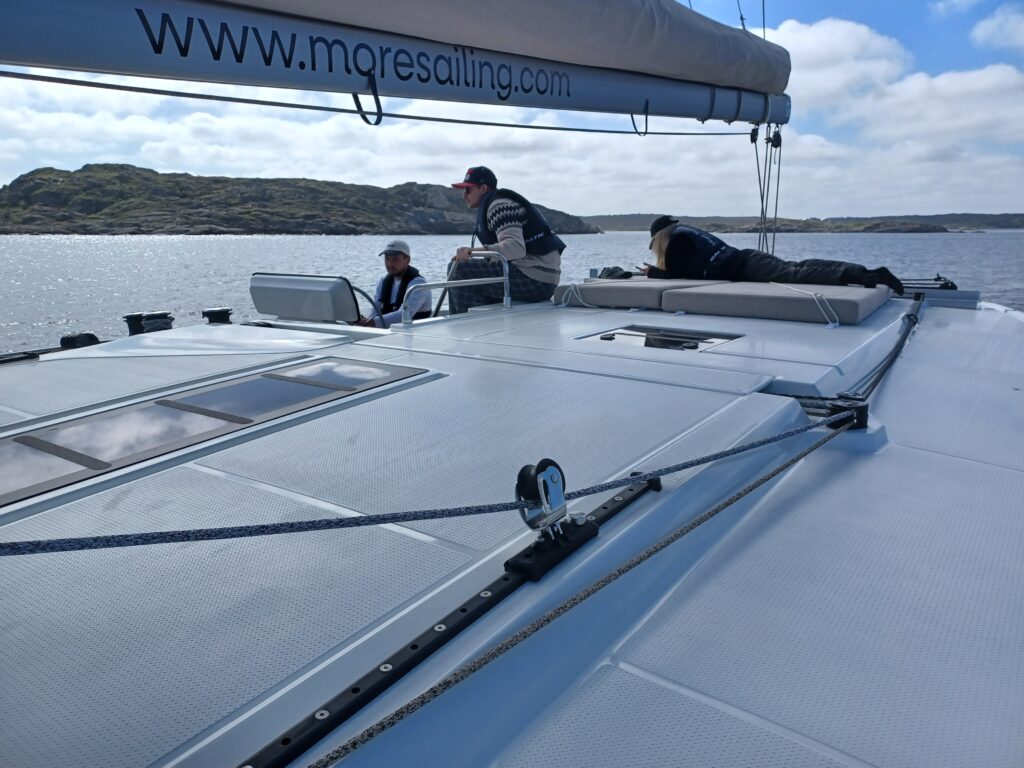
What a stupid question. Companies depend on clients and need to be visible. We rephrased the question and asked Joe Wareham, founder of Zen SEO Agency and Growth Marketing Manager at More Sailing, for advice on how companies should position themselves to be visible.

Born in Spain and raised mostly in England, Joe Wareham entered the world of SEO around 16 years ago and began traveling the world a couple of years later, before most people used the term “digital nomad.”

Joe is not focused on destination marketing, but as an avid traveler, we wanted to learn more about his approach as a growth marketing manager.

Do You Want Your Company to be Visible?
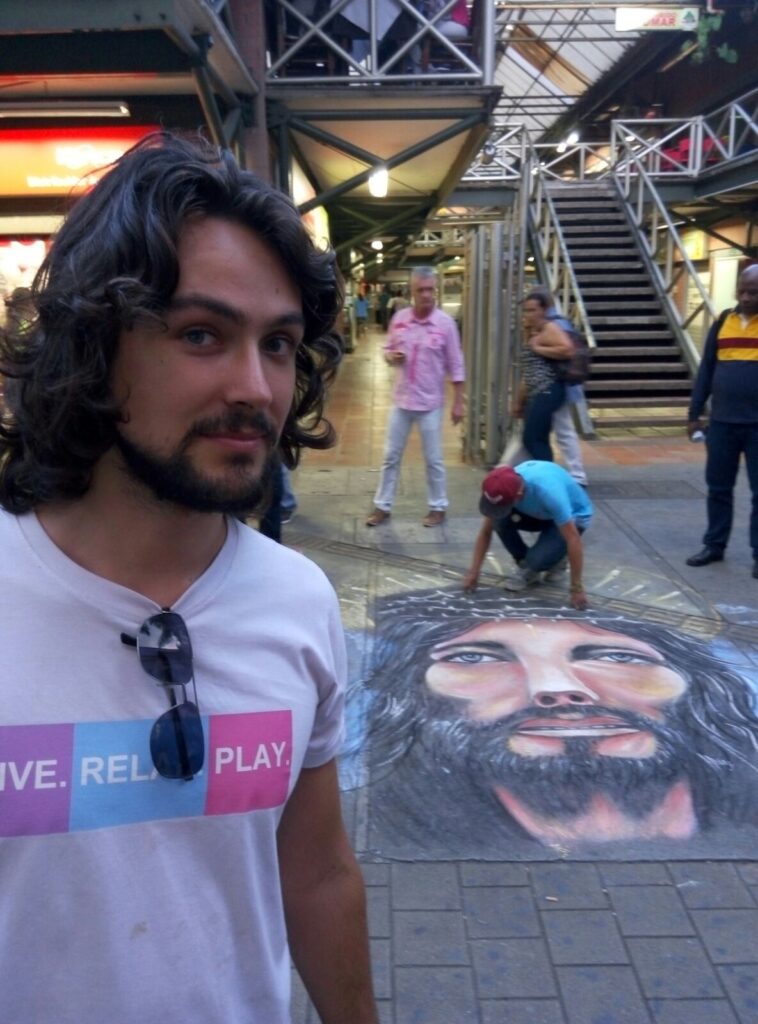
Joe Wareham

Please tell me a little about what drives you.

I’m driven by the desire to benefit others.

What is the biggest obstacle destinations face today?

I was born in Mallorca and now live in Budva, Montenegro, so I’ve seen how overtourism works. When destinations rely too heavily on tourism, it not only degrades travelers’ experience and locals’ quality of life but also prevents the area from growing in other ways essential to its future.

Do You Want Your Company to be Visible?
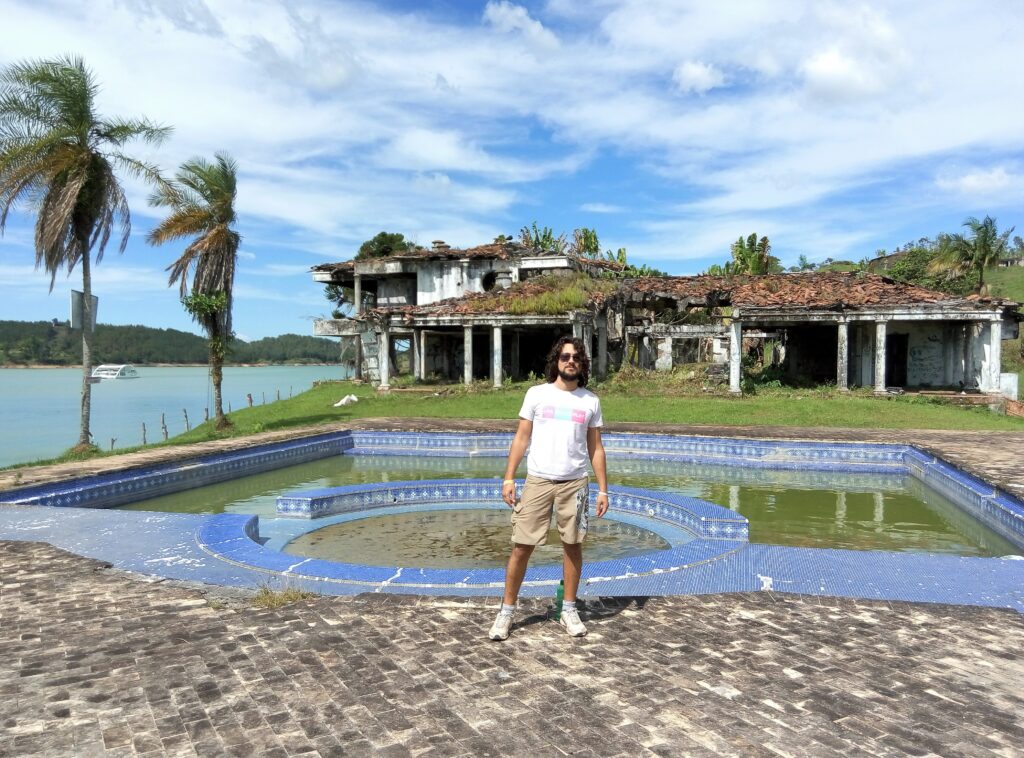
Joe was traveling the world before most people used the term “digital nomad.”

How do you approach growth differently?

I think the best thing you can do is make the company and what it offers as good as possible, and then just let people know about it. Many marketing tricks exist in the world. But I always start with the question “What’s our existing richness?” and work from there.

Can you describe a real campaign that illustrates your philosophy?

At More Sailing, we’re doing just that. We’re inviting travel publications to experience our trips and review them honestly. No more, no less. The results have been stellar because people love the trips, the More Sailing philosophy (“If we’re happy, our customers will be happy”), and the idea of making sailing more accessible.

Where is destination marketing heading?

Given the large number of people who are location-independent and the many more who want to travel outside peak season, I think many destinations could market themselves as great places to live year-round, not just visit during the season. This would attract high-value residents who support the local economy in the long term rather than give a short-term boost to the tourism sector. This requires thought and investment that ultimately benefit all residents.

Do You Want Your Company to be Visible?
“I think the best thing you can do is make the company and what it offers as good as possible, and then just let people know about it,” says Joe.

Can you tell me about a campaign that completely exceeded expectations?

Again, our current campaign with More Sailing is doing just that. First, my expectations, because at some point we started getting interest from major publications just by pitching our trips, and it surprised me how well it went. Second, the expectations of those who come on the trips, because in many cases, it seems people really weren’t expecting this level of experience.

One said it was the most relaxed they’d been all year; another said they enjoyed it so much they decided to learn to sail; and another said they were so blown away they couldn’t put it into words. It’s very gratifying to offer people something they enjoy so much… and it’s fascinating to hear from someone who writes for a living that they’re speechless!

Do You Want Your Company to be Visible?
“At More Sailing, we invited travel publications to experience our trips and review them honestly. No more, no less.”

Can you tell me about one that failed—and what you learned?

I worked on a couple of campaigns for major global travel companies that wanted to offer branded “Top-rated” badges for attractions, accommodations, restaurants, etc., to put on their websites. Almost no one was interested. I learned you have to let go of gimmicks and really offer something of value.

Some additional rapid-answer questions:

  •   One destination that inspires you? I spent 7 months traveling across Colombia and woke up every morning, happy to be there. There’s a certain joy that lingers even after you leave.
  •  One marketing campaign you wish you had created? Anything by Southwest Airlines. The best part is, they don’t even need one; they just keep doing their thing, and people post videos of the hilarious announcements. I flew Southwest a couple of times as a child, and I’ve never forgotten it.
  • One book every marketer should read? Fewer books, more doing.
  • One AI tool you use every week? Smartlead.
  •  One marketing myth that needs to disappear? “Create a blog on your company site and post lots of content” is one of the best ways to waste time and effort unless you’re doing it with purpose.

Do You Want Your Company to be Visible? Joe Wareham interviewed by Tor Kjolberg
Feature image (top): © Wikimedia Commons.