After the long darkness and quiet of winter passed, spring in Scandinavia arrived like a quiet miracle. With snowdrops, coltsfoot, and anemones appearing earlier in the season, the streets have begun to brighten with cherry blossoms. Gardens are in bloom with tulips, and rapeseed fields are in bloom as the season moves on. Spring blossoms and well-being: enjoying the renewal in nature, light, and simplicity.
Sunlight helps regulate circadian rhythms, improves sleep quality, and stimulates serotonin production, the neurotransmitter associated with happiness and emotional stability. Even moderate time spent outdoors in spring increases energy levels and reduces stress hormones. Scandinavians are great at spending time outdoors year-round, yet when the sun appears more regularly again, it is highly beneficial and helps the body absorb vitamin D (often called the happy hormone because D acts more like a hormone in the body than a vitamin).
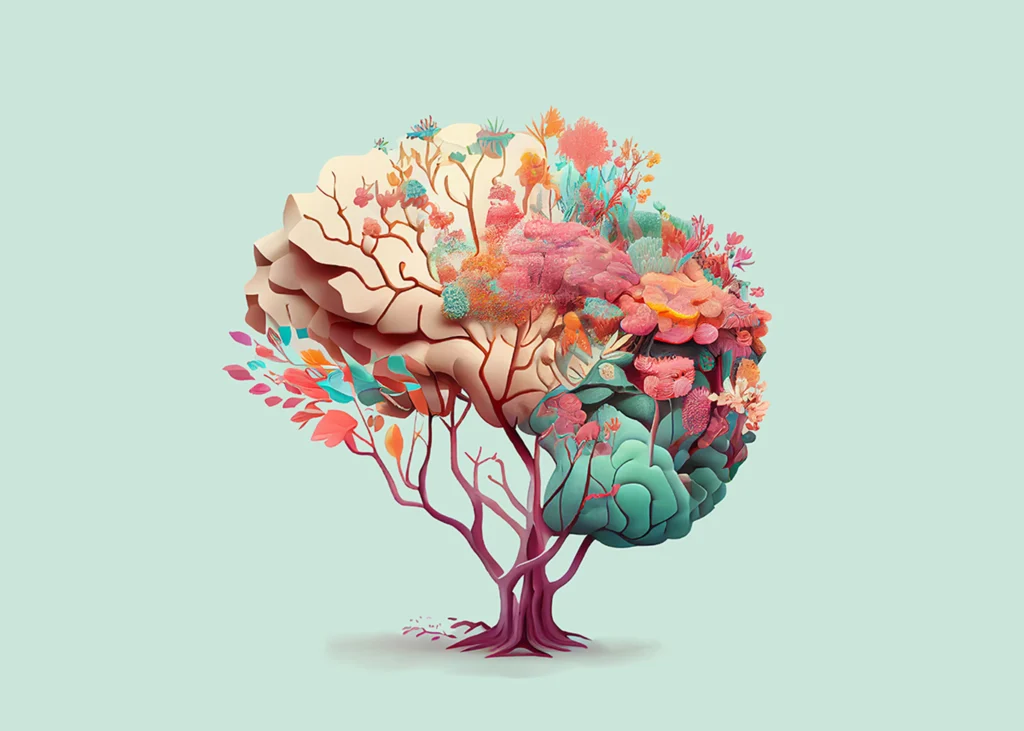
The appearance of blossoms also signals a psychological transition.
The appearance of blossoms also signals a psychological transition. After months of bare branches and muted landscapes, the vibrant flowers and tree blooms of late spring provide sensory stimulation that the brain interprets as renewal, safety, and abundance. This shift can improve mood almost immediately.
Exposure to nature has measurable effects on the nervous system. Researchers studying green spaces consistently find that time spent in natural environments can:
1. Reduce anxiety and mental fatigue
2. Lower cortisol, the body’s primary stress hormone
3. Improve concentration and memory
4. Increase feelings of calm and optimism
5. Support emotional resilience
Studies have shown that flowers can trigger dopamine release, contributing to pleasure, creativity, and motivation. Photo: Eilis Garvey/Unsplash.
Why Flowers and Trees Affect the Brain So Strongly
Humans are biologically wired to respond positively to flowers and fertile landscapes. Bright colors, fresh greens, and floral symmetry activate the brain’s reward pathways and symbolize abundance, triggering subconscious thoughts that no longer need to worry about scarcity. Studies have shown that flowers can trigger dopamine release, contributing to pleasure, creativity, and motivation. Floral scents may also influence the limbic system, the brain’s emotional center, helping reduce tension and promote relaxation. Overall, large-scale natural beauty fosters emotional well-being.
Physical Health Benefits of Springtime Outdoors
1. Heart health
2. Lower blood pressure
3. Better lung function
4. Improved circulation
5. Increased mobility and flexibility
6. Strengthened immune function
7. Better sleep
One reason Scandinavian spring feels especially transformative is the quality of the northern light. Photo: Cecilia Larsson Lantz/sweden.se.
Scandinavia’s Unique Spring Light
One reason Scandinavian spring feels especially transformative is the quality of the northern light. By May, daylight hours expand dramatically. Evenings stretch into twilight, and the landscape takes on a soft, luminous quality that many visitors describe as calming and dreamlike. This environment elevates mood and increases motivation. Combined with blooming trees and flowers and warming temperatures, it creates ideal conditions for restoration.
The Importance of Seasonal Rituals
Seasonal beauty also creates a sense of rhythm and anticipation in life. In many Scandinavian cultures, spring is celebrated not with extravagance but with simple rituals: walking outdoors, gardening, gathering with friends, and appreciating natural light. Celebrations like Valborg, which involve gathering with family and friends on April 30th to mark this new beginning, help people reconnect.
A fun Valborg snack recipe:
1. Individual peeled romaine leaves (you should get between 6 and 8 per head)
2. Spread hummus on each leaf
3. Top with olives, roasted red peppers, pickles, and feta cheese
The Scandinavian spring is simply marvelous, especially in May, when there is so much to explore. Photo: Sean Foster/Unsplash.
Get out and Enjoy
The Scandinavian spring is simply marvelous, especially in May, when there is so much to explore. Spending time in nature reinforces what both evolutionary and modern science show: flowers, sunlight, and time in nature can calm the nervous system, elevate mood, reduce stress, and even support physical health. Yet beyond the research lies something equally meaningful. In many ways, this seasonal awakening mirrors the Scandinavian philosophy of finding joy and balance in life’s ordinary moments. Nature does not rush, and neither must we. By embracing the sights, scents, and serenity of spring, we allow ourselves to feel lighter, more hopeful, and deeply renewed.
Copenhagen has more gyms than ever. Commercial chains on every corner, small studios, CrossFit boxes, and a growing number of private gyms.The question is, private gym or commercial gym in Copenhagen: What’s actually different?
If you’re an international considering starting at a private gym in Copenhagen instead of a standard commercial gym, this guide breaks down what’s actually different — and whether it’s worth the higher price.
What a commercial gym gives you
The large chains — SATS, PureGym, FitnessX — are affordable, accessible, and easy to join. For 200–600 kr. per month, you get access to equipment and floor space. If you already know how to train, have your own program, and don’t need coaching, they work fine.
But that’s all you get: access. There’s no structured program, no personal trainer to track your progress, and no one adjusting your training as you develop. You’re on your own in a room full of equipment, surrounded by people you don’t know, often waiting for machines during peak hours.
For expats new to Copenhagen, this can feel particularly isolating. Everyone seems to know the unwritten rules. The equipment layout is different from what you’re used to. People speak a language you’re still learning. It’s nobody’s fault, but the result is that you never quite feel at ease — and that affects how you train.
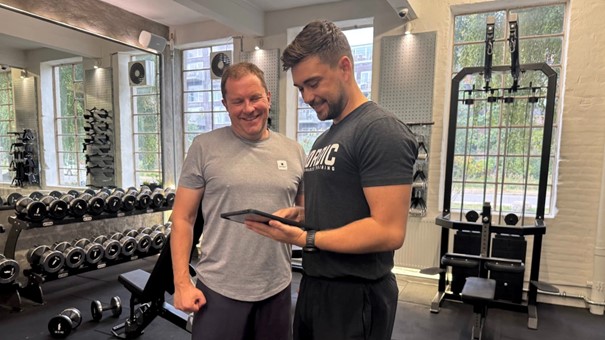
Nordic Performance Training private gym is eqipped with state-of-the-art technology designed to maximize performance and user experience.
What a private gym gives you
Private gyms in Copenhagen operate differently. They’re smaller, appointment-only facilities where you train with a dedicated personal trainer. There are no crowds, no waiting for equipment, and no navigating social dynamics you didn’t sign up for.
You walk in, your coach knows your name and your program, and you spend the next 45–60 minutes focused entirely on getting stronger. Every session builds on the last. Weights, reps, and sets are tracked, so you always know where you stand.
For many internationals, that simplicity is exactly what makes training sustainable in a new city. The environment removes every barrier except showing up.
Private Gym vs. Commercial Gym in Copenhagen: What’s Actually Different?, articlecontinues below the image.
Your coach knows your name and your program.
Why the environment matters more than you think
This is something most people underestimate until they feel the difference.
Research consistently shows that 1-2 well-structured full-body strength sessions per week are enough to build muscle and increase strength. But “well-structured” is the key word. Random gym visits without a plan rarely lead anywhere.
In a commercial gym, structure is your responsibility. In a private gym, it’s built into the service. Your program is designed, your progression is tracked, and your personal trainer adjusts everything based on how you’re responding. You don’t have to decide what to do — you just show up and train.
What it costs
A commercial gym membership in Copenhagen costs 200-600 kr. per month. Personal training at a private gym typically costs 900-1,500 kr. per session, or roughly 3,000-9,000 kr. per month for 1-2 sessions per week.
The price difference is significant, but the relevant comparison isn’t between the two monthly figures. It’s between training that produces measurable results over 6 months and a membership you abandon after 2 months. When you factor in false starts — memberships you don’t use and programs that lead nowhere — structured training is often the more economical choice in the long run.
At Nordic Performance Training you’re able to see exactly how you’ve progressed after 3 months.
What to look for in a private gym
Personal trainers with a health science background. Physiotherapists have 3.5 years of university training in anatomy and biomechanics. In Denmark’s unregulated market, where anyone can call themselves a personal trainer, this is one of the few reliable quality signals.
Documented results. Any serious facility should be able to provide client stories, Google reviews, and measurable outcomes. If they can’t, you’re trusting marketing over substance.
English-speaking coaching. Not just basic communication, but the ability to explain programming decisions and provide real-time technical feedback without language barriers.
A structured program with tracked progression. You should be able to see exactly how you’ve progressed after 3 months. If each session feels random, something is wrong.
One option worth knowing about
Nordic Performance Training is a private gym in Copenhagen where all coaches are licensed physiotherapists and fluent in English. They work exclusively in structured, full-body strength training, with 1-2 sessions per week, and have over 8 years of experience, 3,000+ clients, and 50,000+ training sessions, with more than 350 5-star Google reviews. You can see their personal training prices in Copenhagen on their website and book a free start-up conversation with no obligation.
Like many nations, Denmark is in desperate need of tradespeople: plumbers, builders, roofers, carpenters, electricians, and skilled manual workers, known in Scandinavia as håndverker. There is a shortage of skilled workers in Denmark.
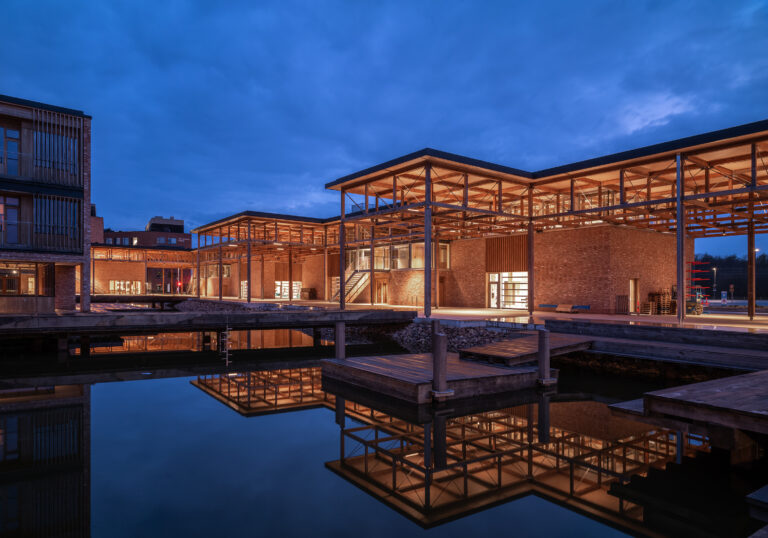
Håndværkskollegiet (The Craft College) in Horsens, Denmark, is a specialized residential college for young apprentices in vocational trades, such as carpentry, masonry, plumbing, and painting. It is not merely student housing but a learning environment that elevates the status of skilled craftspeople and provides them with a community.
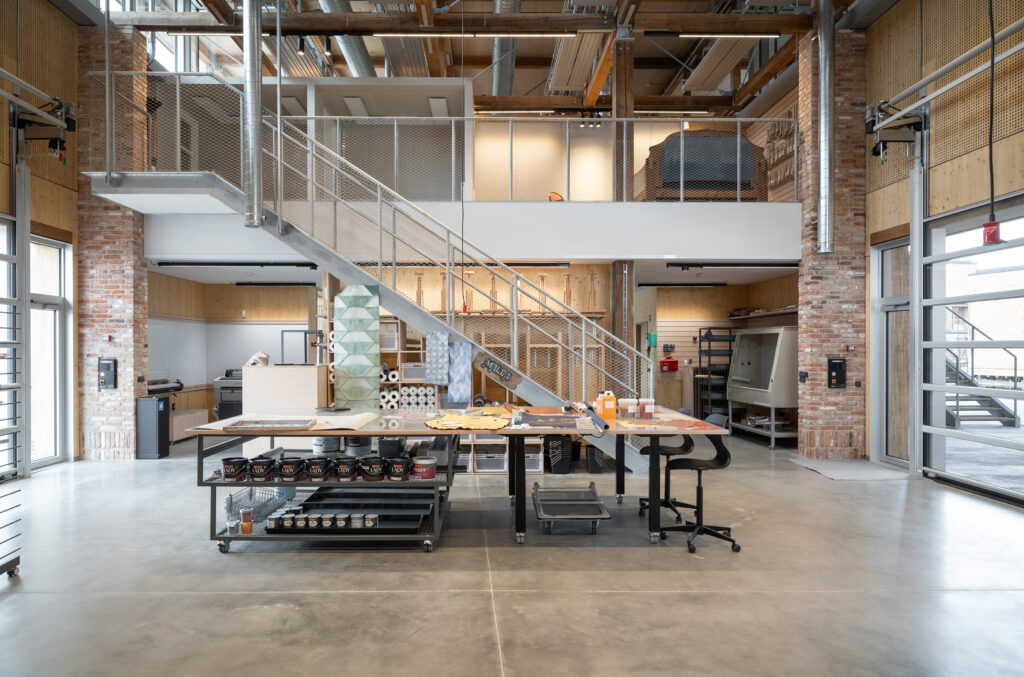
The college serves as a living catalog of good solutions — in craftsmanship, architecture, and materiality alike.
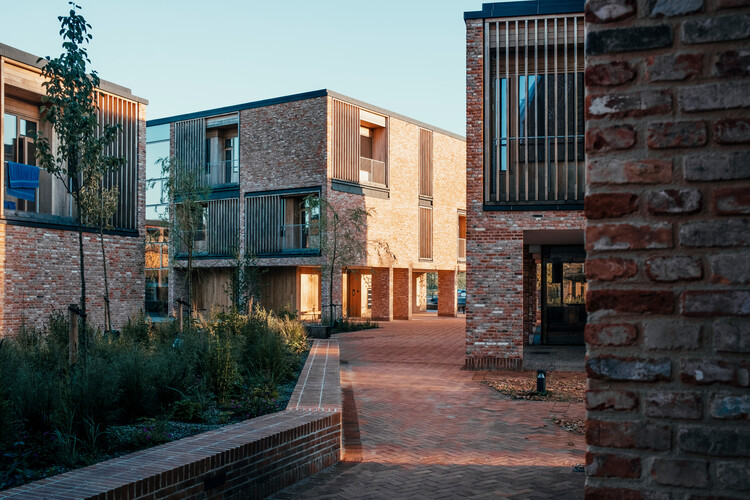
The new Craft College has been built on the former railway grounds in Horsens and is the first of its kind in Denmark. Through a combination of craftsmanship, architecture, and materials, the project seeks to strengthen respect for and promote a positive image of the craft professions, and to attract more young people to these educational paths. Carefully selected, honest, natural, and often traditional building materials have been used for their architectural properties and beautiful textures, ensuring longevity and a charming, warm, and dignified aging process.
Håndværkskollegiet in Horsens has become a residence hall designed to inspire trainee tradespeople to help plug Denmark’s skills gap by fostering the exchange of ideas and expertise.
The Crraft College is a specialized residential college for young apprentices in vocational trades, such as carpentry, masonry, plumbing, and painting.
The award-winning project, completed in 2024, features 72 student rooms and workshops. It is known for its innovative design, and its location supports young craftspeople through a communal, workshop-centered living experience. The Crafts College received the award for ‘Building of the Year 2024.’
The main architectural concept of the Craft College results in a distinctive building that, through its choice of materials and construction, conveys a sense of rustic strength while creating an unpretentious, homely atmosphere. Large spaces, smaller pockets, and intimate rooms form a cohesive framework that connects active zones, residences, and the tranquil garden.
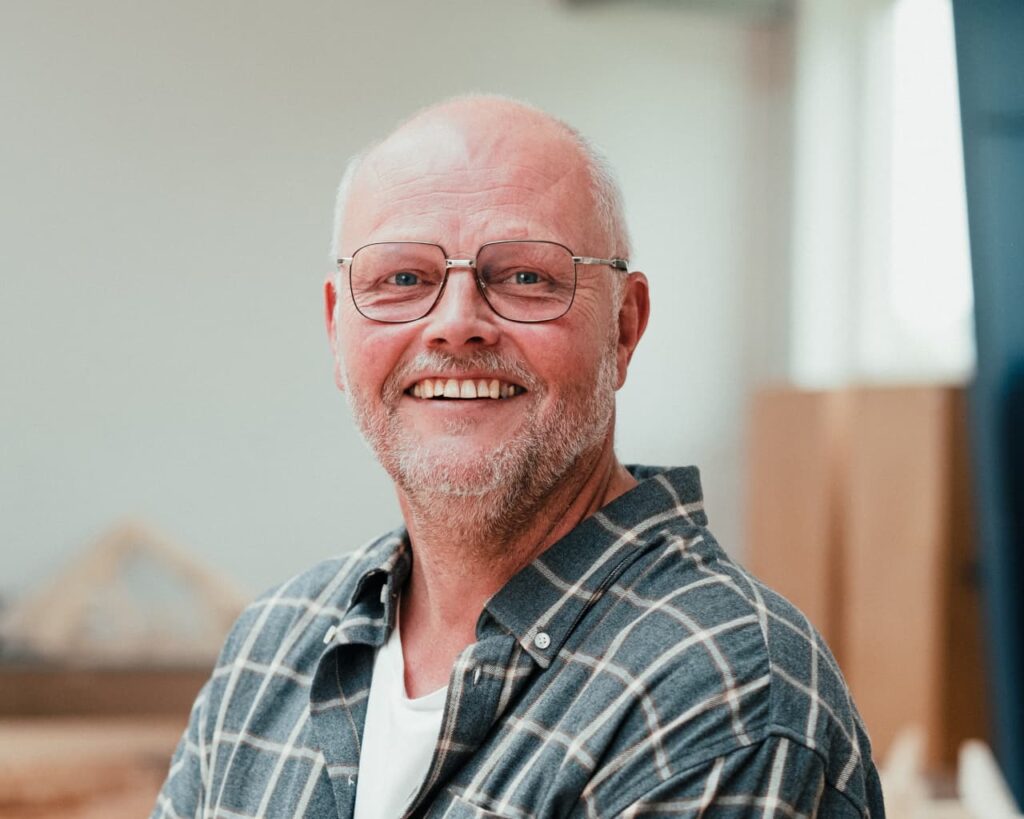
The Craft School’s principal, Flemming Moestrup.
“Part of the purpose of these buildings is to persuade young people to pursue a skilled-worker education,” says its principal, Flemming Moestrup.
The building is designed as a “living teaching tool” where architecture, high-quality materials (such as solid oak flooring), and craftsmanship are on display. The colleges feature workshops, large common rooms, and shared outdoor areas intended to foster community among apprentices across trades.
The construction demonstrates that when traditional materials and craftsmanship are combined with forward-thinking modern architecture, the result is a beautiful, functional, and unique building. The college thus serves as a living catalog of good solutions — in craftsmanship, architecture, and materiality alike.
“The idea that the building celebrates craftspeople was very inspiring to us. We wanted to create communal spaces, but when we designed these small dwellings, we focused on making them dignified,” says Copenhagen-based architect Dorte Mandrup, whose studio designed Håndværkskollegiet. (Foto Espen Grønli)
Shortage of Skilled Labor in Denmark, Tor Kjolberg reporting.
Ideas don’t spread because they’re smart—they spread because they’re well told.Clever storytellers don’t just communicate ideas; they shape what audiences believe is worth thinking about. Leaders who shape stories shape markets.
In most boardrooms, “thought leadership” is still treated as a function of expertise. Publish a white paper, commission proprietary research, share a bold prediction—repeat at scale. The assumption is simple: if the thinking is strong enough, influence will follow.
But in practice, it rarely works that way.
We operate in an environment defined by content saturation and shrinking attention spans. Insight alone is no longer scarce; interpretation is. And in that shift lies a more useful definition of thought leadership: not just possessing valuable ideas, but shaping how others understand and apply them.
That is the work of storytelling.
Clever storytellers don’t merely communicate ideas—they organize them, give them direction, and make them travel. In doing so, they become the voices that industries listen to, quote, and build upon.
Rethinking Thought Leadership
Traditional thought leadership prioritizes information transfer. Reports, op-eds, and keynote presentations all aim to deliver knowledge to an audience assumed to be rational and attentive.
The flaw is not in the ambition, but in the model. Information does not automatically convert into influence. In fact, without structure, most ideas dissipate quickly, regardless of their quality.
What distinguishes influential leaders is not the volume of their output, but the clarity of their narrative. They don’t just add to the conversation—they frame it.
Storytelling, in this context, is not about embellishment or entertainment. It is a strategic discipline: the ability to package insight into a form that is memorable, repeatable, and meaningful to a specific audience.
Why Storytelling Drives Influence
There are four mechanisms through which storytelling transforms expertise into thought leadership.
Stories organize complexity
Modern markets are complex systems. Data points are abundant, signals are ambiguous, and competing interpretations are constant. A well-constructed story acts as a compression tool—it reduces complexity into a coherent throughline.
Instead of presenting ten disconnected insights, a narrative connects them into a single perspective. This allows audiences to process, retain, and apply information more effectively. In executive settings, especially, clarity often outperforms completeness.
Stories travel further than facts
Ideas gain influence when they move beyond their original context. A statistic may be accurate, but it is rarely repeated. A narrative, however, is inherently portable.
When an idea is embedded in a story—with a clear tension and resolution—it becomes easier to share across teams, organizations, and media channels. This repeatability is what turns a point of view into a widely adopted perspective.
In other words, storytelling creates distribution leverage for thinking.
Stories signal original thinking
In a landscape where access to data is increasingly democratized, differentiation comes from interpretation. Two organizations can look at the same dataset and reach entirely different conclusions.
Storytelling is the vehicle for that differentiation. It reflects how an organization frames reality—what it prioritizes, what it challenges, and what it believes comes next.
A distinctive narrative signals that the thinker is not just informed, but insightful. It demonstrates a point of view, which is the foundation of thought leadership.
Storytellingbridges the gap between intellectual agreement and genuine conviction.
Stories build emotional credibility
Expertise establishes authority, but trust requires more. Audiences need to understand not only what you think, but why it matters.
Storytelling introduces context, stakes, and human relevance. It connects abstract ideas to real-world implications, making them more persuasive and credible. In doing so, it bridges the gap between intellectual agreement and genuine conviction.
From Content Production to Narrative Design
Many organizations attempt to build thought leadership by increasing content output—more articles, more posts, more campaigns. The result is often fragmentation: isolated pieces of content that fail to reinforce a consistent perspective.
A more effective approach is narrative design.
This involves shifting from a campaign mindset to a system mindset. Instead of asking, “What should we publish next?” the better question is, “What is the core narrative we want to own—and how does each piece of content reinforce it?”
The distinction is critical:
Content production distributes information.
Narrative design shapes meaning.
In practice, this means aligning leadership communications, marketing efforts, PR activity, and internal messaging around a shared story architecture. Each touchpoint becomes a variation of the same core idea, adapted for context but consistent in direction.
Over time, this consistency is what builds recognition and authority.
Graphic: Robin Farmer
A Practical Framework for Story-Led Thought Leadership
For organizations looking to operationalize this approach, a simple four-part framework can be effective.
Insight
Start with a non-obvious observation. What do you see in your market that others are overlooking or underestimating? This is not about novelty for its own sake, but about identifying a meaningful shift, contradiction, or emerging pattern.
Tension
Insight alone is not enough; it needs urgency. What problem does this insight expose? What assumption does it challenge? Tension creates relevance by answering the question: why should anyone care?
Frame
The frame is how you package the insight and tension into a clear, compelling perspective. This often takes the form of a simple, memorable idea or phrase—something that can anchor multiple pieces of content and conversations.
Story System
Finally, the narrative must be expressed consistently across channels. This includes executive communications, marketing campaigns, media engagement, and even sales conversations. The goal is not repetition for its own sake, but reinforcement—ensuring that the same core idea is encountered in multiple contexts.
Common Pitfalls
While the value of storytelling is increasingly recognized, execution often falls short. Several patterns tend to undermine effectiveness.
Confusing storytelling with entertainment: Business storytelling is not about being amusing; it is about being meaningful. Clarity and relevance should take precedence over creativity for its own sake.
Over-reliance on anecdote: Personal stories can be powerful, but without a clear strategic link to the broader insight, they risk becoming distractions rather than drivers of understanding.
Fragmented messaging: Producing disconnected content pieces dilutes impact. Without a unifying narrative, even high-quality content struggles to build cumulative influence.
Chasing virality over authority: Short-term attention spikes do not equate to long-term thought leadership. Consistency of perspective is more valuable than occasional visibility.
Graphic: Jack Appleman
The Strategic Implication
As artificial intelligence accelerates content creation, the supply of information will continue to increase. In such an environment, the competitive advantage shifts away from producing content and toward shaping interpretation.
This is where storytelling becomes decisive.
Organizations that invest in narrative capability—defining clear perspectives, structuring ideas effectively, and communicating them consistently—will be better positioned to influence how markets think and evolve.
They do not risk becoming part of the background noise, regardless of how strong their underlying ideas may be.
In the end, thought leadership is not simply about having something to say. It is about ensuring that what you say changes how others see.
And that is the work of a clever storyteller.
If you want a free copy of my new book, “How I’ve Survived as a STORYTELLER for Over 50 Years: 12 Survival Techniques”, just contact me. The only requirements are to include your name, your email address, and “Storytelling” in the subject line.
Leaders Who Shape Stories Shape Markets, written by Tor Kjolberg
Ticket sales for the Danish Seafood Festival have begun. With over 100 fish and shellfish menus available at more than 100 restaurants, this year’s festival, running from 22 to 31 May, is bigger than ever. The program is wide-ranging and features several of the country’s best restaurants.
Each spring, as summer approaches, Denmark’s culinary scene turns towards the sea. The Seafood Festival brings together restaurants from across the country, each offering specially curated menus showcasing the diversity of Nordic seafood, at fixed prices of 289 DKK, 389 DKK, or 559 DKK. Bookings are available on the official Seafood Festival website.
Each spring, as summer approaches, Denmark’s culinary scene turns towards the sea.
From classic fish dishes to more contemporary interpretations, chefs showcase their approach to seafood—shaped by seasonality, proximity to the coast, and a strong culinary tradition.
It will also be possible to purchase wine and beverage menus that are carefully composed for the menu in question.
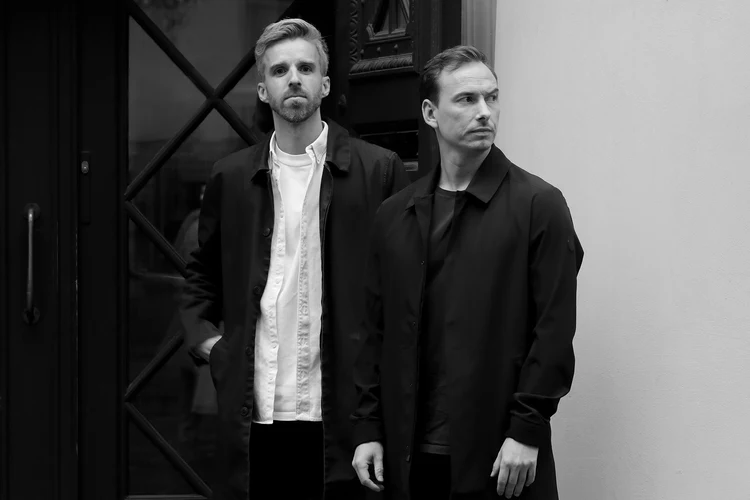
The Oslo-based design studio Skogstad & Wærnes has designed a new series of quality wool blankets for the textile manufacturer Røros Tweed in Norway.
Mello is a series of four differently colored wool blankets designed for shaft weaving, with an emphasis on binding and how each thread locks the textile in place. The design is based on a diagonal pattern that provides strong construction and a soft, slightly three-dimensional texture.
During the design process, Skogstad and Wærnes investigated different weaving techniques and patterns. Exploring possibilities to combine traditional techniques with modernized patterns.
The designer duo Petter Skogstad and Fredrik Wærnes.
From the very beginning, they experimented with physical samples in paper and yarn, in parallel with hand sketching and digital structure drawing. Often switching focus from close-up to full scale, from defining each thread to considering the whole blanket, led the designers to their final design for Mello.
The interplay between a white warp and a solid-colored weft highlights the intricate weave, creating a sheen that showcases the innate luster of Norwegian wool.
“We always find it interesting to embrace both the past and the future in our design processes. The MELLO series is a union of heritage and modern design that balances elegance with an innovative approach,” say Petter Skogstad and Fredrik Wærnes. The MELLO blankets are available in four colors: Lemon Yellow, Leaf Green, Powder Pink, and Warm Grey.
The interplay between a white warp and a solid-colored weft highlights the intricate weave.
The design of MELLO is based on a diagonal pattern that provides strong construction and a soft, slightly three-dimensional texture.
About Skogstad & Wærnes
Skogstad & Wærnes is an Oslo-based design studio founded by Petter Skogstad and Fredrik Wærnes, both born in 1985. Skogstad and Wærnes have known each other since studying product design at Oslo Metropolitan University and ECAL. In 2020, recognizing the synergy of their skills and experience, they established their own studio.
Their design ethos is rooted in honesty and thoughtfulness, guided by the intricacies and responsibilities of creating new products. The studio’s portfolio spans a diverse array of disciplines, with a particular passion for furniture, lighting, and objects.
About Røros Tweed
Since the 1930s, Røros Tweed has produced wool textiles and blankets in Røros. The family-owned company also operates its own yarn factory in Rauma, with almost 100 years of experience spinning wool yarn from Norwegian wool fibers. This gives Røros Tweed a unique position, with hands-on development from raw materials to the final product.
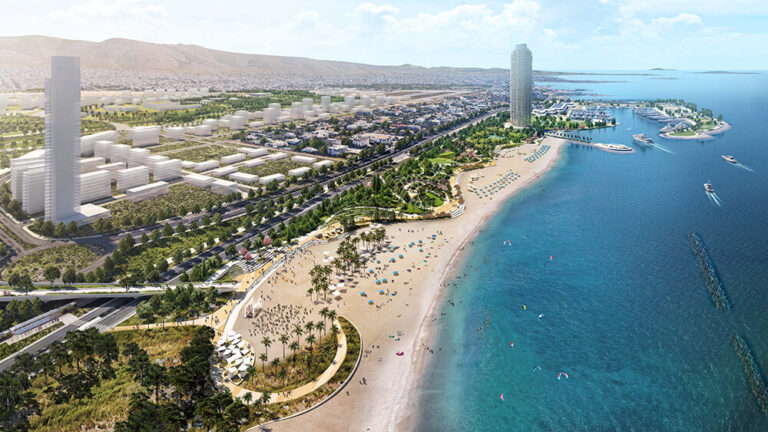
The Ellinikon, a €8 billion project led by LAMDA Development, is transforming 6.2 million sq. m. into a sustainable, self-sufficient zone where work, housing, leisure, and services are within a 15-minute walk- or bike ride, featuring a vast coastal park and integrated smart technology. The Former Athens International Airport Has Become Greece’s Premier 15-Minute City Initiative
The Ellinikon is taking shape on the Athenian Riviera. Work on the site began after the airport closed in 2001, with initial plans drawn up in 2012. The first building, a Care Center for People with Disabilities, was completed in 2023. Construction across the wider site is ongoing, with new districts and facilities expected to open in phases over the coming years.
One of the challenges facing residents of urban centers is the long daily commute. The time spent in cars or on public transportation to get to work, run daily errands, or simply go out diminishes their quality of life. For example, in 2024, drivers in Athens spent an average of 111 hours stuck in traffic. At the same time, people’s reliance on motorized vehicles increases the environmental footprint in big cities.
Everything you need is within a 15-minute walk- or bike ride.
Ellinikon is designed so residents can reach work, shopping, health care, education, and recreation within 15 minutes by walking, cycling, or public transportation.
The development spans 3.5 kilometers of coastline and is set to include more than 8,000 homes, office space, hotels, retail areas, a marina, and one of Europe’s largest coastal parks. The former airport site, which had been largely unused and environmentally degraded, is being redeveloped into a mixed-use urban district with a focus on accessibility and sustainability.
This approach limits the use of cars, motorcycles, and public transportation while promoting walking and micromobility, meaning transportation with soft means, such as bikes or electric scooters. To this end, 15-minute cities prioritize pedestrian zones, bike lanes, and sidewalks rather than freeways and highways.
The Ellinikon is taking shape on the Athenian Riviera.
Ellinikon features a 2-million-square-meter Metropolitan Park, green spaces covering 70% of the area, and sustainable infrastructure, including rain gardens and smart, energy-efficient building systems.
***************************
Related: Smart City Sweden
***************************
The Ellinikon Riviera forms the development’s coastal edge. It features a continuous 1 km public beach, along with walking paths, gardens, and open spaces. The waterfront is designed for accessibility, with areas for relaxation, sports, and social activities. Promenades and pedestrian links connect the coastline to the central park and surrounding neighborhoods.
Ellinikon features a 2-million-square-meter Metropolitan Park.
An early version of the 15-minute city was implemented in 1994 in Poundbury, England, with an urban design focused on easy access to public services. In 2016, architect Carlos Moreno introduced the 15-minute city concept in France, and it gained global prominence following the COVID-19 pandemic. Today, it is promoted by C40 Cities, a network of 97 mayors from cities worldwide, including Athens and Copenhagen, to address the climate crisis.
The 15-minute system uses a central digital platform to manage traffic, water, and energy, as well as apps that connect residents to city services.
The former airport site is being redeveloped into a mixed-use urban district with a focus on accessibility and sustainability.
Hospitality, retail, and lifestyle
Several hospitality projects are planned across the Ellinikon. The Mandarin Oriental Athens will include a hotel and branded residences along the waterfront. The Marina Hotel and Residences will offer additional accommodations near the marina, with direct access to restaurants, shops, and leisure areas.
There are approximately 2.5 to 3 million cars in the Athens Metropolitan Area, i.e., the area that includes Athens, Piraeus, and their suburbs. According to estimates of the area’s residents:
53% use their cars for transportation.
35% use public transport.
8% go to work on foot.
1-2% ride a bike.
These figures reflect the frustration experienced by both drivers and pedestrians, as the space intended for them is constantly shrinking. It is clear that radical solutions are needed to improve the quality of life for residents and visitors alike.
New districts and facilities expected to open in phases over the coming years.
Broader Vision
The model, highlighted as a key future urban strategy in Greece, aims to reduce car use, improve well-being, and combat the impacts of climate change by promoting sustainable, active transportation.
Icelandic singer Björk’s albums have become increasingly high-concept as she returns from her 1990s commercial peak. The National Gallery of Iceland presents Echolalia by Björk in Reykjavik, 31.5.2026-20.9.2026.
There will also be a one-day festival in Víðistaðatún, Hafnarfjörður, on Wednesday, August 12, coincident with the first and only 21st-century eclipse.
The National Gallery of Iceland presents Echolalia by Björk in Reykjavik.
Her hometown show is a good entry point. Immersive installations include a multimedia presentation of her next album, plus two others that provide context for her 2022 fungi-inspired LP, Fossora.
The visionary musician Björk has continually pushed conventional boundaries.
The National Gallery of Iceland presents an exhibition of Björk, the visionary musician whose work continually pushes conventional boundaries, interweaving art, nature, and technology through restless experimentation. Three songs are presented at the museum on a theatrical scale for the first time. Ancestress and Sorrowful Soil, composed and arranged by Björk in honor of her mother, are accompanied by a new work drawn from the artist’s forthcoming album. The exhibition is presented alongside Metamorphlings, an exhibition by James Merry, Björk’s longtime collaborator.
The National Gallery of Iceland presents Björk, Tor Kjolberg reporting.
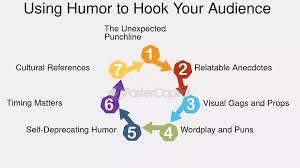
Using humor to make your storytelling stick is a high-stakes, high-reward strategy that uses wit, irony, or absurdity to break through advertising clutter, humanize a brand, and create lasting emotional connections. In this article, I’m looking at how to use humor to break through advertising clutter.
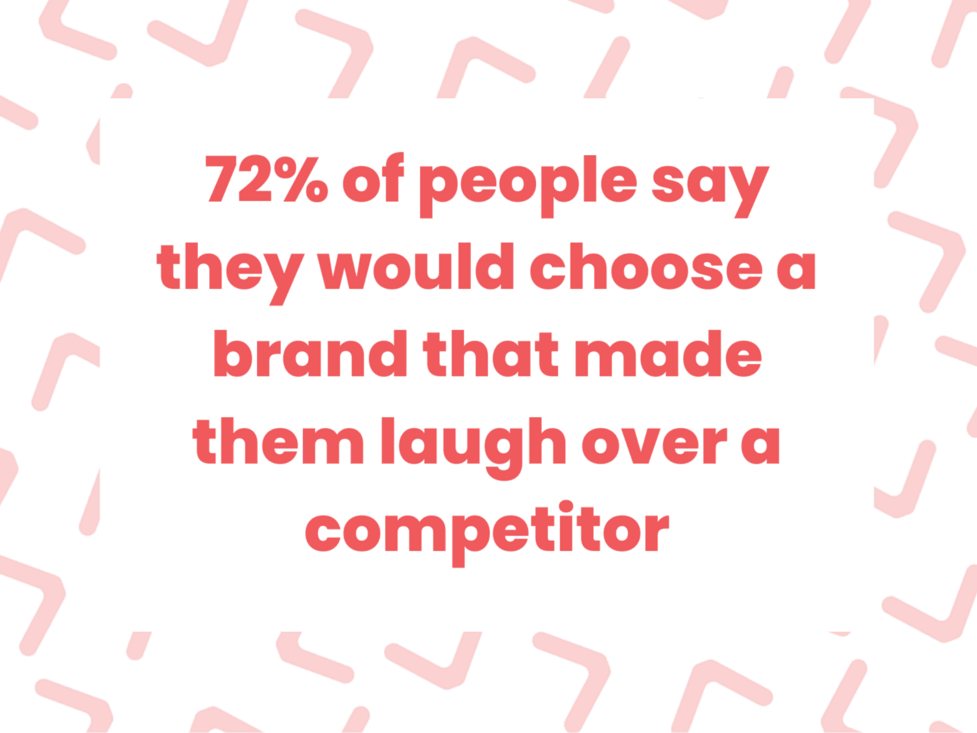
Research shows that ads using humor are 47% more likely to be remembered, and 53% of consumers are more likely to enjoy and recall advertisements that make them laugh. Humor is particularly effective at driving engagement, with funny content seeing up to 400% more shares on social media.
Why Humor Works in Storytelling
Humor triggers the release of endorphins and dopamine, creating positive associations with the brand and supporting long-term memory retention.
Humor triggers the release of endorphins and dopamine.
Humor is a powerful tool because it taps directly into human psychology, transforming a purely informational message into an enjoyable experience. Studies indicate that humorous campaigns can deliver 6 times more brand lift, achieve up to 47% higher return on ad spend (ROAS), and are 30% to 90% more likely to be remembered than serious, dry ads.
Here is why humor creates strong emotional connections and improves memory, explained through psychological and marketing principles:
The Chemistry of Connection (Emotional Connection)
When people laugh, their brains release a cocktail of dopamine, serotonin, and endorphins. This triggers feelings of pleasure, happiness, and well-being, directly linking the brand to a positive emotional experience.
Humor, especially self-deprecating or observational, makes a brand feel more human, relatable, and trustworthy. It reduces consumer skepticism and lowers emotional defenses, making consumers more open to the brand’s message.
Shared laughter creates a bond between the brand and the consumer, often making the audience feel like they are “in on the joke.”
The “Tension Release Theory” suggests that humor serves as a pressure valve, relieving monotony or tension in a crowded advertising landscape.
The Cognitive Impact (Memory and Recall)
Humor captures attention because it often involves unexpected twists or incongruity, forcing the brain to focus on and decode the joke, leading to deeper processing.
Cognitive studies show that information paired with humor is remembered 90% better than dry information. The brain is wired to retain positive, emotional memories, making consumers more likely to remember the ad and, by extension, the brand.
Content that makes people laugh is more likely to be shared on social media, amplifying reach and reinforcing brand memory, resulting in 400% more shares than neutral content.
In a saturated market, a humorous story breaks the mold of traditional, boring ads. When the product is woven directly into the joke (like Snickers’ “You’re not you when you’re hungry”), the laugh becomes a branded memory trace, ensuring the brand is remembered, not just the joke. Consistent humor defines a brand’s voice, making it instantly recognizable and distinct from competitors.
However, for maximum effectiveness, the humor must be tailored to the target audience and aligned with the brand’s persona to avoid being offensive or confusing.
Humor in marketing storytelling cuts through the noise by serving as a “pattern interrupt” in a crowded, high-stress digital landscape, offering a refreshing, memorable alternative to serious, corporate messaging. In an era of content fatigue, with 67% of consumers reporting feeling overloaded by generic or “polite” marketing messages, humor grabs attention, builds instant rapport, and fosters trust.
Shared laughter creates a bond between the brand and the consumer.
A witty, unexpected, or absurd story immediately breaks the monotony and indifference toward social media ads. In a world of heavily produced, perfect imagery, humorous, raw, or self-deprecating content feels authentic and human. It disrupts the expected, traditional sales pitch, forcing the consumer to pause and engage.
High Memorability and Emotional Connection
Humor helps turn a sales pitch into an experience, making the message “stick” in long-term memory.
Drives Virality and Organic Engagement
Humorous content is, by far, the most shared type online, increasing reach without additional paid spend. People share jokes that make them feel clever or help them connect with friends, serving as free promotion for brands.
Humanizes the Brand and Reduces Sales Resistance
Humor signals confidence and self-awareness, showing that a brand doesn’t take itself too seriously. When people laugh, their natural defenses against sales pitches drop, making them more receptive to the message. Humor often highlights common pain points or “insider” industry jokes, fostering a “we’re in this together” feeling between the brand and the consumer.
High ROI and Efficiency
Ads with humor are 6.1x more effective at driving market share growth than dull or neutral ads. Research indicates that humorous ads can lead to 47% higher purchase intent than non-humorous ads.
Key 2024–2025 Trend: After years of purpose-driven, serious marketing, brands are returning to humor as a “superpower,” with 75% of UK and US winners at the 2024 Cannes Lions Festival of Creativity using humor.
Humor is a powerful tool in marketing storytelling because it cuts through the noise of a crowded, often impersonal digital landscape, creating a genuine emotional connection with audiences. Rather than relying solely on facts or sales pitches, incorporating humor transforms a faceless corporation into an approachable, relatable, and trustworthy entity, effectively “humanizing” the brand.
Humor signals confidence and self-awareness, showing that a brand doesn’t take itself too seriously.
Why humor works for humanizing a brand
It Fosters Relatability and Trust
Humor allows brands to act like people rather than corporations, building rapport and making them feel more relatable. Self-deprecating or observational humor shows that a brand doesn’t take itself too seriously, signaling confidence and authenticity. Using humor to highlight common customer frustrations (e.g., Mondays or complicated industry jargon) demonstrates that the brand understands the customer’s world.
It Triggers Positive Emotions
When a brand makes consumers laugh, it lowers their guard, making them more receptive to marketing messages.
It Makes the Brand Memorable
In dull categories (like finance or utilities), humor is the key differentiator between being ignored and being unforgettable.
It Encourages Engagement
Humorous content is highly shareable, often going viral as people pass along content that made them laugh. Using humor, such as memes or witty replies on social media (e.g., Wendy’s or Duolingo), creates an “inside joke” atmosphere, strengthening customer loyalty.
It Works Across All Industries (Including B2B)
Humor is effective in B2B marketing, where it helps simplify complex products and differentiate brands in a dry, jargon-filled market. Even in professional settings, customers are human beings who appreciate a good laugh, making them more likely to trust a brand that is, well, human.
Key Considerations for Success
The humor must align with the brand’s voice, or it can feel forced and insincere. What one person finds funny, another may find offensive, so deep audience insight is crucial. Remember, humor should support, not overshadow, the core message.
Humor must feel natural to the brand’s identity, not forced.
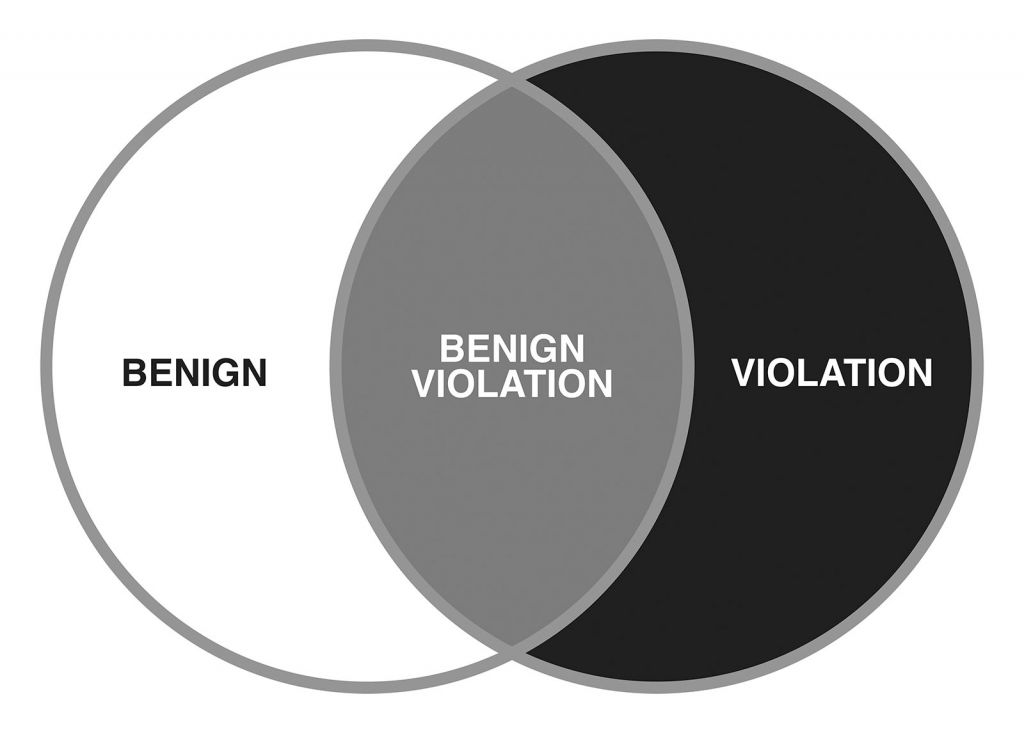
BVT, developed by researchers Peter McGraw and Caleb Warren, posits that humor occurs when three conditions are met simultaneously:
A situation is a violation (it threatens how the world “ought to be” – i.e., it is wrong, abnormal, or threatening).
The situation is benign (harmless, playful, or not truly dangerous).
Both perceptions occur at the same time.
In short, something is funny when it is wrong but also okay.
The Core Components
Violations: Departures from social, moral, or physical norms. Examples include physical threats (tickling, play-fighting), violations of dignity (slapstick), violations of social norms (rudeness, flatulence), and violations of linguistic logic (puns, absurdities).
Benignity: This is the perception that the violation is not genuinely harmful. This perception makes the threat seem safe.
Simultaneity: The observer must see the situation as both wrong and not wrong at the same time. If it is only a violation, it is scary or offensive; if it is only benign, it is boring.
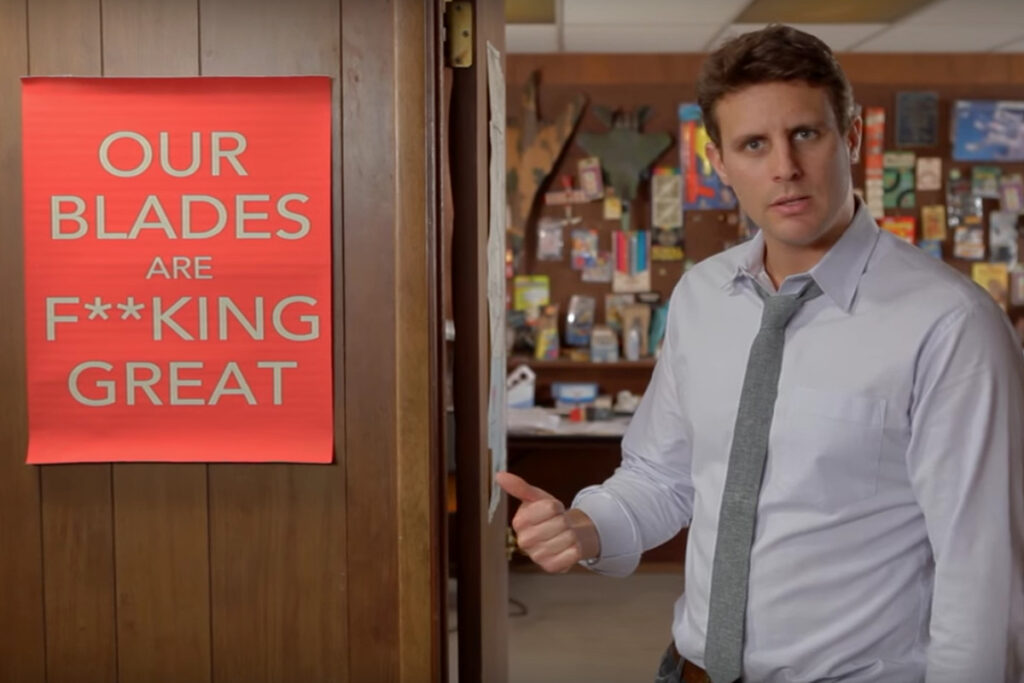
Dollar Shave Club’s video used direct, dry, and self-aware humor to disrupt the razor industry.
How Violations Become Benign
According to the BVT, a violation can become benign in three primary ways:
Alternative Norms: A different perspective can make the situation acceptable, such as when a person is tickled by someone they trust (a mock attack).
Weak Commitment to the Norm: The observer does not care deeply about the rule that is broken, such as when someone who is not religious laughs at a joke about a church.
Psychological Distance: The situation feels distant. This includes temporal distance (tragedy + time = comedy), spatial distance (a joke about a faraway place), or hypotheticality (a cartoon or joke that isn’t real).
Examples of BVT
Tickling: A physical attack (violation) that is harmless because it is performed by a loved one (benign).
Tragedy + Time: A joke about a 5-year-old car accident is funny, but a joke about one that happened yesterday is not, because the latter is too close to be taken lightly.
Puns: They violate language norms (violation) yet are harmless wordplay (benign).
A Chicken Crossing the Road: It violates the norm of normal, predictable animal behavior (violation) in a harmless (benign) way.
Duolingo’s TikTok strategy uses a “chaotic” and slightly unhinged mascot to engage younger audiences, demonstrating that niche, platform-specific humor can be effective.
Significance
The BVT is useful because it explains why humor is subjective and why some jokes offend some people while making others laugh—the same situation may be perceived as a “benign violation” by one person and a “malign violation” (harmful) by another. It also explains why comedy often pushes boundaries: the best comedy sits on the razor’s edge between harmless and genuinely harmful.
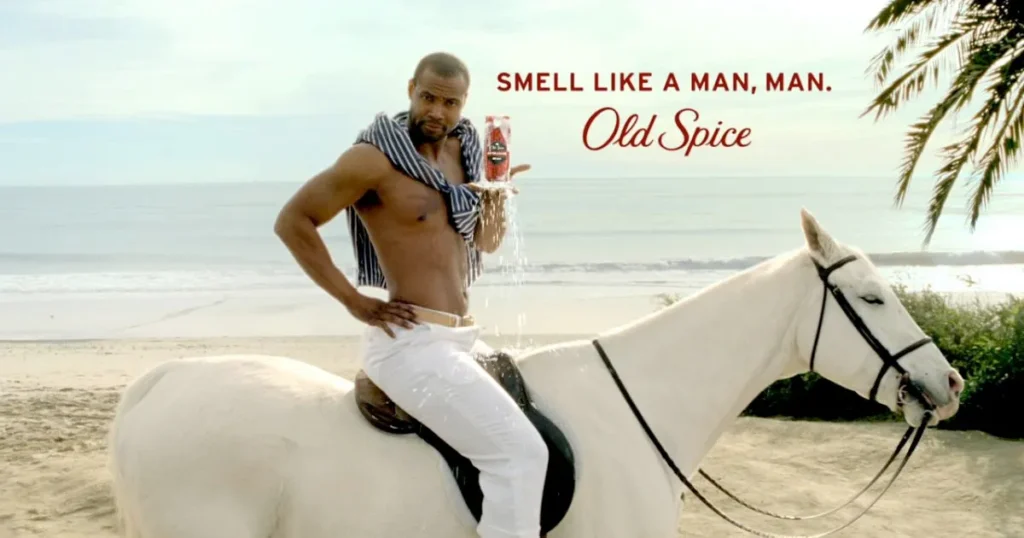
Humor often arises when a situation seems “wrong” yet is perceived as non-threatening. Breaking expectations in a lighthearted way (e.g., in an Old Spice commercial) makes the content memorable.
Liquid Death uses dark, ironic humor to position bottled water as an “irreverent” lifestyle product, fostering strong brand loyalty.
Key Strategies for Implementation
Humor must feel natural to the brand’s identity, not forced. If a brand is typically serious, a sudden pivot to slapstick can alienate customers.
The most effective humor is rooted in common human experiences, such as the pain points of a specific industry (e.g., B2B marketing) or everyday inconveniences.
Use visual and narrative storytelling to build context rather than relying on a standalone joke. The humor should enhance the message, not overshadow it.
Avoid humor based on politics, religion, or harmful stereotypes. The safest approach is often to make the product or situation the “loser” in the joke rather than a person or group.
Breaking expectations in a lighthearted way (e.g., in an Old Spice commercial) makes the content memorable.
Liquid Death uses dark, ironic humor to position bottled water as an “irreverent” lifestyle product, fostering strong brand loyalty.
Duolingo
The brand’s TikTok strategy uses a “chaotic” and slightly unhinged mascot to engage younger audiences, demonstrating that niche, platform-specific humor can be effective.
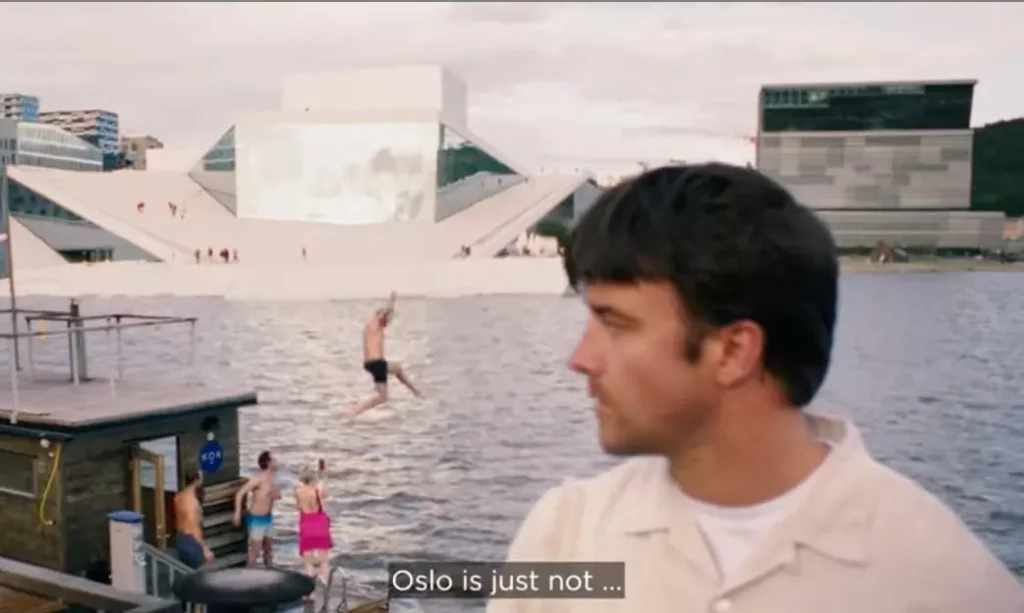
Humor and irony are intended to attract more tourists to Oslo.
The anti-advertisement for the Norwegian capital spread worldwide. Humor and irony are intended to attract more tourists to Oslo.
A witty, unexpected, or absurd story immediately breaks the monotony and indifference toward social media ads.
Risks and Pitfalls
What one person finds hilarious, another may find offensive or confusing.
If the audience remembers the joke but not the brand or product, the campaign has failed.
Using humor during a crisis or in a highly sensitive context can harm a brand’s reputation.
In essence, successful humor in marketing isn’t just about being funny; it’s about using wit strategically to ensure the brand’s message is both seen and felt by the audience.
Creative liveries are among the most striking ways for an airline to stand out. Several projects will take off in 2026, and we’ve selected a few creative airline liveries to watch.
Scandinavian Airlines (SAS)
SAS is celebrating its 80th anniversary in 2026, and to mark the occasion, an Airbus A330-300 (registered as LN-RKR and named Tore Viking) has been repainted in the airline’s signature cobalt blue. For the first time, an entire aircraft has been painted in the striking color, while the red, blue, white, and yellow accents refer to the flags of Denmark, Norway, and Sweden.
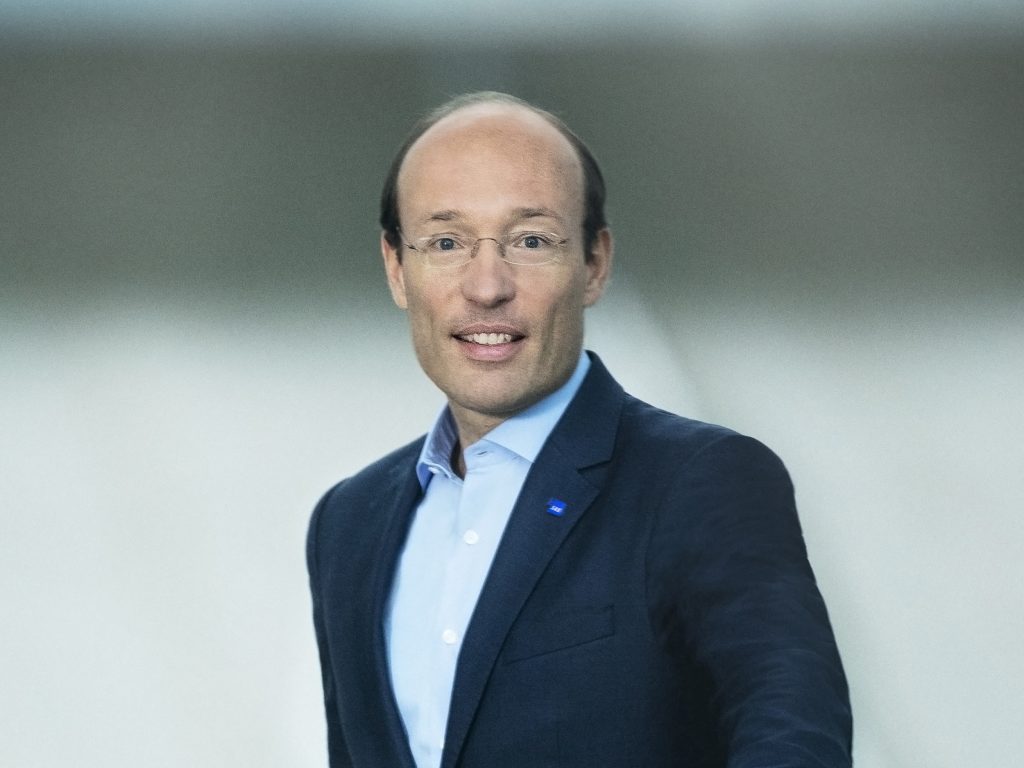
SAS CEO Anko van der Werff
“For 80 years, Scandinavian Airlines has driven innovation and brought Scandinavia closer to the world through safe and reliable operations. From our first transatlantic flight to today’s global network, that purpose remains unchanged. This aircraft is a symbol of our heritage, and of the role we play every day for our customers and the societies we serve”, SAS CEO Anko van der Werff said about the livery.
Norwegian Air Shuttle with Roald Dahl tailfin.
Norwegian Air Shuttle
Norwegian’s “Tail Fin Heroes” program, started in 2002, features portraits of iconic personalities who challenged norms and pushed boundaries. Originally focused on Scandinavian pioneers, the portraits expanded to include European and American figures (e.g., Freddie Mercury, Oscar Wilde) to reflect the airline’s growth. The portraits, alongside a red-nosed livery, are a signature branding element.
To celebrate their 20th anniversary in 2022, Norwegian began a renewal program, introducing a modern red, white, and blue design that reflects the hero’s life and work.
Comic art is an essential part of Belgium’s cultural identity.
Brussels Airlines
Since February 2026, Brussels Airlines has been flying a very special Airbus A320. The Belgian Icon aircraft, registered as OO-SNJ, has been dedicated to the internationally cherished comic character Tintin. It is the second Brussels Airlines plane to be decorated with one of Hergé’s iconic characters, this time with a space-themed drawing.
“Comic art is an essential part of Belgium’s cultural identity, and Hergé’s work continues to inspire people around the world. It is no coincidence that Rackham was our very first Belgian Icon. With this new aircraft, we deepen that legacy and strengthen our mission to showcase Belgian creativity around the world. We are proud to bring another iconic piece of Belgian culture into the skies and to offer our passengers a unique experience,” Dorothea von Boxberg, CEO of Brussels Airlines, said at the time.
An Airbus A350 wrapped in the new design.
China Airlines
Flag carrier China Airlines has announced its second Pokémon-themed aircraft, following on from its Pikachu Jet CI, which was unveiled in 2022.
An Airbus A350 has been wrapped in the new design, which features 13 Pokémon cartoons (including fan favorites such as Pikachu, Skiploom, and Dragonite) and a pastel floral pattern.
China Airlines is also launching Pokémon-themed children’s meals across all routes, plus Pokémon merchandise available for purchase via the China Airlines eMall website.
A Pokémon concept might seem like an unusual choice for a Taiwanese-based carrier given that the franchise originated in Japan. However, it’s a clever move by the airline, given that the nostalgia-fuelled brand is the world’s highest-grossing media franchise with an estimated revenue exceeding $150 billion.
Air India Express has collaborated with contemporary artist and illustrator Osheen Siva.
Air India Express
Low-cost carrier Air India Express has collaborated with contemporary artist and illustrator Osheen Siva to give one of its Boeing 737-8 aircraft a new look, which launched this week.
Based in Goa, India, Siva’s work mixes Dalit and Tamil heritage with surrealism and science fiction. Air India Express has created an original piece depicting a Tamil figure against an azure backdrop.
The livery is part of the airline’s broader Tales of India initiative, in which aircraft tail fins are decorated with patterns inspired by Indian heritage.
Conclusion
Airlines paint their planes in bright colors and distinctive liveries primarily as a high-visibility marketing tool to stand out on crowded tarmacs. While most aircraft are predominantly white for safety and efficiency (cooler cabin, easier damage inspection, lower weight), bright colors, special liveries, or company-specific colors build brand recognition.
Creative Airline Liveries to Watch in 2026, Tor Kjolberg reporting.










 Rethinking Thought Leadership

 Common Pitfalls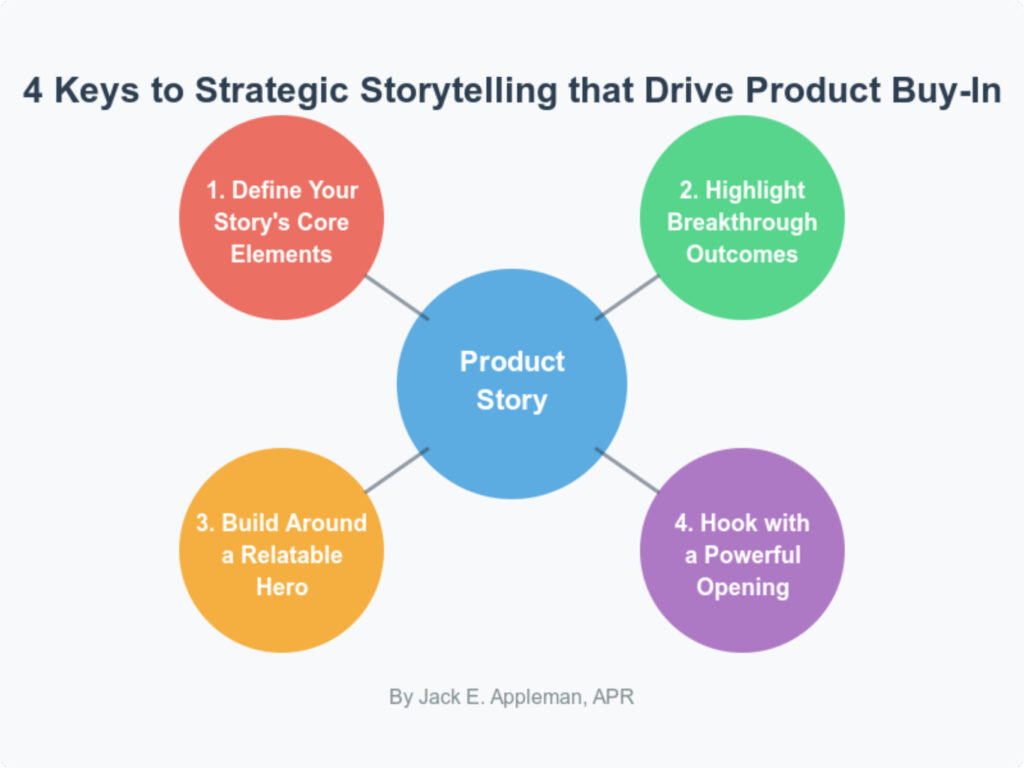
 If you want a free copy of my new book, “How I’ve Survived as a STORYTELLER for Over 50 Years: 12 Survival Techniques”, just















 Key 2024–2025 Trend: After years of purpose-driven, serious marketing, brands are returning to humor as a “superpower,” with 75% of UK and US winners at the 2024 Cannes Lions Festival of Creativity using humor.