
Street Charm in Copenhagen

0

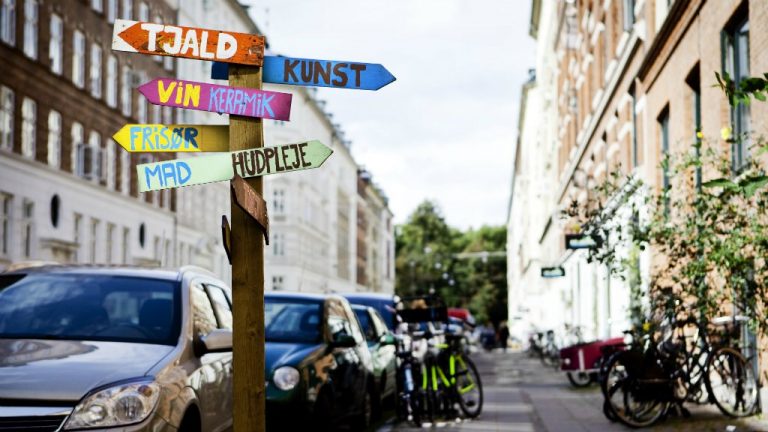
From being a burdened street with drug dealers and gang violence, Jægersborggade in Copenhagen’s Nørrebro district has become a charming gem with stylish design shops, coffee bars, second hand shops, art galleries, restaurants, cool bars and flea market. When Copenhagen opens to visitors again after the pandemic, this is a street that should be on your bucket list. Experience street charm in Copenhagen.

You should definitely look beyond the city center and head northeast to Jægerborggade in Nørrebro, which is a true melting pot with diverse and unique cuisine. Beside the multicultural aspect, you can also find some relaxing parks.
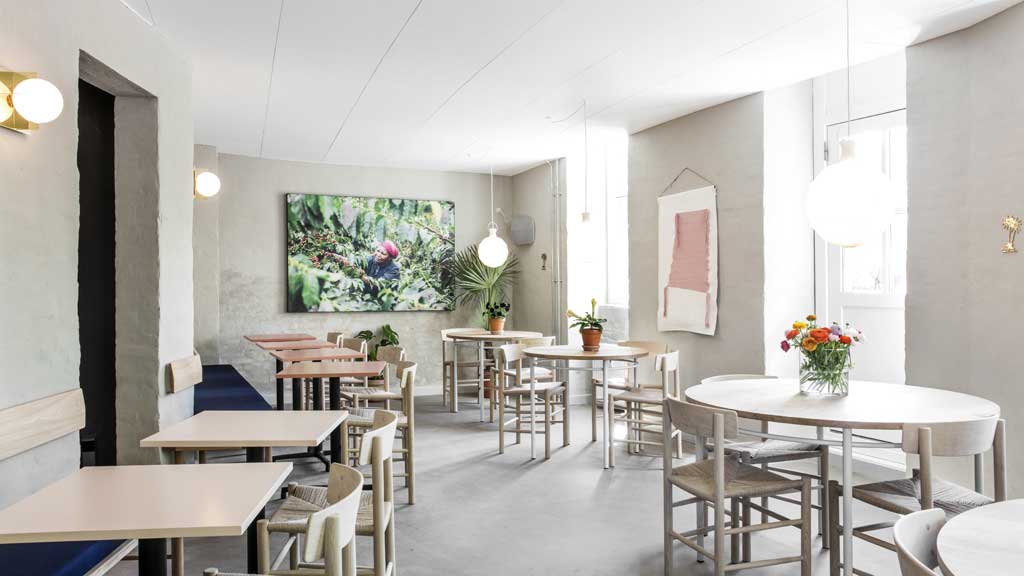
ZStreet Charm in Copenhagen
Coffee Collective. Photo: Chris Tønnessen

Eat and drink

Coffee Collective in Jægersborggade is known as Denmark’s best coffee place, and to our knowledge the only coffee bar in Denmark that both roasts coffee and serves the liquid refreshment. Coffee Collective is owned by four barristers who buy beans directly from selected farmers in Guatemala, Panama, Kenya and Brazil.

The small takeaway place Onigiri is named after the small Japanese restaurants with various fillings. When Natasja Latif studied in Japan, she usually brought a rich samurai lunch box with her. At Onigiri it has been westernized with more filling and less gluten.

For breakfast and lunch we recommend Café Blå in the south of Nørrebro. If you’re a vegan, this is the place! It’s a casual place where every fifteen minutes you’re ‘disturbed’ by the staff laughing at someone’s joke and where people come in just to have a talk. Taste their brunch plate with avocado toast, fruit, smoothies, a brownie or smørrebrød (a kind of Danish bread).

Related: Nightlife in Copenhagen

Terroristen is a shop and wine bar characterized by wines from Italy and Slovenia. The evening’s first guests are privileged to choose which wines to sell by the glass.

You should stop at the cozy Antidote wine bar for a glass of wine and a snack to fortify pre- or post- (or both) shopping. It’s worth mentioning that beer lovers can pop around the corner to the Nørrebro outpost of famed beer bar Mikkeller & Friends, which offers over 40 microbrews on tap and some 200 bottled beers, spirits, ciders, and soft drinks (plus a cool space too).

Street Charm in Copenhagen
Ramen to Biiru (PR photo)

Ramen to Bíiru is a very tiny Japanese ramen place with good beer. The first thing you see is a sort of vending machine with all the ramen dishes they have on the menu. Once you make a choice the machine ejaculates a receipt with which you go to the counter to order and pay.

Related: The best spots and Hidden Gems in Copenhagen

Ramen to Bíiru has a collaboration with Mikkeller, Denmark’s most famous craft beer brewery. Next to the ramen machine is a beer machine which works the same way the ramen machine does: choose a beer and pay at the counter.

Manfreds is Relæ’s more reasonable little brother. The restaurant is pleasant with healthy and organic home cooking on the menu. Enjoy everyday gastronomy that can be highly recommended.

Did you know that there is a porridge-only restaurant in Copenhagen? At Groed (meaning Porridge) you’ll find steaming bowls filled with toppings like apple and vanilla compote, homemade caramel, and organic berries. Later in the day savory porridges take over, with offerings like a tomato, parmesan, and pesto bowl and Indian-inspired daal porridge.

If you’re a oyster lover, you should head to Depanneur (French for ‘problem solver’). The bar itself is pretty cramped, therefore it mostly uses its outside area to house most of its guests. Fresh oysters are served on the terrace at lunch. Enjoy your oysters accompanied by craft beers.

All kinds of delicious caramels are kneaded and shaped in Karamelleriet. A 100-year-old caramel manually operated machine in the middle of the small room ensures that the sweets can be called “handmade”.

If you have a sweet tongue, you should also visit Ro Chocolade. Here, chocolatier Rasmus Olsen makes confectionery and hot chocolate with chili. This is a small and elegant shop with a chocolate counter that is impossible to walk past unaffected.

Don’t be fooled by the name BRUS (meaning Soda-water in Danish). At BRUS they have a wide choice in beers from the famous micro-breweries To Øl and BRUS, but also from other breweries. The place is mostly full of students who come to wind down after a hard week of studying. If you want a bite to eat on the side, that’s also possible. In the same room where the taps are, there’s a kitchen that serves proper pub food (but better).

Street Charm in Copenhagen
Stefanos pizzabar. >Photo: Copenhagen City Guide

Another place that’s bustling every single night is Stefanos Pizzabar. The pizzas and pastas there are awesome! After you order at the counter you get a puck that starts buzzing and ringing when your order is ready. If it’s quiet enough, they bring your plates, but most of the time, you have to go to the counter with your buzzing puck to collect your order. Unfortunately, they don’t have beer on the menu, so you have to go to the next place if that’s important.

If you’re a music lover, head to Musiksmag (Taste of Music). This is a bar with funny paintings on the walls and new vinyl on the player. Wooden benches, wall-to-wall carpet and a huge football table create a homely atmosphere.

If you’re in the market for Danish designs, head to the chic clothing store Tricotage, The boutique stocks simple, sustainable knits from its namesake brand, Tricotage, as well as others like Baserange, Maska, Armor Lux, Tweedmill, and more.

Istid (which means “ice age” in Danish) serves organic ice cream made with liquid nitrogen. Their ever-rotating menu of inventive flavors include local favorites like liquorish fudge and salted caramel alongside lighter tastes like pink grape sorbet.

An outpost of Danish food impresario Claus Meyer is  Meyers Bageri, a small bakery shop that sells fresh-baked breads and pastries until they run out each day.

Related: Perfect Timing for Tiger Mom’s New Restaurant in Copenhagen

Street Charm in Copenhagen
The tiny vintage shop Resecond stocks brands from Stella McCartney and Marni to Rag & Bone and COS.

Shopping

The tiny vintage shop Resecond stocks brands from Stella McCartney and Marni to Rag & Bone and COS. But instead of buying straight from the racks, the concept here is to encourage swaps. Members of the store pay a small monthly fee and are welcome to bring a piece in and trade it out for another in the store. The boutique also has an iPhone app for international swapping.

Illustrator Maya Langeland runs the gallery CMYK KLD. This is a showroom for artists and illustrators where you can buy affordable prints. An exhibition wall with original drawings is replaced once a month.

Vanishing Point is a craft shop which offers a funky array of curated wares from handmade ceramics to art prints. Pieces on offer here are made by the Vanishing Point artisans, local artists, or in collaboration with NGOs across the globe.

Kaktus København is a precious store full of playfully potted cactuses and other succulents. And while US or other foreign customs agents may not be thrilled to find you smuggling succulents back in your suitcase, the store is worth stopping into for some window shopping if nothing else.

Old Nintendo games, video games and action figures are sold in Ruben & Bobby hair salon. The two hairdressers combine their interests in hair cutting and collecting. Barter is also possible.
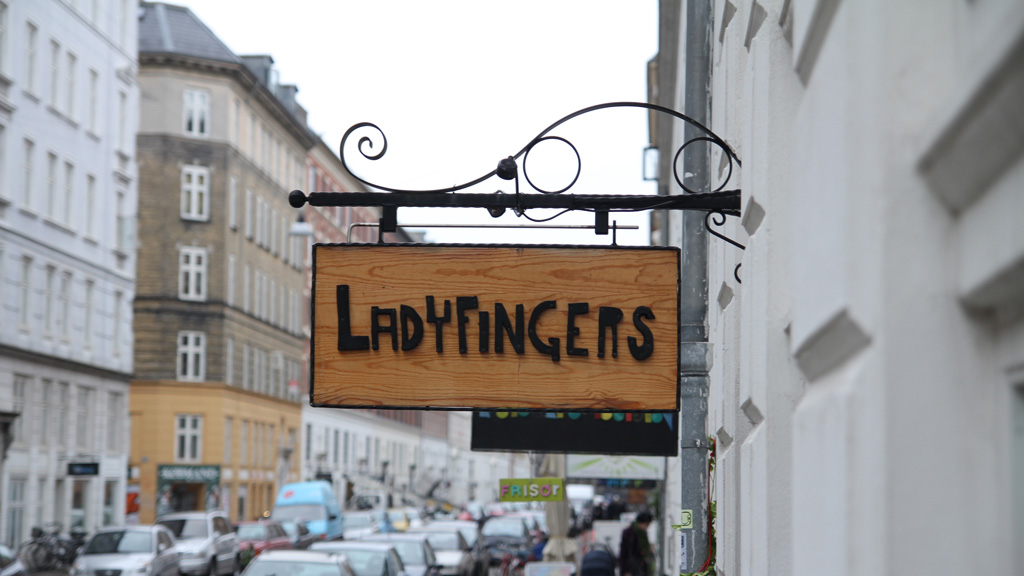
Street Charm in Copenhagen
Ladyfingers. Photo: Visit Copenhagen

This compact shop Ladyfingers is run by a collective of local jewelry designers. Their wares rotate regularly.
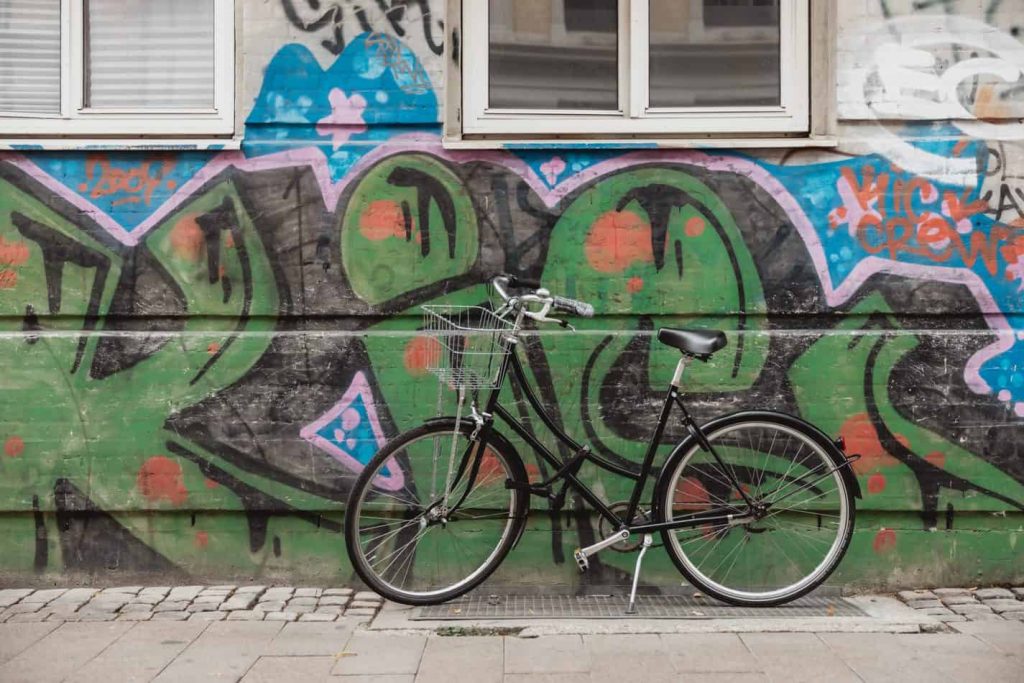
Street Charm in Copenhagen
Street art in Nørrebro is world famous. Photo: Copenhagen City Guide

See more

Besides being the second largest park of Copenhagen, Assistens Kirkegården is also a huge cemetery. Kirkegården literally means ‘graveyard’. Weirdly enough, the park is very lively (no pun intended). Benches with coffee drinking students and locals taking a relaxing afternoon walk through the park.

A lot of famous Danish are buried here, like the famous fairy tale author Hans Christian Andersen. Signs guide you to his grave.

Street art in Nørrebro is world famous. Gorgeous paintings can be found anywhere in the area. Don’t forget to look up once in a while, because the artists do want you to take some effort. One place where street art isn’t hidden is in Banana Park at the center of Nørrebro. Besides awesome street art, a huge climbing structure was built in the park. Naturally, the structure has been decorated with some cool paintings as well.

Street Charm in Copenhagen, compiled by Tor Kjolberg

Feature image (on top): Jægersborggade. Photo: Visit Denmark
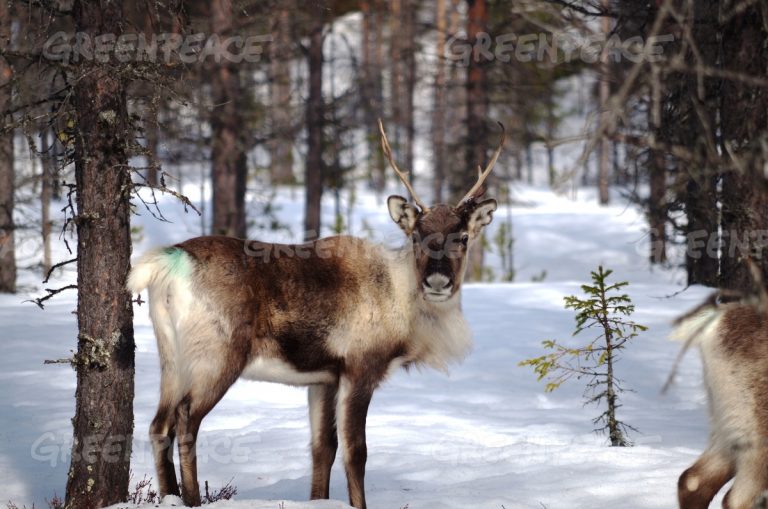
Bridges for Reindeer in Sweden and Moose in Norway Save Lives for Animals as Well as Humans

Sweden will build nearly a dozen bridges so reindeer can safely cross railway lines and major roads in the north of the country as global heating forces them to roam further afield in search of food. In Norway, there has been moose bridges and tunnels for years. Read more about how bridges for reindeer in Sweden and moose in Norway save lives for animals as well as humans.

The transport authority in Sweden has announced it aims to start work on the first of the new bridges, named “renoducts”, a portmanteau from ren (reindeer) and viaduct, later this year near the eastern city of Umea.

A dozen bridges over busy roads and railway lines
In winter, reindeer in Sweden feed on lichens buried beneath the snow.  However, the climate crisis is making this difficult. Warmer temperatures mean moisture sometimes falls as rain instead of snow. When the air refreezes, a layer of ice forms between the reindeer and their meal, forcing them to wander further in search of ideal conditions. And sometimes, this means crossing busy roads.

Related: How the Nordics Are Standing Up to Climate Change

Bridges for Reindeer in Sweden and Moose in Norway Save Lives for Animals as Well as Humans
Wildlife bridges are an effective solution to the problem of helping animals to travel through a world crisscrossed by highways. Photo: Wikipedia

By installing a dozen bridges over busy roads and railway lines in the northern portion of the country, the bridges will begin to pop up later this year. After Umea, there are more planned in the northern counties of Norrbotten and Västerbotten.

“In a changing climate with difficult snow conditions, it will be extra important to be able to find and access alternative pastures,” Per Sandström, a landscape ecologist at the Swedish university of agricultural sciences, told Swedish public science radio Vetenskapsradion.

Bridges for Reindeer in Sweden and Moose in Norway Save Lives for Animals as Well as Humans
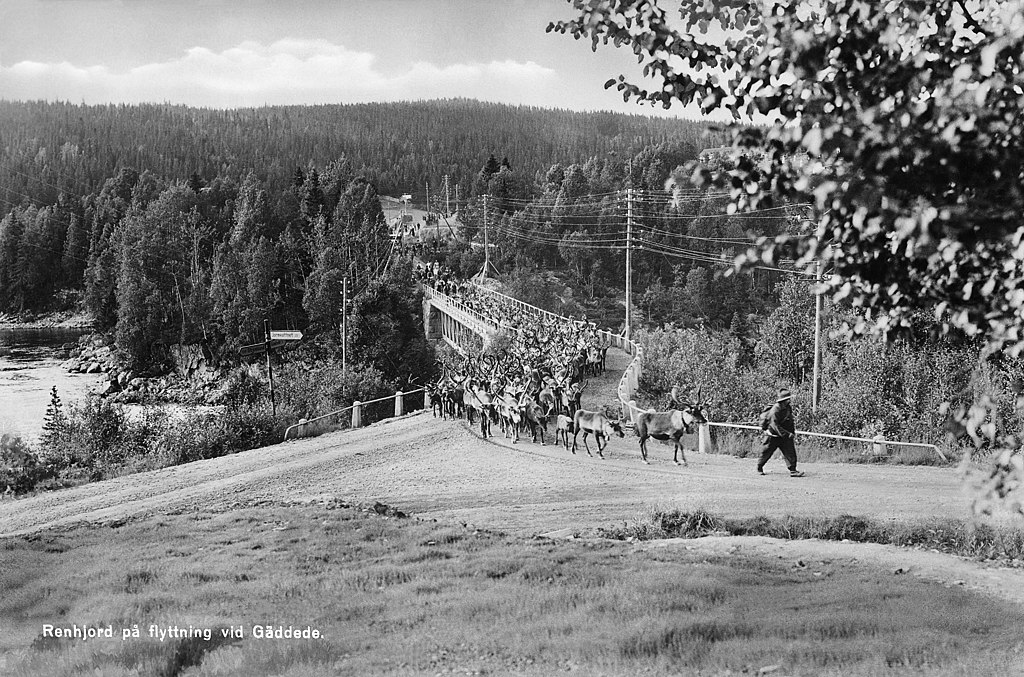
Reindeer crossing a bridge at Gäddede, Jämtland, Sweden 1930-1940. Photo: wikimedia

Wildlife bridges in historical context
Wildlife bridges are an effective solution to the problem of helping animals to travel through a world crisscrossed by highways. The first was constructed in France in the 1950s, and they can significantly reduce collisions between animals and vehicles.

The Swedish Meteorological and Hydrological Institute says the country has warmed by nearly 3 degrees Fahrenheit since pre-industrial times. The alpine region has felt this even more, with average winter temperatures increasing by nearly 5.5 degrees since the 1961 – 1990-time frame.

Related: The Arctic Part of Sweden

250,000 reindeer in Sweden
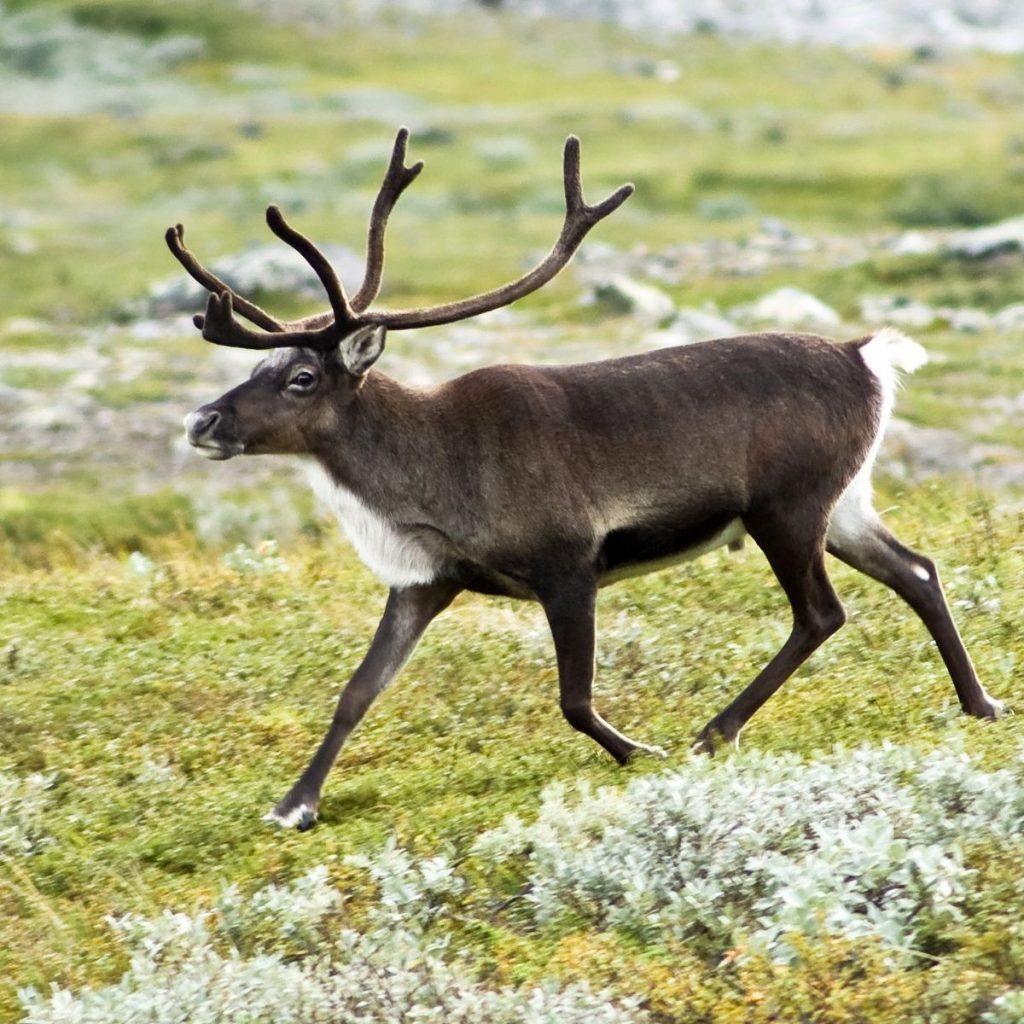
There are 250,000 reindeer in Sweden and 4,500 Sami owners authorized to herd them. Today, the E4 motorway north of the city of Umeå has to be shut down entirely every time a herd attempts to cross. Sanna Vannar, president of the Swedish Sami Youth organization, explains, “Everyone wants to take the reindeers’ area where they find food. But with climate change, we need more flexibility to move around.”

“I’m looking forward to us being able to cross undisturbed,” one reindeer herder, Tobias Jonsson, told the Science Radio, adding that he and his fellow herders were consulted on both the bridges’ location and their design.

Sami herders hope the new renoducts will help.

Bridges for Reindeer in Sweden and Moose in Norway Save Lives for Animals as Well as Humans
There are around 200,000 moose in Norway. Photo: Wikipedia

Around 200,000 moose in Norway
There are around 200,000 moose in Norway. Moose bridges is not news in Norway – they have existed for years as a standard feature of all highways leading out of the capital of Oslo, as well as across the high-speed train to the main airport.

On average, drivers hit 18 deer every day in Norway. According to reports from Gemini Researchers each collision cost society about NOK 200,000 (USD 23,500). Specially designed overpasses and ecoducts allow animals to safely migrate across roads and save animals, humans as well as costs.

Bridges for Reindeer in Sweden and Moose in Norway Save Lives for Animals as Well as Humans, written by Tor Kjolberg

General Motors With Hate Campaign Against Norway in Super Bowl

0

3 GM’s initial set of ad campaign teasers featured “anchorman” and actor Will Ferrell, flashing a spotlight on Norway as the envy of the world for electric-vehicle adaption. However, the General Motors’ hate campaign against Norway in Super Bowl launched swift and entertaining pushbacks.

The hate campaign begins with Ferrell reading aloud from a Norwegian “history book” how Norwegians engage in mackerel slapping fights. Then he orders 5 million anchovy pizzas to be sent to each person in the country out of spite (because, as many would have us believe, anchovies are disgusting). Norway’s Prime Minister Erna Solberg tweeted her thanks a day later, though she asked the actor to send pizzas topped with pineapple instead and told him to make it 5.4 million.


In the third Ferrell performs a song about Norway declaring that Americas is going to punch everyone in the face.

Related: 60% Market Share for Electric Vehicles in Norway

Norway became the first in the world to see electric cars seize a majority of annual vehicle sales last year, with consumers snapping up battery-powered Audi e-tron SUVs, Tesla Model 3 sedans and Nissan Leaf hatchbacks. December was a record-breaking month for EVs’ share of the market at 67%. The country wants all cars sold there to be zero-emission in 2025.

Norway’s Climate Minister Sveinung Rotevatn told Bloomberg News in an interview that “Norway is absolutely not best in everything in this world. But on EVs, we’re actually the best. There is no one who is even close to selling as many as us.”

General Motors With Hate Campaign Against Norway in Super Bowl
Norway became the first in the world to see electric cars seize a majority of annual vehicle sales last year

Will Ferrell is on behalf of General Motors angry that Norway far outranks the U. S, in electric vehicle sales. GM’s message is that its proprietary Ultium battery technology will help pave the way for broader EV adaption in the US.

Related: Record Sales of Electric Vehicles in Norway

“When we – a pretty rocky, pretty cold, and quite scattered country manage to succeed with electric car policy, then it’s obvious that it provides substantial ammunition to those in other countries who ask their authorities: Why can’t we do this?” Rotevatn said.

Brands and organizations from across Norway have reacted to General Motors’ gentle trolling with a range of their own brilliant ads. In three days, the creative agency POL Oslo launched a three spots ad campaign “Don’t hate. Imitate”.

The spots feature the Norwegian actor Kristoffer Hivju, famous for having played Tormund Giantsbane on Game of Thrones. In the first one, he asks “You want to punch us in the face? We are trying to save the world.” The overall message is “Don’t hate. Imitate.”

Related: Norway – Country of Electric Vehicles

General Motors With Hate Campaign Against Norway in Super Bowl
Brands and organizations from across Norway have reacted to General Motors’ gentle trolling with a range of their own brilliant ads

Bertel O. Steen, the importer in Norway of Mercedes Benz, Peugeot and Kia responded with “Game On, America!” “Hello America!” the protagonist says. “Thanks for noticing us! We weren’t even sure you knew we existed.” He also questions whether an American football can be called a ball at all.

In a statement GM said: “The goal of our ‘Everybody In’ campaign is to create interest in and spark a movement toward EVs. It’s been incredible to see the high-profile retweets of and creative responses to our Super Bowl ad and Audi Norge’s video series is a favorite of many of us at GM. Everybody In!”

Ford’s Norway unit has also gotten in on the fun.

General Motors With Hate Campaign Against Norway in Super Bowl, written by Tor Kjolberg

All images © GM Authority

Interesting Scandinavian Names For Your Baby

According to census details, in America alone, there are 11 million people claiming to have Scandinavian heritage only in the USA. If you too have Scandinavian ancestry, you might be inspired to give your child a name to reflect this. Read more about interesting Scandinavian names for your baby.

You can choose a traditional Scandi name that has descended from old Norse. Many of the Viking names are very beautiful, and translate without the special character letters. Or you might want to choose a more modern name for your baby, but with a Scandinavian twist on the spelling to hint at your heritage. Royal baby names are also popular in Norway, Denmark and Sweden, and perfect for a new baby.

Interesting Scandinavian Names For Your Baby
Rune is a masculine given name derived from the Old Norse word rún, meaning “secret”. … Rúni, a variant of the name, was among the ten most popular names given to baby boys in the Faroe Islands, Denmark, in 2007. Here’s the runes alphabet

Also written by Karoline Gore: Top Fishing Spots in Stockholm 

Popular modern names
Many of the popular modern names are used worldwide. Magnus, Alexander and Frederik are in the Danish top ten for boys, and Freja, Josefine and Ida are popular for girls. In Norway, you will find Filip, Jakob (pronounced ya-cob) and Oskar, as well as Ingrid, Maja and Linnea for girls. Axel and Elias are in the Swedish top ten for boys, and for girls you will find Ebba, Alva and Wilma. Names used for the Scandinavian royal family are also very popular. Royal baby boy names include Henrik, Nikolai, Sverre, Marius and Felix. Royal baby girl names include Leonore, Ewa, Nora and Margrethe.

Old Norse baby names
Baby names that have come from Old Norse are often used in Scandinavian countries – they are quite traditional. Where some of the names are a little more complex to say, or quite unusual, it is a good idea to pair these with simple, one-syllable middle names that are easy to pronounce, such as Kai, which comes from the Norse meaning warrior. Popular names for girls include Embla (meaning “Elm”), Gunhild (which is a combination of two words meaning “war” and “battle”), Alva (meaning “elf”) and Saga, which is the name of the goddess of storytelling. Popular Old Norse names for boys include Torsten (meaning “stone of Thor”), Gudmund (meaning “chieftain”), Sveinn (meaning “boy”), and of course the names of the Norse gods, including Odin and Thor.

Interesting Scandinavian Names For Your Baby
Many of the Viking names are very beautiful. Photo: Walter Gadea / Unsplash

Also written by Karoline Gore: Enjoy Nature In Stockholm And Boost Your Wellbeing

Viking baby names
The Vikings were a race of Germanic people who traveled to Scandinavia between 700-1100AD and made a base. The word “Viking” actually translates to “pirate raid” in the Old Norse language. Although many of the popular Viking names actually originate from Norse mythology, there are also many traditional Viking names that make wonderful baby names with beautiful meanings. Brenna, meaning “sword,” was popular in America in the 1990s. Dagny means “a new day has started,” Eda means “happy, wealthy and poetry,” and Frida, (meaning “woman of peace”), was of course made famous by Frida Kahlo. Popular Viking names for boys include Aren (meaning “eagle”), Bo (meaning “fair and beautiful”), Bjorn (meaning “bear”), and Kol (meaning “dark”).

Interesting Scandinavian Names For Your Baby
Old Norse text. Illustration: Science Norway

If you have Scandinavian heritage, you might want to celebrate this by giving your new baby a name that comes from the countries of your ancestors. These unique names with poignant meanings have great character, and they are certainly names to be proud of.

Interesting Scandinavian Names For Your Baby, written exclusively for Daily Scandinavian by Karoline Gore. Karoline is a freelance writer from Stoke on Trent in the UK who left the corporate grind when she started a family and has never looked back. She enjoys contributing to a range of online publications on the topics that are important to her.

Feature image (on top): Jonathan Borba / Unsplash

Experience Copenhagen Through Its Festivals

0

As the capital of Denmark, Copenhagen has its fair share of festivals and events every year. Whether you are into music, arts, food, or just partying, you can find a festival or event that you will enjoy. But make sure you leave your shopping bags and backpacks with a luggage storage locker in Copenhagen first, so you don’t have to drag them along. So, experience Copenhagen through its festivals.

January

Epiphany
he evening nearest the 6th of January is celebrated as the Epiphany that Jesus is God for the whole world. It is often celebrated with all sorts of food and drinks as well as an Epiphany cake, which is a spice cake with three coins inside.

Related: Copenhagen’s Culinary Scene

February

Experience Copenhagen Through Its Festivals
The winter jazz festival. It typically starts around the 5th and ends on the last day of the month

Vinterjazz
All month long all over Copenhagen, enjoy Vinterjazz, the winter jazz festival. It typically starts around the 5th and ends on the last day of the month. With more than 600 concerts and 150 venues, over 250,000 guests visit every year.

Fastelavn Carnival 
The Sunday before Ash Wednesday, the Fastelavn Carnival is celebrated all over the country. Some of the fun children’s traditions include smashing a barrel for candy, eating puff pastries, and dressing up to go door to door for candy. Kind of like Halloween!

Experience Copenhagen Through Its Festivals
CPH: Dox features documentaries from all over for 10 days in March. Photo: Noon Peerapong / Unsplash

March

CPH: Dox
CPH: Dox is a film festival in Kunsthal Charlottenborg featuring documentaries from all over for 10 days in March. Over 140 Danish and International films are featured every year. You can also see art exhibits, enjoy concerts, meet filmmakers, and join in debates.

April

Copenhagen Sakura Festival
The Sakura Festival in mid-April celebrates Japanese traditions in Langelinie Park with Japanese music, food, and dance. You can also see lion dances, sumo wrestling, and Japanese gardens. Get some unique handmade souvenirs from the dozens of booths before you go.

Related: The best spots and Hidden Gems in Copenhagen

May

Copenhagen Beer Festival
At Lokomotiværkstedet in mid-May, enjoy a variety of beers both new and old, international and local. With over 1,000 different beers to taste, the hall typically packs in over 3,500 people. Food and entertainment are also provided!

June

Experience Copenhagen Through Its Festivals
The first weekend of June, the Copenhagen Carnival is a festival for everybody. Photo: Visit Denmark

Copenhagen Carnival
The first weekend of June, the Copenhagen Carnival is a festival of music at Fælledparken with 2,000 dancers, eight stages, 120 bands, and over 100,000 guests. Both days feature parades and there is a special area for the kids.

Distortion
Distortion is a musical celebration for everyone during the first week of June. Explore lots of stages featuring many different types of music and dancing mixed with street parties and an airshow. You can even camp onsite at the Refshaleøen by the Little Mermaid.

Copenhell
Mid-June is the time for Copenhell, the biggest heavy metal festival in Copenhagen. Held at Refshaleøen, the event boasts two stages with huge name bands like Judas Priest, Benediction, and Gloryhammer. It’s four days of loud music, food, and fun.

SanktHansAften (St. John’s Eve; Midsummer Festival)
If you like bonfires, food, and music, this June 23rd celebration of St. John is for you. It happens all over the country, so you don’t have to look for it. Just follow the smoke. The bonfire starts the festival right before the food and drink, including Snobrød (bonfire bread), beer, and hotdogs.

July

Experience Copenhagen Through Its Festivals
Roskilde Festival is Denmark’s Woodstock

Roskilde Festival
On July 4, the Roskilde Festival at Festivalpladsen celebrates freedom with art, culture, and music. Similar to Woodstock, the party has about 100,000 visitors and 3,000 artists on nine stages. Enjoy artists like Taylor Swift, Eminem, and the Deftones as well as food and drinks.

Copenhagen Jazz Festival
The 10-day Copenhagen Jazz Festival starts at the beginning of July and has over 500 concerts with 100 venues. It is the summer version of Vinterjazz, which happens in February. They even have a jazz festival for the kiddos.

Related: Copenhagen’s First Ski Destination

August 

Experience Copenhagen Through Its Festivals
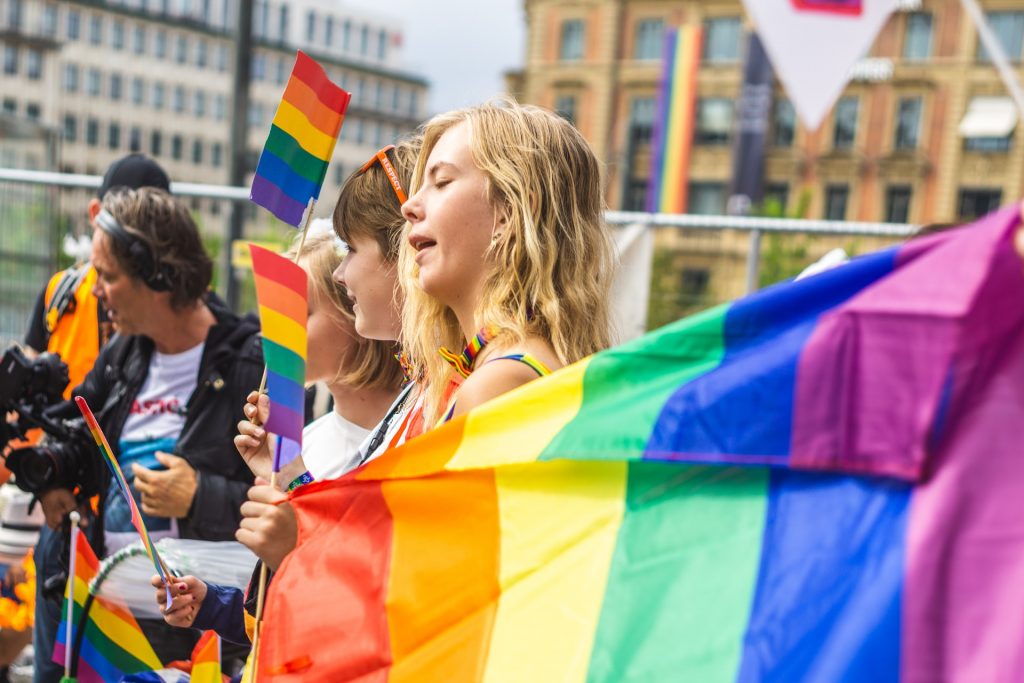
Copenhagen Gay Pride Week is celebrated all over the city. Photo: Jose Maria Sava / Unsplash

Copenhagen Gay Pride Week
From August 18 to 23, Copenhagen Pride Week is celebrated all over the city. It starts with a parade of colorful costumes and floats and is followed by a week of live music, dancing, and partying in City Hall Square.

October

Culture Night
For one night in the middle of October, Copenhagen opens over 250 of its museums, zoos, parks, theaters, churches, castles, and libraries to the public for the night to get people interested in culture. They even have Little Culture Night for the kids.

November

Copenhagen Irish Festival
Are you Irish or do you like Irish music? This festival in November features artists from all over like Seamus Begley, Jim Murray, and the Woods Band. Enjoy food, drinks, dancing, films, workshops, and art as well.

Experience Copenhagen Through Its Festivals
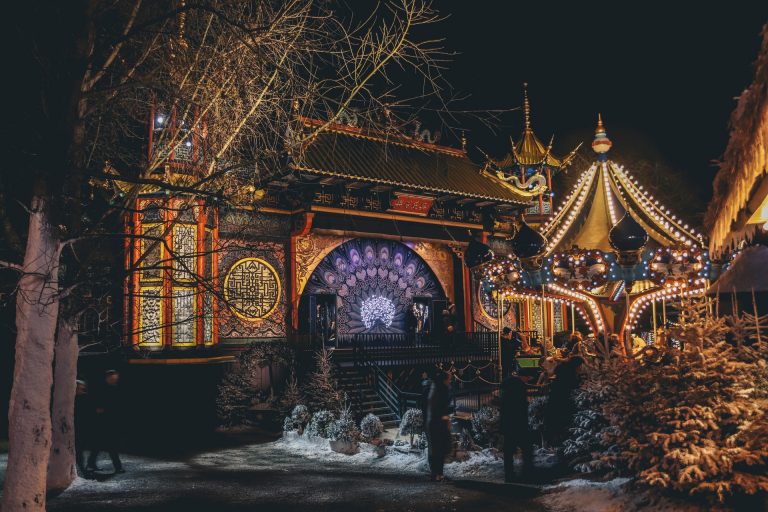
starting in mid-November, you can visit the Christmas Fair in Tivoli Garden Amusement Park. Photo: Christoffer Anias Sandager / Tivoli Gardens

Christmas Fair in Tivoli Garden
For almost two months starting in mid-November, you can visit the Christmas Fair in Tivoli Garden Amusement Park. Santa and the reindeer will be there as well as decorated trees, Christmas lights, games, food, and amusement rides, of course.

December

Experience Copenhagen Through Its Festivals
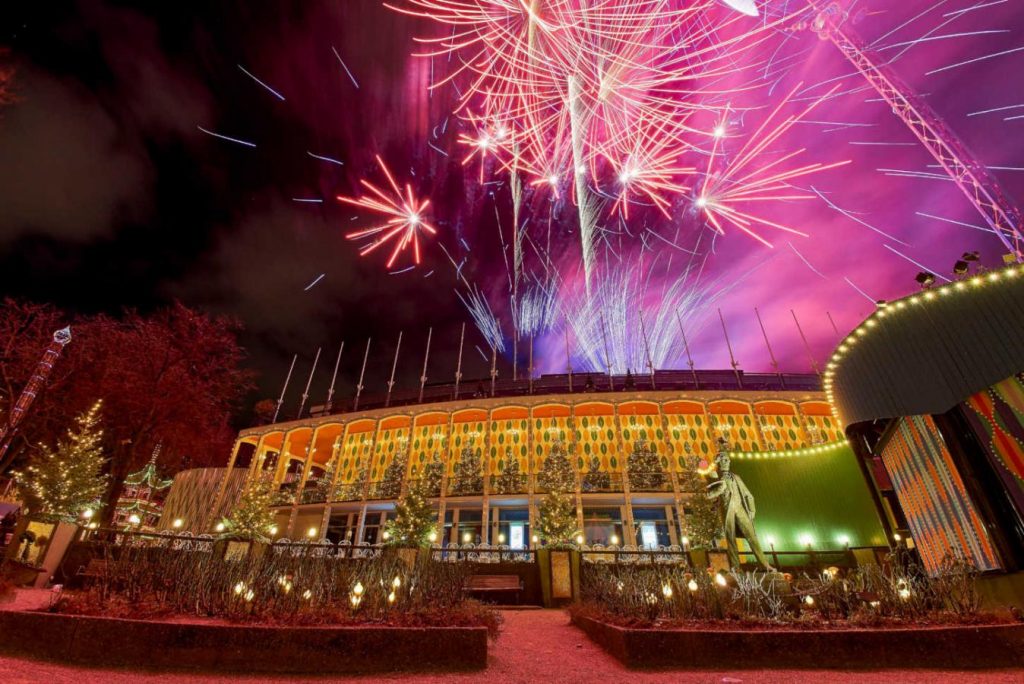
Tivoli fireworks. Photo: Visit Denmark

New Year’s Eve Copenhagen
You can find New Year’s Eve celebrations all over the city, but City Hall Square is the place to be. Fireworks, parties, and a Royal Guard Parade are just a few of the features to look forward to. Bring in the New Year with royalty.

Whatever time of year you are in Copenhagen, you will be able to find a festival or event to enjoy. This is not a complete list of everything the city puts on, so you are bound to find a fest to suit you. Be sure to try some of the Copenhagen cuisine while you are there and learn some new traditions like jumping off a chair on New Year’s Eve for good luck.

Experience Copenhagen Through Its Festivals, written exclusively for Daily Scandinavian by Sarah Barnes.

Feature image (on top): Ethan Hu / Unsplash

Sources:
https://www.frommers.com/destinations/denmark/planning-a-trip/calendar-of-eventshttps://www.angloinfo.com/how-to/denmark/copenhagen/lifestyle/entertainment/festivals-eventshttps://www.iexplore.com/articles/travel-guides/europe/denmark/festivals-and-eventshttps://www.world-festivals.net/denmark/denmark_festivals.htm


New Museum Dedicated to the Danish Fairytale Writer – Update

0

During the summer of 2021, a new Hans Christian Andersen museum will open in Odense, Denmark. Famous for his fairy tales – among all, The Little Mermaid, The Ugly Duckling, The Little Match Girl and The Princess and the Pea, Hans Christian Andersen (1805 – 1875) will be honored with a brand-new museum showcasing a new view on the history, life and work of the writer.  Read more about the new museum dedicated to the Danish fairytale writer – an update.

The new museum will rise in an area of 5,600 square meters, about two-thirds of which are below ground level, in order to cement an area that is as small as possible and make the rest of the space available for the creation of a large urban park.

New Museum Dedicated to the Danish Fairytale Writer - Update
The new museum will rise in an area of 5,600 square meters

Related:  New Hans Christian Andersen Museum – First announcement

Combined exhibit and building design
A competition for a combined exhibit design project linked to the world view of Hans Christian Andersen was won by the British group Event Communications. This project was one of the bases of the winning proposal by Japanese architects Kengo Kuma & Associates, in a team with Cornelius+Vöge and landscape architects MASU planning.

This unusual procedure in which an exhibit design is the basis of the architectural development is one of the strengths of the project, according to Jane Jegind, Odense Councillor for Urban Affairs and Cultural.

The museum building is an ambling collection of cylindrical volumes, with glass and lattice timber facades beneath scooped green roofs, all surrounding a sunken courtyard space. The project will replace an existing museum that is largely focused on the author’s personal life with one that is more centered on his stories.

New Museum Dedicated to the Danish Fairytale Writer - Update
The museum building is an ambling collection of cylindrical volumes, with glass and lattice timber facades

Related: Hans Christian Andersen’s Denmark

Striking international caliber
“The proposal has a unique quality,” said Odense Mayor and jury member Anker Boye. “It captures the spirit of both Hans Christian Andersen and Odense, has striking international caliber and is locally embedded at the same time.”

The project plays an important role in the radical changes currently taking place in the center of Odense, in particular, the main artery closure Thomas B. Thriges Gade. Previously, the road through the town is now part of the 9,000 square meters of the area involved in the project, which includes – in addition to the area surrounding the Hans Christian Andersen Museum – Cultural Centre for Children the Tinderbox and Lotzes Park.

New Museum Dedicated to the Danish Fairytale Writer - Update
The project plays an important role in the radical changes currently taking place in the center of Odense

Related: The Danish Fairytale City

New museum near Andersen’s childhood house
Born from a humble family in a rural town steeped in old traditions and superstitions, governed by unchanged age-old customs, but also free from the conventions and hypocrisies of the nascent bourgeoisie, Hans Christian Andersen absorbed his father (passionate reader and lover of walking in the woods) love for literature and nature, a substrate from which he would later draw his famous fairytales.

The new museum will be located near the house where Andersen spent his childhood, in an area of the city that has recently undergone urban redevelopment to reduce car traffic and revitalize the historic center.

New Museum Dedicated to the Danish Fairytale Writer – Update, written by Tor Kjolberg

All images © Kengo Kuma, Cornelius+Voge and MASU Planning

Outstanding Swedish Spa Experience

If you want to take a break from frenetic city life, what could be better than an outstanding Swedish spa experience on the Swedish west coast northeast of Lysekil?

Vann Spa Hotel and Conference, located in Brastad by the sea and within the vicinity of Backa Rock Carvings and Nordens Ark, is one hour’s drive by car from Gothenburg or two hours from Oslo.

Outstanding Swedish Spa Experience
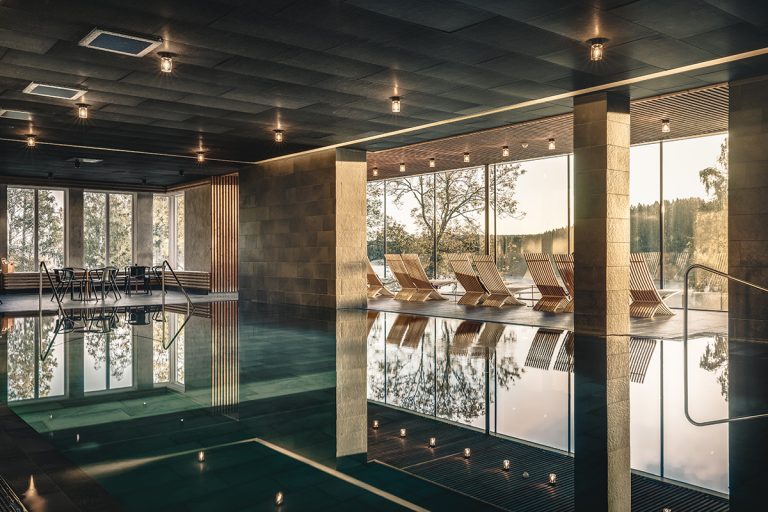
The hotel opened in 1999 and is exclusively built in Scandinavian materials such as granite and wood

The hotel opened in 1999 and is exclusively built in Scandinavian materials such as granite and wood. As soon as you step into the lobby, you’ll experience a sense of wellbeing, a peaceful, relaxing ambience. Candles, soft music and soothing, natural colors are used in the public areas and reception.

Related: An Extraordinary Swedish Spa Hotel

It’s a huge facility, hosting 156 well equipped guest rooms and a 1,000 square meter spa with 6 indoor swimming pools, one outdoor pool, three saunas, a private beach and an outdoor tennis court.

Outstanding Swedish Spa Experience
Water and light are two important elements which you can experience in the different pools of varying sizes and temperatures, as well as saunas and steam room

Food plays a central role at Vann
Every single dish that customers enjoy during their visit is made from scratch and ingredients are all fresh and locally sourced. The menu is seasonal and carefully designed in every single aspect. Grab a bite to eat in the hotel’s restaurant, where you can enjoy drinks at a bar, take in a pool view, and even dine alfresco (weather permitting). You can also stay in and take advantage of 24-hour room service. Quench your thirst with your favorite drink at a bar/lounge. A complimentary healthy and excellent buffet breakfast consisting a healthy range of cold meats, cheeses, bacon, eggs, fruit, cereals and juice – as well as less healthy treats, such as almond croissants is included.

Outstanding Swedish Spa Experience
It’s a huge facility, hosting 156 well equipped guest rooms and a 1,000 square meter spa with 6 indoor swimming pools, one pools, three saunas, a private beach and an outdoor tennis court.

Related: Norwegian Luxury Spa Hotel Directly on the Waterfront

Some of the rooms have views across the serenely beautiful Gullmar fjord, a nature reserve that provides opportunities for scenic canoeing right from the hotel door (canoes can be hired at the reception). There are also waymarked walking trails in the surrounding woodlands – take time to explore these. For those planning to burn off a lot of calories, take a long swim, hike or paddle.

Water and light
Water and light are two important elements which you can experience in the different pools of varying sizes and temperatures, as well as saunas and steam room. Don’t miss the four small, heated pools – all containing different light spectrums.

Related: Spa Well-Being – the Swedish Way

Explore the surroundings
There’s plenty to see and do within a short drive from the hotel. The wildlife park Nordens Ark features rare and endangered animals and a superb conservation program is nearby. You should also visit the charming seaside towns of Lysekil and Smögen, where you’ll find colorful fisherman’s cottages and dozens of cafés and boutiques along the lively, pedestrianized wharf.

Outstanding Swedish Spa Experience, written by Tor Kjolberg

All images © Vann Spa Hotel and Conference

The Big Swedish Trend Day 2021

0

Stefan Nilsson has been working professionally with trends since around the turn of the millennium, and in 2011 he decided to take his trend reports and make them as a more public event. This month, he took the stage and talked about where we are and where we are heading. Read more about the Big Swedish Trend Day 2021.

Stefan Nilsson is Sweden’s best known trend hunter and a regular contributor to TV, radio and magazines. Constantly on foot he scouts for new phenomena in interior, design, fashion, food and other things we dream of. His blog trendstefan.se was launched 2006.

The Big Swedish Trend Day 2021
Despite lockdowns and obstacles, the Big Trend Day 2021 was a huge success

Stora Trenddagen 2021 was presented in a pandemic setting. Despite lockdowns and obstacles it was a huge success. And here is the story of the Big Trend Day 2021.

2020 turned out to be a very different kind of year, especially from a trend hunter’s perspective; pandemic, lockdowns and no fairs. Normally Stefan’s trend-reports are based on statistics, interviews and a wholistic forecast put in a historical context – and finally his observations from the 20+ fairs and cities he visits every year. “So, I was basically missing one of the legs I stand on,” he says.

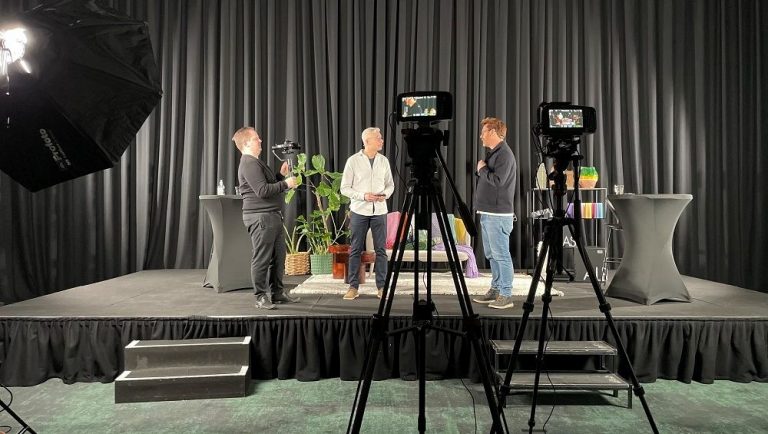
Despite lockdowns and obstacles, the Big Trend Day 2021 was a huge success. Stefan started working with color experts at NCS Colour. This company is also doing trend-reports, but as a color communication enterprise it’s more focused on, you guessed it, colors. Together, in August-September, they decided to arrange the Big Trend Day on 2 February.

The Big Swedish Trend Day 2021
Stefan loves color combinations, the relaxed feeling – and the presence of actual people

During fall 2020, the partners were still planning a physical event. However, regulations were changing back and forth, so should they purely focus on a digital event or a combination?

Parallel to planning for the execution of the event, they worked with everything else. Photographer Emil Fagander helped with pictures. Stefan basically wanted to experiment with edible colors and afternoon shadows. Garlic, no garlic? Bread, no bread? Just crumbs? Colored vintage plates – but what color?

Related: 8 popular business trends in Scandinavian travel

Eventually, they ended up with an official picture Stefan was pretty happy with. He loves color combinations, the relaxed feeling – and the presence of actual people. “I am so tired of perfect pictures without people. Still life can be very cold and boring. More people, please,» he said.

The same color combinations occurred in the short video stories Stefan made as a forerunner to the event. “There were discussions about how colors work and where we are. My partner in crime from NCS was Kennet Vrågård,” he says.

The Big Swedish Trend Day 2021
Stefan started working with color experts at NCS Colour

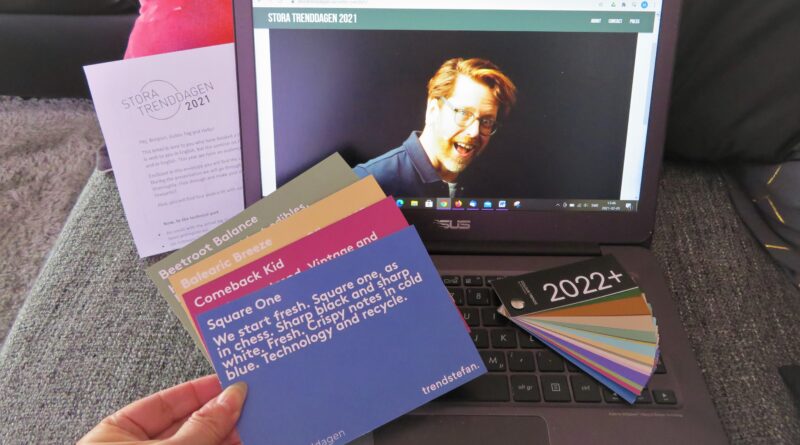
By the end of 2020, the parties realized that they couldn’t arrange a physical event. However, they wanted to make a digital event that was new, innovative and a little humorous. People who signed up to Stora Trenddagen got a color chart, stickers and a set of postcards with a summary of the trends and some inspiring graphic design done by Straight Design. Also, the letter and envelope were strictly complying with the graphical abstract – with colors of 2022 constantly present.

Related: Swedish Trendspotter Searching for Patterns

Since everything was done digitally, they decided to go internationally. Stefan started to collaborate with a handful of agencies that sold tickets and promoted the trend talk, for instance Italianbark.

750 tickets were booked for people from over 27 countries. The crowd was a mix of design companies, designers, media, ad agencies and just curious people. H&M, IKEA as well as many, many other companies were listening.

Related: 10 Major Scandinavian Trends in Educational Environments

280 people attended a classical Q&A session, and the response was amazing:

“What an amazing seminar. I enjoyed it with wine and cheese.” – Anna E., journalist

“Damn what a nice tv production.” – Karin S., trend researcher

“I really enjoyed the presentation and I am going to quote you a lot…” – Malla T, editor

The Big Swedish Trend Day 2021
Stefan Nilsson – Trendstefan

Trendstefan is listed as one of the most influential people in the design industry by Swedish magazine Rum. He is the owner and the curator of Designgalleriet in Stockholm.

Besides running the trendstafan blog he is preparing trend reports. You can book Trendstefan for seminars and lectures. He is associated with SAJ and various other agencies.

The Big Swedish Trend Day 2021, edited by Tor Kjolberg based on the trendstefan blog

All images © Trendstefan

Examining Scandinavian Responses to Natural Disasters

In terms of daily life and the wellbeing of citizens, Scandinavia serves as an ideal model of how to do things right. Together or individually, the four nations known as Scandinavia — Norway, Sweden and Denmark — regularly top “world’s best” lists. In this article, I am examining Scandinavian responses to natural disasters.

For instance, the Nordic countries clock in at the top five positions in terms of literacy rates, while Norway and Sweden recently made the top 10 of the world’s healthiest countries.

In determining the health index of particular countries, researchers looked at various factors ranging from health risks, including tobacco use and obesity, to the availability of clean water. Natural disaster response is also a crucial part of the equation. And although myriad potential hazards exist in Scandinavia, the disasters that do occur are met with a swift response, minimizing damage and casualties.

Further, Nordic countries tend to strongly emphasize the importance of mental health care following a disaster, natural or otherwise. Sweden in particular is at the forefront of mental health strategy and innovation: In 2016, the Public Health Agency of Sweden implemented policies designed to boost mental health among the general public, and reduce suicide rates. This is especially relevant where natural disasters are concerned, as this sort of traumatic event can have long-lasting psychological effects, including post-traumatic stress disorder (PTSD) and suicidal ideation.

Examining Scandinavian Responses to Natural Disasters
Earthquakes in or near Scandinavia. Photo: Volcano Discovery

Also by Beau Peters: Examining Scandinavian Mental Health

Related: Successful Launch of World’s First Mental Health Ambulance in Stockholm

Let’s take a look at the role that mental healthcare plays in effective natural disaster response, and why Scandinavian countries excel in this arena.

Examining Scandinavian Responses to Natural Disasters
Photo: Earthquake Norway Today

The Prevalence of Natural Disasters in Scandinavia
Among the Scandinavian countries, Denmark is an outlier of sorts, as it enjoys somewhat of a mild marine west coast climate. In comparison, average temperatures in upper Scandinavia tend to be considerably lower, and daylight is scarce and/or nonexistent during the winter months. In Northern Norway, temperatures may reach upwards of 30°C (86° F) between June and August, considered the warmest months of the year.

Considering Scandinavia’s climate and weather patterns, it makes sense that the region is prone to natural disasters, including floods, avalanches, and ice storms. For its part, Norway is also home to several active volcanoes, the bulk of which are located in the Norwegian sea. And throughout Scandinavia, the potential dangers in the natural world are further compounded by climate change.

In 2019, researchers for the Royal Swedish Academy of Sciences stressed the need for increased public knowledge of extreme weather events, and how climate change plays a role. Fennoscandia, in particular, is considered a hotbed for potentially deadly natural disasters, including flooding and droughts.

Examining Scandinavian Responses to Natural Disasters
From the Norwegian disaster movie “The Wave”

Also by Beau Peters: Scandinavian Lessons for Everyday Life

Thus, climate change may ultimately catalyze natural disasters all over the world that are long overdue. Because of this, it’s up to Scandinavian governments and citizens alike to do their best to mitigate property damage and potential casualties. To that end, every facet of emergency care is considered, including rapid response times and beyond.

Quick Response Times and Necessities for Survival
No matter the disaster, be it an earthquake or severe winter storm, time is of crucial importance. In emergency response situations, relief teams address problems in a particular order, prioritizing search-and-rescue operations and emergency medical services. At the same time, aid workers without medical training should work to arrange for basic necessities, for first responders and victims alike. Those necessities may vary significantly depending on the type of natural disaster but may include food, clean water, shelter, and medicine.

And in times of disaster, Nordic countries typically look at the big picture. Along with providing direct emergency services and medical care to victims, the realm of social services is also taken into consideration. In regards to contingency planning and the organization of emergency management, Scandinavian countries are increasingly looking to the welfare state. Such considerations have been deemed essential tools for the decision-making process following a natural or man-made disaster.

Addressing Mental Health in the Aftermath of Disaster
It is in this regard that Scandinavia truly shines. Seemingly trivial social considerations like the welfare state and mental health aren’t overlooked in natural disaster response situations; rather, they play a major role in safeguarding public health at a national level.

Of course, the support of average citizens has long been a cornerstone of Scandinavian laws and social policies. In Sweden, for instance, policymakers believe that investing in mental health services at an early age can help increase workplace productivity. An estimated €7 billion is wasted every year through lost productivity and healthcare due to mental illness, in and out of Swedish workplaces.

Data indicates that mental health and worker productivity are inherently linked, and traumatic events that occur in the workplace can compound the issue. While workplace trauma may not pose as deadly a threat as a massive earthquake or landslide, it can still result in various psychological effects. And whatever the traumatic event, it’s abundantly clear that intervention and assistance are vitally important to the recovery process.

Examining Scandinavian responses to natural disasters – Final Thoughts
Many of Scandinavia’s best ideas were born out of the natural world. The region’s often-harsh climate has necessitated the mindful design of everything from footwear and various outdoor gear to disaster response. Within the Nordic countries, mental health, emergency medical care, and post-disaster treatment are equally balanced in disaster response situations.

Examining Scandinavian Responses to Natural Disasters
Beau Peters

Examining Scandinavian Responses to Natural Disasters, written exclusively for Daily Scandinavian by Beau Peters. Beau is a creative professional with a lifetime of experience in service and care. As a manager, he has learned a slew of tricks of the trade that he enjoys sharing with others who have the same passion and dedication that he brings to his work. When he is not writing, he enjoys reading and trying new things.

Feature image (on top): From Norwegian disaster movie “The Wave”

Microsoft Looks to Denmark

0

Microsoft has announced plans to establish a new datacenter region in Denmark to accelerate the country’s green, digital transformation. Read the latest news about why Microsoft looks to Denmark.

The new datacenter in Denmark is designated for its Azure cloud services and the announcement followed the establishment of two regions in Norway, and comes after the company started work on a data center in Sweden. In fact, Microsoft will have two regions in Sweden, one in Gävle Sandviken and another in Staffanstorp. The Azure based services will ensure that data is not going outside of Swedish soil but still have availability of the data in case one of the regions where to go down.

Microsoft Looks to Denmark
Microsoft Azure worldwide

The new datacenter will be sustainable, powered by 100 percent renewable energy with a forecast to bring digital upskilling to 200,000 Danes by 2024.

Related: Scandinavian Countries Rank Among the 10 Most Reputable Countries in the World

Microsoft Looks to Denmark
The Microsoft Cloud enables innovation through the latest technology advancements

Microsoft in Scandinavia
According to Microsoft, the new site could reduce the carbon footprint of computing in Denmark by up to 93 percent more efficient than traditional enterprise data centers. This will be the most significant investment in Microsoft’s 30-year history in Denmark. The datacenter region will provide Danish customers of all sizes faster access to the Microsoft Cloud, world-class security and the ability to store data at rest in the country.

Microsoft Looks to Denmark
The new datacenter will be sustainable, powered by 100 percent renewable energy

Sweden seems to have got more attention from big cloud companies than its Scandinavian neighbors, with Denmark sometimes lagging. Sweden has Facebook’s European flagship at Luleå, along with other developments around Stockholm, while Norway has plenty of hyperscale facilities, including the two existing Microsoft facilities.

Unlike the other regions that Microsoft have available worldwide, the Swedish and Danish datacenters will be in smaller scale and will therefore not have all services available at launch. However, more and more services will be added later after rollout based upon a predefined timeline and some services based upon customer request.

Microsoft Looks to Denmark
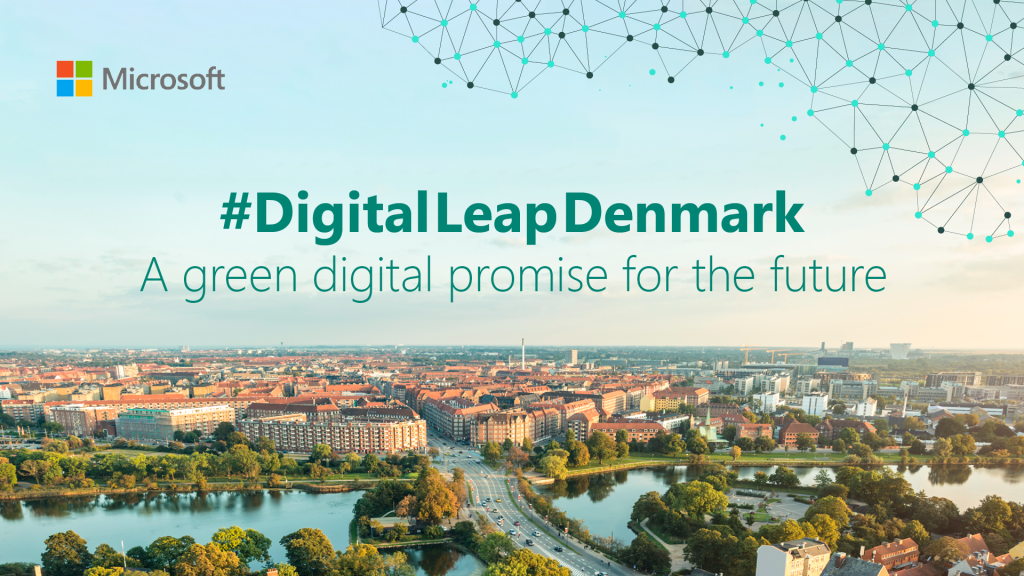
Microsoft’s investment in Denmark is a part of #DigitalLeapDenmark, a commitment to the country’s green digital future

Related: On Copenhagen’s Amager Island

Denmark’s green digital future
Microsoft’s investment in Denmark is a part of #DigitalLeapDenmark, a commitment to the country’s green digital future. Today, Microsoft employs more than a thousand people in the country and has recently invested in a quantum computing research lab in collaboration with the University of Copenhagen and the Technical University of Denmark.

Microsoft Looks to Denmark
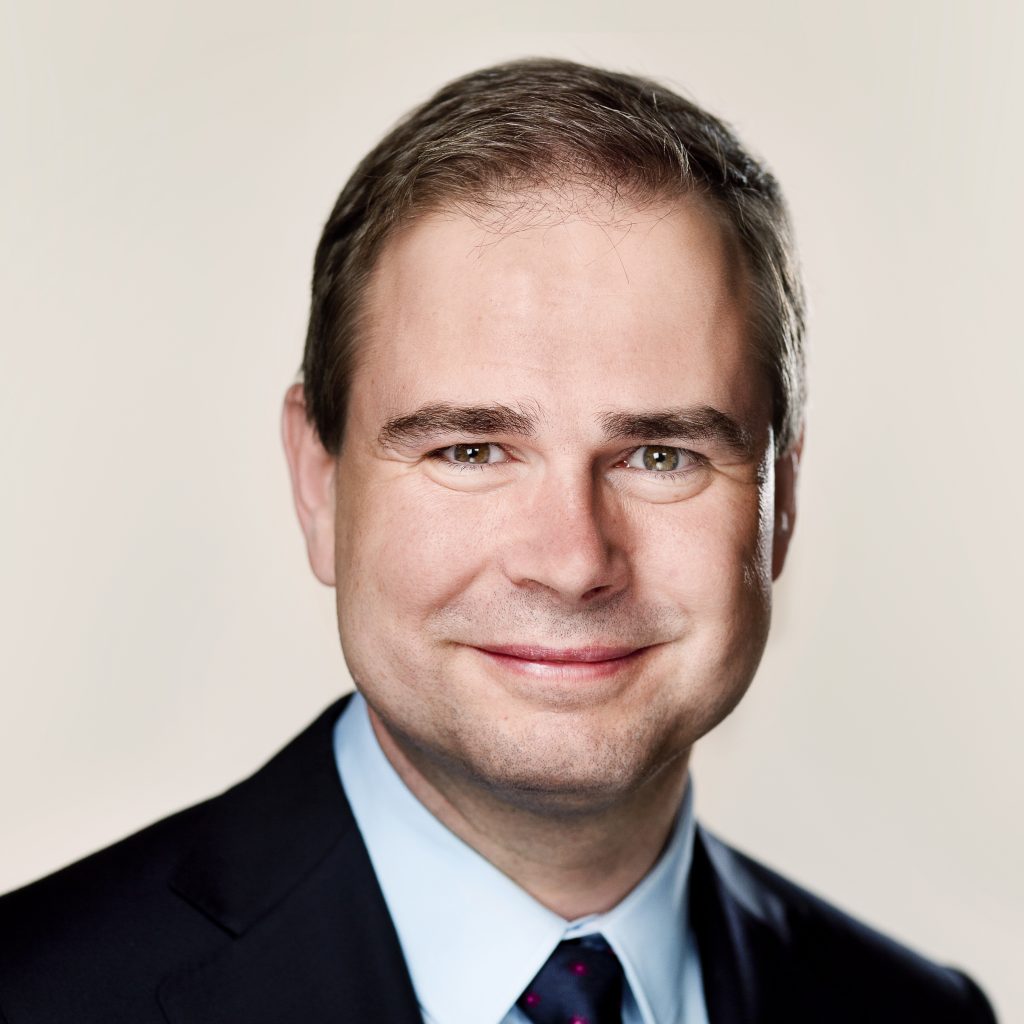
Nicolai Wammen, Danish Minister of Finance. Photo: Pressefoto/Folketinget

Data center building is apparently immune to the economic woes caused by the Covid-19 pandemic, and is therefore part of many governments’ reconstruction plans – and Denmark is no exception. “The Government’s ambition is for Denmark to emerge from Covid-19 even greener, stronger and more socially just,” said Nicolai Wammen, Danish Minister of Finance.

Companies planning to use Azure should establish a main governance strategy to ensure a set of baseline policies and processes and configure a landing zone if they plan to migrate virtual machines out to Microsoft Azure.

Microsoft Looks to Denmark
Brad Smith, President, Microsoft

Microsoft’s appreciation of Denmark’s green and digital leadership
“Building a hyper-scale datacenter in Denmark means we’ll store Danish data in Denmark, make computing more accessible at even faster speeds, secure data with our world-class security, protect data with Danish privacy laws, and do more to provide to the people of Denmark our best digital skills training. This investment reflects our deep appreciation of Denmark’s green and digital leadership globally and our commitment to its future,” said Brad Smith, President, Microsoft.

Danish Azure customers include Arla Foods, Carlsberg, Danfoss, Energinet, Grundfos, Pandora, Maersk, Saxo Bank, Simcorp, and the Danish Ministry of Taxation, already relying on the Microsoft Cloud to power critical business applications, new customer experiences and innovative data solutions. Microsoft plans to help local utility Energinet offer a more transparent energy supply option which gives information about carbon mitigation.

For new users, it is important to understand that using built-in governance features within Azure, also can define policies which ensures that services can only be deployed within the Nordic datacenters and not in the other Azure regions worldwide.

Related: Environmental Challenges in Scandinavia  

The Microsoft Cloud
The Microsoft Cloud enables innovation through the latest technology advancements including:  Microsoft Azure, an ever-expanding set of cloud services that offers computing, networking, databases, analytics, AI and Internet of Things (IoT) services; Microsoft 365, the world’s productivity cloud that delivers best-of-breed productivity apps and security solutions; and Dynamics 365 and Power Platform, which enable organizations to rapidly build and manage critical enterprise business solutions at scale with intelligent business applications.

The Danish datacenter region will provide customers with access to low-latency, enterprise-grade cloud services with world-class data security and compliance. In addition, the new region will deliver Azure Availability Zones, to provide additional tolerance and high availability for applications.

Microsoft Looks to Denmark
Henrik L. Hansen, CEO of the Danish Data Center Industry Association

“We welcome Microsoft’s investments in Denmark, which reflects what we have on offer here in terms of supporting and running some of the world’s most sustainable data centers” said Henrik L. Hansen, CEO of the Danish Data Center Industry Association.

White Papers
A whitepaper gives information on data control and security compliance. Microsoft Sweden has also created a blueprint for Public Sector which is a collection of tools, templates, policies and reports to support Microsoft Azure cloud adoption for Public sector.

Microsoft Looks to Denmark
Søren Lindgaard, CEO, JN Data

“Microsoft is a strategic business partner and the establishment of a Danish data center region creates the basis for us to be able to use solutions based on cloud to an even greater extent. Our business is based on stable, secure and compliant operation to the financial sector, and JN Data’s task is to connect the existing systems with cloud solutions so that JN Data’s community can take full advantage of cloud. By doing so our customers achieve a higher speed of development, which they can benefit from when developing solutions for their customers and ultimately for the banks’ customers,” said Søren Lindgaard, CEO, JN Data.

Companies that want to monitor and see coming Azure changes in regions should follow Microsoft Azure Blog.

Microsoft Looks to Denmark, written by Tor Kjolberg

All images © Microsoft, except portraits of Lindegaard, Hansen and Wammen (press photos)