If you’ve ever wished there was a delicious sweet that was vegan, sugar-, gluten- and palm-oil free, and actually good for you, then you’ll be excited to hear about Wellibities, healthy sweets invented by a Swedish Pharmacist back in 2018.
The founder behind Wellibites is Swedish Sara Serray. She is a pharmacist and a health & nutritional coach with a sweet tooth who wants to create change. She saw a growing trend of sugar consumption, obesity and diabetes among young people and thought it must be possible to develop a healthy alternative. Sara bet house, car and job and began experimenting, and the result was Wellibites, great tasting, naturally flavored sweets packed with vitamins and minerals so you can feel good about eating them.
The founder behind Wellibites is Swedish Sara Serray
Why does candy still contain up to 80 percent sugar when there are better alternatives? Why take shortcuts when we can make smarter, healthier choices that taste fantastic? To give the world better candy Sara Serray founded Wellibites.
Why does candy still contain up to 80 percent sugar when there are better alternatives?
Her mission is to help make this a better world with less type 2 diabetes and obesity. With Wellibites she is taking a step in that direction, offering candy that tastes good and is also good for you. What’s more, everyone can enjoy them, even those with allergies or other dietary requirements.
Today Wellibites is a success story that just continues to grow.
Healthy Sweets Invented by Swedish Pharmacist, written by Tor Kjolberg
Smart cities are starting to become a practical and vital solution to the challenges faced by urban environments worldwide. These locations integrate advanced technologies, data-driven systems, and sustainable practices to enhance the experiences of residents while addressing issues like congestion, pollution, and resource management.Learn more about Nordic innovation: Exploring Scandinavia’s rise into smart cities.
A smart approach to city infrastructure can bolster the lives of residents and transform traditional cities into vibrant, forward-thinking communities.
In the realm of smart cities, Nordic countries have emerged as pioneers and trailblazers. Many are setting the benchmark for innovation and sustainable urban development. With their progressive mindset, robust infrastructure, and a strong commitment to environmental stewardship, Scandinavian cities may well influence the shape of cities of the future.
Let’s dive a little deeper into Scandinavia’s smart cities. What elements are on the rise and how do they make a difference?
One of the primary benefits of smart cities is the potential to improve the quality of life of both residents and visitors. Photo: Sven Mieke/Unsplash
Improving Quality of Life
One of the primary benefits of smart cities is the potential to improve the quality of life of both residents and visitors. That Scandinavian countries are embracing this aspect of smart cities should come as no surprise, given that they are frequently featured toward the top of the annual World Happiness Report. Through the implementation of innovative technologies and data-driven initiatives, various smart cities continue to address challenges the public face and boost well-being.
A key innovation in Scandinavian cities is the implementation of smart lighting systems. Some cities, such as Oslo in Norway, have adopted adaptive street solutions that automatically adjust brightness based on real-time usage. This is not just an efficient use of resources. Smart lighting systems can also improve safety and impact crime rates. This is because sensors monitor streets and ensure they’re well-lit when in use. As a result, public spaces may be less attractive to those intending to commit crimes. It can also help to keep potential hazards visible to citizens.
In addition, smart cities in Scandinavia contribute to creating more walkable urban environments. This is because intelligent traffic management systems tend to prioritize pedestrian safety. Stockholm, Sweden’s smart traffic management project utilizes sensors to gather real-time data on the current traffic environment. Adaptive traffic signals combined with this information can take into account pedestrian demand and adjust signal phases accordingly. This can help make cities safer for everyone as well as reduce crossing waiting times for pedestrians.
It’s important to note that these smart traffic management systems don’t just make navigating cities more convenient for pedestrians. It may also encourage people to take daily walks that are proven to positively impact holistic health. Regularly heading out on foot rather than by car can strengthen muscles, reduce symptoms of depression, and lower the risk of obesity. Therefore, when smart cities help make areas more walkable, this contributes to people’s long-term wellness.
By utilizing intelligent energy systems, intelligent cities optimize energy distribution and consumption. Photo: Native energy
Promoting Environmental Sustainability
Scandinavian countries have long been known for their commitment to environmental sustainability. The innovations adopted and spearheaded by Nordic smart cities are starting to play a key role in this. Denmark is particularly prevalent in this regard, emphasizing its commitment to being carbon neutral by 2025 as well as having the largest number of smart cities. These cities leverage a range of technological solutions to minimize negative ecological impact and foster a more sustainable future.
One environmentally-vital area where smart cities in Scandinavia excel is energy management. By utilizing intelligent energy systems, these cities optimize energy distribution and consumption. In Sweden, smart grids enable real-time monitoring and control of the city’s electricity supply and demand, supported by smart meters in homes and businesses. As a result, power providers are able to efficiently allocate resources and reduce energy waste.
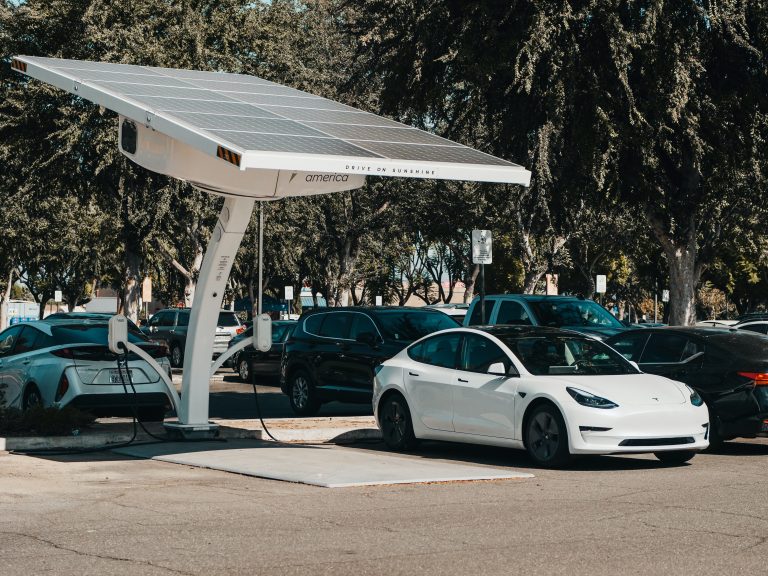
Scandinavian smart cities are also at the forefront of promoting sustainable transportation solutions. Electric vehicle (EV) infrastructure is swiftly becoming more well-developed, with networks of charging stations available to support EV adoption. Not to mention that cities like Oslo and Stockholm have implemented intelligent transportation systems that prioritize public transportation and cycling infrastructure. These initiatives reduce reliance on private cars, alleviate traffic congestion, and improve air quality.
By actively engaging residents, businesses, academics, and local communities in key projects, these locations create a solid sense of ownership over the positive potential these elements can offer.
Empowering Citizens and Fostering Collaboration
One of the perhaps less-explored characteristics of smart cities in Scandinavia is their emphasis on empowering citizens and fostering collaboration among a range of stakeholders. By actively engaging residents, businesses, academics, and local communities in key projects, these locations create a solid sense of ownership over the positive potential these elements can offer. This may enhance the overall efficacy and inclusivity of life in smart Nordic cities.
One approach to this is emphasizing the importance of collaboration between local communities, the private sector, and other agencies. Initiatives, such as Nordic living labs, are established to test and pilot new technologies and services in real-world urban environments. This approach not only influences innovation but also ensures that the solutions implemented address the actual needs of the citizens.
Another key point of engagement is through citizen-centric services and applications. These are designed to enhance the everyday lives of residents. Mobile apps provide real-time information on public transportation, parking availability, and cultural events. This can improve the convenience and accessibility of cities. These tools also often integrate personalized features, allowing citizens to customize their user experience and access relevant services tailored to their preferences.
Nordic Innovation: Exploring Scandinavia’s Rise Into Smart Cities – Conclusion
Smart cities in Scandinavia are leading the way in revolutionizing urban living. Adopting intelligent tech improves quality of life, promotes environmental sustainability, and empowers citizens. Through innovative technologies and data-driven initiatives, these cities address the challenges faced by residents and offer opportunities to experience more efficient and convenient lifestyles.
Nevertheless, it’s also important for residents and leaders of Nordic countries to be aware of the developing challenges of smart cities. There is growing potential for artificial intelligence (AI) to contribute to positive outcomes of projects, but this must also be subjected to a range of ethical considerations. Alongside establishing the benefits of such tools, cities need to actively work with private sectors, academics, and communities to mitigate the risks posed by smart cities in the near future.
Ainsley Lawrence
Nordic Innovation: Exploring Scandinavia’s Rise Into Smart Cities, written dedicatedly for Daily Scandinavian by Ainsley Lawrence. Ainsley is a regular contributor to Daily Scandinavian. She is a freelance writer from the Pacific Northwest. Ainsley is interested in better living through technology and education. She is frequently lost in a good book.
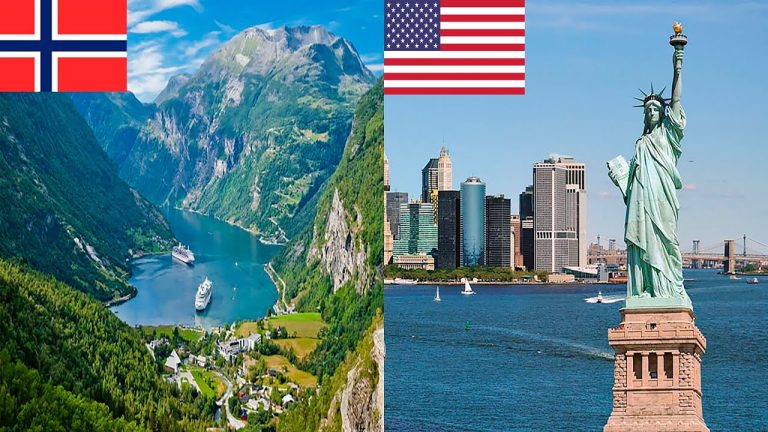
The loan market in Norway and the USA is quite different. Suppose you’re planning to relocate or move your business to either country. In that case, it’s essential to understand the loan application processes to make an informed decision about the best place for you to live or do business. Getting a loan in Norway and USA – here’s a side-by-side comparison.
In Norway, applying for a personal or payday loan differs significantly from how things work in the United States. It’s important to understand these differences before applying for a loan because they could impact how long it takes you to get approved and what loan options are available to you as a foreigner. So let’s discover the lending and borrowing differences between these two countries.
Loan Application Process
Before you start your loan application process, you must know what’s required by law. For example, in Norway, the minimum age you can get a loan is between 18 and 25, depending on the lender and loan amount you borrow. Personal loans are available only to foreigners living in Norway for three years.
Here are the documents you need to bring to apply for a payday loan in Norway:
Proof of income (pay stubs, tax returns, or bank statements, the minimum income is $20,000 per year)
Proof of residence (utility bill)
Proof of identification (driver’s license or passport)
Proof of creditworthiness (credit report)
In the United States, there are almost the same eligibility criteria:
Age at least 18 years old
The minimum income per month: $1,000;
Permanent residence or US citizenship;
Active bank account;
Valid email address and phone number.
Regarding the further application steps, they are the same. You submit the loan request form and wait for the approval decision. If approved, you’ll sign the loan agreement.
With the right loan, you can get the funds you need without taking out a mortgage or other long-term loan.
Personal Loan Process: Comparison
Personal loans are a great way to get the funds you need when you need them. With the right loan, you can get the funds you need without taking out a mortgage or other long-term loan.
However, you should be aware of some differences between personal loan processes in Norway and America as you decide where to get your loan.
We’ve got a short list of differences that must be considered when choosing between borrowing money in Norway and the US:
The US application process is more straightforward than Norway’s because most online lenders don’t check your credit score through major credit bureaus.
Norway’s annual percentage rates (8.38% – 38.86%) are higher than in America (6% – 35.99%).
The repayment schedules for long-term personal loans are the same (from 12 months to 60 months).
You can apply for a personal loan in person at any bank or savings bank branch throughout Norway and the United States.
The maximum loan amount in Norway is $500,000; meanwhile, it’s $100,000 in the US.
In Norway, the most commonly used credit scoring model is the “Grisgrendte” system.
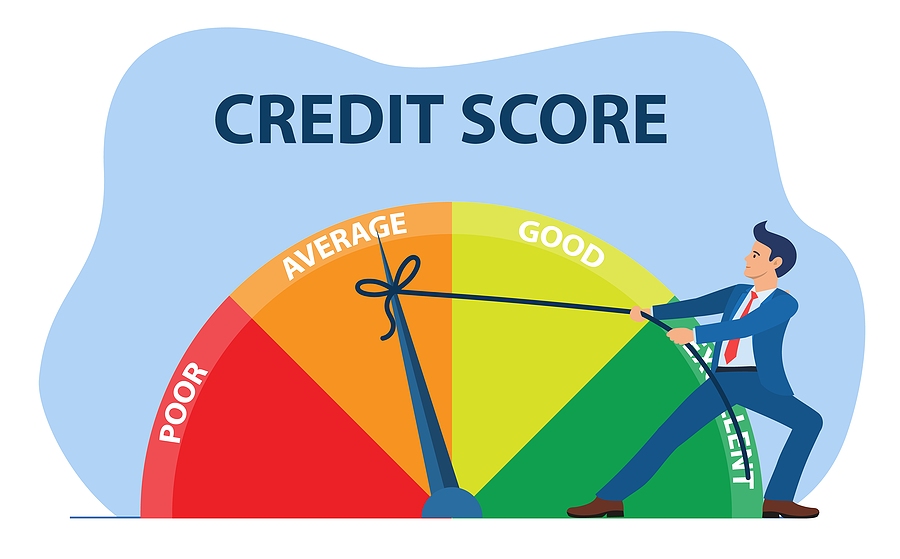
Credit Score Differences
In Norway, the most commonly used credit scoring model is the “Grisgrendte” system. It evaluates the borrower’s creditworthiness based on payment history, outstanding debt, length of credit history, and any defaults or late payments. The credit score ranges from 0 to 100, with a higher score showing a lower risk of default. A credit score between 1 and 20 is considered bad, and figures between 71 and 100 are shown as good credit.
The most widely used credit scoring models in the United States are the FICO Score and VantageScore. FICO Scores range from 300 to 850. Meanwhile, VantageScores range from 300 to 850 as well. The same principle is applied when lending companies calculate the scores. They include payment history, credit utilization, length of credit history, credit mix, and recent inquiries of credit reports. Usually, lenders don’t use your income and employment to calculate your credit rating, but they can consider them during the loan approval process.
The process typically takes longer for larger loans in both Norway and the US
How Long Does It Take to Get a Loan in the US vs. Norway?
If you ask yourself: how long does it take to get a payday loan, it’s crucial to mention that in the US, you’ll get your loan on the next business day. Meanwhile, depending on the lender’s cut-off times, it may take several days in Norway.
However, the process typically takes longer for larger loans in Norway and the US, such as mortgages or business loans. It can take several weeks or months to complete the necessary paperwork, undergo a credit check, provide documentation, and have the loan approved and funded.
The first factor you should know before searching for a loan in Norway, as a foreign citizen, is that you must live here legally and pay taxes from your monthly income. After you figure out your monthly or yearly paycheck and tax payment, check these loan options:
Personal loans: As a foreigner, you may get a personal loan in Norway for significant needs. The Norwegian lenders provide many options to buy a car, go on vacation, or renovate your home. The terms and interest rates are set by both parties and registered in the loan contract.
Mortgage loans: If you plan to buy a house but don’t have enough money, consider mortgage loans in Norway. They are available for legal residents and are provided by mortgage lenders and major Norwegian banks like Handelsbanken Norway.
Student loans: If you’re a student in Norway and need money for tuition and utilities, try student loans. The Norwegian State Educational Loan Fund (Lånekassen) typically offers these loans under specific criteria and repayment terms.
Start-up loans: Foreigners interested in starting a business in Norway may explore start-up loans or entrepreneurial funding programs. These loans are designed to support the establishment and growth of new businesses. Consider that lenders may require a solid business plan and financial projections.
Credit cards and overdraft facilities: If you have a Norwegian bank account, you can access credit cards and other facilities that imply bank accounts. These options allow people to borrow money up to a specific credit limit, with interest charged on the outstanding balance.
Getting a Loan in Norway and USA: A Side-by-Side Comparison – Bottom Line
In conclusion, getting a loan in Norway and the United States is surprisingly similar. They both require you to fill out an application, provide proof that you can pay it back, and have an appraisal done on your property. However, if you’re looking for a loan from a bank or credit union in Norway, be prepared to show them your income statements for the last three years. In the United States, you only need two months’ pay stubs.
Kerry Vetter
Getting a Loan in Norway and USA: A Side-by-Side Comparison, written dedicatedly for Daily Scandinavian by Kerry Vetter. Kerry is the financial writer and expert of 1F Cash Advance with solid expertise and a strong focus on goal-based wealth management. Her passion for helping people and extensive knowledge of lending and financial sectors makes her a credible authority that you can trust. Kerry has a Master of Science Degree in Finance and is dedicated to giving people useful and practical advice on how to reduce debt, manage money, improve credit scores, and increase wealth.
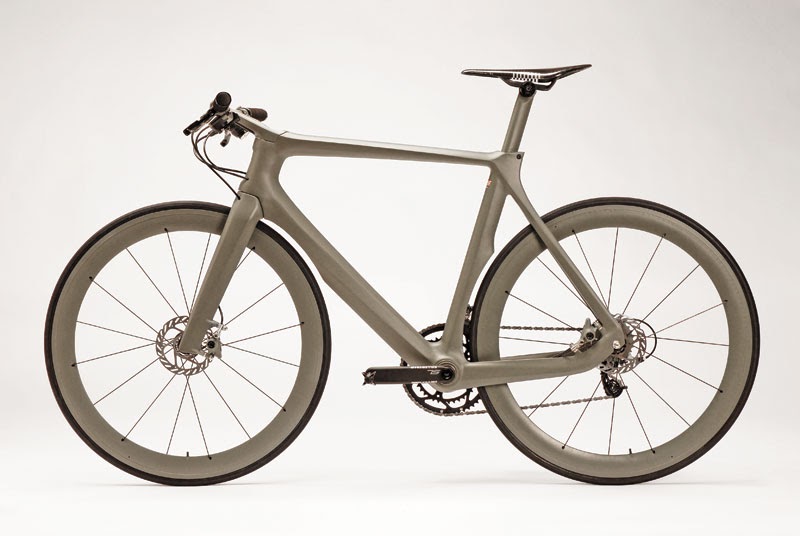
The role of an industrial designer is often overlooked, also in the world of biking. The real magic about urban cycling is that you can turn what for many people is just a necessary evil, commuting, into a highlight of the day. Norwegian industrial designer Torgny Fjeldskaar from Larvik has revolutionized the image of this modern vehicle. He has designed the most iconic bikes of the past two decades.
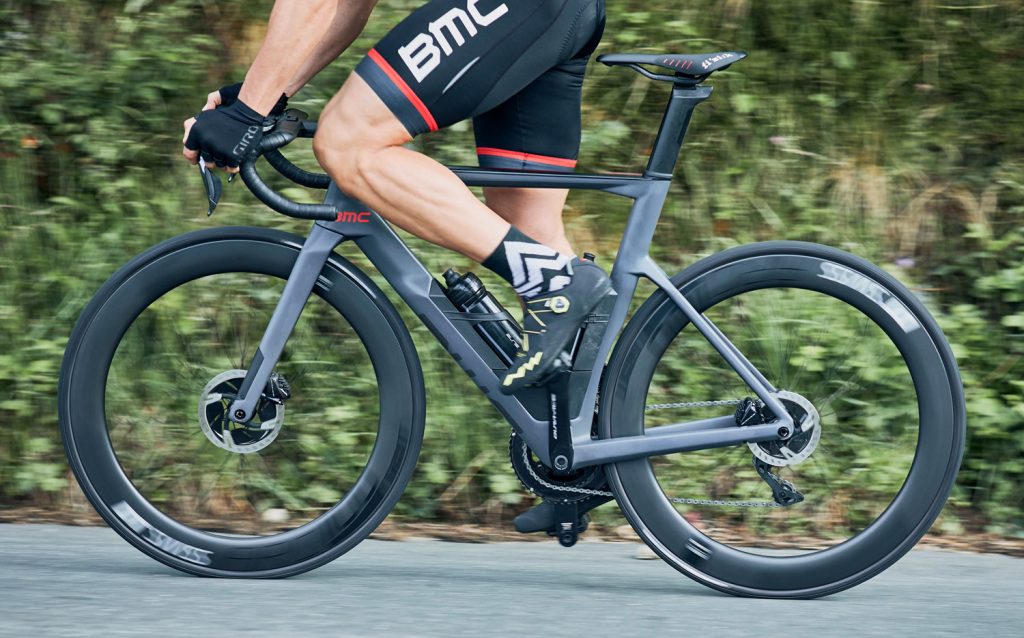
Norwegian industrial designer Torgny Fjeldskaar was the lead designer at the Swiss bike producer BMC for five years and among his brilliant designs are the Roadmachine, the original Cannondale SystemSix and the Teammachine.
Torgny Fjeldskaar studied mechanical engineering in Trondheim, Norway followed by a masters in transport vehicle design in Barcelona for two years. Photo: YouTube
First time I heard about Torgny Fjeldskaar was back in the early 2000s, when I read a report from one of the world’s biggest bike shows, Eurobike. He was showcasing a cutting-edge concept bike for the US bike company Cannondale. In a press-release from the exhibition, his bike was described as ‘a radical geometry-shifting machine that could morph from a flat-out-time-trail machine into a more upright comfortable one’. It was space-age stuff.
In 2022, the Italian bicycle company Colnago hired Torgny Fjeldskaar to design a brand-new race bike that the UAE Team Emirates would have at their disposal. It was designed for Pogačar to use in his bid to win a third Tour. However, fans of classic Colnagos might have thought that Fjeldskaar’s signature angular design features were a little alien.
Today, bikes aren’t just great to ride, but also look great and set the pulse racing. With carbon fiber and the latest engineering advancements allowing for increasingly complex bikes, the role of the industrial designer is more influential than ever.
Torgny Fjeldskaar’s Colnago bike was designed for Pogačar to use in his bid to win a third Tour and it looks like it.
Torgny got his first bike at the age of five and it has been his main mode of transport ever since. For many years he was a paper delivery boy so he got used to riding in all sorts of Norwegian weather early on.
“You basically get as wet as in the UK but quite a bit colder!” he once said in an interview. At the age of 10 he got his first road bike, and as a teenager he got into the then big, new trend of mountain biking and later-on some gravel touring. “We didn’t know it was called gravel at the time,” he laughs. Torgny has always loved the design simplicity of bicycles and conversely the changes that mountain bikes brought.
Torgny Fjeldskaar studied mechanical engineering in Trondheim, Norway followed by a masters in transport vehicle design in Barcelona for two years. His first job after graduating was in automotive design at Mazda’s European Design Centre in Frankfurt, a place he really enjoyed working and he says he learned a lot from helpful colleagues.
The BMC Timemachine
“As for longevity and trends, my hope is that we get to a situation where large bike manufacturers start picking up more of the current zeitgeist and continue to put more focus towards developing products that won’t get obsolete that fast,” Torgny says.
Norwegian Industrial Designer Has Designed the Most Iconic Bikes of the Past Two Decades, written by Tor Kjolberg.
Feature image (on top): The press release image from 2014.
Cloudberries sound like fruits out of a fever dream, but if you love discovering new fruits and flavours, you’ll be happy to know that they’re actually real.Learnall about cloudberries and the growing hype around this Scandinavian fruit.
These orange-yellow fruit are native to Scandinavia, and they’re often used when making Nordic drinks and dishes. They’re also extremely rare since they grow in just a few select parts of the world. However, the mystique surrounding this fruit is about to get shattered as it has already made its way into the west.
Recently, American fast food chain Chik-fil-A launched a new beverage called Cloudberry Sunjoy, which is a combination of lemonade, sweet tea, cloudberry, and cherry blossom. A spokeswoman from the company said that the cloudberry drink scored best in internal testing, and after a successful test in Atlanta, Georgia, it was offered throughout the US in autumn last year. This is just the start of the cloudberry trend though, as we can expect more products that contain this amazing fruit to pop up in stores and restaurants all over the world. Here’s what you need to know about cloudberries, and the growing hype around this Scandinavian fruit.
These orange-yellow fruit are native to Scandinavia
Need a break from your typical apples, oranges, and grapes? You’re in luck. The world is full of unusual and exotic fruits that are worth discovering, such as dragon fruit, durian, and lychees. While the best fruit usually grow in the tropics, there are fruits that thrive in colder regions that are worth getting to know.
One of these is the cloudberry.
Despite its name, the cloudberry is technically not a berry. It belongs to a family of flowering herbs that bear edible fruit. It grows in arctic environments like Norway, Sweden, and Finland, but it can also be found in Russia and colder states in the US, such as Alaska and Minnesota. In Scandinavia, cloudberry season is from July to August, and during those months it’s common to see people foraging for this fruit. The cloudberry plant bears white flowers and golden fruit, which is why it’s also referred to as Lapland gold. Locals usually make cloudberries into jam, though some prefer to eat them straight from the bush. They’re also wonderful in desserts and cocktails, or you can make them into cloudberry syrup to drizzle over pancakes, waffles, or freshly-baked bread.
Cloadberries are used for jams and desserts. Here’s a delicious cloadberry cream. Photo: Opplysningskontoret for brød og korn.
The cloudberry is considered as a superfood since it’s full of nutrients that can be good for health. It has high levels of Vitamins A and C, which can boost immunity. This fruit also has iron, which can improve blood circulation, as well as omega-3 and omega-6 which can lower bad cholesterol. The antioxidants in cloudberries can also help to fight the signs of ageing, prevents diabetes, and retain skin moisture.
All About Cloudberries And the Growing Hype Around This Scandinavian Fruit, article continues below image.
Lakka cloadberry liquor. Photo: Wikipedia
Cloudberry Trends to Look Out For
Since cloudberry has a lot of skin-nourishing properties, we can expect to see more cloudberry-based skincare products in the market in the coming years. Scandinavian beauty brand Eleni & Chris already has an anti-ageing face serum infused with cloudberry for all skin types, while vegan skincare brand Skyn Iceland has a moisturizing cloudberry cream. It’s also expected that cloudberry wines are going to be very popular. In fact, Finland-based Aino Winery is already making waves with their Valokki, which is a wine with high concentrations of pure cloudberry.
Cloudberries are tasty and oh-so-good for you, so what’s not to like about this amazing fruit? Expect to see more cloudberry-infused skincare, drinks, and food in the market as more people discover the incredible taste and health benefits of this unique Scandinavian fruit.
Karoline Gore
All About Cloudberries, And The Growing Hype Around This Scandinavian Fruit, written dedicatedly for Daily Scandinavian by Karoline Gore. Karoline is a freelance writer from Stoke on Trent in the UK who left the corporate grind when she started a family and has never looked back. She enjoys contributing to a range of online publications on the topics that are important to her.
Since the time of the Vikings, Scandinavians have been explorers. Being a hardy northern people makes them ideal for exploration in the harsh climate of the North Atlantic and the polar regions. Modern Scandinavians have, however, been famous for explorations all over the world. Without comparison, I am at present on a mission exploring Korea and the Philippines. If you like to travel, follow our new series Scandinavian Explorers.
Daily Scandinavian will be exploring uncommon and exciting international destinations which we believe will be of interest to our readers. Our reviews of new exciting destinations will be published on a monthly basis.
In the series Scandinavian Explorers, we ill make a mix of world-famous Scandinavian explorers and our own explorations of uncommon, thrilling destinations around the world.
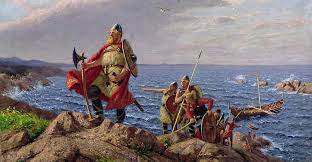
Erik Thorvaldsson, was nicknamed Erik the Red because of his red hair.
Today, we go back to the 10th century Norway, the Viking Age, and tell the story of Erik Thorvaldsson, nicknamed Erik the Red because of his red hair.
Some will claim that Erik the Red was not an explorer since he was exploring out of pure necessity. He was in fact expelled from Norway to Iceland and exiled for ‘some killings’. He didn’t stop killing though. He soon was banished from one Icelandic town for killing a man who killed some of his slaves and was later expelled from Iceland.
Erik the Red established the first European settlement on Greenland
Then he got the idea that sailing westwards to an island he had heard about would be a good idea to keep him out of trouble. He reached the island (c. 985) and found a suitable site for settlement and called it Greenland, just to make it sound like an attractive destination for others to join. This was the first European settlement on Greenland.
From his settlement on an island at the mouth of Eriksfjord (now known as Tunullarfik Fjord) he explored the west and north for two years.
In 985 or 986, Erik returned Iceland. His descriptions of the new territory persuaded many people to follow him to found a new colony in Greenland.
Erik the Red was the father of another great Viking explorer, Leif Erikson, who will present in a future article.
Only 14 ships out of 25 are believed to have landed safely at an area later known as Eystribygd (“Eastern settlement”). The settlement never grew to more than 3,000 inhabitants.
If you’ve never had the opportunity to take a cruise — you’ve been missing out. Cruising can be a great way to travel the world while also experiencing various activities at each destination. Learn the benefits of taking a Scandinavian cruise.
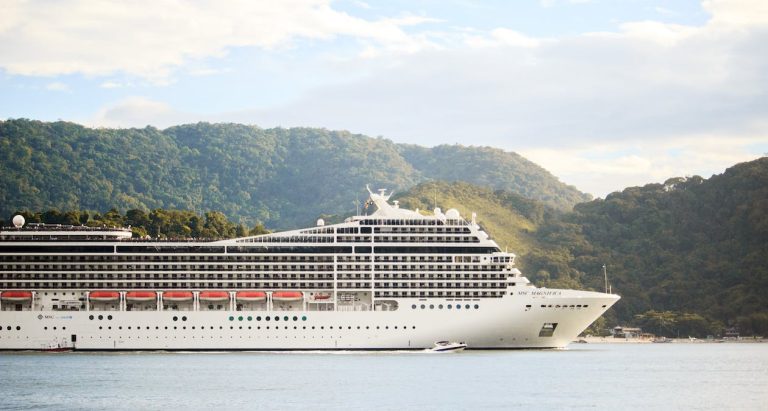
When it comes to cruising, few places can compare to the beauty of Scandinavian countries. And with a cruise, you can properly enjoy each country’s natural beauty and amenities the way they deserve to be experienced — via a boat.
Here are some great benefits of choosing this form of travel on your next trip.
Scandinavian countries have a natural beauty that isn’t easily mimicked in other parts of the world.. Photo: Copenhagen -Celebrity Cruises
Enjoy the Scenic Beauty of Scandinavian Countries
Scandinavian countries have a natural beauty that isn’t easily mimicked in other parts of the world. With a combination of beautiful landscapes painted with mountains, waterfalls, and rich forest lines, you’ll have more opportunities than you can count to take stunning photographs and explore all mother nature has to provide.
Scandinavian countries are also rich in culture, filled with historic Viking settlements and heritage sites ready to be explored. There is also a variety of wildlife you’ll encounter both on and off the boat, including whales, seals, deer, and a unique selection of birds native to the area.
While traveling to this region is great, cruising there is a whole other experience. Traveling through Scandinavian countries on a boat gives you the ability to sit back and relax, enjoy a meal, or catch a beautiful sunset, all while enjoying 360 degree panoramas on the open water.
One thing that sets cruising apart from other forms of travel is the near-endless amount of amenities and activities you’ll be able to take advantage of.. Photo: Celebrity Cruises
Onboard Amenities and Activities
Whether you like to travel locally or overseas, one thing that sets cruising apart from other forms of travel is the near-endless amount of amenities and activities you’ll be able to take advantage of.
Traveling via a cruise offers plenty of benefits and offers everything you would want on a trip. Your room, food, and travel are all included in one complete package that takes the guesswork out of your trip’s budget.
And while planes will typically put you to sleep, traveling by sea is much more exciting. There are all kinds of ways you can pass your time in between different Scandinavian countries. Whether you prefer to keep it low-key and enjoy some time around the pool or enjoy the nightlife and want to see Broadway-style shows; cruises have something for everyone.
Cruises let you enjoy all the great things about traveling to other countries while being able to enjoy the comforts of home. Whether you like going to great restaurants, getting a spa treatment, going dancing at a local lounge, or simply hanging out by the pool, cruising to Scandinavian countries lets you enjoy all of these things all in one place.
When you first board a cruise, you find out that all the additional purchases you make on the boat are charged to your stateroom.
Great Opportunities to Earn Travel Perks
When you first board a cruise, you find out that all the additional purchases you make on the boat are charged to your stateroom. This includes any excursions you book when the cruise is docked in port, and you want to explore off-boat.
What’s great about this is your unique opportunity to get some great travel perks when using certain credit cards. Many credit card providers offer special incentives on cruising when using their cards for purchases, including cash back, travel rewards, and other great incentives.
On top of this, you can double up your rewards when combining your purchasing incentives with other special promotions that the cruise line offers directly, helping you put some money back in your pocket before your trip ends.
Cruising is typically the best value for your money wherever you go.. Photo: Viking Cruises
Great Value for Money
There are lots of different ways to travel to Scandinavian countries. While there is nothing wrong with booking flights and hotels, cruising is typically the best value for your money wherever you go.
By combining the cost of your travel, accommodations, and food and entertainment, you’re formatting your total travel expenses into one complete package. This can save you hundreds or even thousands of dollars compared to purchasing each travel essential.
Plus, every time you book a cruise, you’ll be able to earn loyalty rewards with the cruise line you book that will give you future credits the next time you travel – it’s a win-win!
Booking a cruise is typically a hassle-free experience.
Hassle-Free Travel Planning
It doesn’t matter whether you choose to book a cruise directly or go through a travel agent — booking a cruise is typically a hassle-free experience. Most cruise lines make your booking process seamless and give you various options to choose from when planning your trip.
Cruises can typically be booked a year or more in advance, giving you a variety of ships, itineraries, and dates to choose from. Many cruise lines will also help you book flights and a transport vehicle to and from the ports to take even more stress off your shoulders.
There is nothing more freeing than knowing the only thing you need to do is set a countdown to your vacation instead of having the juggle between multiple different airline providers, rental car companies, and hotel accommodations before you arrive.
Northern Explorer
Travel On The World’s First Zero-Emission Cruise Ship
As the global economy has seen significant disruptions over the years, sustainability has become a major concern, especially considering the impact of large commercial vehicles on the environment. While cruises and airlines are pieces of this puzzle, Norwegian cruise company Northern Xplorer is developing the first zero-emission cruise ship.
The ship is expected to launch its first cruise season in 2025 and be allowed to cruise two world heritage fjords in Western Norway. So if you haven’t started cruising, now is a great time to make history and say that you got to sail on one of the world’s first eco-friendly cruise boats.
Start Experiencing The Benefits of Taking a Scandinavian Cruise
Whether you want to relax and take in gorgeous mountains and fjords or have peace of mind knowing your accommodations and entertainment are all in one place, a cruise could be the best thing you do this year.
Ainnsley Lawrence
The Benefits of Taking a Scandinavian Cruise, written dedicatedly for Daily Scandinavian by Ainsley Lawrence. Ainsley is a regular contributor to Daily Scandinavian. She is a freelance writer from the Pacific Northwest. Ainsley is interested in better living through technology and education. She is frequently lost in a good book.
Airfares have skyrocketed since the Covid setback, but Daily Scandinavian is here to help you arrive by plane in Scandinavia at the best possible price. How to get the lowest airfare to Scandinavia? Read on and find out! The same advice applies to Scandinavians searching for flights to far-away destinations.
First, there is no strict rules when it comes to finding the best airfare. You’ll find lots of advice on the internet, but most of it is waste of time. Airlines use advanced computer and pricing algorithms to determine their prices.
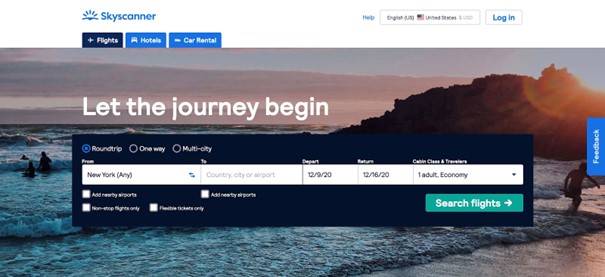
Our first serious advice is therefore, never search by destination. Go to the Google Explore map instead and enter dates, your departure airport and leave the destination open (or pick a region, such as Scandinavia). You’ll get an instant picture of which places are cheaper to reach. If you want to find out which airline flies where, use whichbudget.com. You can also try Kayak, Luxury Escapes, Google Flights or Skyscanner. These sites let you compare airlines as well as see which days of the week offer better value.
It pays to familiarize yourself with sites that offer the best prices.
Use the best flight search engines
All search engines have inflated flight costs as part of taking a cut from the airlines. Some search engines (e.g. Expedia and Booking) consistently inflate much higher than others (listed below). It pays to familiarize yourself with sites that offer the best prices.
Skiplagged is a hidden city ticketing search engine.
Airfarewatchdog (lists top sale & error fares from your city.
Kiwi.com (combines all airlines to create routes that are cheaper than booking with just 1 airline.
Momondo (a broad search engine that sometimes shows cheaper fares than Skyscanner)
JetRadar (includes budget airlines, which many search engines don’t)
Google Flights (good tool to quickly compare flight dates – but not always the best prices)
Finally, no single search engine is consistently perfect (though we typically find the cheapest price on Skyscanner or Momondo ) As such, you may need to try a combination of search engines to ensure you’re not missing any results. There doesn’t seem to be one that gets the cheapest flight 100% of the time.
Be Flexible with Your Travel Dates and Times
If you are going to fly when everyone is flying, then your ticket is going to cost more.
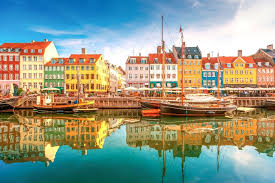
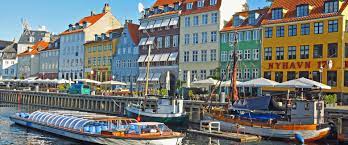
Try to be flexible with your dates. If you are dead-set on visiting Copenhagen, go to Copenhagen in the spring or fall when fewer people visit and airfares are cheaper. The solution is to fly off-season.
It’s also almost always cheaper to fly during the middle of the week than on a weekend because most people travel on the weekends and airlines hike their prices then. In addition, prices are cheaper if you fly after or on a major holiday. Early-morning or late-night flights are also cheaper because fewer people want to travel then (who wants to wake up early?!).
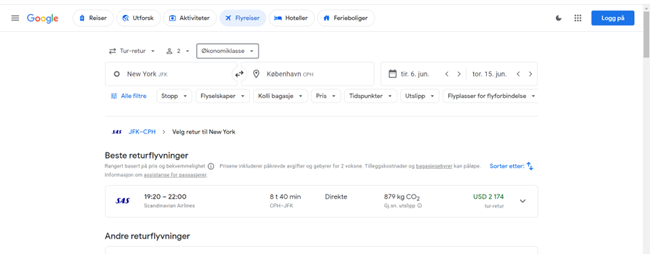
When searching on Google Flights, simply click on the date field to expand the calendar view and you’ll immediately see the cheapest days to fly within a two-month window.
When searching on Google Flights, simply click on the date field to expand the calendar view
Before booking, try to check the prices of booking separate one-way fares. Chances are that you end up saving money.
Set an airfare alert
Sites like Google Flights allow you to do this, and then notify you when there is a drop in price.
Try to be flexible with your dates.
Be Flexible with Your Destinations
If you can’t be flexible with when you fly, at least be flexible with where you fly. It’s best to be both, but if you really want to save the most money and get a cheap flight for your trip, you at least need to be flexible with one or the other.
Airline search engines have made it really easy to search the entire world to find the cheapest ticket. You no longer have to search manually, city by city, day by day. Websites like Skyscanner and Google Flights offer explore tools that allow you to put in your home airport and see a map of the world with all the flights on it. This allows you to easily compare multiple destinations without having to brainstorm every possible option. You’ll likely even find some interesting destinations you hadn’t even thought of either!
The truth about airfare is that there’s always a deal to some destination — it might just not be your first choice. However, if you’re flexible about where you want to go, you’ll always get a deal and save a ton of money in the process.
When time is on your side, consider commuting by train or bus.
Consider commuting by train or bus
When time is on your side, consider commuting by train or bus. Instead of flying into Gothenburg, fly to Oslo instead (if it makes financial sense). It doesn’t take long (or cost much) to get between the two cities. The bus fares are surprisingly low. I7. Consider some land travel
It’s also a different experience.
Plan a stopover
Flying direct can have a huge impact on how much you pay for your flight, especially if you’re crossing an ocean. And you’re traveling to see the world. True?
Fly for free with travel reward card
If you don’t have a airline scheme yet, don’t fret – all you need is one travel reward credit card and hitting the minimum spend can land you a major point bonus, often enough for a free flight.
Earn 80,000 bonus points after you spend $4,000 on purchases in the first 3 months from account opening. That’s $1,000 when you redeem through Chase Ultimate Rewards®.
Earn 60,000 bonus ThankYou® Points after you spend $4,000 in purchases within the first 3 months of account opening. Plus, for a limited time, earn a total of 10 ThankYou® Points per $1 spent on hotel, car rentals, and attractions (excluding air travel) booked on the Citi Travel℠ portal through June 30, 2024.
Rewards
Earn 3 Points per $1 spent at Restaurants and Supermarkets…. ⓘ
Foreign Transaction Fee
0%
Annual Fee
$95
Fly Budget Carriers
You can almost fly around the world on a budget airline. They might not be as comfortable and you may need to pay for premium upgrades like checked bags and meals, but they bring the world to your doorstep without costing your shirt..
Budget airlines mainly service short and medium-haul routes. While most budget carriers (notably Norwegian Air) scrapped their long-haul routes during COVID, some of them will probably return once the travel industry recovers.
For now, budget airlines mainly operate regionally so it’s really easy to find a cheap flight, even during this age of higher prices.
Here is a list of the most affordable airlines in the world:
Air Transat (often has some of the cheapest international flights, especially to sunny beach destinations)
UNITED STATES
Southwest (consider their credit card with Companion Pass – every time you fly, your friend flies too – and 50,000 bonus points after hitting the minimum spend of $1,000 in the first 3 months)
Traveling is a fantastic experience that is exceptionally rewarding. However, knowing the specifications of the country you head to can make the experience even more beneficial, especially if you head to Denmark. Here are some practical advice for students who dream of traveling in Denmark.
Traveling is one of the most interesting experiences for college students. It does not only help to relax and unwind after a complicated and overwhelming studying year but also to expand the horizons. Of the multitude of destinations, a considerable number of students prefer Denmark. What makes it so demanded and special?
First of all, it is critical to highlight the rich history of the country, which will hardly leave anyone indifferent. Besides, extraordinary culture and interesting traditions attract a lot of people who love immersing themselves in local life. High standards of life in Denmark are also widely known and valued, so a considerable number of students consider moving to the country after visiting it. In fact, these are only a few reasons why millions of people head to the country every month.
However, irrespective of the unique history, picturesque views, extraordinary culture, and lots of other attractions, there are a few things college students should mind traveling to Denmark.
Planning is one of the cornerstones of any adventure.
Planning Is a Must
Planning is one of the cornerstones of any adventure, but its prominence doubles when it comes to Denmark tours. The country will not leave you indifferent, so you will be eager to explore literally every corner. As you will have little to no free time, you should make sure you are done with all the emergency college projects.
Browse the web to read multiple Speedy paper reviews, make sure the service is trustworthy, and place your first order. This way, you will get enough time for your adventures, and will not affect your academic success.
Keep in mind that accommodation, transportation, and the rest of the items may cost you more than you expect.
Life in Denmark Is Expensive
Before you choose Denmark as a travel destination, you should learn a lot about the country. It is a well-known fact that college students are not really rich, and they have to work hard to earn a living. Besides, they sometimes have to pay Proessays.net and similar companies to take care of their academic success when they are away traveling. Consequently, the travel budget is usually limited. Why is this information important? Because Denmark is expensive.
Keep in mind that accommodation, transportation, and the rest of the items may cost you more than you expect. Therefore, take your time to plan your tour and make sure you can afford it.
Frequently visitors underestimate the strength and power of the winds in Denmark. Photo: Danish Met Service
Denmark Is Windy
You will surely check the weather forecast before going to Denmark, but you should not expect it to be sunny and pleasant weather. Unfortunately, the overwhelming majority of tourists frequently underestimate the strength and power of the winds in Denmark, so they have to spend a lot of their precious time inside. Winds are an all-year-round phenomenon in Denmark, so you should better take some special clothes to protect you and keep you warm and comfortable during the tour.
You may sometimes have a hard time paying for some goods in smaller shops.
Cash May Be Needed
Although credit cards are accepted in most stores in large cities, you may sometimes have a hard time paying for some goods in smaller shops. Therefore, if you do not choose Copenhagen as your travel destination, you should care to have some cash. It will be necessary not only for purchasing goods but also for payments in the city busses and other places.
Cyber Threats Are Common
Heading to Denmark, you should read about the ways you can protect your phone and personal data from potential risks. Irrespective of the destination you choose, chances are the information from your phone will be stolen. Therefore, download the VPN app in advance so that you can use it while getting connected to public Wi-Fi.
Practical Advice For Students Who Dream Of Traveling in Denmark, article continues below image.
The cycling infrastructure is well-developed in Denmark. Photo: Wikipedia
Bike Is Your Vehicle for the Trip
If you have finally decided to go spend some time in Denmark, you should remember how to ride a bicycle. Traffic in Denmark is not that busy, but the cycling infrastructure is well-developed. Therefore, riding a bike is frequently even more convenient than driving a car. Additionally, if you remember, the country is expensive, so you do not want to spend a lot of money on gas. Renting a bike for a few days may be a top solution that will keep you flexible and effective.
Christiania is a hippie community. Photo: Wikitravel
Christiania Is Not for Everyone
There is no doubt you have heard of Christiania a lot, as it is one of the most famous tourist destinations in the capital city. In fact, it is a hippie community that is frequently considered to be independent of the whole country. The representatives of the commune have different rules you should be aware of unless you want to get in trouble. For instance, there is no filming in the area. If you take your camera and start taking pictures, you will be asked to leave the territory in a minute.
if you are done with a water bottle,in Denmark you need to use the pant machine and get some cash instead.
Used Bottles Are Money
You have probably heard about the pant system in Denmark, which is convenient and beneficial. It means that if you are done with a water bottle, you need to use the pant machine and get some cash instead.
Practical Advice For Students Who Dream Of Traveling in Denmark, written exclusively for Daily Scandinavian by Tod Brown. Tod is an article writer and a creative copywriter with vast experience. For six years, he has been working on various projects, writing blog articles and product descriptions. Thanks to his education and tremendous experience, he always deliver excellent content that is interesting to the audience and fully meets the requirements. He is a very ambitious writer who researches any topic as much as possible.
Discover how to enrich your academic journey by exploring Norway’s world-class education system and breathtaking landscapes. Study and travel in paradise! Learn how to combine traveling to Norway with education.
Norway has become the latest trend for students seeking an incredible combination of education and exploration. From its excellent educational system to its breathtaking landscapes, this idyllic Scandinavian nation is one-of-a-kind – perfect for anyone wishing to make their academic journey richer with cultural experiences while admiring nature’s beauty!
In this article, we will show you the best ways to combine traveling to Norway with education!
Norway offers a top-notch education system recognized around the globe.
Quality of Education
Norway offers a top-notch education system recognized around the globe. From traditional degree studies to specialized programs – and often in English! – students are sure to find what they need here. Plus, international aspirants will appreciate that higher learning is tuition free for everyone; it’s an excellent budget solution for those looking abroad for their academic pursuits.
If you’re a student already planning a trip, it may be impossible to juggle the travel and submission of your assignments. However, there are plenty of ways to make it happen – one being to seek out a trustworthy assistant, such as a website offering writing services. Yet, even this option can pose risks if you don’t take precautions to verify the website’s legitimacy and read reviews about it.
Experience the exquisite beauty of Norway firsthand! From majestic fjords and lush mountains to charming coastal towns. Photo: Fjord Norway
Natural Beauty
Experience the exquisite beauty of Norway firsthand! From majestic fjords and lush mountains to charming coastal towns, there’s no shortage of stunning views. If you’re an adventurer, you’ll be spoiled with outdoor activities like hiking in pristine forests or kayaking along breathtaking coastlines. Studying and traveling here are sure to provide memories that last a lifetime!
: You can experience the country’s renowned feeling of safety and joy.
Safety and High Living Standards
A stay in Norway offers so much more than just academic enrichment: you can experience the country’s renowned feeling of safety and joy that comes with living comfortably among people dedicated to providing superior public services! This beautiful Nordic nation is a dream destination with its top global rankings for quality of life, happiness, and security.
Planning Your Educational Trip to Norway
Research Study Programs and Institutions
Get started by researching the fascinating programs and institutions in Norway!
Ready to embark on your educational exploration? Get started by researching the fascinating programs and institutions in Norway! With its world-renowned academic excellence, you’ll want to focus on finding schools that best align with your interests and career ambitions. Check out Study in Norway for information about different study programs, institutes, and more. Let the journey begin!
But before you start your trip, think about turning in your essays and papers effectively before your journey. Consider using an efficient helper, such as a writing service site. But, before using any writing services for your educational trip to Norway, students should read the Writing Paper Sucks review to ensure they are not falling victim to scams and getting quality work done.
Creating a budget should be your top priority if you plan to pursue higher education in Norway.
Create a Budget
Creating a budget should be your top priority if you plan to pursue higher education in Norway. Accommodation, food, transportation, and leisure activities can add up quickly, especially for the expensive Scandinavian country that awaits! Plan and allocate enough funds so you don’t get caught off guard by unanticipated costs – careful financial preparation will ensure an enjoyable study experience abroad.
Uncover hidden opportunities by taking the plunge into learning Norwegian! Not only will you be able to interact more comfortably with locals, but your command of the language can also help in finding work or building friendships. Make sure that before traveling, you give yourself a head start and then look for courses when arriving – unlocking endless possibilities through this rewarding experience.
Finding suitable accommodation is essential to planning your educational trip to Norway.
Accommodation and Living Arrangements
Finding suitable accommodation is essential to planning your educational trip to Norway. Options include university dormitories, private apartments, or shared housing with other students. Research different housing options in your chosen city, and book your accommodation well in advance to secure a comfortable place to live.
Making the Most of Your Time in Norway
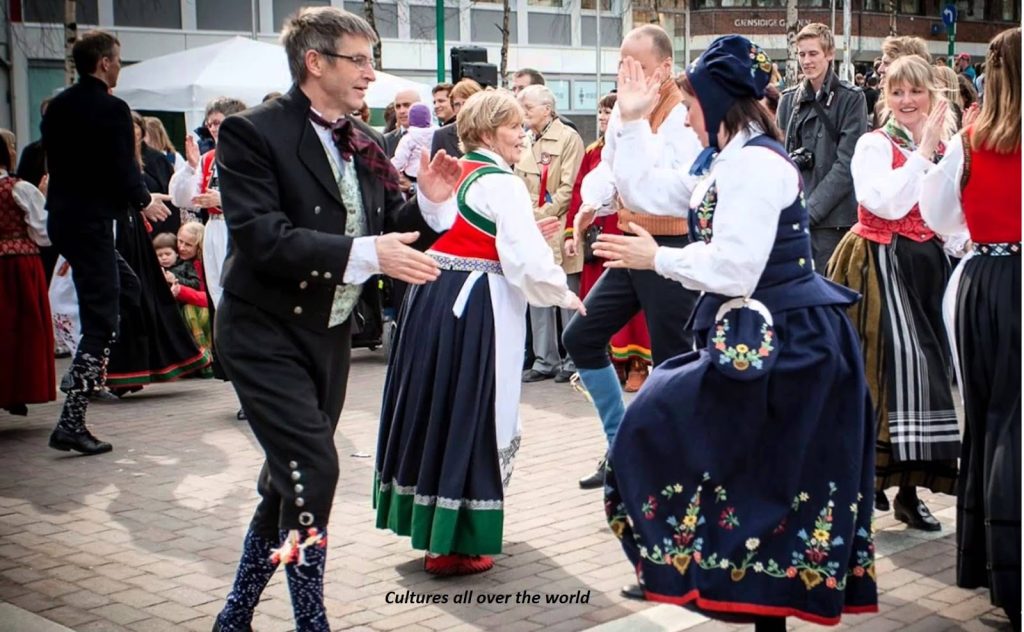
Norwegian folk dance
Embrace Local Culture
Take the opportunity to dive into Norwegian culture by exploring local events and museums and savoring traditional cuisine. You will be rewarded with an enhanced experience and a better appreciation of its history and people. Ensure you are actively involved in your institution’s cultural activities, such as international days or language cafes, for valuable interactions with others from different backgrounds – who knows, maybe even find some good friendships along the way!
Norway is a natural playground for nature lovers everywhere.
Explore the Great Outdoors
With sparkling fjords, rugged national parks, and snow-covered mountain peaks, Norway is a natural playground for nature lovers everywhere. Spend your weekends exploring this landscape of beauty by hiking trails in the summer or skiing down winding slopes come winter – either way, you won’t be disappointed! Make sure to join outdoor clubs at school as well; with like-minded people just waiting to explore together, there’s no telling where that next weekend trip might take you.
How to Combine Traveling to Norway With Education – Conclusion
Take your academic pursuits to the next level by blending travel and education in Norway! You’ll be able to stretch yourself both mentally and culturally as you make new memories while learning valuable skills that will last a lifetime. Carefully plan out your once-in-a-lifetime educational journey—from immersing yourself in Norwegian culture to embracing adventure—and prepare for one of life’s most rewarding experiences!
How to Combine Traveling to Norway With Education, written dedicatedly for Daily Scandinavian by Tod Brown. Tod is an article writer and a creative copywriter with vast experience. For six years, he has been working on various projects, writing blog articles and product descriptions. Thanks to his education and tremendous experience, he always deliver excellent content that is interesting to the audience and fully meets the requirements. He is a very ambitious writer who researches any topic as much as possible.