Fjords, stave churches, Northern Lights and ‘the little mermaid‘ have for a long time drawn many foreigners to the north. But in recent years, the Nordic region has been highlighted by more than nature and tourist attractions. Crime books, TV shows, fashion and food from the Nordic countries have had a solid foothold internationally. The book 100 Icons of Nordic Cool & Scandinavian Style celebrates popular Scandinavian objects.
Recently it’s fair to say there is a general love-in with everything related to the northern countries. Over the last decade, the Nordic nations have quietly and unassumingly come to hold the world in their thrall; but what is it, exactly, that people covet about their culture?
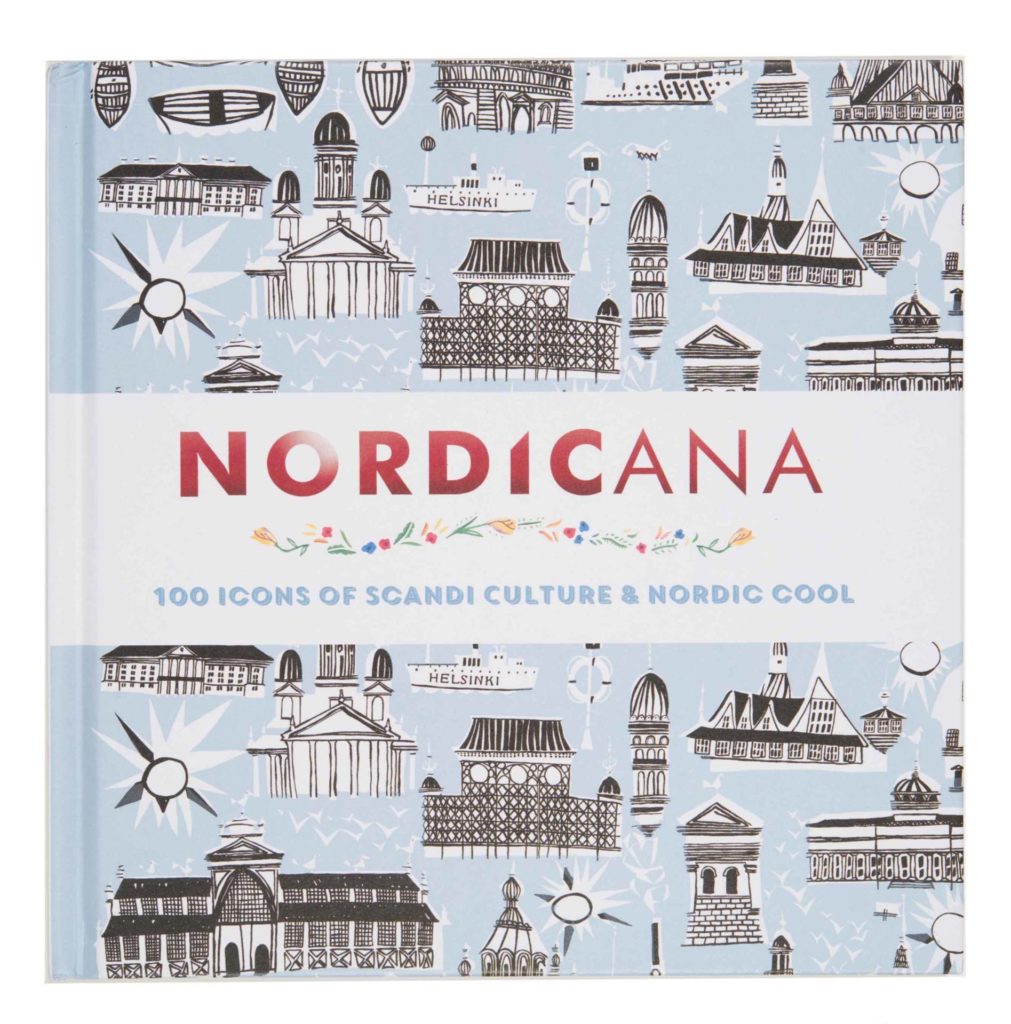
The book 100 icons of Scandi style and Nordic cool is accompanied by beautiful illustrations
100 Icons of Nordic Cool & Scandinavian Style
In her book Nordicana Swedish born, Ireland based Kajsa Kinsella, presents “100 Icons of Nordic Cool & Scandinavian Style”. Here you’ll find herring and unusual-tasting salted liquorice delicacy, Arne Jacobsen’s Syveren chair, sauna and national costumes. But also, sections about Acne ancle boots, the top restaurants Fåviken and Noma, crime authors Stieg Larsson and Jo Nessbø. Sarah Lund and Saga Norén, investigators in the “The Killing”” and “The Bridge” respectively are also devoted space. That includes the Øresund Bridge.
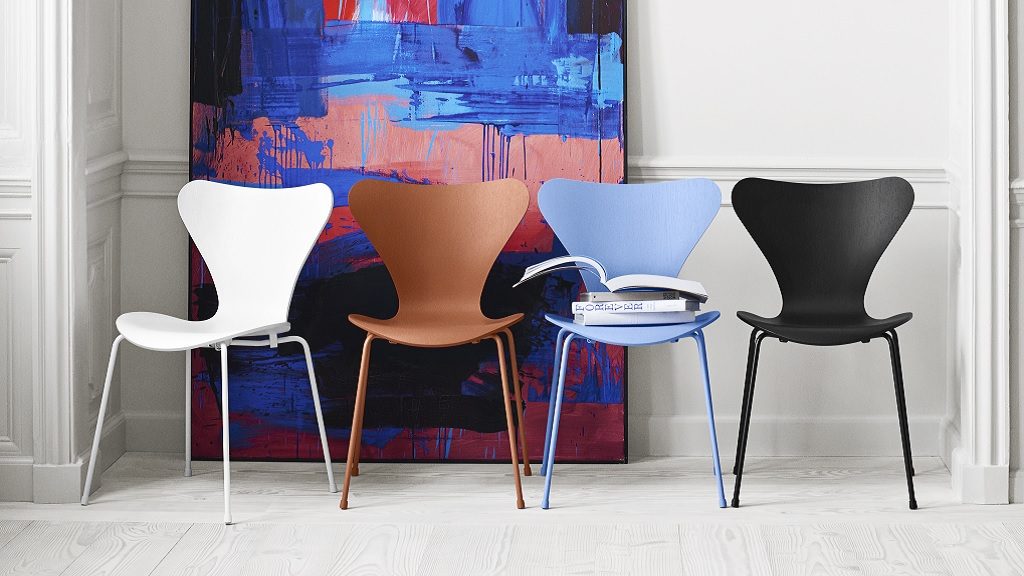
Chairs by Danish designer Arne Jacobsen
Not to forget the ubiquitous Swedish Dala horse; the concept of ‘hygge‘ (a feeling evoked by being in candlelit warmth with friends during winter); Midsomer seasonal celebrations; practical but breathtakingly stylish interiors; or an enduring love of noir literature and dramas, you’ll find the key to attaining the Nordic way of life in these pages.
The idea of the book originated in the wake of Nordicana, a Scandic Noir Festival in London
Nordicana – also a festival
Nordicana celebrates the objects, aesthetics and traditions that have inspired our obsession, with a quick introduction to 100 icons of Scandi style and Nordic cool, accompanied by beautiful illustrations.
The idea of the book originated in the wake of Nordicana, a Scandic Noir Festival in London. The Nordicana brand celebrates all aspects of Scandinavian and Nordic culture with its magazine and a bi-annual festival in London, established in 2013. An offshoot of Arrow Films, Nordicana showcases the best TV and film dramas coming from those regions, and offers a platform for writers, clothing brands and food companies too.
Swedish born, Ireland based author Kajsa Kinsella
Clean and minimalistic
“The clean and minimalist Nordic design style, and the idea that everything produced must be beautiful, are probably what the rest of the world considers the most impressive and inspiring,” says Kinsella.
100 Icons of Nordic Cool & Scandinavian Style, written by Tor Kjolberg
Switzerland, Iceland, and Norway stand out as the best countries for retirees, according to a French finance company called Natixis, which prepares a comprehensive survey of retirement conditions in 43 countries, called the Global Retirement Index (GRI).This yearScandinavia ranks on the Top 10 List of Best Countries for Retirement.
During his first TV debate with Hillary Clinton for the Democratic nomination, Sen. Bernie Sanders remarked: “We should look to countries like Denmark, Sweden and Norway and learn from what they have accomplished for their working people.” Clinton didn’t buy it. “We are not Denmark,” she replied.
Both Norway and its neighboring countries Iceland, Denmark, and Sweden, do well on the 2018 GRI index
Scandinavia ranks on the Top 10 List of Best Countries for Retirement
Of course, she was right. The rest of the world is not Scandinavia but is there something to learn from the Nordic countries? The Natixix index is based on four metrics measuring conditions for retirees. Most heavily weighted is financing of pensions, but to paint a more holistic picture the index is also based on the factors: material well-being, health and quality of life. The study is called the Global Retirement Index (GRI).
In the past few years, Norway, in particular, has made a few smart changes to its retirement system that have been a huge help to its residents and to its employers. Norway was No. 1 in the 2016 GRI, this year No. 3 after Switzerland and Iceland. On the whole, the Nordic countries seem swell places to retire.
Most heavily weighted is financing of pensions, but to paint a more holistic picture the GRI index is also based on the factors: material well-being, health and quality of life
Scandinavia does well on the 2018 GRI Index
Both Norway and its neighboring countries Iceland, Denmark, and Sweden, do well on the 2018 GRI index. Norway has a government-provided retirement pension along the lines of Social Security. But in 2011, the country did something pretty clever that went beyond it. Norway overhauled its private-sector pension system known as AFP to encourage older Norwegians to stay employed.
John Hailer, CEO of Natixis Asset Management explains that the old system for retirement has become outdated: “The demographic and economic development has made the old model unsustainable. The countries that are leading our index have succeeded in finding innovative ways to adapt to the new reality and are thereby laying a foundation for the rest of the world.”
If state finances were the only measure of how well future retirees could expect their golden years to play out, countries such as Singapore, Chile, South Korea, and Estonia, would be as high on the GRI as Scandinavia. But they are not. Much of this is due to the fact that retirees in the Nordic countries have a generally high quality of life.
Norway is saving for the future
Only three countries across the Western world have reduced government debt (as a share of GDP) after the financial crisis ten years ago. These are Norway, Switzerland, and Israel.
Only Norway is saving for the future. Norway is in a unique situation with its vast pension fund, commonly called the “Oil Fund”. The oil fund is so big that it could have repaid Greece’s huge sovereign debt more than three times over.
In addition, Norwegian politicians have been very careful with the fund and retirement savings. Researchers who have studied this give former Norwegian prime minister and current NATO Secretary General Jens Stoltenberg a great deal of credit because he set the stage for the creation of a more sustainable pension system during his tenure that reduces the burden on young people of the future.
Both Norway and its neighboring countries Iceland, Denmark, and Sweden, do well on the 2018 GRI index
What is the Global Retirement Index? The Global Retirement Index was compiled in May 2018 by Natixis Investment Managers and CoreData Research. The Index includes International Monetary Fund advanced economies, members of the Organization for Economic Co-operation and Development and the BRIC countries (Brazil, Russia, India and China). The researchers calculated a mean score in each category and combined the category scores for a final overall ranking of the 43 nations studied.
2018 Global Retirement Index
1. Switzerland
2. Iceland
3. Norway
4. Sweden
5. New Zealand
6. Australia
7. Ireland
8. Denmark
9. Canada
10. Netherlands
Scandinavia on Top 10 List of Best Countries for Retirement, written by Tor Kjolberg
The extraordinary 17th century Vasa warship that sank on her maiden voyage in 1628 and was rediscovered in 1961 has been sunk again since the National Museum closed for renovation in 2013. Now Sweden’s largest art museum reopens after 5 years of renovation
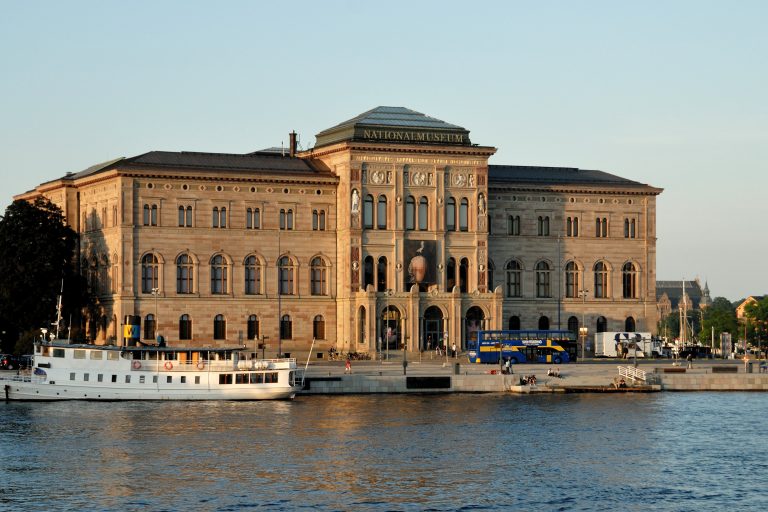
In 1866, when Sweden’s Nationalmuseum opened it was one of the most modern museums in Europe. However, after 150 years the museum appeared outdated and space was lost to offices and storage limited severely the potential for the museum to display its world-class collection.
After five years of closure, the Nationalmuseum in Stockholm, Sweden’s Museum of Fine Arts and Design reopened to the public on 13 October
After five years of closure, the Nationalmuseum in Stockholm, Sweden’s Museum of Fine Arts and Design, reopened to the public on 13 October. The $132,000 ovehaul by the Swedish architects Gert Wingårdh and Erik Wikerstål has transformed the exhibition spaces and created a new sculpture courtyard, restaurant and creative workshops.
Sweden’s Largest Art Museum Reopens after 5 Years of Renovation
The building, which stands on the waterfront overlooking the royal palace and the old town, was designed by German architect Friedrich August Stüler in classic neo-Renaissance style. He also designed the Neues Museum in Berlin.
The color scheme was uplifted by bright hues, from canary yellow, to a pale purple and a deep red, each inspired by the original 1866 designs of the museum. Photo: Bruno Ehrs
The renovation project has revolutionized both the building and the way the collection is presented. The courtyards have been opened up, given glass roofs and incorporated into the main building. The exhibition space has been dramatically increased giving room for three times more artefacts on display than before. The windows have been unblocked so that visitors now have views right through the building itself across the sea to the city.
More space and new logic
Nearly 50 office spaces, a conservation studio, and more than 3,000 square meters of storage that were carved out of the museum’s interior over the years have been removed. Now the museum has the capacity to display 5,200 works at once from the diverse collection from the 16th century to today, compared with about 1,700 before the renovation. This is still just 8 percent of the museum’s collection.
More than 300 previously shuttered wondows opened in overhauled National Museum Stockholm
There is also a new logic to the displays. Visitors start on the top floor and follow a timeline from (roughly) the 16th century to the present day, and the paintings are exhibited alongside the decorative arts. You can for example see Lalique glass in the same room as Renoir and Monet.
Changed character
As well as renovation and updates, new additions have changed the character of the museum. The color scheme was uplifted by bright hues, from canary yellow, to a pale purple and a deep red, each inspired by the original 1866 designs of the museum.
A new space called The Treasury will house small objects including 600 portrait miniatures and a collection of jewelry with recent acquisitions.
The renovation project has revolutionized both the building and the way the collection is presented
Several highlights
Among the highlights among several great Rembrandts are one of his earliest self-portraits and his last painting, which depicts St Simeon, on the verge of death holding the infant Jesus. World-class are also Watteau’s Italian Serenade, Gustave Courbet’s oil sketch of his redheaded lover, displayed on a rotating basis because of the risk of light damage.
The Sculpture Courtyard. Illustration: Sara Al adhami/Nationalmuseum
The opening exhibits include the first John Singer Sargent exhibition in the Nordic region and “Design Stories,” a view of the current design landscape in Sweden, told through the stories and objects of 10 prominent designers, who all happen to be women (until January 13).
Sweden’s Largest Art Museum Reopens after 5 Years of Renovation, written by Tor Kjolberg
Every year, The European Holiday Home Association, EHHA, awards the best holiday homes in Europe. The Award highlights the great quality and enormous diversity in the short-term holiday home rental market for tourist in Europe. Here’s the list of the best holiday homes for tourists in Scandinavia 2018.
More than 20 million beds are available in European holiday homes, providing fantastic multitude of choice of accommodation from the Northern tip of Norway to the isles of Greece for groups, individuals and families travelling on holiday. Through the internet, the houses and apartments are just a few clicks away from millions of travelers and tourists, and by allowing their holiday home to be rented by others.
More than 20 million beds are available in European holiday homes
14 categories The European Holiday Home Association wants to showcase fantastic examples of the holiday home rental products, and instigated therefore the European Holiday Home Awards in 2015.
The Best European Holiday Home has 14 categories:
Best Unique Spot Holiday Home
Best Holiday Home Beach House
Best Holiday Home in European Capital
Best Family Friendly Holiday Home
Best Green Holiday Home
Best Accessible Holiday Home
Best Pet Holiday Home
Best Health and Wellness Holiday Home
Best Unique House Holiday Home
Best Winter Holiday Home
Best Architecture & Design Holiday Home
Best Budget Holiday Home
Best Nature Experience Holiday Home
Best Romantic Escape Holiday Home
An expert jury selects a group of finalists amongst the nominated houses in each category, and the winners are selected from the finalists by a vote amongst representatives from each national trade association member of the EHHA.
Best Holiday Homes for Tourists in Scandinavia 2018 Here are the finalists and winners from Scandinavia
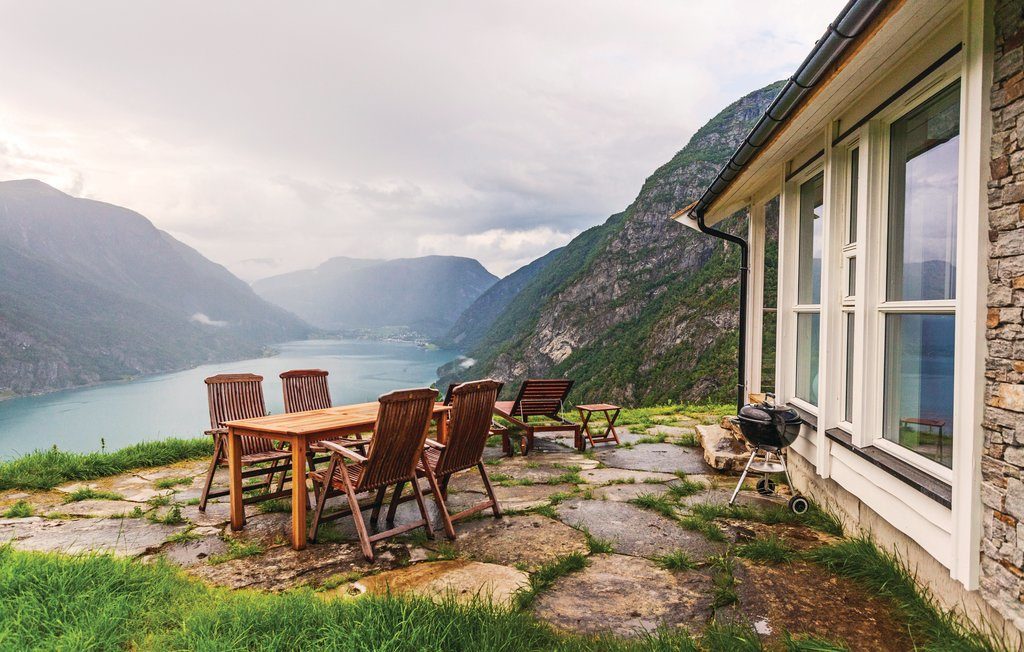
Best Unique Spot Holiday Home
This modern cottage offers stunning views of the Sognefjord
Skjolden, Norway (Finalist)
This modern cottage offers stunning views of the Sognefjord. In summer, you will see cruise ships here on a daily basis. Galdhøpiggen, the highest mountain in Norway, and Jotunheimen, with great hiking trails, is located nearby. There are also glaciers and good fishing spots a short distance away.
The area is known for its excellent fishing
Storholmen/Austevoll, Norway (Finalist)
Welcome to a wonderful holiday home close to the seaside on Storholmen. The area is known for its excellent fishing. It is also a popular area for swimming, either from the outdoor area with a small bay and sandy beach close to the house, or from the pier.
Best Holiday Home Beach House
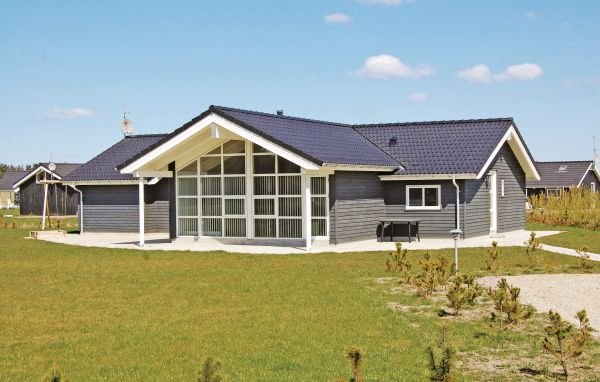
Ternevej features beautiful furnishings including a fireplace
Ternevej, Løkken Strand, Denmark (Winner)
Holiday home in Løkken Strand og By, Northern Jutland, with space for 6 adults and 2 pet(s). It features beautiful furnishings including a fireplace. The accommodation is 200 m² and situated on a 26,500 m² piece of property. Only 20 m to the North Sea beach.
Stråken has a private sandy beach just 10 meters away
Stråken/Bottnaryd, Sweden (Finalist)
This completely renovated cottage has an open design and stands on a private piece of land near the lake Stråken. It has a private sandy beach just 10 meters away from the house and offers a fantastic panoramic view of the lake.
Best Family Friendly Holiday Home
Nr Lyyngby offers activities for the whole family
Nr. Lyngby, Denmark (Finalist)
A large swimming pool with underwater lighting and water slide. Moreover a large whirlpool and sauna, a billiards room, dartboard, soft furnishings and bar, an activity room with table tennis, table football and PlayStation2. Playground with play tower, slide, swing, balance beam etc. etc.
Best Green Holiday Home
Vrist IV is a holiday cottage with geothermal heat, solar energy and heat pump approx. 300 m from the North Sea
Vrist VI, Denmark (Finalist)
Holiday cottage with geothermal heat, solar energy and heat pump approx. 300 m from the North Sea. There is a 1-person indoor whirlpool but also a large outdoor whirlpool. The house has an activity room with a pool table, table tennis and darts.
Best Pet Holiday Home
This holiday home has a beautiful ocean view and is perfect for a family who appreciate a rural environment
Rossö-halvön,Sweden (Finalist)
This holiday home has a beautiful ocean view and is perfect for a family who appreciate a rural environment, close to the ocean and access to a relaxing bath barrel and boat. You will stay in an idyllic scenic environment with a lawn of 4 hectares at the lakeside plot.
Sejerø Bugt Odsherred,Denmark (Finalist)
This lovely holiday home offers space for 8 adults and 1 pet. It’s located beautifully in Sejerø Bugt Odsherred on a 1,200 m² fenced plot, where your dog and children can run around freely. The perfect base for family holidays in Denmark only one hours drive from Copenhagen and Tivoli Gardens.
The perfect base for family holidays in Denmark only one hour drive from Copenhagen and Tivoli Gardens
Best Health and Wellness Holiday Home
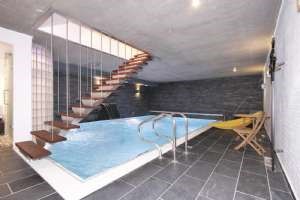
Holiday cottage suited for the guests appreciating a little luxury and a top-class view
Blåvand V, Southern North Sea, Denmark (Finalist)
Holiday cottage suited for the guests appreciating a little luxury and a top-class view. The basement is decorated like a grotto providing a fantastic mood and atmosphere. The staircase looks like it is floating above the swimming pool which naturally has a counter-current system and a waterfall.
Best Winter Holiday Home
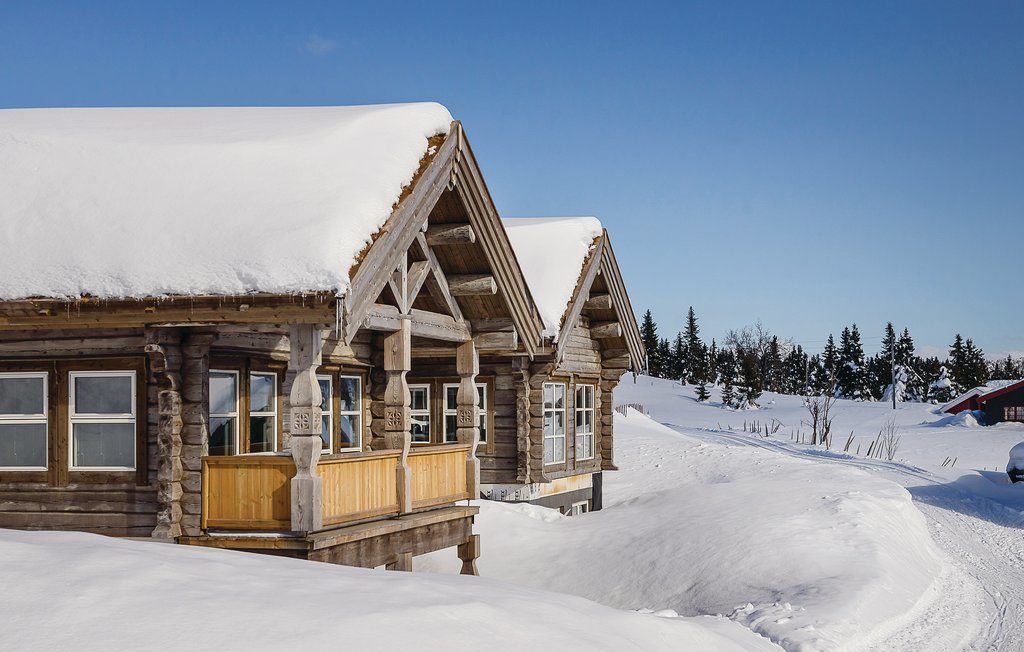
A wonderful cabin right in the heart of Sjusjøen
Cabin in Sjusjøen, Norway (Finalist)
A wonderful cabin right in the heart of Sjusjøen, which means you have everything you would need near by. Sjusjøen is a renowned mountain destination with endless possibilities for nature experiences.
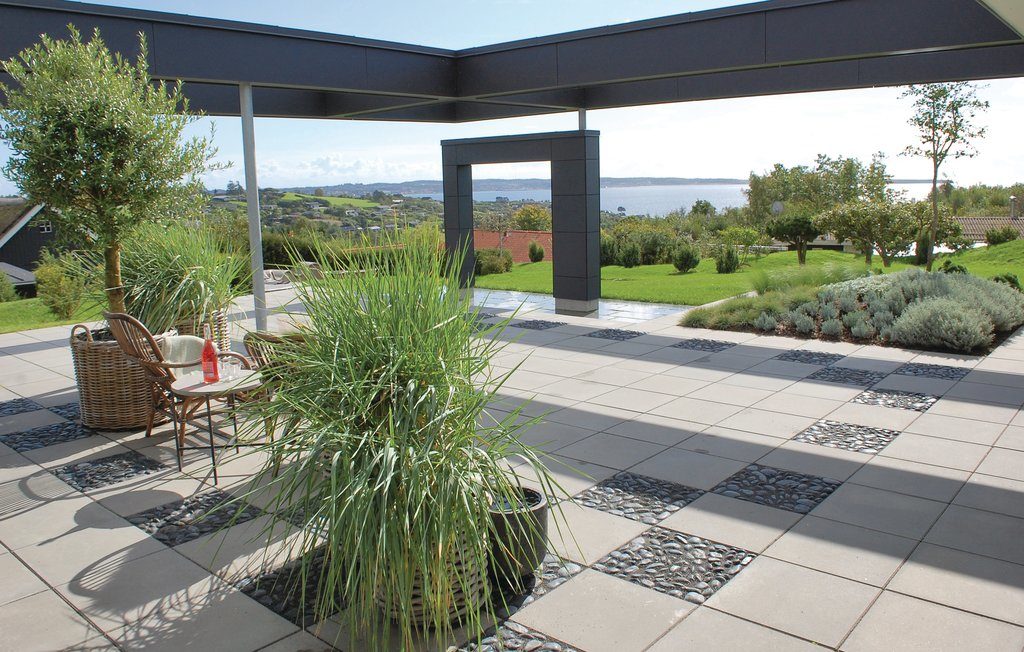
In the attractive area of Handrup Bakker is this architectural gem of a house
Handrup Bakker, Denmark (Finalist)
In the attractive area of Handrup Bakker is this architectural gem of a house on a huge, beautifully landscaped site. Here the small details are required. The house is bright and openly decorated and the large windows in the living room allow the light to flow beautifully through the room.
Best Budget Holiday Home
Large and bright house where you have contact with nature, both indoors and outdoors
Ballangen/Efjord, Norway (Winner)
Large and bright house where you have contact with nature, both indoors and outdoors. Modern decorated in bright colors. Fantastic views over the fjord Efjord and dramatic landscape!
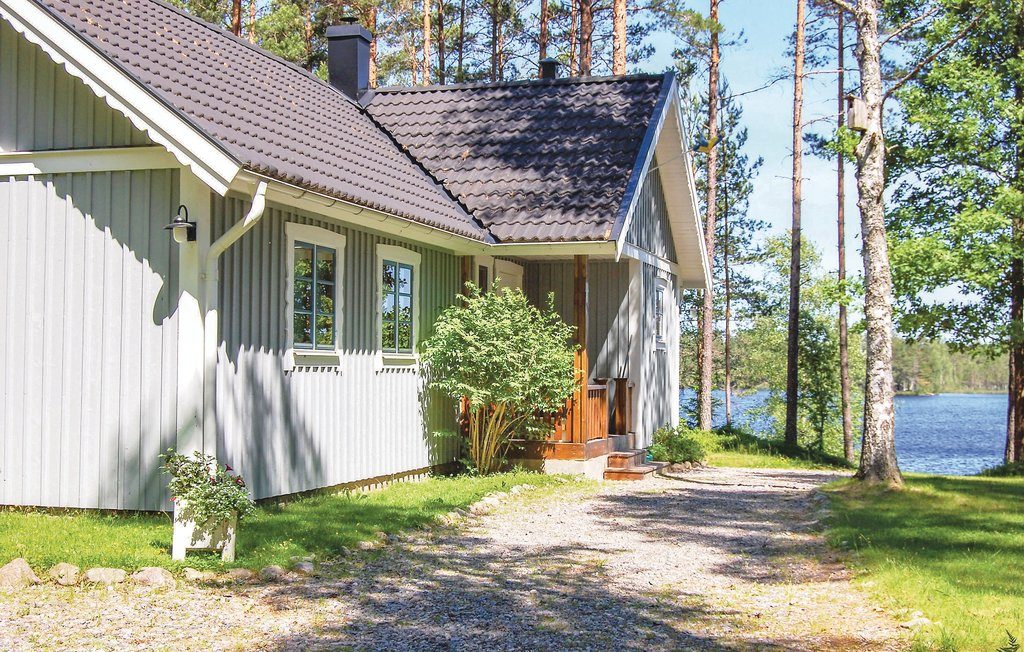
This new built holiday home is situated on a small forest clad spit by the long lake Linnesjön
Nässja/Sävsjö, Sweden (Finalist)
This new built holiday home is situated on a small forest clad spit by the long lake Linnesjön. The area is undisturbed and very beautiful. In the house you have the real feeling of wood. From the dining room you have wonderful view over the lake. The rowing boat invites to fishing and bathing.
Best Nature Experience Holiday Home
Beautifully situated holiday cottage in Lyngen – right by the picturesque seafront of Ullsfjorden
Lyngen, Norway (Winner)
Beautifully situated holiday cottage in Lyngen – right by the picturesque seafront of Ullsfjorden. The view is spectacular – a 180 degree panoramic view of the impressive fjord, and the bird island Fugløya can be seen. There are several lakes in the area, rich with fish. Northern Light in winther.
Valberg/Lofoten, Norway (Finalist)
The cabin is located peacefully in a forest. Great view to the Lofoten mountains and the sea. Sandy beaches in the area. Suitable for hiking. The owner can arrange trips to experience northern lights.
Holiday cottage with an amazing location with panoramic views
Binderup Strand, Southeast Jutland and Als, Denmark (Finalist)
Holiday cottage with an amazing location with panoramic views from living room/kitchen, bedroom and terrace. The house has views of Brandsø, Funen and the water ways of Kolding. The limited space is practically used.
The EHHA Holiday Home Awards highlight the great quality and enormous diversity in the short-term holiday home rental market for visitors across Europe. With 1,000 nominations over 14 categories, the above finalists and winners are indeed worth a consideration when planning your next vacation.
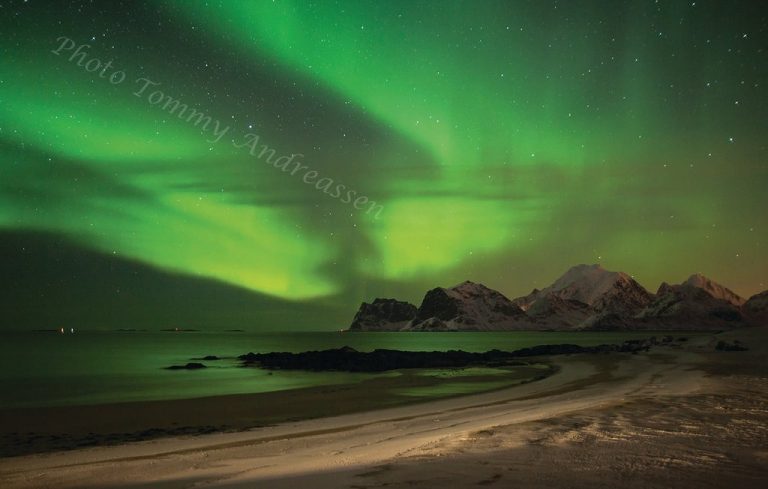
Feature image (on top): Aurora borealis Lofoten, photo Tommy Andreassen
Best Holiday Homes for Tourists in Scandinavia 2018, based on a press release from Novasol
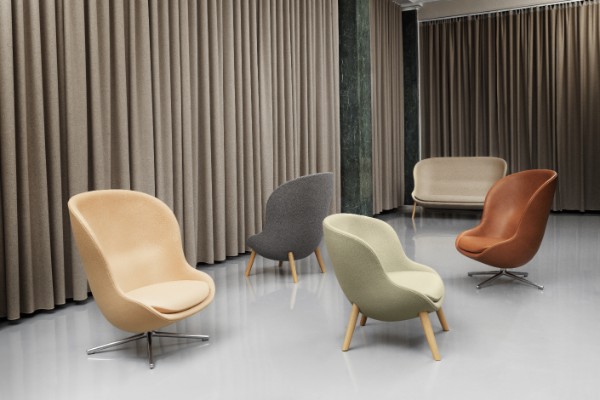
The Danish concept of hygge is expressed by Copenhagen-based interior design company Normann. The Hyg-collection is suitable for offices and hotels as well as homes. Danish furniture made for hygge is Normann Copenhagen’s contribution to an internationally celebrated word.
No other word in the Danish language has become as internationally celebrated as hygge —a word so difficult to define, and yet so simple in practice. Hygge is all about feeling good: security, warmth and comfort all form part of its DNA, and it is precisely these qualities that provide the frame for Simon Legald’s Hyg lounge series.
Ther Hyg loungse series. Hygge is all about feeling good
The series consists of a sofa, armchairs and footstool and is like a warm and heartfelt embrace of shape, where soft lines and encircling contours create a cozy and pleasant space.
The Hyg range is an interpretation of hygge,” explains designer Simon Legald
Danish Furniture Made for Hygge
“The Hyg range is an interpretation of hygge, but in its own way, it is also a product of hygge. As an integral part of Danish culture, hygge emerges in the trustworthy and informal atmosphere that permeates our working culture. It also comes through in our way of thinking about design, which is built around honesty in the design concept and a love of social and domestic life. These are the preconditions under which Hyg has been created” explains designer Simon Legald.
Inviting concave shapes
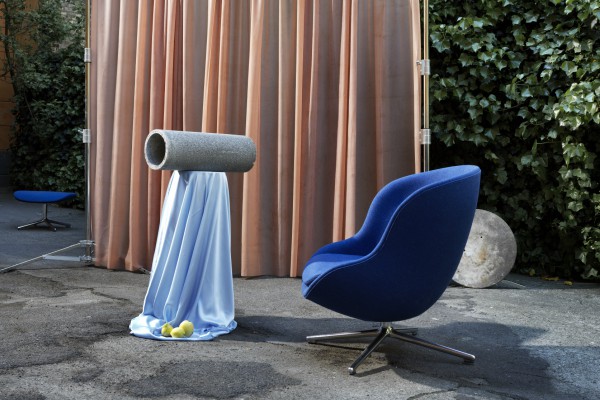
Its voluminous form is offset by a narrow contour, which hones and refines its expression. The high sides lightly shield off the room, while a broad seat makes it possible to assume a wide range of relaxed seating postures.
With its inviting, concave shape the Hyg series is useful for creating a personal space in hotels or offices, or as everyday luxury in the home.
Normann Copenhagen has chosen to collaborate with British Camira Fabrics and Danish Sørensen Leather for their wide spectrum of colors and possibilities in upholstery, as well as for their view on sustainability.
Danish Furniture Made for Hygge, text and photos by Normann Copenhagen
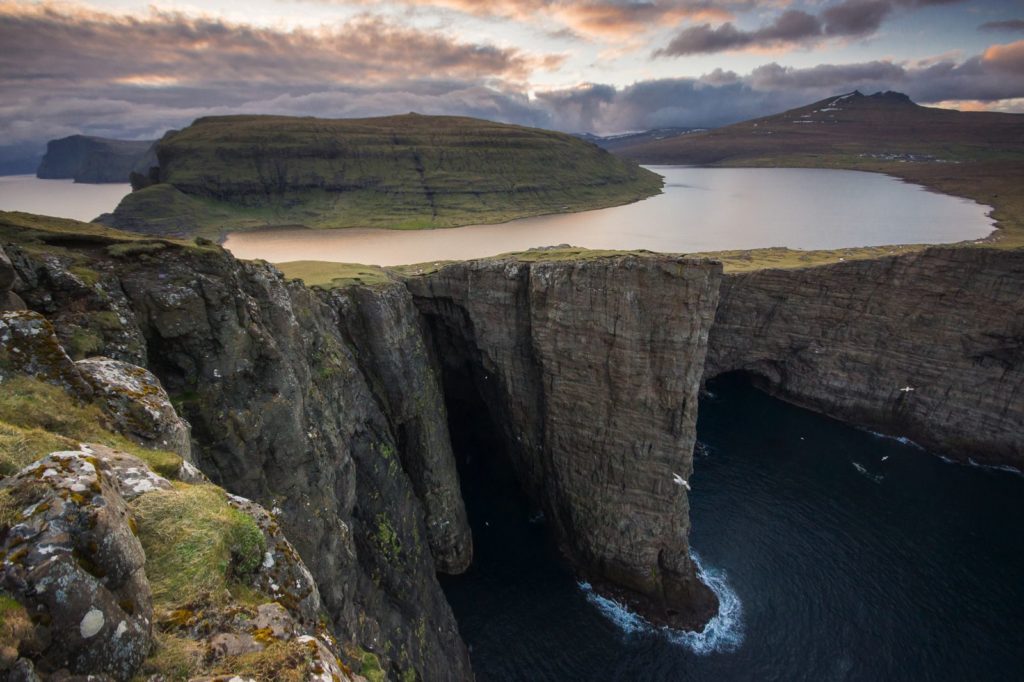
The Faroe Islands are an archipelago of 18 up-thrusted hunks of igneous rock in the middle of precisely nowhere, the stretch of North Atlantic halfway between Norway and Iceland. Farao Islands are grand, wild and majestic.
It is oddly temperate, thanks to the currents of the Gulf Stream. It is oddly green, thanks in part to the two million pairs of seabirds — guillemots, fulmars, storm petrels and, of course, the famously cute puffins — that carpet the islands in guano each breeding season.
Faroe Islands, halfway between Norway and Iceland
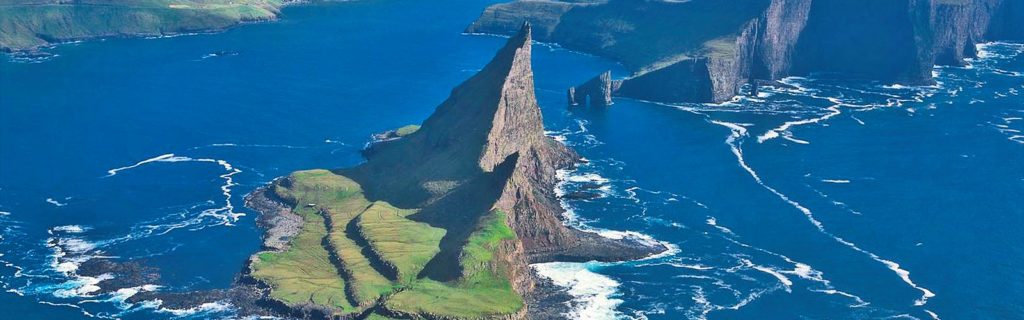
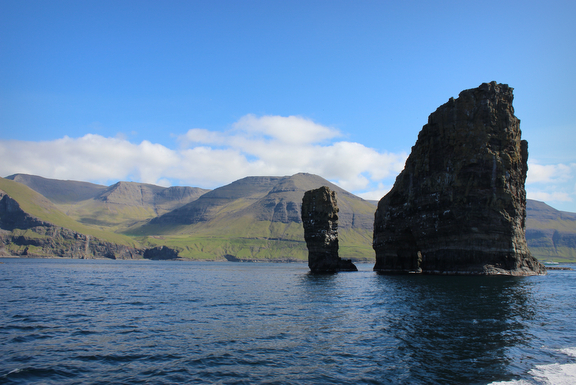
Faroe Islands – Grand, Wild and Majestic The Faroes offer a sense of drama that fills travelers with awe. Each island is a giant slice of elaborately tiered basalt, tilted to one side and covered in green, tussocky felt. Rocky cliffs, topped in arêtes and tarns, plunge into the sea, while up from the water jut massive, looming sea stacks.
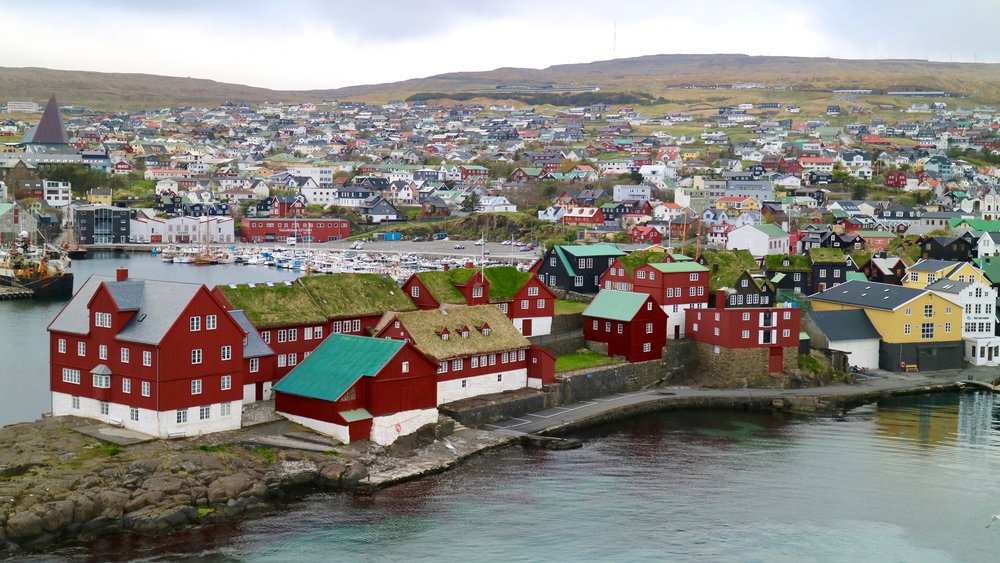
It rains a lot here, and waterfalls flow pretty much continuously. Half of the residents live in the archipelago’s tiny capital Tórshavn “Tor’s harbor”, which has a cosmopolitan air, a rich cultural history and a burgeoning food scene. Some of the islands, however, are sparsely populated, with just a handful of people living on them. Created by volcanic eruptions some 55 million years ago, the islands feature glaciated slopes, soaring cliff faces, sweeping valleys and rugged mountains.
is oddly green, thanks in part to the two million pairs of seabirds that carpet the islands in guano each breeding season
Vikings settled the islands
There’s pleasing juxtaposition of arresting topography and bucolic simplicity; charming villages of multicolored cottages and grass-roofed homes nestle into lush emerald valleys, while razor-sharp cliffs and towering basalt sea stacks overlook deep fjords and a mercurial ocean.
Vikings settled the islands more than a thousand years ago, and almost 50,000 of their descendants now live here, sharing space with 75,000 more or less freely roaming sheep. People speak a derivative of Old Norse. The Faroese are self-reliant, modest people, with a rich heritage of storytelling and a deep desire to share information with one another.
The Faroes offer a sense of drama that fills travelers with awe
Danish possession since 1380
Although the Danes took formal possession of the Faroes in 1380 and have never fully relinquished it, “We are not Danish” is a common refrain here, the Faroese are nothing if not Faroese. They speak their own language, recite their own sagas, dance their own raucous chain-formation dance (based on the old French branle simple) and still sing quarter-note, Gregorian-like chants.
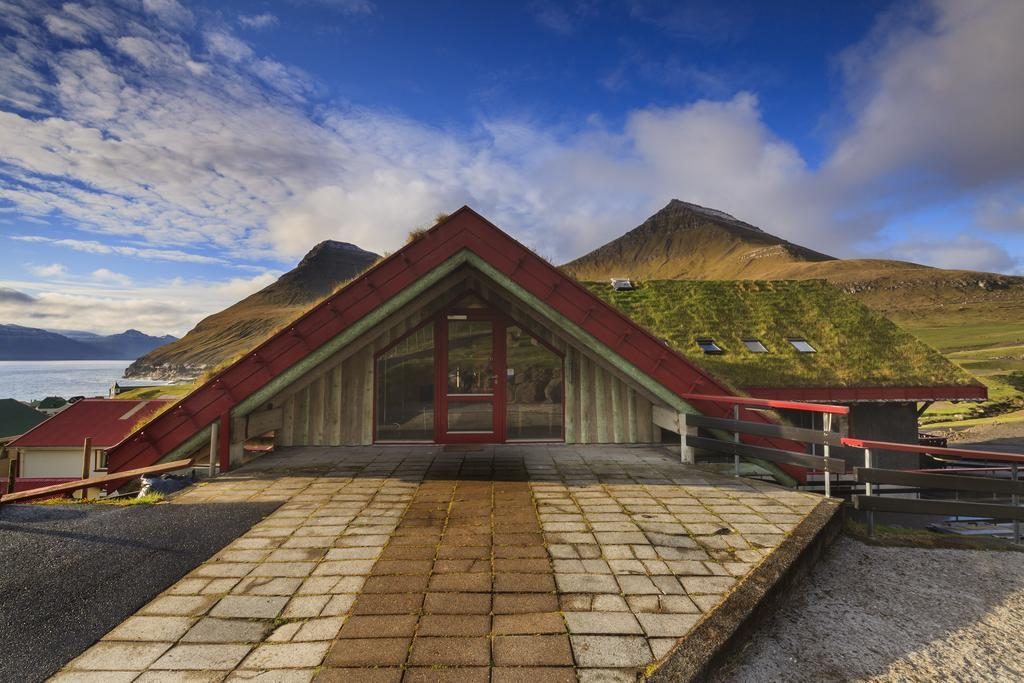
Their icon remains the turf-roofed house. When the Vikings first arrived, they made rock foundations in the shapes of their boats, turned the boats over on top of the rocks and then, to stabilize and insulate these makeshift houses, put sod on the hulls of the boats. It is not uncommon to come upon a Faroese mowing his roof.
Mykines, one of the Faroe Islands
Tourists welcomed
In summer, there’s a delightful 19 hours of sunlight a day. Some of the islands are connected by tunnels and bridges, but others are only available by boat or even helicopter. The tourism body (visitfaroeislands.com) estimates that the isles welcome about 100,000 visitors a year. So, if you want northern exposure without the crowds, the Faroe Islands are for you.
To this day, when a Faroese man, looking out to the harbor, cries “Grind,” every man in town, from the barkeep to the mayor, drops what he is doing, reaches for a metal implement and sprints toward the water. The cry means whales have been spotted, are being herded into the harbor and now need to be slaughtered, in a ritual called a grindadrap. Within minutes, the harbor waters are drenched in red and the corpses of pilot whales lie on the dockside in a row. The precious meat and blubber are distributed, first according to who spotted and who killed, then according to need, with a special emphasis on the elderly, sick and poor.
Sorvagsvatn, a mountain lake
Outdoor activities
Most of the focus on the Faroe Islands is on outdoor activities such as hiking, horse-riding, cycling, kayaking, sailing and fishing. A ferry trip to the westernmost isle of Mykines is a must to see the thousands of puffins, gannets and other flyers that nest there, as is a boat tour to the dizzying bird cliffs at Vestmanna on Streymoy.
The Faroese speak English well. Early in the Cold War the United States and NATO deemed the Faroes strategically important, stuck an early warning system on one of its mountaintops and told the Danes, in no uncertain terms, to increase their subsidy to the islands — to use the teat, in other words, to stave off a growing independence movement. In a generation, with the help of a robust fishing industry, the Faroese went from village poverty to zesty, car-loving, suburban-style affluence.
Gjáargarður guest house
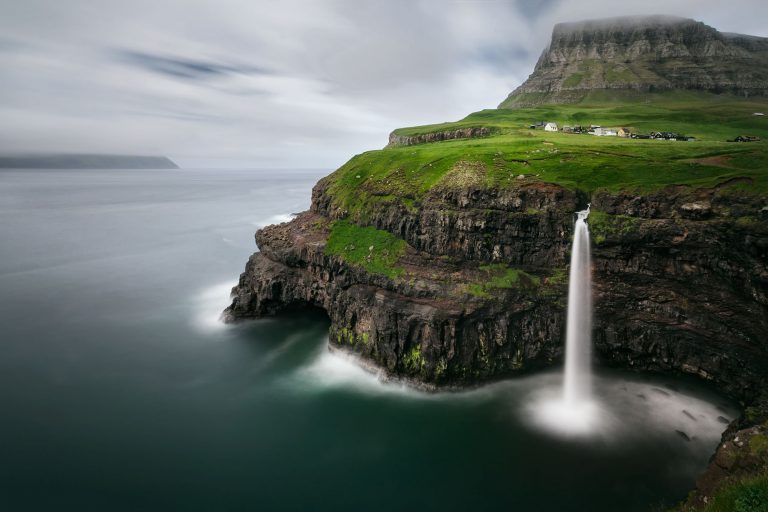
On Vágar, take the old postman’s path from Bøur to Gásadalur to see the Múlafossur waterfall. (Before a tunnel was built, this was the only way to reach Gásadalur.) In Gjógv, on Eysturoy, stay at Gjáargarður guesthouse, leaving time to scale the archipelago’s highest peak, Slættaratindur. Speaking of mountains, six of the 10 highest are on the island of Kunoy, which is sometimes overlooked by visitors but worth the trip.
Historic islands
A few miles out of Torshavn is Kirkjubour, the most ancient of ancient places in the Faroes. Everything in Kirkjubour, is very old. Settled life began here more than a millennium ago. Kirkjubour’s original sod-roof farmhouse, known as the Roykstovan, still stands, and is the oldest inhabited wooden structure in Europe. “Roykstovan” means “smoke room,” and everything happened in this, the one room where the tribe could afford to make a fire, by burning peat. They slept, ate, combed wool, slaughtered and danced the chain dance for days to keep blood flowing through the bitter cold.
Half of the residents live in the archipelago’s tiny capital Tórshavn “Tor’s harbor”
Restaurants, cafes and bars Enjoy Faroese cuisine at newly Michelin-starred Koks, along with the islands’ sole vegetarian eatery, Smakka. Café Natur is a bar popular with locals, with good bar food and live music. Check also out the official list of culinary restaurants. Try a traditional Faroese lamb meal while dining in the home of farmers Anna and Óli. In an authentic location in the old part of Tórshavn, try Aarstova. The fictional home of one of the most famous characters in Faroese literature, Jørgen Franz Jacobsen’s Barbara, is now a charming tapas restaurant, Barbara Fish House.
Restaurant Koks in Torshavn
This beautiful turf-roofed house was the fictional home of one of the most. Now a charming tapas restaurant,
Where to stay Hotel Føroyar is the top pick as a base. It’s a pleasant hilltop property, overlooking the harbor and the city, with a good restaurant. Hotel Torshavn, right down by the harbor, is recently refurbished, and the new boutique hotel Hotel Havgrím, is another good choice. In picturesque surroundings, far away from the treadmill of reality, Gjáargarður is the most charming hotel in the Faroe Islands. Torshavn city hotel is Hotel Hafnia. Local living at Mykines, check it out here.
The old schooner Nordlysid sails around the islands
Sights and activities The best overall resource with a list of festivals, hikes and events is visitfaroeislands.com. In Torshavn, stop by Nordic House, which offers exhibits, seminars and concerts, and the National Gallery. On the island of Streymoy don’t miss the beautiful drive to the village of Saksun. The old schooner Nordlysid sails around the islands and takes you to the grottoes and bird cliffs and to Nolsoy, and will also feed you great seafood.
Going there
You can fly non-stop to the Faroe Islands from a variety of destinations, such as Copenhagen (Denmark), Reykjavik (Iceland), Edinburgh (Scotland), and Bergen (Norway). There are also seasonal flights from places like Barcelona, the Gran Canary Islands, Mallorca, Crete and Malta.
Feature image (on top): Mulafossur Waterfall
Faroe Islands – Grand, Wild and Majestic, written by Tor Kjolberg
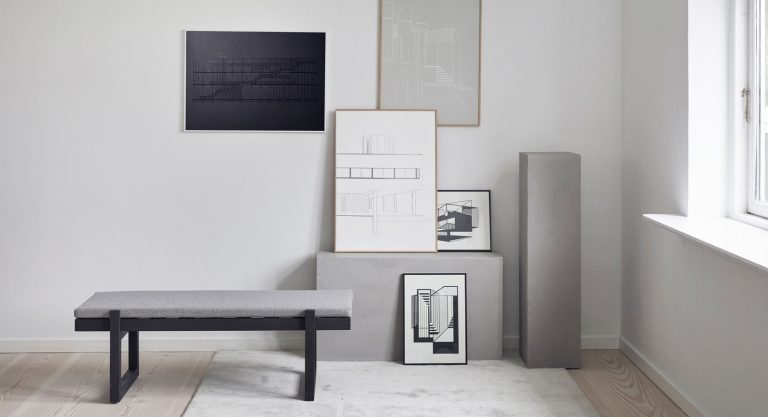
Copenhagen-based Kristina Dam Studio designs a distinct Scandinavian and architectural expression which is easily recognized. With clean lines and beautiful materials the studio defines sculptural minimalism from Copenhagen.
Sculptural Minimalism from Copenhagen
According to their catalogue every piece is made from strong materials ensuring longevity and durability. Sophisticated, aestetically beautiful and easy to fit into any pace or home adding a unique and bold statement to the interior.
2018 new designs
The 2018 new designs include curved poufs. Poufs are in themselves a graphic element built up around simple principles. The Curved Pouf is made of exclusive aniline leather and the rounded shape of the pouf and its distinct design triggers our fascination of geometry. This is indeed a state of the art pouf.
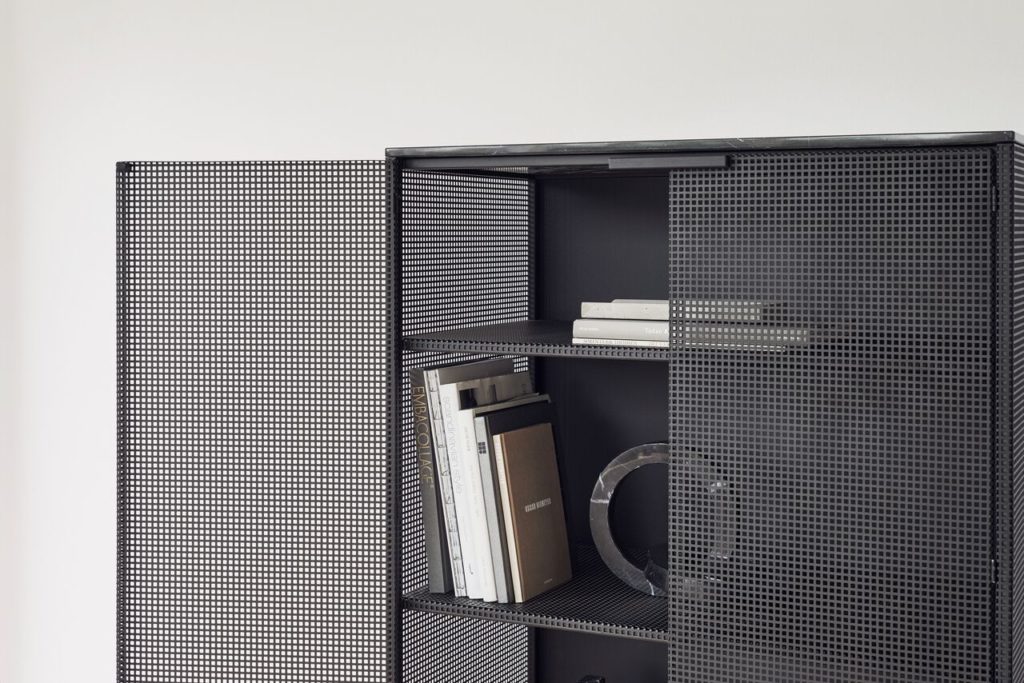
Another newcomer is the grid sideboard made of black powder coated steel. The sides and top plate are made of perforated steel. The Grid Sideboard is well-suited for storing books, objects or dishes and the see-through aspect brings forth a light appearance.
An elegant and large side board with a transparent design. Use it to display your dearest acessories or as a remarkable spacious storage unit for your office space.
Kristina Dam Studio
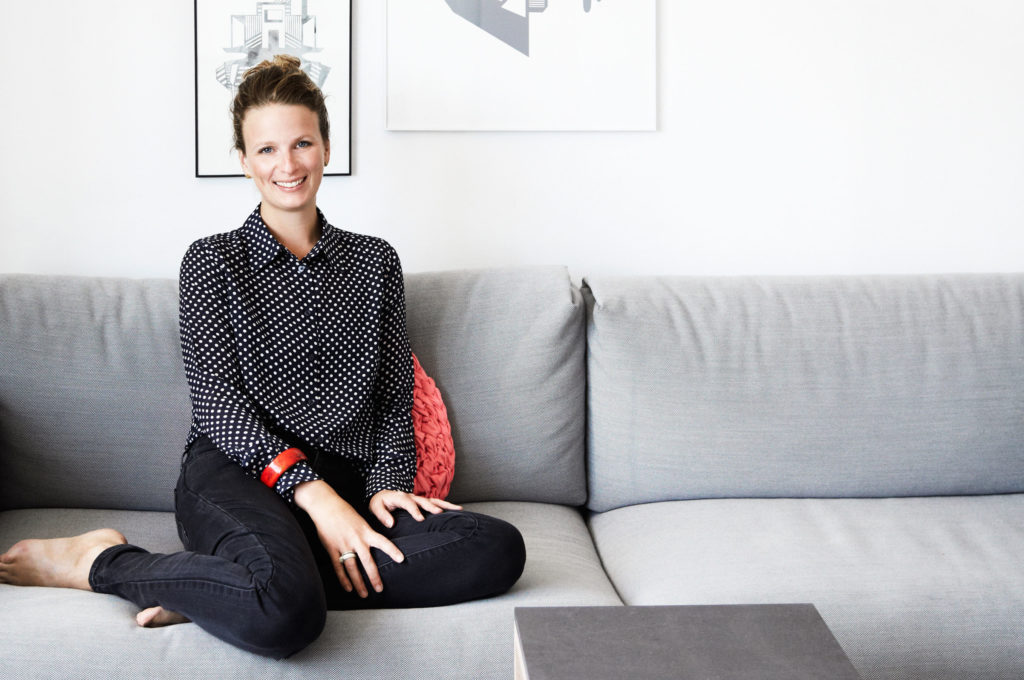
Krtistina Dam Studio is founded by architect and graphic designer Kristina Dam and is based in Copenhagen. All products are made from carefully selected materials and produced within the European Union.
Sculptural Minimalism from Copenhagen, edited by Tor Kjolberg
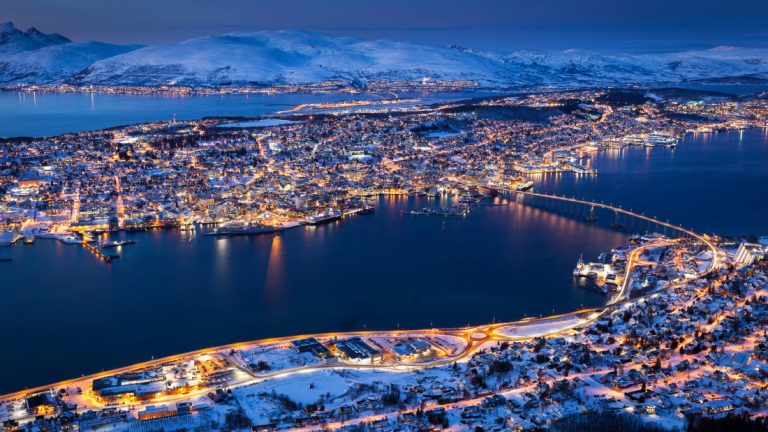
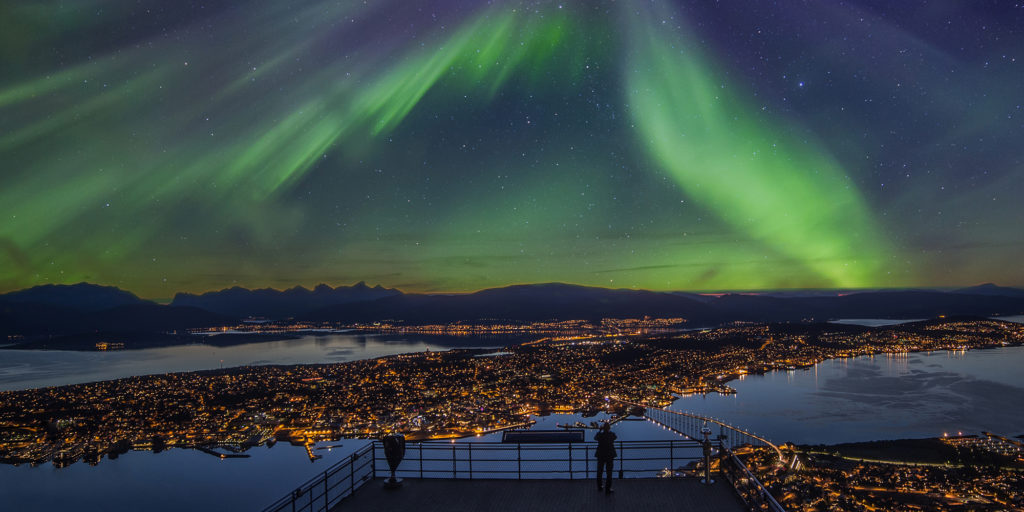
When English actor Joanna Lumbley came to Tromsø in 2009 to make a BBC documentary about the Eurora Borealis, she burst into a tearful monologue upon seeing the phenomenon. However, the Northern Lights are beautiful, and few places are better for seeing them, but Tromsø and its surrounding area are even better. The city has been dubbed Paris of the North.
“I have been waiting all my life to see the Northern Lights,” said Lumbley. “This is the most astonishing thing I have ever, ever seen,” she added.
Northern Lights, Tromsø
But it would be worth coming here just to go ski-touring on the sensationally beautiful Lyngen Alps too. The Lyngen peninsula, with its 1,833m high peaks, blue glaciers, hushing glacial rivers and deep ravines, is one of Norway’s most dramatic landscapes. Tackling the peaks and glaciers is perhaps best left to the most experienced hikers and climbers, but at both Svensby and the valleys of Furuflaten there are plenty of opportunities for the less experienced. And a sightseeing tour of Lyngen by car us something we can all enjoy.
Whale safaris
Or what about watching humpback whales and orcas frolicking in the steel-blue sea off the coast of Kvaløya (Whale Island), half an hour from Tromsø’s harbor? From late October to mid-February some of the world’s biggest mammals visit the coast outside Tromsø to feed on herrings. Whale watching in Tromsø has been world known because of the number of killer whales and humpback whales that have visited the fjords there for the last years.
Midday on Kvaløy
You can also take a boat trip on the old Arctic Spa and Adventure Boat Vulkana, with its sauna and on-deck Jacuzzi. It’s a traditional Norwegian fishing boat transferred to a first-class vessel for wellness and exploration.
Tromsø – Paris of the North However, Tromsø is interesting because it’s a real, thriving city. Nineteenth-century visitors, blown away by the women’s fashion and the sophisticated food, dubbed it the “Paris of the North”, and the Norwegian writer Bjørnstjerne Bjørnson wrote to his wife in the early 20th century that the city is “all Champagne and spectacle”.
The spectacular face of Store Lenangstinden, 1625m in the northern Lyngen Alps showing clearly layered gabbrothrust to an 80 degree incline
Tromsø is indeed a cooler, livelier city than you might have expected. There are elegantly roughshod bars for great burgers and rock ’n’ roll, more restaurants per head than any other Norwegian city, and more than 50 cultural festivals. From an international film festival to a Sami festival, a handful of music-festivals, even a Latin American Festival.
A certain amount of history
Tromsø is also a place where you can feel a certain amount of history. Mack Brewery’s Ølhallen opened in 1928 but didn’t have a women’s toilet until 1973, after reluctantly allowing a few bold women from the university to drink here.
Tromsø has certainly changed since then. The founding of the university in 1968 helped see its population boom, from 12,283 in 1960 to nearly 80,000 today, with 120,000 predicted by 2044.
Polar Museum, Tromsø
Business in Tromsø
Then there’s business, which is going as well as you’d expect from a place that has started calling itself the capital of the Arctic, which testifies to its hospitality and international orientation. Tromsø is proud of its reputation as the gateway to the High North. In fact, the economy of the region was truly international centuries before the word “globalization” was invented.
Tromsø – Paris of the North, written by Tor Kjolberg
There is a special place at Fredriksberg in Copenhagen called Little Paris, not only because the Lycée Francais Prins Henrik is in the area, but Værnedamsvej has a kind of Parisian charm. Even the vet shop is called Le Chic Dog. Enjoy Little Paris, Copenhagen.
The name of the 180 meters short street was given after Werner Dam, a German mercenary, who in the early 1700s opened a pub on the corner of Vesterbrogade. At that time, it was a mud road between Vesterbro and Gammel Kongevej. In 1854, a private school for boys called the Schneekloth School was established. It closed in 1967, and a few years later, in 1972, the French School moved in and has since been expanded to accommodate a growing number of students.
Autumn in Christianshavn. Photo: Thomas Høyrup. Visit Copenhagen
The street was known for being home to numerous butcher shops that served their discerning clientele up until the first half of the 20th century. The residents of Frederiksberg would go to Værnedamsvej and buy high-quality food and drinks from Juuls Vin og Spiritus, a liquor shop that has been offering the best of spirits and drinks, and even absinthe, in Copenhagen since 1926. Værnedamsvej is perhaps one of Copenhagen’s most likeable streets.
Little Paris, Copenhagen
Walking down the Værnedamsvej, between the hip area of Vesterbro and the posh area of Frederiksberg, is like being in Paris’s first arrondissement. When locals want to trade Scandinavian style for Paris’s romantic vibes, all they have to do is ride their bikes down to this narrow Parisian-like street.
Le Trois Cochons. Photo: Chris Tønnesen. Visit Copenhagen
Scurry children on their way to school are speaking only French and at Café Viggo guests chain-smoke Gauloises over pavement coffees. Shop names like ‘Tout Paris’ and ‘Le Gourmand’ is also evidence that Danish is not first language here. It’s Copenhagen’s Little Paris.
The Parisian transformation
Værnedamsvej is less than 10 minutes away from the city center. Yet it feels like it’s miles away with its French restaurants, cafes and flower shops. There is something pretentious about Little Paris. Artists, movie directors and designers with their woolen caps and MacBooks gather here, all seemingly knowing each other.
The area first began its Parisian transformation in 1973, when the French International School Lycée Français Prins Henrik moved to Frederiksberg Allé in central Copenhagen. But it wasn’t until the early 2000s that restaurants and boutiques started popping up one after the other while adding to the French atmosphere that visitors absorb.
From early in the morning the street brims with life. Start your day with a cup of coffee and a flaky croissant at the elegant 1950s style decorated café Granola. At Helge‘s ost, you can by cheese and delicatessen.
Juuls Vin og Spiritus has been offering the best of spirits and drinks, and even absinthe, in Copenhagen since 1926
Popular cafes and restaurants It’s really like being in a French village. It used to have a French bakery too. Now French parents regret it’s gone. However, at the bistro Falernum the waiters speak French and serve the rarest tartare on the street. Once a year there are market days and the little street is invaded by 6,000 – 8,000 people from all over the city.
Les Trois Cochons is one of the area’s most popular restaurants and opened its doors in 2005. Housed in a former butcher shop, the stylish restaurant is known for bringing southern French cuisine to Copenhagen.
Parisian character Not far away is the Grand Teatret cinema that hosts French Mondays; great French-inspired coffee and shopping can also be found at places such as the “uncompromisingly French” Pastis and the low-key bistrotheque L’Education Nationale. It’s ideal for a long lunch or dinner – and on Sundays there are sometimes live performances.
The little brasserie Je t’aime was established four years ago by Henrik Breum. He serves salads including light beetroot, pear, goat cheese and walnut, delicious with veal tartare salad.
Allow yourself to forget that you’re in the heart of Scandinavia. It won’t take long before you’re enchanted by the street’s unique Parisian character.
Five housing blocks and a police school have been designed by Copenhagen-based architects 3XN for Norway’s historic port city Bergen. According to the developers it will be a “modern-day Colosseum” in Norway.
The Nygardstangen district in Bergen has long been disconnected with the rest of the city and its waterfront, but the arena will now be a catalyst to revamp the area. The city has long had an ambition to revitalize its UNESCO World Heritage Site, and the new scheme will act as an anchor for this new development.
The Nygardstangen district in Bergen has long been disconnected with the rest of the city and its waterfront, but the arena will now be a catalyst to revamp the area
Modern-Day Colosseum in Norway
Bergen, which is on Norway’s west coast, is built around a fjord and surrounded by mountains. The city’s waterfront is home to Bryggen, an old wharf dating from the 14th century that is a UNESCO world heritage site.
Nygårdstangen Utvikling, a consortium comprising of Olav Thon, EDG Property, and Rexir, appointed 3XN for the project.
Harald Schelderup and Jan Ammundsen (right) with model
“In developing this new arena, we considered the characteristics of Bergen as it is now, and envisioned how it can be in the future,” said Jan Ammundsen, senior partner and head of design at 3XN.
A place to live, play, rest and work
The Copenhagen-based firm will work with GXN and Arup on a design that will revive the area while remain considerate of its historic surroundings. Opus Bergen will lead a feasibility study of the area. The scheme is intended as an “urban arena” serving as a destination for concerts, sports, and cultural events in an underutilized central part of the city. The design of the arena will also incorporate a vibrant public district “offering places to live, play, rest, and work.”
Nygårdstangen Utvikling, a consortium comprising of Olav Thon, EDG Property, and Rexir, appointed 3XN for the project
“In our design we have tried to solve the urban and infrastructural challenges by creating an arena in human scale using warm materials, taking the local climate into account. We will change the area from a place for cars to become a place for people,” adds Ammundsen.



















 With its inviting, concave shape the Hyg series is useful for creating a personal space in hotels or offices, or as everyday luxury in the home.