

Brand Stories are Boring

Stories are the currency of business activity because they are the most effective way to transform an audience, yet many brand stories are boring. Many are dreadful failures of communication, and the rest are simply uninteresting. Why are so many brand stories boring?

Our professor in marketing communications told us: “There are no sales letters that are too long, only too boring.” The American author Seth Godin began one of his books by stating that “All Marketers Are Liars.” He then quickly added: “No, they are not,” proposing that successful marketers aren’t actually liars; rather, they are storytellers. Consumers “lie” to themselves, believing in stories that fit their preexisting worldviews and biases.

Brand Stories are BoringAuthentic storytelling

Authentic storytelling aligns your product with these existing beliefs, so consumers trust and embrace the message.

Could there be a way to resuscitate brand stories so they not only signal life but also engage audiences with rapt attention?

If you’ve been trapped with a bad brand story, you recognize the feeling almost immediately. How can a brand story told through media, print, or digital create the feeling of person-to-person communication?

People rarely form relationships with “brands”—they form relationships with perceived people, intentions, and personalities. Is it possible to design one-to-many communication to feel like one-to-one communication?

How does mass communication create the psychological experience of interpersonal communication?

Modern brands communicate at scale, yet the most memorable messages often feel deeply personal. A print ad, a TV commercial, a podcast, or a social media post reaches thousands or millions of people at once. Still, the audience can experience it as if the brand is speaking directly to them. How come?
Brand Stories are BoringBrands don’t become human—they become social actors

Research in psychology and communication suggests that humans naturally attribute agency, personality, and intentions to non-human entities. We thank our cars, yell at computers, and name our robots.

Brands benefit from the same tendency. When a brand consistently communicates recognizable values, emotions, and intentions, audiences begin to treat it as a social actor rather than a commercial institution.

The key point is that people are not fooled into believing the brand is literally a person. Rather, the human mind uses the same social-processing mechanisms it applies to interpersonal relationships.

A story creates a conversation—even when nobody answers

Most advertising is technically a monologue, yet audiences often experience it as dialogue. Why?

Because stories invite mental participation. While reading or watching, people constantly ask themselves:

  • “Would I do that?”
  • “I’ve felt that.”
  • “That’s exactly my problem.”
  • “This brand understands me.”

Communication scholars sometimes describe this as an internal dialogue. The audience supplies half of the conversation, and the storyteller simply creates enough openings for the audience to participate mentally.

Brand Stories are BoringGood brand stories reduce psychological distance

Person-to-person communication is characterized by proximity. We feel someone is “close” when they:

  • understand our situation
  • share our language
  • acknowledge our emotions
  • reveal something about themselves
  • appear consistent over time

Brand storytelling can have the same effect. Instead of talking about products, successful stories often begin with situations the audience already recognizes.

Instead of saying, “Our running shoe has better cushioning,” the story becomes, “You know that moment around kilometer eight when your motivation disappears before your energy does?” The second statement sounds as if it were from someone who knows the listener personally.

Voice matters more than visibility

Many companies focus on visual identity, but interpersonal communication depends heavily on voice. People recognize elements like rhythm, vocabulary, humor, emotional range, honesty, and curiosity.

Over time, these elements create personality. A consistent voice makes every communication feel like another conversation with someone already known. This is why the best brand stories rarely sound “written by marketing.” They sound as though they were told by someone.

Brand Stories are Boring
Human conversations are full of specifics.

Specificity creates intimacy

Human conversations are full of specifics. Generalizations sound institutional. Compare, for instance, these: “We value customer satisfaction.” versus “We know that replacing a broken dishwasher on a Friday afternoon isn’t anyone’s idea of a good weekend.”

Specific observations signal lived experience. Specificity tells the audience: “I know your world.” That feeling is remarkably similar to interpersonal understanding.

Vulnerability increases credibility

People trust those who seem authentic rather than flawless. Today, brands increasingly acknowledge mistakes, uncertainty, learning, and purpose beyond profit.

This doesn’t mean manufacturing vulnerability. It means replacing corporate perfection with believable humanity. People rarely build relationships with perfection. They build them with sincerity.

Brand Stories are BoringMedia can simulate interpersonal cues

Different media recreate different aspects of face-to-face communication.

Medium Interpersonal cue it simulates
Print Reflection and thoughtful attention
Podcast Voice, tone, companionship
Video Facial expressions and emotion
Social media Ongoing conversation
Email Personal correspondence
Live events Shared experience

An interesting insight is that none of these media actually reproduce interpersonal communication. Instead, each media recreates selected cues that trigger interpersonal interpretation.

Consistency builds relationships

One conversation rarely builds trust. Relationships emerge from repeated interactions. The same holds for brands. Every communication either reinforces or weakens expectations.

Over time, audiences begin to predict how a brand speaks, what it believes, how it reacts, and what kind of “person” it is.

Psychologists would call this a stable mental model. Brand managers might simply call it character or persona.
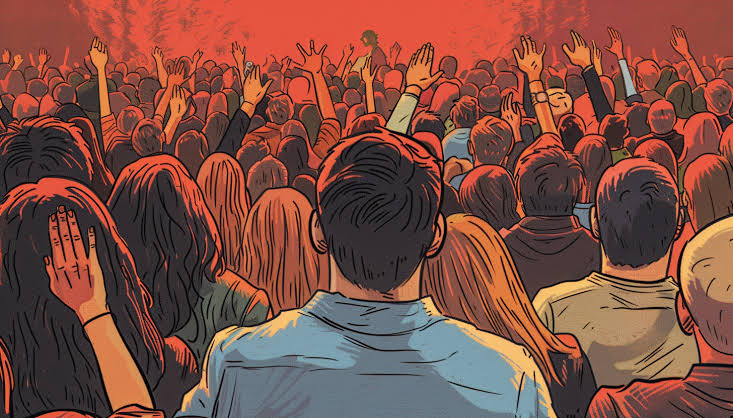
Brand Stories are BoringThe audience completes the story

Perhaps the most important insight is that stories are never finished by the storyteller.

Readers interpret, imagine, compare, and remember. They also insert themselves into the narrative.

In that sense, every successful brand story becomes co-created. The brand provides the narrative framework, and the audience supplies personal meaning.

That collaborative meaning-making closely mirrors what happens in genuine interpersonal communication.

Brand Stories are Boring – Conclusion

The future of brand storytelling is not about making brands seem more human. It is about designing communication that triggers the same psychological processes people use in human relationships. Whether encountered in a magazine, on a smartphone, or in a thirty-second film, the most effective brand stories do not merely convey information. They invite participation, reduce social distance, and foster the sense that someone understands, remembers, and speaks directly to us. The medium may be mass communication, but the experience feels personal.
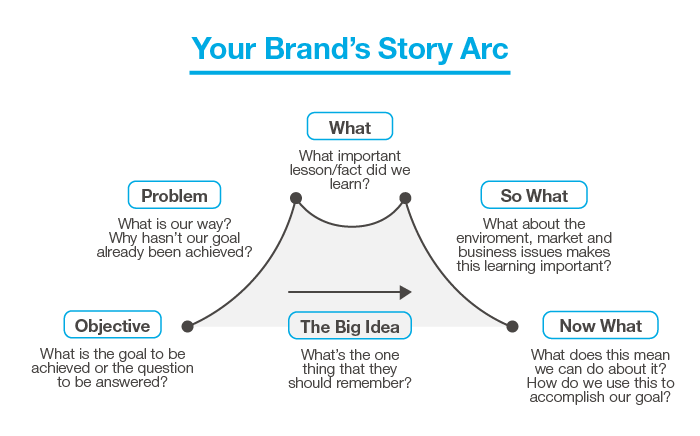
The Anatomy of a Brand Story for DestinationsTake-away

If you learned something from this article, I believe you’ll also enjoy my recent book, “How I’ve Survived as a Storyteller for Over 50 Years: 12 Survival Techniques.” Get your FREE e-book copy by sending me your name and e-mail address, and including “Storytelling” in the subject line. Thank you for reading!

The Anatomy of a Brand Story for Destinations, written by Tor Kjolberg.

More articles on Storytelling by Tor Kjolberg you may like:
How Smart Brands Republish Content Without Repeating Themselves
Why Organizations Are Turning to Storytelling to Win Public Attention
Brand Masters of Storytelling 3
Stop Chasing Case Studies: Build a Living Library of Customer Stories
The Anatomy of a Brand Story for Destinations

Brand Stories are Boring, written by Tor Kjolberg.

How to Transfer Your Scandinavian Professional Credentials to the US (And Which Ones Don’t Transfer at All)

A Norwegian civil engineer receives a job offer in the US. She assumes her ten years of experience and Sivilingeniør degree will carry over directly. Then she discovers she needs to pass a state-specific licensing exam before she can legally sign off on a single drawing. This is a common surprise for anyone trying to transfer Scandinavian professional credentials to the US. Read on to learn how to transfer your Scandinavian professional credentials to the US (and which ones don’t transfer at all).

Some qualifications cross the Atlantic with minimal friction. Others require months of exams, supervised practice, or starting from scratch. The gap between those outcomes can mean the difference between working within weeks of arrival and waiting most of a year. Knowing which category your profession falls into before you accept a job offer changes how you plan the entire move.

How Do You Actually Transfer Scandinavian Professional Credentials To The US?

The process almost always begins with a credential evaluation service. This service compares your foreign degree to US educational standards and issues a report that employers and licensing boards accept. Organizations such as World Education Services handle this for most fields, translating a Scandinavian degree into its closest US equivalent on paper. From there, the path splits by profession and by state.

The US has no single national licensing body for most regulated fields. Healthcare adds another layer of complexity. Regulatory differences covered in comparisons of Nordic healthcare systems go beyond how care is paid for. They also extend to the training and licensing of nurses and doctors. That’s exactly why a Swedish nursing degree requires a formal US equivalency review before a state board will even consider an application.

**********************************************
Related: Planning Your First Visit to the US from Scandinavia? Here’s What You Need to Know
**********************************************

a close-up of a job interview interaction with documents and a laptop in an office
Credential evaluation reports are the first document most US employers and licensing boards will request. Photo: Sora Shimazaki/Pexels

What Happens To Your Home Setup While Licensing Is Pending?

Licensing reviews can take weeks or months, and life doesn’t pause while you wait. Many newly arrived professionals end up working remotely, freelancing, or handling paperwork from home during this gap. As a result, relocating your workspace during an international move means deciding what to pack in the final days and setting up again immediately, from the primary computer to the internet connection. A desk, a reliable internet connection, and a few key documents must be in place before anything else in the new home.

Which Credentials Transfer, And Which Basically Don’t?

Some fields transfer with a formal review and maybe one exam. Others require what amounts to starting over.

  • IT, software, and most business roles: Usually, no license is required at all; the job offer itself is often the only real hurdle.
  • Engineering: Requires passing a state licensing exam, though your degree and experience typically count toward eligibility.
  • Nursing: Requires credential evaluation, an English proficiency exam in most cases, and the NCLEX licensing exam.
  • Teaching: Varies enormously by state and subject, sometimes requiring a full new certification program.
  • Law: Almost never transfers directly, since foreign law degrees generally don’t qualify you to sit a US bar exam without an additional US law degree first.

The gap between the top and bottom of that list is the whole reason this research matters before signing a lease. A software engineer can often start working within days of arriving, while a lawyer might spend two additional years in school before earning the right to practice.

******************************************************
You may also like to read Getting a Loan in Norway and USA: A Side-by-Side Comparison
******************************************************

How Does US Workplace Culture Differ From What You’re Used To?

Even after the paperwork clears, the workplace culture itself takes some adjustment. The differences run deeper than office hours. Scandinavian concepts of personal space clash with American social norms in ways that are constantly present in a US workplace. Closer physical proximity in meetings is one example. A first-name basis that develops almost immediately with new colleagues is another, along with a level of small talk that can feel excessive to someone used to more direct communication. A Scandinavian professional used to more reserved office norms may need a few weeks just to recalibrate what “friendly” looks like at work.

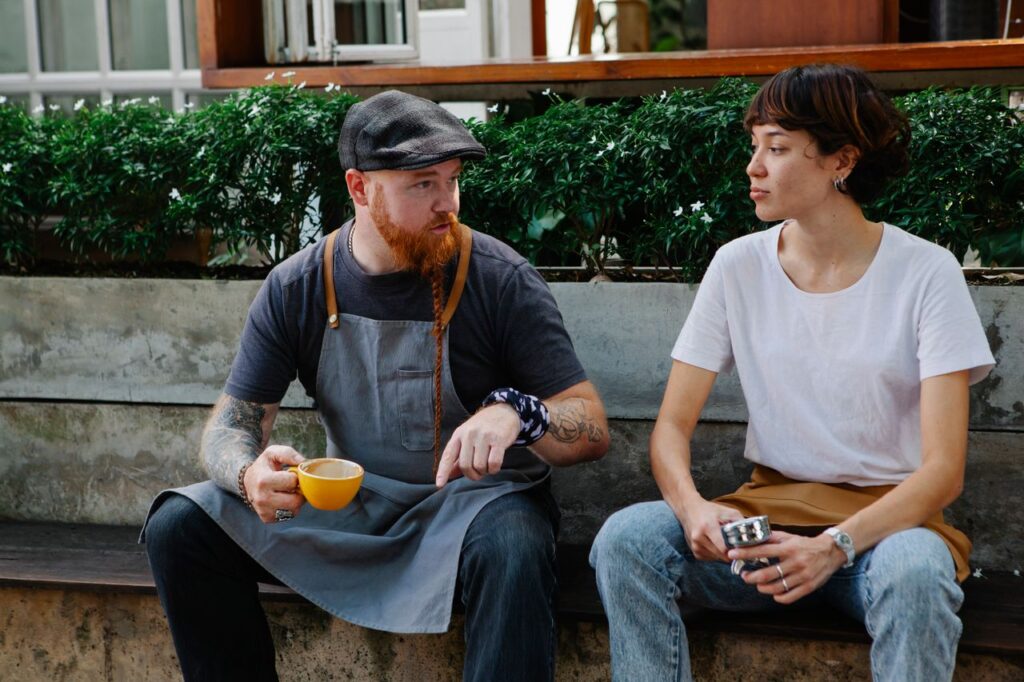
two café employees sitting outside engaging in small talk
Small talk and physical proximity norms differ noticeably between Scandinavian and American offices. Photo: Tim Douglas/Pexels

Why Might The Pace Of Work Feel Different Once You’re Licensed?

Once the credentials are in place and the job starts, the rhythm of the workday is often the bigger adjustment. The shorter hours and stronger boundaries described in Scandinavian work-life balance research don’t automatically carry over to US employers, even generous ones. Vacation days are typically fewer. The expectation of being reachable outside standard hours is often higher, too, even at companies that describe themselves as flexible. This isn’t a flaw in either system. It’s simply a different set of defaults, and it takes real time to adjust, especially in the first few months on the job.

How Do You Check Requirements For Your Specific State?

Because licensing rules vary widely by state, it’s worth checking the rules for your profession and destination before you commit to a move. The CareerOneStop License Finder, maintained by the US Department of Labor, lets you search by occupation and state to see exactly what’s required. Running your profession through it early can save months of surprises later. This matters most in fields where requirements differ significantly between neighboring states, since a license valid in one state may be almost meaningless across the border.

a colorful collage of vintage US license plates
State-by-state licensing differences mean the same profession can require very different paperwork. Photo: Miranda Diogo/Pexels

Plan The Paperwork Before You Plan The Move

Transferring Scandinavian professional credentials to the US rarely involves a single form or a single fee. It’s a process that varies by profession, by state, and sometimes by employer. Some careers require a review and an exam. Others, like law, essentially require rebuilding a qualification from the ground up. Checking your specific field’s requirements before accepting a job offer, rather than after arriving, is what separates a smooth transition from a stalled one. Start with a credential evaluation, check your destination state’s licensing board, and build your moving timeline around whatever answer you receive.

How to Transfer Your Scandinavian Professional Credentials to the US (And Which Ones Don't Transfer at All)
Erik Solheim. Photo: Magnus Fröderberg/norden.org

How to Transfer Your Scandinavian Professional Credentials to the US (And Which Ones Don’t Transfer at All), written for Daily Scandinavian by Erik Solheim. Erik is a Norwegian-born career consultant based in Chicago. Over the past eight years, he has helped Scandinavian professionals navigate US licensing boards and workplace transitions. He writes about credential recognition, relocation logistics, and cross-cultural workplace adjustment for expat audiences across several international publications.

How Seven Strangers Became a Chosen Family on a Week’s Sailing Trip on the West Coast of Sweden

This is my story about how seven strangers became a chosen family on a weeklong sailing trip on the West Coast of Sweden.

It all started in Skärhamn, just a one-hour drive north of Gothenburg. Upon arrival, our skipper, Gustav, and host, Emmy, gave us a safety briefing and explained practical matters, such as how the toilets and boat systems work. All our questions were answered, and we were ready for our trip.

How Seven Strangers Became a Chosen Family on a Weeklong Sailing Trip on the West Coast of Sweden
Our skipper Gustav was a calm, knowledgeable and unifying person
How Seven Strangers Became a Chosen Family on a Weeklong Sailing Trip on the West Coast of Sweden
Our hostess Emmy was as skilled in the galley as she was with her sailor knots.

Over a shared welcome drink in the cockpit, the ice broke as everyone gave a brief self-introduction and shared their reasons for booking the trip.

Did they reveal their true selves? Perhaps. We had seven days to find out. Although Grace was a relatively large sailing vessel, it had limited space, and we all shared responsibility.

Seven separate worlds

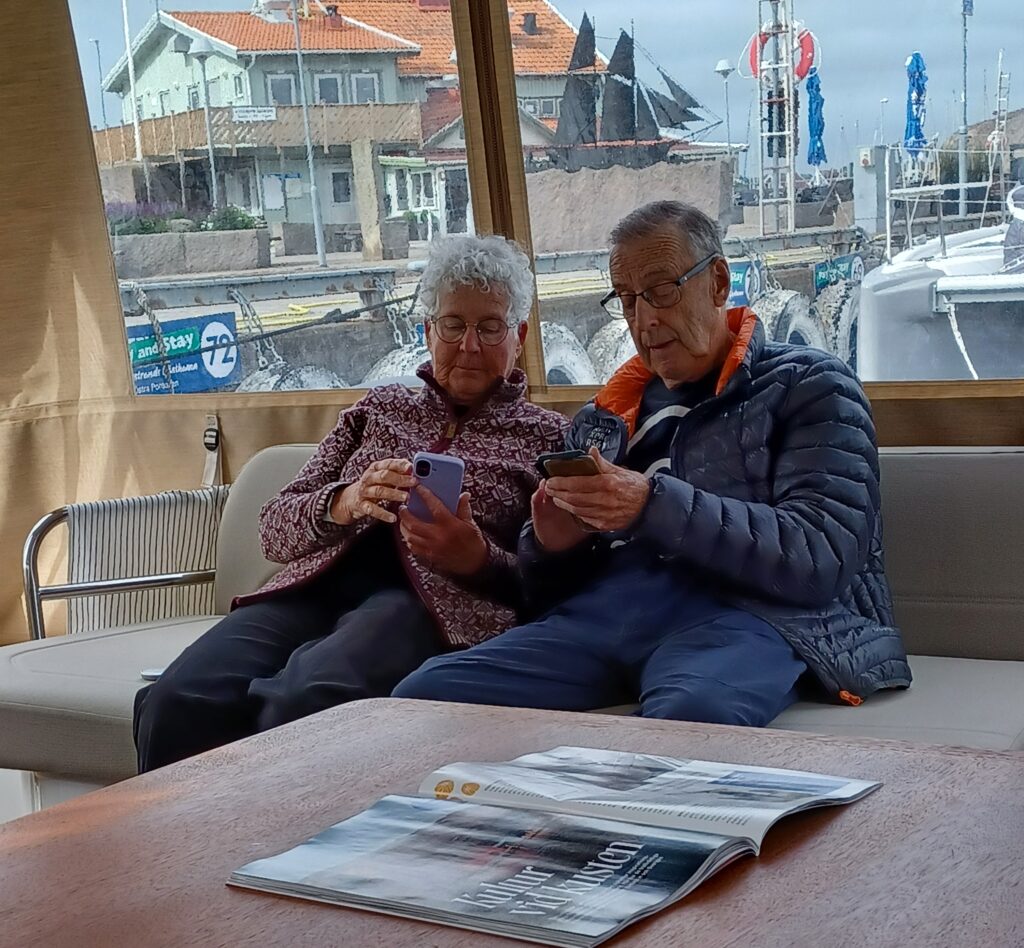
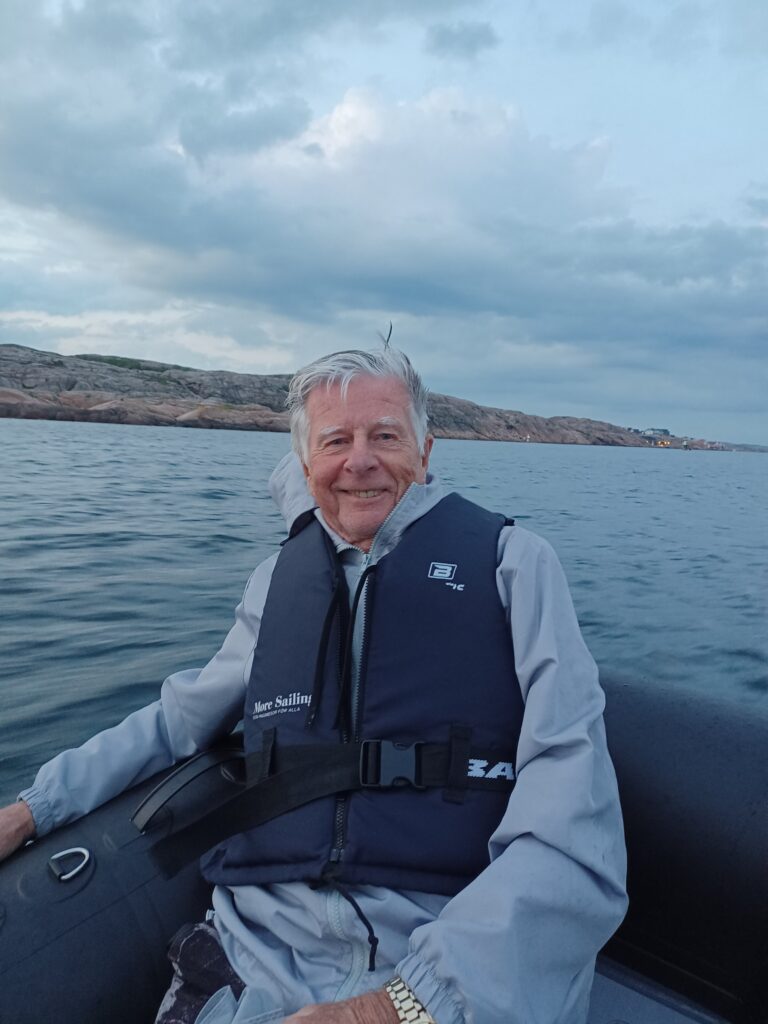
We were seven people who had never met before. There were Eva and Lars, a couple in their eighties, two sailing enthusiasts who had owned their own sailboats. Both knew the west coast of Sweden like the back of their hands. Now they wanted to experience a sailing trip without the responsibilities of setting sail, navigating, and docking.

How Seven Strangers Became a Chosen Family on a Weeklong Sailing Trip on the West Coast of Sweden
Eva and Lars

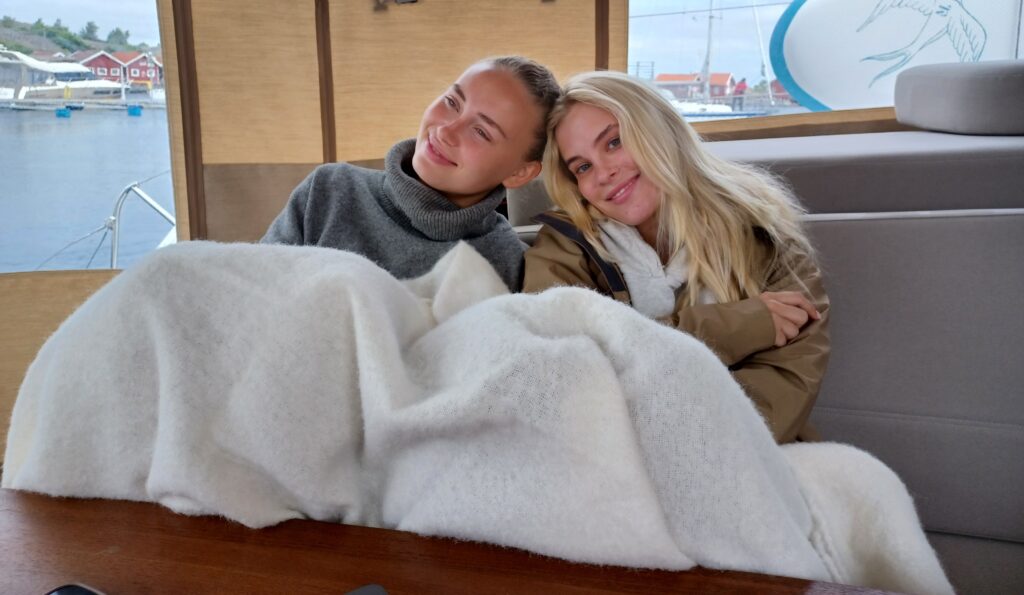
Then there were Laura and Sofie, two bloggers from Denmark on a mission to report for a Danish online travel magazine. Two young women in their twenties, two adventurers searching for something beyond achievement?

How Seven Strangers Became a Chosen Family on a Weeklong Sailing Trip on the West Coast of Sweden
Laura and Sofie

Denise, from Germany, was the author of six books. She was curious about what a week of sailing would be like, and little did we know she had a surprise for us in the middle of the week. Is she the skeptic who believes friendships are temporary?

How Seven Strangers Became a Chosen Family on a Weeklong Sailing Trip on the West Coast of Sweden
Denise

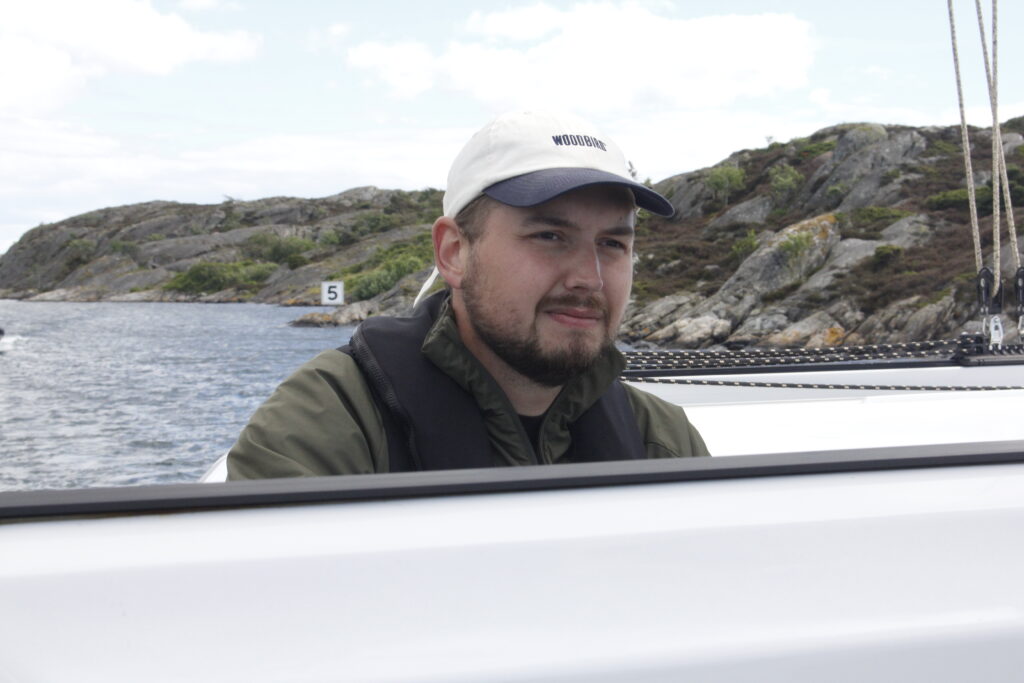
Kirill from Finland was a financial director who had finished several annual reports and now needed to step away from the business world for a while. He seemed like a quiet observer who noticed everything but rarely spoke.

How Seven Strangers Became a Chosen Family on a Weeklong Sailing Trip on the West Coast of Sweden
Kirill
How Seven Strangers Became a Chosen Family on a Weeklong Sailing Trip on the West Coast of Sweden
Tor

I, an editor and storyteller, happened to share a cabin with him. I might describe myself as the funny storyteller who uses humor to avoid vulnerability.

*************************************************
Related: Sailing in Sweden: Discover the Tranquil Waters and Rich Maritime Heritage
*************************************************

Our first day on the Swedish West Coast Archipelago

The skipper and the host untied the lines from the dock early in the evening; the sun was visible behind light clouds. Stepping onto our 42-foot catamaran felt entirely different from my previous experiences on traditional sailboats. There was no frantic shifting of weight, no grabbing for handholds as we left the protected bay. The boat simply lay on the water like a floating raft, wide, stable, and remarkably still. With a push of the throttle, we set out from the dock. The catamaran was on a three-hour passage to a hidden harbor.

How Seven Strangers Became a Chosen Family on a Weeklong Sailing Trip on the West Coast of Sweden
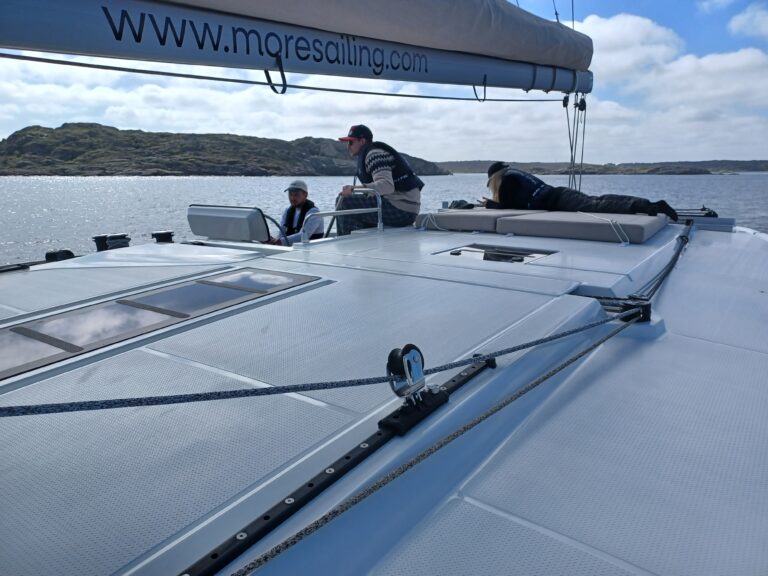
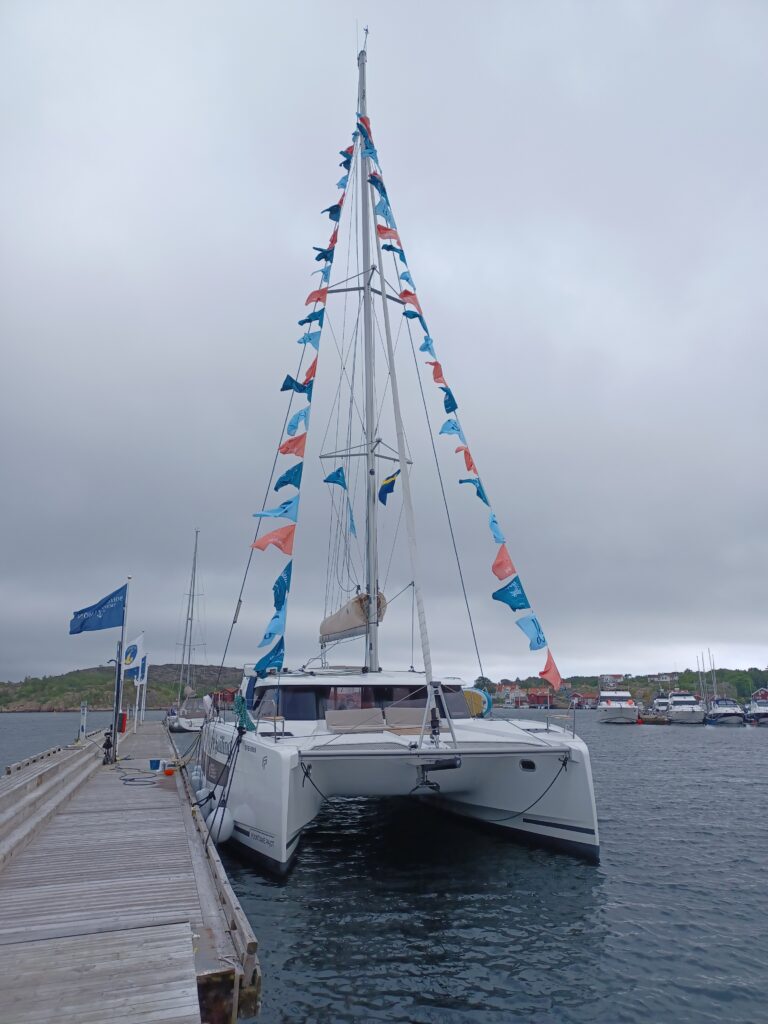
Stepping onto our 42-foot catamaran Grace felt entirely different from my previous experiences on traditional sailboats.

It was quite windy, so the skipper decided to motor. Rougher weather rolled in, causing the boat to bounce and roll on the waves. Denise got mildly seasick, and Emmy and Gustav brought her crackers and water. Overcoming such a small challenge began to create a bond among the group.

Eva and Lars were the only ones who had arrived by car and had the privilege of bringing a bottle of Gammel dansk liqueur, which they kindly shared with those who wanted to toast a successful week. Alcohol was not included in the menus.

Stepping onto our 42-foot catamaran felt entirely different from my previous experiences on traditional sailboats.
Heading for Gullholmen.

Heading for the small island of Gullholmen

Gullholmen has a friendly atmosphere, with small alleys meandering among old fishing cottages and boathouses. There are a few restaurants and cafés in the harbor area, and we were all free to do whatever we wanted. I would have bought a bottle of wine to bring on board, but realized there were no alcohol outlets on the island. In Sweden, the sale of alcohol is state-controlled.

Stepping onto our 42-foot catamaran felt entirely different from my previous experiences on traditional sailboats.
Silence among friencly co-sailors.

After a short walk, I decided to go on board and unpack my belongings. I believe everyone felt a little awkward at first, unpacking our gear into tight cabins.
It was quite late in the evening, and the sun was just beginning to sink for a short Swedish summer night. It was a quiet night, with a few of us enjoying the light summer air while others went to sleep early.

When I entered my cabin, I realized I was alone. Where was Kiril, my roommate? It turned out that he had brought his sleeping bag and spent the night on the solid forward decks.

****************************************
Related: Quality Sailing – The Swedish Way
****************************************

Delicious Lunches

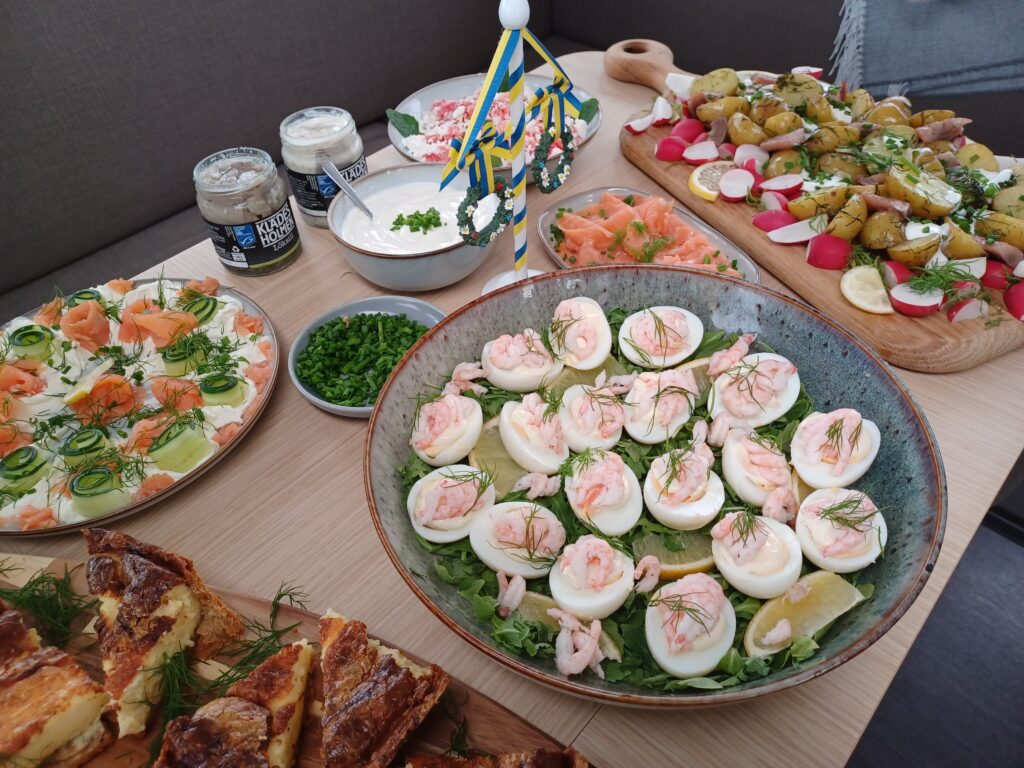
The next day at lunchtime, we anchored off the small island of Hållö, outside Smögen on the mainland. Chicken salad was served, and Emmy had conjured up a cold buffet, beautifully arranged like the best restaurant. She bought local produce every day and prepared our meals with a calmness I have seldom seen, even in a professional kitchen. It impressed us all.

Stepping onto our 42-foot catamaran felt entirely different from my previous experiences on traditional sailboats.
Emmy prepared our meals with a calmness I have seldom seen, even in a professional kitchen.

We were all impressed by her cooking:

How Seven Strangers Became a Chosen Family on a Weeklong Sailing Trip on the West Coast of SwedenHow Seven Strangers Became a Chosen Family on a Weeklong Sailing Trip on the West Coast of SwedenHow Seven Strangers Became a Chosen Family on a Weeklong Sailing Trip on the West Coast of SwedenFrom Hållö, we could either take a dinghy to the mainland to visit the hostel there or stay on board. Lars told us that the hostel on Hållö, known as Utpost Hållö, was in a main building originally constructed in 1922 by the Royal Telegraph Board. It served as a telegraph and radio bearing station before being renovated and opened to the public as a hostel in 1998. He had been there for several memorable celebrations, he said.

It turned out to be storytelling time. He shared with us the story of the Brig Bluebird, a ballad by the poet Evert Taube. In the song, Captain Karl Stranne and his father (legendary local fishermen from Smögen) spot the doomed ship. Amid the panic of the rescue, the crew leaves a young English sailor, Karl, tied to the helm to keep him from being swept overboard. When the ship hits the rocks, he survives by clinging to the mast. While the ballad feels authentic to the harsh realities of the Bohuslän coast, it is largely a work of poetic fiction. The story is likely inspired by a combination of actual shipwrecks in the 1870s, including the English brig Nymph, which wrecked near Smögen. The Stranne family did exist, but they were Taube’s friends and neighbors, not participants in the wreck. Spotify came to our rescue, and we listened to the song through the boat’s sound system.

How Seven Strangers Became a Chosen Family on a Weeklong Sailing Trip on the West Coast of Sweden
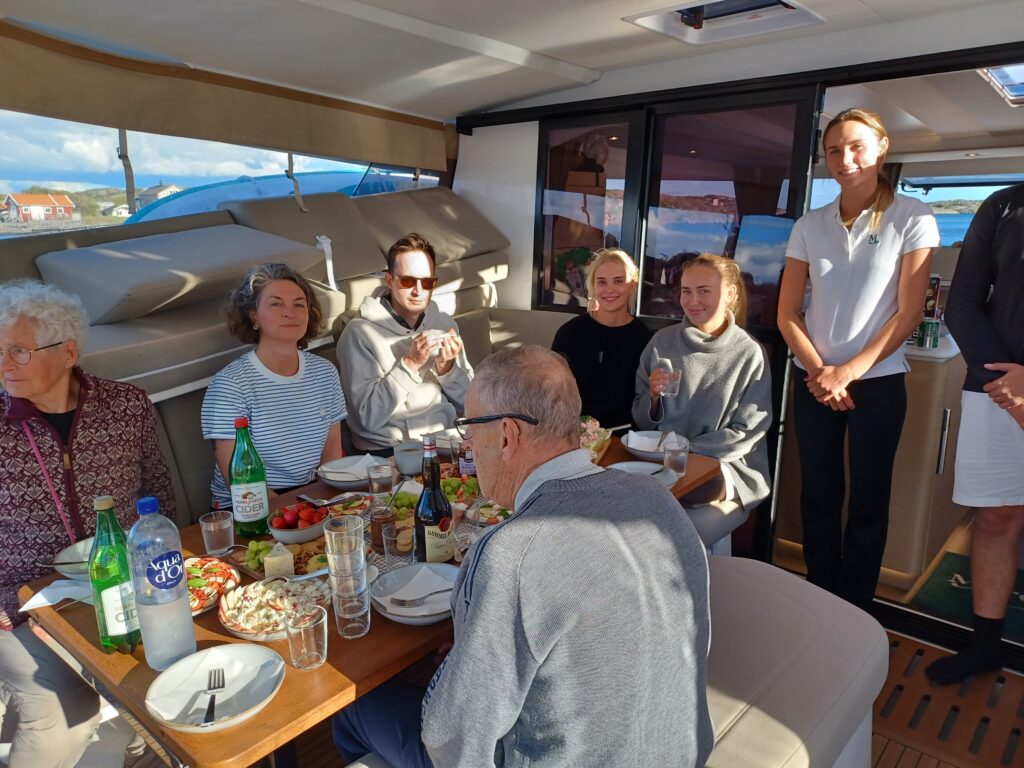
All breakfasts and luches were enjoyed together.

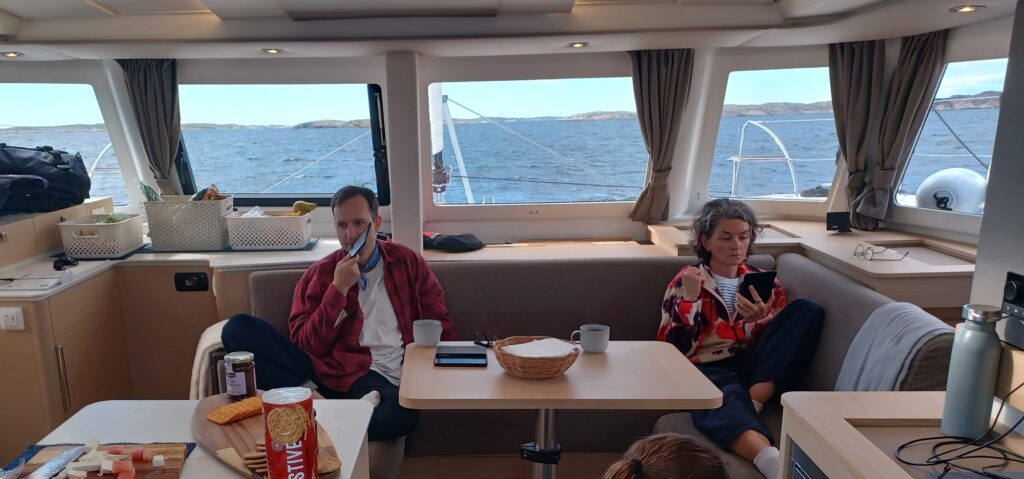
During the meals on board, our conversations grew deeper. We got to know each other better.

Kiril said he had studied economics at the University of Bodø in Norway. Who would have thought a Finn would go to Norway to study? He told us he was born in Russia.

This afternoon, our trip continued through the Soten Canal to Hunnebostrand. The motion was gentle, and we spent time watching the blue water trail behind our twin hulls and the nice summer houses along the canal’s shores. Sotenkanalen is 4.8 kilometers long. Outside, the sea is open and exposed, and the surrounding area is known for some of Sweden’s most dangerous waters. Therefore, the Swedish Parliament decided to build a canal in 1930.

Now, Gustav navigated to the small, lovely seaside village of Hunnebostrand (pronounced a bit like honey-bow-strand), where the population swells in summertime as many Swedes head to their summer houses and/or yachts.

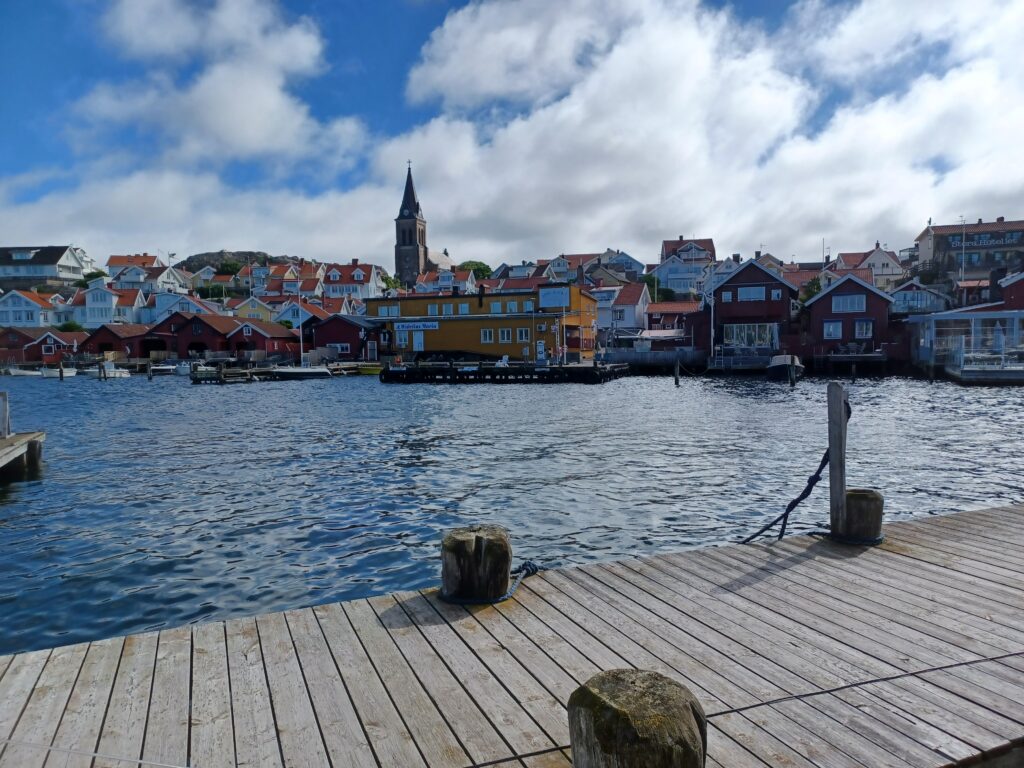
Hunnebostrand is a waterside delight. We all went ashore to explore local markets and hike to scenic viewpoints. The Danish bloggers, Laura and Sofie, found it the ideal place to hunt for authentic Swedish West Coast motifs, while Kiril decided to swim in the sea. At 16 degrees, the water was too cold for the rest of us.

How Seven Strangers Became a Chosen Family on a Weeklong Sailing Trip on the West Coast of Sweden
Hunnebostrand is a waterside delight.

I told you Denise had a secret. She revealed it was her birthday yesterday. Her friends back home were disappointed when she told them there would be no celebration this year because she had chosen to go sailing. Normally, she celebrated her birthday for a whole week, she said, so there was no reason not to plan a small celebration on board. My search for a systembolag to buy wine suddenly felt more meaningful. None of the places we had visited were large enough to have a wine outlet. However, we were now sailing to Fjällbacka. There is no wine monopoly there either, but we checked online that the nearest town, Grebbestad, had an outlet open until 6 p.m. Kiril and I learned that if we caught the next bus when we arrived, it would give us fifteen minutes of shopping time, assuming it wasn’t too far to walk from the bus stop. It turned out the outlet was across the street, and we were finally able to buy wine and celebrate Denise that evening.

It sparked a conversation about what birthdays and friends mean, about celebrating different days in general, and, not least, about how seven strangers weren’t strangers anymore. The group dynamic had shifted from “strangers” to a tight-knit circle of friends.

The next morning, I woke up early to find Denise and Kiril reading quietly on the bow. Both avid readers, they had shared a great deal of literary knowledge throughout the night. Kiril, by the way, didn’t sleep on the deck every night. He was a pleasant roommate. We shared the cabin, and none of us was snoring.

Arriving at Malmön

A little south of Smögen on Bohuslän’s west coast lies an island where people have subsisted on fishing, farming, and boat transport for centuries. For a couple of centuries, granite quarrying and stone carving were also important industries, but now tourism dominates.

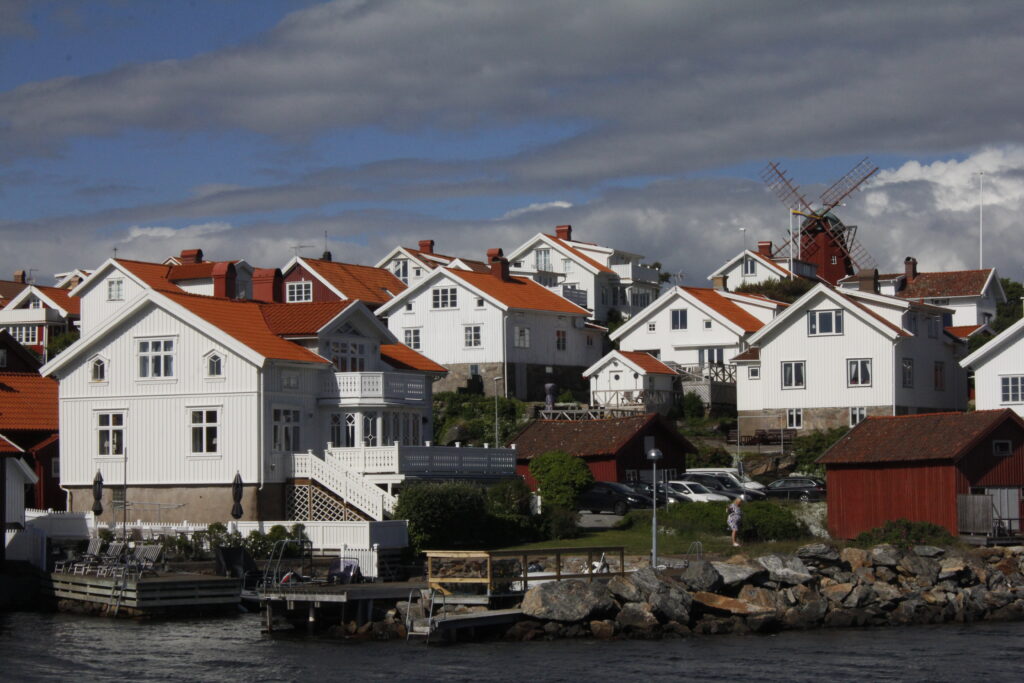
At Malmön, we experienced beautiful cliffs, sheltered coves with sandy beaches, and white wooden houses with lush green gardens. Malmön has a small center with narrow streets, white wooden houses, and green gardens, typical of a coastal village. At the southern tip, Draget, the landscape is flat and windswept. Here, the sea and Denmark are the closest neighbors. We also saw traces of past quarrying, where large blocks of residential granite had been extracted and further processed into tombstones, monuments, and building materials.

How Seven Strangers Became a Chosen Family on a Weeklong Sailing Trip on the West Coast of Sweden
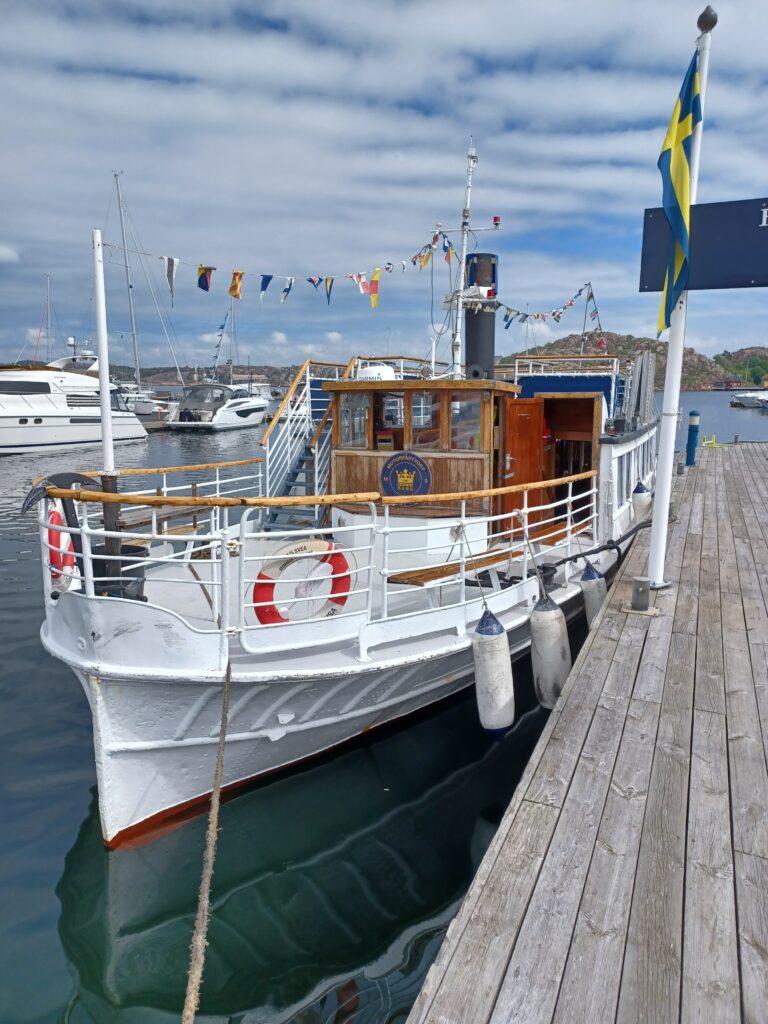
I luckily departed from Malmön by the old motorvessel Svea.

Mid-Summer Night

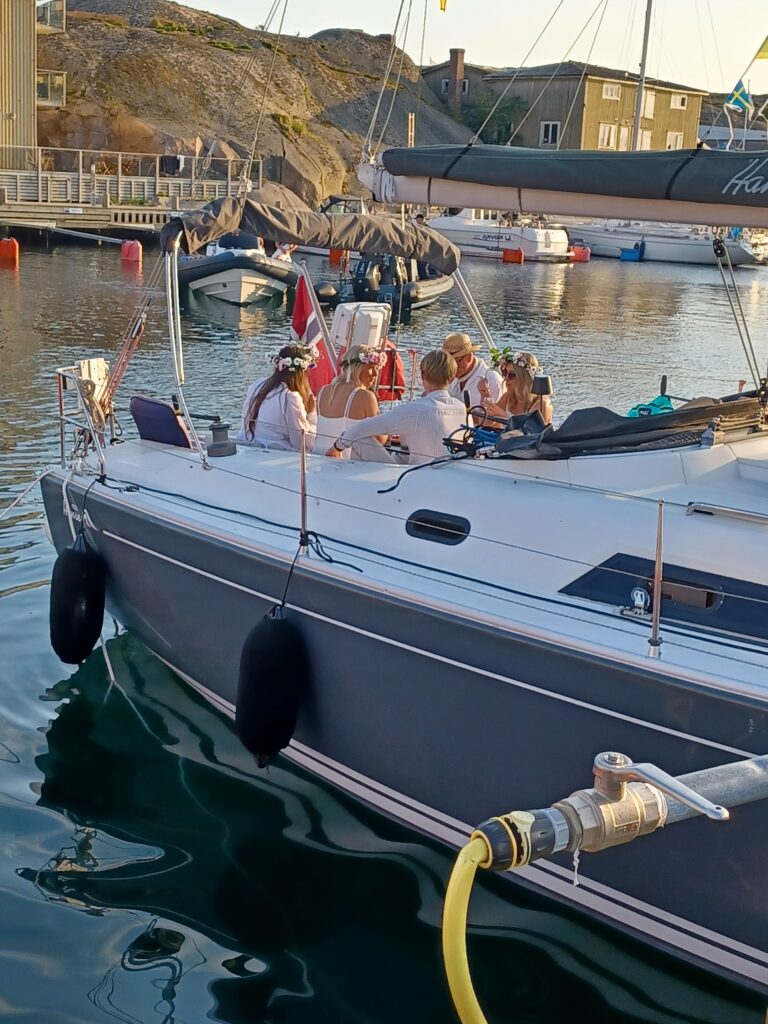
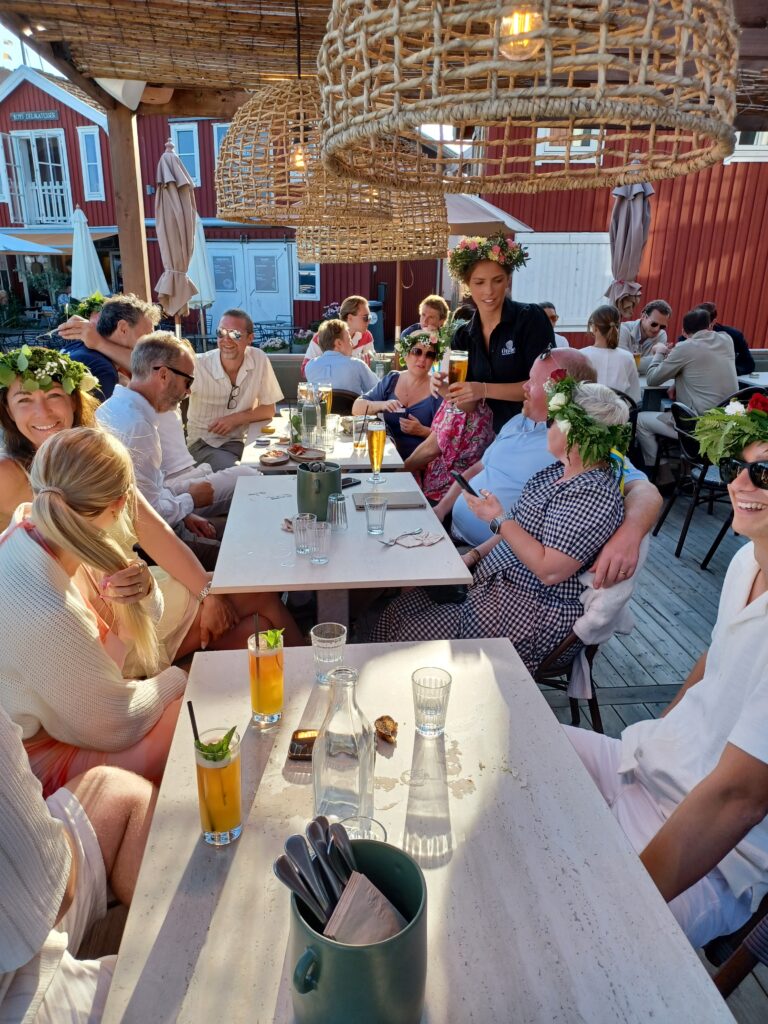
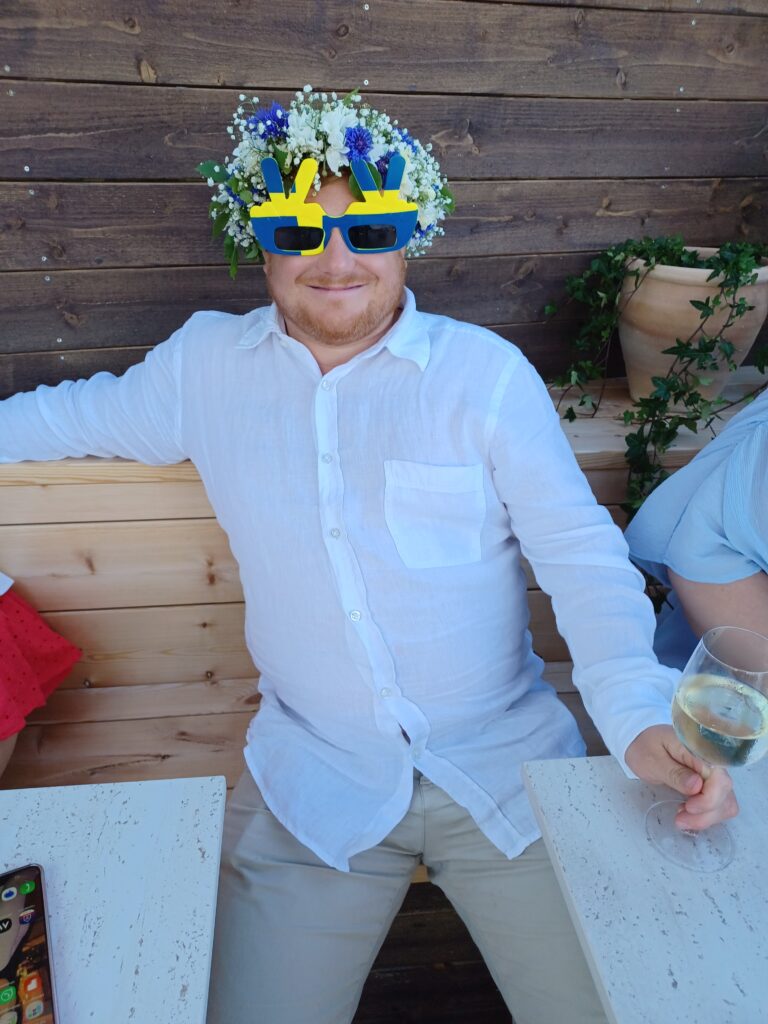
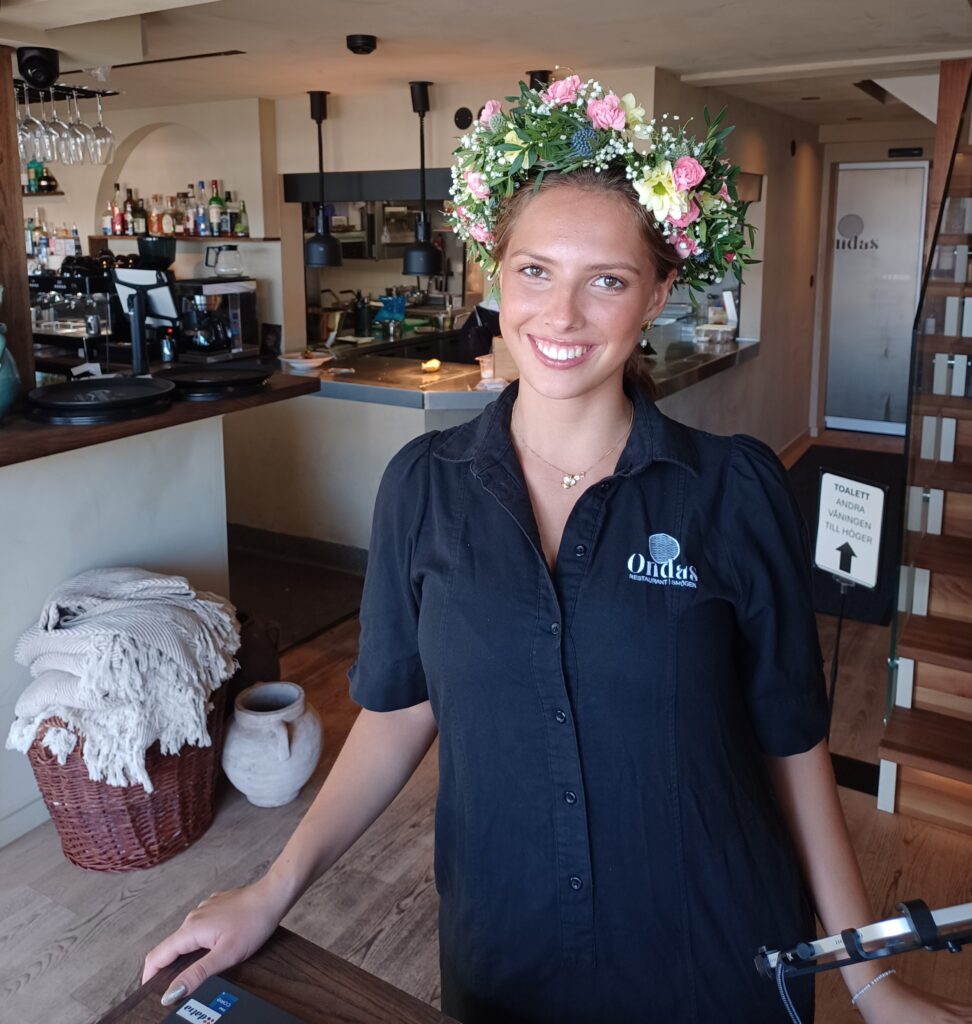
Swedish Midsummer is the ultimate celebration of summer, marked by the summer solstice, the “white nights” when the sun barely sets, woven flower crowns, maypole dancing, and traditional feasts featuring pickled herring and strawberries. It is a magical time of year that truly captures the country’s cultural identity. Laura, Sofie, and Denise were making their own flower crowns.

I wanted to celebrate the evening in Smögen and was lucky to depart from Malmön aboard the old passenger vessel M/S Svea af Bohuslän, built in 1904. The ship has a rich history and is particularly notable for still sailing under the Swedish-Norwegian union flag, as it was delivered the year before the union was dissolved in 1905.

How Seven Strangers Became a Chosen Family on a Weeklong Sailing Trip on the West Coast of Sweden
Norwegian sailors celebrating Swedish midsummer in Smögen.

Memories from a Swedish midsummer celebration in Smögen:

How Seven Strangers Became a Chosen Family on a Weeklong Sailing Trip on the West Coast of SwedenHow Seven Strangers Became a Chosen Family on a Weeklong Sailing Trip on the West Coast of SwedenHow Seven Strangers Became a Chosen Family on a Weeklong Sailing Trip on the West Coast of SwedenHow Seven Strangers Became a Chosen Family on a Weeklong Sailing Trip on the West Coast of Sweden
I arrived at the pier in Smögen early in the afternoon and had a lovely time with Swedish partygoers, enjoying food and drinks. Time flew by, and I had planned to return on M/S Svea at 8 pm. However, the ferry did not arrive, so I decided to wait for the last departure at 10 pm. At 9 o’clock, Gustav, our skipper on Grace, called me to ask where I was. I told him I was waiting for the ferry in Smögen. “That’s why I am calling you,” he said. “The ferry is here and has a machinery problem. We’ll come and pick you up.”

How Seven Strangers Became a Chosen Family on a Weeklong Sailing Trip on the West Coast of Sweden
Tor is being rescued.

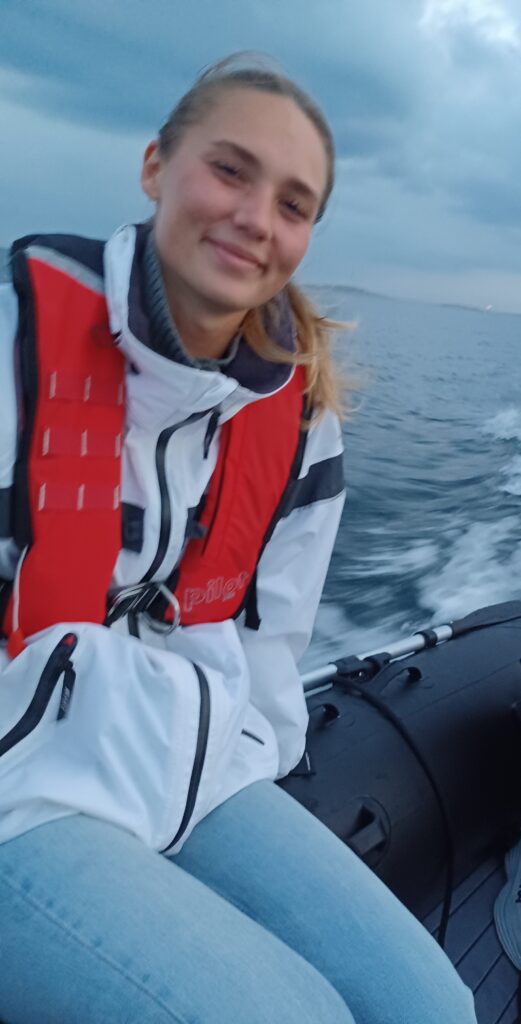
So they came, Emily and Gustav, in our dinghy to bring me back to Grace. I will never forget this midsummer night in Sweden.

How Seven Strangers Became a Chosen Family on a Weeklong Sailing Trip on the West Coast of Sweden
Kirill and Denise were avid readers, and were eager to give each others recommendations.
How Seven Strangers Became a Chosen Family on a Weeklong Sailing Trip on the West Coast of Sweden
We have been on Grace for six days and nights. The marina at Käringön is busy today.

Our last port, Käringön

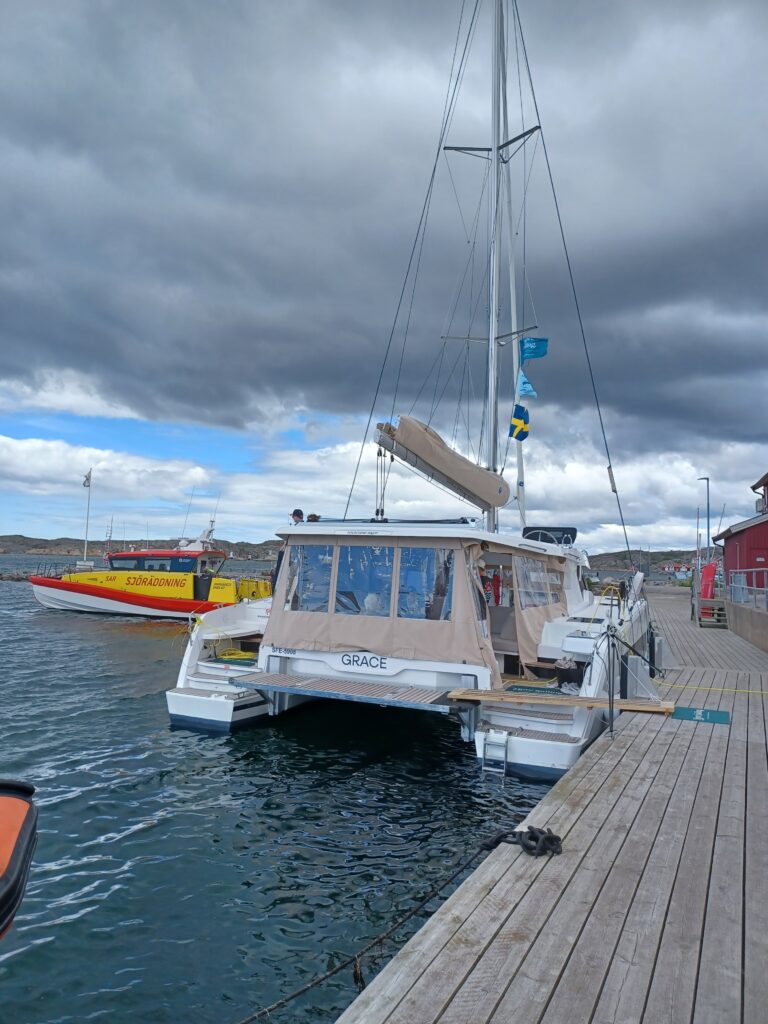
We have been on Grace for six days and nights. The marina at Käringön is busy today. We have to dock beside a really impressive yacht flying a Lithuanian flag. Käringön has a great marina that serves as the central hub, with goods and people coming to and from here daily. There is also a lot of activity around rescue boats, as offshore safety courses are held on the island. The buildings on Käringön are set amid cozy streets, white-and-red-painted houses, and only a few gardens. Only those with the highest rank had the opportunity to have a garden, so most homes did not have fences, lawns, or the like outside the houses. It’s a beautiful summer night, and the realization sets in that the trip is almost over, bringing a touch of nostalgia among the seven of us. The next morning, we’re returning to Skärhamn.

How Seven Strangers Became a Chosen Family on a Weeklong Sailing Trip on the West Coast of Sweden
Eva and Lars, together with the skipper, checked the instruments as they always did.

Farewell
Eva and Lars, together with the skipper, checked the instruments as they always did. Ideal 15-knot winds allowed the catamaran to fly across the water today. Our group has learned to navigate together and has come to understand that we have also learned to navigate each other.

Grace is heading back to the home marina while everyone packs their bags. On the dock in Skärshamn, we exchanged phone numbers and photos before parting ways. We left the boat with new friends, shared memories, and plans for future travel. The sadness of leaving proves we are no longer seven individuals ending a trip — we are seven people leaving a temporary home.

About More Sailing – and Grace

How Seven Strangers Became a Chosen Family on a Weeklong Sailing Trip on the West Coast of Sweden
Co-founder of More Sailing, Einar Halldin.

More Sailing is a Swedish company with one aim: to offer its customers the freedom of the sea. People with or without a sailing background can experience the magic when the sails are hoisted and time stands still. More Sailing was founded in 2009 on Sweden’s west coast, after the founders, Einar Halldin and Malin Stom, traveled to Croatia for a week of sailing with friends and family. One week quickly became seven, and the idea of forming a company was born. More Sailing’s mission is to make sailing accessible to all.

We were sailing aboard Grace, a 42-foot Fountaine Pajot 44, a dream boat for those who want to enjoy a luxurious sailing trip with an emphasis on relaxation and comfort. Because the catamaran sails so smoothly, it was easy to move around on board. That’s why we didn’t have to worry about stowing away our possessions, glasses flying around, or a tilting cockpit – life aboard the catamaran was more like a comfortable, floating hotel stay.

How Seven Strangers Became a Chosen Family on a Weeklong Sailing Trip on the West Coast of Sweden, written by Tor Kjolberg.
All images © Tor Kjolberg, except portrait photo of Einar Halldin.

The Sole Remaining Domestic Ceramic Tableware Manufacturer in the Nordics

Figgjo was founded by Harald Lima and Sigurd Figved in 1941 as a small-scale pottery workshop in Figgjo, south of Stavanger. Today, Figgjo is the sole remaining domestic ceramic tableware manufacturer in the Nordics.

Working closely with professional chefs is the driving force of the company’s design process. Function is always paramount – every detail is attended to so each piece fulfills its intended purpose.

The Sole Remaining Domestic Ceramic Tableware Manufacturer in the Nordics
From the factory outlet.

The clean lines and understated elegance of the products result from form following function. Things are thrown away not because they have stopped working but because we have stopped loving them. Great design is more important for the environment than many people give it credit for.

The Sole Remaining Domestic Ceramic Tableware Manufacturer in the Nordics
Lotte, large coffee pot from Figgjo.

At the 2016 Culinary Olympiad in Erfurt, 11 of 23 countries used Figgjo porcelain in the cold food competition. Collaboration with inventive chefs has been a source of inspiration for the porcelain factory for years.

The Sole Remaining Domestic Ceramic Tableware Manufacturer in the Nordics
Figgjo was founded by Harald Lima and Sigurd Figved in 1941.

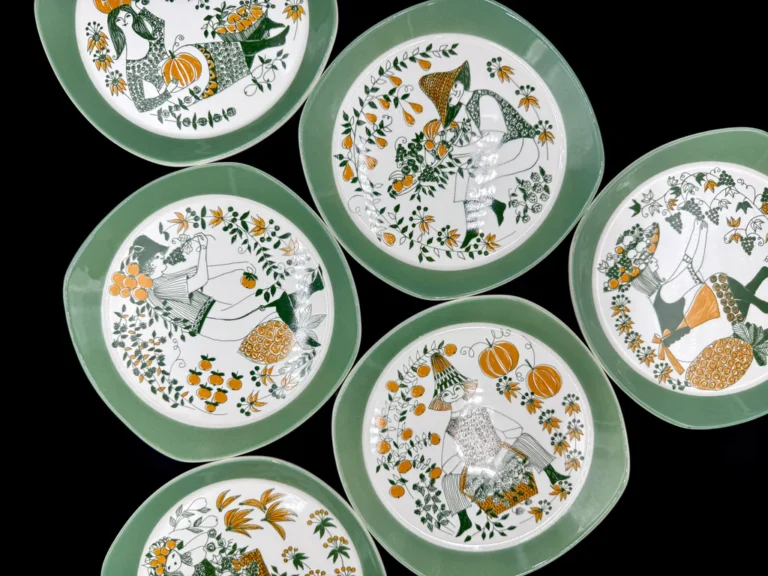
Figgjo tableware from the 1960s and 1970s remains highly collectible alongside its more recent offerings, with examples featured in the decorative arts collections of the JærmuseetNational Gallery of Victoria, and the Indianapolis Museum of Art.

The fact that Figgjo still stands firm in a world where porcelain factories are being smashed to smithereens in the eternal pursuit of profit is solely due to proud and tenacious private owners.

The Sole Remaining Domestic Ceramic Tableware Manufacturer in the Nordics, Tor Kjolberg reporting.

Copenhagen: The World’s Second Most Livable City

Tokyo recently dethroned Copenhagen to claim the #1 spot in Monocle’s 2026 Quality of Life Survey. Copenhagen: The world’s second most livable city.

Monocle’s survey consists of 30 questions sent to its correspondents in 40 cities worldwide. According to Monocle’s Copenhagen correspondent, the council has done one thing right. It has restricted hotel development in the city – in response to the housing shortage – which also contributes to the sense that tourism is not overwhelming.

*******************************************
Related: Large-Scale Heating in Copenhagen
*******************************************

Copenhagen: The World’s Second Most Livable City
From Tivoli. Photo: Martin Heiberg.

Still, the restricted housing market should ensure a wider variety of homes, and the cost of homes should be part of future urban planning.

Monocle’s specific indexing methodology evaluates cities through several distinct lenses:

  1. Hard Metrics vs. Soft Infrastructure
  • The “Joy” Factor: Monocle explicitly measures how much joy a city brings to its residents. It tracks experiential indicators such as café culture, independent bookshops, and vibrant public swimming areas.
  • Late-Night Vitality: The index rewards a city based on practical, experiential criteria. For example, the metrics assess whether a resident can easily get a good meal and a drink after 10:00 PM.
  • Biking Culture: The city is widely credited for planning its urban spaces entirely around cyclists, green space, and sustainable mobility.
  1. Urban Resilience and Ambition
  • Learning From Mistakes: Monocle rewards Copenhagen for its unique urban ambition and its history of quickly addressing infrastructure missteps to drive constant improvement.
  • Community and Safety: The city’s scoring relies heavily on a strong sense of community trust, exceptional public safety, and strong civic leadership.
Copenhagen: The World’s Second Most Livable City
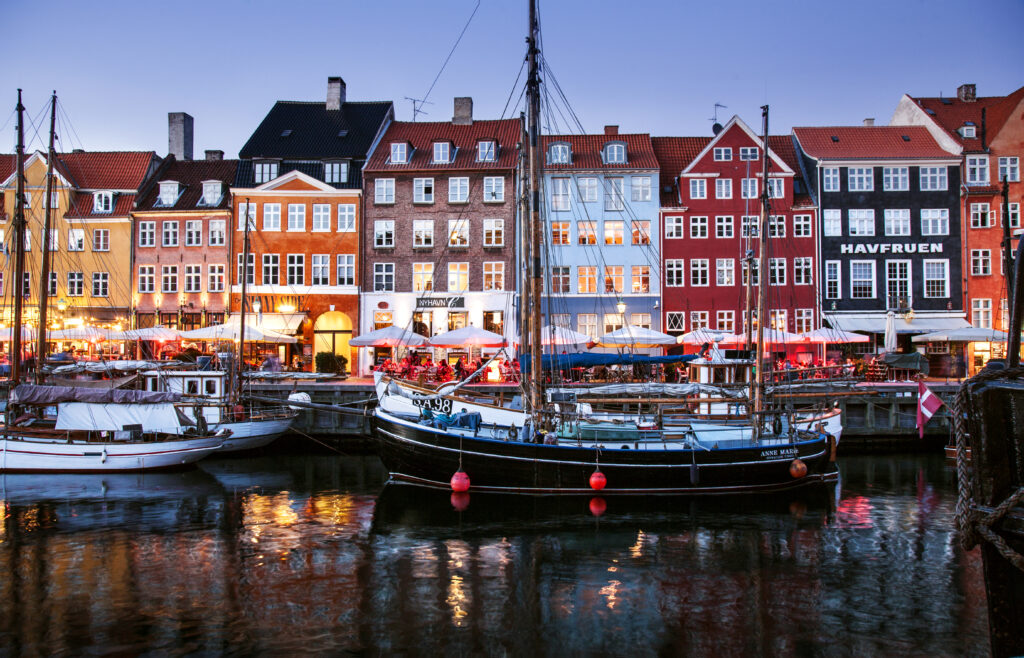
From Nyhavn.

Why Copenhagen Placed Second

Copenhagen has actually won the top spot more times than almost any other global city. In the 2026 survey, it was narrowly edged out for first place by Tokyo, which took the crown for its unmatched combination of massive scale, incredibly low crime, absolute public calm, and exceptional neighborhood stability. Lisbon was ranked #3, behind Copenhagen.

***********************************
Related: Calm Traffic in Copenhagen
***********************************

Copenhagen: The World’s Second Most Livable City
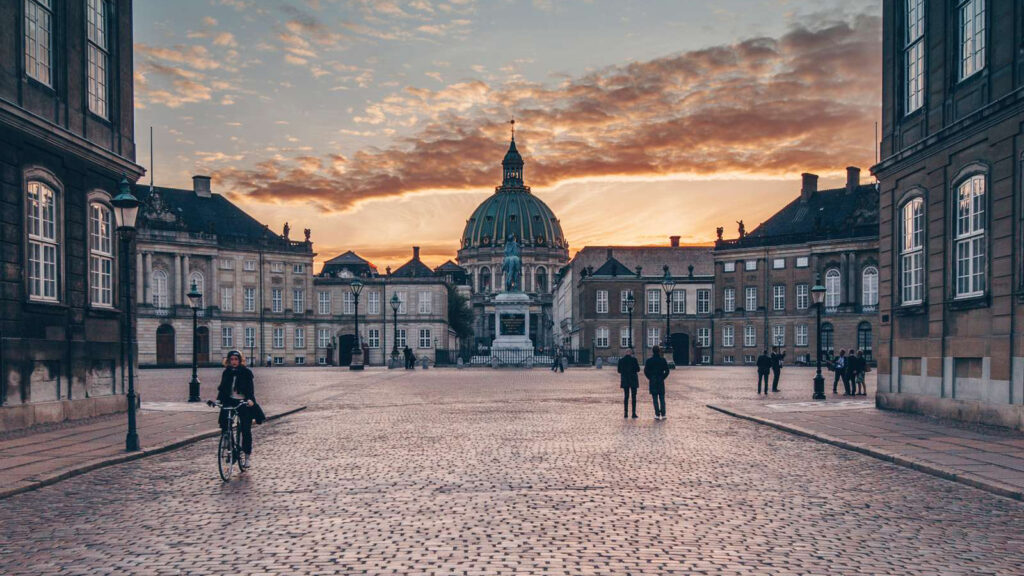
Amalienborg. Photo: Martin Heiberg.

In 2021, the study noted Copenhageners’ pride in how they ensure their city is a place where children can roam free, is accessible to those on lower incomes, and has efficient public transport, better air quality, and a harbor that’s clean enough to swim in.

Copenhagen: The World’s Second Most Livable City, Tor Kjolberg reporting
All images © Visit Copenhagen/Visit Denmark

The Anatomy of a Brand Story for Destinations

What is the formal definition of brand storytelling? It is the strategic use of narrative techniques—such as plot, characters, and conflict—to communicate a company’s identity, values, and mission. So, what’s the anatomy of a brand story for destinations?

Rather than relying solely on dry facts and product features, it builds an emotional connection with the audience, making the brand relatable, memorable, and trusted.

To understand how this works in modern marketing, it helps to break it down into a few core elements and frameworks.

The Anatomy of a Brand Story for DestinationsThe Anatomy of a Brand Story

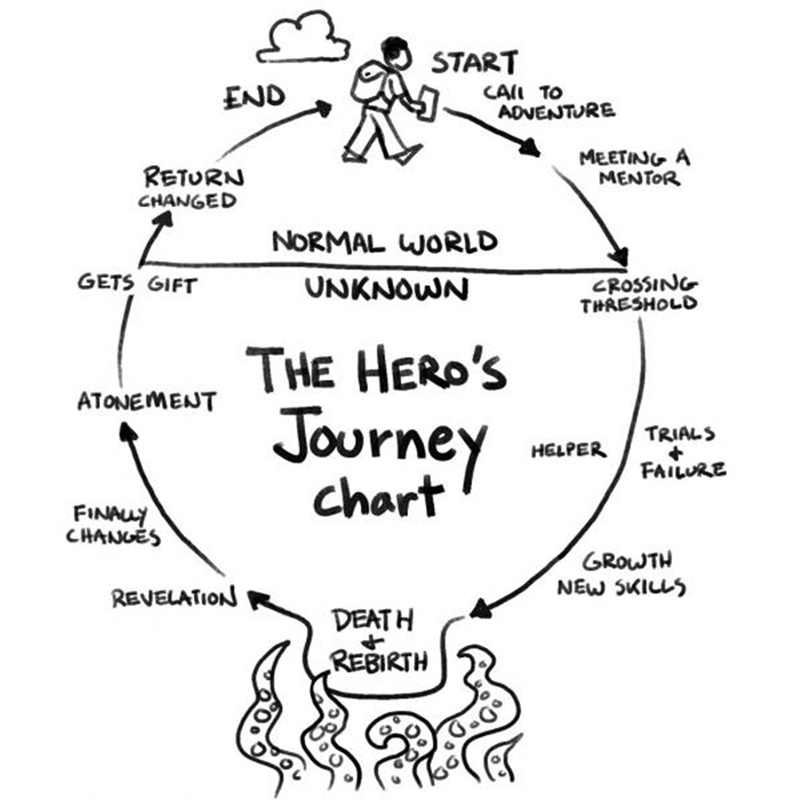
A formal brand story is typically built on three foundational pillars: the hero, the conflict, and the resolution.

In effective brand storytelling, the customer is the hero. Focus first on your target customer’s informational needs. The brand serves as a guide, providing products or services that help the hero overcome their challenges.

Every compelling narrative features an obstacle. This represents the customer’s pain point or the societal or industry problem the brand aims to solve.

The brand’s purpose showcases the positive transformation or better future the customer achieves by aligning with the brand.

The Anatomy of a Brand Story for Destinations
Brand storytelling cuts through the noise. Photo: GDS movement.

Why Brands Use It

In a highly competitive market where consumers are exposed to thousands of messages daily, brand storytelling cuts through the noise. It elevates a company from a mere commercial entity to a meaningful presence in consumers’ lives, transforming standard marketing into a cohesive journey that fosters deep brand loyalty. I have developed a new business model centered on story creation and distribution.

Common Strategies and Examples

Companies deploy brand storytelling across formats, including founder origin stories, customer success stories, and mission-driven campaigns.

Nike’s campaigns focus on real athletes and personal triumphs rather than merely advertising the technical specs of its sneakers.

Patagonia focuses heavily on environmental activism and sustainability, aligning its business goals with the values of its environmentally conscious consumers.

The Anatomy of a Brand Story for Destinations
Brand storytelling on Instagram.

Brand Storytelling for Destinations

Destination marketing DMCs often do not know how to use brand storytelling. The customer’s journey should be the main focus.

For a Destination Management Company (DMC), the ultimate goal of brand storytelling is to transform abstract travel services into an irreplaceable, life-changing journey for the client. A customized brand storytelling framework for a DMC, structured around the customer’s journey as the primary focus, would include the hero (the planner/traveler), the conflict (stress and uncertainty), the guide (the DMC), and the resolution (flawless, insider execution).

The Hero: The Overwhelmed Planner or Traveler

In a story, the hero is not a DMC; the hero is its client (the corporate event planner, travel agent, or an individual traveler, a professional or traveler who shoulders the heavy burden of creating an unforgettable, high-stakes experience in an unfamiliar destination). They want to look like a rockstar to their stakeholders or guests by delivering a seamless, culturally authentic, and jaw-dropping itinerary.

The Anatomy of a Brand Story for Destinations
A good narrative paints a vivid picture of what success looks like when the hero uses the guide’s services. Photo: Andre Furtado/Pexels.

The Conflict: The Chaos of “Distant” Planning

DMCs often fail because they sell only “logistics” (buses, hotel rooms, dinner spots). A brand story must highlight the emotional and logistical pain points a hero faces. Booking venues and vendors from thousands of miles away means navigating language barriers, hidden local regulations, and unverified suppliers. It also brings anxiety about failure, fear that transport will arrive late, that the venue will look nothing like the photos, or that the experience will feel like a generic tourist trap. From a philosophical point of view, travel shouldn’t be a transactional risk. A trip to a new destination should be inspiring, not a source of sleepless nights.

The Guide: The Ultimate Local Insider (DMC)

A DMC enters the narrative not as the hero who saves the day, but as the trusted guide who equips the hero with the tools, local insights, and confidence to succeed.

The Resolution: The Flawless Destination Experience

This is the happily-ever-after. A good narrative paints a vivid picture of what success looks like when the hero uses the guide’s services. The client shifts from a stressed, anxious planner to a relaxed, confident host who can actually enjoy the destination.

Guests are blown away by exclusive, hyper-local experiences they couldn’t find online, cementing the client’s reputation as a visionary planner.

The Anatomy of a Brand Story for Destinations – Conclusion

While it’s tempting to put your brand at the center, remember this: the hero of your story isn’t you. It’s your customer.

The Anatomy of a Brand Story for DestinationsTake-away

If you learned something from this article, I believe you’ll also enjoy my recent book, “How I’ve Survived as a Storyteller for Over 50 Years: 12 Survival Techniques.” Get your FREE e-book copy by sending me your name and e-mail address, and include “Storytelling” in the subject line. Thank you for reading!

The Anatomy of a Brand Story for Destinations, written by Tor Kjolberg.
More articles on Storytelling by Tor Kjolberg you may like:
Brand Masters of Storytelling 2
How Smart Brands Republish Content Without Repeating Themselves
Why Organizations Are Turning to Storytelling to Win Public Attention
Brand Masters of Storytelling 3
Stop Chasing Case Studies: Build a Living Library of Customer Stories

New Travel Trend: Deadzoning

Deadzoning is an intentional travel trend that prioritizes selective disconnection. Instead of ditching smartphones entirely, travelers keep devices for emergencies or navigation but block work emails and social media to escape burnout and truly decompress. Continue reading to learn more about the new travel trend: deadzoning.

This emerging travel trend is appealing to millennials and Gen Z, who seem to be rediscovering disconnection, now rebranded with the more “tragicool” label of “deadzoning,” simply meaning switching off.

Why Travelers Are Deadzoning

According to research by the small-group adventure operator G Adventures, more travelers are leaving their cell phones and laptops behind and seeking destinations with no cell service or Wi-Fi. These trips force people to disconnect from technology and reconnect with themselves, others, and nature.

New Travel Trend: Deadzoning
More travelers are leaving their cell phones and laptops behind and seeking destinations with no cell service or Wi-Fi. Photo: KQED.

With high global burnout rates, deadzoning creates a psychological gap between digital productivity and restorative time off. Selective unplugging is a “middle ground” between staying hyper-connected and doing a full-blown digital detox. You maintain vital contact with loved ones while silencing the noise of work and social life.

For years, experts have warned about our growing dependence on technology. This dependence is no longer confined to the workplace. Constant availability, endless notifications, and the expectation of immediate responses have blurred the boundary between work and personal life, bringing pressure into everyday life.

In the UK, nine in ten people reported experiencing “high or very high levels of stress and pressure” over the past year, a figure that has remained consistently high since 2024.

New Travel Trend: Deadzoning
According to data collected by G Adventures last year, 58% of travelers said they take trips without an internet connection to “relax and destress”.

According to data collected by G Adventures last year, 58% of travelers said they take trips without an internet connection to “relax and destress,” and 41% want to “disconnect from the pressures of work and everyday life.” The goal is to focus on tactile experiences (nature, reading, slow meals) rather than curating social media content.

As a result, one solution has gained traction for its simplicity, at least in theory: deadzoning. Not just by traveling somewhere new, but by breaking the habits we carry with us, namely spending hours on screens, whether for work, entertainment, or doomscrolling. Even leisure has become fragmented, with watching a film while checking other screens now the new normal.

For these travelers, deadzoning is the antidote to today’s fast-paced hustle culture and its burnout. These trips aren’t just about visiting the most stunning destinations or hitting the top attractions to share on social media. They’re meaningful moments for travelers to rest and reset.

Travelers are booking remote cottages, farm stays, or design-led cabins in places with intentionally limited cell service or Wi-Fi.

The Norwegian Context

Living in or near Oslo gives you easy access to remote areas (e.g., deep in the forests of Nordmarka or isolated cabins along the western fjords) that are perfect for setting hard tech boundaries.

Yet disconnecting is easier said than done. Our devices are not just sources of stress; they are deeply embedded in daily life because they combine tools that have become indispensable, especially when traveling, including maps, cameras, wallets, and tickets. One use often leads to another, and a quick photo can turn into an hour of scrolling.

Modern life can feel stressful, with our phones constantly pinging with notifications and doomscrolling eroding our mental health. In 2024, Americans spent an average of 4½ hours on their phones each day, a 52% increase from 2022.

New Travel Trend: Deadzoning
Globally, travelers seek spots known for going off-grid. Lonely Planet recommends Northern Iceland among other places. Photo: Richard Dorran/Unsplash.

How & Where to Practice It

Use Airplane Mode, delete work apps before the trip, or put phones in lockboxes (such as communal Yondr cases) during group meals.

Globally, travelers seek spots known for going off-grid. Lonely Planet recommends Northern Iceland among other places, noting that fewer venture to this part of the country, but those who do experience a side of Iceland most visitors never see. Coastal roads corkscrew past deserted headlands and end-of-the-world beaches straight out of a Bergman movie. Geothermal hot springs pop up in the middle of nowhere, between peculiar towns, oddball museums and weird lava caves.

New Travel Trend: Deadzoning, written by Tor Kjolberg

Illustrated Science from Norway

Emil Korsmo’s prints have been used in the fight against weeds worldwide. Today, you can buy his original prints and decorate your home with illustrated science from Norway.

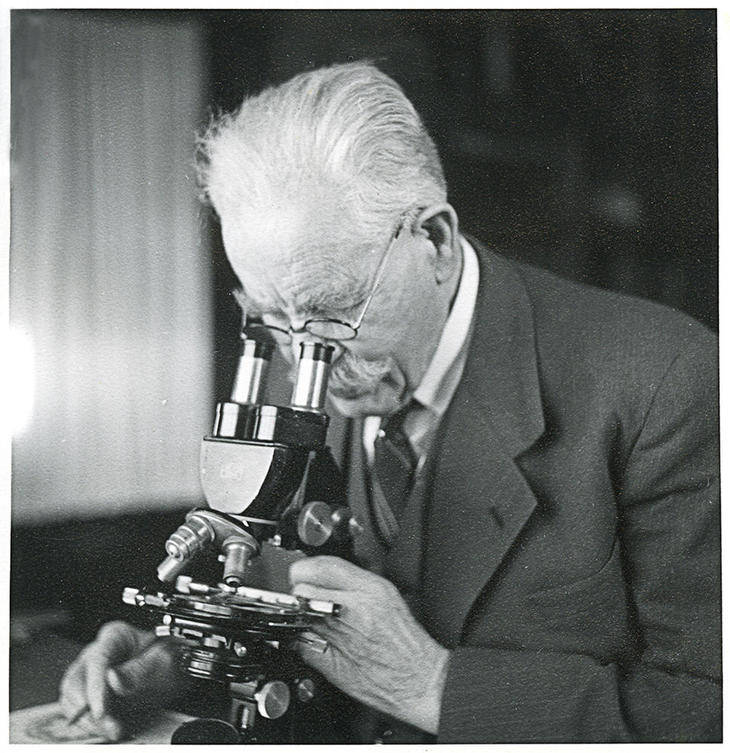
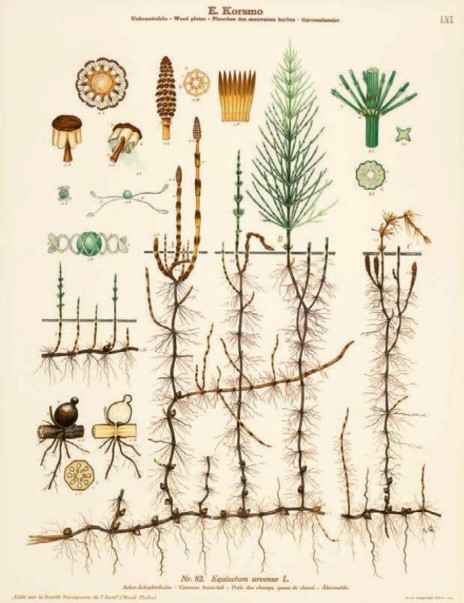
At the beginning of the 20th century, the Norwegian state appointed Emil Korsmo to combat the spread of weeds. He published more than 150 books and writings on the subject and led the production of a comprehensive volume featuring 138 species across 90 plates. The wall charts he created of the bothersome plants were both beautiful and popular.

Illustrated Science from Norway
In the book “Ugress” (Weeds), all Korsmo’s plates are collected and presented in the order in which they were originally drawn.

Kale, dandelions—even a single blade of grass—look beautiful on Korsmo’s detailed weed plates from the 1930s. The illustrations, however, were created by three artists in close collaboration with Korsmo, and paradoxically, the pictures of the hated plants were very beautiful.

Weeds are no longer just plants we want to get rid of. Many people are concerned about biodiversity, while others have become increasingly captivated by harvesting wild plants to eat.

But for Korsmo (1863-1953), weeds were an enemy. As a government consultant on weed issues, and later a professor at the Norwegian Agricultural University, he was eager to spread knowledge about the unwanted plants. He made meticulous calculations of the cost of weeds in terms of crop losses.

Illustrated Science from Norway
For Korsmo (1863-1953), weeds were an enemy.

*****************************************************
Related: Could Seaweed Be the Nordics’ Future Protein?
*****************************************************

In 1902, he received support to travel across the country and study the weed flora. He found that some fields and meadows were so heavily infested with weeds that farmers considered harvesting them more trouble than it was worth.

At the Botanical Garden in Oslo, he cultivated weeds using soil and seeds collected from across Norway. Korsmo, father of the architect Arne, supplied everything from seeds to finished plants to artists who drew detailed plans for gardeners, agronomists, and everyone who worked with soil.

Illustrated Science from Norway
Kale, dandelions—even a single blade of grass—look beautiful on Korsmo’s detailed weed plates from the 1930s.

In a book called “Ugress” (Weeds), all Korsmo’s plates are collected and presented in the order in which they were originally drawn. For each plate, an updated description explains where the plants come from and where they grow today, their cultural traditions, and their use as both medicine and food.

The plates are available in a digitized edition at the National Library, but the museum shop sells the original prints from the 1930s.

Illustrated Science from Norway, written by Tor Kjolberg


The Rapid Growth of the Nordic Arms Industry

The Scandinavian arms industry is experiencing unprecedented growth, driven by surging European defense spending and NATO integration. Continue reading to learn more about the rapid growth of the Nordic arms industry.

Output and headcounts at major regional players have surged as companies ramp up production of battle-tested equipment, advanced munitions, and electronic surveillance systems to meet global demand.

Key Industry Drivers

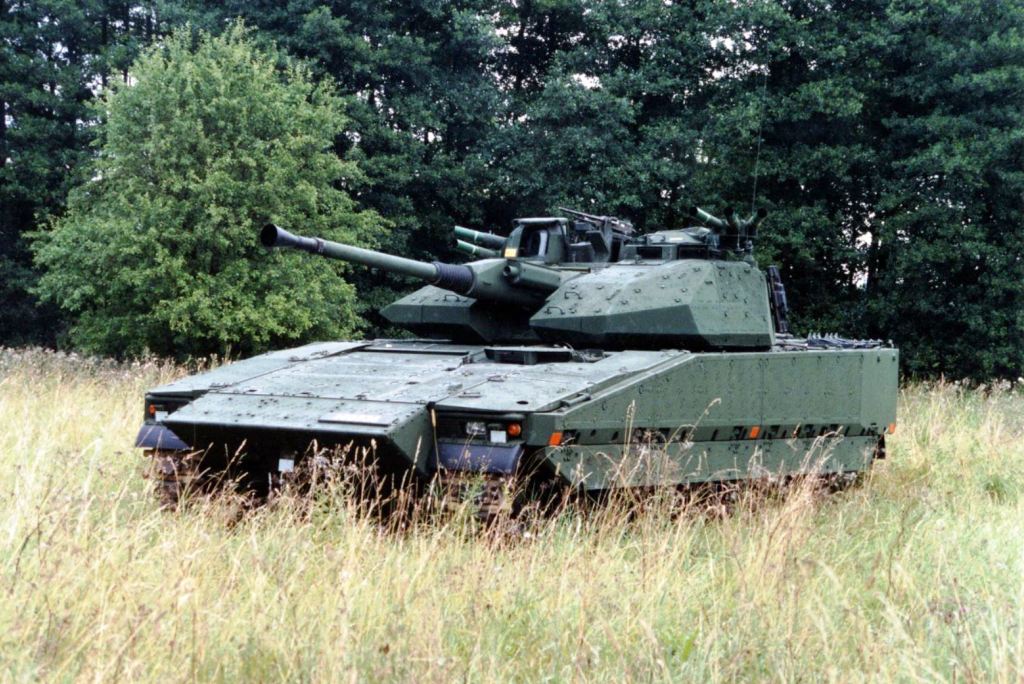
The key drivers of these developments are geopolitical shifts, including Russia’s ongoing threat and a shifting global security landscape, which have prompted sustained rearmament across Europe and within the Nordics. Sweden’s full membership and Finland’s deeper alignment with Western structures have accelerated joint procurement cycles and enhanced regional interoperability. Last but not least, equipment such as the Swedish CV90 and the Archer artillery have performed exceptionally well in Ukraine.

The Rapid Growth of the Nordic Arms Industry
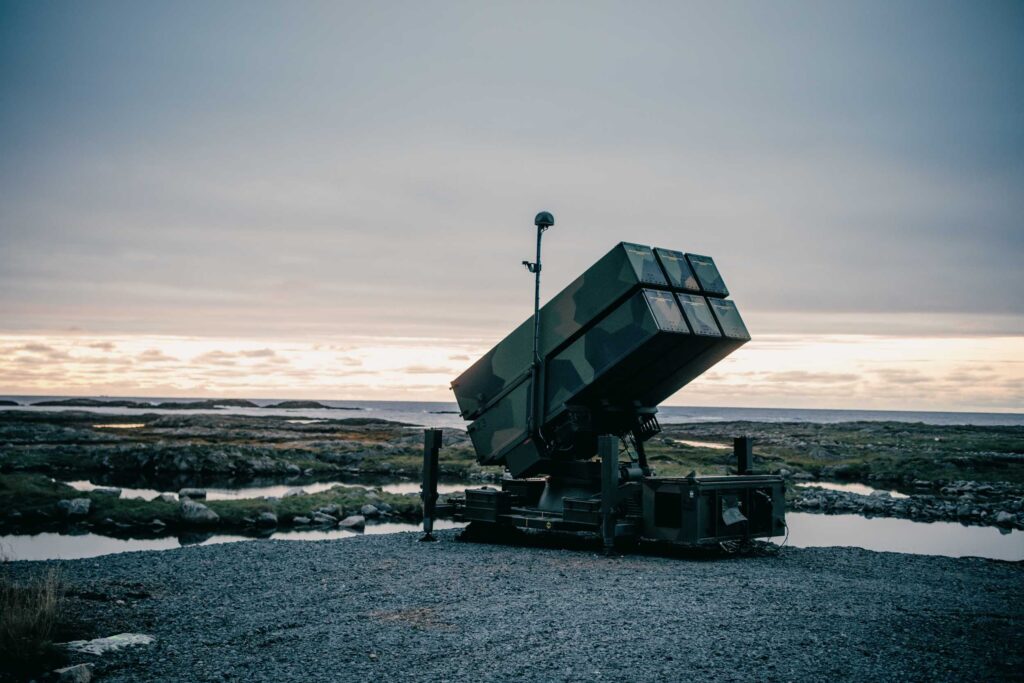
Kongsberg Defence & Aerospace in Norway is rapidly scaling operations, developing NASAMS air defense systems.

********************************************
Related: In Case of Crisis or War in the Nordics
********************************************

Major Scandinavian Defense Firms

Sweden’s defense turnover reached historic highs. SAAB continues to anchor the sector with the Gripen fighter program and the GlobalEye surveillance aircraft, while BAE Systems Hägglunds in Örnsköldsvik has seen its order book balloon to $8 billion, tripling its workforce to meet demand for the Combat Vehicle 90.

The Rapid Growth of the Nordic Arms Industry
. SAAB continues to anchor the sector with the Gripen fighter program.

Kongsberg Defence & Aerospace in Norway is rapidly scaling operations, developing NASAMS air defense systems and forming joint European ventures, including a recent communications pact with Thales. Nammo, headquartered in Raufoss, is significantly expanding ammunition and rocket production.

State-backed Patria in Finland is a powerhouse in armored wheeled vehicles, leading a broader manufacturing ecosystem in which small- and mid-sized contractors across the Nordics are increasing integration and scaling operations.

The Rapid Growth of the Nordic Arms Industry
BAE Systems Hägglunds in Örnsköldsvik has seen its order book balloon to $8 billion.

Economic and Supply Chain Impact

The boom is reshaping local economies and supply chains. For example, the town of Karlskoga—Sweden’s traditional military hub—is seeing operations and factories double in size to keep pace with Nammo’s ammunition output. Similarly, specialized Danish companies such as Terma and Weibel Scientific are seeing strong demand for their radar and aerospace technology as they integrate further into NATO supply chains.

The Nordic Fast-Growing Arms Industry, Tor Kjolberg reporting.
Feature image (top) © NAMMO.

The 20 Top ‘Coolcation’ Summer Destinations 2026

As climate change raises temperatures worldwide, travelers are considering trips to cooler destinations to beat the heat. A new ranking highlights the 20 most popular ‘Coolcation’ destinations for 2026, with Greenland’s capital, Nuuk, at the top. Read on to find the 20 top ‘Coolcation’ summer destinations for 2026.

With rising temperatures across Southern Europe, “coolcations”—holidays focused on mild weather, fresh air, and outdoor exploration—have surged in popularity. Inghams Walking offers specialized summer packages tailored for cool-weather escapes, including top trending northern destinations like Nuuk (Greenland) and the Norwegian fjords.

Traditionally, holidaymakers opt for pleasantly warm destinations, especially during the summer. Relaxing on a sunbed on the beach or strolling through a sunny Italian village has long been many people’s ideal picture of a summer break. According to the Association for British Travel Agents, 65% of (British) holiday-goers still aren’t thinking about changing up their Mediterranean break.

The 20 Top 'Coolcation' Summer Destinations 2026
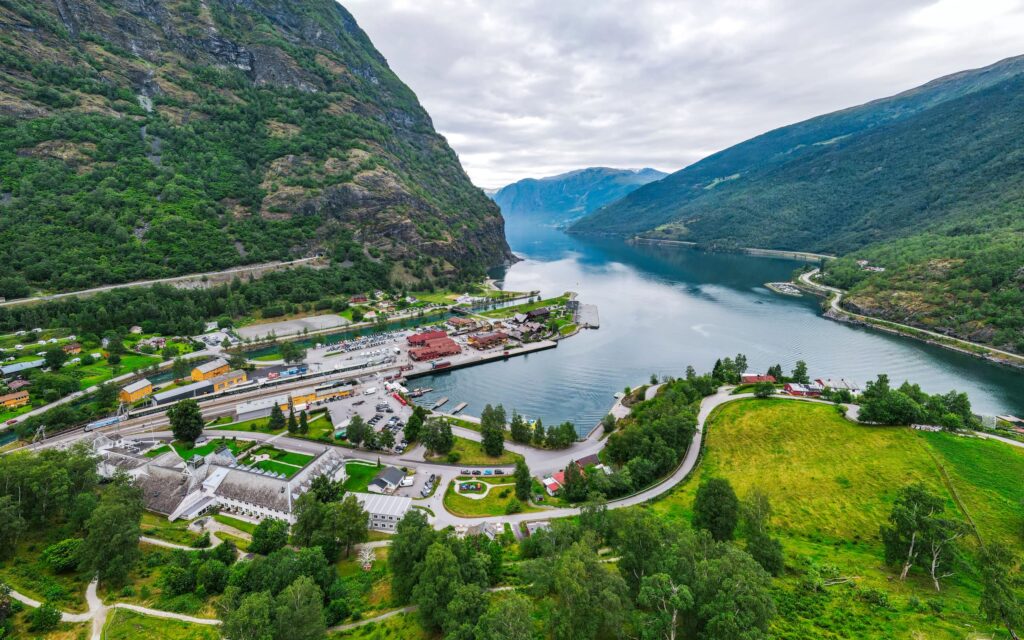
From Aurlandsfjord, Flåm, Norway. Photo: GoFjords.

However, climate change is taking its toll, especially in Europe. Data gathered by the World Meteorological Organization show that Europe is the fastest-warming continent on Earth, with temperatures increasing at twice the global rate. This means that by 2050, about half of the European population will be at (very high) risk of heat stress.

Top Coolcation Destinations

Nuuk, Greenland: Crowned by Inghams as the top coolcation destination, this remote Arctic capital offers average summer temperatures, iceberg boat tours, and deep-sea fishing.

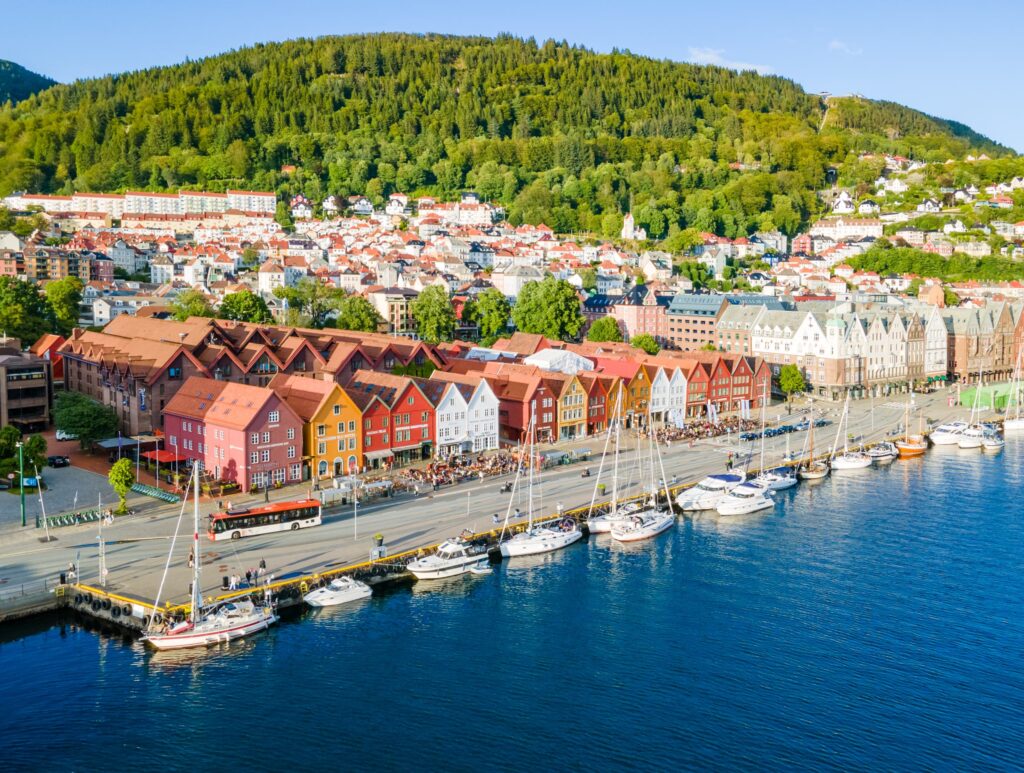
Norway (e.g., Flåm & Bergen): Known for its dramatic fjords, the Flåm Railway, and stunning mountain walking routes with no need for a car.

The 20 Top 'Coolcation' Summer Destinations 2026
From Trollaskagi, North Iceland. Photo: Icelandia.

In order to provide travellers with some coolcation inspiration, Inghams Walking thus put together a list of those cool destinations that are currently the most popular amongst their customers.

  1. Nuuk, Greenland (+48.39%)
  2. Les Contamines-Montjoie, France (+39.79%)
  3. Beara Peninsula, Ireland (+23.11%)
  4. Jotunheimen National Park, Norway (+22.33%)
  5. Tasiilaq, Greenland (+22.24%)
  6. Voss, Norway (+21.12%)
  7. Lake Bohinj, Slovenia (+20.66%)
  8. Lech, Austria (+19.63%)
  9. Dolomites, Italy (+18.40%)
  10. Arinsal, Andorra (+17.91%)
  11. Tröllaskagi Peninsula, Iceland (+15.87%)
  12. Wilderswil, Switzerland (+15.67%)
  13. Kandersteg, Switzerland (+14.18%)
  14. Balestrand, Norway (+10.92%)
  15. Mürren, Switzerland (+10.61%)
  16. Fiordland, New Zealand (+10.20%)
  17. Sils Maria, Switzerland (+9.40%)
  18. Hornstrandir Nature Reserve, Iceland (+6.36%)
  19. Torridon, Scotland (+5.49%)
  20. Cape Breton Highlands, Canada (+4.87%)
The 20 Top 'Coolcation' Summer Destinations 2026
From Byggen, Bergen. Photo: Bob Engelsen/UNESCO Heritage site.

The top three are completed by the Beara Peninsula, located on Ireland’s south-west coast. The peninsula counts no less than two mountain ranges, the Caha Mountains and the Slieve Miskish Mountains, making it a great option for travelers who enjoy marveling at the sea while climbing their next summit.

The 20 Top ‘Coolcation’ Summer Destinations 2026, compiled by Tor Kjolberg.
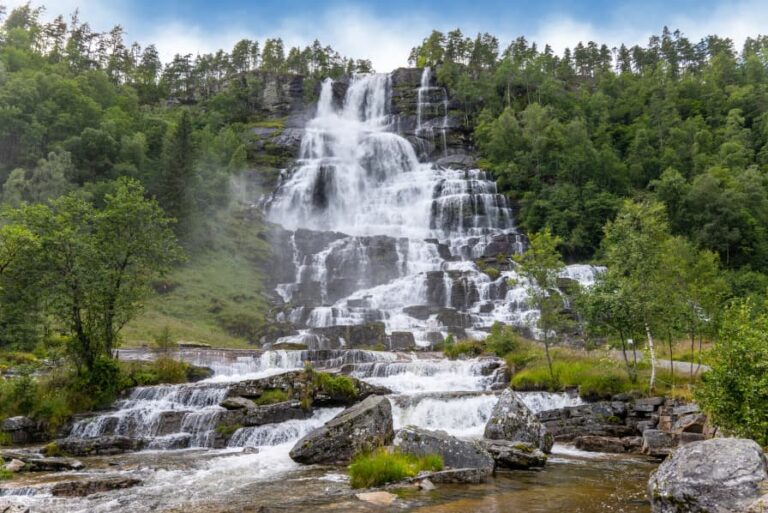
Feature image (top): Tvindefossen waterfall in Voss. © Go Fjords.