

Stop Chasing Case Studies: Build a Living Library of Customer Stories

A compelling customer story rarely appears when a marketing team suddenly needs a case study for a campaign. The strongest stories emerge over time through the deliberate collection of customer story leads. Stop chasing case studies: Build a living library of customer stories.

Consistently collecting customer story leads from internal and external parties, as well as directly from customers, and pre-qualifying customers should be best practices for uncovering customer successes.

Customer-story leads are early signals that a customer has experienced something meaningful:

  • A surprising business outcome
  • A personal transformation
  • A creative use of a product
  • A challenge overcome
  • A relationship with a brand that goes beyond a transaction

By identifying these moments early, brands can transform everyday customer experiences into authentic storytelling assets.

Great customer stories disappear every day

Many companies wait until they need a testimonial, case study, or campaign asset before seeking customer stories. By then:

  • The emotional details have faded
  • The customer may no longer remember the journey clearly
  • The internal champion may have moved roles
  • The opportunity to capture the story at its most authentic moment is gone

A good customer story is not just a record of success. It is a narrative arc:

Challenge → Change → Outcome → Meaning

Marketing teams need systems to capture that arc while it is still alive.
Stop Chasing Case Studies: Build a Living Library of Customer Stories What is a customer-story lead?

A customer-story lead is not necessarily a finished story. It is a potential narrative worth exploring. To find candidates, start by identifying which customer-facing employees or external partners may be aware of customer successes. Consider common candidates, such as sales reps and account managers, partners and resellers, consulting and service teams, support reps, or end customers.

Business impact signals might be

  • “We reduced our process time by 50% after adopting the solution.”
  • “This helped us enter a new market.”
  • “Our team works differently because of this partnership.”

Human impact signals might be

  • A customer sends an unsolicited thank-you note
  • A user shares an emotional success moment
  • A customer describes how a product changed their daily work

Advocacy signals might be

  • A customer recommends the company publicly
  • A customer volunteers to speak at an event
  • A customer frequently engages with brand content

Do not only collect testimonials. Collect moments.Stop Chasing Case Studies: Build a Living Library of Customer StoriesWhere to find customer-story leads
Customer stories are often hidden across the organization. Customer success teams hear transformation stories first. Create simple processes such as “Monthly story discovery” meetings, a shared story-submission form, or recognition for employees who identify strong stories.

Toyota Motor Sales built a self-service story link that has been highly effective at gathering stories for its owners’ site. Owners can also read “Stories from the Road”, a collection of positive accounts submitted by fellow Toyota owners via a “Submit Your Story” link.

Stop Chasing Case Studies: Build a Living Library of Customer StoriesTurn customer stories into marketing assets

A customer story should not live only as a PDF case study.

One story can become long-form content, such as a case study, a blog article, a customer interview, or a documentary-style video.

Another customer story could be used as pitch material, an industry example, or a customer proof point.

Brand storytelling can include campaign content, social storytelling, or event presentations.

And don’t forget internal storytelling, which should act as employee communications, culture-building, and customer-focused training.

Think of customer stories as strategic content infrastructure, not isolated campaigns.

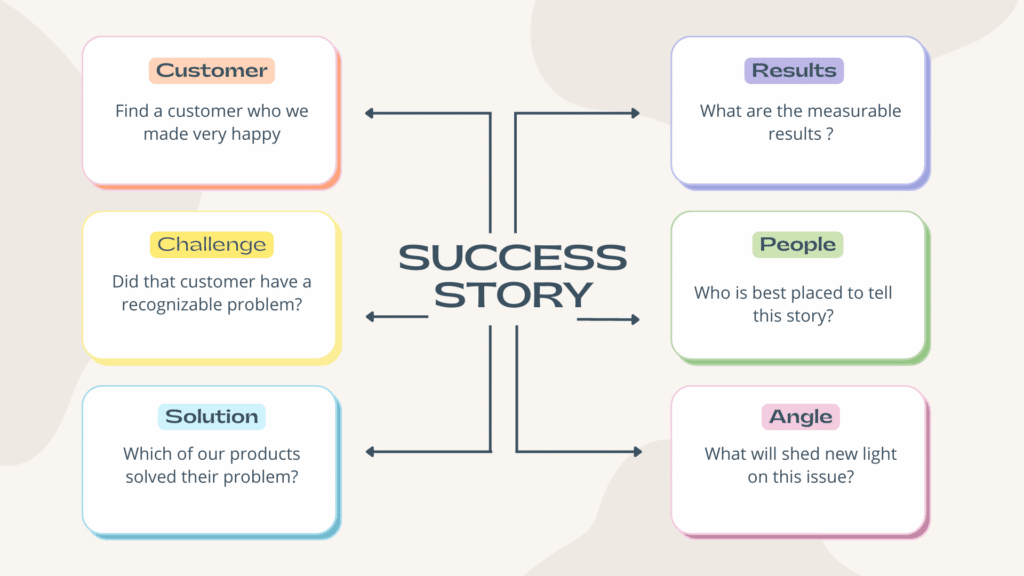
The storytelling framework: make the customer the hero

A common mistake is making the brand the main character. What is the strongest structure of the two examples below?

“Our company created an innovative solution that helped Company X succeed.”

Or

“Company X faced a difficult challenge. Their team made a change, overcame obstacles, and achieved a meaningful result.”

The customer is the protagonist. The brand is the guide or partner.

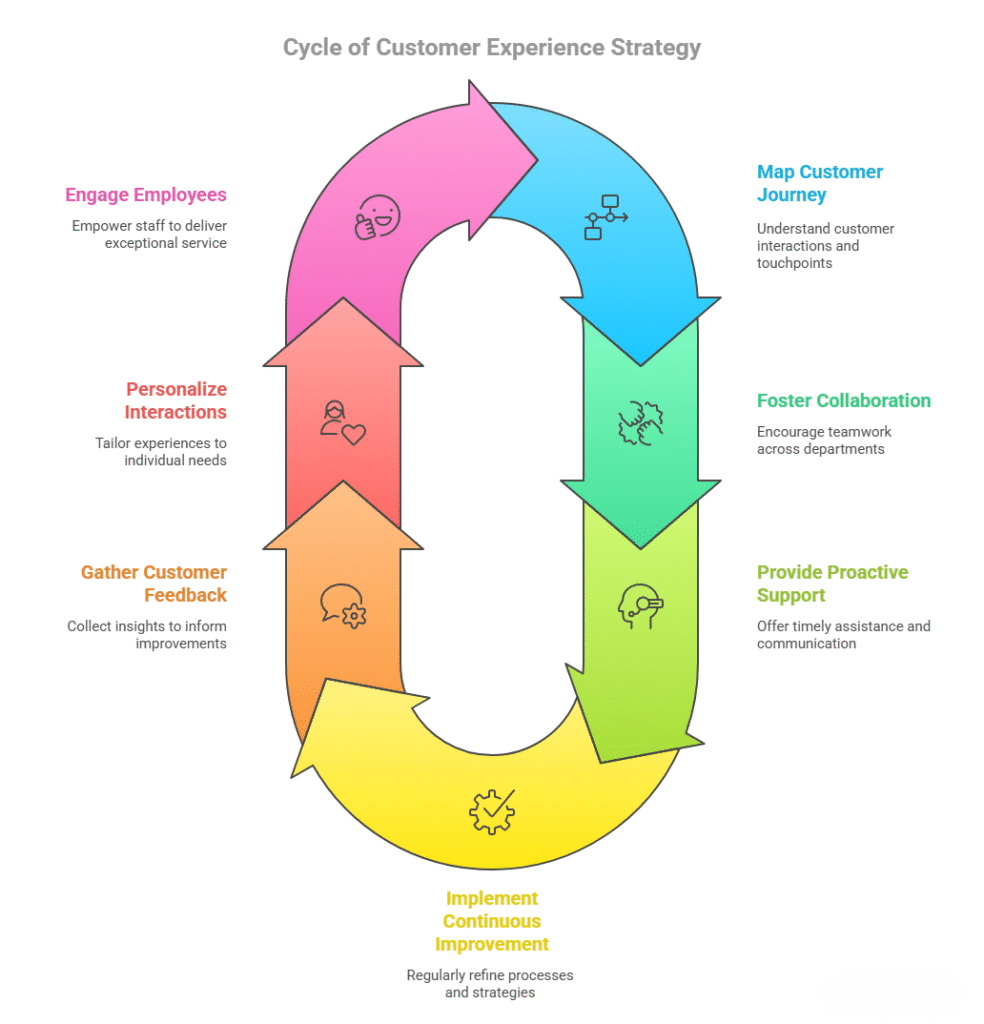
A useful framework:

Stop Chasing Case Studies: Build a Living Library of Customer StoriesCreate a customer-story engine, not a campaign

The best brands create ongoing habits:

  • Add story discovery to customer success workflows
  • Train employees to recognize story moments
  • Maintain a customer-story database
  • Regularly revisit old leads
  • Build relationships with potential storytellers

A customer-story pipeline works similarly to a sales pipeline:

Discover → Qualify → Develop → Publish → Repurpose

Stop Chasing Case Studies: Build a Living Library of Customer Stories: Conclusion

The most powerful brand stories are rarely invented in a marketing meeting. They are discovered through real customer experiences. Brands that build systems to collect customer-story leads gain more than content—they gain a deeper understanding of why customers choose them, the value they create, and how to communicate that value authentically.

Stop Chasing Case Studies: Build a Living Library of Customer StoriesTake-away

If you learned something from this article, I believe you’ll also enjoy my recent book, “How I’ve Survived as a Storyteller for Over 50 Years: 12 Survival Techniques.” Get your FREE e-book copy by sending me your name and e-mail address, and include “Storytelling” in the subject line. Thank you for reading!


Stop Chasing Case Studies: Build a Living Library of Customer Stories, written by Tor Kjolberg.

More articles on Storytelling by Tor Kjolberg you may like:
A Brand’s In-House Storytelling Library
Brand Masters of Storytelling 2
How Smart Brands Republish Content Without Repeating Themselves
Why Organizations Are Turning to Storytelling to Win Public Attention
Brand Masters of Storytelling 3
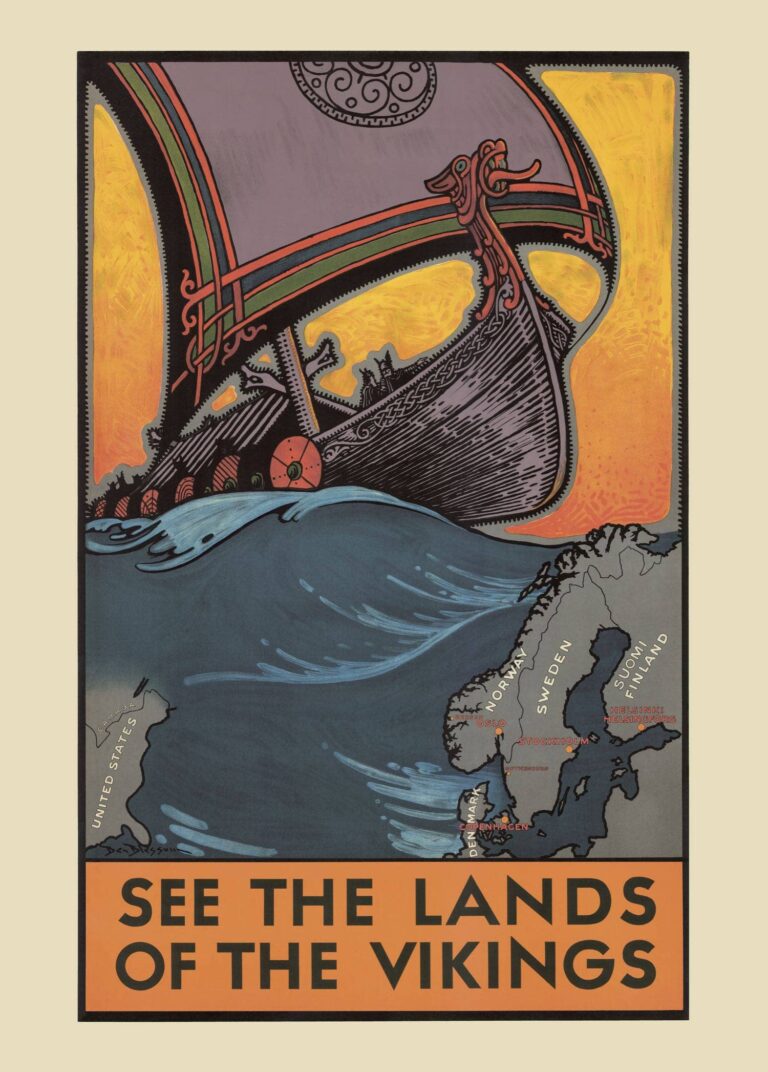

 

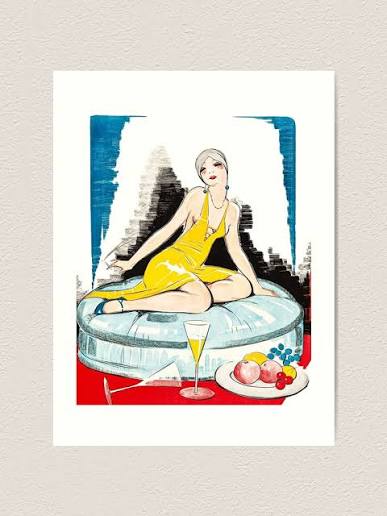
Scandinavian Tourist Posters That Turned Leisure Travel Into a Legendary Art Form

Scandinavian tourist posters from the 1890s to the 1960s elevated leisure travel to a legendary art form. These vibrant, minimalist illustrations told stories of deep fjords, cozy capital cities, and wholesome outdoor life, laying the groundwork for the region’s globally renowned mid-century design aesthetic.

These vintage treasures reveal how the Nordic countries first marketed themselves to the world.

Legendary Historical Scandinavian Designers

Denmark

The 1953 masterpiece by Viggo Vagnby is perhaps the most famous Danish poster of all time. Wonderful Copenhagen & the Mother Duck captures the city’s charm by depicting a Copenhagen policeman stopping traffic to let a mother duck and her ducklings cross the street.

Scandinavian Tourist Posters That Turned Leisure Travel Into a Legendary Art Form
The 1953 masterpiece by Viggo Vagnby

One of Denmark’s most sought-after designers, Ib Antoni, told stories of Danish daily life. His 300+ posters featured playful narratives, such as a marching royal guard with a flower in his gun, the Little Mermaid with a tourist on her tail, and the ever-present bicycle.

***********************************************
Related: Scandinavian Interior Design: Achieving a Relaxed Nordic Aesthetic Through Art
***********************************************

Norway

Norwegian travel poster design spans the iconic mid-century graphic era and the modern aesthetic.

Scandinavian Tourist Posters That Turned Leisure Travel Into a Legendary Art Form
Perhaps the most famous name in Norwegian travel design is Knut Yran (1920–1998).

Perhaps the most famous name in Norwegian travel design is Knut Yran (1920–1998). He is best known for the 1958 Samegutten (The Sami Boy) poster, the official 1952 Oslo Winter Olympics poster, and numerous classic tourism campaigns.

The Gert Jynge & Bjarne Engebret duo collaborated on the highly coveted Art Deco-inspired Norway. The Home of Skiing (1936), featuring a stylish young woman in period ski gear.

************************************************
Related: The Scandinavian Christmas Card History
************************************************

Sweden

Eric Rohman (1891–1949) is central to the story of Swedish poster design. Although most famous for his movie posters, he remains celebrated for his masterful compositions and compelling visual storytelling.

Scandinavian Tourist Posters That Turned Leisure Travel Into a Legendary Art Form
Eric Rohman (1891–1949) is central to the story of Swedish poster design.

Rolf Lagerson (1925–2005) is celebrated for his vibrant mid-century modern aesthetic, characterized by bold colors, expressive lines, and a signature simplified drawing style often referred to in Sweden as a Lagerson-gubbe.

The Golden Age of Poster Hunters

Before the internet, illustrated travel posters were the primary means of attracting early tourists to the Nordics by steamboat, train, or plane. If you want to dive deeper into the history, you can explore the archives at Come to Norden, which document how Nordic nations made a place for themselves on the European tourist map through 130 vintage travel posters spanning 1890 to 1960. The Poster Museum in Aarhus is also worth a visit.

Scandinavian Tourist Posters That Turned Leisure Travel Into a Legendary Art Form, compiled by Tor Kjolberg.

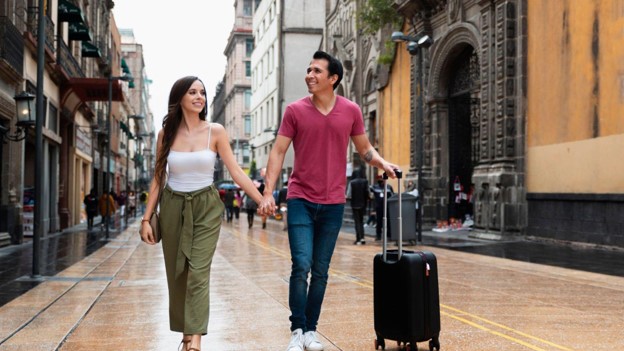
What Travelers Should Do if Their Baggage Is Sent to the Wrong Country

Baggage sent to the wrong country can disrupt a trip within minutes of landing. Clothes, medications, work items, and personal essentials may suddenly be unavailable, especially on international trips. Read on to learn what travelers should do.

While the situation can feel stressful, travelers can manage it more effectively by acting quickly, keeping records, and understanding the correct claims process. A calm, organized response can make baggage recovery and eligible reimbursement smoother.

Report the Problem to the Airline Immediately

As soon as you realize your bag has not arrived, go to the airline’s baggage service desk before leaving the airport. Clearly explain that your baggage appears to have been routed to another country. Ask the airline to file a formal baggage report and provide written acknowledgment.

  • Share your baggage tag and boarding pass.
  • Ask for a Property Irregularity Report.
  • Take the airline’s reference number.
  • Confirm the address for baggage delivery.
What Travelers Should Do if Their Baggage Is Sent to the Wrong Country
Keep all key travel documents within easy reach.

Keep All Travel and Baggage Documents

When speaking with the airline, airport team, or insurer, keep all key travel documents within easy reach. If you buy travel insurance online, you can usually access your policy documents digitally; however, keeping offline copies during international trips is still sensible. Store all journey-related documents in one place.

  • Boarding passes
  • Baggage tags
  • Passport and visa copies
  • Airline complaint reference
  • Travel insurance policy document
  • Emails or messages from the airline

**************************************************************
Related: Nordic Travelers Abroad: Why International Travel Insurance is More Important Than Ever
****************************************************************

Track Your Baggage Status Regularly

Once the airline registers your complaint, keep checking the status on its baggage tracking page, app, or with its customer care team. A bag sent to another country may pass through multiple airport systems before it reaches you. Regular follow-ups can reduce confusion and keep your case active.

  • Save screenshots of tracking updates.
  • Note the time and date of every follow-up.
  • Ask for written updates where possible.
  • Keep your phone and email reachable.
What Travelers Should Do if Their Baggage Is Sent to the Wrong Country
As soon as you realize your bag has not arrived, go to the airline’s baggage service desk before leaving the airport.

Purchase Essential Items and Save Receipts

You may need basic items while waiting for your bag, such as clothing, toiletries, or medications. Buy only essential items that match your travel needs. Avoid unnecessary purchases, as reimbursement depends on policy terms, airline rules, documentation, and claim assessment.

  • Keep itemized bills.
  • Use digital payments where possible.
  • Do not discard packaging for essential medicines.
  • Separate personal shopping from urgent purchases.
  • Record why each item was needed.

*******************************************************************
Related: The European Health Insurance Card – the most important thing you forgot to pack
*******************************************************************

Understand Your Compensation Rights

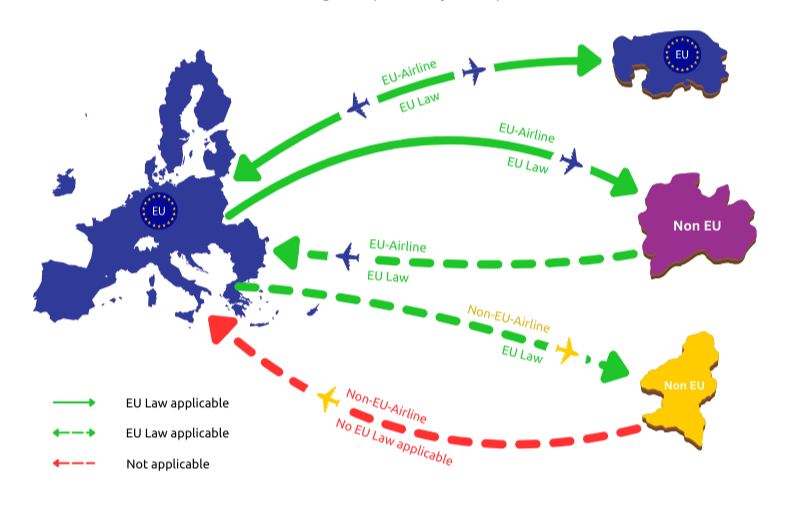
Travelers may be eligible to claim compensation or reimbursement when checked baggage is delayed, misplaced, or lost, depending on the route, airline policy, and applicable passenger rights. International journeys may also be subject to recognized aviation liability rules.

  • Check the airline’s claim process.
  • Submit documents within the required timeline.
  • Provide proof of expenses and loss.
  • Avoid verbal-only agreements.
  • Keep copies of every claim submission.
What Travelers Should Do if Their Baggage Is Sent to the Wrong Country
Travelers may be eligible to claim compensation or reimbursement when checked baggage is delayed, misplaced, or lost.

Contact Your Travel Insurance Provider

Travel insurance can be useful if baggage is delayed, misdirected, or lost during an insured trip, subject to the policy terms. Contact your insurer early and ask what documents are required for an eligible claim. This helps you avoid missing important steps in the claims process.

  • Share the airline report.
  • Provide baggage tracking details.
  • Submit receipts for essential purchases.
  • Keep communication clear and factual.
  • Follow the insurer’s document checklist.

Escalate the Case if the Bag Is Not Found

When the airline does not provide a clear update, escalate the matter through its official complaint channel. Request a written response and maintain a firm but professional tone. If the issue remains unresolved, travelers can consider the relevant aviation grievance route or consumer forum, based on the journey and jurisdiction.

  • Mention your baggage reference number.
  • Attach all previous communication.
  • Request a clear resolution timeline.
  • Keep proof of complaint submission.
  • Avoid sharing original documents unnecessarily.

Take Preventive Measures for Future Trips

A few careful steps before travel can reduce the impact of baggage mishandling. Pack important documents, medications, valuables, and one change of clothes in your cabin bag, when permitted. Make your checked baggage easy to identify, and keep contact details inside the bag as well.

  • Use a durable luggage tag.
  • Remove old airline stickers.
  • Photograph your bag before check-in.
  • Keep essentials in hand baggage.
  • Review travel insurance before departure.

What Travelers Should Do if Their Baggage Is Sent to the Wrong Country: Conclusion

Baggage sent to the wrong country is inconvenient, but travelers can respond effectively by reporting it early, tracking updates, saving documents, and buying only essentials. Airline processes and insurance claims work better when records are clear and complete.

Before future trips, keep your baggage details organized and review your travel insurance coverage carefully, as benefits and claim outcomes depend on the applicable policy terms and assessment.

What Travelers Should Do if Their Baggage Is Sent to the Wrong Country, written for Daily Scandinavian.


Glass and Silver Art by Award-Winning Swedish Designer

0

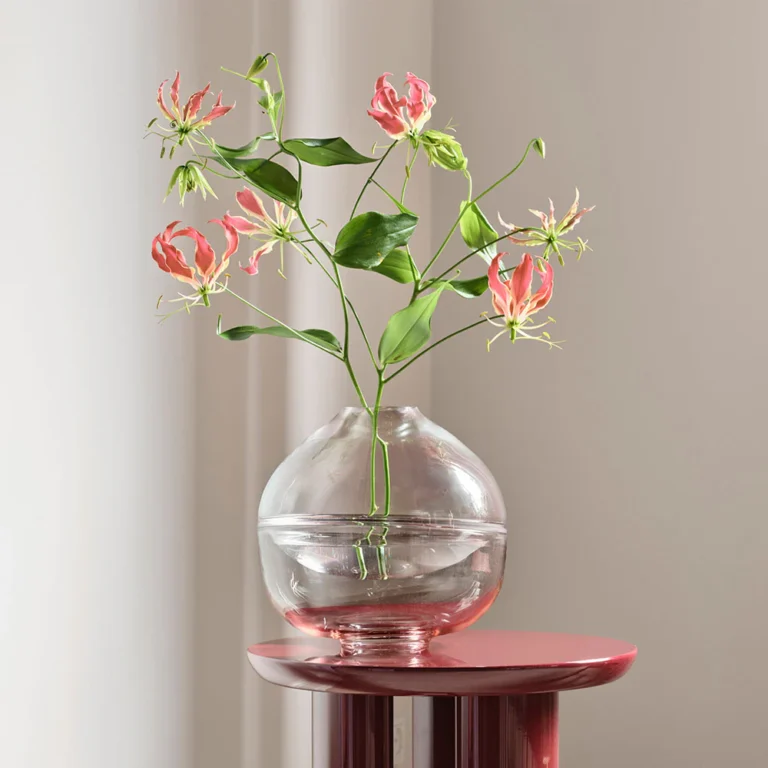
Mattias Stenberg is originally trained as an engineer, architect, and researcher in Sweden and the US, and holds a Licentiate degree in Engineering from the Royal Institute of Technology in Stockholm. Recently, he has designed art glass for Kosta Boda and Orrefors. Learn more about art and silver glass from the award-winning Swedish designer.

”As a designer, maybe I work with slightly more reduced forms and expressions than we’re used to seeing at Kosta Boda. For me, it’s important to go back to my initial impressions of Kosta Boda as an innovative, experimental company that accepts and even encourages experimentation and product development “on the floor” in the studio,” says Mattias Stenberg.

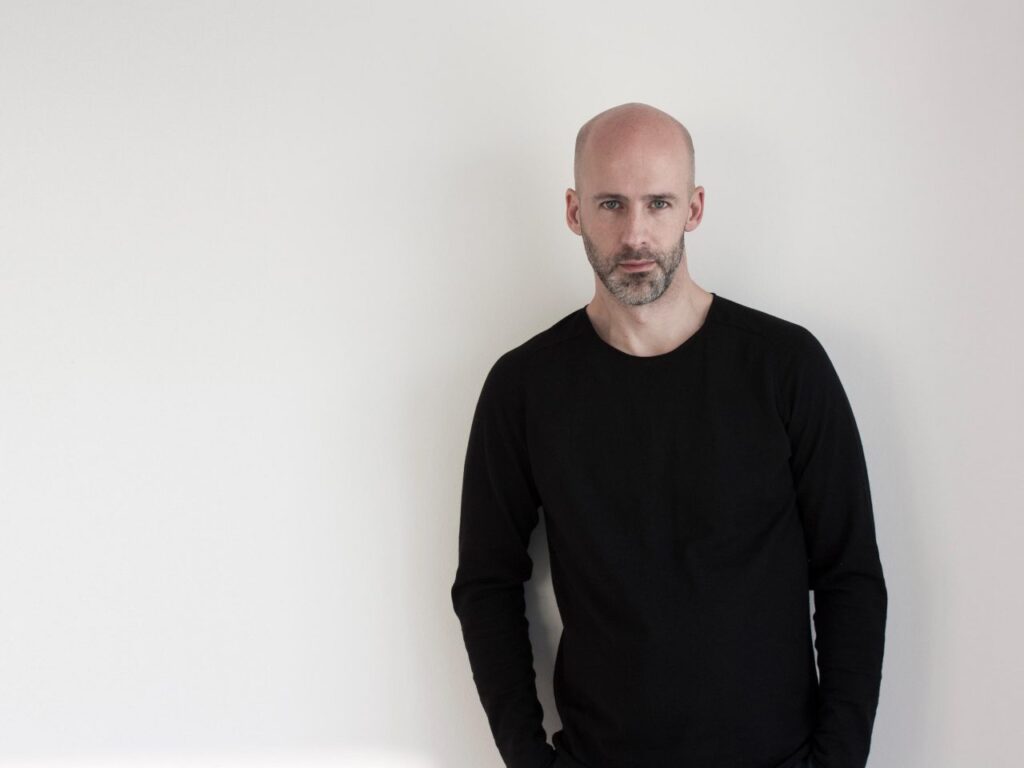
Glass and Silver Art by Award-Winning Swedish Designer
Mattias Stenberg

*******************************************
You might also like to read Swedish Designers Searching for What is Missing
*******************************************

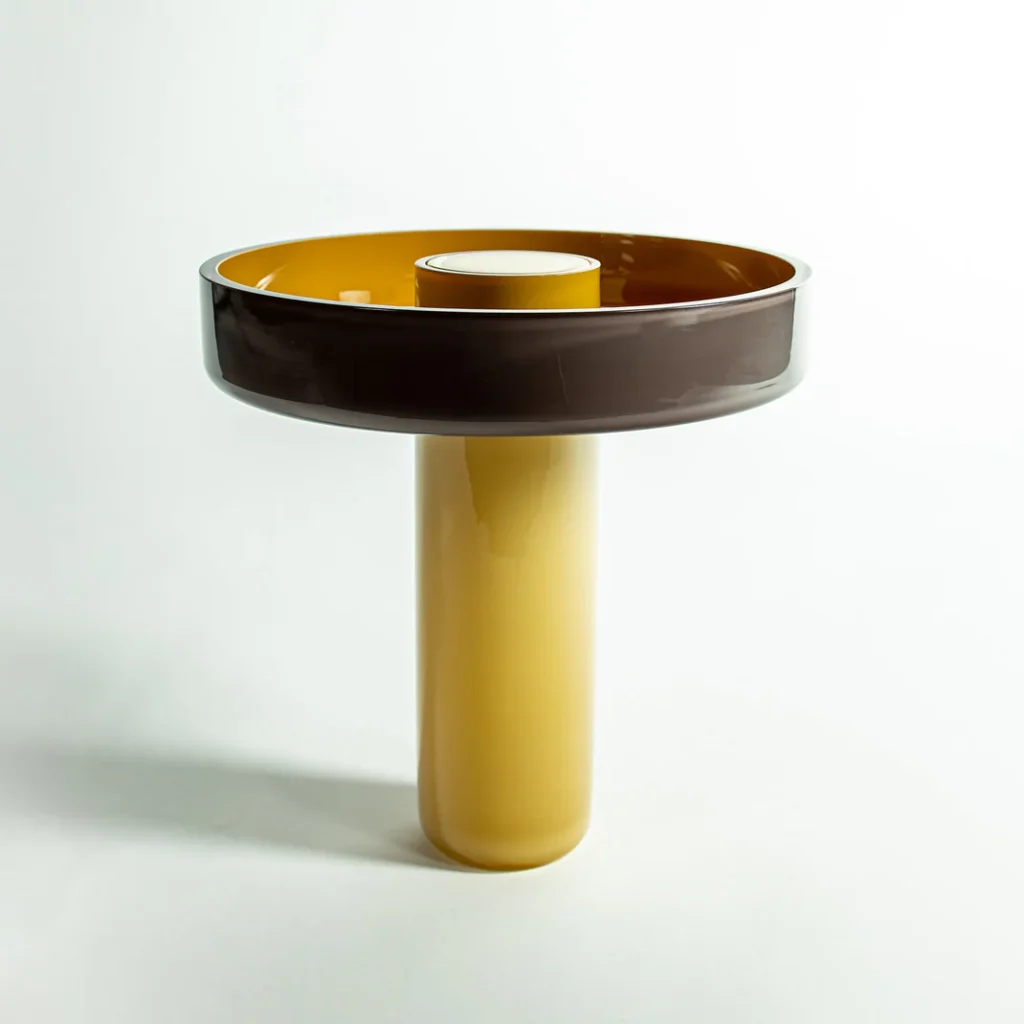
Regarding the Septum Vase (feature image, top) for Costa Boda, he says, “The outer forms of the vases must be simple and smooth, but inside there is an irregularity and playfulness that makes every single vase a unique individual. It was this notion of vibrancy and ‘structure’ within the outer walls of the glass that initiated the idea of the Septum vases.”

They are inspired by the Nordic glass art of the 60s and 70s.

*******************************************
You might also like to read Swedish Designers Change the Way Companies Think About Waste
*******************************************

Glass and Silver Art by Award-Winning Swedish Designer
Element 3, Unique

This year, he has designed a series of blown-glass dishes for Orrefors. The collection comprises three plate-and-bowl combinations, each available in silver and with a distinct form.

The series draws on a personal starting point. Stenberg was inspired by a glass trivet from his childhood home, which he reinterpreted in blown glass.

Glass and Silver Art by Award-Winning Swedish Designer
Varying in height and size to allow versatile arrangements and practical use across different settings.

The result is a group of pieces designed to be combined and layered — varying in height and size to allow versatile arrangements and practical use across different settings.

Award-Winning Swedish Designer, Tor Kjolberg reporting.

Electronic Music by Norwegian Composer Worth Listening To

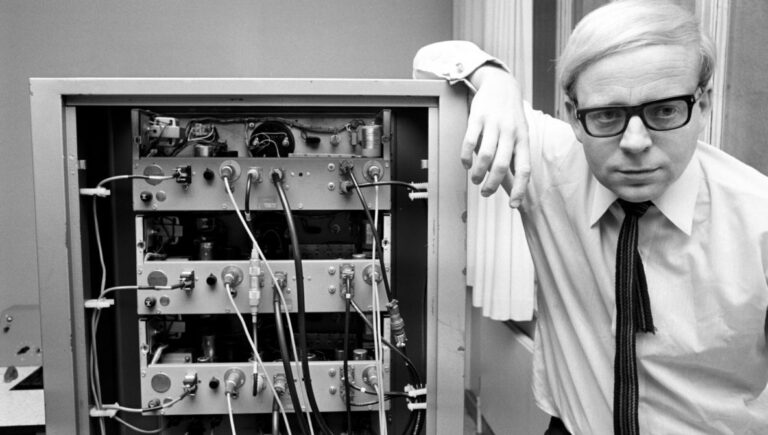
Norwegian composer Arne Nordheim, who died in 2010 and received a state funeral in Norway, was widely considered the greatest living Norwegian composer. An incredible presentation of the complete body of electronic music, worth listening to, is issued by the record company Rune Grammofon.

Originally released by Rune Grammofon in 1998 on CD, the label continued its dedication to highlighting Norway’s often-neglected contributions to avant-garde and experiential music with a long-awaited 2017 vinyl reissue of its compilation Electric, featuring works by Nordheim from 1968 and 1970. For those who missed it the first time, it’s bound to be nothing short of a revelation.

It was a real eye-opener when our great contemporary composer’s early electronic-music works were released on CD in 1998. The 90s were a period when looking back was not as widespread as it is today. “Electric” showed that what Nordheim did in the 60s aligned with what many Norwegian electronic producers and art musicians were doing decades later.

Electronic Music by Norwegian Composer Worth Listening To
Rune Kkristoffersen, founder of Rune Grammofon. Photo: Terje Mosnes.

Frank Zappa was close friends with the composer Arne Nordheim.  Frank Zappa and his Mothers of Invention performed more than 70 times in Sweden, Denmark, Finland, and Norway.

Arne Nordheim was born in Larvik. On the opening night of the town’s 350th anniversary, the composer’s fanfare ‘Recalls and Signals’ was performed by the Nanset Wind Ensemble, conducted by Odd Terje Lysebo.

Electronic Music by Norwegian Composer Worth Listening ToNordheim was a member of Oslo’s International Society for Contemporary Music. He studied Musique concrète in Paris during the 1950s and furthered his practice in electronics and synthesis in Holland toward the end of that decade, but he remains best known in Norway for his chamber music and orchestral works. ‘Electric’ presents a startling body of mind-throttling work that is essential listening if you’re into anything from Bernard Parmegiani to Xenakis to Oram.

While not widely known outside his own country or beyond the circles of fans devoted to this music, he has, for nearly three-quarters of a century, been laboring to sculpt a singular body of work. The composer’s works in his fields are a marvel – standing with the best of their era and finding much common ground with contemporary gestures emerging from Groupe de Recherches Musicales and elsewhere. His work is a largely overlooked link, shedding light on Scandinavia’s place in the network of conversations, united by creative utopian idealism, among artists engaged with electronic processes during this period.

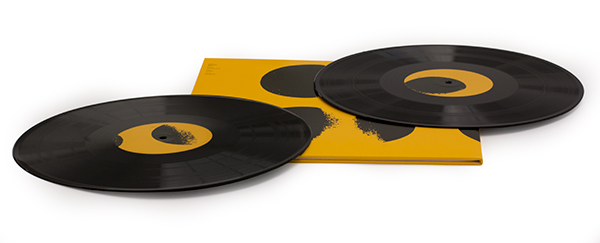
Electronic Music by Norwegian Composer Worth Listening To“Electric” is available in a beautiful double-vinyl edition, delicately mastered for the occasion by Helge “Deathprod” Sten. The flashing loneliness of the work “Solitaire” is particularly poignant and still fascinating.

Electronic Music by Norwegian Composer Worth Listening To
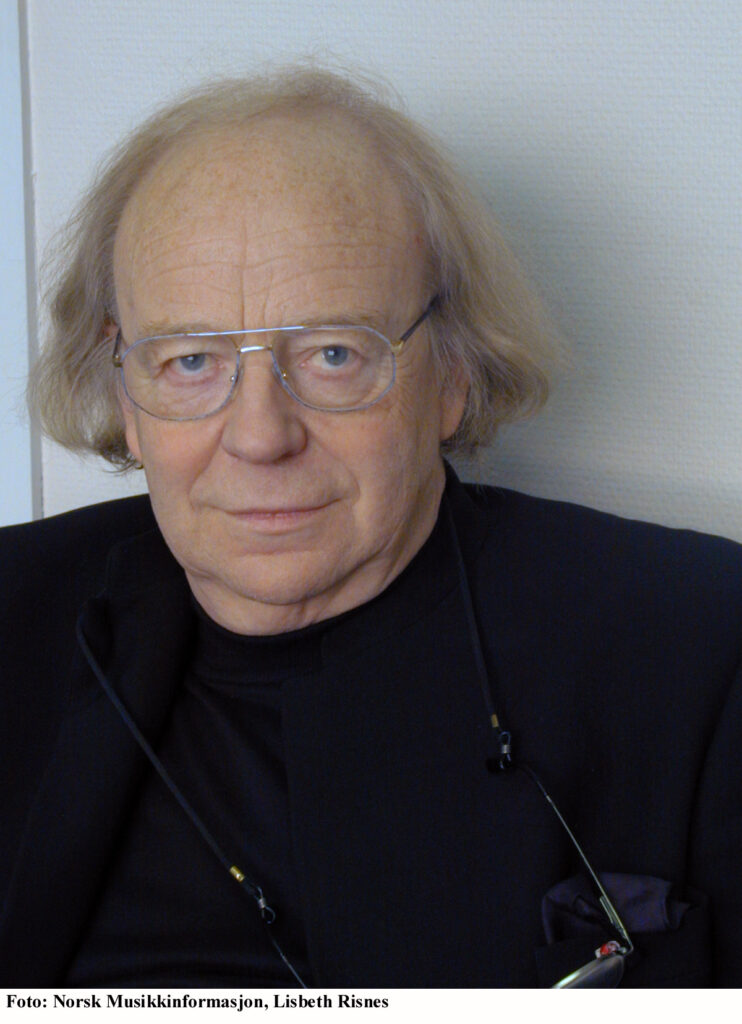
Arne Nordheim. Photo: Grappa musikkforlag.

This release brings together the collected electronic works of Arne Nordheim, pieces that were furiously dismissed in academic circles in Norway when they first appeared almost 40 years ago and that, in a way, have put an effective stop to weaker souls. Compared to some of the more ‘famous’ electronic composers, Nordheim distinguished himself by his sheer musicality and sense of structure… Electronic boxes, electric instruments, and recorded tape glide in and out as a natural part of the orchestra, in constant pursuit of magical and spellbinding timbres. The orchestral parts reveal how working with mixers and tape splicing has influenced the development of musical ideas in more traditional arrangements.

You can listen to his music here:

https://soundcloud.com/arnenordheim

Electronic Music by Norwegian Composer Worth Listening To, Tor Kjolberg reporting.

Brand Masters of Storytelling 3

The “Barclaycard stories about couples’ clashing tastes” was a popular advertising campaign by Droga5 London in 2019, highlighting the entertainment and ticketing perks available to cardholders. Barclaycard is our third Brand Master of Storytelling.

This campaign was highly praised for its clever “parallel narrative” structure.

Brand Masters of Storytelling 3
A couple daydreaming about escaping to their own “happy place”.

The Core Concept & Twin Ads

Barclaycard explored a couple’s vastly different interests in a national campaign promoting the entertainment perks available to cardholders.

Two new spots, created by Droga5 London, boomerang between the perspectives of a man and a woman who put up with each other’s passions while daydreaming about escaping to their own “happy place”.

Brand Masters of Storytelling 3
The Man consoles himself with the fact that he saved money on tickets through Barclaycard

The first ad takes place at a wrestling match, where the woman is clearly a big fan. Meanwhile, her patient partner consoles himself with the fact that he saved money on tickets through Barclaycard, as his mind wanders to the event he would rather be at: a music festival.

In the second, the opposite situation plays out. While at a music festival, where the man is having the time of his life, the woman’s attention drifts to her fantasy of taking the starring role in a wrestling ring.

The campaign ran across TV, video-on-demand, digital out-of-home, social media, and cinemas for three weeks, featuring 30- and 15-second spots.

It highlighted the offers and perks available to Barclaycard cardholders at events, including savings on tickets, access to festival pre-sales, and 5% off food and drink at O2 Academy venues.

Brand Masters of Storytelling 3Alex Naylor, managing director, marketing communications, at Barclays UK, said: “When it comes to our love for entertainment, our passions and preferences are all unique – whether that’s attending a wrestling match or dancing in the crowd at a music festival. We are excited to bring this to life in an innovative way through mirrored storytelling. No matter what your interests or tastes are, it’s so much better when you know you’ve saved on the purchase of your tickets. And with a wide range of entertainment to choose from, we can help every customer get to their happy place.”



The campaign explicitly promoted Barclaycard Entertainment’s extensive range of ticket discounts and pre-sale access. The closing tagline promised “There’s a happy place for everyone,” positioning the credit card as the perfect tool to fund any passion, no matter how mismatched the couple might be.

The ads were written by creatives Nick Lindo and Seb Thomas and directed by Nick Ball at the production company Blink UK. They ran for three weeks across UK television, cinema, social media, and digital out-of-home platforms.

Previous Brand Storytelling Masters:
Nike – Winning Isn’t Comfortable
Guinness – Made of More

Brand Masters of Storytelling 3, written by Tor Kjolberg

The Art of Being Human: How Creativity Supports Well-Being Throughout Life

Think about the last time you created something simply because you wanted to. Perhaps it was a meal shared with family, a garden planted in spring, a few lines in a journal, or strokes on a canvas. Most likely, the experience was not about productivity or perfection. In this article, I explore the art of being human: how creativity supports well-being throughout life.

While creativity is often associated with artists, musicians, and writers, it is a deeply human trait that extends far beyond traditional art forms. It helps us process experiences, explore emotions, connect with others, and find meaning in our lives. In many ways, it may be one of the most overlooked tools for emotional well-being and self-discovery.

The Art of Being Human: How Creativity Supports Well-Being Throughout Life
Jillann Hertel

For Jillann Hertel, MFA (Creative Director, Founder of Creative Career Origination Lab, and Faculty at Georgia Institute of Technology), creativity is far more than an artistic skill. It is an essential part of being human. Through years of mentoring individuals and helping them discover their purpose, she has observed that the most important questions are not what we do but why we do it. That search for meaning lies at the intersection of creativity and well-being. When people take time to express themselves, reflect on their experiences, and create something that did not exist before, they engage in a process that supports emotional health, personal growth, and a deeper connection with the world around them.

The Art of Being Human: How Creativity Supports Well-Being Throughout Life
Long before social media and smartphones, Lillann used her father’s VHS camera to make films, write plays and musicals, and sought opportunities to share them with others. Photo: Umutyildiz/Pexels

Hertel’s creative journey began early. Long before social media and smartphones, she used her father’s VHS camera to make films, write plays and musicals, and sought opportunities to share them with others, often performing at senior care centers. Looking back, she recognizes an innate drive toward self-expression and believes creativity is one quality that makes human beings unique. People can reflect on their experiences, interpret their meaning, and communicate those insights through stories, images, music, design, and other outlets. Through innovation, individuals transform personal experiences into something others can understand and relate to. This process does more than produce art. It helps people feel seen and understood. “When someone expresses their experience, it helps others recognize their own,” Hertel explains.

The Art of Being Human: How Creativity Supports Well-Being Throughout Life
Rather than holding experiences internally, individuals can explore them.

In many ways, creativity functions similarly to other established wellness practices. Just as journaling, talking with a friend, or spending time in nature can help process emotions, creative expression offers a healthy outlet for thoughts and feelings that might otherwise go unspoken. Whether through painting, writing, music, photography, or hands-on projects, these pursuits allow people to transform emotions into something tangible. The process encourages reflection, mindfulness, and emotional release. Rather than holding experiences internally, individuals can explore them, better understand them, and sometimes discover meaning. Hertel describes this as the difference between trapped energy and flowing energy. This ability to create meaning is especially valuable during periods of uncertainty, transition, or stress. While she often works with students navigating questions about their futures, the underlying challenge is universal. People of all ages wrestle with questions of identity, purpose, and direction.

The Art of Being Human: How Creativity Supports Well-Being Throughout Life
“I one hundred percent think everyone has creative potential,” Lillann says.

What makes you tick? The question may seem simple, yet Hertel believes it can be one of the most important questions a person asks. Rather than searching for a single answer, she encourages exploration through whatever methods feel natural. Brainstorming, jotting ideas on sticky notes, or simply paying attention to recurring interests and passions are all ways to get ideas flowing. Sometimes seemingly unrelated interests reveal deeper values. A love of gardening, for example, may reflect a desire to nurture growth, practice patience, or stay connected to nature. Understanding those motivations can provide insight into what brings fulfillment and meaning. Perhaps most importantly, she rejects the idea that creativity belongs only to artists. “I one hundred percent think everyone has creative potential,” she says. For those looking to reconnect with their creativity, Hertel recommends starting small and letting curiosity lead the way. One of her favorite examples is making a zine (a handmade booklet assembled with paper, scissors, glue, images, and ideas). There are no rules, no expectations, and no requirement for perfection. The goal is simply to express something meaningful. Find a link to zine ideas here:

https://sites.gatech.edu/lmcunposted/

The Art of Being Human: How Creativity Supports Well-Being Throughout Life
Creativity may look different from person to person. Illustration: ArtsHub.

For many people, creativity serves as a bridge to community. Shared artistic experiences create opportunities for connection through local art groups, music ensembles, photography clubs, workshops, or informal gatherings. These creative spaces often become places where people feel welcomed, understood, and supported. Art can also shape the environments where people live, work, and gather. Murals, public installations, gardens, and thoughtfully designed spaces bring color, beauty, and character to everyday surroundings, transforming them into places that feel distinctly human and invite reflection and engagement. Research consistently shows that social connection is one of the strongest predictors of overall well-being, and creative communities naturally foster these bonds by encouraging people to share their stories, perspectives, and experiences. Creativity may look different from person to person. For some, it emerges through painting or music; for others, through cooking, storytelling, problem-solving, decorating a home, building a business, or cultivating a garden. In many ways, creativity is reflected in the countless choices people make each day as they shape their lives and respond to the world around them.

In the end, creativity is about far more than producing art. It is a way to understand ourselves, connect with others, and make sense of our experiences. It helps us discover meaning and cultivate greater well-being. In a culture that often values efficiency above all else, it offers something equally important: a reminder of what it means to be fully human. What can you put a bit of time and imagination into? The possibilities are endless…

To find out more about Jillann Hertel, just click the link.

The Art of Being Human: How Creativity Supports Well-Being Throughout Life
Nicole Hammond

The Art of Being Human: How Creativity Supports Well-Being Throughout Life,
written exclusively for Daily Scandinavian by Nicole Hammond. Nicole is a health educator, coach, and wellness writer with a Master of Science in Health and Human Performance and a Bachelor of Science in Health Science.  She also holds certifications in stress management, coaching, and feng shui design.  She enjoys writing, researching, creating, and facilitating in the areas of health and creating balance in mind, body, and the home.  In her spare time, Nicole enjoys reading, cooking, traveling, exercising, and spending time with her family, including her two golden retrievers and cocker spaniel.

Feature image (top): Sculpture ‘Being Human’ by Joseph Hillier. Being Human is a complex work, comprising five large sculptures. Two of the sculptures can be found in the Newcastle University Biomedical Building Courtyard on the Campus for Ageing and Vitality. This purpose-built campus is located in the west end of the city, on the site of the former Newcastle General Hospital.

More articles by Nicole Hammond:
Finding Peace and Calm in the Home Through Hygge and Feng Shui
A Balance Blueprint: From Mind and Body Connection to Blood Sugar in 2026
Nutrition is a Key Player in Battling Stress
A Look Into Crushing Fear, Stress, and Anxiety
Spring Blossoms and Well-Being: Enjoying the Renewal in Nature, Light, and Simplicity

Two Undervalued Finnish Furniture Designers

When I am asked about Finnish furniture, people always refer to Alvar Aalto’s pieces. However, Werner West and Ilmari Tapiovaara are two undervalued Finnish furniture designers.

When people in the design world refer to the Finnish designer Werner, they are almost always talking about Werner West (1890–1959). He is widely credited with laying the foundation for modern Finnish industrial furniture design.

Werner West: The Pioneer of Finnish Functionalism

Two Undervalued Finnish Furniture Designers
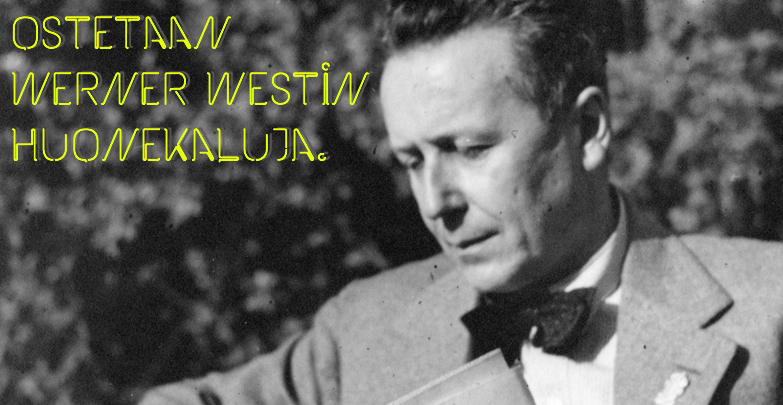
Werner West

Werner West (born in Tuusula, Finland) was a central figure in bringing international functionalism to Finland. Throughout his career, he operated as both a furniture maker and a prominent interior designer.

West is known for his soft, rounded shapes. He seamlessly blended playful aesthetics with sturdy, comfortable construction. He specialized in solid and laminated steam-bent birch. He is frequently cited as an early instructor and mentor to many young, mid-century Finnish designers and was heavily involved in the Finnish decorative arts union, Ornamo (which he helped found in 1911).

Two Undervalued Finnish Furniture Designers
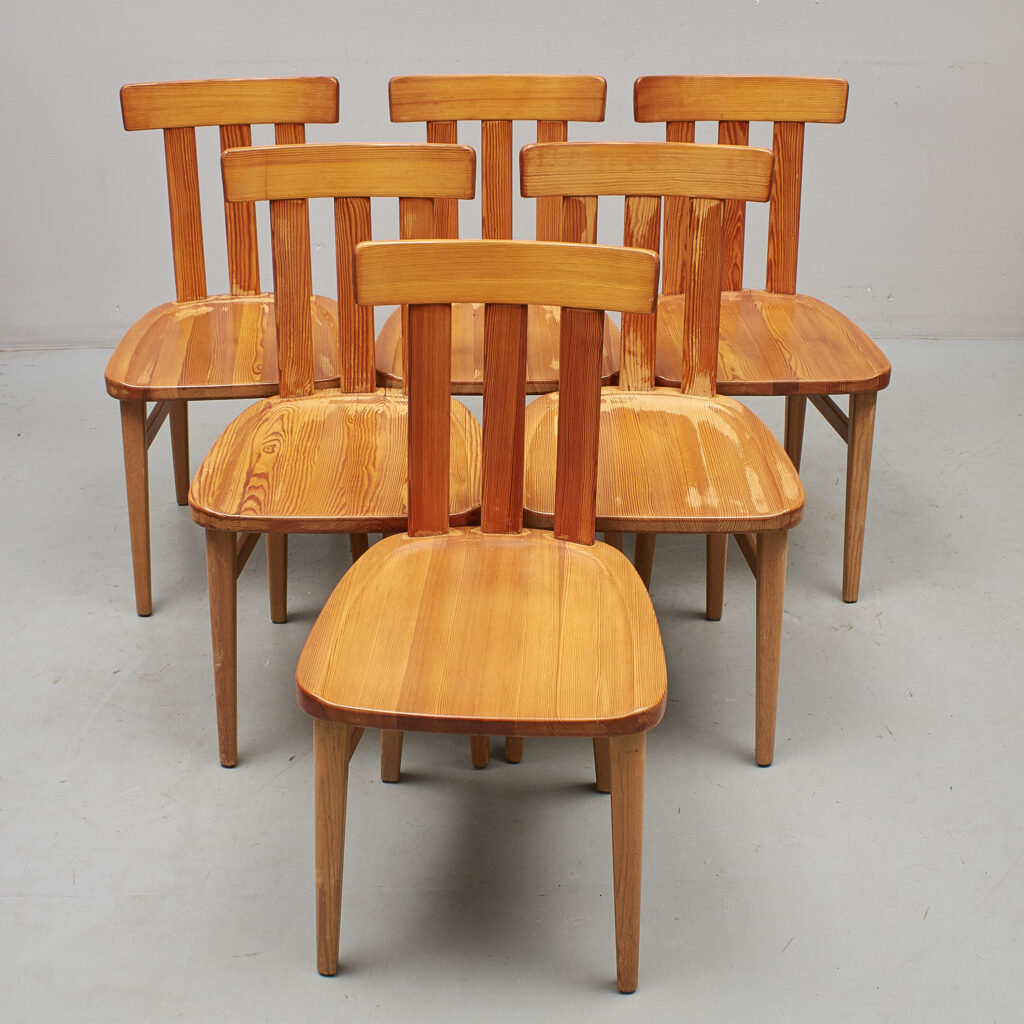
Leo chairs, by Werner West

West was entrusted with designing interiors for some of Finland’s most prestigious public spaces, including banks, hotels, and, most famously, the Parliament House in Helsinki. His classic pieces—such as the W1 Dining Chair and his 1930s “Hugging” armchairs (often manufactured by Wilh. Schauman)—remain highly sought-after collector’s items today.

************************************************
Related: Collectors’ Choice: Original Nordic Pine Furniture
************************************************

Ilmari Tapiovaara: One of the most influential interior architects and furniture designers of the 20th century

Two Undervalued Finnish Furniture Designers
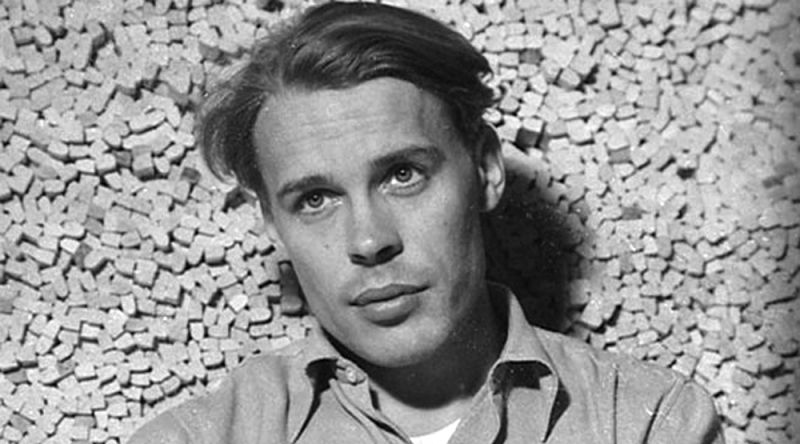
Ilmari Tapiovaara

Ilmari Tapiovaara(1914–1999) was celebrated as a champion of “democratic design”. His philosophy in life was centered on creating affordable, high-quality, and functional everyday objects for the masses.

Tapiovaara had a deeply international education, working in Le Corbusier’s office in Paris and alongside Mies van der Rohe in Chicago. However, his design language was thoroughly Finnish. During World War II, he designed field furniture for the Finnish Army using only a pocket knife, local timber, and absolutely no nails or screws—an experience he called his true higher education.

Two Undervalued Finnish Furniture Designers
Mademoiselle charis, by Ilmari Tapiovaara.

His ultimate breakthrough came in 1946 with the iconic Domus Chair, a stackable, ergonomic multi-purpose piece designed for student housing in Helsinki that went on to sell by the millions worldwide.

*******************************************
You may also like to read The Finnish Embassy in New Delhi – A Beauty of a Building
*******************************************

Three Giants of Finnish Modernism

While Werner West, Alvar Aalto, and Ilmari Tapiovaara are all structural pillars of Finnish modernism, they represent successive generations that pushed the boundaries of functionalism in unique ways.


Feature Werner West (1890–1959) Alvar Aalto (1898–1976) Ilmari Tapiovaara (1914–1999)
Generational Role The Pioneer & Mentor The Master of Humanist Modernism The Explorer & Democratizer
Core Philosophy Soft functionalism anchored in institutional craft. Organic modernism merging nature, architecture, and art. Universal, affordable furniture for everyday people.
Material Innovation Steam-bent solid birch, prioritizing longevity and structural sturdiness. Revolutionized bent laminated plywood and the patented “L-leg” technology. Mixed molded plywood with solid wood dowels, optimized for factory mass-production.
Defining Masterpiece Parliament House Interiors (Helsinki) Paimio Chair (Model 41) & Stool 60 Domus Chair & Mademoiselle Chair


Key Distinctions in Their Legacies

Alvar Aalto was primarily a visionary architect whose furniture was designed to fit his specific building commissions (such as the Paimio Sanatorium). Werner West operated somewhere in the middle, curating grand civic interior designs. Tapiovaara, by contrast, focused fiercely on the industrial scalability of individual objects, believing a single well-made chair could anchor an entire room’s energy.

Tapiovaara deeply admired Aalto and briefly worked for Artek’s London office in 1935. While Aalto proved that wood could bend like tubular steel, Tapiovaara took that ideology and refined it specifically for efficient, cheap shipping and post-war factory manufacturing.

While Alvar Aalto’s pieces are global high-art status symbols, vintage collectors note that Werner West and Ilmari Tapiovaara designs still represent incredibly high-value, durable examples of Finnish modernism that are criminally underrated compared to Aalto’s premium prestige.

Two Undervalued Finnish Furniture Designers, Tor Kjolberg reporting.
Feature image (top): Werner West chairs.

World’s Longest Pedestrian Bridge Has Been Inaugurated in Helsinki

The Kruunuvuorensilta bridge is Finland’s longest and highest bridge, spanning 1,191 meters across the Kruunuvuorenselkä bay. It is unique globally because it is completely car-free, serving pedestrians, cyclists, and the upcoming light-rail trams. The world’s longest pedestrian bridge in Helsinki was officially inaugurated and opened to the public on Saturday, April 18.

The grand opening drew more than 50,000 visitors over its first weekend. To mark the ribbon-cutting by local city officials, the festivities featured a live brass band, a samba performance, food trucks, and even a temporary tent sauna.

The new bridge connects the waterfront residential neighborhood with the island of Korkeasaari, the district of Laajasalo, and central Helsinki, significantly shortening travel to the city center.

Helsinki Partners have called the bridge “a distinctive new identity” for the Finnish capital’s skyline because it features a striking 135-meter-high diamond-shaped central pylon, making it taller than Finland’s highest residential buildings.

The Kruunuvuorensilta bridge is designed by Knight Architects and WSP Finland and incorporates a gentle curve to make long-distance walking and cycling feel more approachable.

World’s Longest Pedestrian Bridge Has Been Inaugurated in Helsinki
Helsinki Partners have called the bridge “a distinctive new identity” for the Finnish capital’s skyline.

City Mayor Daniel Sazonov said: “Kruunuvuorensilta bridge is the new, unique, and exciting landmark for Helsinki. A sight that will draw visitors from near and far. The new bridge reshapes how we look at Helsinki. It connects the areas of Kruunuvuorenranta and Laajasalo to the larger central city area in a completely new way. The bridge reflects our commitment to sustainable solutions and embraces Helsinki’s unique maritime setting.”

The bridge is built with high-strength stainless steel and advanced concrete technology to last up to 200 years. Construction began in 2021 and, according to official figures, cost around €326 million. The bridge now cuts the distance between neighboring city districts by nearly six kilometers. By 2030, it is predicted to handle around 23,000 tram trips and 3,750 cycling trips per day. Work on a light rail system is ongoing.

World’s Longest Pedestrian Bridge Has Been Inaugurated in Helsinki
The bridge is built with high-strength stainless steel and advanced concrete technology to last up to 200 years.

Pedestrians and cyclists share dedicated lanes. Cyclists have a 3-meter-wide lane, and benches are placed halfway across for resting and taking in panoramic city and sea views. Helsinki is implementing a long-term vision to prioritize public transportation, walking, and cycling in urban mobility. The majority of journeys in Helsinki are made using sustainable modes: about 41% on foot, 25% by public transport, and 11% by bike, while only about 20% are made by car. Two tram lines (part of the larger Crown Bridges light-rail project) will begin operations across the bridge, providing direct access to and from central Helsinki.

The bridge’s sustainability credentials are also evident in its carbon footprint of approximately 129,000 tCO₂e over a 50-year period, with 76% from construction and 24% from operation and maintenance. Emissions have been reduced by using low-emission materials and renewable energy sources.

Strong marine winds are common. A specialized wind guardrail runs along the southern side, protecting pedestrians and cyclists. The bridge rises about 20 meters above the waterline to accommodate boat traffic, creating a noticeable incline on both sides. The city prioritizes this route for winter maintenance, so snowplows regularly clear the bike path during the colder months.

For fans of Finnish architecture, one of the Nordics’ oldest indoor swimming pools reopened in the capital earlier this year, blending Classicism and Art Deco and also offering not only a place to do laps but also a taste of Finland’s sauna culture.

World’s Longest Pedestrian Bridge Has Been Inaugurated in Helsinki, Tor Kjolberg reporting.


From Nordic Forests to British Buildings: How Finnish ThermoWood Became the UK’s Most Sought-After Cladding

There is a particular quality to the timber that comes from the far north. The trees that grow slowly through long Scandinavian winters, through months of darkness and temperatures that strip less resilient species of their viability, produce wood with a density, a tightness of grain, and a resin content that trees grown in more temperate climates simply cannot match. From Nordic forests to British buildings: How Finnish ThermoWood became the UK’s most sought-after cladding.

This is not romanticism — it is biology, and it has direct consequences for how Nordic timber performs when it is used to clad and finish buildings in the wet, mild, UV-active climate of the United Kingdom.

ThermoWood — the thermally modified timber produced primarily by Lunawood in Finland from sustainably managed Nordic pine and spruce — has become one of the most specified exterior cladding materials in the UK over the past decade. Understanding why requires understanding both the Nordic timber tradition it draws on and the modification process that elevates already-excellent raw material into something genuinely exceptional.

From Nordic Forests to British Buildings: How Finnish ThermoWood Became the UK's Most Sought-After Cladding
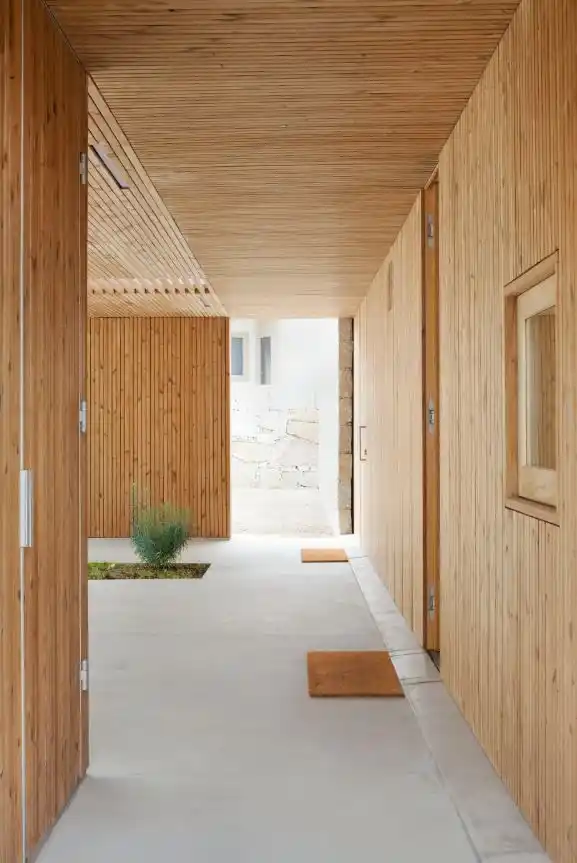
Scandinavian countries have used timber as a primary building material for centuries.

The Nordic Timber Tradition

Scandinavian countries have used timber as a primary building material for centuries — not out of necessity, but because the forests of Norway, Sweden, and Finland produce material that is genuinely well suited to northern European conditions. Nordic vernacular architecture — the red-painted farmhouses of Sweden, the stave churches of Norway, the lakeside saunas of Finland — demonstrates a deep practical understanding of how timber performs, ages, and can be protected and maintained across generations.

The Finnish sauna tradition is perhaps the most direct expression of this understanding. ThermoWood was originally developed in part in response to demand for timber that could withstand the extreme heat and humidity cycles of sauna use — conditions that quickly destroy untreated or chemically preserved wood. The thermal modification process that emerged from this requirement proved equally valuable for exterior cladding in all climates where moisture management is a challenge.

*****************************************************
You may also like to read Sweden – Leading the World in Prefab Houses
*****************************************************

From Nordic Forests to British Buildings: How Finnish ThermoWood Became the UK's Most Sought-After Cladding
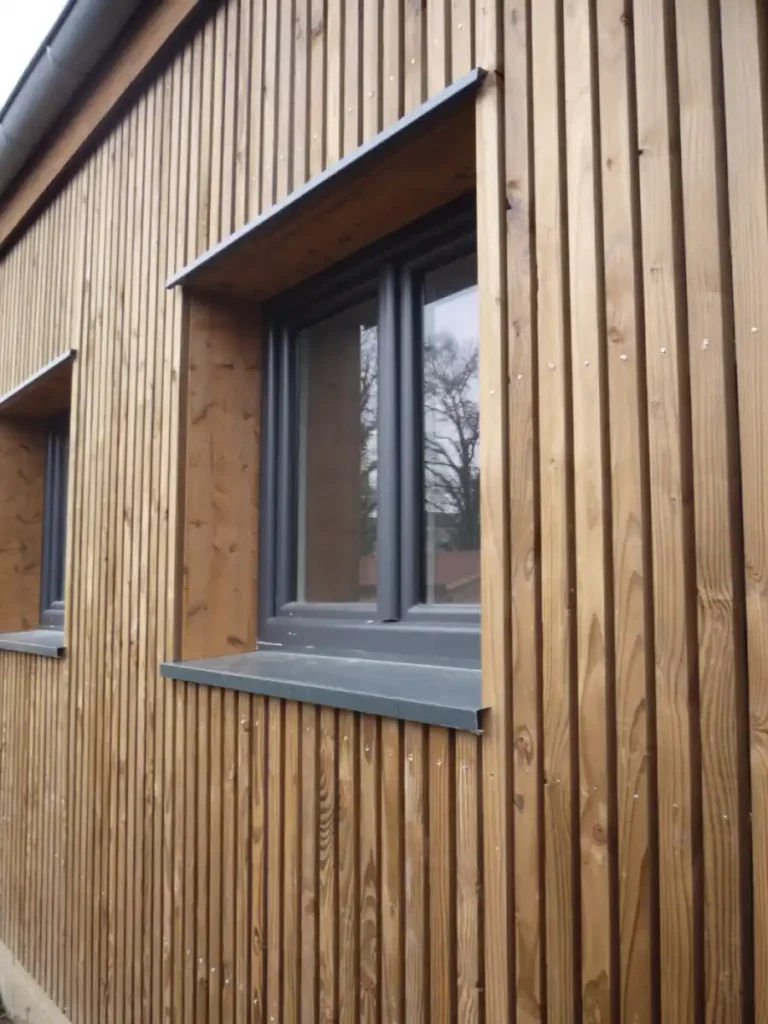
Lunawood thermowood vertical cladding.

Lunawood’s approach to thermal modification represents the current state of this tradition. Founded in Finland and sourcing timber exclusively from FSC and PEFC-certified Nordic forests, Lunawood produces ThermoWood to a consistent specification that allows architects and specifiers to predict how the material will behave over decades rather than years. The characteristic honey-brown colour of fresh ThermoWood, the even silver-grey weathering of untreated boards, and the warm patina of oiled installations have become visual signatures of quality timber cladding on buildings across the UK.

For a complete guide to Lunawood ThermoWood in the UK context — covering the range of profiles available, how to specify each for different applications, where to source the material, and how it compares to alternative thermally modified timber brands — the Lunawood ThermoWood cladding Nordic timber UK guide provides the full picture for architects, self-builders, and homeowners considering ThermoWood for a current project.

From Nordic Forests to British Buildings: How Finnish ThermoWood Became the UK's Most Sought-After Cladding
Lunawood produces ThermoWood to a consistent specification that allows architects and specifiers to predict how the material will behave over decades rather than years.

*****************************************************
You may also like to read The Exciting Story of a Norwegian House Manufacturer
*****************************************************

ThermoWood vs Cedar: A Comparison Worth Making

The comparison between ThermoWood and cedar cladding is one of the most common questions that arises in UK timber specification. Both are positioned as premium exterior cladding materials. Both are marketed on their durability and natural credentials. Both weather to a silver-grey if left untreated. But the differences between them — in performance, sustainability, and whole-life cost — are significant and frequently misunderstood.

Western red cedar — the cedar most commonly specified for exterior cladding in the UK — is imported primarily from North America, where it is harvested from old-growth and second-growth forests on the Pacific coast. Its natural durability (Durability Class 3 to 4) makes it suitable for exterior use without preservative treatment, and its low density makes it easy to work and fix. However, cedar’s sustainability credentials have come under increasing scrutiny as old-growth sourcing becomes harder to certify and the carbon footprint of transatlantic shipping becomes harder to justify for low-carbon building projects.

From Nordic Forests to British Buildings: How Finnish ThermoWood Became the UK's Most Sought-After Cladding
ThermoWood, sourced from sustainably managed Nordic forests and modified in Finland, has a significantly shorter supply chain to the UK.

ThermoWood, sourced from sustainably managed Nordic forests and modified in Finland, has a significantly shorter supply chain to the UK, fully certified sustainable forestry credentials, and a modification process that uses no chemicals and produces no hazardous waste. Its durability (Durability Class 2 after Thermo-D modification) is superior to cedar in most classifications. Its dimensional stability — reduced moisture movement of up to 50 percent compared to unmodified timber — is significantly better, particularly relevant for the profiles and fixing systems common in contemporary UK facade design.

For a detailed side-by-side comparison of ThermoWood and cedar cladding across all the dimensions that matter for UK specification — durability class, moisture movement, weathering behaviour, sustainability credentials, whole-life cost, and availability — the ThermoWood vs cedar cladding UK guide examines both materials honestly and practically, with recommendations for which suits different project types, budgets, and sustainability requirements.

From Nordic Forests to British Buildings: How Finnish ThermoWood Became the UK's Most Sought-After Cladding
The forests of Norway, Sweden, and Finland produce material that is genuinely well suited to northern European conditions.

Why Nordic Timber Continues to Set the Standard

The appeal of Nordic timber in British architecture is not fashion. It is the result of a genuine material advantage — timber grown in conditions that produce exceptional density, durability, and workability — combined with a long tradition of craft knowledge about how to use it well. ThermoWood extends that advantage further, taking already excellent Nordic raw material and applying a precisely controlled modification process that makes it more stable, more durable, and more predictable than anything the same species could achieve untreated.

For UK architects, self-builders, and homeowners who want exterior cladding that looks exceptional on the day it is installed and continues to look right as it ages — whether allowed to weather naturally to silver-grey or maintained with periodic oiling — ThermoWood from Lunawood represents the current gold standard in naturally modified Nordic timber. The forests that produced it have been growing slowly for decades. The buildings it clads will stand for decades more.

From Nordic Forests to British Buildings: How Finnish ThermoWood Became the UK's Most Sought-After CladdingThere is a particular quality to the
Jamshaid

From Nordic Forests to British Buildings: How Finnish ThermoWood Became the UK’s Most Sought-After Cladding, written for Daily Scandinavian by Jamshaid. Jamshaid is an SEO specialist and digital marketing strategist with over 10 years of experience helping businesses rank higher on Google. He has written for industry-leading sites like HubSpot and Search Engine Journal. When he’s not optimizing websites, he shares expert tips on his blog at guestpostforyou.com. Connect with him on gmail (jamshaid@guestpostforyou.com) for more SEO insights.”