
The Difference Between Creative Storytelling and Direct Marketing

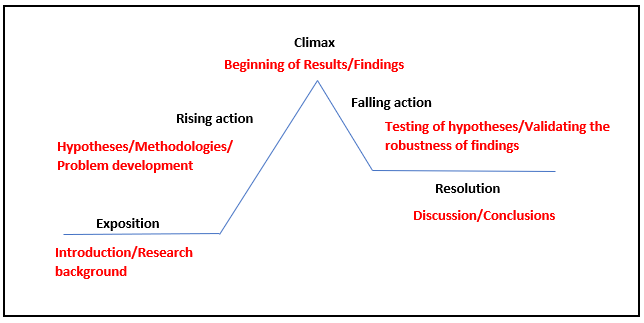
Not long ago, I read about a 19th-century narrative structure called Freytag’s Pyramid, used to plot emotional tension in plays and novels. Having used the AIDA formula in my brand storytelling for years, I began wondering whether and how the Pyramid might be applied to my storytelling mission. In this article, I elaborate on the difference between creative storytelling and direct marketing.

I realized that marketers, copywriters, and communication theorists often compare these two concepts. At their core, Freytag’s Pyramid and the AIDA formula both guide an audience through a progression, but they serve entirely different purposes—creative storytelling versus direct marketing.
The Difference Between Creative Storytelling and Direct Marketing
Freytag’s Pyramid

The Frameworks at a Glance

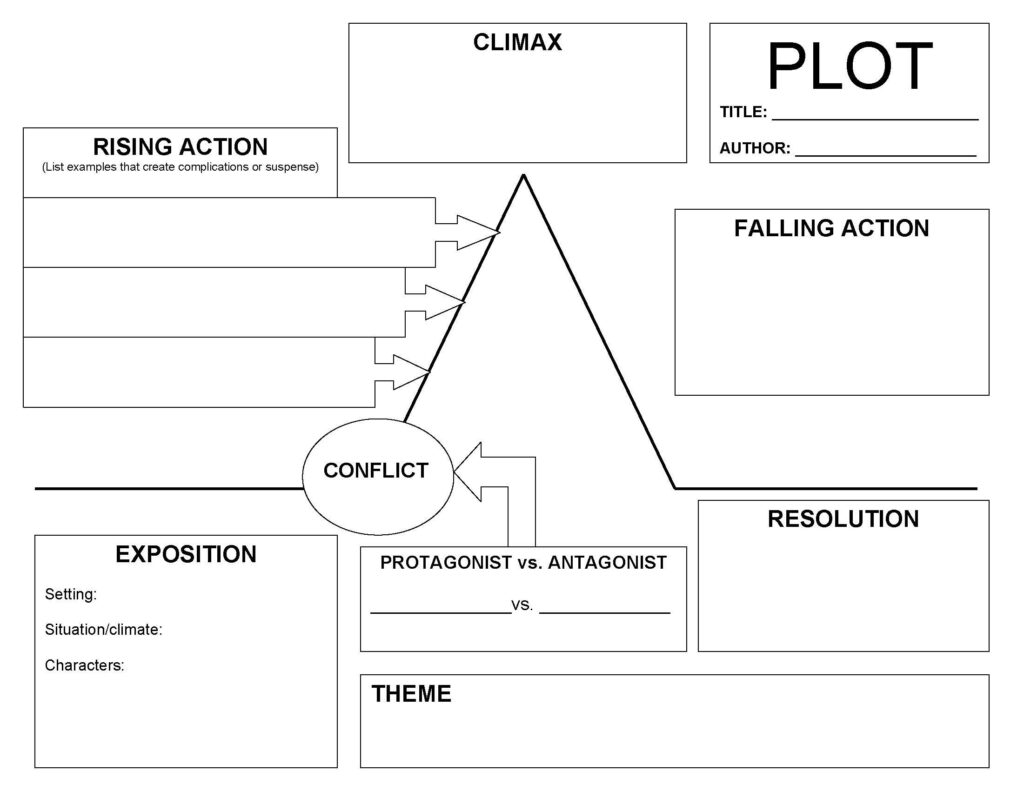
  •  Freytag’s Pyramid (The Narrative Arc): A 19th-century dramatic structure by Gustav Freytag used to plot emotional tension in plays and novels. It has five parts: Exposition, Rising Action, Climax, Falling Action, and Resolution/Catastrophe.
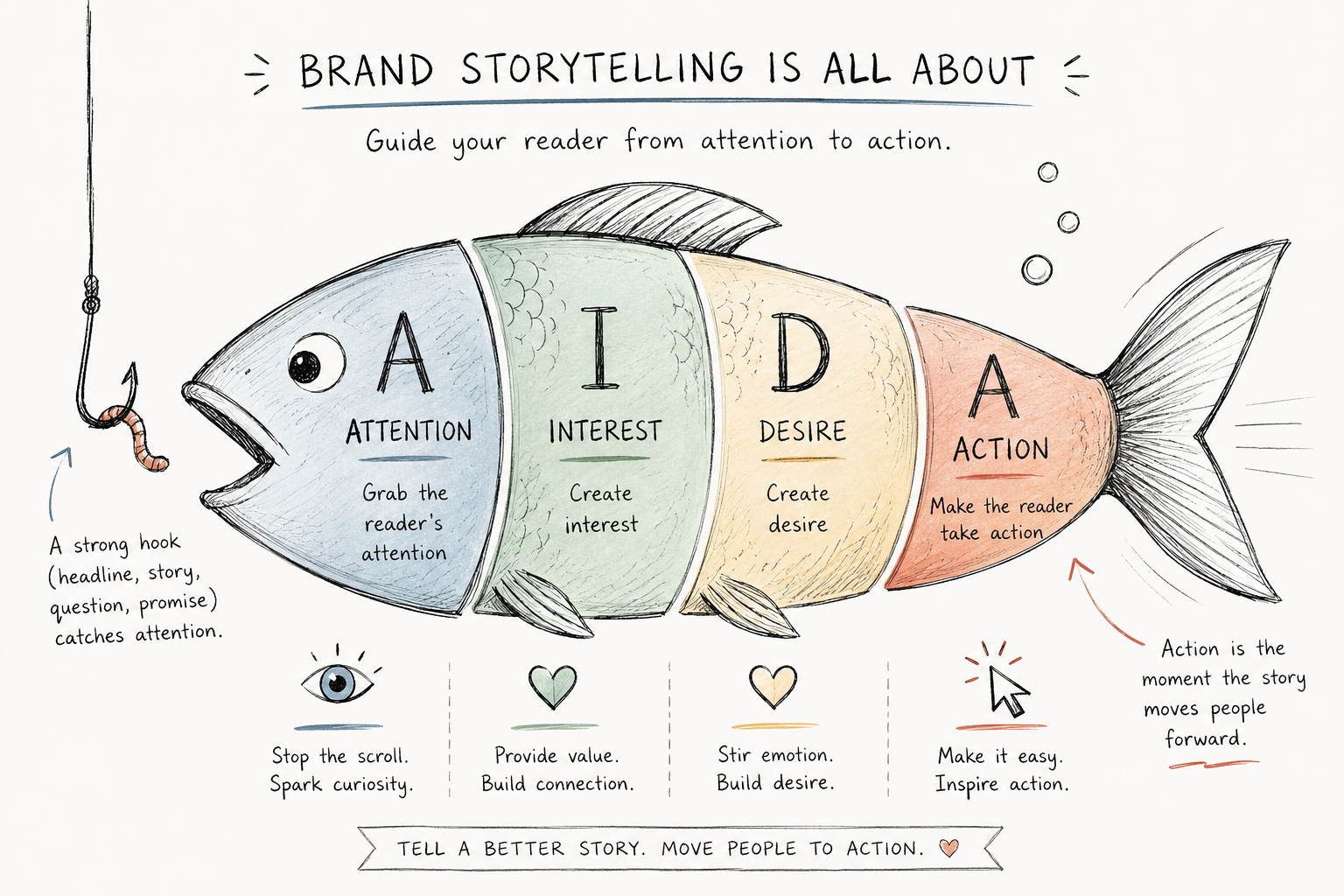
  •  AIDA (The Marketing Funnel): Created in 1898 by advertising advocate E. St. Elmo Lewis, this classic copywriting and sales formula guides prospects through the purchasing process. It stands for Attention, Interest, Desire, and Action.
The Difference Between Creative Storytelling and Direct MarketingKey Differences

Feature Freytag’s Pyramid AIDA Formula
Primary Goal To entertain, build emotional stakes, and evoke empathy or catharsis. To persuade, convert, and drive a specific commercial or marketing intent.
Audience Role Passive observer / empathetic participant. Active buyer who needs to be moved to a definitive decision.
The Pacing Slower build-up of conflict, peaking in a major revelation or turning point. Immediate, punchy flow designed to overcome shrinking attention spans.
The Final Stage The story wraps up, and unresolved tension is settled. The consumer makes a purchase, signs up, or completes a transaction.

Because both models agree on the fundamentals of engaging an audience, they often overlap in content marketing and digital ads. The overlap lies in how human psychology processes information:

Both models require an engaging “hook” right out of the gate to stop a scroll or keep someone reading. In fiction, this is where the stakes rise. In marketing, this is where you agitate a pain point, establish value, and make the prospect want your solution.

In a story, the climax is the emotional payoff; in AIDA, the payoff is a clear, decisive Call to Action (CTA) or a conversion.

While Freytag is meant to captivate the mind with an arc, AIDA serves as a conversion checklist for your Sales and Marketing Strategy.

Many creators combine them by framing an advertisement as a micro-story, thereby satisfying both emotional connection and sales intent. A micro-story marketing campaign distills a brand’s message or value proposition into a bite-sized, highly emotional narrative (5-30 seconds or 1–3 sentences). Rather than listing features, it leverages relatable moments—such as a customer’s transformation or a founder packing an order—to build instant, memorable connections.

The Difference Between Creative Storytelling and Direct MarketingThe Anatomy of a Micro-Story

Effective micro-campaigns rely on brevity and impact. They typically follow a simple three-step arc designed for today’s shrinking attention spans:

  1. The Hook: Introduces the character or situation immediately.
  2. The Shift/Conflict: Shows a problem, change, or a feeling that matters to the reader.
  3. The Payoff: Provides closure or hints at how the brand solves the issue, all in a matter of seconds.

Common Formats & Mediums

Because they are designed for social media and quick consumption, micro-stories appear in several formats:

  • Vertical Video (TikTok/Reels): A 10-second slice-of-life showing the before-and-after of using a product, or a quick behind-the-scenes look at the people behind the business.
  •  Text & Image Carousels: A 3-sentence narrative on LinkedIn or a brief caption over a photo on Instagram that turns an everyday problem into a relatable feeling.
  • Micro-Drama Series: Multi-part, serialized short-form “episodes” (similar to content on apps like ReelShort) that are funded or sponsored by brands to naturally weave a story into entertainment.
The Difference Between Creative Storytelling and Direct Marketing
A plot diagram

Why Brands Use This Strategy

Audiences are overwhelmed by traditional ads. A micro-story feels like an organic social media post or a moment of entertainment, lowering consumer resistance.

People remember feelings, not facts. Micro-stories focus on sentiment (humor, shock, awe) to drive brand recall and require a lower production budget than traditional commercials. This allows brands to quickly test multiple stories to see what resonates.
The Difference Between Creative Storytelling and Direct MarketingTake-away

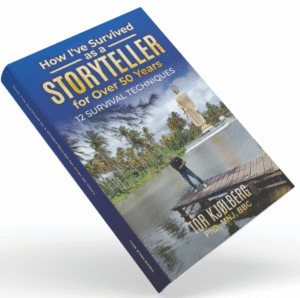
If you learned something from this article, I believe you’ll also enjoy my recent book, “How I’ve Survived as a Storyteller for Over 50 Years: 12 Survival Techniques.” Get your FREE e-book copy by sending me your name and e-mail address, and include “Storytelling” in the subject line. Thank you for reading!

The Difference Between Creative Storytelling and Direct Marketing, written by Tor Kjolberg.

More articles on Storytelling by Tor Kjolberg you may like:

Leaders Who Shape Stories Shape Markets
A Brand’s In-House Storytelling Library
Brand Masters of Storytelling 2
How Smart Brands Republish Content Without Repeating Themselves
Why Organizations Are Turning to Storytelling to Win Public Attention


Could Seaweed Be the Nordics’ Future Protein?

Seaweed may not yet be a staple on Nordic dinner tables, but interest is growing quickly. A new report funded by the Nordic Council of Ministers finds that certain types of seaweed contain protein levels comparable to pulses, beans, and soy. Could seaweed be the Nordics’ future protein?

As pressure mounts on global food systems, seaweed is emerging as a promising marine resource that could support both sustainability and food security in the Nordic region. What if part of the answer to more sustainable, resilient food systems is already growing along our coastlines?

Could Seaweed Be the Nordics’ Future Protein?
Seaweed valorization in food systems. Illustration: Research
Gate

Why the Nordics are looking to the sea for solutions

As global food systems face mounting pressure from climate change, geopolitical instability, and growing demand, the Nordic countries are seeking sustainable, locally available protein sources, including those from the sea. In this context, seaweed has emerged as a potential alternative.

“Sustainable ocean management that contributes to global solutions is a key priority for the Nordic Council of Ministers. Exploring the role of seaweed in food systems fits squarely within this agenda,” says Tine Due Hansen, Senior Advisor for Fisheries.

Although seaweed is not a standalone solution to protein supply, it has the potential to support sustainable ocean management, diversification, and resilience within Nordic food systems — particularly when combined with other plant-based and marine resources.

*******************************************
Related: Nordic Cooking – Tradition, Simplicity and Nature on a Plate
*******************************************

Could Seaweed Be the Nordics’ Future Protein?
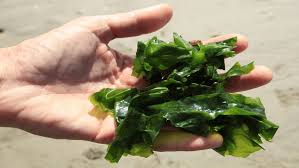
Seaweed salad.

What seaweed adds to the plate

According to the report Seaweeds for food: from production to consumer, seaweeds can be valuable food ingredients. They are inherently low in calories but rich in micronutrients, and some species – particularly red seaweeds – contain protein levels comparable to pulses, beans, and soy.

However, the report also highlights key challenges. Iodine content limits how much brown seaweed can be used safely, and consumer acceptance is another decisive factor: taste, appearance, and texture will determine its commercial success.

********************************************
Related: Why More People Should Be Eating the Nordic Diet
********************************************

Could Seaweed Be the Nordics’ Future Protein?
Edible seaweeds.

What will it take for seaweed to succeed?

According to the study, further research is needed. This includes additional studies with human subjects to better understand health effects, safe intake levels, and consumer acceptance before seaweed becomes a staple on Nordic dinner tables.

The report concludes that, with the right frameworks in place, seaweed could become more than a niche ingredient and a valuable component of more resilient and sustainable Nordic food systems – rooted in our oceans.

Could Seaweed Be the Nordics’ Future Protein? Based on a press release from the Nordic Council of Ministers. Feature image (top) © Nordic Sea Farm.


Europe’s Longest Rail Journey: Finnish Lapland to Portugal’s Algarve Region

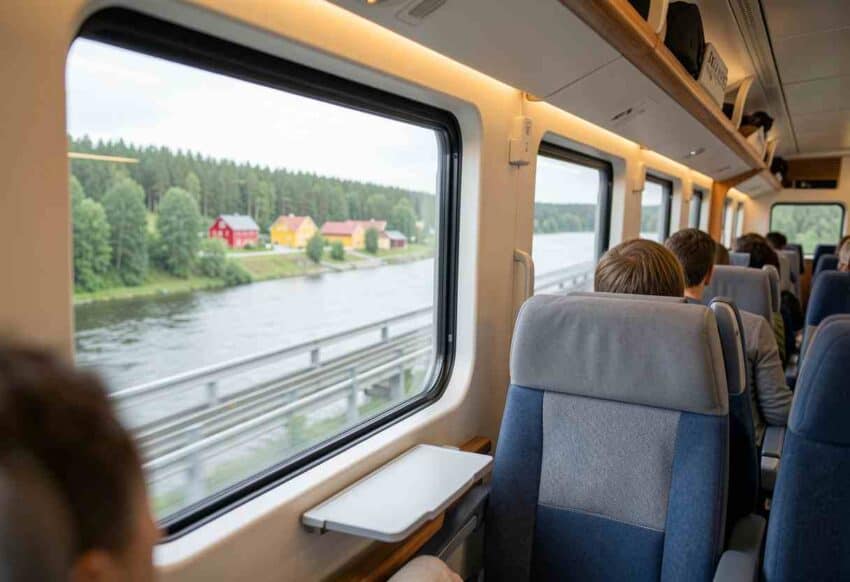
Europe’s longest train journey between Finland and Sweden is made possible by a historic cross-border railway link. By transferring between the Finnish VR and Swedish Norrtåg and SJ rail networks at the border, you can travel continuously across the region, taking a route from Helsinki to Stockholm in just over 24 hours. Experience Europe’s longest rail journey: Finland-Sweden.

Because Finland and Sweden use different track gauges (Finland uses the 1,524 mm Russian standard, while Sweden uses the 1,435 mm standard), a seamless cross-border train cannot operate without transfers.

*************************************
Related: Next Year, You Can Go by Train From Copenhagen to Prague
*************************************

The Cross-Border Route

The historic station in Haparanda, Sweden (built in 1919) has been restored to serve as the central hub between the two systems. You take a Finnish VR train to Tornio, step into the station building, and transfer to a Swedish Norrtåg train on the other side.

The trip from Helsinki to Stockholm takes about 24 to 25 hours with connections.

Europe’s Longest Rail Journey: Finnish Lapland to Portugal’s Algarve Region
For those seeking the longest rail adventure, the Finland-Sweden connection offers a remarkable cross-European route.

The Longest Continuous EU Journey

For those seeking the longest rail adventure, the Finland-Sweden connection offers a remarkable cross-European route. It is now possible to travel more than 5,000 kilometers by train entirely within the European Union, from Kolari in Finnish Lapland to Lagos in Portugal’s Algarve region.

*******************************
Related: Among the World’s Most Beautiful Train Journeys
*******************************

Europe’s Longest Rail Journey: Finnish Lapland to Portugal’s Algarve Region
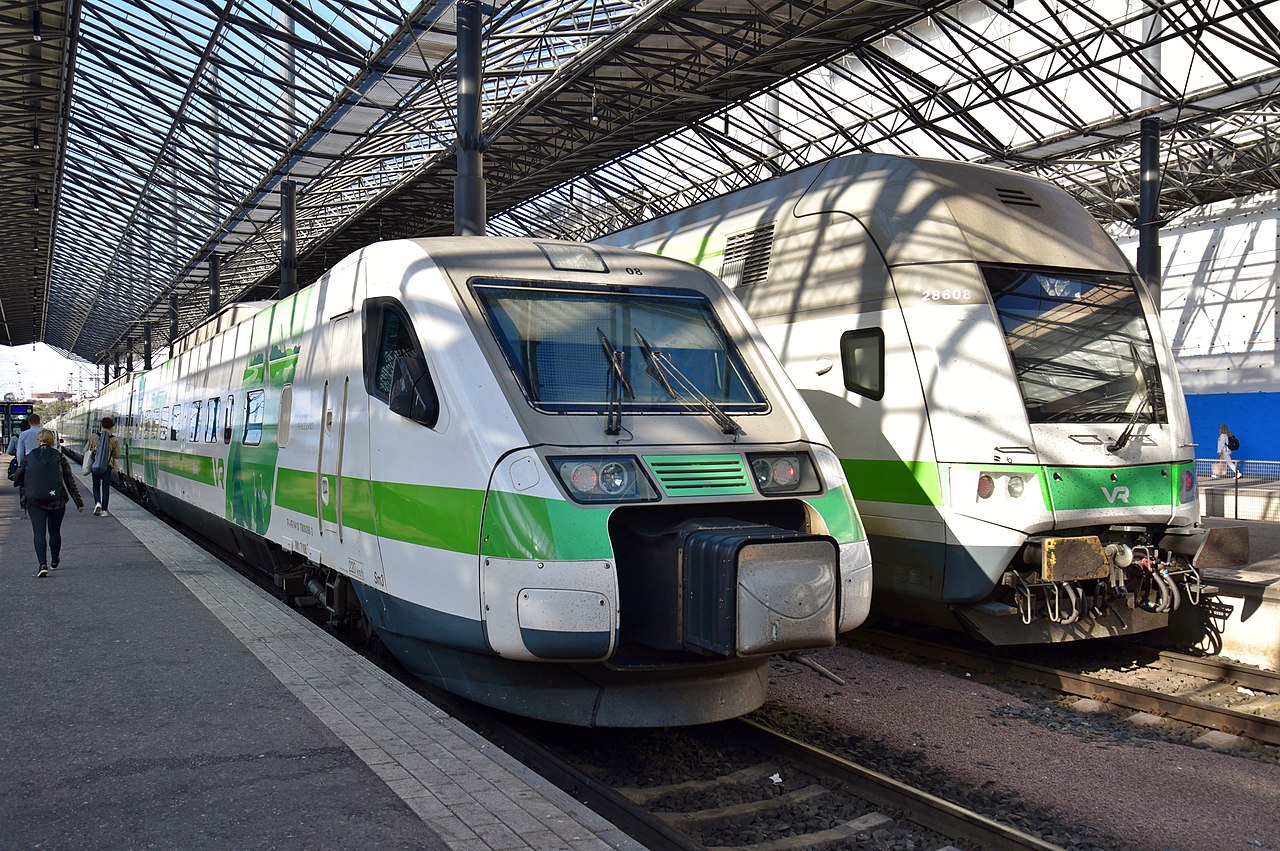
Trains at Helsinki train station. Photo: Wikipedia.

Finland and Sweden are set to finally be linked by rail this summer

Finland and Sweden will once again be connected by train. The long-awaited connection depends on the reopening of the Tornio–Haparanda rail link on the Finnish-Swedish border. From Tornio, passengers will be able to cross into Haparanda and connect to the wider European rail network for the first time in decades.

The new service also appeals to train enthusiasts. Independent European rail expert Jon Worth recently told Yle News that the new cross-border railway between Finland and Sweden will mark a historic transit milestone in transit: the longest train journey entirely within the European Union.

The reopening will also mark Finland’s first regular international passenger rail connection since services to St. Petersburg were suspended in 2022 after Russia’s invasion of Ukraine.

Europe’s Longest Rail Journey: Finnish Lapland to Portugal’s Algarve Region
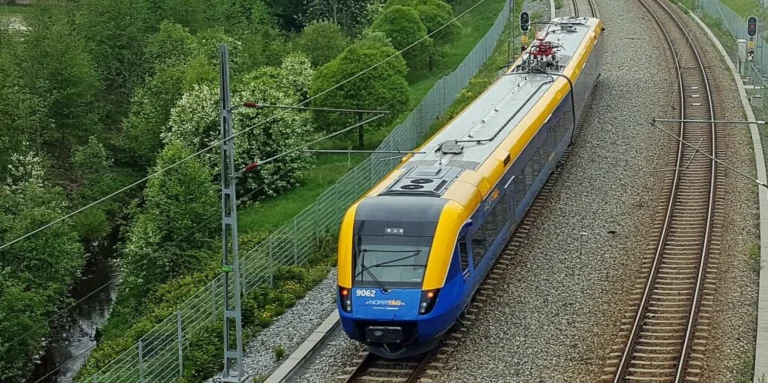
Finland and Sweden will once again be connected by train.

Not for the busy ones

The journey, however, will not be suitable for the time-pressed. A full trip between Helsinki and Stockholm by rail will take around 24 hours, compared with roughly 18 hours by ferry or a much shorter flight. Those choosing rail will trade speed for a slower, more scenic journey.

Europe’s Longest Rail Journey: Finnish Lapland to Portugal’s Algarve Region, Tor Kjolberg reporting. Feature image (top) Norrbothniabanan,  © Thomas Nilsen/Swedish Railway Swedish railway.

Exhibition in Oslo: Recognition, Curiosity, and Community

What do these words mean, and to whom are they addressed? Gallery owner Randi Thommessen has adapted these terms from the Norwegian National Museum’s new public-management-aligned core values for the exhibition at LNM (The Norwegian Association of Painters).

Before becoming director at LNM (The Norwegian Association of Painters), Randi Thommessen served as a curator at Trondheim Kunstmuseum from 2015 to 2019. From 2007 to 2012, she founded and ran LAUTOM Contemporary, an artist-run space in Oslo. Thommessen holds an MA in Curatorial Practice from the Bergen Academy of Art and Design and has a background in fine art from Central Saint Martins in London.

Exhibition in Oslo: Recognition, Curiosity, and Community
Randi Thommessen, Director of LNM.

“I studied art at Central Saint Martins in London and for a long time thought I would become a painter. But I didn’t like the solitude of the studio,” she says. “Producing art wasn’t that important to me, so I eventually realized I wasn’t meant to be an artist.”

********************************************
You might also like to read 50 Years of Living Art in Oslo
********************************************

Exhibition in Oslo: Recognition, Curiosity, and Community
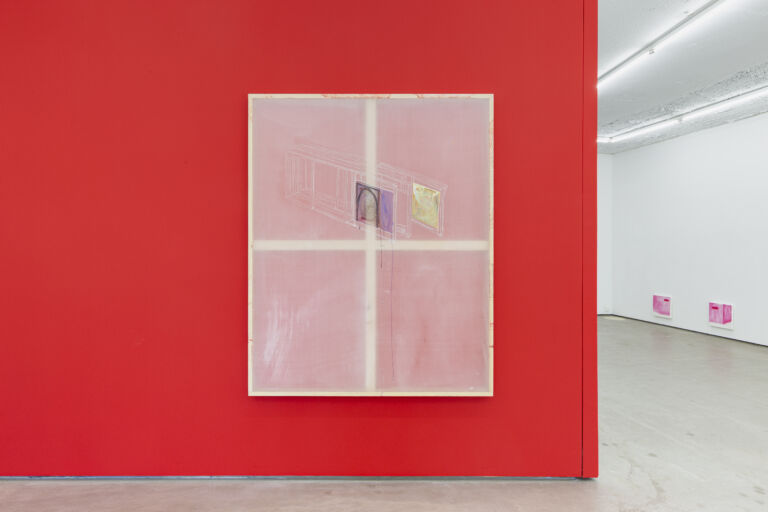
Red, by Victor Lind

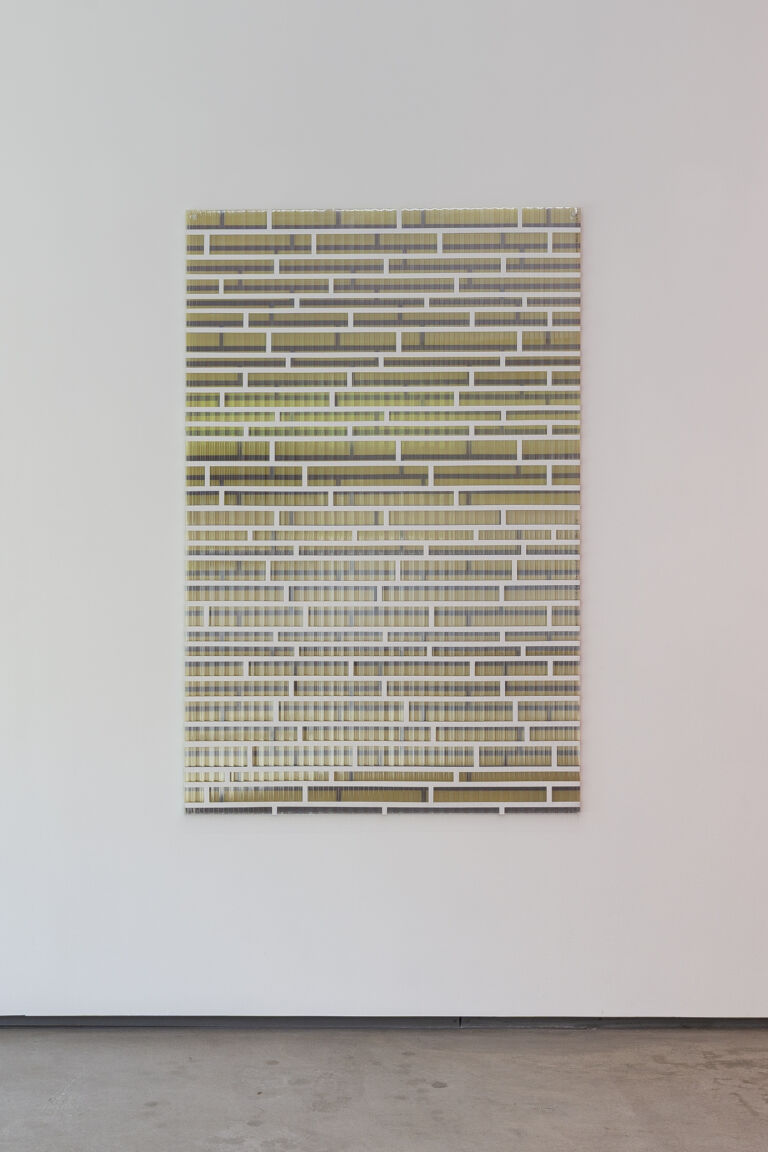
The LNM Exhibition critically examines what today’s museums stand for. It features works by artists Clara Claussen, Wenche Gulbransen, Victor Lind, Joel Billekvist, and Øystein Aasan that question who is recognized, what kind of curiosity is invoked, and who is included in the community.

Exhibition in Oslo: Recognition, Curiosity, and Community
Cul de sac, by Joel Billekvist

********************************************
You might also like to read An Art Lover’s Guide To Oslo
********************************************

The exhibition runs through June 21. The next exhibition at LNM will feature the Bergen-based artist Anthony Morton from Durban, South Africa. It runs from August 6 through September 6.

Exhibition in Oslo: Recognition, Curiosity, and Community, Tor Kjolberg reports. All images © LNM. Feature image (top): Wall, by Wenche Gulbrandsen.

The Story of Fuglen: The Coss-Continental Norwegian Coffee Champion

Fuglen is a legendary Oslo institution that pioneered the Norwegian capital’s celebrated third-wave coffee movement. From its 1963 origins, it grew into an internationally recognized brand by seamlessly blending light-roast Nordic coffee, craft cocktails, and mid-century Scandinavian vintage design. Here is the story of Fuglen: The cross-continental Norwegian coffee champion.

The story began in central Oslo when the first shop opened as “Kaffefuglen” (meaning “The Coffee Bird” – probably an early bird in need of a coffee).

The Story of Fuglen: The Coss-Continental Norwegian Coffee Champion
Fuglen Sangubashi

***************************************
Related: New Era Fine Dining and Drinking in Oslo
***************************************

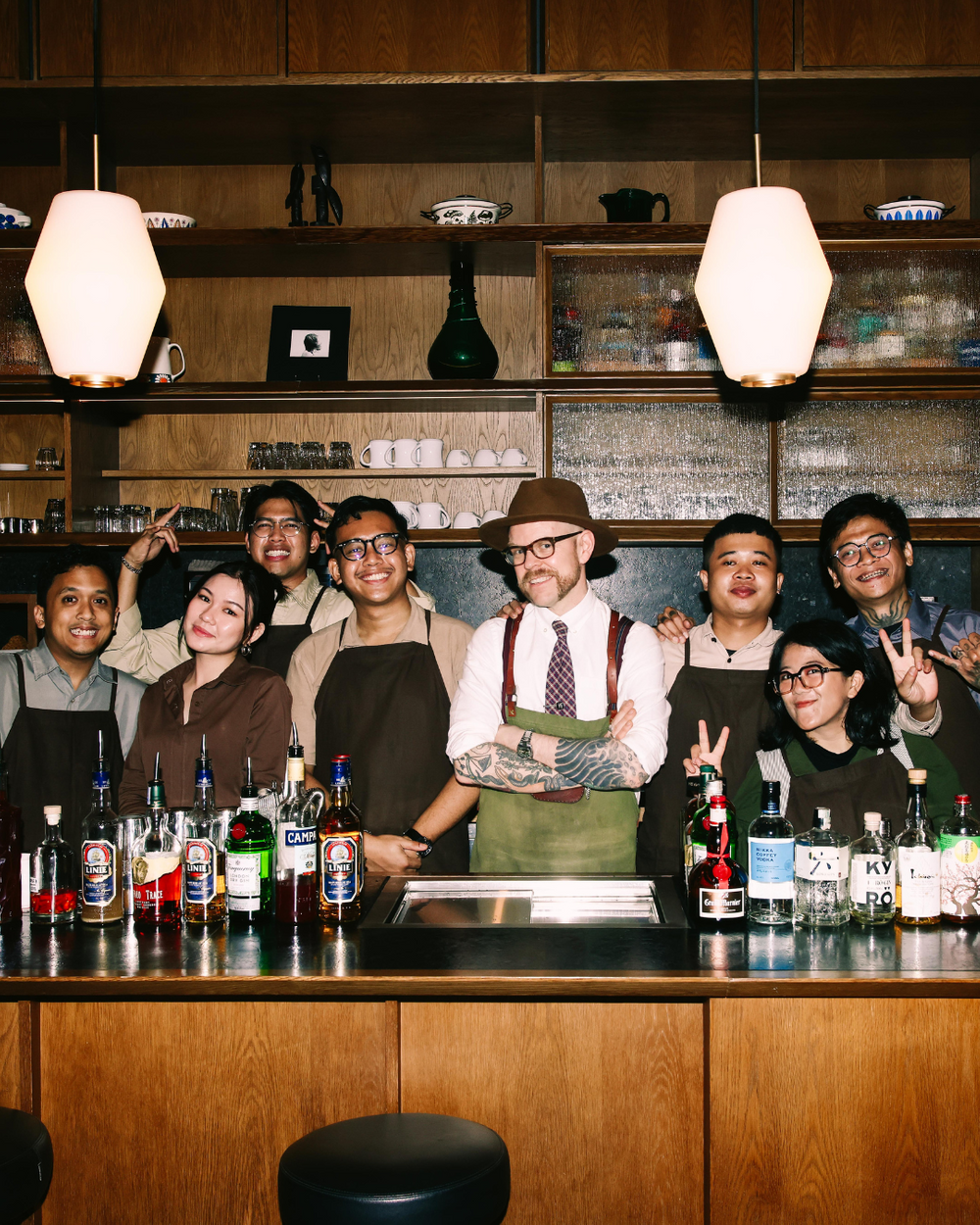
In 2008, the café was purchased by a trio of visionaries. Coffee champion Einar Holthe, bartender Halvor Digernes, and vintage furniture expert Peppe Trulsen completely revamped the concept while preserving the original 1960s aesthetic.

Fuglen was designed to operate as an airy specialty coffee shop by day and an elevated craft cocktail lounge by night. Staying true to its roots, all the retro mid-century Scandinavian furniture, lighting, and ceramics inside the shop were, and still are, for sale.

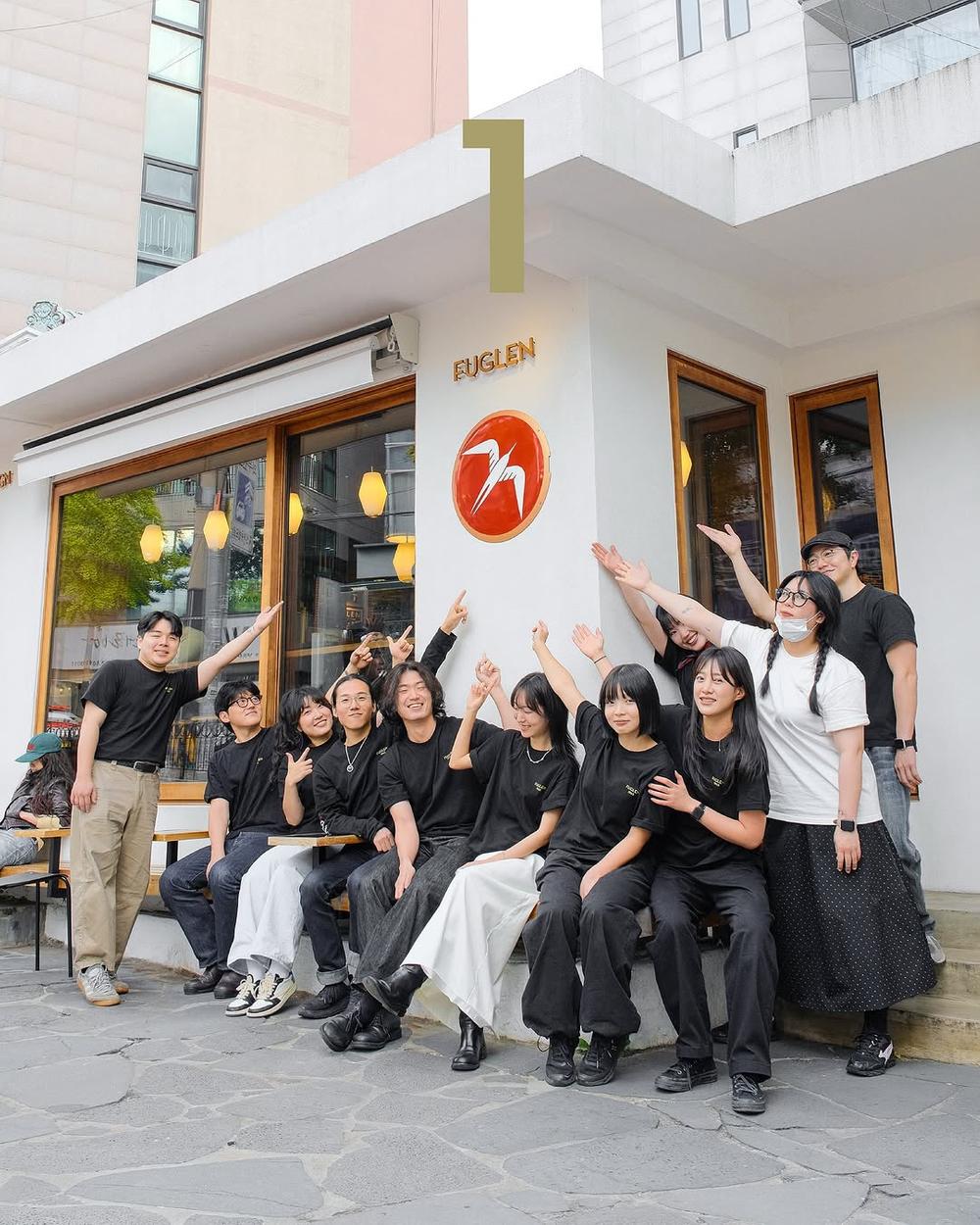
Fuglen Seoul celebrates one year.

The Global Migration

Instead of focusing on major European or North American cities, Fuglen has looked to Asia. Inspired by Japan’s deep appreciation for craft and design, co-owner Einar Kleppe Holthe expanded the brand to Tokyo’s Shibuya district in 1212. The concept exploded in popularity, bringing the Tokyo scene to light, fruit-forward Nordic coffee, and the uniquely cozy Oslo atmosphere.

******************************************
Related:  Oslo -The Best Coffee City in Europe?
******************************************

The Story of Fuglen: The Coss-Continental Norwegian Coffee Champion
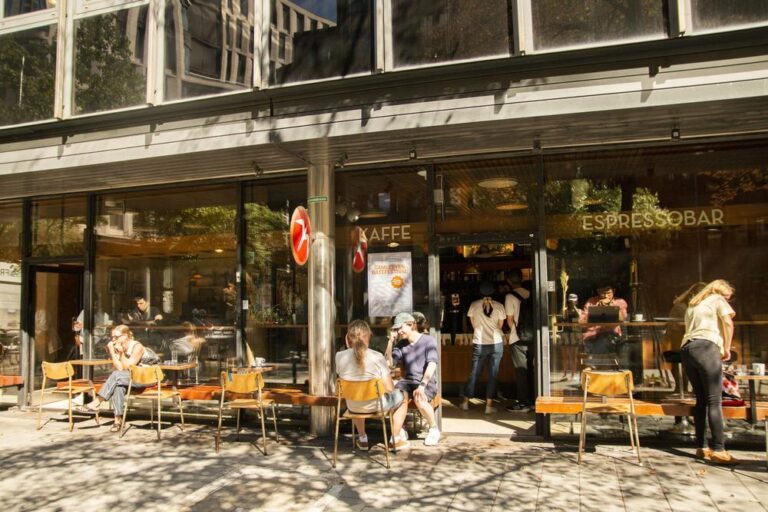
Fuglen Oslo

Modern Expansion

To ensure quality and overcome logistical hurdles, Fuglen opened its in-house roastery in Tokyo in 2014. Today, it roasts and supplies beans for worldwide distribution, operating under direct-trade and transparent-sourcing principles. New shops in Fukuoka and Bali opened this year.

The Story of Fuglen: The Coss-Continental Norwegian Coffee Champion
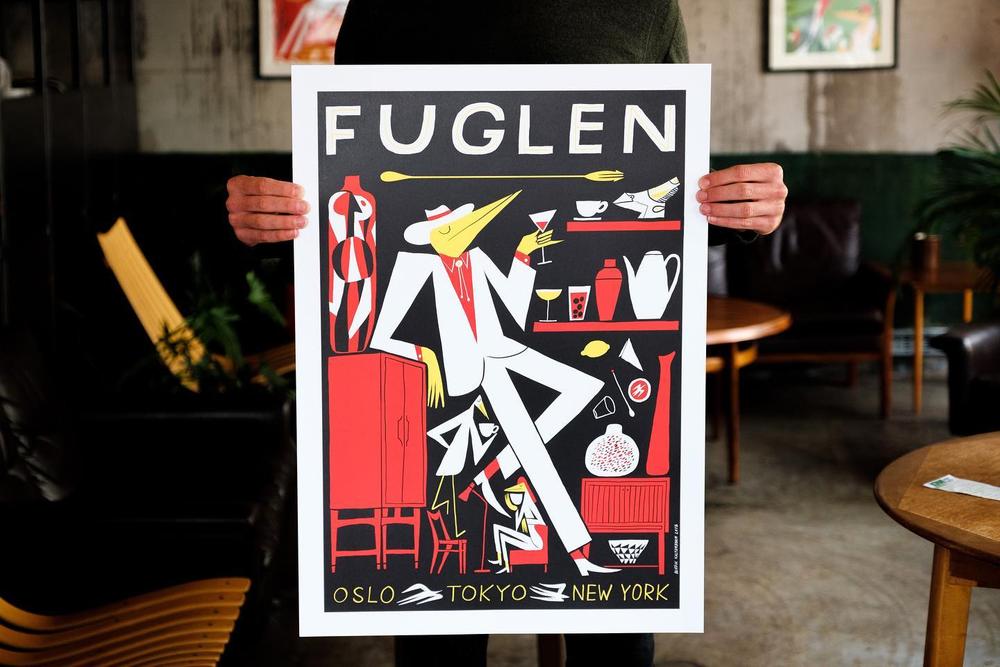
The Bendik Kaltenborn Fuglen poster.

It continues to operate its flagship sites in Oslo, offering globally sourced single-origin beans that highlight the coffee cherry’s natural, clean character.

“We’re showing that you can build a very good business, based on values, that doesn’t only think about profits,” says Holthe.

The Story of Fuglen: The Coss-Continental Norwegian Coffee Champion, written by Tor Kjolberg. All images © Fuglen. Feature image (top): Celebrating 60 years of Fuglen in August 2022.

Why Organizations Are Turning to Storytelling to Win Public Attention

One of the most recognizable examples of storytelling in branding comes from Nike. Rather than focusing solely on athletic products, the company consistently builds campaigns around perseverance, identity, and personal achievement. From global corporations to nonprofit organizations, storytelling has become central to modern communication strategies. In this article, I try to explain why organizations are turning to storytelling to win public attention.

For decades, organizations relied on facts, slogans, and polished advertising to persuade audiences. Today, that approach is no longer enough. Consumers are bombarded by thousands of marketing messages every day, and attention has become one of the world’s most competitive currencies. In response, brands are turning to something far older and far more human: storytelling.

Campaigns are no longer built solely around products or services. Instead, they are built around emotion, identity, and narrative. Organizations now want audiences to feel connected to a mission, a lifestyle, or a shared experience.

Why Organizations Are Turning to Storytelling to Win Public Attention Research consistently shows why this strategy works
Studies suggest that people are significantly more likely to remember information presented as stories than as facts alone. Consumers also report stronger emotional connections to brands that share authentic experiences rather than deliver direct promotional messages. This shift has changed how campaigns are designed across advertising, public relations, and digital media.

Some statistical facts:

Storytelling is more effective than informational advertising. People are 22 times more likely to remember facts when they are delivered as part of a story rather than as standalone data.

Consumers retain 65–70% of information through stories, compared with only 5–10% from statistics alone. 92% of consumers prefer ads that feel like stories rather than direct product promotions.

Around 80% of consumers prefer learning about products through storytelling instead of traditional advertising.

Some of the world’s most recognized organizations have mastered this approach. Nike rarely focuses solely on shoes or athletic gear in its campaigns. Instead, the company tells stories of determination, resilience, and personal achievement. Apple markets creativity and individuality alongside technology. Patagonia positions environmental activism at the center of its identity, turning customers into supporters of a broader cause rather than mere buyers of outdoor clothing.

Why Organizations Are Turning to Storytelling to Win Public Attention Social media has accelerated the importance of storytelling
Nonprofit organizations have also embraced storytelling as a core communication tool. Rather than presenting statistics alone, charities increasingly highlight personal stories from individuals and communities affected by social issues. These narratives foster empathy, encourage donations, and help audiences understand complex problems through human experience.

Social media has further heightened the importance of storytelling. Platforms such as Instagram, TikTok, and YouTube reward emotional, relatable, and authentic content. Organizations are now expected to communicate continuously through behind-the-scenes videos, customer stories, employee experiences, and real-time narratives that engage audiences.

Why Organizations Are Turning to Storytelling to Win Public Attention Storytelling also presents challenges
Audiences have become highly sensitive to campaigns that feel artificial or manipulative. Organizations that exaggerate values or rely on emotional messaging without meaningful action often face criticism and public backlash. In the digital era, authenticity has become as important as creativity.

As competition for attention intensifies, storytelling is likely to grow even more important in the future of branding and communication. The organizations that succeed will not simply be those with the largest advertising budgets, but those capable of crafting stories that audiences genuinely trust, remember, and share.

Take-away

Why Organizations Are Turning to Storytelling to Win Public Attention If you learned something from this article, I believe you’ll also like my recent book, “How I’ve Survived as a Storyteller for Over 50 Years: 12 Survival Techniques”. Get your FREE copy of the e-book just by sending me your name and e-mail address, and write Storytelling in the subject line. Thank you for reading!

Why Organizations Are Turning to Storytelling to Win Public Attention, written by Tor Kjolberg. Feature image (top) © Helena Lopes/Pexels

More articles on Storytelling by Tor Kjolberg you may like:

How to Use Humor in Storytelling to Break Through Advertising Clutter
Leaders Who Shape Stories Shape Markets
A Brand’s In-House Storytelling Library
Brand Masters of Storytelling 2
How Smart Brands Republish Content Without Repeating Themselves

Smart Danish Bedside Clock

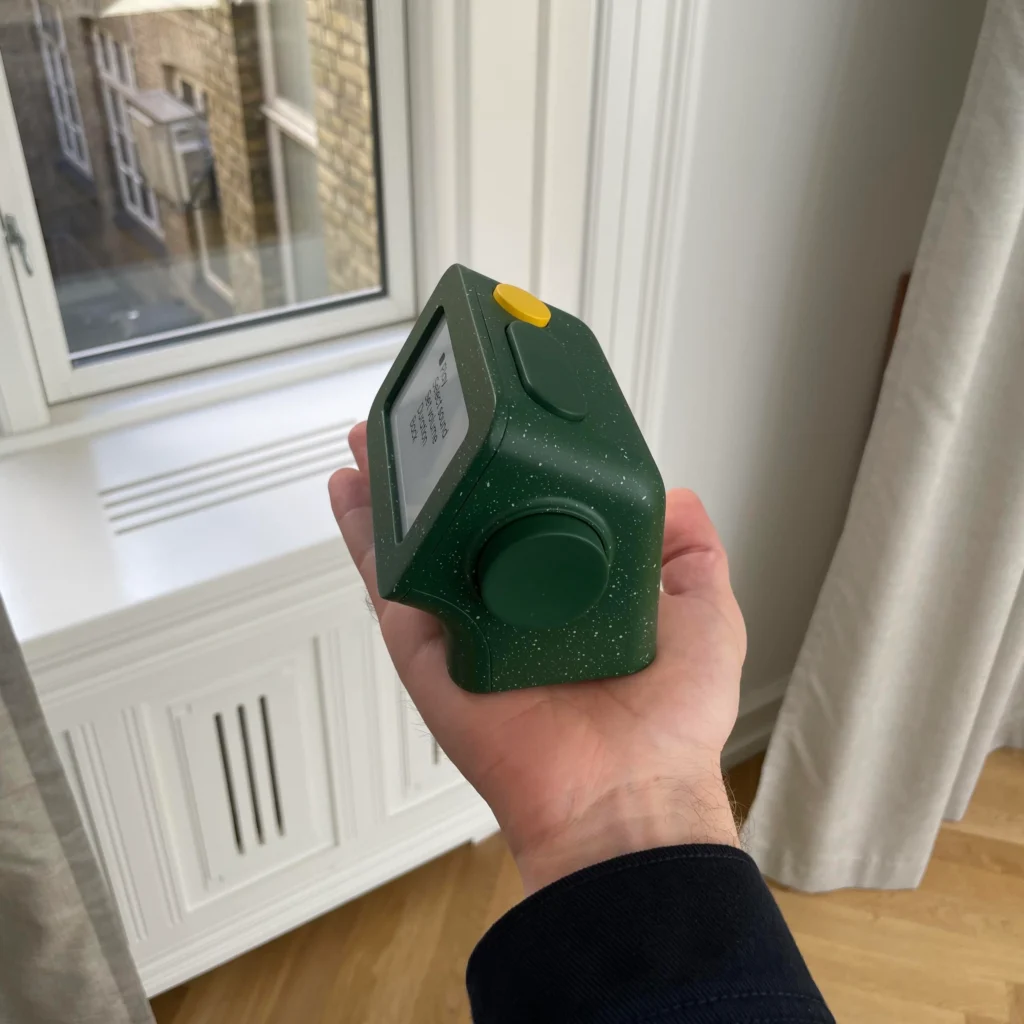
Habity, the new smart Danish Bedside Clock, uses an e-paper display to reduce users’ screen time and exposure to blue light. Compact and self-contained, it operates without a Wi-Fi connection or mobile apps, and users control all functions directly through the clock’s interface.

The clock offers multiple wake-up tones that gradually increase in volume. Sleep sound functions play throughout the night to support rest, and there’s even a wind-down experience that activates before bedtime to signal that it’s time to switch offline.

Over 600 people have already supported Habity Bedside Clock, easily exceeding the €25,000 funding goal. This alarm clock is particularly interesting to us because it will integrate with Hue.

Smart Danish Bedside Clock
Created by Copenhagen-based design company Habity, this compact alarm clock is intuitive to use and pleasing to the eye.

************************************************
You may also like to read Norwegian Watchmaker on Classic Wrist Watches
************************************************

This nifty bedside clock doesn’t just tell the time or wake you up in the morning; it’ll help you switch off at night, too. The device uses e-paper display technology that emits no blue light, maintaining visibility while avoiding the blue light that disrupts circadian rhythms. It also consumes power only when updating the screen.

The display shows time, alarm settings, and function status, allowing users to read information in low-light conditions without additional illumination that can strain their eyes. The e-paper screen of the Habity Bedside Clock remains visible both day and night, regardless of lighting conditions.

Smart Danish Bedside Clock
Habity communicates via your local network using the Hue Bridge’s REST API instead of relying on a cloud connection.

**************************************************
You may also like to read Why Do Scandinavians Sleep So Well?
**************************************************

Local control

Habity communicates via your local network using the Hue Bridge’s REST API instead of relying on a cloud connection. The Hue Bridge is automatically detected on the network and paired with a single button press. You can then select the scene you want to use to wake up directly from the display.

We appreciate this clock for everything it offers and for what it does away with – namely the need to download an app or fiddle with complex settings. The alarm clock is powered by USB-C and also has a built-in battery, so you won’t oversleep in the event of a power failure.

Smart Danish Bedside Clock
We appreciate this clock for everything it offers and for what it does away with – namely the need to download an app or fiddle with complex settings.

The Habity Bedside Clock with e-paper display also comes with a sunrise simulation function, which allows the lights to fade from zero brightness to full illumination over a programmed time period. This feature is tailored for limited natural light, such as that experienced in winter.

Created by Copenhagen-based design company Habity, this compact alarm clock is intuitive to use and pleasing to the eye, thanks to its rounded shape and e-paper display.

The lighting gradually brightens before the alarm rings. The clock also doubles as a nightlight, so users waking up at night can still faintly see their surroundings. Users can activate the light manually or program it to turn on automatically, and the nightlight uses a warm color temperature that reduces its impact on sleep patterns.

All in all, we think Habity is an exciting project and possibly a way to banish your smartphone from the bedroom. You can purchase the Habity bedside clock here.

Smart Danish Bedside Clock, Tor Kjolberg reporting.

A Norwegian Architect’s 55 Years of Power Criticism

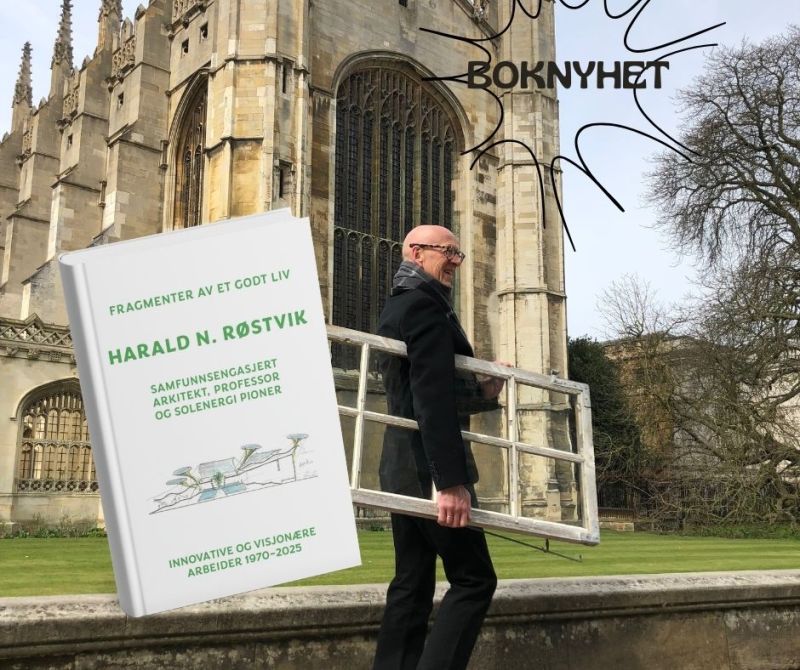
Norwegian professor and solar energy expert Harald N. Røstvik built the first house in Europe that produced more energy than it consumed. He did so in 1985. Now he has written the book “Fragments of a Good Life,” which is a 55-year critique of power.

In a 2009 interview, he said, “If most Norwegian architects were compared to any other professional group, they would be prostitutes. Architects, too, will do anything for money.”

The book “Fragments of a Good Life” was published last December. In it, Professor Emeritus of Urban and Regional Planning and Civil Architecture MNAL Harald N. Røstvik offers unique insight into 55 years of power criticism, environmental struggle, and the history of sustainable architecture and urban planning, including the early history of solar energy.

******************************************
Related: The World’s Most Eco-Friendly City
******************************************

A Norwegian Architect’s 55 Years of Power Criticism
Rørvik’s book offers unique insight into 55 years of power criticism, environmental struggle, and the history of sustainable architecture and urban planning, including the early history of solar energy.

The book chronicles Røstvik’s career and projects from 1970 to 2025 and includes information on renewable energy projects he worked on with Morten Harket in Norway, the Maldives, and East Timor. Røstvik shares a wealth of historically interesting material, including photographs and drawings.

A Norwegian Architect’s 55 Years of Power Criticism
Morten Harket and Harald N. Røstvig

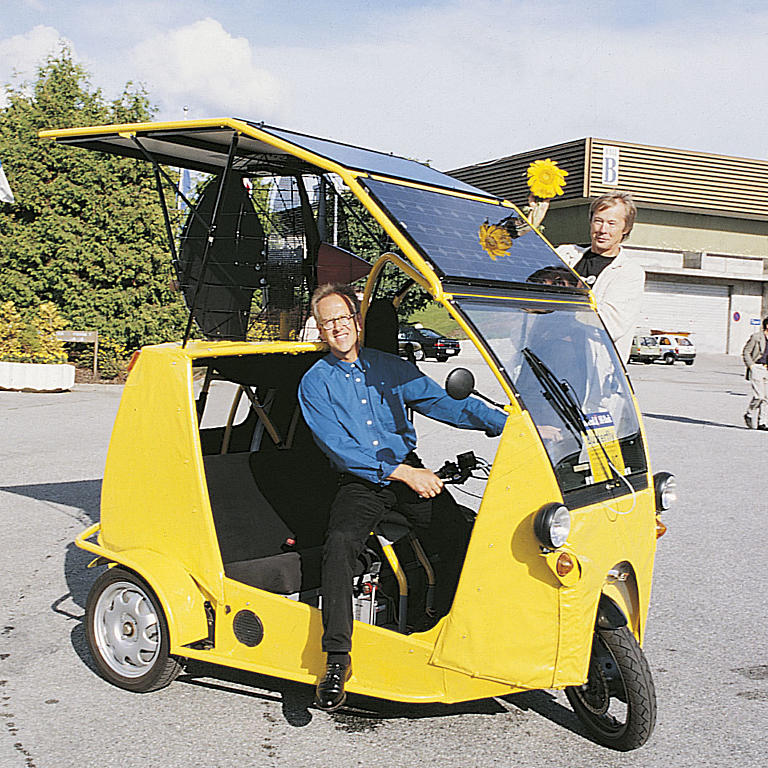
Harald and Morten first met in Sri Lanka in 1987 and went on to work together on several projects, including importing the first modern electric vehicle into Norway in 1989 and producing the short film The Sunshine Revolution in 1991.

“We Norwegians claim to be environmentally friendly, even though we are the world’s largest exporter of oil and have one of the world’s highest energy consumption rates. In this homeland of double standards, architects are mostly obedient servants who have built monuments to themselves and their clients and have learned that silence is golden. If you are kind and quiet, you will get the assignment. That is why there are no plus houses in Norway,” he said in 2009.

A Norwegian Architect’s 55 Years of Power Criticism
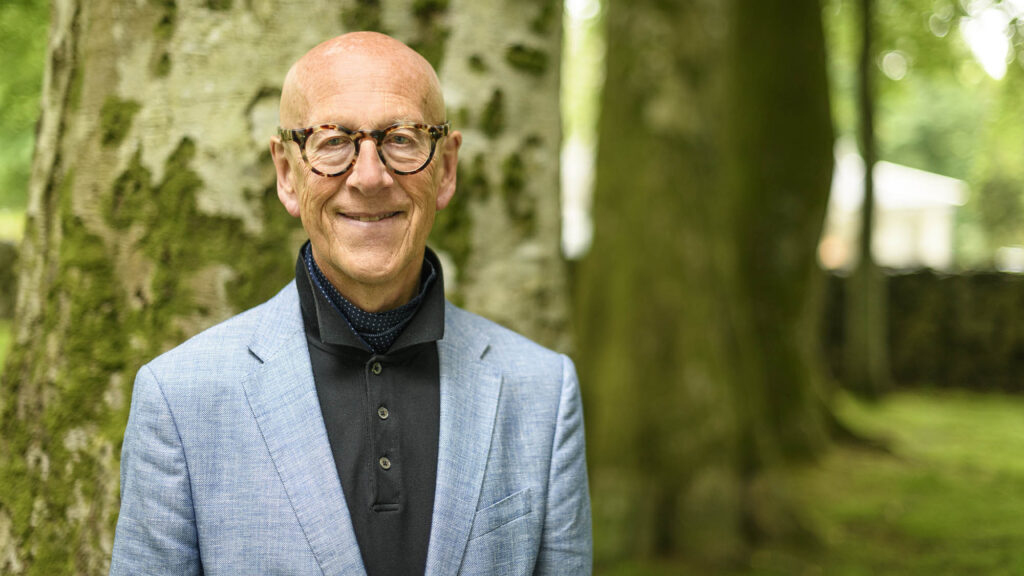
In 2020, the world’s largest solar energy organization, ISES, named Røstvik among the 250 internationally leading solar energy pioneers of the past 50 years. Photo: Næringsforeningen i Stavanger.

In  2021  Rørvik and Harket appeared together at a film screening and panel discussion at the University of Stavanger. In 2022, they were interviewed in a BBC Scotland segment about Norway’s electric car revolution.

A Norwegian Architect’s 55 Years of Power Criticism
Harald N. Røstvik in electric tuk tuk.

In 2023, Rørvik donated his extensive archive to the Norwegian Archives. It is now available to historians and others. The book presents the archive’s contents: his works in architecture and urban planning, articles, and books from 1970 to 2025.

Chanelle’s 1988 “A House Built for the Future” was an ecological “dream house.” The energy for light and heat was to be obtained mainly from the sun and wind, through solar collectors, solar panels, and a windmill on the roof. The solar cells were to produce electricity, which was stored in industrial batteries. But the authorities said no. They were not interested in Rørvik’s plus house.

A Norwegian Architect’s 55 Years of Power Criticism
Røstvik shares a wealth of historically interesting material, including photographs and drawings.

Harald N. Røstvik is not just an ordinary professional but a pioneer. In 2020, the world’s largest solar energy organization, ISES, named Røstvik among the 250 internationally leading solar energy pioneers of the past 50 years. That a Norwegian architect made such a list is remarkable, as he stood almost alone in Norway for a long time with his ideas.

Harald N. Røstvik has stood alone in parts of his climate fight. The book shows why he is considered one of the most important Norwegian voices in the fields of the environment, architecture, and future thinking today.

A Norwegian Architect’s 55 Years of Power Criticism, Tor Kjolberg reporting.

The Global Business Travel Market is Experiencing “Steady Progress” As It Moves Through 2026

Reports from both the Events Industry Council (EIC) and the Global Business Travel Association (GBTA) confirm that although the industry has structurally recovered, companies are managing trips with greater strategic precision. The Global Business Travel Market is Experiencing “Steady Progress” As It Moves Through 2026.

The Global Events Barometer for the last quarter of 2025 notes that demand remains strong in the sector while acknowledging new headwinds in 2026. The progress is marked by high spending volumes and increased operational caution.

************************************************
You may also like to read Conversational AI Lets Travelers Search and Compare Travel Options
************************************************

The Global Business Travel Market is Experiencing "Steady Progress" As It Moves Through 2026The Core Indicators of “Steady Progress”

  • Record Spending: global business travel spend is forecast to reach USD $1.69 trillion in 2026, an 8.1% increase from 2025.
  • Stable Volume: Nearly half (47%) of corporate travel buyers expect trip volumes to match 2025 levels, while 35% expect them to increase.
  • Price Stabilization: After years of sharp, unpredictable spikes, corporate travel costs are finally beginning to level out. Airfares are projected to increase by a modest 0.4% globally, while hotel rates are expected to rise by a modest 1.8%.

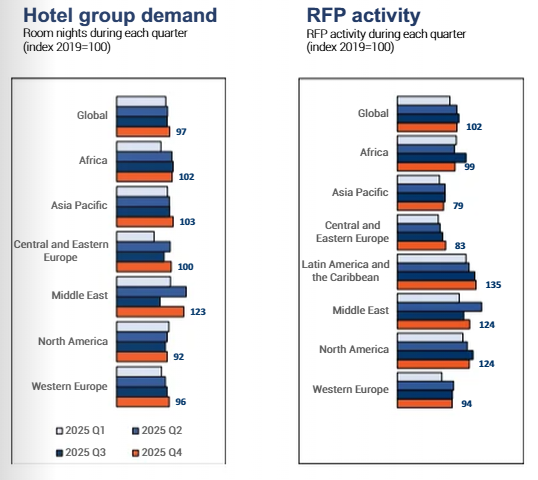
At the country level, Oxford Economics data show that hotel group room nights are well up from 2019 levels.

The Global Business Travel Market is Experiencing "Steady Progress" As It Moves Through 2026
Illustration: Events Industry Council.

A Fragmented Regional Reality

While the global outlook is steady, progress varies significantly by country, depending on local economic conditions and infrastructure recovery:

Region/Country  Group Room Nights vs.                     2019 Benchmark 2026 Spending Outlook
India 151% (Leading global growth) High growth, near or above 10%
Netherlands 120% Part of a robust 8.2% overall European growth spike
Canada 102% (Full recovery achieved) Strong, steady corporate spend upward of 10%
United States 93% (Lagging pre-pandemic volume) Reclaiming the top spot globally for total spend
United Kingdom 83% Mixed sentiment; companies are heavily optimizing trip duration

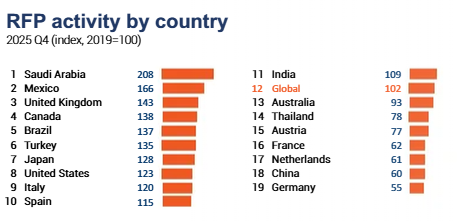
Meanwhile, given that the data cover the last quarter of 2025, before the Israeli-US attacks on Iran and the current Middle East oil crisis, planners’ RFP activity was through the roof in Saudi Arabia (208), Mexico (166), the UK (143), Canada (138), and Brazil (137). Activity was also up from 2019 levels in Türkiye, Japan, the US, Italy, Spain, and India. The positions of Saudi Arabia and Türkiye could shift as the latest figures emerge, with one estimate putting the region’s travel and tourism losses at €600 million per day.

********************************************
You may also like to read Social Media’s New Role in Travel Promotion
********************************************

Emerging Operational Headwinds

The “steady progress” is navigating a backdrop of rising complexity.

  • Rising Geopolitical & Supply Chain Friction: Ongoing conflicts and trade tensions are forcing organizations to route travel with heightened security measures, eroding confidence—particularly in Europe.
  • Purposeful Travel Over Frequency: Due to a 139% increase in room rates compared to 2019, businesses are cutting back on casual trips. Instead, they are prioritizing high-ROI events: internal training, major industry conferences, and critical client dealmaking.
  • Mandatory AI & Sustainability Integration: Agility is shaping corporate travel programs. Companies are relying on AI-powered predictive tools to secure lower rates and track their carbon footprints to meet corporate environmental mandates.

The barometer’s authors also note the likelihood of broader knock-on effects on consumer sentiment, energy prices, and financial markets, pointing out that “turbulence may delay business investment decisions.”

The Global Business Travel Market is Experiencing “Steady Progress” As It Moves Through 2026, Tor Kjolberg reports. Feature image (top) is AI-generated.

Red String Theory and the Art of a Romantic Dinner

Certain relationships are simply impossible to avoid. You bump into someone, and it does not seem like a coincidence; rather, the universe had it in mind. The origins of that predetermined intimacy lie in one of the oldest concepts of human relations. It is all about the red string theory that an invisible thread connects the souls of the fated people at birth. Continue reading and learn more about the red string theory and the art of a romantic dinner.

Well, we should say that it is a beautiful idea. And for anyone who takes food and shared meals seriously, it raises an interesting question. Is the connection written somewhere? How do we honor it at the table?

The Meaning Behind the Thread 

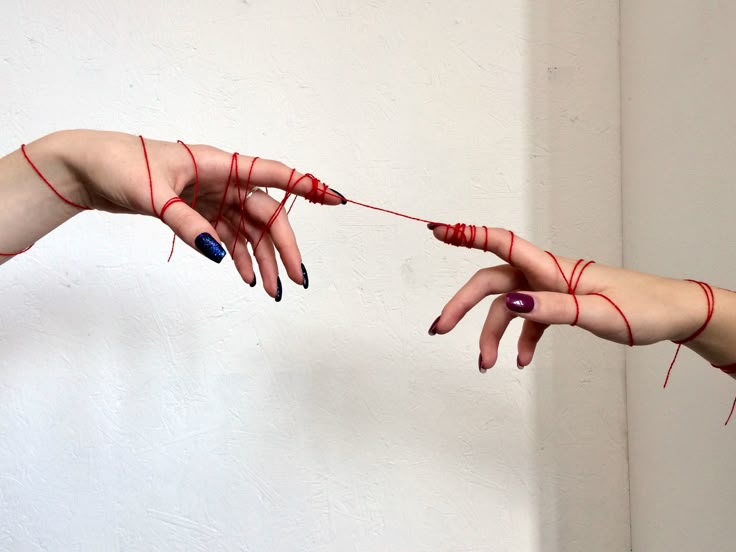
The red string concept appears in Chinese, Japanese, and Korean traditions in different forms. The main idea is the same in all of them. Two individuals tied to this thread will meet, no matter the time, distance, or situation. The thread can be stretched or tangled. However, it is never broken.

Red String Theory and the Art of a Romantic Dinner
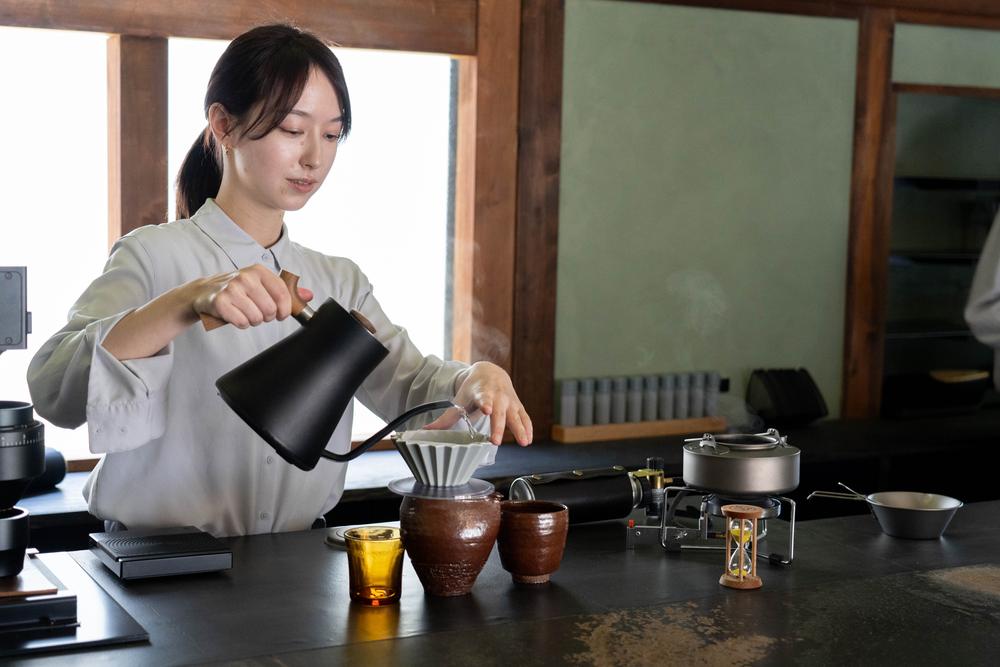
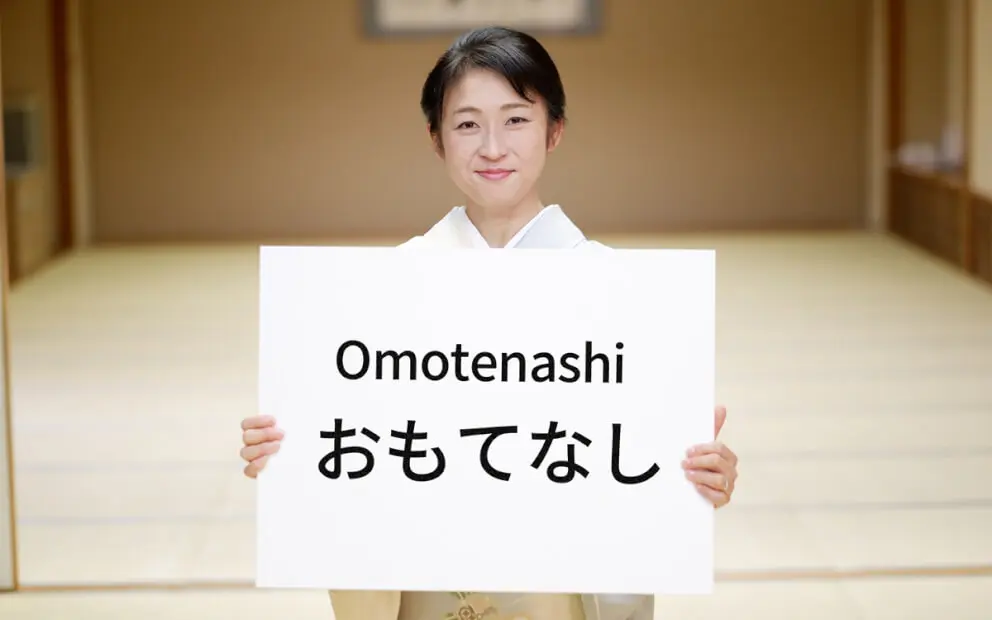
This concept has a Japanese name: omotenashi, a philosophy of hospitality that anticipates the guest’s needs before they are stated. Photo: Heartland Japan.

*******************************************
Related: Food as a Cultural Positioning in Denmark
*******************************************

The emotional logic of the idea is what makes it so enduring. It redefines love not as a fortuitous event but as something more. It is a draw that precedes the first date, the first meal together, and all the other milestones. To those who believe in it, every significant meeting seems like a recognition and not an introduction.

Food as a Language of Connection 

Food has always been one of the main methods of care expressed by people across cultures. A meal made with care conveys a message that words cannot always express. The ingredients used, the time spent in the kitchen, the attention paid to the presentation, all of it has meaning.

Red String Theory and the Art of a Romantic Dinner
Two individuals tied to this thread will meet, no matter the time, distance, or situation. Photo: Willow McKenzie/Pinterest.

This concept has a Japanese name: omotenashi, a philosophy of hospitality that anticipates the guest’s needs before they are stated. Italians love to feed people well. It is such a basic part of love that it does not require much explanation. In Chinese culture, sharing a meal with communal dishes is an indication of trust and intimacy.

******************************************
You may also like to read A Culinary Odyssey of Viking Feasts and Mead Mysteries
******************************************

Building a Dinner Around Connection 

An actual romantic dinner is not about costly food or fancy style. It is about attention. The following factors always count:

  • Choose dishes that invite sharing rather than individual plating
  • Incorporate something personal. It can be a cuisine from a place you have visited together or a dish one person has mentioned wanting to try
  • Keep the pace slow. The meal should last longer than the hunger
  • Limit distractions completely. Ensure that phones are away and there is soft lighting

The idea is to establish an environment in which actual dialogue occurs. Food makes that easier. There is something about dining together that puts the guard down in a manner that sitting across a desk never does.

Red String Theory and the Art of a Romantic Dinner
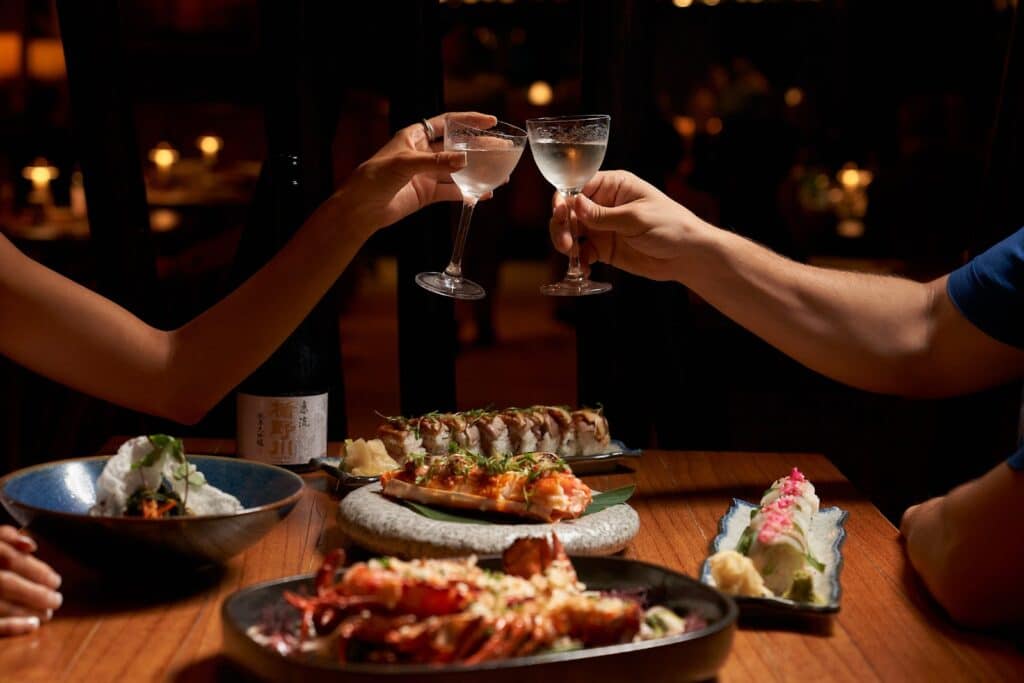
Photo: S3 Restaurant, Fort Lauderdale.

Restaurants That Understand the Assignment 

Not all restaurants can provide the ideal setting for a special night out. The best venues recognize the importance of balance between privacy, timing, service, and ambiance. The table spacing is well planned, there is awareness of the space, and there are no interruptions to the experience.

It is often only with local knowledge and a bit of research that you discover places such as this when traveling. SoulMatcher and other websites are dedicated to matching people based on high-quality social and dating interactions. They provide users with interesting people, venues, and experiences in new cities.

Some cities excel at making these moments happen. Kyoto’s distinctive characteristic is its quiet simplicity and restraint. It’s warm and intimate in Rome. Istanbul is a place of naturally social and inviting conversation, hospitality, and food.

Red String Theory and the Art of a Romantic Dinner: The Takeaway

The red string theory is ultimately about paying attention to connection. A well-planned dinner does exactly that. It says that this person is worth my time, my effort, and the best I know how to give. That message lands every time, regardless of the cuisine.

Red String Theory and the Art of a Romantic Dinner
Julia Whitmore

Red String Theory and the Art of a Romantic Dinner, written for Daily Scandinavian by Julia Whitmore. Julia is a lifestyle and culture writer covering relationships, dining experiences, and modern social traditions. She writes about the emotional side of food, travel, and human connection across different cultures.